Have you ever wondered what your cat does all day while you’re at work? Maybe you’ve come home to find them sleeping in the exact same spot where you left them eight hours earlier. It might seem like your feline friend is content with this low-key lifestyle. However, beneath that calm exterior, your cat might actually be craving more stimulation than you think. Indoor cats face unique challenges that their outdoor counterparts never encounter.
While indoor cats maintain their natural behaviors like scratching, chewing, and elimination, they may develop health and behavior problems when deprived of appropriate environmental outlets for these behaviors. Think about it this way: your home is your cat’s entire universe. Every single experience they have happens within those four walls. Without access to the sights, sounds, and adventures of the great outdoors, it’s up to you to bring the excitement inside. Let’s dive in and explore how you can transform your home into a feline paradise.
Create Vertical Spaces for Climbing and Perching
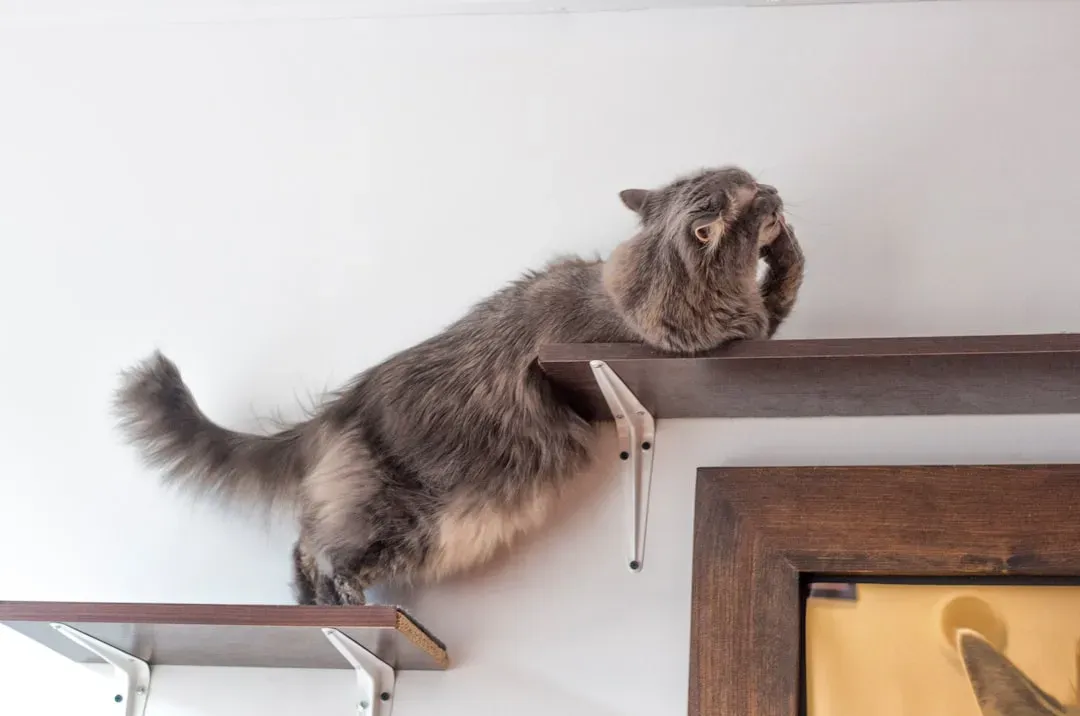
Your cat doesn’t just see the world in two dimensions like we do. Vertical spaces not only offer exercise opportunities but also allow cats to observe their territory, providing mental stimulation and a sense of security. Cats feel safer when they can survey their domain from above, which taps into their natural instinct as both predators and prey animals. When you give your cat access to elevated spaces, you’re essentially multiplying the usable square footage of your home.
Cats like to be up high, and providing access to elevated places makes cats happy and increases the overall space available to them. Cat trees, wall-mounted shelves, or even strategically placed furniture can create amazing climbing routes. You can get creative here. Some cat owners install shelves in a zigzag pattern up their walls, creating a feline highway that lets their cats leap from level to level. Even a sturdy bookcase positioned near a window can serve double duty as both storage and a cat observation deck.
Set Up Window Perches for Natural Entertainment
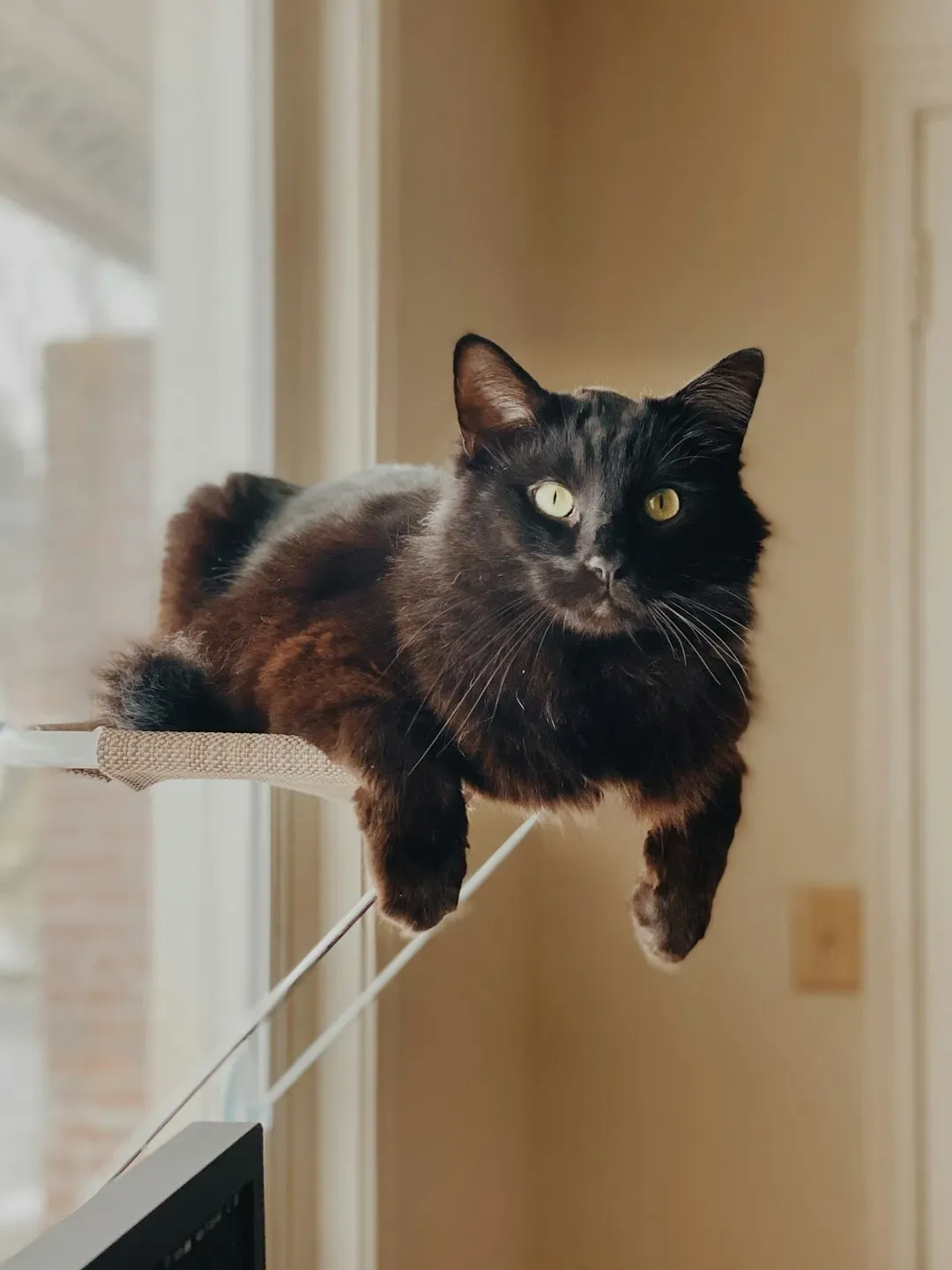
Set up a cozy window perch where they can watch birds, squirrels, or passing cars. This is possibly one of the easiest forms of enrichment you can provide. Honestly, it’s like giving your cat their own personal television channel, except this one features real-time action with unpredictable programming. The changing scenes outside offer endless fascination for curious felines.
Adding a bird feeder outside your window can attract wildlife for your cat to observe from a safe distance, and the movement and variety keep their minds engaged and help alleviate boredom. You can even enhance this setup with different types of feeders to attract various species of birds. Just make sure the feeder is positioned far enough from the window so the birds don’t feel threatened. Your cat will spend hours watching this live nature show, and you’ll notice they’re much more mentally stimulated than before.
Engage in Daily Interactive Play Sessions
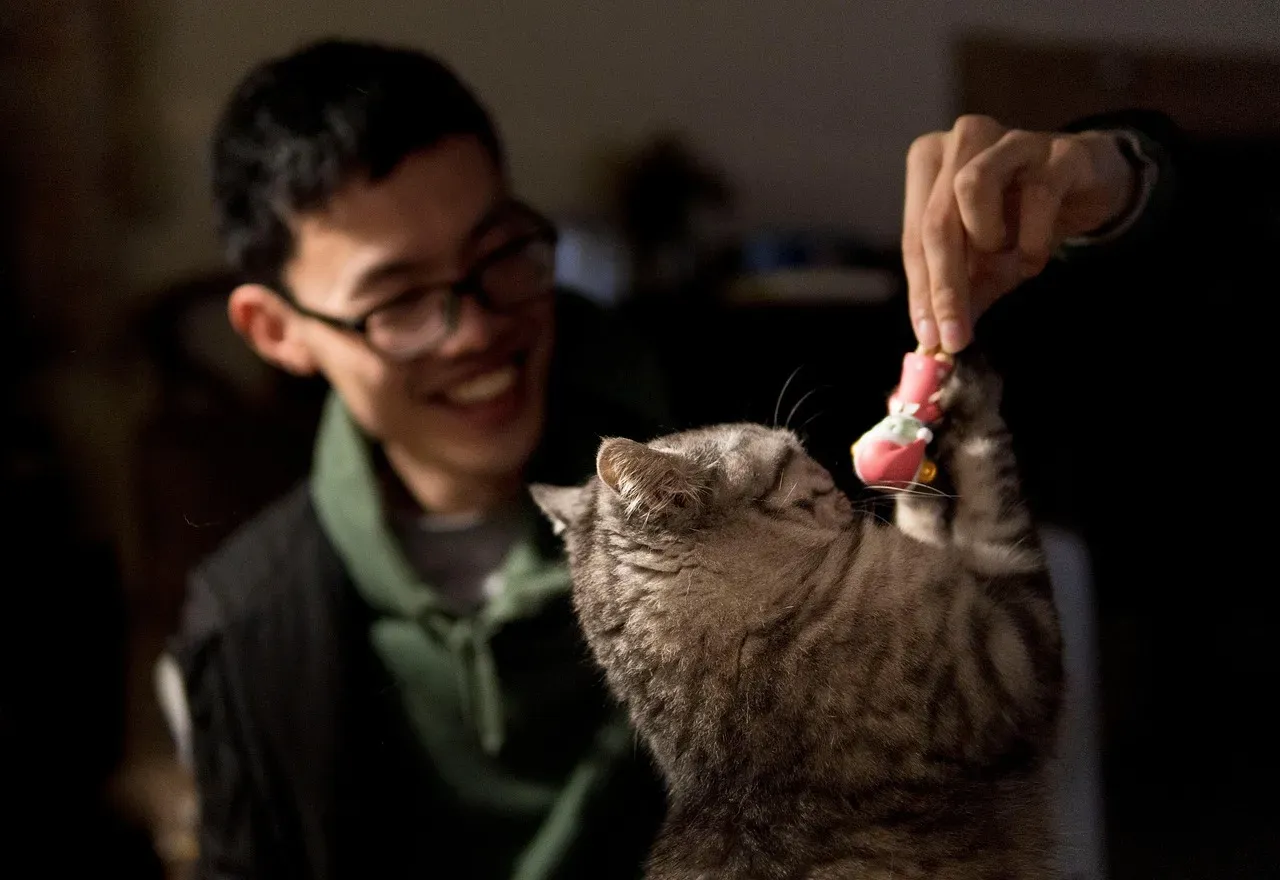
Playtime is one of the most effective ways to boost indoor cat happiness, as interactive play mimics hunting behavior, allowing your feline companion to stalk, chase, and catch prey in a safe way, helping release pent-up energy and reduce stress. Here’s the thing: your cat still has the soul of a hunter, even if the most dangerous thing they’ve encountered is a rogue dust bunny. Regular play sessions give them an outlet for these instincts.
Play sessions with your cat should only be about ten to fifteen minutes long, with time for two to three daily play sessions for older cats to up to ten sessions for kittens and younger cats. Use wand toys with feathers or fabric attachments that you can move unpredictably. Make the toy dart behind furniture, hide it under a blanket, then suddenly bring it into view. Let your cat “catch” their prey at the end of the session so they feel accomplished. This mimics the natural hunt-eat-rest cycle that wild cats experience.
Introduce Puzzle Feeders to Stimulate Their Minds
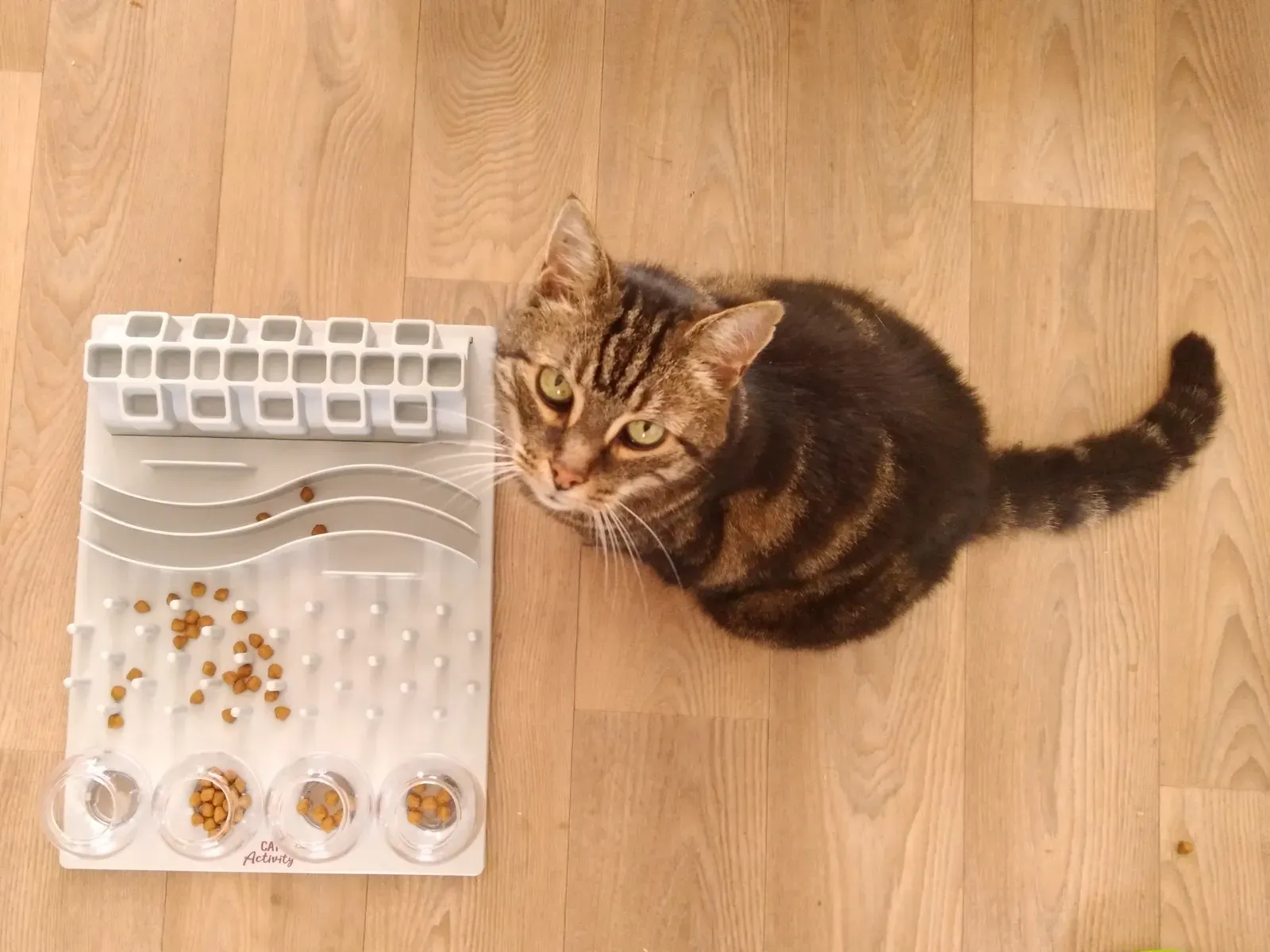
The puzzle feeder stimulates both the brain and the muscles as your cat strives to solve the challenge and get to their food, and pouncing on a toy to get their next meal is not that far from stalking and knocking live prey for the same purpose. Think of it as turning mealtime into both a mental workout and a game. Instead of just dumping kibble into a bowl, you’re asking your cat to work for their food, which is exactly what they would do in nature.
You don’t need to buy expensive gadgets either. Simple DIY options work great. Try hiding small portions of food around your home, stuff treats into empty toilet paper rolls with the ends folded closed, or scatter kibble inside a muffin tin with balls placed in some of the cups. Puzzle feeders, food-dispensing toys, and treat hunts encourage problem-solving and slow down eating, which can support digestive health and weight management. Your cat will love the challenge, and you’ll love watching them figure it out.
Rotate Toys Regularly to Maintain Novelty
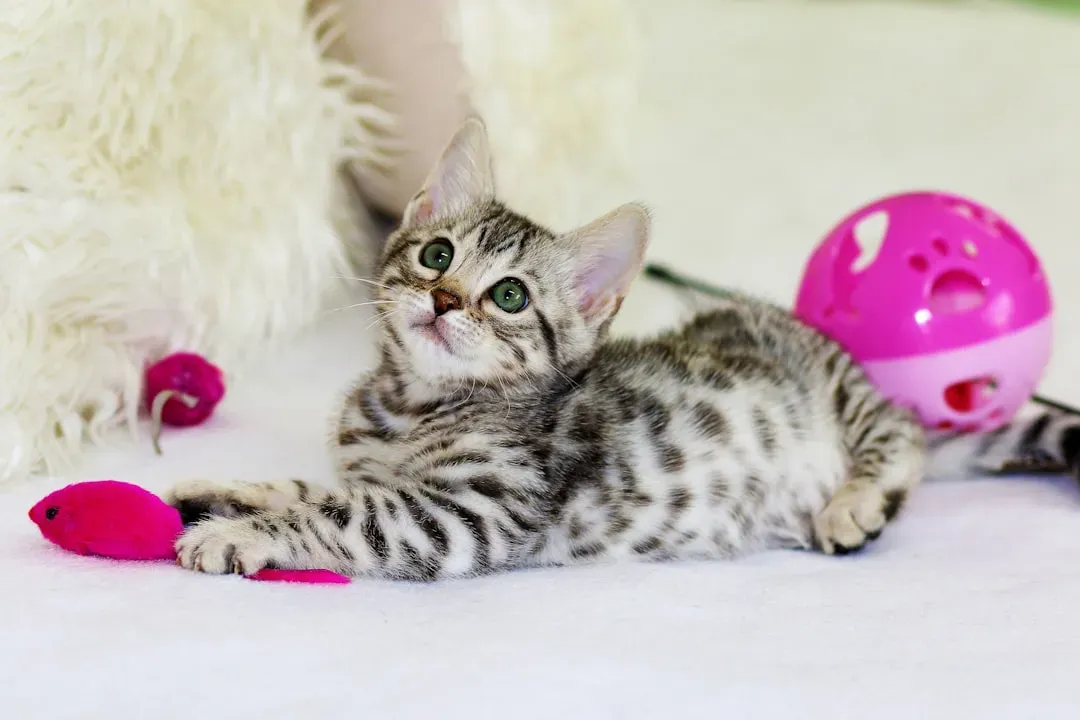
Toys should be rotated every few days to maintain novelty and interest. It sounds simple, right? That’s because it is. Cats get bored with the same toys lying around day after day, just like you’d get tired of watching the same movie on repeat. When you put toys away for a while and then bring them back out, they suddenly become exciting again.
Keep a basket of toys hidden in a closet and swap them out weekly. You might have one set featuring catnip mice and crinkly balls, another with wand toys and feather teasers, and a third with motorized toys or puzzle balls. When you rotate these collections, your cat experiences something “new” without you spending a fortune. Cats can get bored of the same old toys, so try putting a few away and rotating them every few days to keep things fresh and exciting. This simple trick keeps their environment feeling dynamic and interesting.
Provide Appropriate Scratching Posts and Surfaces
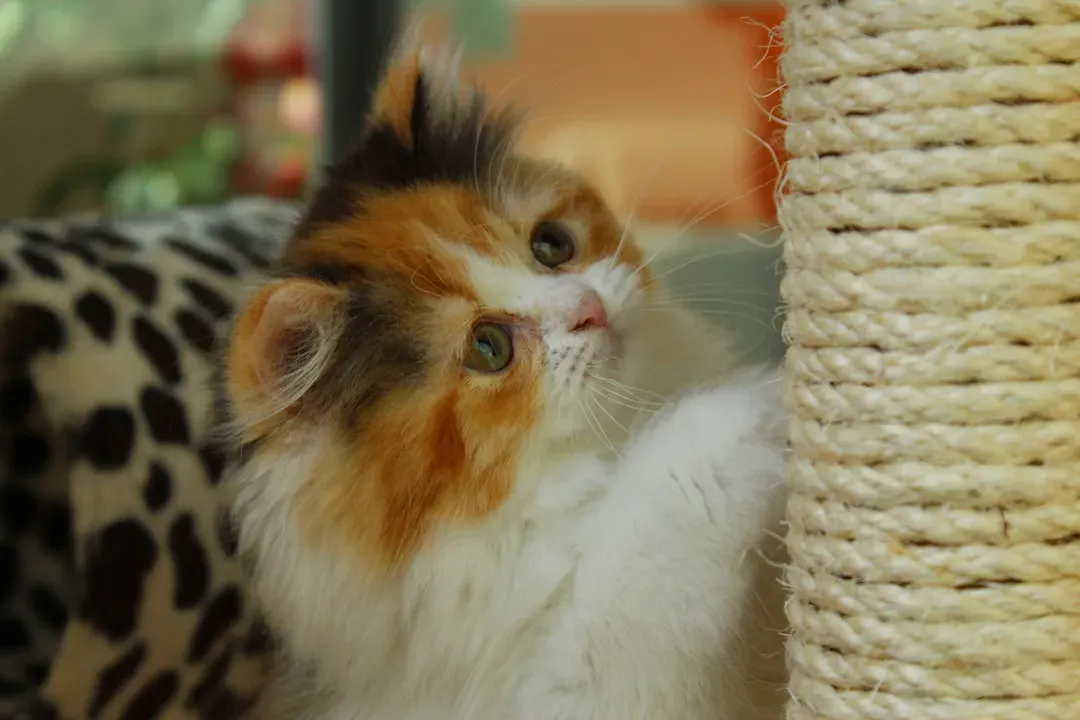
Scratching behavior maintains claw health and is a form of visual and pheromonal marking, and substrates such as sisal-covered posts or real bark-covered logs may appeal to some cats because they allow the cat to hook its claws in the material. Scratching isn’t destructive behavior that your cat does to annoy you. It’s actually a completely natural and necessary activity. When your cat scratches, they’re marking their territory, stretching their muscles, and maintaining their claws all at once.
Cats tend to scratch on prominent vertical objects in areas where they spend much of their time, and they also scratch more often when stretching after periods of rest or sleep, so scratching posts should be placed in frequently visited areas of the home and in proximity to preferred resting places. Experiment with different materials and orientations. Some cats prefer vertical posts, while others love horizontal scratching pads. The key is offering variety and placing them strategically throughout your home.
Hide Treats and Food for Hunting Games
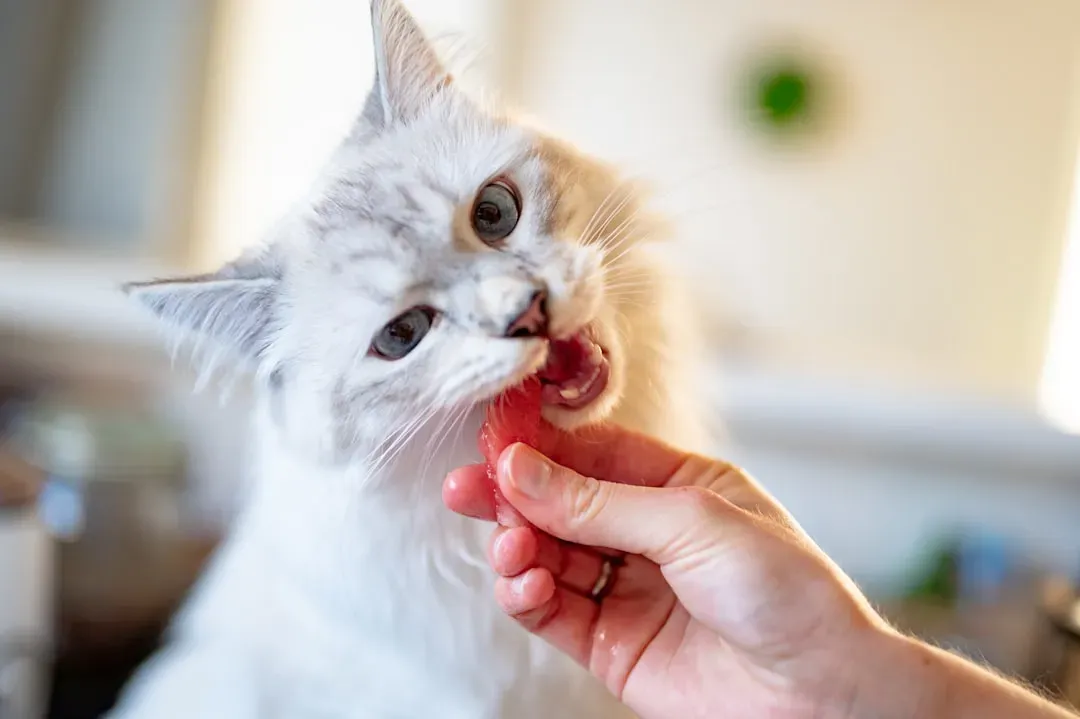
Hide treats around the house or place a few in crinkly bags or under rugs, prompting your cat to use their senses to hunt, which appeals to their natural hunting instincts and provides exercise and mental stimulation. This technique taps directly into your cat’s predatory nature. In the wild, cats spend a significant portion of their day hunting for food. By hiding treats or portions of their meals, you’re recreating that experience in a safe, indoor environment.
Start simple by hiding treats in obvious places, then gradually make the game more challenging as your cat gets better at it. If possible, divide meals into three or four small servings and alternate hiding them, or try placing a treat in a new area each day, starting by hiding the treat in the same spot each day, and after a few days, try to hide the treat near the original location but not exactly in the same place, then once the cat has gotten used to hunting for the treat, you can move on to more remote areas. This daily routine keeps your cat engaged and gives them something exciting to look forward to.
Consider Installing a Catio for Safe Outdoor Access
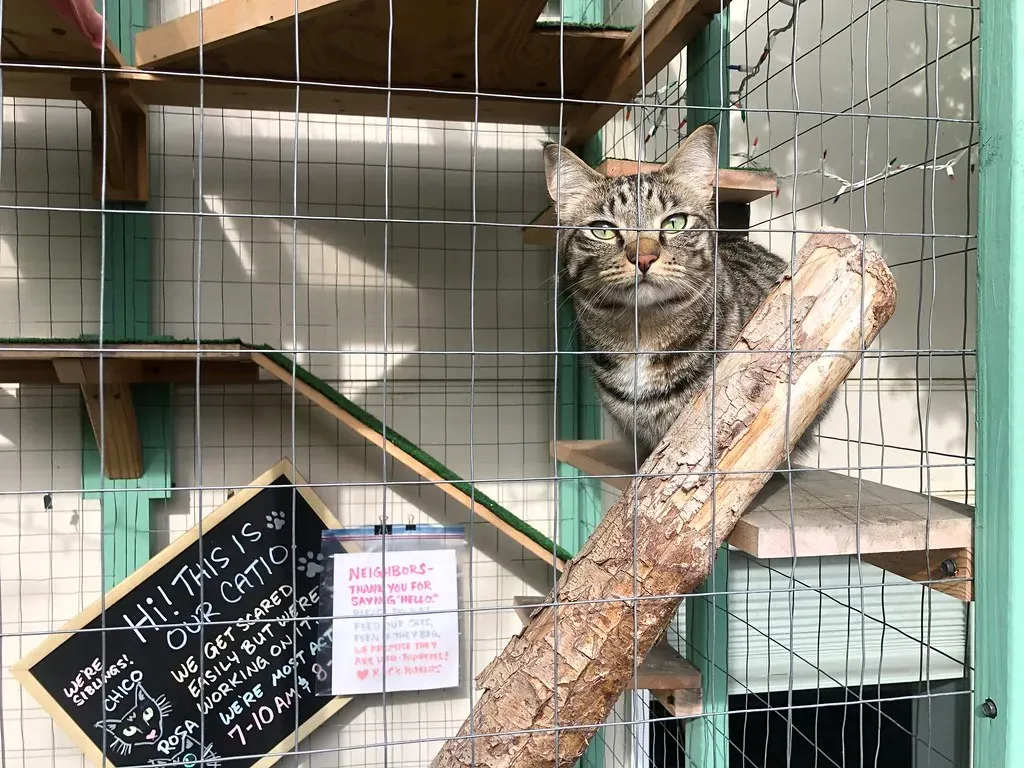
A catio allows cats to experience the outdoors safely, offering them a chance to see, hear, and smell the outside world without the risks associated with being outdoors unsupervised. Let’s be real: catios are one of the best investments you can make for your indoor cat. These enclosed outdoor spaces can range from small window boxes to elaborate structures extending into your yard. They give your cat access to fresh air, sunshine, and all the sensory stimulation of the outdoors without any of the dangers.
A catio offers numerous mental and physical health benefits for indoor cats, including exposure to the sights, sounds, and smells of the outdoors that satisfies a cat’s natural curiosity and provides essential mental enrichment, fresh air and outdoor experiences help alleviate stress creating a calming effect and promoting emotional well-being, and the extra space encourages movement helping to prevent obesity, improve muscle tone, and maintain physical fitness. Even if you’re renting or have limited space, there are compact options available. Some catios attach directly to windows, creating a secure bubble where your cat can experience the outside world.
Use Sensory Enrichment with Scents and Textures
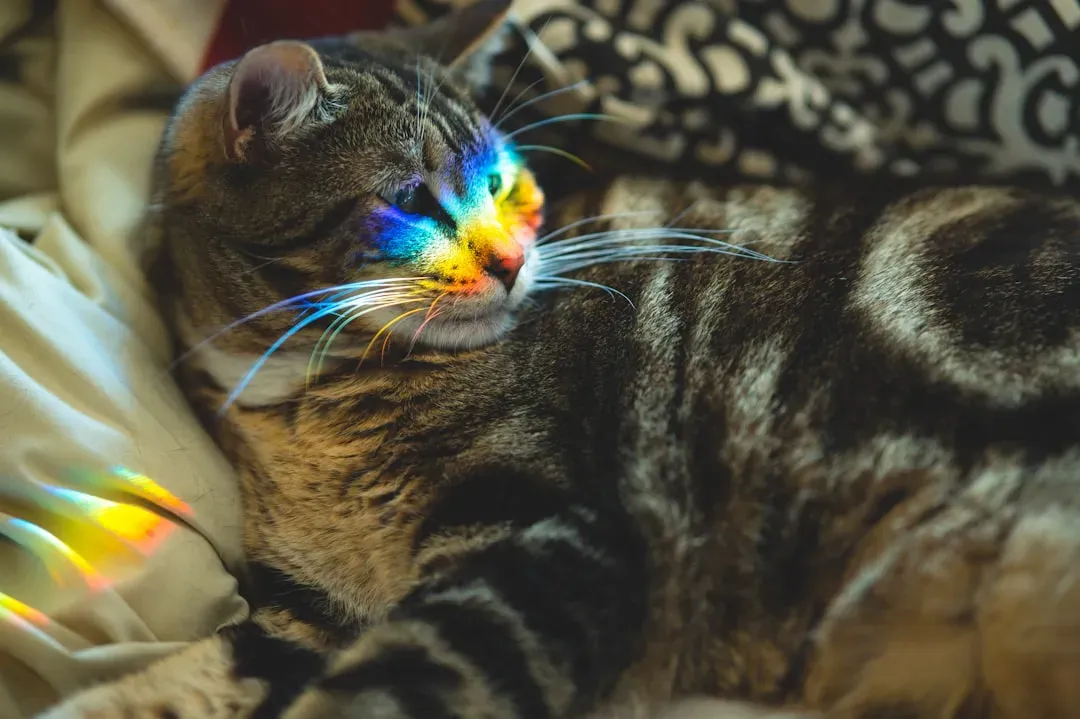
Cats experience the world through their senses in ways we can barely imagine. Cats use olfactory information to evaluate their surroundings and maximize their sense of security. Providing sensory enrichment means offering your cat different scents and textures to explore. Cat-safe plants like cat grass or catnip can be incredibly stimulating. Silvervine is another option that many cats find irresistible.
You can also introduce different textures throughout your home. Place a soft fleece blanket in one favorite spot, a woven mat in another, and maybe a piece of carpet remnant somewhere else. Some cats enjoy exploring cardboard boxes with different materials inside. Cat-safe plants like cat grass or catnip offer a natural outlet, and providing different textures for scratching and placing a bird feeder outside a window creates cat TV that entertains without risk. These simple additions make your home more interesting and give your cat new experiences without ever leaving the safety of indoors.
Dedicate Quality Social Interaction Time
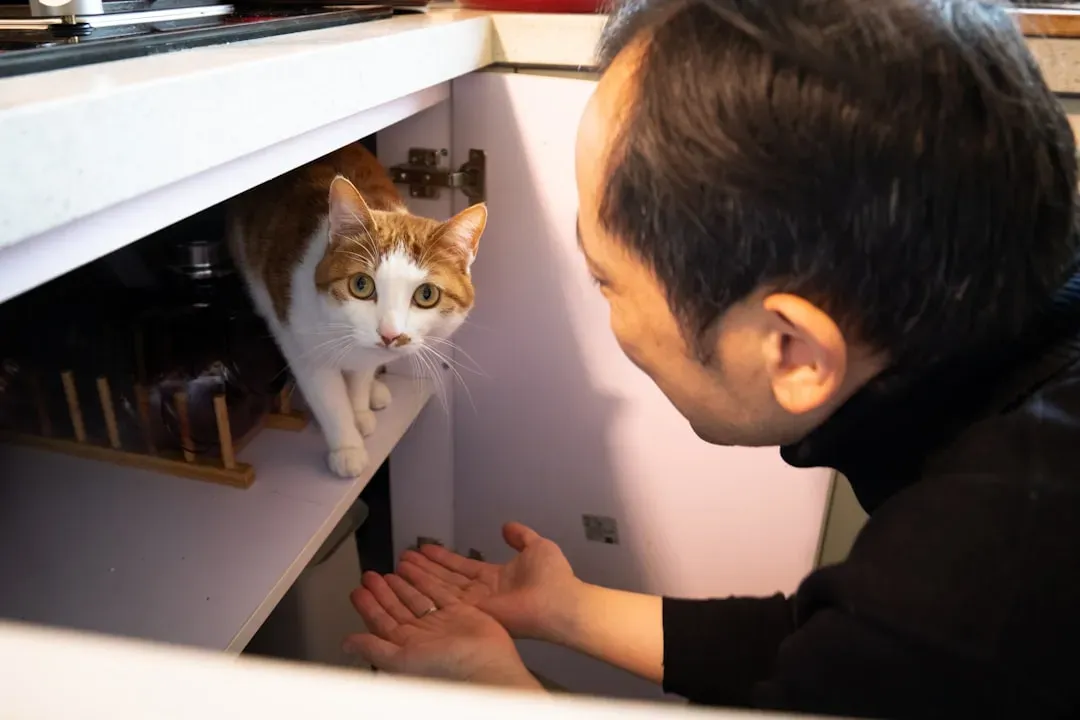
Social activities with humans can be the single most effective way to enrich your indoor cat’s environment, so set a timer for five minutes twice daily and play with your cat. I know it sounds crazy, but many cats thrive on human interaction more than we give them credit for. While they have a reputation for being aloof and independent, the truth is that your cat benefits enormously from regular, quality time with you.
Some feline companions enjoy frequent attention while others prefer brief but meaningful interactions, learning your cat’s preferences builds trust and reduces stress, and gentle petting, talking to your cat, and simply sharing space all contribute to emotional well-being. Pay attention to your cat’s body language and respect their boundaries. Some cats want to be in the same room with you while you work or watch television. Others prefer interactive play sessions. Whatever your cat enjoys, making time for them daily strengthens your bond and provides the social enrichment they need to thrive.
Conclusion
Enriching your indoor cat’s environment doesn’t require a massive budget or complete home renovation. The most effective changes often come from understanding what your cat needs instinctively and finding creative ways to provide those experiences safely indoors. Incorporating enrichment into your daily routine requires both creative thinking and attention to your cat’s preferences, and your cat will be happier and healthier because of your efforts.
Start with one or two ideas from this list and gradually add more as you discover what your cat enjoys most. Every cat has unique preferences, so don’t be discouraged if something that works for one cat doesn’t interest yours. The goal is to keep trying new things until you find the right combination. Which enrichment idea will you try first with your feline friend? Share your experiences and let us know what works best for your cat.