Have you ever woken up to find your feline friend nestled comfortably on top of your head, or wrapped around your pillow like a fuzzy crown? You’re not alone in this peculiar experience. Cat owners around the world share this nightly ritual, often wondering what compels their furry companions to choose such an unusual sleeping spot.
While it might seem like just another quirky cat behavior, there’s actually a fascinating mix of instinct, affection, and practical reasoning behind this habit. Your cat isn’t randomly selecting your head as a resting place. There are deeper meanings rooted in feline psychology and biology that explain this adorable yet sometimes inconvenient sleeping preference. Let’s dive into the surprising reasons why your cat has claimed your head as their favorite nighttime destination.
Your Head Is the Ultimate Heat Source
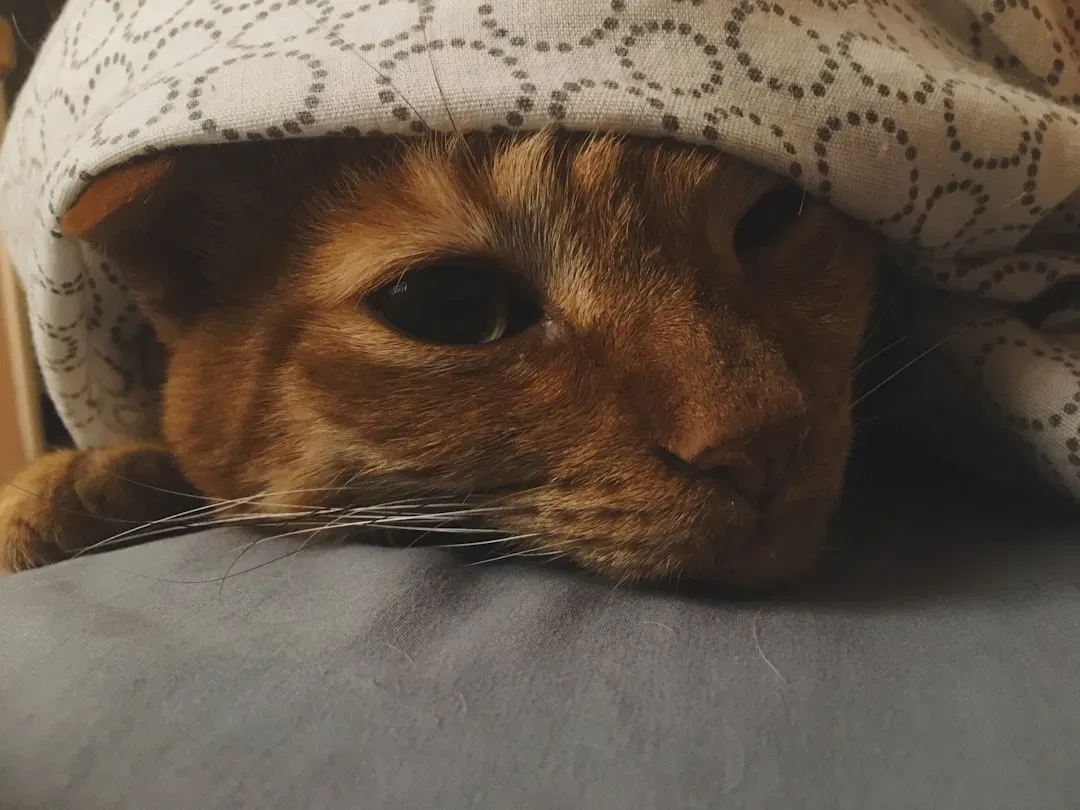
Your cat may prefer the warmth from your head – after all, the head is usually the part of the body not covered by a sheet or blanket when people are sleeping. Think about it from your cat’s perspective: while you’re tucked under layers of blankets, your head radiates consistent, accessible warmth throughout the night. Your head radiates body heat all night, making it one of the warmest places on the bed.
Cats naturally seek out warm spots for sleeping, whether that’s a sunny windowsill during the day or your toasty head at night. Cats have a higher body temperature than humans and love warmth accordingly. Especially during sleep, we emit a lot of warmth, particularly from our heads, which are typically uncovered. This explains why you might notice your cat gravitating toward your head more frequently during colder months or in chilly rooms.
Your Scent Provides Comfort and Security
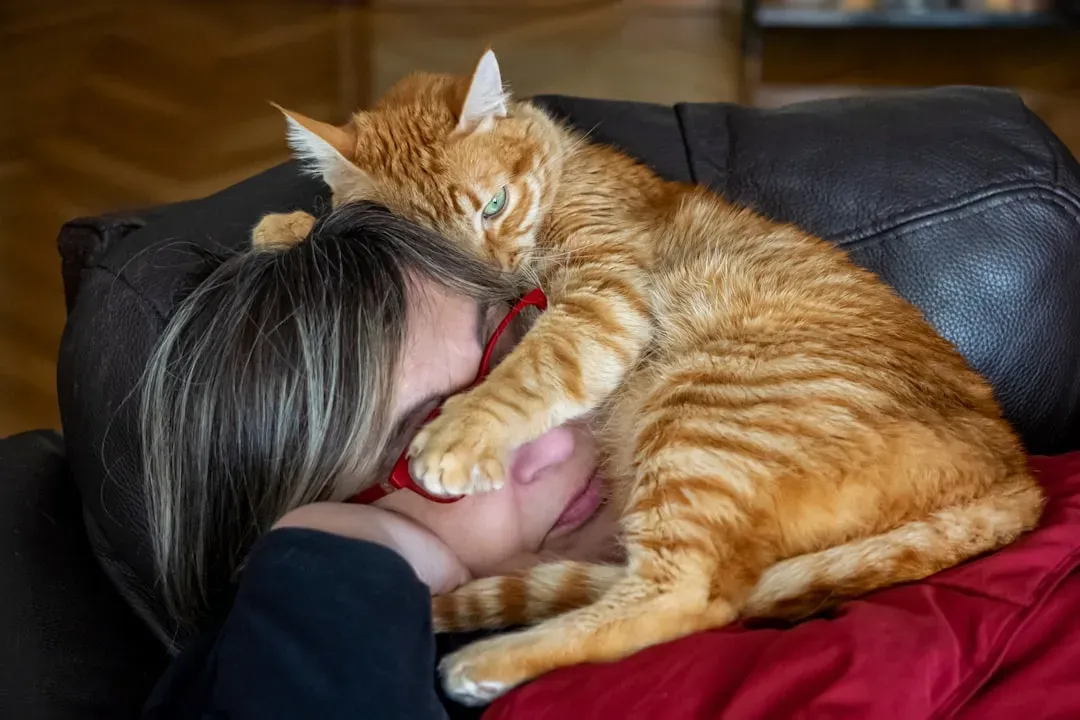
Human heads contain sweat and oil glands that carry our unique scent. Your cat may prefer to be closest to the part of us that has the strongest scent. To your cat, your personal scent isn’t just familiar, it’s deeply comforting and reassuring. Cats are incredibly scent-oriented creatures, and being surrounded by your smell helps them feel safe and relaxed.
Human heads also carry a strong personal scent, especially on hair and pillows. Cats choose sleeping spots that smell like their favorite humans because it helps them feel safe and relaxed. When your cat burrows into your hair or nestles against your pillow, they’re essentially wrapping themselves in a security blanket made of your essence. It’s honestly one of the sweetest compliments a cat can give you.
It’s a Sign of Deep Trust and Vulnerability
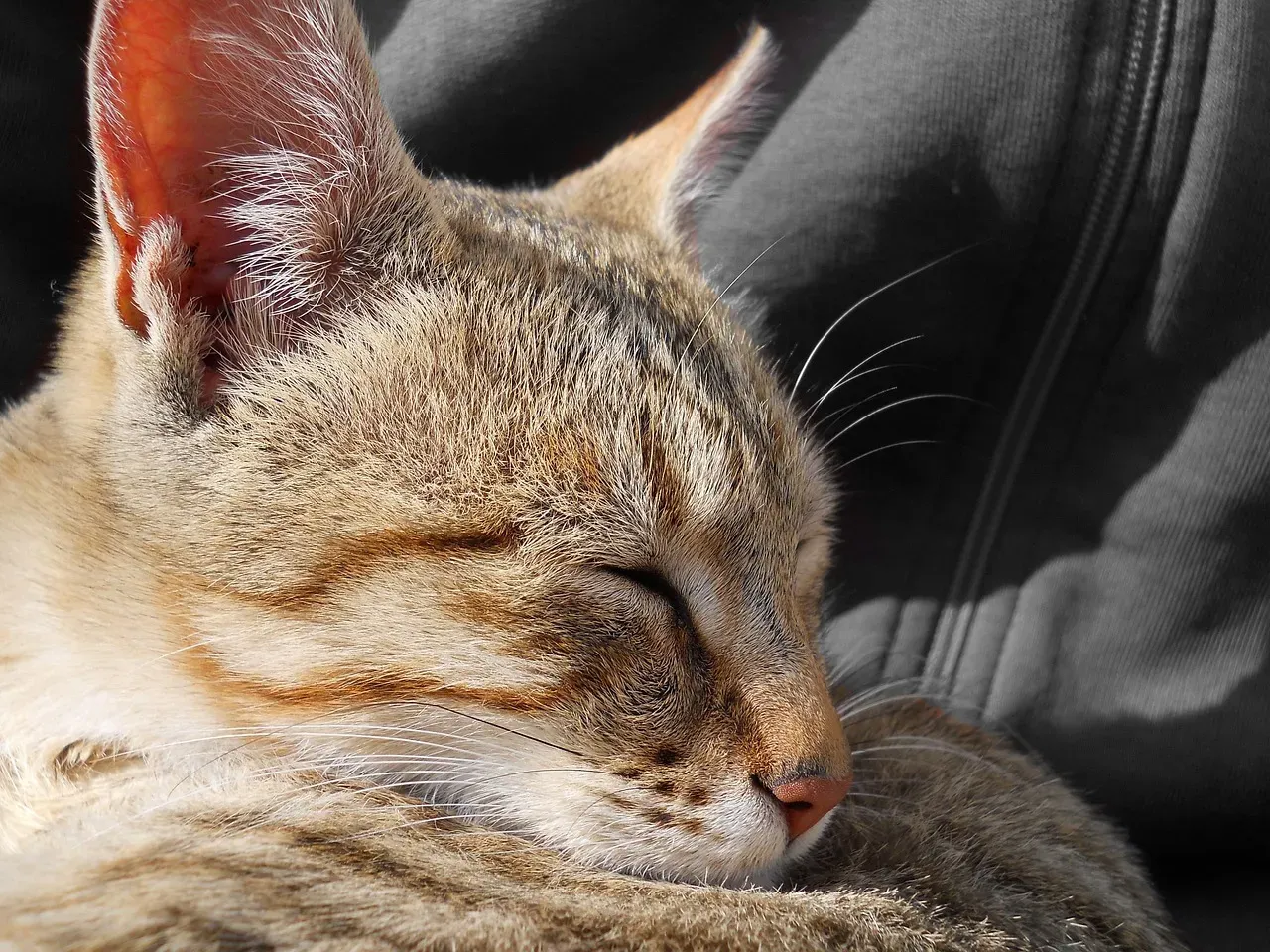
When a cat sleeps on your head, it’s an indication of trust, since a cat is most vulnerable to predators when they are sleeping. Sleep is when cats are at their most defenseless, so choosing to rest near you demonstrates an incredible level of confidence in your ability to keep them safe. Sleeping close to their owner’s head can indicate that a cat feels safest near them. Since cats are most vulnerable while sleeping, this behavior shows they trust their owner to protect them.
Let’s be real, your cat has essentially designated you as their personal bodyguard. By positioning themselves at your head, they’re banking on the fact that you’ll notice any threats first. This sleeping arrangement allows them to fully relax without maintaining constant vigilance, which is a huge deal in the feline world.
They’re Claiming You Through Scent Marking
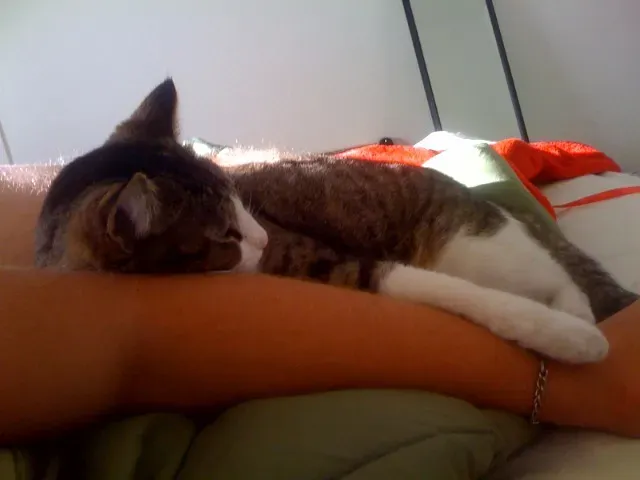
Cats have scent glands on their cheeks, paws, and heads. By sleeping close to your head or rubbing against it, your cat might be using those glands to mark you with its scent. This kind of scent marking creates a sense of familiarity and security. When your cat rubs their face against your hair or kneads your pillow with their paws, they’re not just getting comfortable, they’re leaving their mark.
Cats often engage in a behavior called “scent mixing,” where they mix your scent with theirs for closeness. This territorial behavior might sound possessive, but it’s actually quite touching. Your cat is essentially saying, “This human is mine, and I belong to them too.” It’s a way of strengthening your social bond and creating a shared identity between you and your feline companion.
Your Pillow Offers Unmatched Softness
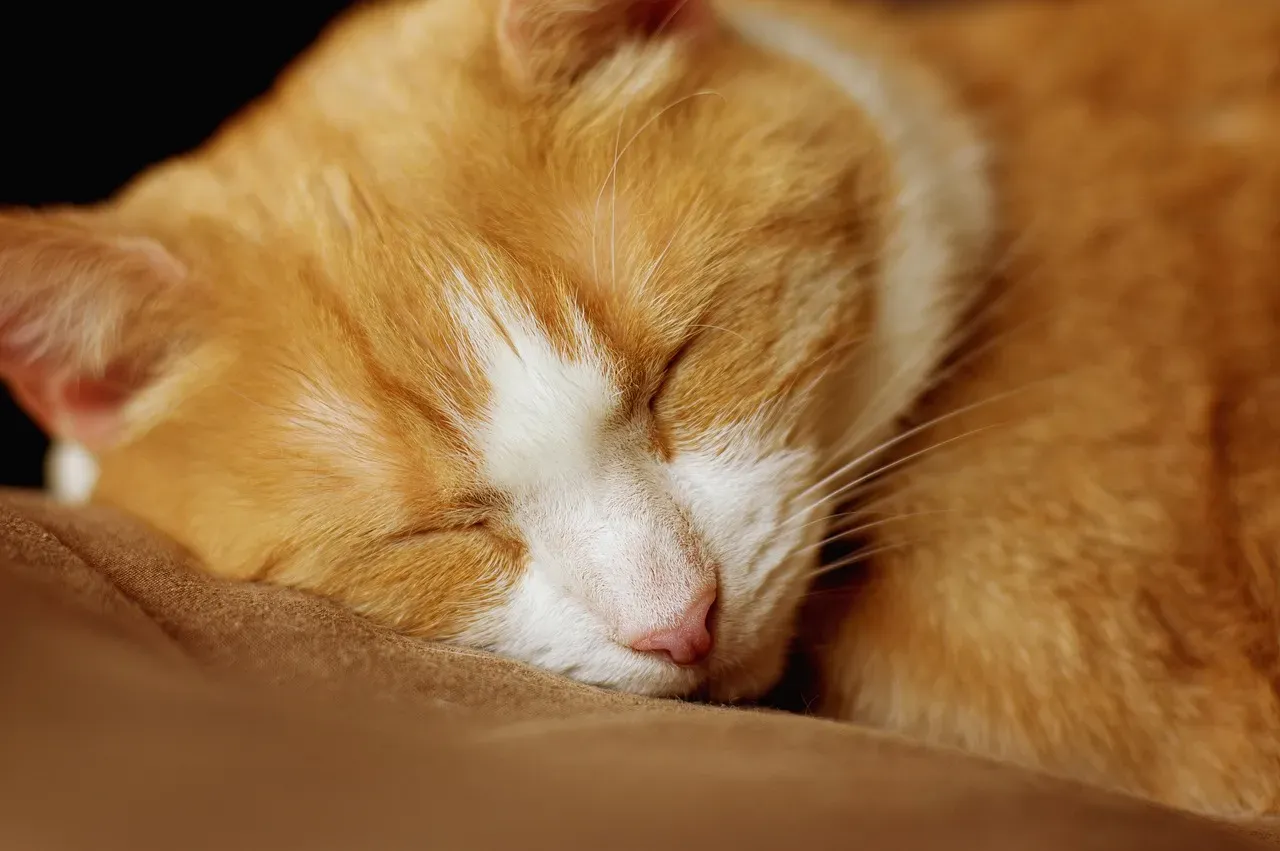
Cats sleeping near your head may be simply a matter of finding a soft place to nap. After all, your head is usually on a soft pillow when you are lying down. Sometimes the explanation is wonderfully simple: your pillow is just incredibly comfortable. Cats are connoisseurs of cozy spots, and they recognize quality sleeping surfaces when they find them.
Owners usually sleep with their head on a soft pillow, this spot becomes an irresistibly plush place to nap. Combined with your warmth and scent, your pillow becomes the ultimate trifecta of cat comfort. It’s hard to blame them really, considering how much we humans invest in finding the perfect pillow ourselves.
Your Head Moves Less Than the Rest of Your Body
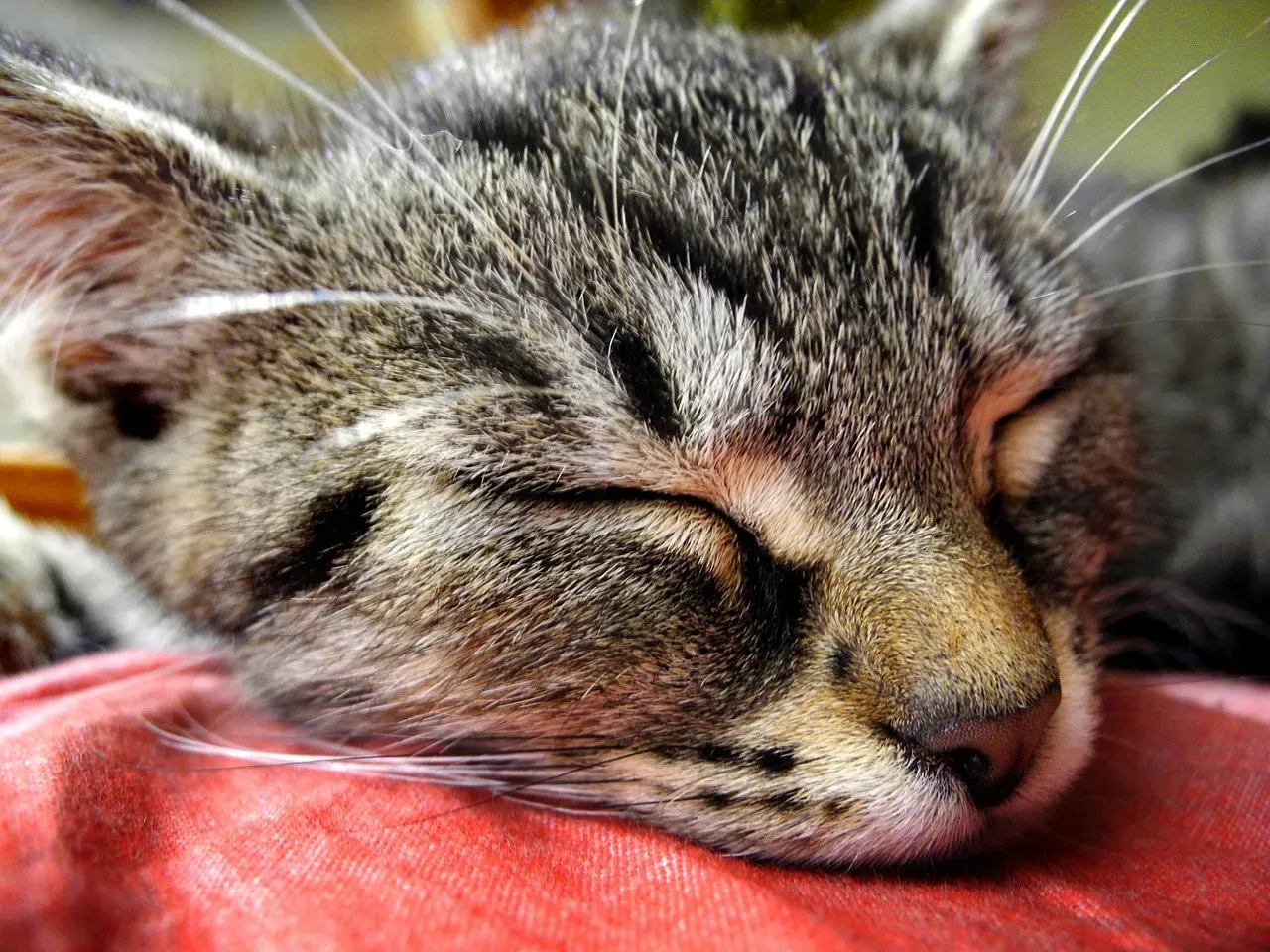
Your head also moves around less than the rest of your body while you sleep, so your cat is less disturbed. Here’s the thing: cats are light sleepers, and they value stability during their rest periods. While your arms and legs might shift, kick, or roll over during the night, your head remains relatively stationary on your pillow.
An owner’s head is less likely to move around compared to their arms or legs. Cats value stability while they rest, so this spot feels more predictable and they are less likely to have their precious slumber disturbed. By choosing your head, your cat is basically selecting the least turbulent zone in your sleeping area, maximizing their chances of uninterrupted rest.
It Allows Them to Monitor Your Movements
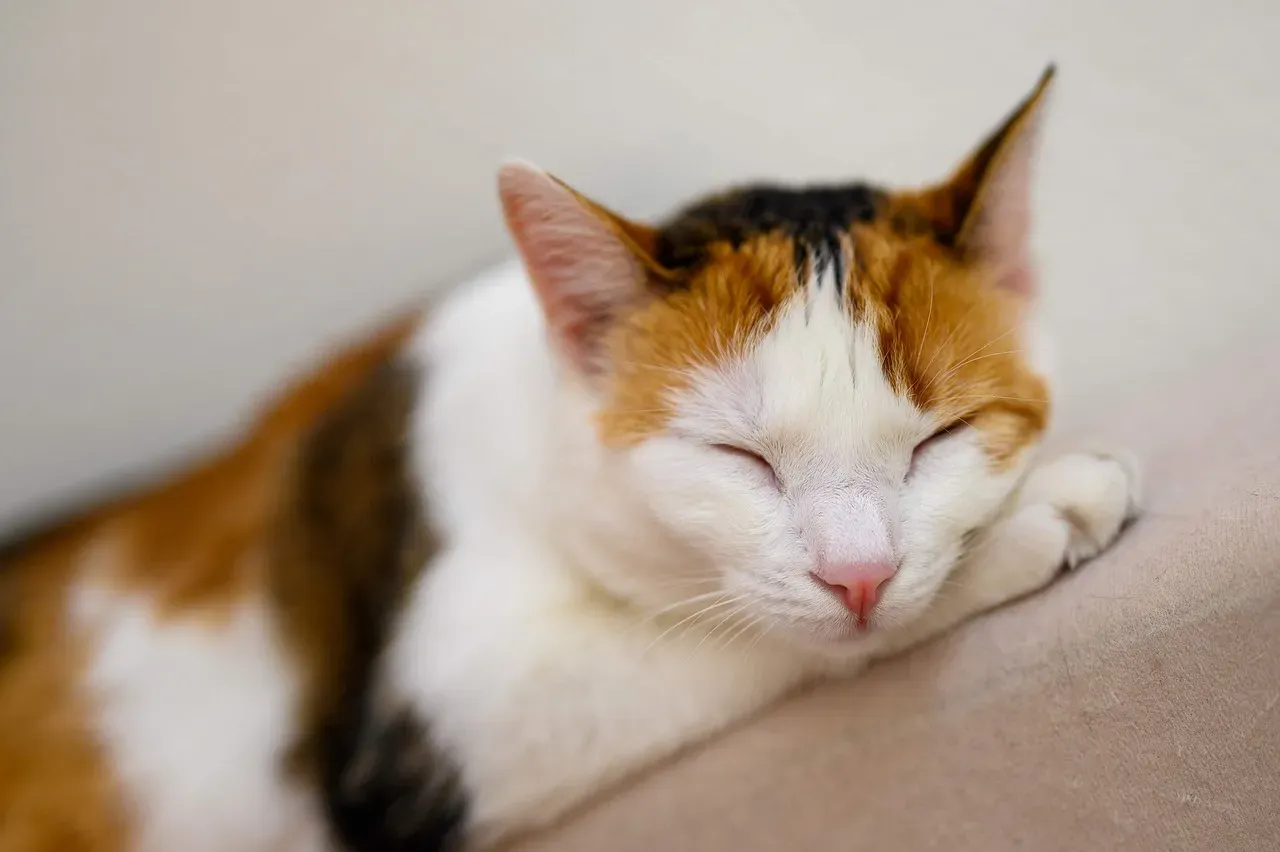
Other cats may prefer to sleep on your head to keep closer tabs on you. So, in case you get up in the middle of the night, they will feel the motion and your absence so they can follow you. Some cats are just naturally protective or curious about their humans’ activities. Positioning themselves at your head gives them an early warning system for when you’re about to move.
Positioning themselves at your head ensures the cat can also easily wake you up by touching your head or face with their paw or by licking you. This strategic location serves a dual purpose: they can monitor you and they have convenient access to wake you when they need something, whether that’s breakfast at dawn or just some middle-of-the-night attention.
They’re Seeking Closeness and Bonding
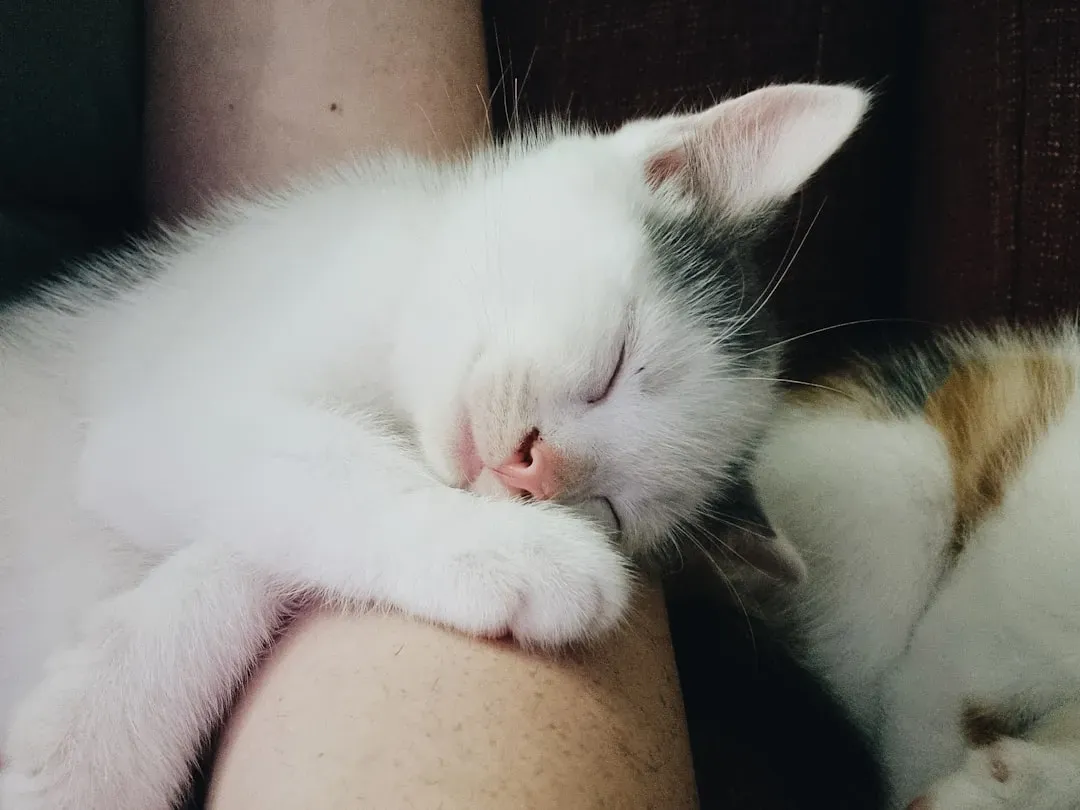
They just love you and find you comforting. Your cat may be sleeping on your head as a way to get close to you, bond with you, and show you that they feel safe with you. Sometimes the simplest explanation is the most meaningful one. If your cat sleeps on your head, it’s likely expressing affection and choosing to be near its favorite person. This behavior can be a form of snuggling or a way to share personal space.
In feline behavior, physical closeness, especially during sleep, is an expression of deep social bonding. Those who let their cat lie on their head are considered part of the “own group” by the cat. Your cat views you as family, part of their social circle, and sleeping together is one of the primary ways cats show affection. It’s their version of cuddling, and you should feel honored they’ve chosen you.
Elevated Positions Appeal to Their Instincts
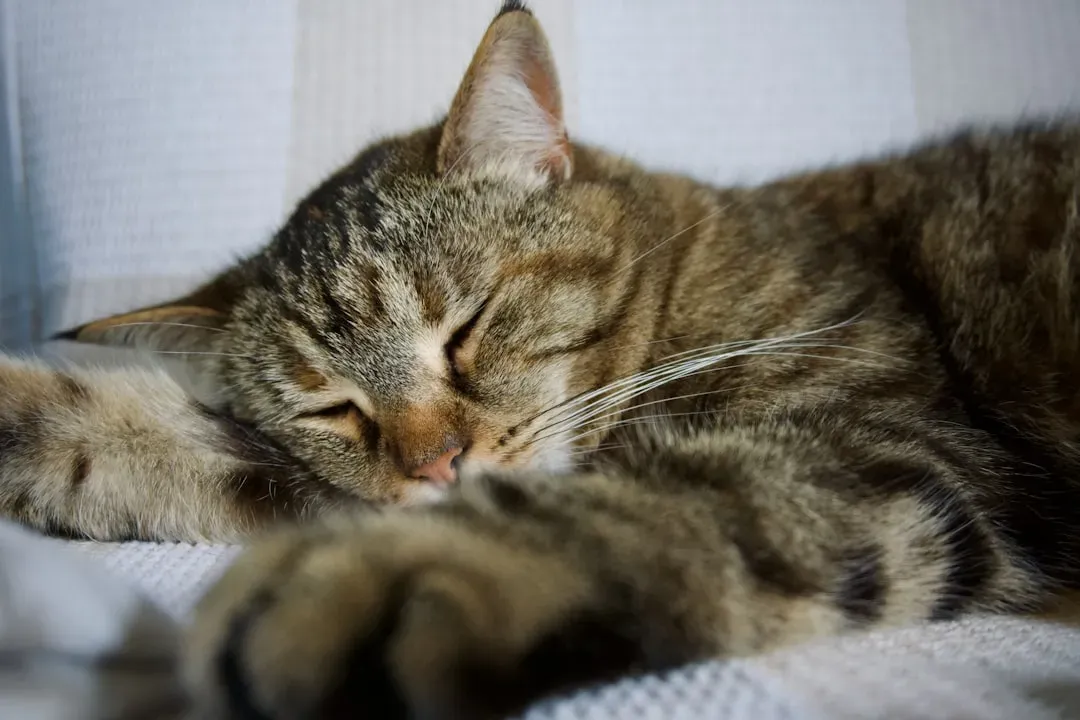
In the wild, cats often sleep in elevated or strategic positions to stay safe. Choosing their owner’s head – a high, secure area – may reflect this natural instinct. Even though your domesticated cat doesn’t face the same dangers as their wild ancestors, those protective instincts remain deeply ingrained. Sleeping at a higher elevation, like on your head compared to the rest of the bed, gives them a psychological advantage.
Even though they are domesticated (more or less, as science debates), cats still carry instincts from their time as wild animals. Proximity to their human offers them protection and security. This elevated position allows them to survey their surroundings more easily if they wake up, combining their need for height advantage with the comfort and safety of being near you.
Habit and Routine Have Made It Their Favorite Spot
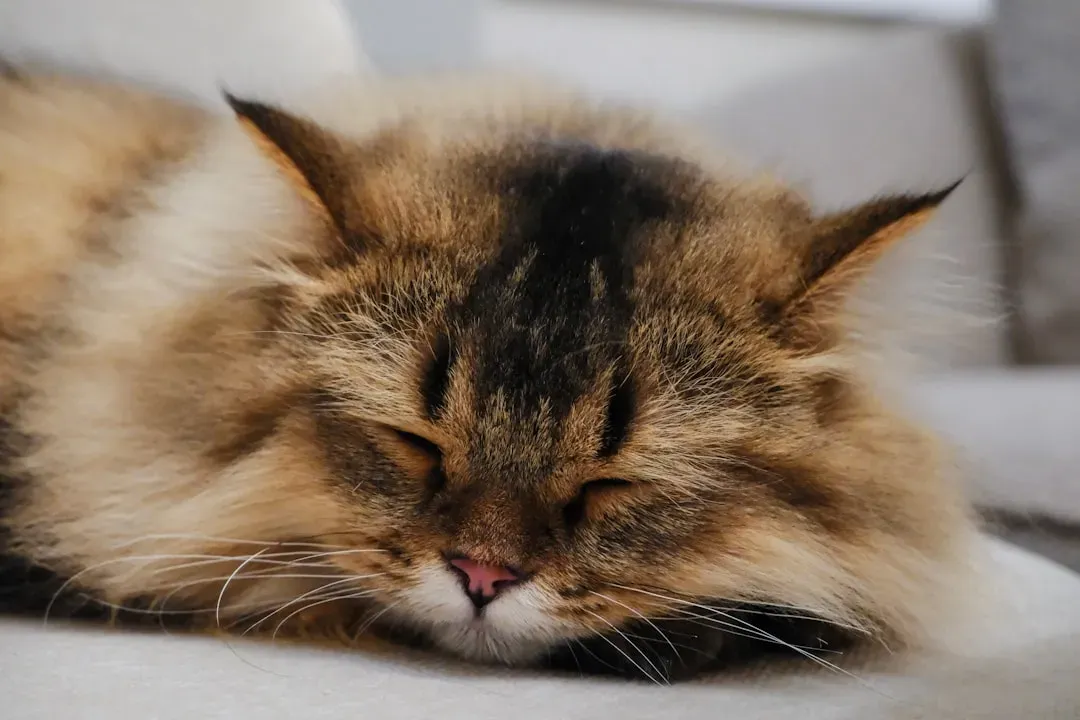
The factor of habit should not be underestimated. Cats are creatures of routine–once they find a place particularly pleasant, they usually stick to it. Especially when the human lies in the same spot every night, it offers a constant, reliable environment. For cats, this equates to emotional stability, as they only sleep where they feel absolutely safe.
If your cat started sleeping on your head when they were younger, they’ve likely maintained this behavior simply because it became part of their nightly routine. Cats find immense comfort in predictability, and if that spot on your head has consistently provided warmth, safety, and comfort, why would they change? Once a behavior becomes established, it reinforces itself through repetition and positive association, making your head their permanent nighttime residence.
Conclusion
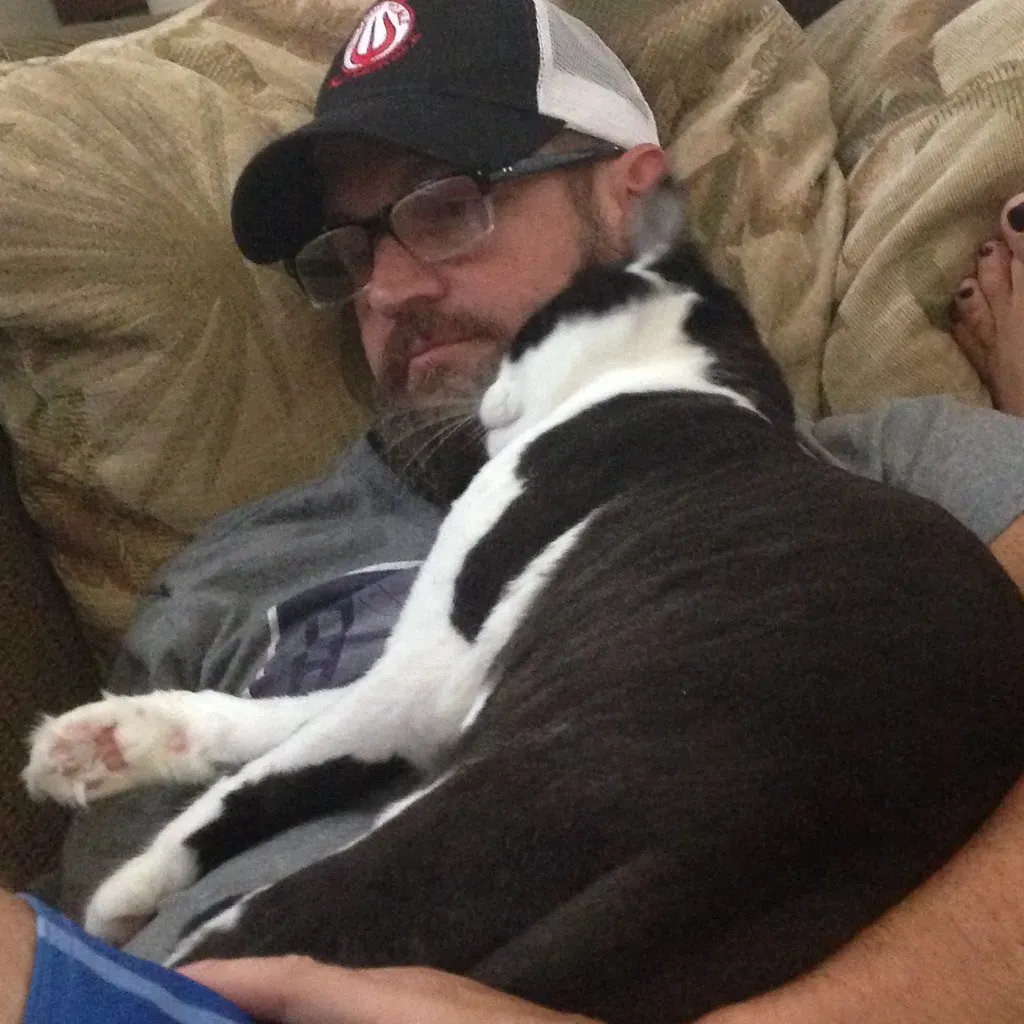
Your cat’s decision to sleep on your head is far from random or annoying behavior that needs correction. It’s actually a complex combination of practical needs and emotional connections. From seeking warmth and stability to expressing trust and affection, each reason reveals something beautiful about your relationship with your feline companion. When your cat chooses to sleep above or near your head, it’s more than just a quirky habit, it’s a reflection of a deep bond and mutual trust.
While having a cat sleep on your head might occasionally disrupt your sleep or aggravate allergies, understanding the motivations behind this behavior helps you appreciate just how special it is. Your cat has chosen you as their safe space, their source of comfort, and their favorite sleeping companion. That’s pretty amazing when you think about it. What do you think about your cat’s sleeping habits? Does your feline friend have a favorite spot on you?