You’ve probably witnessed it dozens of times: your cat is sound asleep in the other room, completely motionless. Then, out of nowhere, one small sound reaches their ears, and suddenly those eyes are open, the ears have rotated forward, and your cat is fully alert, almost as if someone flipped a switch.
There’s real biology behind this reaction. Cats can hear frequencies ranging from about 48 Hz up to around 64 to 85 kHz, far beyond the upper range of human hearing. That extraordinary range isn’t coincidence – it’s a deeply ingrained survival tool. Thanks to around 30 sets of muscles, a cat can rotate its outer ear up to 180 degrees to locate and identify the faintest of sounds. The ten sounds below tap directly into that system, triggering instincts, memories, and curiosity in ways you might not expect.
1. The “Pspspsps” Sound
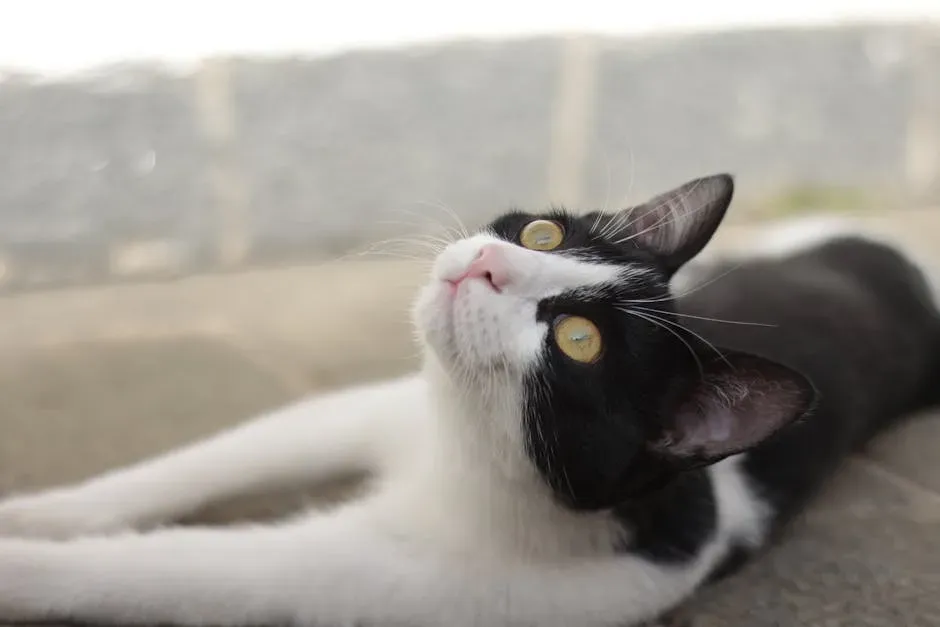
Few sounds get a cat’s attention as reliably as the soft, hissing “pspspsps” noise humans instinctively make when calling a cat over. There’s a straightforward reason why it works so well. Cats can hear sound frequencies three times higher than humans can, and the “s” sound just happens to operate at a higher frequency than most other human sounds, which makes it stand out noticeably.
The “pspspsps” sound also resembles other sounds in nature that cats would be interested in during their hunting game, imitating insects, rustling leaves, birds ruffling their feathers, or mice vanishing in tall grass. This sound triggers the predatory instinct in a cat’s brain, leaving them little choice but to investigate. Whether your cat bolts toward you or stares from a distance really comes down to what associations they’ve built with the sound over time.
2. Bird Calls and Chirping
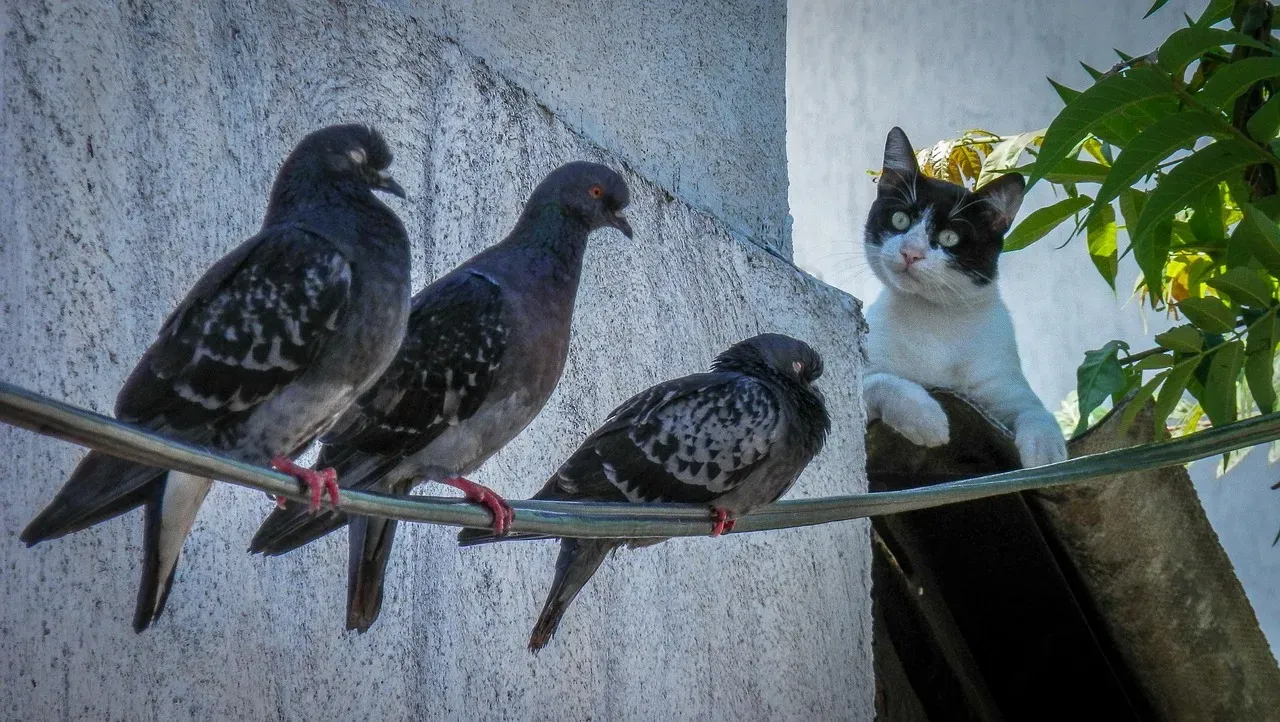
Play a recording of birds chirping near your cat and you’ll likely witness an almost immediate reaction: ears swivel forward, pupils shift, and the body tenses with focused interest. Cats that hear recordings of local birds often become alert, turning their heads more frequently in response, and this reaction to bird call stimuli is driven largely by their predatory behavior.
Cats sometimes make excited chirping or chattering noises themselves when observing or stalking prey, and these sounds range from quiet clicking to a loud, sustained chirping mixed with an occasional meow. The response to bird sounds isn’t just curiosity. It’s the whole hunting circuit lighting up, which is why your indoor cat can be practically glued to a window the moment a bird lands in the garden.
3. The Rustling Treat Bag
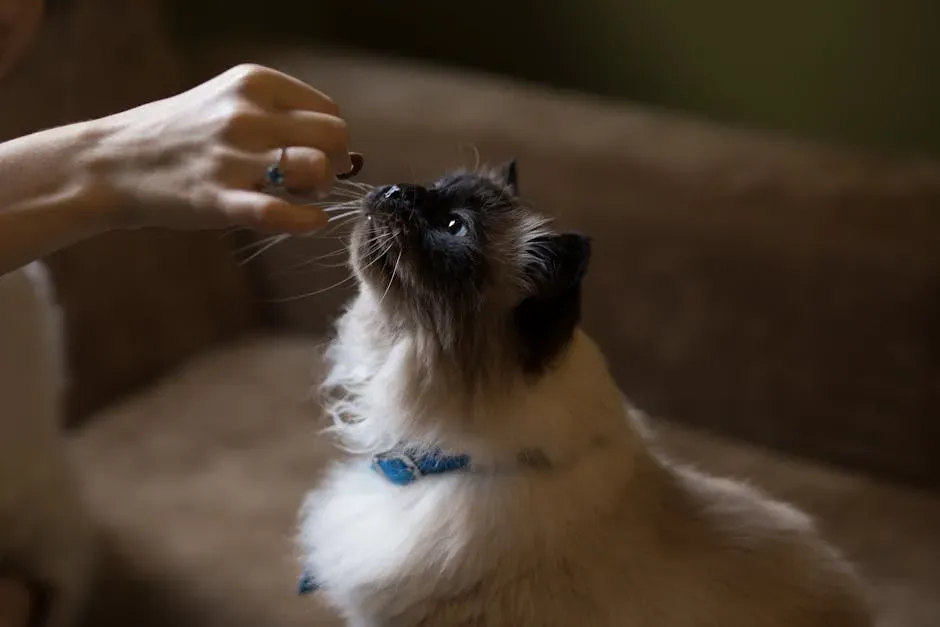
There might not be a faster way to get a sleeping cat off the couch than shaking a treat bag. Shaking a treat bag is highly effective in attracting cats, as the sound signals food and triggers their instinct to investigate. The response is a textbook example of learned association: your cat connects that specific crinkle with something genuinely rewarding.
Every time you touch or shake a treat bag, your cat hears a distinct sound followed immediately by tasty food. Over a small number of pairings, that neutral stimulus becomes a conditioned stimulus that predicts food. If you regularly buy cat treats that come in a plastic bag or any other container that makes noise, your cat will quickly learn to recognize that sound. They could be snoozing in a different room, but as soon as they hear it, they’ll come running.
4. Running or Dripping Water
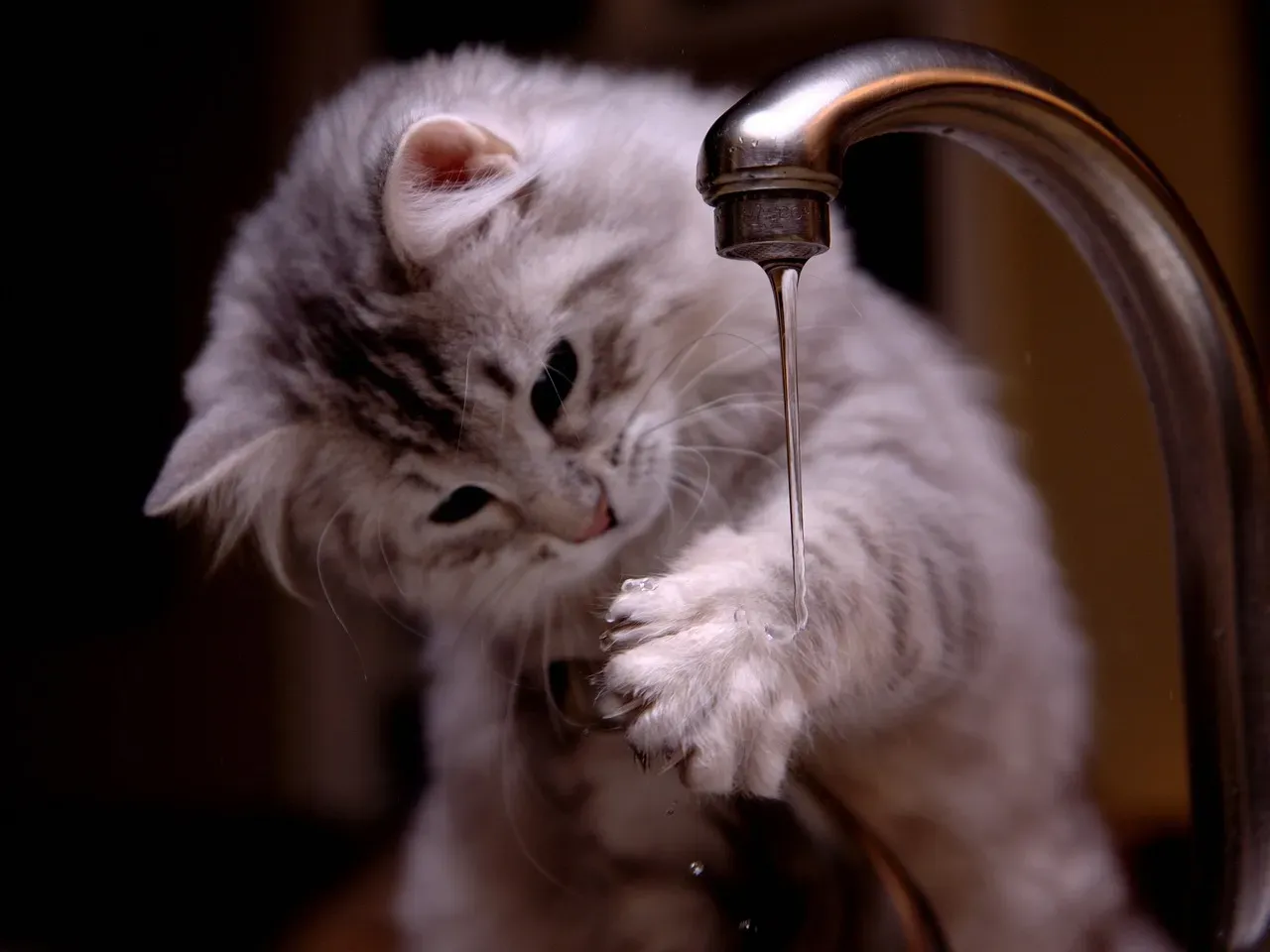
Cats are known for their fascination with running or dripping water, and the sound of it can be calming and relaxing for them. It’s a curious quirk that many owners notice, especially when their cat insists on drinking from the tap rather than a bowl sitting two feet away. The sound of moving water signals freshness on an instinctual level.
Cat hearing is so sensitive that it won’t miss even the subtle sound of water dripping from a faucet. Situations worth investigating for a cat include the sound of a bird landing on the windowsill or water dripping from the faucet, both of which seem minor to you but register as meaningful auditory events in a cat’s world. If your cat stares at a wall near the bathroom, there’s a real chance they’re tracking the sound of water flowing through the pipes.
5. High-Pitched Human Voices

You may have noticed that your cat responds more readily when you talk in a higher-pitched voice, almost like you’re addressing a child. That’s not just a coincidence. It’s best to call your cat using a relatively high-pitched voice, because cats have super sensitive hearing and prefer higher pitches, so they are more likely to pay attention to you that way.
High-frequency sounds attract a cat’s attention, which is why cats are more responsive to calls and names containing higher frequencies in the middle or at the end of the word. Cats also tend to respond better to the sound of women’s voices than to men’s voices, simply because the typical pitch sits closer to the frequency range their hearing is most attuned to. It’s not personal – it’s pure biology.
6. The Sound of a Can Opener

Even cats that have never been fed from a can will often perk up at the sound of one being opened. The noise hits a frequency range that stands out in everyday household sound, and for cats with mealtime associations, it’s practically a dinner bell. Most cats associate the typical sound of opening a tin can with mealtime, and they will react positively to this noise. Whether it’s tuna or their favorite wet food, they’ll come running as soon as they hear that tempting sound.
The sound of a can opening or scratching a paper bag could signal the arrival of a delicious meal or treat and send a cat running toward you. The speed of that conditioned response can be surprisingly fast. Cat hearing is sensitive enough that it won’t miss even the subtle sound of a tuna can opening in the kitchen, even from several rooms away, which explains why your cat seems to materialize out of thin air the moment you reach for a tin.
7. Mouse-Like Squeaking Sounds
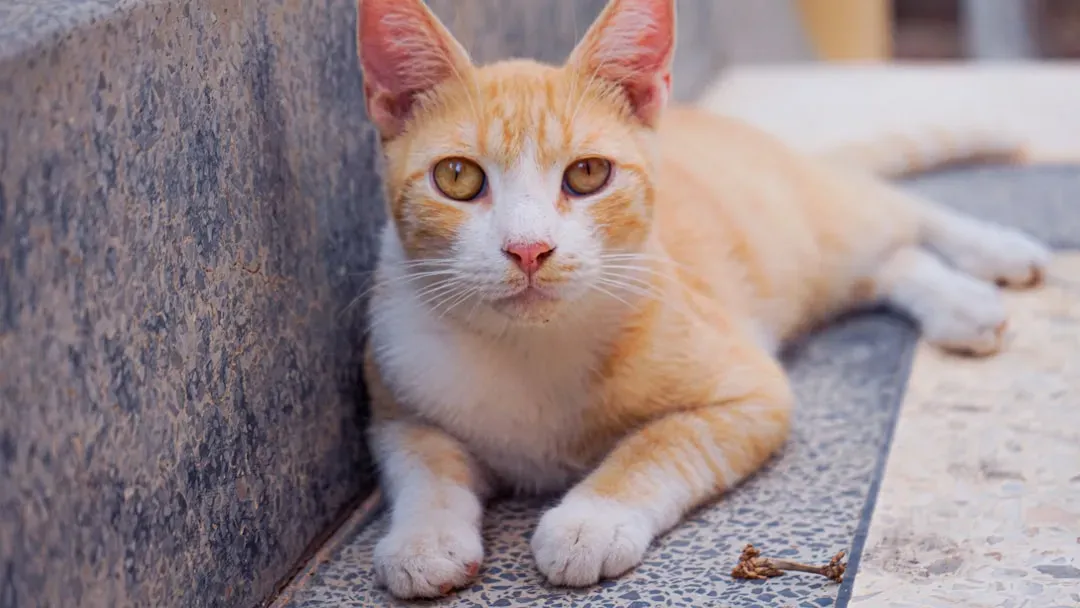
A soft, high-pitched squeak – whether from a toy, a door hinge, or even a rubber sole on a floor – can freeze a cat mid-step. High-frequency sounds, particularly those in the ultrasonic range, play a significant role in attracting cats, as these sounds can mimic the calls of small prey animals such as mice or birds, triggering a cat’s natural hunting instincts.
Cats are especially attuned to the kinds of sounds, high-pitched and almost ultrasonic, that rodents make, since rodents are their primary prey. Cats can detect the tiniest variances in sound, distinguishing differences as little as one-tenth of a tone. This helps them identify the type and size of the prey producing the noise. Even a domestic cat that has never hunted a real mouse in its life carries this sensitivity as standard equipment.
8. Another Cat’s Meow or Chirp
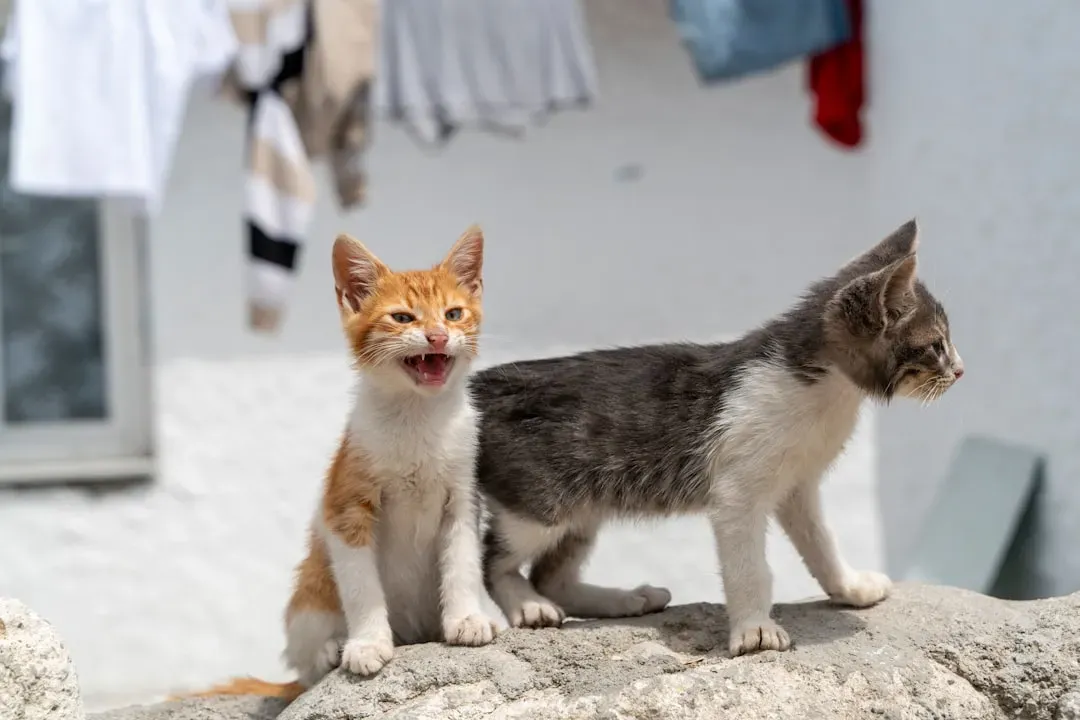
Your cat may largely ignore your meowing attempts, but hearing another cat vocalize is a different matter entirely. Cats actually meow to communicate with humans more than with other cats, but if they hear another cat meow, it will grab their attention. The same rule applies to chirps and trills, those soft, birdlike sounds that carry social meaning in cat-to-cat communication.
Chirrup sounds are commonly used by mother cats to call their kittens inside the nest, and kittens recognize their own mother’s chirp but do not respond to the chirps of other mothers. As adult cats, the social signal still registers. The chirrup is also used in a friendly manner when a cat is greeted by another cat or a human, which means people can mimic the sound to reassure and greet their pet cats. It’s one of the quieter ways you can actually communicate back on their terms.
9. Light Scratching or Rustling Sounds
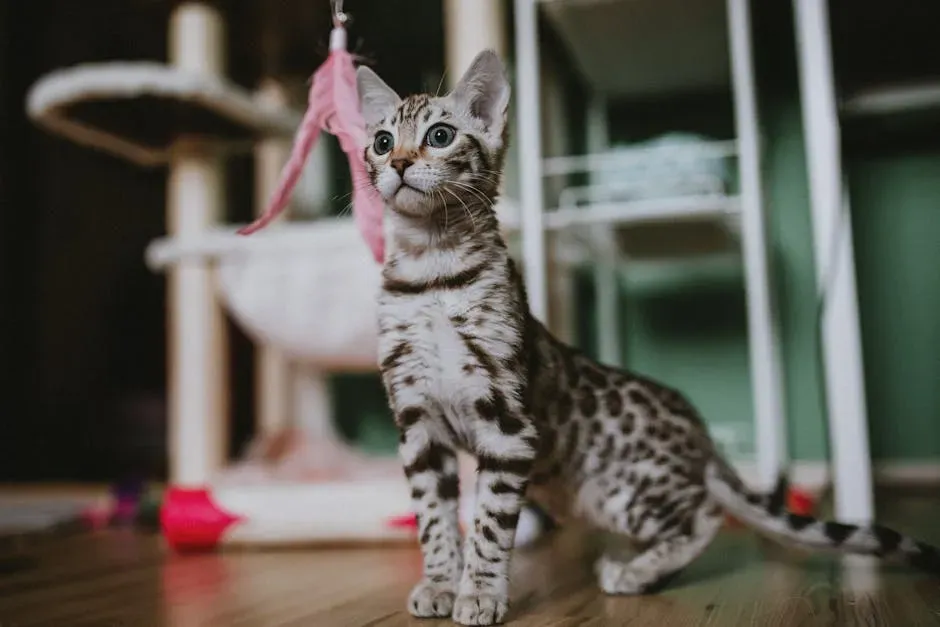
Drag a fingernail lightly along a cardboard box, crinkle a piece of paper, or brush your fingers across a fabric surface. Chances are your cat will be watching you within seconds. Among the most interesting sounds for a cat, you will find variations of chirping, rustling, quiet squeaking, light scratching, dripping, and buzzing. These subtle sounds land squarely in the range that feline hearing is built to detect.
Any rustling or rattling sounds signify playtime or mealtime for cats, and they usually respond very enthusiastically. In the wild, these sounds might be associated with prey being close by, which is why cats connect them with mealtime. The flutter of a feather or the scratching of claws is also the kind of sound that will catch your cat’s attention. It doesn’t take much. Even the faintest scrape across a surface can be enough to pull a cat out of a deep nap.
10. Your Own Voice Saying Their Name
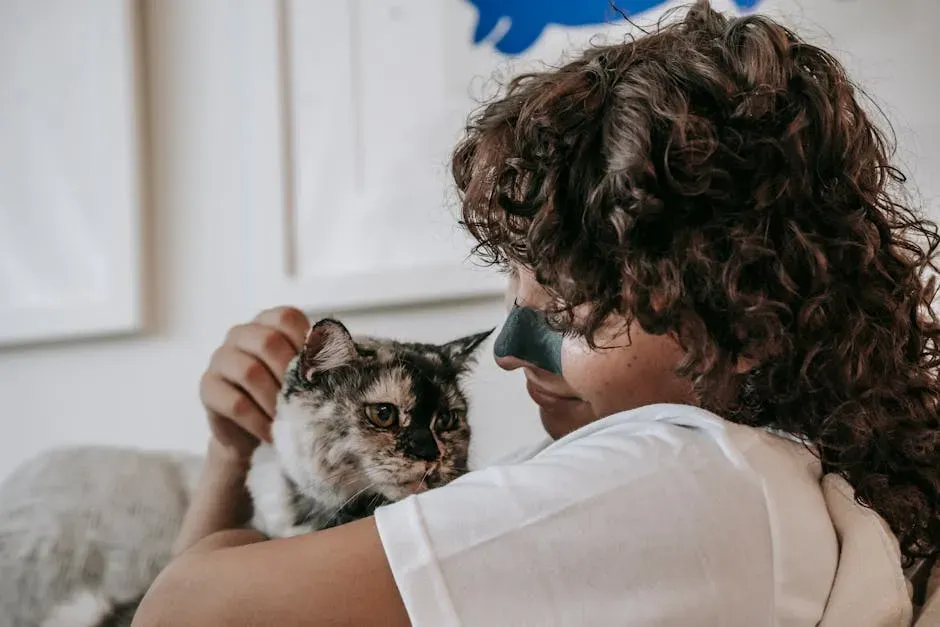
Research has confirmed something cat owners have long suspected: cats genuinely do recognize their own name. Cats love the voice of their owner, and this fact is scientifically backed up. When cats heard a familiar voice, the felines reacted in subtle but distinct ways, such as wagging their tails, twirling their ears, and freezing during grooming. They showed no such response when hearing the voices of strangers.
Yes, cats can recognize their names and may respond when called, especially if the name is paired with a positive tone or reward. The key factor is the quality of the sound, not just the word itself. Cats are more responsive to names and calls containing higher frequencies in the middle or at the end of the word, so shortening a name or emphasizing a bright vowel at the end can make a genuine difference in how often your cat turns to look. Whether they choose to act on it, of course, remains entirely up to them.
Final Thoughts
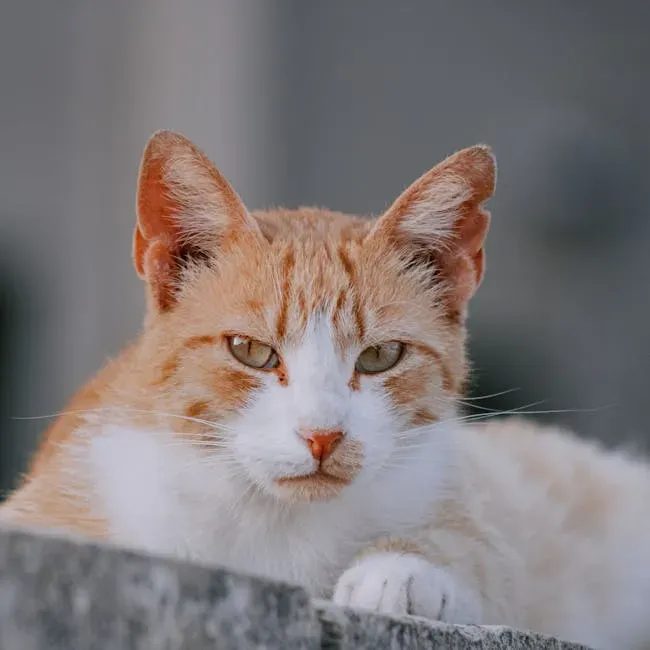
What makes all ten of these sounds so effective comes down to the same root cause: a remarkably sophisticated auditory system shaped by millions of years of predatory evolution. A cat’s ability to hear helps them detect prey, such as mice and other rodents, that emit high-pitched sounds, and this sense is especially important to wild cats, which depend on hunting to survive. Your domestic cat carries that same hardware, even if the biggest hunt of the day is tracking down a crinkled paper ball across the kitchen floor.
Understanding which sounds your cat responds to – and why – gives you a genuine window into how they experience their world. When a cat is particularly interested in a sound, you can recognize their curiosity by ears pointed forward toward the source, dilated pupils, and a raised tail curled like a question mark. Pay attention to those signals, and you’ll find that communicating with your cat is less about speaking their language and more about learning which sounds they’ve already decided to care about.