If you live with an indoor cat, you probably tell yourself they’re safer, cleaner, and perfectly content. And in many ways, you’re right. But even the most pampered sofa panther still carries a wild brain in a domestic body, and that brain quietly craves things it has never truly known. The good news? You can give your cat a surprising amount of what they miss without ever opening the door.
Think of this as a peek into the secret wish list your cat can’t put into words. As you read, you’ll probably recognize your own cat’s weird habits, zoomies, and late-night drama in a whole new light – and you might realize they’ve been telling you what they miss all along.
1. The Thrill of the Hunt
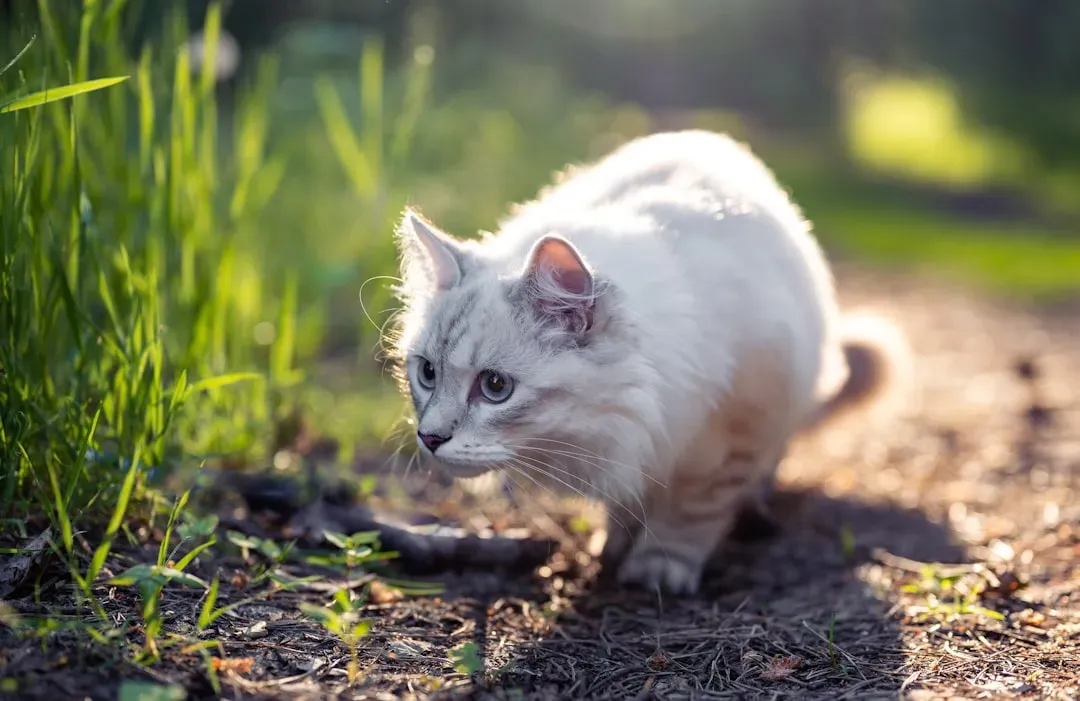
Even if your cat has never stalked anything more exciting than a dust bunny, their brain is wired for hunting. When they pounce on your toes under the blanket or ambush you from behind the couch, that’s their inner little predator trying to come alive. You might see a lazy fluff loafed on the rug, but inside is an animal designed to stalk, chase, and catch moving, unpredictable prey.
When your cat doesn’t get a chance to “hunt,” all of that natural drive turns into boredom, frustration, or random bursts of chaos. You can give them a safer, indoor version of the hunt with wand toys, feather teasers, and small toys you toss or slide across the floor. If you move the toy like real prey – stop, dart, hide, pause – you’re not just “playing,” you’re letting your cat feel competent and powerful in a way they deeply need.
2. Real Grass Under Their Paws
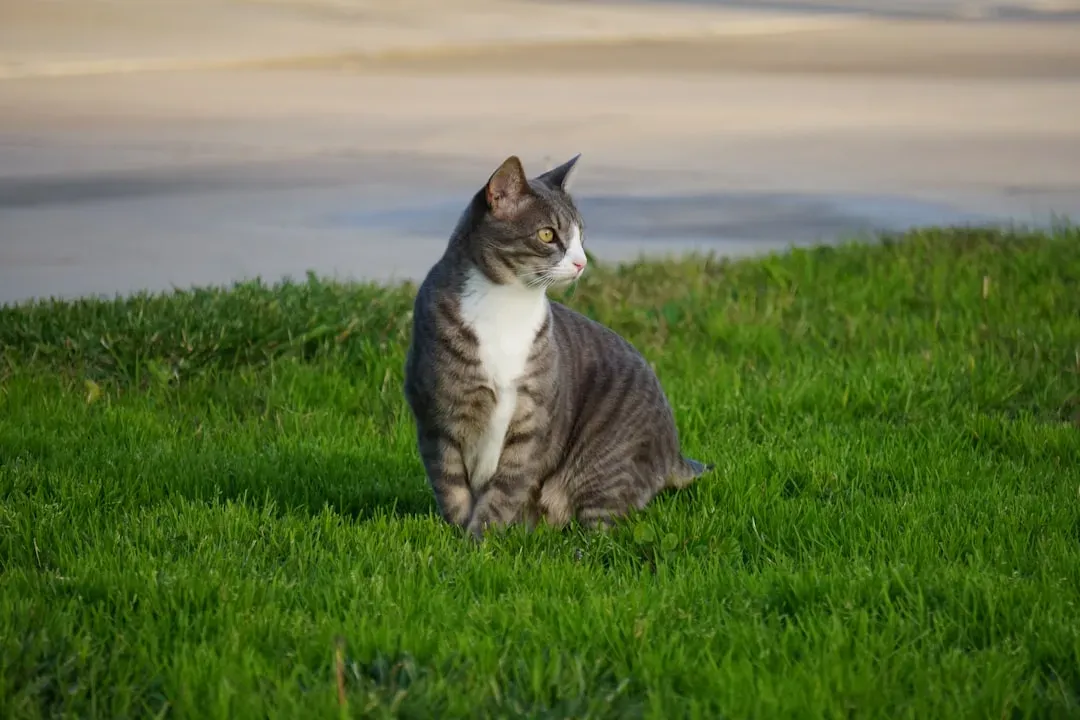
Your cat may never have walked on a lawn, but their body still remembers what it’s like to move over uneven, natural ground. Hard flooring and carpet don’t offer the same variety of textures or the gentle give of soil. That’s one reason some indoor cats seem obsessed with bath mats, cardboard, or that one specific rug – they’re hunting for variety under their feet.
You can bring a bit of “grass time” indoors without exposing them to the dangers of the outside world. Cat grass kits, shallow trays of safe turf, or even big pots of sturdy plants they can sniff and step around can scratch that itch. Watching them tentatively place their paws on something new, flex their toes, and lean in to sniff is like watching a tiny vacation unfold in your living room.
3. Sun-Warmed Air and Changing Breezes
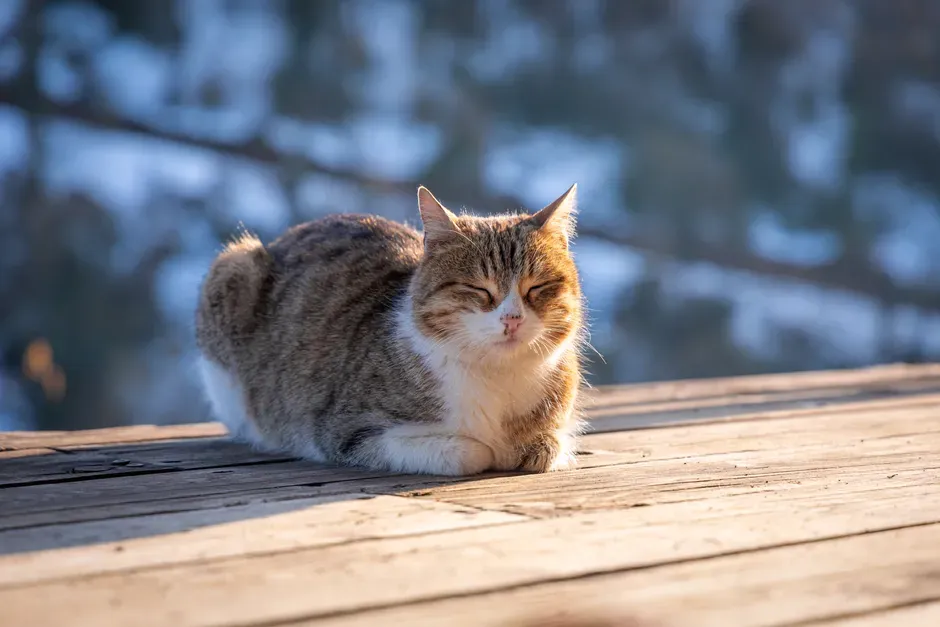
There’s a reason your cat hunts for sun puddles like buried treasure. In the wild, warmth and light mean safety, rest, and comfort. Indoor life gives them climate control, but not the shifting sensations of warm and cool air, changing scents, and gentle breezes. When your cat parks themselves by a window crack or air vent, they’re chasing that feeling of being part of the living world, not just an observer in a box.
You can mimic that outdoor sensory buffet by making the most of safe windows and controlled airflow. A secure screen, a cat perch in the sun, and occasionally opening a window (when it’s safe) lets your cat feel the wind in their whiskers. Even a fan gently moving the air around their favorite nap spot can create subtle changes that keep their senses engaged instead of dulled.
4. The Wild Symphony of Outdoor Sounds

Your home probably sounds calm to you – maybe some traffic, a fridge hum, the TV in the background. To your cat, that can be strangely monotonous. Outside, sound is constantly shifting: bird calls, insects, leaves rustling, far-off footsteps, distant dogs. When your cat suddenly freezes and stares at the window over a noise you barely notice, they’re trying to tune into that bigger, richer soundscape.
You can safely feed this craving with windows, background nature sounds, or even playing gentle recordings of birds, rain, or forest ambience on low volume. Just watch their body language; you want curiosity and relaxed interest, not panic. Over time, you’ll see which sounds light them up – maybe they perk up at sparrow chatter but ignore ocean waves. That’s your cat telling you what their inner world is missing.
5. Vertical Adventures and High Perches
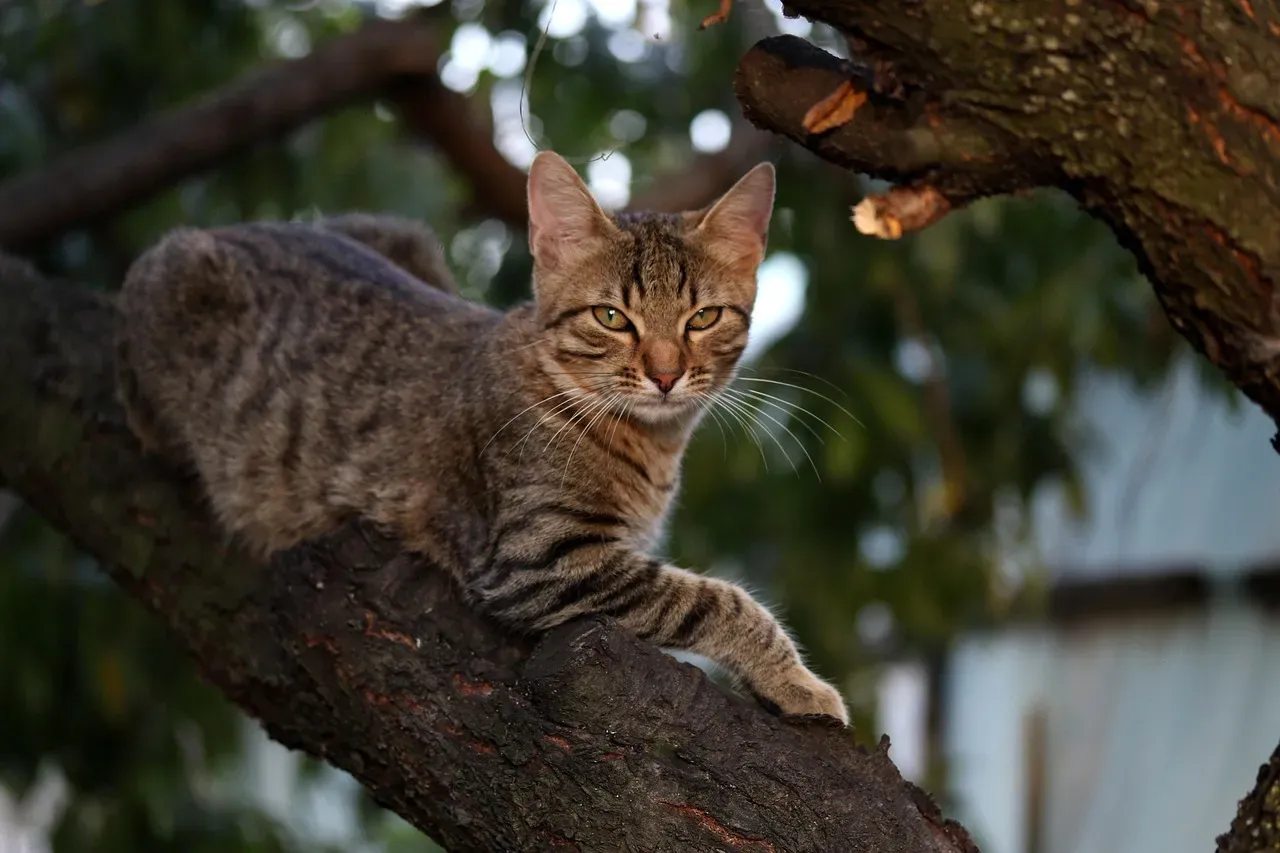
In nature, cats are built to move up and down as much as forward and back. Climbing gives them safety, vantage points, and exercise. Indoors, if you do not offer vertical options, your cat is stuck living their whole life at human knee-level. That might be practical for you, but for them, it’s like being trapped on the ground floor of a world that should have branches, rocks, and ledges.
When your cat insists on the top of the fridge, bookshelf, or wardrobe, they’re begging for a higher, safer view of their territory. You can meet that need with cat trees, shelves, window hammocks, and even the back of the couch turned into a designated “mountain ridge.” The more vertical routes you create, the more confident and secure your cat tends to feel, because they finally have the power to overlook their kingdom like they were built to do.
6. Unpredictable, Messy Terrain
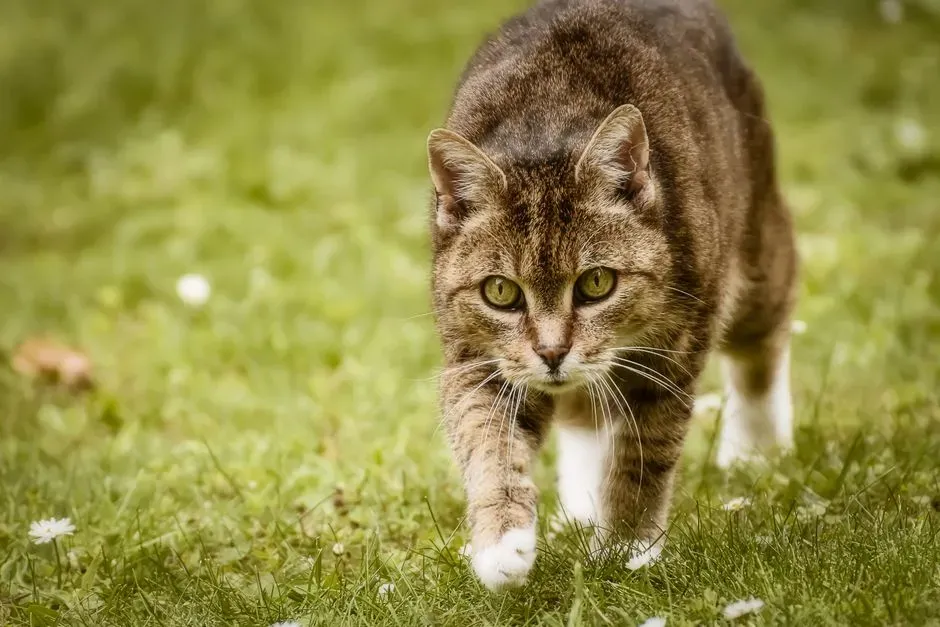
The outside world is bumpy, uneven, and a little chaotic. Indoors, everything is flat, square, and too predictable. Your cat’s body is designed for tightrope walking along fences, squeezing between bushes, and weaving through obstacles. When your home is laid out like a clean showroom, it looks nice to you but can feel like a dull hallway to them.
You can make your space more “interesting” from a cat’s perspective without turning your home into a jungle gym disaster. Scatter a few tunnels, cardboard boxes, low stools, and soft blankets in varied spots so your cat has to think a little about how to move through them. Rotating where these things go keeps the environment from going stale and gives your cat the mental workout of navigating a world that doesn’t always stay the same.
7. Complex Scents and “Smell Stories”
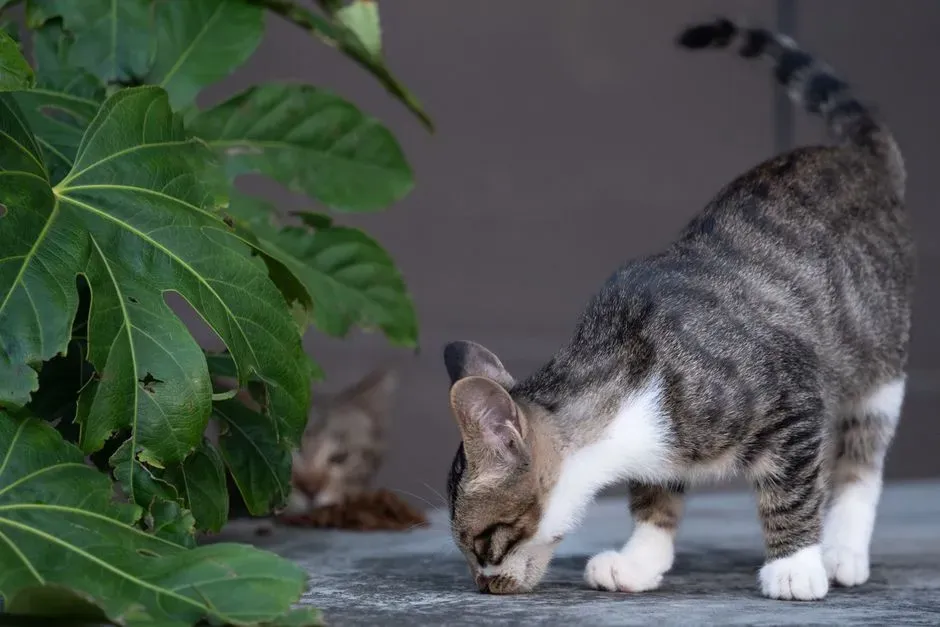
Your cat lives in a world dominated by scent. Where you see a garden, they would experience a layered story of who passed by, when, and what mood they were in. Indoor air, especially in well-sealed homes, can be oddly scent-poor and repetitive. That’s why your cat spends so long investigating one shopping bag or pair of shoes; to them, it’s like reading an entire novel in one sniffing session.
You can safely enrich your cat’s smell world by rotating fabric items, bringing in leaves, sticks, or rocks from safe, pesticide-free areas, and letting them cautiously explore new scents on their own terms. Even swapping blankets between cat beds or moving a scratching post can create a new “scent puzzle” to decode. Just avoid strong cleaners and heavy perfumes around their favorite zones, since overwhelming, artificial smells can turn that potential joy into stress.
8. The Challenge of Working for Food
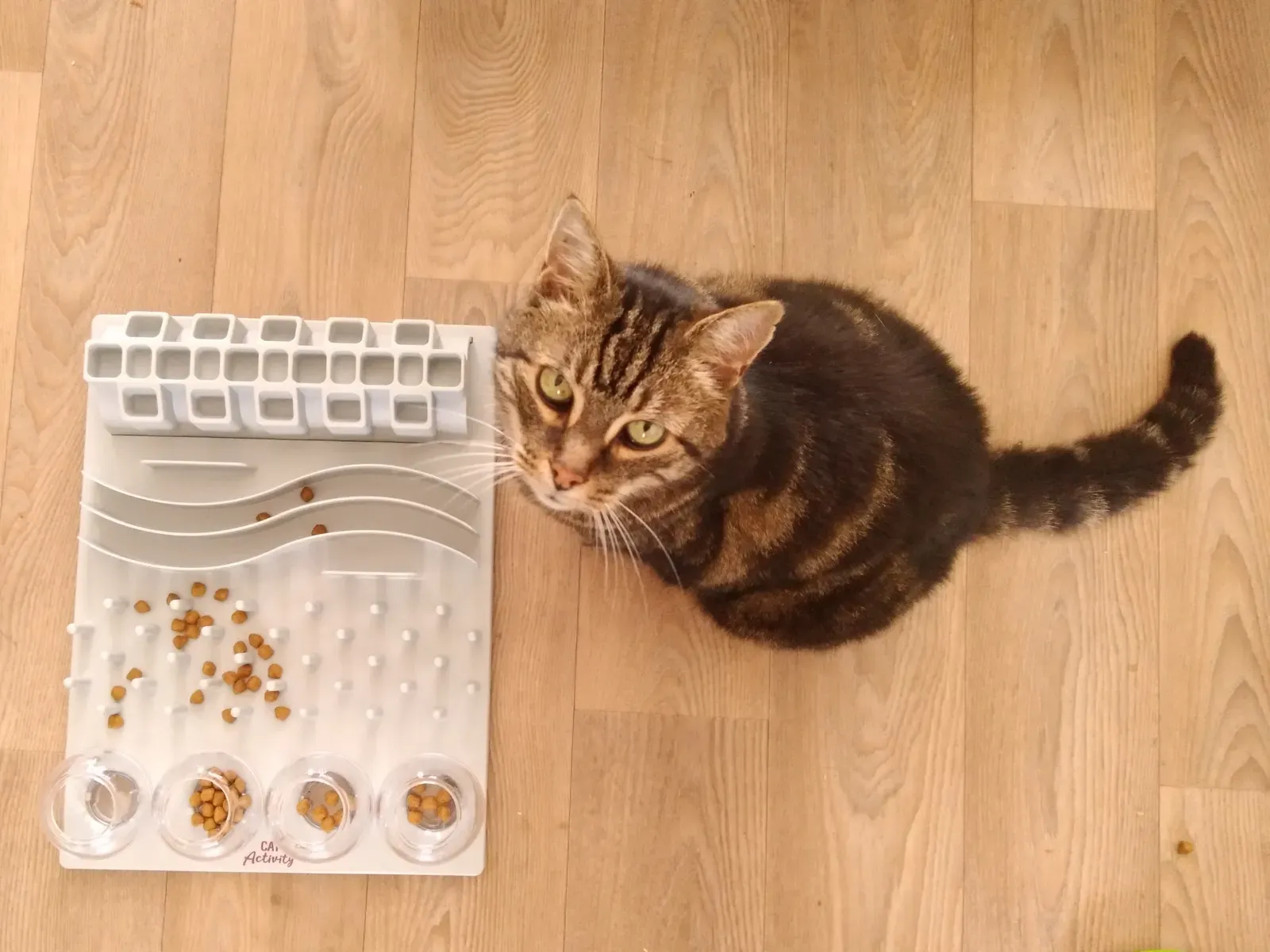
You can reintroduce a healthier, more natural rhythm by using puzzle feeders, treat balls, and small “prey” portions hidden in different spots. Instead of feeling guilty that you are making your cat “work” for food, think of it as giving them back a core part of their identity. Watching them bat, nudge, and problem-solve their way to a snack is like seeing a light switch on behind their eyes.
9. Safe Social Encounters and Distance
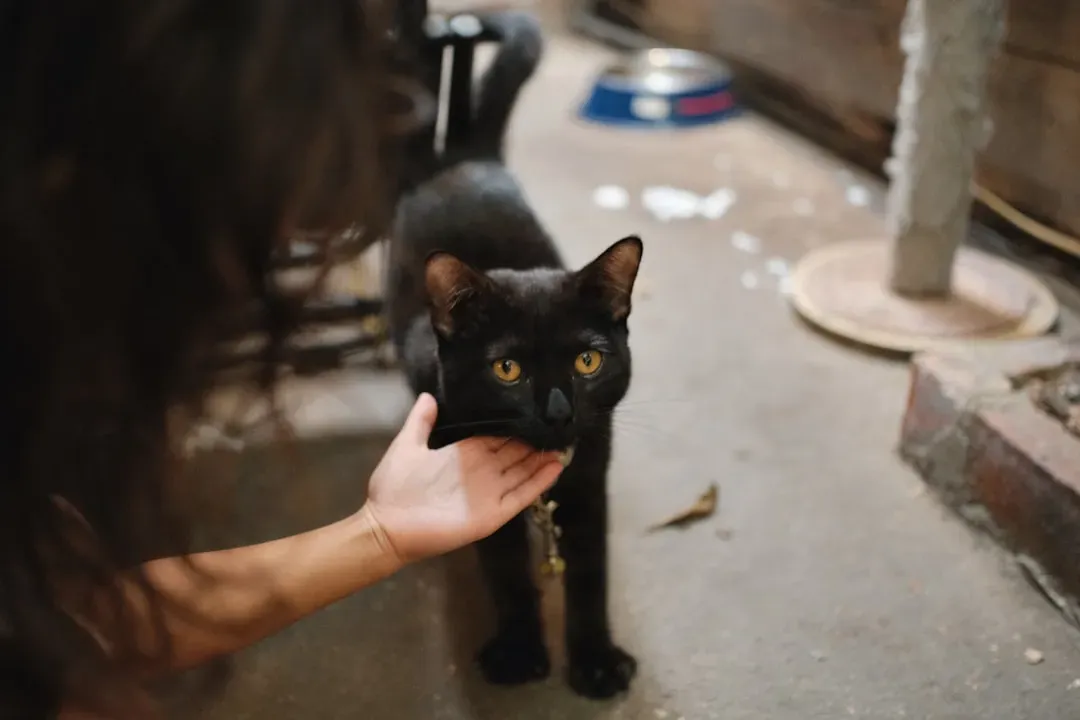
Outdoor cats choose how close they get to others – cats, people, or animals – and they rely on distance as a safety valve. Indoor cats, especially in busy homes, do not always get that choice. Constant touching, picking up, or crowding can leave them quietly wishing for the power to walk away on their own terms. When you see your cat hide under the bed after guests arrive, that is not them being rude; it is them trying to create distance they instinctively need.
You can honor this by giving your cat true “no human” zones and escape routes. High perches, quiet rooms, and covered beds help them feel they have control over their social life. Letting your cat approach you first, rather than grabbing them every time you pass, mimics the freedom they would have outdoors to decide when, how, and with whom they interact.
10. The Feeling of Exploration and Newness
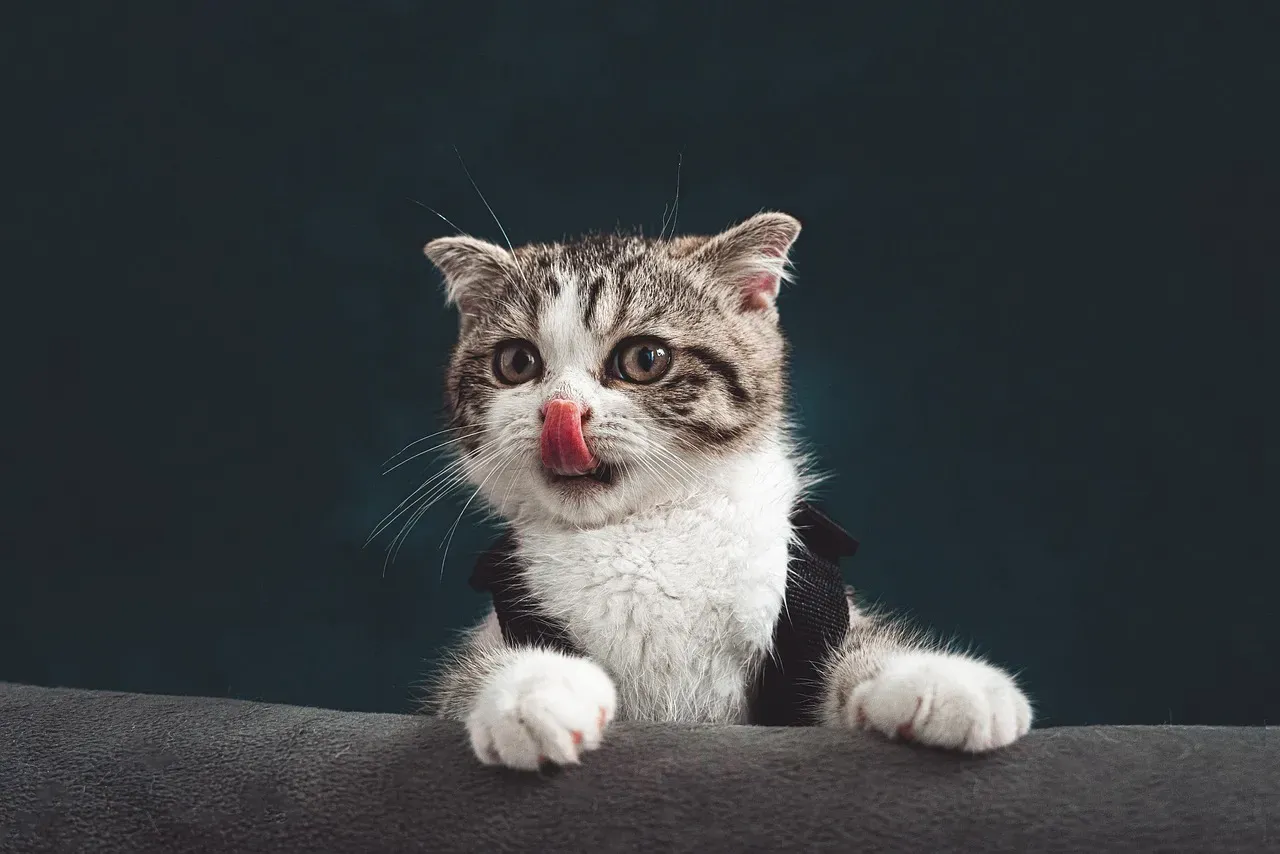
For a cat, the world is supposed to change a little every day. New smells, new sounds, new routes, new micro-adventures. Indoor life, especially when routines are rigid, can become a loop that never really shifts. That sameness can breed restlessness, night zoomies, or sudden, seemingly random mischief. Deep down, your cat misses the feeling of discovering something new, even if they have never set paw outside.
You can bring novelty home in small, steady doses. Rotate toys rather than leaving them all out, rearrange furniture now and then, introduce new textures like crinkly paper, fabric tunnels, or different scratching surfaces. Even a cardboard box transformed into a “cave” for a week feels like a new country to explore. When you see your cat carefully investigate, sniff, and test something different, that is their inner explorer finally getting a tiny taste of the big, changing world.
Conclusion: Giving Your Indoor Cat the World, Safely
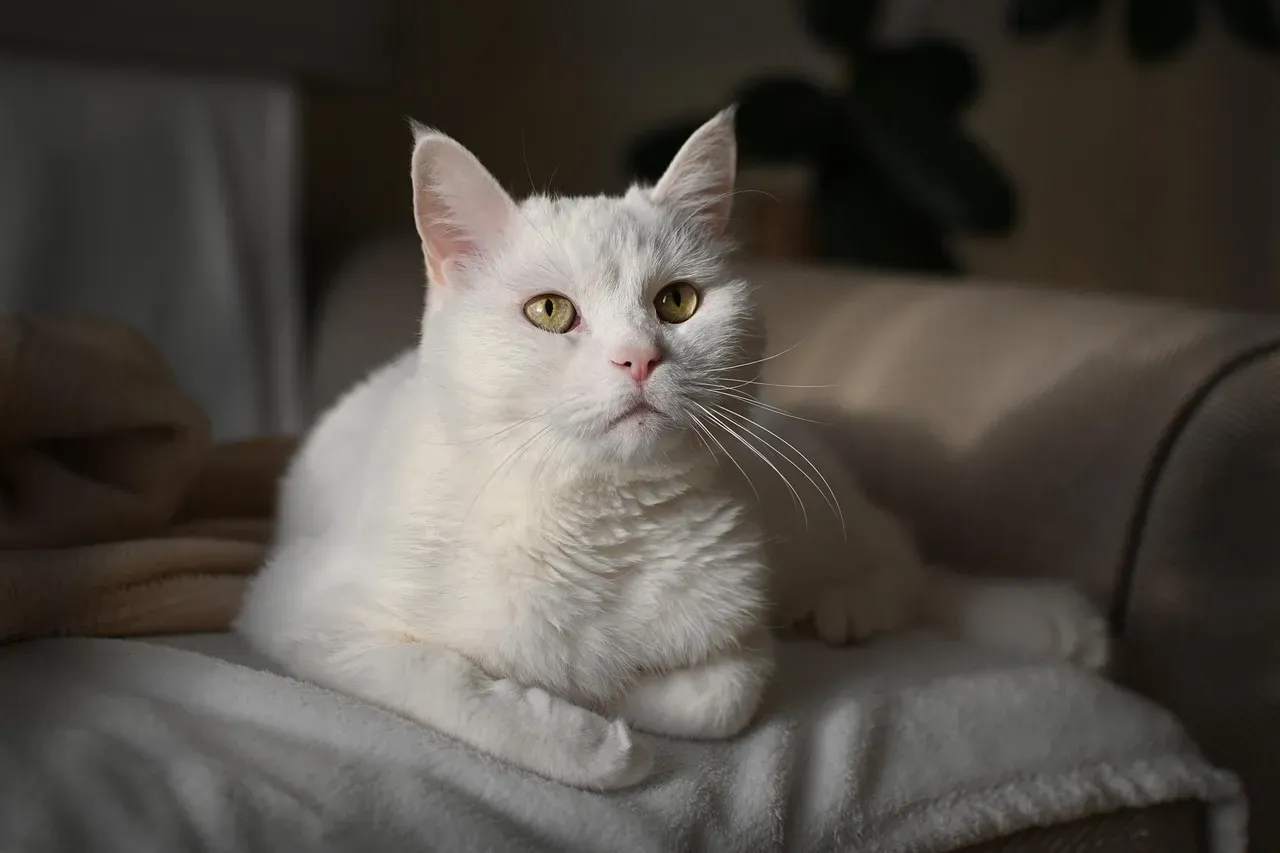
Keeping your cat indoors protects them from cars, predators, disease, and a long list of outdoor dangers – but it does not erase their wild wiring. Under the plush beds and cute collars, you are still living with a small, intense predator who craves hunting, climbing, exploring, and decoding a rich, shifting environment. When those needs go unmet, you see it as boredom, pestering, or “bad behavior,” but often, it is just nature leaking out through the cracks.
The magic is that you do not have to choose between safety and satisfaction. With a bit of creativity – more play, higher spaces, new scents, food puzzles, and chances to observe the outside safely – you can give your cat much of what they secretly miss without ever opening the door. And once you see how they light up when their world gets a little bigger, you might start to wonder: how much of their wild side has been waiting for you to notice all along?
Kristina is a young writer from India. An arts graduate and an avid content creator, Kristina is passionate about animals and wildlife. She enjoys exploring topics related to pet care, animal behavior, conservation, and nature, combining thorough research with engaging storytelling.