You probably think of meowing as your cat’s main way of talking to you, but a lot of their clearest “hey, notice me” signals are almost silent. If you only wait for a loud cry, you can easily miss the dozens of subtle check‑ins your cat sends your way during the day. Once you know what to look for, you start realizing just how often your cat is trying to connect with you. As someone who’s lived with both clingy lap potatoes and super‑reserved ex‑strays, I can tell you: some of the most powerful “I need you” moments are the quiet ones. You’ll see it in where your cat chooses to sit, how they move their tail, and even the way they blink at you. Let’s walk through nine of the most common silent signals so you can respond in a way that actually meets your cat’s emotional needs, not just their food bowl schedule.
1. Following You from Room to Room
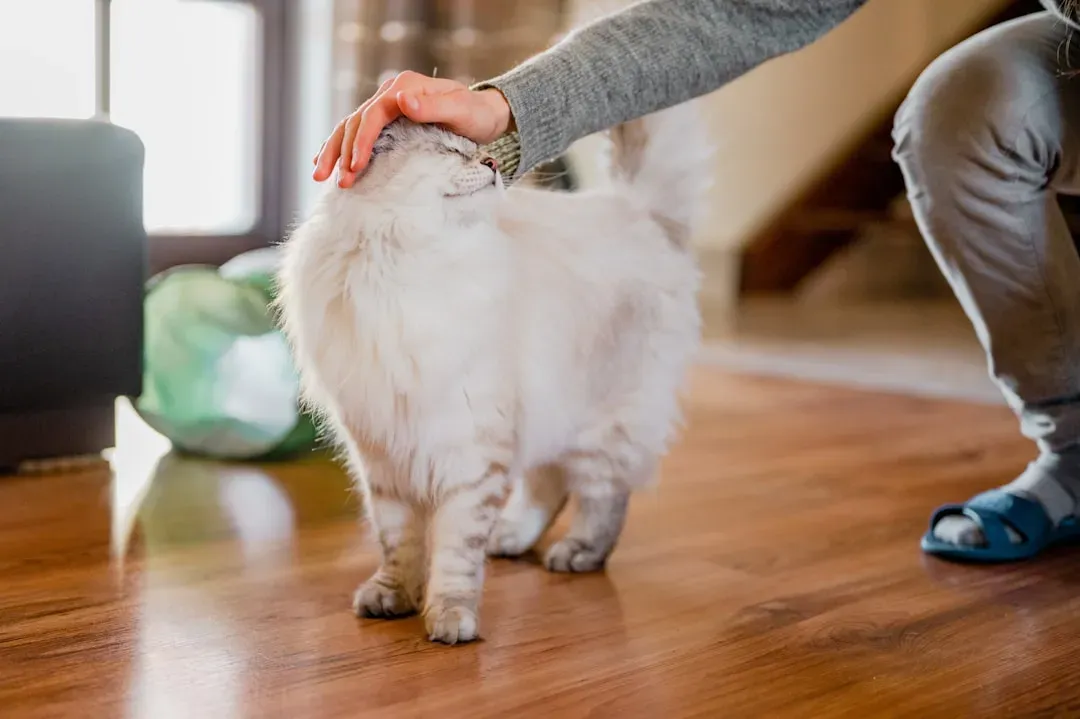
When your cat pads along behind you like a tiny, furry shadow, they’re not just being curious about what you’re doing. They’re saying they want to be part of your world, even if they don’t climb into your arms. If you notice your cat quietly appearing in every room you enter, that’s often their way of asking for gentle interaction, shared space, or at least a quick hello. You don’t have to stop everything and throw a party; small gestures go a long way. You might sit on the floor for a minute and offer your hand to sniff, talk to them in a soft voice, or simply acknowledge them with eye contact and a slow blink. When you treat following as a sign of social bonding instead of mere nosiness, you start to see just how much your presence matters to your cat.
2. Sitting Just Out of Reach, Facing You
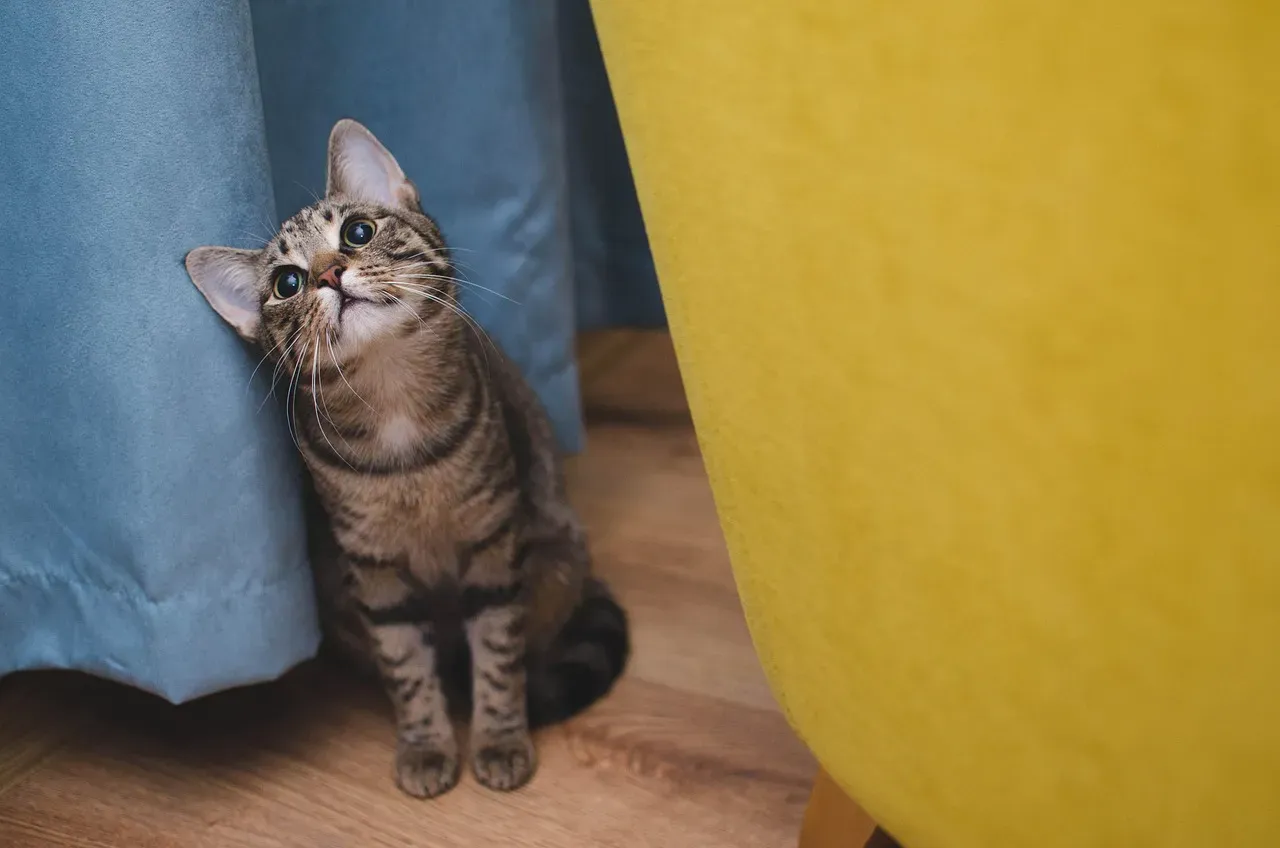
If your cat parks themselves a few feet away, sits down, and simply looks at you, it can feel a bit like you’re being quietly judged. What’s really happening most of the time is far sweeter: your cat is inviting connection but on their terms. They might not be ready for full-on cuddles, but they want to be noticed and included in your little bubble. You can test this by slowly extending a hand or patting the space closer to you to see if they’ll move in. Sometimes, all they want is for you to talk to them while they watch you, the way you might hang out with a friend on the couch without touching. That quiet, mutual presence is deeply soothing for many cats, and if you respond consistently, you’ll often see them inch closer over time.
3. The Slow Blink and Soft Eye Contact
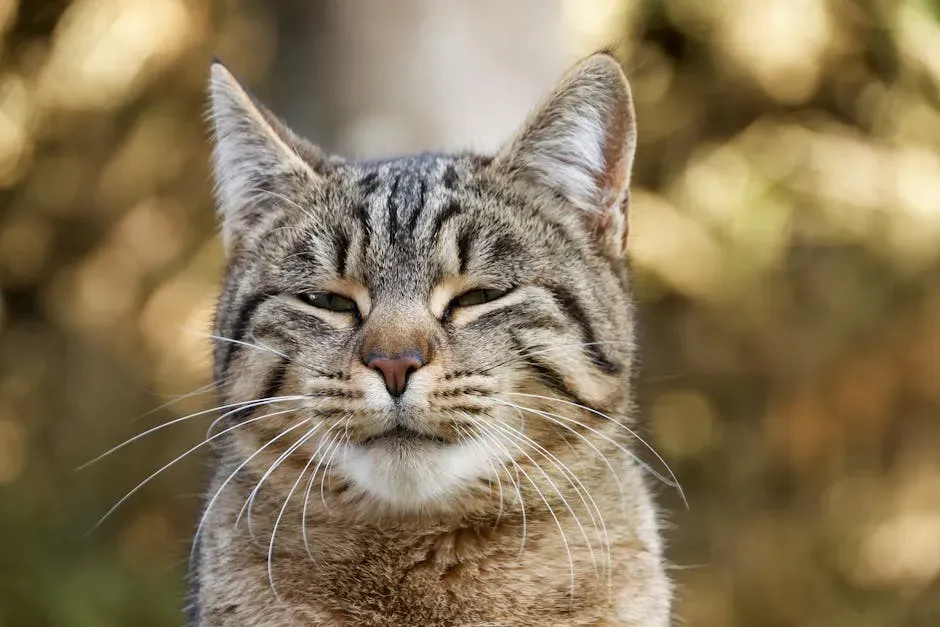
When your cat gives you that relaxed, half‑closed eye look and slowly blinks, it’s one of the clearest signs of trust they can offer. It’s like their version of saying they feel safe with you and are open to connection. If you’re busy and miss it, it can feel to them like sending a message that never gets read. If you slow blink back – gently close your eyes for a second or two, then reopen – you’re basically telling your cat, “I see you, and I’m safe with you too.” Over time, this becomes a quiet back‑and‑forth ritual that can be incredibly bonding. Make a habit of pausing for a moment when you notice that soft eye contact; you might be surprised how often your cat is initiating that silent conversation.
4. Gentle Head Bumps and Rubbing Against You
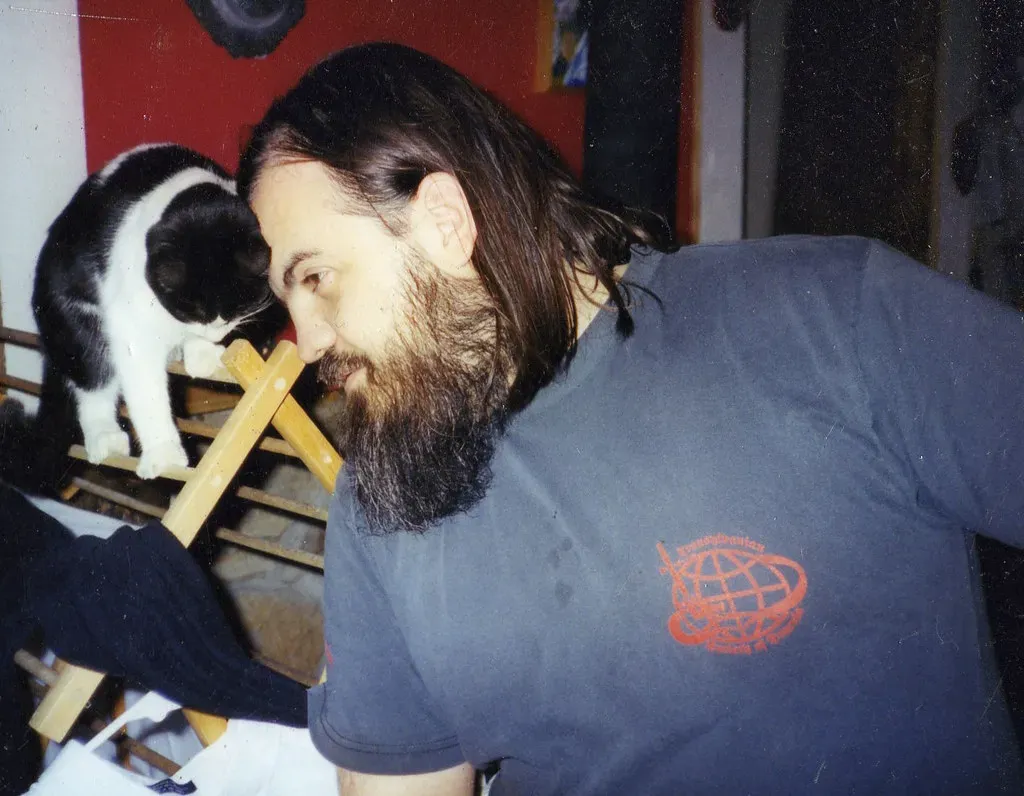
When your cat nudges your hand, leg, or even your face with their head, it isn’t just random affection. They’re mixing their scent with yours, marking you as part of their social group, and asking for some shared attention in return. Even a quick brush against your calf when you walk by can be a subtle “hey, remember me?” If you’re always stepping away or ignoring those moments, your cat may eventually dial back their attempts. Try pausing when they rub against you and give them a short scratch on the cheeks or under the chin – spots where many cats enjoy contact. This turns those quiet bumps into a predictable mini‑interaction, and your cat learns that reaching out to you is worth the effort.
5. Lying Down in the Middle of Your Path
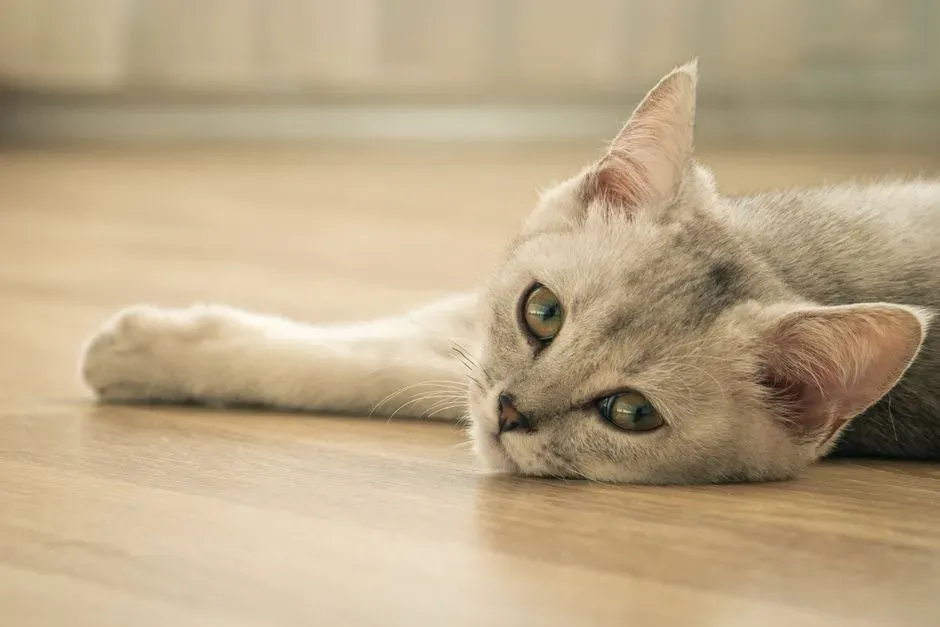
You’ve probably had that moment when your cat suddenly flops right in front of you, on the stairs, in the hallway, or across your keyboard. Sure, warmth and vantage points factor in, but often they’re also placing themselves where you literally cannot ignore them. It’s a clever way of saying, “If you’re going to move around, you’re going to have to deal with me too.” Instead of just stepping over them every time, you can take a few seconds to offer a quick rub, a word, or even a short play session if they’re in a frisky mood. Think of it like your cat dropping themselves into your schedule as a calendar reminder you didn’t set. When you start treating those strategic flops as attention bids, you’ll notice just how often they’re trying to wedge themselves into your day.
6. Silent Staring Near the Food Area
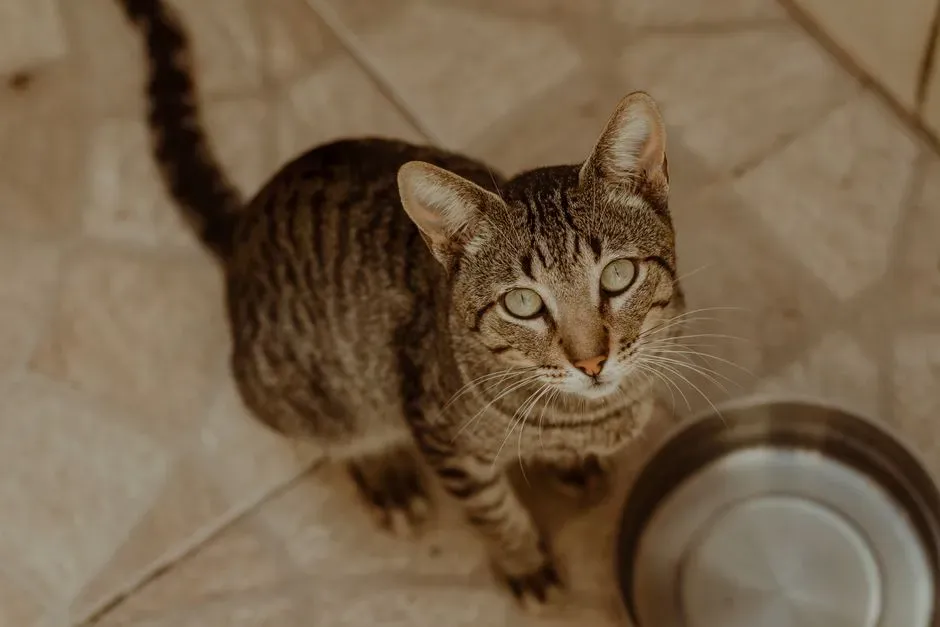
If your cat quietly sits near their food bowl or where you store their treats and simply stares at you, they’re having a very clear, very polite conversation about their needs. It isn’t always just about hunger; sometimes it’s more about routine, predictability, and the comfort of knowing you’ll respond. A cat that trusts you to meet their needs will often choose calm, silent signals before resorting to noisy demands. You can treat this as a prompt to check not only the food situation but the whole picture: is the water fresh, is the litter box clean, have you played with them today? Responding thoughtfully instead of automatically grabbing the food scoop helps you avoid overfeeding while still honoring the communication. Your cat quickly learns that their quiet signals are taken seriously, which can reduce stress for both of you.
7. Subtle Tail Invitations
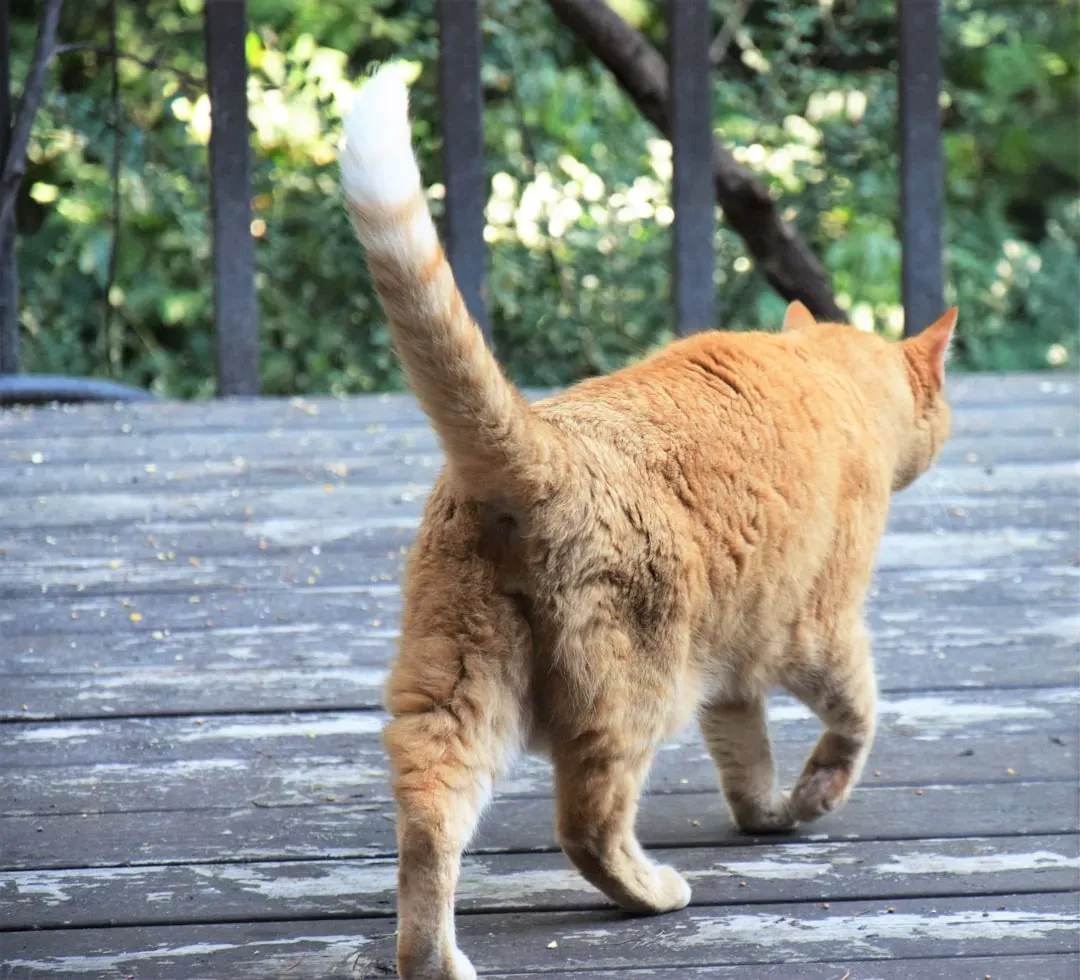
Your cat’s tail is like a mood barometer and a conversation tool rolled into one. When they walk near you with their tail upright and maybe even a little curve at the tip, that’s usually a friendly, confident greeting and often a request for interaction. If they twine that tail around your leg as they pass, they’re adding an extra underline to the message. Pay attention to differences: a loose, softly swaying tail usually signals openness, while a stiff or twitching tail can mean irritation or overstimulation. When you notice those calm, inviting tail positions, that’s a great time to offer a few gentle strokes, talk to your cat, or invite a bit of play. By reading the tail correctly, you avoid pushing contact when they’re tense and respond when they’re actually asking for your attention.
8. Quiet Play Gestures and “Drive‑By” Pounces
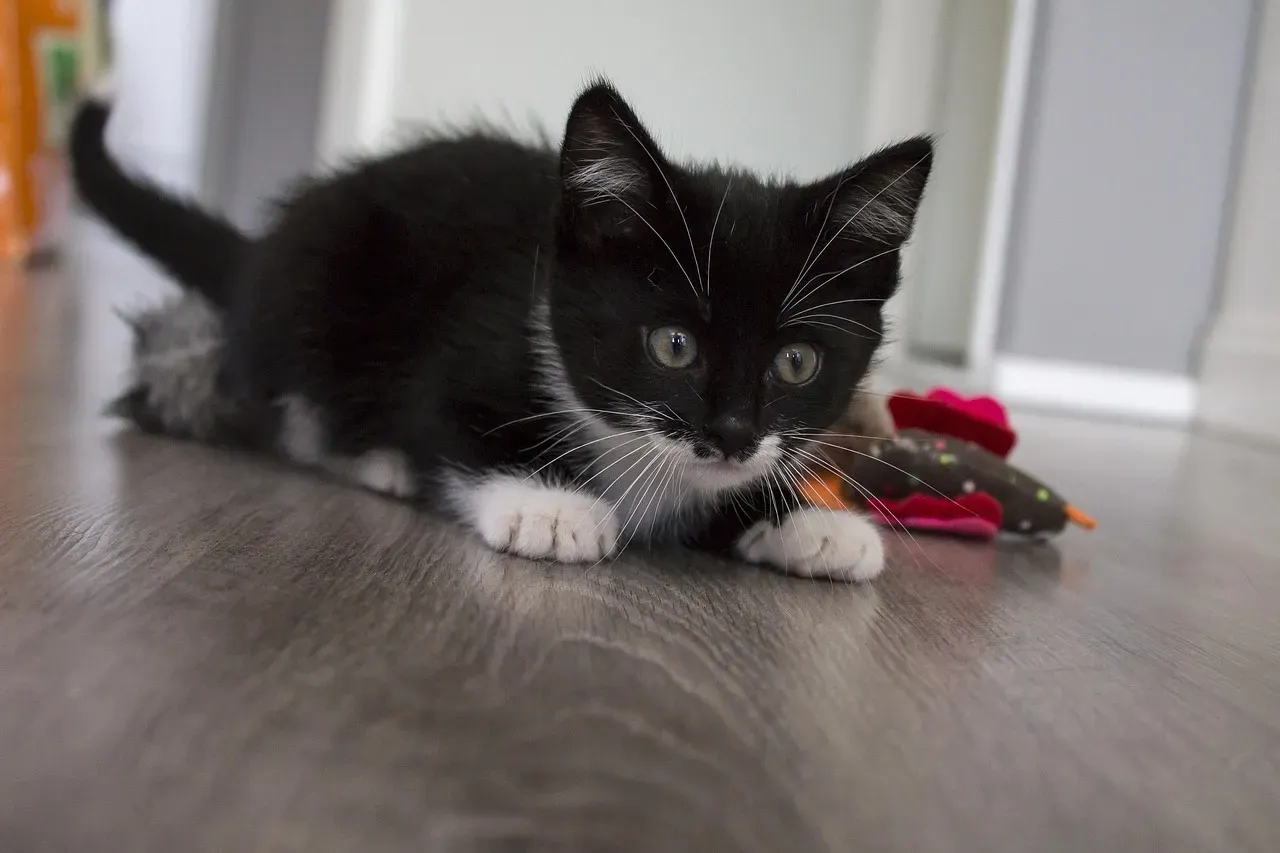
Sometimes your cat will race past you, bat lightly at your feet, or swat a toy near where you’re sitting without ever making a sound. That random zoom across the living room or mysterious rustling in the next room may be your cat entertaining themselves, but it can also be a subtle invitation for you to join in. Play is a big way cats bond, and many will keep their cues fairly low‑key, especially if they’re naturally quiet. You can test the waters by picking up a wand toy, tossing a ball, or wiggling a ribbon when you notice that burst of silent energy. Even five minutes of focused play can make your cat feel seen and satisfied, and it often reduces other attention‑seeking behaviors later on. Think of these little drive‑by antics as your cat sliding a game controller across the couch to you, hoping you’ll take the hint.
9. Sleeping Near You, Not Necessarily on You
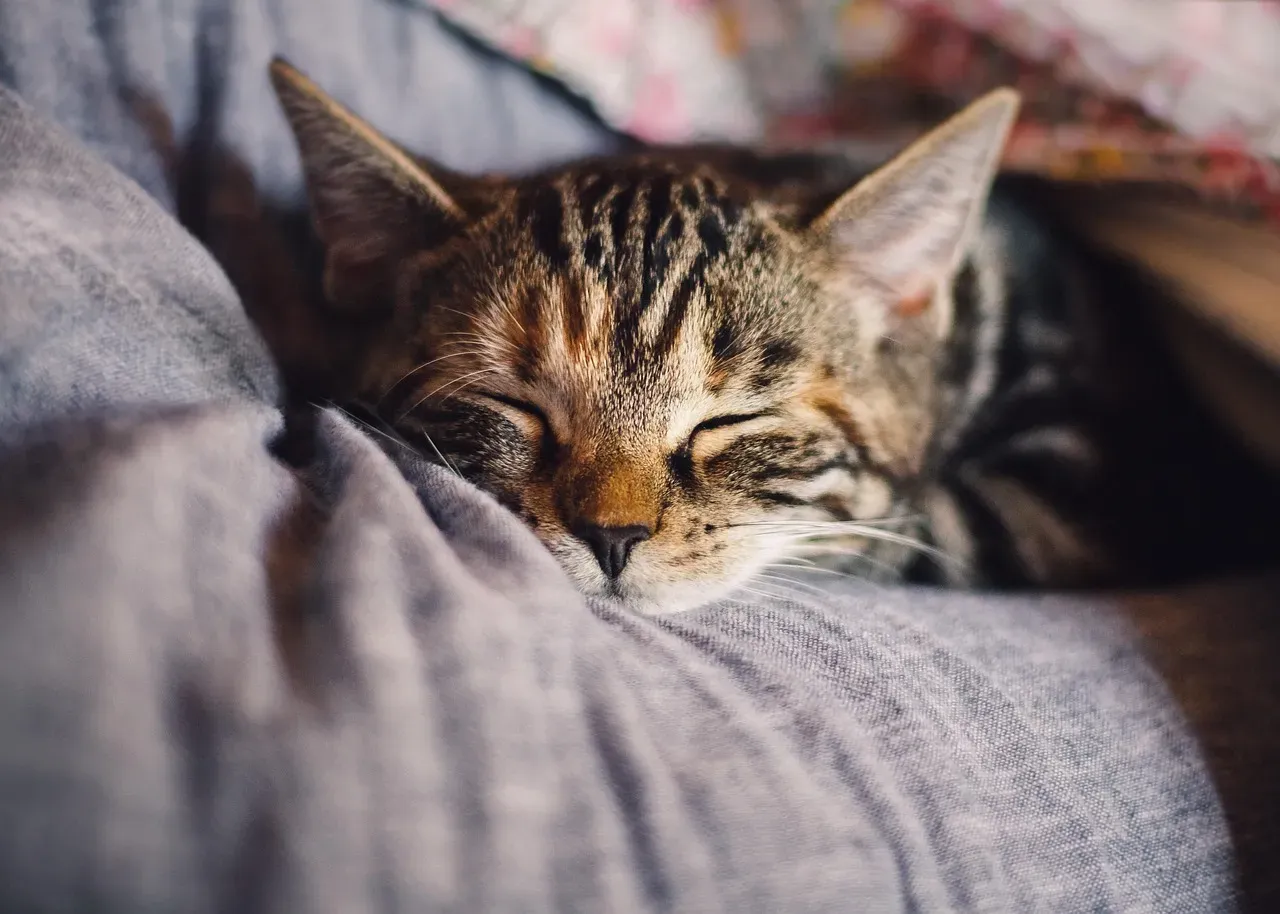
If your cat chooses to nap at the end of your bed, on the couch arm next to you, or on a chair in your home office, that placement is rarely random. Cats are wired to be cautious about where they sleep, so picking a spot close to you – without fully touching – often means they’re seeking comfort from your presence. It’s a quiet way of saying they feel safer and more relaxed when they’re in your orbit. You can strengthen that bond by occasionally reaching out for a gentle stroke when they’re half‑awake, or by making those chosen spots extra cozy with a blanket or bed. You don’t need to scoop them up or disturb their rest to show you understand. Just recognizing that their choice to sleep near you is a form of affection and attention‑seeking can change how you see those peaceful, shared moments.
Conclusion: Learning to Hear the Silence
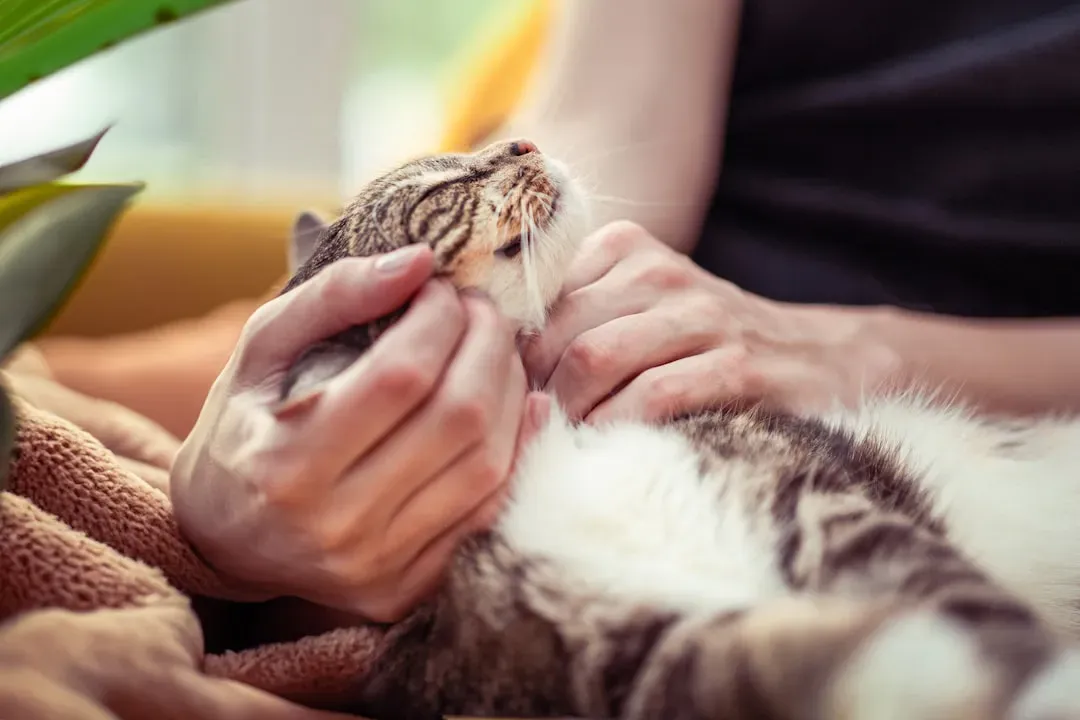
Once you start noticing these quieter signals, it can feel like someone turned on subtitles for your cat’s behavior. You realize that they’ve been asking for small pieces of your time and attention all along – just without the drama of loud meows or constant pawing. Responding to these subtle cues with calm presence, gentle touch, and short bursts of play builds a relationship based on trust instead of just feeding times. You don’t have to be perfect or decode every move; you just need to show up consistently when your cat reaches out, even in small ways. Over time, you’ll likely see your cat become more confident, more affectionate, and maybe even a little more talkative, because they’ve learned that you listen. Now that you know what to watch for, which of your cat’s quiet habits suddenly looks a lot more like a conversation?
Kristina is a young writer from India. An arts graduate and an avid content creator, Kristina is passionate about animals and wildlife. She enjoys exploring topics related to pet care, animal behavior, conservation, and nature, combining thorough research with engaging storytelling.