Your cat has been watching you long before your alarm goes off. While you’re still buried under the covers, caught somewhere between a dream and consciousness, your feline companion has already conducted a full assessment. Cats are far more observant than most people give them credit for, and the science behind their perceptual abilities is genuinely fascinating.
There’s a quiet intelligence at work in that small, warm body curled at the foot of your bed. Far from being emotionless or indifferent, cats are intelligent, perceptive creatures capable of forming deep, lasting bonds with their human caregivers. The things they detect about you each morning, before you’ve even opened your eyes, reveal just how tuned in they really are.
1. Your Exact Scent Profile Has Been Catalogued
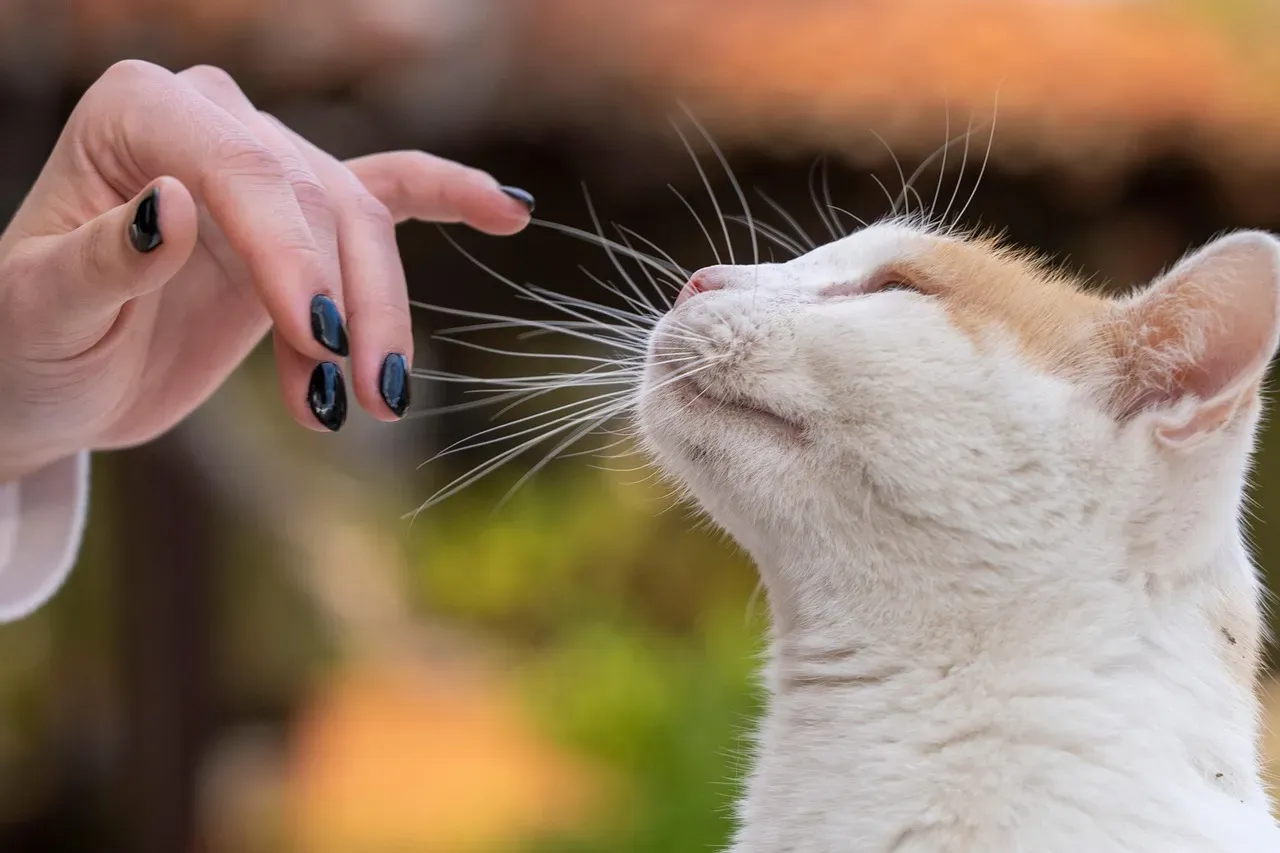
Your cat doesn’t just smell you in a vague, general way. A cat has around 80 million olfactory receptors, compared to roughly 5 million in humans. They don’t just smell your perfume – they detect your unique biological signature. Every morning, before you stir, your cat is reading a scent profile that belongs to you alone.
While vision and hearing are both important to cats, smell is perhaps their most dominant sense. A cat’s sense of smell is approximately 14 times stronger than a human’s, and they use it to navigate their environment, communicate with other cats, and identify their owners. That warm, sleepy version of you still tucked in bed? Your cat recognized you hours ago.
2. Whether You’re in a Deep Sleep or About to Wake Up
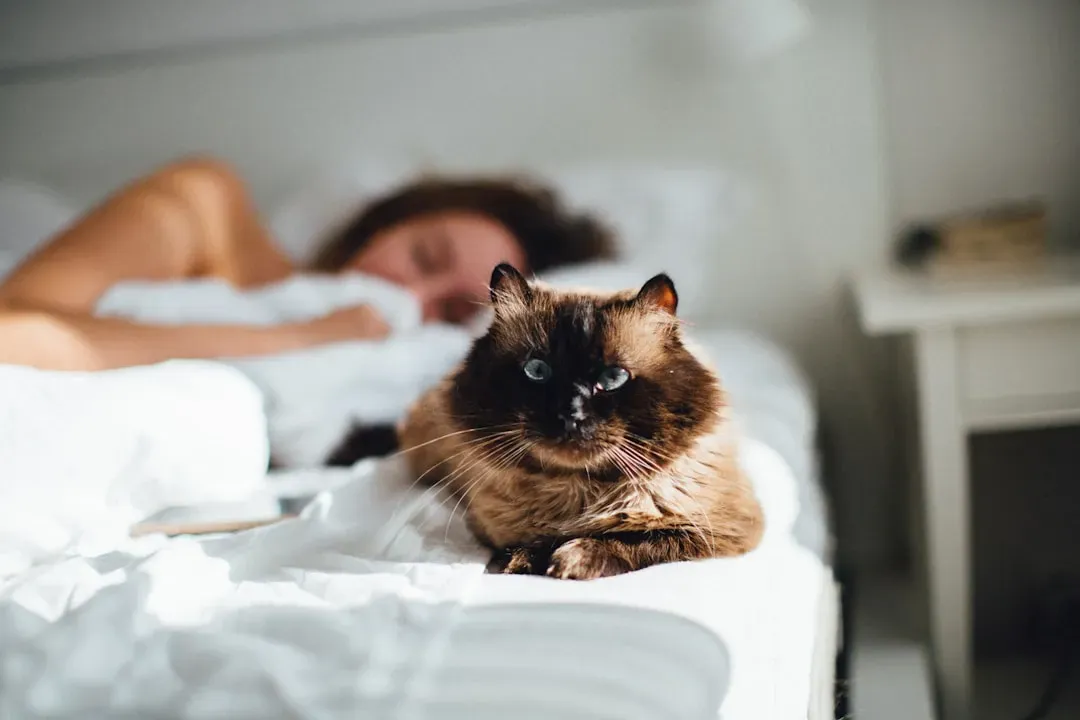
Cats are also able to recognize non-vocal sounds. For example, they can discern between your breathing pattern when sleeping and when awake. This isn’t accidental. It’s a finely tuned skill that helps your cat time its approach for maximum attention-seeking efficiency.
Cats’ own sleep is not always deep. Much of it is light sleep, allowing them to wake quickly if they sense a threat or opportunity. These micro-naps are sprinkled throughout the day and night, with deeper sleep cycles occurring during quieter, safer hours. So while you cycle through your own sleep stages, your cat is cycling through theirs, staying perpetually alert to any shift in your rhythm.
3. What Time It Is and Whether You’re Running Late
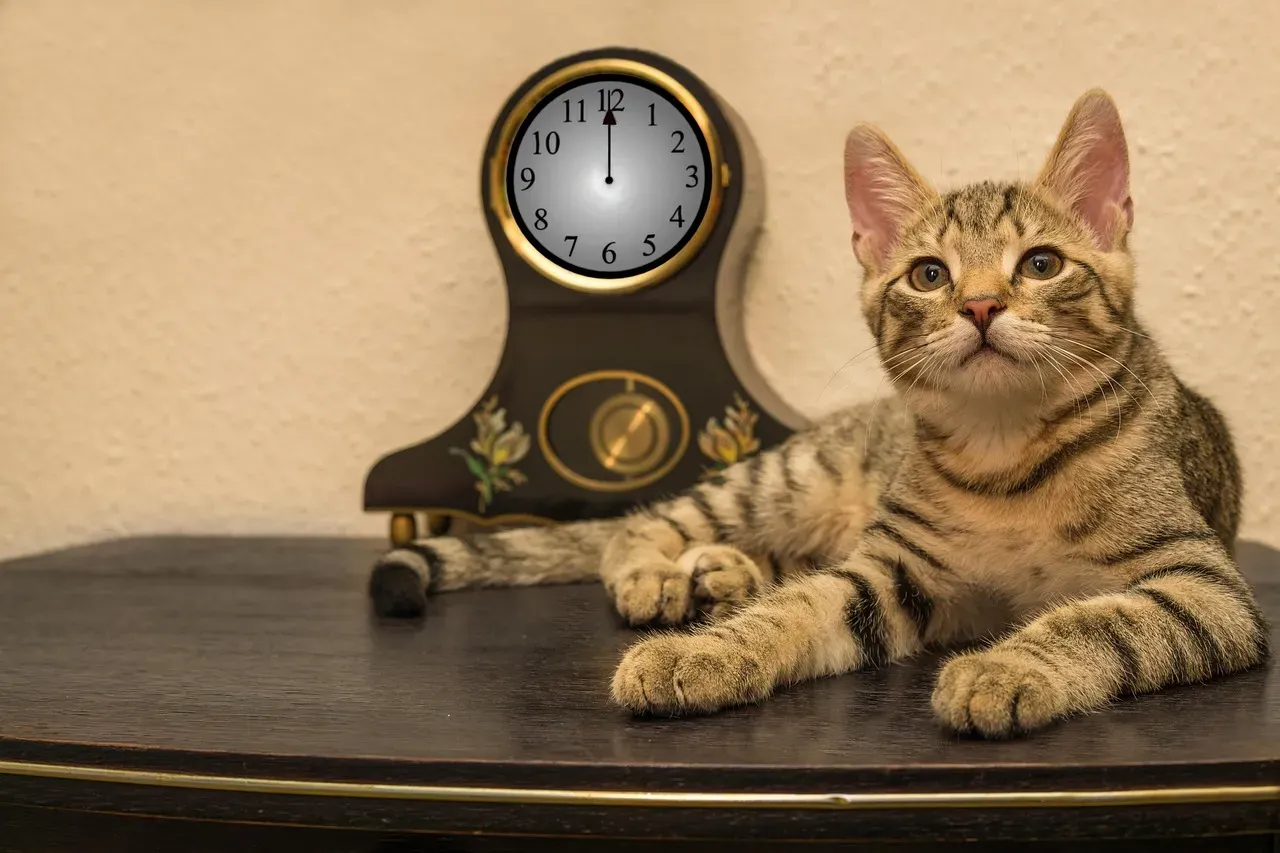
Cats have an internal clock that helps regulate their circadian rhythms, which are influenced by the suprachiasmatic nucleus in the brain. This tiny region acts as the body’s master clock, synchronizing bodily functions with daylight and darkness. Your cat uses this biological clock in combination with learned cues from your routine to track time remarkably well.
Cats are smarter than we give them credit for. They learn what works with what person, and they know if a member of the family is prone to get up at a particular time and give them treats. If you’re sleeping past your usual hour, there’s a fair chance your cat already noticed – and is forming a plan to do something about it.
4. Your Emotional State Before You Feel It Yourself
A recent study shows cats can detect human emotions through scent – especially fear – suggesting our feline companions might understand us more than we realize. Research from the University of Bari in Italy found that cats actually use different nostrils to process different emotional odors, which points to a surprisingly sophisticated neural response to human emotional cues.
Cats relied on their right nostril more when displaying stress behaviors while smelling fear or physical stress odors. Since the right nostril connects to the right hemisphere of the brain, which is responsible for processing arousal and intense emotions, this suggests that these odors trigger a higher emotional response in cats. In short, your cat may sense that you’re anxious before you’ve consciously registered the feeling yourself.
5. That You’re Sad or Going Through Something Hard
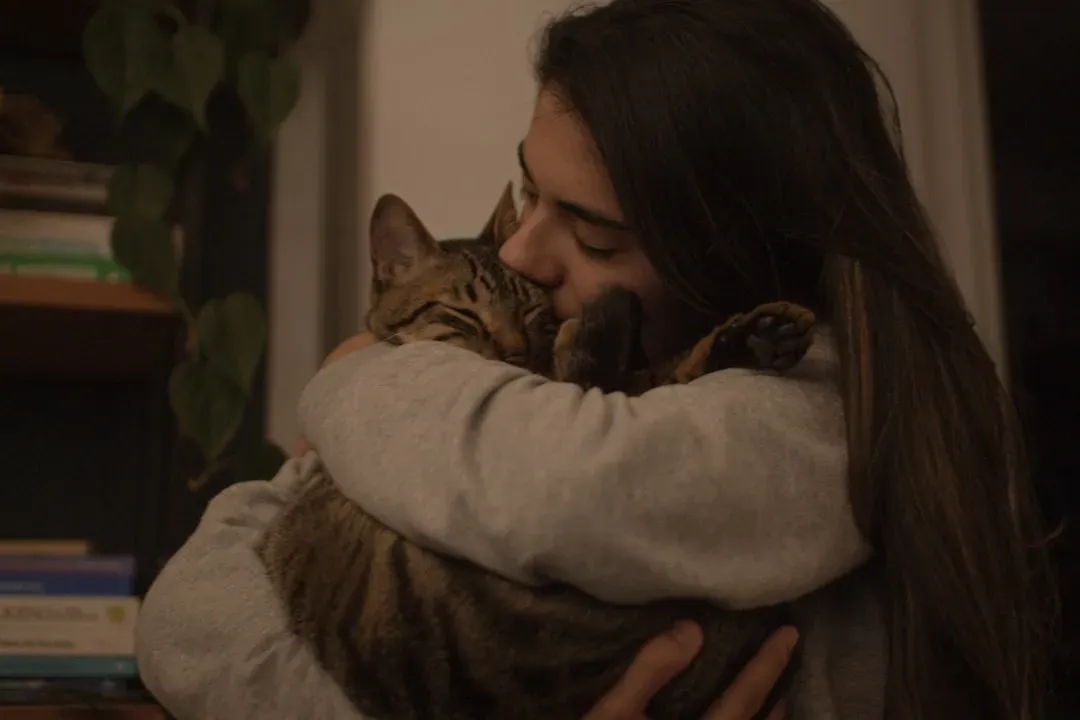
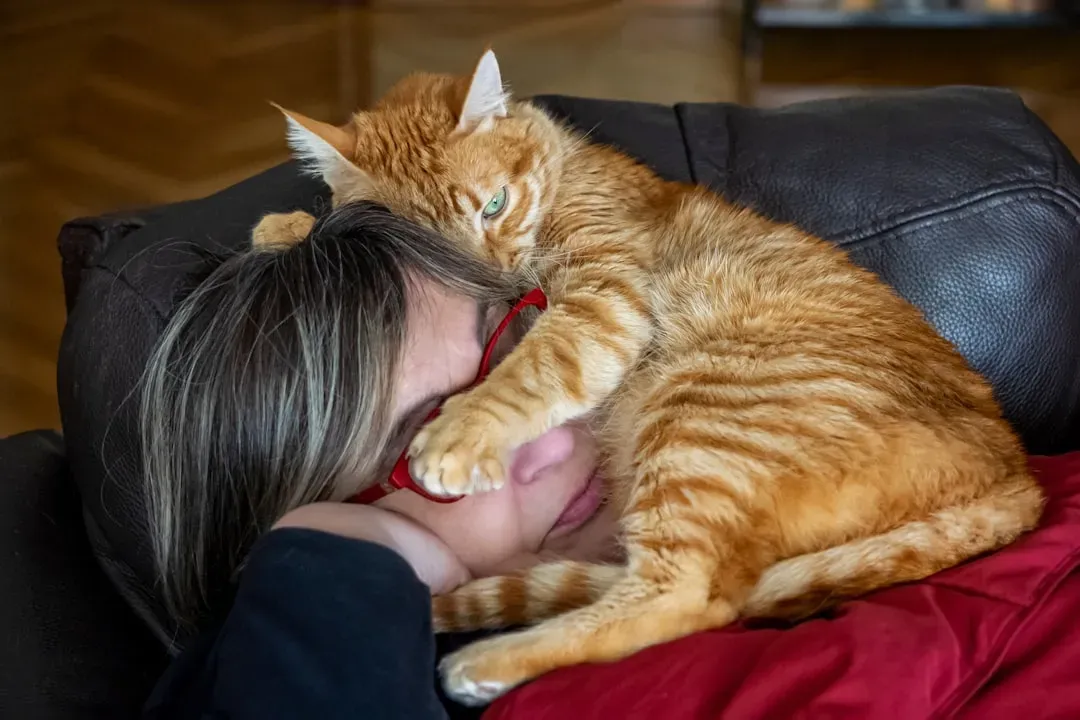
Research shows that as cats became domesticated, they developed cognitive and social skills for understanding human emotions. They are intuitive and can understand the moods and emotions of their humans. More specifically, they engage with their humans more often when they are sad or depressed, and they approach them more frequently when their humans are anxious or agitated.
Studies show that human emotional cues produce subtle but real changes in cat behavior in accordance with the owner’s emotional expressions. It has also been found that cats are sensitive to human moods, and in particular, they engage more frequently in social interactions with depressed humans. Your cat sitting on your chest on a hard morning isn’t coincidence. It’s attentiveness.
6. Your Unique Voice and How You’ll Sound Today
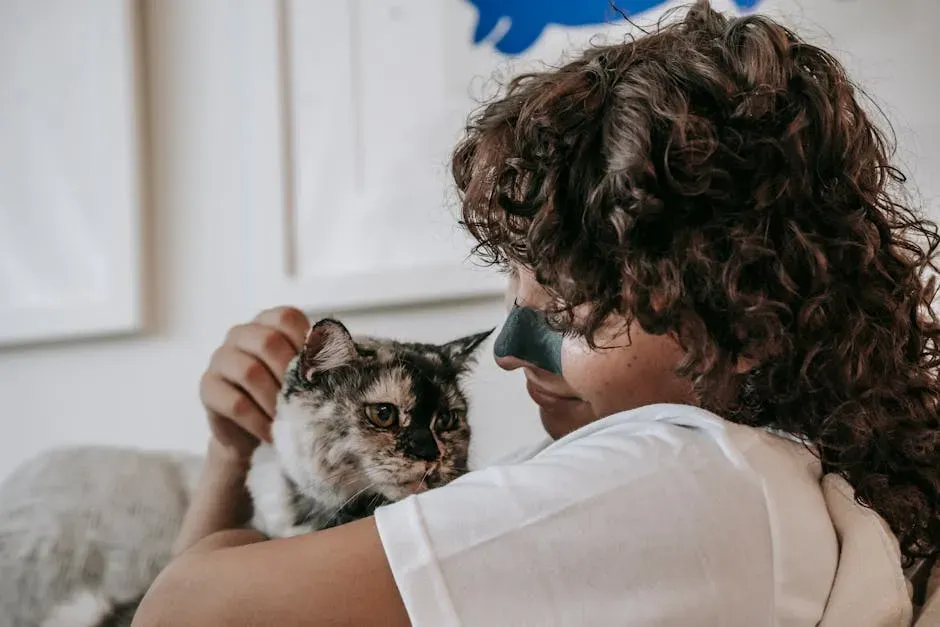
Cats have well-developed auditory abilities and can distinguish between their owner’s voice and that of a stranger. Research has also discovered that cats are very capable of detecting if their owners are talking to them or just conversing with other people. Even in a half-asleep mumble, your cat knows your voice from anyone else’s in the household.
Research has also shown that cats can recognize their owner’s voice and respond differently to different tones. This means that if you are feeling sad or stressed, your cat may be able to pick up on this and offer comfort. Tone tells a cat a great deal. Tonal changes in your voice are an indication of how you’re feeling. Soft tones are comforting to cats, whereas louder, sharper tones will often cause them to run and hide.
7. Your Routine Down to the Minute

Cats are keen on observing patterns of behavior. They can recognize routines in our daily lives and often do things that they know will elicit a certain response from us. This means they are paying attention to your reactions and behavior just as much as you are watching theirs. Your daily sequence – the order in which you shower, make coffee, and feed them – has been memorized with precision.
Studies have shown that cats adapt to their owners’ schedules surprisingly well. If an owner works from home, the cat may adjust its schedule to coincide with work hours, taking naps during quiet times or seeking attention during breaks. Conversely, if an owner has a non-traditional work schedule, the cat will often adapt by changing its feeding and playtime habits. Your cat’s internal timetable is essentially built around yours.
8. Whether You’re a Safe Person to Approach Right Now

Research has shown that cats can sense human emotions. Cats respond more positively to people who are happy and relaxed than to those who are angry or anxious. Before your cat decides to jump up and demand morning cuddles, it has already made a quiet assessment of your current state. A tense, restless sleeper may wake up to an empty bed.
Cats act very independently of others around them, but they do pick up on small things about a person’s energy. Cats can keep their distance from people who tend to be more on the negative side. This isn’t aloofness for its own sake. It’s a calculated read of your current approachability, filtered through thousands of years of social instinct.
9. That You’re Their Person – Not Just a Food Source

While cats don’t rely on social hierarchies in the same way dogs or humans do, they do form strong, individual relationships with people. Their attachment isn’t based purely on utility, but on trust, familiarity, and mutual communication. Your cat already knew, well before morning light, that you are the specific human it has bonded with.
When your cat head-bunts you, they are mixing their pheromones with your scent. This creates a kind of shared signature that tells them this human belongs to them and is safe. One study in 2019 found that cats are just as attached to humans as babies are. That quiet weight settling next to you in the early morning hours? That’s not accident. That’s attachment.
10. Your Footsteps, Keys, and Every Sound That Means You’re Coming
Auditory markers your cat can recognize include the jingle of your keys, your footsteps, and the familiar creaking of your front door. These acoustic signatures are catalogued alongside your scent and voice, building a multi-sensory portrait of who you are and where you are at any given moment. Well before your feet hit the floor, the sound profile of your morning movement has already been interpreted.
Cats are highly attuned to their surroundings, and they use various auditory and olfactory cues to inform their behavior and internal clock. Many cats learn to recognize the sound patterns of birds outside windows or the hum of appliances that signal mealtime. Some even synchronize their activities with their owner’s schedules, perhaps waiting for the sound of keys jingling at the door before emerging from their hiding spots. Your cat has essentially built a soundscape around your life, and your waking movements are the opening notes of each day.
Conclusion
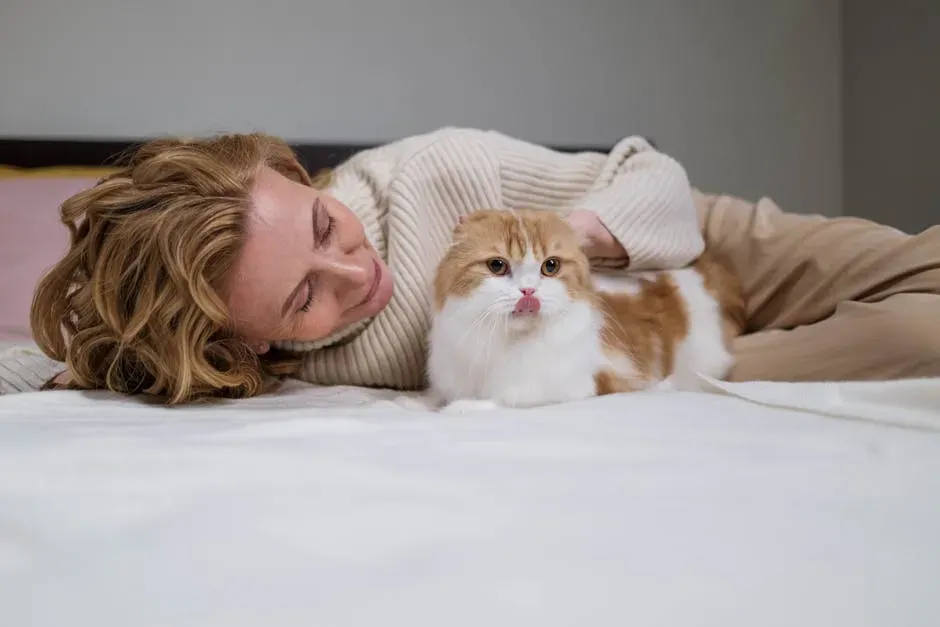
There’s something quietly humbling about realizing that your cat has already assessed your mood, tracked your breathing, mapped your scent, and timed your routine – all before your alarm goes off. Cats communicate using a rich combination of vocalizations, body language, and behavioral cues, and learning to interpret these signals is key to building a trusting relationship.
The sleepy, indifferent creature stretched across your pillow is running a sophisticated, real-time analysis of you every single morning. Cats show their attentiveness through looking at you, sitting near you, rubbing themselves against you, and purring – and for cats who have bonded with their humans, they make great companions because of their ability to calm us. The relationship you share with your cat is more layered and reciprocal than it might appear on the surface. They’re paying attention. The question is whether you’re paying the same attention back.
Kristina is a young writer from India. An arts graduate and an avid content creator, Kristina is passionate about animals and wildlife. She enjoys exploring topics related to pet care, animal behavior, conservation, and nature, combining thorough research with engaging storytelling.