You probably think your cat spends your absence stretched across the sofa, completely unbothered. The truth is a bit more layered than that. Cats are quietly complex creatures, and the hours you’re away from home reveal behaviors that most owners never get to witness firsthand.
Whether you work long shifts or just pop out for groceries, something shifts the moment your front door closes. Your cat steps into a version of itself that’s part wild ancestor, part deeply loyal companion, and occasionally part tiny domestic chaos agent. Here’s what’s actually happening behind the scenes.
1. Your Cat Becomes the Chief Home Security Officer
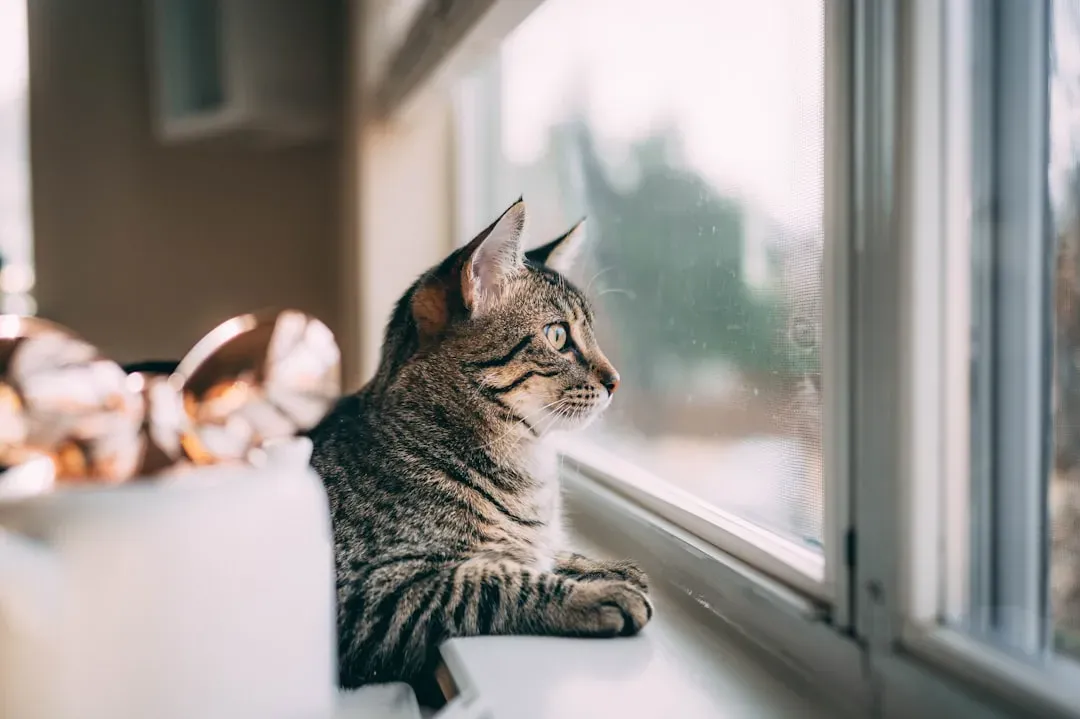
Cats are very territorial, and sitting next to a window is a way for them to monitor and watch their territory. Think of it like taking notes about the world around them: potential threats, new neighbors, and more. The moment you leave, your cat likely assumes full surveillance duty.
To your indoor cat, the window is like a high-definition nature channel that’s on 24/7. Every fluttering leaf and every passing bird is part of a thrilling show, and this visual excitement triggers their natural prey drive, letting them “hunt” from the safety of your home. It’s genuinely satisfying for them, not just idle gazing.
2. Your Cat Conducts a Full Scent Audit of Your Home
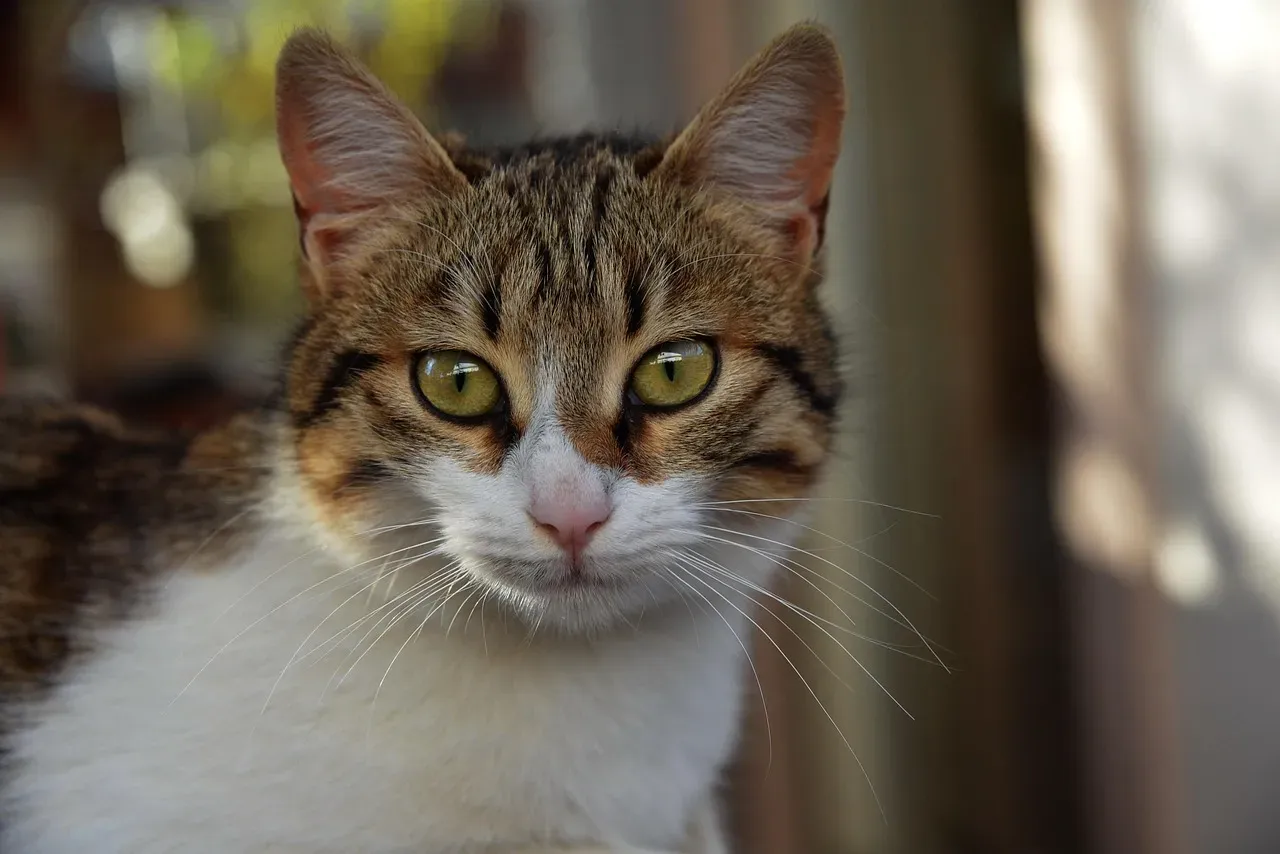
When a cat marks, it deposits chemicals known as pheromones. Animals use pheromones to communicate with other members of their species, and a cat’s pheromones contain personal information. Cats mark to intentionally leave their messages in socially important locations within their territory, particularly along commonly traveled pathways.
As cats move about, the scent glands on their feet leave pheromone deposits. There are also scent glands in the cheeks, the chin, the top of the head, and the base of the tail. Cheek rubbing and scratching are also forms of marking, and when a cat scratches a surface, the glands in its feet release pheromones while the claw marks serve as long-lasting visual communication. You likely never notice most of this happening, but your cat is actively curating its scent presence throughout the home while you’re out.
3. Your Cat Sleeps More Than You’d Ever Imagine
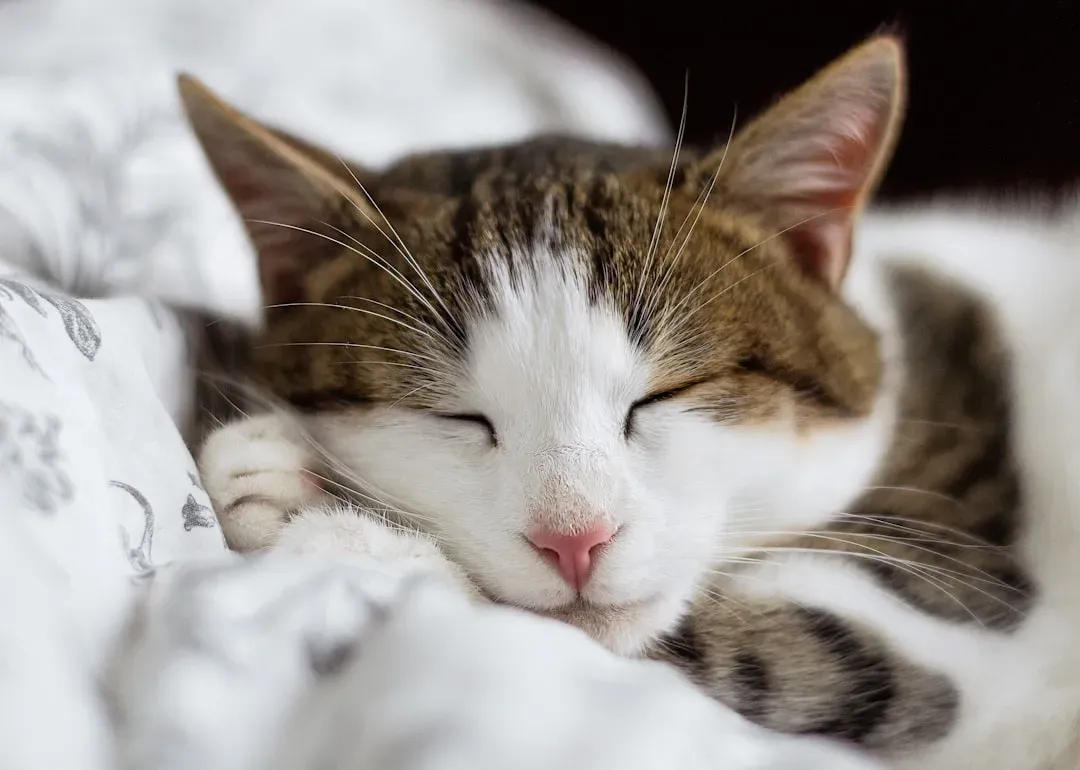
Cats observed when their owners left the house for half an hour, and when their owners left for four hours, spent a greater proportion of their time resting when their owners were away for four hours compared to just thirty minutes. The longer you’re gone, the deeper the nap.
Cats in the wild spend roughly eighty percent of their time sleeping and conserving energy, and this carries over to domestic life. If your cat has plenty of window perches, interactive toys to play with on their own, and food and water, they will most likely sleep while you’re gone. Those epic naps aren’t laziness. They’re practically instinct.
4. Your Cat Stretches and Purrs More as Time Goes On
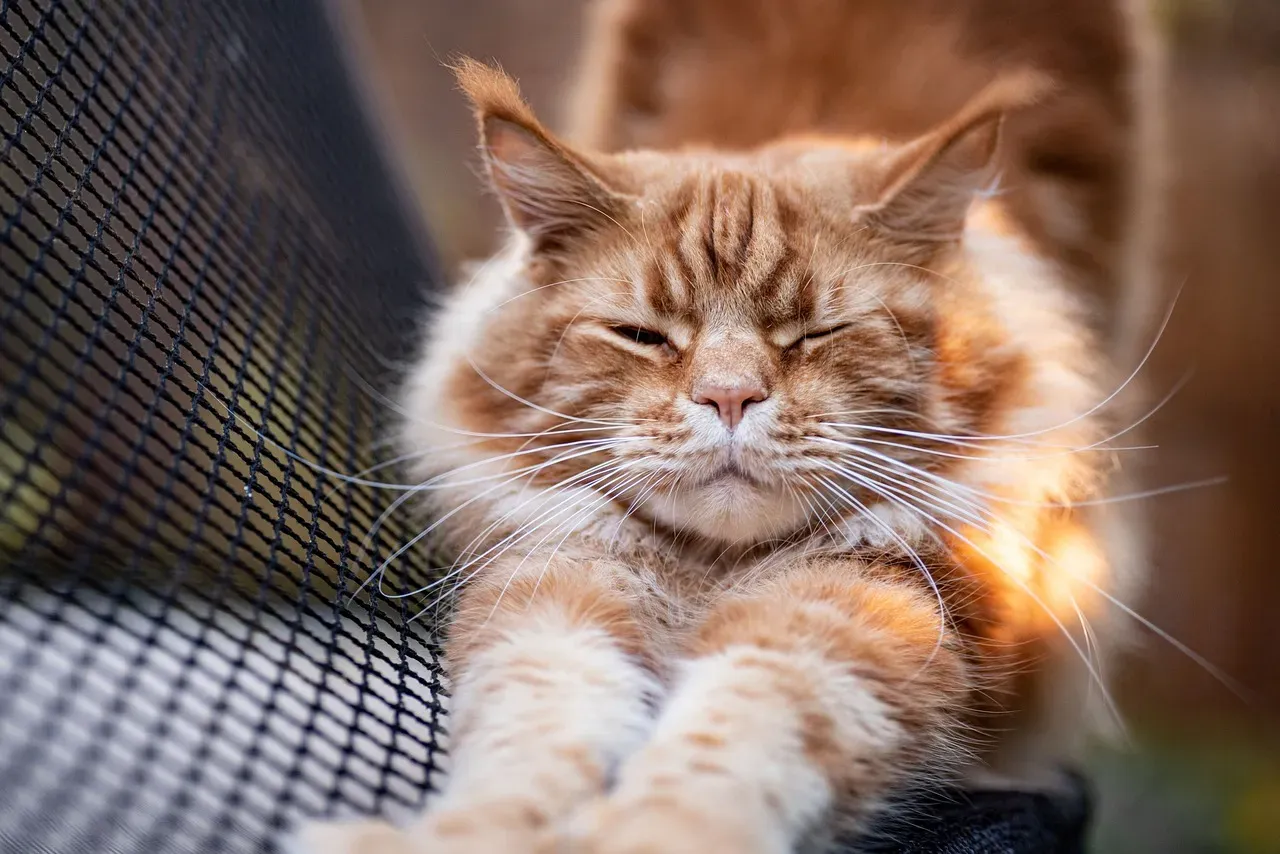
Cats also stretch more after being left alone for longer periods. Stretching is not thought to be related to greeting behavior in cats, but rather stimulates blood circulation after resting, which is why cats stretch more after longer absences. It’s their quiet way of waking their bodies back up.
When owners returned, cats were more likely to purr and stretch after a four-hour separation than after a short one. Interestingly, the purring and stretching were not entirely dependent on whether the owner talked to them upon return. Two different types of purr have been distinguished in cats: the “non-solicitation” purr produced by relaxed, contented cats, and the “solicitation” purr produced by cats actively seeking food or attention, and these purrs sound different in terms of frequency.
5. Your Cat Raids Forgotten Toy Stashes
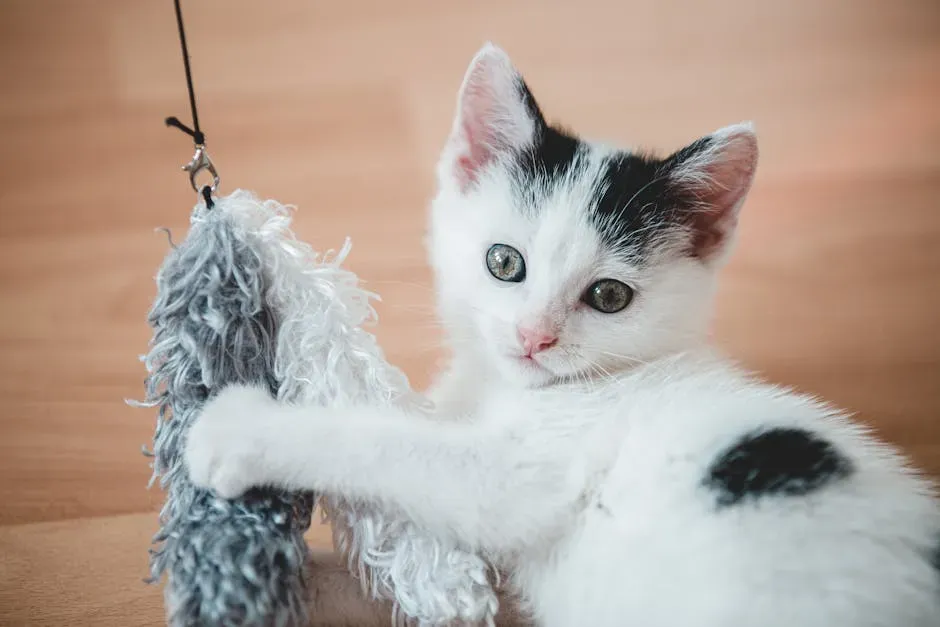
Many studies suggest that house cats are very independent and can keep themselves occupied when their owners are away. Chances are, your feline companion is deciding to play with toys that are usually forgotten. That toy mouse shoved under the radiator for months? Fair game the moment you leave.
Active and playful cats may become bored and lonely if they lack stimulation and interaction, and without opportunities for play and mental stimulation, they may exhibit signs of loneliness or engage in destructive behavior. Providing a rotation of toys before you head out makes a genuine difference in how your cat channels that solo energy.
6. Your Cat Explores the High Ground You Don’t Want Them Touching
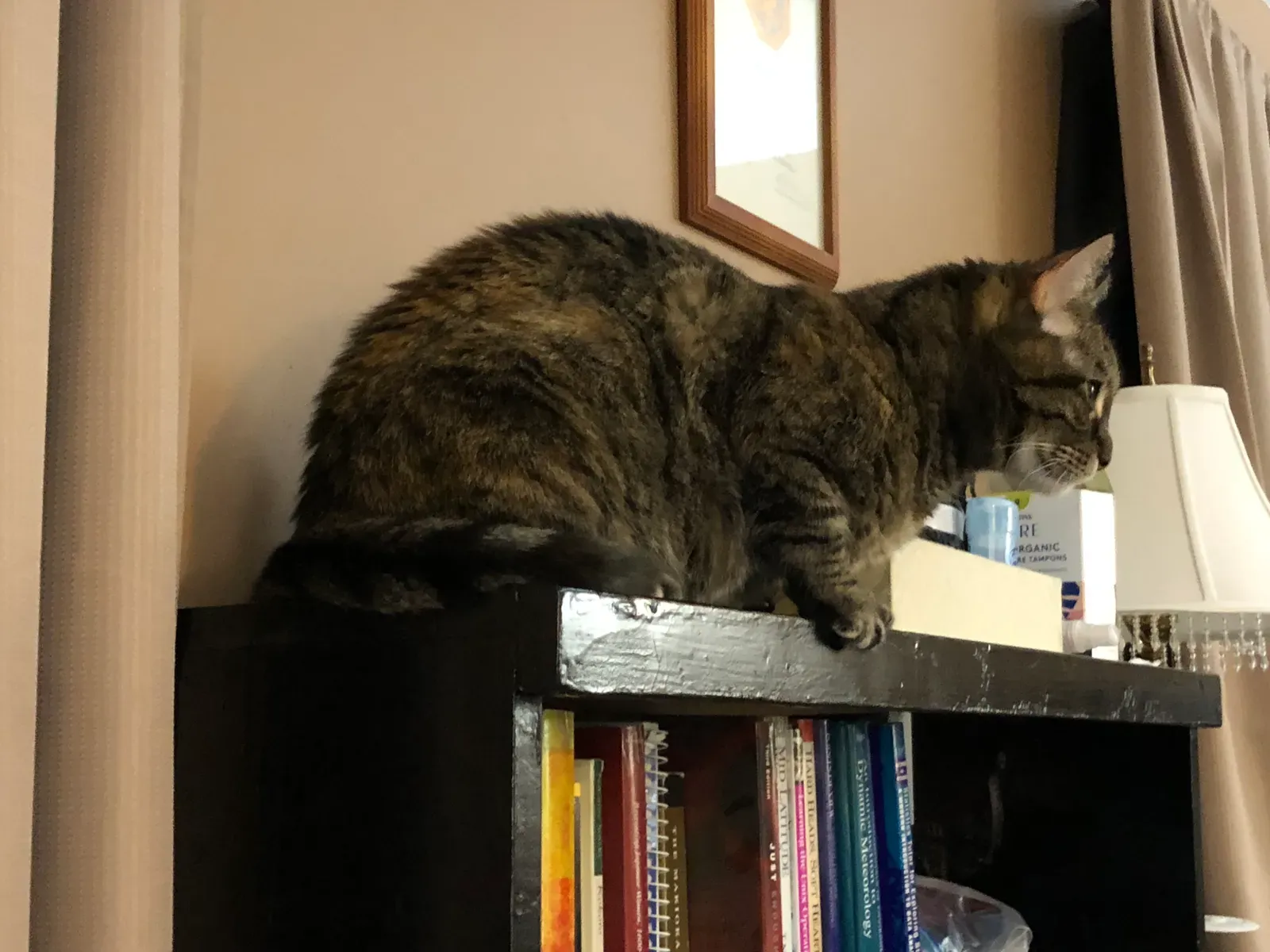
Spatial targets can become more interesting to your cat when you’re not home. This can include high places like closets or shelves, as well as nooks and crannies like drawers or boxes, which is natural behavior for a cat that wants to explore new areas and satisfy its curiosity. That spot on top of the refrigerator you’ve always quietly discouraged? Your cat has claimed it the moment you’re out the door.
Cats feel most secure when they can get up high and survey their surroundings. Make sure your cat has somewhere to safely get up high, and a cat tower, clear windowsill, or shelf will do. Giving your cat a designated high perch can redirect this impulse away from the kitchen counters.
7. Your Cat Listens Closely to Background Noise
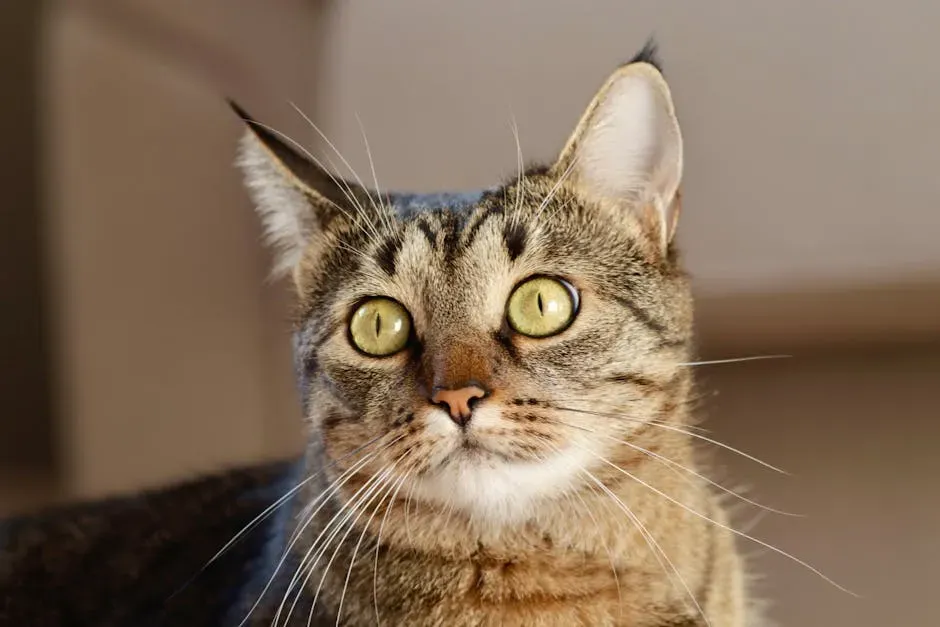
The television can be a source of entertainment for your kitty, and along with offering some background noise, the TV provides the sound of human voices, which is often reassuring to cats. The house doesn’t feel quite as empty when there’s something on.
Leaving the radio or television on a low volume may help some cats relax. You can also leave the TV or radio on and the sound of a human voice can help them feel less lonely. Your cat isn’t exactly watching a documentary, but the ambient sounds of human activity may provide a kind of comfort that replaces, at least partially, your presence.
8. Your Cat Actively Misses You and May Show Distress
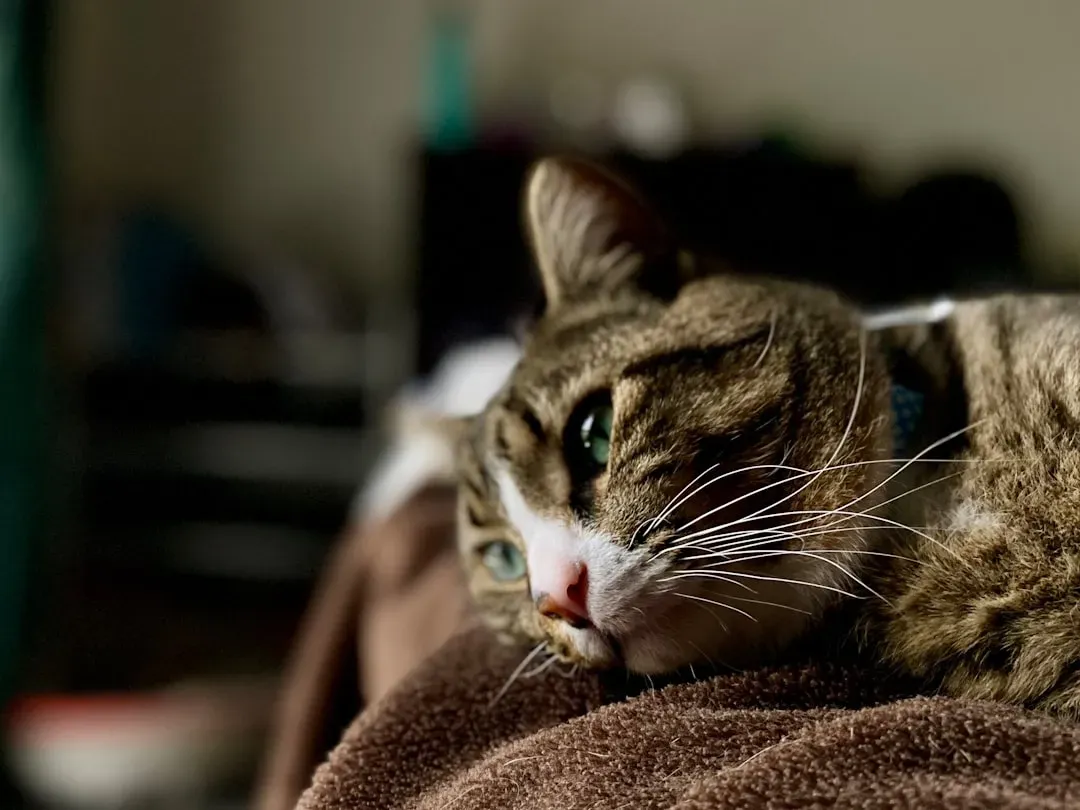
A 2019 study found that cats can get attached to humans and show signs of stress when separated. According to a National Institutes of Health report, anecdotal evidence suggests that somewhere between thirteen and nineteen percent of cats may exhibit signs of distress when left alone. These behaviors can include vocalizing, destructive scratching, knocking over objects, and inappropriate urination.
Cats with separation anxiety typically act out within the first twenty minutes or so after you’re gone. Stress from other causes, such as environmental changes like a new home or guests visiting, can also result in similar behaviors like inappropriate urination or increased scratching. So if you come home to a knocked-over plant or a pile of toilet paper shredded in the hallway, it might not just be mischief.
9. Your Cat Marks Your Belongings With Its Scent
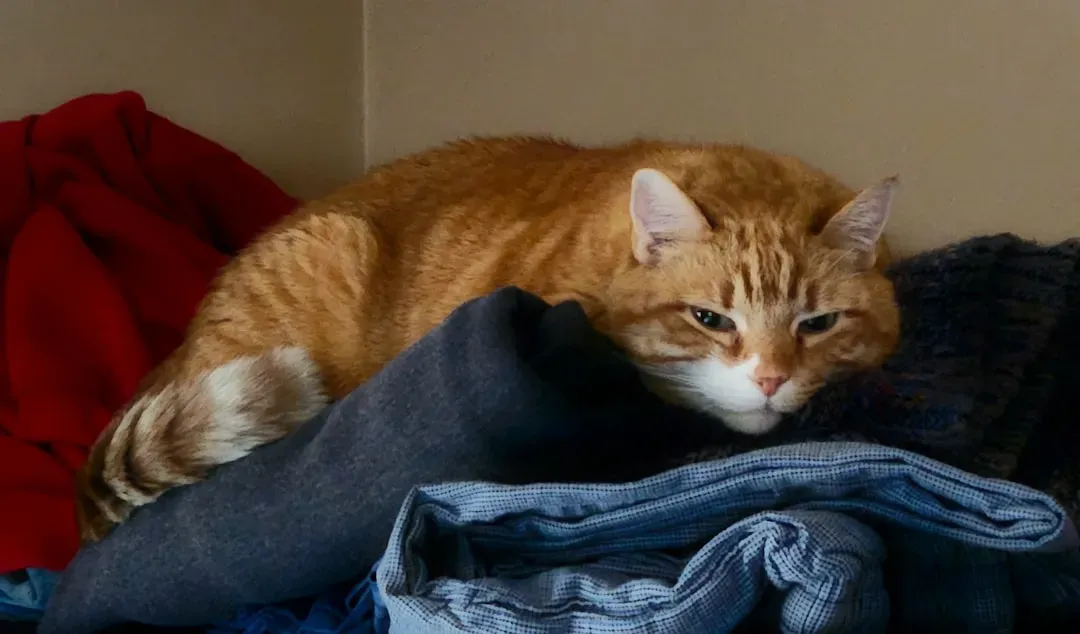
Your cat may mark as a way to communicate its displeasure at being left alone. This is especially true if you find that it’s eliminating on things with your scent, such as bedding or clothing. It sounds alarming, but it’s often a form of self-soothing more than defiance.
A change in household routine, the addition of a person or pet, or even a remodeling project can trigger anxiety and marking. Cats sometimes deposit their scent onto new objects brought into the household, presumably to create a common scent or mask an unfamiliar one. Your cat isn’t trying to ruin your laundry. It’s trying to make everything smell familiar and safe.
10. Your Cat Waits for You and Tracks Your Return
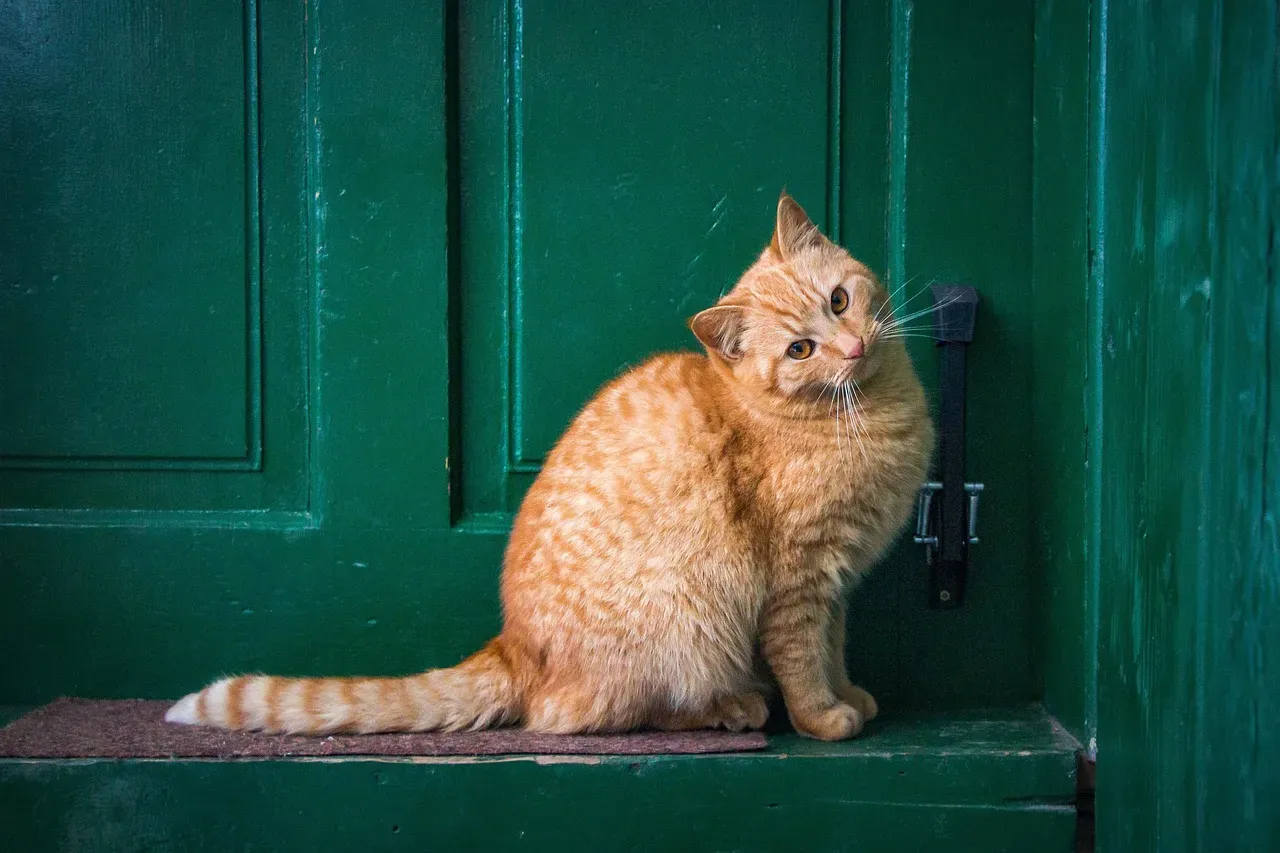
If you work regular hours, your cat might anticipate when you get home and start waiting by the door to greet you. Or, they might hear you opening the door and come running to see you. Cats are really attuned to patterns and daily routine, and when something falls outside of the norm, that’s when cats can notice.
Even if they’re not too distressed, you might find that your cat waits at the window for you to come back. They might also appear on your driveway or garden path to greet you when you return home, signs that your companion has missed you and is glad you’ve returned. When you return, your cat may engage in an intense sniffing session as a way of re-familiarizing themselves with you, since cats heavily rely on scent. They know your scent very well and are just re-acquainting themselves because they missed your smell.
A Final Thought
Your cat’s alone-time behavior is a fascinating window into how much of its wild instincts remain fully intact, even after centuries of domestication. It sleeps, patrols, marks, listens, and waits. It feels your absence more than most people realize.
The popular idea of the aloof, self-sufficient cat is only part of the picture. There is a general consensus that the domestic cat is not as solitary as its wild ancestors, as cats have the ability to form bonds both with other cats and with humans. However, there is large individual variation in how sociable cats are towards humans, due to both genetic influences and early handling. How important an owner is as a social companion to a cat depends on these factors.
Understanding what goes on in your absence doesn’t just satisfy curiosity. It gives you a better foundation for meeting your cat’s actual needs, which tend to be a lot richer and more nuanced than most owners expect.
Kristina is a young writer from India. An arts graduate and an avid content creator, Kristina is passionate about animals and wildlife. She enjoys exploring topics related to pet care, animal behavior, conservation, and nature, combining thorough research with engaging storytelling.