You thought you were the one doing the adopting. You picked the shelter, filled out the paperwork, paid the fees, and drove home with a carrier in the backseat. Congratulations – or so you believed. Here’s the twist: your cat probably had very different ideas about how that whole arrangement was going to work.
Cats are not passive passengers in your life. They are quiet decision-makers with very specific opinions about who belongs to them, and once they’ve made up their minds, the evidence starts showing up everywhere – you just need to know where to look. So let’s dive in, because some of these signs might genuinely surprise you.
1. They Mark You With Their Scent – and That’s Not a Compliment, It’s a Claim
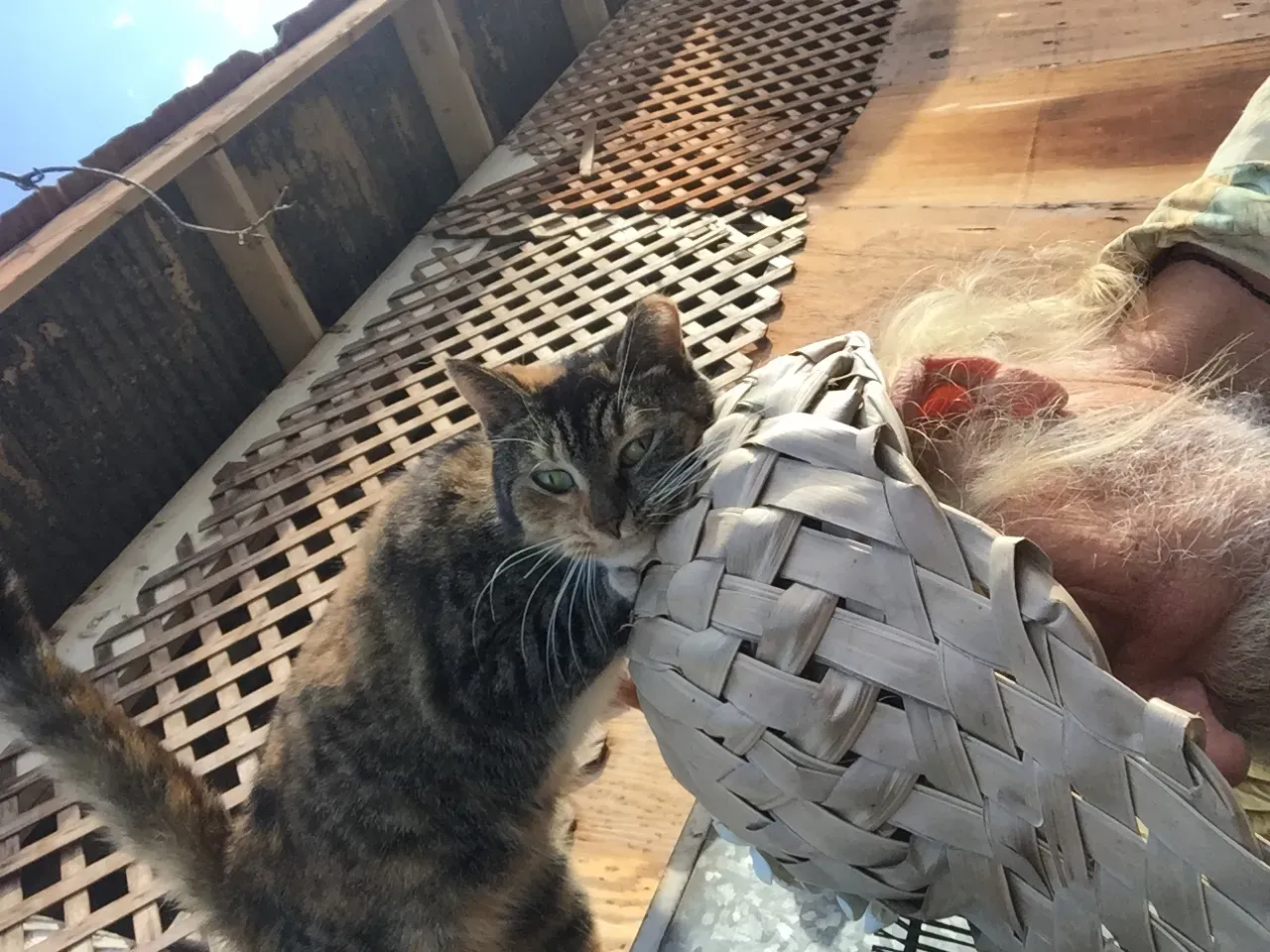
Cats are territorial animals, and they mark what belongs to them by depositing scent from the glands in their faces, paws, and tails. The most common way they do this is by rubbing against objects, familiar animals, and people. So when your cat rubs their head against you, they’re not just saying hello – they’re claiming you as part of their territory. Let that sink in for a moment. You’re not the owner. You’re the territory.
When your cat rubs their cheek against you, they’re putting their scent onto you to demonstrate that you’re part of their family. When a cat rubs up against an object, another animal, or person, their body releases calming pheromones that signal that area or individual is safe – a clear sign of affection and trust. It’s weirdly wholesome when you think about it. Every head rub is essentially your cat saying, “This human? Mine. Back off.”
2. The Slow Blink: Your Cat’s Version of Signing the Adoption Papers
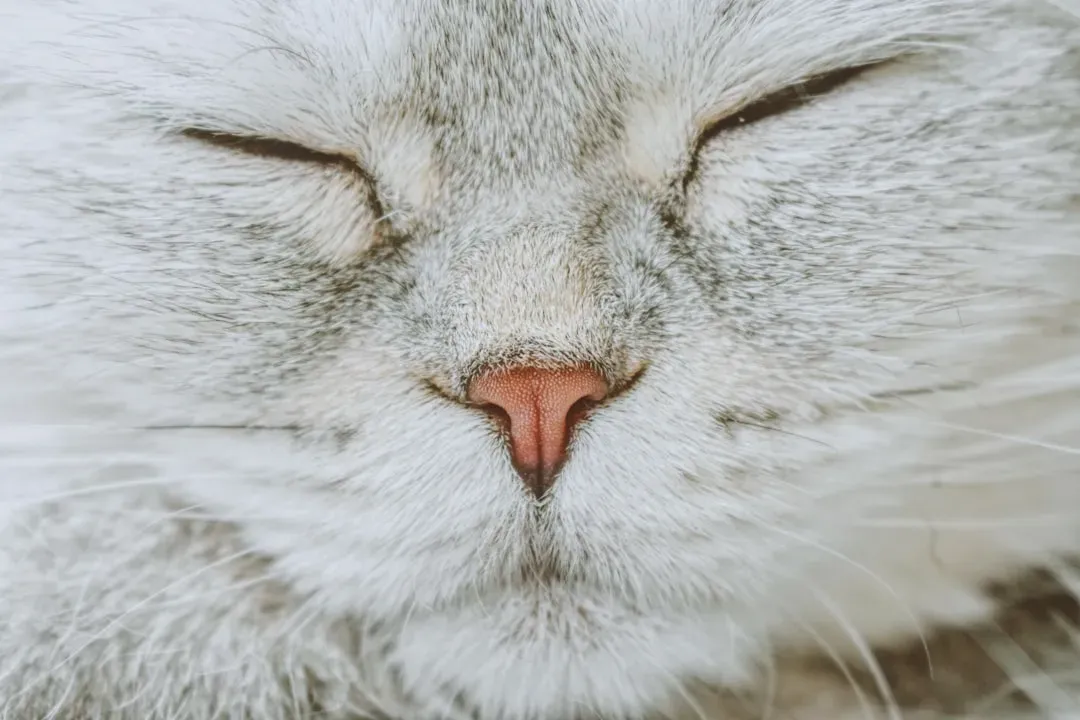
While your feline is unlikely to pucker up like a human to kiss you, cats often express affection through slow blinking – a unique form of cat body language and a cat’s way of talking with their eyes. “Slow blinking is cat language for ‘I trust you and feel safe with you.'” When cats feel secure with their owner or caregiver, they perform these slow, deliberate blinks, signaling that they see you as their trusted companion.
In the feline world, direct eye contact is typically a threat unless accompanied by a slow blink. If your cat gives you the slow blink, they’re expressing calmness and affection. You can return the gesture to reinforce the bond. Honestly, this is one of those moments where you realize the communication between you and your cat is far richer than you ever gave it credit for. Try it tonight. Slow blink back. Watch what happens.
3. They Follow You Everywhere – Including Places You’d Rather Go Alone
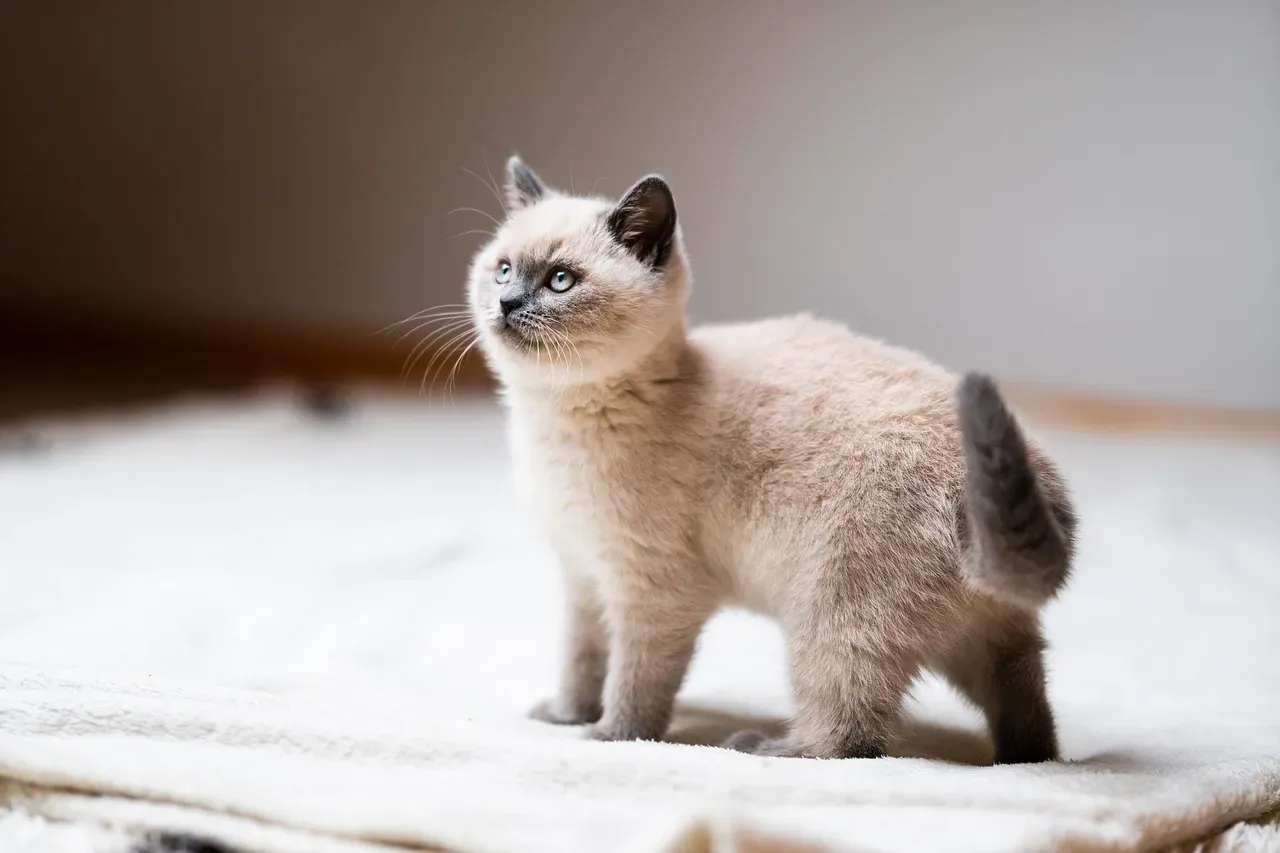
When your cat follows you from room to room, it shows a deep fascination with your presence. This behavior indicates that the cat enjoys your company and doesn’t want to be apart from you. It’s a strong signal that your cat has chosen you. Yes, even into the bathroom. Especially into the bathroom, if we’re being real about it.
The shadowing behavior exhibited by bonded cats has deep evolutionary roots. In feline colonies, close physical proximity indicates membership in the same social group and provides mutual protection. So when your cat trails behind you like a small, judgmental shadow, they’re not being clingy. They’re treating you like a valued member of their colony. You’ve been inducted. There was no ceremony, but the honor is real.
4. Kneading on You: The “Making Biscuits” Love Declaration
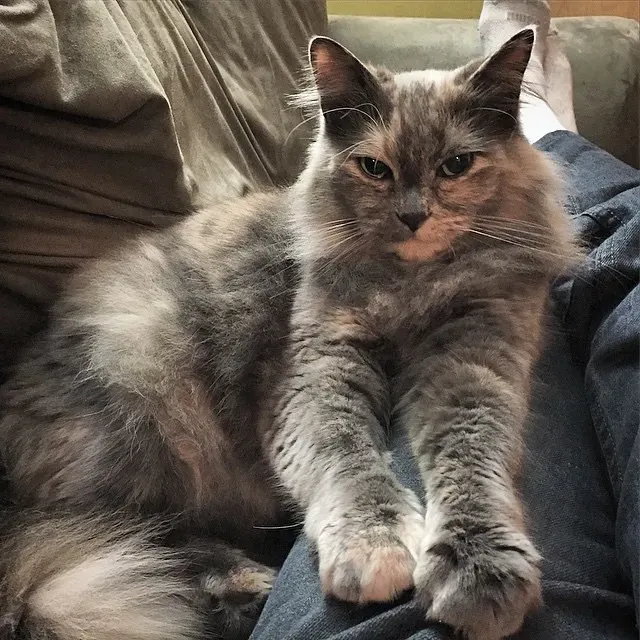
Kneading, often called “making biscuits,” happens when a cat rhythmically flexes and relaxes their front paws against a soft surface, or even their owner. This adorable behavior is more than just cute – it’s a sign your cat feels safe and bonded with you. Cats learn this behavior as kittens to stimulate milk flow from their mothers. When an adult cat kneads on you, it shows they trust you and feel secure in your presence.
Kneading is a behavior leftover from kittenhood, where cats push their paws rhythmically. If your cat kneads on your lap or stomach, it’s a strong signal they associate you with comfort and security. Think of it like this: your lap has been officially certified by your cat as the feline equivalent of a childhood blanket. That’s not a small thing. That’s everything, in cat terms.
5. Grooming You: When Your Cat Decides You Need Their Help
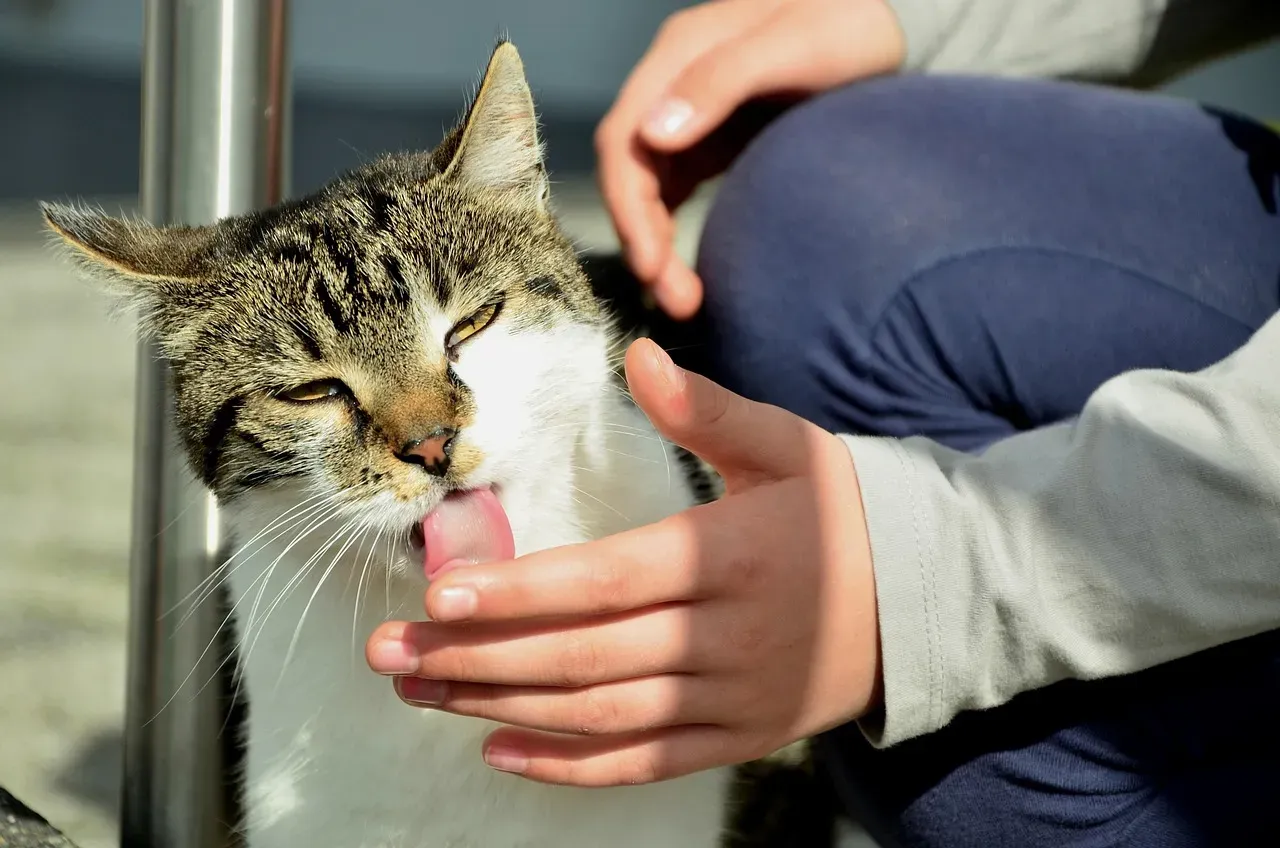
Grooming is a social behavior typically associated with bonding and intense affection among cats. While they normally groom themselves, a cat grooming you can show that they want to take care of you. Just as a mother cat grooms her kittens, when your cat grooms you, it is a sure sign that they are showing their affection for you.
Cats groom each other as a bonding ritual, so when they lick your hair, hands, or face, it means your cat considers you as part of their tribe. In short, it’s a way cats show attachment to their owner. Sure, it might feel like sandpaper on your skin, and yes, your hair will look a little questionable afterward. But your cat has essentially inducted you into their most intimate social circle. That rough little tongue? That’s love, unfiltered and unconditional.
6. Bringing You “Gifts” – The Ultimate Proof You’re Their Person
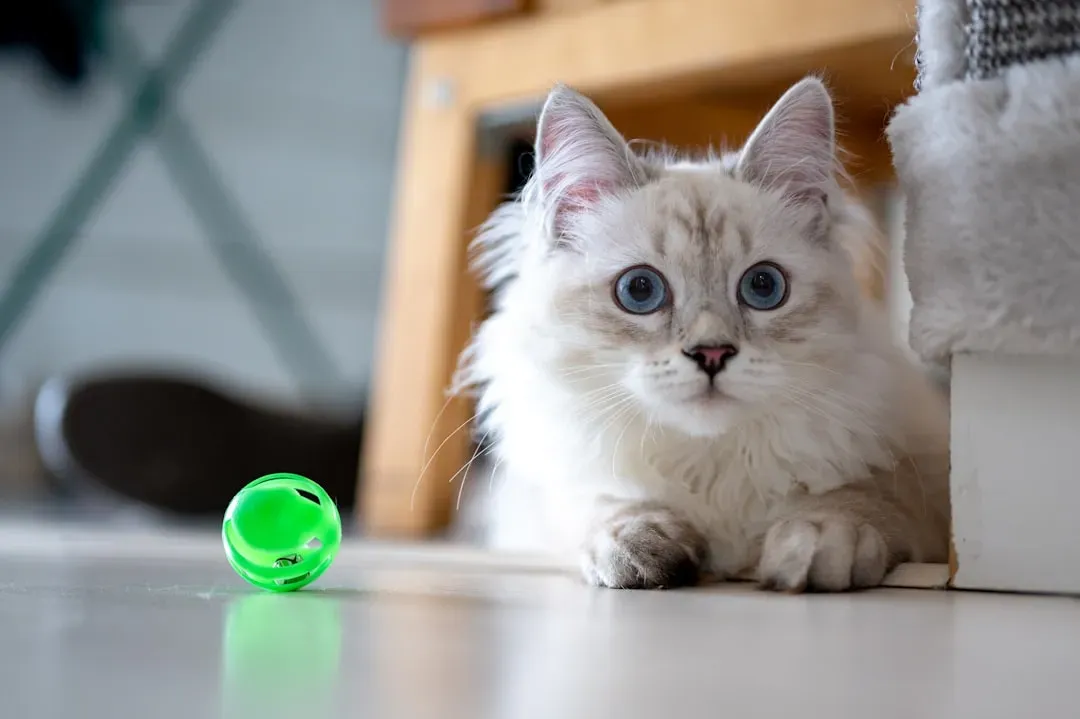
Some cats love to show their affection in the most adorable – and sometimes slightly shocking – ways: by bringing you gifts. Whether it’s a favorite toy left carefully outside your bedroom door or a real-life “catch of the day” like a mouse or small animal, your kitty is proudly sharing their hunting success with you. Cat behavior experts say this is a classic sign your cat has bonded with you.
Cats show affection in unique ways, and bringing you prey is one of the sweetest signs they see you as their cat parent. “Finding a mouse on your pillow may be off-putting, but it’s actually a loving gesture from your cat’s perspective.” I know it sounds completely wild, but your cat is essentially feeding you, the way a mother cat would feed her young. Try to receive it graciously. Maybe just with gloves.
7. Sleeping on or Near You: Vulnerability as the Highest Form of Trust
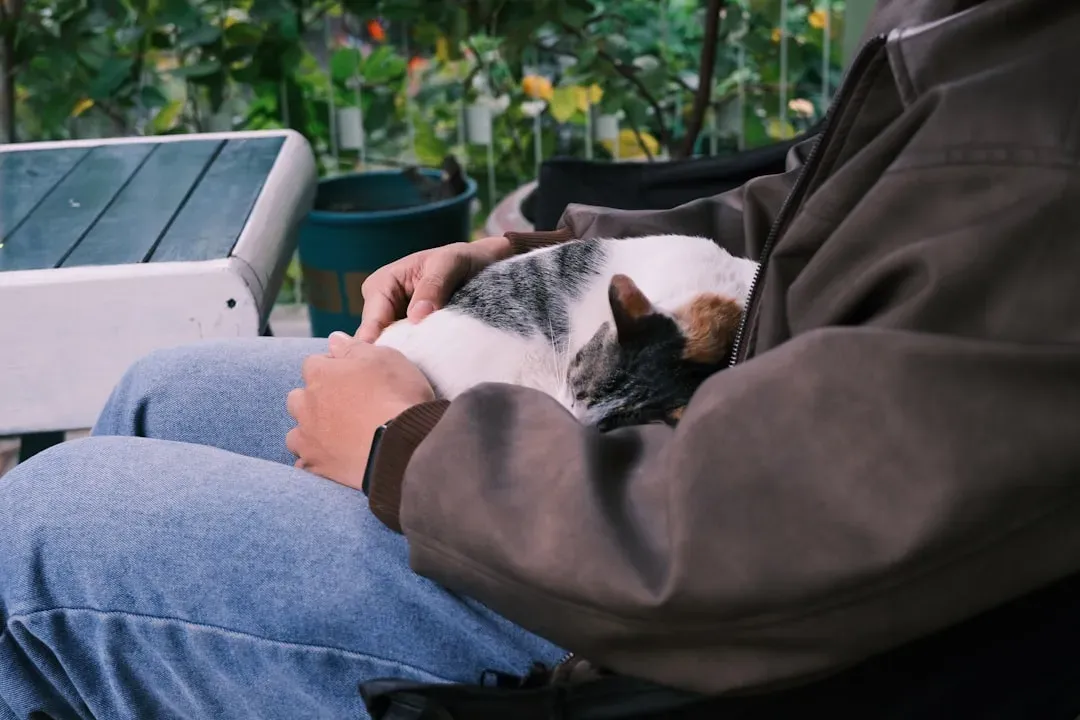
A cat sleeping with its back exposed to its human demonstrates the ultimate expression of trust, as this position leaves it utterly vulnerable to potential threats. This behavior directly contradicts their natural survival instincts, indicating they view their chosen person as a source of safety rather than danger.
When a cat chooses to press against their human while sleeping, it’s not just seeking warmth – it’s actively choosing to synchronize its vulnerable rest period with its trusted companion. This behavior mimics how kittens sleep with their mothers and siblings, indicating that they view their human as family. A cat’s most vulnerable time is when they are asleep, and this sensitive state makes them picky about where and who they sleep around. When your cat curls up on your chest at 2 a.m., do your best not to move. You’ve earned that honor.
8. Showing You Their Belly: A Declaration of Total Trust
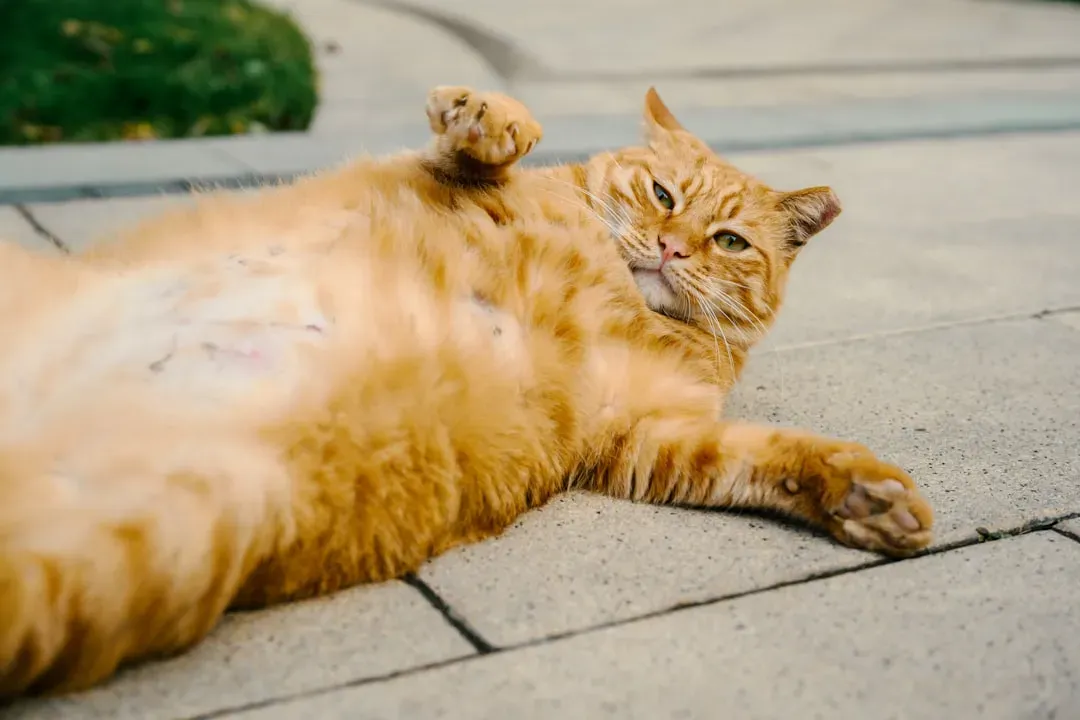
When your cat takes the time to show you a vulnerable part of themselves, they’re signaling that they trust you completely. Cats are notoriously famous for hating having their belly touched, but when your cat rolls, makes cute noises, and shows their stomach to you, they want you to know that they trust you. Just don’t take this behavior as an invitation to touch their belly – most cats won’t enjoy the sensation and may bite or scratch you.
If a cat rolls over and shows you their belly, it’s a sign that they feel safe around you. Although not always an invitation for rubs, it’s a vulnerable pose that shows deep trust. This one trips people up constantly. The belly display is not a request. It’s a statement. Honor the statement from a respectful distance, and your bond will only deepen. Touch the belly, and all bets are off.
9. Talking to You in Their Own Private Language
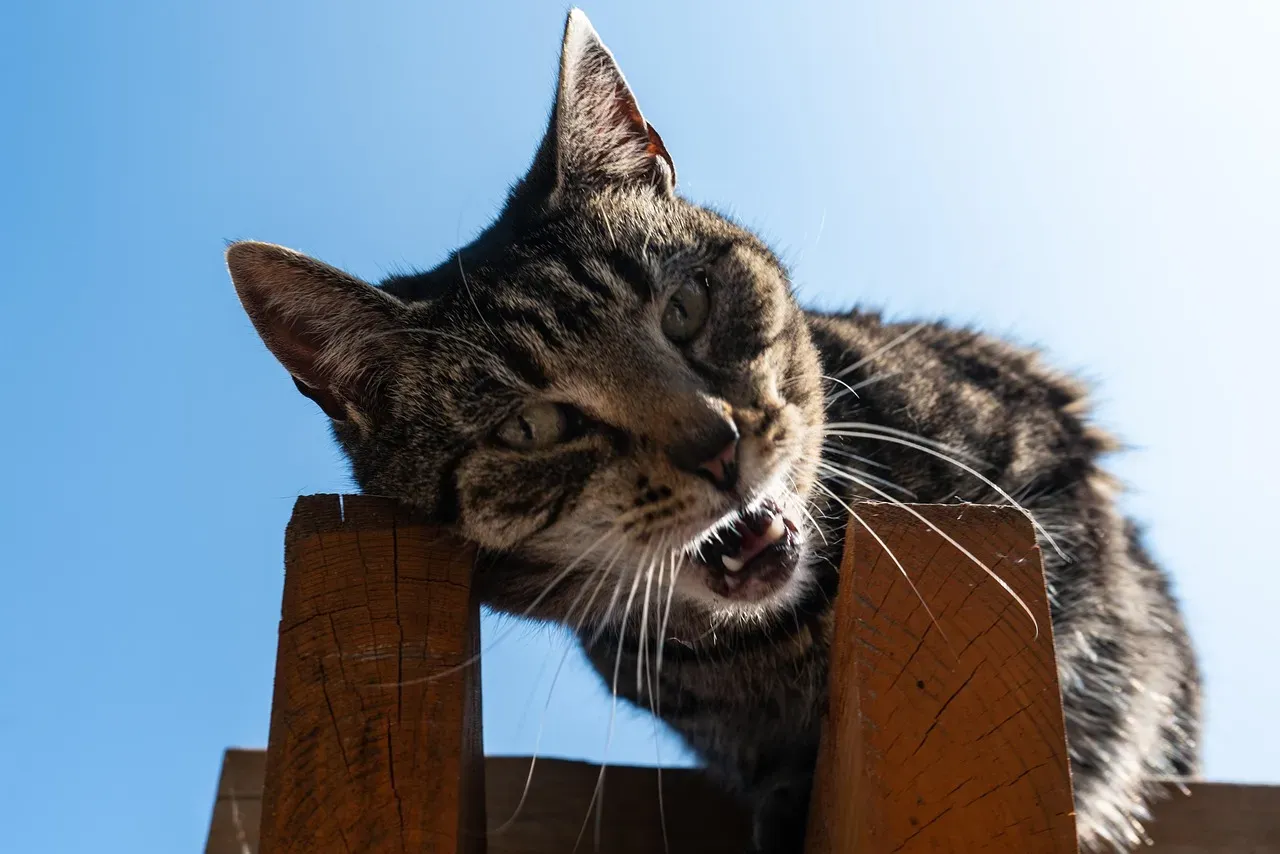
Intriguingly, cats meow to humans but rarely to other cats. Over time, cats learned that humans tend to respond to meowing sounds – perhaps because they are somewhat similar to those of a crying baby – and have adapted to use them to communicate with their favorite humans. In other words, your cat developed a whole custom communication system just for you. That’s not something they hand out to just anyone.
Some cats develop unique meows or sounds when interacting with their favorite human. This personalized communication reflects a strong bond and comfort level. When a cat makes noises specifically directed at you, it’s more than just chatter – it’s a conversation. Cats rarely meow at each other beyond kittenhood; when they do so with humans, it indicates a strong bond. Pay attention to the specific sounds your cat makes with you. They’re not random. They’re a language built entirely around your relationship.
10. Choosing You Over Everything – Even Food
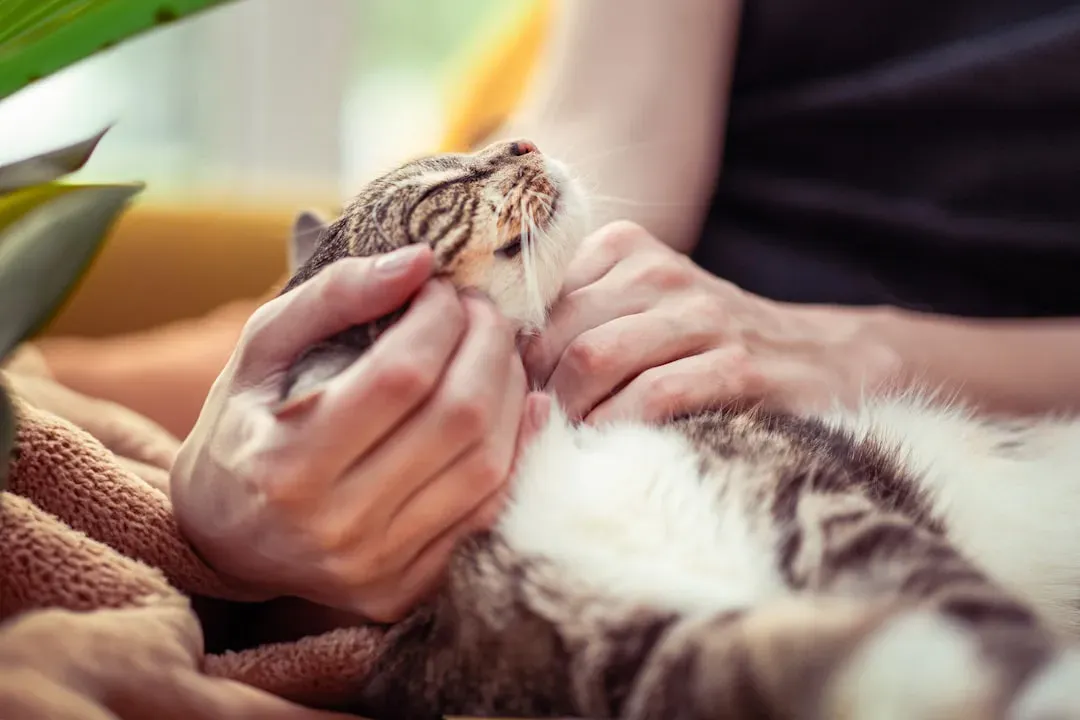
Cats might have earned a bad rap for being unfriendly, too independent, and even rude to their owners and other people, but it’s a reputation that they don’t deserve. In fact, studies have shown that our cats not only love us, but would choose us over food. Let that one sink in. Over food. For a cat, that is essentially the most profound declaration of love imaginable.
Studies show that cats can actually become as attached to their pet parents as dogs – they just express their affection differently. Around 65% of cats form secure attachments with their humans, meaning they see you as a safe base for comfort and exploration. But it’s not just about safety. Cats are deeply sensitive to our routines, voices, energy, and even our smell. When a cat quietly chooses to stay near you, day after day, the choice is deliberate. Quiet, yes. Understated, absolutely. But real in a way that is hard to find anywhere else.
Conclusion: You Were Adopted All Along
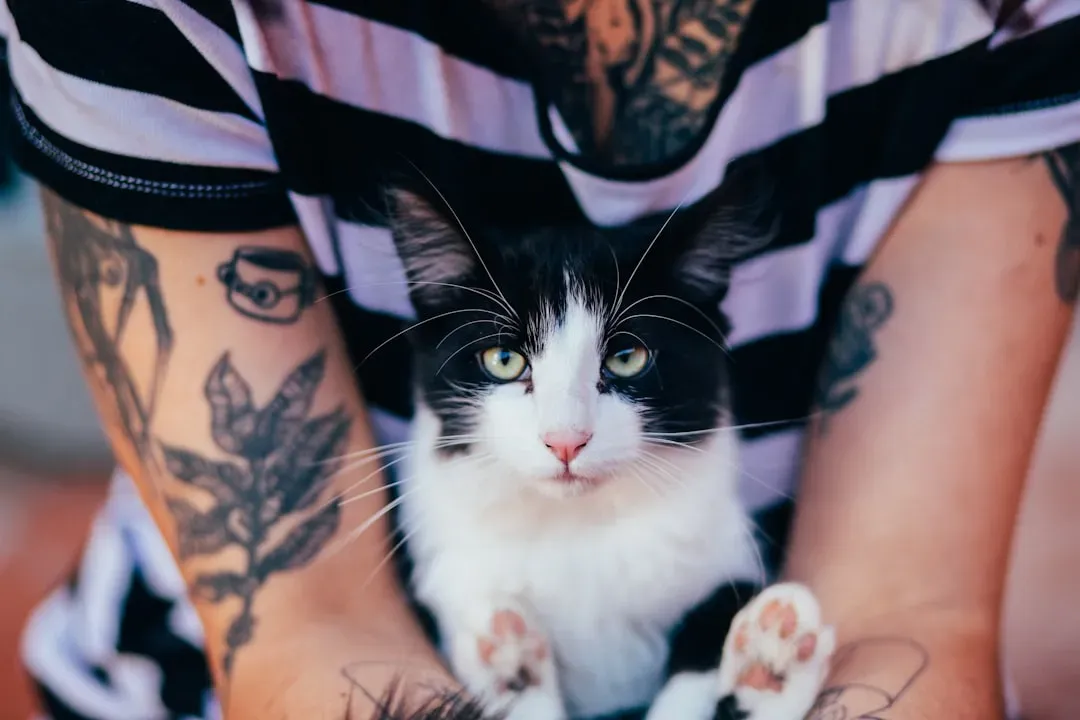
Here’s the thing about cats – they are not passive recipients of your affection. They are active, discerning, emotionally complex creatures who decide, entirely on their own terms, whether you are worthy of their world. From the slow blink to the 2 a.m. chest nap, from the sandpaper tongue on your wrist to the very questionable “gift” left on your doorstep, every single gesture carries weight and intention.
You may have thought you brought your cat home. The truth is, they looked you over, weighed the options, and decided to let you stay. That’s the relationship. That’s always been the relationship. The paperwork just helped them move in faster.
So the real question is: now that you know the signs, how many of them has your cat already shown you? Tell us in the comments – we’d love to know just how thoroughly you’ve been adopted.