You probably haven’t spent much time philosophizing over the battered feather wand in the corner or that half-chewed toy mouse under the sofa. It’s just a toy, right? Honestly, most of us think so. Yet the thing your cat keeps returning to, ignoring the dozen other options you’ve splurged on, is quietly telling you a whole story about who they actually are.
The relationship between a cat and their favorite toy runs far deeper than simple entertainment. It touches on instinct, emotional state, personality, and even well-being. There’s a lot happening beneath those laser-focused eyes and that perfectly timed pounce. Let’s dive in.
Play Is Not Just Play: The Deep Biology Behind It
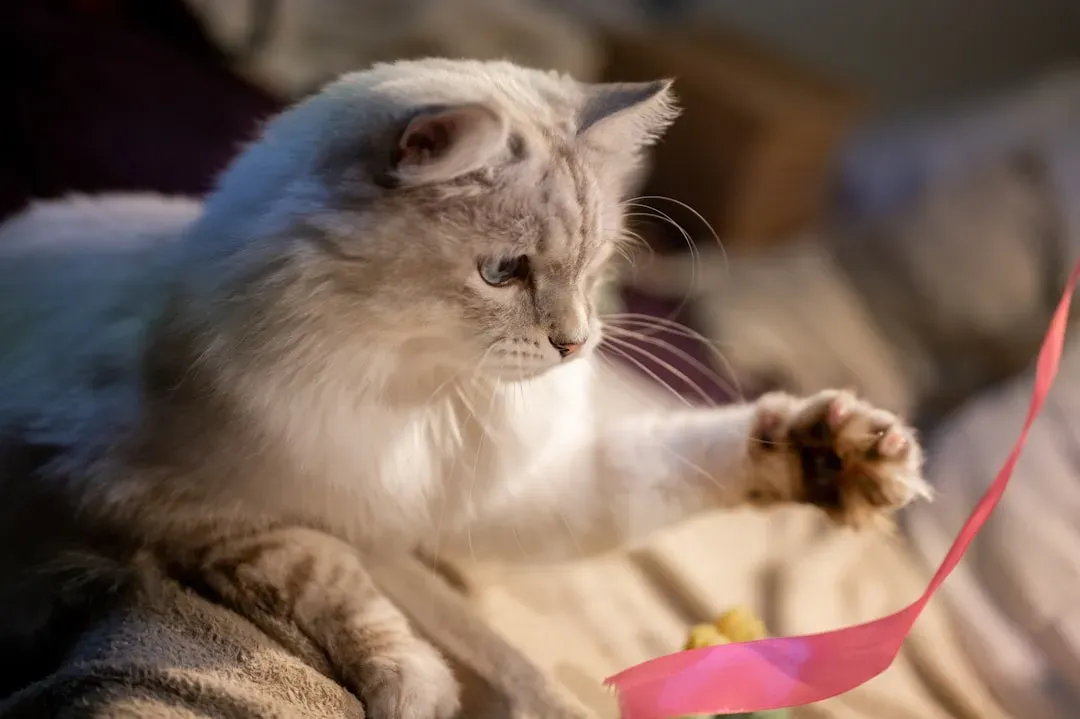
Here’s the thing most people miss. When your cat chases, bats, or disembowels a toy, they’re not messing around for the sake of it. Promoting natural behaviors such as play, rooted in ancestral behaviors like predation and hunting, is important because its frequency of occurrence is directly associated with a cat’s welfare. In other words, play isn’t leisure for your cat. It’s survival wiring firing in a living room.
Playing leads to positive affective states, aids in cognitive development, and promotes positive health and welfare in adult cats. Think of it like this: imagine if you were never allowed to go for a walk or doodle in a notebook. That restless, cooped-up energy has to go somewhere. For cats, toys are the outlet. The toy your cat chooses most often tells you which instinct in that complex biology runs strongest.
The Feather Wand Fan: Your Cat Is a Born Hunter
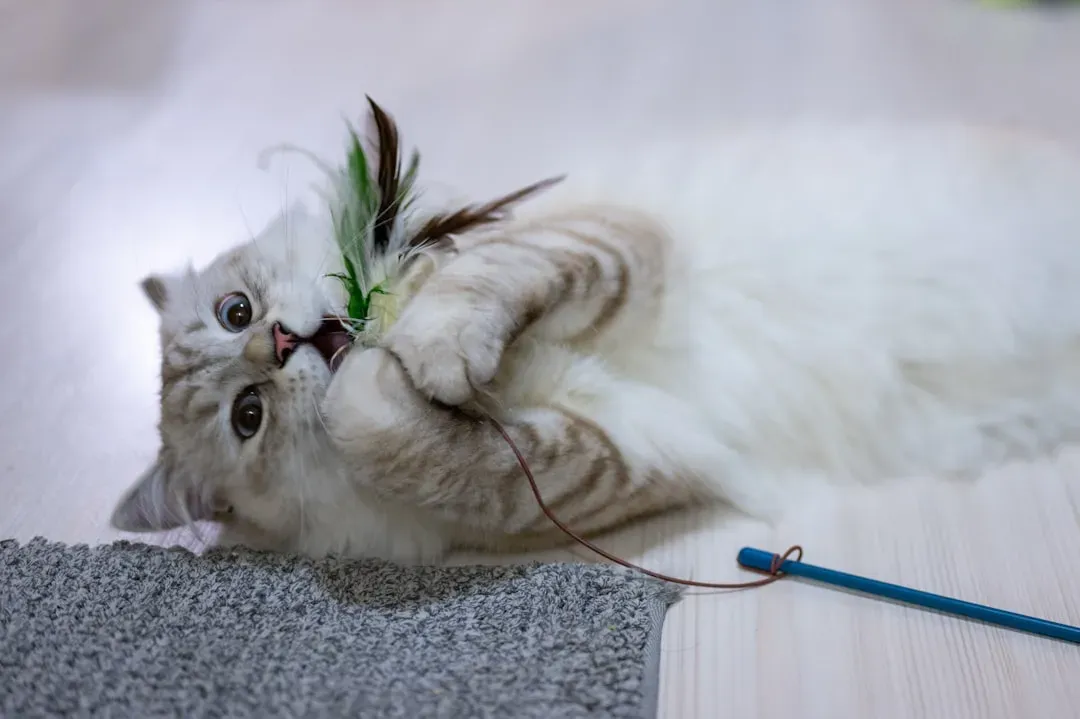
If your cat’s go-to toy is a feather wand, you’re living with a natural-born hunter. These cats are often agile, focused, and full of energy, loving the thrill of the chase and always ready for a playful ambush. This isn’t just personality bragging rights. Cats with strong feather-wand obsessions tend to need high-intensity play sessions more than others. Short, half-hearted waves of the wand won’t cut it.
Cat wands and teasers are popular among cats because they mimic prey behaviour. With feathers and fast movements, they help cats release their prey-hunting energy without encountering actual prey that might fight back. If your cat is a feather wand devotee, you’ll likely also notice they stalk your feet, chirp at birds through the window, and treat every bug that wanders in as a personal challenge. You’ve got a hunter on your hands. Embrace it.
The Plush Toy Snuggler: Affectionate and Deeply Attached
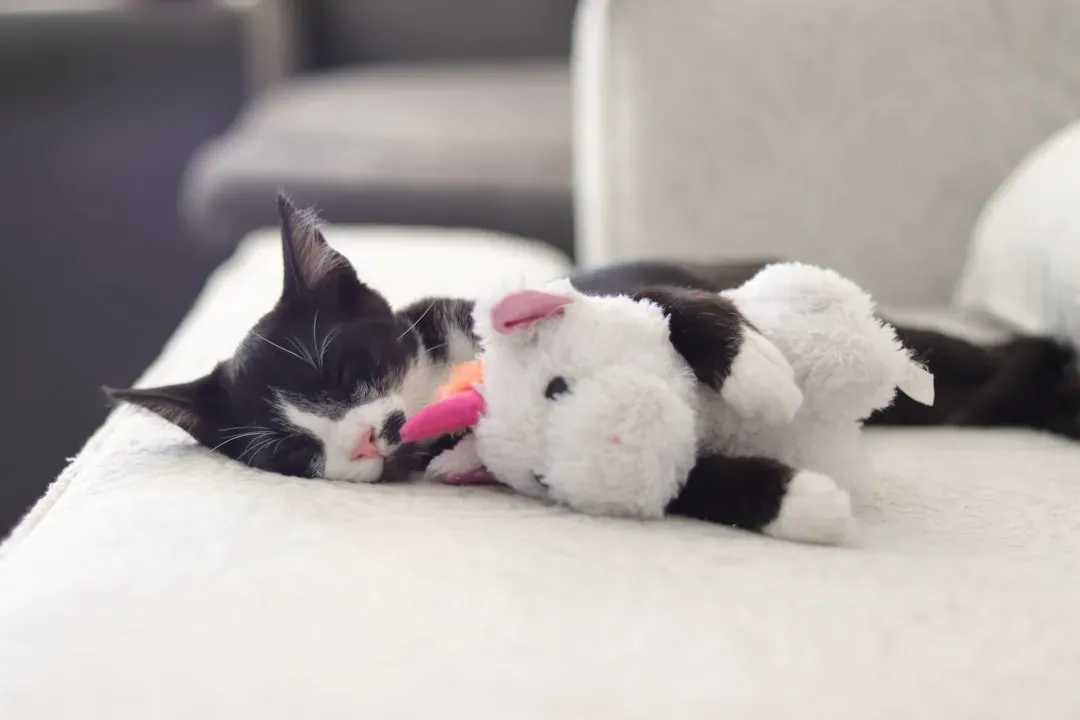
For the comfort seeker, soft plush toys are the way to their heart. These cats might carry a stuffed mouse around like it’s their kitten or snuggle up with it for a nap, and they tend to be laid-back, affectionate, and enjoy a good snuggle session on the couch. If you’ve ever watched your cat cradle a toy the way a child holds a teddy bear, you’re seeing something genuinely touching. This isn’t random behavior. It’s a window into a nurturing, emotionally rich inner world.
Soft plush toys are comforting for some cats, providing a cuddle buddy experience that satisfies their nurturing instincts. Cats often choose favorites based on comfort, familiarity, or simple personal preference. I think this is one of the most underrated signals cat owners can pick up on. A cat that bonds deeply with a plush toy is almost certainly a cat that bonds deeply with you too. Try replacing their beloved worn-out toy with an unfamiliar one and watch the reaction. It will tell you everything.
The Laser Pointer Obsessive: High-Energy and Easily Stimulated
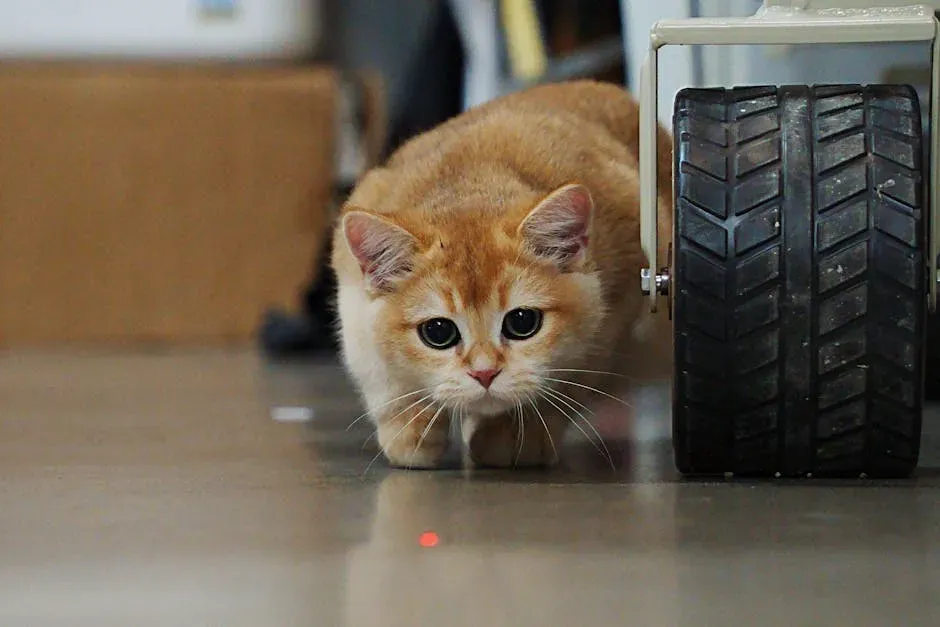
With laser pointer toys, you’ll indulge your kitty’s hunting instincts while helping them get a good workout. Even the laziest of felines goes crazy over the laser pointer. Still, the cats who truly obsess over the laser pointer, those who freeze in a predatory crouch the moment it appears, are often highly reactive, high-energy personalities. They live for the chase. The problem is the toy never gives them the satisfaction of a catch.
Laser pointers are appealing but controversial, with some cats developing compulsive chasing, so it’s best to pair them with tangible rewards such as a toy to catch. Cats who adore laser pointers often benefit from structured play that ends with something physical to grab and bite. Without that conclusion, the hunt loop stays frustratingly open. You might notice these cats pacing or acting restless after a session. It’s not ingratitude. It’s an unsatisfied instinct looking for closure.
The Puzzle Toy Enthusiast: You Have a Thinker on Your Hands
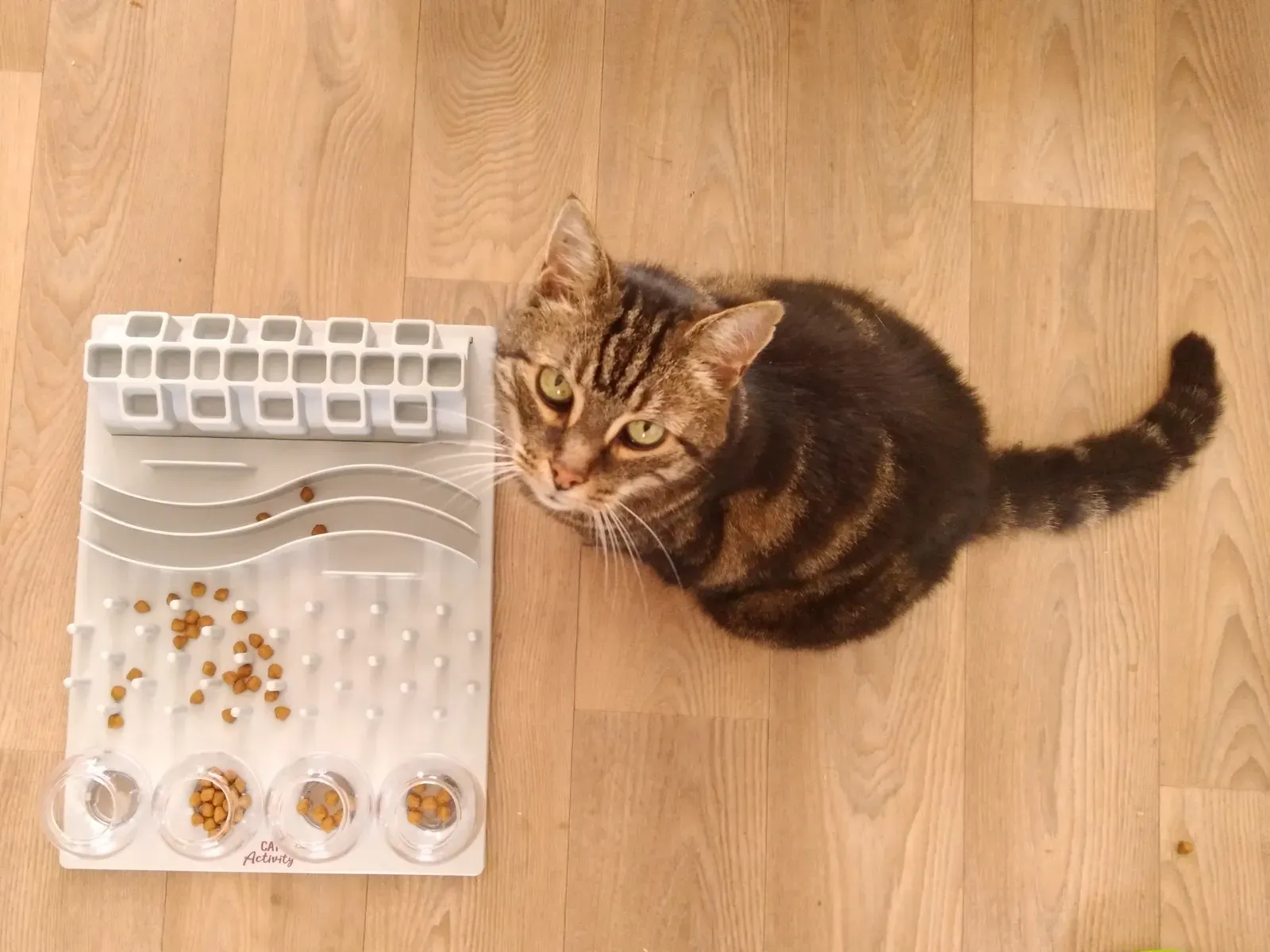
Engaging in play activities keeps a cat’s mind sharp. Toys that challenge their problem-solving abilities or mimic prey can provide essential mental stimulation, and this cognitive engagement is crucial for preventing boredom and associated behavioral problems. A cat who gravitates toward puzzle toys and treat dispensers isn’t just hungry. They’re genuinely intellectual by feline standards. These cats often watch you with unusual intensity, learn household routines fast, and figure out cabinet latches before you realize it’s a possibility.
Interactive feeding toys stimulate a cat’s mind and can help entertain them when they’re not around. Cats with these tendencies need to have their minds exercised as well as their bodies. Making the toy a bit of a challenge to get to will extend playtime and give your cat the satisfaction of a hard-won triumph. Honestly, if your cat ignores a jingle ball but will spend twenty minutes strategically pawing a puzzle feeder, that’s not stubbornness. That’s a high-functioning mind demanding something worthy of its attention.
The Solo Toy Player: Independent but Still Deeply Connected
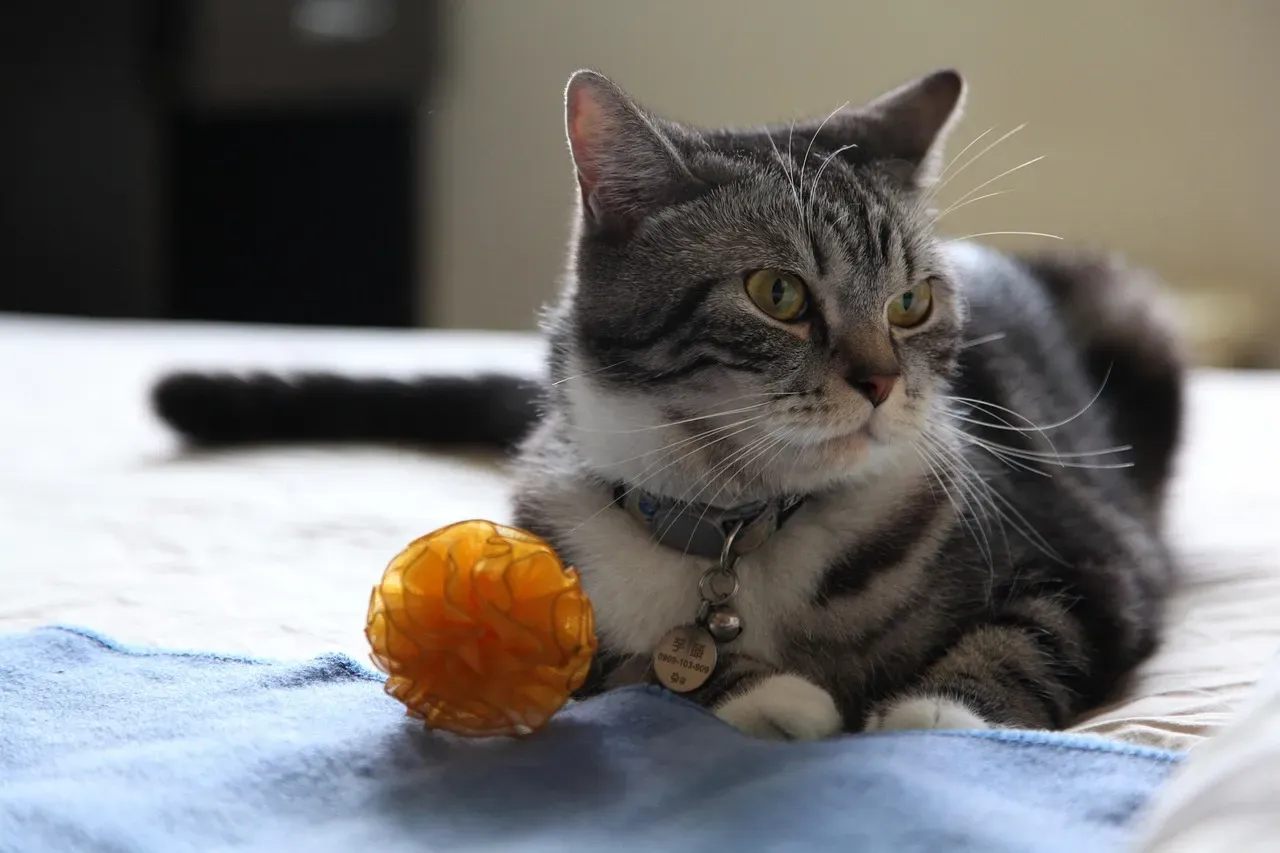
Some cats prefer toys they can use on their own, like a ball in a circular track or a battery-operated mouse. These independent spirits don’t always need a human to start the fun, but they’re often content with their own company while still appreciating the occasional interactive play with their human companions. Think of this cat as the introvert of the feline world. They recharge alone. They don’t need you to wave a wand to feel alive. They’ve figured out their own entertainment, and they’re perfectly fine with it.
The type of toys that suit a cat best depend greatly on their temperament and habits. Solo players often have a more reserved relationship with their owners too, not cold, just self-sufficient. Some cats, no matter their age, have strong toy preferences and others don’t care at all, as long as the toy is in motion and they have the chance to hunt. If your cat is a solo player, don’t take it personally. They’re not rejecting you. They’ve simply built a satisfying inner world, and in a strange way, that’s worth admiring.
What Toy Disinterest Actually Means
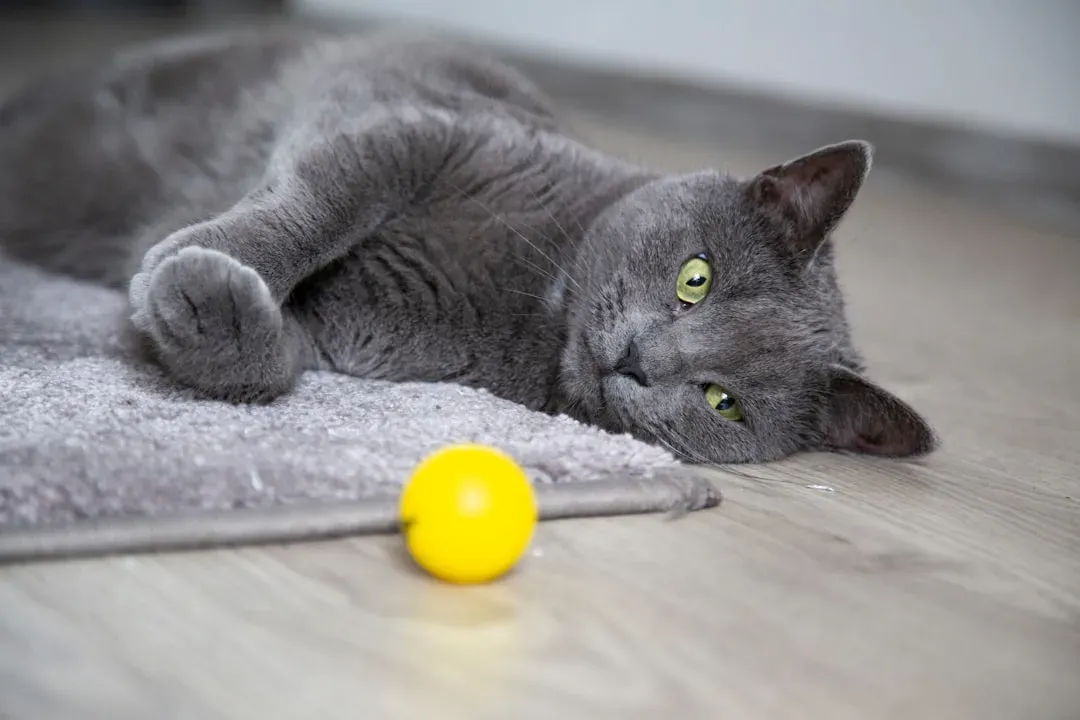
Cat playfulness may be reflective of how a cat is feeling physically or emotionally, with sick, injured, or stressed cats being less likely to exhibit playfulness. So if your cat has suddenly lost interest in their favorite toy, that’s not boredom. That’s a signal worth paying attention to. It’s like a person who loved morning runs suddenly never leaving the couch. Something has shifted, and the toy is telling you so.
The inability to perform play behaviors can lead to negative affective states such as frustration and stress, and owners have reported their cats showing behavioral signs like vocalizations and destructive behaviors related to negative welfare states after periods of restricted play. Decreased playfulness can indicate a stressed cat who has become less interested in playing, and stress may also cause destructive behavior such as clawing curtains or furniture. It’s hard to say for sure without a vet visit, but a sudden shift in toy engagement is often one of the earliest and clearest signs something isn’t right with your cat’s wellbeing.
Sound, Texture, and Scent: The Hidden Layers of Toy Preference
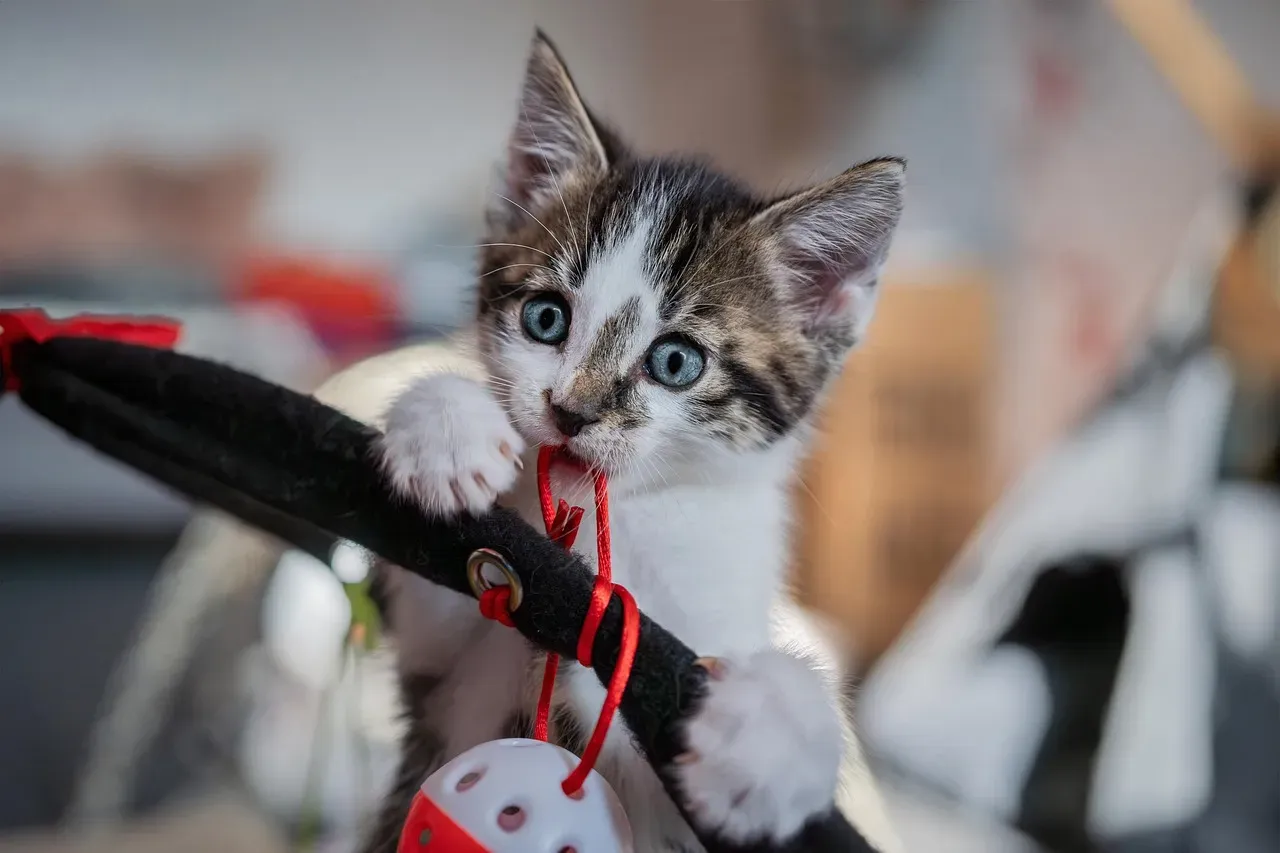
Sound plays a part in whether a cat will enjoy or ignore a toy. A toy that contains a bell inside may detract from its appeal in a multi-cat home, while a toy that makes a rustling sound may be very appealing as it resembles the sound of a chipmunk or mouse darting through leaves. Your cat isn’t being random when they ignore the squeaky mouse but go absolutely wild for the crinkly bag. Those choices reflect finely tuned sensory preferences that actually tell you how your cat perceives and prioritizes their world.
Research indicates that cats prefer moving and scented stationary toys compared to unscented stationary toys, and that olfactory enrichment is a simple method to encourage interaction with stationary toys and play behavior. Just as some cats have definite preferences when it comes to the mouth feel of food or the texture of their litter, they can have toy preferences based on texture and material as well. Put simply, your cat’s senses are sharper than yours in almost every way. When they reject a toy, they’re not being dramatic. They’ve assessed it with a precision you simply can’t match, and they’ve made an entirely logical decision.
Conclusion: Your Cat’s Toy Basket Is a Personality Portrait
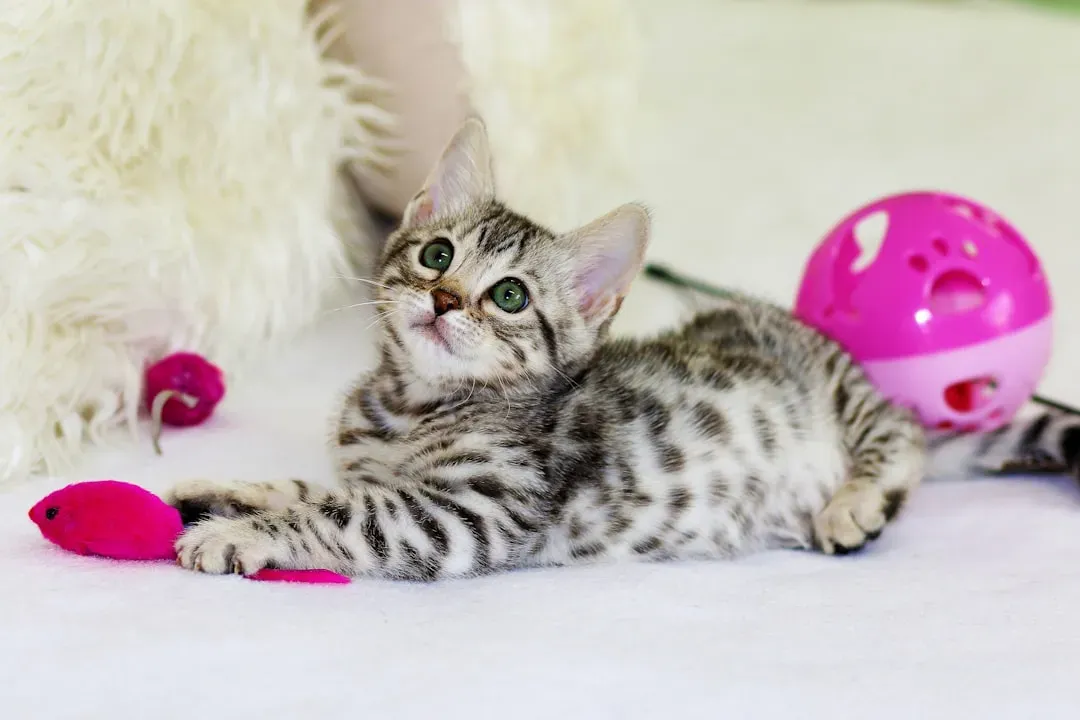
It turns out, the toy your cat ignores is just as revealing as the one they adore. Together, their choices paint a remarkably detailed picture of who they are, what they need emotionally, how they process their world, and even how healthy and happy they currently feel. Every toy choice is a little insight into your cat’s mind, a glimpse into their preferences, quirks, and what makes them the charming companions we love so dearly.
A cat’s attachment to a particular toy can be attributed to a combination of their individual preferences, unique personalities, and positive associations formed with that toy. So next time you’re tempted to toss out that ratty, half-destroyed stuffed mouse they drag everywhere, maybe pause for a moment. That toy isn’t just a toy. It’s a tiny autobiography. The question isn’t just “what does my cat like?” The real question is: now that you know what it means, what are you going to do differently?