Every cat owner knows that peaceful morning sleep is often just a dream. Your feline companion has mastered the art of the wake-up call with techniques that would make even the most sophisticated alarm clock jealous. From gentle paw taps to full-blown theatrical productions, cats have developed an impressive arsenal of methods to ensure you never oversleep again. What makes these wake-up tactics particularly fascinating is how each technique varies in its level of persistence and creativity.
Cats are naturally crepuscular, meaning they’re most active during dawn and dusk hours. This biological programming means your cat’s internal clock often conflicts with your desire to sleep in. Research shows that cats adapt their activity cycles to human activity and food sources, which explains why they’ve become so skilled at reading your sleep patterns and knowing exactly when to strike.
So let’s dive into the ranked world of feline wake-up techniques, from the subtle to the absolutely impossible to ignore.
10. The Gentle Purr Alarm

At the bottom of our persistence scale sits the gentle purr alarm, perhaps the most civilized of all cat wake-up methods. Your cat positions themselves close to your head and begins a low, rumbling purr that gradually increases in volume.
This technique relies on the soothing yet persistent nature of purring to slowly draw you from sleep. Some cats combine this with gentle kneading or “making biscuits,” a behavior that originates from kittenhood when they kneaded their mothers’ bellies during nursing. The beauty of this method lies in its subtlety; many owners wake up feeling peaceful rather than startled.
However, this approach ranks lowest in persistence because many cats abandon it quickly if you don’t respond. It’s more of a polite suggestion than a demand, making it the least effective wake-up call for deep sleepers.
9. The Gentle Nudge and Snuggle
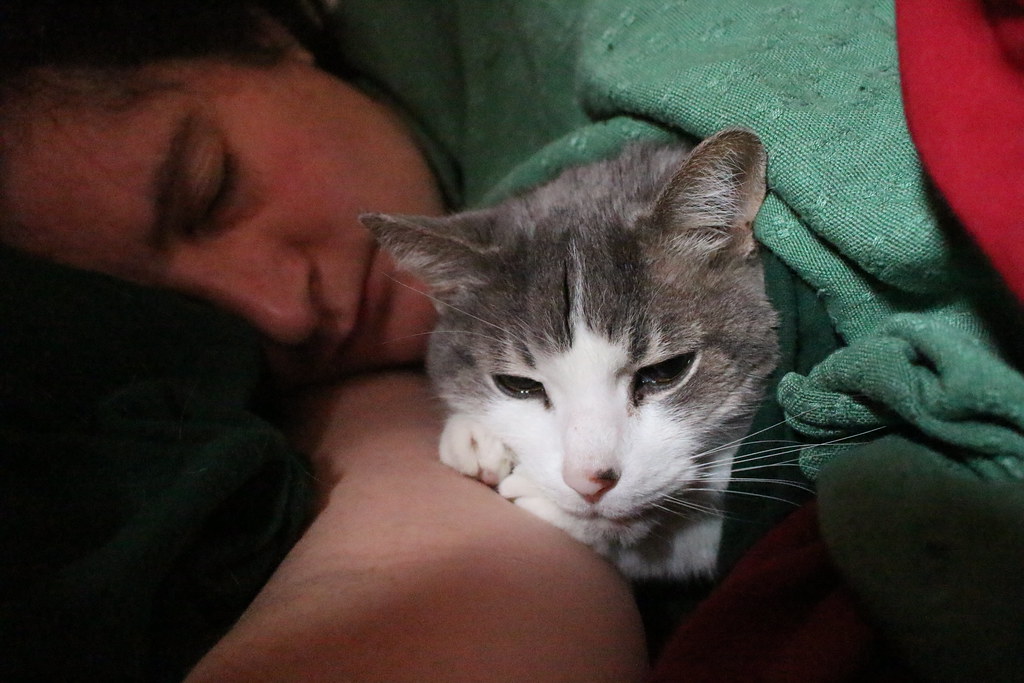
Some cats prefer to snuggle up to their owners in bed, nudging them gently until they wake up. This affectionate approach involves your cat slowly working their way closer to you, perhaps placing a paw on your arm or gently headbutting your shoulder.
The snuggle technique often escalates gradually. Your cat might start by simply lying against you, then progress to gentle head bumps, and finally resort to more direct contact. Cats see their humans as other cats in their colony, so when they wake you up at night it could mean they want cuddles.
This method ranks low on persistence because it’s easily ignored by heavy sleepers. Cats using this technique often give up and move on to more dramatic methods if the gentle approach fails to work within a reasonable timeframe.
8. The Toy Delivery Service
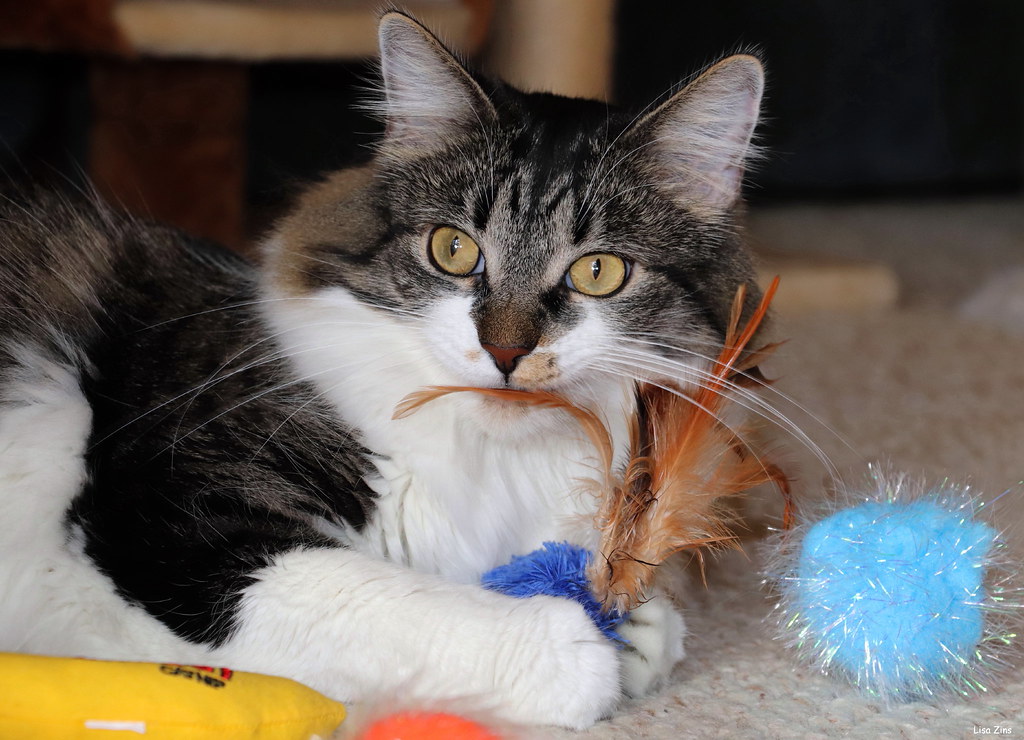
Some cats resort to bringing their favorite toys to bed, holding a fluffy stuffed animal in their mouth and meowing while leaving the toy beside you. This adorable wake-up method combines gift-giving with attention-seeking behavior.
Your cat carefully selects a special toy, often their absolute favorite, and presents it to you as a peace offering or invitation to play. They might drop it directly on your chest, place it near your face, or set it strategically where you’ll see it first thing upon waking.
While incredibly sweet, this technique lacks persistence because most cats only make one or two delivery attempts before trying something else. It’s more of a hopeful gesture than a determined wake-up strategy, earning it a relatively low ranking.
7. The Strategic Positioning

Cats are masters of strategic positioning, placing themselves exactly where they’ll be most noticeable when you wake up. This might involve curling up on your chest, stretching across your legs, or positioning themselves directly in your line of sight.
This method relies on patience rather than active wake-up tactics. Your cat simply makes themselves impossible to ignore once you naturally start to wake up. Some cats who chronically wake owners for cuddles will associate bedtime with having their own specific spot near you.
The positioning technique shows moderate persistence because cats will often maintain their chosen spot for extended periods. However, it relies on your natural waking patterns rather than forcing you awake, which makes it less immediately effective than more active approaches.
6. The Persistent Meowing Campaign

Some cats start meowing continuously to create enough noise to grab their owner’s attention. This vocal approach ranges from soft, plaintive mews to increasingly loud and demanding yowls that would wake the neighbors.
Cats have distinct meows that vary in meaning, and even the smallest kitten can harness the power to wake up their human for food, entertainment, or space on the mattress. The meowing campaign often starts quietly and escalates in both volume and frequency until it achieves the desired result.
This technique shows solid persistence because cats will often continue their vocal performance for extended periods. They understand that noise eventually works, and many owners eventually give in just to stop the meowing, reinforcing this behavior for future wake-up calls.
5. The Bedside Disturbance
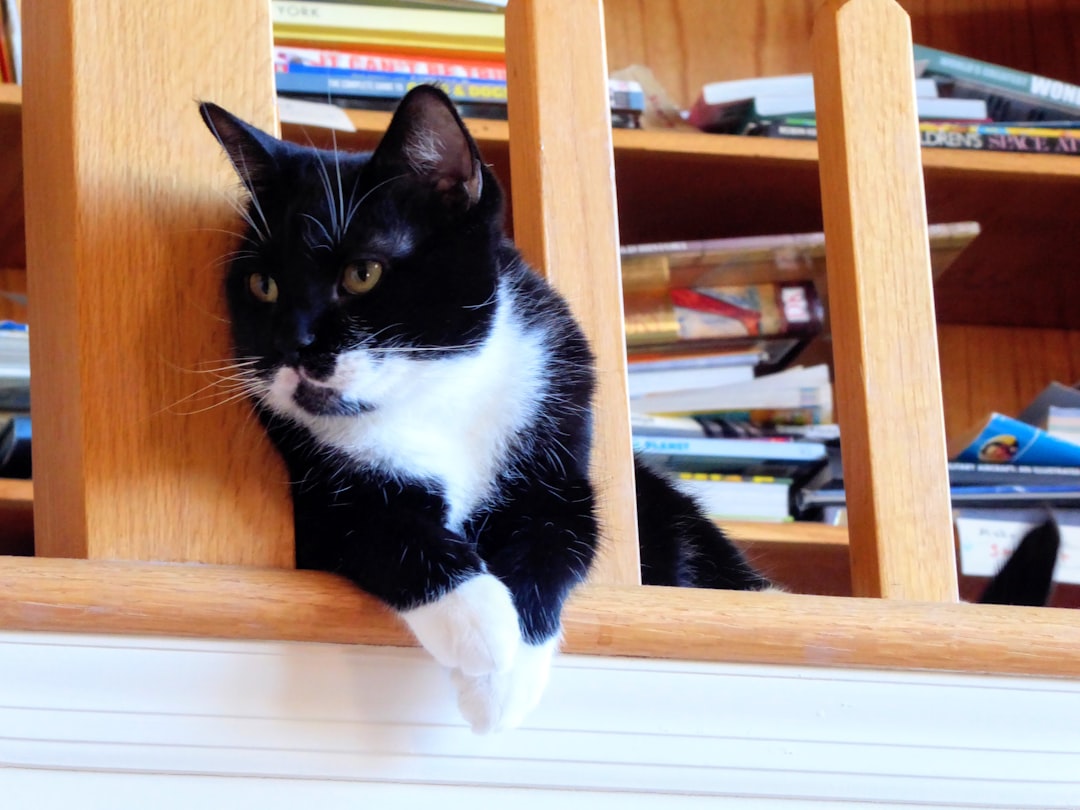
Cats will find objects like books, pens, or TV remotes and knock them to the ground, and you’ll hear it no matter where in the house it falls. This technique involves strategically targeting items on your nightstand, dresser, or nearby surfaces.
The incessant tap-tap-tapping of your cat whacking a clock or bedside lamp cord against the wall creates an irritating rhythm that’s impossible to sleep through. Your cat becomes a one-feline percussion section, turning your bedroom into their personal concert hall.
Unless you bolt everything down, this is one move they’ll return to again and again because it works. The persistence level is high because cats quickly learn which objects make the most noise and will systematically work through their bedside orchestra until you respond.
4. The Gentle but Persistent Paw Patrol
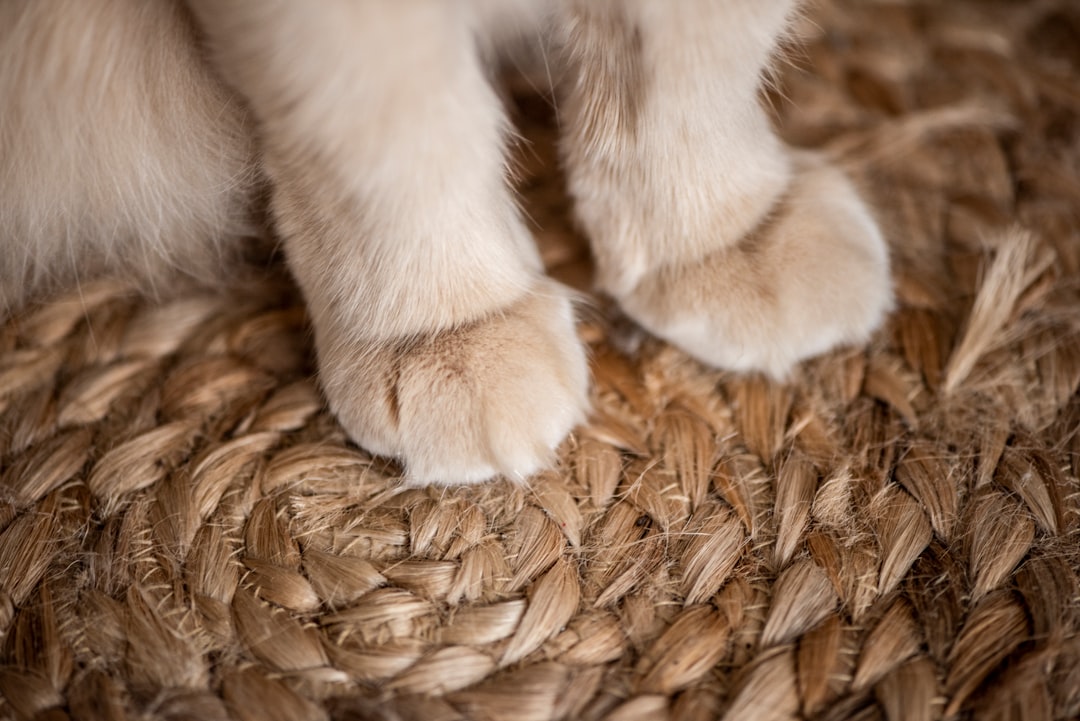
A time-tested method cats use to wake pet parents is pawing your face while you’re sleeping. Cats typically use gentle but persistent pats, and one little paw can rouse even the deepest sleeper simply because they’re willing to keep at it until you open your eyes.
This technique demonstrates remarkable patience and determination. Your cat will methodically pat your face, starting gently and gradually increasing pressure if needed. Some cats target specific areas like your nose, cheek, or forehead with surgical precision.
This is one of the oldest tricks in the book, guaranteed to get you out of bed, and cats know it. The paw patrol ranks high in persistence because cats will continue this behavior for extended periods, taking brief breaks only to adjust their position before resuming their gentle assault on your face.
3. The Full-Body Assault
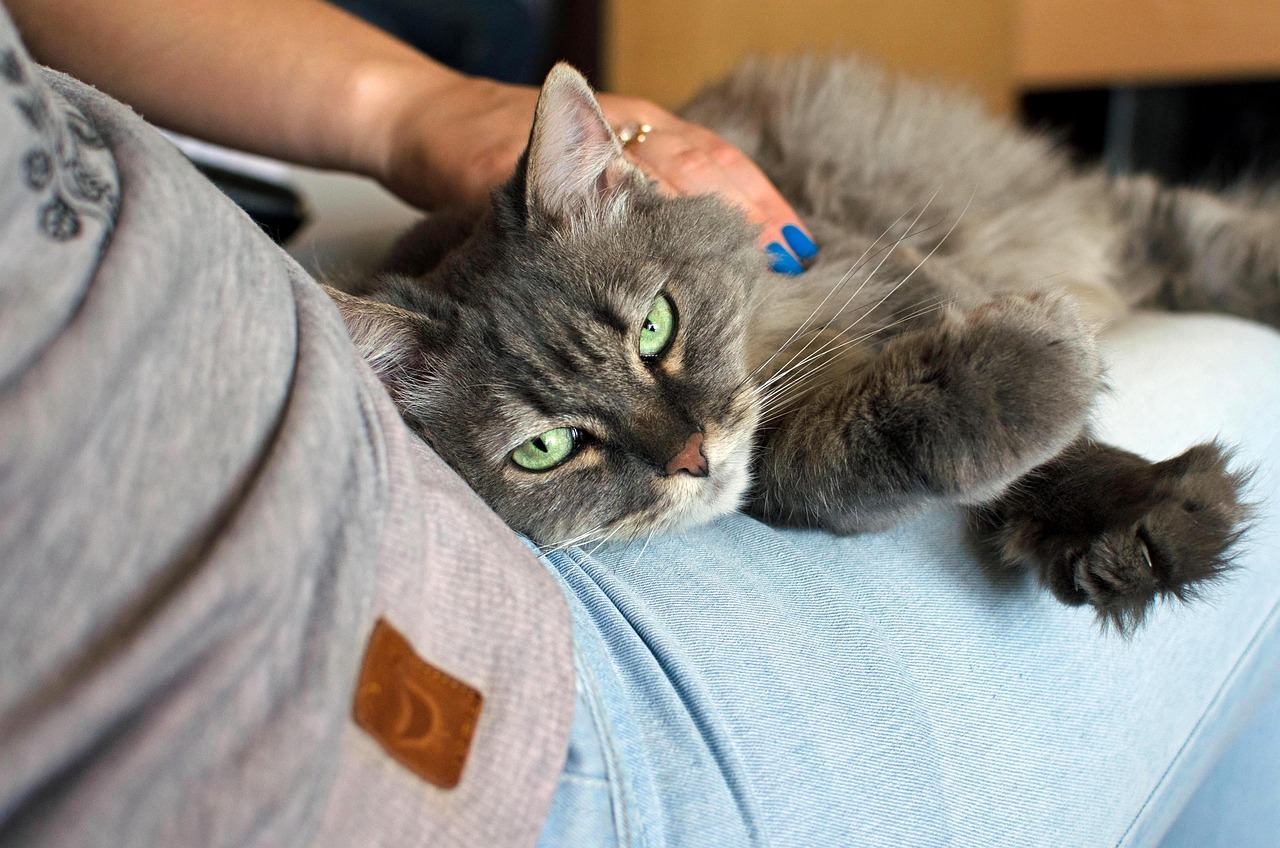
Some cats are more forceful and may use their paws to pat their owner’s face or even jump directly onto their owner’s body to wake them up. This technique involves your cat treating your sleeping body as their personal launching pad and playground.
Cats may paw at faces, meow loudly, or simply climb on top of their owners, combining multiple techniques into one comprehensive wake-up assault. Your cat might walk across your chest, settle on your stomach, or even attempt to knead your back as if you’re the world’s largest cushion.
The persistence level is extremely high because cats using this method are physically committed to the wake-up process. They’ve moved beyond subtle hints to direct physical intervention, making it nearly impossible to continue sleeping while a cat treats you like their personal jungle gym.
2. The Gentle Nip Strategy
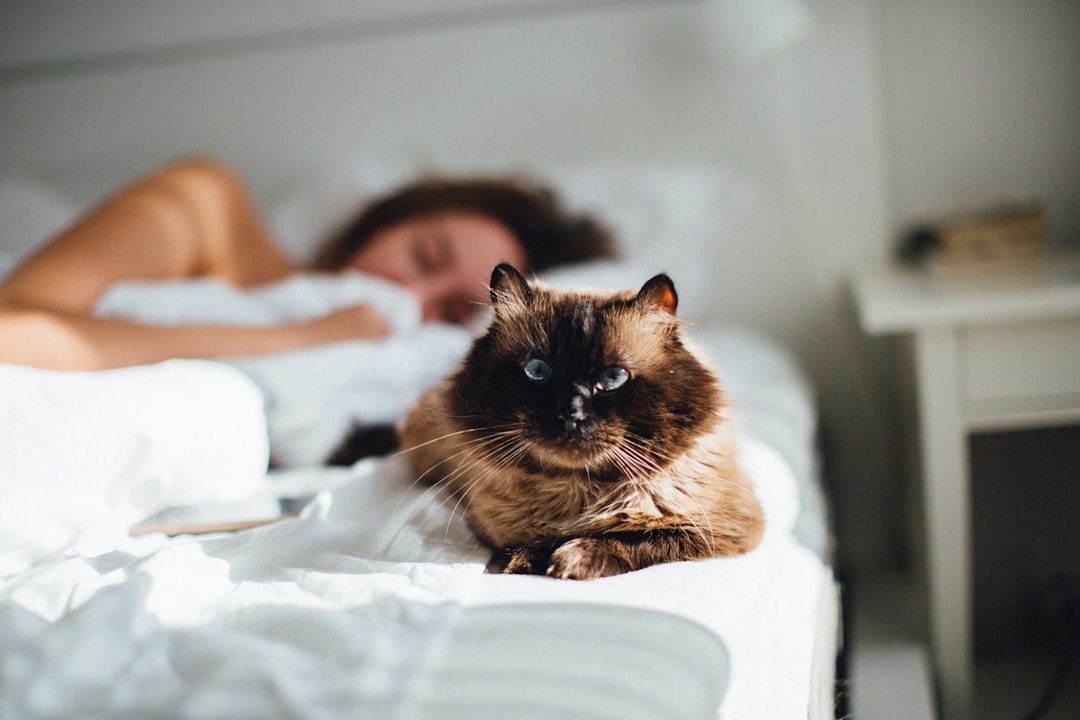
Some cats prefer to gently nip at their owner’s feet or arms as a way of telling them it’s time to wake up. It’s not biting exactly, but nips on your toes and feet cause just enough discomfort to wake you up from dreamland, showing that your cat means business and won’t take no for an answer.
This technique escalates from gentle to more insistent nipping if the initial attempts don’t work. Cats are careful to apply just enough pressure to be annoying without causing real harm. They often target exposed toes, fingers, or any body part that extends beyond the covers.
The nip strategy ranks second in persistence because it’s both physically uncomfortable and psychologically effective. Most people instinctively wake up when they feel teeth, even gentle ones, making this method nearly foolproof for determined cats.
1. The Hair-Pulling Power Play
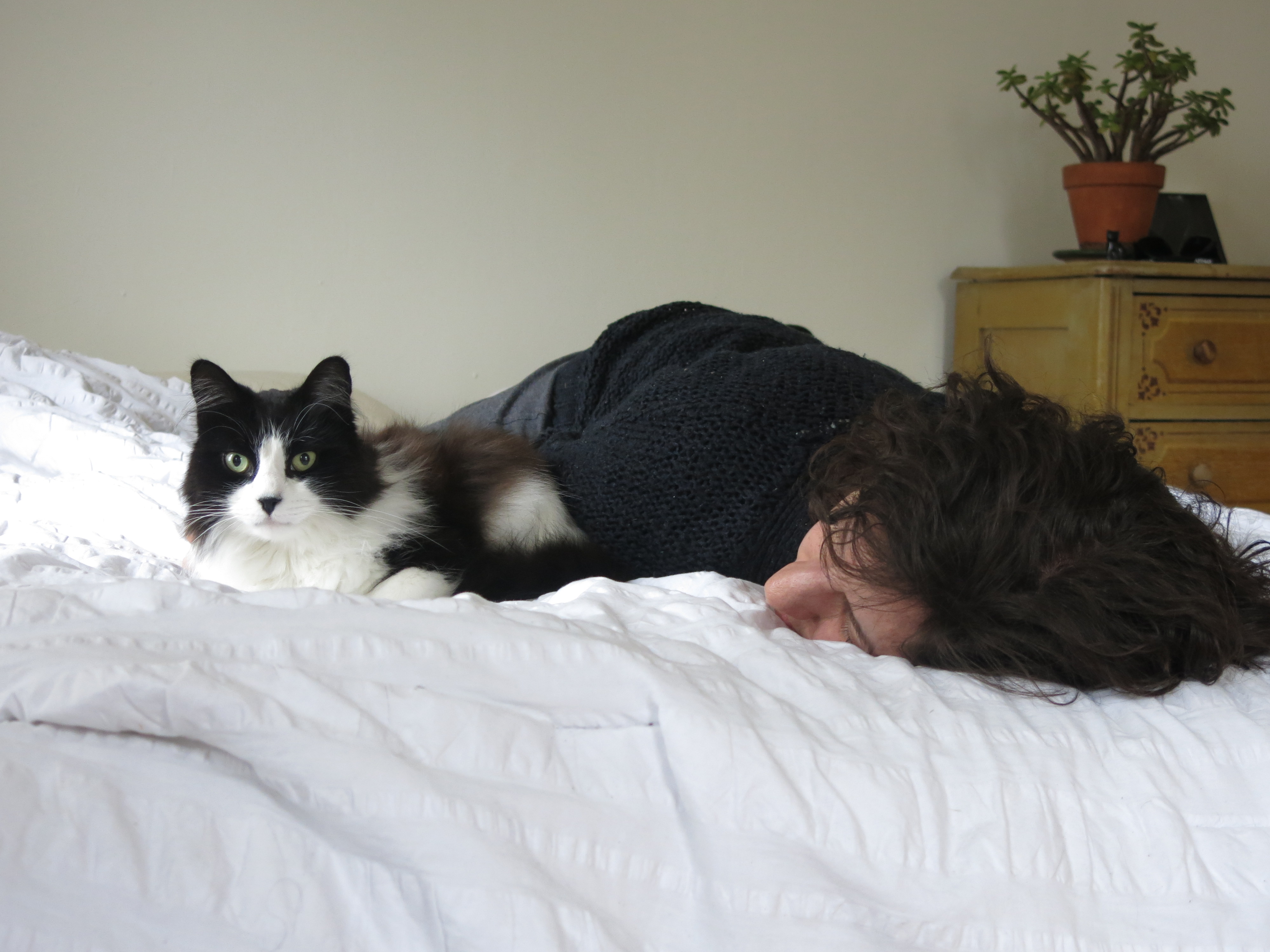
This is a super-effective trick if you have long hair that your cat can pull on as if they’ve just captured their prey. The hair-pulling technique represents the ultimate in feline wake-up persistence and creativity.
Cats who employ this method treat your hair like the ultimate hunting trophy, gently grasping strands between their teeth and giving calculated tugs. The sensation is impossible to ignore and often triggers an immediate wake-up response that no amount of willpower can overcome.
This technique ranks as the most persistent because it’s nearly impossible to sleep through and difficult to discourage without physically removing yourself from the situation. Some cats escalate to dramatic behaviors like climbing over your head, chewing window blinds, and yowling like it’s the end of days if their initial hair-pulling attempts don’t succeed immediately.
Understanding the Science Behind the Wake-Up Calls
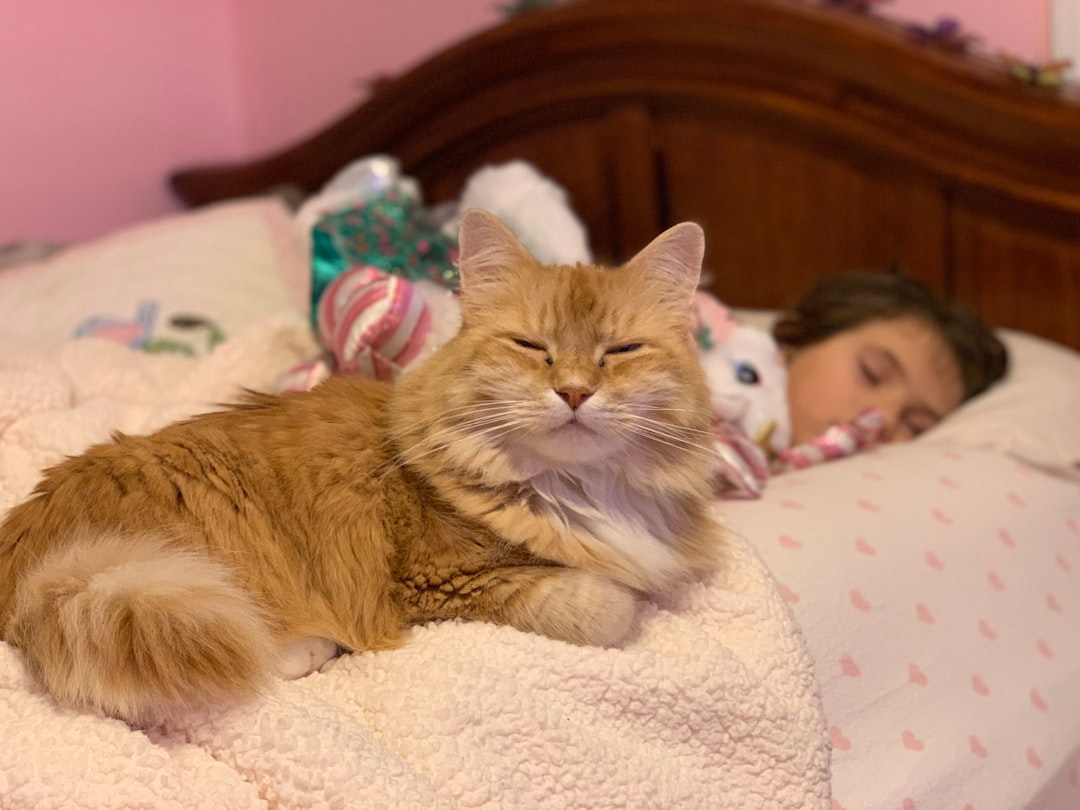
Cats in the wild sleep lightly to stay alert for predators, and when they see their owners sleeping deeply, they become worried, thinking you can’t defend yourself if you’re sleeping heavily. This protective instinct might explain some of their persistent wake-up behaviors.
By waking you up, cats achieve certain goals: they make something exciting happen, get social interaction regardless of how you respond, and often get fed. This process mirrors how slot machines work through intermittent reinforcement, making the behavior extremely difficult to eliminate once established.
Many people don’t feed their cats often enough, and cats have very small stomachs about the size of a ping pong ball, typically needing to eat every 8-12 hours. Understanding these natural patterns helps explain why morning wake-up calls are so common and persistent across different cats.
The Conclusion: Accepting Your Feline Alarm Clock
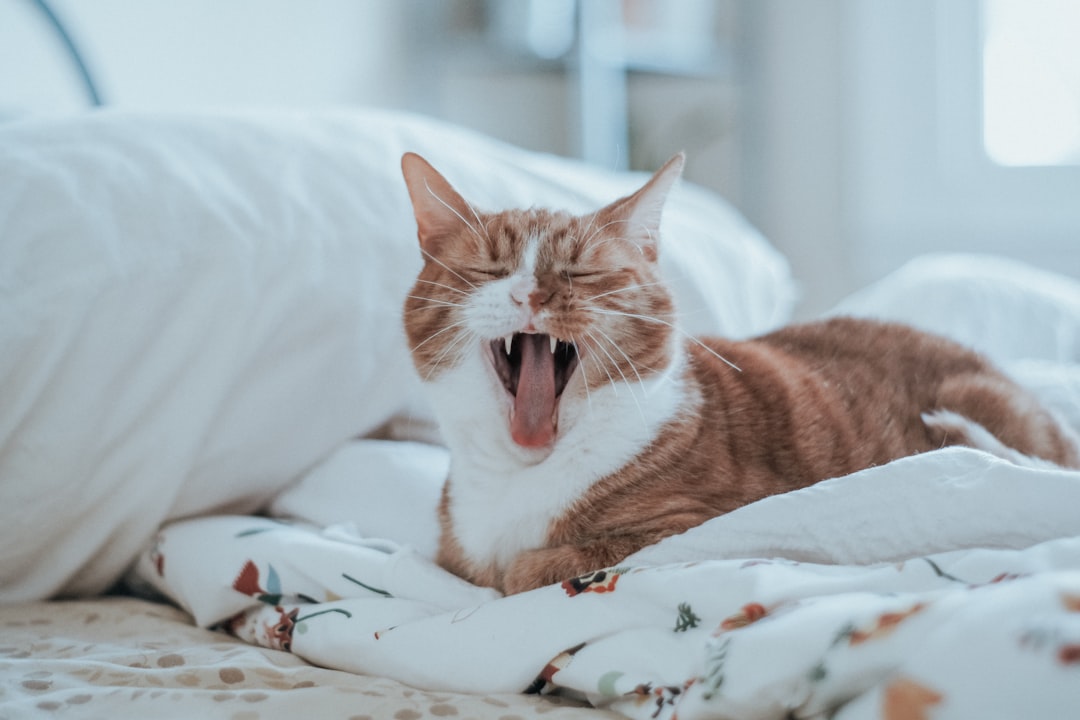
The funny things cats do to wake you up may not always be amusing in the middle of the night, but your furry family member’s clever and creative methods reveal just how much thoughtfulness and love they feel for their pet parent. Each wake-up technique, regardless of its persistence level, represents your cat’s unique personality and their special relationship with you.
From gentle purr alarms to the ultimate hair-pulling power play, cats have mastered the art of the wake-up call through centuries of domestication and observation. The biggest myth is that cats cannot be trained, and believing this can drive owners to extreme measures for something that can actually be changed.
Whether your cat employs the subtle snuggle approach or the full theatrical hair-pulling production, remember that these behaviors stem from their natural instincts, biological clock, and genuine affection for you. What do you think about your cat’s wake-up technique? Tell us in the comments which method your feline alarm clock prefers!