10 Ways Your Cat Secretly Guards Your Home (and Heart)
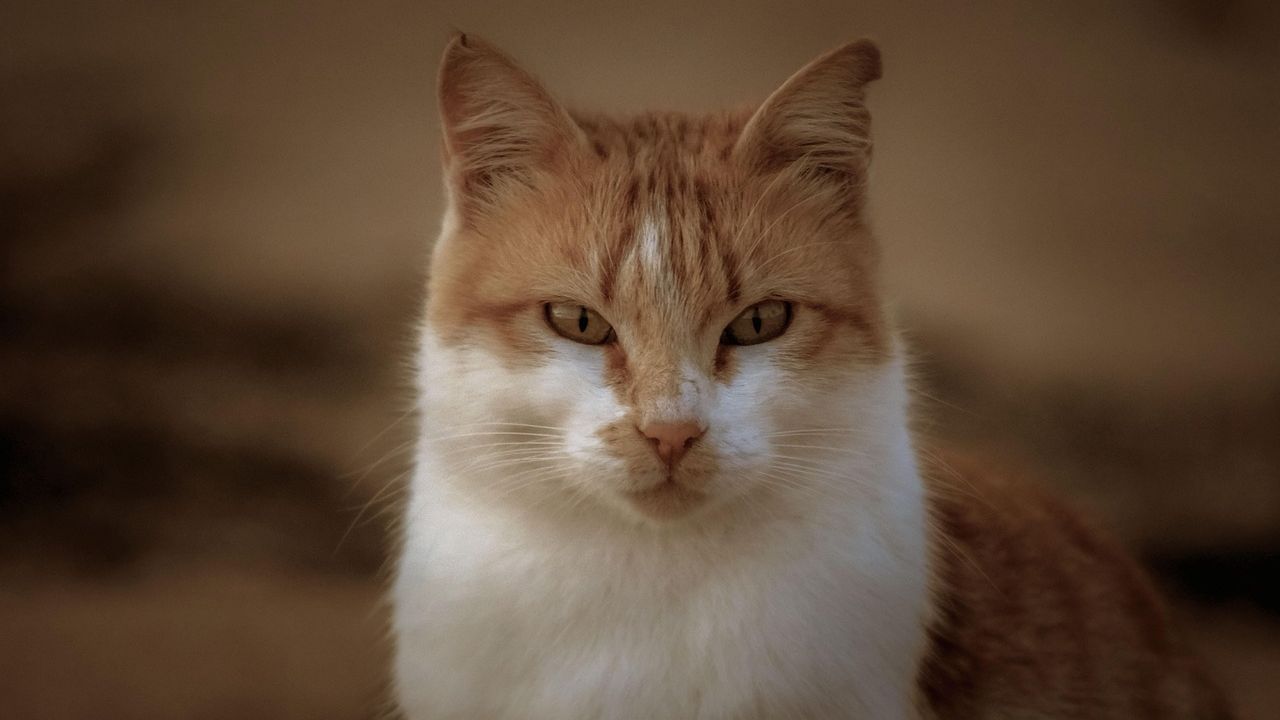
You've probably noticed your cat staring intensely at the front door, or following you from room to room with silent paws. Maybe you've caught them perched on a windowsill at three in the morning, ears twitching at every sound outside. While we often think of dogs as the protective guardians, your feline friend is quietly doing their own version of security detail. They just do it in that subtle, mysterious way that only cats can manage.
Here's the thing: cats might not bark at strangers or physically block intruders, but they're far from indifferent to your safety. Their protective nature runs deeper than you might realize, rooted in ancient instincts and surprisingly strong emotional bonds. Let's dive into the fascinating ways your cat secretly guards both your home and your heart.
They're Always Listening, Even When They Look Bored
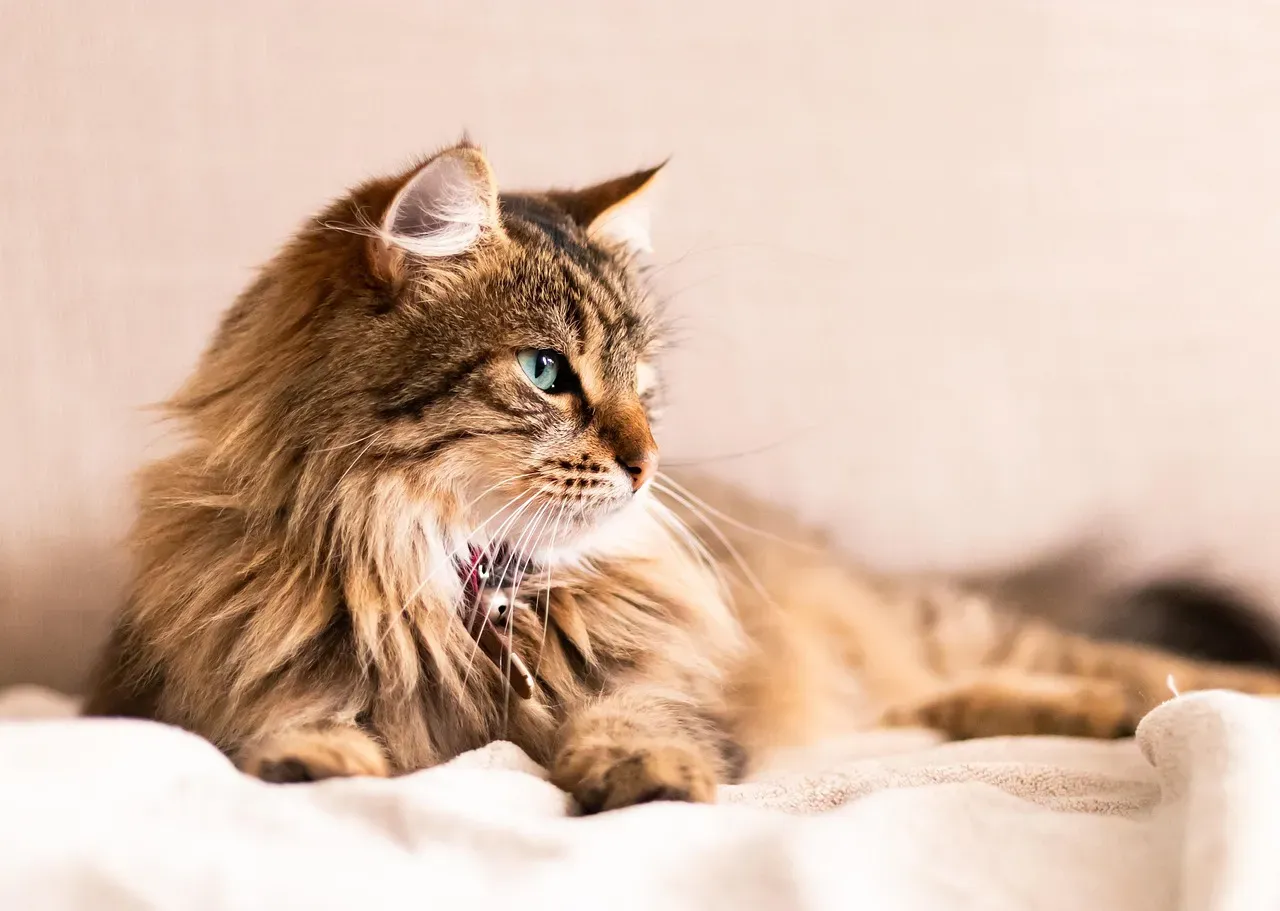
Your cat's instinct is to react when they smell, hear or otherwise sense something strange. Even when lounging in a seemingly comatose state on the couch, those sensitive ears are constantly monitoring the environment. Think of it as their personal surveillance system, always running in the background.
Their acute senses allow them to detect environmental changes that humans might miss, making them excellent early warning systems for potential dangers. Your cat can hear frequencies up to roughly twice what you can detect, meaning they're picking up sounds you'll never even know existed. When their ears suddenly swivel toward the door or window, they're processing information about potential threats long before you've noticed anything unusual.
Door Guarding Is Their Specialty
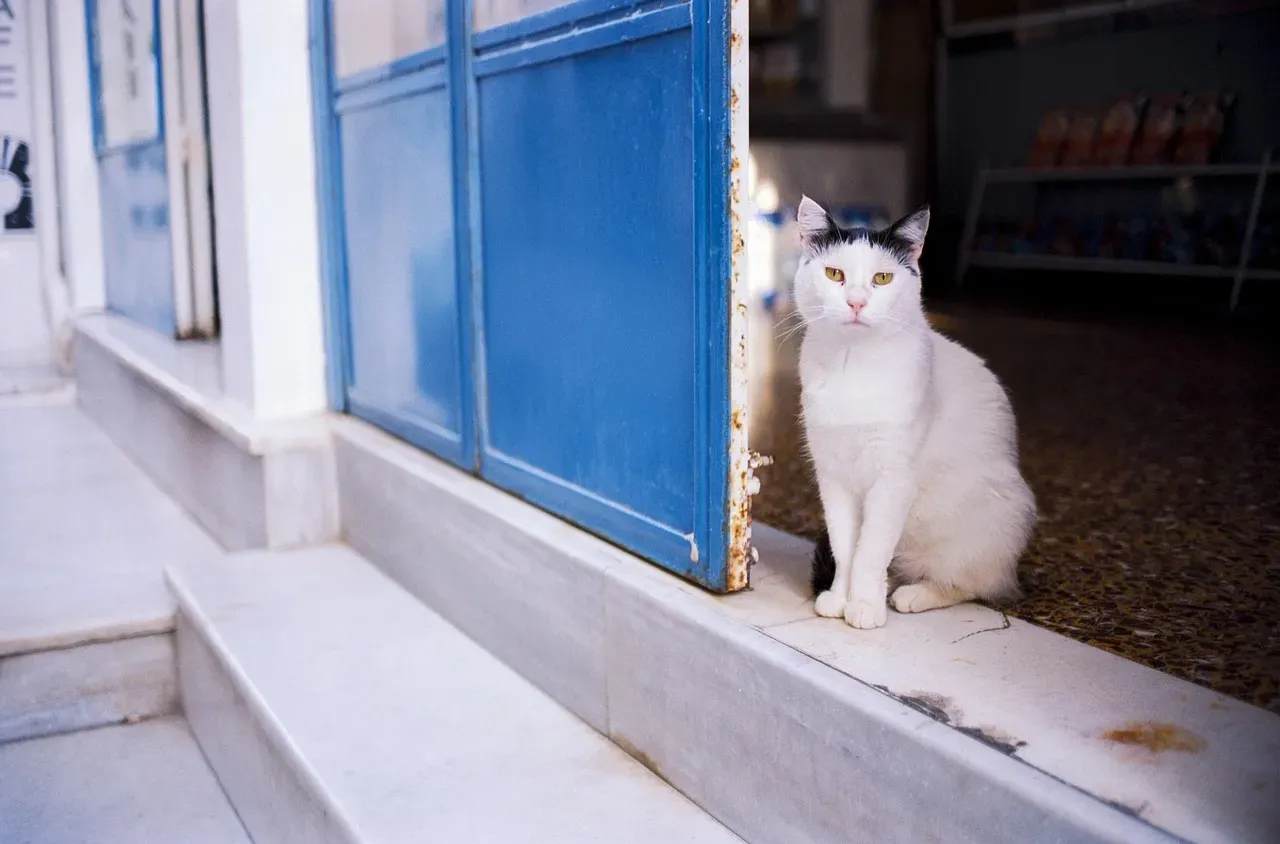
Cats are territorial creatures by nature, and guarding doors may stem from their innate desire to defend their territory and assert their dominance by positioning themselves near a door, signaling to other animals that this area belongs to them. You might think your cat just happens to love that particular spot by the bedroom entrance, but there's more strategy involved than mere comfort.
Cats may guard doors as a means of protecting themselves or their territory from perceived threats, positioning themselves near an exit so they feel more secure and better equipped to defend themselves in the event of an intruder or unfamiliar presence. It's honestly quite clever when you think about it. By controlling access points, your cat maintains awareness of who enters and exits their domain, which includes you.
Territorial Marking Means You're Part of Their Kingdom
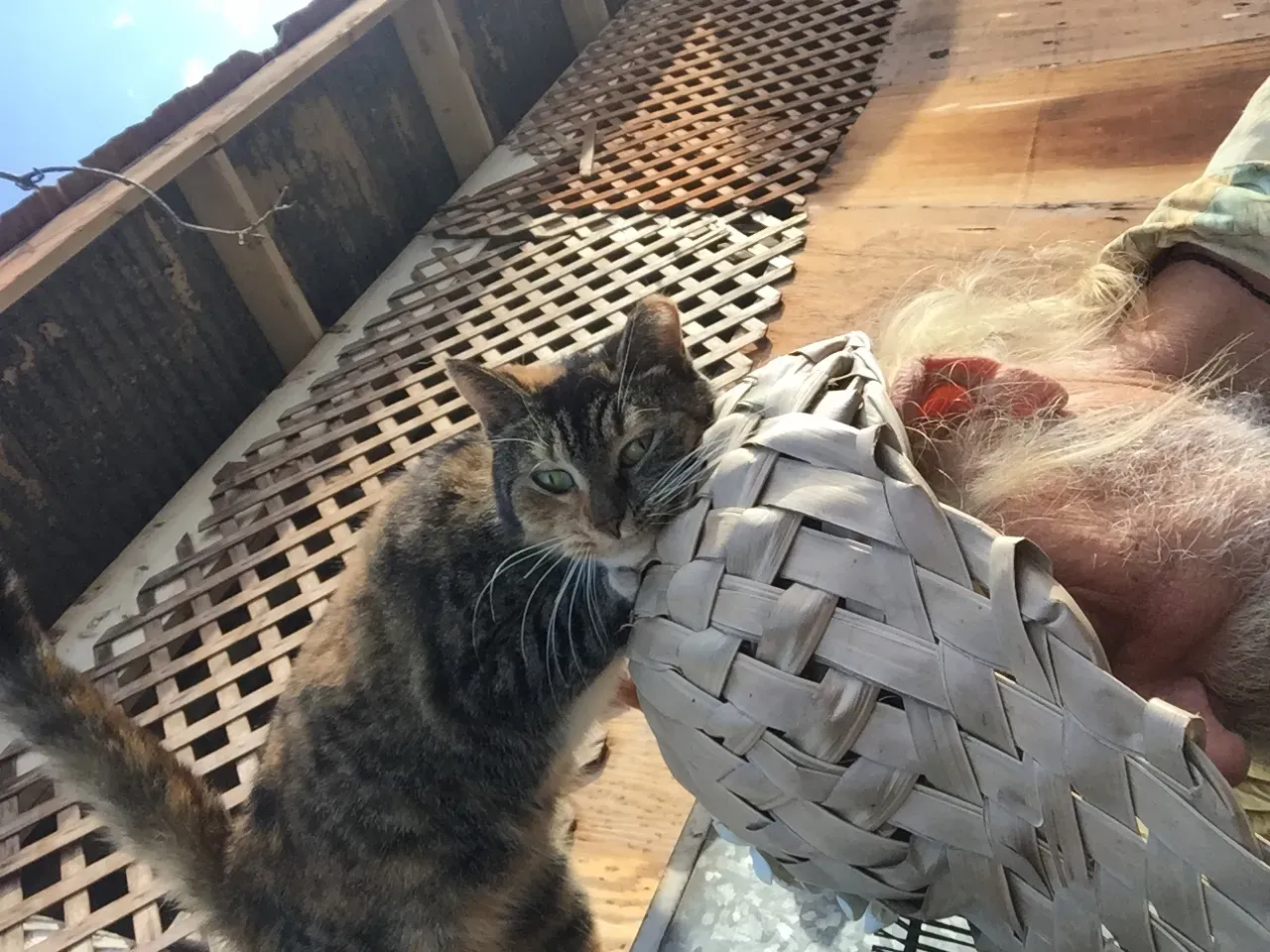
Cats demonstrate several territorial behaviors, primarily through marking, rubbing their cheeks and body against items in your home, including you and your family. That seemingly affectionate head bump isn't just about getting attention. Your cat is literally claiming you as part of their protected territory.
Your home becomes their territory, and you become part of their social group, so protecting you is an extension of protecting their domain. When your cat rubs against your legs after you've been out, they're not just saying hello. They're reassessing and reestablishing their scent markers, essentially confirming that you still belong to their carefully guarded world. This behavior reveals a level of ownership and care that goes beyond simple companionship.
They Watch You Sleep More Than You Realize
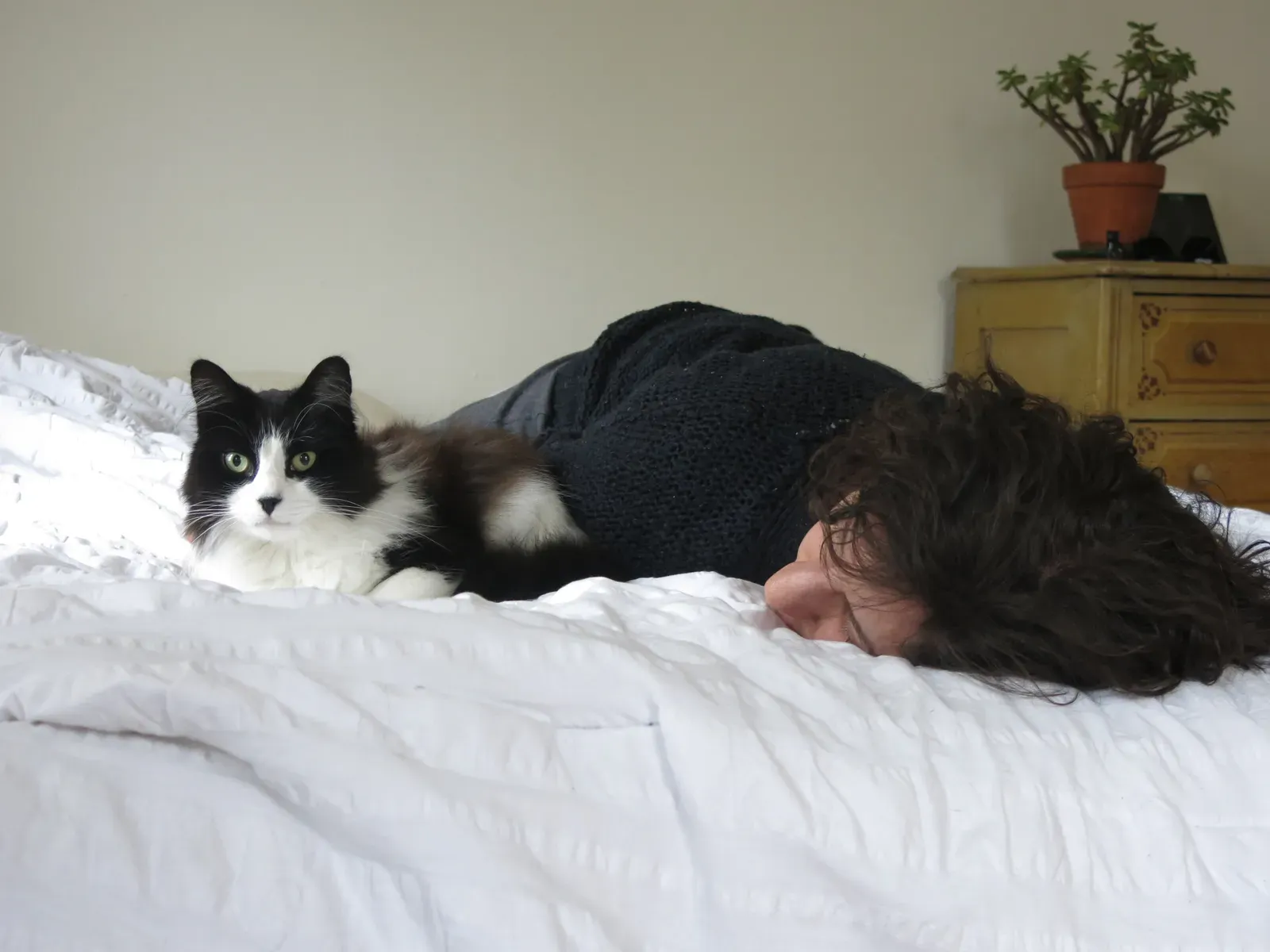
Cats sleep near their owners for multiple reasons, including protection, warmth, comfort, and emotional security, demonstrating trust and a desire to monitor their environment while staying close to their bonded human companion. Ever wake up to find your cat staring at you from the foot of the bed? Slightly creepy, maybe, but also strangely comforting once you understand why.
Cats' territorial nature and evolutionary development as both predator and prey species give them natural guarding instincts, with their acute senses and strong bonds with owners driving them to monitor and respond to potential threats. While you're vulnerable during sleep, your cat maintains a protective vigil. Their crepuscular nature means they're naturally more alert during dawn and dusk, the times when predators historically posed the greatest threat. Your cat hasn't forgotten this ancient wisdom.
Vocalization Serves as Your Personal Alarm System

Growling, hissing, or a low yowl can indicate they perceive a threat and are prepared to protect you. Those strange sounds your cat makes at two in the morning aren't random. They're deliberate warnings about something your cat has detected that seems wrong or dangerous to them.
A territorial cat will often guard her territory against all comers, threatening them with body language, hissing, and yowling, with excessive vocalization being a popular method of guarding territory. I know it sounds crazy, but your cat's midnight concert might actually be them doing their job. They're announcing to potential intruders that this space is occupied and defended. It might disturb your sleep, but it's their way of establishing a protective perimeter around your home.
Following You Around Isn't Clinginess, It's Vigilance
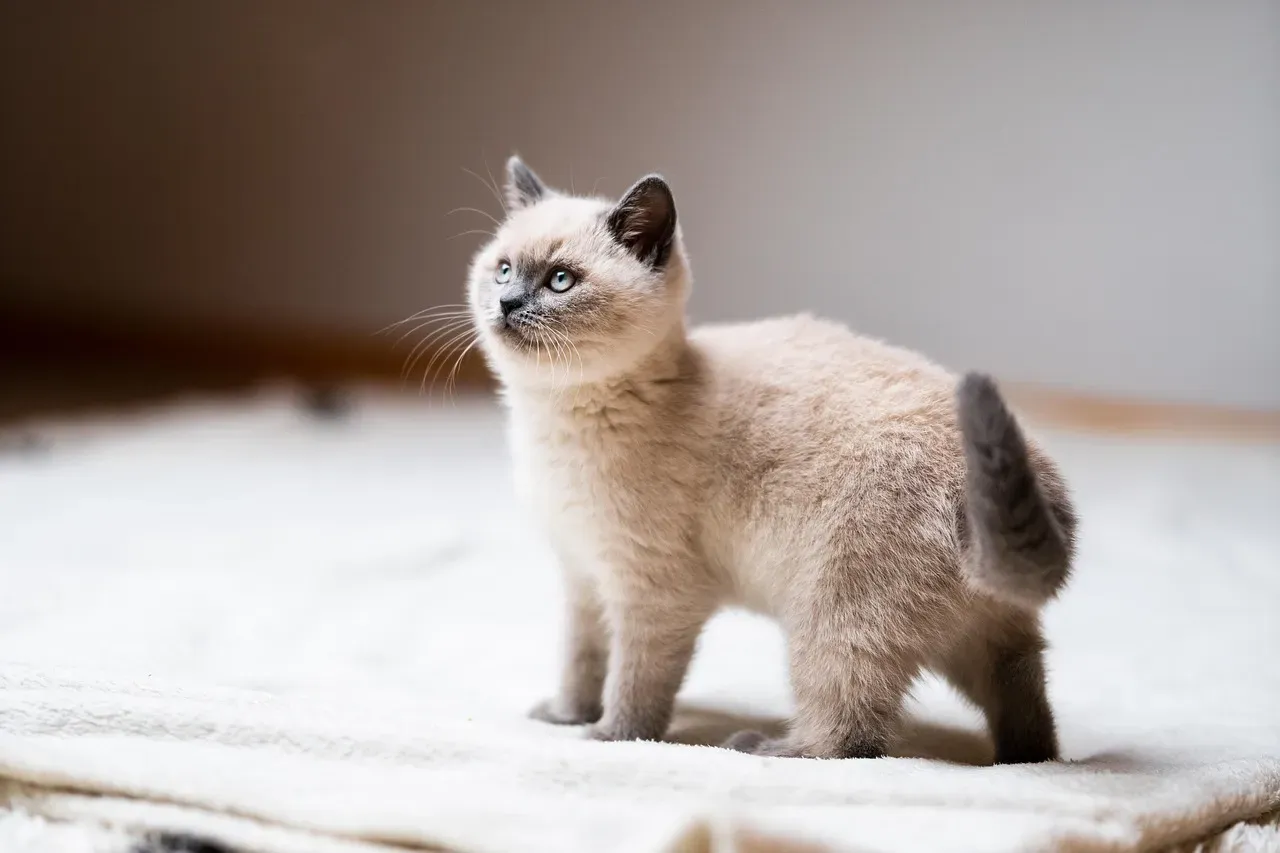
You might not realize how closely your cat pays attention to where you are and what you're doing. That constant shadowing from room to room has a purpose beyond simply wanting to be near you. Your cat is maintaining situational awareness of your location and status.
Signs of guarding behavior include following you around, positioning themselves in elevated spots to observe their surroundings, reacting to unusual sounds or movements, and displaying alert body language when strangers approach. This behavior reflects an instinctive need to keep tabs on their family members. In the wild, cats who bonded socially would monitor each other's movements for mutual protection. Your domestic cat retains this protective instinct, translated into modern home life.
Biscuit
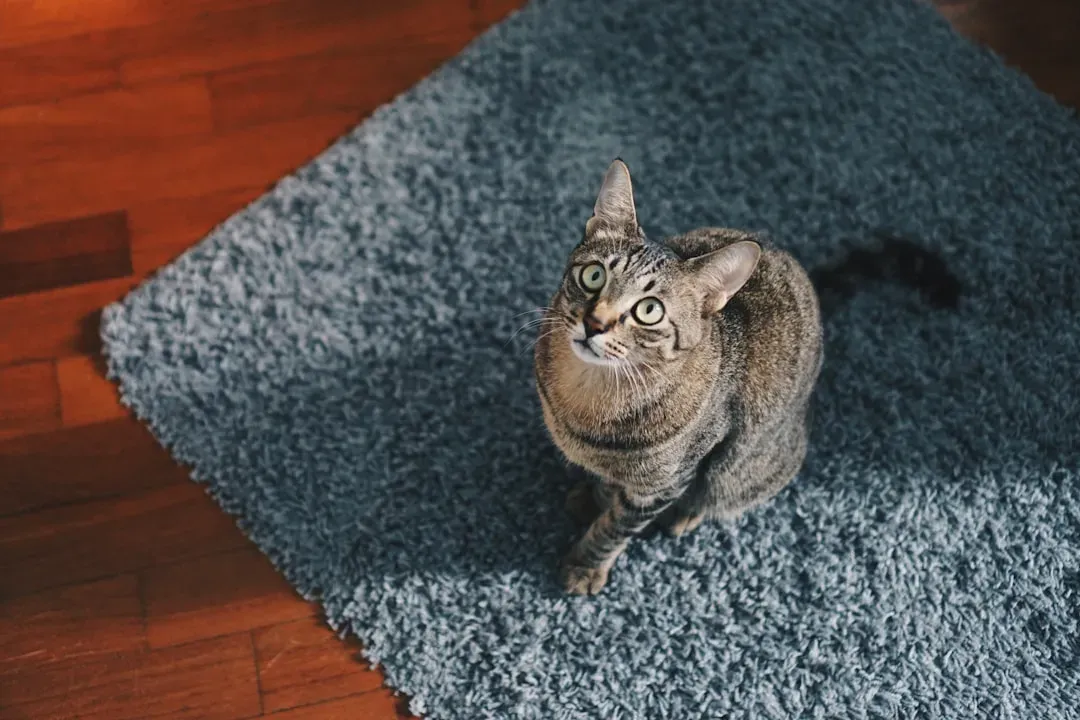
Biscuit is looking at you hopefully.
They React to Strangers With Calculated Suspicion

More frequently, cats try to protect their pet parents from people they consider to be dangerous. When your cat disappears the moment guests arrive, or alternatively positions themselves between you and a visitor, they're making protective assessments. This isn't antisocial behavior - it's security protocol.
When a cat exhibits protective behavior, such as standing between you and a perceived threat, they're following their natural instincts to respond to stimuli that seem unusual or threatening in their environment. Your cat is evaluating whether this new person poses a risk to their territory and to you. Some cats choose flight as their response, retreating to monitor from a safe distance. Others stand their ground, watching intently for any signs of aggression or danger. Both responses demonstrate protective awareness.
Emotional Support Is a Form of Protection Too
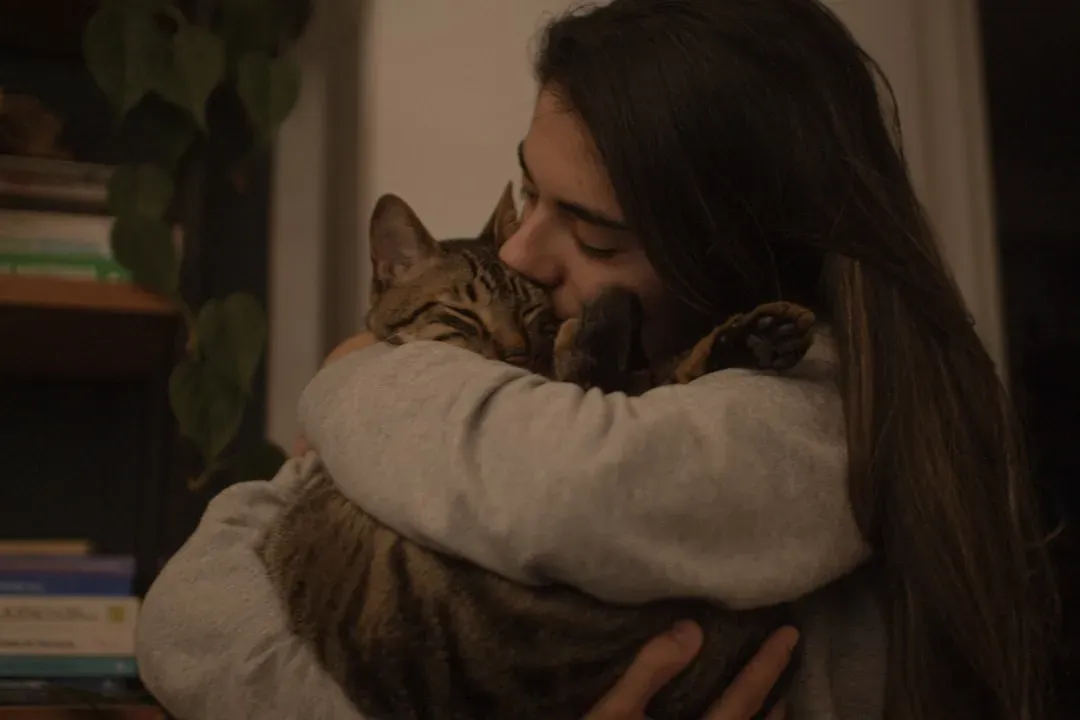
Cats have an incredible ability to sense when their humans are unwell or distressed, and they may stay close, offering comfort and security. Protection isn't always about physical threats. Your cat guards your emotional wellbeing with remarkable sensitivity.
Studies have shown cats reduce stress and blood pressure levels in their owners, and research shows ESAs can lower anxiety, reduce depression, decrease feelings of loneliness. When you're having a terrible day and your cat suddenly appears in your lap, purring steadily, that's protective behavior in action. They're responding to changes in your emotional state, providing comfort that helps guard your mental health. Honestly, it's one of the most underrated aspects of cat companionship.
The Bond They Form Is Their Ultimate Motivation
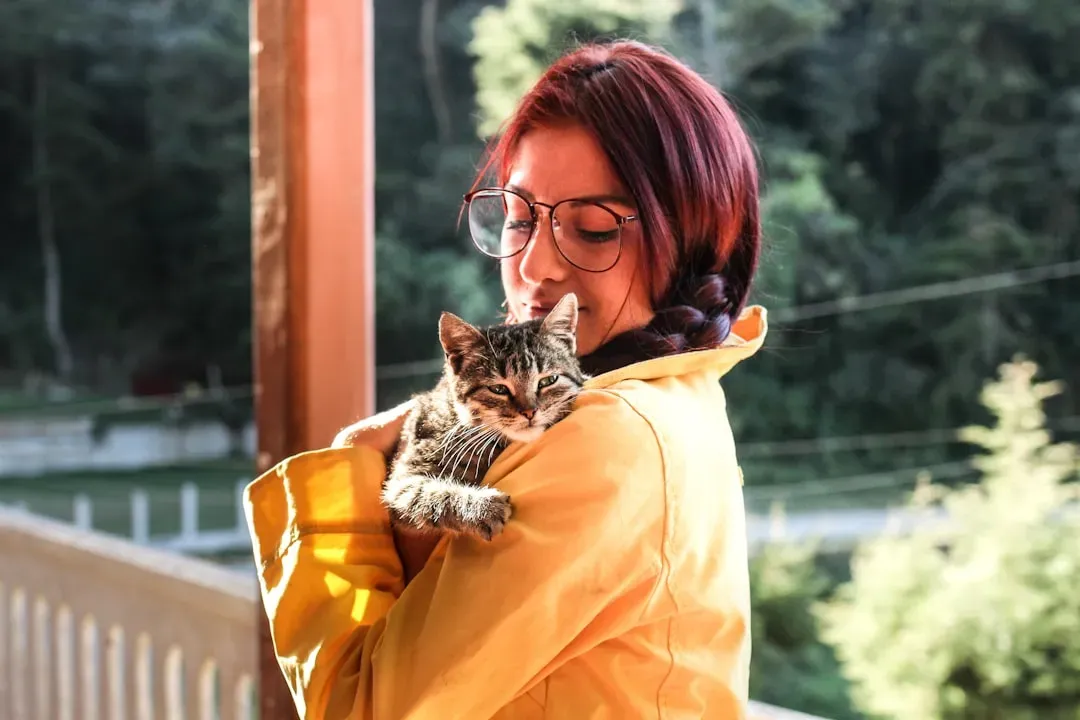
Cats can be just as protective of their people as dogs are of theirs, and cats love their family and their family loves them right back. The depth of attachment cats develop with their owners often surprises people who've never experienced it firsthand. This emotional bond is what transforms instinctive territorial behavior into genuine protective care.
Research has shown that cats are capable of forming strong bonds with their human owners, similar to those formed between dogs and their owners, built on trust, affection, and mutual respect. When your cat protects you, they're not acting out of training or obligation. They're responding to a relationship that matters to them. You're not just a food dispenser or warm lap - you're family, and that familial bond activates their protective instincts in surprisingly powerful ways.
They're Prepared to Fight if Necessary
There have been several cases of cats attacking people and animals through biting and scratching to protect their loved ones. While most protective behavior remains subtle and non-confrontational, cats absolutely can escalate to physical defense when they perceive genuine danger to their humans. These stories aren't common, but they're real.
Petful highlights a cat who protected a child from a dog attack as well as numerous cats who alerted their humans to medical emergencies, including cancer and carbon monoxide poisoning. Let's be real: cats might be small, but they're equipped with impressive natural weapons - sharp claws and teeth, incredible reflexes, and zero hesitation when defending something they care about. The fact that they rarely need to use these abilities doesn't mean they won't when circumstances demand it. Your cat's protective instinct runs deeper than their typically aloof exterior might suggest.
Conclusion
Your cat's protective nature might not announce itself with dramatic displays, but it's there in countless subtle ways every single day. From monitoring sounds you can't hear to guarding doorways and tracking your movements through the house, your feline companion maintains a quiet but constant watch over your home and wellbeing. A cat's protective nature is a reflection of its bond with you, and by nurturing that bond through patience, empathy, and consistency, you create a relationship built on mutual respect and affection.
Next time you catch your cat staring intently at nothing, or following you from room to room with that focused expression, remember they're doing their job. They're your silent guardian, your vigilant protector, and your emotional support system all rolled into one small, furry package. Did you notice these protective behaviors in your own cat? What would you have guessed about their guarding instincts before reading this?
- Cat Research Says Cats Who Approach You After You Speak May Be Responding to More Than the Sound of Their Name
- 12 Common Human Misconceptions About What Cats Truly Desire
- 8 Things Only Multi-Cat Owners Understand About Feline Friendships and Rivalries
- What Hidden Messages Are Contained in Your Cat's Slow Blink?