Wildlife Research Says Bobcats Living Near Neighborhoods Can Learn to Use Human-Altered Landscapes Without Becoming Truly Domestic
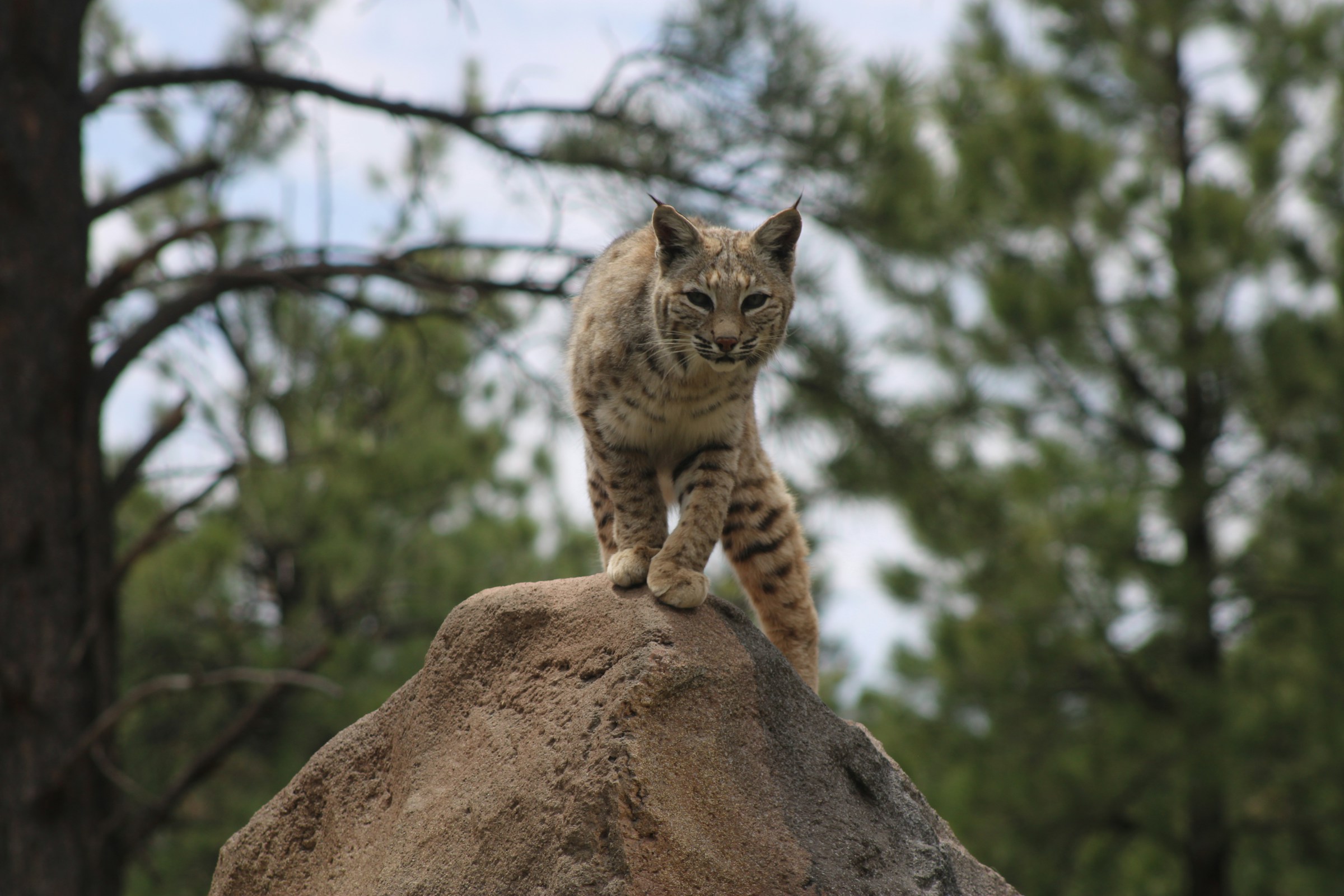
You might be sharing your world with silent, spotted neighbors and never know it. Across North America, wildlife researchers are finding that bobcats are slipping into the edges of suburbs and small towns, quietly learning to live alongside you while still staying very much wild. That alone is surprising in a world where many large animals vanish the moment people move in. When you look closer, it gets even more fascinating. These cats are not turning into oversized house pets or begging for handouts on porches; instead, they’re using culverts like tunnels, hunting around golf courses at night, and slipping through backyards as if they were just another part of the forest. You end up with a strange, uneasy balance: a wild predator adapting to your roads, lights, and fences, but refusing to cross that line into domestication.
Why Bobcats Are Showing Up Closer To Where You Live
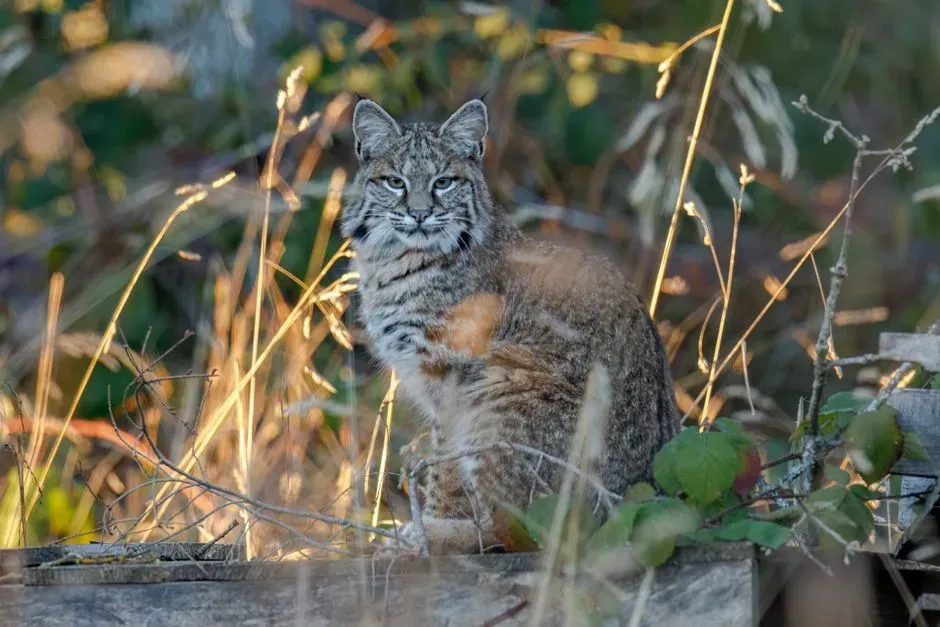
If you live near the edge of a city, a small town, or a spread-out suburb, you’re living in exactly the kind of place bobcats find interesting. As forests are cut into patches and open fields turn into subdivisions, you create a patchwork of woods, brush, lawns, and vacant lots that bobcats can navigate like a maze. To you it might look like sprawl, but to a bobcat it can look like a hunting ground full of hiding spots and prey. You also unintentionally stock the pantry. Songbirds around feeders, rabbits grazing in yards, rats and mice near trash, and squirrels racing along fence lines all attract predators that specialize in stealth and ambush. Add in greenbelts, drainage channels, and powerline corridors connecting one fragment of habitat to another, and you’ve basically built a secret road system for wildlife. Bobcats can move mostly unseen, treating your neighborhood like a nighttime version of their traditional hunting grounds.
How Bobcats Learn To Use Human-Altered Landscapes
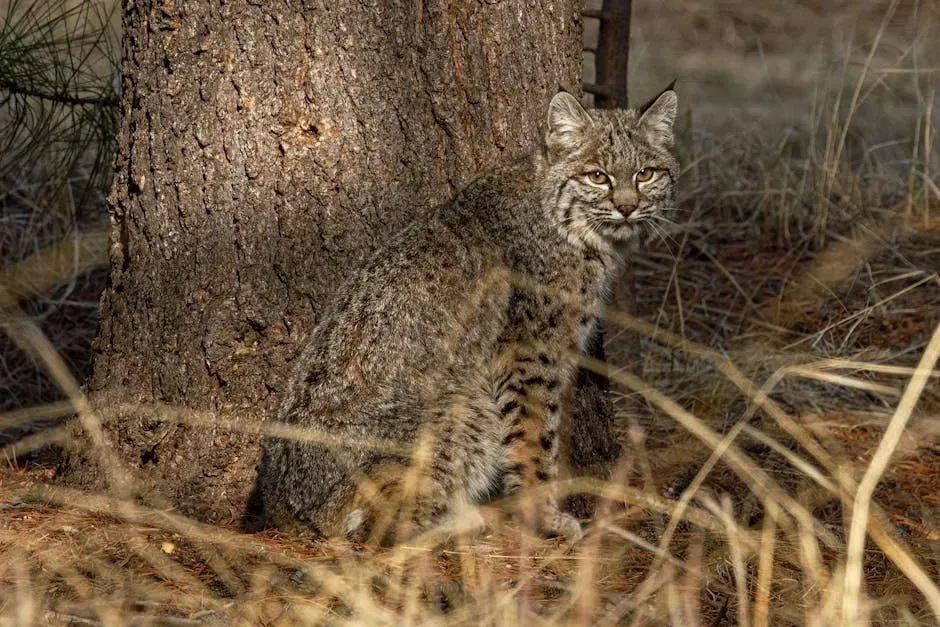
You might picture wild animals as either “afraid of people” or “tame,” but bobcats show you a more subtle reality. They learn, bit by bit, which parts of your world are dangerous and which parts they can exploit. Over time, a bobcat may figure out that traffic is heaviest at certain hours, that dogs are noisy but fenced in, and that some backyards are gold mines for rabbits and rodents after dark. Researchers following collared bobcats have seen them using culverts to cross under highways, slipping through drainage ditches, and timing their movements to avoid you almost completely. You can think of it like a street-smart traveler learning a new city: they memorize shortcuts, quiet alleys, and safe crossings. The difference is that the bobcat is doing this without maps, apps, or streetlights - just instinct, memory, and caution layered over time.
Adapted But Not Tame: The Line Between Wild And Domestic
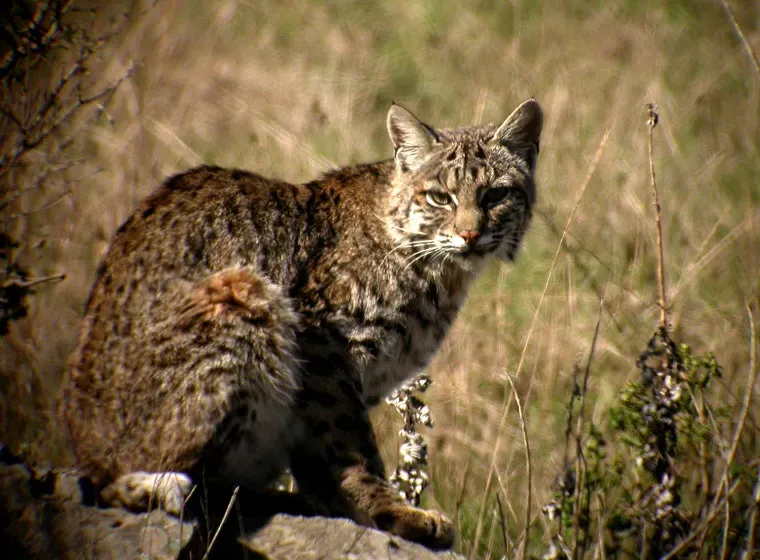
It’s tempting to assume that because a bobcat walks along your fence or appears on your doorbell camera, it has become “half tame.” In reality, the research points in a different direction: bobcats that live near people usually remain wary, avoid direct contact, and keep their natural behaviors. They are adapting to your presence, not bonding with you the way a dog or cat would. If you tried to approach one, it would almost always disappear long before you got close. Domestication is not just about an animal tolerating your buildings or your smell; it’s a complex process that takes many generations of selection for friendliness and dependence on humans. Your neighborhood bobcat is not on that path. It still hunts for itself, chooses its mates, raises its young without your help, and avoids your gaze. You’re seeing behavioral flexibility, not the early stages of a new house pet species.
What Bobcats Eat Around Neighborhoods (And Why That Matters To You)
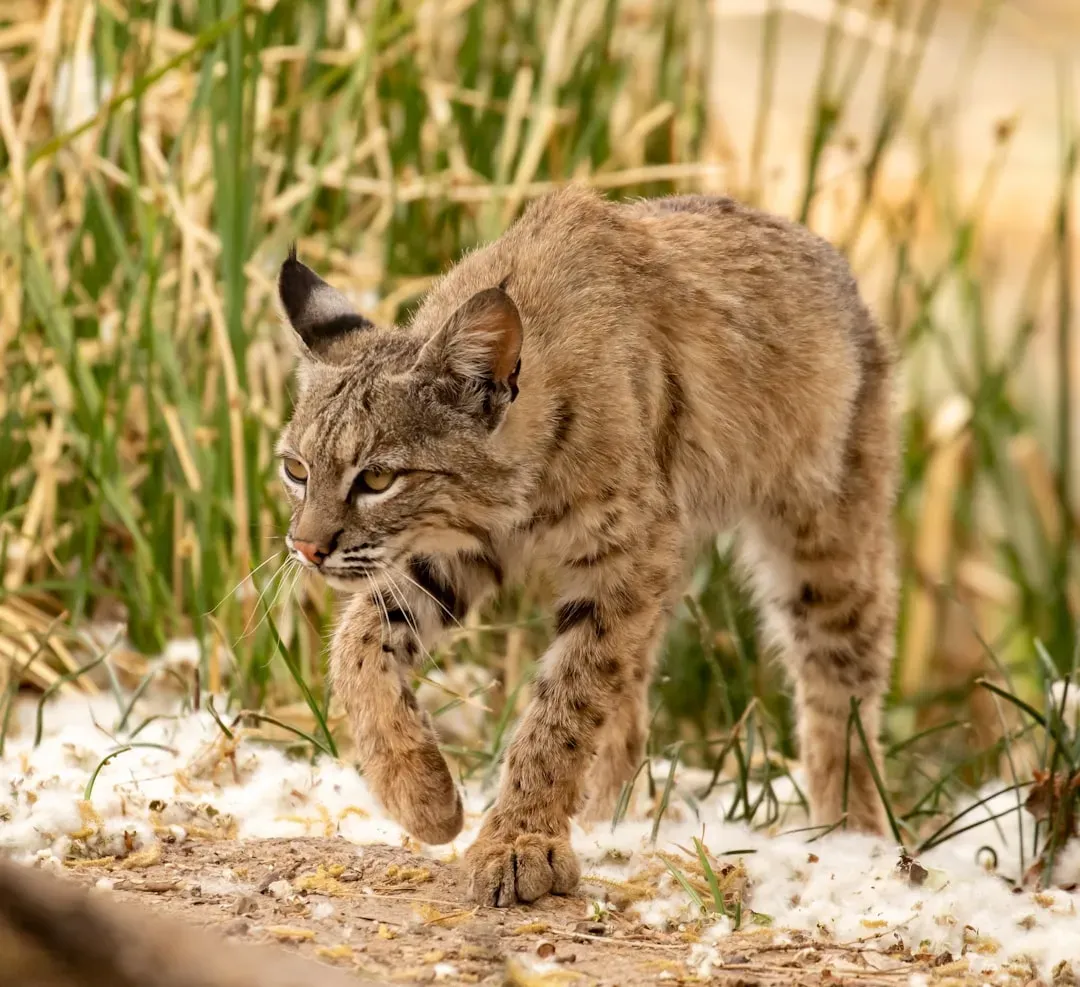
When bobcats move into human-altered areas, they do not suddenly switch to eating your pets as their main diet. Studies from different regions consistently show that small wild prey - like rabbits, rodents, and sometimes birds - still makes up most of what they eat. The buffet your trash and birdseed creates for small animals is what really draws bobcats in, not the idea of challenging a barking dog or tangling with an adult cat. For you, that has an unexpected benefit: bobcats can help control populations of animals you often think of as pests. Rodents around sheds, rabbits in gardens, and even some invasive species can be kept in check by a healthy predator presence. That said, small unsupervised pets, especially at night, can be at some risk, just as they are from coyotes, owls, or even cars. The key is to see bobcats as part of the local food web, not as villains or as backyard mascots.
How Close Is Too Close? Signs A Bobcat Is Getting Too Comfortable
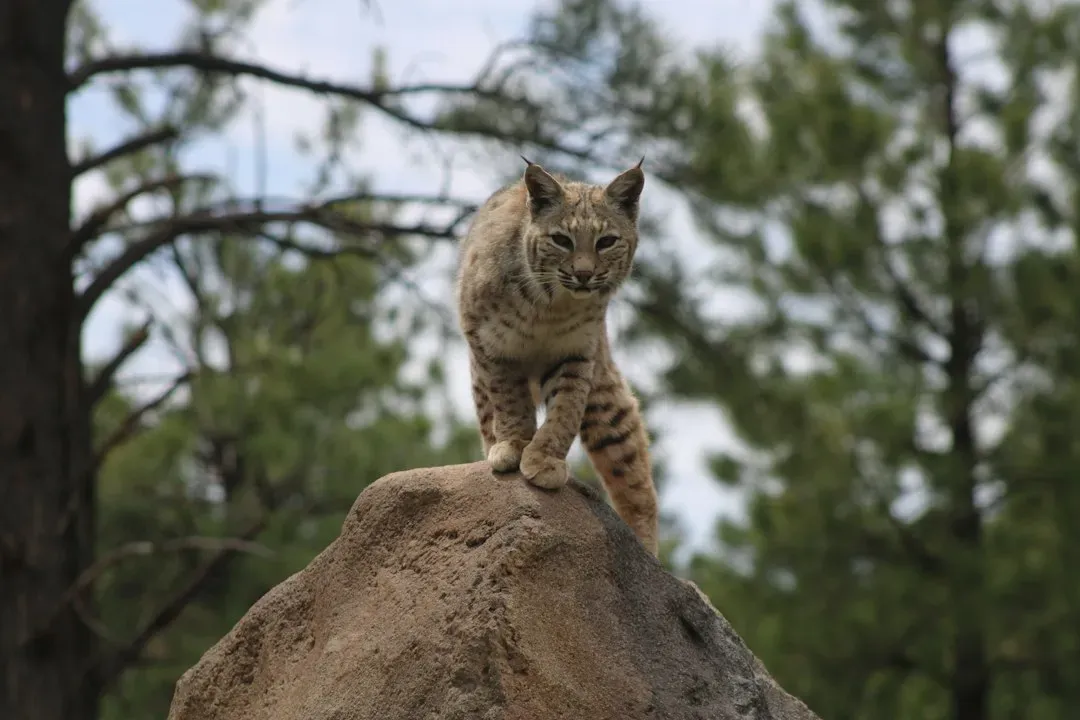
You want bobcats to stay wild in both behavior and attitude, even if they hunt near your property. A bobcat that passes through at night, avoids you, and bolts when it senses movement is acting exactly as a wild animal should. That’s normal and usually not a cause for alarm. In many cases, your only “evidence” is a faint track in mud or a blurry night-vision image. What you don’t want is a bobcat that lingers in broad daylight right next to homes, seems unfazed by shouting or clapping, or actively approaches people or porches. That kind of boldness is often a sign that the animal is being intentionally or unintentionally fed, or that it has learned to associate your presence with easy food. When that happens, the bobcat is still not domestic, but it is starting down a risky path where conflicts and removal become much more likely.
Biscuit
Biscuit is looking at you hopefully.
How Your Choices Shape Bobcat Behavior Around Your Home
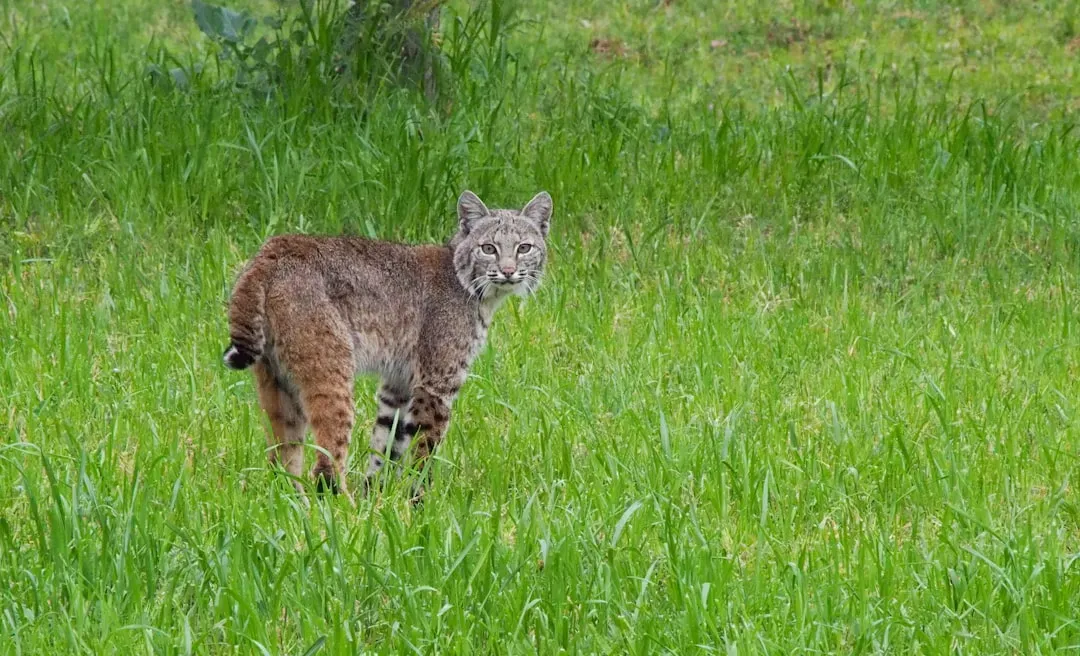
You have more influence over bobcat behavior than you might think, simply through your daily routines. Leaving pet food outside, allowing trash to overflow, or feeding wildlife directly can create a chain reaction: small animals gather, predators follow, and eventually some predators start to test boundaries. By tightening up your habits - securing trash, bringing in food bowls, and cleaning up spilled birdseed - you remove some of the biggest draws. You can also make your property feel less comfortable for a bobcat that gets too bold. Motion-activated lights, noisy yard activity during dawn and dusk, and secure fencing in key areas can signal that this is not a good place to hang out. At the same time, you can support safer routes for wildlife by keeping natural green corridors - like connected patches of shrubs or native plants - away from play areas and pet zones. You’re not trying to evict nature, just steer it into better places.
Safety For Pets, Kids, And You In Bobcat Country
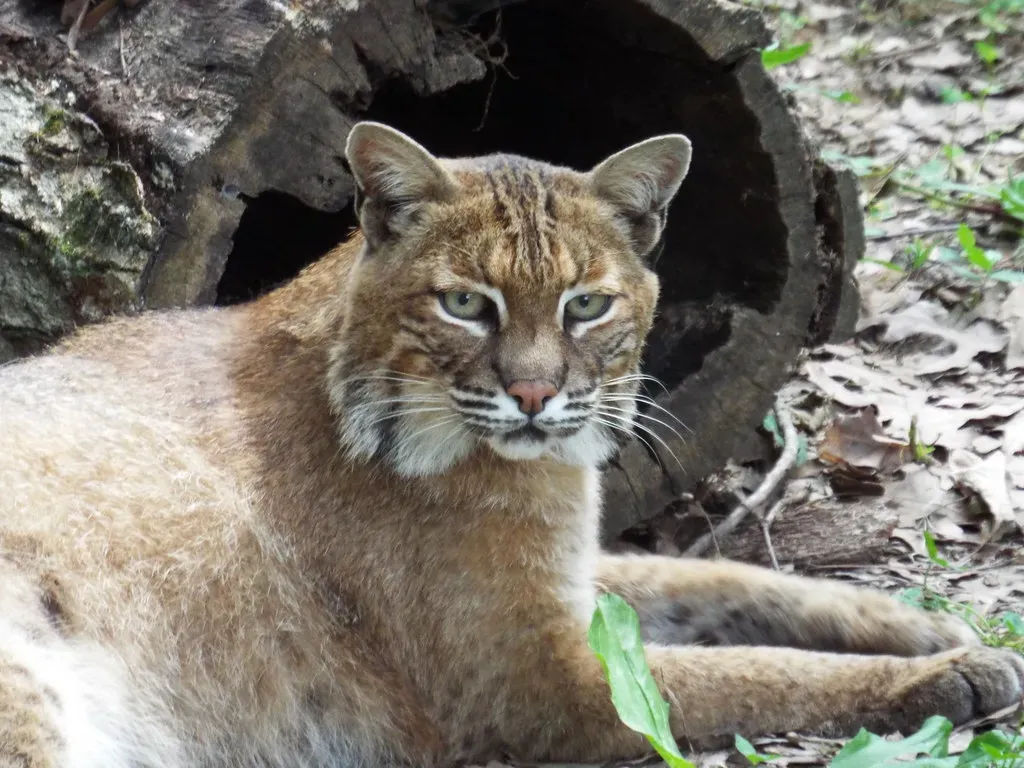
If you live in bobcat territory, you do not need to live in fear, but you do need to live with awareness. Healthy bobcats are usually shy of adults, and attacks on people are extremely rare. For children, the bigger risks in most neighborhoods still come from cars, pools, and dogs, not from wild cats. Teaching kids to watch wildlife from a distance, avoid approaching any animal, and tell you if they see something unusual is usually enough. Your pets require a bit more planning. Keeping cats indoors, supervising small dogs at dawn and dusk, and using leashes or fenced yards can drastically lower their risk from all predators, not just bobcats. If you treat bobcats the way you might treat a fast-moving river - respecting its power, giving it space, and not doing reckless things near it - you can coexist with far fewer problems. It becomes one more part of your environment that deserves caution, not panic.
Why Bobcat Adaptation Can Actually Be A Conservation Success Story
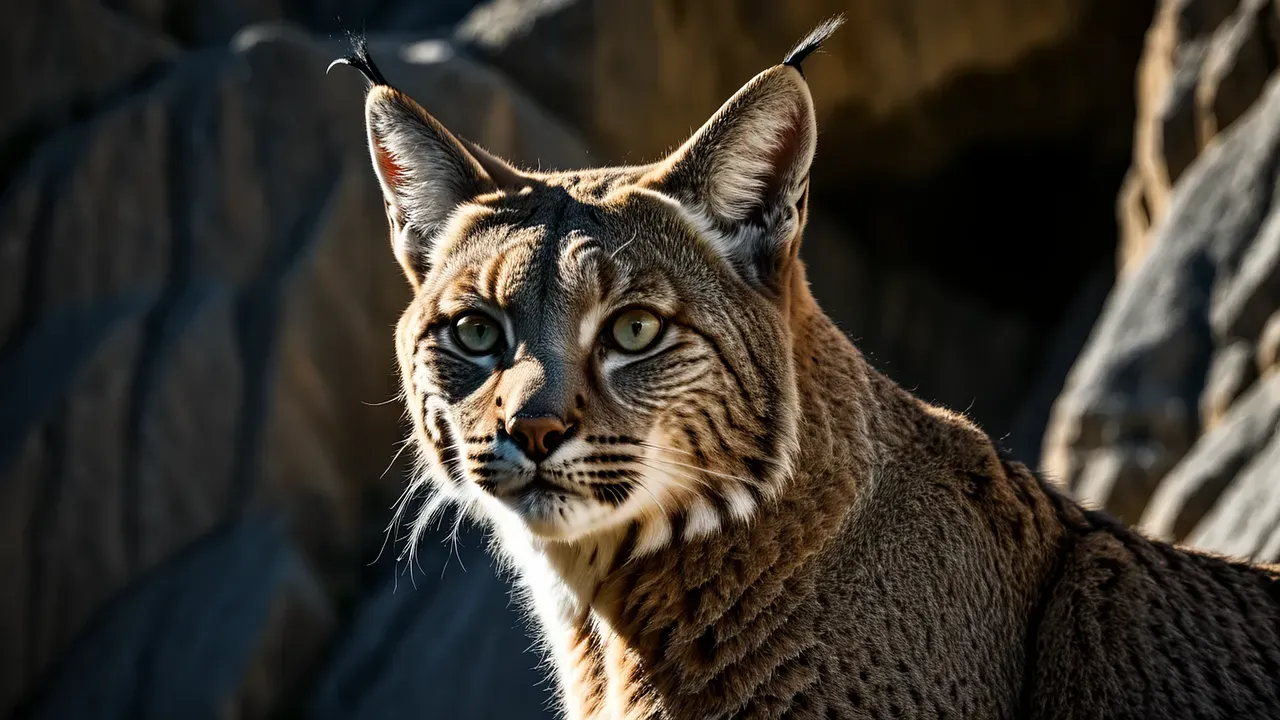
When you hear about wildlife and development, the story is usually one of loss: species pushed out, habitats destroyed, populations shrinking. Bobcats are one of the quiet exceptions. In many parts of their range, hunting controls, better awareness, and legal protections have allowed their numbers to stabilize or recover, even while suburbs spread. The fact that they can adjust to your presence without becoming dependent on you gives them a better shot at long-term survival. That does not mean every bobcat population is thriving or that all is well. Habitat quality, road mortality, trapping, and persecution still matter a lot, and not every region tells the same hopeful story. But when a wary, wild predator can weave itself into the shadows of your built world and still live a mostly natural life, it shows you that coexistence is not just a dream. It is already happening quietly at the edges of your neighborhood.
How To Be A Good Neighbor To A Wild Bobcat
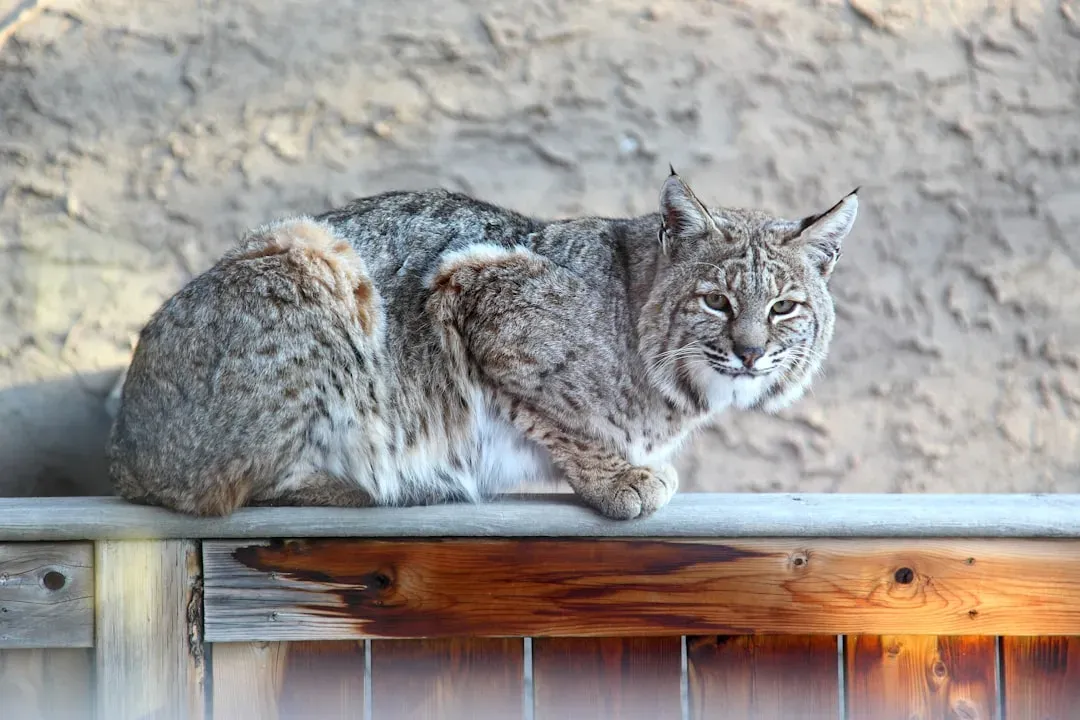
If you accept that bobcats are part of your wider neighborhood, the question becomes simple: what does being a good neighbor look like? At the most basic level, it means not feeding them, not trying to interact with them, and not demonizing them when you do catch a glimpse. You give them space, and you let them stay wary. They are not there to entertain you, and they are not there to be “tamed.” Being a good neighbor also means paying attention to the wider landscape. Supporting local efforts to protect greenbelts, wildlife crossings, and patches of natural habitat gives bobcats safer ways to move that do not push them into the most crowded human areas. Sharing realistic, calm information with your community - especially people who may be frightened - helps reduce unnecessary fear and knee-jerk calls to remove animals that are just passing through. You end up creating a culture where wildness is seen as something to manage and respect, not erase.
Conclusion: Living Beside Wildness Without Owning It
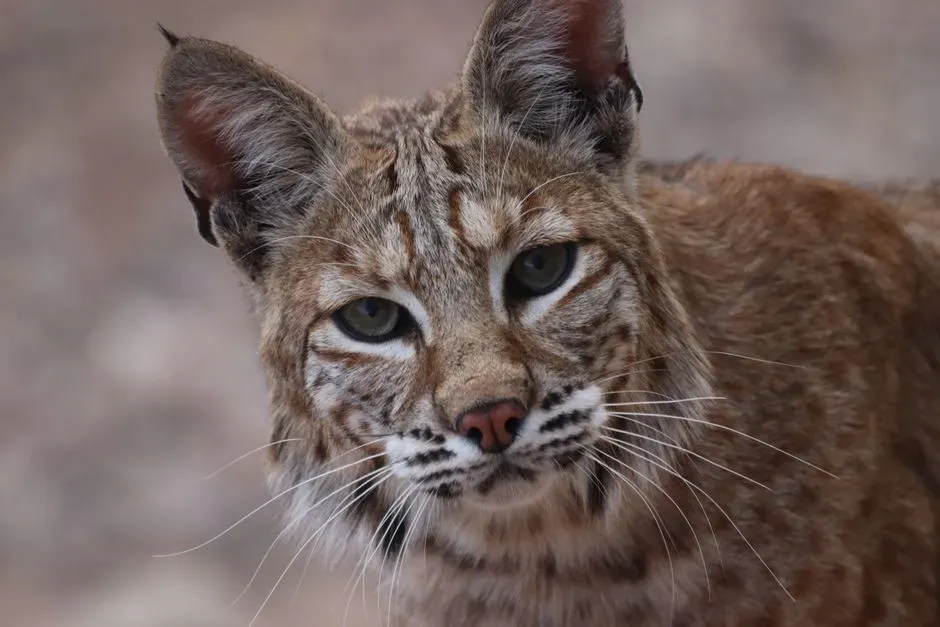
When you think about it, there is something quietly humbling about knowing a bobcat might pass your yard in the dark, see the glow of your windows, and keep going without needing anything from you. It has learned your patterns, dodged your cars, and threaded through the fragments of habitat you left behind, all while staying stubbornly, beautifully wild. It uses the world you built, but it does not belong to you in the way a pet does. If you let that sink in, you start to see your neighborhood differently - as a place layered with hidden lives and private journeys you rarely notice. Your role is not to turn every wild creature into something tame, but to make thoughtful choices so they can survive without becoming a problem. In the end, the presence of bobcats around you is a test of whether you can live beside wildness without trying to own it. Now that you know they may already be there, how will you choose to share the space?