Ever wonder what your furry companion is really saying when they doze off in those peculiar poses? Your cat isn’t just catching some z’s. They’re speaking a language that reveals exactly how safe and secure they feel in your presence. Let’s be real, felines are mysterious creatures, but their sleeping habits tell stories you’d never imagine.
Cats sleep up to 16 hours a day – sometimes even more as they age. That’s a whole lot of snoozing, and every single position carries meaning. From the cozy curl to the belly-up sprawl, your cat’s chosen sleeping stance broadcasts their emotional state loud and clear. Ready to decode what your feline friend is really telling you?
The Curled Ball: Protection Meets Comfort
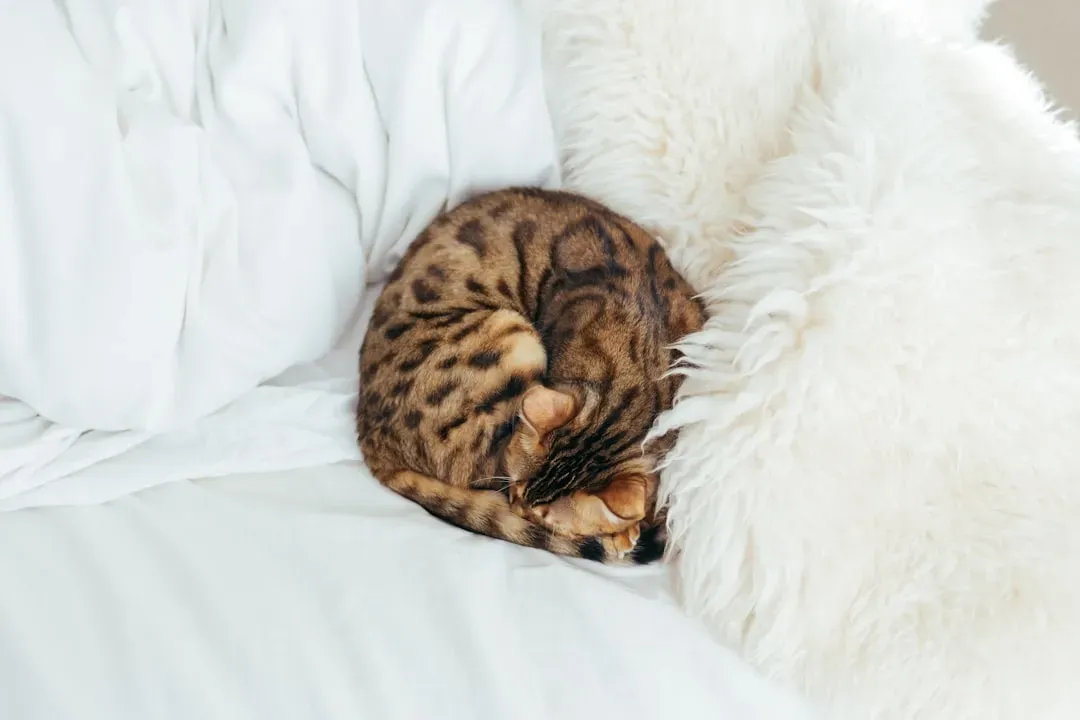
Cats often sleep curled up in a ball, with nose to tail. Cats like to be warm, and this shape helps them retain body heat. Think of it as your cat’s built-in security blanket. This position isn’t just about staying cozy on a chilly afternoon.
This position also protects vital organs in their abdomen by surrounding them with less essential and more resilient muscle and bone. When your feline curls into this tight circle, they’re following ancient instincts. You might notice this more when your cat feels slightly uncertain or is adjusting to a new environment. It’s their way of saying they’re comfortable enough to rest, yet still keeping their defenses ready.
The Loaf Position: Calm Alertness in Action
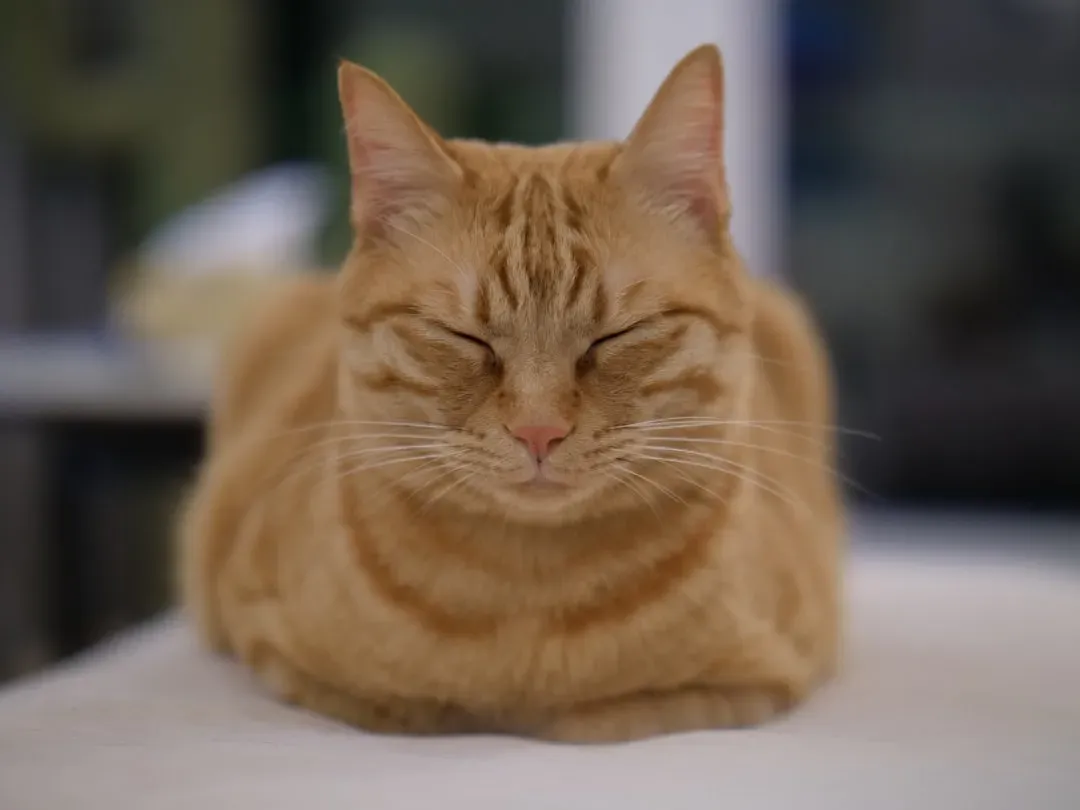
This position resembles the shape of a loaf of bread. Cats sleeping in this position keep their front paws curled underneath their body, with their head up. Honestly, this has to be one of the most iconic cat poses out there. It looks effortlessly adorable, yet serves a practical purpose.
This position preserves a cat’s body heat and protects their vital organs. Cats sleeping in a loaf position may be relaxed, but they are also poised to spring into action and use their claws if they’re suddenly in danger. Your cat is basically taking a power nap here. They trust you enough to rest but aren’t quite ready to let their guard down completely. It’s the feline equivalent of keeping one eye open.
Belly Up: The Ultimate Trust Signal
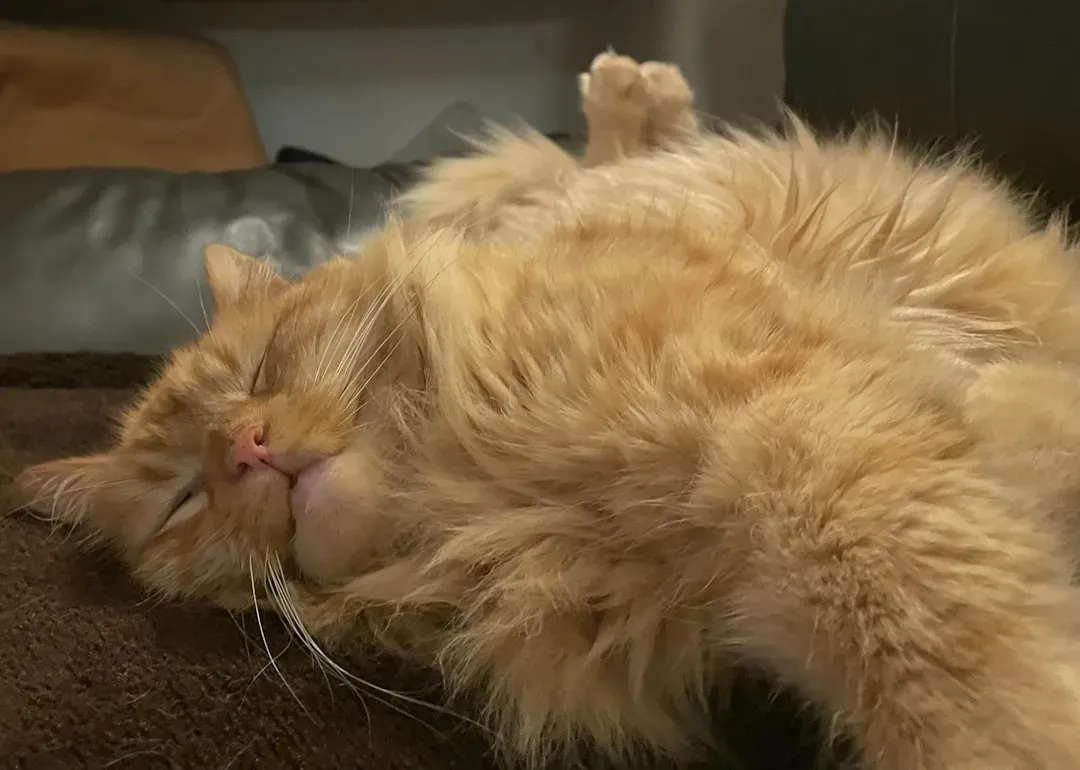
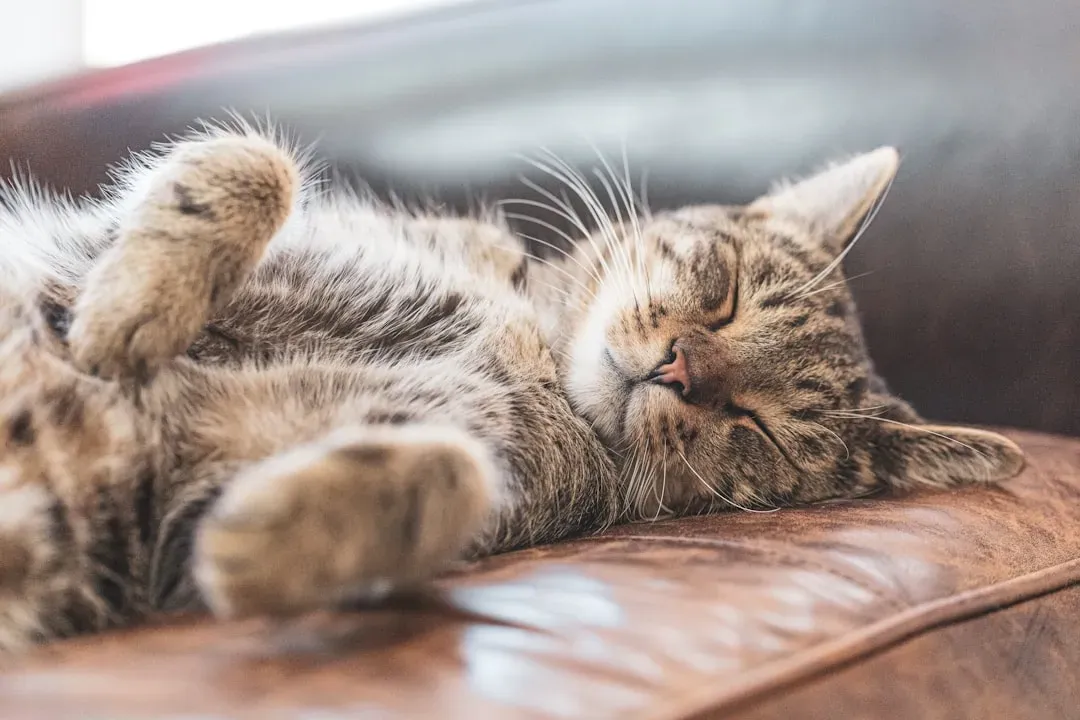
Here’s the thing about cats and their bellies. The Belly Up: This is the ultimate sign of Total Trust. The stomach is their most vulnerable spot, so exposing it means they feel 100% safe with you. When your cat flips onto their back with their fluffy tummy on full display, they’re giving you the highest compliment possible.
This vulnerable pose signals complete trust in their environment. In the wild, exposing their belly would be risky, but at home, it means they feel safe, secure and content. That said, resist the urge to actually rub that tempting belly. Just because they’re showing it doesn’t mean they want you touching it. Admire from a distance and take it as the ultimate badge of honor.
Side Sleeping: Deep Relaxation Mode
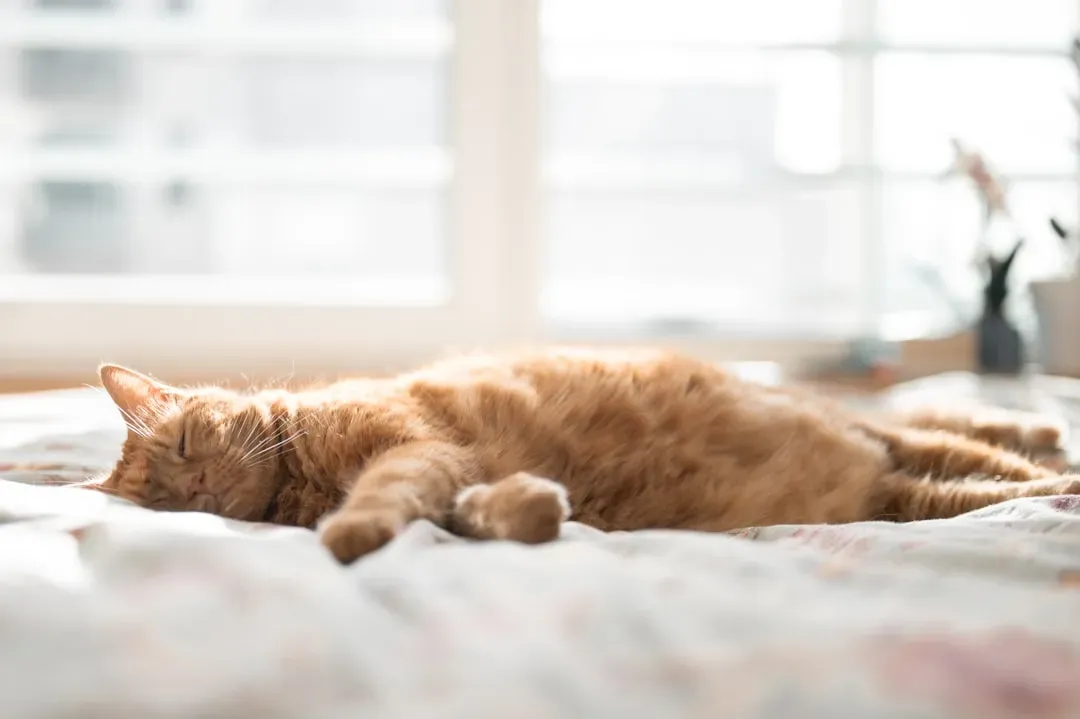
If your cat is an avid side sleeper, then this means that they really do trust and feel comfortable around you, as this is one of the cat sleeping positions that leaves your feline friend most vulnerable. When cats stretch out on their sides with legs extended, they’ve officially entered the trust zone.
Similar to sleeping on their back, your cat’s vital organs are exposed in this position. Again, this means your cat is very comfortable with you. This posture typically indicates your cat has drifted into deep sleep, possibly even dreaming. You might catch them twitching their paws as they chase imaginary mice through dreamland. It’s a beautiful sign they view your home as their sanctuary.
The Superman Stretch: Cooling Down with Confidence
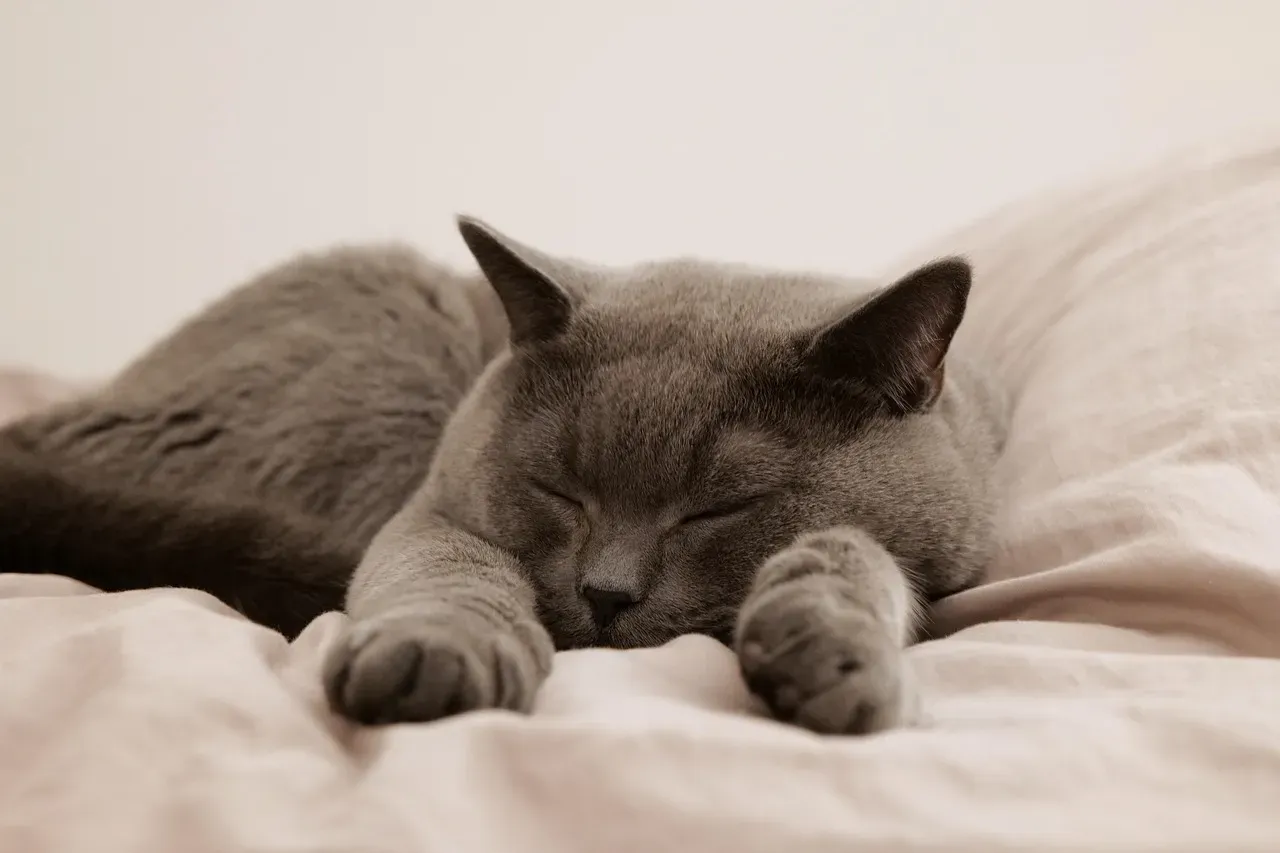
In the Superman position, the cat lies on their belly. Picture your cat sprawled out flat with all four legs extended like they’re flying through the air. It looks hilarious, but there’s method behind this madness.
The Meaning: They are trying to cool down. Stretching out maximizes the surface area of their belly against the cold floor to regulate body temperature. You’ll often spot this position on cool tile floors during warmer months. A cat adopting this pose often feels comfortable and at ease in its surroundings. Yet, by keeping all four paws extended, they can quickly get up if needed. They’re relaxed enough to cool off, yet ready to spring into action.
Sleeping on Your Chest: The Parent Connection
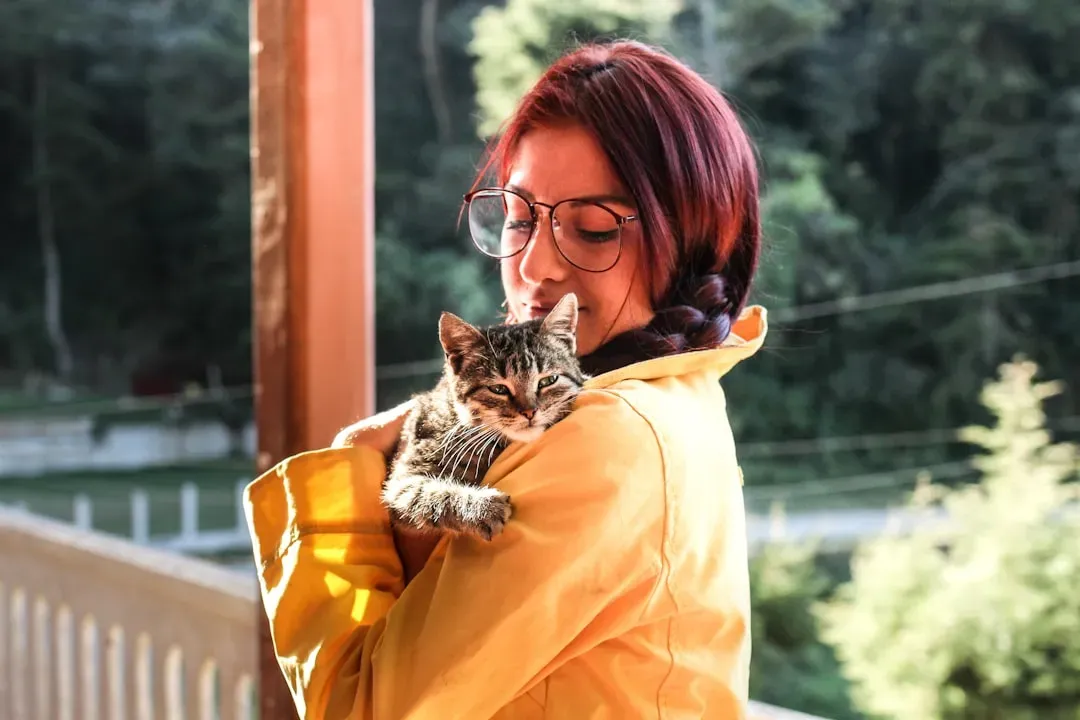
One of the most intimate behaviors is when a cat settles directly on your sternum. If you’ve ever wondered, “Why does my cat lay on my chest?”, the answer lies in kittenhood. This position is deeply emotional and connects straight to your cat’s earliest memories.
The rhythmic sound of your heartbeat and the rise and fall of your breathing mimic the sensations they felt when sleeping against their mother and littermates. This position is the ultimate sign of security. When your cat chooses your chest as their preferred sleeping spot, they’re essentially treating you like family. They see you as a parental figure who provides absolute safety and comfort.
Sleeping Next to You: Companionship Without Clinginess
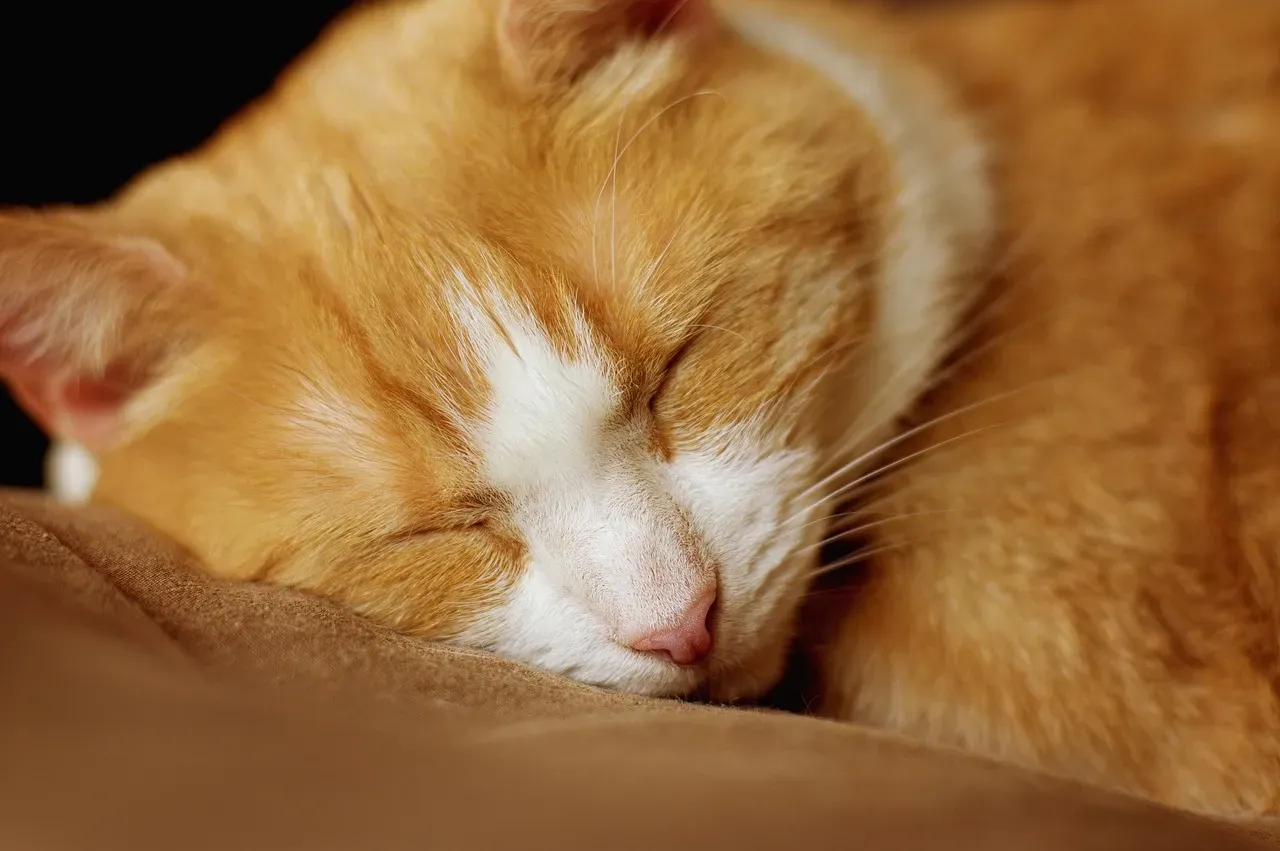
Lying next to you, but not on you, doesn’t mean your cat is not bonded to you. In fact, sleeping next to you means your cat trusts you enough to be in a vulnerable position while sleeping. Some cats prefer a bit of personal space while still wanting your company.
Cat sleeping positions with owner in bed that involve side-by-side contact indicate that your cat views you as an equal. They aren’t necessarily seeking a parent (like the chest sleeper) or a heat lamp (like the head sleeper); they just enjoy your company. This signals a confident, mature bond. Your cat feels secure enough to sleep near you without needing to be physically attached. It’s honestly kind of sweet.
Paws Over Face: The Do Not Disturb Signal
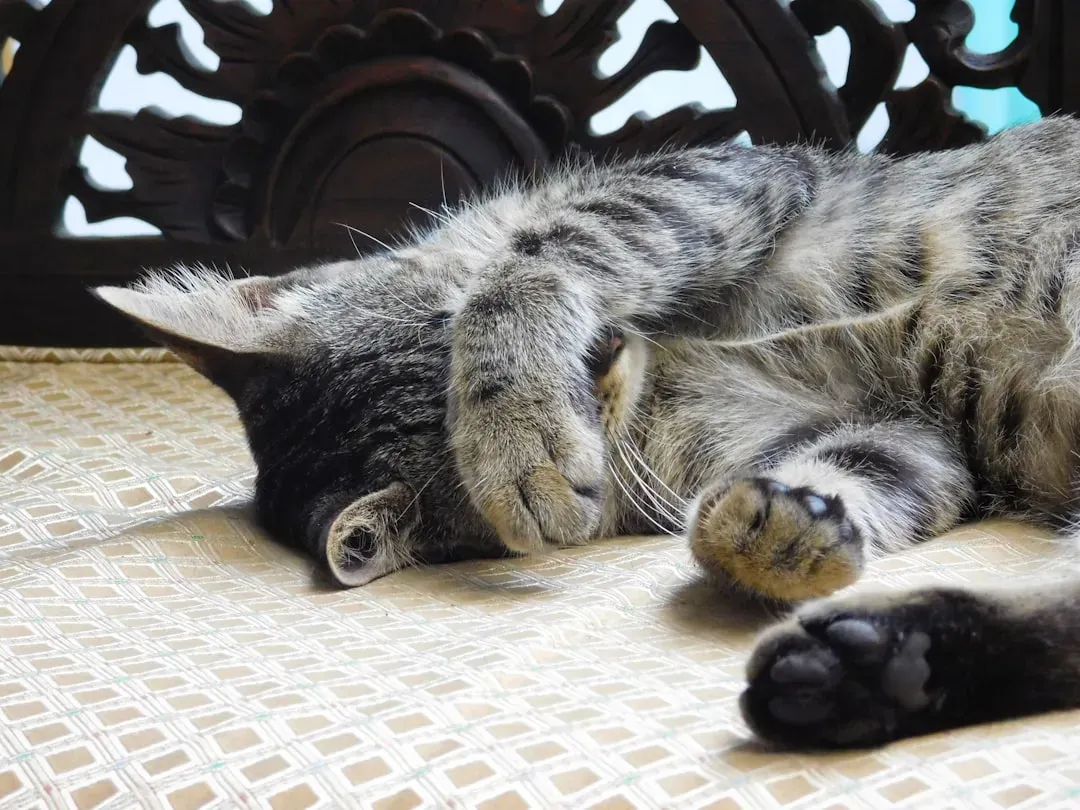
Sometimes you’ll catch your cat with their paws draped adorably over their face. Of course it’s cute when your cat sleeps with their paws covering their eyes, but there is a good reason for this behavior. Putting their paws over their face can provide some insulation and warmth, for both the paws and the face.
A cat’s paws can also act like a sleeping mask, blocking out harsh light or even dust or pollen. When a cat sleeps with their paws covering their face, it is the universal sign for “do not disturb.” They may be trying to block out bright light or protect their sensitive nose from a draft. Translation: your cat has clocked out for some serious, uninterrupted sleep and would greatly appreciate you keeping things quiet.
Sleeping at Your Feet: Strategic Security
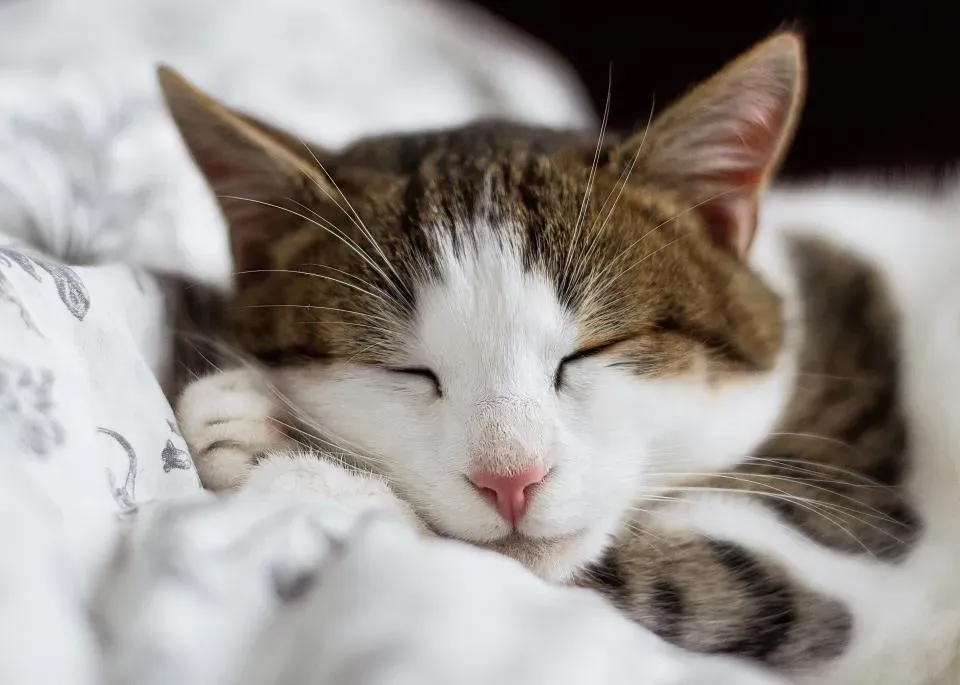
When your cat chooses to settle on or near your feet, it’s sending a message of trust and affection. Your presence provides warmth, and your cat uses this spot to enjoy cozy contact while maintaining a sense of safety and autonomy. Foot sleeping is remarkably strategic.
This position is common at the foot of your bed, on a couch, or even beside your chair. It allows them to be close to you, yet they have a quick escape route if they feel startled or need space. Your cat gets the best of both worlds here. They’re snuggled close enough to feel connected and warm, while maintaining their independence. It’s basically the feline version of having an exit strategy.
Contorted Positions: Complete Relaxation in Disguise
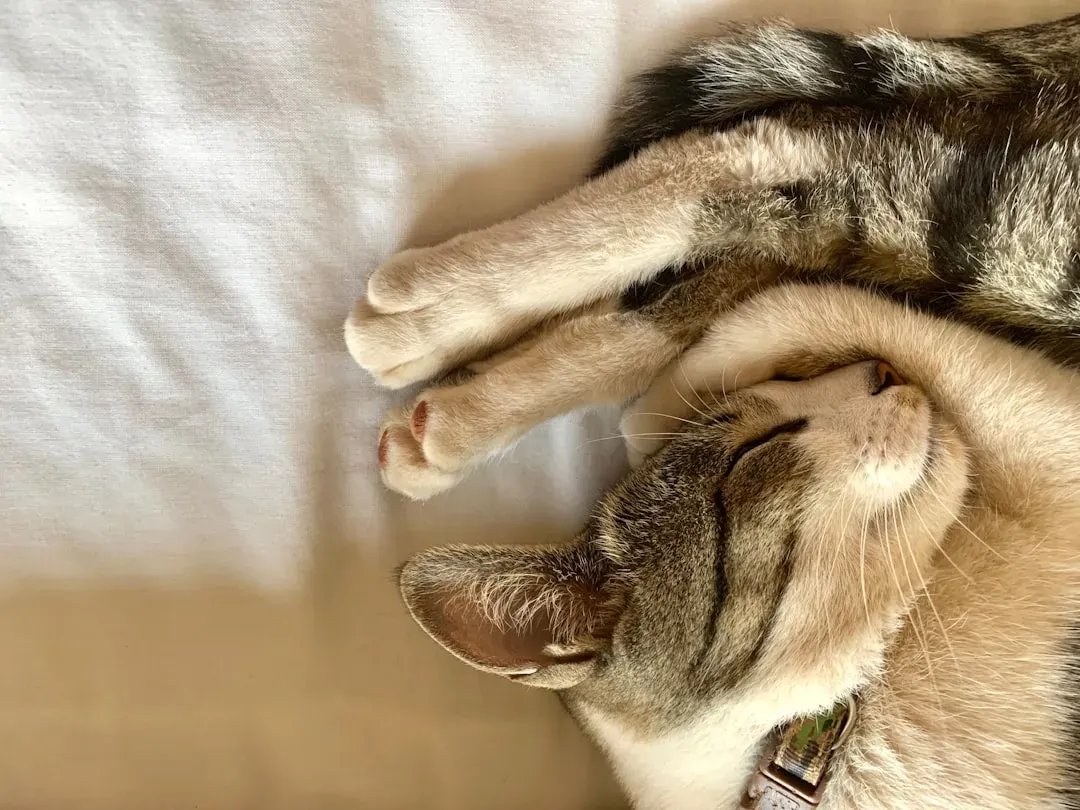
When your cat looks like they’re defying physics, limbs at odd angles, head upside-down, it’s not cause for worry. Meaning: Deep sleep. These quirky sleep postures just show your cat’s extreme flexibility and relaxation. I know it sounds crazy, but those weird twisted positions that look impossibly uncomfortable are actually signs everything is perfect.
When your cat contorts themselves into shapes that seem to defy anatomy, they’re broadcasting maximum comfort and zero stress. Cats that twist themselves into odd, contorted positions are usually in complete relaxation. It may look uncomfortable, but it signals deep sleep and physical flexibility. This often occurs in playful or confident cats that feel no need to hide or protect themselves. These acrobatic sleepers have achieved peak trust levels in their environment.
Conclusion
Understanding your cat’s sleeping positions opens a fascinating window into their emotional world. Each pose they choose reveals layers of trust, security, and comfort they feel in your presence. From the protective curl to the vulnerable belly-up sprawl, these positions aren’t random – they’re deliberate communications about how safe your cat truly feels.
The next time you find your feline friend snoozed out in one of these positions, you’ll know exactly what they’re telling you. Whether they’re loafing with calm alertness or stretched out in Superman mode, every sleeping pose is a testament to the bond you’ve built together. What position does your cat sleep in most often? It might just reveal something special about your relationship.