Ever watched a nature documentary and thought about bringing one of those stunning wild cats home? Maybe you’ve scrolled past videos of people with exotic felines lounging on their sofas, looking deceptively tame. Here’s the thing: veterinarians and animal welfare experts are practically begging you not to do it. While these magnificent creatures might seem like the ultimate status symbol or the coolest pet imaginable, keeping wild cats or their hybrids as pets is a recipe for disaster. They retain predatory instincts that no amount of hand-raising can erase, often suffer from serious health issues, and pose genuine safety risks to you, your family, and your neighbors.
Let’s be real, though. The appeal is undeniable. These cats are gorgeous, athletic, and undeniably fascinating. Yet behind those mesmerizing spots and impressive jumps lies a fundamental truth: exotic cat breeds like wildcats are not suitable to keep as pets, as they are usually not domesticated and would rather live in the wild than in a human household. So let’s dive in and explore exactly which wild cat breeds you should admire from afar rather than attempt to domesticate.
The Serval: Africa’s Skilled Hunter Doesn’t Belong in Your Living Room
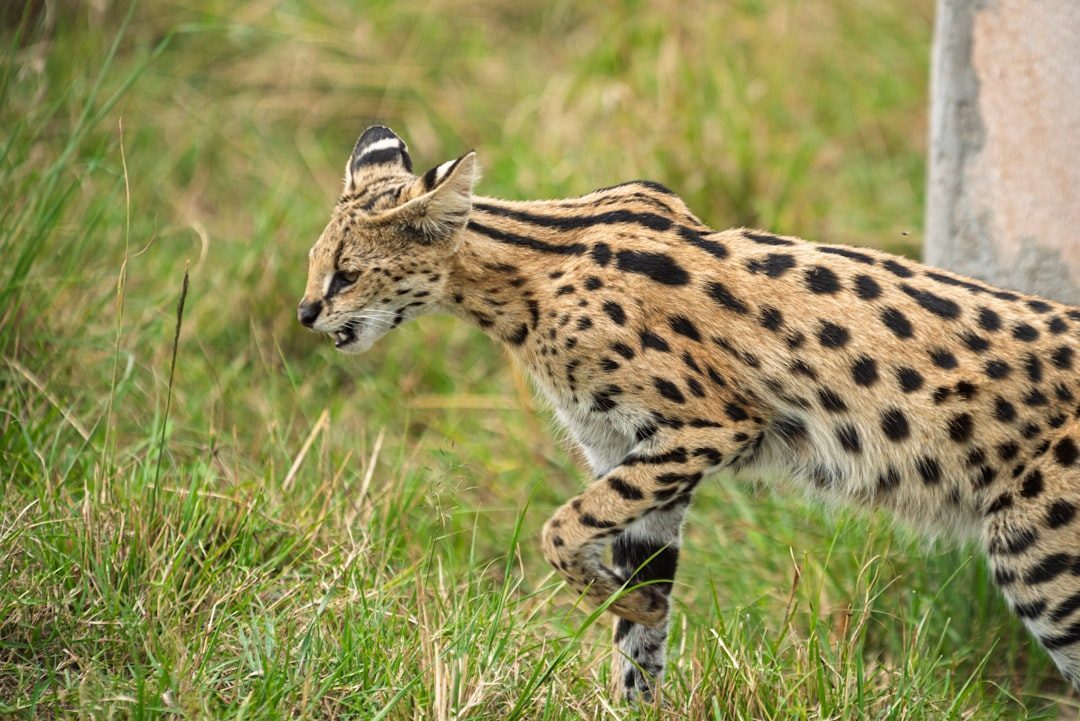
Servals are wild animals native to Africa, where they roam savannahs and wetlands in search of prey, and are not suited for the confines of a domestic setting where they will struggle to contain their wild instincts. These medium-sized cats might look adorable with their spotted coats and oversized ears, but don’t let appearances fool you.
Servals are strong, fast and have an incredible capacity for jumping, as they will leap high into the air to catch flying birds and can slap fish hard enough to stun them, yet they are not easily house-trained and will frequently mark their territory with urine. Think about that for a moment. Your furniture, your walls, your entire home could become their territorial marking zone. It is extremely challenging to provide for the nutritional and veterinary needs of a wild cat like a serval in captivity.
Caracals: Those Tufted Ears Hide a Fierce Predator
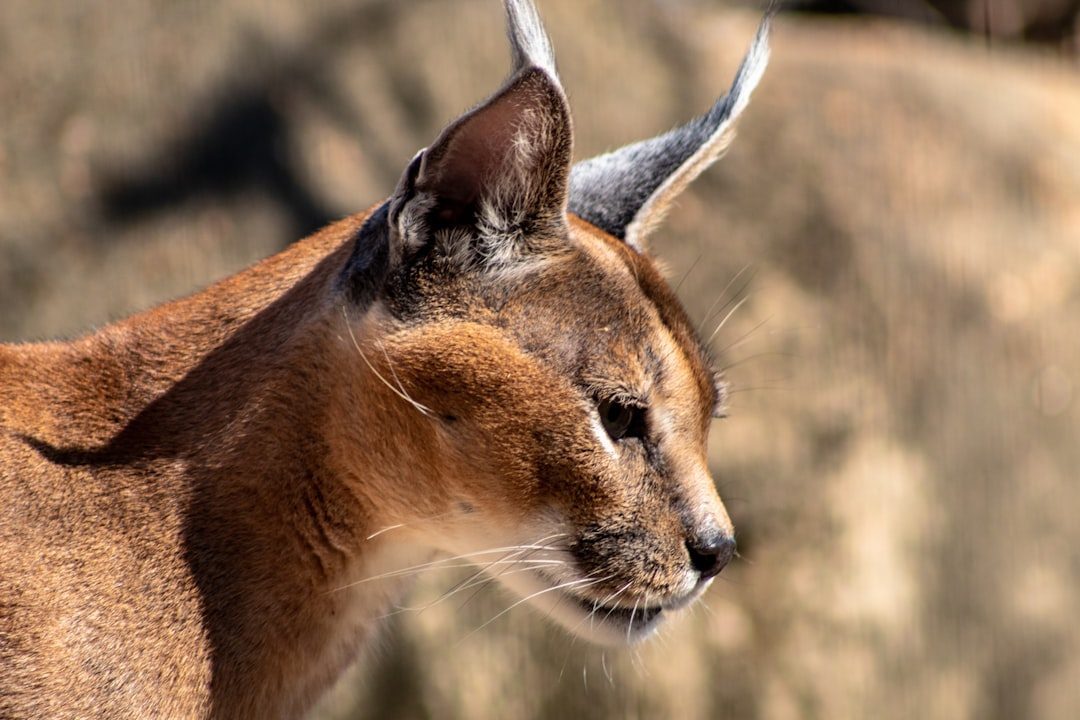
Caracals are another African wild cat that people mistakenly believe would make a cool pet. These young wild cats are prolific hunters and can leap over 9 feet high, so removing them from their natural environment and subjecting them to a life as a domestic pet is cruel and dangerous, as their size and natural instincts create a hazardous situation for those who encounter them, especially small animals and children.
The caracal’s defining feature is those striking black ear tufts that make them instantly recognizable. They’re also incredibly athletic and possess hunting skills honed over thousands of years of evolution. While some people have attempted to keep caracals as pets, these animals remain fundamentally wild. Pet caracals can show affection, but they’re likely to get frustrated and destructive, and the neighbour’s pets might just be in danger when your caracal gets peckish. Is that really a risk worth taking?
Savannah Cats: When Domestic Meets Wild, Problems Follow
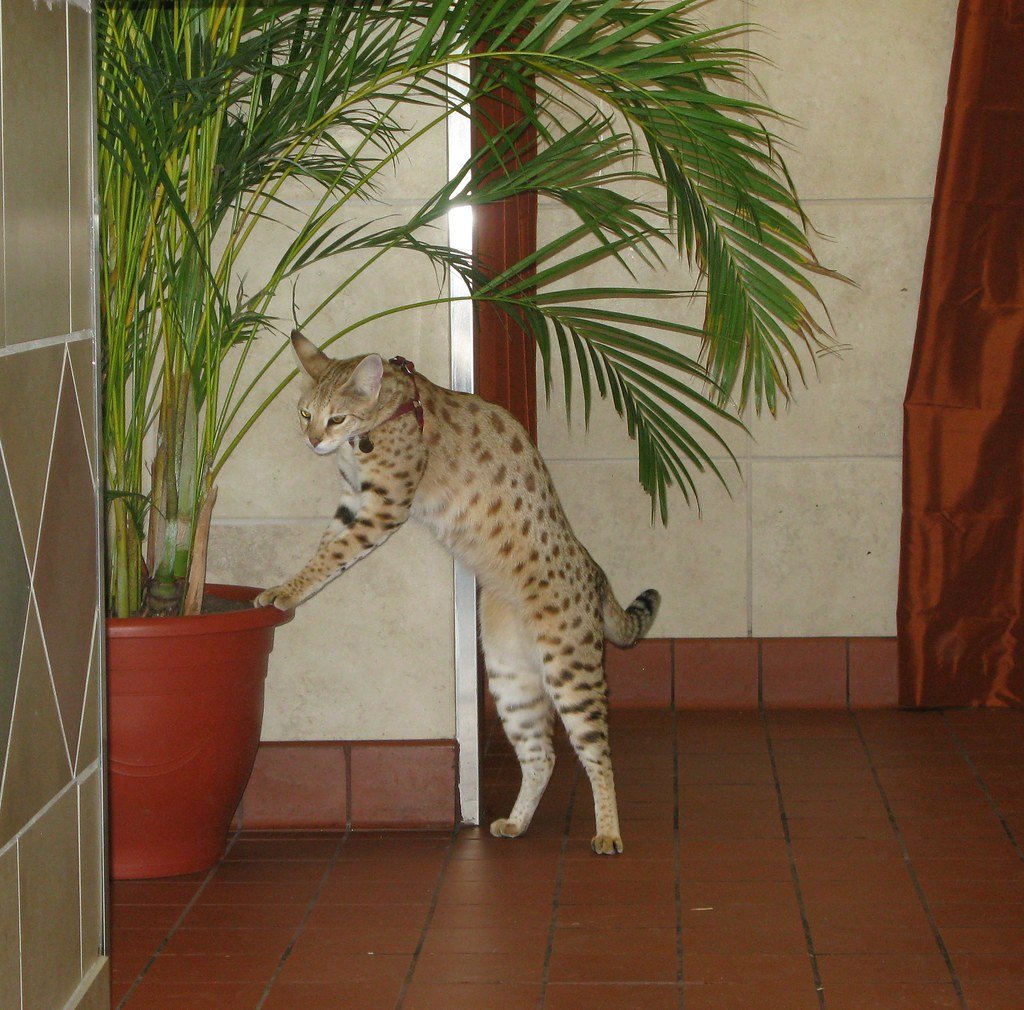
The Savannah cat may be the truest representation of exotic cat breeds, as it’s one of the wildest cat breeds, being highly active and adventurous and able to grow to be 25 pounds. Created by crossing domestic cats with African servals, Savannahs have become increasingly popular despite significant concerns.
Savannah cats have faced strong backlash, with critics noting they help fuel a dangerous demand for hybrid cats, and they are legally restricted or banned in Colorado, Georgia, Idaho, Nebraska, Massachusetts, New York, Texas, and Vermont. The reason? Early generation Savannahs retain too many wild characteristics. Their hunting instincts are so strong that they may not be suitable for households with pets like fish, hamsters, and birds. Honestly, if your pet needs its own danger assessment, maybe it shouldn’t be a pet at all.
Bengal Cats: Pretty Patterns, Problematic Behavior
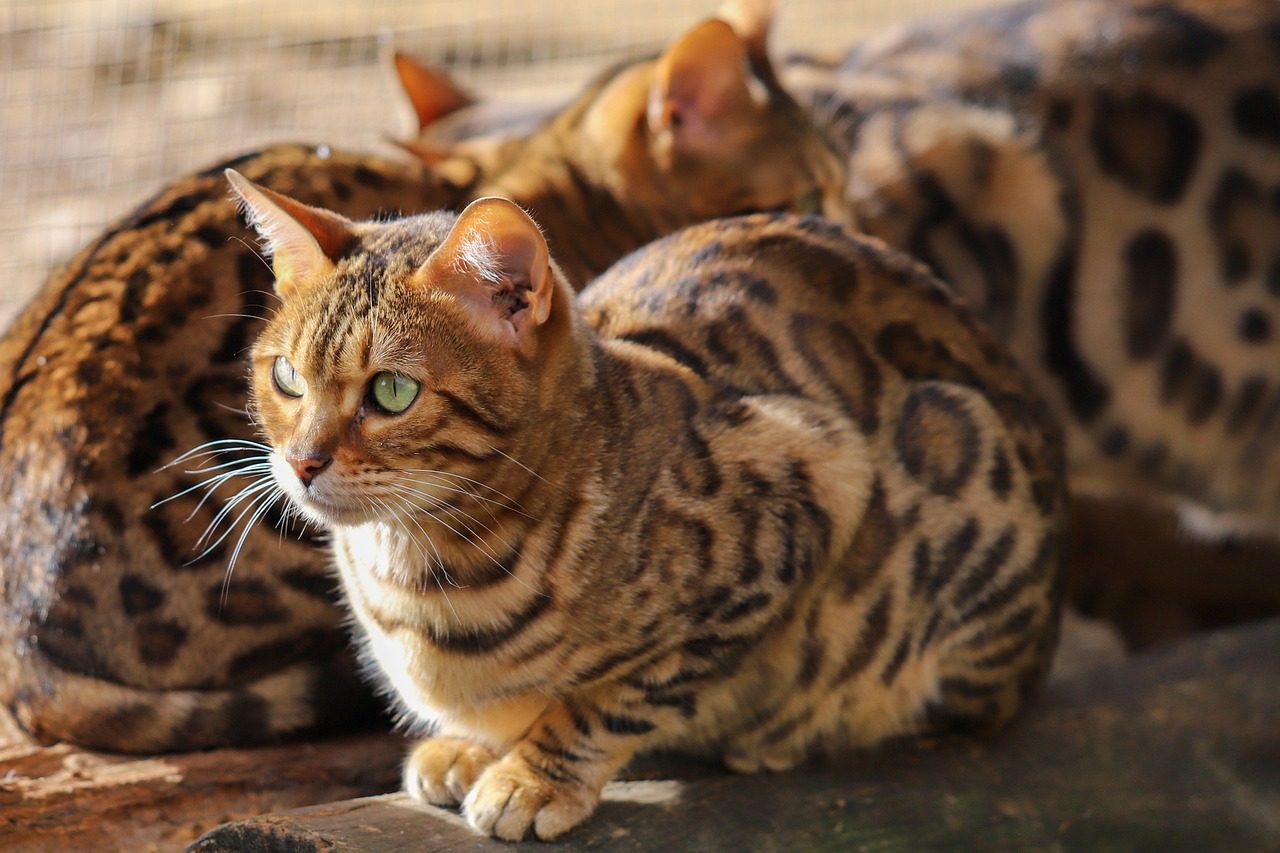
Bengal cats have become somewhat mainstream, but that doesn’t mean they’re without serious issues. Domestic cats were bred with the Asian Leopard Cat, a small wild cat native to South, Southeast and East Asia, and after their time in the research lab was complete, some of these early generation hybrids were given to people as pets, creating the movement for exotic-looking cats.
The problem? The Wildcat Sanctuary receives more calls from owners wanting to surrender Bengal domestic cats than all other wildcats and hybrids combined, with the most common reason being not using the litter box, especially when housed with other animals. Think about receiving dozens of desperate calls monthly from owners who can’t handle their Bengal cats. That’s the reality sanctuaries face. The largest number of behavioral complaints from owners of fourth generation or later hybrid cats fall into two categories: lack of litter box use and aggression, with far too many hybrid cats turned into shelters or big cat sanctuaries for these two issues.
Chausies: The Jungle Cat’s Domesticated Descendant
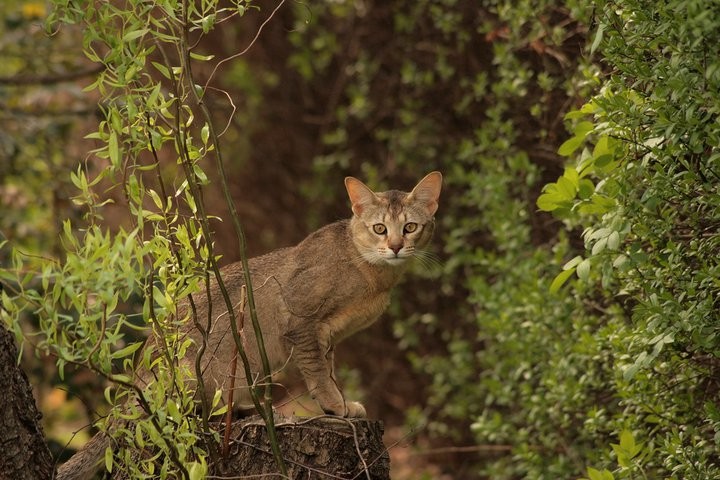
The Chausie hybrid resulted from crossbreeding a Jungle Cat, a wild cat native to the Middle East, South and Southeast Asia, and southern China, with the domestic cat. While later generations are marketed as friendly and social, the reality is more complicated.
F1-F3 animals are essentially still wild cats with the aggressive tendencies that one would expect from a wild animal, and these early generation hybrids are often prohibited or regulated by state or local laws. Even when you get to the supposedly domesticated F4 generation, you’re still dealing with an animal that has wild tendencies lurking beneath the surface. Unlike many cats, the Chausie does not like being alone, requires regular human contact to remain happy, and usually cannot be successfully rehomed as adults, so you must be sure you can commit to caring for a wild kitten.
Ocelots: Salvador Dali’s Mistake Shouldn’t Be Yours
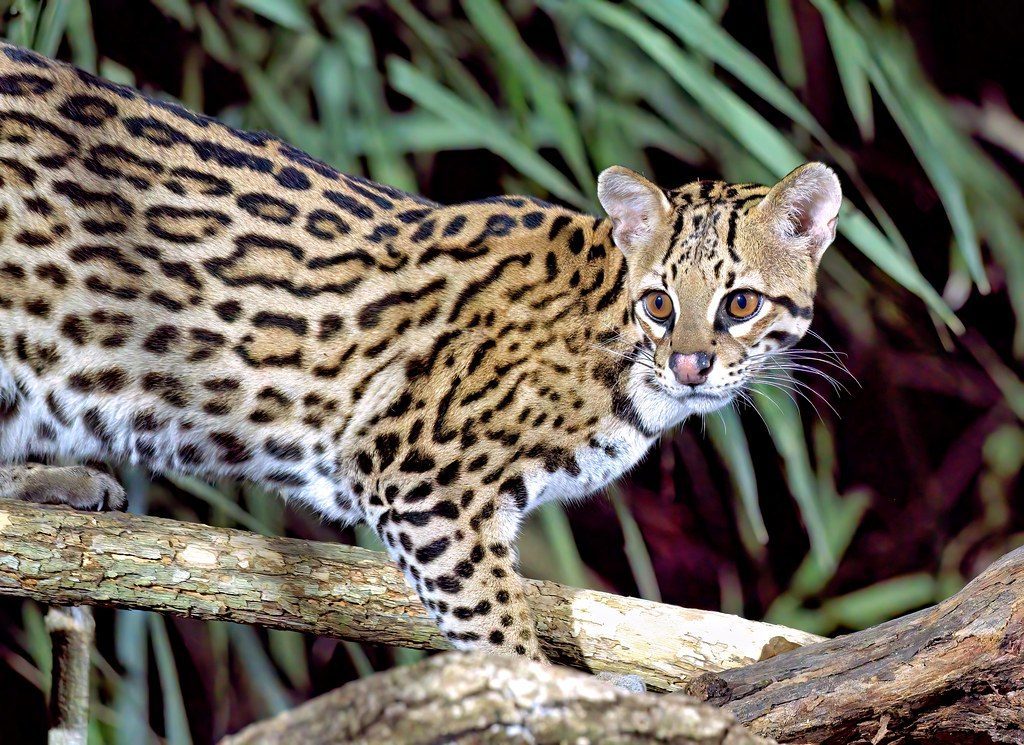
Ocelots are sometimes kept as domestic pets, however they are illegal in many areas and quite rare, with no domestic breeders in the United States, making them wilder than other cats and generally more challenging to keep as pets. The famous artist Salvador Dali famously kept an ocelot named Babou, taking it everywhere, but that doesn’t make it a good idea.
Ocelots often refuse to listen to people due to their fierce independence, are challenging to train and will not pay attention to your commands. Imagine spending thousands of dollars on a cat that actively ignores you and does whatever it wants. These beautiful South American wild cats belong in their natural habitat, not in someone’s attempt at creating an exotic lifestyle.
Bobcats: Powerful Predators in Deceptively Small Packages
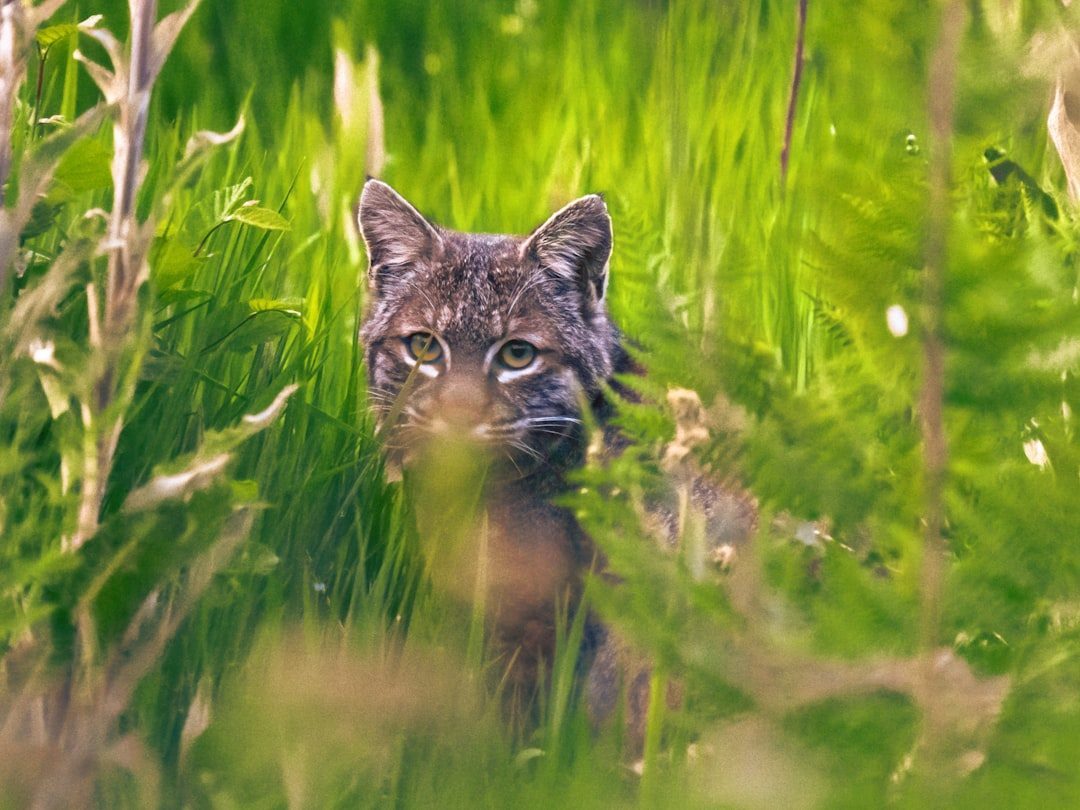
Bobcats have spotted coats and muscular bodies, and unlike servals, they possess impressive strength and can take down deer fawns despite weighing as much as a medium-sized dog. Let that sink in for a moment. This cat can kill a deer.
Bobcats possess considerable strength, are short and muscular, and they hunt fully-grown deer in the wild, which is why they are not the best exotic cat pet for those who have children and should be heavily supervised or kept away from them altogether. While some people claim their pet bobcats are affectionate, the risk remains terrifyingly real. It’s hard to say for sure, but domesticating an animal capable of taking down prey much larger than itself seems fundamentally unwise.
Geoffroy’s Cats: Small Size, Big Problems
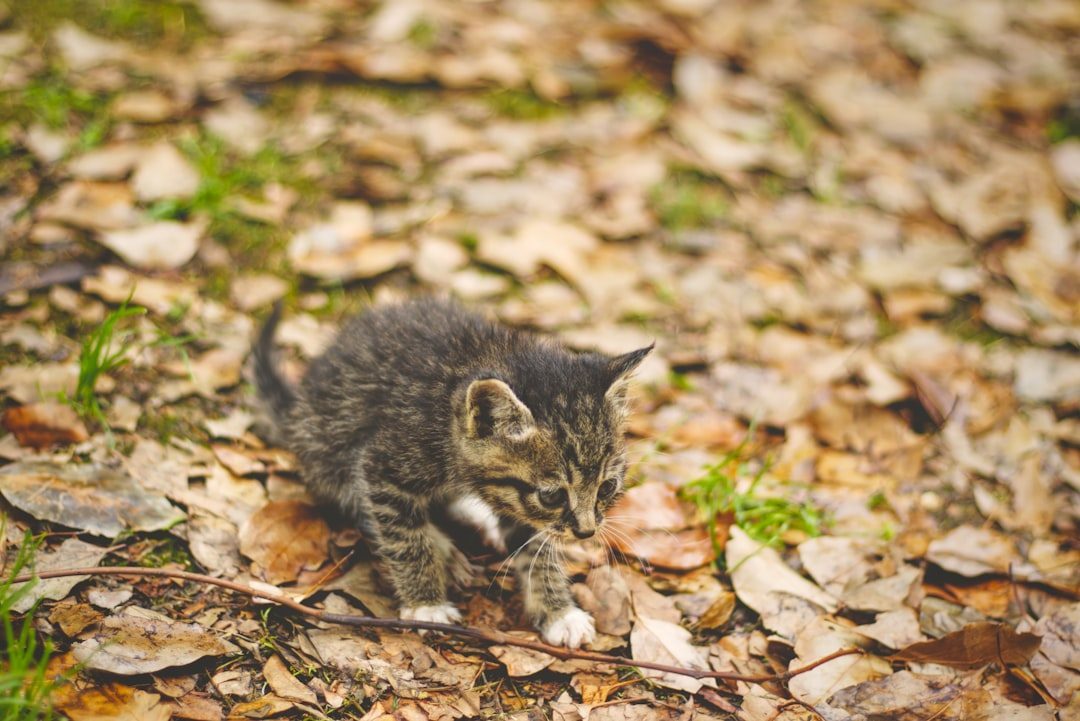
Geoffroy’s cats are native to Central and South America and are among the smallest wild cat species, weighing only 4 to 8 pounds when fully grown, meaning they present no public safety threat to humans due to their small size. That sounds promising, right? Not quite.
Geoffroy’s cats can be rather timid and less social, which means they thrive in a relatively placid, quiet environment, and if provoked they can become nervous and aggressive, especially when they reach sexual maturity. These shy and elusive nocturnal cats are wary of humans, are not ideal house pets, and do best when left to themselves in a large enclosure. So basically, you’d have a cat that wants nothing to do with you and requires specialized housing. What’s the point?
Siberian Lynx: Majestic but Completely Unsuitable
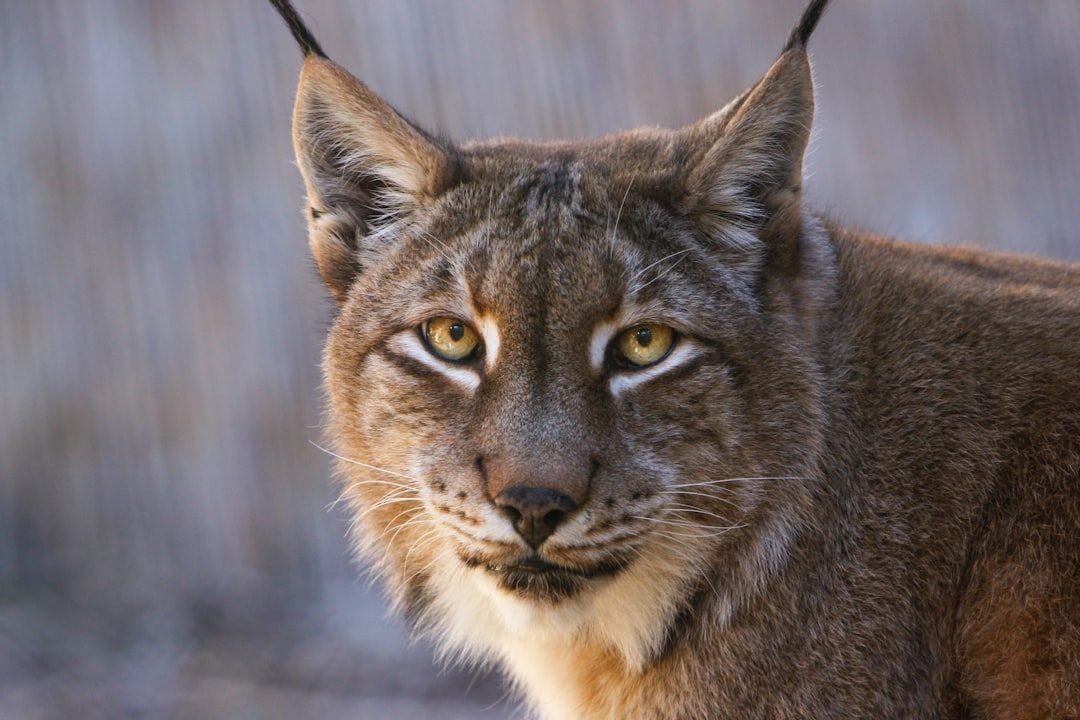
Males can weigh a substantial amount while females are much smaller, typically 18-26 pounds, though that is still a large exotic cat, and Siberian Lynxes are playful and hyperactive, needing a great deal of exercise and room to roam. These impressive northern predators are stunning to behold in the wild or in properly managed conservation facilities.
A cat that size poses a serious safety risk, so extra care must be taken when owning one of these animals as a pet. The sheer size and power of these animals makes them fundamentally incompatible with domestic life. They require massive outdoor spaces, specialized diets, and expert handling. Unless you’re running a professional wildlife facility, you have absolutely no business keeping a Siberian lynx.
Asian Leopard Cats: The Foundation of a Flawed Breeding Trend
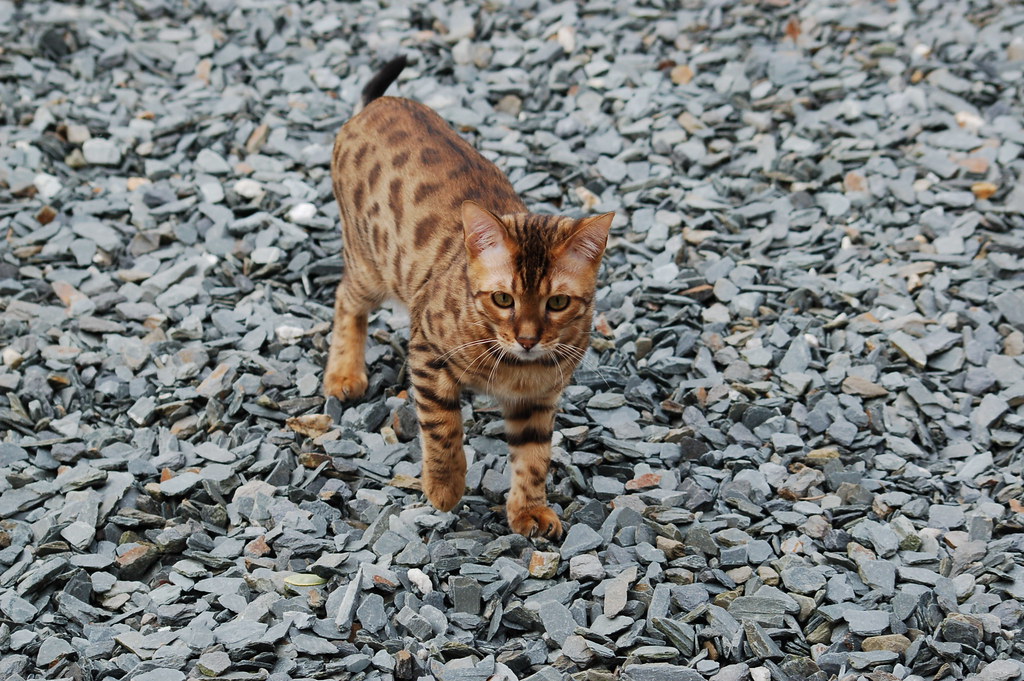
The Asian leopard cat is the wild parent species used to create Bengal cats, and they themselves are sometimes kept as exotic pets. These small wild cats are native to various parts of Asia and possess all the instincts of efficient predators.
You cannot breed the wild behaviors out of Asian leopard cats by interbreeding them with domestic cats for a couple of generations, and when a buyer spends thousands of dollars for a wild looking cat, they get exactly what they’re paying for: a cat with wild tendencies. The breeding industry surrounding these cats raises serious ethical concerns. To create hybrid breeds, truly wild animals like Asian Leopard Cats must be kept in captivity and bred, and the well-being of these wild animals may not be fully considered if profit is the breeder’s sole priority.
Jungle Cats: Wild Ancestors of Modern Hybrids
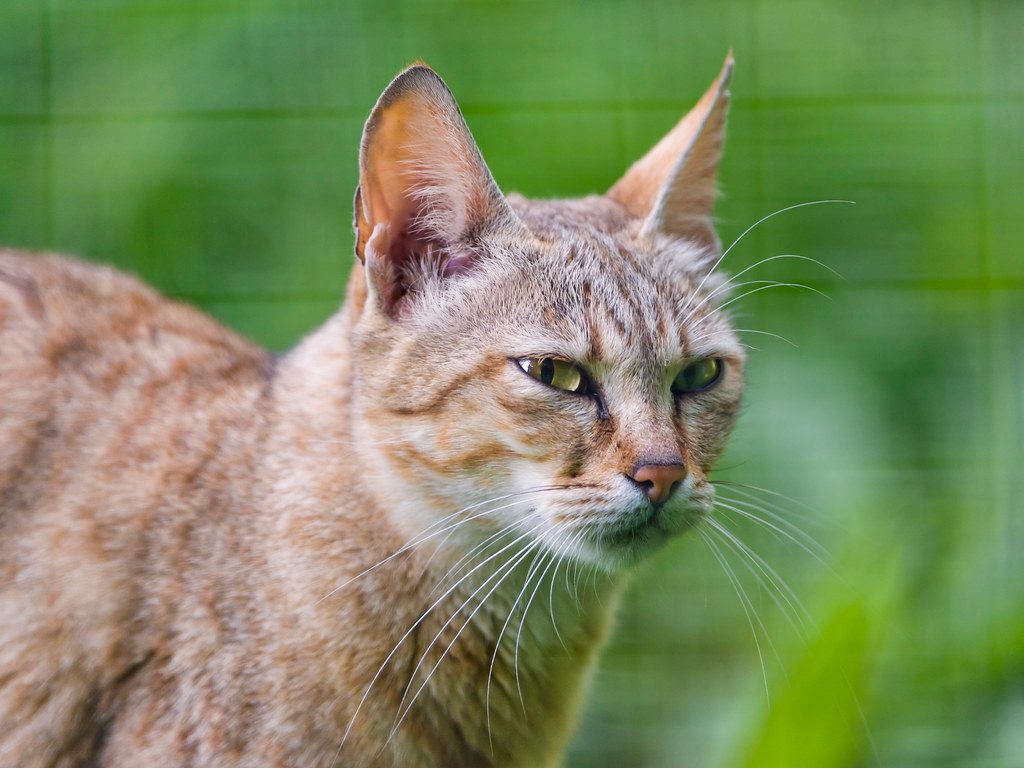
Jungle cats are the wild parent species of Chausie cats, and like other wild felines on this list, they’re completely inappropriate as household pets. Native to various regions from the Middle East to Southeast Asia, these cats have adapted to diverse environments over millennia.
Jungle cat hybrids are even less tame than traditional house cats because they are more recently descended from wild cats. The fundamental issue remains the same across all these species: Interbreeding wild cats like Jungle cats with domestic cats for a few generations does not make the result a domestic cat, as throwing a few generations of domestic cat bloodlines in the mix does nothing to counter the evolutionary process that created these wild cats over thousands of years, meaning hybrid cats are still genetically programmed to be wild.
The Bottom Line on Wild Cat Ownership
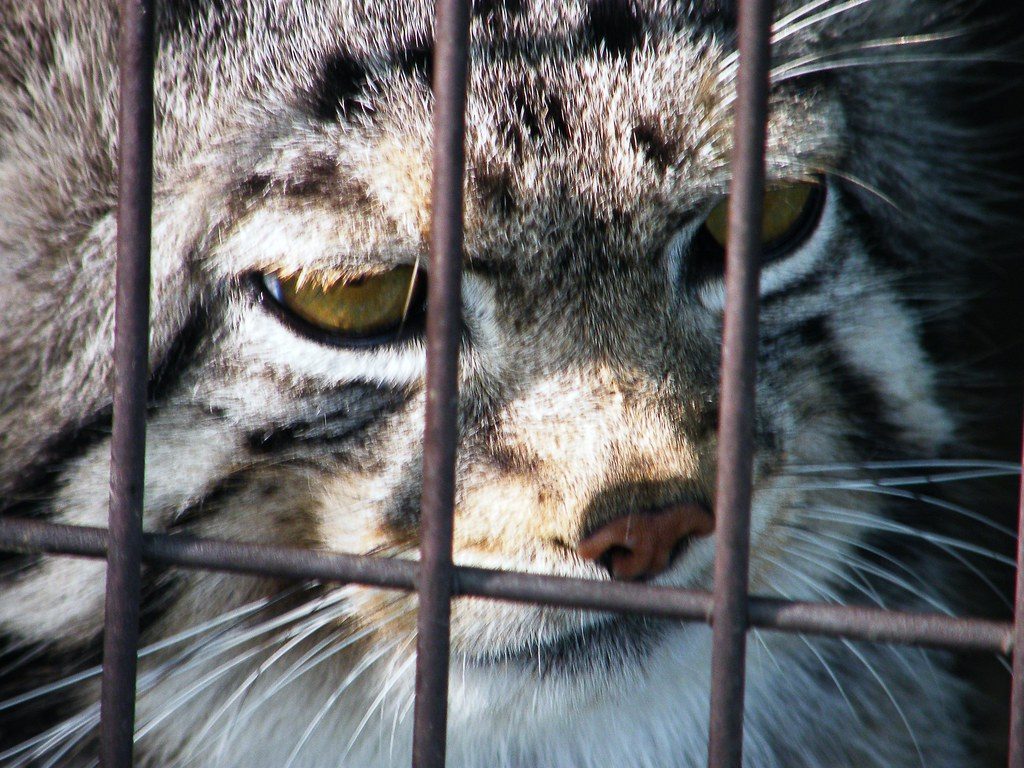
The evidence is overwhelming and honestly pretty depressing for anyone who’s ever fantasized about owning an exotic feline. Hybrid cats have health concerns that aren’t normal to domestic cats, including respiratory issues, irritable bowel disorder, and other digestive issues, and vaccinations have not been approved for hybrid animals since it’s not known if regular vaccines will protect them, plus many medications don’t work on these wild cats either.
Hybrids don’t always get along with other pets and have been known to hunt them down, even causing injury to neighborhood cats and dogs, and the elderly and small children are seen as weak and vulnerable to attack, just as any prey in the wild would be to these cats. Think about that. Your exotic pet could view your own family members as prey. Wild cats rarely make good house pets as they are shy, retiring, elusive, nocturnal and often cantankerous, and care for a wild cat is quite different from that of a domestic cat, making it difficult for an individual to guarantee a lifetime commitment.
The sad truth is that sanctuaries are overwhelmed with calls from desperate owners who can no longer handle their exotic cats, and millions of wonderful domestic cats sit in shelters waiting for homes. So why contribute to this cycle of suffering? These magnificent wild cats deserve to live as nature intended, not as someone’s misguided attempt at an Instagram-worthy pet. What do you think about it? Would you still consider an exotic cat after learning these facts?