You love cats. You adore their soft paws, their twitching tails, those eyes that seem to hold secrets of ancient civilizations. So naturally, when you decided to welcome a feline into your home, you imagined cozy evenings with a purring companion curled up on your lap, maybe even some gentle head bunting as a thank you for all the care you provide. Instead, you got a cat who demands your attention at inconvenient hours, meows incessantly when you’re busy, yet somehow acts like you’re invisible when you actually want affection.
Let’s be real, not all cats are created equal when it comes to emotional reciprocity. Some breeds have mastered the art of taking without giving much back. They need you, they want you, but on their terms only. Think of them as that friend who calls when they need something but is mysteriously unavailable when you do. The fascinating thing is how these cats communicate their needs so clearly through body language and vocalizations, yet when it comes to showing gratitude or affection, they suddenly become masters of subtlety, or worse, complete indifference. So let’s dive into these eleven breeds that might just break your heart while simultaneously demanding you fix their dinner.
1. Siamese Cats: The Vocal Narcissists
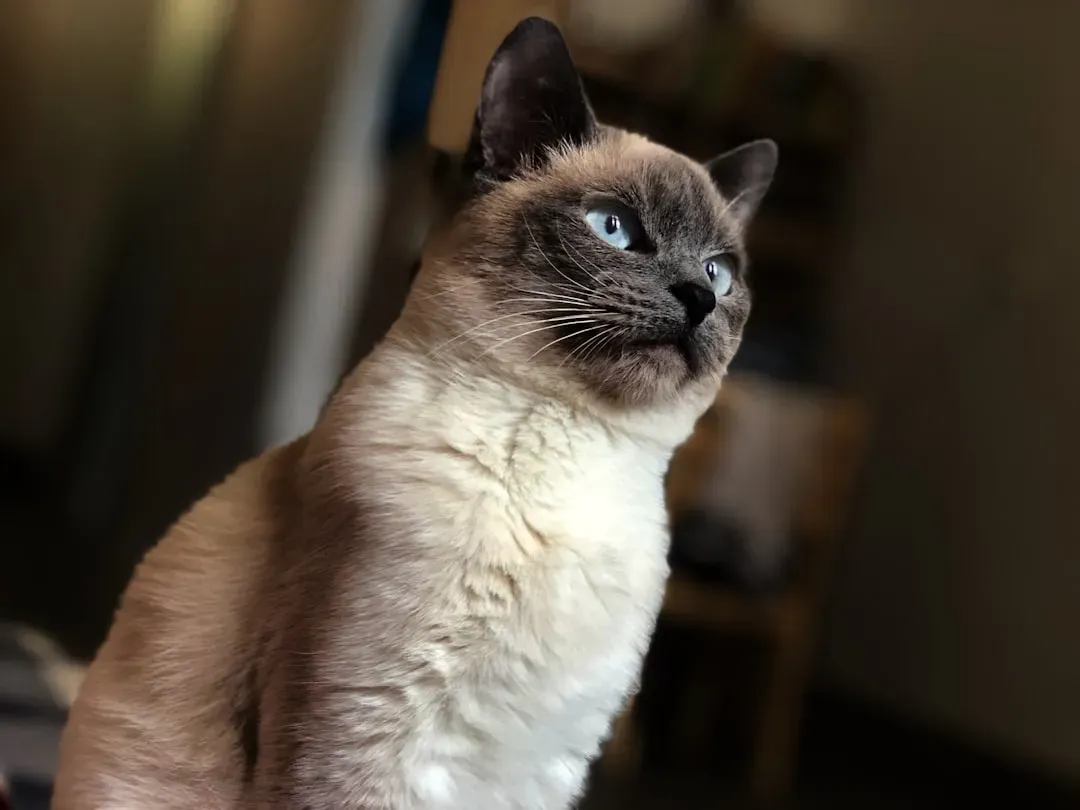
Siamese cats are extroverted, emotionally expressive, and demand constant interaction, suffering genuine distress when ignored while communicating their every thought through an impressive vocabulary of sounds. They’ll follow you around the house providing running commentary on everything you do wrong. Honestly, living with a Siamese feels like having a very opinionated roommate who never pays rent.
They tend to form a strong bond with one family member and are pretty dependent, with no concept of personal space, and they can be prone to separation anxiety. Yet here’s the kicker: all that vocalization and following you around isn’t necessarily affection. It’s more like surveillance mixed with demands. For people who want a cat that behaves like a cat – quiet, independent, content to be near you without needing constant attention – a Siamese is emphatically not the right choice. They need you desperately, but don’t expect them to curl up quietly and appreciate your presence. They’ll tell you about their day whether you want to hear it or not.
2. Bengal Cats: Beautiful but Self-Absorbed
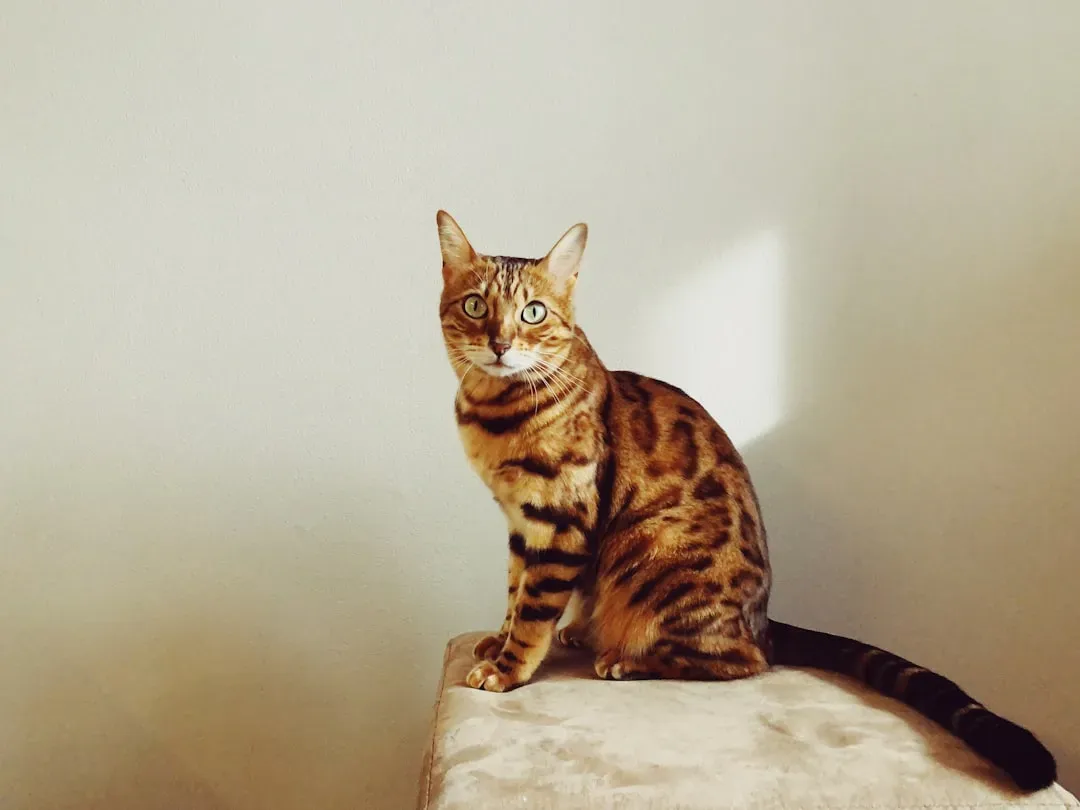
Bengals are extroverted and curious, dog-like in nature and easily entertained by almost everything, but they require a great deal of input from their owners to sustain their interest and help them regulate their high predatory instinct. These stunning leopard-like cats are the high-maintenance celebrities of the feline world. They want stimulation, entertainment, and your undivided attention to keep them from destroying your belongings.
Bengals are highly active and intelligent, often requiring more mental stimulation and physical exercise than other breeds. But when you actually need some comfort or companionship after a rough day, they’re probably halfway up your curtains chasing an invisible bug. Bengals are energetic, intelligent, and highly independent cats that love to explore their surroundings, and while they enjoy interacting with their humans, they do not need constant attention. The relationship is exhaustingly one-sided.
3. Sphynx Cats: Needy Without the Warmth
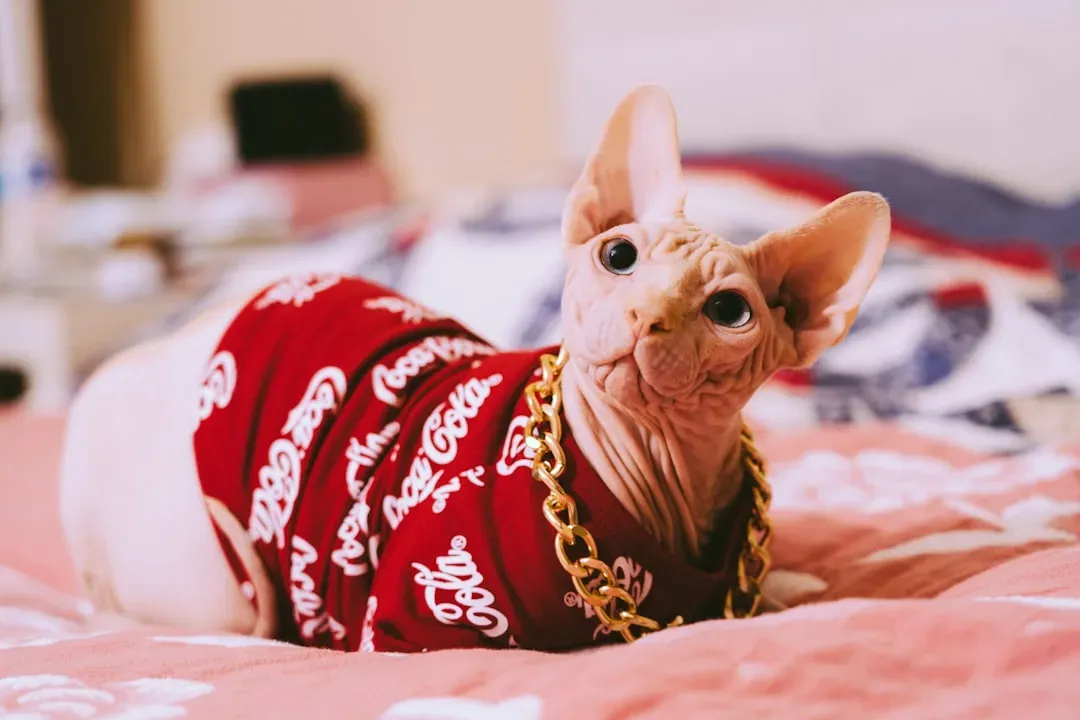
You might think a hairless cat would be low maintenance. Wrong. The Sphynx cat’s near-hairless body requires unique care, with regular baths usually weekly to prevent skin oil buildup and infections. They need sweaters in winter, sunscreen in summer, and constant temperature monitoring. Their skin’s natural oils can build up and collect dirt, requiring weekly or bi-weekly baths, and they require sweaters and heaters when cold and are prone to sunburn if allowed outside.
However, the cats are extremely extroverted and love being around people. They crave your presence, but not necessarily in a cuddly, affectionate way. They want you there as their personal heating pad and entertainment system. I’ve seen Sphynx cats demand attention by literally blocking computer screens or knocking things off tables, yet when you try to pet them, they squirm away after about thirty seconds. It’s like they want your devotion without having to reciprocate.
4. Persian Cats: High Maintenance Royalty
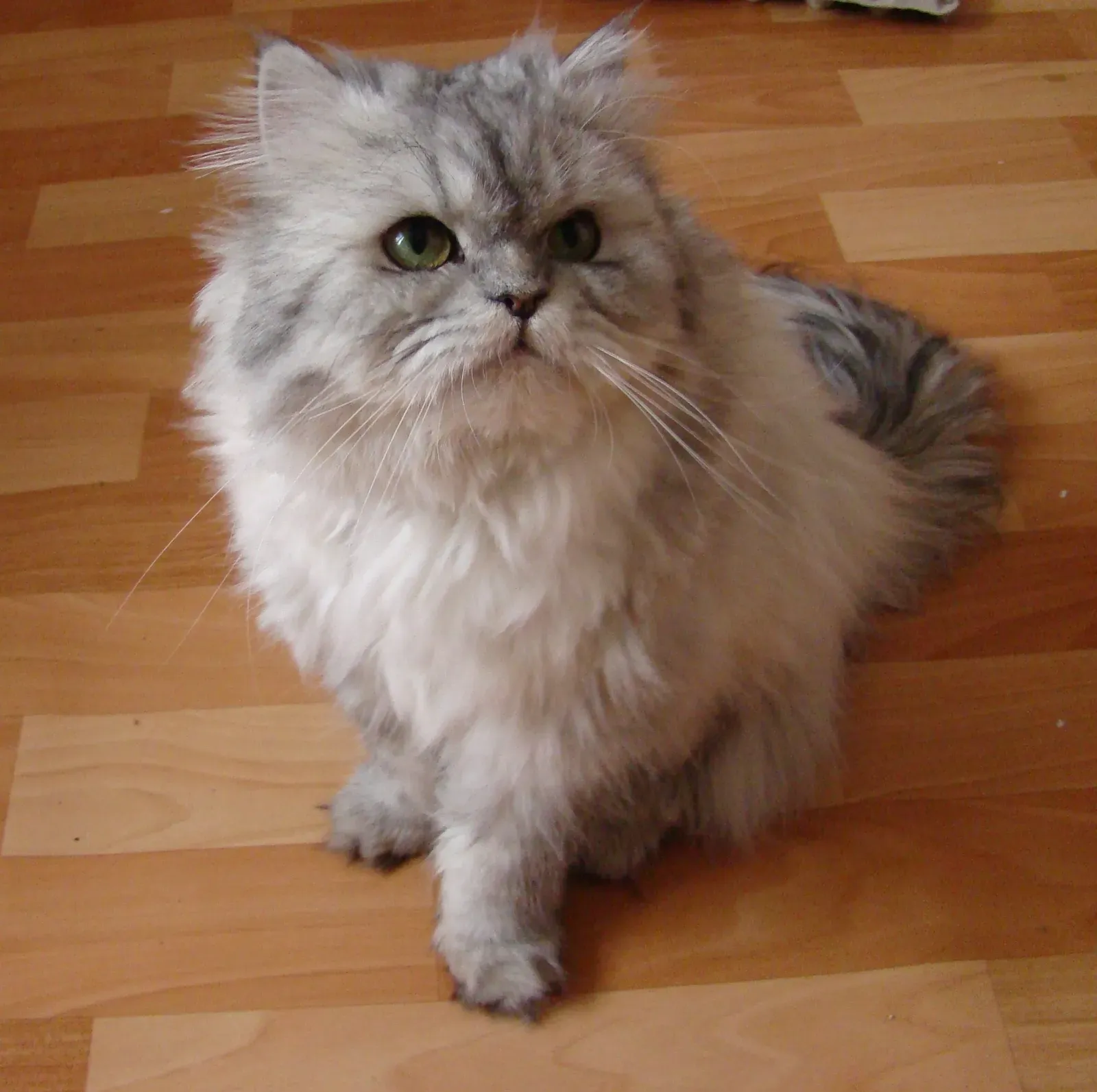
Persians are gorgeous. Those flat faces and luxurious coats make them look like feline royalty. Peke-Faced Persians have long fur requiring daily grooming with a stainless steel brush to avoid potential matting and skin infections, and they can suffer from watery eyes, breathing trouble, and an abnormal bite. They need daily brushing, regular vet visits for their breathing issues, and constant facial cleaning because of their flat faces.
However, these cats are extremely affectionate towards their owners and make loving companions. Yet that affection is often limited to their terms. They might sit near you, but good luck getting one to actively seek you out when you’re feeling down. Persians are very affectionate and loving, but they’re quiet about it and don’t demand constant attention. Translation: they expect you to do all the emotional labor while they graciously accept your service.
5. Scottish Fold Cats: Adorably Aloof
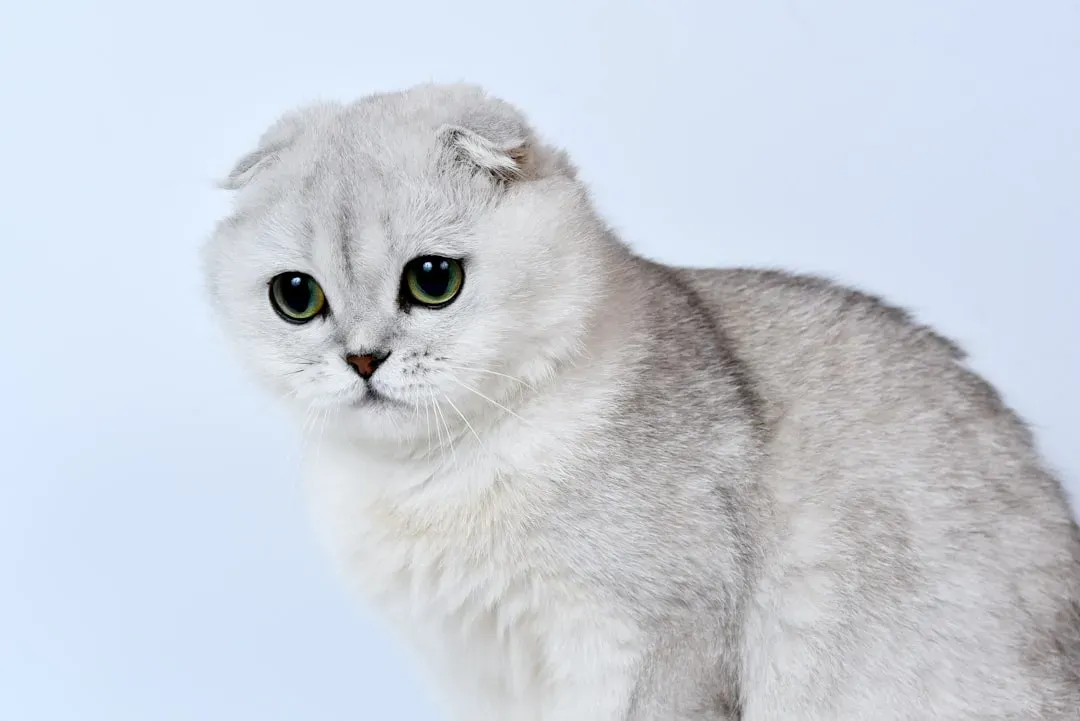
Scottish Folds are sensitive, expressive, and active cats perhaps best known for their uniquely shaped ears, and while they tolerate human companionship, these cats have a distinctively strong independent streak, displayed by their occasionally aloof behavior. Those folded ears make them look perpetually surprised or concerned, which somehow makes their indifference even more heartbreaking.
Scottish Folds may be known for their cute folded ears, but they are also surprisingly independent, and while they enjoy spending time with their owners, they don’t demand constant interaction, tending to respect personal space. They’re perfectly content entertaining themselves, but the moment they want something, they expect immediate response. The emotional exchange is completely imbalanced. You provide food, shelter, entertainment, and love. They provide occasional presence and maybe a slow blink if you’re lucky.
6. Russian Blue Cats: The Reserved Observers
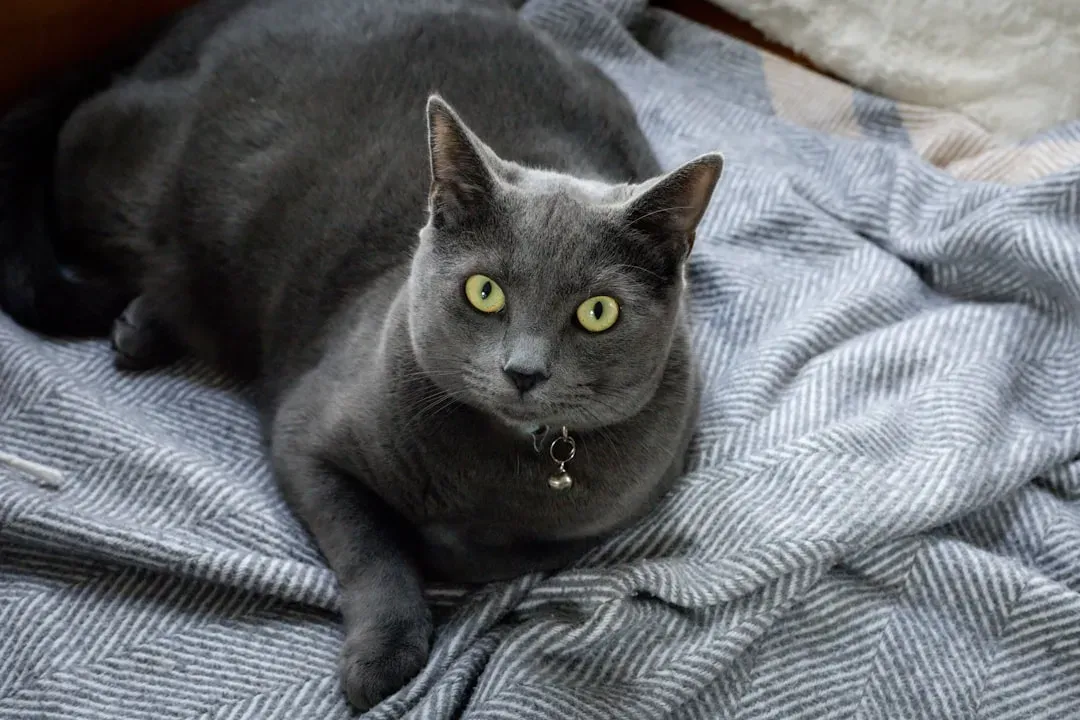
Russian Blues are on the quiet side, and they’re also incredibly independent, which makes them more willing to relax alone while you’re out. This sounds great until you realize they’re basically roommates who acknowledge your existence only when necessary. Russian Blues are graceful and reserved, independent cats that enjoy quiet companionship, forming strong bonds with their owners but not constantly seeking attention, and they appreciate affection on their terms and are not overly needy.
Here’s the thing about Russian Blues: they need you to maintain a calm, predictable environment. Any disruption in routine, and they withdraw even further. You’re expected to cater to their emotional comfort while they offer little warmth in return. They’re like that coworker who needs everything just so but never says thank you. The non-verbal communication is there, sure, but it’s mostly them telling you to back off.
7. Norwegian Forest Cats: Independent Explorers
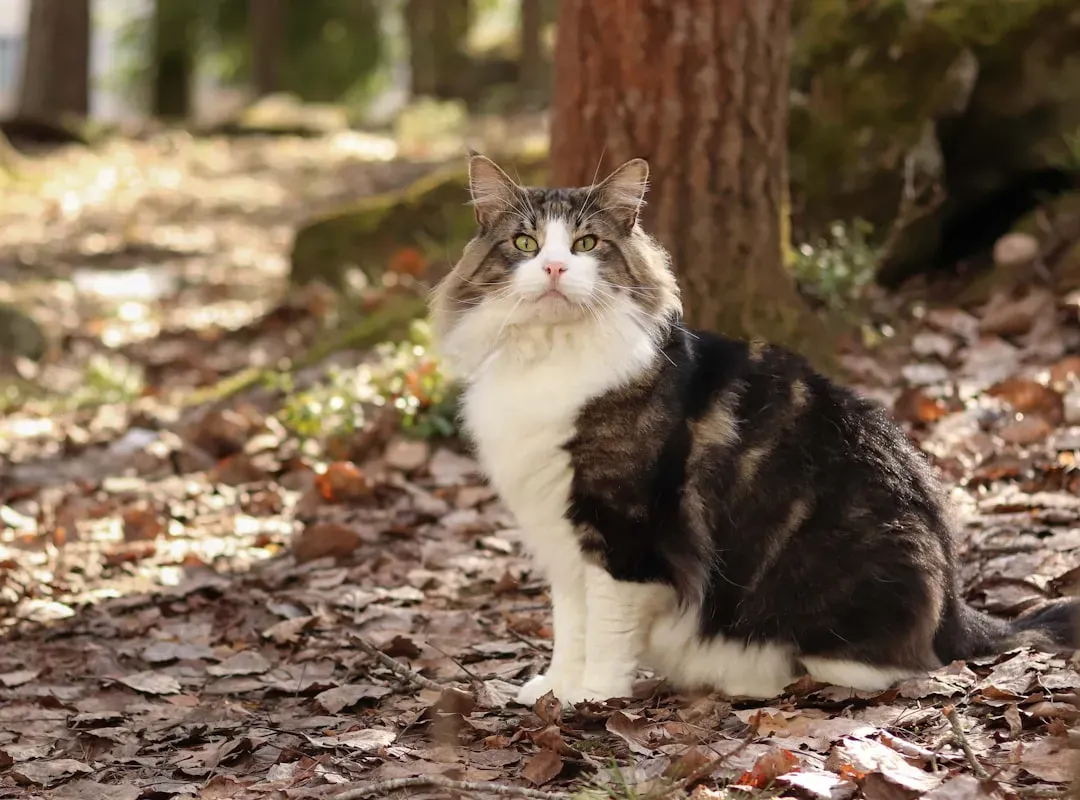
The Norwegian Forest Cat has a long, dense coat with a water-repellant top layer and thick woolly undercoat requiring weekly or every-other-day brushing to prevent mats and tangles from forming and causing discomfort and injury. They’re basically small bears who decided to live indoors but kept their wild independence.
Norwegian Forest Cats are independent breeds that enjoy climbing and perching in high places, are affectionate but do not rely on their owners for constant entertainment, and while they enjoy human companionship, they are just as happy spending time alone. They demand space, high perches, and enrichment activities, but when you want some cat therapy after a stressful day, they’re probably surveying their kingdom from atop your refrigerator, utterly disinterested in your emotional needs.
8. Maine Coon Cats: Gentle Giants with Boundaries
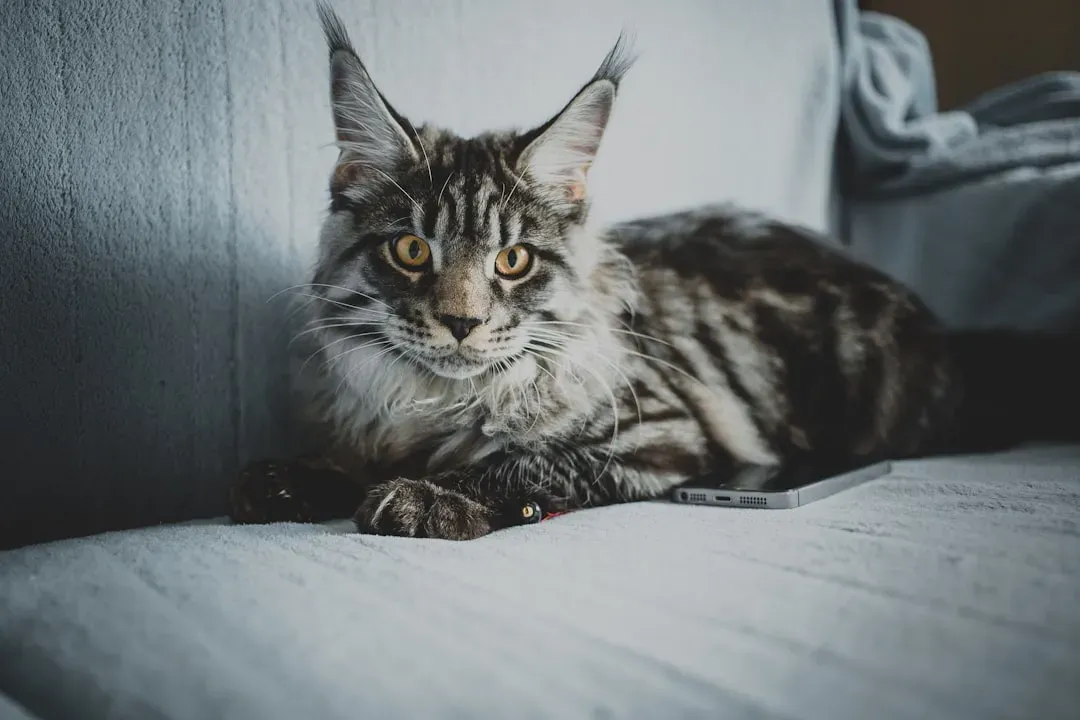
Maine Coons are massive, majestic, and surprisingly standoffish. The Maine Coon is one of the largest cat breeds with long, thick coats from their Maine heritage that require regular brushing to prevent mats and tangles. They’re not lap cats despite their size suggesting otherwise. The Maine Coon is an affectionate cat but not an overly needy breed, content to lounge on the laps of their humans or curl up beside them.
The problem is they want you available when they decide they need something, whether that’s playtime or food or entertainment. Maine Coons are playful and curious, requiring plenty of mental and physical stimulation, and if you don’t provide enough toys and activities, a bored Maine Coon might entertain itself in ways you’d rather it didn’t. You do all the work maintaining the relationship while they participate when convenient. Classic emotional inequality.
9. Himalayan Cats: The Demanding Beauties
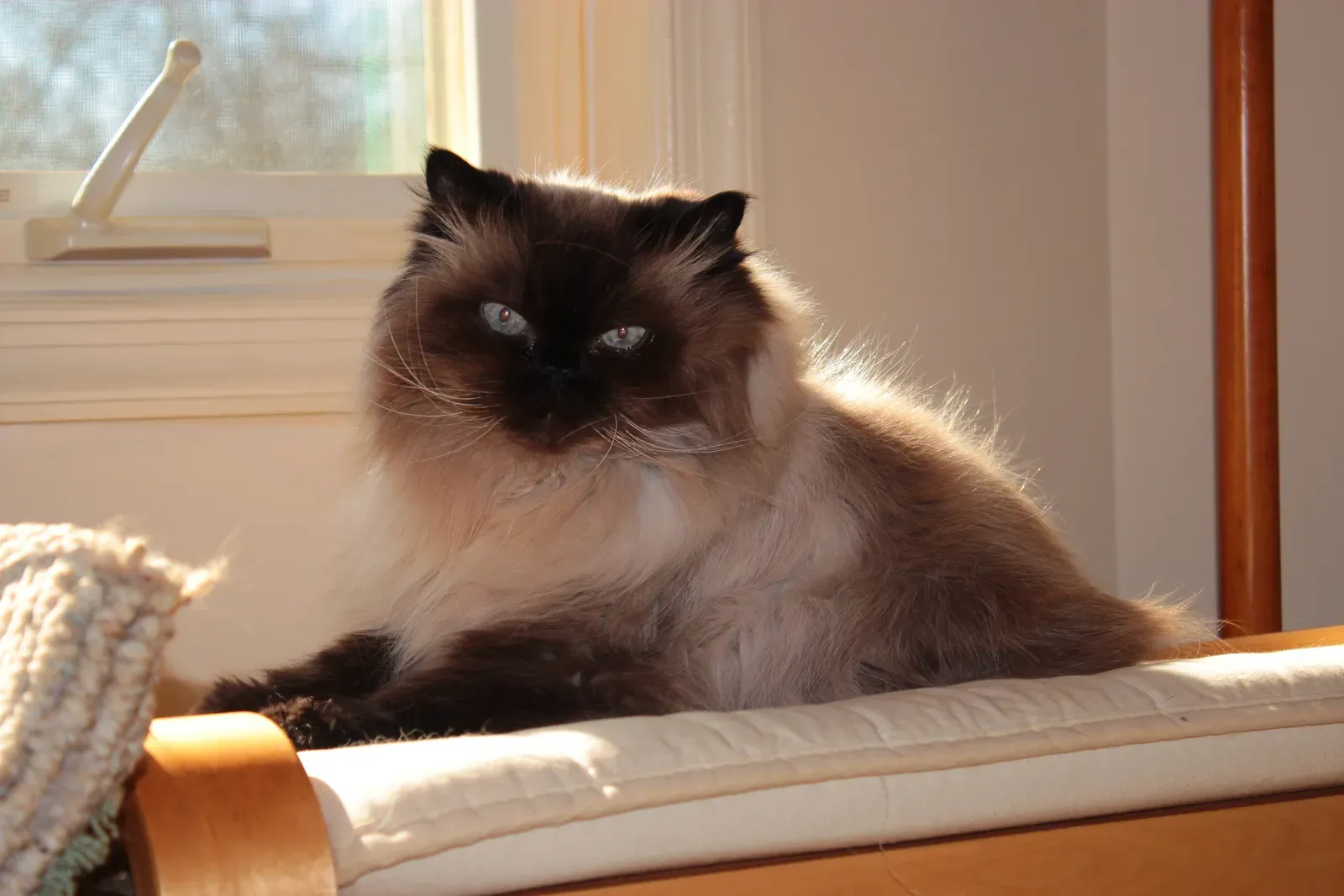
Himalayans often have breathing problems due to deformed nasal passages, and the breed is also at risk for polycystic kidney disease which can cause kidney problems in adult animals. So you’re signing up for significant veterinary expenses and daily grooming. Himalayans need regular daily grooming to remove mats and tangles from their long fur. They’re crosses between Persians and Siamese, inheriting the worst traits of both breeds in terms of neediness.
They want their environment just perfect. Temperature controlled, quiet, everything in its place. Yet when it comes to providing comfort or companionship, they’re remarkably absent. Unlike their Siamese ancestors, Himalayans are on the quieter side, and while not completely inactive, they prefer the coziness of a friendly lap to rambunctious hijinks, spending the bulk of their time in relaxation mode. Relaxation that you facilitate but rarely get to share emotionally.
10. Exotic Shorthair Cats: Persian Lite with Similar Issues
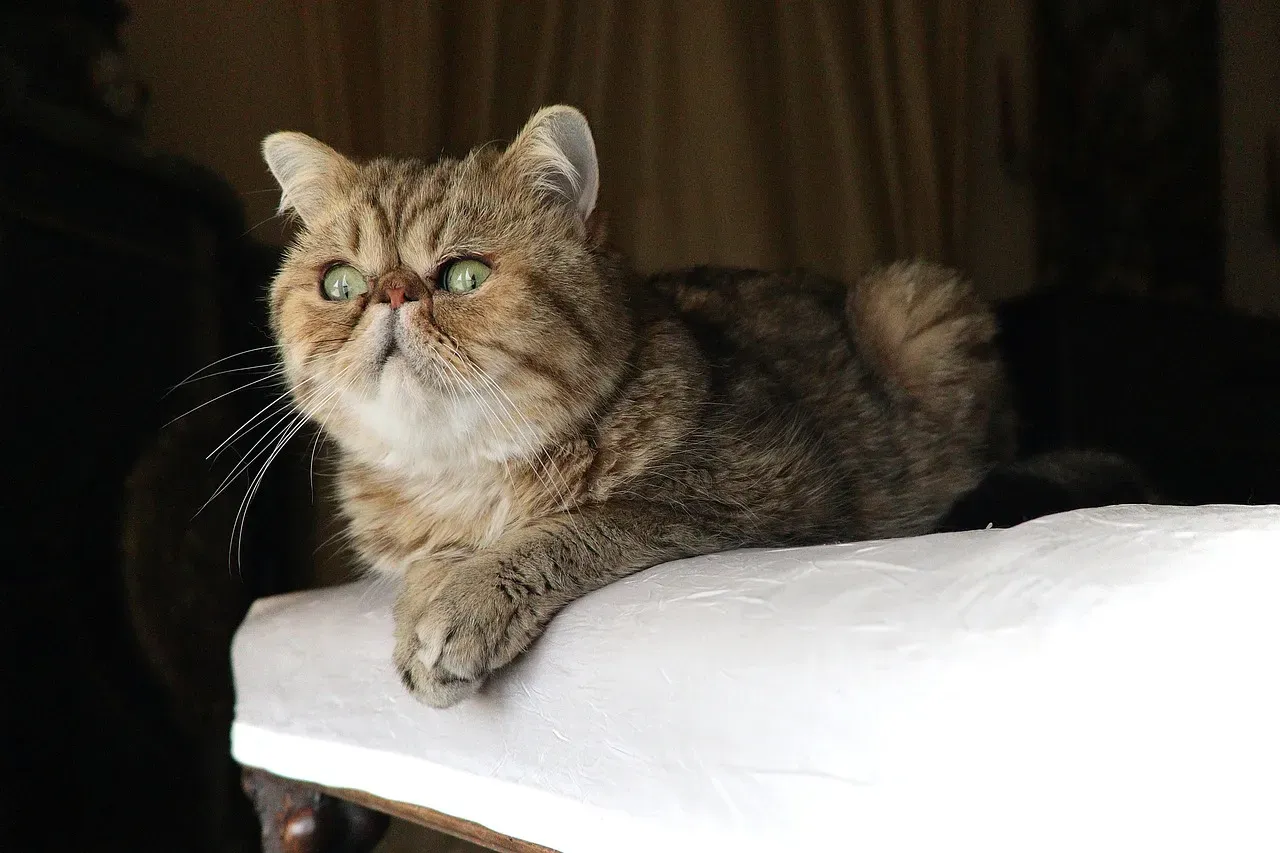
PetMD dubs the exotic shorthair as a Persian without the pretensions. That’s partially true. They have the flat face health issues without quite as much grooming. The medium-sized Exotic Shorthair is a cat breed notable for being as playful as it is pretty, and as they age their independent nature can slowly reveal itself as these cute kitties settle into their relaxed personalities.
The relaxed part means they’re emotionally unavailable. They might tolerate your presence, even seem to enjoy it sometimes, but try to rely on them for actual emotional support and you’ll find yourself disappointed. They need you to maintain their health and comfort, but reciprocal affection is sporadic at best. The subtle cues are there if you look hard enough, but honestly, why should you have to work so hard to feel appreciated?
11. Burmese Cats: Social Manipulators
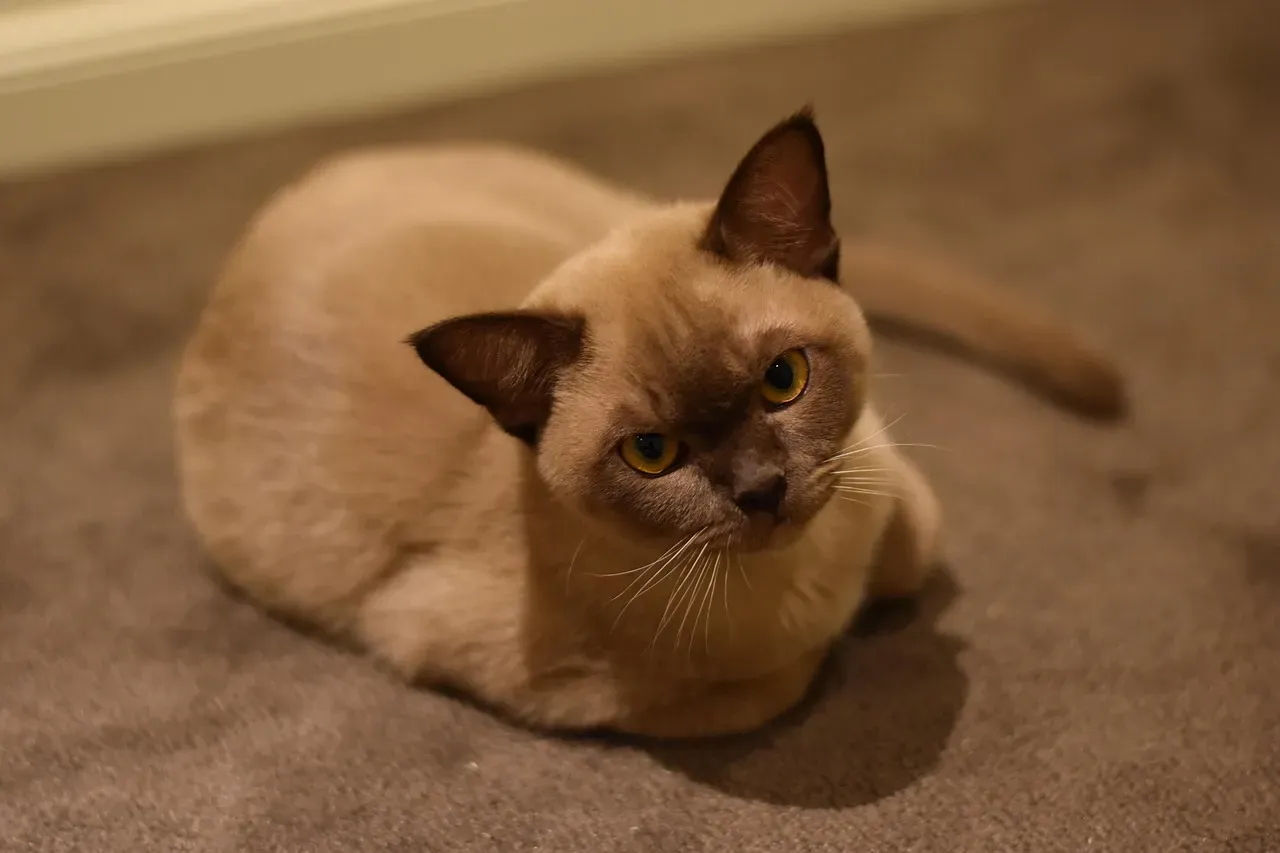
Burmese cats are known for their social and outgoing personalities, thriving on human interaction and quick to form strong emotional connections with their owners, and these cats are extremely perceptive and can pick up on changes in mood with remarkable accuracy. This sounds wonderful until you realize they use this emotional intelligence primarily to manipulate you into meeting their needs.
When you’re feeling down, a Burmese cat will often come to your side, offering gentle nudges and soothing purrs. But is it genuine comfort or calculated behavior to ensure you remain functional enough to serve dinner on time? A demanding cat will do anything to get your attention aggressively vocal, purposely causing trouble, jumping on you so they can get what they want, in other words a manipulative cat who wants what they want when they want it. That’s the Burmese in a nutshell: socially skilled but ultimately self-serving.
Understanding the Imbalance
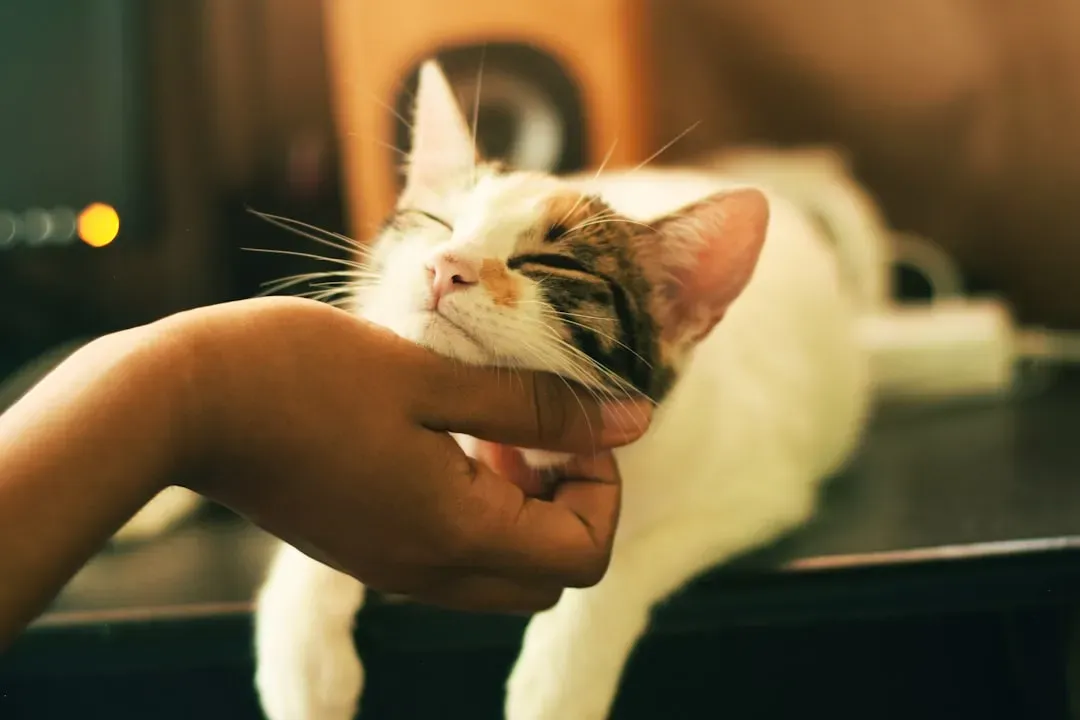
Living with these emotionally demanding yet emotionally unavailable breeds teaches you to read the smallest signals. A tail twitch here, a slow blink there, the slightest head tilt. Cats show affection in so many ways and you might not notice some of the more subtle ones, and your cat doesn’t have to be a lap cat to be affectionate as he may enjoy sitting next to you or even several inches away, and think about how many times your cat has rubbed his head against you, given you slow-blink cat kisses, or purred.
The profound non-verbal communication between you and these cats exists, absolutely. You learn their language, anticipate their needs, respond to their demands. The connection is real. It’s just heartbreakingly one-directional most of the time. You become fluent in reading their subtle cues while they remain blissfully oblivious to yours. Or perhaps they understand perfectly well and simply choose not to respond. That might be the hardest part to accept.
These eleven breeds demand emotional labor, constant vigilance, and unwavering commitment. In return, they offer fleeting moments of connection, sporadic displays of tolerance that you interpret as affection, and the privilege of serving their needs. It’s exhausting and occasionally soul-crushing. Yet somehow, despite the imbalance, you keep showing up, keep trying, keep loving these beautiful, frustrating creatures who’ve trained you perfectly while giving so little back. What does that say about us as cat owners? Did you expect it to be this complicated?