11 Cat Breeds That Never Really Grow Out of Kittenhood
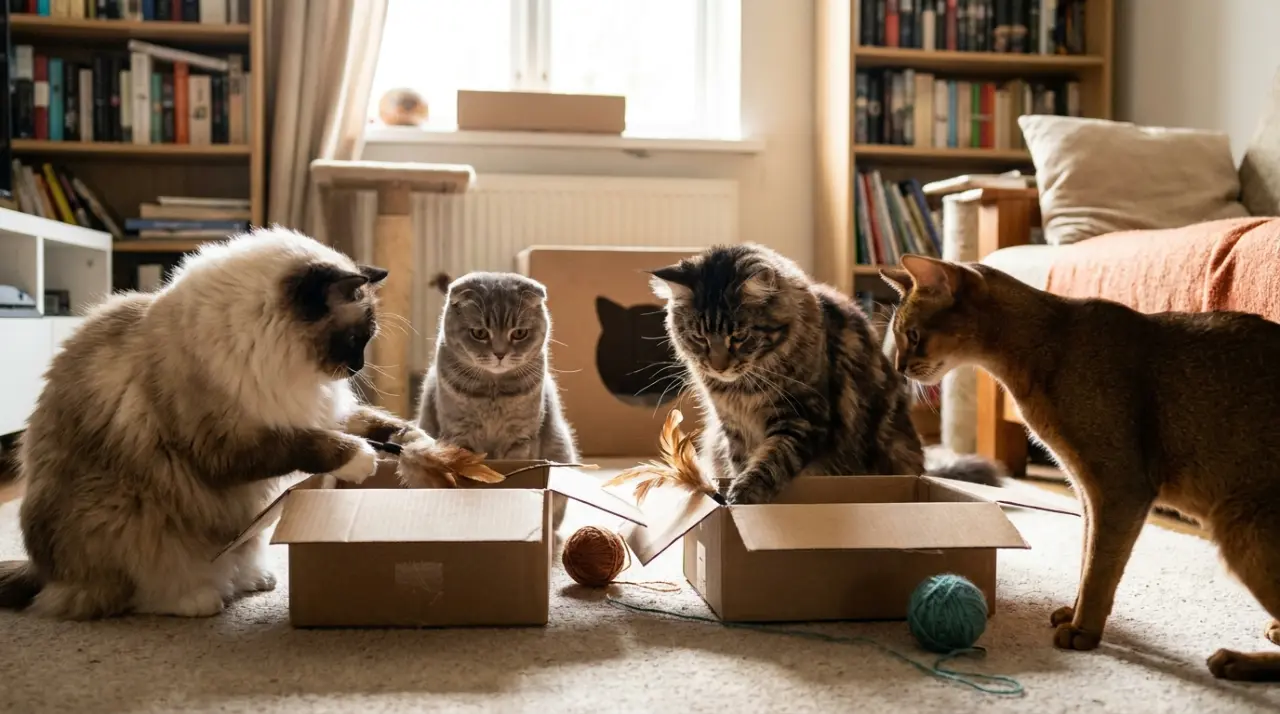
Some cats grow up to become dignified household supervisors. Others reach adulthood and apparently miss the memo. They still ambush shoelaces, investigate every grocery bag, and sprint down the hallway as though a championship trophy awaits at the end. For these cats, kittenhood seems less like a life stage and more like a permanent outlook.
While no breed stays a kitten forever, some are particularly associated with playful, curious, people-oriented personalities. That youthful spirit can mean impressive acrobatics, enthusiastic games of fetch, or a lifelong commitment to being involved in absolutely everything you do.
Breed tendencies are a starting point, not a promise. Individual temperament, health, age, socialization, and environment all influence how a cat behaves. With that in mind, here are 11 breeds that often keep their kittenlike spark—and what living with that spark can actually involve.
1. Abyssinian: The Cat Who Turns Everything Into an Adventure
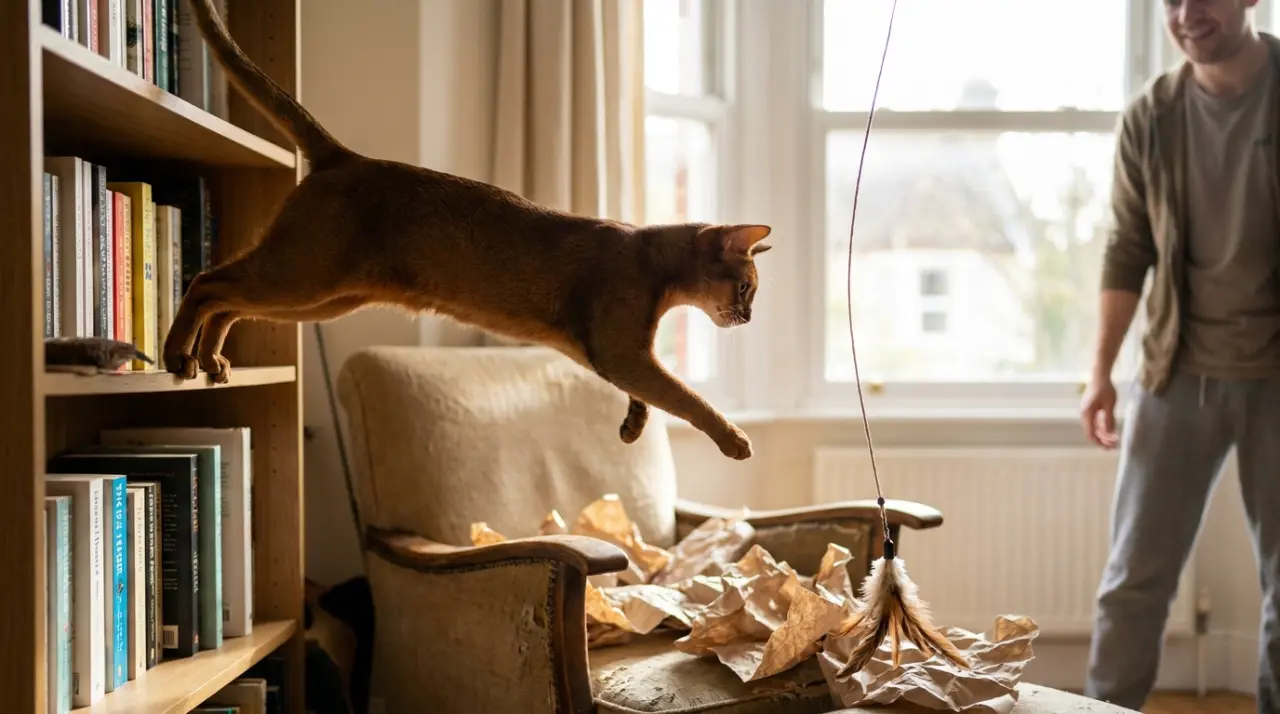
An Abyssinian rarely treats a room as somewhere simply to sit. It is somewhere to explore, climb, inspect, and perhaps reorganize. These athletic cats are known for their curiosity and often remain eager participants in household activity long after their kitten days.
Their youthful appeal comes less from constant cuddling and more from constant involvement. Open a cupboard, assemble a shelf, or unpack a delivery, and an Abyssinian may appoint itself your assistant. Many enjoy interactive toys and food puzzles that give their busy brains something worthwhile to do.
What keeps them happy: Sturdy climbing furniture, approved high perches, and regular games that involve chasing or problem-solving. Simply putting out a basket of toys may not satisfy a cat that wants an adventure with you. Offer variety, and make fragile objects less accessible before curiosity takes over.
2. Bengal: A Lifelong Athlete With a Mischievous Streak
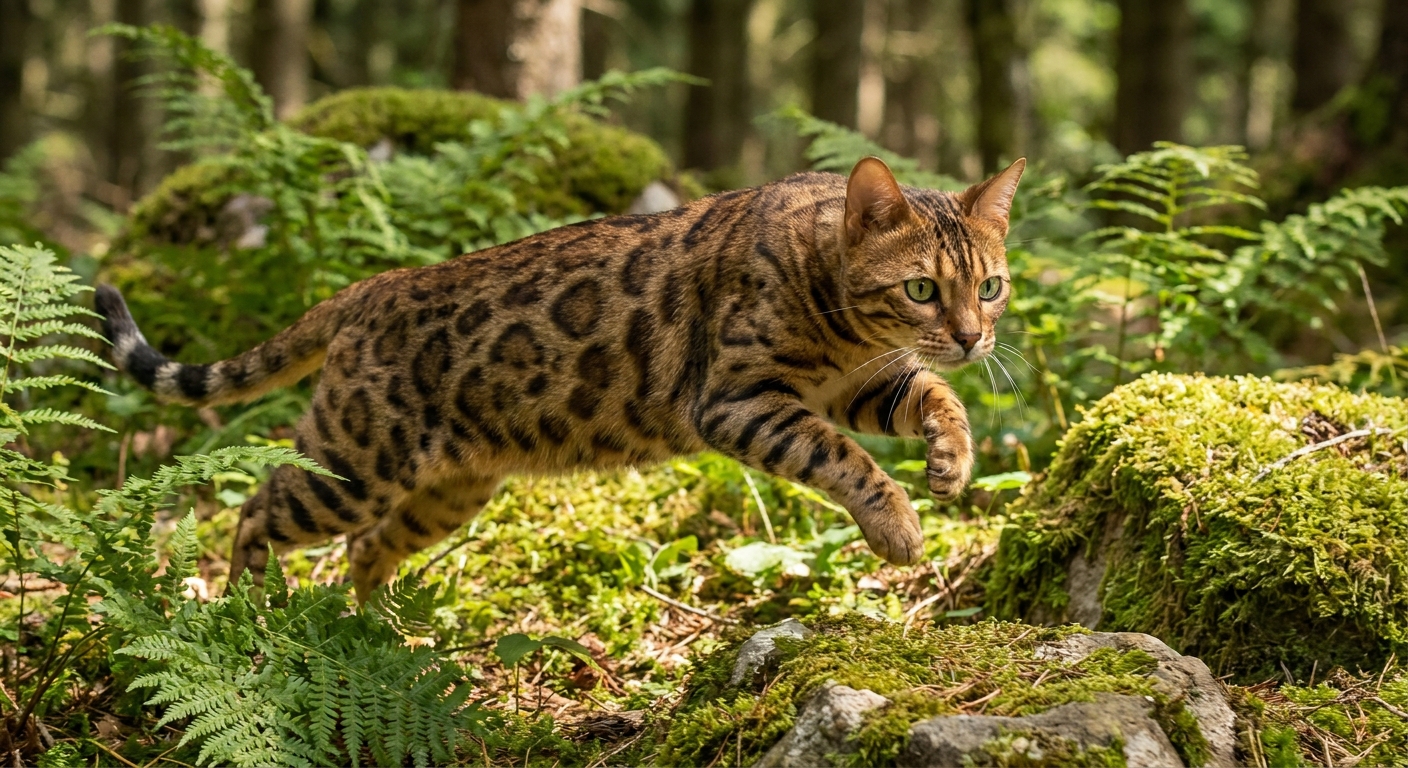
Bengals have striking coats, but their energy is often what leaves the strongest impression. Many enjoy climbing, chasing, and investigating unfamiliar objects. An adult Bengal may approach a new cardboard box with the same wholehearted excitement as a tiny kitten.
These cats are often intelligent and highly engaged with their surroundings. Some enjoy retrieving toys, learning cues, or playing with water, though none of those interests is guaranteed. Their appetite for activity can be delightful when it has an outlet—and challenging when it does not.
What keeps them happy: Daily interactive play, opportunities to climb, and feeding activities that require a little effort. Secure windows, sturdy screens, and thoughtful storage are useful for an inquisitive cat. Choose this breed because you genuinely enjoy an active companion, not simply because you love the spotted coat.
3. Siamese: The Playful Conversationalist
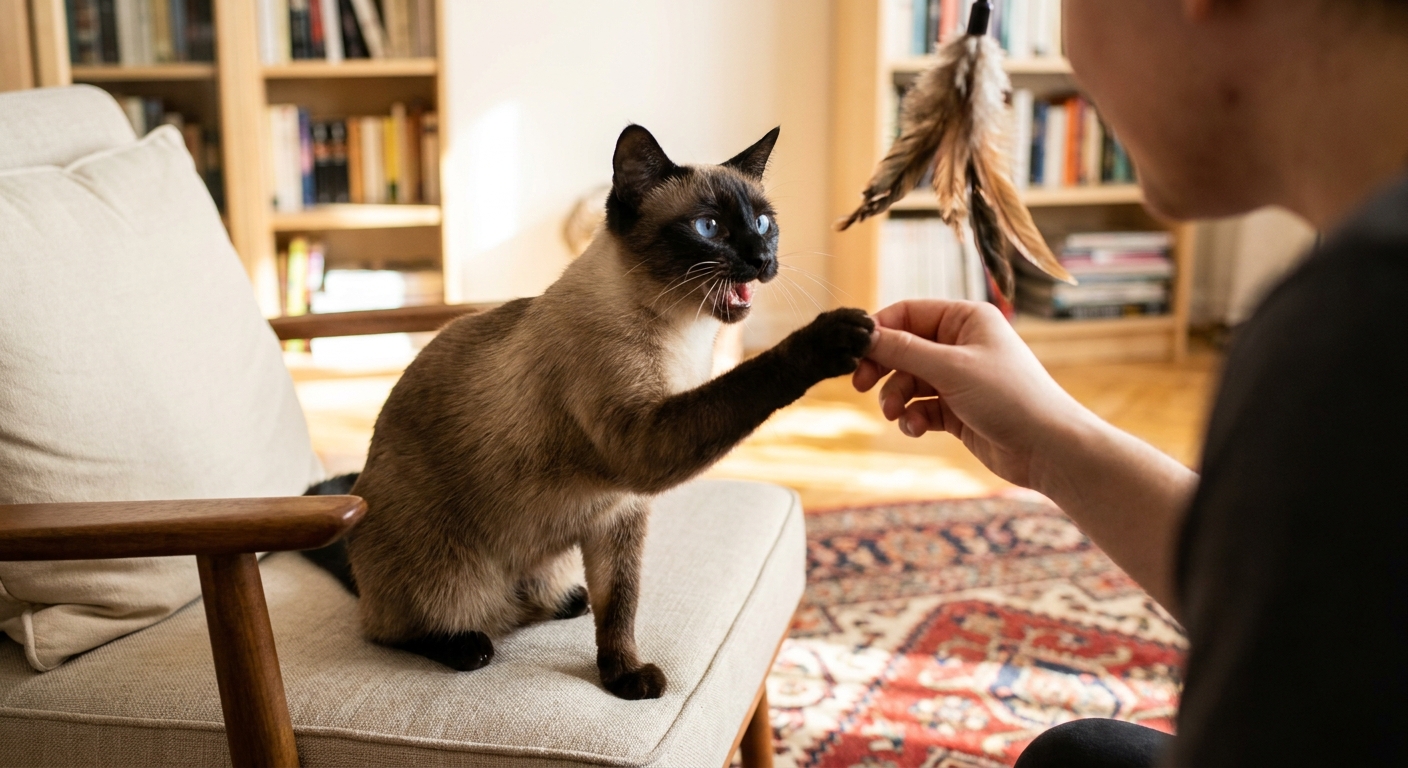
A Siamese often wants more than a place in your home; it wants a starring role in your day. Known for being vocal and socially engaged, these cats may follow their people around, comment on closed doors, and enthusiastically join games well into adulthood.
Their kittenlike quality is frequently tied to their interest in shared activity. A rolling ball is entertaining, but a rolling ball launched by a favorite person can be better. Many Siamese also enjoy learning simple tricks or working out how to reach a food reward.
What keeps them happy: Predictable interaction, play sessions, and activities that combine companionship with mental stimulation. They may struggle with a lifestyle that offers little engagement. Another compatible pet can be good company for some individuals, but it is not an automatic solution or a replacement for human attention.
4. Oriental Shorthair: Your Very Curious Little Shadow
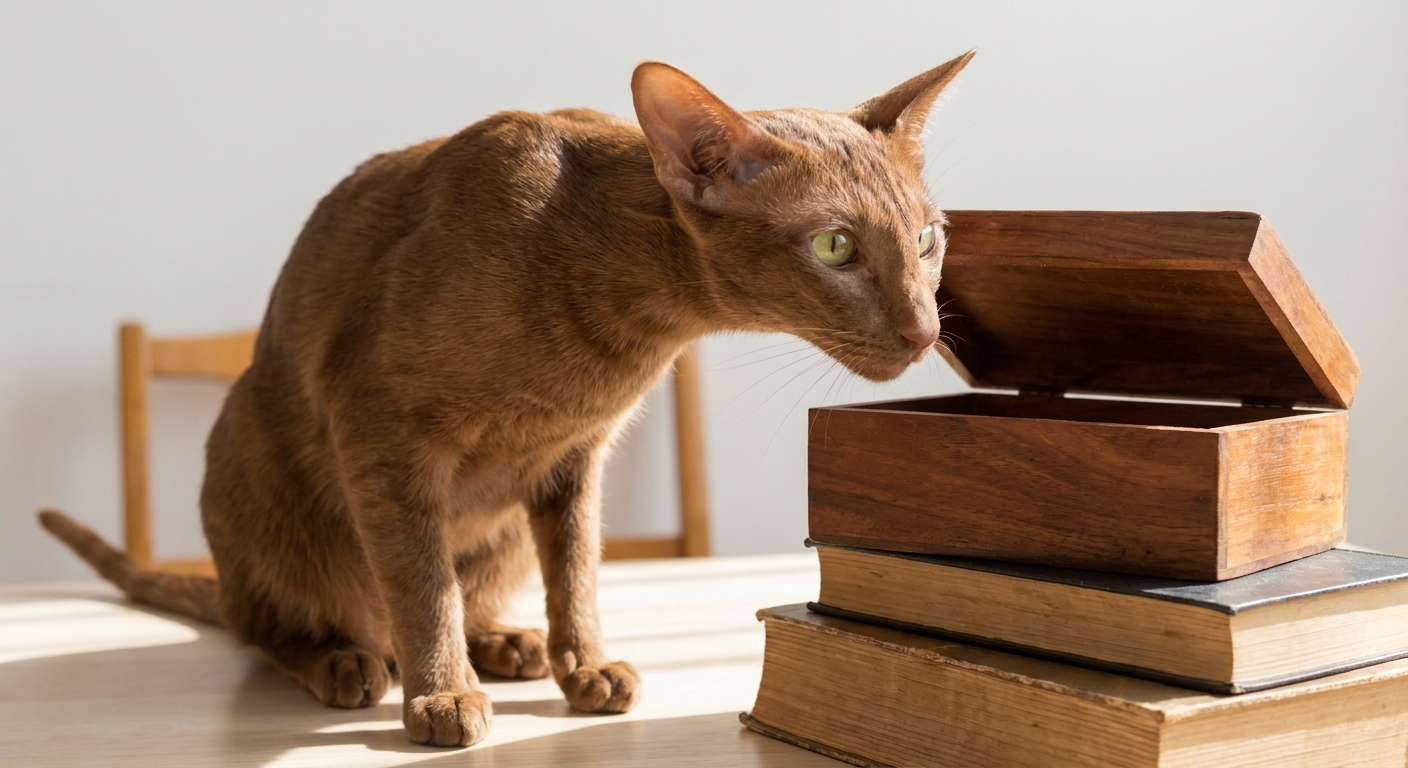
The Oriental Shorthair shares much of the Siamese family’s social, energetic character. These sleek cats often retain an almost nosy enthusiasm for daily life, whether they are examining your desk, chasing a toy, or checking what happened on the other side of a door.
Many are affectionate and expressive, with a preference for being where the action is. Their kittenlike behavior can include playful interruptions and a determination to turn ordinary moments into opportunities for interaction. Working from home may mean sharing your workspace with a self-appointed productivity consultant.
What keeps them happy: A combination of climbing spaces, interactive games, and cozy places near their people. Rotate toys to keep familiar objects interesting, and reward useful alternatives—such as resting on a nearby perch—rather than expecting an involved cat to become invisible whenever you get busy.
5. Devon Rex: A Pixie-Faced Expert in Play
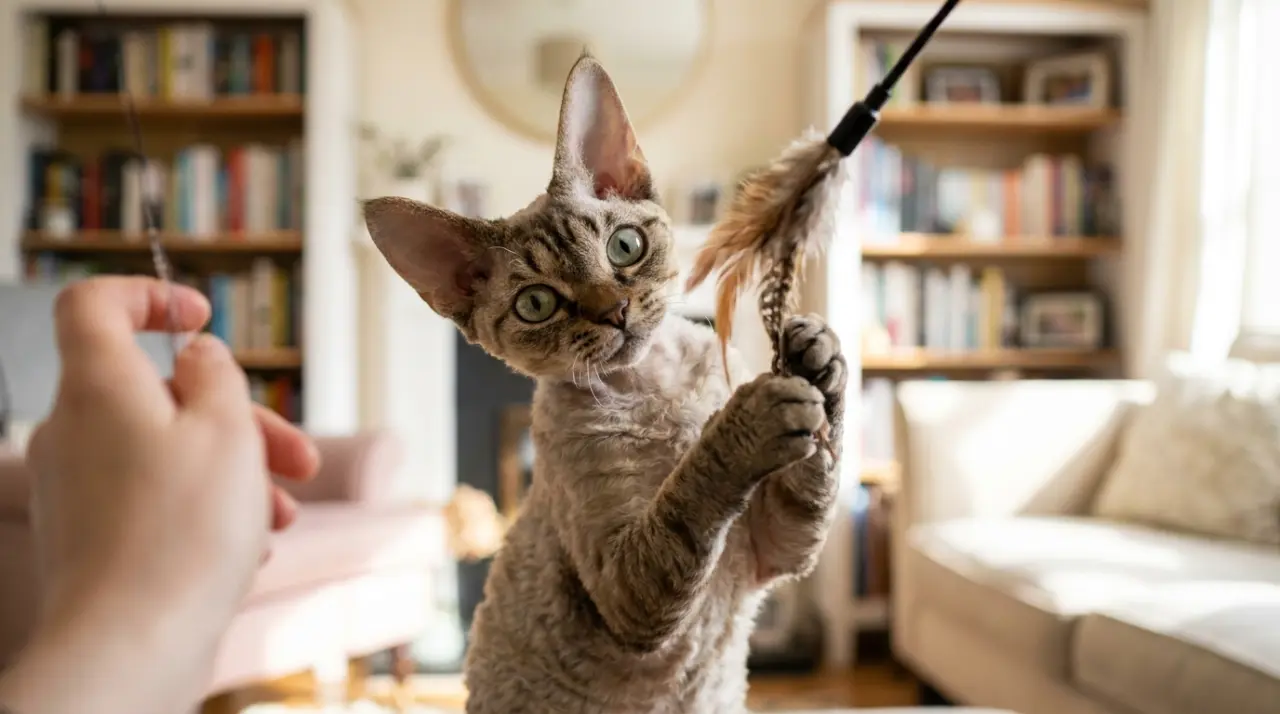
With large ears, expressive eyes, and a soft, wavy coat, the Devon Rex already has a wonderfully impish appearance. Its reputation for playful, people-focused behavior only strengthens the impression. Many Devons enjoy investigating their surroundings and finding ways to stay close to their favorite humans.
Some learn fetch or simple tricks; others specialize in leaping onto a convenient perch to supervise the household. Their energy often comes wrapped in affection, with an enthusiastic game followed by a determined search for a warm lap.
What keeps them happy: Short, engaging games, comfortable resting spots, and safe opportunities to climb. Their coat offers less protection than a dense coat, so keep indoor comfort in mind. Skin and coat care should suit the individual cat; frequent bathing is not something to assume every Devon needs.
6. Cornish Rex: The Acrobatic Entertainer
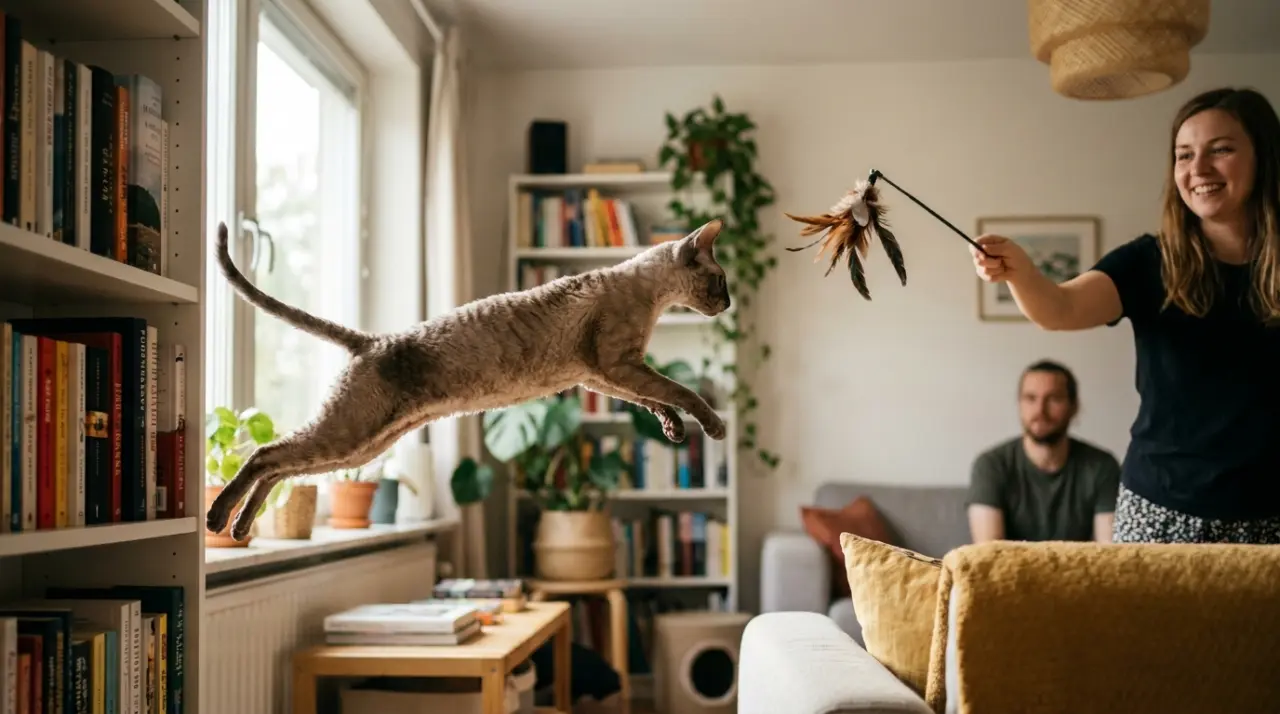
The Cornish Rex has a distinctive wavy coat and a lean, long-legged build that suits its reputation for athletic play. Many remain lively and inventive as adults, darting after toys or turning a clear stretch of floor into a private racetrack.
These cats are often socially outgoing and interested in games with their people. Their kittenlike charm lies in their willingness to participate: a tossed toy, a moving wand, or a new puzzle can quickly become the most important event of the afternoon.
What keeps them happy: Room to move, stable climbing structures, and games that let them stalk, chase, and catch. Provide warm, comfortable sleeping areas for downtime. As with any enthusiastic jumper, check that shelves and cat furniture are secure rather than assuming agility makes every landing safe.
7. Japanese Bobtail: A Bright, Busy Playmate
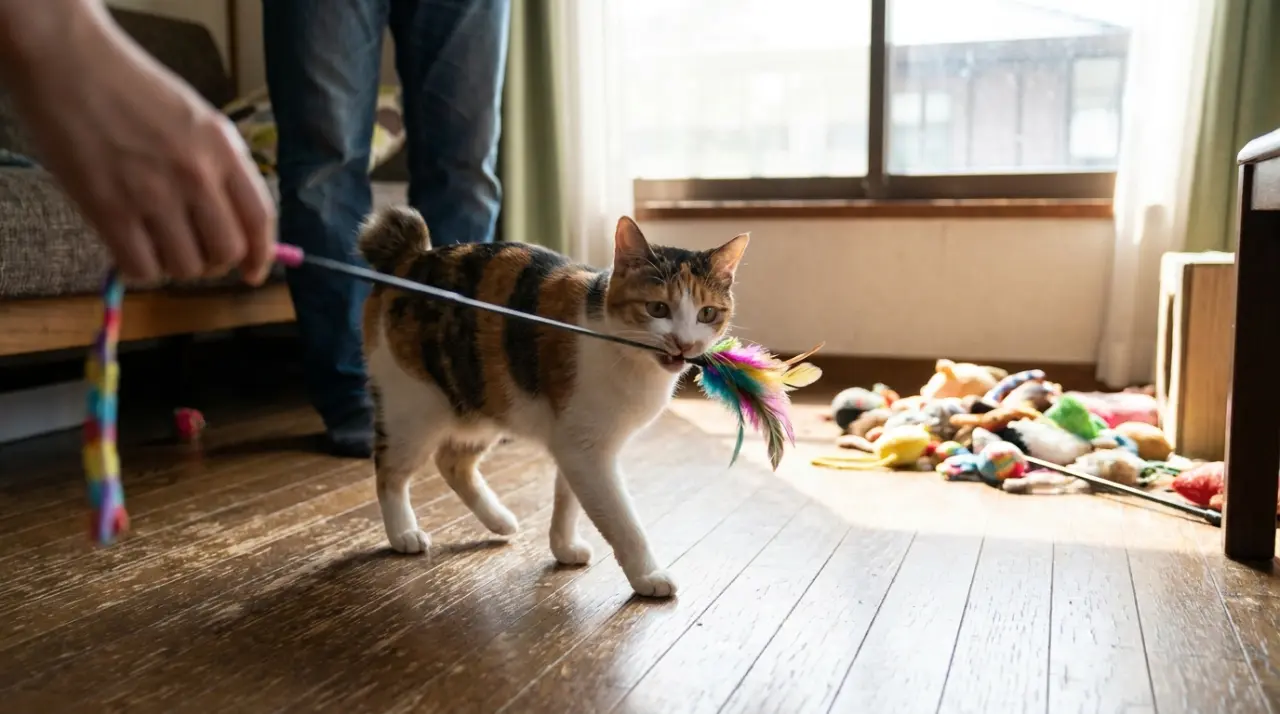
The Japanese Bobtail is recognizable by its short, distinctive tail, but its engaging personality deserves just as much attention. These cats are often active, alert, and interested in family life. Many enjoy carrying toys, chasing moving objects, or participating in interactive games.
Their playful streak can persist into adulthood without requiring nonstop chaos. A Japanese Bobtail may move easily between exploring independently and recruiting someone for a game. For a household that likes an involved companion, that enthusiasm can be a major part of the appeal.
What keeps them happy: Lightweight cat-safe toys, puzzle feeders, and regular opportunities to play together. Fetch is worth trying if your cat likes carrying things, but let the individual set the agenda. In families with children, teach gentle interaction and make sure the cat always has a quiet retreat.
8. Burmese: The Affectionate Cat Who Still Wants Another Game
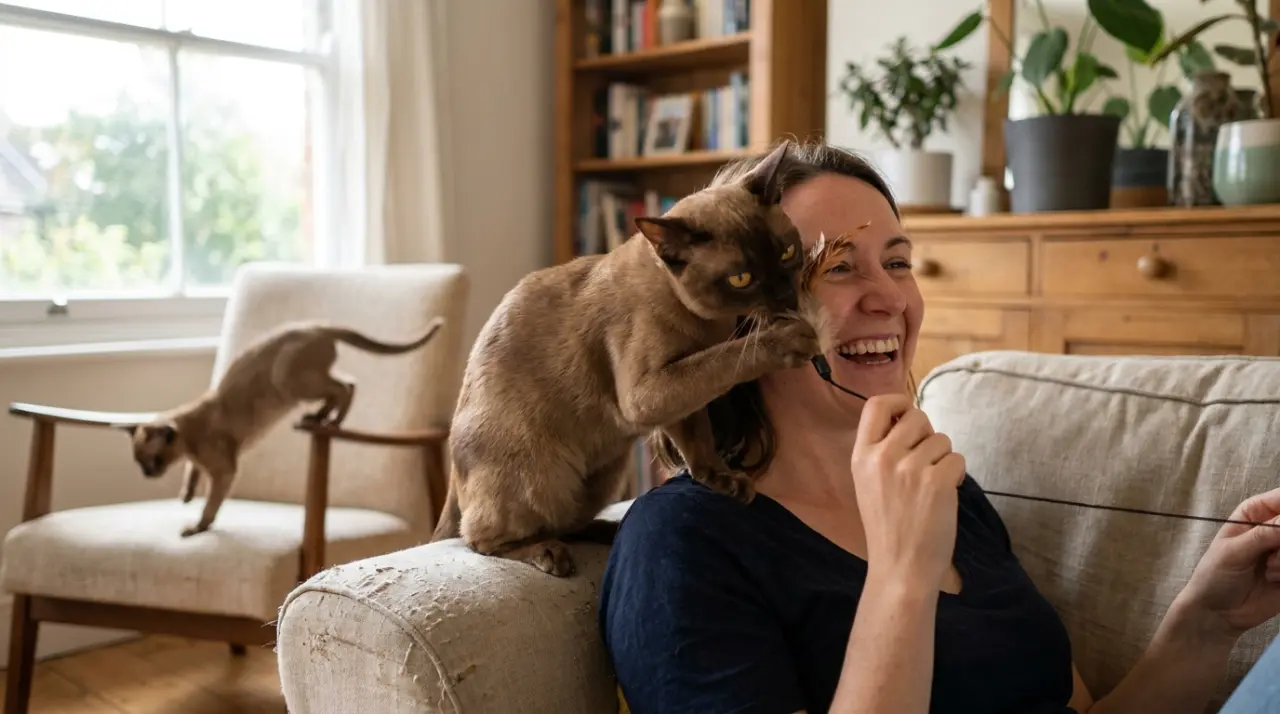
Burmese cats are often described as affectionate, social, and playful. Many keep a youthful interest in games while also placing a high value on physical closeness. If your ideal companion alternates between chasing a toy and settling beside you, this breed may catch your attention.
Their kittenlike character is often expressed through friendly persistence. They may seek out company, follow household routines, and find small ways to invite interaction. Adulthood does not necessarily reduce their enthusiasm for shared entertainment.
What keeps them happy: A home that makes room for both play and companionship. Offer interactive toys and places to observe everyday activity from nearby. If you are considering a second cat, choose for compatible temperament and introduce them gradually; a social breed label does not mean every Burmese welcomes every feline roommate.
9. Tonkinese: Curious, Social, and Ready to Join In
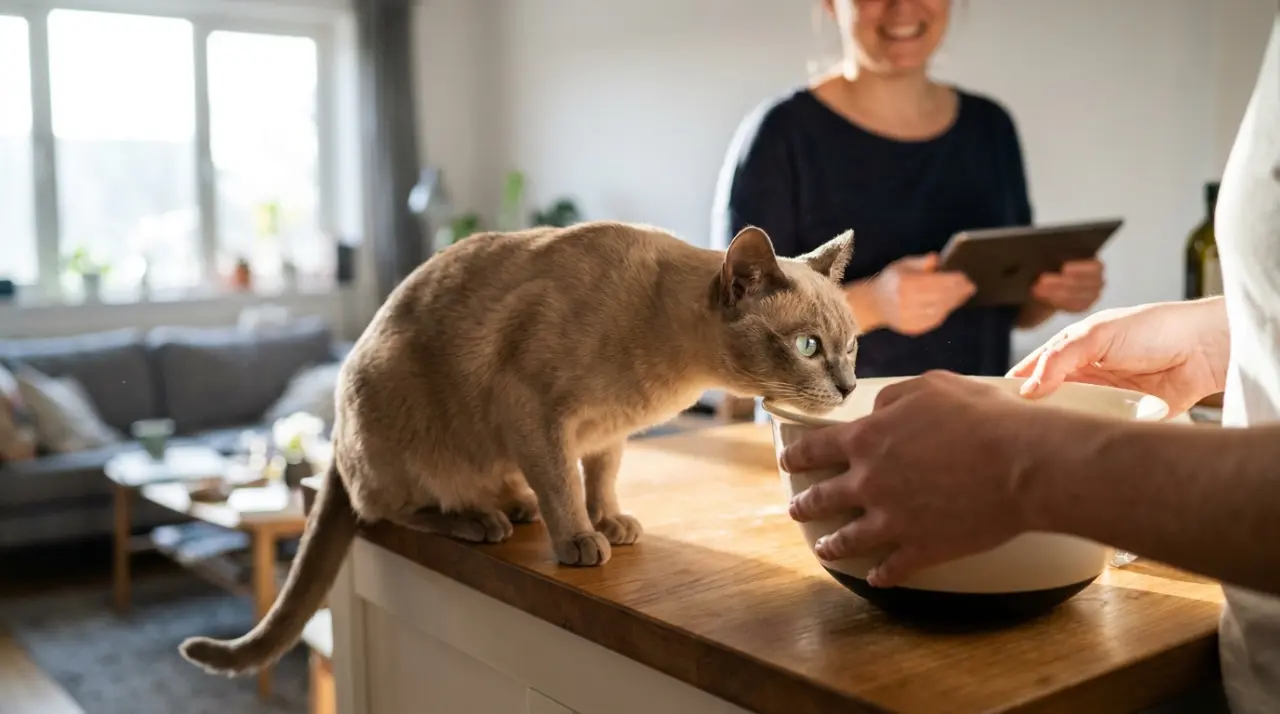
Developed from Siamese and Burmese ancestry, the Tonkinese is associated with a lively, affectionate temperament. These cats often enjoy exploring, learning, and spending time with their people. Many retain the eager, participatory attitude that makes kittens so entertaining.
A Tonkinese may be interested in everything from a puzzle toy to the mysterious object you just placed on the kitchen table. Their curiosity frequently has a social component: whatever you are doing is worth investigating because you are doing it.
What keeps them happy: A mix of physical activity, mental challenges, and relaxed companionship. Reward-based training can offer another way to connect, whether you practice coming when called or touching a target. Keep sessions brief and voluntary, ending while the cat is still interested rather than pushing for one more repetition.
10. Turkish Angora: Elegance With a Playful Plot Twist
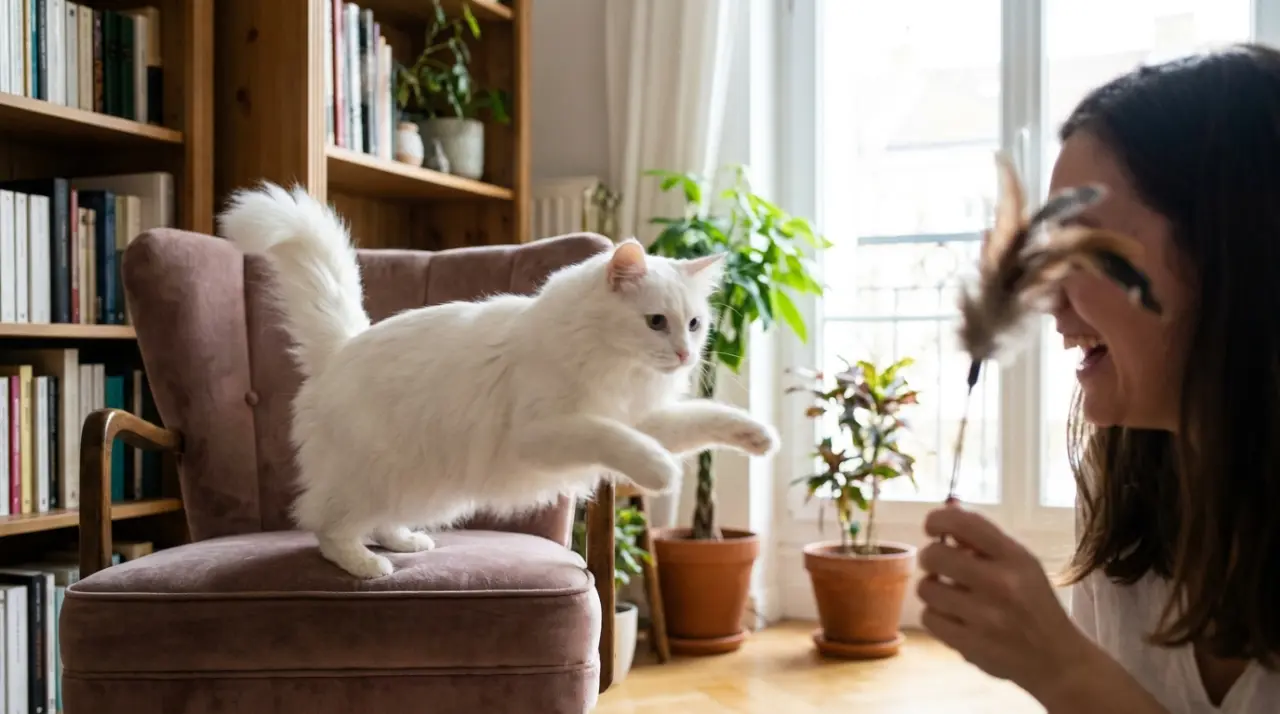
A Turkish Angora may look poised enough for a formal portrait, then spoil the effect by launching itself after a toy. These graceful cats are often curious, athletic, and more playful than their elegant appearance might suggest.
Many enjoy elevated viewpoints and stay closely aware of household activity. Their youthful spirit can show up as lively exploration, inventive games, or a preference for deciding exactly how an interaction should proceed. Playfulness does not always mean an unlimited tolerance for being picked up or carried.
What keeps them happy: Safe vertical space, varied toys, and people who respect their boundaries. Invite interaction instead of insisting on it. Regular grooming also provides a chance to build a positive routine, especially when introduced gently and paired with rewards the individual cat enjoys.
11. Maine Coon: A Big Cat With a Soft Spot for Silly Games
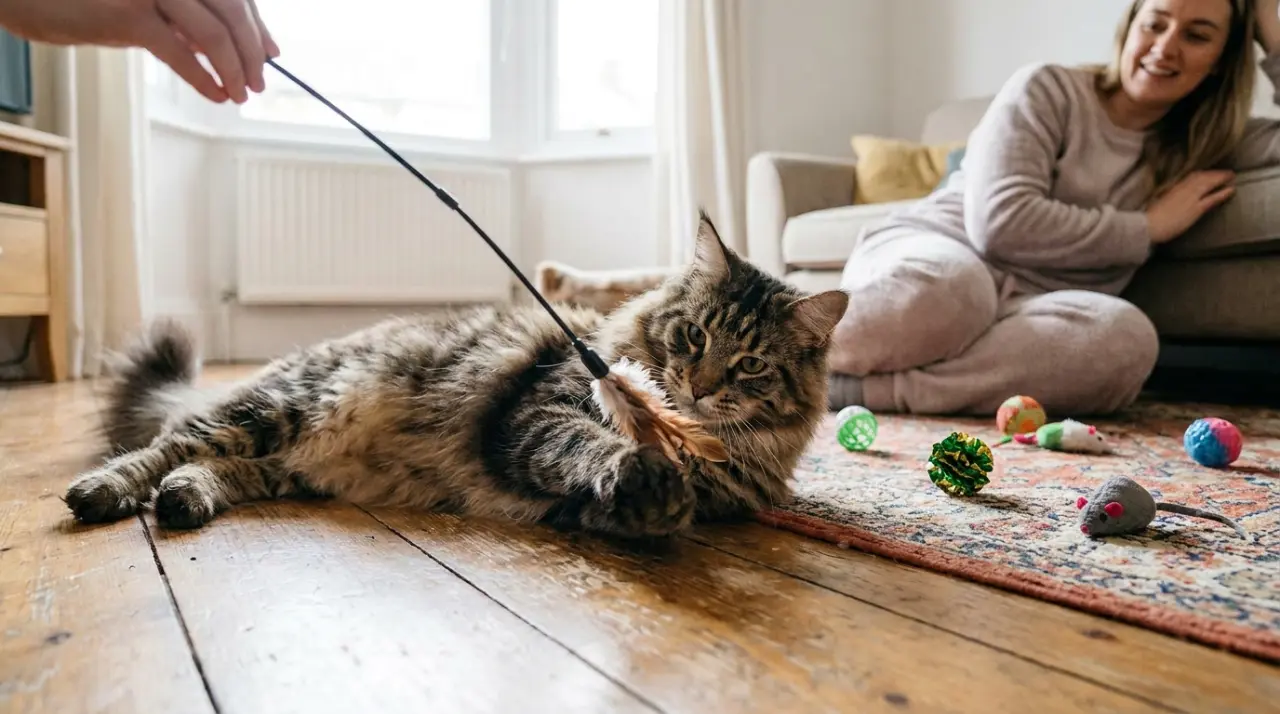
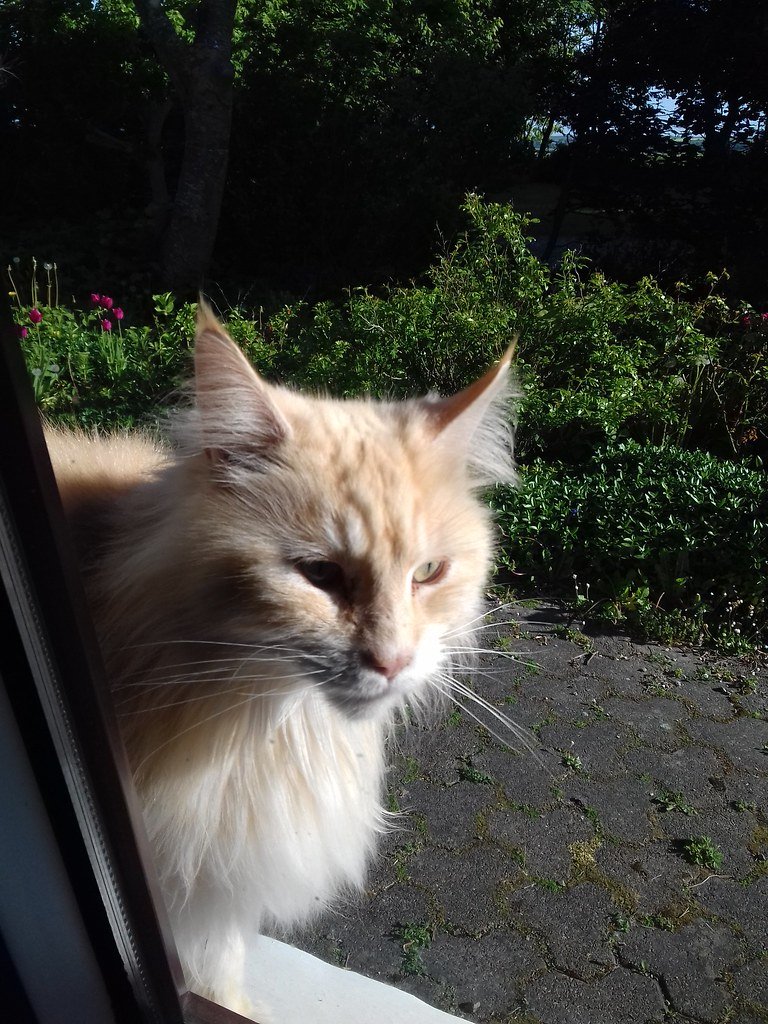
Maine Coons are often associated with a friendly, easygoing manner, but many also maintain a playful streak well into adulthood. Their substantial size makes the contrast particularly charming: a large, impressive cat can become completely absorbed in batting a tiny toy across the floor.
They tend to mature physically more slowly than many other cats, though that does not mean they remain behavioral kittens throughout that time. Some enjoy retrieving toys or joining family activities; others favor a more measured style of play, punctuated by occasional bursts of glorious silliness.
What keeps them happy: Spacious, sturdy cat furniture and toys appropriate for their size. Keep play suited to their comfort and mobility rather than encouraging dramatic leaps for entertainment. A gentle game on the floor can be every bit as satisfying as a high-speed chase.
How to Support a Cat’s Lifelong Playful Streak
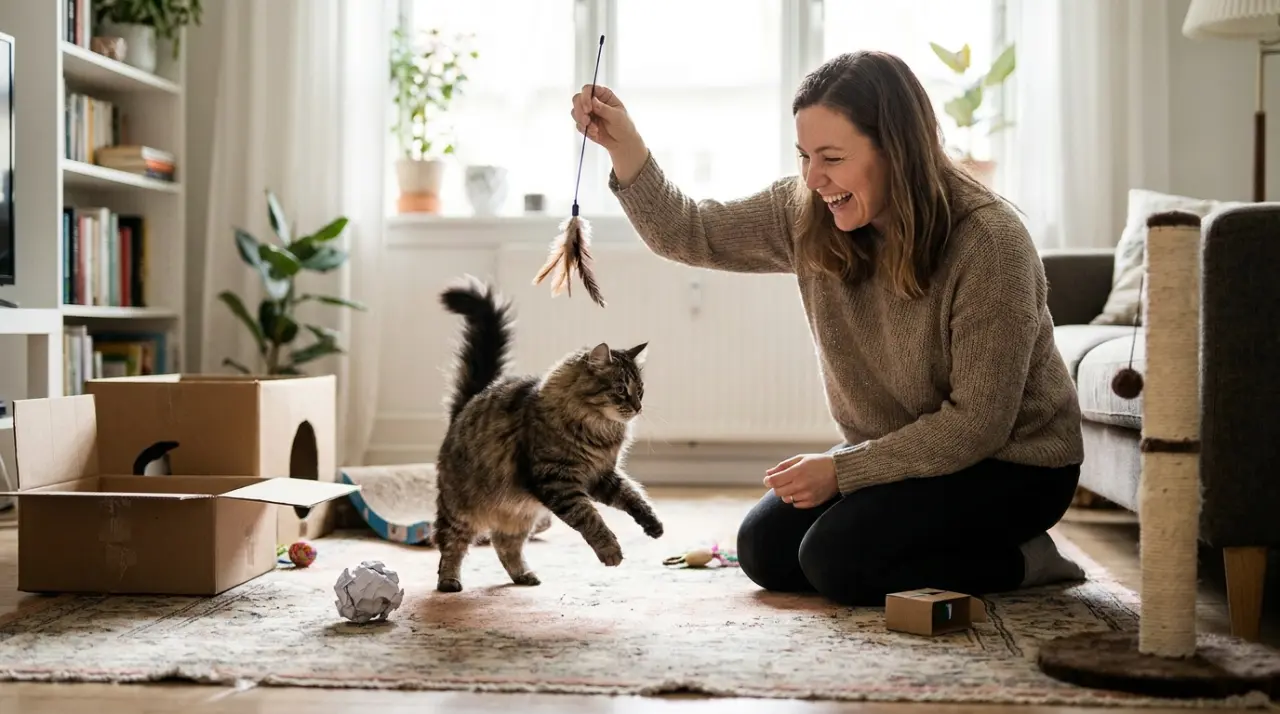
You do not need a particular breed to live with a forever-young cat. Mixed-breed cats can be wonderfully playful, and meeting an adult cat through a shelter or foster home can give you useful insight into its established personality.
Whatever your cat’s background, a few habits help make play rewarding and safe:
- Offer several brief opportunities to play. Follow your cat’s interest and energy rather than enforcing a fixed workout.
- Let the hunt end in a catch. Give your cat chances to grab an appropriate toy instead of keeping every target permanently out of reach.
- Use toys, not hands or feet. Encourage habits you will still appreciate when kitten teeth and claws belong to an adult.
- Put risky toys away. Strings, ribbons, and wand toys should be stored securely after supervised play.
- Adapt as your cat ages. Slower movements, accessible puzzles, and ground-level games can support continued engagement.
A noticeable drop in playfulness—or an unusual increase in restless activity—deserves attention, particularly alongside changes in appetite, movement, or behavior. Do not dismiss a sudden change as simply growing up or growing old; ask your veterinarian for guidance.
The Best Match Is More Than a Playful Breed
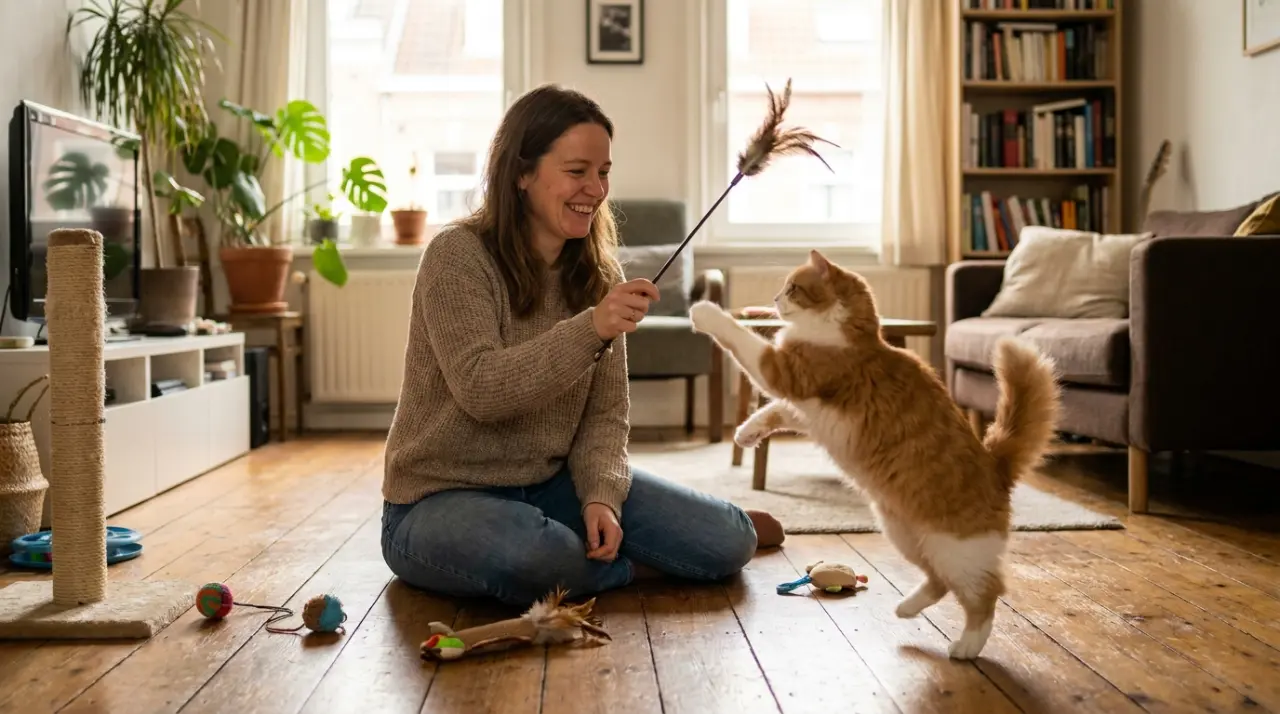
A cat with a kittenlike outlook can bring years of laughter, but that personality also needs time, patience, and appropriate outlets. Choose for the everyday life you can offer, not just the entertaining moments you imagine.
Whether your companion is an athletic Abyssinian, a sociable Burmese, or a mixed-breed shelter cat with a passion for toy mice, the goal is the same: a safe, engaging home where curiosity is welcome. Growing older is inevitable. Losing interest in a good cardboard box is not.