There’s a common assumption that when a cat wants something, you’ll hear about it. Loud meows, persistent yowling, that dramatic 3 a.m. wail. But if you pay close attention, you’ll notice something fascinating: many of your cat’s most earnest bids for connection are completely silent.
Cats evolved to communicate quietly. In the wild, drawing attention could be dangerous, and that instinct remains deeply embedded. A cat that waits, watches, or gently brushes past your leg may be asking for connection in the only way that feels natural to them. Once you start recognizing these wordless signals, your whole relationship with your cat shifts. You stop waiting for the noise and start watching for the gesture.
1. The Slow, Deliberate Blink
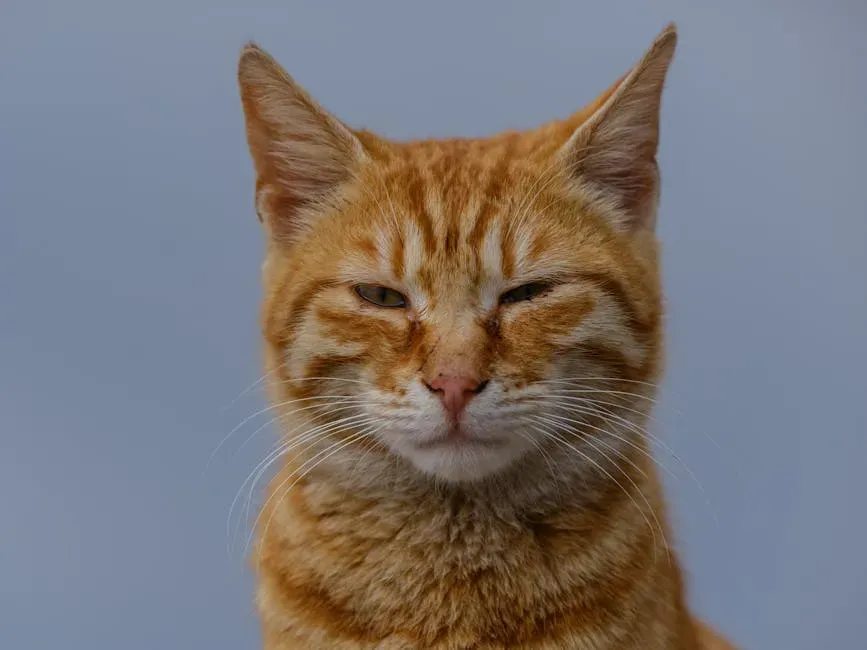
When cats greet another cat or a trusted human, they can perform a slow, languid, long blink to communicate affection and trust. One way to communicate love back to a cat is to get their attention, look them in the eyes, and slowly blink to emulate that same feeling. They may return the gesture.
In a study of 18 cats, several half-blinks followed by a prolonged eye narrowing or eye closure was found to be a positive emotional response. When a familiar human slow-blinks towards a cat, the cat tends to approach that human more frequently than when the human has a neutral expression and avoids eye contact. So if your cat is sending you sleepy, half-closed eyes from across the room, consider blinking back. It’s one of the quietest conversations you’ll ever have.
2. Head Bunting and Cheek Rubbing
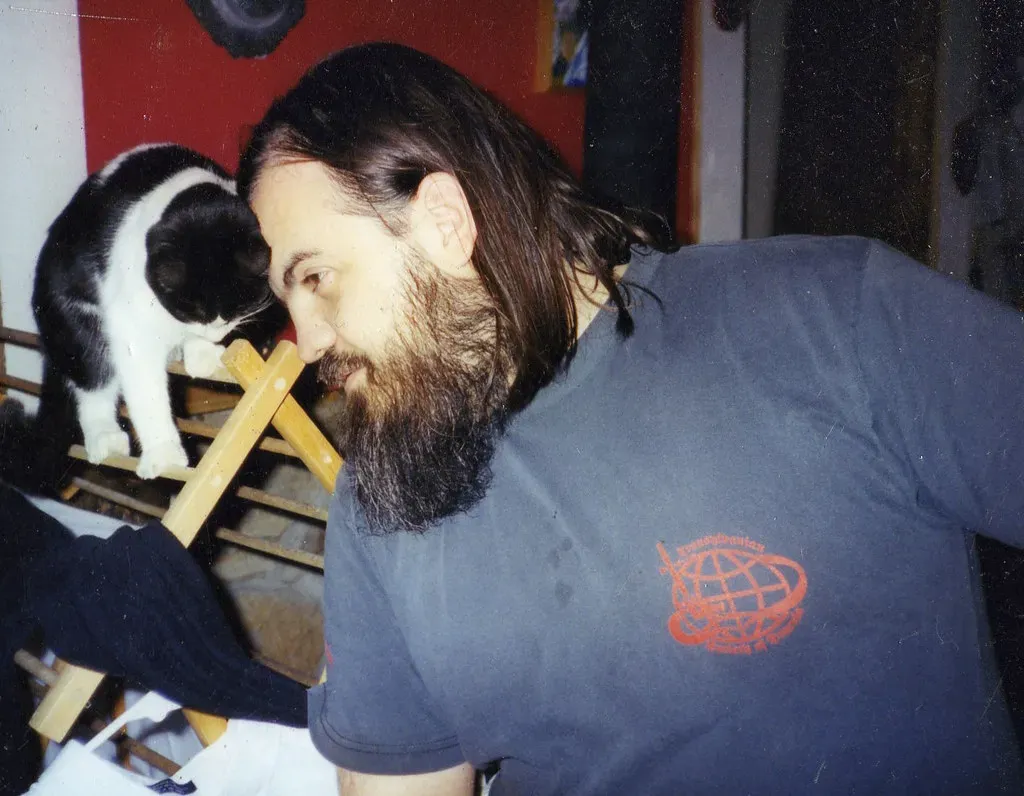
Cats sometimes “head-bump” humans or other cats with the front part of the head, an action referred to as “bunting.” This communication may have an olfactory component, as there are scent glands in this area, and is possibly a way of seeking attention when the cat turns its head down or to the side.
Some cats also rub their faces on humans as a friendly greeting or as an indication of affection. This tactile action is combined with olfactory communication, as the contact leaves scent around the mouth and cheeks. When your cat presses their forehead into your chin or cheek, they’re not just asking for a pet. They’re quietly marking you as someone who belongs to them, which, if you think about it, is a rather sincere form of flattery.
3. The Silent, Open-Mouthed Meow
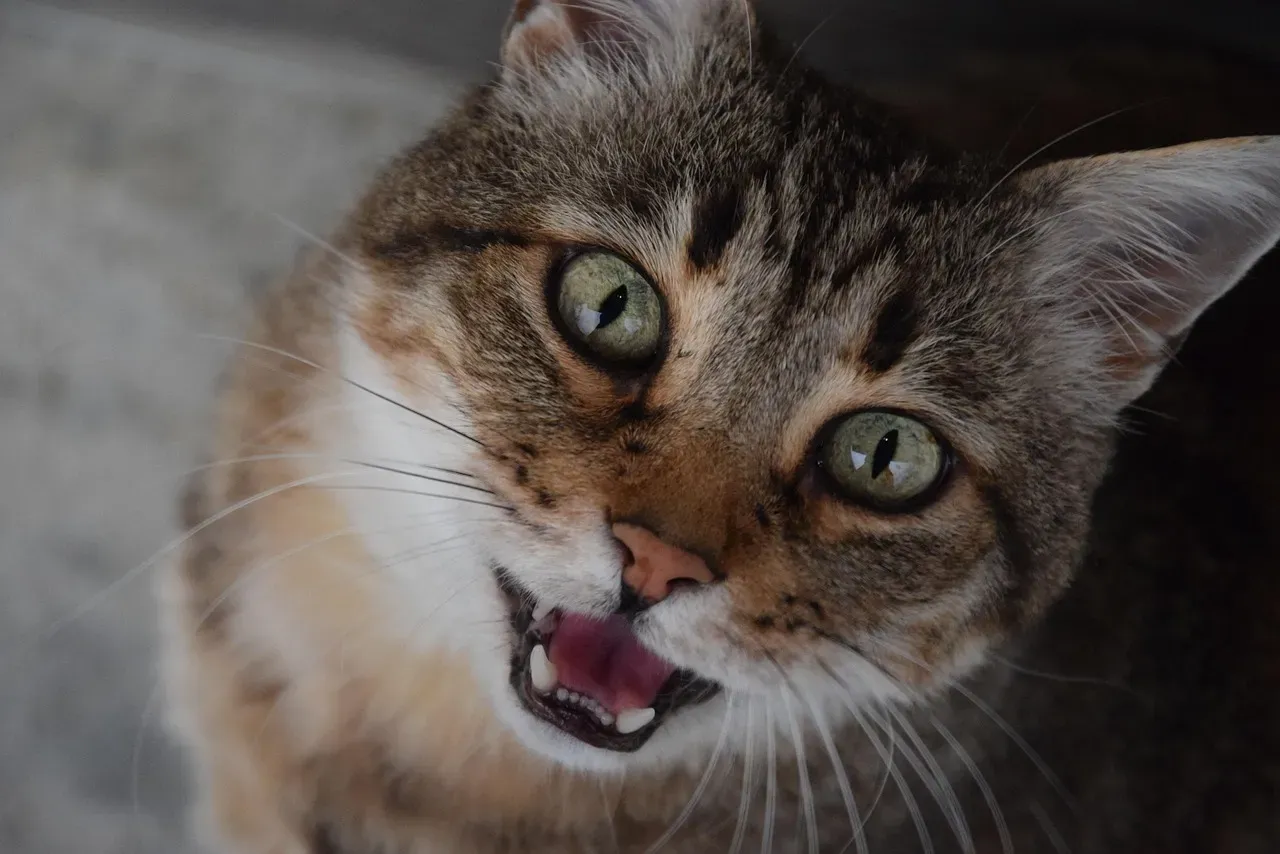
A meow can be assertive, plaintive, friendly, bold, welcoming, attention-soliciting, demanding, or complaining. It can even be silent, where the cat opens its mouth but does not produce any sound. This particular behavior tends to stop people in their tracks, and for good reason.
Silent meowing is a form of non-verbal communication that cats use to express their needs and emotions. Cats may silently meow as a way to communicate with their owners in a more subtle manner, such as when they want attention or food. It’s essentially a cat choosing to speak your language while skipping the volume entirely. If you see that little mouth open and nothing comes out, your cat is talking directly to you.
4. Following You From Room to Room
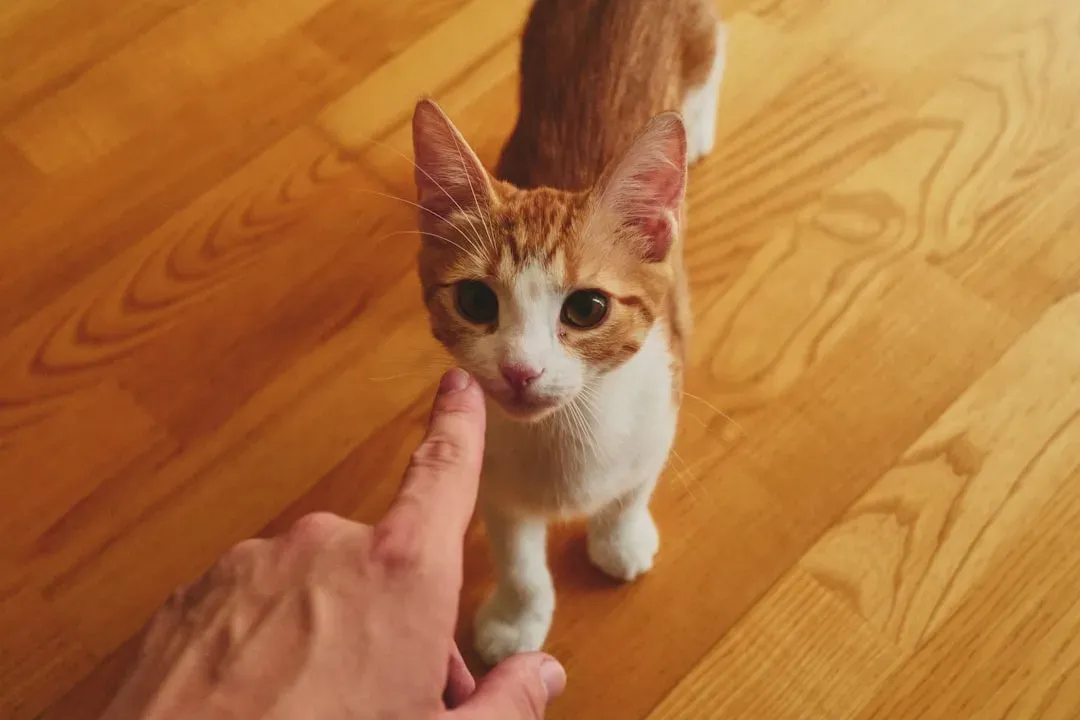
Cats rarely do anything without reason. When your feline friend trails behind you from room to room, it’s not random. It’s deeply rooted in instinct, emotion, and learned behavior, and understanding these motivations reveals the psychology behind their attachment.
These cats may quietly accompany you from room to room, sitting nearby rather than on you. It’s marked by calmness and a lack of distress. Sitting nearby, sleeping in your room, or trailing behind are feline equivalents of saying, “I trust you.” You’re not being stalked. You’re being chosen, quietly and deliberately, as the most important thing in their world.
5. Sitting on Your Belongings
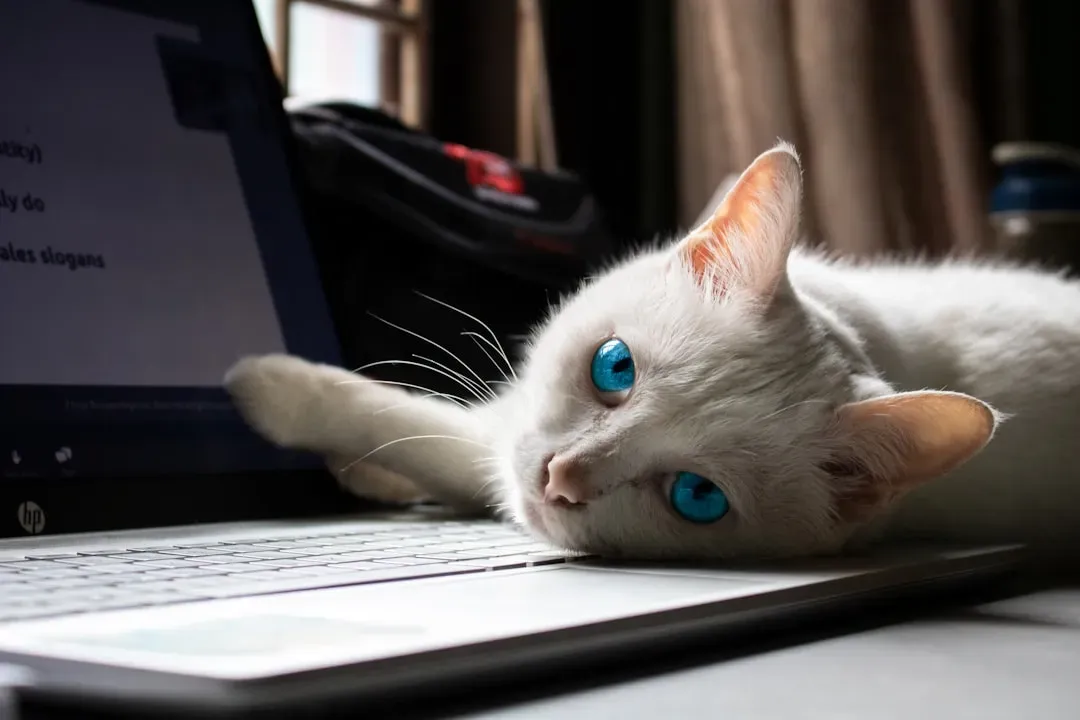
Sometimes cats sit on things you’re using simply out of boredom or a desire for attention. If your cat feels neglected or bored, it may try to get your attention by sitting on your laptop, book, or any other object you’re using. This behavior is a way for them to communicate their need for interaction and playtime.
Cats have a highly developed sense of smell and are comforted by their owner’s scent. Items you frequently use carry your scent, making them attractive resting spots for cats seeking comfort and connection. There’s also a practical message buried in it: if your laptop or book has your full attention, sitting on it is a rather efficient way to redirect that attention toward something more deserving, namely them.
6. Kneading Near You
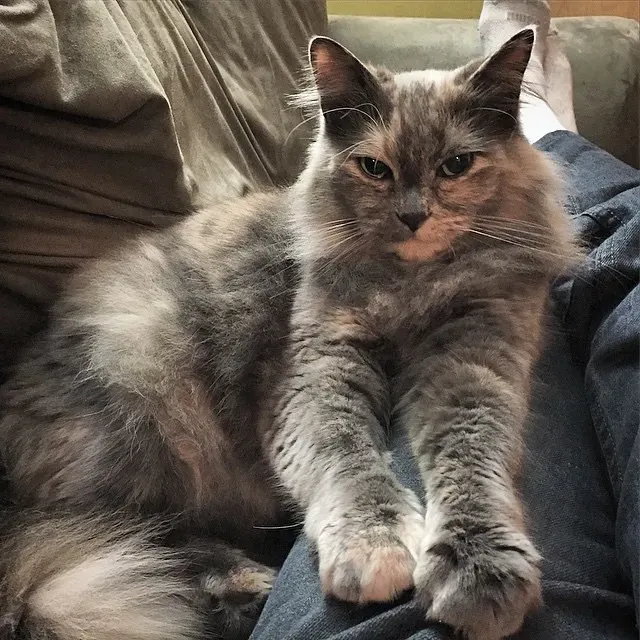
Kneading is sometimes called “making biscuits” because the cat works their paws on a soft surface as if kneading bread dough. It’s a leftover behavior from nursing, when they massaged their mother’s teats to stimulate milk flow. Your cat does this when they’re really happy.
When your cat is spending time cuddling on your lap, you might notice them kneading, another sign of enjoyment because it mimics the feeding behavior of nursing kittens. Cats usually do this when they’re feeling relaxed and nostalgic, remembering when they were kittens nursing from their mother. When they knead you, it’s a sweet sign that they think you’re their special someone. Pay attention to whether the kneading happens close to you or while making direct eye contact. That combination is your cat’s version of reaching out a hand.
7. Presenting Their Belly
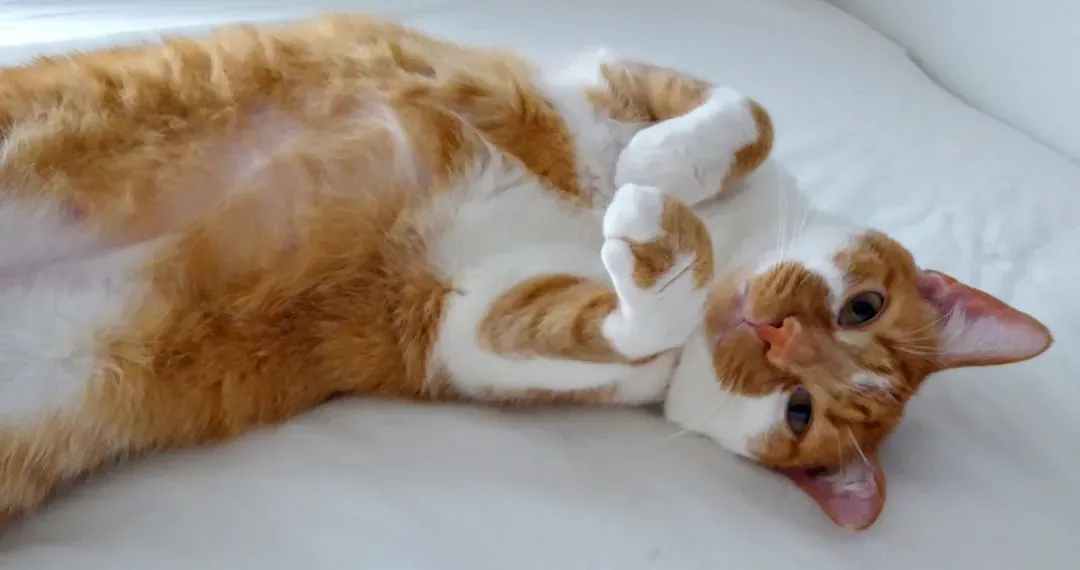
Cats are flexible and like to lounge on their backs with their bellies up. But in most cases, that is not an invitation for belly rubs. Surprising to many new cat owners, this posture actually carries a more nuanced meaning than it first appears.
When your cat rolls over and exposes their stomach in your presence, they’re displaying deep trust. A cat that feels safe and secure will typically lie down in a relaxed, sprawled position. Their body will be loose, with no signs of tension in their muscles. This is the ultimate “I trust you” position. It’s their way of saying they feel safe enough to be vulnerable around you, which, for a creature wired for self-preservation, means quite a lot.
8. The Upright, Quivering Tail
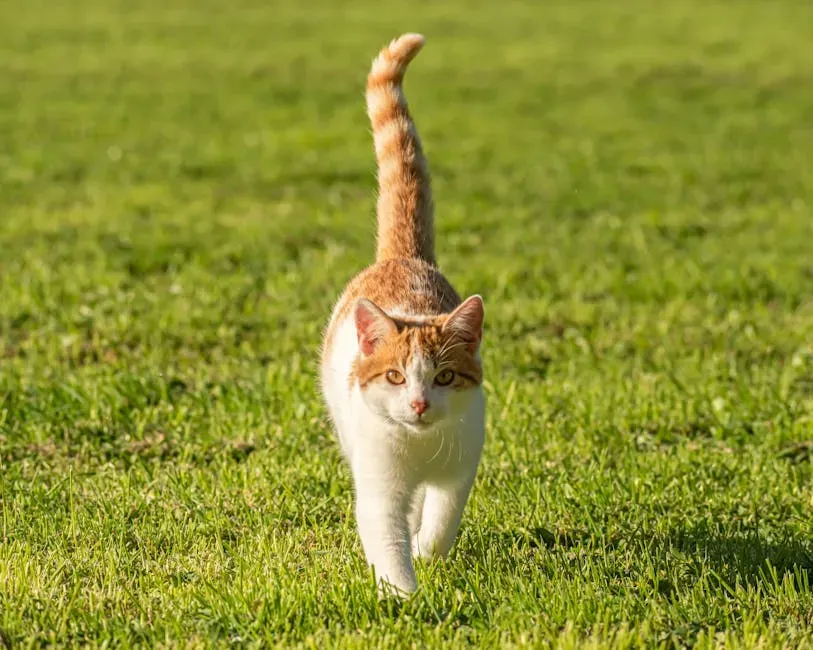
One of the most reliable signs of a confident cat is a tail that’s lifted vertically, high in the air. Most of the time, this tail position indicates that the cat feels comfortable and open to interaction. You’ll often see this when your cat trots toward you across a room.
A tail held high with a slight curl forward is a sign of friendliness. The cat is happy, content, and comfortable. The tail may quiver or vibrate if the cat is excited. That vibrating tail pointed straight up is essentially the feline equivalent of waving hello with genuine enthusiasm. When you see it, your cat is actively seeking your acknowledgment and hoping you’ll pause to greet them back.
9. Gentle Pawing Without Claws
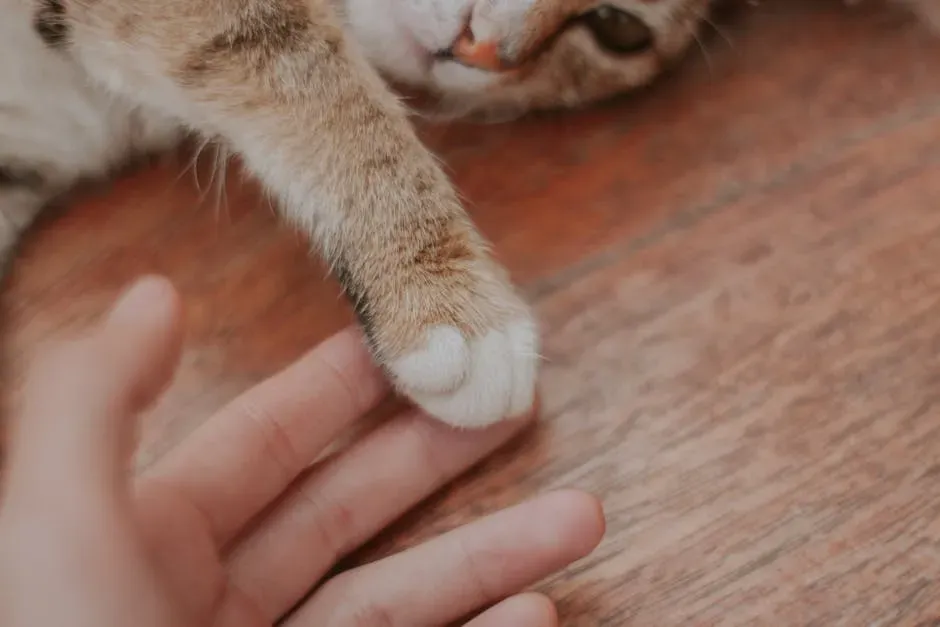
If your cat gently taps you with their paw on your face or limbs, they may be trying to signal that they want you to engage with them. This is a notably restrained gesture. A cat that wants your attention without startling you will almost always use a retracted paw, soft and deliberate, rather than a scratch.
Although every cat has their own personality, they probably exhibit some of the somewhat needy behavior that resonates with all feline lovers, such as lying on their back for a belly rub or gently pawing at your arm. The paw tap is a patient gesture. It’s a cat waiting to see if you noticed before deciding whether to escalate. Respond with a soft touch or a few words, and most of the time, that’s all they needed.
10. Sitting With Their Back Turned to You
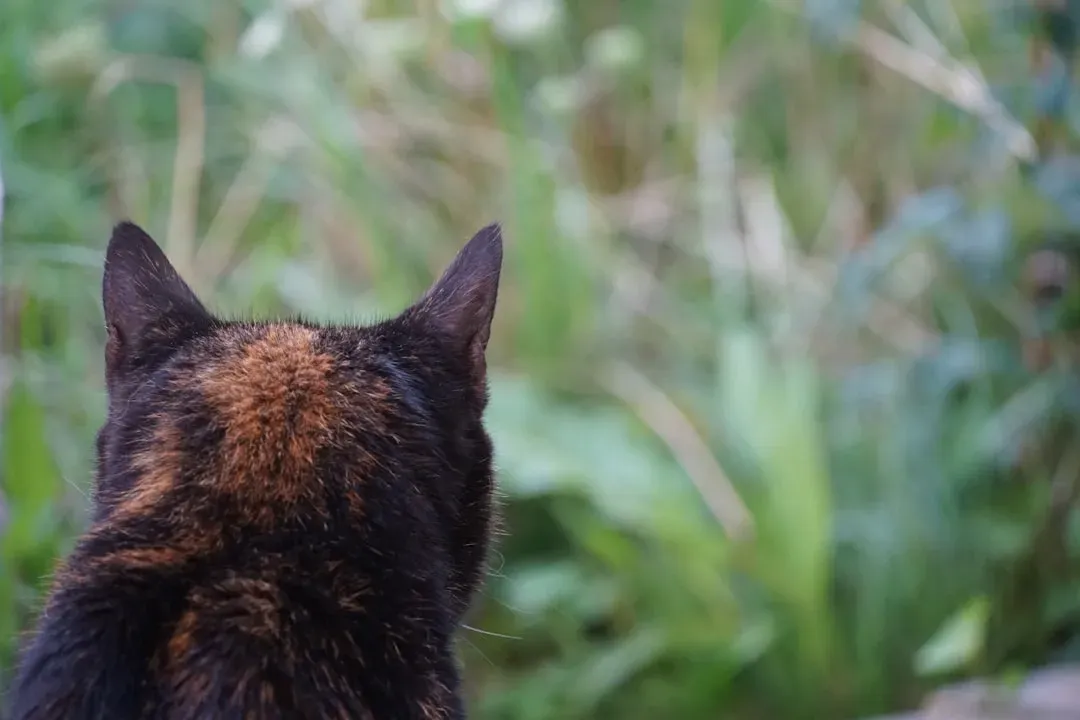
A cat follows you from room to room in silence, no sound. They sit facing away from you, close enough but not demanding. They choose to sit on the floor near your chair instead of your lap. To us, this can look like indifference. Most people misread it entirely.
In feline body language, turning your back on someone is actually a sign of trust, not dismissal. Cats are subtle and complicated in the way they communicate, and taking time to learn their body language can help strengthen the relationship with your cat. Learning the signs that they are happy, or when they just want to be left alone, can be a big help. A cat that sits nearby with its back toward you is choosing to share your space, and that proximity, offered calmly and without demand, is a quiet but sincere request for your company.
11. Staring at You With Soft, Wide Eyes
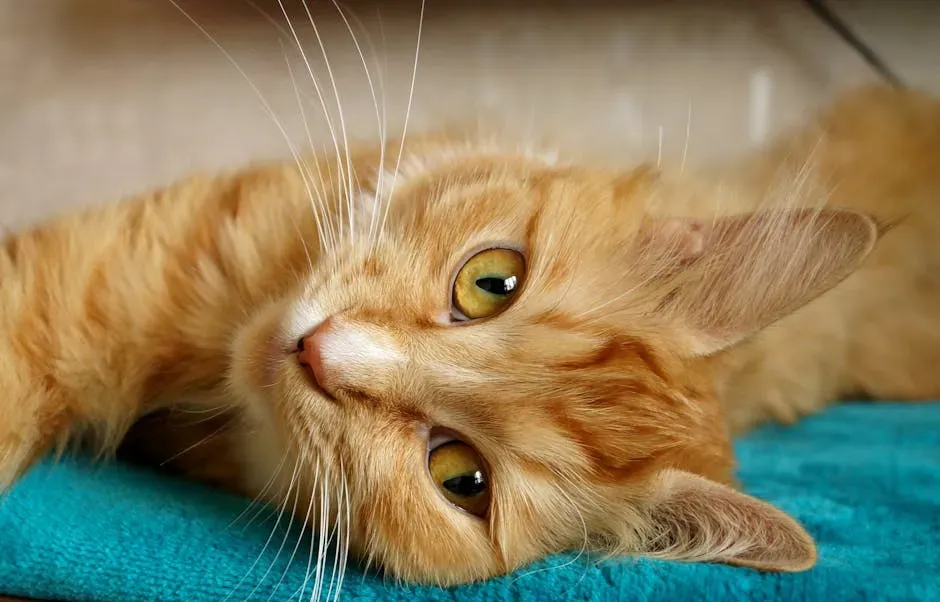
Cats sometimes make eye contact with humans as a care-seeking behavior. If it’s dinner time, they may stare at you to get your attention. Context matters here, of course. A direct stare from a cat can seem intimidating if their eyes are narrow and their body is tense. But when your cat looks at you with wide, soft eyes, it’s a gentle invitation for interaction. This expression is vulnerable and open, showing that they trust you and want to connect.
Sometimes you’ll notice this look when you’re busy or distracted, your cat patiently waiting for you to notice their silent request. Meeting their gaze and offering a smile or a gentle word is often all it takes to answer their subtle call. Sometimes all your cat needs to do is look up at you with big, adorable eyes to command your attention. It’s a remarkably effective strategy, and it doesn’t require a single sound.
Conclusion
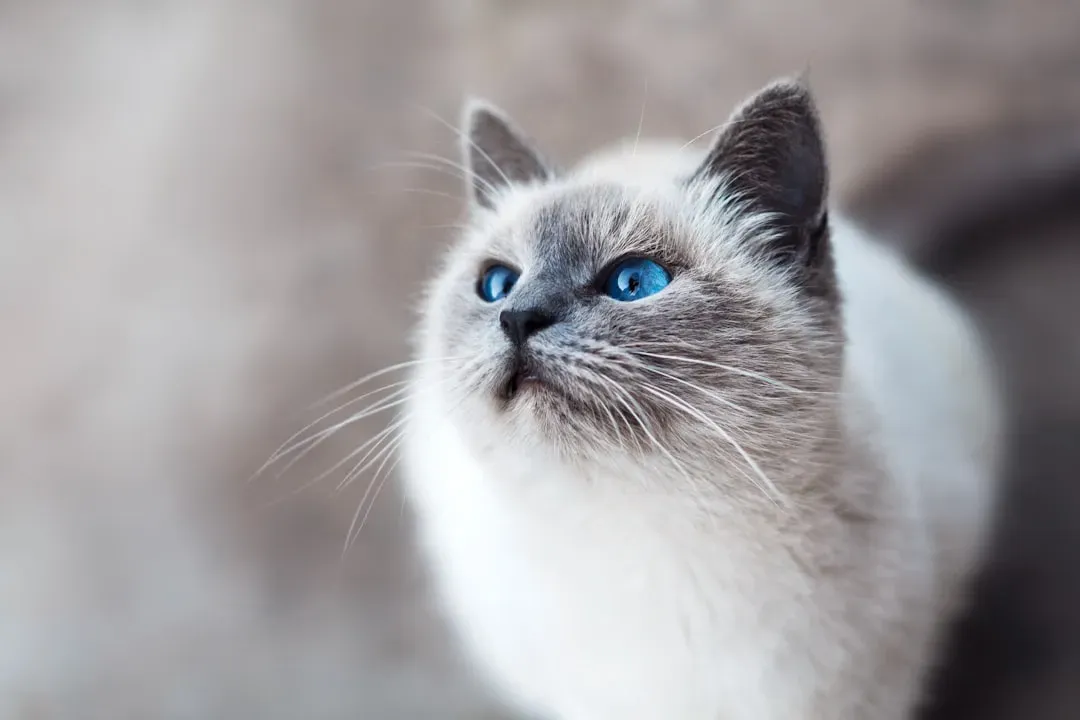
Cats have developed a remarkably sophisticated vocabulary of silent signals, and once you know what you’re looking for, you start noticing them everywhere. Understanding a cat’s body language is essential for understanding their emotions and needs, which will make you a better cat parent and advocate for your cat’s well-being.
Giving attention to a cat doesn’t always mean you have to play with them. Sometimes it’s returning a slow blink, speaking softly, or simply sitting together without distraction. To a cat, recognition can be as meaningful as touch. The quieter you become around your cat, the more you’ll realize just how much they’ve been saying all along.
Kristina is a young writer from India. An arts graduate and an avid content creator, Kristina is passionate about animals and wildlife. She enjoys exploring topics related to pet care, animal behavior, conservation, and nature, combining thorough research with engaging storytelling.