You’ve lived with your cat for years. You know when they’re hungry, when they want attention, and when they’d rather be left alone. Yet, despite decades of research and countless hours of observation, there are still feline behaviors that leave even the most experienced experts scratching their heads. There’s still so much we don’t know about cats and their behaviors. Right now, scientists are working to recruit 100,000 participating cats by June of 2026 for a massive genetic and behavioral study, hoping to finally crack some of these mysteries.
Let’s be real, cats are weirdly complex creatures. They live in our homes, sleep on our beds, yet in many ways remain as mysterious as they were thousands of years ago. Some behaviors seem to make perfect sense until you look closer and realize nobody really knows why they happen. So let’s dive in.
The Midnight Zoomies That Come Out of Nowhere
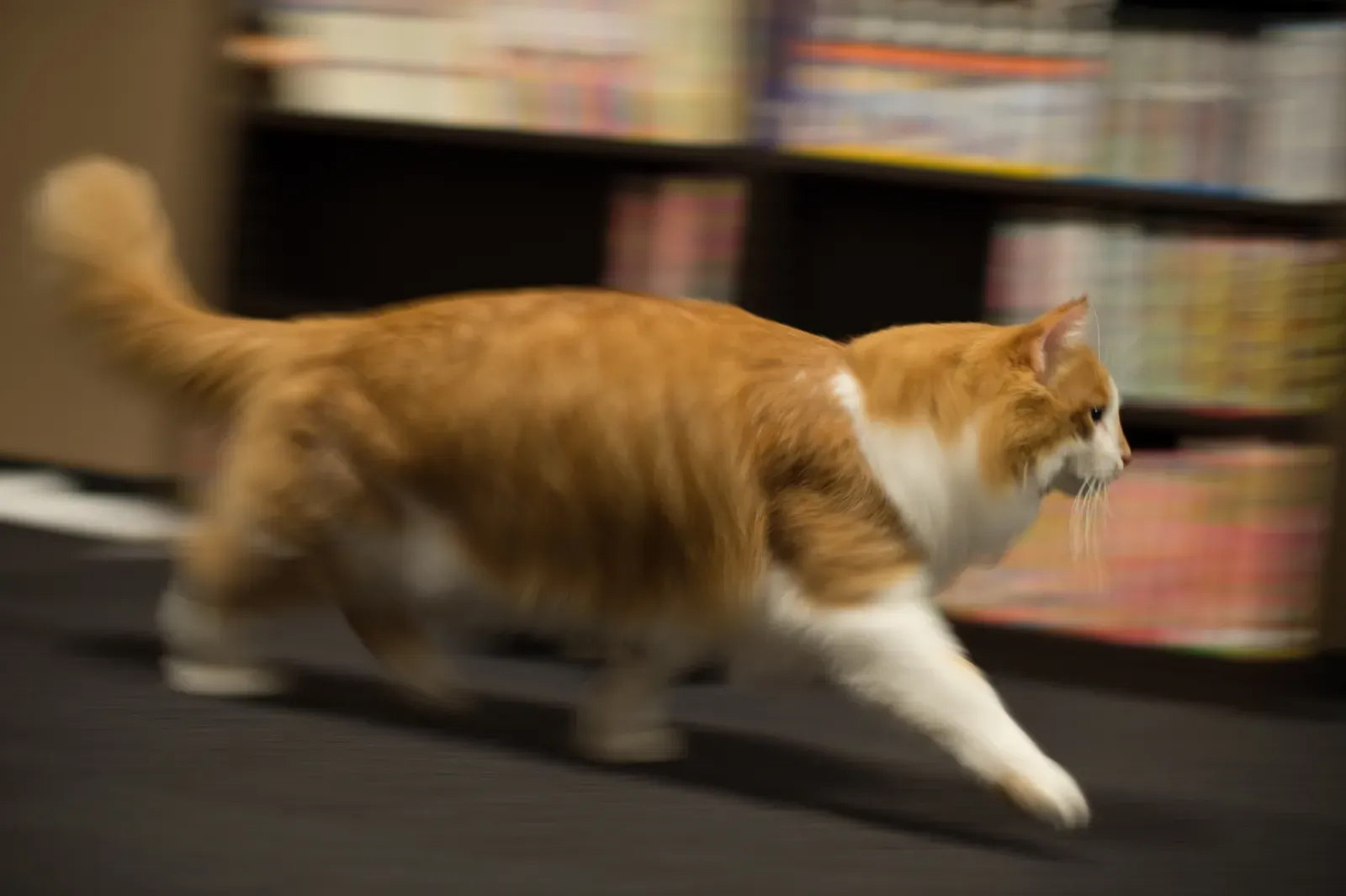
You’re watching TV at night, your cat appears perfectly calm, and then suddenly they’re sprinting through your house like something’s chasing them. This behavior doesn’t seem connected to hunting practice or excess energy in the way you might expect.
Cats come from an ancestor that was solitary, and they haven’t evolved a social behavior as complex as dogs’ social behavior. This might explain some odd behaviors, though the random bursts of speed remain largely unexplained. Experts have theories about pent-up energy or instinctual drives, yet your senior cat who naps most of the day will still tear around the house at 3 a.m. for no apparent reason.
That Strange Chattering Sound at Birds
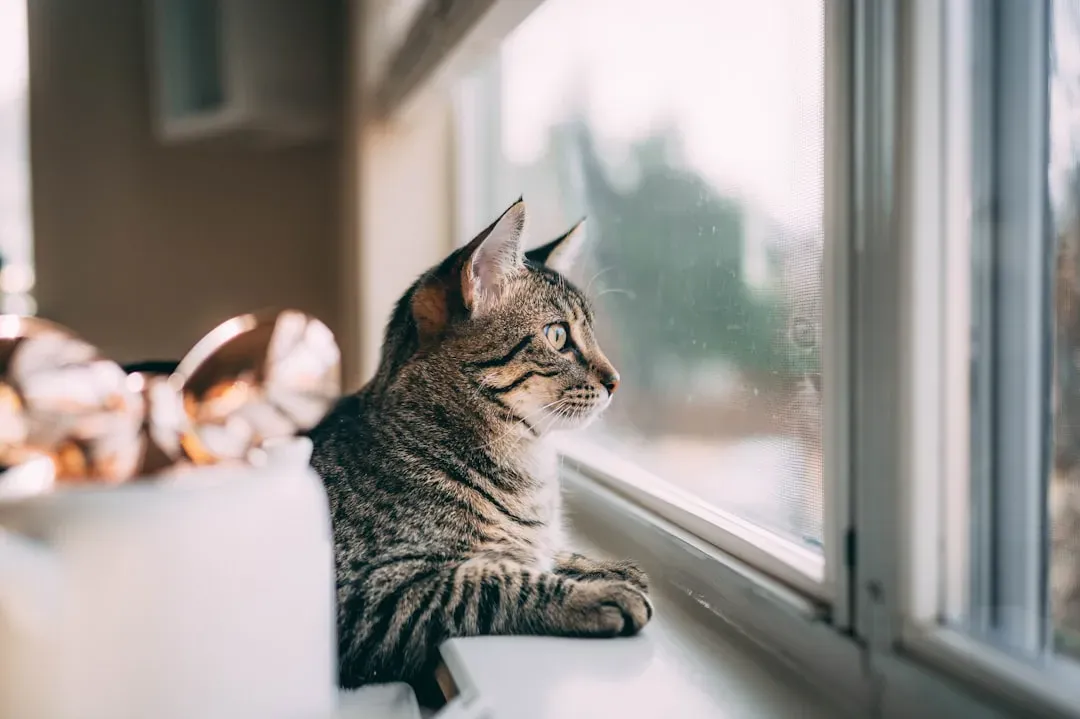
When your cat sits by the window watching birds, you might notice them making a bizarre chattering or chirping noise. Their jaw quivers, and the sound is unlike their usual meow or purr. Chirping is part of their hunting instinct and it means that they are interested in some kind of prey, though it’s actually more of an excited sound and not used if they were actually hunting.
Some behaviorists believe that the chirping and chattering is actually based out of frustration that they cannot get to the prey, while one researcher also put forth that chattering could be more of an anticipation reaction in response to a surge in adrenalin. The thing is, nobody has definitively proven which explanation is correct. Your cat could be frustrated, excited, practicing a killing bite, or experiencing something else entirely.
Why They Lick Plastic Bags and Electrical Cords
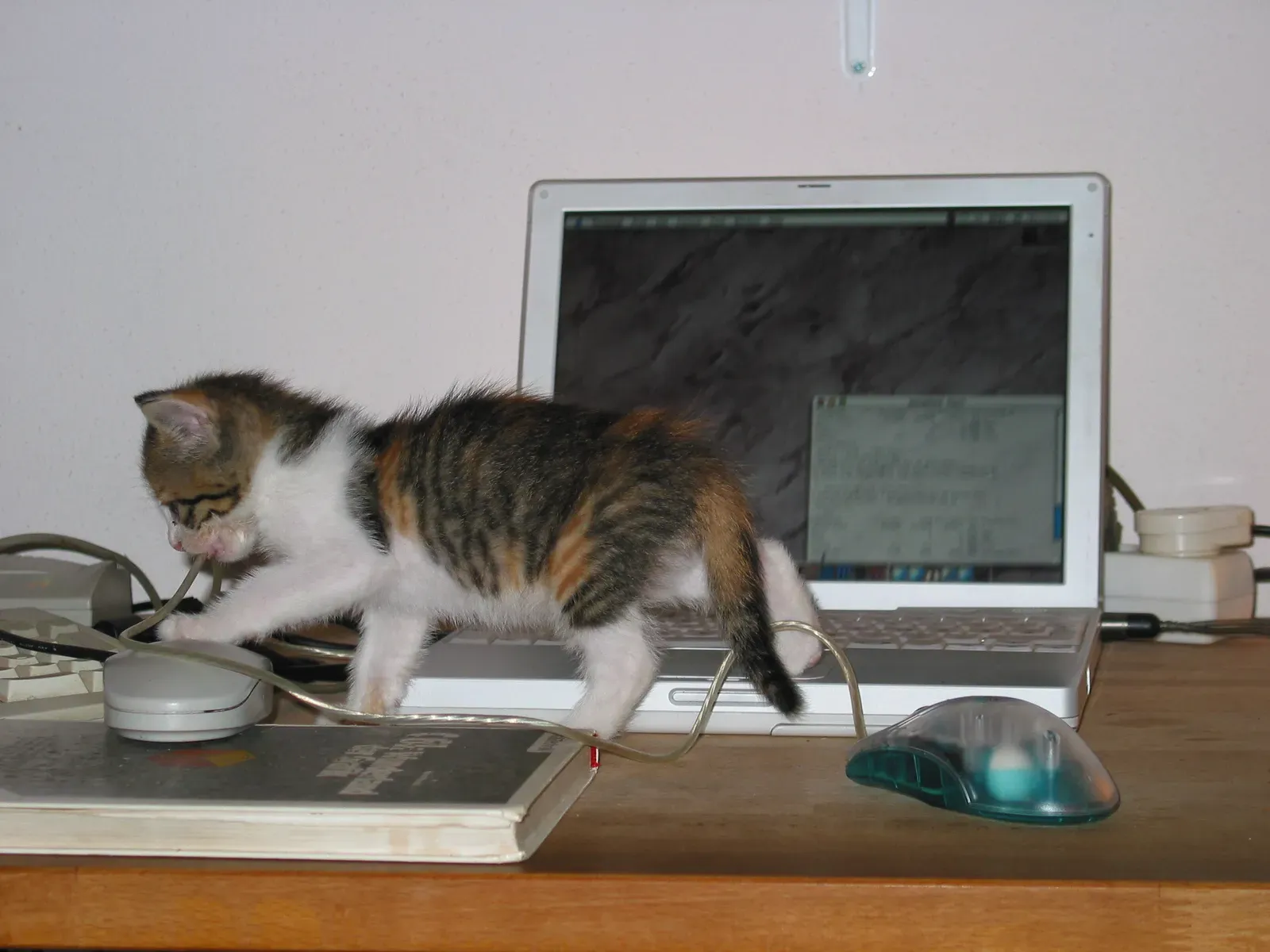
This one really puzzles veterinarians. Cats lick and chew plastic bags, power cords and other nonfood items, and veterinarians have noted an unhealthy taste for plastics in some cats but have never convincingly explained it. Some cats become obsessed with licking shopping bags, shower curtains, or even your plastic phone case.
Theories range from nutritional deficiencies to texture preferences to stress-related behaviors. Some experts suggest it might be related to the smell of animal fats used in plastic manufacturing. Others think certain cats just like the sensation. The truth? We honestly don’t know why your cat finds that grocery bag more appealing than their expensive toys.
The Catnip Response Nobody Fully Understands
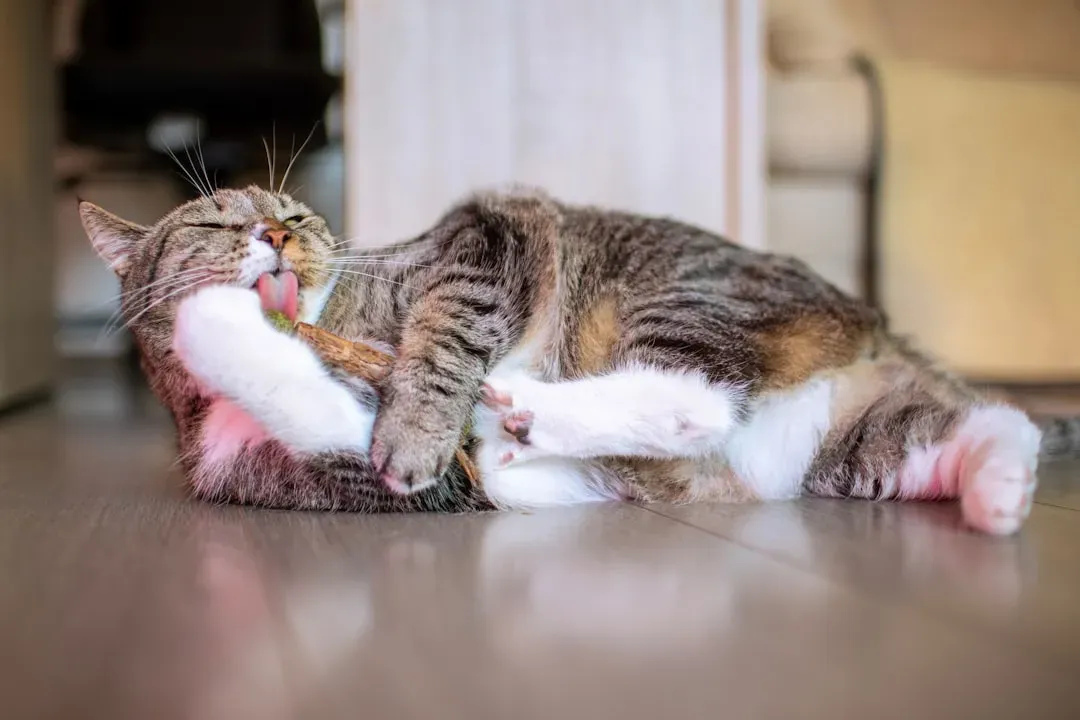
The catnip response consists of seemingly random segments of play (pouncing, clutching with the claws), socializing (cheek rubbing) and female sexual behavior (rolling onto the back), and many cat species have this reaction including lion, tiger, leopard and lynx. Around two thirds of cats carry the gene that makes them respond to catnip, while the others ignore it completely.
Here’s what’s weird: There is no evidence to suggest that cats that ignore catnip are deficient where play, socializing and sex are concerned. The catnip response may simply be an evolutionary accident. Why would evolution preserve a gene that makes cats act completely bonkers around one specific plant? Scientists are still working that one out.
Kneading With Their Paws on Everything
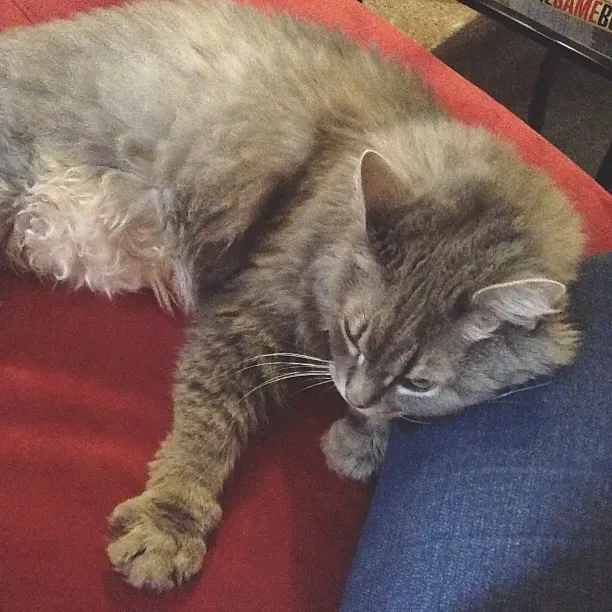
You know this one. Your cat climbs onto your lap and starts pushing their paws in and out against you, often purring loudly. Scientists who study cat behavior call this distinctive paw action “kneading” and believe it to be a sign of a relaxed cat. Kittens start kneading soon after they are born, kneading on the mother’s abdomen as a way of telling her they are hungry and ready for her milk.
But adult cats keep doing it on blankets, furniture, and their favorite humans. Behavior experts have proposed several reasons for why domestic cats “make biscuits,” though some of these are just theories because cats don’t get the funding for studies like dogs do. Is it pure comfort? Territorial marking through scent glands in their paws? Honestly, the complete picture remains unclear.
Headbutting You Right in the Face

Headbutting is typically a way for cats to mark you with pheromones and bond with you, though sometimes headbutting can be a way for cats to seek attention. Cats have scent glands around their face, and when they rub against you, they’re depositing their scent. That much we know.
When a cat rubs their head and face against an object, they release pheromones, chemical messages that broadcast essential information to other cats, sending signals about territory, emotion, and social interaction. What’s less clear is why the intensity and frequency varies so dramatically between individual cats. Some cats headbutt obsessively, while others never do it at all, and both can be equally bonded to their owners.
The Mystery Behind Their Purring Mechanism
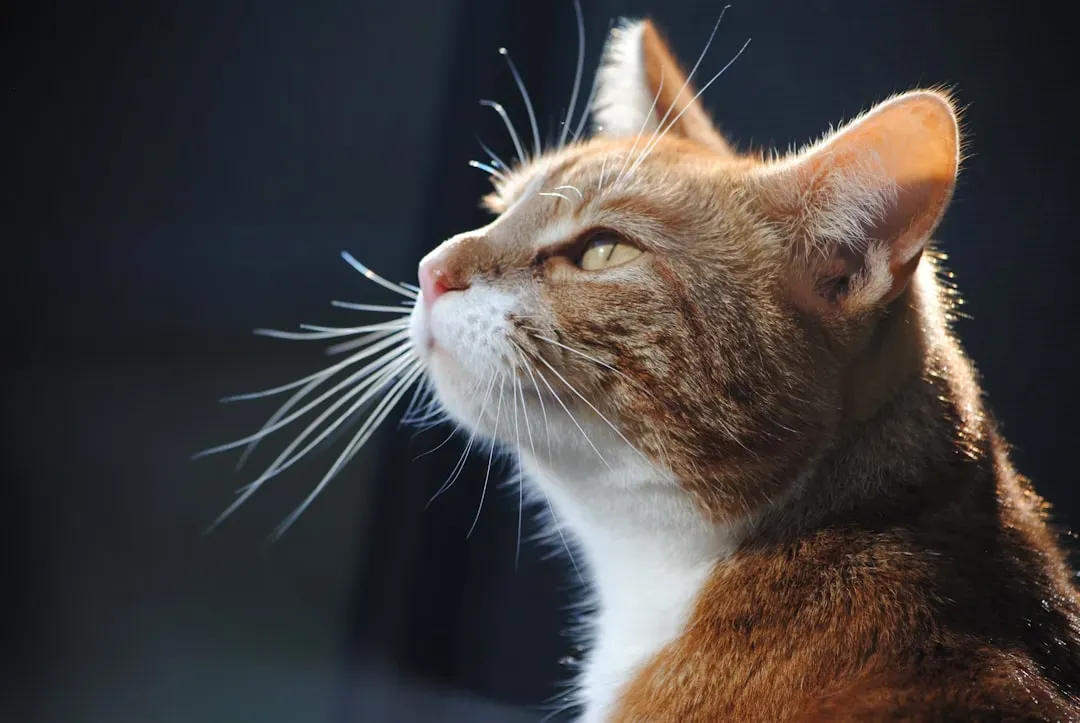
How the central nervous system generates and controls those contractions isn’t yet understood! Think about that for a second. We know purring involves rapid muscle movements in the larynx, around 20 to 30 times per second, creating vibrations as air passes through. We know cats purr when content, but also when stressed, injured, or dying.
Scientists believe that purring could serve to comfort cats, both physically and emotionally, and purring has also been shown to boost bone growth and healing thanks to its vibratory properties. Yet the exact neurological mechanism that controls this remains a genuine scientific puzzle. It’s fascinating that such a common behavior is still not completely understood.
Opening Their Mouth and Just Staring
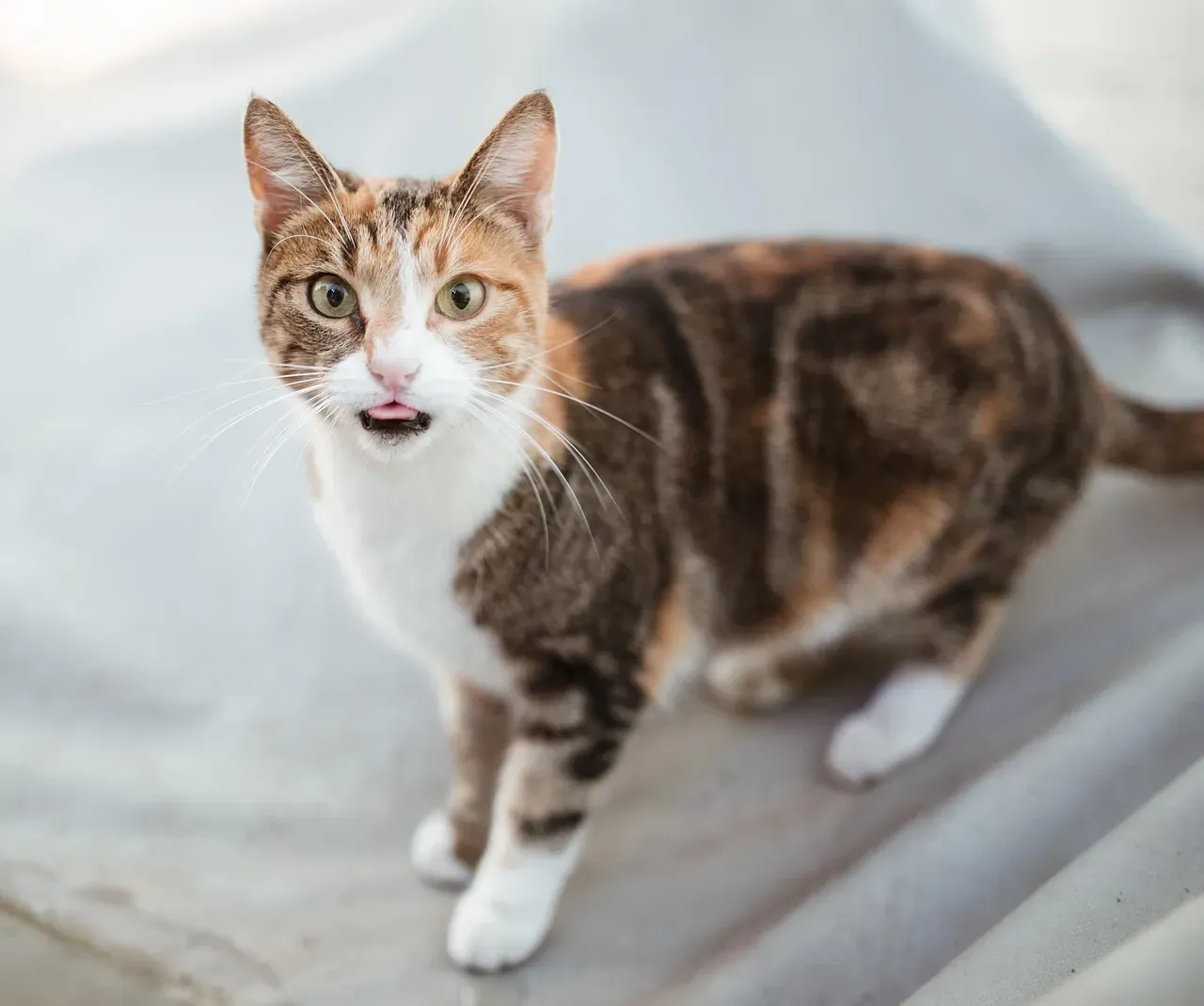
You might catch your cat sitting with their mouth slightly open, appearing to be in some kind of trance. They indulge in an instinctual behavior known as the Flehmen response, an exaggerated inhalation through the open mouth that enables them to analyze smells better, which cats use to detect if food or danger lies ahead. This behavior helps transfer scent molecules to a special organ in the roof of their mouth.
Still, the behavior looks bizarre and not all cats do it with the same frequency. Some cats use the Flehmen response constantly, while others rarely display it. Scientists understand the mechanism but not necessarily why individual variation is so high or what specifically triggers it in domestic settings.
Tail Twitching That Means Everything and Nothing
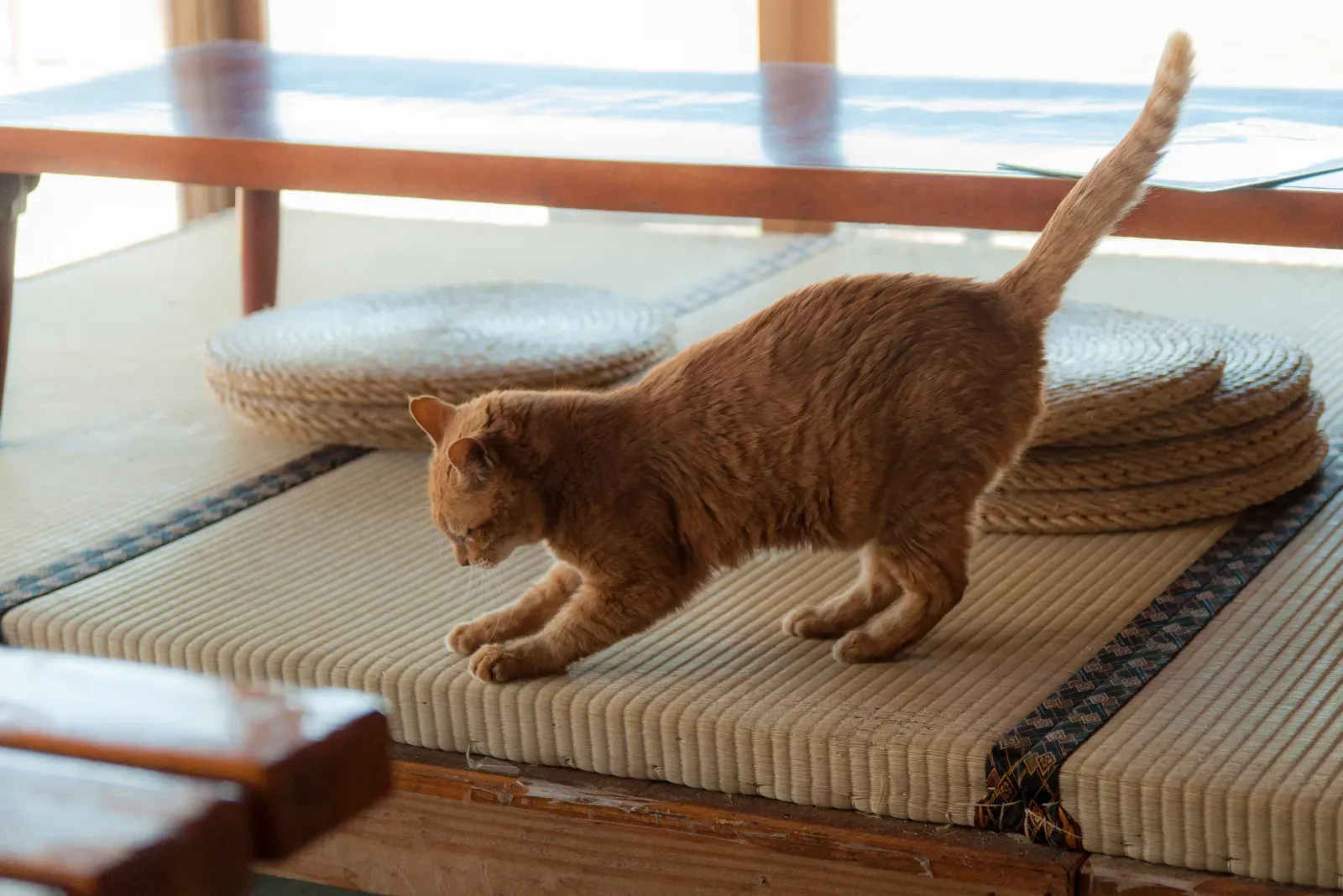
Cat tail twitching is a genuine mystery that can leave many owners puzzled, and it’s best to think of the tail twitch as a mini-sub communication, similar to body language. When cats slow-twitch their tails, it may indicate various emotions including pleasure or playfulness, implying that your cat is actively engaging in something like scanning her environment or trying to concentrate, and twitching also suggests excitement or alertness among cats.
The problem? Context matters hugely, and the same tail movement can mean opposite things depending on the situation. Experts can offer general guidelines, but tail language remains one of the trickiest behaviors to interpret accurately.
Why Some Cats Are Obsessed With Specific Textures
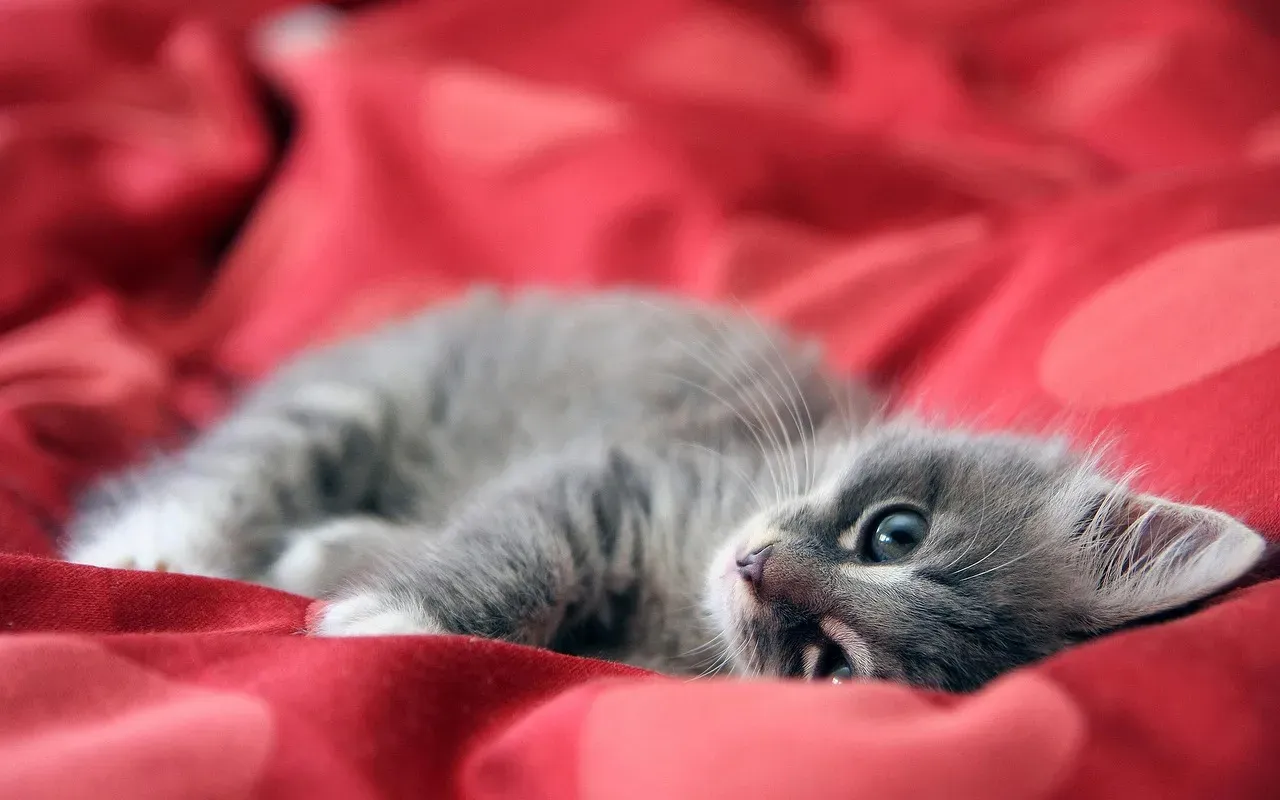
Some cats develop intense fixations on particular textures or materials. Maybe yours obsessively licks fleece blankets, or attacks anything made of wool, or only sleeps on one specific type of fabric. These preferences go beyond simple comfort seeking.
Although we have learned much about domestic cats and their relationships with people, there are still many unanswered questions of interest to scientists and the lay public. Texture obsessions might be related to early kittenhood experiences, genetic predispositions, or something else entirely. Research into feline sensory preferences is still developing.
The Lack of Social Complexity We Still Don’t Grasp
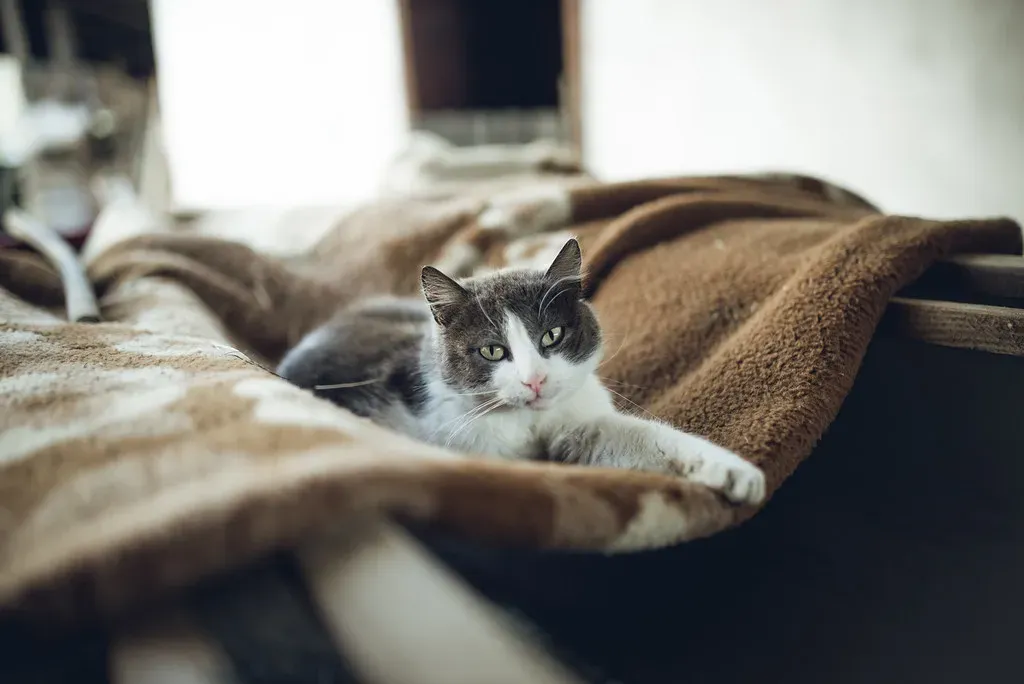
It’s harder for people to understand cats’ social behavior since it’s mostly based on distance and nonprolonged contact, which is why when you put cats in a small environment like an urban apartment, especially with other cats, you may run into problems. Cats can live together harmoniously or despise each other, and predicting which outcome will occur remains challenging.
Much of what we see with cat-to-cat social behavior is derived from kitten behavior, and in the wild, cats don’t form colonies in the same way that domestic cats do, so they’ve taught themselves a way of coexisting with each other. Their social structure is something they essentially invented through domestication, making it particularly hard to decode. Even experts frequently get surprised by how cats interact with each other.
Conclusion
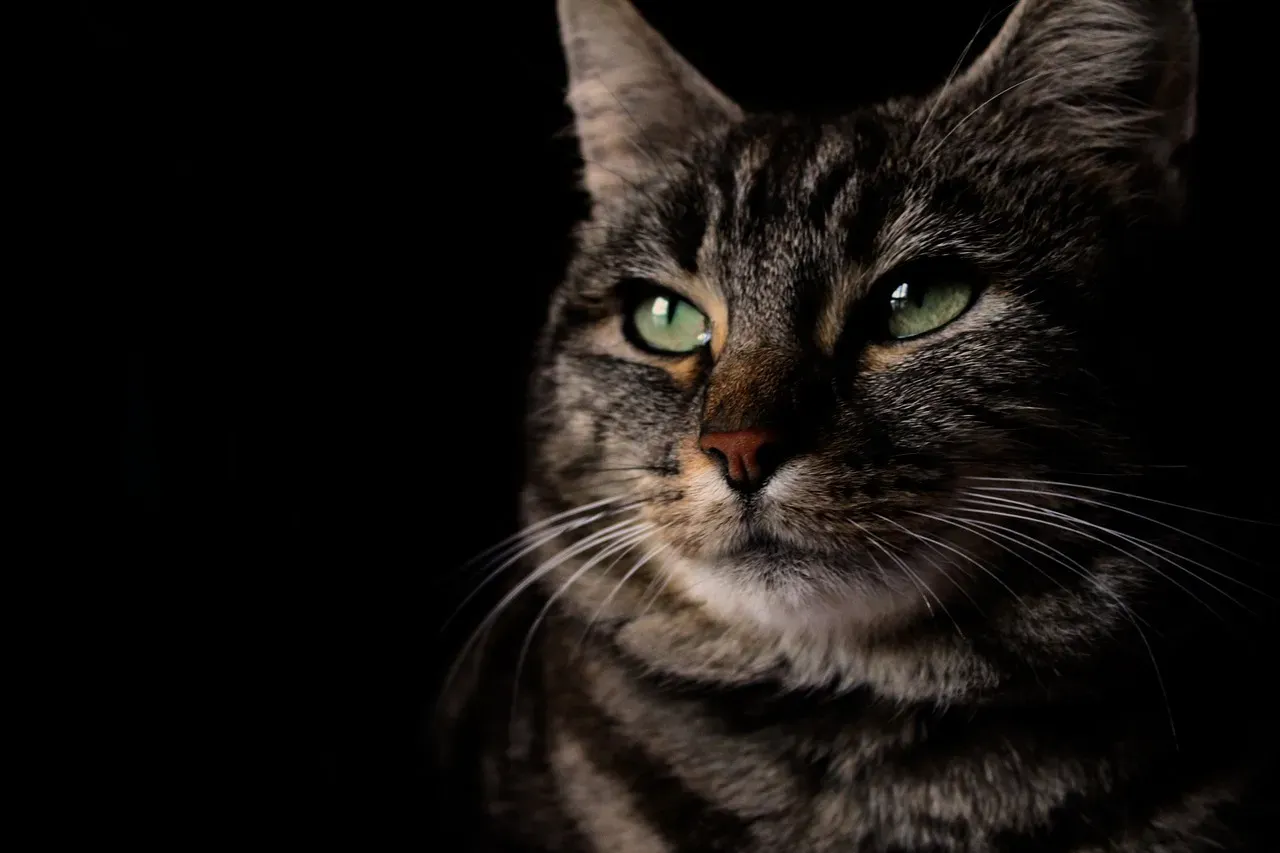
Despite thousands of years living alongside humans, cats remain beautifully enigmatic. People really do need help understanding their cats’ behavior, and they don’t know where to go or who to ask about these problems. That’s partly because research funding has historically favored dogs, leaving many feline mysteries unsolved.
The good news is that scientists are finally giving cats the attention they deserve. Major research projects are underway, genetics are being mapped, and behavioral databases are growing. Maybe in another decade, we’ll have solid answers to these puzzles. Until then, your cat will continue doing inexplicable things, and honestly, that’s part of their charm. What behavior does your cat do that you’ve never quite figured out? Let us know in the comments.