You’ve probably heard the old stereotype that cats are aloof loners who barely tolerate human existence, right? It’s the kind of lazy thinking that drives me a little crazy, honestly. Because here’s the thing: cats are as diverse in personality as humans are. Some breeds absolutely thrive in chaotic households bursting with energy and noise, while others would rather live in a monastery of silence. The trick isn’t whether cats belong with families – it’s about matching the right temperament to your household’s vibe.
Think you know which felines make the best playmates for your kids? Some of the answers might surprise you. Let’s dive in.
Ragdoll: The Floppy Friend Who Lives for Cuddles
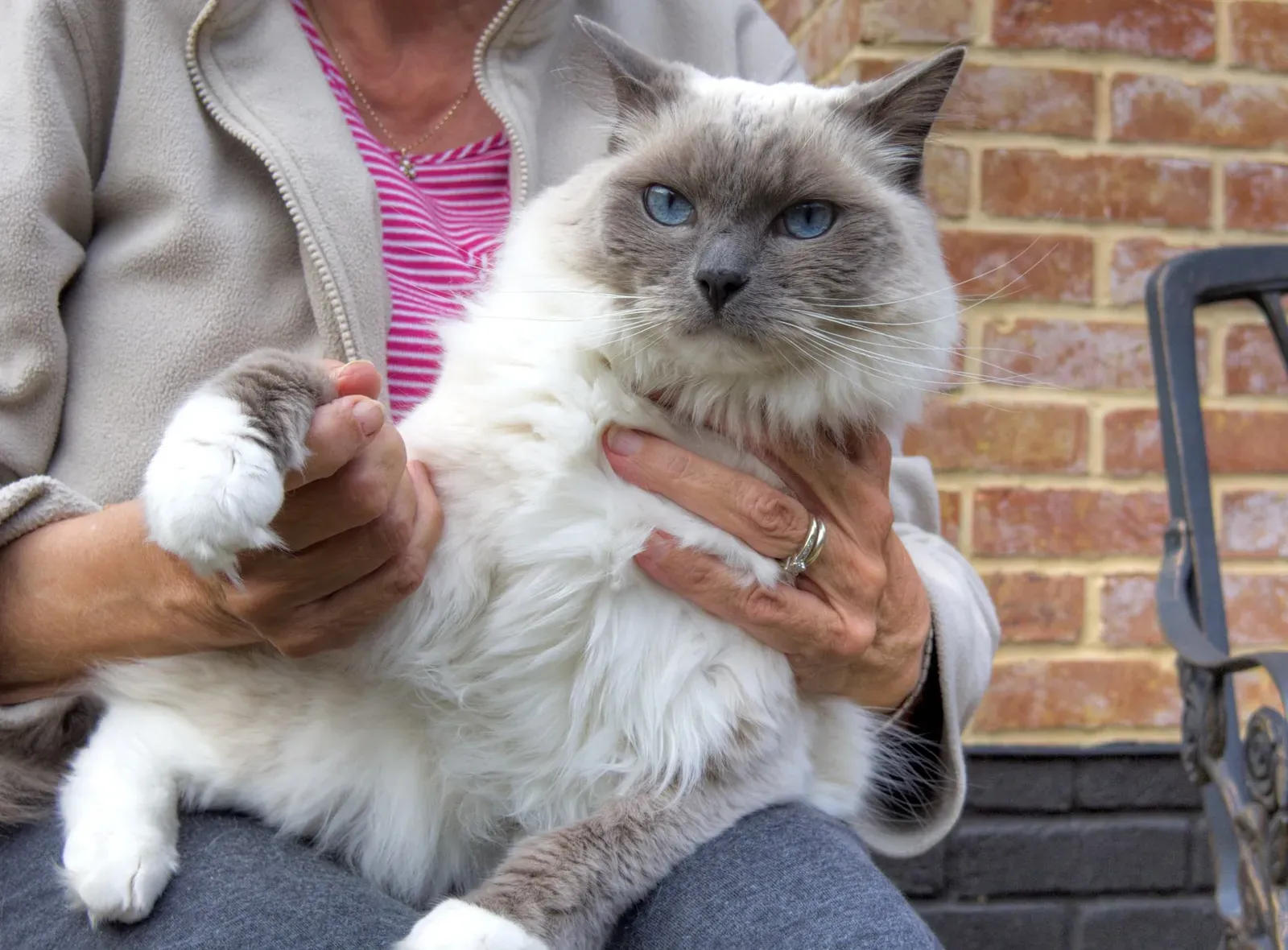
Named after their habit of going limp when picked up, Ragdolls are as docile as their name suggests and remarkably child-friendly. These gentle giants with piercing blue eyes basically invented the phrase “go with the flow.” If your kids want a cat they can carry around like a furry baby doll, Ragdolls won’t complain – they’ll probably purr.
Their sweet temperaments make them naturally suited to families with little kids, and they get along nicely with other family pets. Honestly, I’ve rarely seen a more patient breed. They’re built sturdy too, which helps when toddlers haven’t quite mastered “gentle touch.”
Maine Coon: The Gentle Giant With Kitten Energy
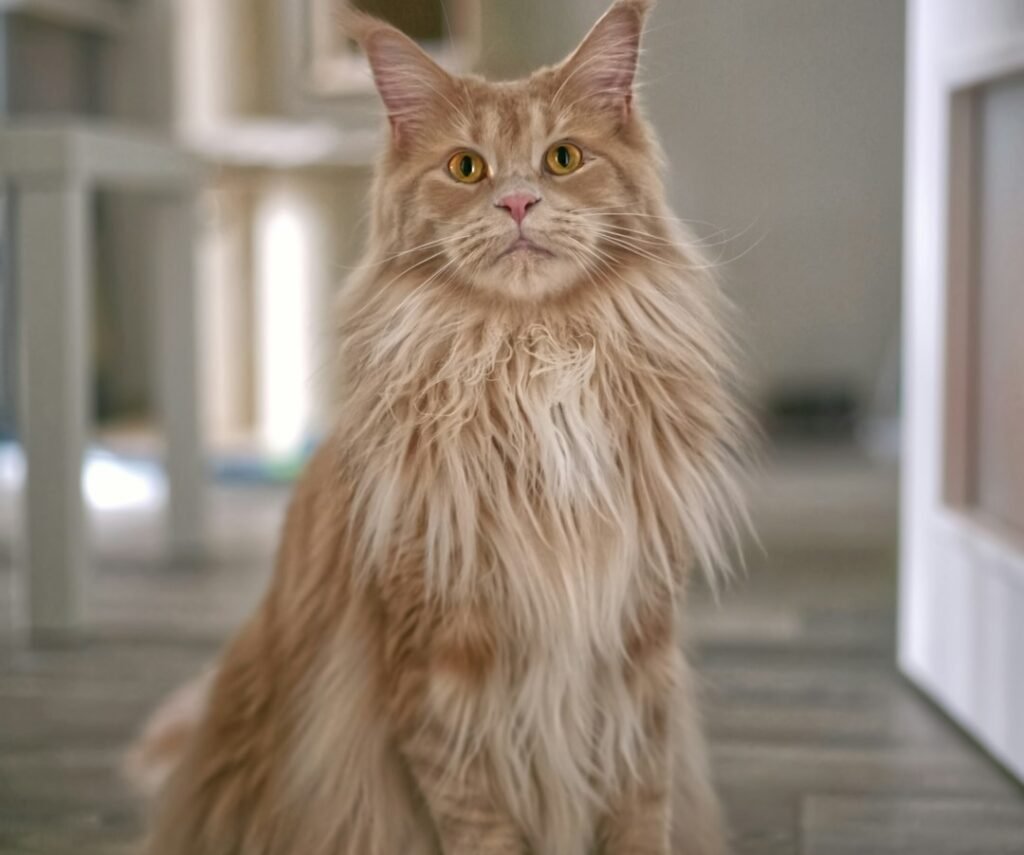
Weighing up to twenty pounds, Maine Coons are beloved for their playful, kitten-like personalities no matter their age, with sturdy appearances and independent yet loving attitudes. These magnificent fluffballs are like the golden retrievers of the cat world. They’re sociable without being needy, which is perfect when you’re juggling homework, dinner, and meltdowns.
Because they’re friendly toward everyone, Maine Coons make excellent additions to families and are even popular as therapy cats. Your kids might even be able to teach them fetch – yeah, seriously. They’re that dog-like in their enthusiasm for play and adventure.
Birman: The Mystical Companion With Endless Patience
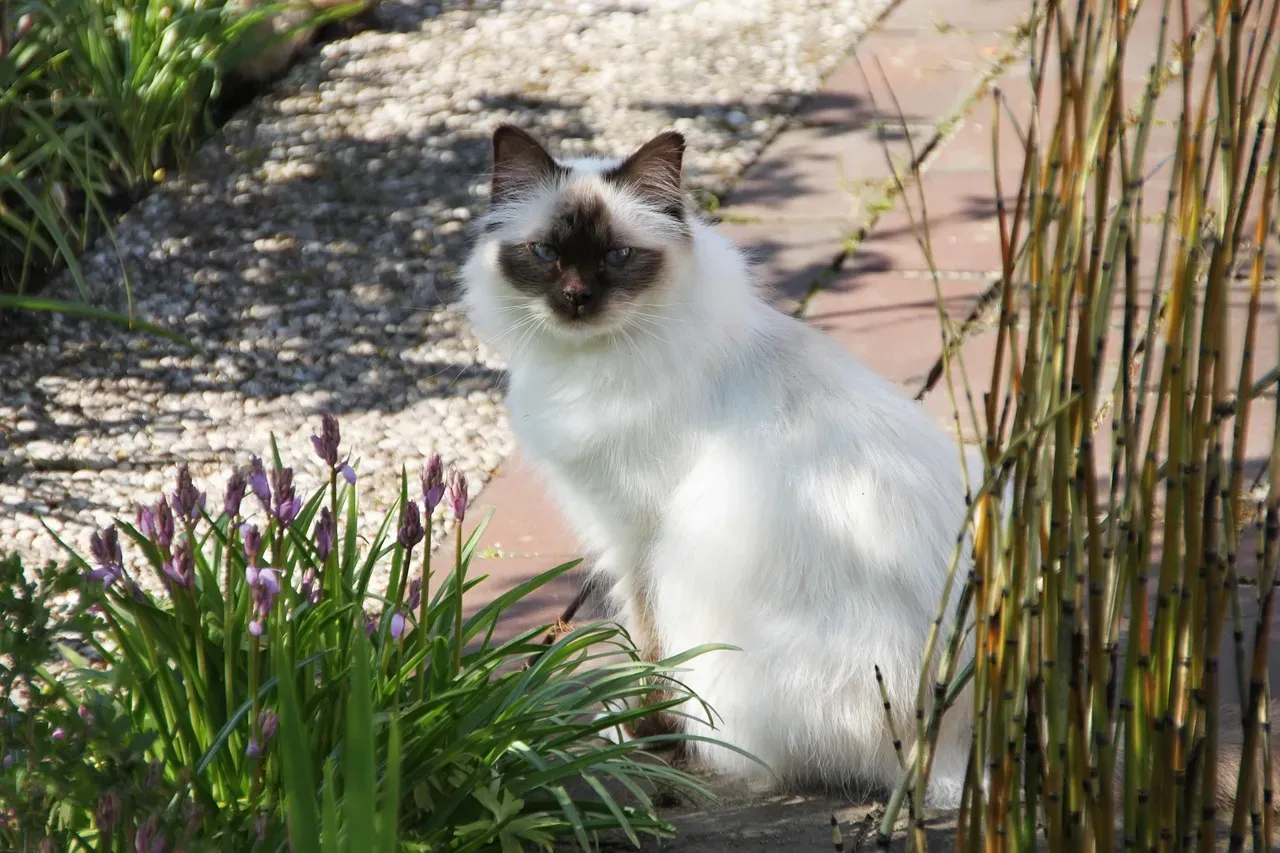
Birmans are easy-going and patient, quickly forming bonds with humans and other animals, making them an excellent choice for families with children and other pets. Their striking blue eyes and white-gloved paws give them an almost ethereal appearance, like they’ve just stepped out of an ancient temple – which, legend has it, they kind of did.
These cats are social butterflies who love being part of the action. They’re likely to follow family members around the house, playing and even helping with chores – anything to be part of the action. They’re quiet too, which parents appreciate when the baby finally falls asleep.
Burmese: The Playful Shadow Who Never Leaves Your Side
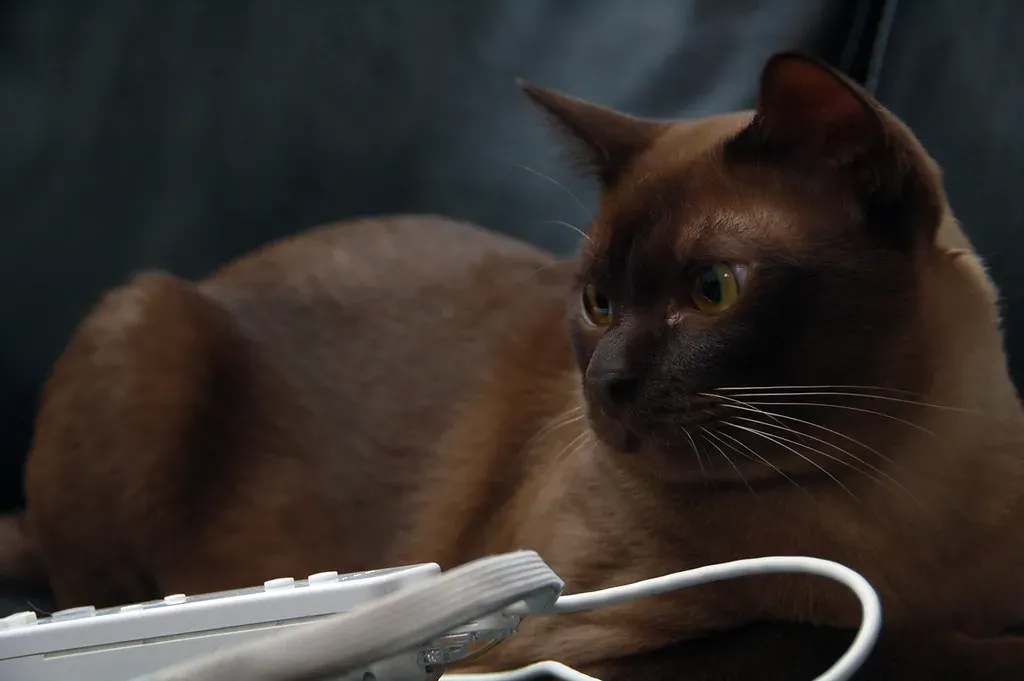
Burmese are affectionate cats who want to spend as much time with their families as possible and get along well with children and other cats and dogs. These muscular, medium-sized cats have an almost dog-like devotion to their people. They’ll follow you from room to room, not out of neediness but genuine curiosity and affection.
They’re energetic and are known to enjoy games of fetch. Your older kids will love having a feline playmate who actually participates in their games instead of just napping through them. Let’s be real, Burmese cats are basically the life of the party in feline form.
American Shorthair: The Easygoing All-Rounder
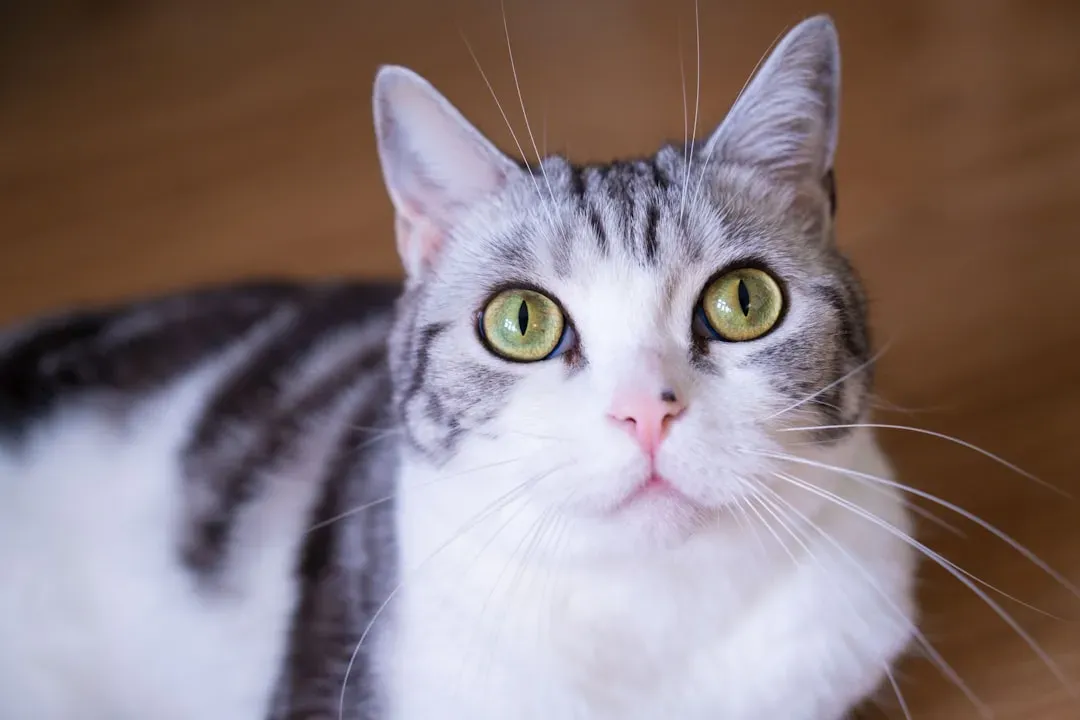
Laidback and easygoing, American Shorthairs are built for family life, topping the list of best cats for kids as one of the most popular picks, with sweet personalities and low-maintenance care. These sturdy cats don’t demand constant attention, which is ideal when you’ve got three kids pulling you in different directions. They’re happy bird-watching from a window perch or joining in when the kids break out the toys.
What makes them special is their adaptability. They roll with the punches – literally and figuratively. New routines? No problem. Weekend guests? They’re cool with it. They’re basically the Switzerland of cat breeds.
Manx: The Tailless Wonder With Dog-Like Loyalty
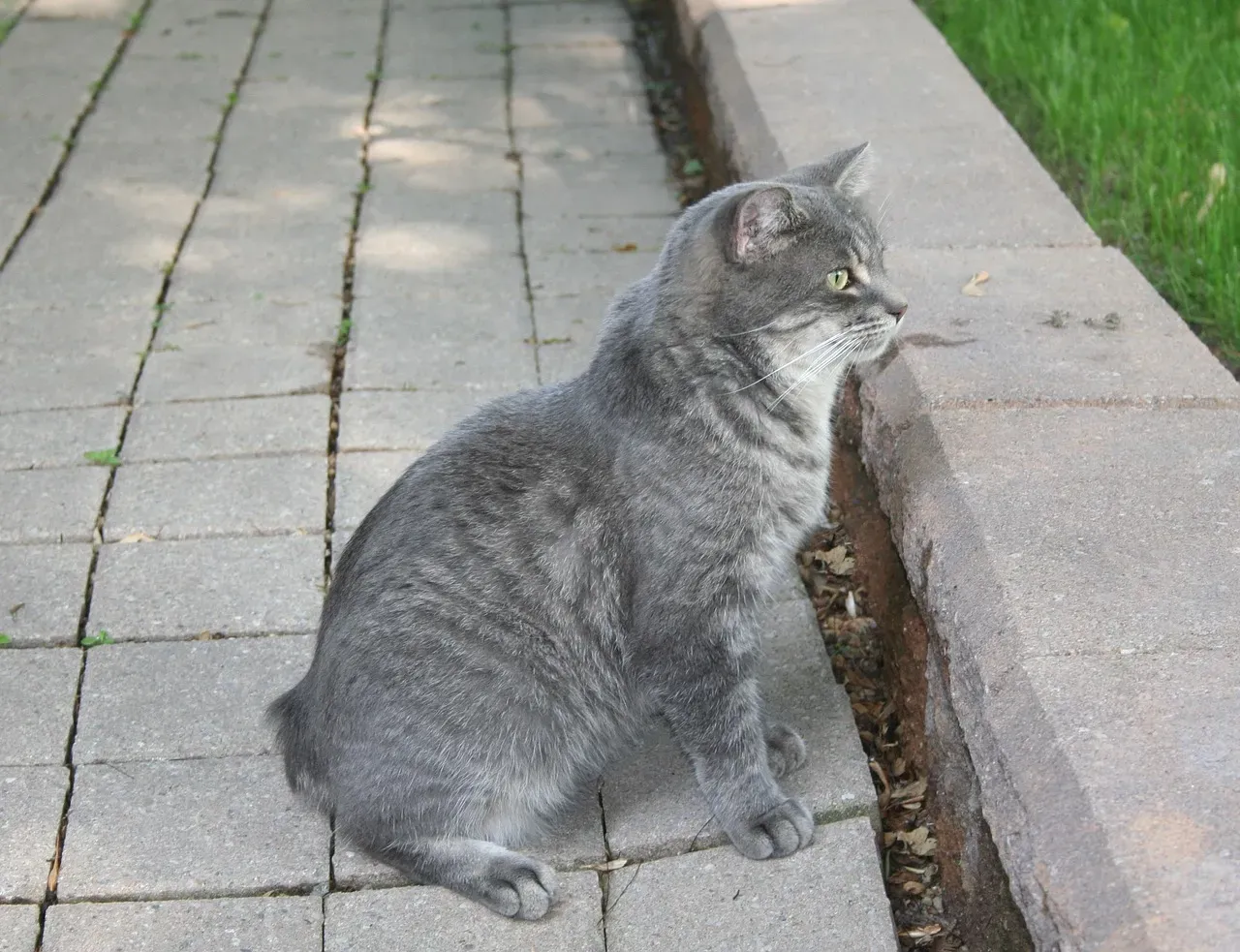
Manx cats are famous for not having a tail, which actually makes them perfect for younger children since there’s no tail to pull. I know that sounds oddly practical, but trust me, it matters when you’ve got curious toddlers who haven’t learned boundaries yet.
The Manx, often considered dog-like, are very social, trainable, and playful. They have this intense loyalty that’s rare in cats, and they genuinely enjoy interactive play. Your kids will get a kick out of teaching them tricks.
Siberian: The Fearless Feline Built for Chaos
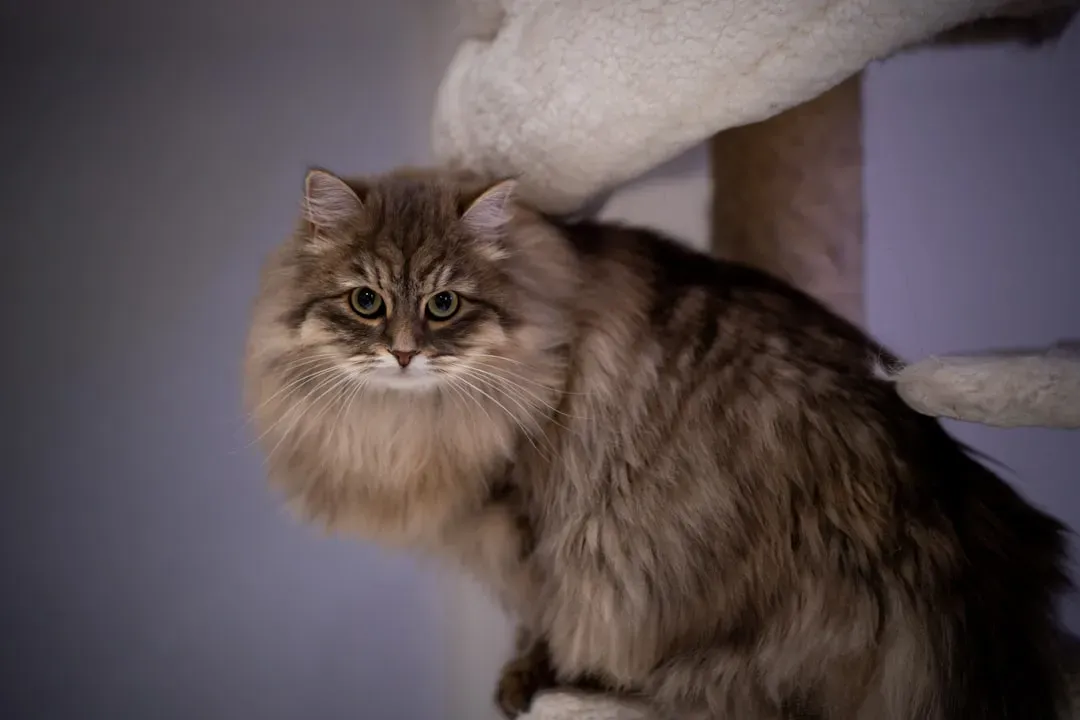
If you have a boisterous bunch, you need a cat that can tolerate noise and activity – enter the Siberian, with a patient and playful personality unfazed by rowdy children and bustling households. These thick-coated beauties originally survived harsh Siberian winters, so a little household chaos doesn’t rattle them one bit.
These clever cats can also learn tricks and be leash-trained, which can be an enriching activity for kids and kitties alike. Plus, they’re hypoallergenic to some degree, which can be a lifesaver for families worried about allergies.
Abyssinian: The Energetic Entertainer for Active Families
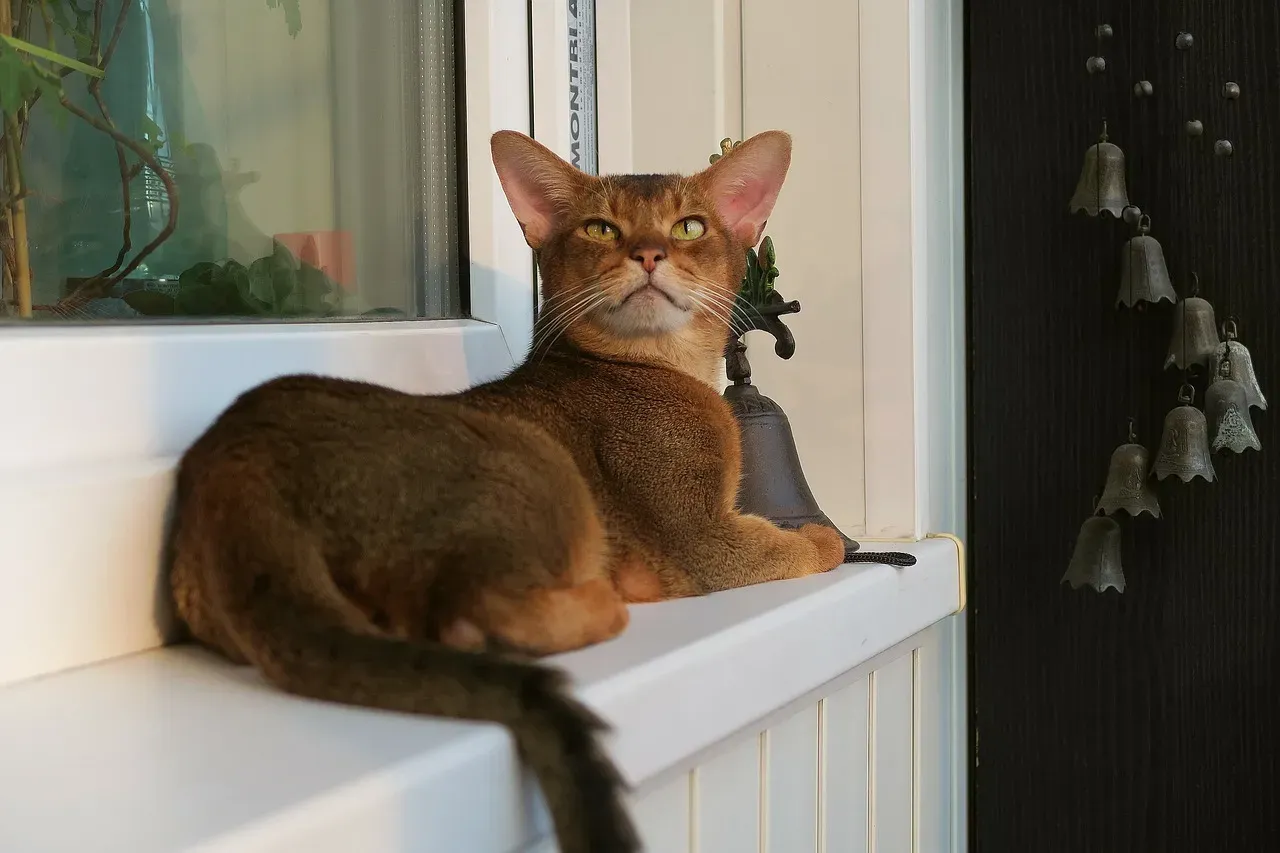
Loyal, affectionate, and playful, Abyssinians are also very active and inquisitive, providing lots of entertainment through their instinct for exploration. If your household is constantly buzzing with activity, Abys will fit right in. They’re like little perpetual motion machines with an endless curiosity about everything.
Active, intelligent, loyal, and people-oriented, Abyssinian cats are great fits for families with older kids. The caveat? They’re petite and delicate, so they do better with children who’ve learned how to be gentle. Think elementary school age and up.
Norwegian Forest Cat: The Fluffy Viking With a Gentle Heart
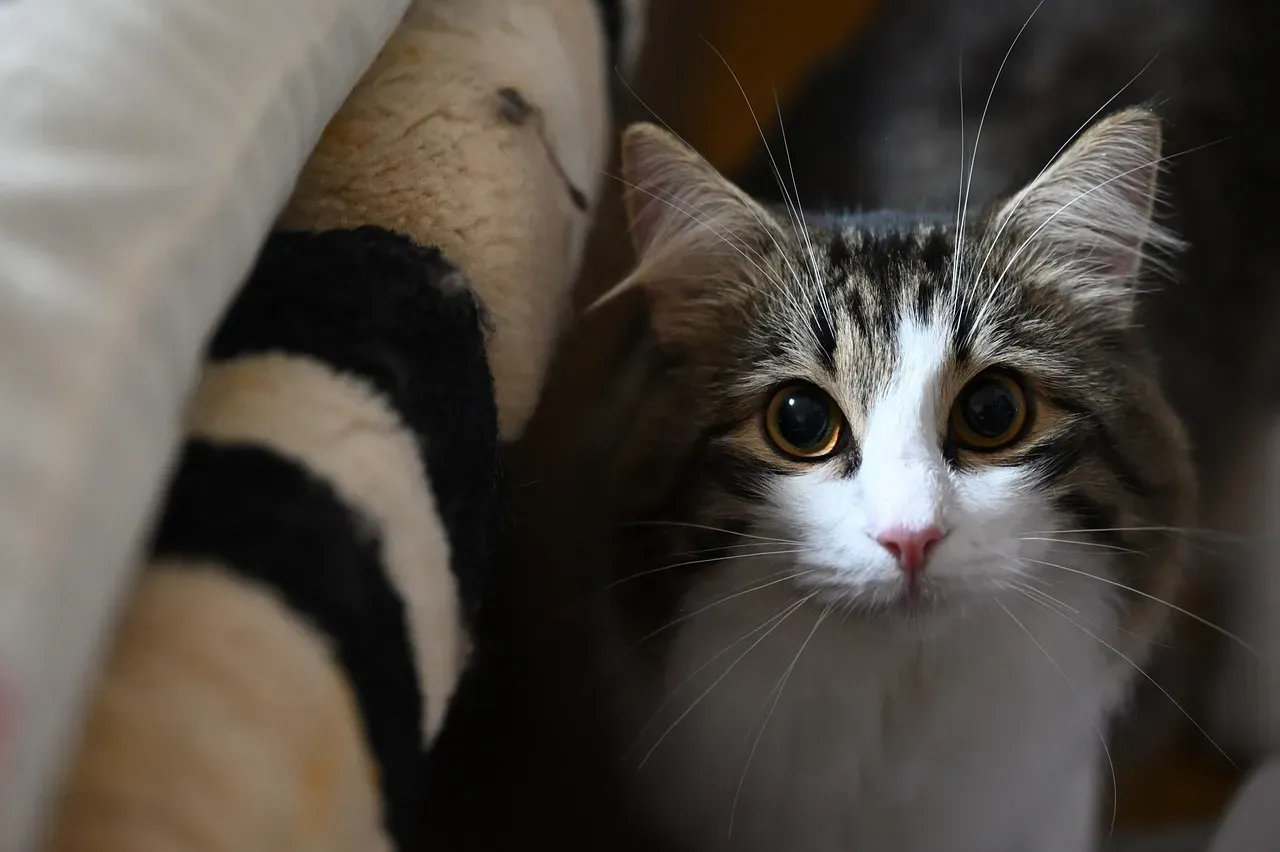
With a fluffy coat and friendly demeanor, Norwegian Forest Cats are a top choice for families, and while they tend to pick one person they’re particularly close to, they don’t discriminate when it comes to attention and are always nearby. These majestic cats have this regal yet approachable vibe. They’re sturdy enough to handle enthusiastic kids but calm enough not to add to the household chaos.
They’re basically giant teddy bears who happen to purr. Your kids will love burying their faces in all that fluff during movie nights.
Exotic Shorthair: The Low-Drama Persian Alternative
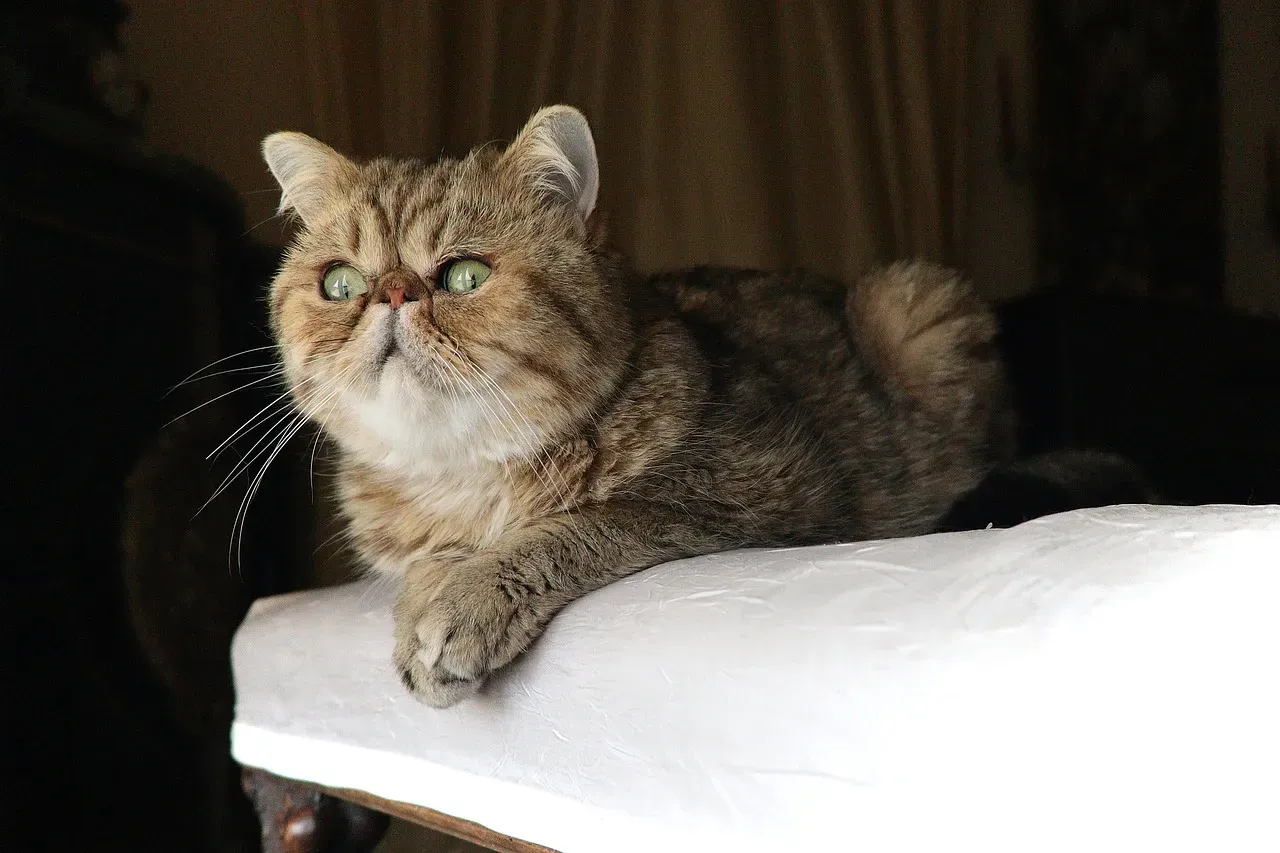
While Exotic Shorthair cats enjoy spending time with their humans, they aren’t overly demanding, making them ideal for families who don’t want a clingy cat, and their adaptability lets them fit in with families of all kinds. Think of them as Persians without the high-maintenance grooming routine. They’ve got that same sweet temperament but in a more practical package.
Sweet, quiet, and affectionate, this cat breed has an unforgettable face similar to the Persian cat. They’re playful when the mood strikes but equally happy lounging. Perfect for families who want a chill vibe without sacrificing affection.
Scottish Fold: The Adaptable Sweetheart With Signature Ears
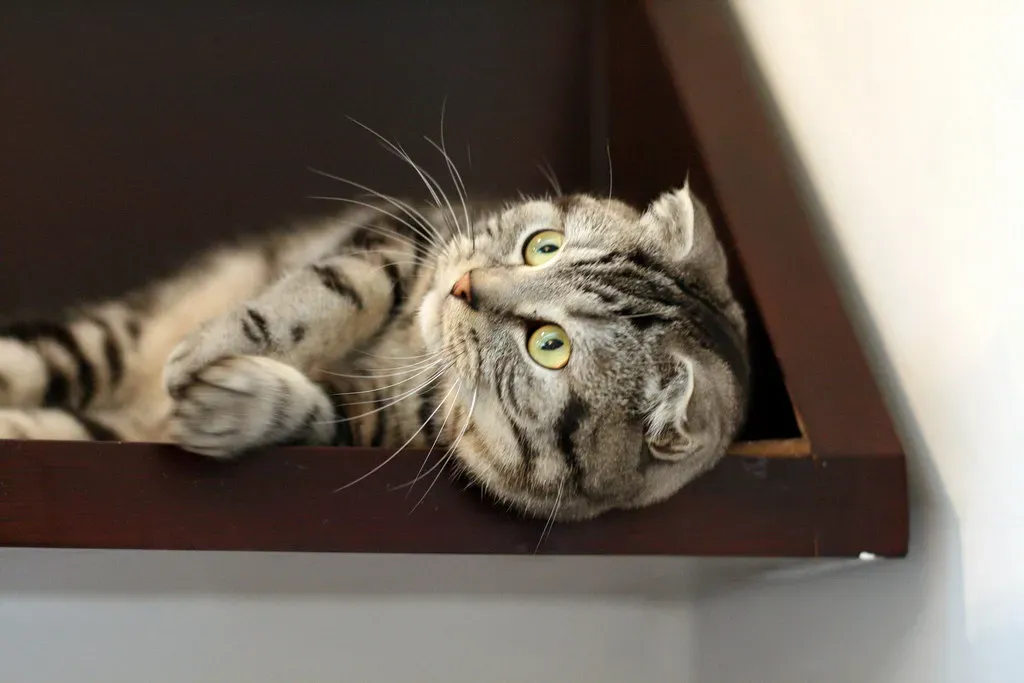
Scottish Folds are generally laid back and get along happily with other cats, dogs, and children, making them adaptable, sweet, and loving companions who aren’t demanding in any sense. Those adorable folded ears give them a permanent look of curiosity, and their temperament matches their appearance – endlessly pleasant and easygoing.
The Scottish Fold is likely to prefer having a companion as they don’t like being left at home alone for long periods of time. So if you’ve got a busy household with someone usually around, they’ll thrive. They’re social creatures who just want to be part of the family fabric.
Tonkinese: The Overstimulated Firecracker

Tonkinese cats are playful and outgoing yet too energetic for a household with kids, as they’re easily overstimulated and react to being disturbed by biting or scratching, which may cause accidents with small children. Here’s where things get tricky. Tonks are gorgeous and affectionate, sure, but they’ve got what I’d call a short fuse when things get too chaotic.
They need predictability and calm, which frankly doesn’t describe most homes with kids. Their energy level is through the roof, but unlike kid-friendly breeds, they can’t channel it properly when overstimulated. It’s a recipe for scratched hands and stressed-out cats.
Russian Blue: The Aloof Aristocrat Who Needs Peace
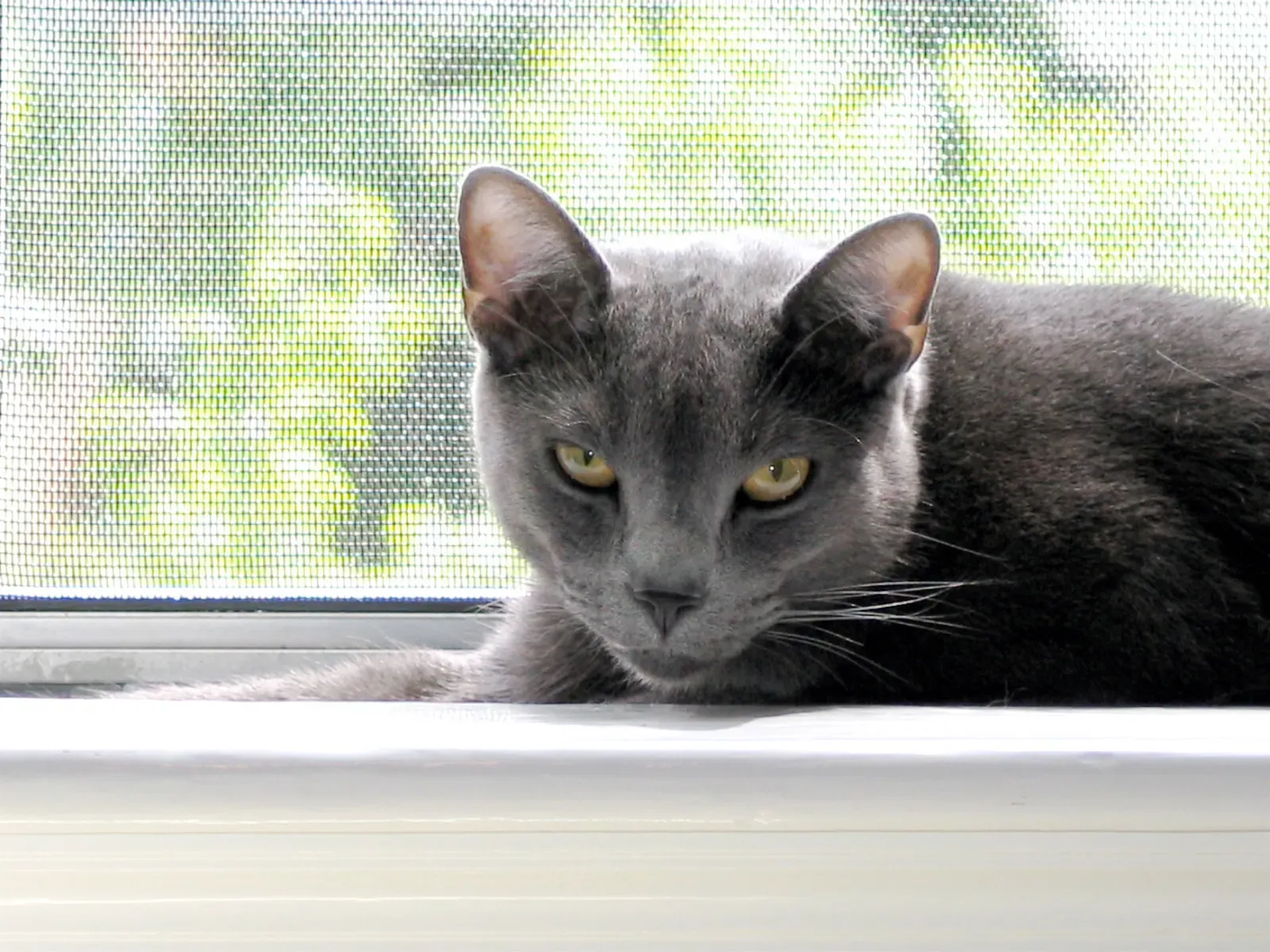
Russian Blues can make great companions for modern families, but only if children are well-versed in how to properly handle animals, as they’re rather shy, aloof cats that must be very comfortable before they come over for affection. These elegant gray beauties are incredibly sensitive to their environment. Loud noises? Nope. Sudden movements? Hard pass.
Russian Blues are not very tolerant of young children due to their loudness and energy, preferring a quiet atmosphere and becoming irritated by sudden sounds and movements. They’re better suited to calm households with older, respectful kids who understand personal space.
Himalayan: The High-Maintenance Homebody
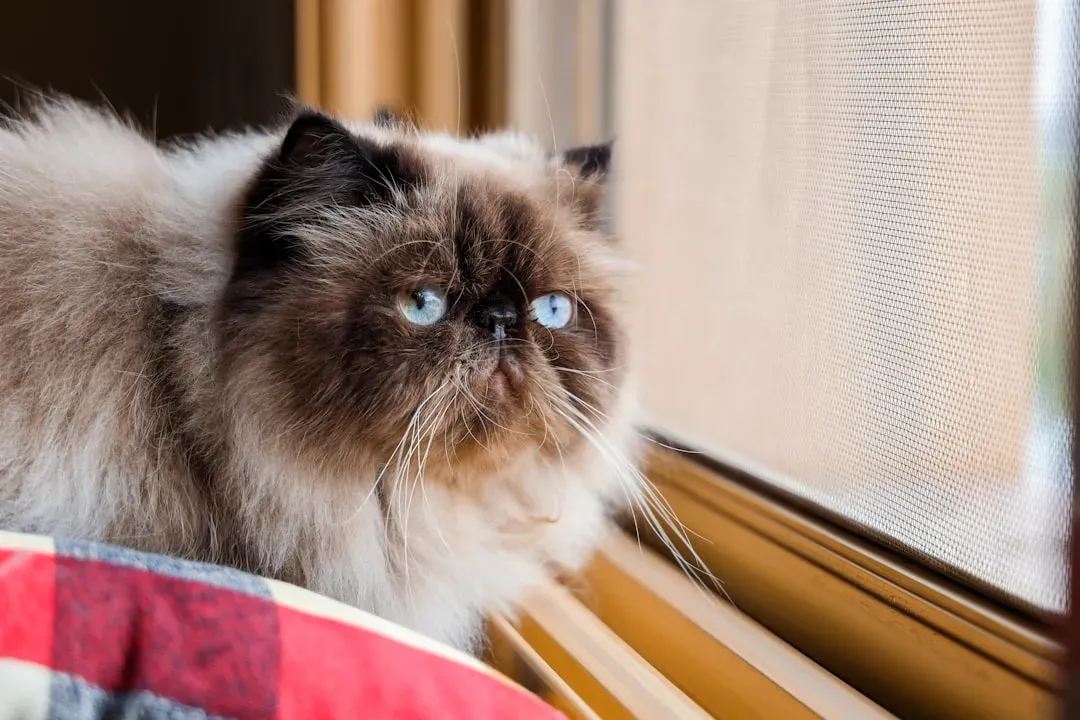
The Himalayan is a gentle cat that is affectionate toward family but prefers a more quiet lifestyle, and loud, rambunctious children might stress them out more than other breeds. These fluffy Persian-Siamese crosses are stunning to look at, with those striking blue eyes and color-pointed coats. They’re sweet and loving – just not with chaos.
Their sweet nature makes them popular with kids, but these cats don’t handle a noisy household as well as some other breeds, so they’ll do best with older children who will respect their love for lounging. Think quiet reading time, not rambunctious tag.
Turkish Van: The Space-Demanding Independent
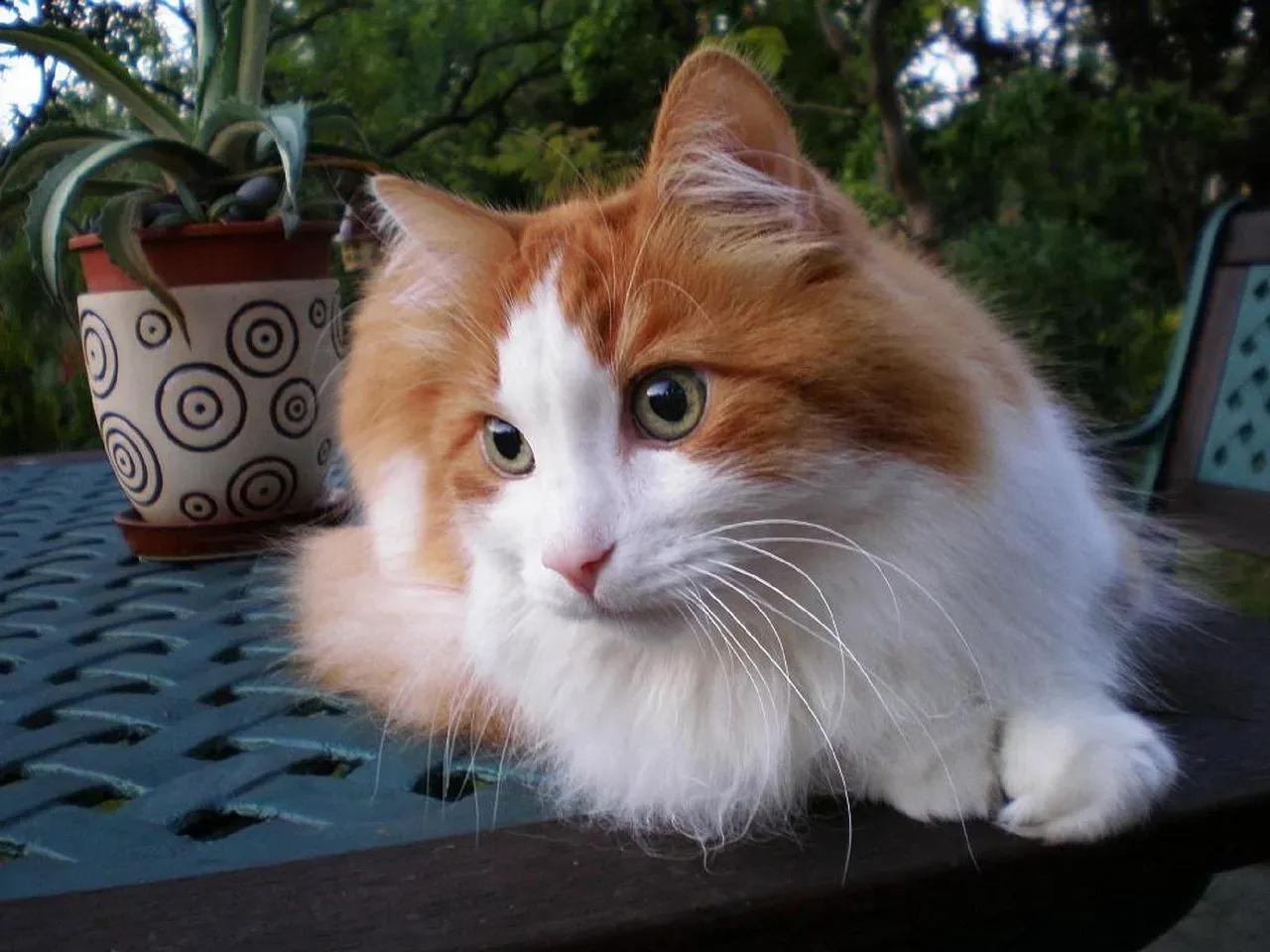
Although the Turkish Van is an affectionate breed, they do not like to be cuddled or held for long periods of time, and small children may have trouble understanding this, as they like their space respected and do not take well to unwarranted affection. These cats have very clear boundaries, and they’ll enforce them with claws if necessary.
Turkish Vans are beautiful and intelligent, but they’re control freaks about physical contact. Kids naturally want to hug and squeeze cute things, which is precisely what Turkish Vans can’t stand. It’s just not a good match unless your children are unusually mature and respectful.
Singapura: The Skittish Sprite Scared of Noise
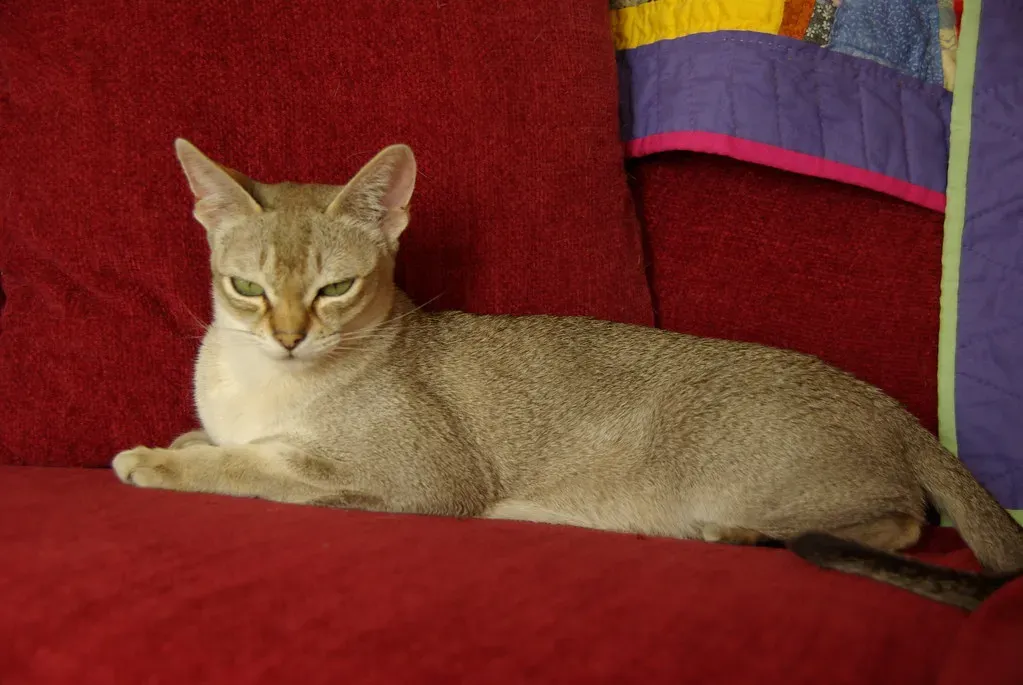
The Singapura is a social cat that enjoys affection but doesn’t do well with loud noises or chaotic environments, making families with small children potentially stressful, though older children who understand proper animal care could do well. These tiny cats with huge eyes are incredibly sweet, but they’re also nervous Nellies.
They startle easily and can disappear for hours if they feel overwhelmed. In a household with young kids constantly running, yelling, and dropping things, Singapuras spend most of their time hiding under beds. Not exactly the interactive pet experience you’re hoping for.
Bombay: The Rough-and-Tumble Panther Lookalike
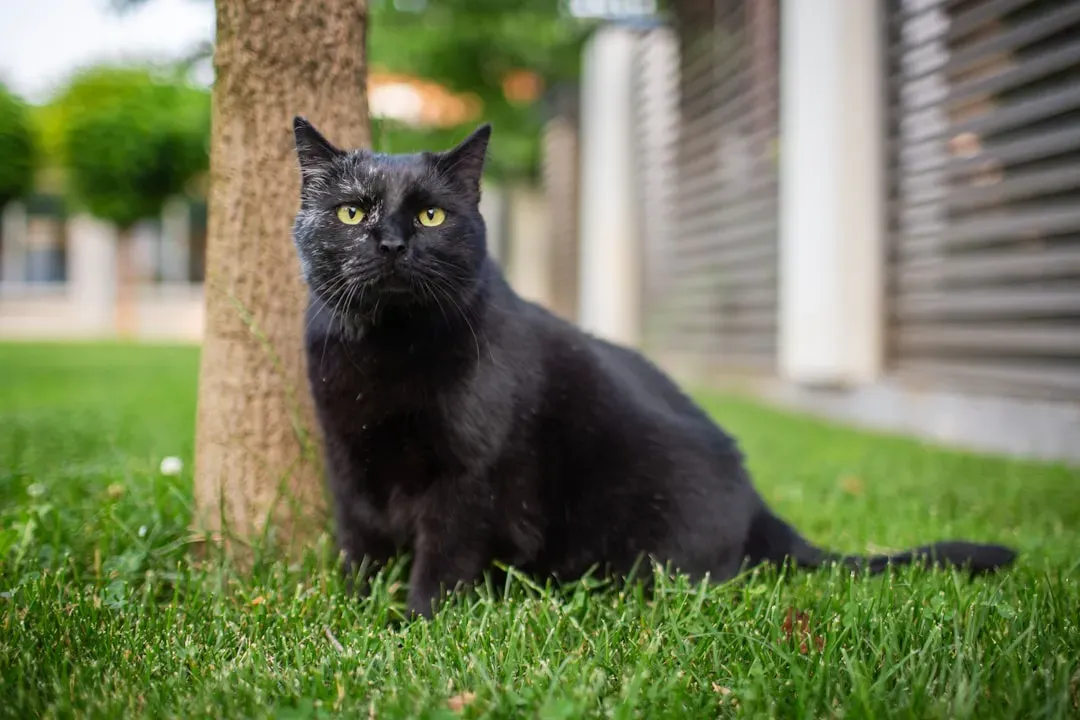
Bombay cats look just like panthers, and they’re a rough-and-tumble breed not necessarily prone to aggressiveness but liking to play rough, so expect scratches and bite marks, and they can lash out if spooked by loud noises, making them one of the worst cat breeds for families with small children. They think they’re actual panthers, which would be hilarious if it weren’t sometimes problematic.
Their play style is intense and physical. What they consider normal play might leave your kid crying with scratches. It’s not malicious – it’s just who they are. Unless you’ve got older kids who can handle that energy, it’s a mismatch.
Siamese: The One-Person Cat With Territorial Tendencies
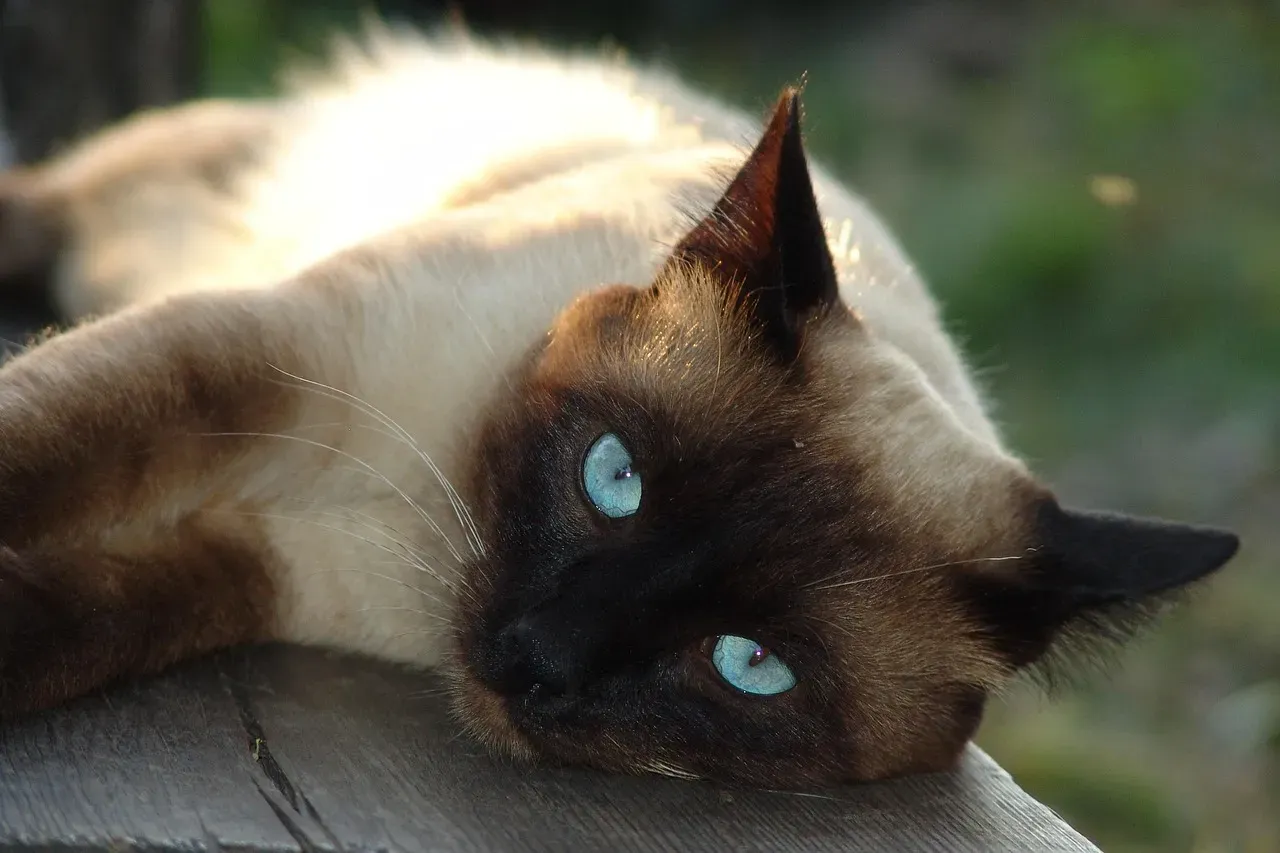
The Siamese could be on a best breed list depending on your perspective, as they often bond with a single family member and can turn aggressive if another person in the family tries to interrupt their snuggles, which can be problematic if you have kids in the house. Siamese are stunning, vocal, and incredibly intelligent – but also intensely possessive.
Known for their loud meows and affectionate nature, Siamese cats usually attach themselves to one person and can be easily upset by too much noise or rowdy playing. If they’ve chosen you as their person and your child tries to join in, jealousy can spark aggression. Not ideal for families who expect the cat to love everyone equally.
Persian: The Delicate Diva Who Needs Tranquility
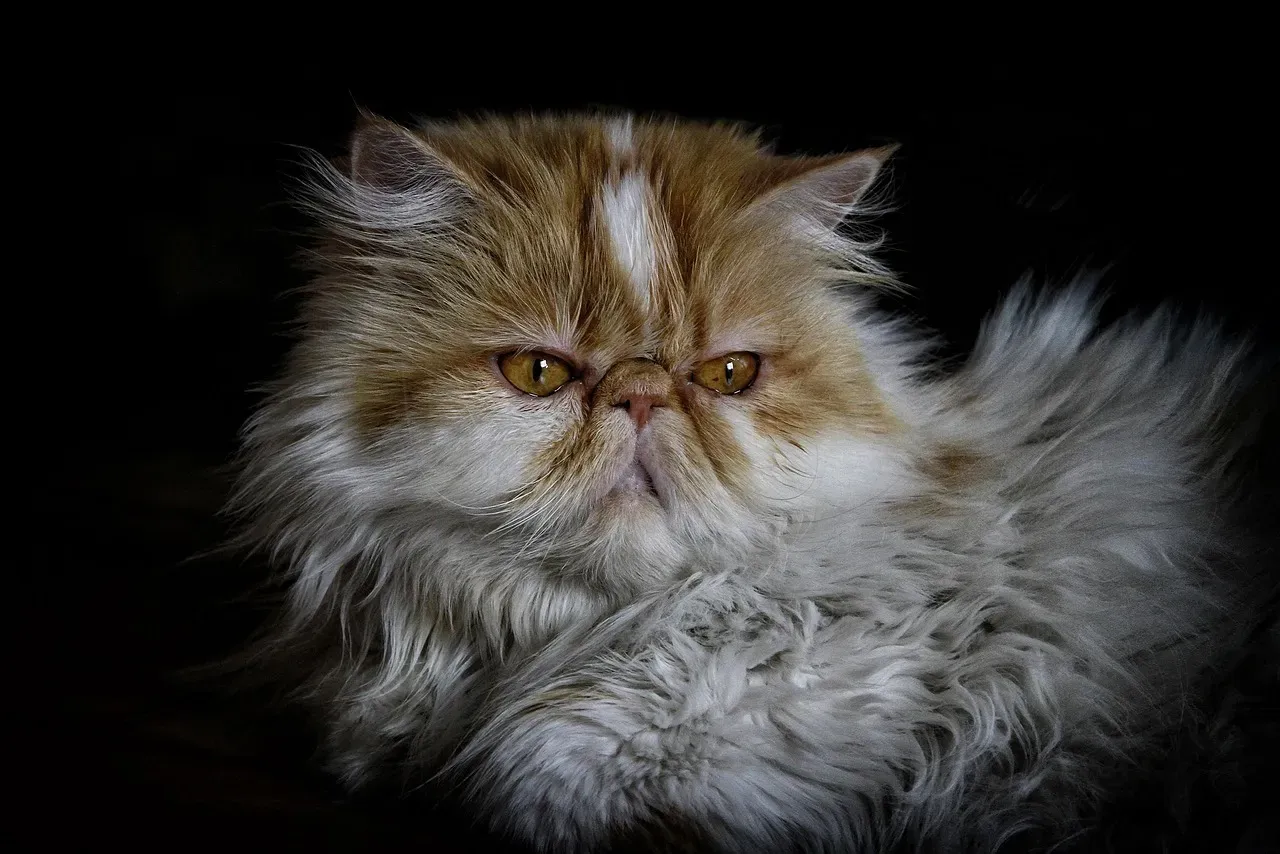
Persian cats are docile, quiet, and suitable for adults who enjoy a more subdued atmosphere, but they may not be best suited for families with kids since they stress out quickly with loud noises and need a more relaxed environment. These long-haired beauties are basically living throw pillows – gorgeous, soft, and meant for admiring, not roughhousing.
They require extensive grooming and a peaceful environment. Young kids running around screaming? That’s a Persian’s nightmare scenario. They’re better off in quiet homes where they can lounge in sunbeams undisturbed.
Savannah: The Wild Card With Space Issues
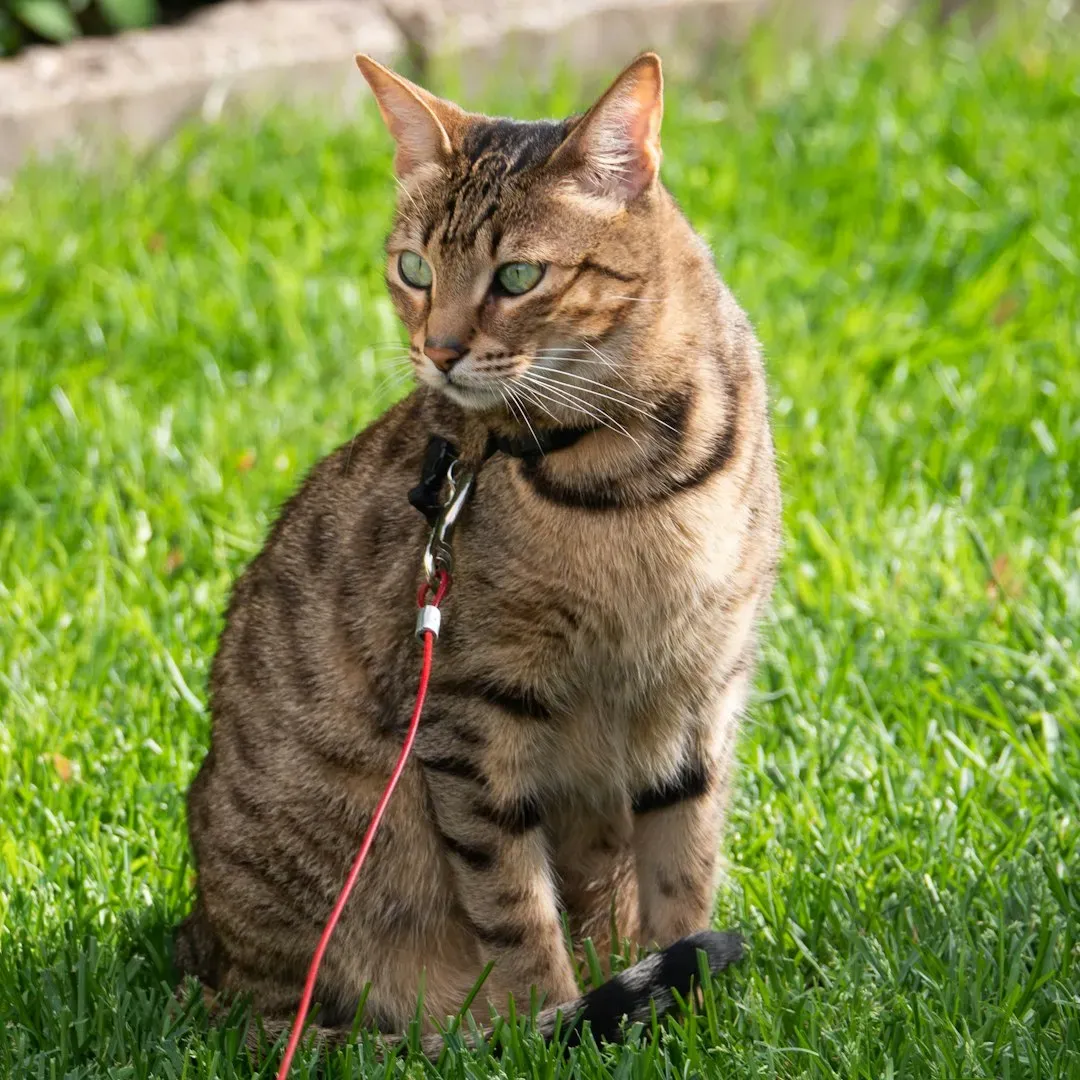
Savannahs don’t like to be held and will let you know in the most forceful way possible, being independent and aloof, best suited for owners who know how to give cats plenty of space. These exotic hybrid cats have strong wild instincts. They’re stunning and athletic, but they’re definitely not lap cats.
They need experienced owners who understand feline boundaries and body language. Kids who want a cuddly companion will be disappointed and possibly scratched for their efforts. Savannahs are for advanced cat people only.
Scottish Fold (Problematic Lines): When Genetics Go Wrong
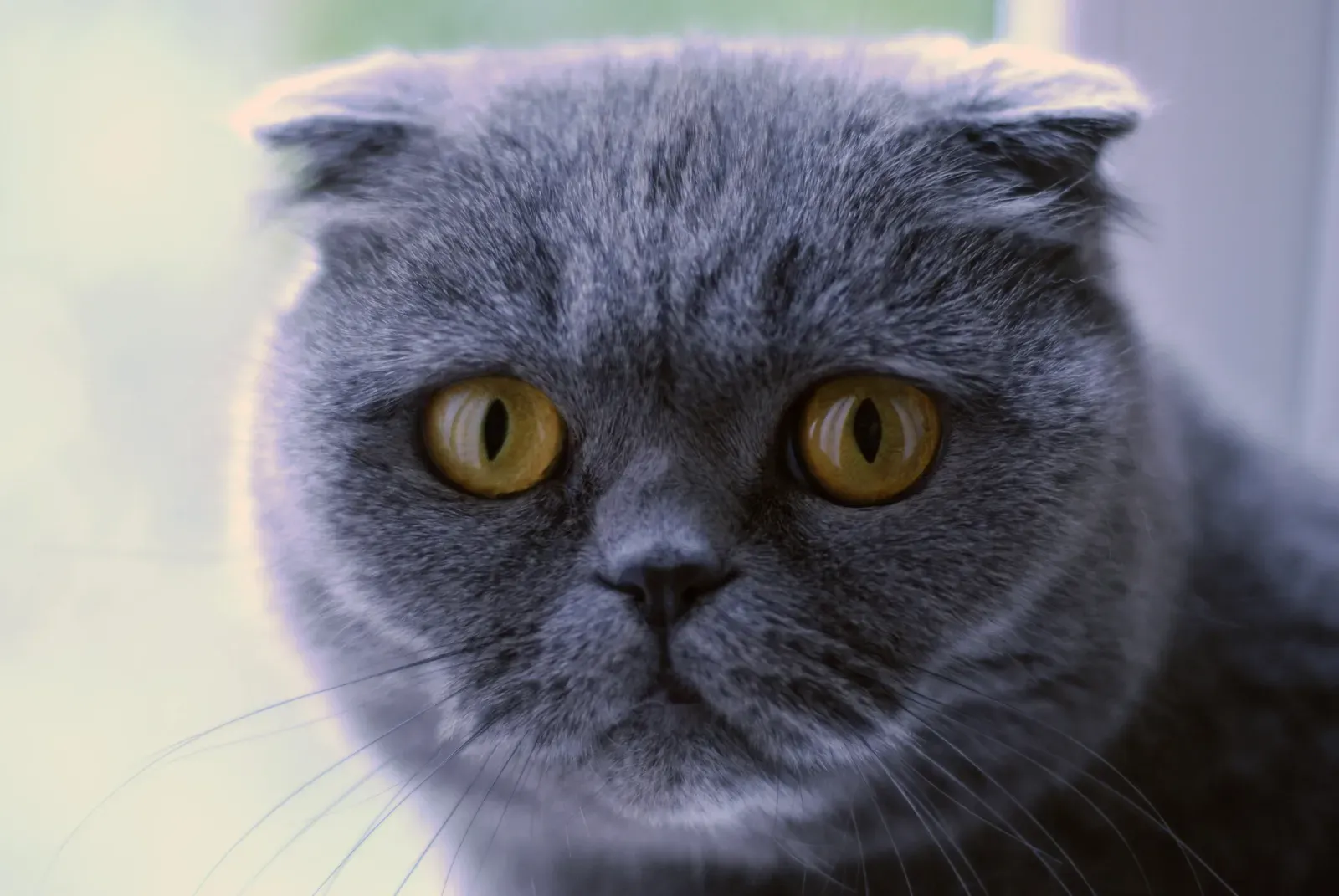
Many first-time owners have fallen in love with Scottish Folds due to their folded ears and smushed faces, but more than a few have later regretted it, as Scottish Folds may bond with a single family member at the expense of everyone else. Not all Scottish Folds are family-friendly – some lines develop problematic temperaments alongside their genetic issues.
The genetic mutation that causes their folded ears also causes a painful condition throughout their joints. Pain makes any creature cranky, and cats in chronic discomfort aren’t going to tolerate kids well. It’s heartbreaking but important to consider.
Korat: The Sensitive Soul Who Doesn’t Share Well
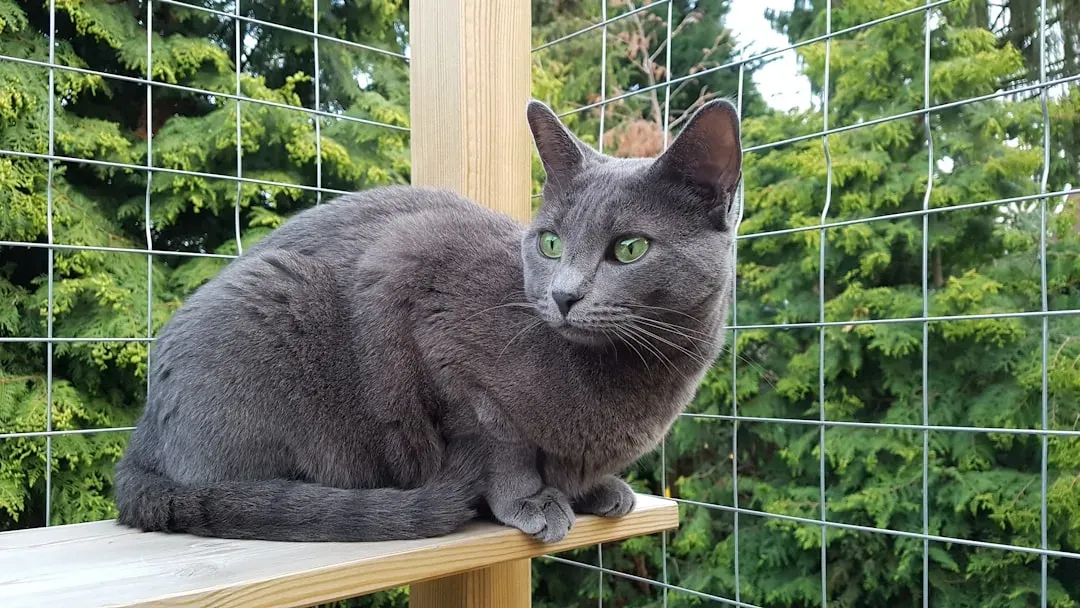
Korats may be a good fit for single owners who keep to themselves, but if you have kids in the house, bringing a Korat home is asking for trouble. These rare Thai cats are beautiful with their silver-blue coats and heart-shaped faces, but they’re also incredibly sensitive and territorial.
They don’t appreciate competition for attention or resources. In a household with multiple kids all vying for the cat’s affection, Korats can become stressed and reactive. They’re one-person cats through and through.
Maine Coon (Size Concerns): When Big Gets Too Big
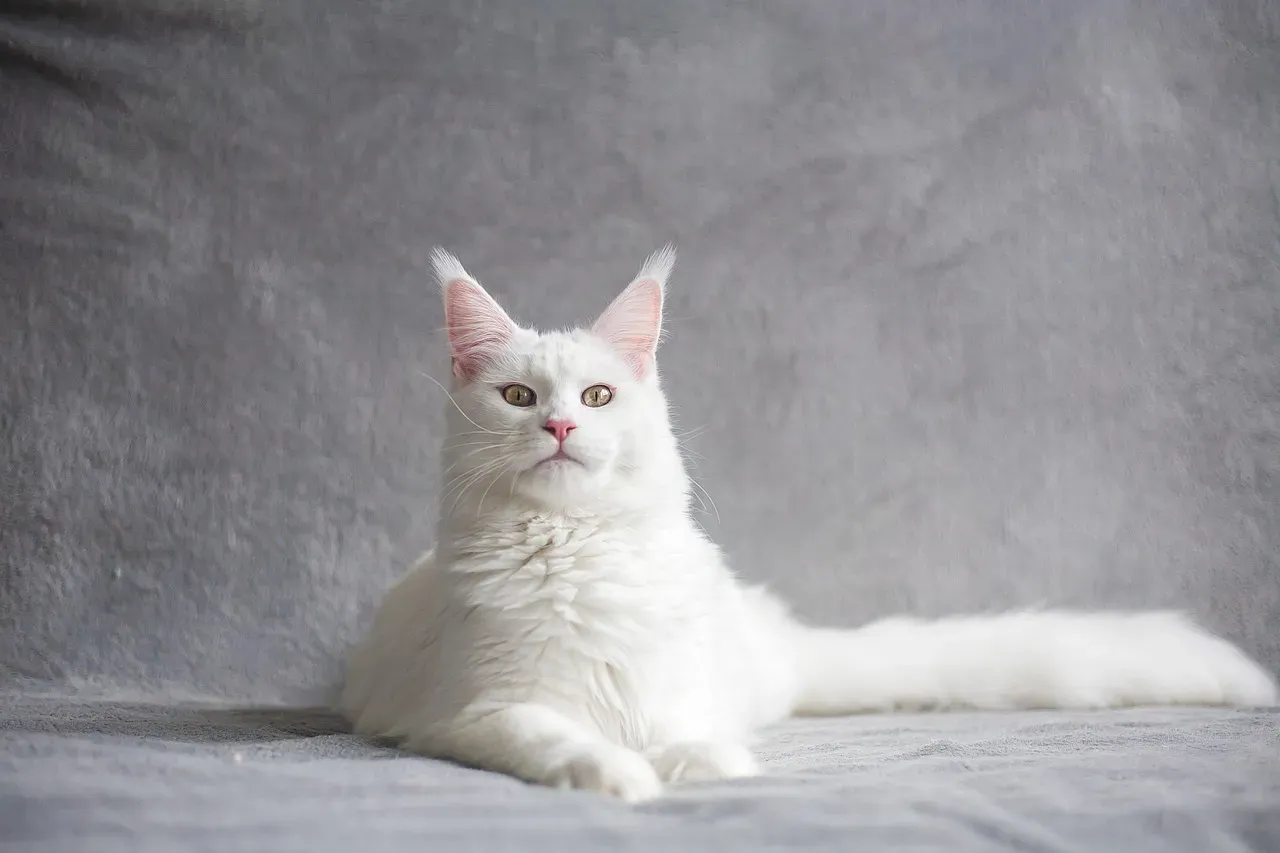
Though Maine Coon cats are big in size, friendly, and known for their dog-like personalities, they may not be as well-suited for families with young children because of their size and strength, as they will inevitably roughhouse. Wait, didn’t we already say Maine Coons are great? Well, it’s complicated. Most are wonderful, but some individual cats are simply too large and rough for very young children.
A twenty-pound cat playing enthusiastically can accidentally knock over a toddler. It’s not aggression – it’s physics. If you’ve got preschoolers, you might want to wait until they’re sturdier before bringing home a Maine Coon.
Finding Your Perfect Match: It’s All About Fit
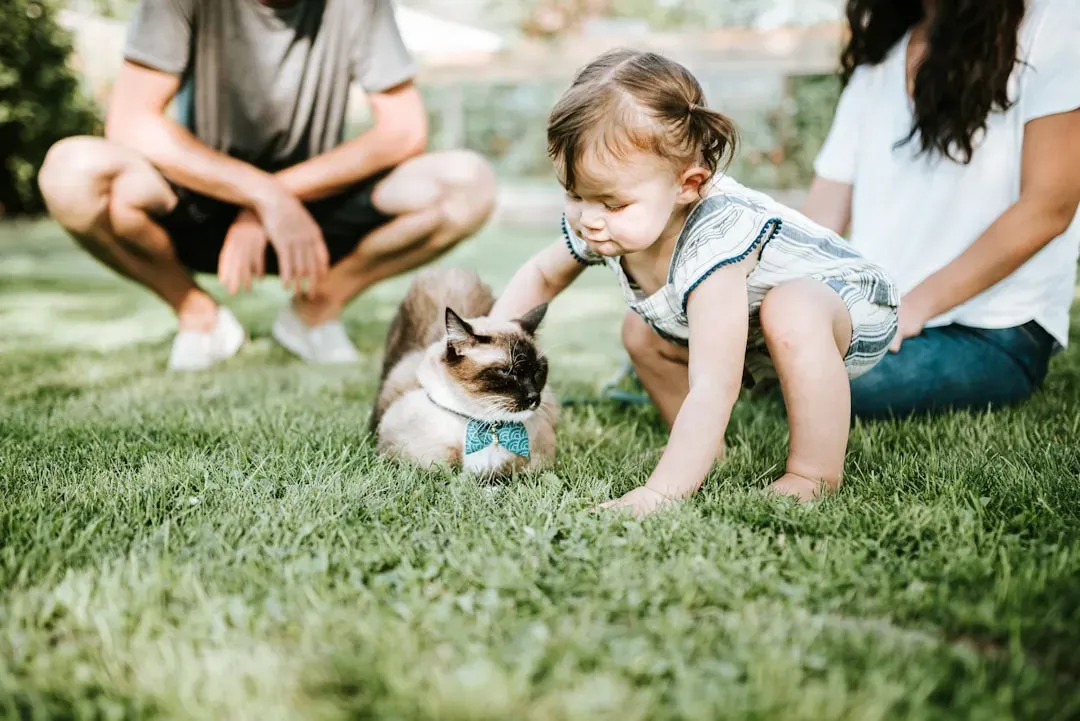
Here’s what I’ve learned after years of watching families and cats either thrive together or drive each other crazy: breed matters, but so does individual personality. Breed isn’t the primary determining factor in a cat’s behavior, needs, and preferences, as the cat’s history, early and recent socialization, and unique personality play a role, and most housecats are mixed breeds anyway.
The best approach? Be honest about your household’s energy level and your kids’ maturity. A calm breed won’t magically teach your rowdy kids to be gentle, and an anxious cat won’t suddenly become confident in a chaotic home. Match temperaments, set realistic expectations, and teach your children proper cat etiquette from day one. That’s the real secret to success.
Getting a cat should bring joy to your whole family, not stress and scratches. Take your time, do your research, and don’t be swayed by cute faces alone. The right cat is out there waiting for you – one that’ll grow alongside your kids and become part of your family’s story. What kind of household do you have? Tell us in the comments which breed sounds perfect for you.