Let’s be real. Most people think cats are impossible to train. They picture stubborn felines turning their backs mid-command, choosing nap time over trick time. Here’s the thing, though. That’s not entirely true. Sure, cats aren’t going to fetch your slippers on demand like an eager retriever, but certain breeds absolutely love learning. They’re curious problem solvers who genuinely enjoy mental challenges. If you’ve written off training your cat because everyone says it’s pointless, you might be missing out on a whole new level of bonding with your feline friend.
Cats are extremely smart, and positive reinforcement training is wonderful for their body, mind, and stress levels, with just about any cat able to learn helpful behaviors. The stereotype doesn’t match reality. So let’s dive in.
Abyssinian: The Einstein of the Cat World
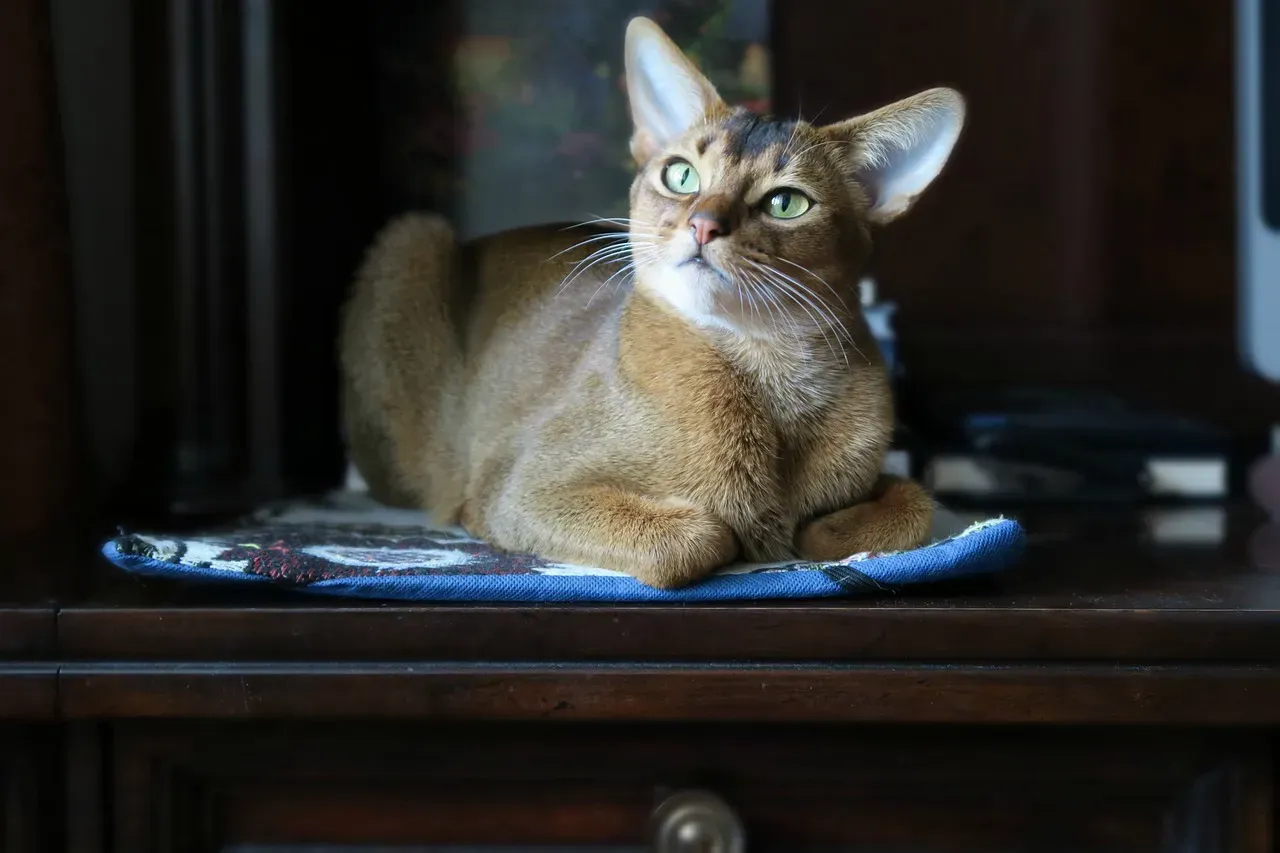
The Abyssinian is outgoing, affectionate and friendly, and so intelligent that games of fetch and plenty of exercise can help channel her energy. Honestly, if you want a cat that genuinely acts like it’s trying to solve puzzles all day long, this is your breed. They’re constantly investigating every corner of your home, climbing to impossible heights, and figuring out how to get exactly what they want.
Many of them can learn to walk on a leash and harness, and some can even do cat tricks. The Abyssinian isn’t content just lounging around, either. Because this breed is so lively and curious, training and regular interaction helps them focus, have fun and direct their behavior in ways that keep everyone happy. Think of training as their favorite hobby rather than a chore. They’ll surprise you every time.
Siamese: The Vocal Prodigy
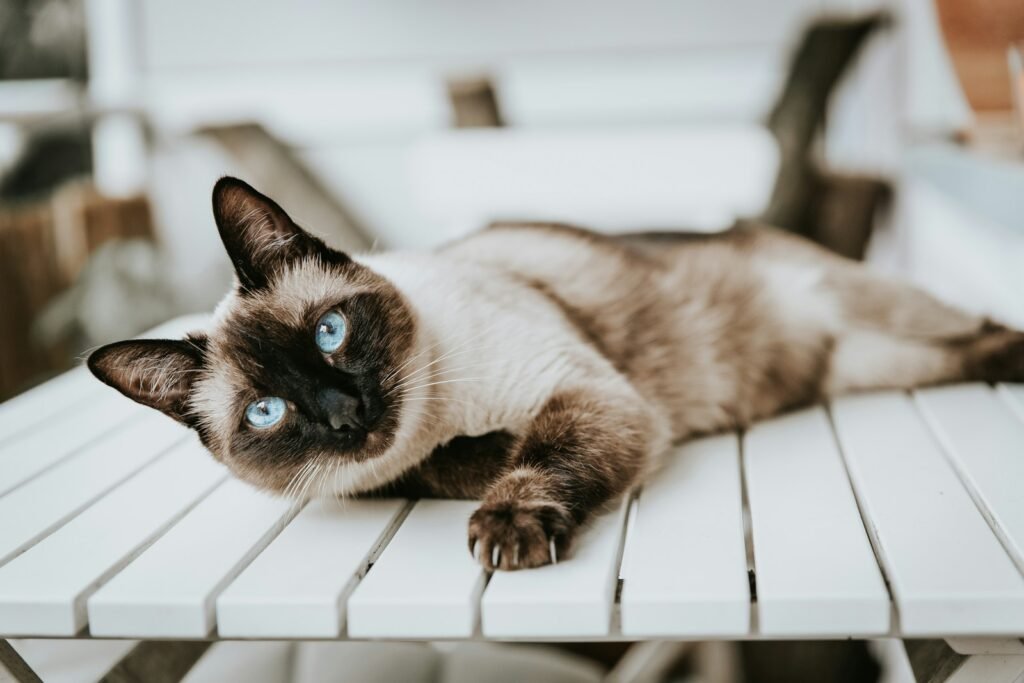
The social Siamese thrives on attention and wants to be involved in everything you are doing. These cats won’t let you ignore them. They’ll meow their opinions directly into your face, follow you from room to room, and basically demand to be your shadow. What makes them trainable? That desperate need for interaction.
Siamese cats want to be with their owners all the time, and they will really dig the attention they get when you teach them tricks like playing fetch. With a reputation of being the most talkative breed, the Siamese will carry on meowing conversations with you during training. It’s hard not to feel like you’re working with a partner rather than just a pet. Their intelligence shines through every session.
Bengal: The Wild Child Who Loves Games
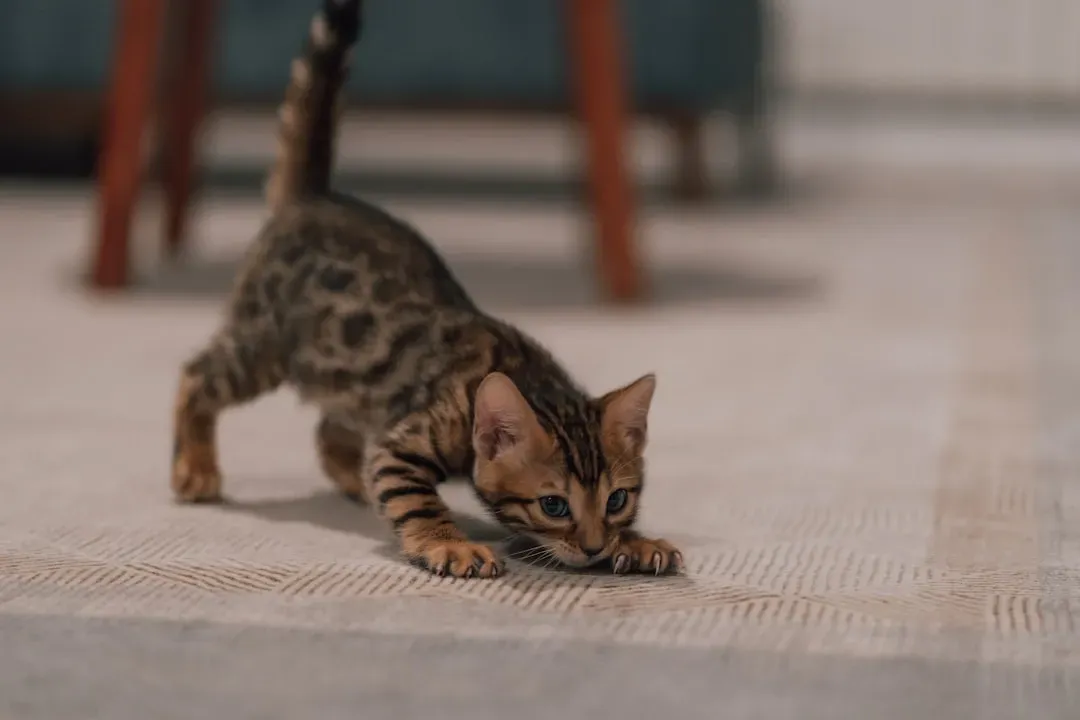
The Bengal descends from the Asian Leopard Cat, and though they now are firmly entrenched in family life, Bengals retain some traits from their ancestors, including their exotic good looks and high energy. If you’re looking for a cat with serious athleticism and brains to match, Bengals are the answer. They need stimulation constantly or they’ll create their own entertainment, which might involve your curtains.
This breed enjoys interactive play with their parents, which means they thrive by spending one-on-one time with you during training, and the Bengal especially enjoys learning anything that resembles play. Training a Bengal feels less like traditional pet training and more like coaching an athlete. They are among the most intelligent cat breeds, learn quickly, and have a doglike eagerness to please their people, and training Bengals to do tricks gives them a good outlet for their mischievous tendencies.
Maine Coon: The Gentle Giant Learner
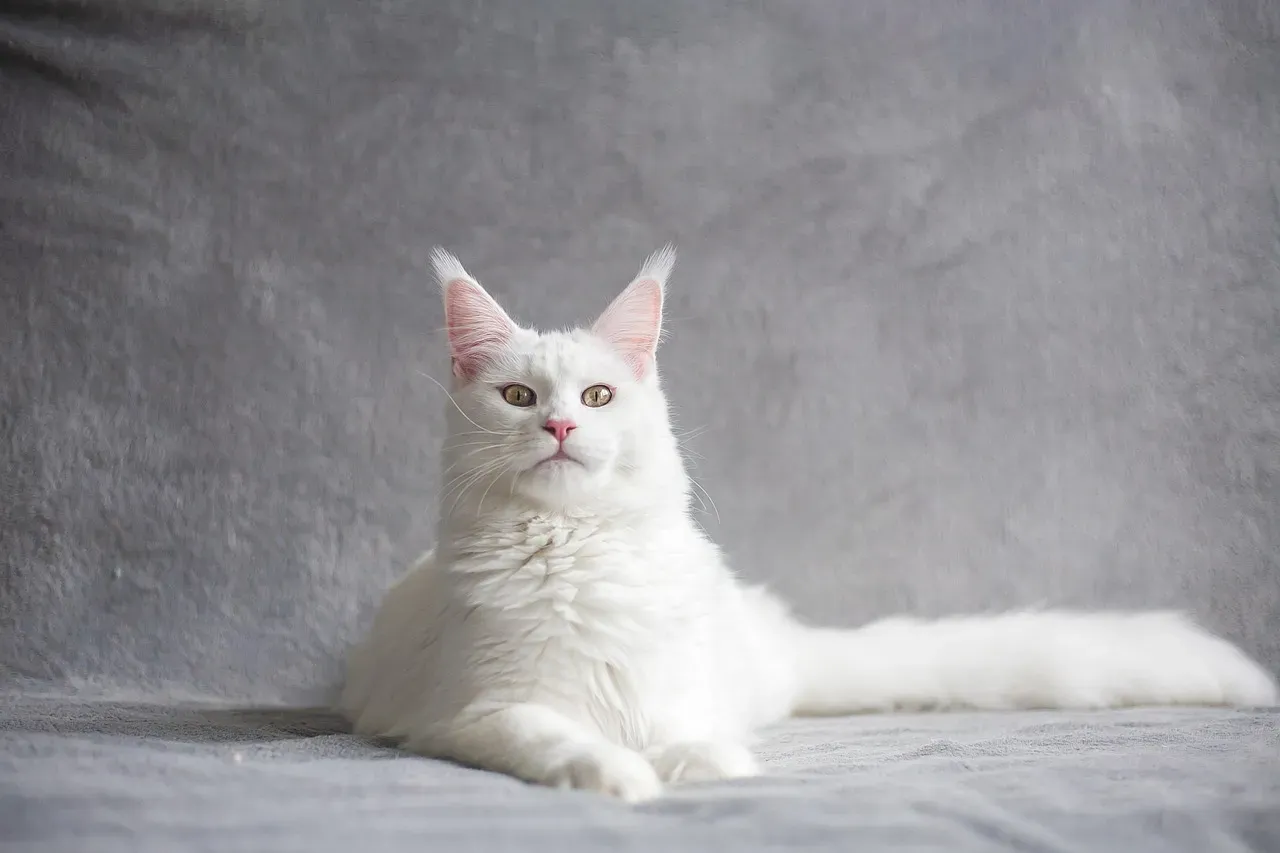
This feline gentle giant with long, flowing locks of luxurious fur has a reputation for being easygoing, calm, resilient, intelligent, and adaptable to many different situations and people, which makes the cat good for training. Maine Coons are genuinely sweet natured. Despite their massive size, they’re patient and gentle, which makes training sessions surprisingly smooth.
The Maine Coon learns quickly, and with treats, praise, and consistency, Maine Coons will learn from you as they love on you. I think what stands out most about this breed is their willingness to cooperate without being pushy. Maine Coon cats are known for being tolerant of and fond of children, so your kids can join in on the fun of training sessions. They’re basically the definition of a family-friendly trainable cat.
American Shorthair: The Calm and Cooperative Star
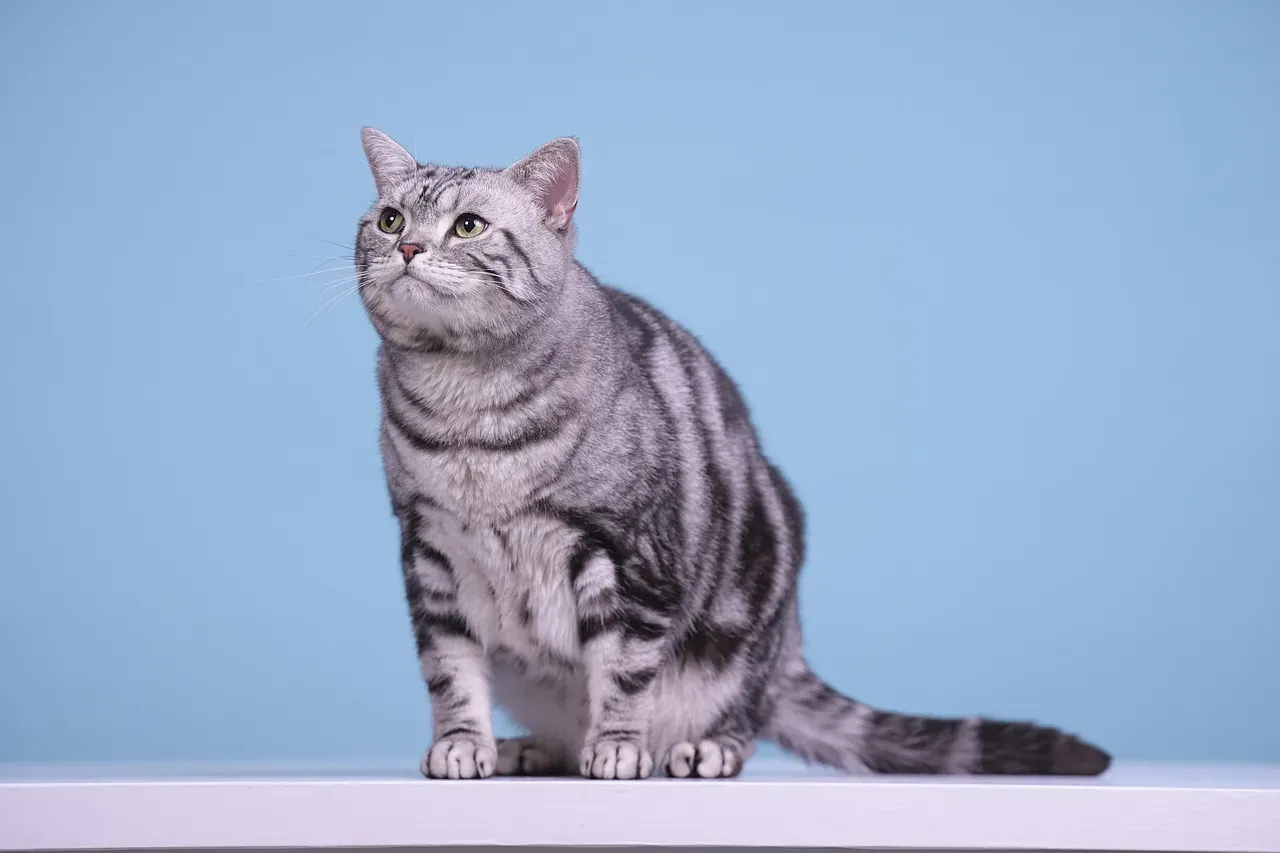
The American Shorthair has a calm, even demeanor that lends itself to learning, and their capacity for learning makes them ideal for acting and modeling roles because they respond so well to positive reinforcement. You’ve probably seen this breed in commercials without even realizing it. Their distinctive silver tabby pattern is iconic, but their trainability is what really makes them stand out.
These cats aren’t hyperactive or overly demanding. They’re steady, reliable, and incredibly responsive when you use rewards during training. Think of them as the quiet achievers of the cat world. They don’t need constant praise or attention, but they’ll absolutely deliver when you ask them to learn something new.
Japanese Bobtail: The Energetic Attention Seeker

Japanese Bobtails are known to be smart and love attention from their families and strangers alike, and their high energy and love for interaction can be directed easily and makes for a very trainable cat. If you have roughly an eleven on the energy scale packed into one cat, that’s the Japanese Bobtail. They’re constantly moving, playing, and seeking interaction.
With some praise and rewards, these Bobtails are ideal companions for homes that thrive on quality time with their pets. Training becomes a natural extension of playtime for these cats. They’re social butterflies who genuinely want to be involved in whatever you’re doing, making them exceptionally responsive to commands and tricks.
Ocicat: The Clever Inventor
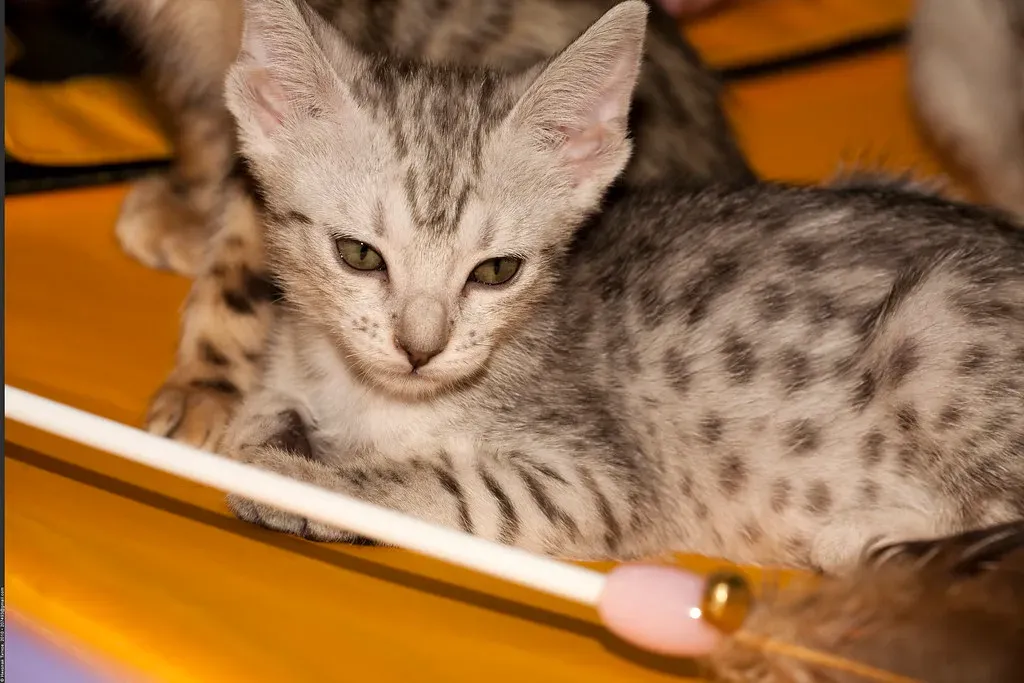
Ocicats are smart and active just like the cats that make up their original gene pool, and when it comes time to play, this breed enjoys inventing and learning new cat tricks. Despite their wild spotted appearance, Ocicats have zero wild blood in them. They’re a mix of Abyssinians and Siamese, which basically gives them a double dose of intelligence.
What’s cool about Ocicats is their creativity. They don’t just learn tricks. They’ll come up with their own games and variations. Curious and adventurous, the Ocicat wants to be wherever you are and readily will learn to ride in a car, a motorhome or even a boat. Their adaptability and eagerness to explore new experiences make training sessions genuinely fun.
Pixiebob: The Quiet Confident Companion
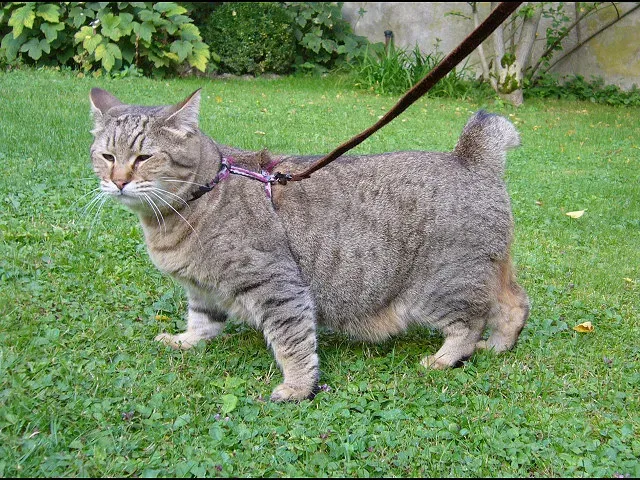
This quiet, confident breed also is described as intelligent, interactive and obedient. Pixiebobs look like miniature bobcats, which makes people assume they’re wild or difficult. Not true at all. The Pixiebob can be trained to walk on a leash as well as learn to love bath time, which is honestly impressive for any cat breed.
They’re surprisingly mellow compared to some of the more hyperactive trainable breeds. That confidence translates into a willingness to try new things without getting spooked easily. If you want a cat that’s trainable without being overly demanding of your attention every second of the day, the Pixiebob hits that sweet spot perfectly.
Turkish Van: The Playful Water Lover
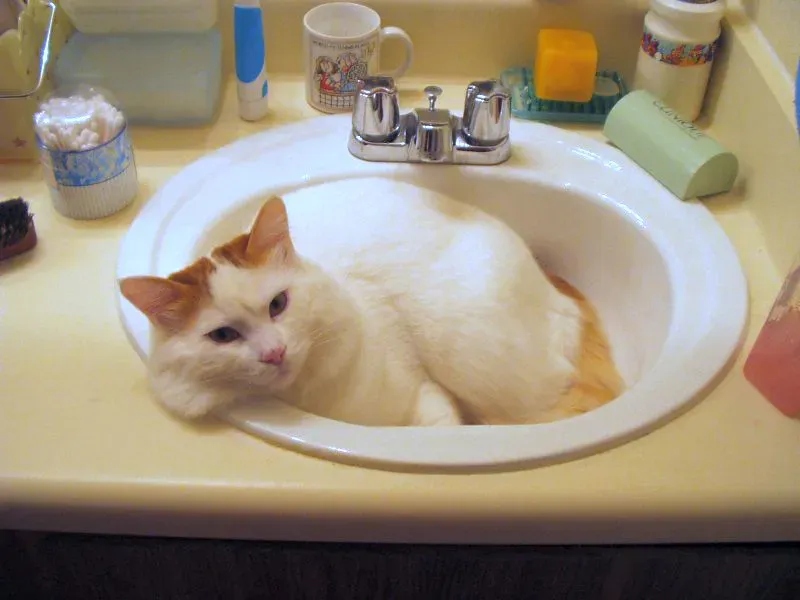
Turkish van cats are very energetic and love lapping up attention from their pet parents, and since they are eager to please, they can be easy to train. These cats have a unique personality trait that sets them apart. They actually enjoy water, which is rare among felines. That adventurous spirit carries over into training too.
Turkish Vans form incredibly strong bonds with their humans and genuinely want to make you happy. Turkish Vans are agile and highly trainable and also love to swim and play with water, can learn to fetch, respond readily to their names, and even enjoy car rides. If you’re looking for a cat that breaks all the typical feline stereotypes, this breed is it.
Somali: The Playful Fox-Like Trickster
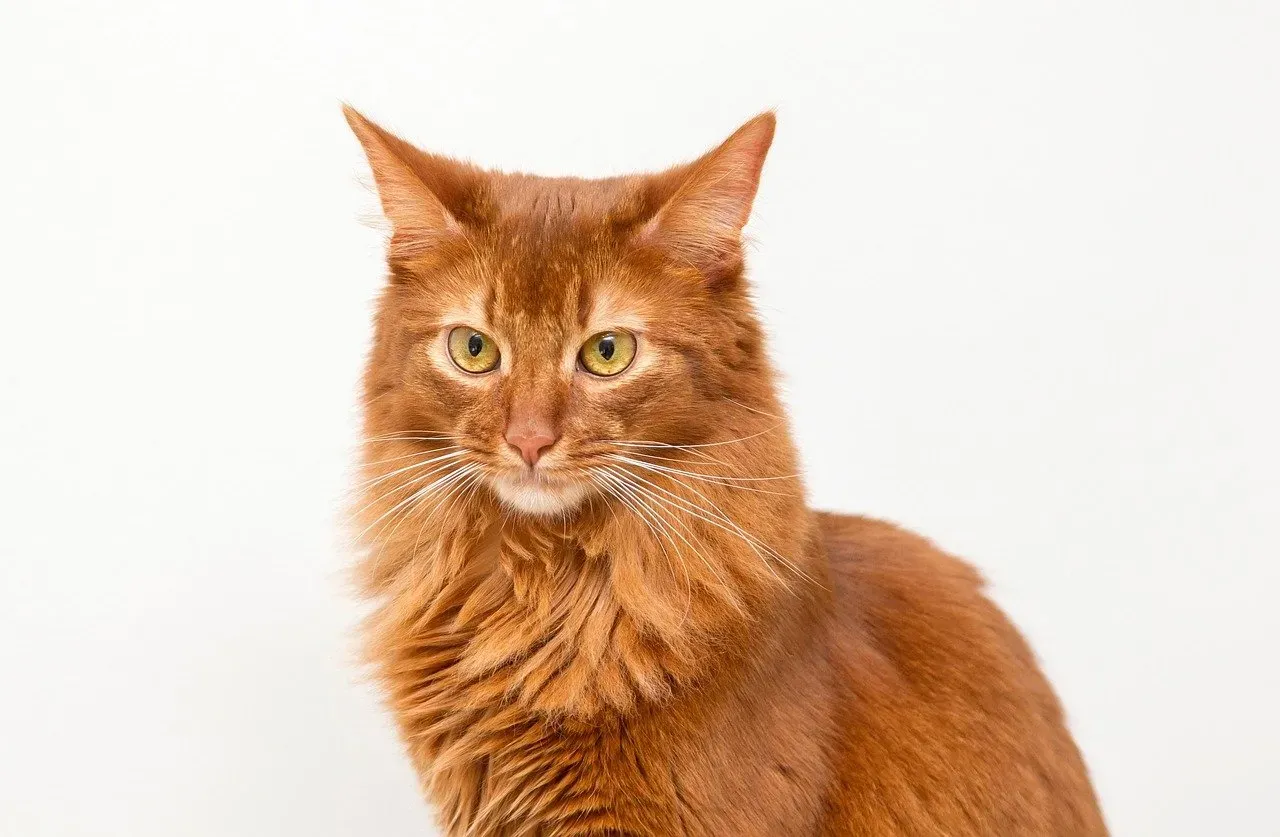
This relative of the shorthaired Abyssinian, which has the same exquisite ticked fur but medium-length and flowing, has its cousin’s manic energy, playful spirit, curiosity, and clever intelligence. Somalis are basically Abyssinians with fluffier coats and the same wild enthusiasm for life. They’re gorgeous, energetic, and ridiculously smart.
Many Somali owners report playing games with their felines like fetch, and even hide and seek. Their athleticism combined with curiosity makes them quick learners. Somali cats are very intelligent and keeping them stimulated can help curb any unwanted behaviors you may see if they get bored. Training is basically entertainment for them.
Burmese: The Velcro Cat Extraordinaire
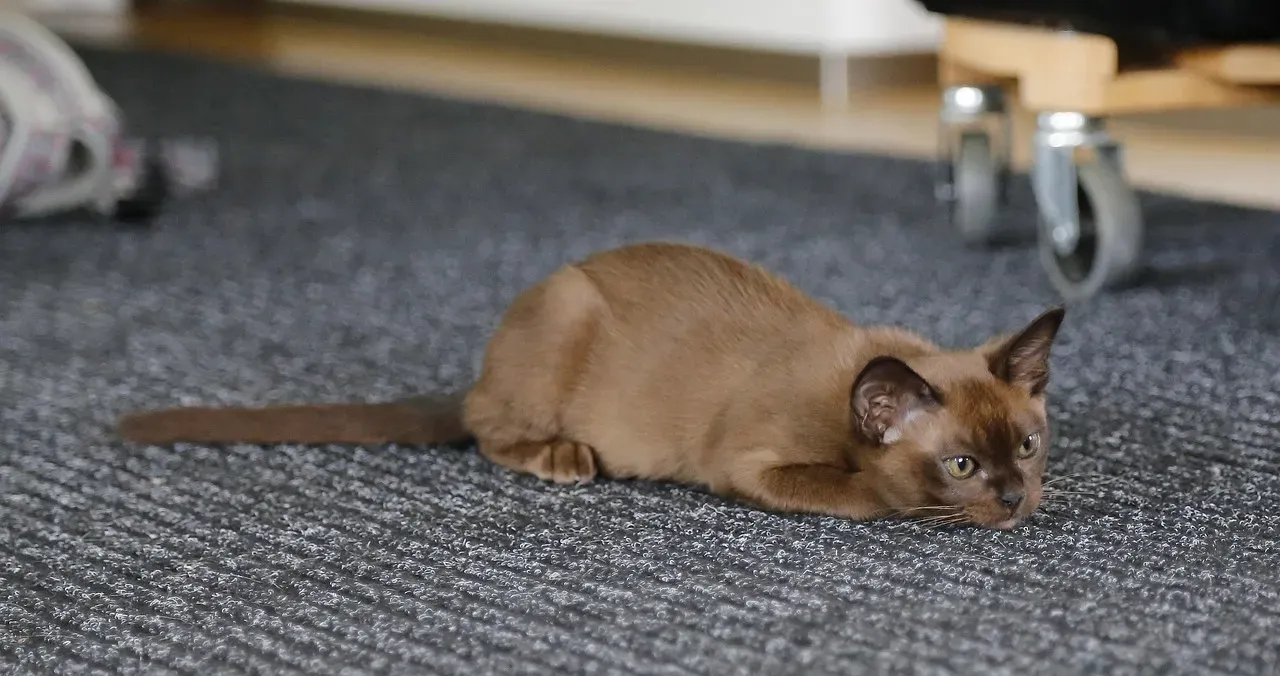
Burmese cats, also known as Velcro cats, have high levels of intelligence and absolutely like to learn new tricks. They earn that nickname because they stick to their humans like glue. Seriously, if you want personal space, don’t get a Burmese. They’re devoted, affectionate, and completely focused on their people.
Burmese cats are exceptional at learning about the world around them, making them more inclined to explore instead of being scared, and are emotionally intelligent in ways that many cats are not. That emotional intelligence is key. They read your moods, respond to your cues, and genuinely want to cooperate during training. It’s almost like they understand what you’re trying to achieve together.
Scottish Fold: The Sweet-Natured Quick Learner
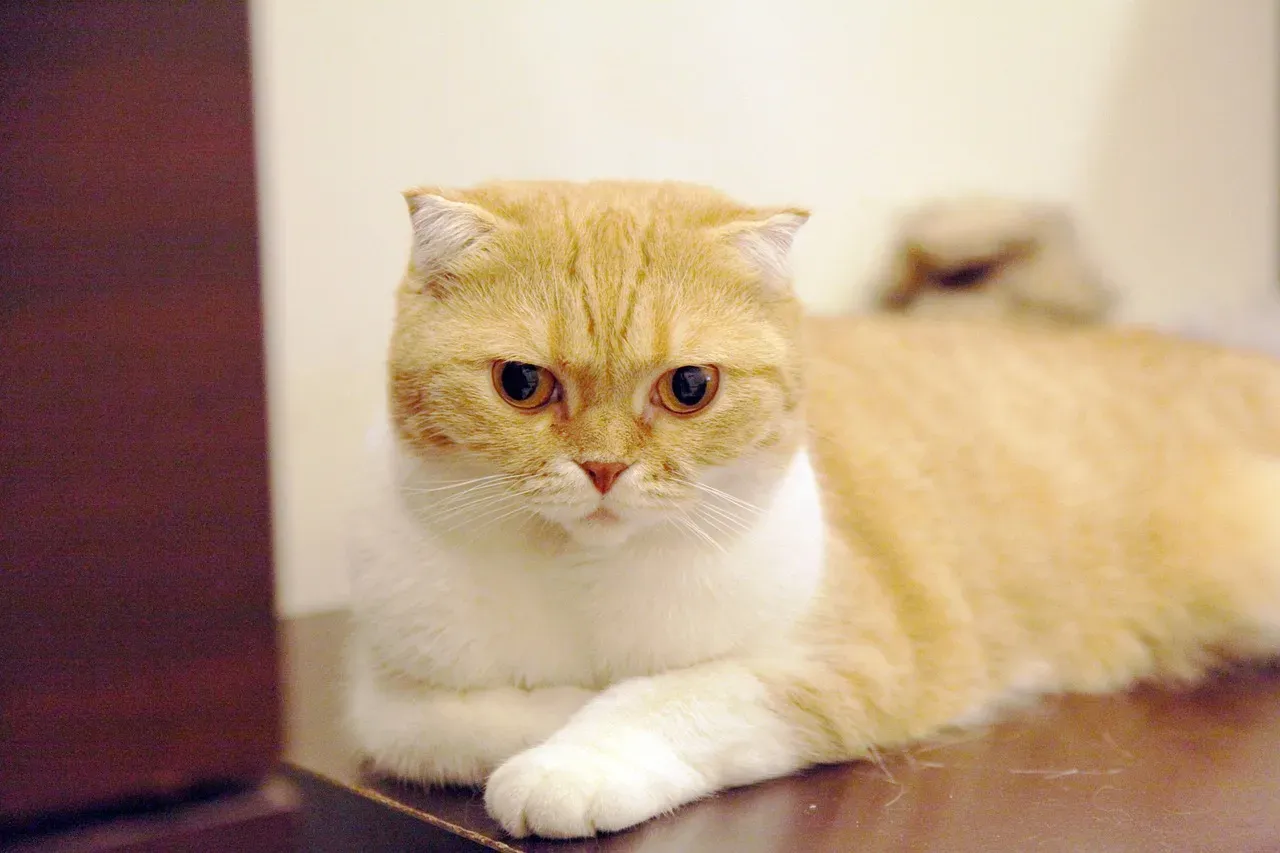
One surprising fact about Scottish fold cats is that they are very intelligent and easy to train, and whether you’re teaching them to use the litter box or respond to their name, they are quick to catch on to any new skill. These cats are famous for their folded ears and adorable sitting positions, but their trainability often flies under the radar.
Scottish Folds are moderately active and enjoy mental challenges without being overwhelming. The Scottish Fold cat breed is playful, moderately active, and likes cat toys that challenge their intelligence, like puzzle toys. They’re affectionate without being clingy, intelligent without being demanding, and trainable without needing constant stimulation. Honestly, they’re a great balance for people who want a smart cat that’s also chill.
Conclusion: Your Trainable Feline Awaits
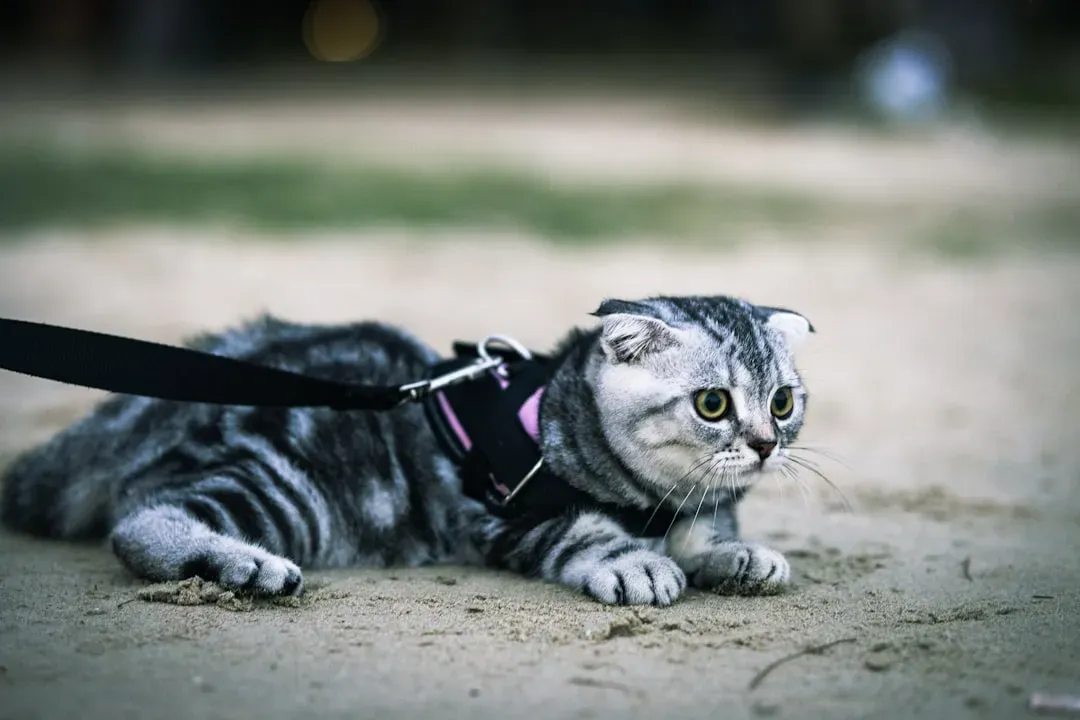
The myth that cats can’t be trained is just that, a myth. These twelve breeds prove that with the right approach, patience, and a good supply of treats, your cat can learn commands, tricks, and behaviors that’ll genuinely impress your friends. Positive reinforcement training is wonderful for their body, mind, and stress levels when you use it, and honestly, the bonding experience alone makes it worthwhile.
Whether you choose an energetic Bengal who treats training like an Olympic sport or a calm Maine Coon who learns at their own gentle pace, the key is finding a breed that matches your lifestyle and commitment level. Training isn’t about forcing your cat to behave like a dog. It’s about tapping into their natural intelligence and curiosity in ways that enrich both your lives. Did you expect that cats could be this eager to learn? What breed surprised you the most?