You probably chose a cat because you love their mix of independence and affection. But some breeds flip that script completely: they bond so deeply with you that too much time alone can really stress them out. If you’ve ever come home to a clingy feline shadow, loud meowing at the door, or a cat who seems lost without you, you might be living with one of these especially people-oriented breeds.
In this article, you’ll discover twelve cat breeds that tend to get intensely attached to their humans. You’ll see what makes each one so loyal, how that attachment can turn into separation struggles, and what you can realistically do to keep them emotionally healthy. By the end, you’ll have a clearer idea of whether your cat’s behavior is normal for their breed – and how to build a life that works for both of you.
1. Siamese: The Velcro Talker Who Hates Being Ignored
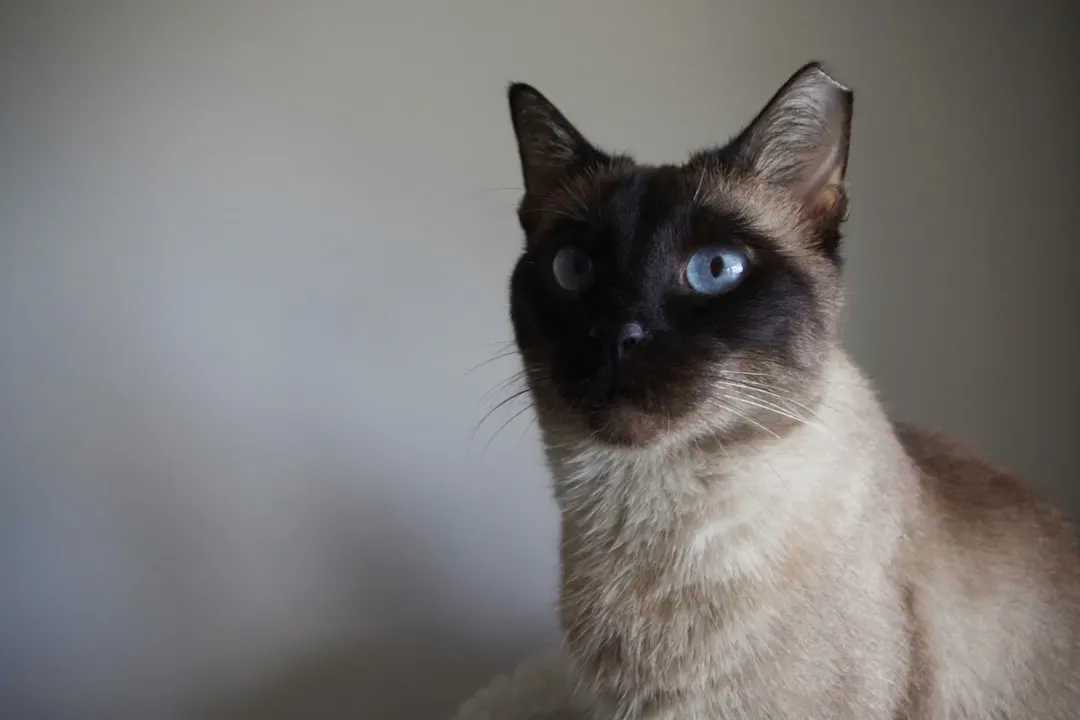
If you live with a Siamese, you already know: this is not a quiet, indifferent cat. Siamese are famously vocal, people-focused, and emotionally intense, and they often pick one person in the household as their favorite. You’ll find them following you from room to room, “talking” to you about everything, and insisting on being part of whatever you’re doing, whether that’s cooking, working, or trying to use the bathroom in peace.
Because they’re so social, Siamese can struggle badly with long hours alone. When they feel lonely or bored, they may start yowling, overgrooming, or getting into destructive mischief just to burn off frustration. If you’re away a lot, this is the kind of cat who really needs another friendly pet companion, lots of vertical space, puzzle feeders, and dedicated playtime when you get home to keep that big brain and big heart satisfied.
2. Ragdoll: The Gentle Shadow Who Wants to Be Wherever You Are
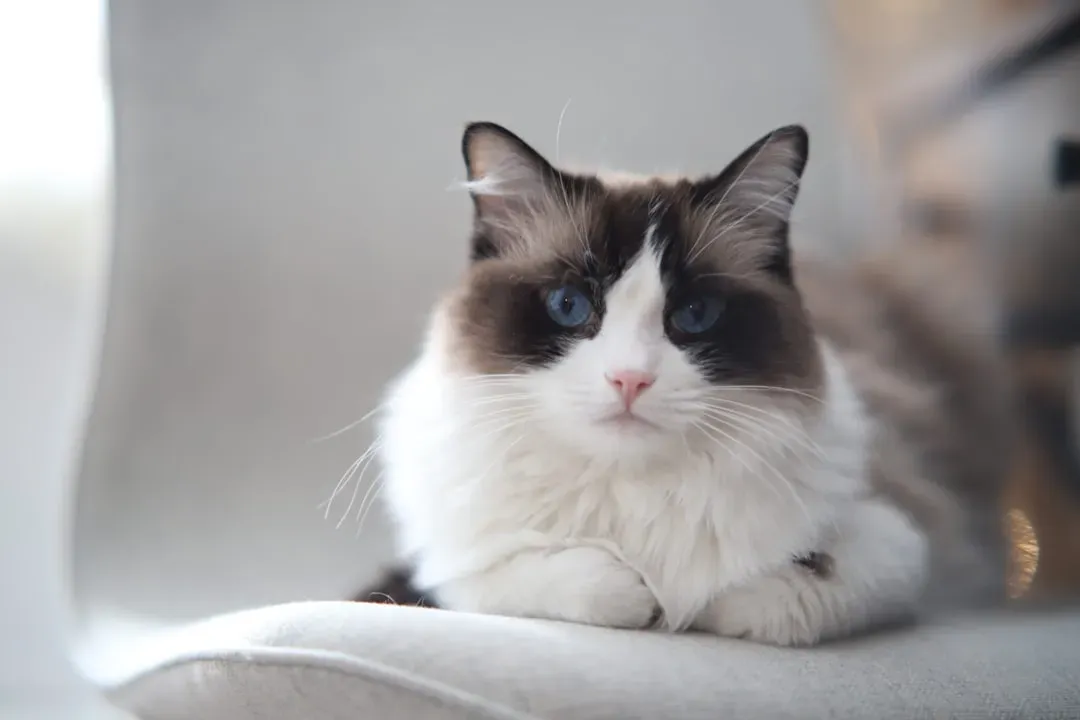
Ragdolls are often described as puppy-like, and you feel that the moment one trails after you like a soft, blue-eyed cloud. They tend to be relaxed, sweet-natured, and very people-oriented, frequently greeting you at the door and flopping nearby just to be close. Many Ragdolls are content to lie against your legs or on your lap for long stretches, soaking in your presence like sunlight.
That gentle temperament also means they don’t always cope well with being left completely alone for long periods. A Ragdoll might seem calm on the surface but become anxious, withdrawn, or start stress behaviors if life shifts suddenly and you’re gone more than before. You can help by creating cozy safe spots that smell like you, leaving soft background noise, sticking to a predictable routine, and scheduling daily play and cuddle “appointments” so your cat knows you always come back and make time just for them.
3. Burmese: The Social Butterfly Who Wants Constant Company
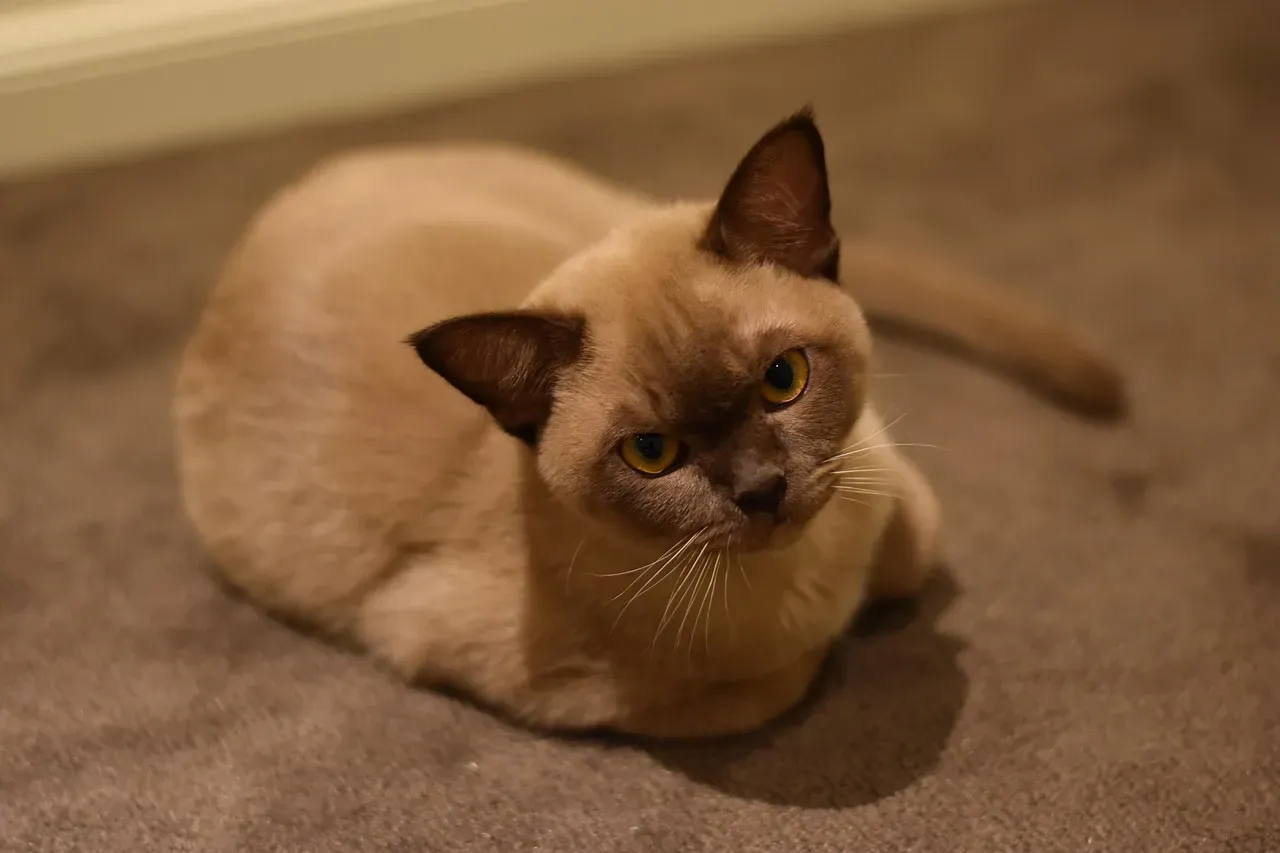
With a Burmese, you’re not just getting a cat – you’re getting a full-time companion. These cats are famously social, outgoing, and deeply human-focused, often wanting to be right under your chin, on your shoulder, or draped across your lap. They tend to be curious about guests, get along well with respectful kids, and generally thrive on a busy, interactive household where someone is almost always around.
Because of that, Burmese are one of the breeds most prone to feeling lonely if left solo for long workdays. You might notice extra clinginess when you return, loud meowing, or anxious pacing. Many breeders recommend that Burmese live with at least one other friendly cat so they always have company. At home, you can support them with plenty of interactive toys, high perches near windows, frequent short play sessions, and lots of gentle physical contact so they feel secure and connected.
4. Maine Coon: The Big-Hearted Gentle Giant With a Soft Spot for You
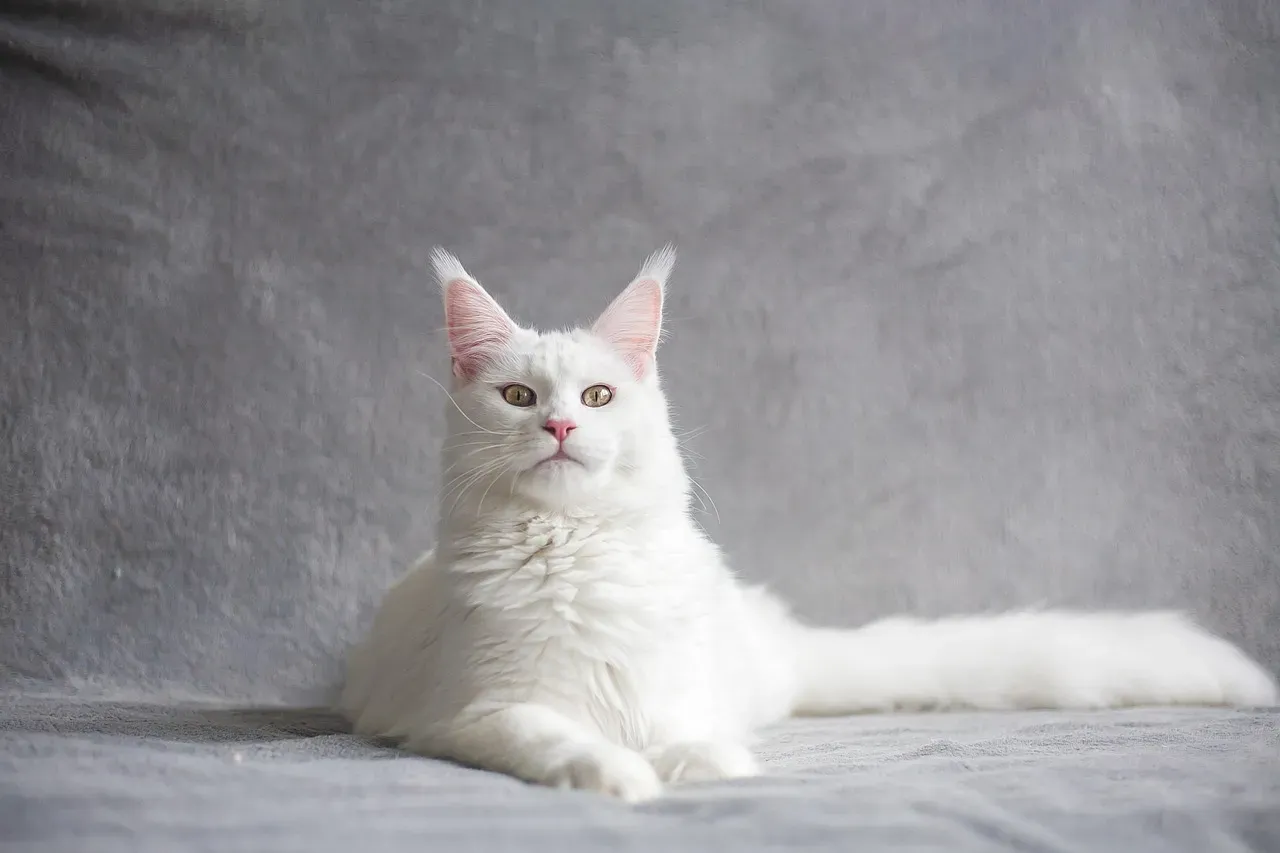
Maine Coons often look like majestic wildcats, but emotionally, they can be big, soft marshmallows. This breed is known for being friendly, easygoing, and attached to their people without being constantly demanding. A Maine Coon might not always sit on your lap, but they’ll often stay in the same room, supervising your life from a comfortable distance and quietly checking in throughout the day.
While they tend to have a more relaxed attitude than some clingier breeds, many Maine Coons still form deep bonds and notice when you’re gone too much. Some may become more vocal, restless, or even a bit destructive when bored and lonely. Giving them tall cat trees, window views, interactive toys, and a consistent daily routine can really help. If your schedule is intense, another pet friend and a solid chunk of quality time each evening can keep that big heart content.
5. Sphynx: The Naked Extrovert Who Craves Touch and Warmth
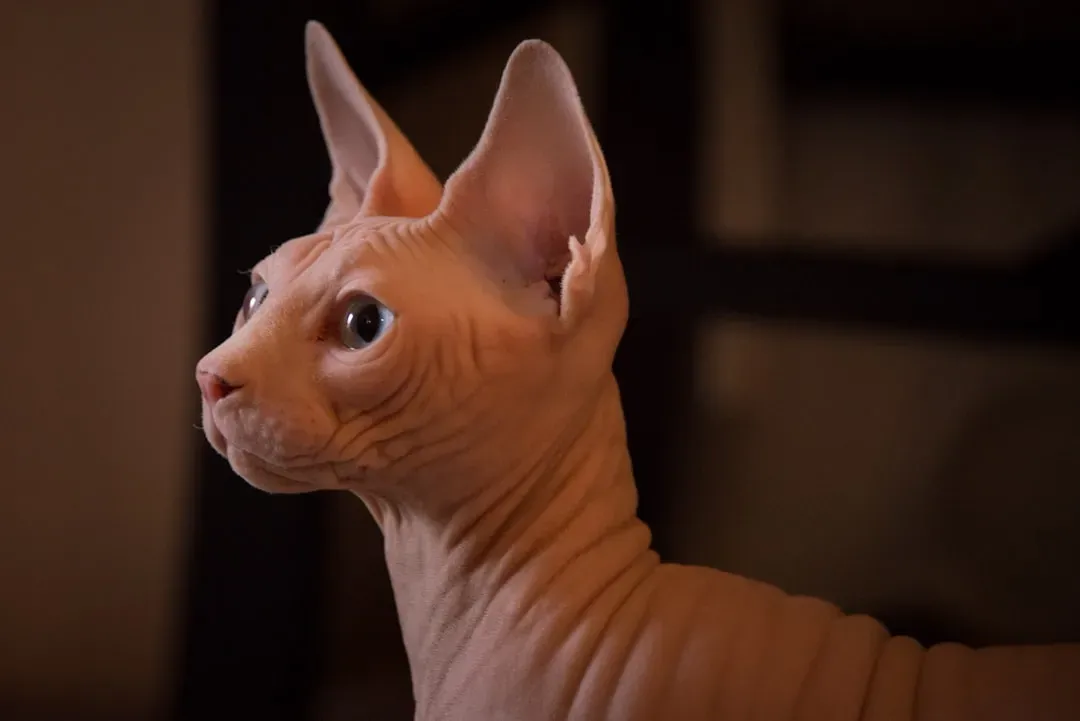
The Sphynx is one of the most people-oriented breeds you’ll ever meet. Without a thick coat, they rely more on body heat and love snuggling into your clothes or under your blankets. You’ll often find a Sphynx glued to your lap, your shoulder, or even your chest, basking in your warmth and attention. They tend to be lively, playful, and intensely curious about everything you do.
All of this makes them incredibly attached – and sometimes very distressed if left alone for long stretches. A lonely Sphynx may become needy, vocal, or anxious, and their high energy can turn into trouble if they have no one to interact with. You can support them by providing soft, warm bedding in sunlit spots, plenty of climbing space, and regular, energetic play. Many Sphynx do best with a second cat or a human who works from home or has a flexible schedule.
6. Scottish Fold: The Sweet Companion Who Lives for Quiet Togetherness

Scottish Folds may look almost toy-like with their folded ears and round faces, but emotionally they can be quietly intense. They’re often affectionate in a gentle, understated way, choosing to curl beside you on the couch, follow you around the house, or sleep on your bed every night. Many Folds pick a favorite person and build a deep, trusting bond over time.
Even though they’re not always loud about it, these cats can struggle if they’re frequently left alone with little stimulation. You might notice subtle signs: less interest in play, changes in appetite, or more clinginess when you are home. To help, you can structure your day to include calm together time – reading with them curled beside you, working with them nearby, or giving slow, soothing petting sessions. Environmental enrichment like scratching posts, hideaways, and gentle interactive toys also keeps them occupied when you’re not there.
7. Birman: The Soft-Spoken Loyal Friend Who Follows You Like a Shadow
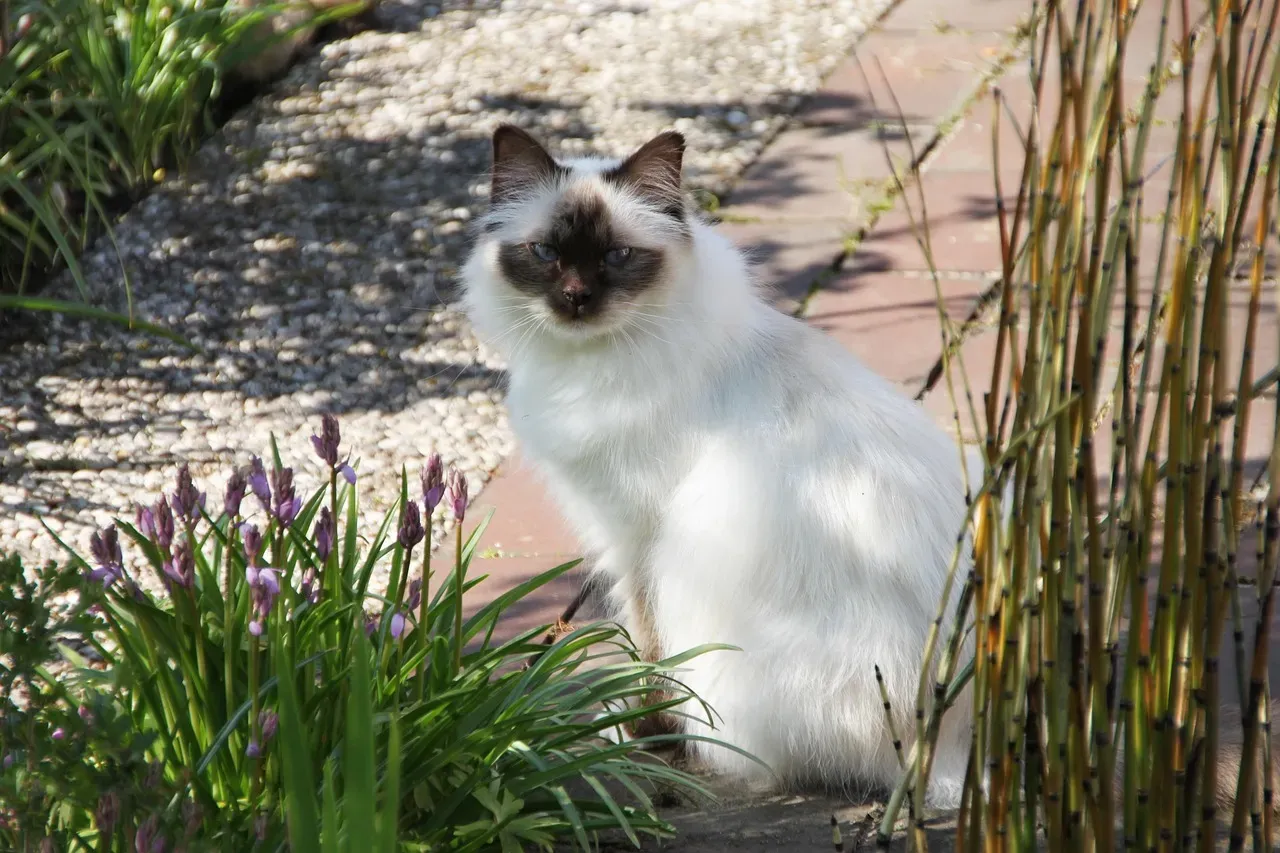
Birmans are often described as calm, affectionate, and quietly devoted. They usually enjoy being near you rather than on top of you, settling beside your computer, on your pillow, or just a few steps behind you as you move around the home. Their gentle nature and striking blue eyes can make their attachment feel especially tender and personal.
Because they’re sensitive, Birmans may react strongly to changes in your schedule or sudden increases in alone time. Some may become withdrawn, others more vocal or clingy when you return. You can help by keeping a stable routine, offering soft retreats that smell like you, and building little rituals – like morning pets in bed or evening wand-toy play – that reassure them. If you’re often out, another friendly, calm cat can be a comforting companion for a Birman who hates being truly alone.
8. Tonkinese: The Energetic Socialite Who Wants to Be in the Center of Everything
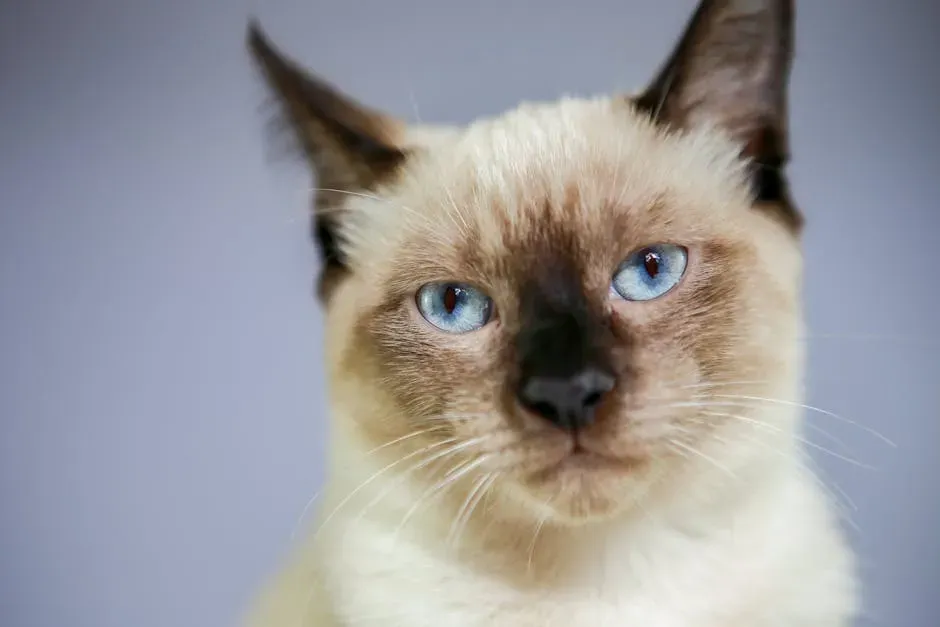
Tonkinese cats combine traits from Siamese and Burmese, and you can feel that mix in how intensely social they are. They’re typically playful, talkative, and determined to be involved in whatever you’re doing, whether that’s making coffee or folding laundry. Many Tonkinese will ride your shoulder, sit on whatever you’re trying to read, and greet visitors like old friends.
All that energy and social drive means they’re not built for a quiet, empty house day after day. A Tonkinese left alone too much can develop boredom, anxiety, or stress behaviors like loud calling or overgrooming. You can support them by scheduling multiple short, active play sessions every day, rotating interactive toys, and offering vertical spaces where they can climb and observe. If your lifestyle is busy, consider adopting in pairs or making sure there’s always another pet or person around to help meet their strong need for company.
9. Abyssinian: The Curious Adventurer Who Still Needs a Partner in Crime
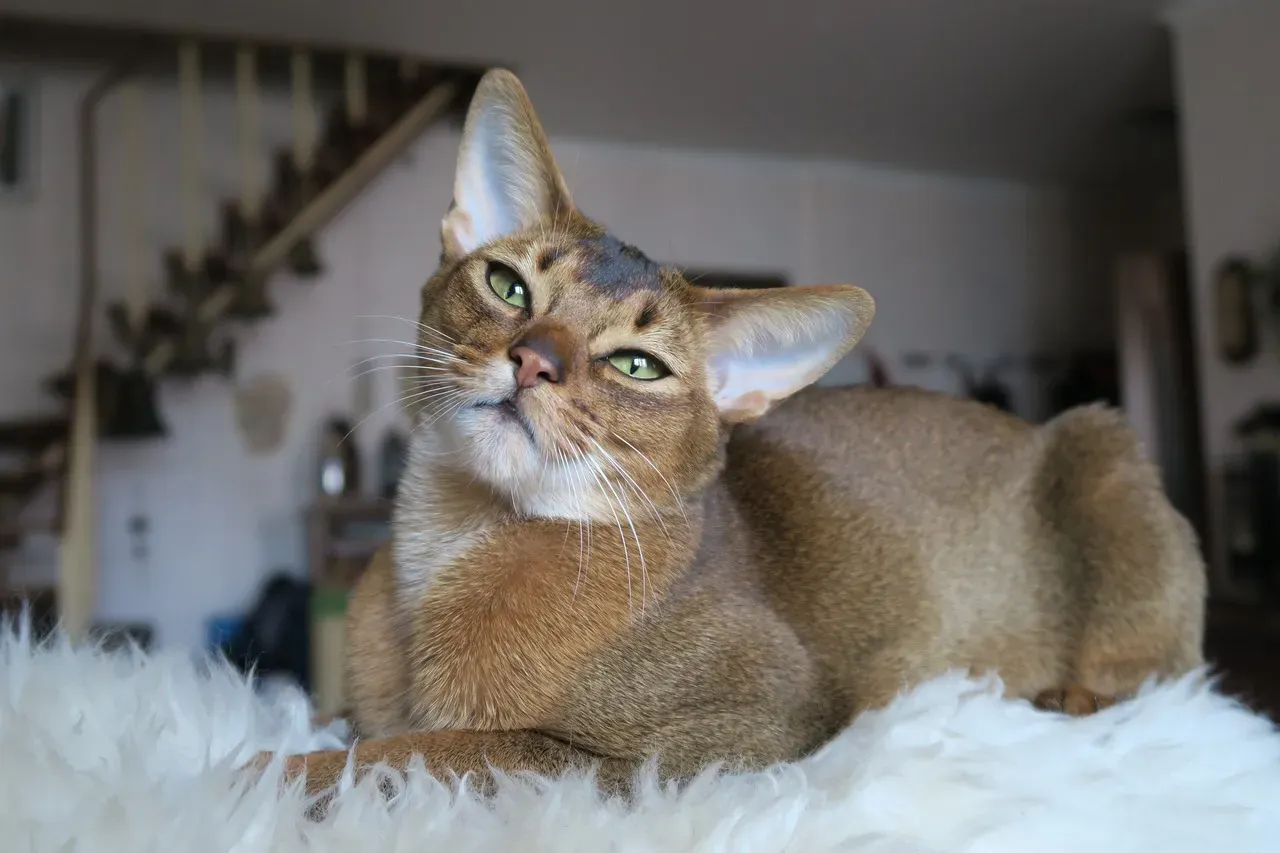
Abyssinians are often compared to little feline athletes, always climbing, exploring, and investigating every corner of your home. They’re smart, active, and intensely curious, and much of that curiosity is centered on you. An Aby may not always be a lap cat, but they like to be where the action is – perched on your desk, weaving between your legs, or watching your every move like a tiny supervisor.
Because their brains and bodies are always on, these cats can struggle when they’re bored and alone. Long, empty days can lead to frustration, loud meows, or creative attempts to entertain themselves that you may not appreciate. To help, you can offer climbing walls, window perches, puzzle feeders, and daily interactive play that really tires them out. Many Abyssinians thrive with another active cat to wrestle and explore with, so they’re not relying entirely on you for stimulation and companionship.
10. Oriental Shorthair: The Drama-Loving Companion Who Needs Your Attention
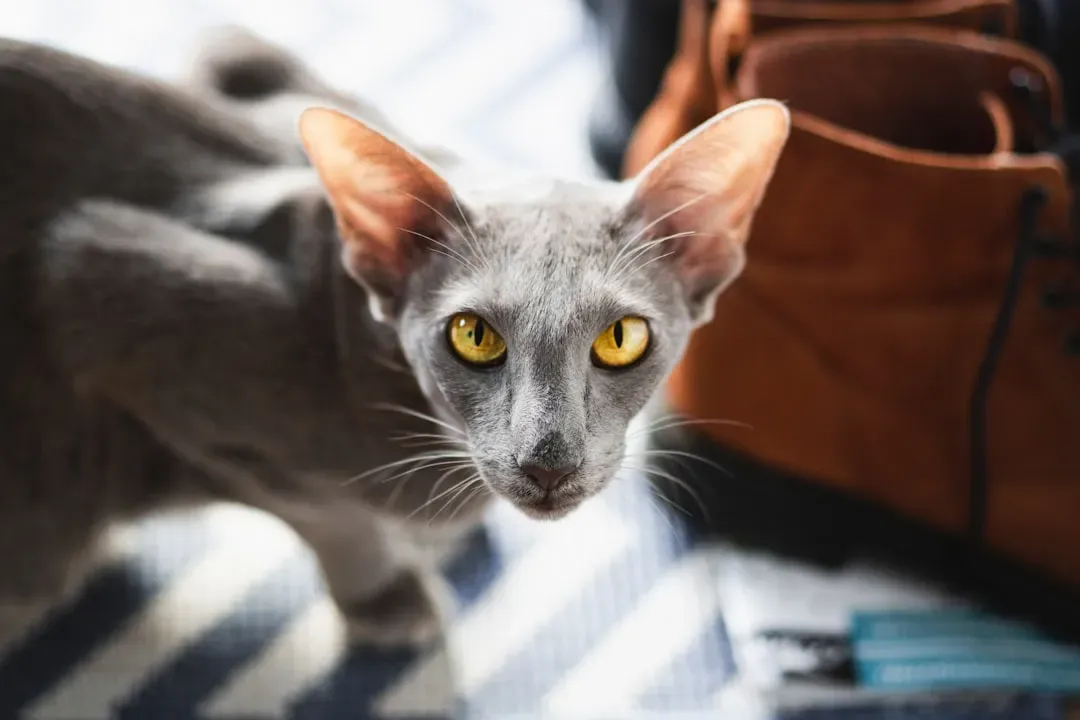
Oriental Shorthairs are like Siamese cousins with a flair for drama and style. They’re lean, elegant, and very vocal, often using a wide range of sounds to communicate with you throughout the day. You’ll likely find your Oriental right in the middle of your life: sitting on your laptop, following you into every room, and insisting on being part of every conversation, even if it’s just a video call.
That intense attachment can turn into distress when they’re left alone too often. An Oriental who feels ignored may become excessively loud, anxious, or destructive, simply because they’re desperate for interaction and mental engagement. Supporting them means embracing their social nature: think regular play, interactive food puzzles, cat-safe shelves and trees, and as much two-way “conversation” as you can manage. In many homes, these cats do best when they have another lively feline friend to share their big personality with.
11. Persian: The Quiet Devotee Who Wants Calm, Steady Companionship
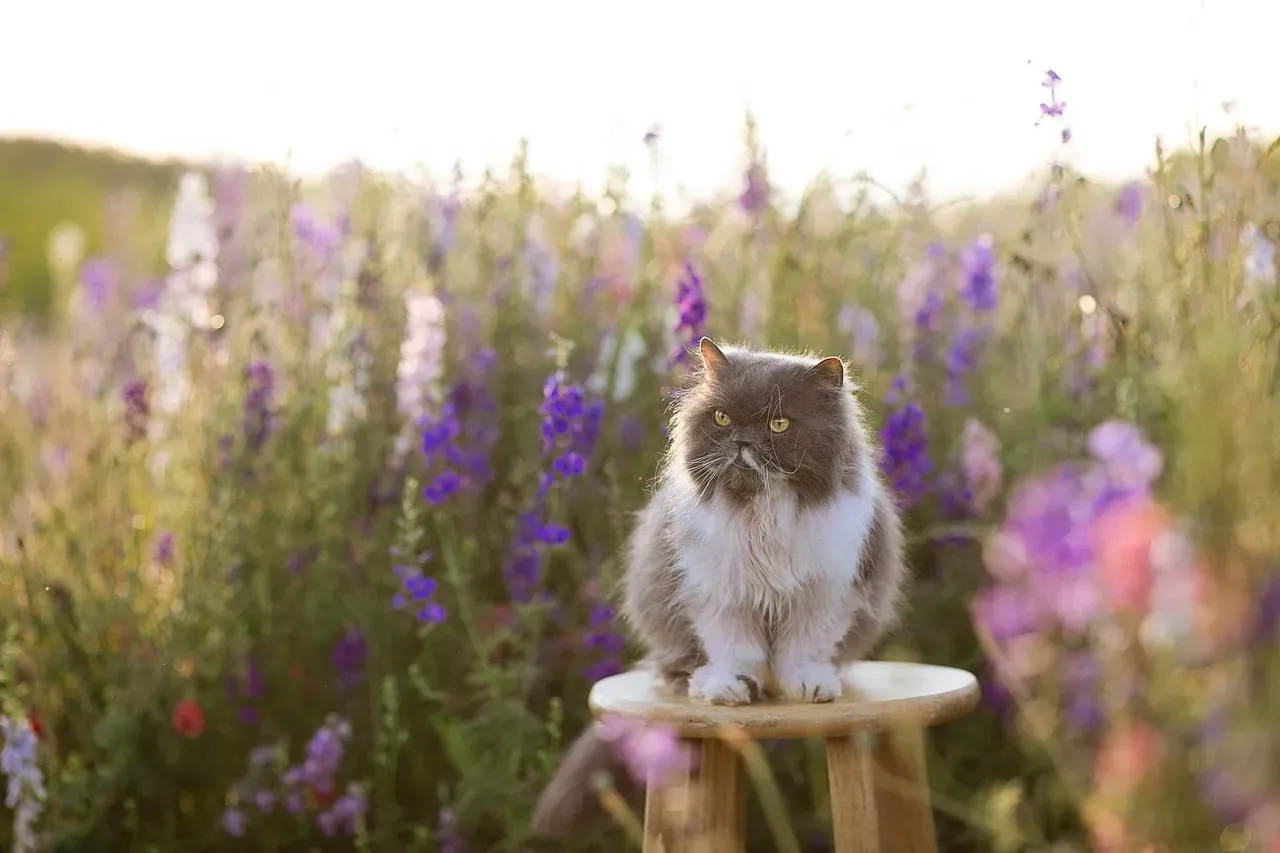
Persians might not be as obviously clingy as some breeds, but their attachment runs deep. They usually prefer calm, predictable environments and gentle, consistent affection from their trusted humans. You’ll often see a Persian choosing a favorite spot near you rather than demanding constant contact – settling on the back of the sofa while you watch TV, or on a nearby chair while you work.
Because they’re sensitive and routine-loving, Persians can become stressed when left alone for long hours or when household patterns change suddenly. You might see them become quieter, shy, or less playful when they’re not coping well. You can support them with stable routines, calm interactions, and cozy, secure resting spots in rooms where you spend a lot of time. Regular grooming sessions can also double as bonding time, giving your Persian both physical care and reassuring touch.
12. Devon Rex: The Mischievous Clown Who Wants a Front-Row Seat to Your Life
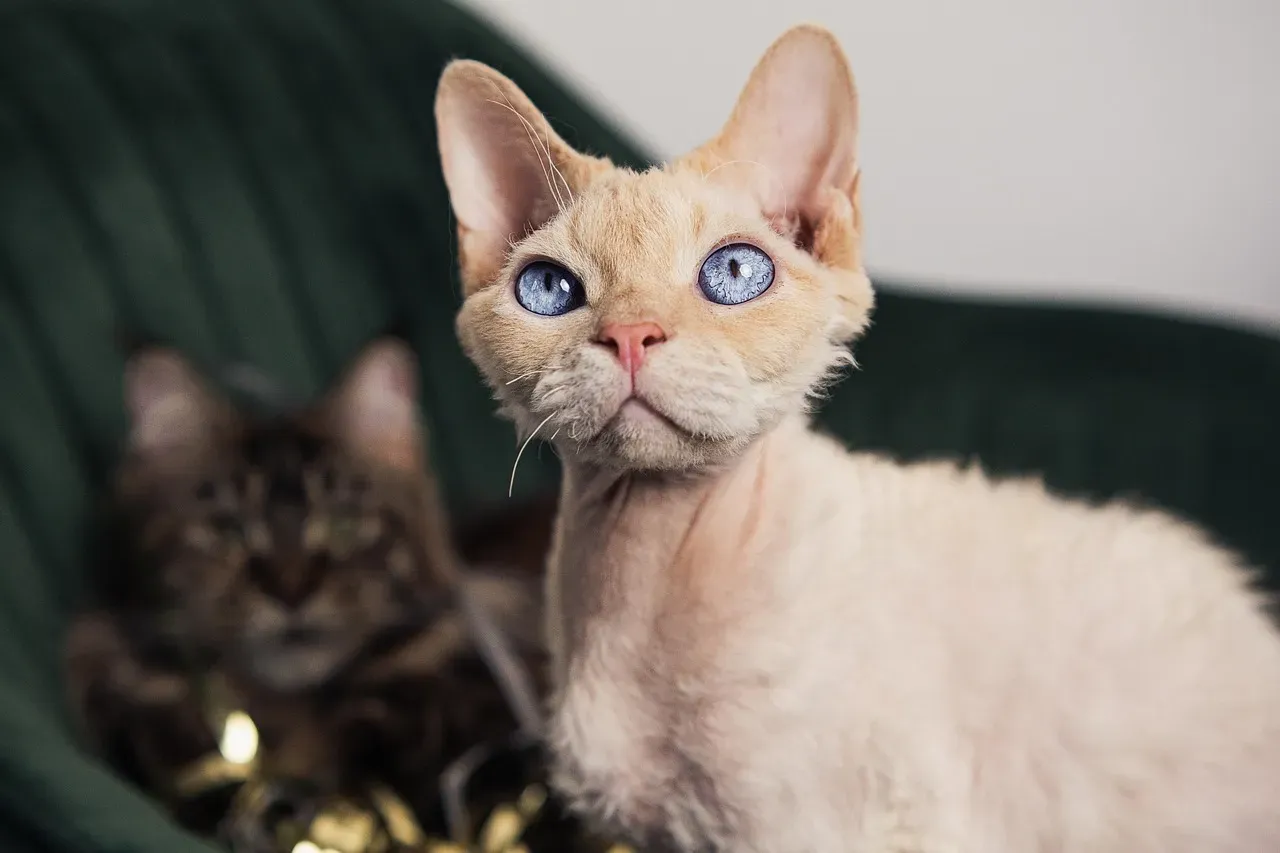
The Devon Rex is often described as an impish little acrobat, and living with one feels like sharing a house with a tiny comedian. They’re playful, energetic, and very people-focused, often perching on your shoulder, burrowing under your blankets, or insisting on being right up in your business. Many Devons crave physical closeness and will happily curl up on you whenever you sit still long enough.
Because they’re so interactive, Devon Rex cats can really struggle with loneliness and boredom. Left to their own devices too often, they might become anxious, vocal, or turn their energy into destructive explorations. You can help by giving them climbing structures, rotating toys, and plenty of interactive play where they can jump and chase. A second playful cat and a home where people are around frequently will let their social, silly nature shine without tipping into stress.
Conclusion: Choosing – and Caring For – a Clingy Cat
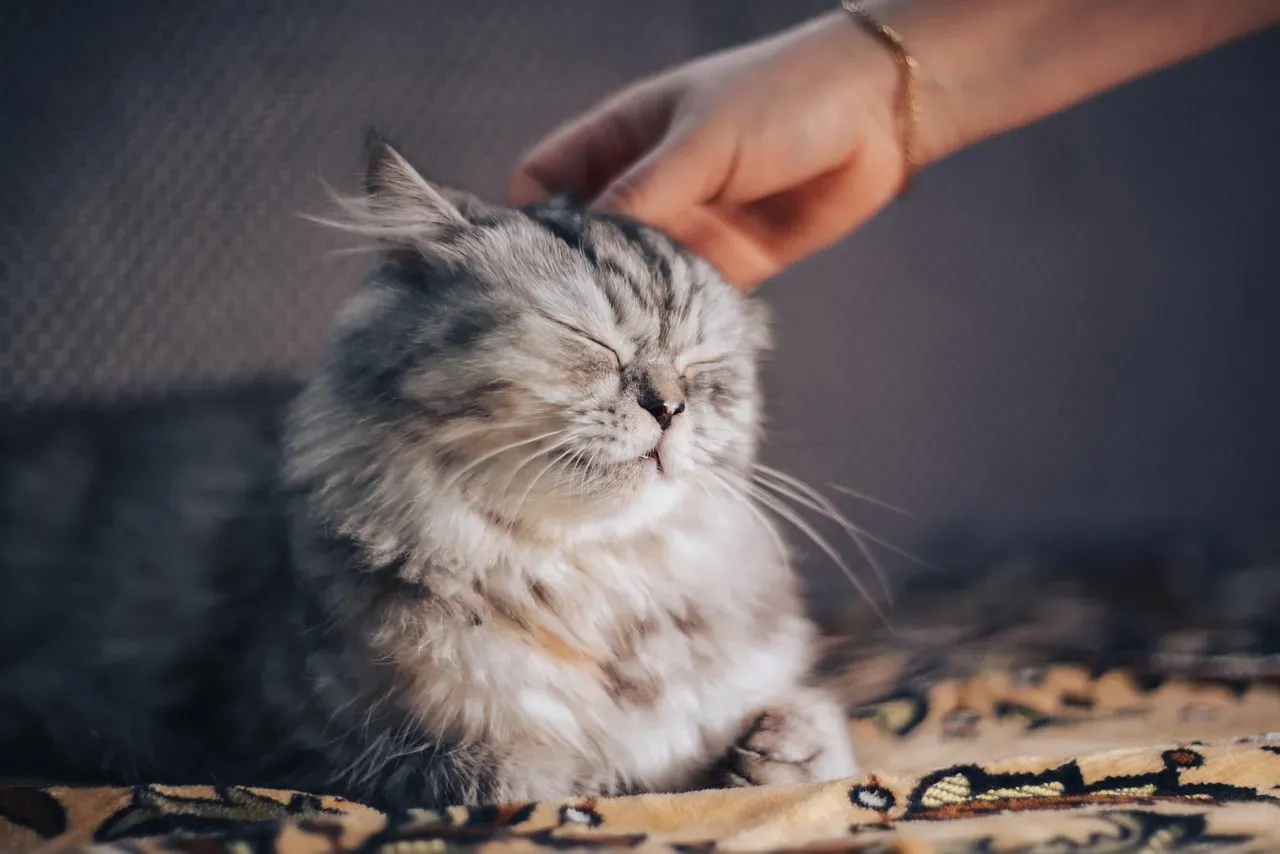
If you share your life with one of these breeds, you’re not imagining it: your cat really may need you more than the average feline. That deep attachment can be incredibly rewarding, giving you a pet who greets you at the door, follows you like a shadow, and seems to understand your moods. At the same time, it comes with responsibility – to protect their emotional well-being, plan for your absences, and build a home that feels safe, stimulating, and full of connection.
The good news is that with thoughtful routines, environmental enrichment, and sometimes a second pet friend, even the clingiest cats can learn to cope better when you’re not there. You don’t have to be perfect; you just have to be consistent, observant, and willing to meet your cat halfway. When you look at that little face waiting for you by the door, isn’t it worth asking yourself how you can make separation a little easier – for both of you?
Kristina is a young writer from India. An arts graduate and an avid content creator, Kristina is passionate about animals and wildlife. She enjoys exploring topics related to pet care, animal behavior, conservation, and nature, combining thorough research with engaging storytelling.