You reach out your hand thinking your cat will nuzzle right into it. Instead, you get a death glare, a swat, or worse – an actual bite. Not every cat melts into your arms like a purring puddle, and that’s something you learn pretty fast with certain breeds. Some felines just weren’t built for marathon cuddle sessions, no matter how much you love them.
Understanding this isn’t about taking it personally, it’s about respecting the fact that cats have their own boundaries. What looks like rejection is actually communication. So let’s dive in and meet twelve breeds that really, really prefer you keep your hands to yourself.
Bengal
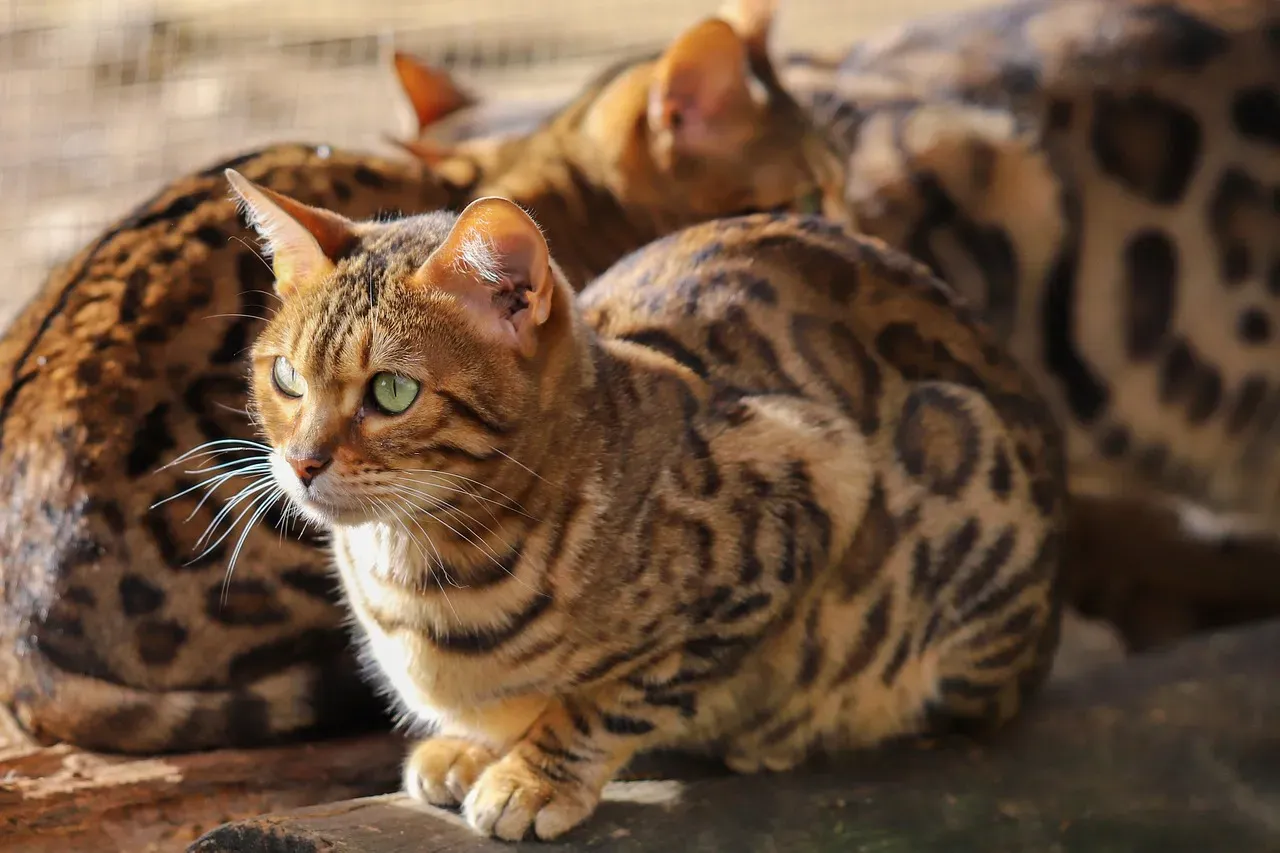
Bengals and Abyssinians are known for their independent and less affectionate nature, and these breeds may not appreciate being picked up and may react aggressively when held. Think of them as the athletes of the feline world. Their high energy levels demand mental stimulation through climbing and exploring rather than snuggling.
Bengals tend to have a more independent nature and can sometimes even come across as a little aloof, especially with strangers, as they are curious cats who enjoy observing their surroundings but won’t always be the first to seek out affection or attention. You can’t force a Bengal to be a lap cat when all they want is space to leap around like they own the place. Their wild ancestry shows through in their need for action, not affection.
Russian Blue
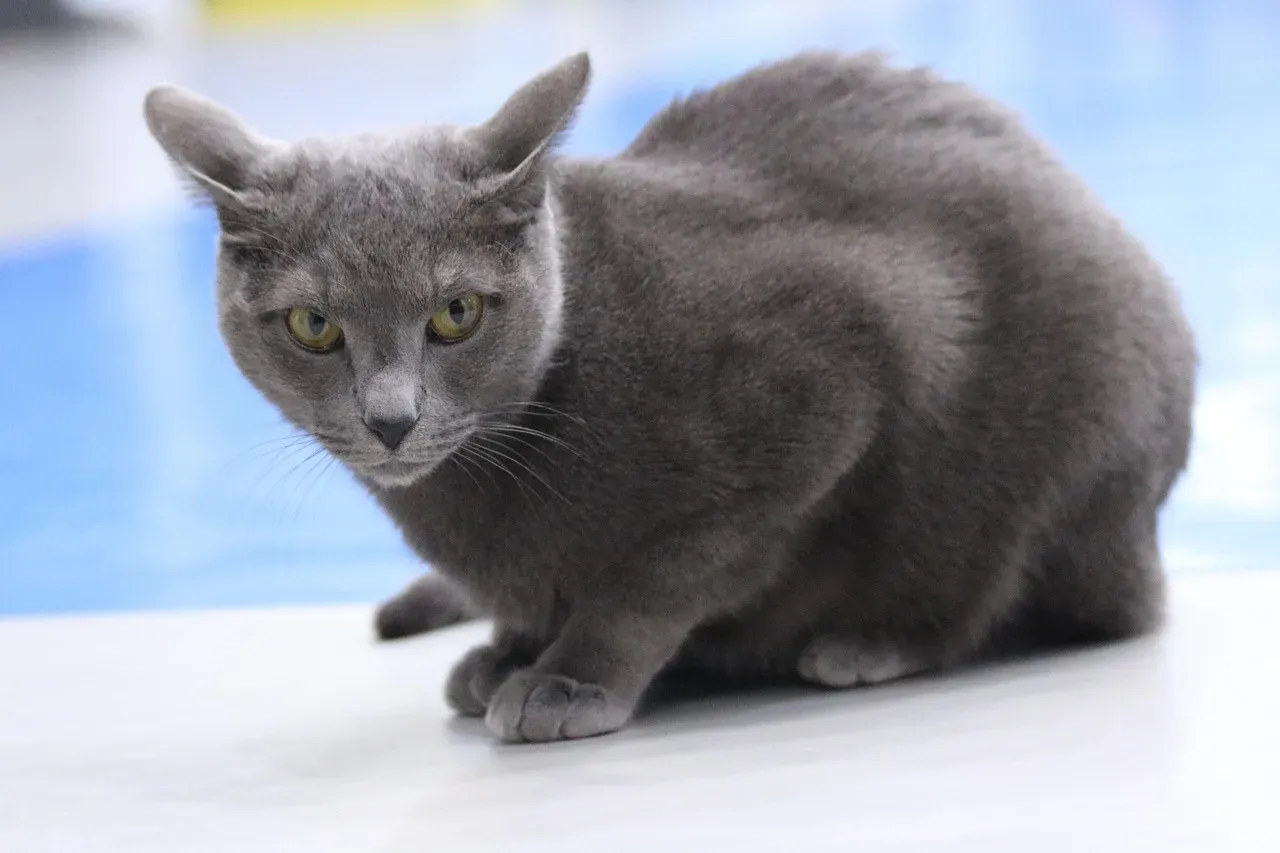
Russian Blues have a reputation for being elegant and reserved. Russian Blues are reserved and intelligent, bonding closely with their family but remaining aloof with strangers, a trait attributed to their ability to sense emotions and act cautiously. If you’re expecting a cuddle monster, prepare for disappointment.
Sensitive cats who thrive on predictability, stability, and routine, the Russian Blue likes quiet and calm homes, so they’re not the best choice if you have young children. They can also be aloof around strangers, but they are very affectionate in their own way with those they love. Honestly, they’re not trying to be rude. They just need to trust you first, and that takes time.
Abyssinian
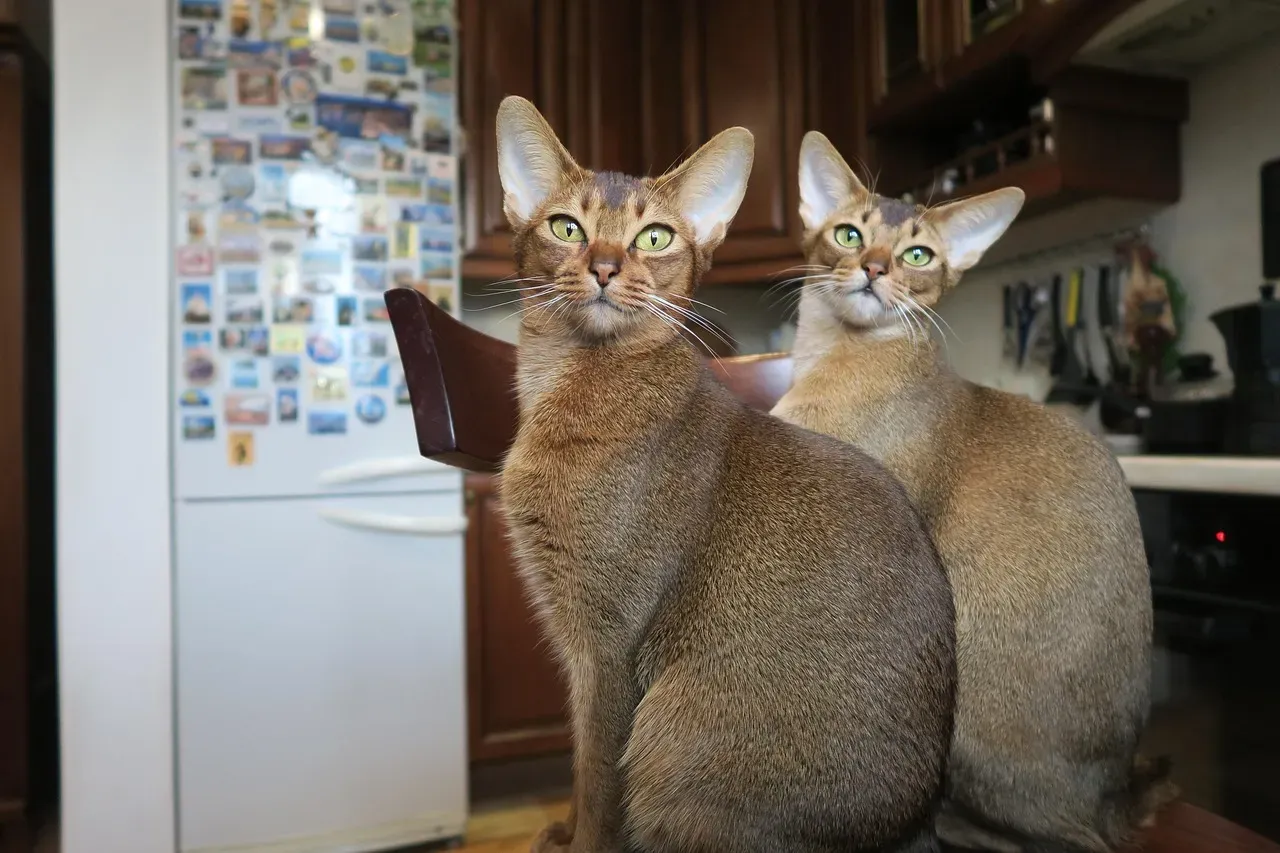
Abyssinians are very intelligent and curious cats, and they tend to have a lot of confidence. So, rather than demanding your attention, they often prefer exploring their surroundings. These cats want action, not affection on demand.
Here’s the thing: they’re affectionate but on their terms. Abyssinians grow very attached to their owners and don’t like to be left alone. They need a lot of affection, attention, and active play. Physical touch, though, isn’t always high on their priority list. They’d rather chase a feather toy than sit still for pets.
Egyptian Mau
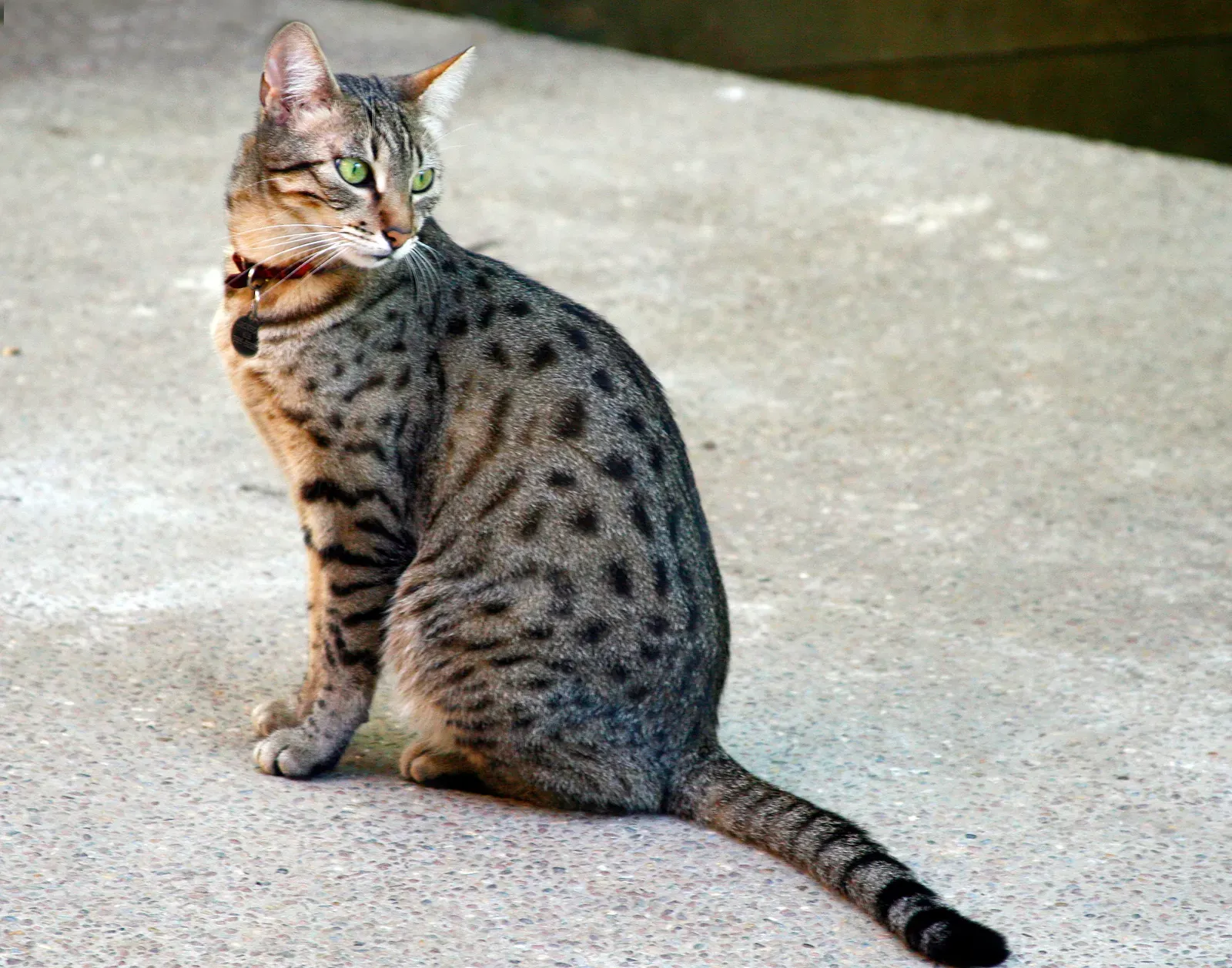
The beautifully spotted Egyptian Mau is affectionate with its owners but extremely shy with strangers, and their tendency to hide from guests results from this shyness, not aloofness, with time and familiarity allowing Maus to become very loving, showing that their initial coldness is a protective mechanism. Their wariness isn’t meanness. It’s survival instinct.
This protective mechanism extends to how they handle physical contact. They’re naturally athletic and love jumping, climbing, and playing fetch. Their energy is channeled into activity rather than stillness required for extended petting sessions. I know it sounds crazy, but trying to force snuggles on an Egyptian Mau is like asking a marathon runner to sit through a three-hour movie.
Scottish Fold
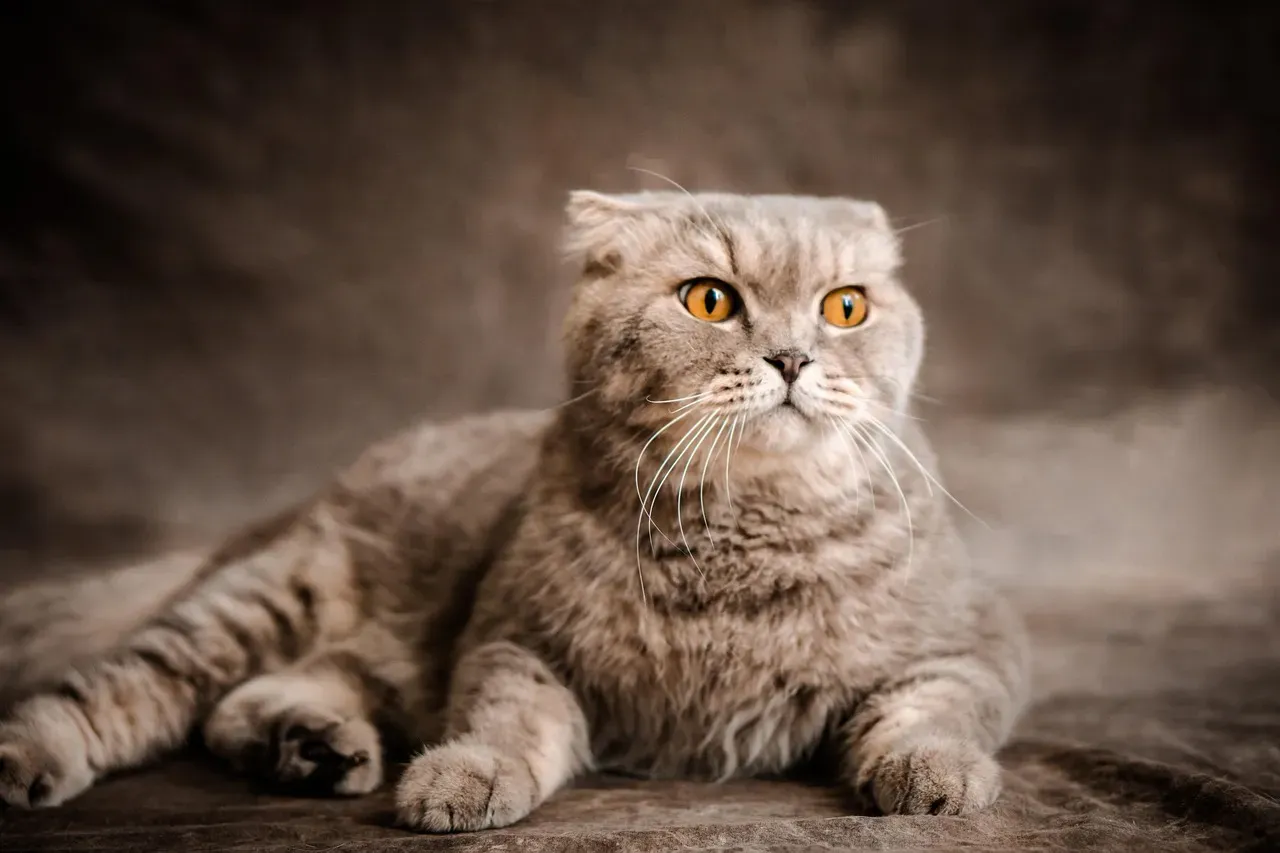
Those adorable folded ears might trick you into thinking they’re soft teddy bears who crave constant touch. Instantly recognizable by their bent-over ears, the Scottish fold definitely makes the cut for our count of the least active cat breeds. These cats enjoy friendly human interaction, but their activity level is minimal.
Sweet-faced cat that chooses attention selectively. While affectionate, Folds are content with independent time and moderate play sessions. Their folded ears need routine checks; otherwise grooming is straightforward. Let’s be real: they enjoy company, but petting sessions need to be brief and always on their schedule.
Persian
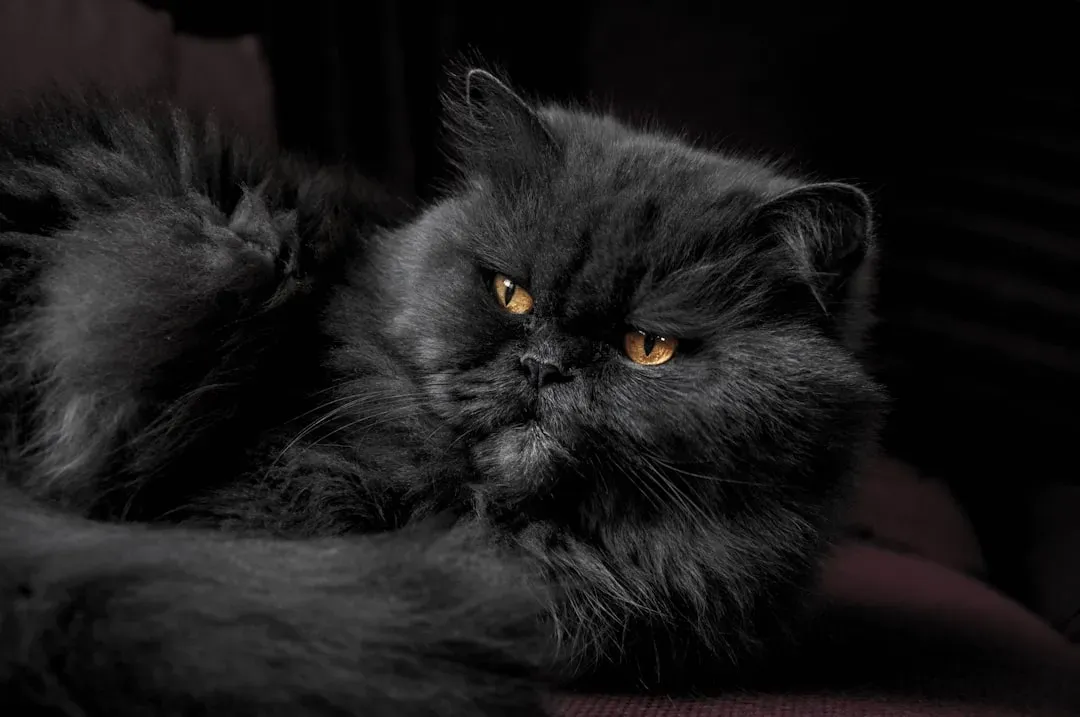
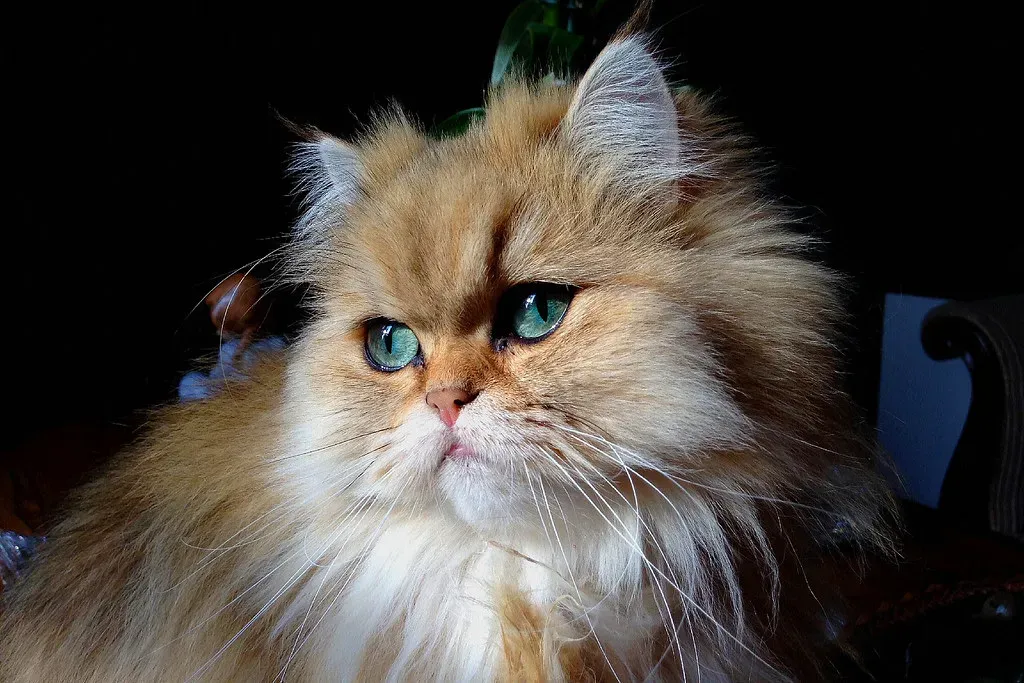
Known for their long hair and squashed faces, this gentle breed requires regular grooming and should remain indoors only. Typically quiet and rather aloof, Persians dislike loud noises and enjoy lounging regally upon a cushion or a lap. Notice the word “regally”? Yeah, they want you to admire them from a respectful distance.
Persians are affectionate cats that enjoy human companionship. However, they also don’t mind if you leave them alone for a while. These cats have pretty calm temperaments, so you don’t have to worry too much about them being too nosy and opening cabinets or knocking things off your counters. They usually prefer napping in quiet and cozy areas. Persians will always welcome your attention, but they’re not so demanding that they’ll pester you if they feel your attention is too divided. They’re low drama but also low touch.
Lykoi
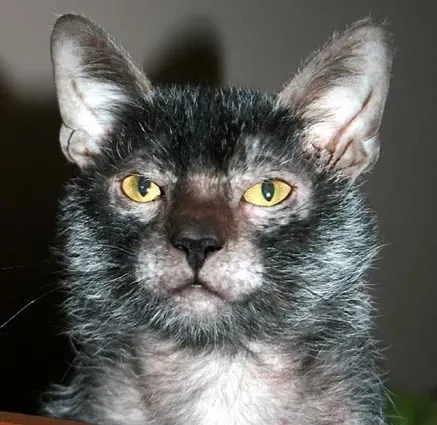
Lykois tend to be aloof and shy around strangers, preferring the company of those they know and love. Their werewolf-like appearance matches their cautious personality. They can be possessive of their favorite toys and don’t like to share. Although Lykoi seems independent and will play on their own, they still need lots of affection.
It’s hard to say for sure, but their independent streak combined with their need for affection on their terms makes them tricky. Touch them when they’re not in the mood and you’ll definitely regret it. They want love, sure, but they want it when they ask for it.
Norwegian Forest Cat
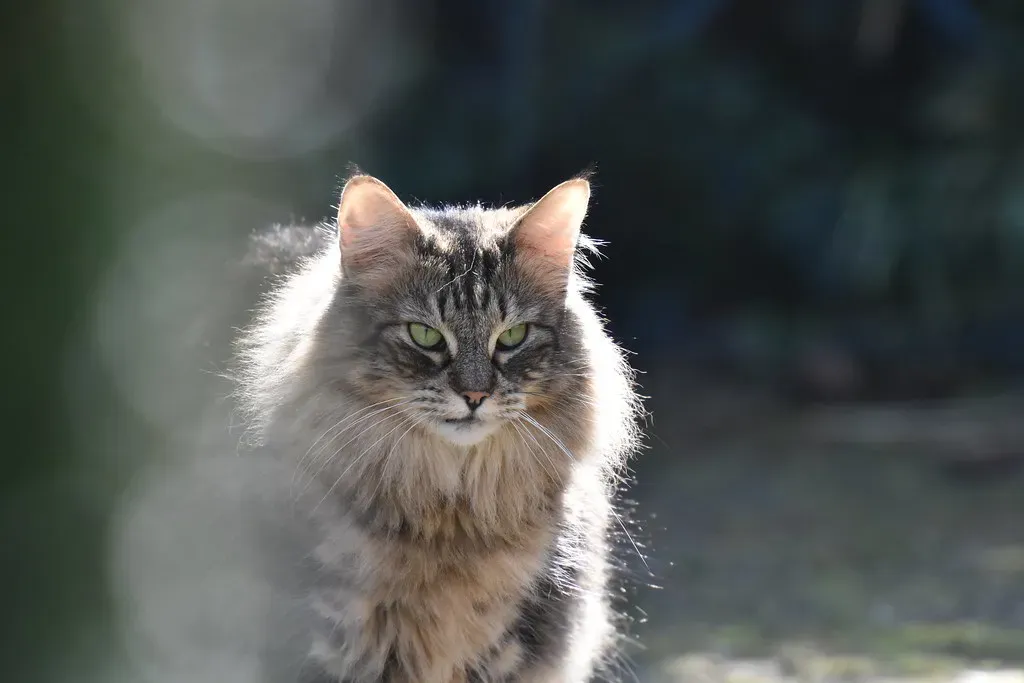
Norwegian Forest Cats are a striking breed with thick, dense fur that keeps them warm in even the coldest of climates. Mild-mannered and patient, they’re gentle cats who enjoy being part of the family. A friend to all, the Wegie (as they’re affectionately known) is sociable while still retaining a strong streak of independence.
Large, rugged cat bred for outdoor survival; independent and adventurous. Enjoys climbing and active play but tolerates solitary time. They’re friendly but not clingy. You can pet them, but don’t expect them to sit patiently through a long grooming session unless they’re in the mood.
Turkish Angora
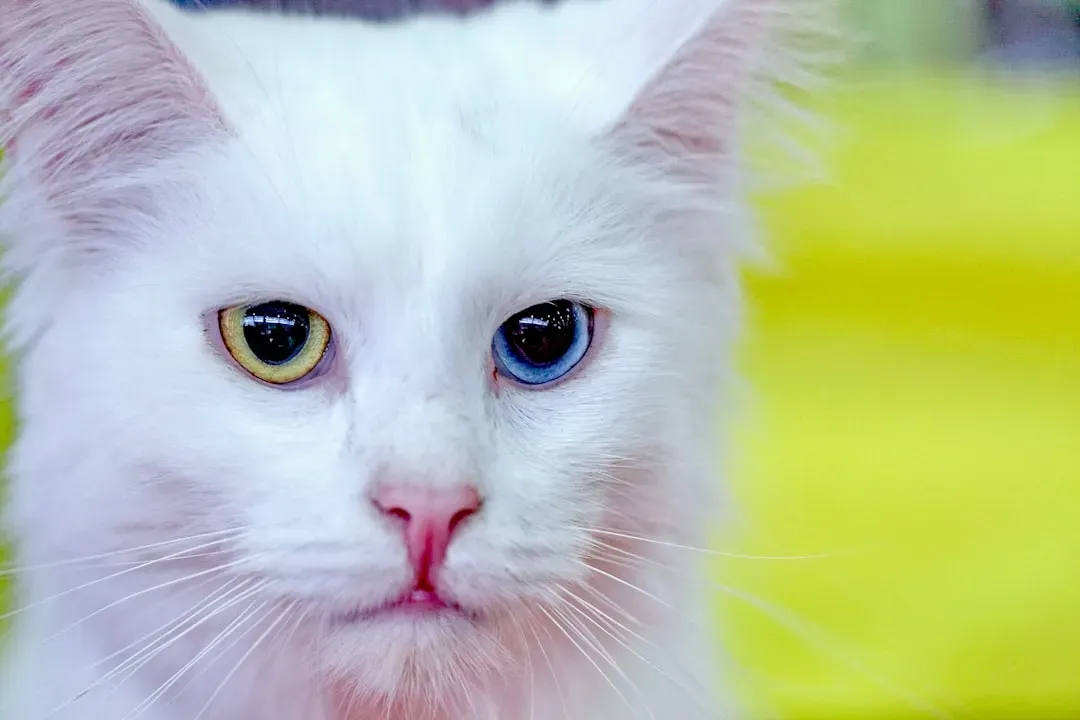
Active, athletic breed known for loving water and independent nature. Enjoys solo exploration and moderate to high daily activity. These cats are graceful, intelligent, and strikingly beautiful. They’re also stubborn.
They’ll bond with you, absolutely. Turkish Angoras are devoted once they choose you. The catch is they’re highly selective about when, where, and how you touch them. They love interactive play and mental challenges, but heavy petting? Not their favorite activity.
British Shorthair
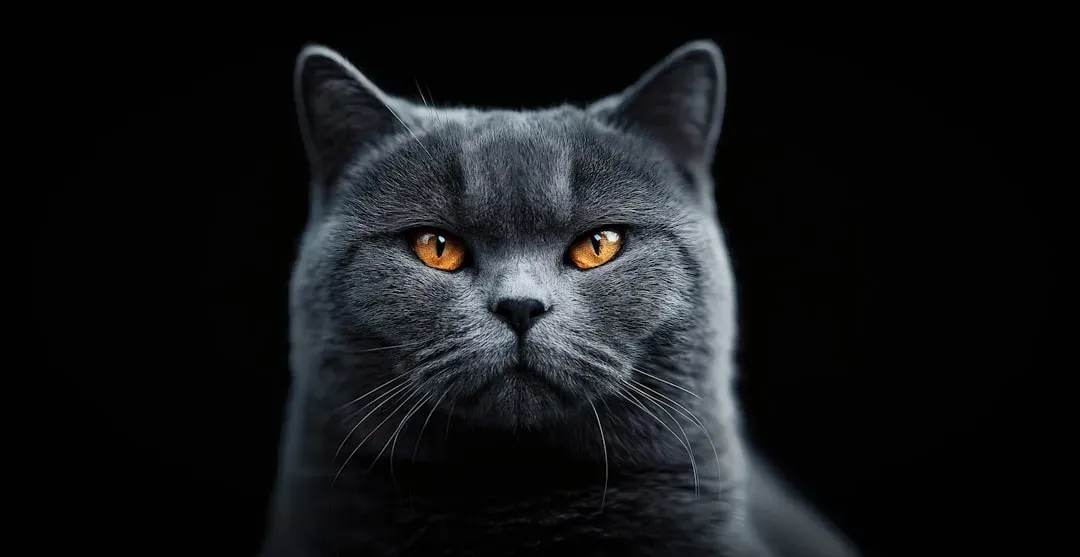
A portrait of understated grace, the British Shorthair enjoys attention but is equally happy to entertain himself while you’re away. As Vetstreet puts it, these cats “want to be with their people, not necessarily in a lap or carried around, but next to them or in the same room with them.”
Stocky, quiet hunter-type cat noted for aloof charm. Independent and self-directed; enjoys periods alone while engaging in moderate play. They’re near you, not on you. That’s their motto, and you’d better respect it.
Exotic Shorthair
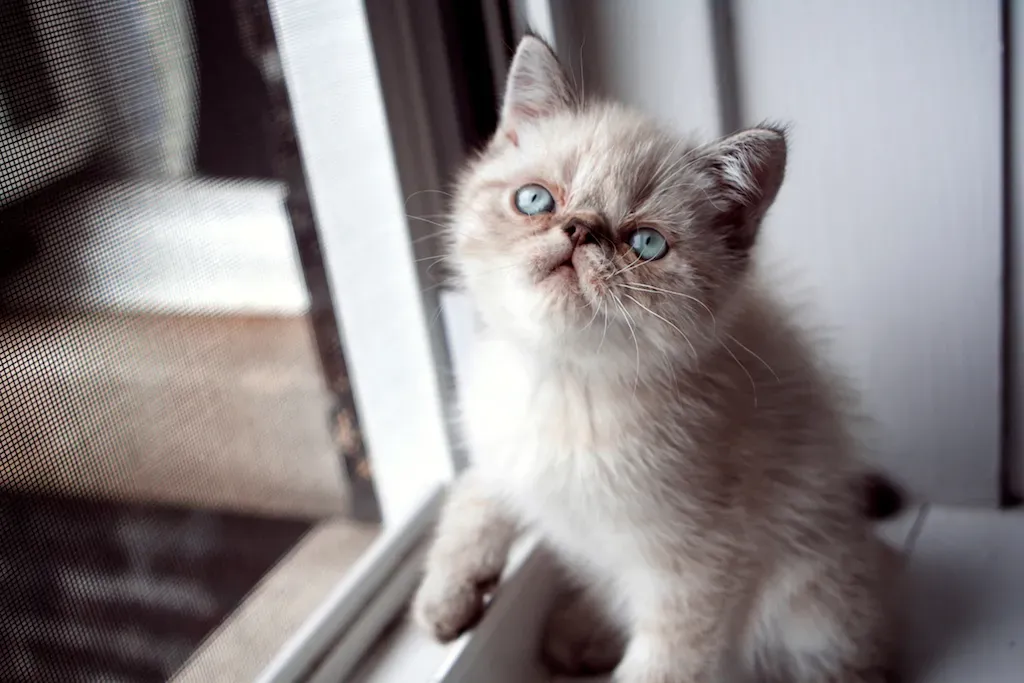
If you’ve ever wanted a Persian but can’t quite cope with the thought of daily grooming sessions, then the exotic shorthair is well worth considering. This breed has the same look as the Persian but without the high-maintenance coat – and their temperament is almost identical as well. Calm, sweet-natured, and gentle, the exotic shorthair is an undemanding kitty who gets along well with children and other pets. Highly affectionate, they’re quiet cats with soft voices, and although they enjoy a daily play session, they’re otherwise very low energy.
They’re affectionate, yes, but in a low-key way. They won’t demand constant touch, and forcing it will probably annoy them. They prefer companionship from a distance rather than being held or constantly stroked.
Birman
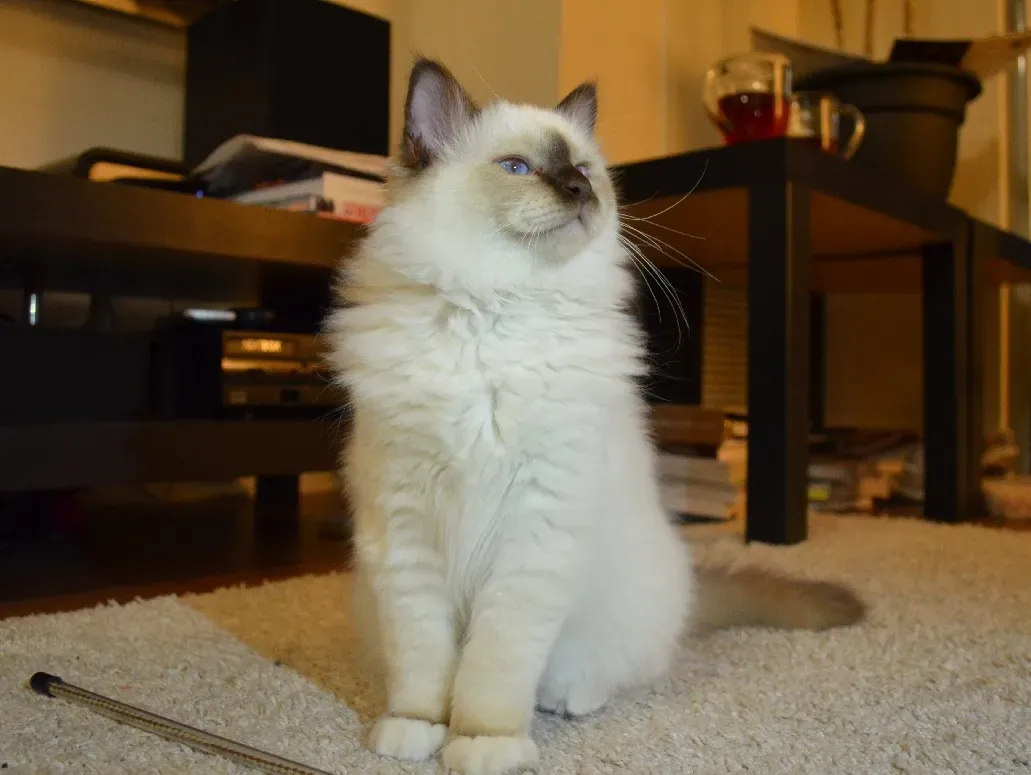
Birmans are beautiful cats with mild temperaments. They have go-with-the-flow personalities and aren’t known to be demanding. This sounds ideal until you realize their laid-back nature means they’re perfectly content doing their own thing.
These cats distinguished by the gloriously silky coat are independently-minded as well as being very low-maintenance. They’re sweet and loving, but picking them up or prolonged petting sessions? Not their preference. They’d rather be near you than on you.
What This Means For You
Understanding that some cat breeds naturally prefer less physical contact doesn’t mean they love you any less. Cats want to interact on their own terms, and we need to give them a sense of control. Respecting these boundaries actually strengthens your bond rather than weakening it. Learning to read their signals transforms your relationship from frustrating to fulfilling.
These breeds express affection in different ways, through slow blinks, sitting nearby, or engaging in play. Learning their unique love language makes living with them infinitely more rewarding than forcing them into a mold they weren’t designed to fit. Lastly, it’s essential to recognize that the slow blink is a sign of trust, which requires some effort at bonding. So what’s your take? Did your breed make the list, or did you luck out with a cuddle bug?