Cats are not silent. They’re just speaking a language most people never bother to learn. Every flick of a tail, every slow closure of the eyelids, every subtle shift in ear position is part of a surprisingly rich communication system built on thousands of years of instinct and adaptation.
The challenge is that most of us were never taught the vocabulary. You might live with a cat for years and still be interpreting everything wrong, not out of carelessness, but simply because no one explained the code. These 12 signals are among the most commonly missed, and once you start recognizing them, your whole relationship with your cat shifts.
The Slow Blink: Your Cat’s Version of “I Love You”
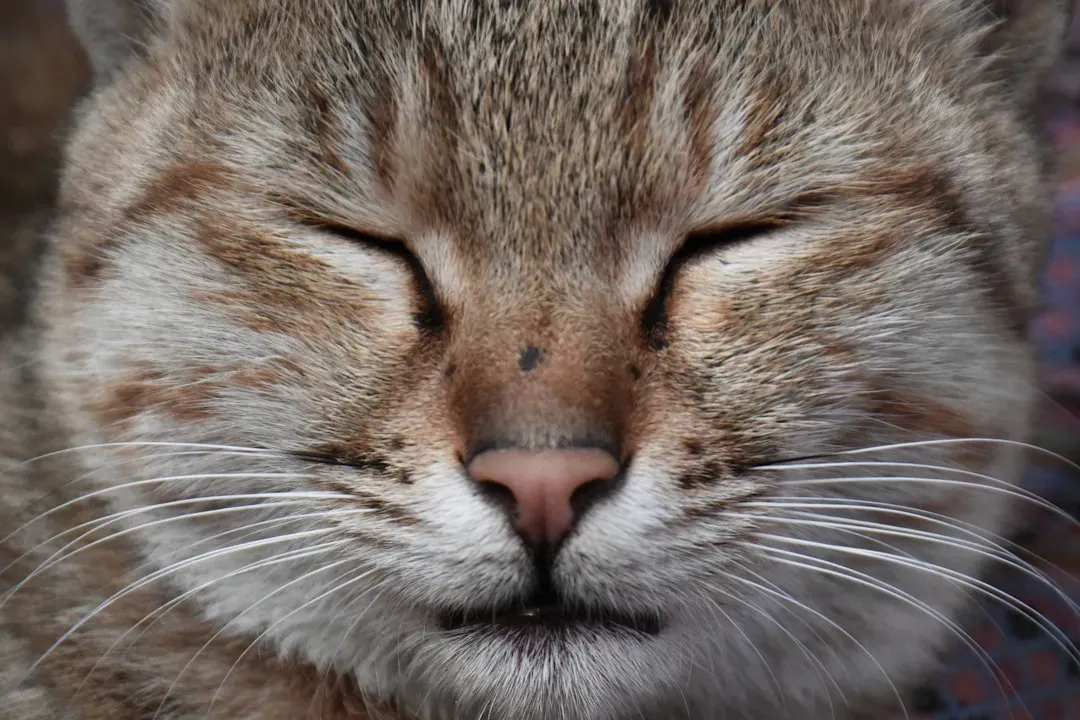
When your cat holds your gaze and slowly closes their eyes, then gently opens them again, you’re receiving one of the most meaningful gestures in the feline world. For the most part, slow blinking is your cat’s way of telling you that they trust and are comfortable around you. It sounds simple, almost too quiet to be significant, but in a world where direct staring signals a threat, voluntarily closing your eyes is a profound act of vulnerability.
When your cat looks at you and slow blinks, they are relaxing their guard – after all, a cat in the middle of a slow blink is vulnerable at that moment. Your cat knows this, so just like when they roll onto their backs and show their bellies in your presence, they are making themselves vulnerable because they feel safe with you. Here’s the good part: you can blink back. A groundbreaking 2020 study published in Scientific Reports found that cats respond positively to slow-blinking from humans. This non-verbal cue signals trust and affection. When you slowly close your eyes, pause for a second, and then gently open them again, your cat is likely to interpret this as a friendly and calming gesture.
The High Tail Walk: A Confident Hello
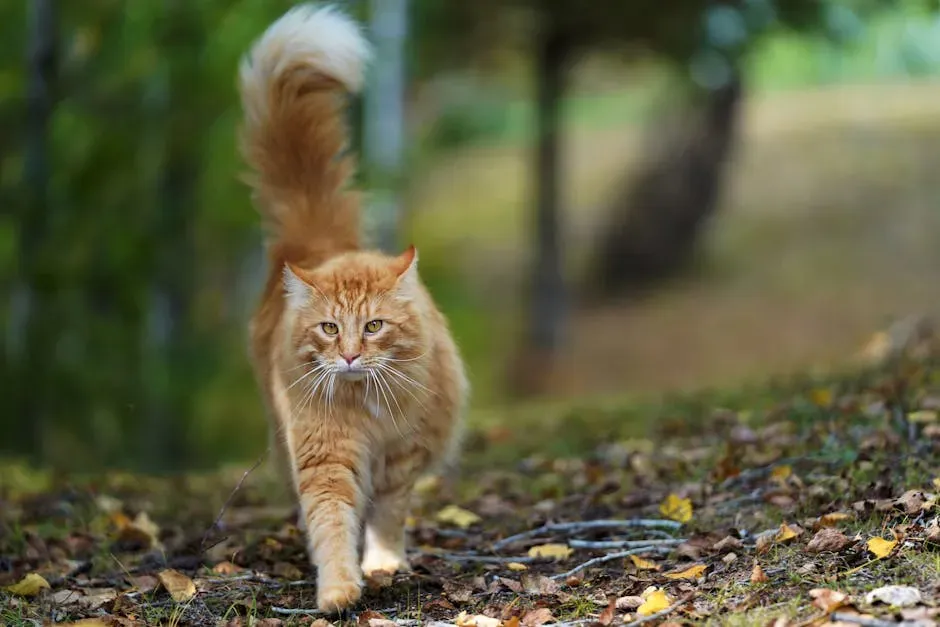
If a cat walks into the room with their tail sticking straight up, they’re feeling confident, comfortable, and ready to engage in some friendly interaction. This tail position indicates all is right in the world – or at least from the cat’s perspective. It’s easy to overlook because the movement is so routine, but that upright tail is genuinely an invitation. You can think of it as your cat’s version of a cheerful wave hello across the room.
In cat-human interactions, cats most often approach with their tail up prior to rubbing themselves against the human. These results are important for a better understanding of cats’ perceptions of humans and help to promote cat welfare. Pay attention to the very tip of that raised tail, too. A tail that points up accompanied with a quiver at the base of the tail is often an indication your cat is especially excited to see you or to be getting a tasty bowl of cat food.
Tail Thrashing While You’re Petting: Stop Now
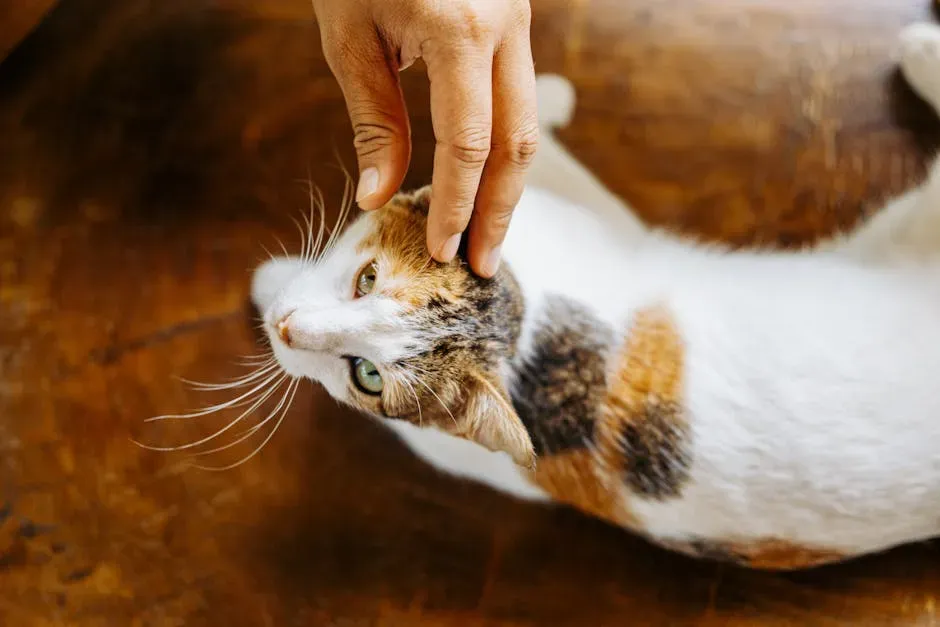
When your cat thrashes their tail or is thumping it on the ground, they are irritated, annoyed, or angry – something is bothering them. This is a distance-increasing behavior. If you are petting your cat and they start thrashing their tail, they are trying to tell you to stop. Many people miss this signal entirely, continuing to pet a cat that has been clearly asking them not to for several seconds. The result is predictable: a scratch or a bite that feels “sudden” but wasn’t sudden at all.
For example, your cat may be enjoying being petted around the head and neck, but as you begin to stroke along the spine and base of the tail, the tail starts lashing. What was relaxing and enjoyable has transitioned to being either too stimulating or even painful. The lesson here is that most cats show warning signs before striking, such as tail thrashing, ears flattening, or skin rippling along the back. Cats can become overstimulated during petting sessions, especially on sensitive areas like the belly or base of the tail. Watch for these early signals and stop petting immediately when you notice them.
Head Bunting: Being Claimed as Family
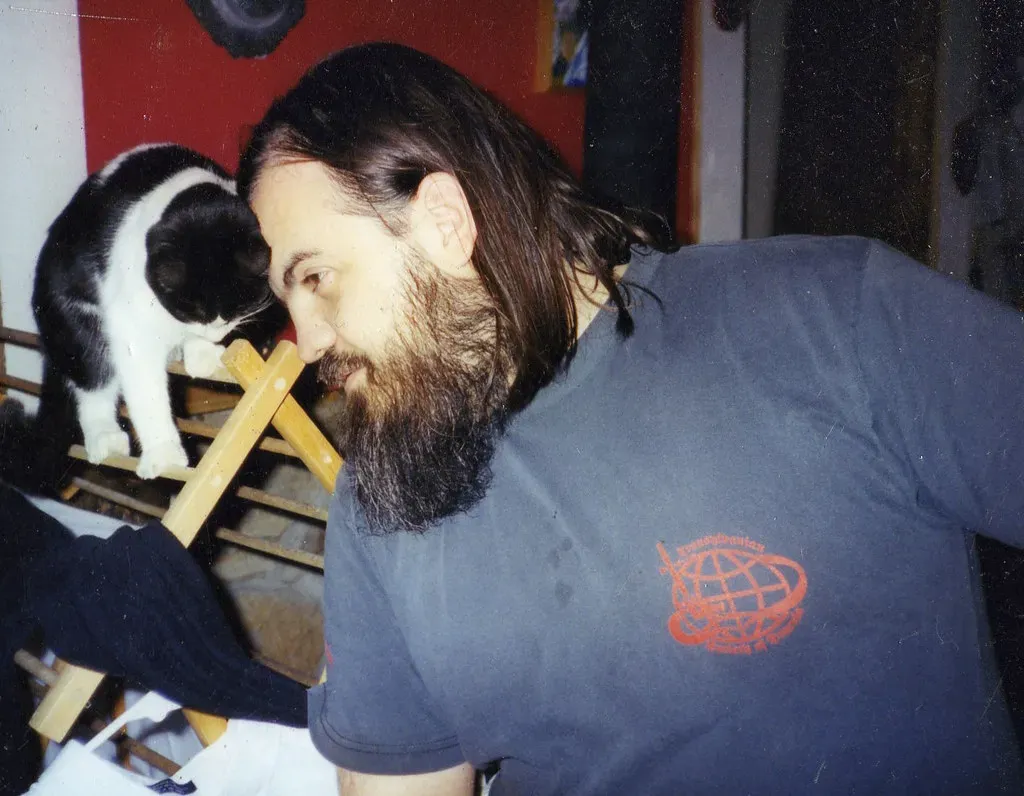
When your cat approaches and gently bumps their head against your hand, leg, or face, they’re engaging in a behavior called “bunting.” Cats have scent glands located on their heads, particularly around their cheeks, chin, and forehead. When they bunt against you, they’re depositing their scent, effectively marking you as part of their territory and claiming you as their own. Far from being possessive, this is actually a significant sign of trust and affiliation.
Bunting also serves as a form of social bonding among cats living in groups. When cats bunt against each other, they create a “colony scent” that identifies members of their social group. By extending this behavior to humans, your cat is incorporating you into their social circle. It’s worth noting that a cat headbutting is not the same as head pressing. With head pressing, a cat will push their head into the wall, corner, or something else for a longer period of time and will typically not appear relaxed. Head pressing can also be accompanied by symptoms such as pacing, vision changes, or other signs of illness. If you notice the latter, a vet visit is in order.
Kneading: Comfort From Kittenhood
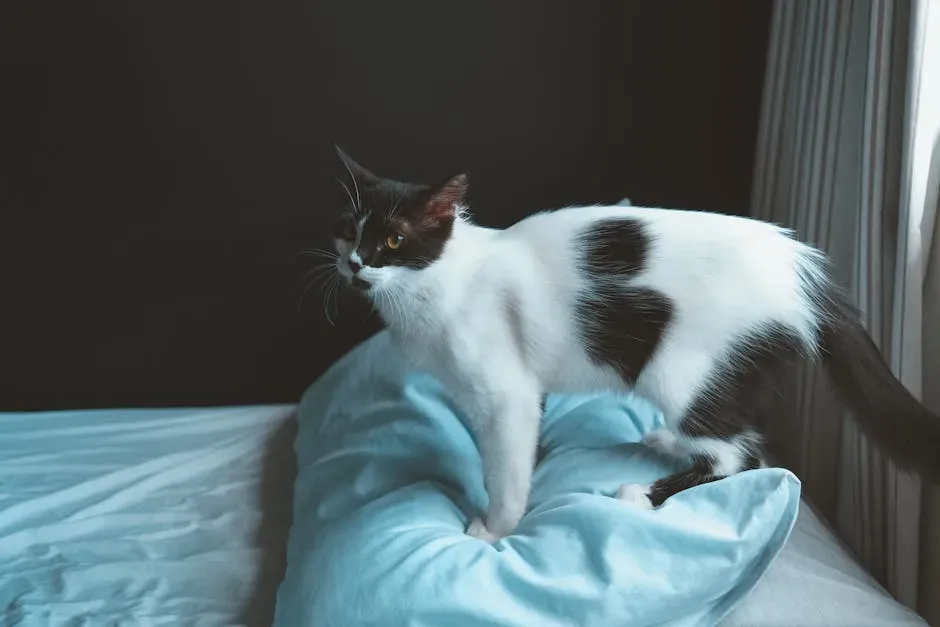
Kneading, often referred to as “making biscuits,” is the rhythmic motion cats make by pushing their paws into a soft surface, alternating between left and right paws. This behavior is commonly observed when a cat is relaxed, such as on a cozy blanket or their owner’s lap. Kneading originates from kittenhood, when kittens press their paws against their mother’s belly to stimulate milk flow. This comforting behavior often persists into adulthood, associated with feelings of security and contentment.
What many people don’t realize is that kneading does double duty. According to veterinary experts, kneading also serves to mark territory, as the pads of a cat’s paws contain scent glands. So when your cat kneads your favorite blanket or even your lap, they’re leaving their scent and claiming their territory. So that rhythmic push-pull on your legs isn’t random fidgeting – it’s your cat essentially signing their name on you.
Flattened “Airplane” Ears: Back Off Immediately
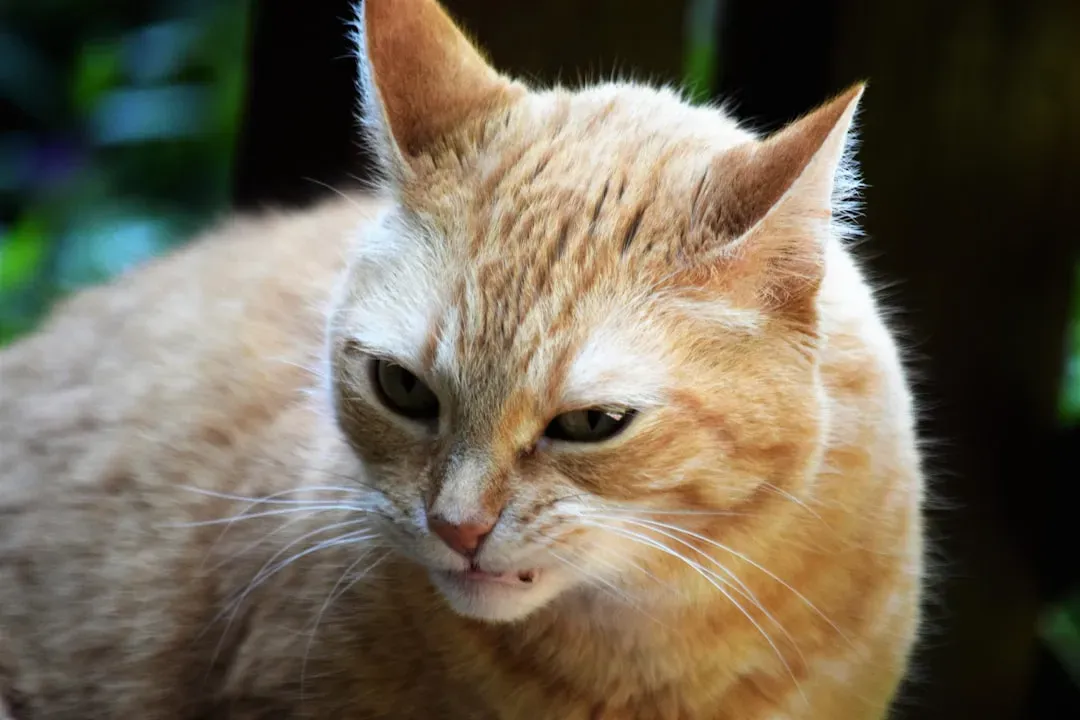
When a cat flattens their ears until they push out to the sides and look like airplane wings, the cat is feeling uncomfortable. In general, the more the cat’s ears flare out to the side, the more threatened they feel – so give a wide berth to a cat with their ears pulled all the way back and flattened against their head, as they may interpret any movement toward them as an attack and act to protect themselves.
A cat who is about to become aggressive may have ears turned back or flat against their head, and their whiskers might be flat against their cheeks or pushed forward. This matters because many people confuse ear-flattening with a relaxed, dreamy look – especially on flat-faced breeds where it can be harder to read. Unlike dogs, cats haven’t evolved to have lots of facial muscles, which means their faces aren’t as expressive as dogs. This is why it’s important to recognise even the smallest signs and changes in their body language, because although they seem small, they say an awful lot.
The Exposed Belly: Trust, Not an Invitation

When a cat is happy, their posture is typically loose, with their limbs and tail stretched out away from their body when lying down. If they are showing their belly, it probably means that they feel safe – though this is not necessarily an invitation for a belly rub! This is one of the most common misreads in cat ownership, and the consequences can be fast and painful.
Many people, after they learn that a cat exposing itself feels comfortable, may see a cat with its belly up and think that it’s safe to rub or pet the cat’s belly. The exposed belly is a sign of comfort and trust, but it is not necessarily an invitation for a belly rub. Many people have touched a cat’s stomach only to have it instantly seize up, latching onto their hand with claws and teeth. The belly display is your cat saying “I feel completely safe with you” – which is genuinely sweet. Reaching in for that soft fur is a separate question entirely, and one that’s usually best left unanswered.
Purring: Not Always What You Think
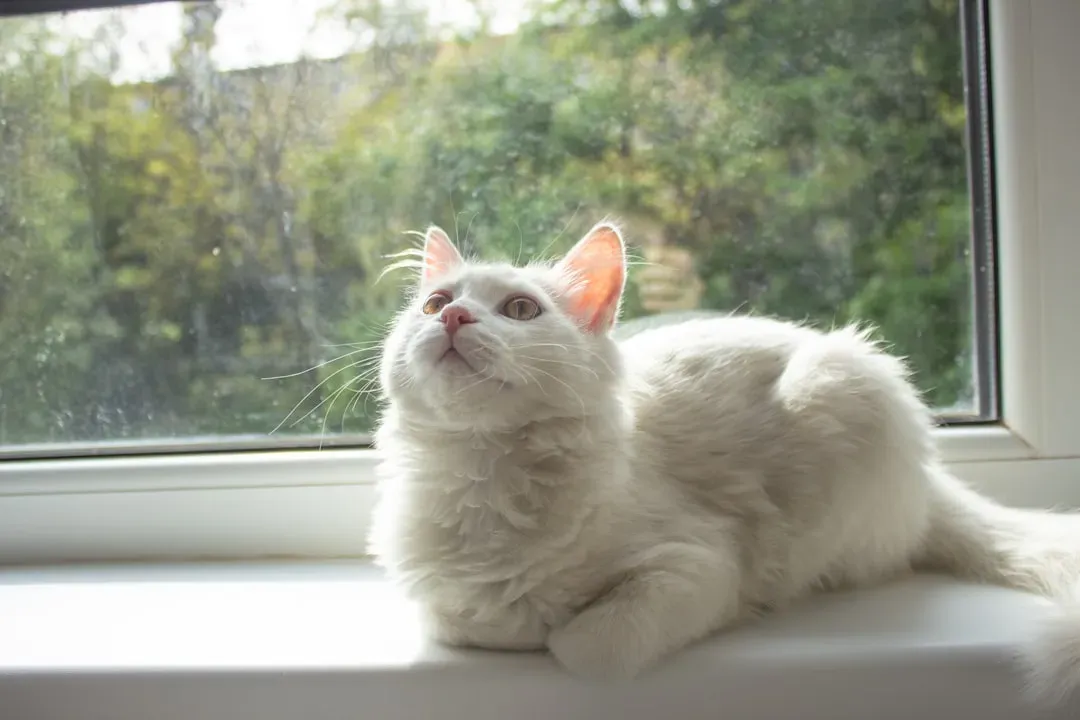
We often think that our cats are happy when they purr. This is only true if their body language is relaxed. They can also purr to get your attention and fuss. Sometimes cats can purr in stressful situations, such as going to the vet. Sadly, this doesn’t necessarily mean they’re happy at the vet. They can also sometimes purr if they are in pain.
On rare occasions, purring can occur when your cat is agitated over something – it’s similar to how you might nervously whistle or hum while waiting for in-laws to arrive for dinner. The key to discerning this “worry-purr” is body posture; if your cat’s ears are back and their body seems tense, the purr denotes concern over something. So don’t let a purr automatically reassure you that everything is fine. Always pair the sound with what the rest of your cat’s body is doing before drawing a conclusion.
Chirping and Chattering: The Hunter Within
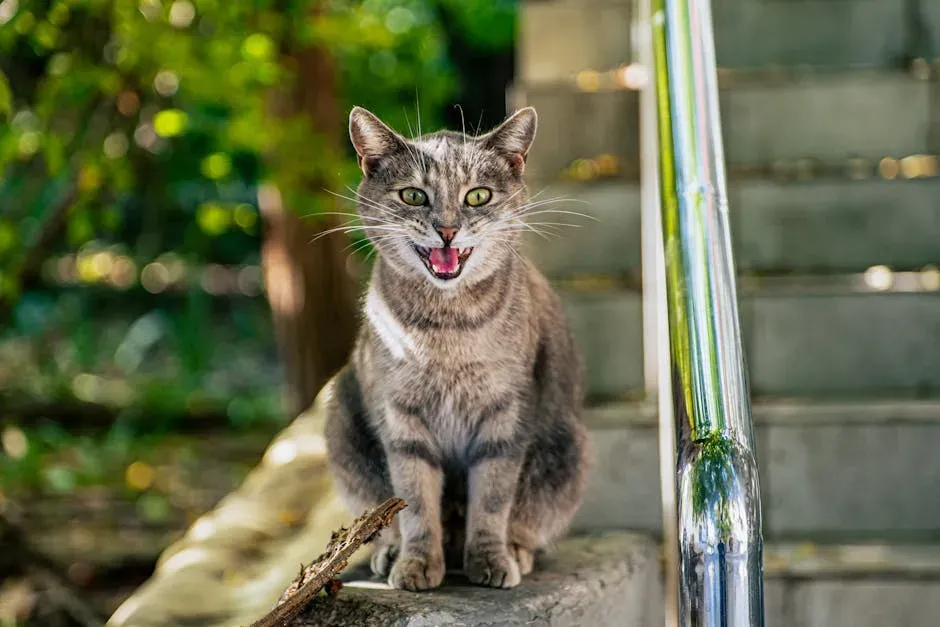
One of the most common reasons a cat chirps is when they see potential prey they cannot access, such as while watching squirrels or birds outside the window. In this context, a chirp can indicate excitement – mixed with a little frustration. That rapid, birdlike stutter your cat makes at the window is one of the more entertaining sounds in the feline repertoire, and it’s purely instinct at work.
These birdlike utterances are slightly more declarative cat noises than a meow. Originally used by mothers to tell kittens to pay attention and follow her, your cat may chirp in an effort to get you to pay attention or as a way to get you to check out something they deem important. Chirrups and squeaky little trills might also happen when a cat is excited and happy. If your cat trills or chirps directly at you, consider it a compliment. A trill is produced with a soft voice and sounds like a purr but with a higher pitch. Cats may trill to greet and thank their human family members for something, such as a snack or a pet. It is one of the most common amicable sounds a cat makes.
Dilated Pupils: Context Is Everything
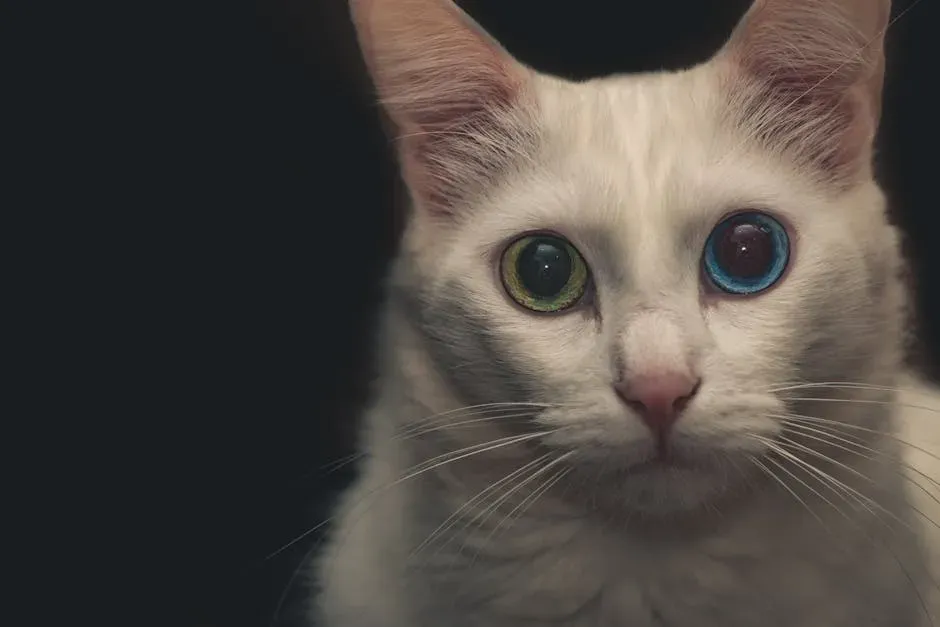
Dilated pupils can mean excitement, fear, or arousal – context is key. Those huge, ink-dark eyes your cat sometimes gets can look dramatic and a little alarming, but the cause varies widely depending on what’s happening around them. A cat in play mode will often have enlarged pupils simply from engagement and stimulation, while a frightened cat’s pupils may dilate as an involuntary stress response.
Narrowed pupils often indicate irritation or aggression. A direct stare can signal a challenge or sign of dominance. This means that the “cute narrowed eyes” your cat sometimes gives you during petting might not always mean contentment – they could be signaling mild irritation. There are many physical cues of a cat’s mood, but their meaning can vary depending on the context. Always take in the whole picture – ears, posture, tail, and surroundings – before deciding what those eyes are really saying.
Tail Wrapped Around the Body: Read the Room
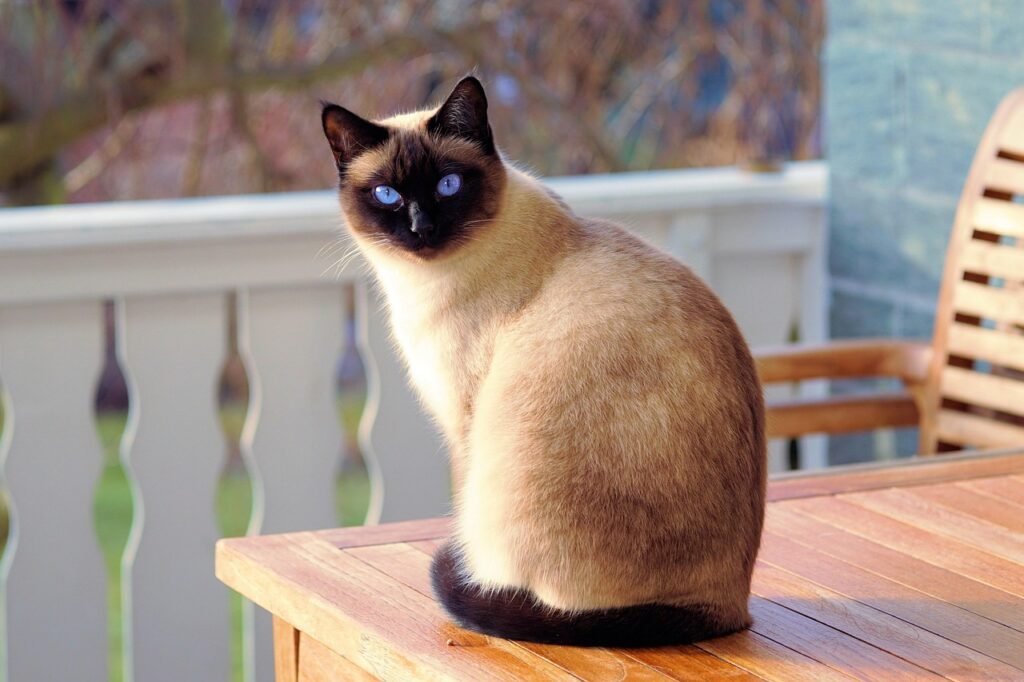
When sitting or in a crouched position, the cat’s tail may be wrapped around the body. This is a position that depends on the circumstances. In some situations, the cat may sit this way when content. Another cat may have their tail in this position because they are scared, unsure of a situation, or maybe not feeling well. Look for clues by observing other body language signals as well, such as the eyes and ears.
There’s also an important health signal tucked into this behavior. Usually, when a cat lies down, their tail will relax away from their body, so when they wrap it close around themselves, it could be an indication that they are feeling ill or in some sort of pain. If you notice this behavior, give them their space, but keep an extra close eye on them. Tail wrapping directed outward, however, tells a very different story. When cats drape their tail around another living being – whether it be another cat, a person, or the family dog – it is a sign of a tender and trusting bond between them, similar to when people put their arms around one another, an expression of friendship.
Body Language as Health Signal: When Something Feels Wrong
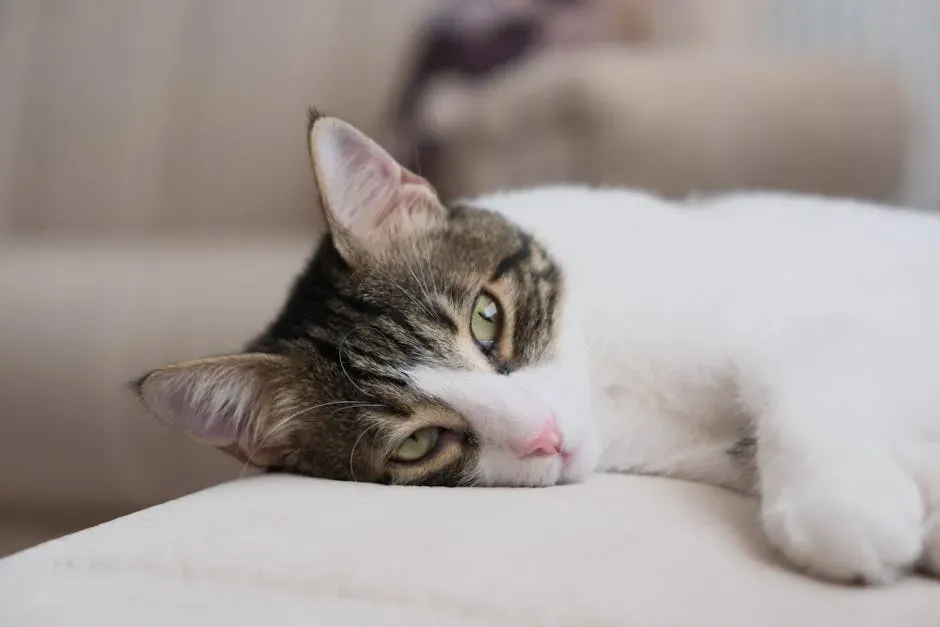
A cat’s body language doesn’t just provide a lot of information about how the cat feels emotionally – it can also reveal if the cat is sick or in pain. Cats are pros at masking physical illness, so changes in their body language may be the first signs that something is wrong. This instinct to hide vulnerability goes back to their wild origins, where showing weakness could attract predators. In your home, it means a cat in pain will often work hard to appear normal.
When a cat is in pain or sick, they may hunch their body with their legs tucked underneath them and their body may appear tense. Their eyes may be squinted or held shut and may appear dazed or glassy. Sometimes, the cat’s third eyelid, which is pink tissue in the corner of the eyes, may be visible. Cats may also purr due to pain or illness, and an increase in meowing or yowling may signal emotional or physical distress. Any pronounced change in behavior – a cat that suddenly hides more, moves differently, or vocalizes at unusual times – deserves a veterinary conversation sooner rather than later.
Conclusion
Living with a cat is really a long, ongoing act of learning another creature’s language. None of these signals are obvious at first, and cats aren’t exactly patient teachers. The more time you spend paying attention – not just glancing, but genuinely watching – the clearer the picture becomes.
Research shows cats adjust their body language and vocalizations when interacting with humans, using more eye contact and meows than they do with other cats. They’re already trying to reach across the species gap. Meeting them halfway, by learning to read what they’re already showing you, is one of the more rewarding things you can do as a cat owner. Most of these signals aren’t complicated once you know what to look for. They were never hidden. You just needed to know where to look.