You spend good money on a feather wand, a crinkle tunnel, or a motorized mouse. You set it down on the floor with quiet pride. Your cat sniffs it once, turns around, and walks directly into an empty Amazon box. Sound familiar? It turns out this isn’t stubbornness, and it isn’t ingratitude either.
Cats have an uncanny ability to find fascination in the most ordinary household items, turning your living room into their personal playground. These behaviors remind us that our domesticated feline friends are still very much in touch with their wild instincts. Each item taps into ancient instincts – hunting, hiding, exploring, and claiming territory – that modern indoor cats still need to express. So before you return that untouched toy to the store, take a look around your home. The real entertainment has been there all along.
1. Cardboard Boxes
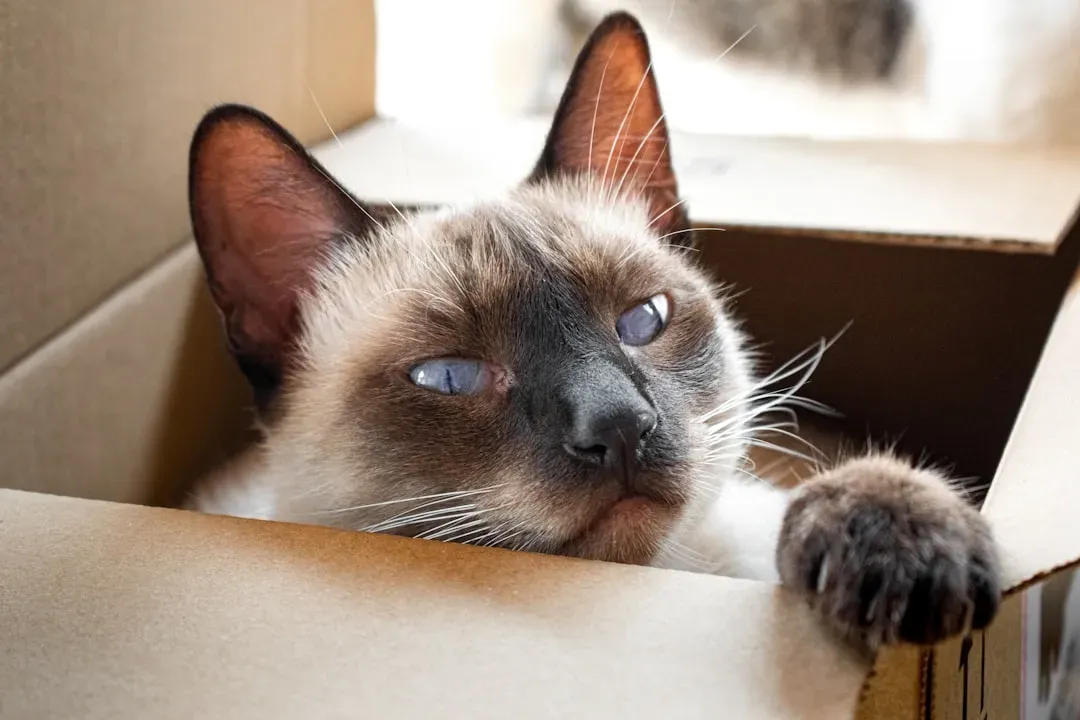
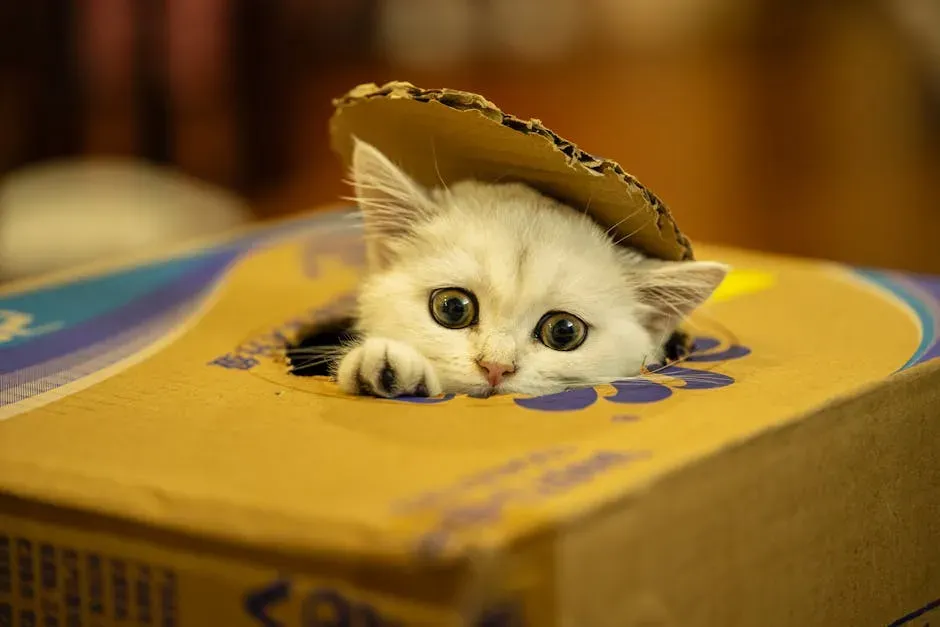
In the wild, small, hidden spaces protect cats from predators. A box is a secure, enclosed environment that triggers a cat’s natural instinct to find a safe den. Curling up in a box lets a cat keep watch while feeling hidden and safe. It’s one of the most deeply hardwired behaviors you’ll ever observe in a domestic cat.
A study conducted in PLOS ONE showed that cats who came into a Dutch animal shelter for the first time utilized cardboard boxes given to them for comfort and to adapt to a new, scary situation. The study revealed that the cats suffered from chronic stress beforehand, and the boxes helped. Hiding enrichment decreases behavioral stress in shelter cats and offers some emotional protection. So the next time your cat claims your delivery box before you’ve even unpacked it, they’re genuinely self-soothing.
2. Crumpled Paper and Newspapers
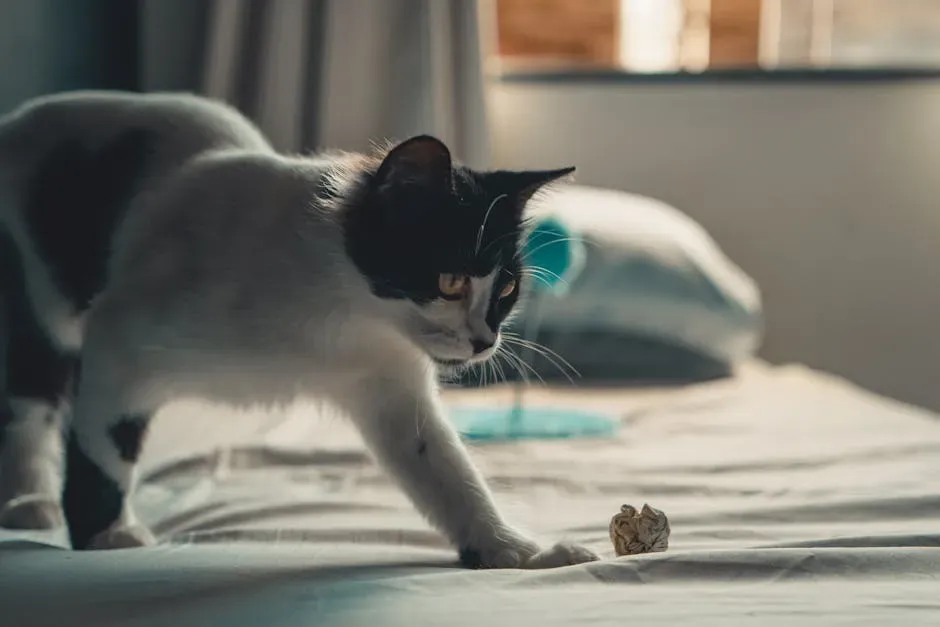
Crinkly paper can be seen as an exciting new toy for your kitty, and may trigger a thorough investigation, using paws, claws, and even teeth to examine every inch. Some cats just genuinely seem to enjoy that crunch of paper as they play with it! The sound alone seems to switch something on in their brain.
Paper is a good insulator and can help warm a cat’s paws or body. Cats are also naturally attention-seeking and curious creatures, so new objects in their environment, like a sheet of paper you may have dropped, are simply begging to be explored and staked a claim to. Paper can be crumpled into a ball that your cat can chase. Some cats look forward to a game of fetch and will bring back the ball to you.
3. Your Laptop or Keyboard
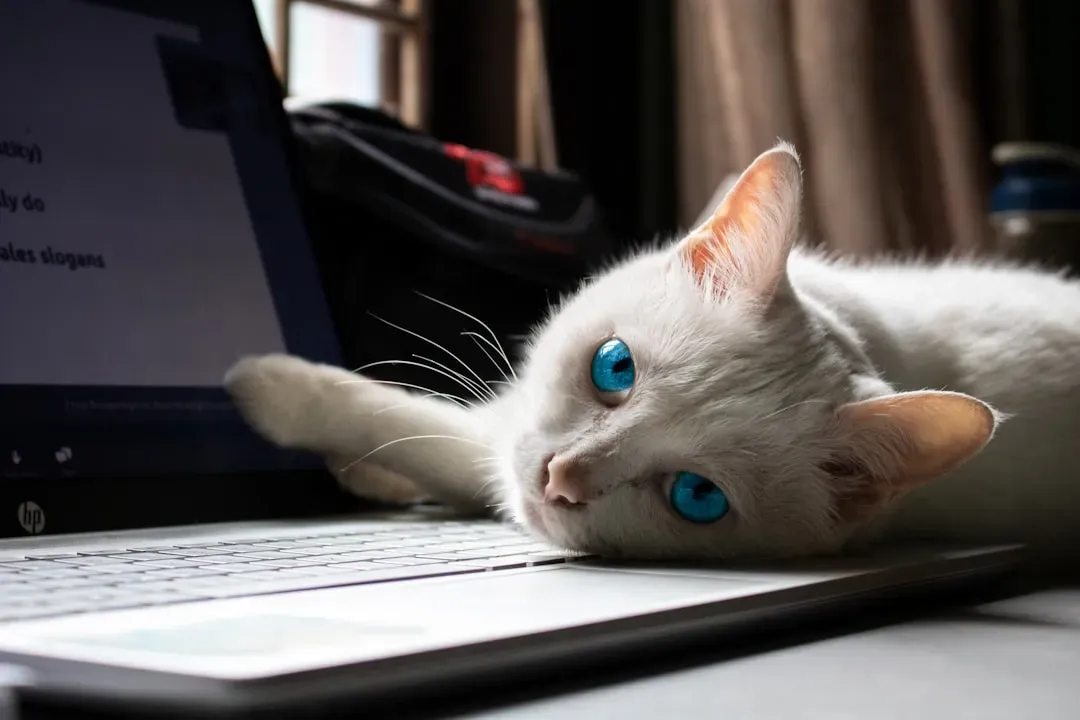
Cats are drawn to warmth, and keyboards are a very nice source of heat. A cat’s thermoneutral zone, the temperature range where they don’t need to use energy to regulate their temperature, is between 85 and 100 degrees Fahrenheit. So that’s why you’ll always find your cat lounging in a sunbeam or sleeping on your warm laptop!
The real attraction of your laptop to cats is its scent. Or, to be more precise: the scent you regularly deposit there. “You won’t be able to sniff it, but a cat can smell you all over the keyboard.” When you work at your computer, the device has your undivided attention. Your cat doesn’t like that. Laying or walking across the keyboard between you and the thing you are most focused on will bring your attention immediately to them.
4. Paper Bags
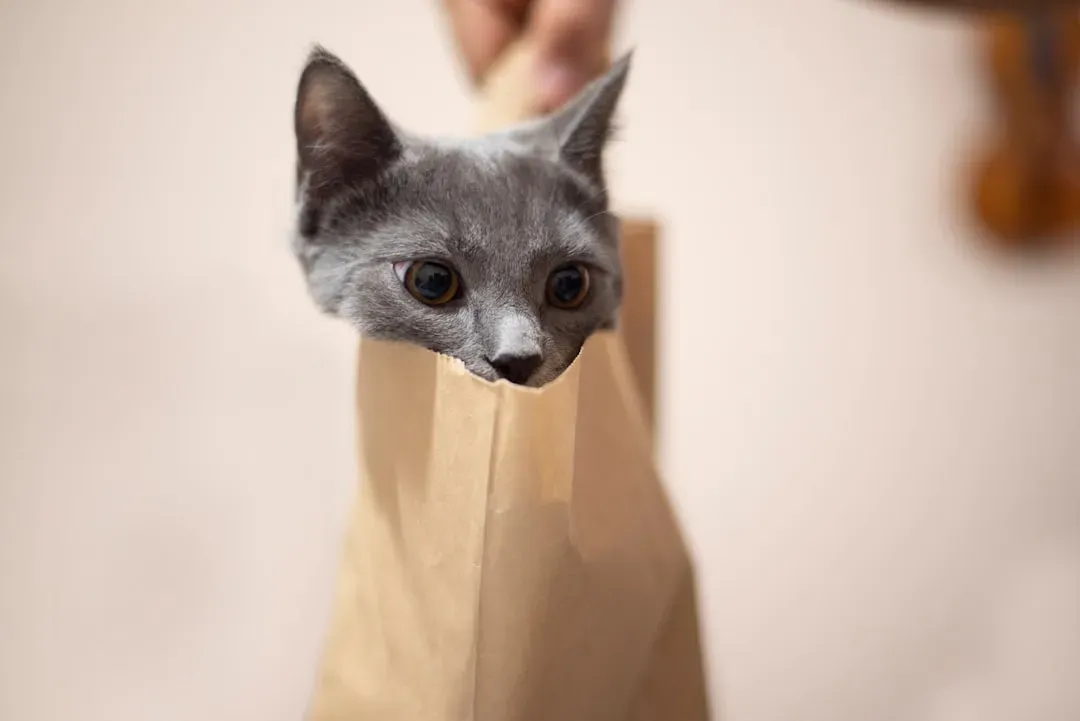
Paper bags are especially enjoyable for cats that love the sound of crumpled paper. Just put a paper bag on a hard floor surface and add a toy inside it to try and encourage the cat to slide it around. Many cats will dive straight in without any encouragement at all.
Crinkly bags trigger hunting instincts and make the whole experience more exciting. It’s essential to cut any handles off of this potential toy before letting your cat play with it, but when you do, there’s no limit on how to make a paper bag engaging and interesting. Always keep plastic bags well out of reach, as they present a real suffocation and ingestion hazard for cats.
5. Running Water and Faucets
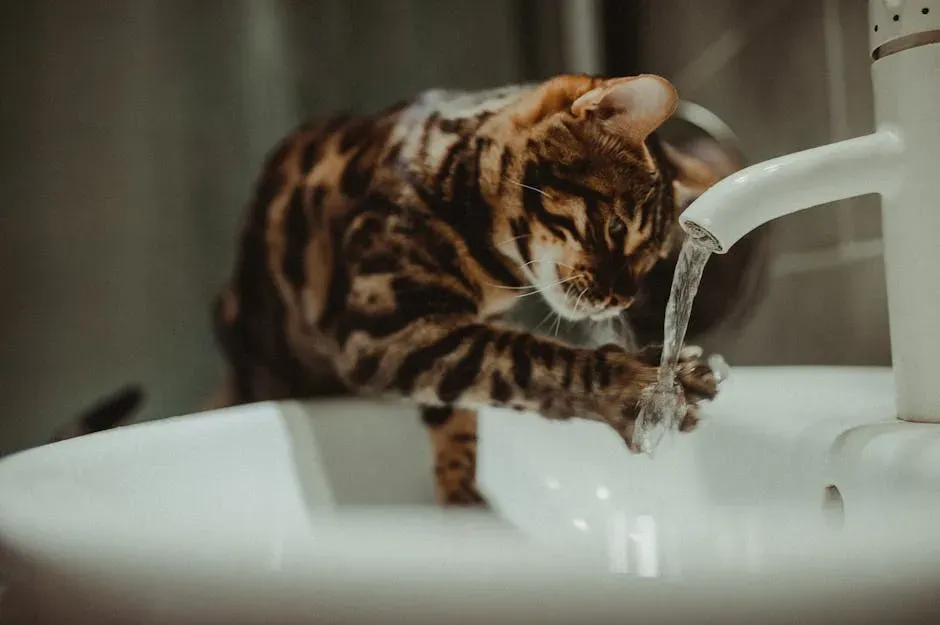
Your cat’s attraction to running water can be traced back to their wild ancestors. In nature, standing water is often a breeding ground for bacteria and parasites. As a result, wild cats learned to instinctively prefer running water, which was less likely to be contaminated. This hardwired behavior has continued in modern domestic cats.
Cats love anything that moves, and water is very good at moving. Your cat might enjoy batting at running water from the faucet because it’s shiny and reflective, and because it moves quickly, much like their favorite toys do. The feeling of running water against their paw might be surprising and interesting, prompting them to do it again and again. If your cat seems newly obsessed with water, a sudden change in drinking habits is always worth mentioning to your vet.
6. Toilet Paper and Cardboard Tubes
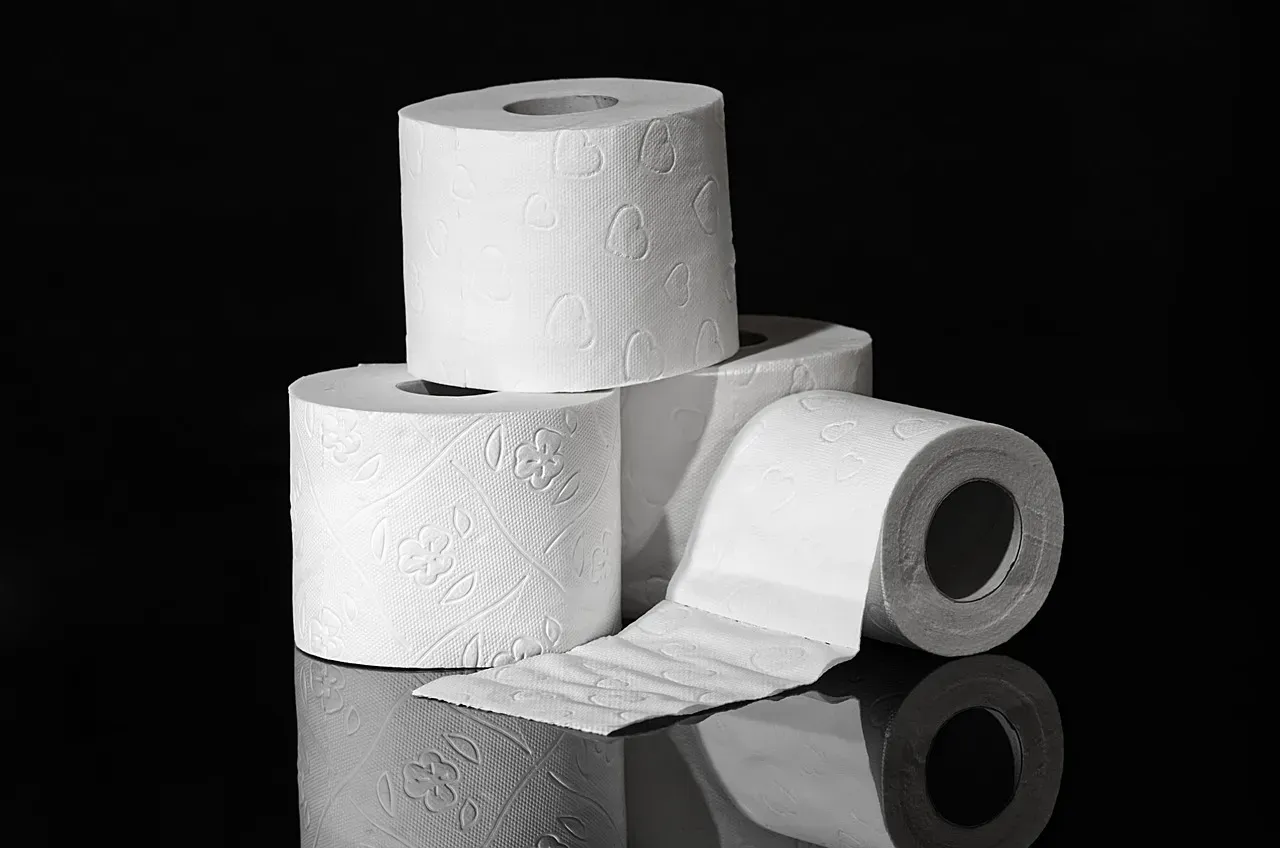
Toilet paper and paper towel tubes can be converted into treat dispensers. Cut out holes just big enough for a piece of cat treat or kibble to slip out. Fill the rolling tube with treats and seal both sides with tape. A food puzzle toy is ready to be served; it will offer the pet mental as well as physical stimulation and satisfy its hunting needs.
Even without treats inside, a plain cardboard tube rolling across a hard floor is enough to send most cats into a frenzy. Hunting is in a cat’s DNA. Most types of indoor play give cats an outlet to act instinctually, releasing dopamine, the brain’s pleasure chemical. A toilet paper tube costs nothing and delivers that exact chemical reward reliably.
7. Sunbeams and Warm Patches of Floor
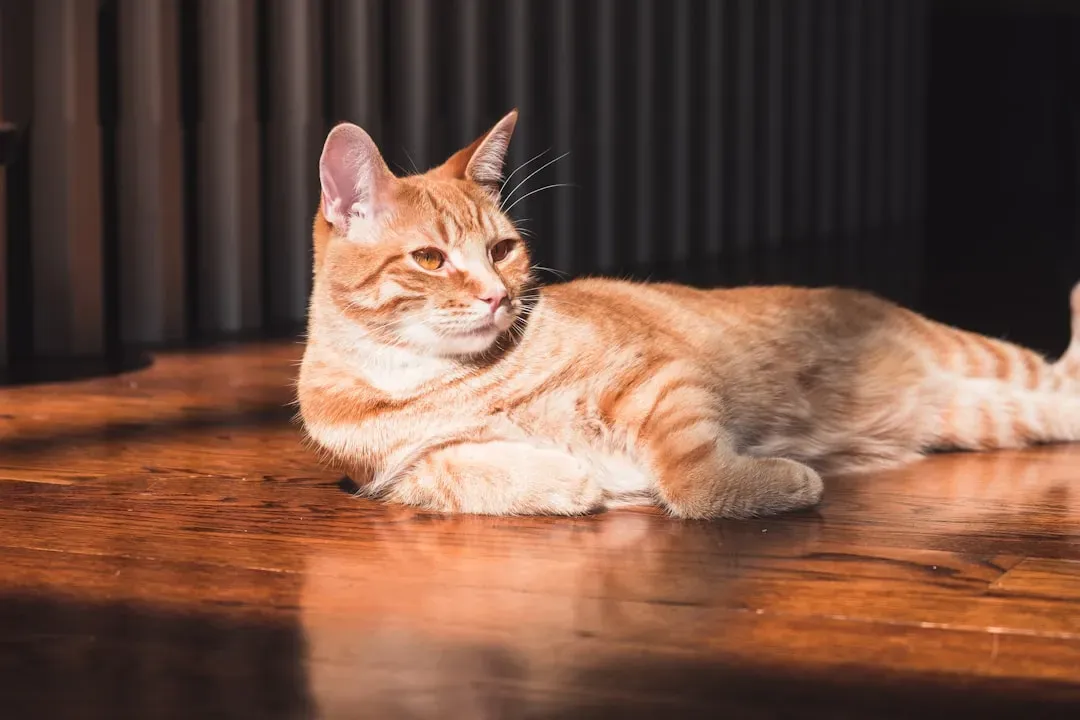
It’s no secret that cats like things a little warmer than we do. Their thermoneutral zone, the temperature range at which they don’t need to expend energy to cool off or get warm, is between 85 and 100 degrees, which is why you’ll see your cat napping in a sunbeam whenever it can. That slow crawl across the floor following a patch of morning light is perfectly logical from their perspective.
Cats love to be warm, and in fact, are biologically programmed to need more warmth than us. Domestic cats are descended from wild cats living on the African savannahs and Middle Eastern deserts, and a cat’s natural body temperature is higher than a human’s, around 102 degrees Fahrenheit compared to a human’s normal 97 to 99 degrees. A sunny spot on the carpet is genuinely therapeutic for them.
8. Sinks and Bathtubs
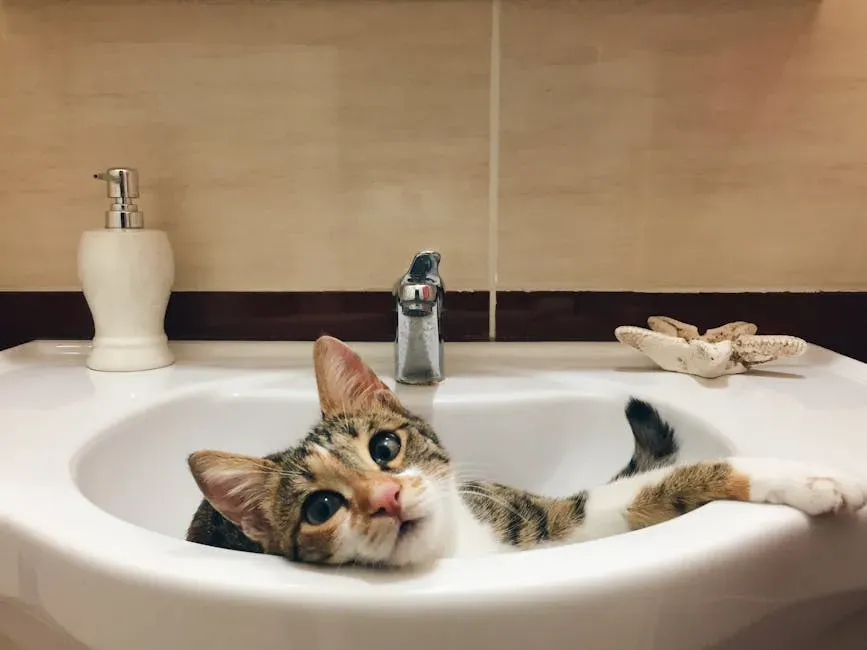
Sinks can provide sensory stimulation for cats in several ways. The sound of running water can be soothing and calming for cats, and the movement of the water can be visually stimulating. The cool surface of the sink can also provide a different sensation for cats to explore. For a creature that runs on sensory input, the average bathroom sink is practically a theme park.
It’s common for cats to enjoy lying, sleeping, and hiding in sinks. Cats might like the shape of the sink, its coolness, the fact that the sink is in a quiet room, or the proximity to running water from the faucet. Cats are naturally drawn to cozy and confined spaces, and the shape of a sink can provide that. Additionally, sinks are often made of cool materials like porcelain or ceramic, which can be soothing to a cat’s body temperature.
9. Pens, Pencils, and Small Desk Items
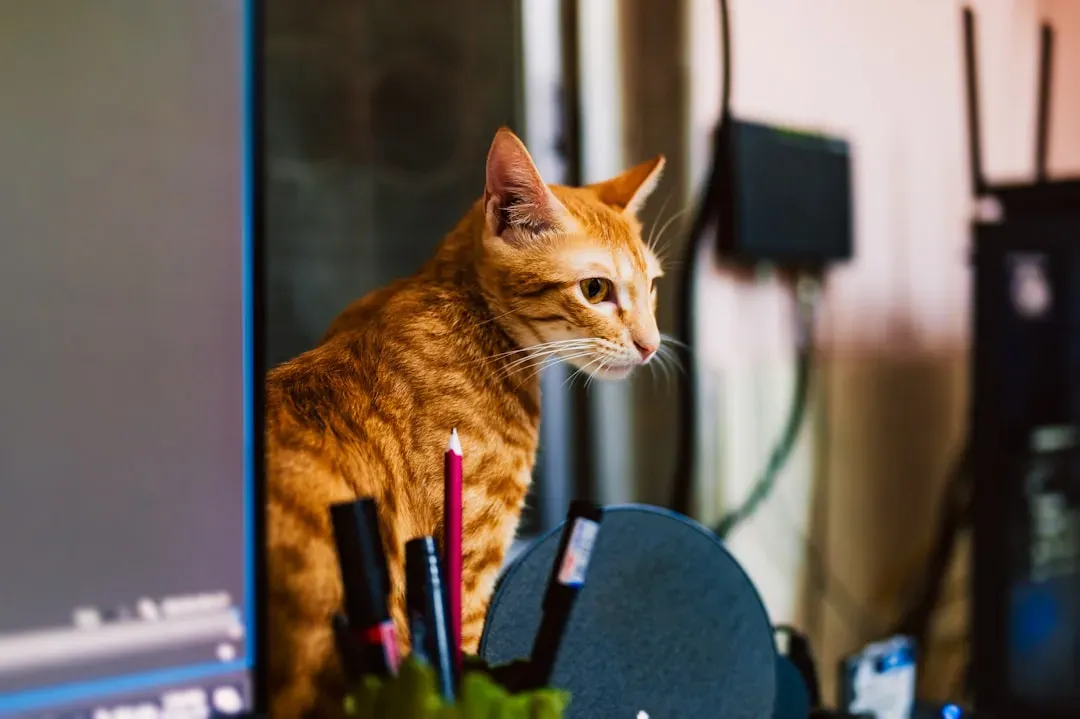
The unusual behaviour of cats knocking things over stems from their predatorial instinct and inquisitive nature, whereby they are drawn to investigating new objects by swatting at them or by trying to knock them over. Your desktop pen holder is basically a training arena for paw coordination.
It may just be fun for them to watch items bounce around in different directions each time they fall or watch them shatter to multiple pieces. Whenever you leave a pen out on the kitchen or coffee table, your cat will likely end up knocking it on the ground and playing with it at some point. At first, you’ll find pens on the floor and under the couch, but you could never figure out how they ended up there until you catch them in the act. Cats tap pens around the room and try to pick them up with their paws. Small, lightweight, and rollable – to a cat, it’s a perfect projectile.
10. Laundry and Worn Clothing
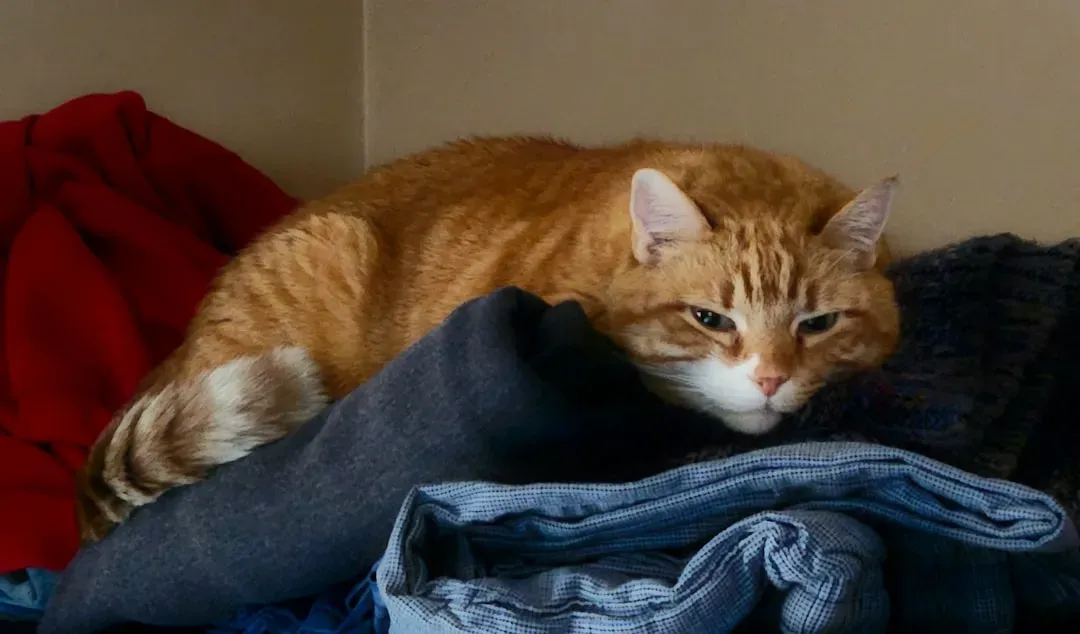
Some cats love freshly worn shoes. As soon as you take them off, they put their whole head inside and roll over onto their back with them on top. It seems to be something to do with smell. The same logic applies to your laundry pile. Cats are powerfully attracted to your scent, and worn clothing carries it in concentrated form.
Your belongings carry your scent. Your cat will notice this and will be attracted to it. They like anything that reminds them of you, and your scent on objects will cause them to want to be around it. That freshly dried laundry basket piled on the bed also offers warmth and softness, making it practically irresistible as an impromptu napping zone.
11. Bottle Caps and Small Plastic Lids
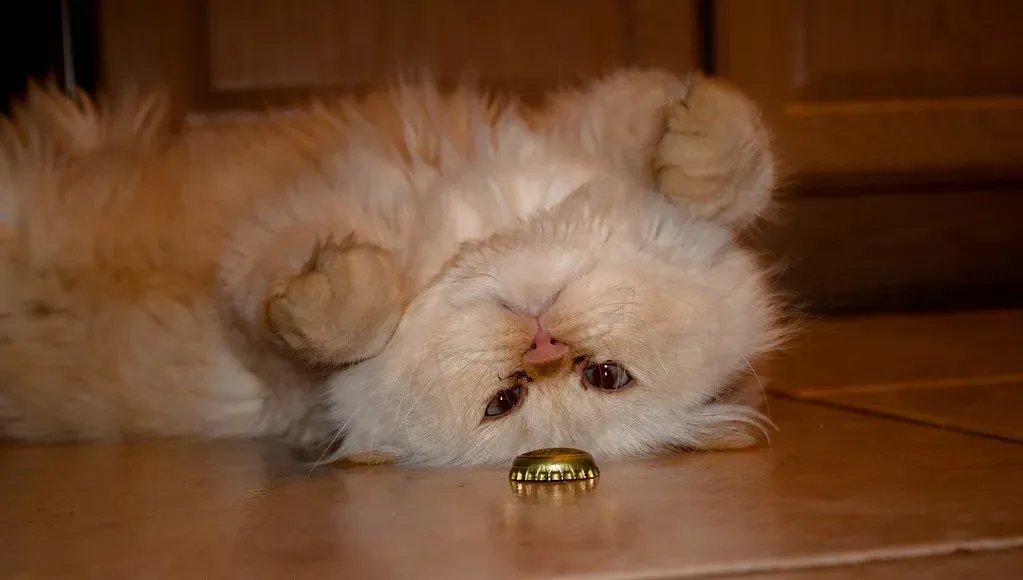
Bottle caps and ping pong balls are lightweight and easy to flick around the floor. Ping pong balls are amusing because your cat can chase them faster than bottle caps. Get involved with your cat’s playtime and toss a bottle cap or ping pong ball on the floor. The unpredictable trajectory every time one bounces or slides keeps the interest level high.
Bottle caps are small enough to bat with a single paw, making them satisfying to control and “hunt” across a hard surface. Most types of indoor play give cats an outlet to act instinctually, releasing dopamine, the brain’s pleasure chemical. That tiny plastic disc spinning across the kitchen floor is providing genuine neurological enrichment. Just make sure you’re not leaving caps from bottles small enough to be swallowed lying around unsupervised.
12. Houseplants
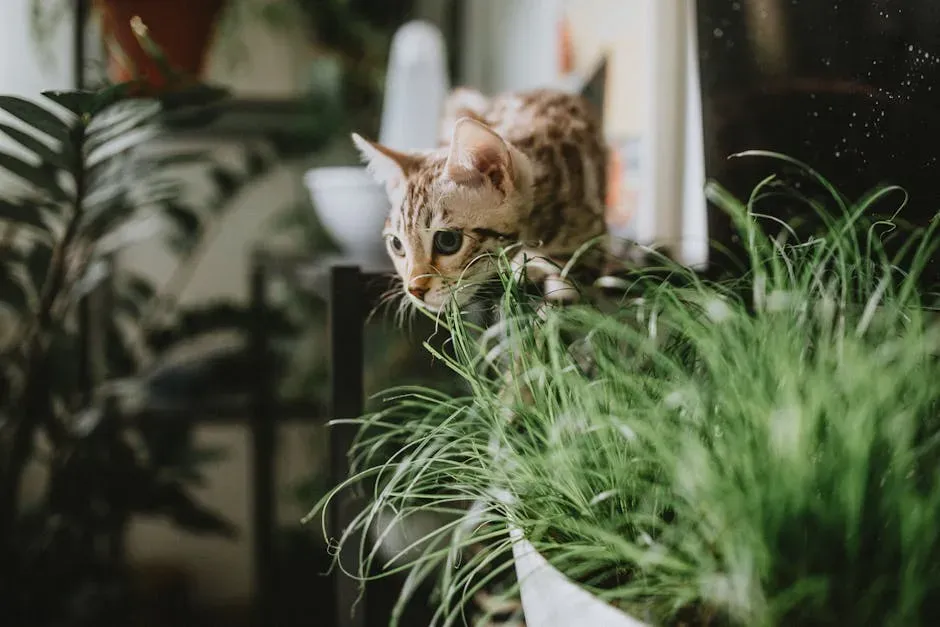
Plants naturally enrich a cat’s life by offering a taste of the wild outdoors. Distribute some cat-friendly plants throughout the space and your cat will immediately fall in love. The movement of leaves, the unfamiliar texture, and the earthy scent all stimulate the same curiosity that would drive a wild cat to investigate ground cover or vegetation while hunting.
Toxic houseplants will affect your cat differently depending on the plant. Some cause mild stomach upset, whereas some can be fatal. Research the plant before bringing it home. Cat-safe options like spider plants, catnip, or valerian give your cat something genuinely engaging to interact with. The goal is channeling that curiosity toward something that won’t land you both at the emergency vet.
A Final Thought on Feline Fascination
There’s something oddly freeing about realizing that your cat’s entertainment doesn’t require a budget. Their curiosity isn’t just adorable – it’s essential to their mental stimulation, physical activity, and social development. These seemingly random household objects serve a much bigger purpose in your cat’s life than we might realize.
Understanding what draws your cat to these everyday objects helps you create a more enriching environment while keeping them safe. Provide appropriate outlets for their natural behaviors by offering safe versions of the things they love – cardboard boxes instead of plastic bags, thick rope instead of thin string, and supervised playtime with items that could be dangerous.
Your cat isn’t dismissing your carefully chosen toys out of arrogance. They’re following instincts that are thousands of years older than any pet store product line. The cardboard box sitting in the corner might genuinely be the best thing in the room – at least from where your cat is standing.
Kristina is a young writer from India. An arts graduate and an avid content creator, Kristina is passionate about animals and wildlife. She enjoys exploring topics related to pet care, animal behavior, conservation, and nature, combining thorough research with engaging storytelling.