#1 Ultrasonic Rodent Calls

Mice and rats communicate with each other using ultrasonic vocalizations, chirps and squeaks pitched well above 20,000 Hz, the upper limit of human hearing. Cats can hear frequencies up to around 64,000 Hz, sometimes cited as high as 85,000 Hz depending on the study, which puts rodent chatter squarely within their range. This isn’t a minor adaptation either. It’s essentially a built-in hunting radar tuned specifically to the animals cats evolved to catch.
What’s fascinating is that this range overlaps almost perfectly with the distress calls and social communication of small prey species. A cat sitting motionless near a wall isn’t just being weird, it may be tracking a conversation happening between rodents on the other side. This single adaptation explains a huge chunk of what looks like “psychic” behavior in house cats.
#2 The Hum of Electronics

Household electronics, fluorescent lights, and older television sets often emit a faint high pitched whine caused by electrical components vibrating at frequencies tied to the power grid. Humans occasionally catch a trace of this, especially younger people with sharper hearing, but cats pick it up far more consistently. It’s one reason some cats seem oddly fixated on a specific appliance or corner of a room for no apparent reason.
This sensitivity can occasionally work against them. Certain older electronics, chargers, or even some LED transformers produce noise squarely in the range cats find irritating or startling. Owners sometimes notice their cat avoiding one particular outlet or shelf, and the explanation isn’t superstition, it’s an annoying frequency only the cat can hear.
#3 Insect Movement Inside Walls
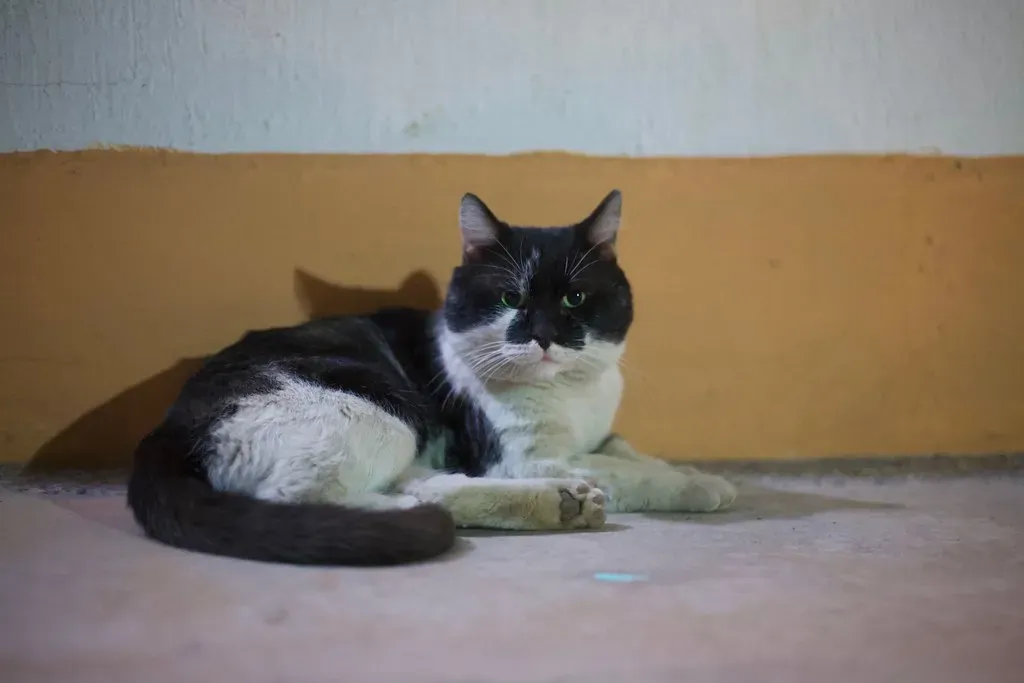
Cats have famously twitchy reactions to sounds coming from inside walls, floors, or ceilings, and insects are frequently the culprit. The faint scratching or wing movement of beetles, moths, or even larger ants produces sound at frequencies and volumes far below human perception. A cat’s hearing sensitivity, combined with their ability to detect very quiet sounds, makes these tiny movements noticeable.
This is part of why indoor cats sometimes stare at seemingly blank walls for long stretches. It looks obsessive, even unsettling, but it’s usually just a cat doing exactly what evolution designed it to do, tracking small moving prey by ear. The behavior tends to spike in older homes or during seasonal insect activity, which lines up with this explanation nicely.
#4 Sounds From Two Directions at Once

Each of a cat’s ears can rotate independently, controlled by roughly thirty individual muscles, compared to the six or so muscles humans have per ear. This allows a cat to point one ear forward and the other backward simultaneously, essentially monitoring two separate sound sources at the same time. It’s a bit like having stereo hearing that can be aimed in opposite directions without turning the head.
This independent rotation also dramatically improves sound localization. Cats can pinpoint the origin of a noise with remarkable precision, reportedly within a few degrees of accuracy, which is part of why they can zero in on a single cricket in a dark room without hesitation. Humans rely heavily on turning their whole head to triangulate sound, cats barely need to move at all.
#5 Dog Whistles and Ultrasonic Deterrents

Dog whistles are designed to sit above the range of human hearing, typically starting around 23,000 to 54,000 Hz, but well within a cat’s hearing capability. This means a whistle intended purely for dog training can startle or irritate a nearby cat without anyone realizing why. The same applies to ultrasonic pest deterrent devices marketed to repel rodents or insects.
Owners using these gadgets sometimes notice their cat becoming skittish or avoiding certain rooms, and it’s rarely coincidental. Since humans can’t hear the sound being emitted, the cat’s reaction is often misread as random anxiety rather than a direct response to an audible irritant. It’s a reminder that a “silent” room to us isn’t necessarily silent at all.
#6 Their Own Prey’s Heartbeat, Sort Of
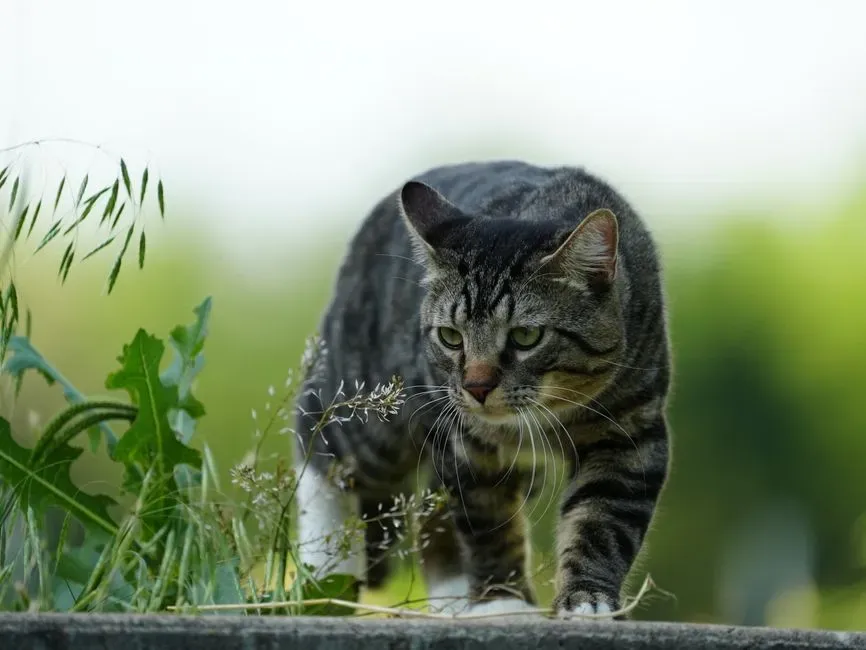
This one sits closer to folklore than confirmed science, but it’s worth addressing because it circulates so widely. The claim that cats can literally hear a mouse’s heartbeat isn’t well supported by research, and most hearing experts consider it an exaggeration. What is well documented is that cats can detect the very faint rustling, breathing, and movement sounds small prey makes, which likely gets misattributed to heartbeat detection.
Even without hearing an actual heartbeat, the sensitivity involved is impressive. Cats can detect sound at volumes roughly four to five times fainter than what a human ear can register, according to various acoustic studies on feline hearing thresholds. That alone accounts for plenty of behavior that looks almost supernatural but is really just superior auditory sensitivity.
#7 The Difference Between Similar Human Voices

Cats are known for recognizing their owner’s voice specifically, distinguishing it from strangers even when the words and tone are similar. Part of this comes down to their broader hearing range and heightened sensitivity to subtle pitch variations that humans often can’t consciously separate. Small differences in cadence, pitch, and vocal texture that blend together to human ears can stand out clearly to a cat.
This is likely why cats often respond differently to a familiar voice calling from another room compared to an unfamiliar one saying the exact same words. It’s not just about scent or visual cues, auditory recognition plays a bigger role than most owners assume. A cat’s ear is essentially tuned to notice vocal fingerprints most humans never consciously register.
#8 Faint Vibrations Through Solid Surfaces
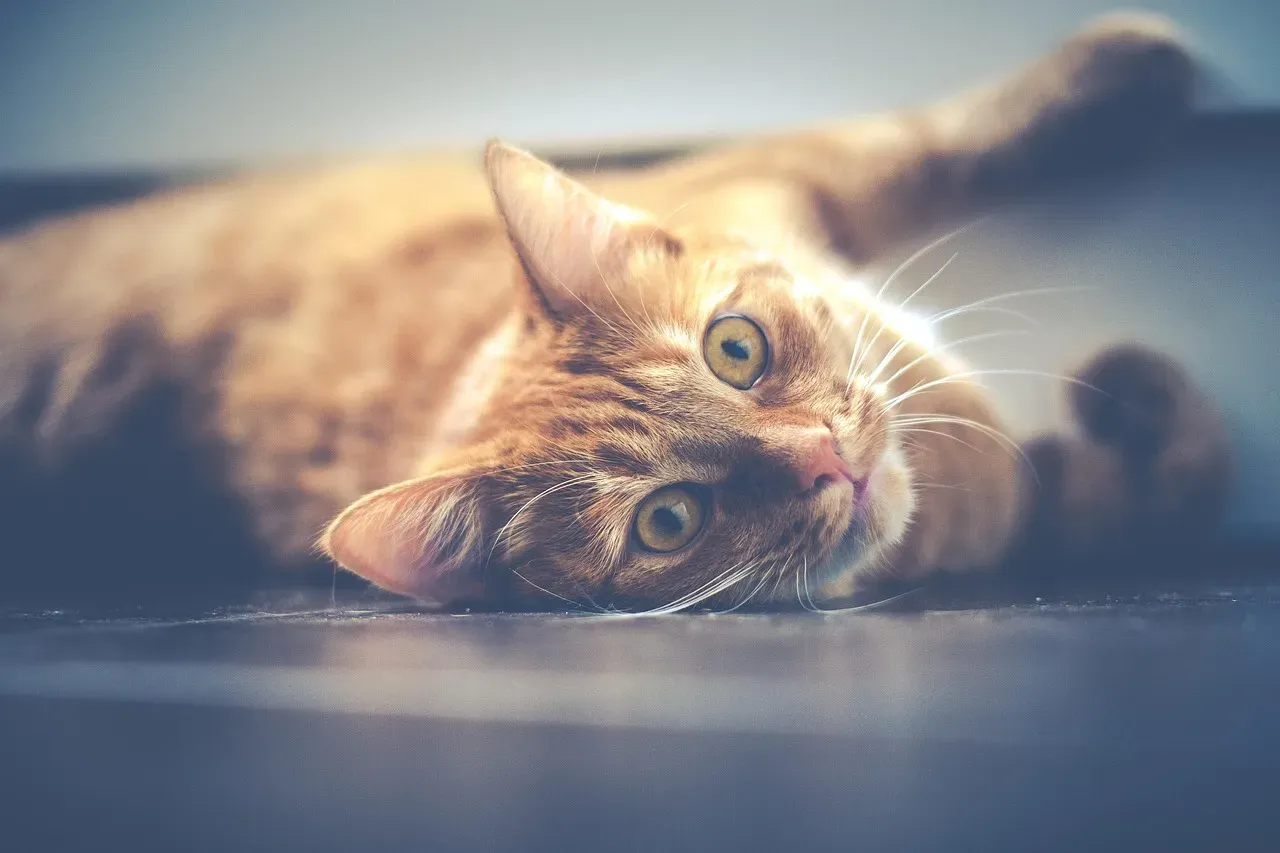
Cats often press their bodies or paws against floors, furniture, or walls in a way that looks casual but may actually help them detect vibrations traveling through solid materials. Sound doesn’t just travel through air, it moves through solids too, sometimes more efficiently, and cats appear attuned to picking up these vibrational cues alongside airborne sound. This dual sensing ability likely sharpens their overall awareness of movement happening nearby, even out of sight.
It’s a subtle skill, easy to miss because it doesn’t look dramatic. A cat lying with one paw resting lightly on a floorboard isn’t necessarily relaxed, it might be gathering information the way a person might place a hand on a table to feel a passing truck. Combined with their aerial hearing, this gives cats a strikingly complete picture of their environment.
#9 The Onset of a Storm Before It Arrives

Many cat owners report their pets becoming restless or hiding well before a storm visibly arrives, and changes in barometric pressure likely play a role, but sound may contribute as well. Distant thunder produces low frequency rumbling that can travel far beyond where it’s audible to humans, and some evidence suggests animals with sensitive hearing detect these early rumbles sooner. Combined with a cat’s sharp sensitivity to changes in ambient pressure and static electricity, this creates a fairly reliable early warning system.
It’s worth noting that scientific consensus here is more cautious than popular belief suggests, since much of the storm sensing conversation blends several senses together rather than isolating hearing specifically. Even so, auditory detection of distant thunder is physically plausible given how far low frequency sound waves can travel. It’s one of those areas where anecdotal evidence from cat owners outpaces controlled research, so it’s fair to treat it as likely rather than definitively proven.
#10 Ceiling and Attic Activity
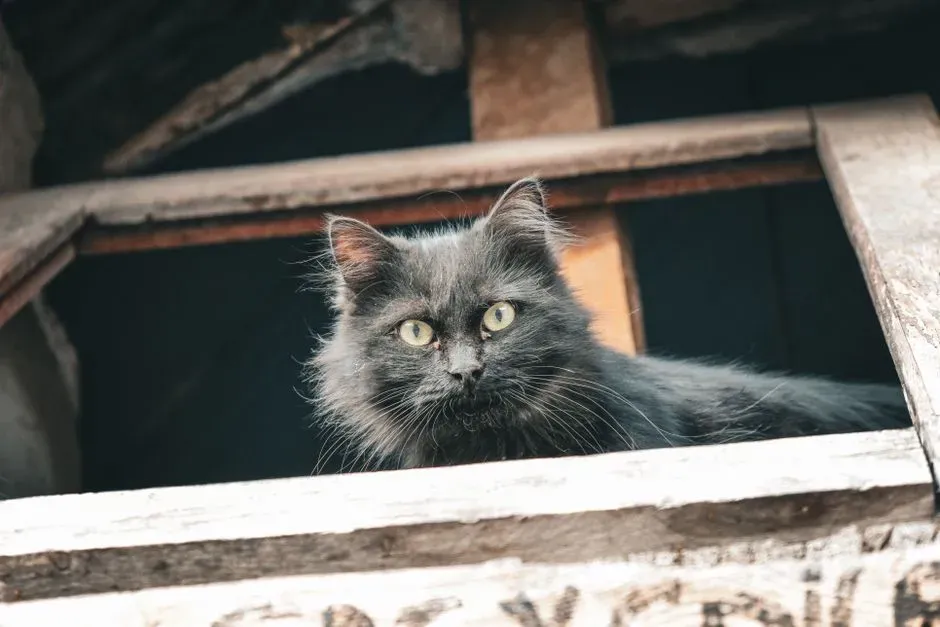
Cats frequently stare upward at ceilings, and while it’s occasionally chalked up to shadows or reflections, sound is often the real trigger. Birds, insects, or small rodents moving in attics or roof spaces create faint scratching and fluttering noises that travel more easily than most people expect through thin drywall or insulation. A cat’s combination of high frequency range and volume sensitivity makes these barely perceptible sounds much more obvious to them.
This behavior tends to intensify in older buildings or during seasonal shifts when wildlife activity increases in roof spaces. It’s a good practical reminder for homeowners too, since a cat’s sudden fixation on the ceiling occasionally serves as an early warning sign of an unwanted houseguest overhead. In that sense, a cat’s ears can function almost like an informal pest detection system.
#11 Subtle Shifts in Another Cat’s Vocal Tone

Cat vocalizations are more varied and nuanced than most people assume, with meows, chirps, and trills carrying subtle tonal shifts that convey different meanings between cats. Their enhanced pitch discrimination allows them to catch small variations in another cat’s vocal tone that would likely blur together for a human listener. This helps explain how cats seem to instantly recognize mood or intent from a single vocalization exchanged with another cat nearby.
Research into cat communication is still a growing field, and much of it remains less developed compared to research on dog vocalizations, but the auditory sensitivity underlying it is well established. Even without a complete decoded vocabulary, it’s clear cats are picking up acoustic detail well beyond what casual human observation would suggest. It adds another layer to how much information passes between cats that we simply can’t perceive.
#12 Their Own Hearing Decline as They Age
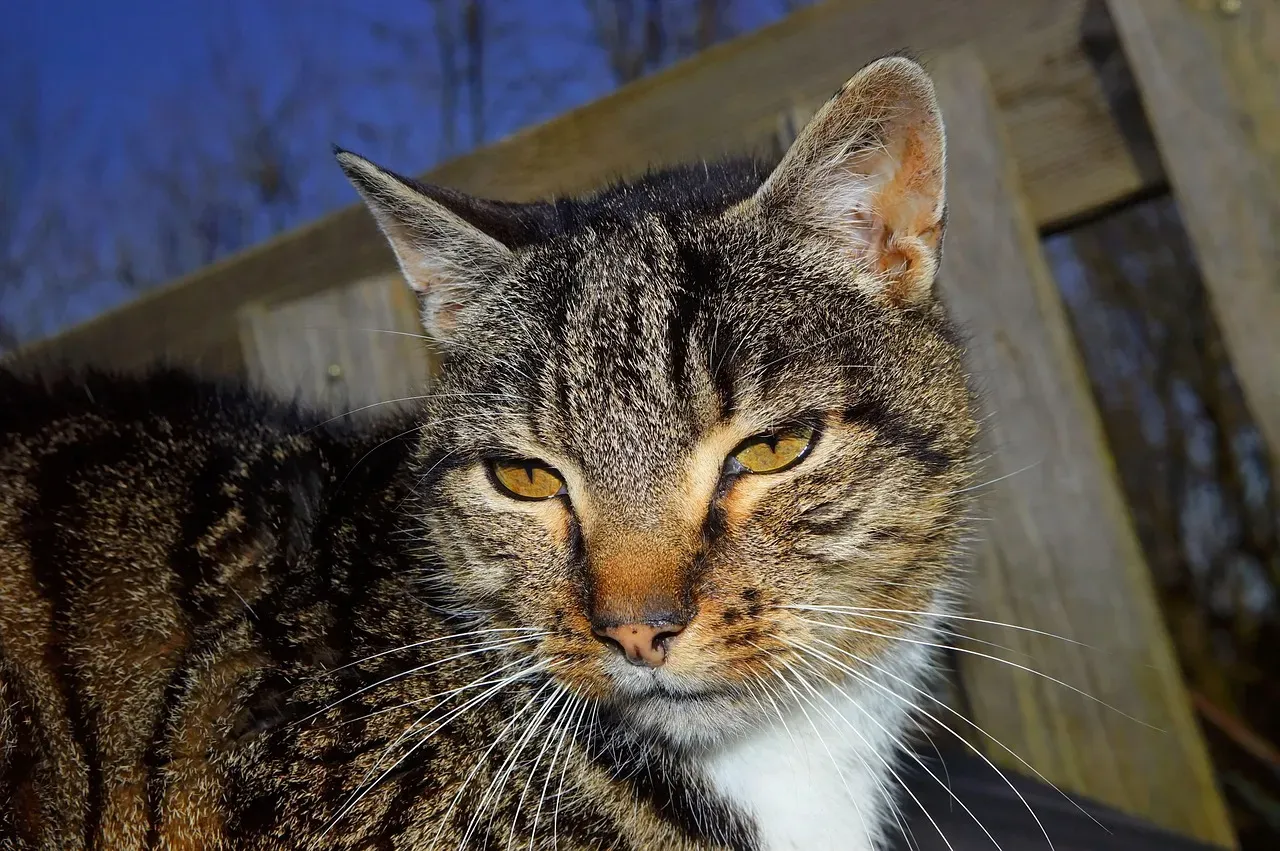
It might seem like an odd inclusion, but the way cats respond to their own aging hearing is genuinely interesting. As cats grow older, especially past the age of twelve or so, gradual hearing loss becomes fairly common, similar to presbycusis in humans. What’s notable is how cats adapt, often relying more heavily on vibration sensing, scent, and visual cues to compensate for reduced high frequency hearing.
Owners sometimes mistake early hearing decline for aloofness or stubbornness, when in reality the cat simply isn’t detecting sounds it once responded to instantly. This shift also means an aging cat may sleep more soundly or seem less reactive to sudden noises, not because of personality change but because whole frequency ranges have quietly dropped out of reach. It’s a subtle reminder that even a cat’s extraordinary hearing has natural limits shaped by time.
Final Thoughts
Kristina is a young writer from India. An arts graduate and an avid content creator, Kristina is passionate about animals and wildlife. She enjoys exploring topics related to pet care, animal behavior, conservation, and nature, combining thorough research with engaging storytelling.