#1 Don’t drag them out by force
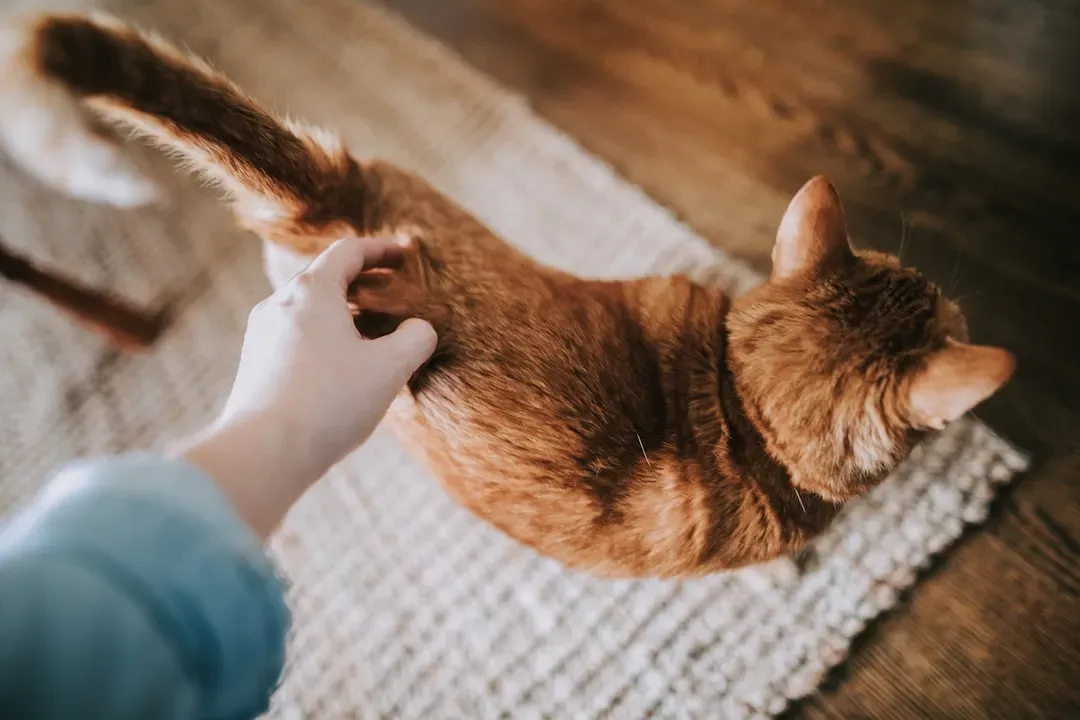
Reaching under a couch and physically pulling a cat out feels like the fastest fix, but it almost always backfires. Cats retreat because something in their environment feels overwhelming or unsafe, and forcing them into the open before they’re ready reinforces that the world outside their hiding spot is indeed something to fear.
This kind of handling can also trigger defensive aggression, even from cats who are normally gentle. A scared cat pulled from a tight space may scratch or bite reflexively, not out of malice but pure panic. The safer move is patience, letting the cat decide when the coast is clear rather than making that decision for them.
#2 Don’t assume it’s just attention seeking
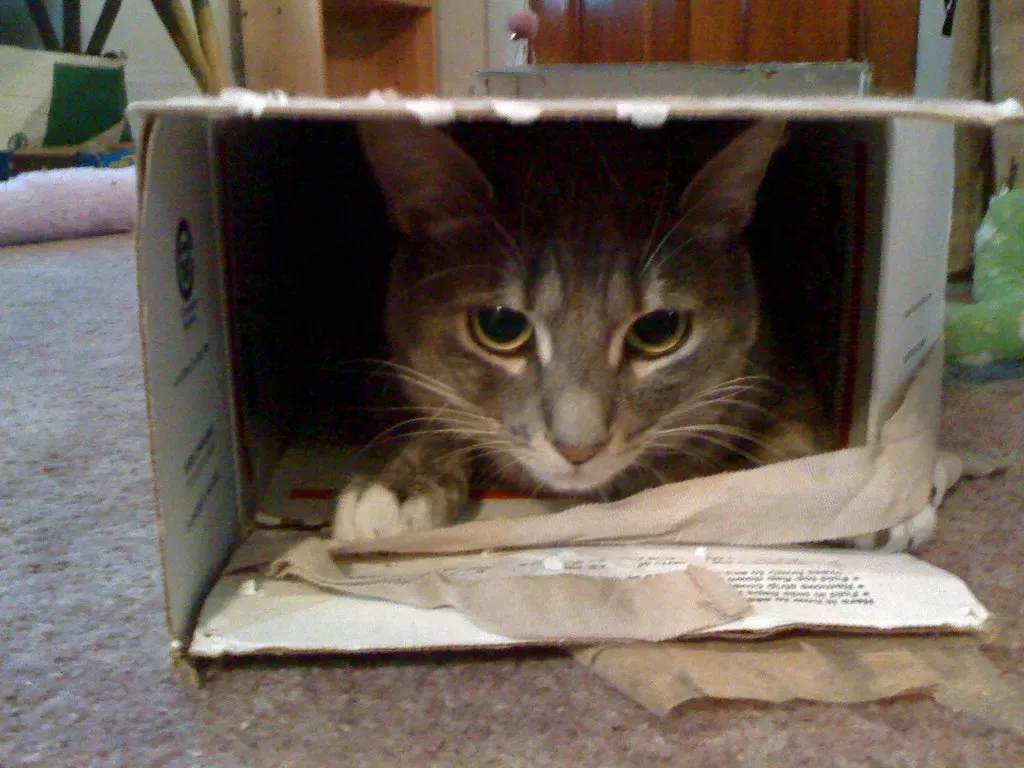
It’s tempting to write off a hiding cat as being dramatic or sulky, especially if there wasn’t an obvious trigger like a loud noise or a new visitor. But hiding is rarely about seeking attention. It’s more often a self protective instinct wired into cats from their wild ancestry, where retreating from perceived threats kept them alive.
Dismissing the behavior as trivial can mean missing something important. Illness, pain, and stress all commonly show up as increased hiding, and cats are notoriously good at masking discomfort until it becomes severe. Treating every hiding episode as harmless drama risks overlooking a genuine problem brewing underneath.
#3 Don’t ignore how long the hiding lasts
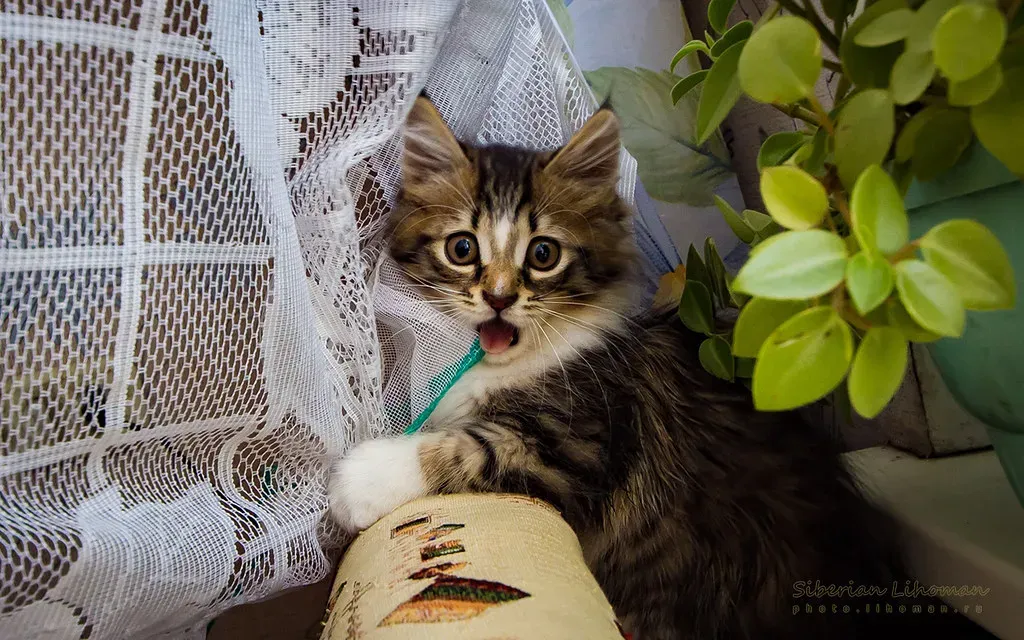
A cat tucking away for an hour after the vacuum comes out is completely normal. A cat that stays hidden for an entire day, skips meals, or avoids the litter box is telling you something different. Duration matters just as much as the hiding itself, and treating every instance the same way can delay noticing a real issue.
Veterinarians generally recommend paying close attention if hiding stretches beyond twenty four hours or comes paired with other changes like reduced appetite or lethargy. At that point, it stops looking like a behavioral quirk and starts looking like a potential health concern that deserves a proper checkup rather than a shrug.
#4 Don’t crowd the hiding spot with noise or people

When a cat disappears, it’s common for the whole household to gather around trying to coax it out, talking loudly or shining a flashlight into the gap. This well meaning attention usually has the opposite effect. More noise and more bodies around a hiding spot simply confirms to the cat that the environment is still chaotic and unsafe.
Cats process stress differently than dogs do, relying heavily on quiet and predictability to feel secure. Giving the space a wide berth, dimming the lights, and lowering voices nearby does far more to ease a cat back out than any amount of encouraging chatter. Sometimes the kindest thing is simply to leave the room.
#5 Don’t skip checking their eating, drinking, and litter habits

It’s easy to lose track of the basics when a cat is out of sight for stretches at a time. Skipping checks on food and water bowls, or not noticing whether the litter box has been used, means missing early warning signs that something beyond normal shyness is going on.
Cats that stop eating for more than a day or two can develop serious complications, including a liver condition called hepatic lipidosis, which develops quickly in cats that go without food. Keeping a quiet log of whether bowls are emptying and the litter box is being used gives owners real information, not just guesswork, about how their cat is actually doing.
#6 Don’t punish or scold them for hiding

Some owners, frustrated by a cat that won’t come out for meals or visitors, resort to sharp words or physical corrections to get a reaction. This approach almost never works the way people hope. Cats don’t associate punishment with the behavior an owner is trying to correct; they simply learn that the person delivering the punishment is another thing to avoid.
Scolding a hiding cat tends to deepen the very anxiety that caused the hiding in the first place. It can also erode trust built over months or years in a matter of minutes. A calmer, more effective path is patience paired with gentle reassurance from a distance, letting the cat re-enter the household environment on its own terms.
#7 Don’t overlook changes in the environment that triggered it
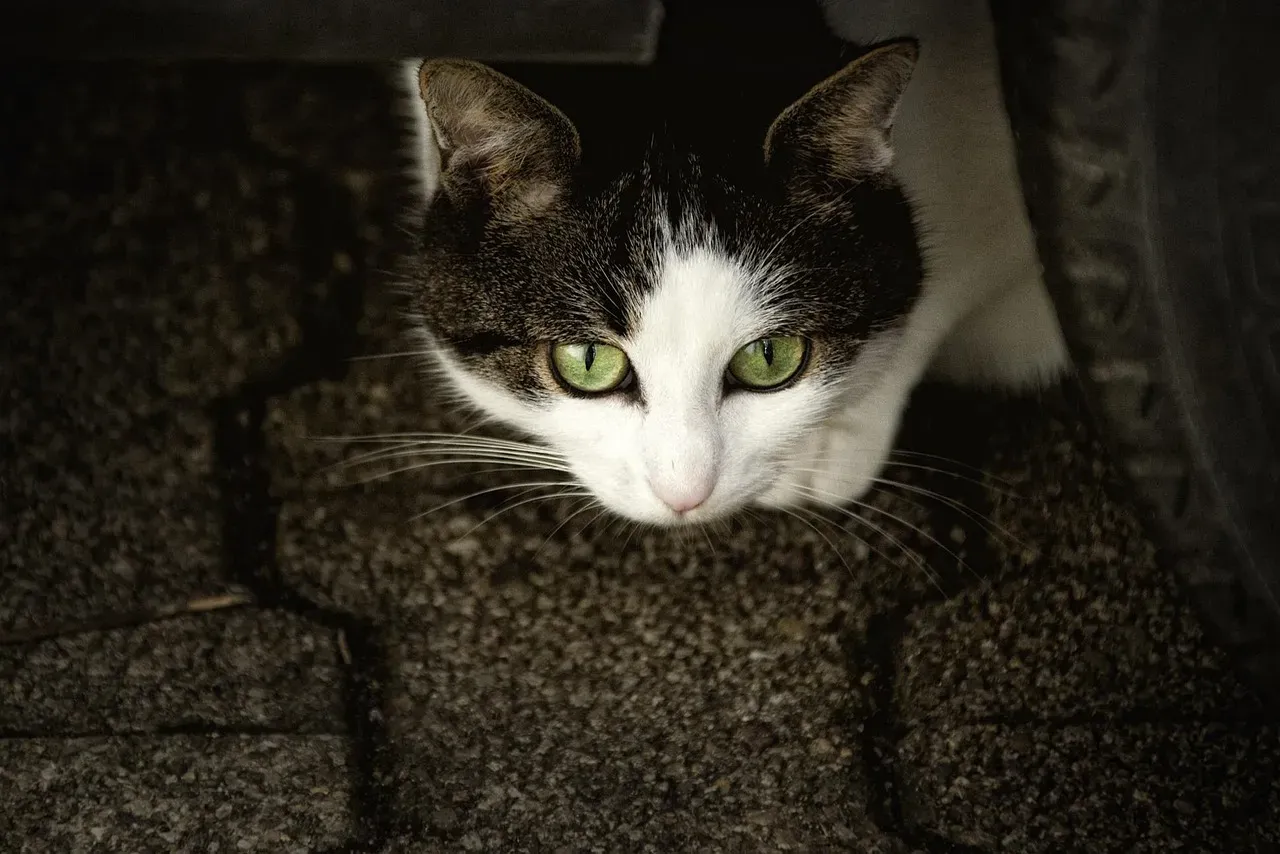
New furniture, a recent move, an unfamiliar guest, another pet, or even a rearranged room can all set off hiding behavior, yet these triggers are often overlooked because they seem too minor to matter. Cats are highly sensitive to changes in their territory, and what looks trivial to a person can feel destabilizing to a cat.
Ignoring the root cause means the hiding is likely to repeat, sometimes escalating if the underlying stressor isn’t addressed. Identifying what shifted right before the behavior started, whether it’s a schedule change or a new smell in the house, gives owners a real chance to reduce future episodes rather than just reacting to each one as it comes.
The Bottom Line

Kristina is a young writer from India. An arts graduate and an avid content creator, Kristina is passionate about animals and wildlife. She enjoys exploring topics related to pet care, animal behavior, conservation, and nature, combining thorough research with engaging storytelling.