You’ve probably glanced over at your cat, sprawled across the sofa in the middle of the afternoon, and thought: must be nice. Cats seem to have mastered the art of sleep in a way that makes the rest of us look like overachieving insomniacs. It’s easy to chalk it up to laziness, but the reality behind your cat’s snoozing is far more nuanced and genuinely fascinating.
There’s a deep biological logic wired into every nap your cat takes. From ancient hunting instincts to complex dream cycles, what goes on while your cat sleeps tells you a lot about who they are, how they feel, and even how they see you. Here are twelve surprising facts that might completely change how you think about your cat’s sleep.
Your Cat Sleeps Far More Than You Probably Realize
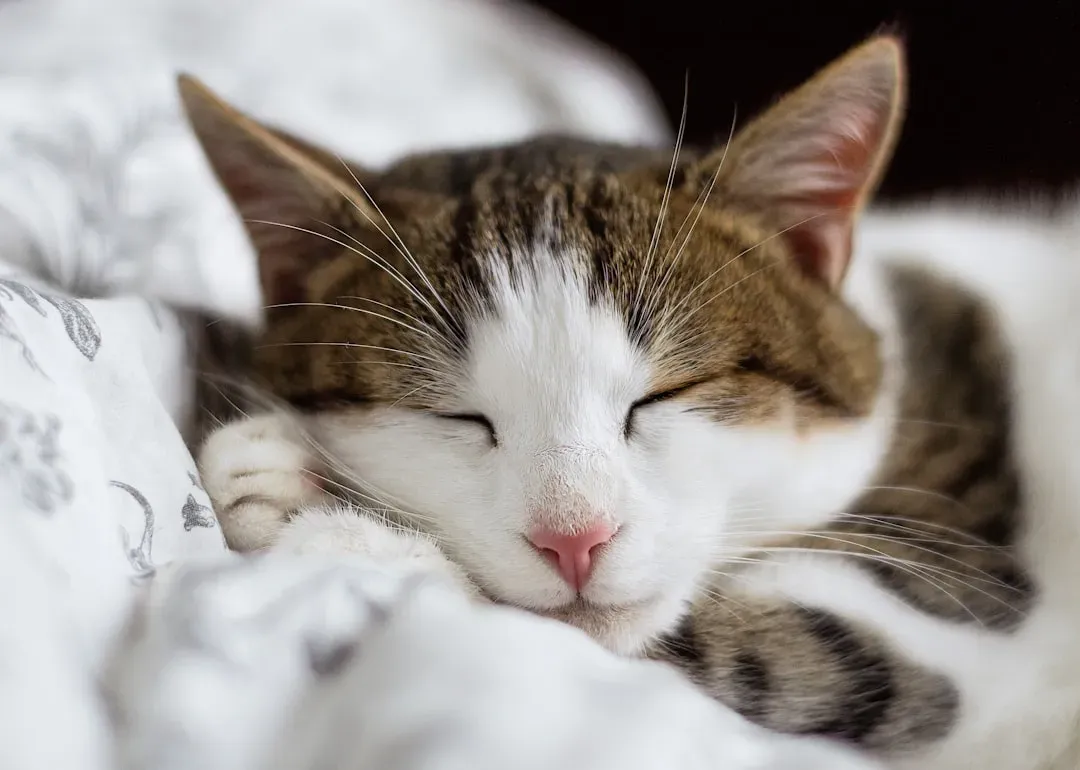
According to veterinary experts, cats normally sleep anywhere from twelve to twenty hours a day, with the average sitting around fifteen hours. Roughly four in ten cats sleep over eighteen hours in a single day. That’s not occasional napping – that’s a lifestyle.
Cats sleep between twelve and sixteen hours a day, and to humans who need about seven hours of sleep during adulthood, that can seem like a staggering amount of time spent snoozing. When you think about it more carefully, though, it’s not too surprising given how energy-intensive their natural behaviors actually are. Your cat isn’t being lazy. Their body is built for it.
It All Comes Down to Hunting Instincts
Fundamentally, cats are predators, and sleeping is vital to conserve their energy after hunts. Cats are anatomically and physiologically designed to hunt for their food, even if you now provide it for them in a bowl. Wild cats are commonly observed hunting their prey and then sleeping for extended periods because hunting demands a huge amount of energy.
Your cat sleeps so much because of their biological wiring. Even though your cat might just be hunting for kibble, their bodies are built for the “hunt, feast, sleep, repeat” cycle of a predator. All that sleep helps them conserve energy for their next burst of activity, usually at dawn or dusk. The instinct is ancient, even if the prey has been replaced by a toy mouse.
Cats Are Crepuscular, Not Nocturnal
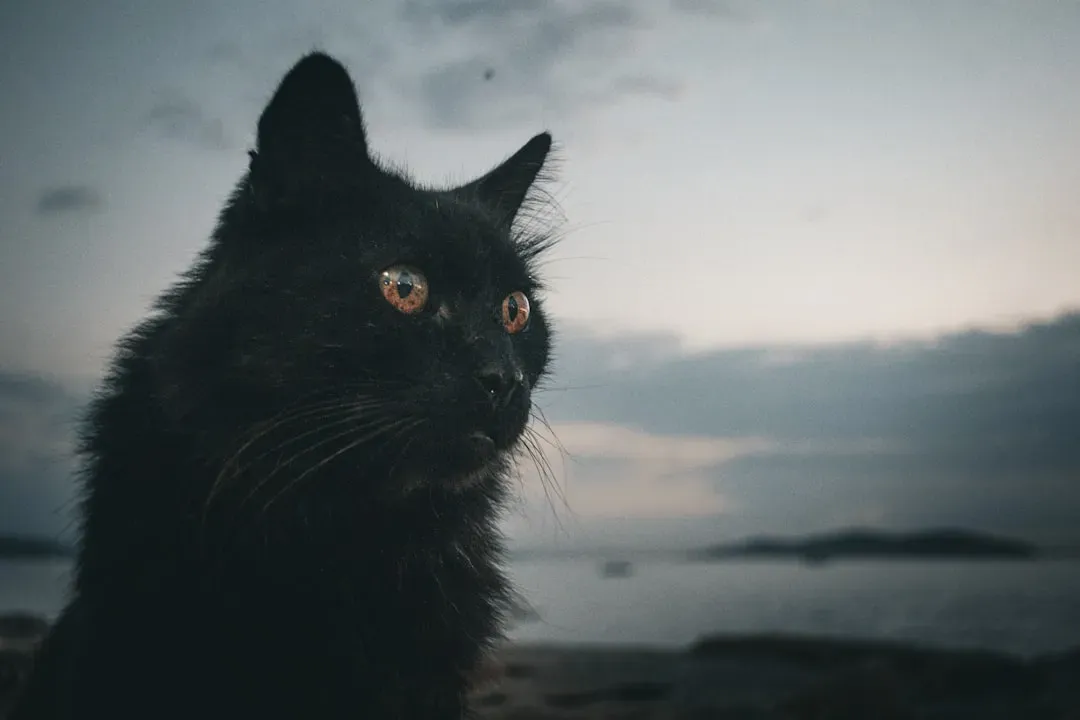
Cat sleeping habits aren’t quite like our own. Contrary to popular belief, cats aren’t nocturnal – they are crepuscular, meaning they’re most active around dawn and dusk. This sleeping pattern is due to their hunting instinct, which evolved so they would be awake when their prey is at its most active.
Their prey – usually small mammals and birds – are less likely to take notice of dangers during twilight hours and thus become easy targets for the hungry feline. The same hunting instincts are responsible for your cat’s playful disposition just as you get ready for bed. Their crepuscular nature means they’ll be running up and down your room exactly when you’re least likely to appreciate it: early mornings and late evenings. So those 5 a.m. zoomies aren’t personal. It’s evolution.
They Don’t Actually Sleep in One Long Stretch
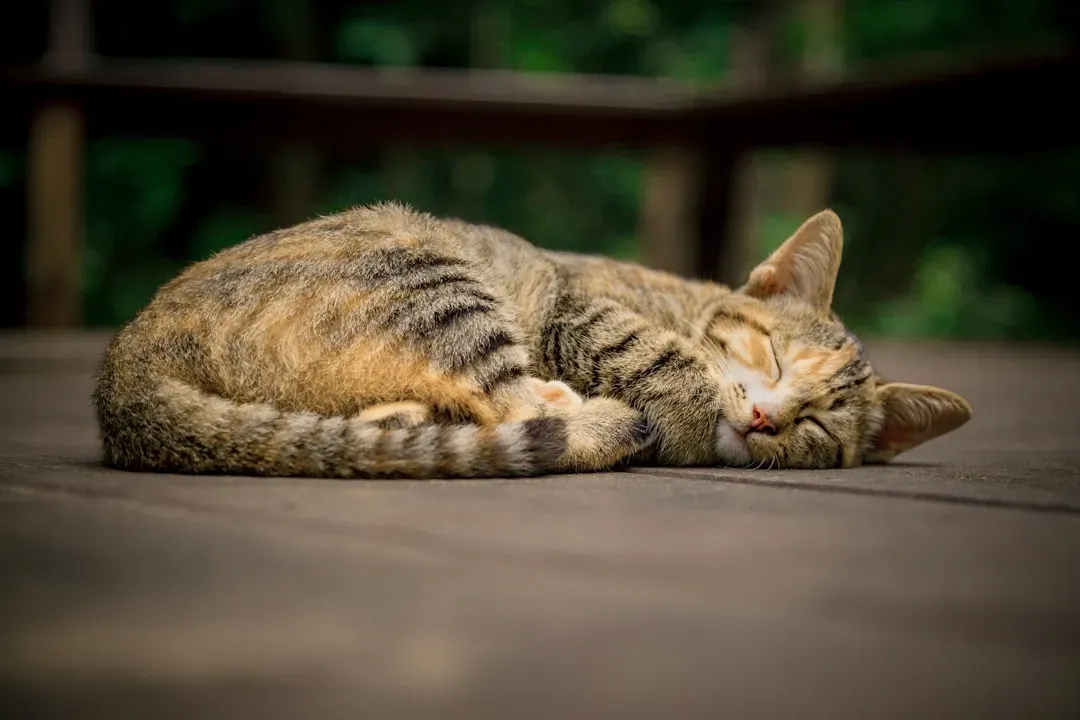
Although cats sleep twelve to sixteen hours a day, they don’t do it in one long stretch. Rather, they alternate short stretches of sleep with being active. This type of sleep cycling is called polyphasic. Think of it as a series of well-timed resets rather than one extended shutdown.
It’s believed that cats don’t really sleep for long stretches; rather, they take frequent catnaps that last fifteen to thirty minutes. Catnaps allow your cat to rest their body and mind without falling into deep sleep. These catnaps allow felines to still react quickly to potential threats in their environment. That’s why your cat can go from completely still to fully alert in under a second.
Most of Their Sleep Is a Light, Half-Alert Doze
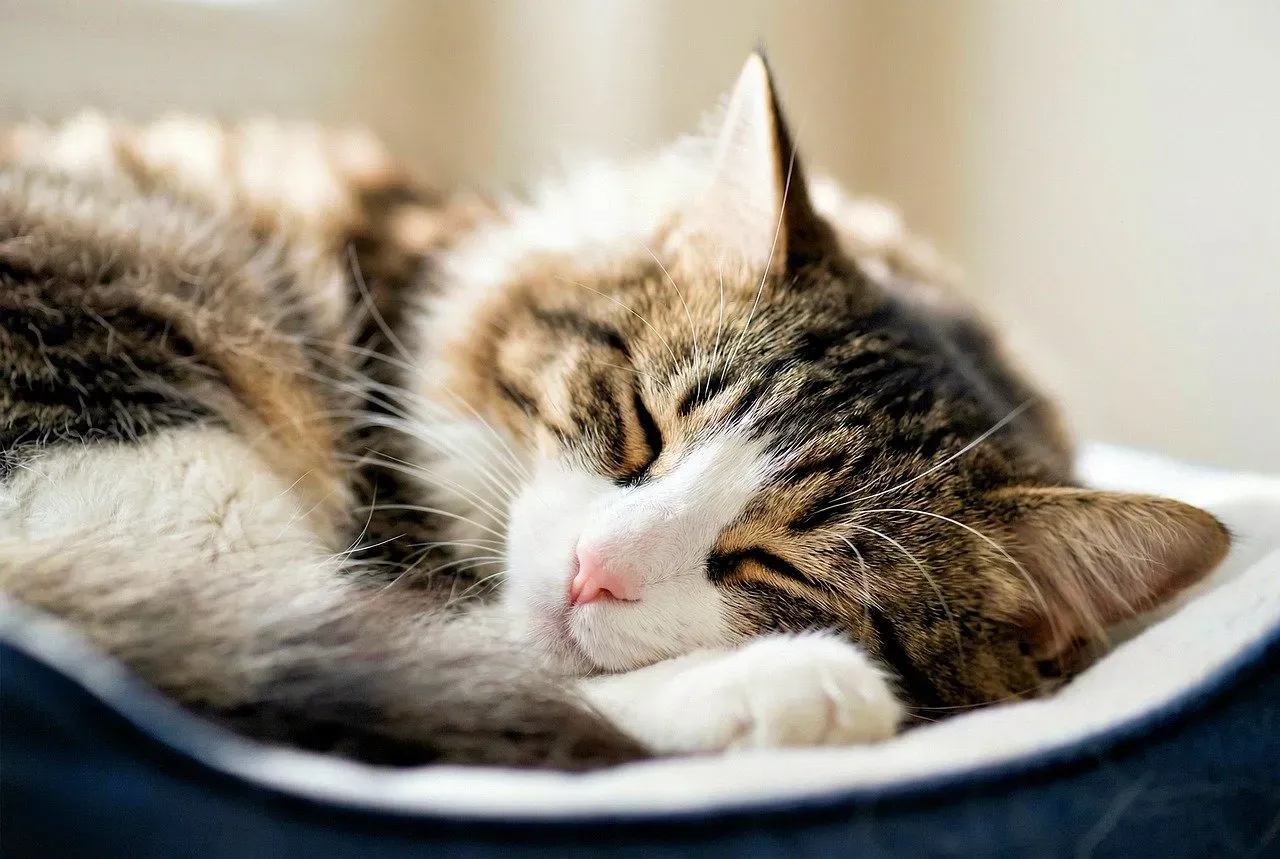
About three-fourths of a cat’s sleep is a shallow, almost-waking rest called slow-wave sleep. The other one-fourth of the time, cats really are out of it, sleeping deeply and often reaching REM sleep. That distinction matters more than it might seem at first glance.
When cats are experiencing light sleep, they are able to wake into action at an instant: their ears will remain erect, responding to sounds in their environment; they may have some tail movement, and perhaps even one eye half open. During deep sleep, your cat’s posture – including their ears – will be far more relaxed. You may observe them twitching or paddling the air with their paws. That gentle paw-paddling is one of the clearer signs that something interesting is happening in their brain.
Yes, Your Cat Actually Dreams
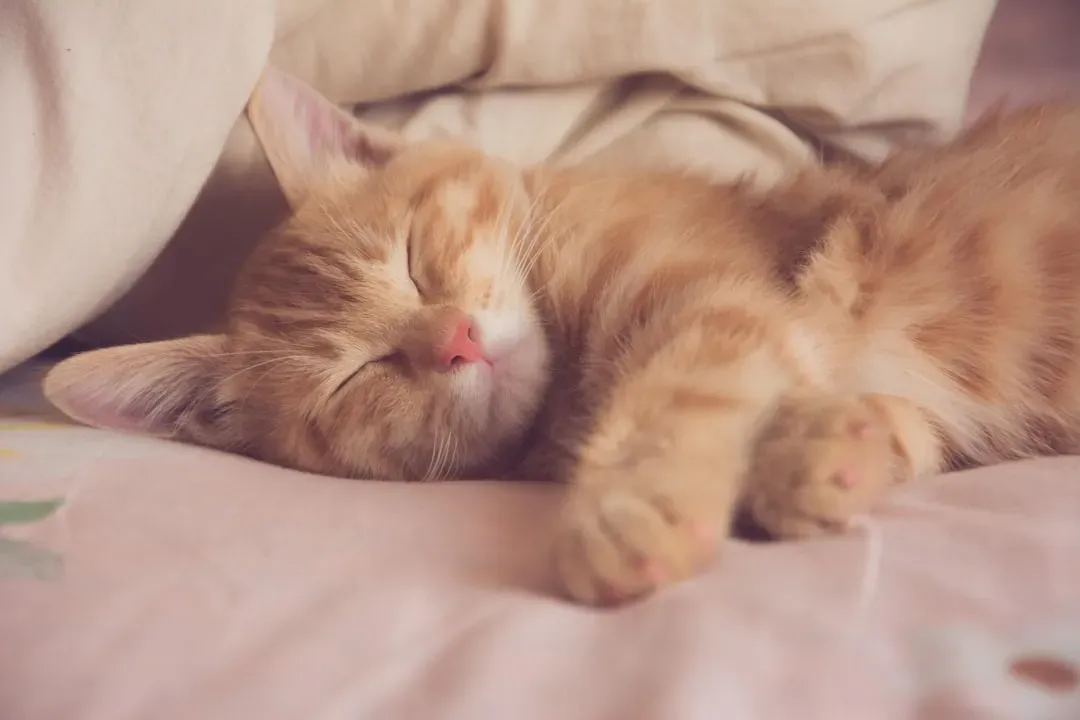
During REM sleep, cats may dream. In humans, dreams most frequently occur during REM sleep. The eye movements made during REM may be linked to dreaming, and researchers have observed cats appearing to act out their dreams while in REM sleep. It’s not just twitching for no reason.
According to research, cats actually dream about thirty to forty percent of the time they are sleeping. Cats will dream, and many times you can see some tail and leg movement or even some soft meows. What exactly they’re dreaming about, nobody can say for certain – but given their instincts, a hunting scenario seems like a reasonable guess.
Kittens and Senior Cats Sleep the Most
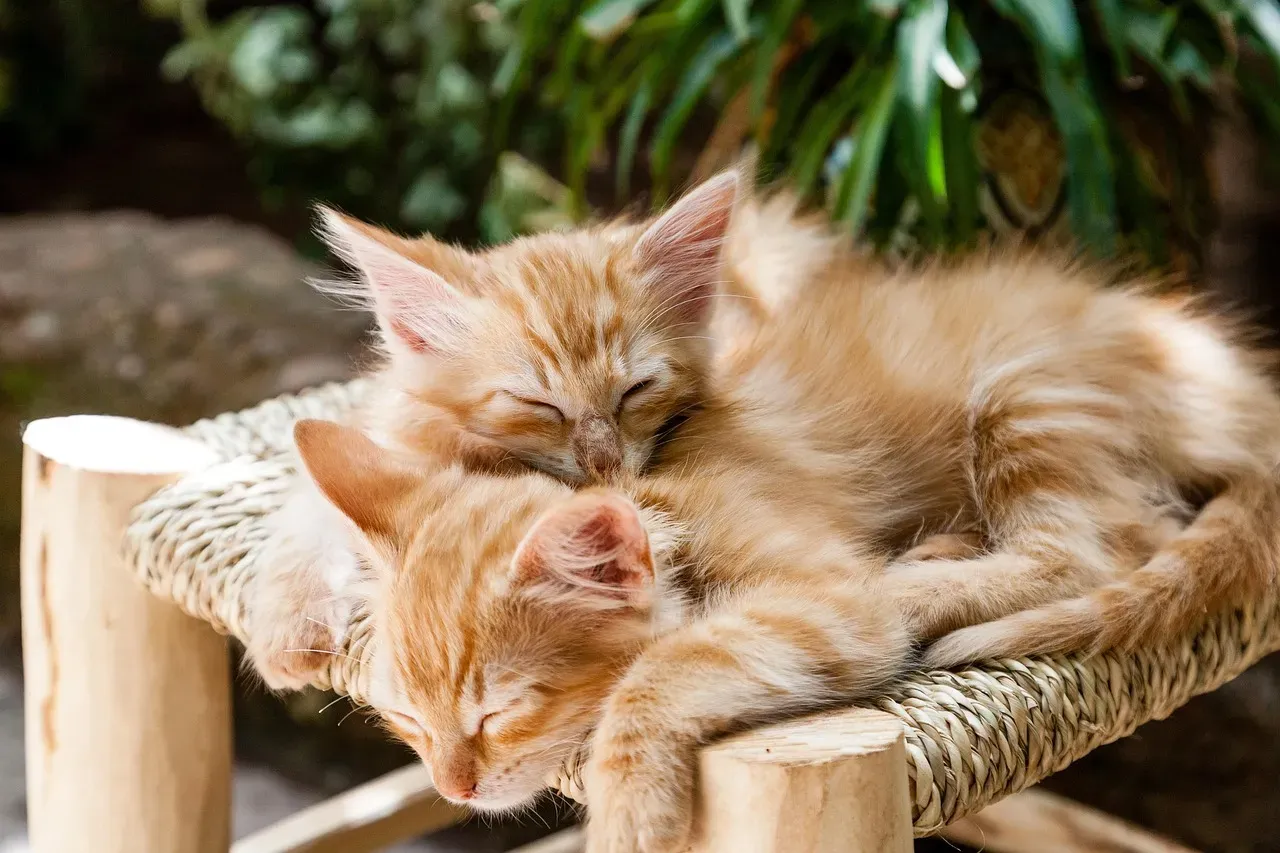
Kittens tend to sleep more than the average cat, and roughly ninety percent of kittenhood is spent snoozing. This is because they need to constantly recharge their batteries as their brain and central nervous system is still developing. What’s more, the time kittens spend sleeping strengthens their muscles and bones and keeps their immune system functioning.
It’s not just kittens that spend a lot of time sleeping – senior cats snooze a lot too, usually up to twenty hours a day. This increased amount of sleep is because, just like with humans, when cats get older, they tire more quickly. However, if this change has come on suddenly, it’s best to seek advice from your vet. Age really does change the equation at both ends of a cat’s life.
Rainy Days Make Your Cat Sleepier
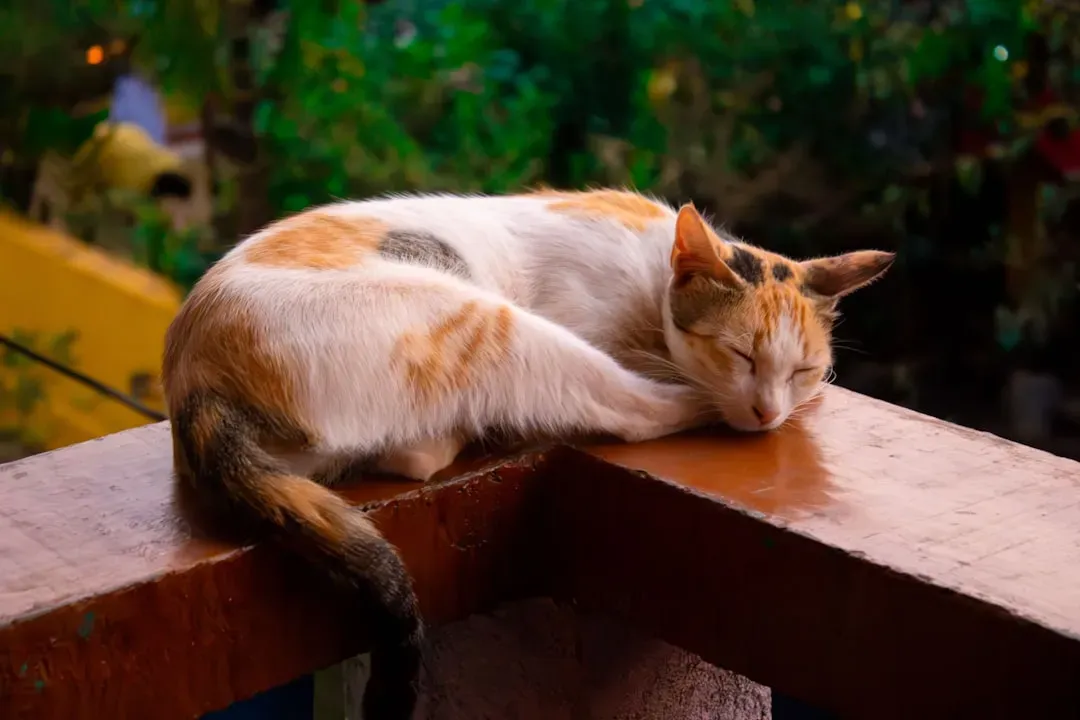
Just like pet parents, cats love to nap on wet and dreary days. Whether you have an indoor or outdoor cat, don’t be surprised if she’s yawning more and sleeping longer when the forecast calls for rain. There’s actually a real physiological reason behind this, not just feline coincidence.
You will notice your cat dozing off longer than usual when the weather doesn’t allow for proper outdoor exploration. When it’s cold or raining, your cat will likely try to add even more hours to their already impressive sleeping record. Lower light levels affect your cat’s internal clock much the same way they can affect human mood and energy during grey winter months.
Their Sleeping Positions Tell You How They Feel
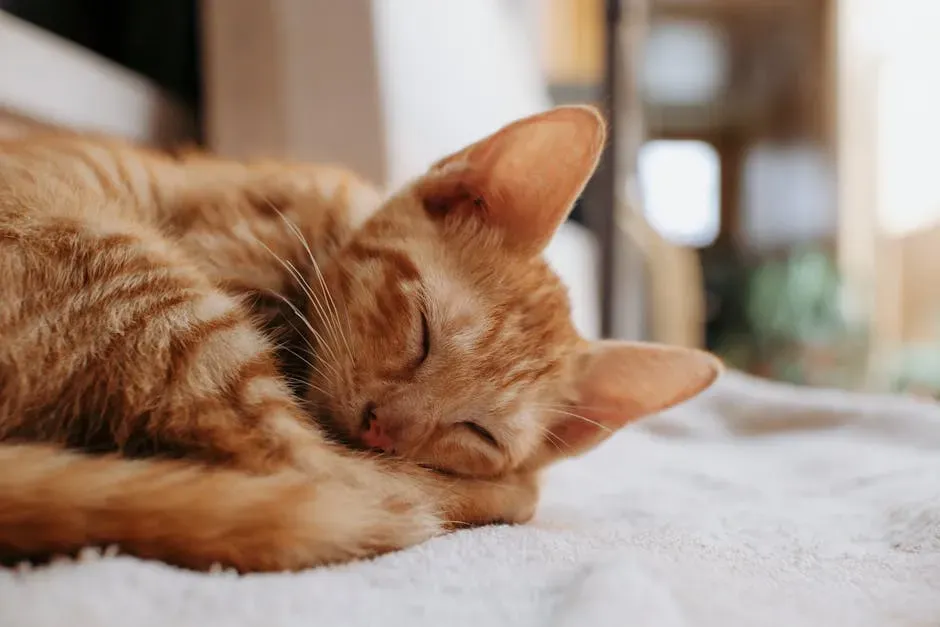
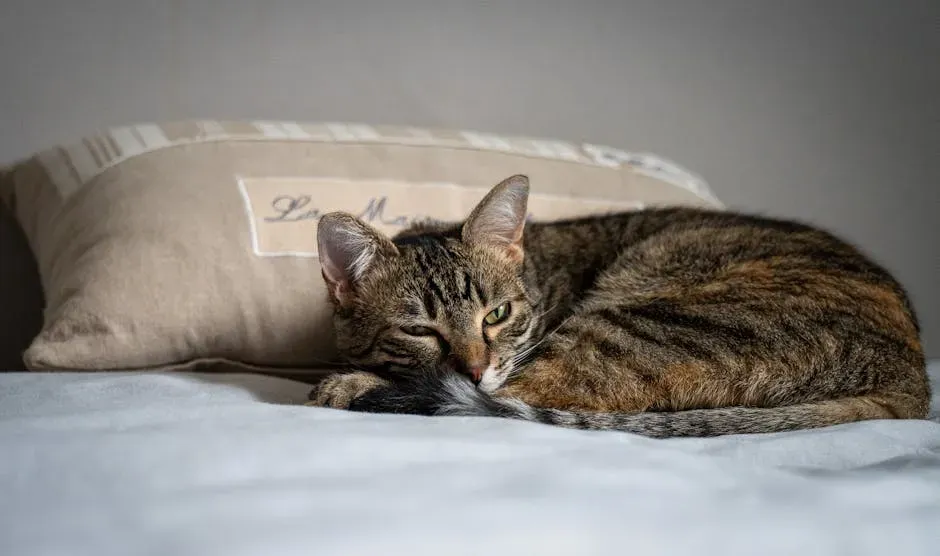
The loaf position resembles the shape of a loaf of bread. Cats sleeping in this position keep their front paws curled underneath their body with their head up. This position preserves a cat’s body heat and protects their vital organs. It signals that your cat is resting but not fully off-guard.
When your cat is spread out on their side, they are often in a deep sleep. If your cat is an avid side sleeper, it means they really do trust and feel comfortable around you, as this is one of the sleeping positions that leaves your feline friend most vulnerable. Any time your cat lies with their belly in the air, whether partially or fully exposed, it’s a sign they feel safe and secure. Put simply, the more exposed the position, the deeper the trust.
Sleeping on You Is a Genuine Sign of Trust
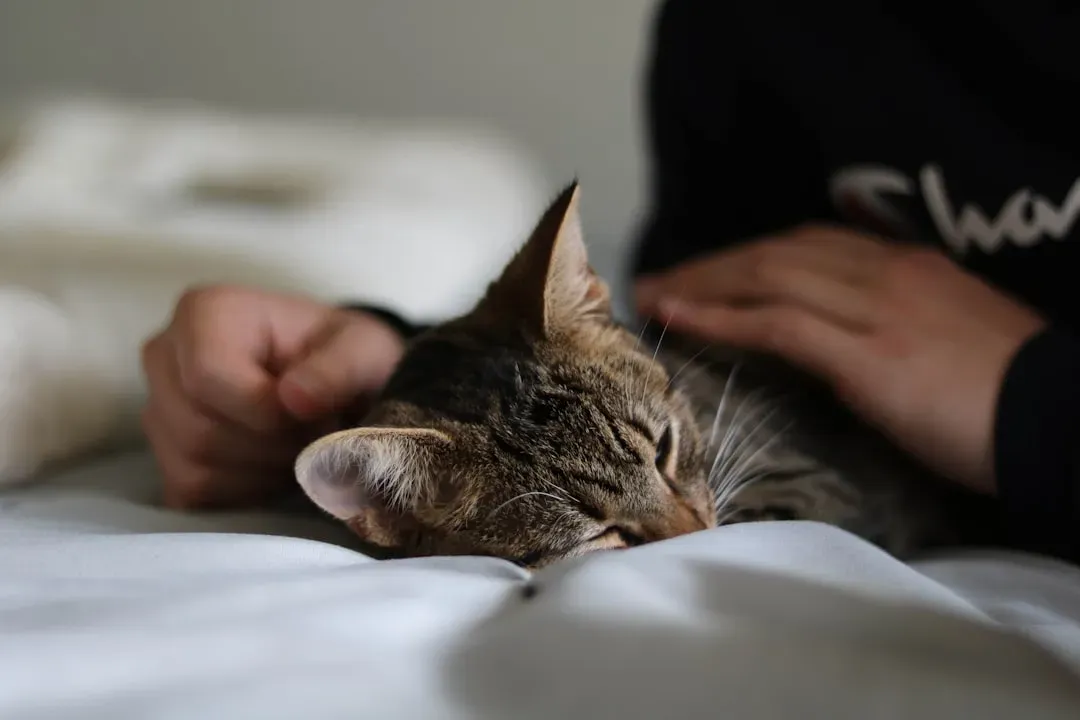
The most important reason cats like to sleep near their owners is security. Cats are most vulnerable and at their greatest risk when they’re sleeping. When your cat sleeps with you, it means they trust you and feel secure with you by their side – and it also means they trust that you will provide an extra layer of defense if needed.
When a cat chooses to sleep directly on you – especially in vulnerable positions like your chest or stomach – it means they feel completely safe. The rhythmic sound of your heartbeat and breath provides comfort similar to that of a mother cat’s purring. This deepens the emotional connection between cat and owner, reinforcing the bond through shared warmth and security. It’s one of the quietest, most sincere compliments a cat can pay you.
Boredom Can Genuinely Cause Your Cat to Oversleep
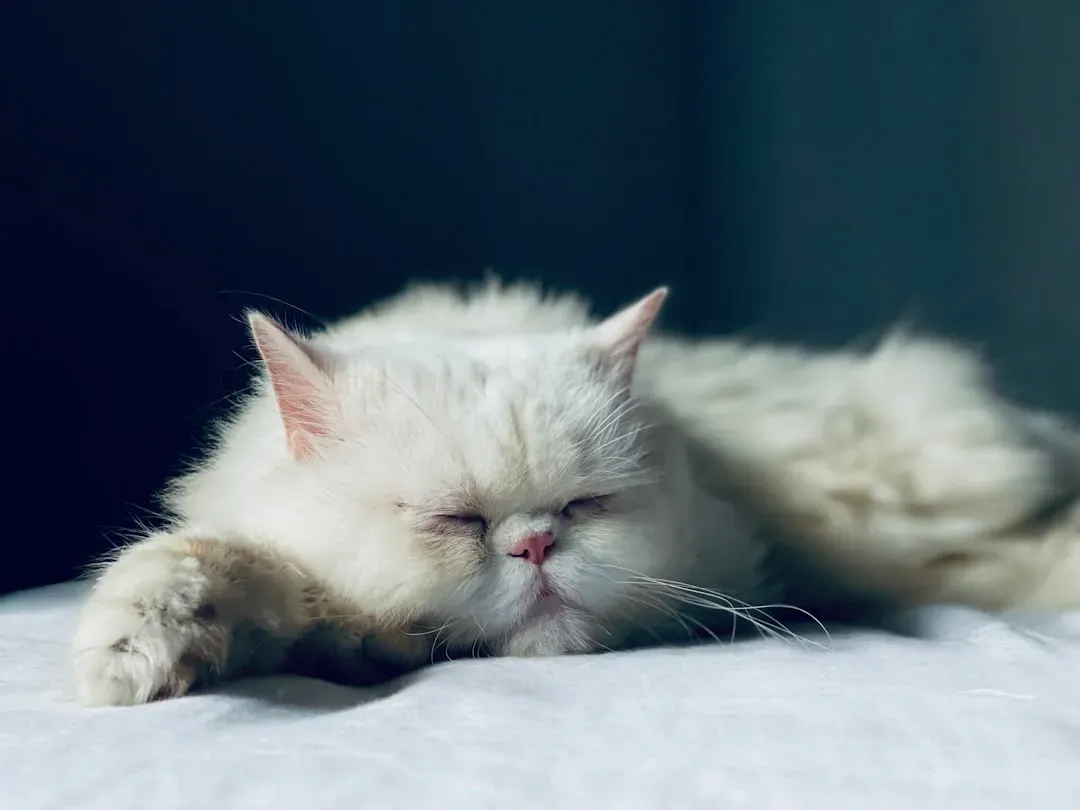
Sometimes cats sleep simply because they’re bored. While sleeping might not seem like a big deal, boredom can lead to other problematic behaviors in cats, such as destruction, constant meowing, and over-grooming. To stay engaged and prevent boredom, cats need stimulation throughout the day in the form of vertical territory, puzzle feeders, and regular playtime with the family.
A cat’s sleeping schedule can indicate health problems. Anything from heart or kidney disease, diabetes, hypothyroidism, arthritis, or boredom can cause a cat to sleep more. And while you may not think boredom is a health problem, it really is. If a cat isn’t getting enough mental and physical stimulation, it can lead to decreased quality of life, which in turn can lead to illness. More playtime isn’t just fun – it’s genuinely preventive care.
Sudden Changes in Sleep Patterns Deserve Attention
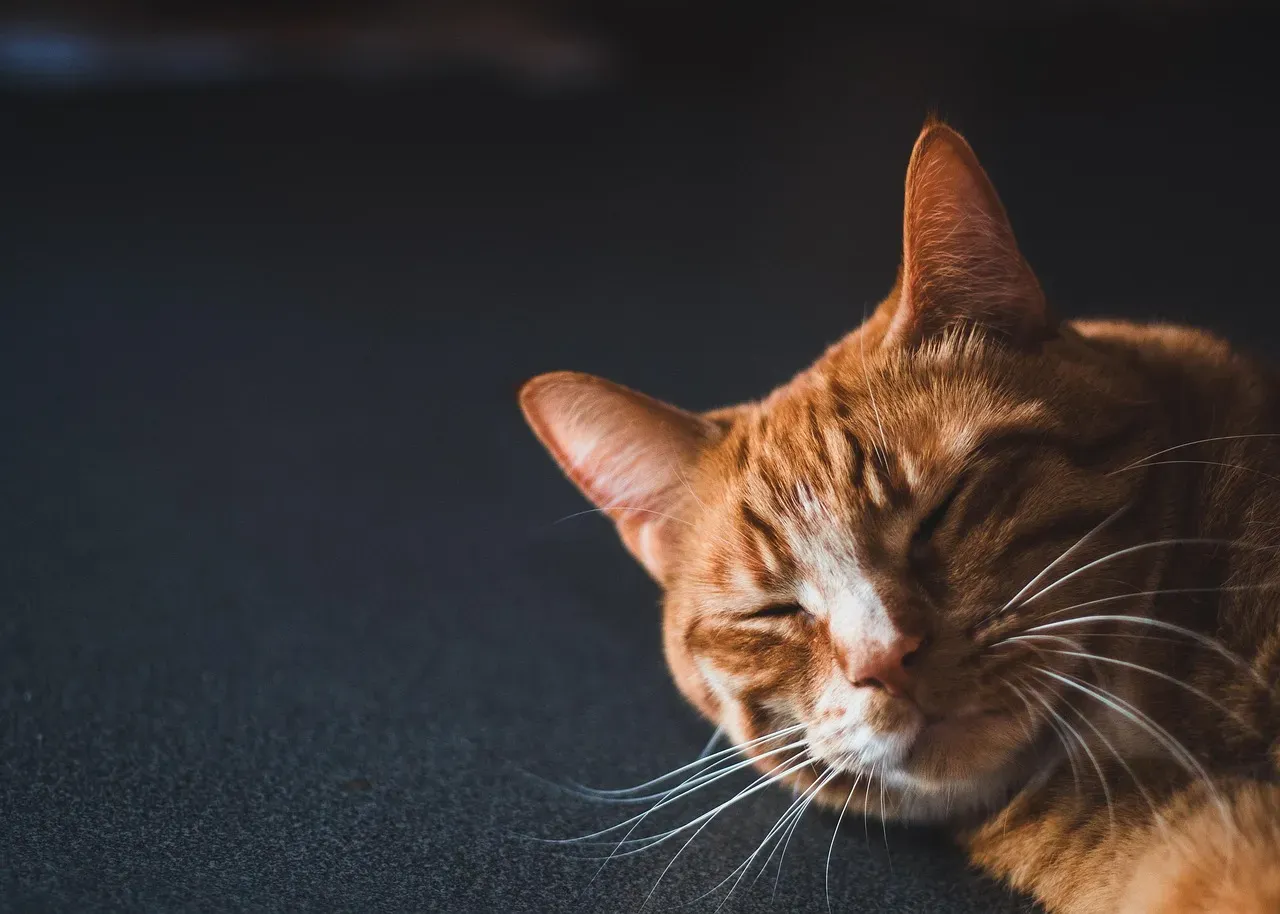
As with humans, cats are affected by stress. One way cats express stress or anxiety is by changing their sleep patterns. If they’re suddenly sleeping more than usual, it could be a sign they’re feeling overwhelmed or anxious about something in their environment. Cats can become stressed or anxious for many reasons, such as when new family members come into the house or if feeding times change.
Oversleeping can be a sign of a medical issue, especially if there is a sudden change in sleep patterns or if the cat cannot be easily engaged in a pleasurable activity like playtime, feeding, and petting. If your cat is restless and sleeping less than normal, that could be a cause for concern too. It may be a sign of hyperthyroidism or FIV. If you notice any significant changes in your cat’s sleeping patterns, a visit with your veterinarian is in order. Trust your instincts when something feels off.
Conclusion: There’s More Going On Than You Think
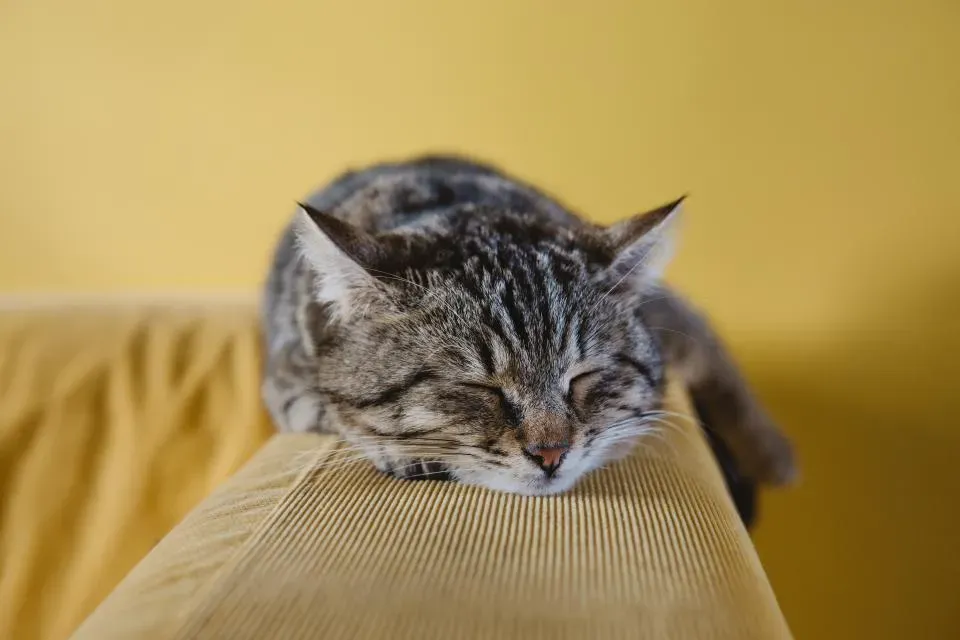
Every curl, twitch, and sprawl your cat settles into during sleep carries meaning. What looks like pure indulgence is actually a finely tuned biological system shaped by thousands of years of predatory evolution, social instinct, and environmental sensitivity. Your cat isn’t simply clocking out for the day.
Understanding your cat’s sleep habits gives you a real window into their health, their comfort level, and even how much they trust the people around them. The next time you spot your cat stretched belly-up on the couch without a care in the world, take it as good news. A deeply relaxed, freely sleeping cat is, in almost every case, a happy one.