There’s a reason cats have held a place in human households for roughly ten thousand years. That relationship started out practical, with wildcats drawn to the grain stores of early settlements and humans welcoming the pest control. Over time, something deeper took hold. Today, roughly half of all pet-owning households include at least one cat, and the bond has moved well beyond simple companionship.
What surprises most people is that the science backing cat ownership goes considerably further than warm feelings and entertaining videos. Researchers have been quietly building a case for years, and the findings point to real, measurable impacts on your heart, your brain, your immune system, and your mental health. Here’s what the evidence actually shows.
Your Heart Gets a Quiet, Unexpected Ally
One of the most striking findings in cat ownership research involves cardiovascular risk. Studies show that owning a cat could cut your risk of stroke or heart disease by as much as a third. That’s not a trivial number, and it holds up even when researchers account for other lifestyle variables.
According to a study published in the Journal of Vascular and Interventional Neurology, researchers discovered that cat owners have roughly forty percent lower risk of having a heart attack than people who don’t own cats. The connection is thought to involve the consistent stress-buffering effect that living with a cat provides, which gradually keeps your cardiovascular system in a calmer, lower-pressure state over time.
Stress Hormones Take a Measurable Dip
Studies show that spending time with cats can reduce cortisol, the stress hormone, and boost oxytocin, a feel-good hormone that helps people relax. This isn’t just a subjective feeling. The hormonal shift is real and can be measured through saliva and blood samples taken before and after cat interaction.
In one study, college students who spent as little as ten minutes per day petting a cat experienced decreased levels of cortisol. Ten minutes. That’s less time than most people spend scrolling social media in the morning. The implication is that even brief, consistent contact with your cat can create a meaningful physiological shift across a day.
Your Resting Blood Pressure May Be Lower Than You Think
In one study, researchers visited 120 married couples in their homes to observe how they would respond to stress. Hooked up to heart rate and blood pressure monitors, people did a series of tasks involving math problems and sticking their hands in a bowl of ice. People sat either alone, with their pet, with their spouse, or both. Before the stressful tasks even began, the cat owners had a lower resting heart rate and blood pressure than people who didn’t own any pets.
Being around a purring cat has been associated with lower blood pressure, reduced heart rate, and a decrease in stress levels. The effect appears to be cumulative, meaning it builds quietly in the background of daily life rather than arriving as a single dramatic event. You may not notice it happening, but your cardiovascular system does.
A Cat’s Purr Operates at a Healing Frequency
Cats produce a purr through intermittent signaling of the laryngeal and diaphragmatic muscles, with frequencies between 25 and 150 Hertz. Studies suggest these frequencies can promote relaxation, reduce stress, improve bone density, and accelerate healing in humans. This overlap between feline purring and medically recognized therapeutic vibration frequencies is one of the more quietly remarkable facts in animal health research.
According to studies, a frequency of 25 to 50 hertz, like that of a cat’s purr, can improve bone density, build bone strength, support wound and fracture healing, and stimulate bone fracture repair. It can also provide pain relief and help manage breathlessness and inflammation. Whether lying next to a purring cat amounts to a form of passive vibration therapy is still being studied, but the frequency alignment is far from coincidental.
Your Mental Health Scores Better With a Cat in the Home
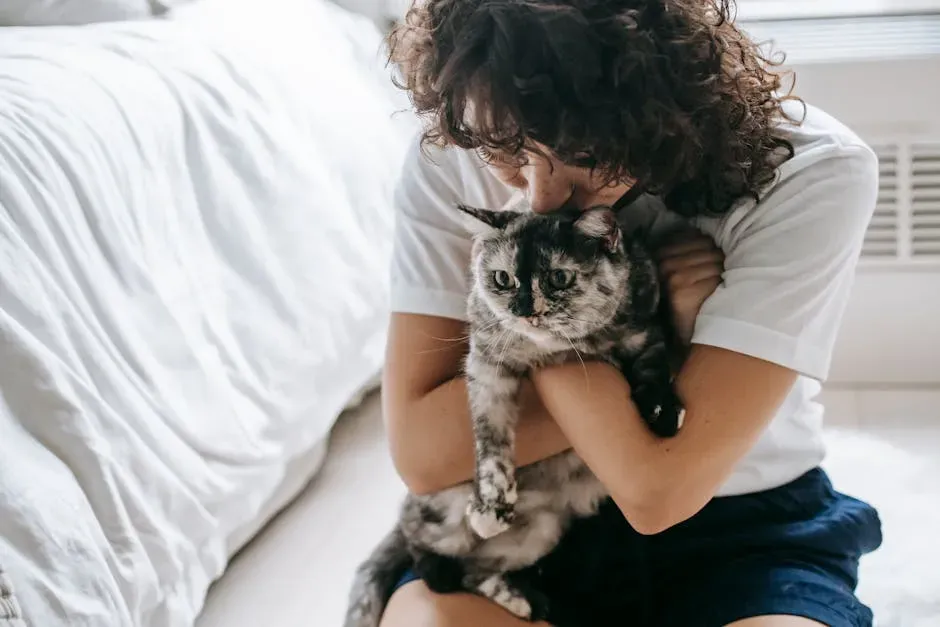
According to one Australian study, cat owners have better psychological health than people without pets. On questionnaires, they report feeling more happy, more confident, and less nervous, and sleeping, focusing, and facing problems in their lives better. These aren’t minor differences in mood. They represent measurable shifts across multiple dimensions of psychological wellbeing.
Cat ownership is associated with lower levels of depressive symptoms and improved mood. In addition, cat owners have been found to laugh more frequently and spontaneously than non-owners, particularly in response to something their cat has done. That spontaneous laughter is its own form of medicine, and cats, with their unpredictable behavior and unfiltered personalities, seem particularly good at generating it.
The Companionship Fills a Gap That Humans Sometimes Can’t
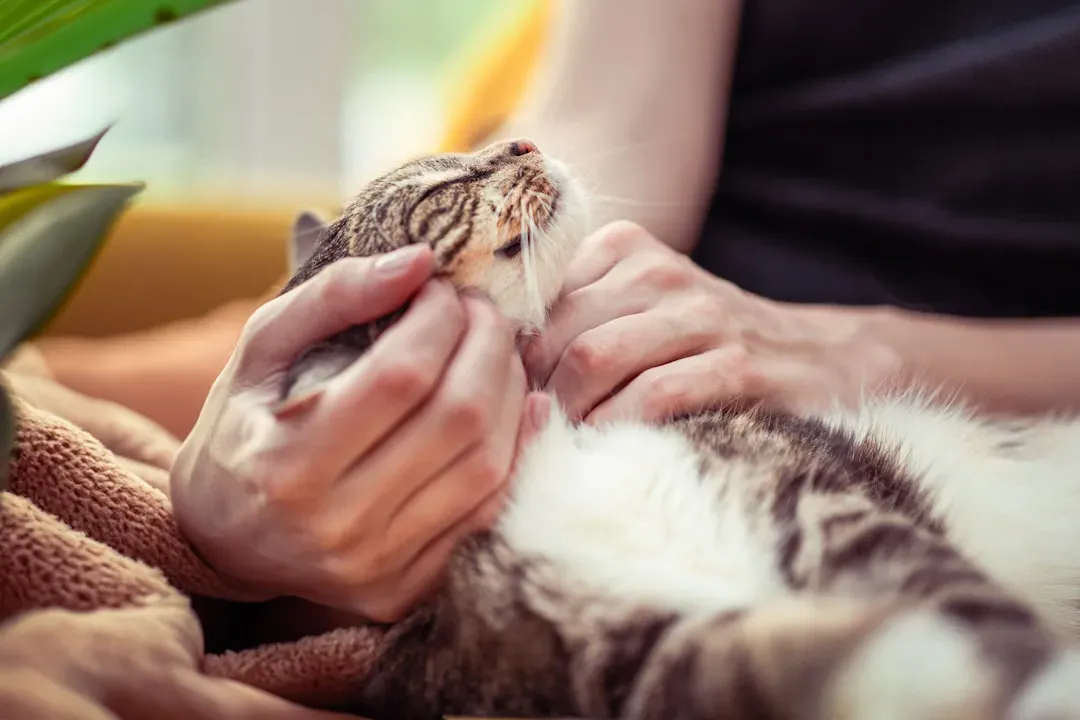
Swiss research equates the companionship from cats to having a romantic partner in terms of reducing loneliness. They offer a non-judgemental presence, easing emotional hardship such as bereavement. That comparison might sound surprising, but when you think about what loneliness actually feels like, it makes sense. It’s about presence, consistency, and feeling that someone notices you.
Having an animal react to you, rely on you, and care for you in a simple and pure way can elevate positive mental health. The relationship with a pet offers predictability, encouragement, and positivity, which can be a big help for many who experience negativity within human relationships. For people living alone, that quality of undemanding consistency can be genuinely sustaining.
Cat Ownership Supports Sharper Cognitive Function as You Age

Owning a cat isn’t just pleasant; it might also help keep your brain sharp as you age, according to a study published in Scientific Reports. Researchers examined 18 years’ worth of data from over 16,000 people aged 50 and older and assessed the link between pet ownership and cognitive decline. The scale of that dataset makes the findings especially hard to dismiss.
Cat owners experienced a slower decline in verbal fluency, the ability to easily and rapidly produce words. Verbal fluency is one of the earlier cognitive functions to erode in aging, so any factor that slows that process matters. The daily interaction, responsiveness, and care-giving routines that come with owning a cat may help keep the brain more actively engaged than people tend to realize.
Early Exposure to Cats May Protect Children From Allergies
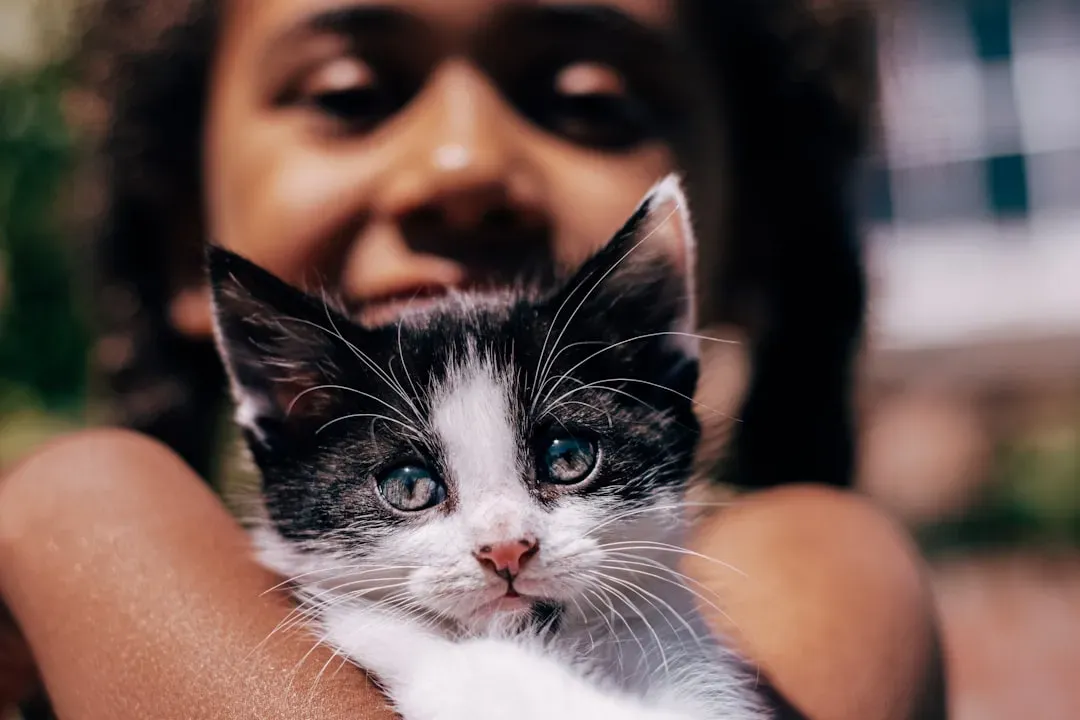
Exposure to cats and dogs at an early age has been shown to strengthen children’s immune systems and help shield against asthma and eczema later in life. This finding runs counter to what many parents assume, which is that keeping a cat away from a baby is the safer choice. For many children, the opposite appears to be true.
Children exposed to pets during the first year of life had a lower frequency of allergic rhinitis at ages seven to nine and asthma at ages twelve to thirteen. Children exposed to a cat during the first year of life were less often skin-test positive to cat at ages twelve to thirteen. The evidence is still developing and not universal, but the general direction of the research continues to suggest early feline exposure can prime the immune system in a protective way.
Cats Offer Real Emotional Support During Grief and Pain
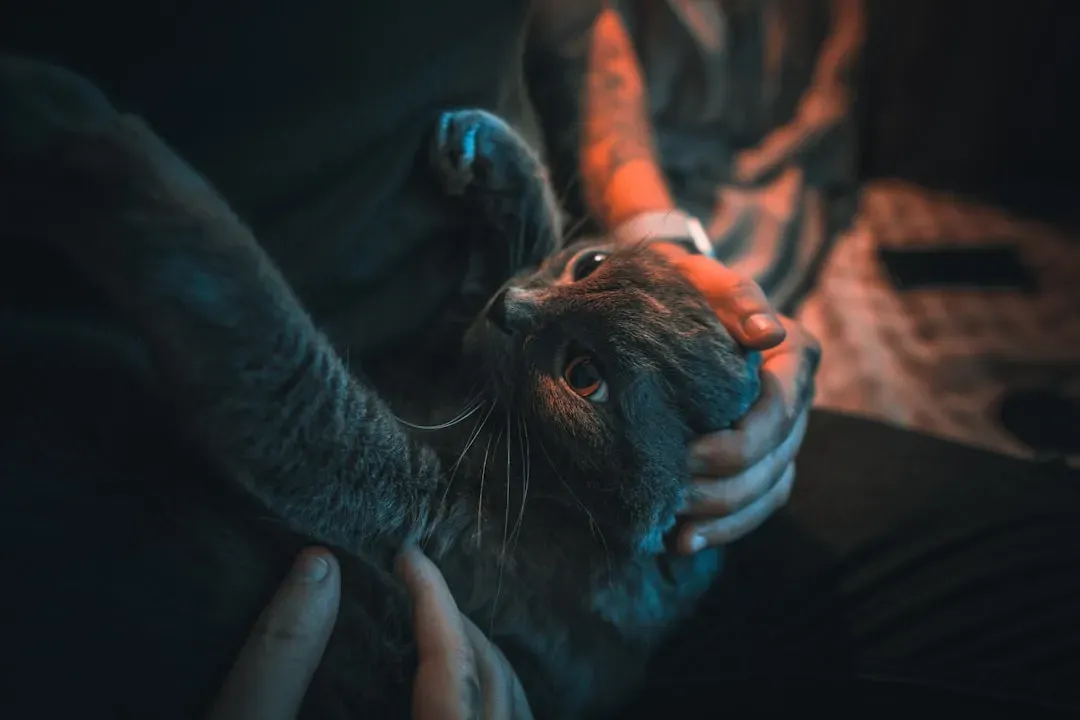
Because of a cat’s ability to calm, lower stress levels, and offer companionship, they are great companions for a wide variety of difficult life situations and for many different types of people. While a cat isn’t a substitution for medication or therapy, there’s no denying the subtle positive effect on mental health. Anyone who has grieved while a cat quietly settled next to them already knows this intuitively.
Emotional health is closely tied to physical health, and the presence of a purring cat can have a profound impact on mood and overall wellbeing. The effect goes beyond stress reduction and fosters a sense of connection, emotional stability, and even improved sleep quality. Cats don’t ask how you’re doing. They just stay. And sometimes that’s exactly what you need.
Sleep Quality Gets a Gentle Lift
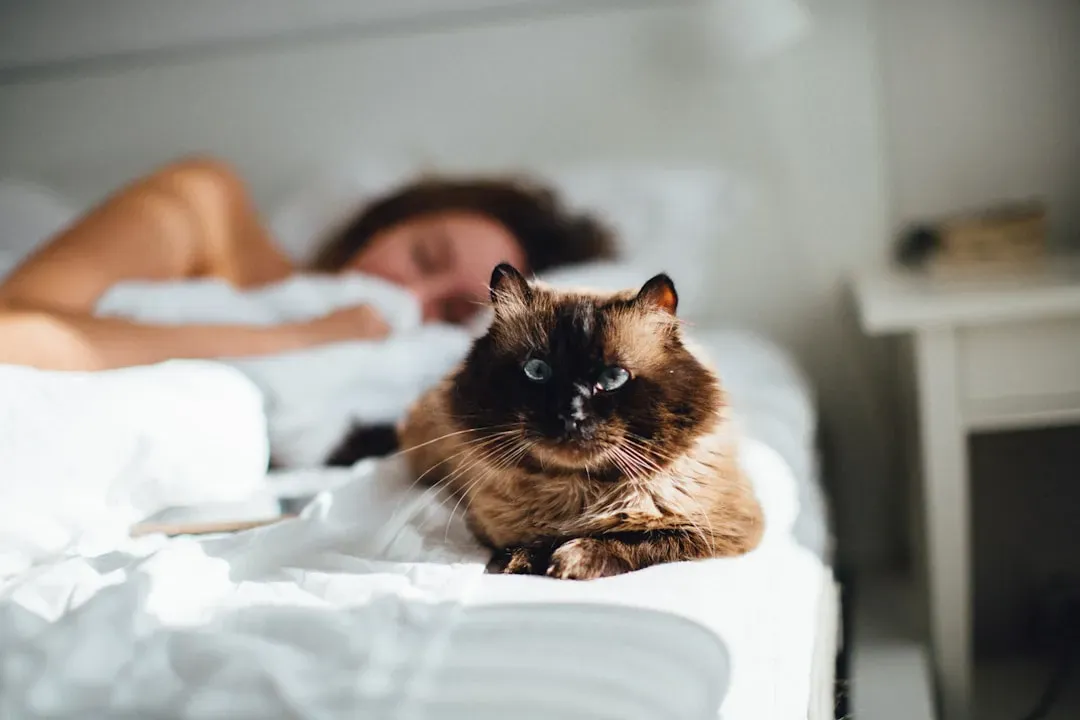
Many cat owners report sleeping better when their cat is nearby. Research from the Mayo Clinic Centre for Sleep Medicine found that roughly forty percent of people felt their sleep improved with a cat present, due to the calming influence, though some may experience minor sleep disturbances if the cat is particularly active at night. It’s worth noting that results vary depending on the individual cat’s habits and personality.
For individuals who live alone or struggle with mental health challenges, a cat’s presence can offer consistent comfort. The predictability of a cat’s purring response reinforces feelings of security and emotional connection, making daily life feel less overwhelming. That sense of security, even when it’s provided by a small sleeping animal at the foot of your bed, translates into a calmer nervous system when it’s time to actually fall asleep.
Your Sense of Purpose Gets a Daily Anchor
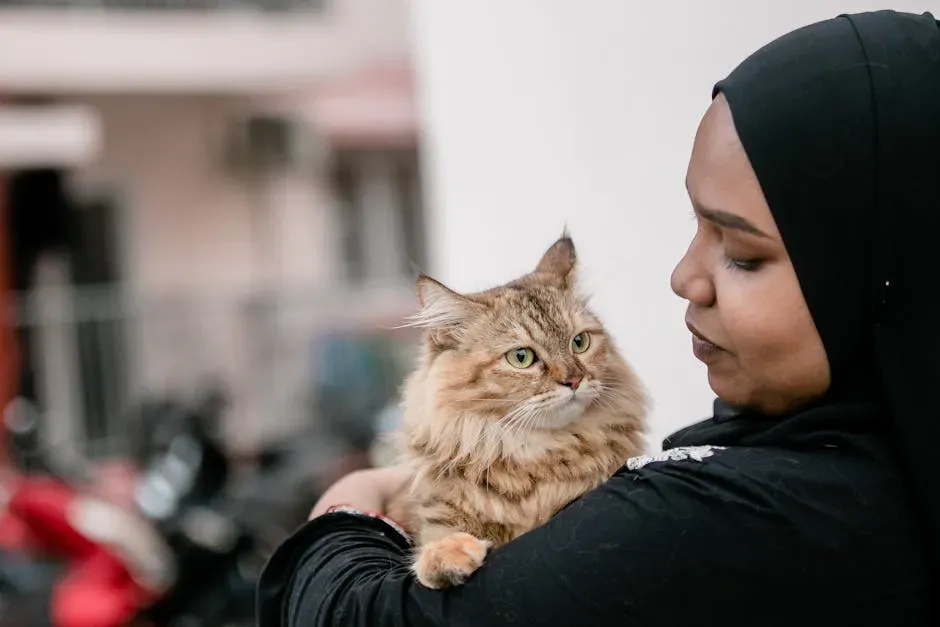
Nurturing, a common expression of love and affection, is important for humans. Studies show that when people are no longer able to care for or nurture others, rates of depression go up and overall health declines. Cats, with their daily feeding schedules, grooming needs, and social cues, give you exactly this kind of low-stakes but meaningful nurturing routine.
Having a cat can help people with feelings of loneliness and provide purpose. That word, purpose, is easy to underestimate. For older adults, for people living alone, for anyone navigating a transitional period in life, having a creature that needs you and responds to you creates a small but durable thread of meaning through each day. It’s harder to stay entirely adrift when someone is waiting to be fed.
Your Overall Psychological Wellbeing Gets a Broader Boost

Among pet owners, a strong majority reported that their pets have a mostly positive impact on their mental health. Cat owners and dog owners were equally likely to say so, though cats were specifically cited more often for providing a calming presence and reducing stress and anxiety. This comes from a large American Psychiatric Association poll and reflects a consistent pattern seen across multiple studies and populations.
A 2024 study confirmed that people who have a pet, a dog or a cat, are generally much happier than those without. Though researchers need more objective studies, what’s known so far is that cats can improve depression and provide social support, which can impact immune response and motivation to make positive health changes. The research base continues to grow, and what keeps emerging is a consistent picture: sharing your life with a cat quietly reshapes it for the better, in ways that go far deeper than the obvious warmth of a furry body on your lap.
Conclusion
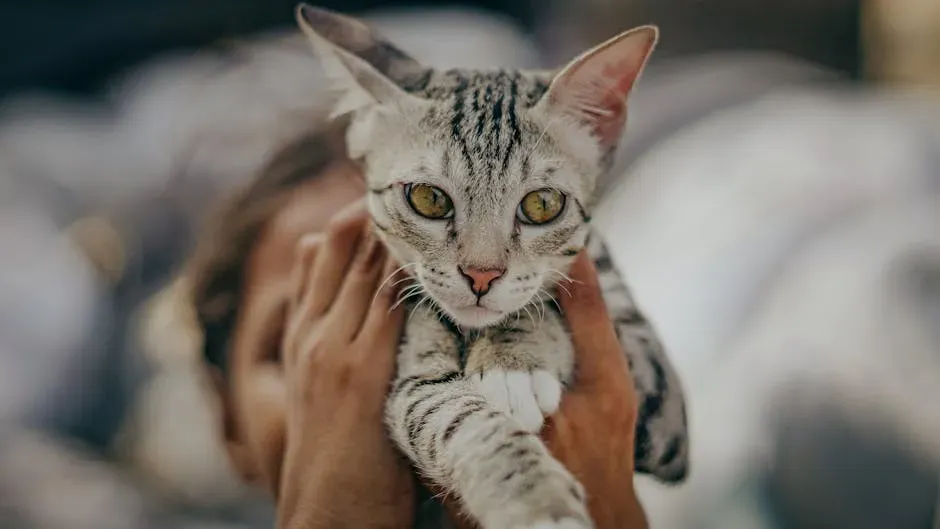
Cats have a reputation for being aloof, independent, and somewhat indifferent to human needs. The science tells a different story. From measurably lower cardiovascular risk to slower cognitive decline, from reduced cortisol to stronger childhood immunity, the evidence for the health value of cat ownership is steadily accumulating across dozens of independent research lines.
None of this replaces medical care, and not every benefit applies equally to every person or every cat. Some people experience allergies, some cats bring nighttime chaos, and the evidence in some areas is still correlational rather than definitive. Still, the pattern is clear enough to take seriously.
What’s most striking, looking across all twelve of these benefits, is how many of them operate quietly. You don’t notice your blood pressure dropping slightly each evening, or your verbal memory sharpening over years of engaged, responsive interaction. The benefits of living with a cat tend to accumulate in the background, building up steadily while you’re busy just enjoying the company. That, perhaps, is the most cat-like thing about them.
Kristina is a young writer from India. An arts graduate and an avid content creator, Kristina is passionate about animals and wildlife. She enjoys exploring topics related to pet care, animal behavior, conservation, and nature, combining thorough research with engaging storytelling.