You might think all cats just need a little time and patience to warm up to other furry friends. That’s true for many breeds, sure, yet some felines seem hardwired to view other pets as unwelcome intruders rather than potential playmates. Maybe you’ve heard about the laid-back tabby who became best friends with the family dog, but the reality is that certain cat breeds possess such strong territorial instincts and independent natures that introducing them to other animals feels like navigating a minefield.
Trainers and behaviorists will tell you that while socialization is possible for nearly every cat, some breeds require an almost superhuman level of effort, patience, and understanding to make it work. These are the cats who’d rather rule their kingdom alone. Let’s explore which breeds tend to give trainers the most headaches when it comes to multi-pet households.
Siamese
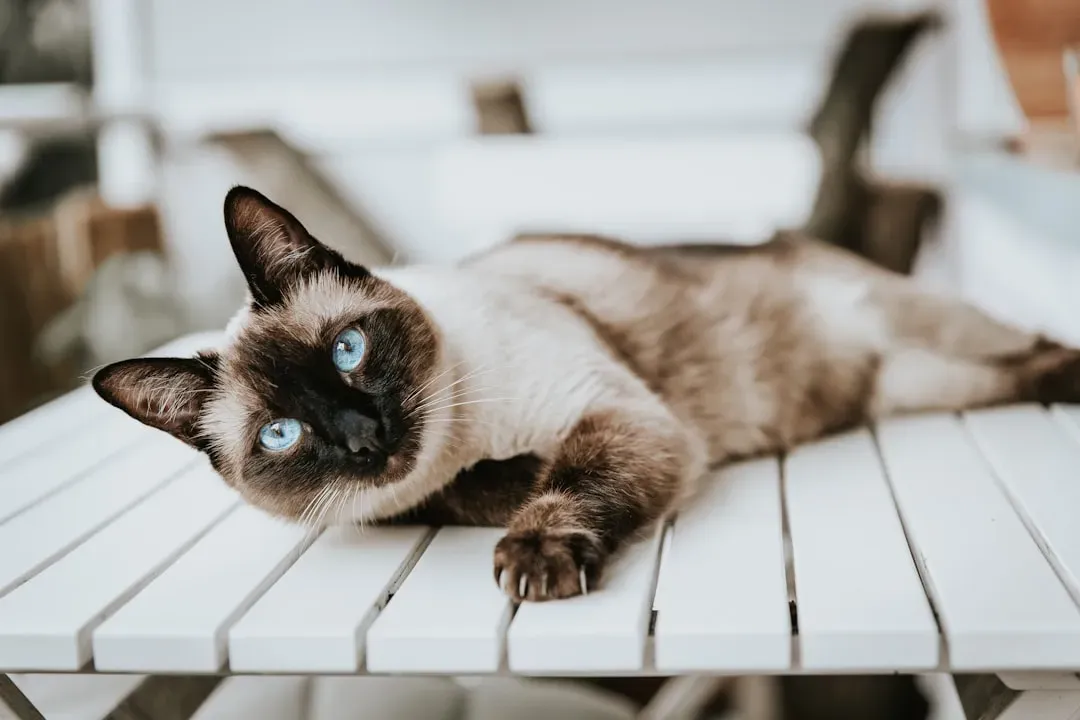
Naturally dramatic and brimming with personality, Siamese cats thrive when they’re the center of attention, with their loud, expressive meows as constant demands for human interaction. This creates a tricky dynamic when another pet enters the picture. Here’s the thing: Siamese cats aren’t just confident, they’re possessive.
They can get jealous easily, especially when another cat enters their domain, and rather than share their human, they often view other cats as rivals for affection. This breed’s strong territorial instincts can result in aggressive or possessive behaviors. Unless you start early with proper socialization, expect your Siamese to make it very clear that they consider themselves the only pet you need.
Bengal
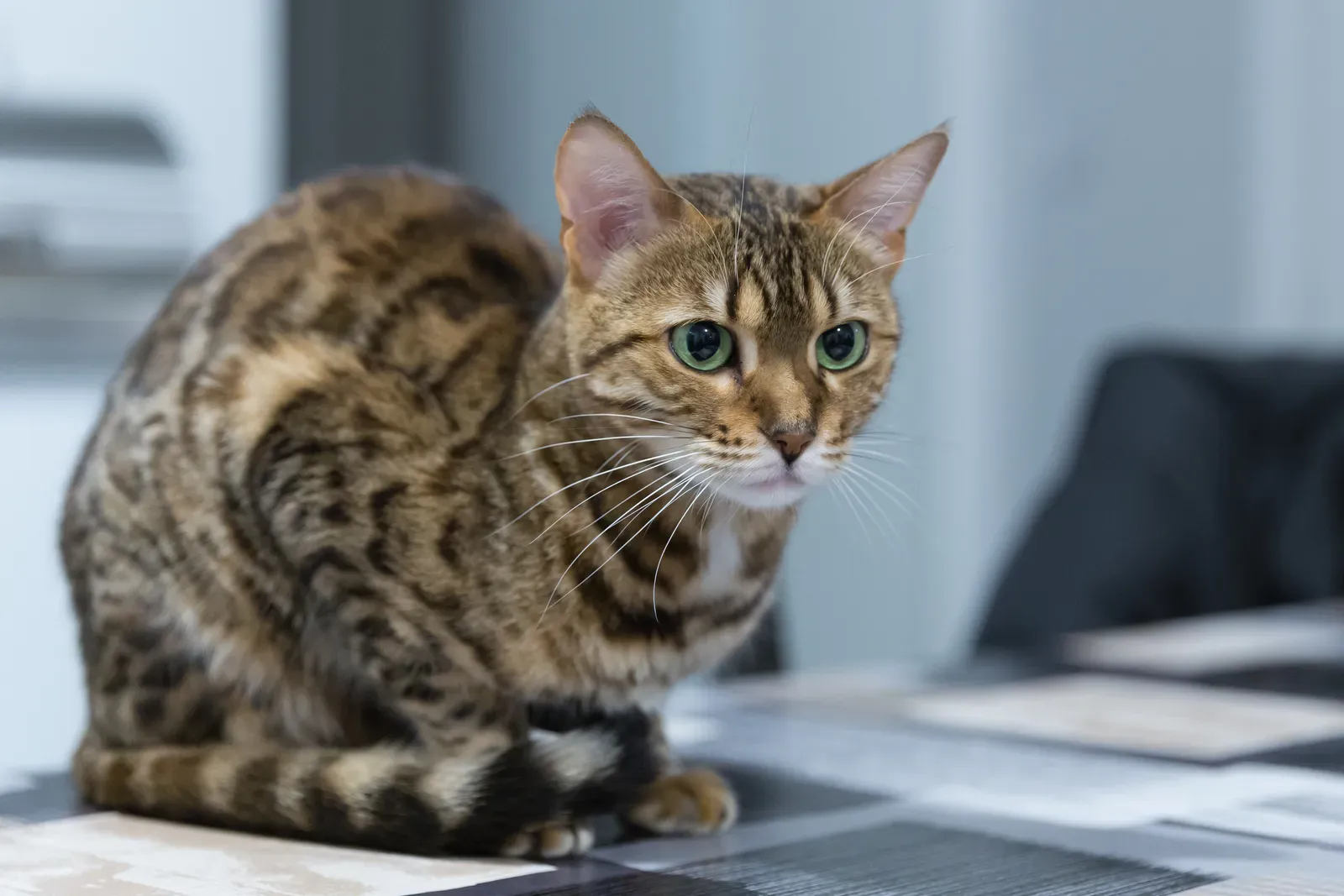
Bred from a mix of domestic cats and wild Asian leopard cats, Bengals are anything but mellow, with their wild ancestry giving them a heightened sense of dominance and an intense need for space and stimulation. These athletic, high-energy cats don’t do well with competitors in their territory. Think of them as the athletes of the cat world who need their own training ground.
They’re stunning to look at with their leopard-like spots, but that wild streak means they often struggle to tolerate other animals. Bengals require constant mental and physical challenges, and adding another pet to the mix can trigger their predatory instincts rather than their social ones. Many trainers warn that Bengals work best as solo pets unless raised with other animals from kittenhood.
Scottish Fold
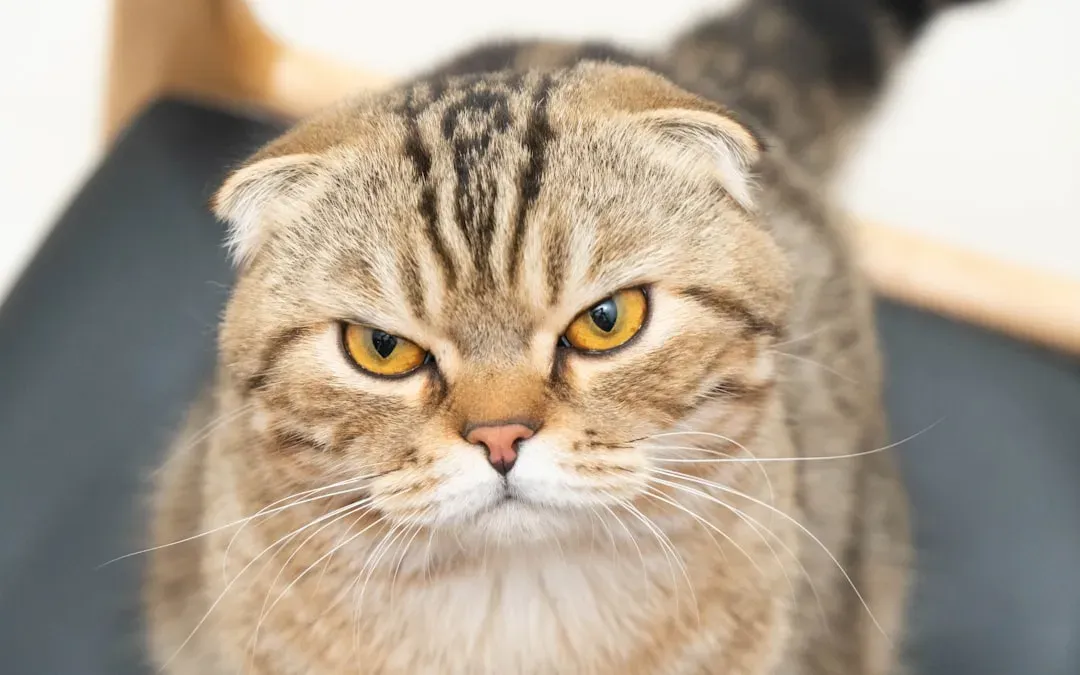
Known for their signature folded ears and round eyes, Scottish Folds are endearing to look at but complex in temperament, as they tend to form deep, exclusive bonds with their human and can become shy or withdrawn when forced to share that bond. It’s not that they’re mean-spirited. They’re just emotionally sensitive.
Peace and quiet are essential for their well-being, and boisterous feline companions often disrupt that balance. This breed is sensitive to change and can be easily stressed by new additions, and even in multi-cat homes, they may choose isolation over interaction. If you want a Scottish Fold to be happy, giving them their own peaceful corner away from other pets is often the kindest choice.
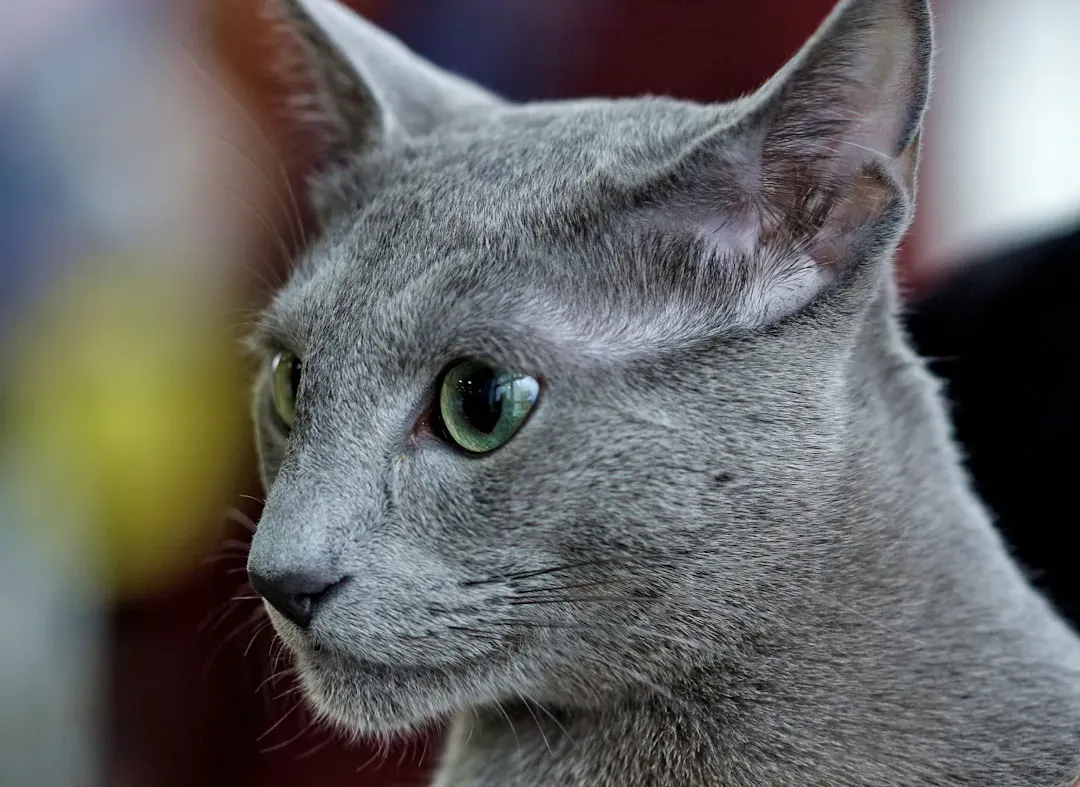
Russian Blue

Quiet dignity defines the Russian Blue, a breed that values routine, silence, and predictability, with shyness being common, particularly with strangers or other pets, as they need time to warm up to any new presence. These elegant cats are basically the introverts of the feline world. Honestly, they’d probably prefer a library to a crowded pet household.
Russian Blues can take months to adjust to a new animal companion, and even then, they might maintain a distant politeness rather than genuine friendship. They’re not aggressive, just incredibly reserved. Trainers often note that Russian Blues do better with calm, predictable environments where they don’t have to compete for attention or deal with rowdy behavior from other pets.
Turkish Van
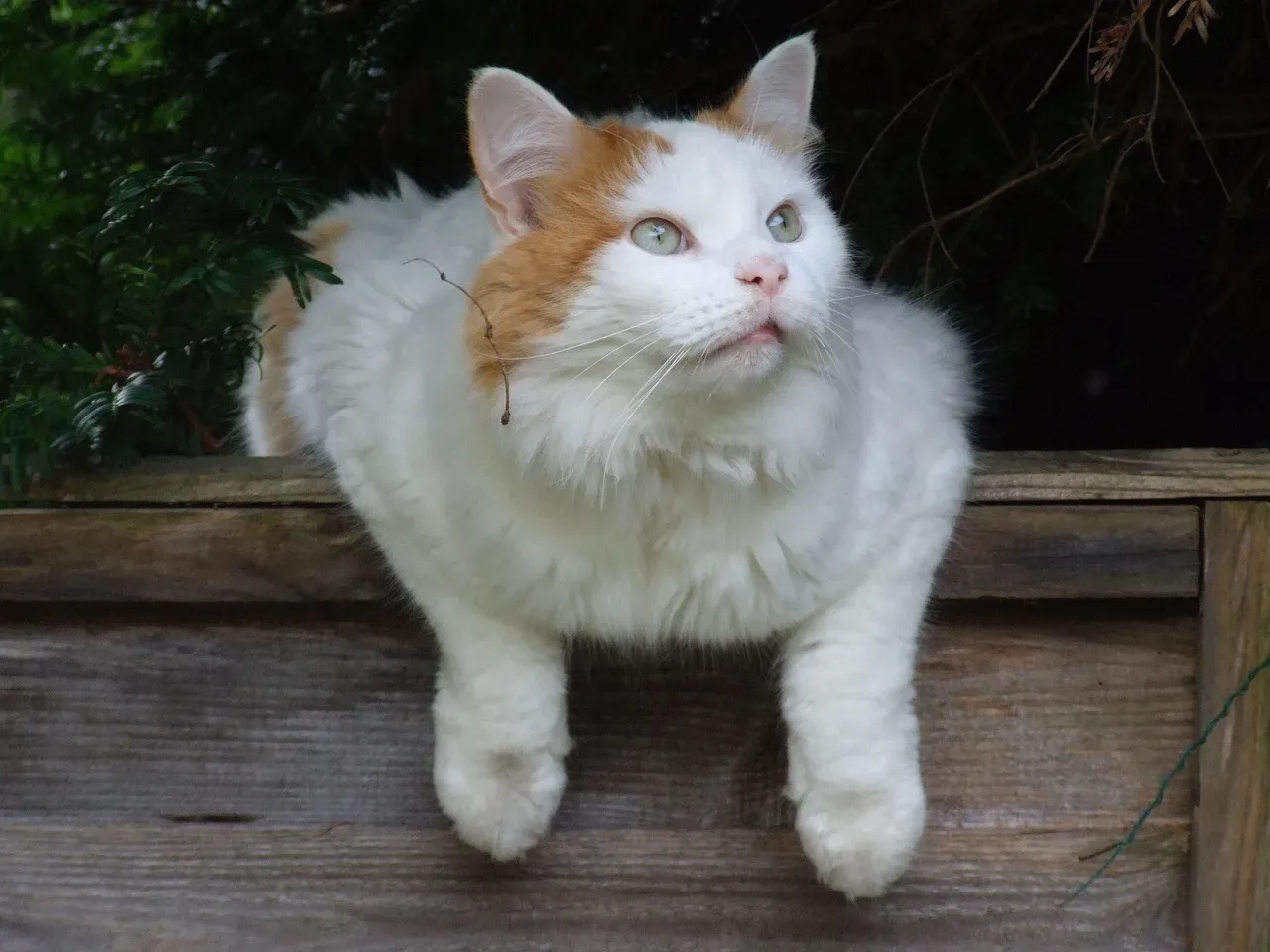
A 2021 study of 19 breeds found that Turkish Vans were the most likely to display aggression towards other cats, as the Turkish Van is a cat that prefers to be the only cat in the household. That’s a pretty telling statement right there. These cats are beautiful swimmers with distinctive coloring, but they’re also fiercely independent.
You need to properly socialize your Turkish Van as a kitten, so they don’t become territorial when a stranger enters the home. Even with early socialization, many Turkish Vans simply prefer ruling their domain alone. They’re athletic, intelligent, and strong-willed, which makes them challenging for trainers working with multi-pet families.
Abyssinian
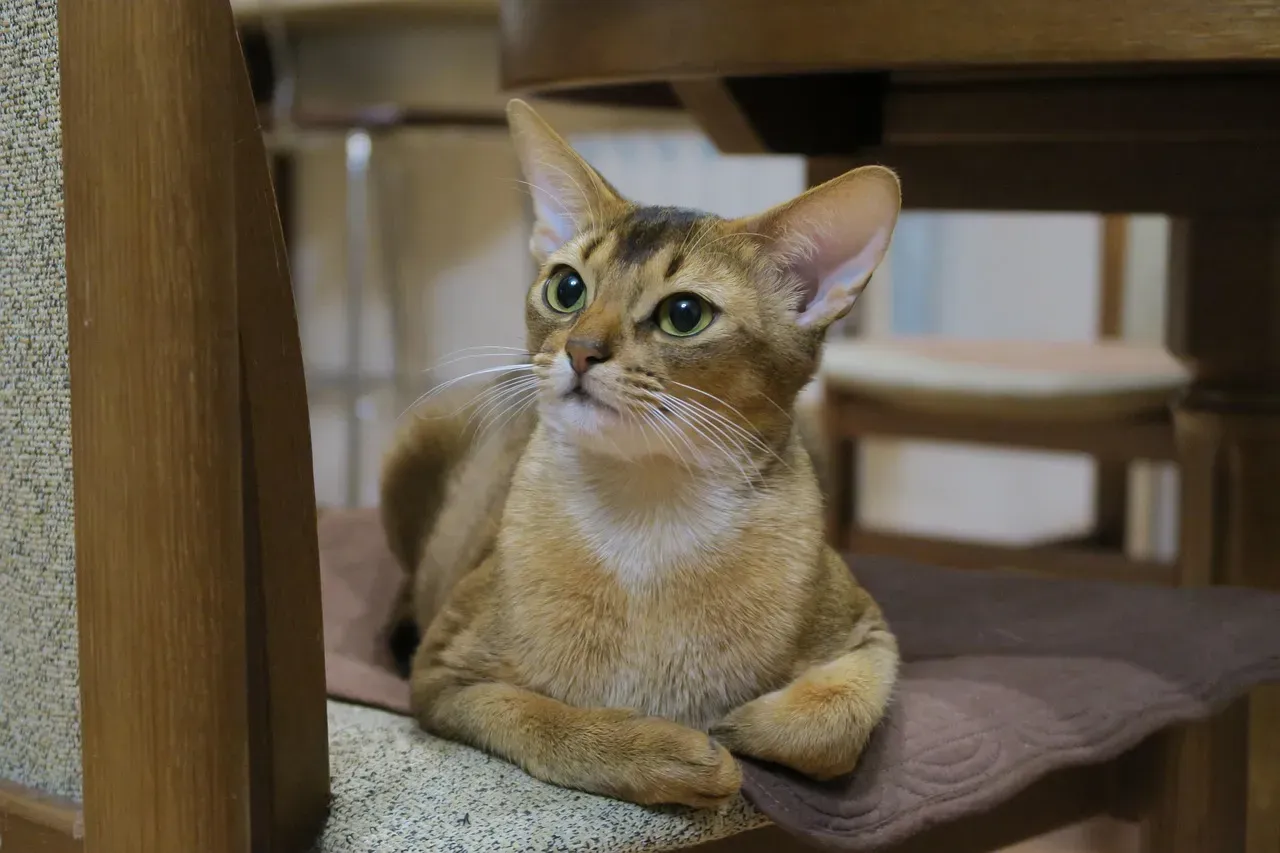
Unlike lap cats, Abyssinians prefer action and attention over snuggling, and their high energy often overwhelms more mellow breeds, leading to conflict or tension. These cats are constantly on the move, investigating everything and demanding interaction. It’s exhausting just watching them sometimes.
Though not inherently hostile, Abyssinians may ignore or outpace other cats to the point of exclusion, as they prefer humans who can keep up with their active lifestyle and constant curiosity. Companionship with another cat only works if the other cat can match their energy, which is a rare scenario, and in most cases, they’d rather explore the world solo than share the spotlight.
Singapura
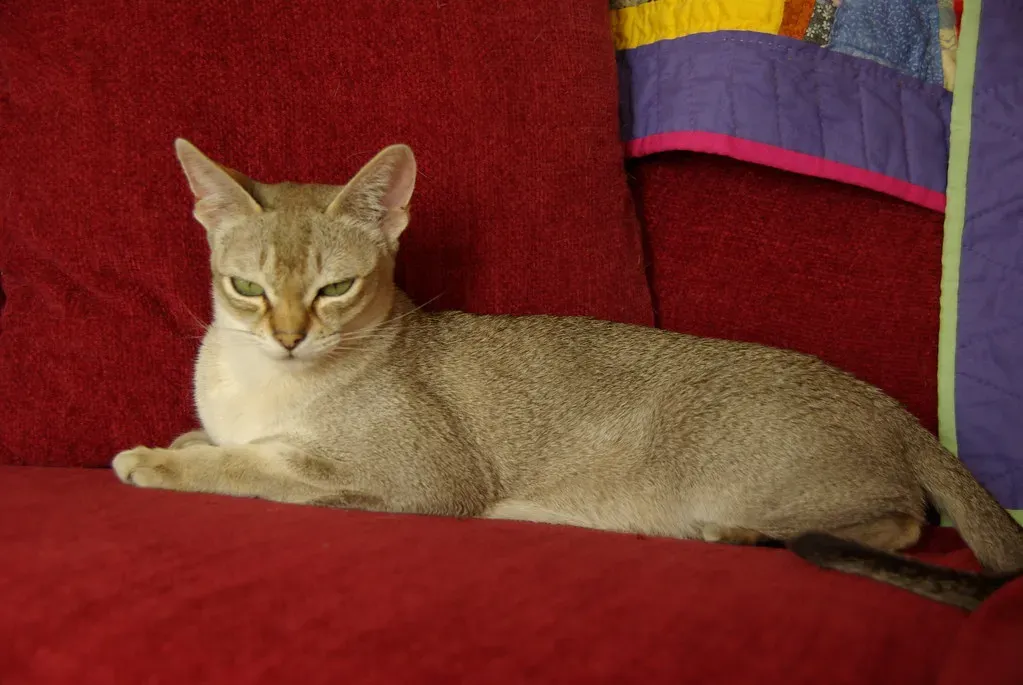
Tiny but mighty, the Singapura is often underestimated until they assert themselves, and despite their small size, they possess a big personality and a distinct need for personal space. These petite cats may look delicate, but they’re surprisingly territorial. Don’t let their size fool you.
Other cats may interpret their caution as aloofness or fear, but it’s actually strategic self-preservation, as Singapuras often bond intensely with humans and see little reason to engage with other pets. This breed is wary of strangers and may get easily startled, and it’s important to socialize your Singapura as a kitten, so they don’t take to hiding or defensively scratching.
Oriental Shorthair
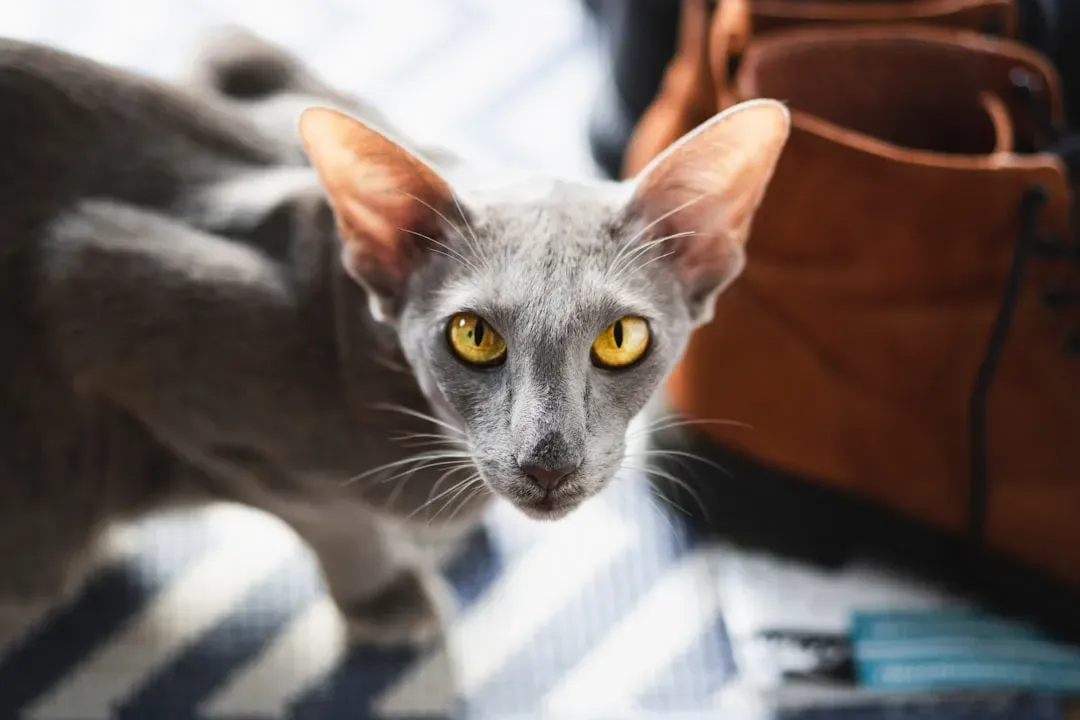
Oriental Shorthairs share many traits with their Siamese relatives, including an intense need for attention and a tendency toward jealousy. These sleek, elegant cats form powerful attachments to their favorite humans and don’t appreciate competition. They’re vocal, opinionated, and surprisingly stubborn when they don’t get their way.
Trainers find that Oriental Shorthairs can become anxious or aggressive when forced to share space with other pets, especially if those pets also demand attention. They want to be your one and only. Their high intelligence makes them trainable, but that same intelligence means they’re very aware when they’re not getting the exclusive treatment they believe they deserve.
Korat
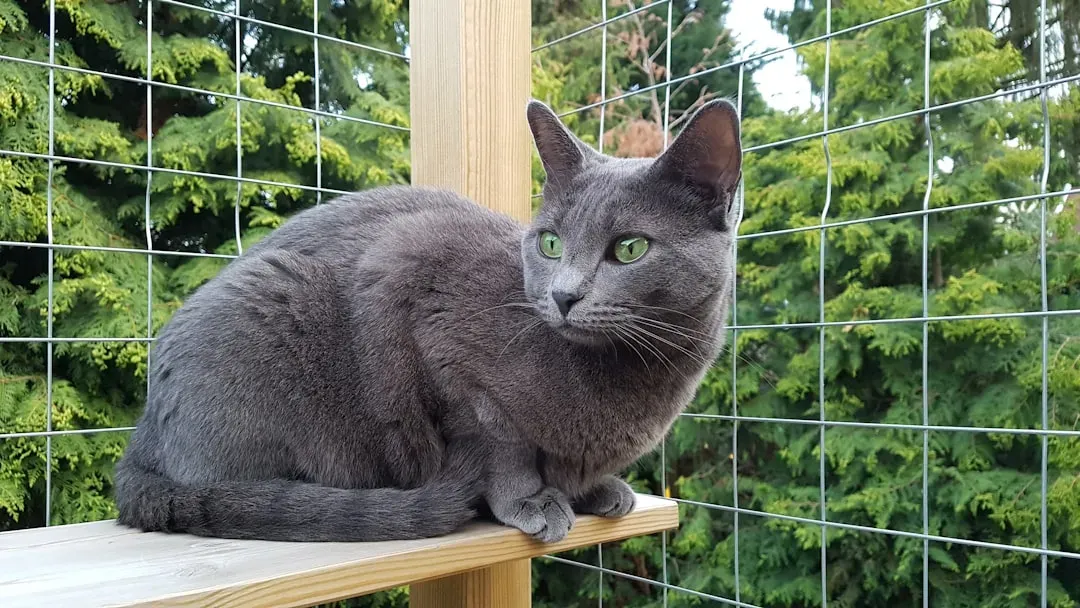
The Korat likes to be the one-and-only pet and can be territorial and bossy toward other pets in the home. Korats generally get along with other animals, but have a tendency to become jealous when other pets receive too much love from its owner. These silver-blue beauties are stunning to look at, with their heart-shaped faces and luminous green eyes.
Though they do get along with other pets, Korats can be bossy in making sure all other furry friends understand they call the shots. They see themselves as royalty, plain and simple. If you bring home a Korat, be prepared for them to expect the throne, and they won’t be shy about reminding other pets who’s in charge.
Egyptian Mau
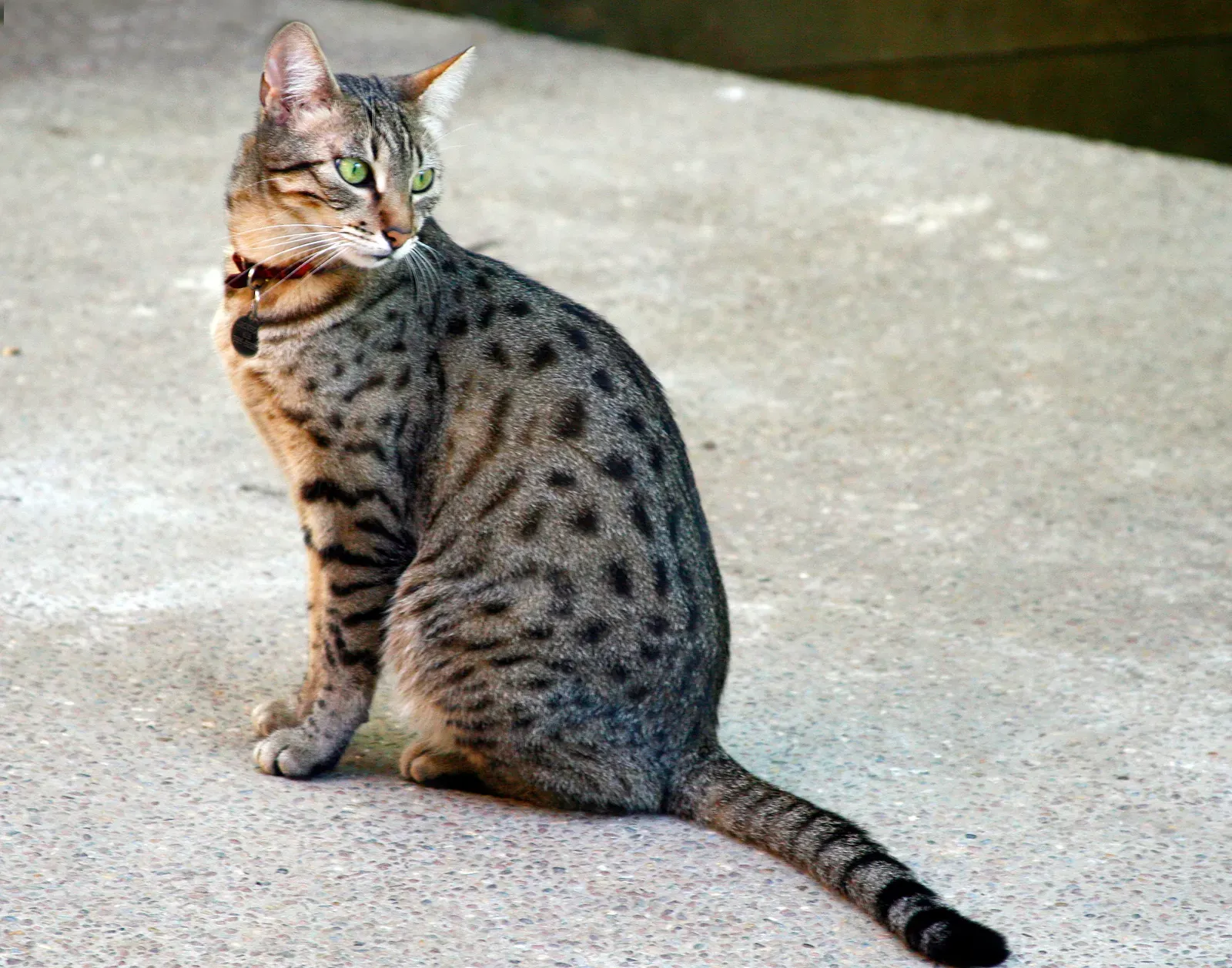
This elegant and striking cat has a very strong bond with its family, and while they appear gentle with loved ones and even shy with strangers, the Egyptian Mau may become a bit mean if you try to take their food or toys. Resource guarding is a major issue with this breed, which makes multi-pet households particularly challenging.
Egyptian Maus are incredibly fast and athletic, with wild ancestry that shows in their behavior. They’re loyal to their chosen humans but can be standoffish or aggressive toward other animals. Trainers note that Egyptian Maus need extensive early socialization if they’re going to live peacefully with other pets, and even then, success isn’t guaranteed.
Bombay
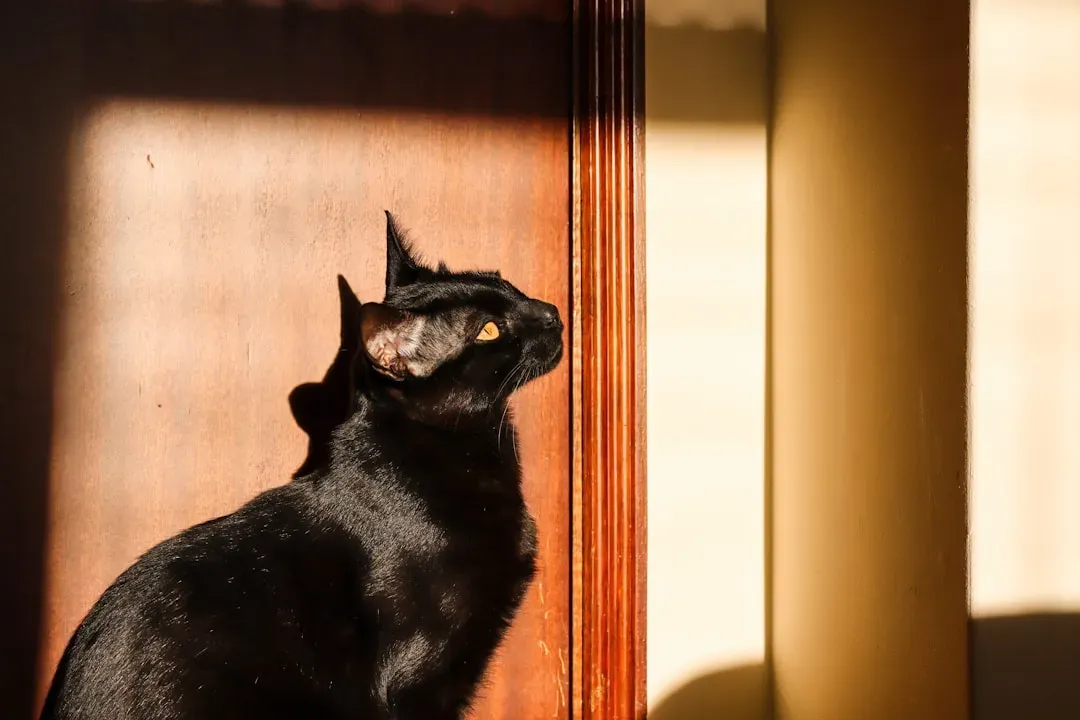
The Bombay cat breed looks dark and mysterious like a jaguar, but this breed is much more affectionate, yet unlike wild cats, the Bombay is a bit sensitive, as they are often startled by loud noises and sudden noises in general, and the Bombay might lash out in fear when it hears a noise that startles them. This fear-based reactivity can make living with other pets complicated.
While Bombays are affectionate with their humans, their nervous temperament means they can become aggressive when stressed. Other pets, especially energetic dogs or playful cats, can trigger anxiety in a Bombay. It’s hard to say for sure, but it seems like their sensitivity works against them in busy multi-pet households where there’s constant activity and noise.
Pixie Bob
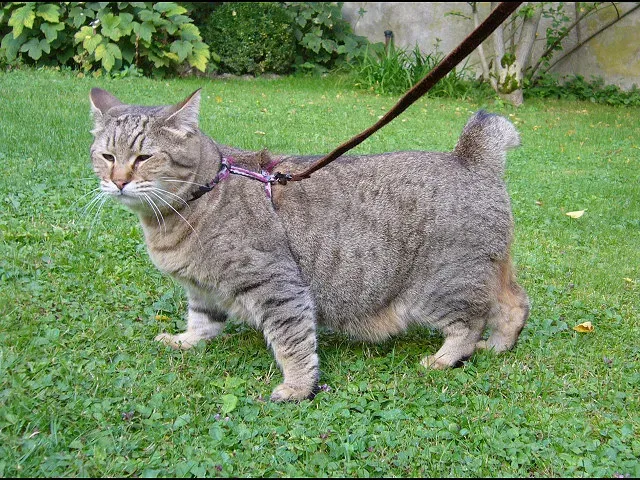
Playful and active, Pixie Bobs are often quite social with their family, yet Pixie Bobs are very suspicious of strangers, and you will probably hear the Pixie Bob growling at strangers when they visit your home. This wariness extends to new pets as well. Pixie Bobs look like miniature bobcats, and they sometimes act like them too.
While not violently aggressive, this cat will let you know how they are feeling with their unique vocals. They’re protective of their territory and their family, which can translate to hostility toward other animals they perceive as threats. Trainers working with Pixie Bobs often recommend slow, careful introductions and constant supervision when other pets are around.
Persian
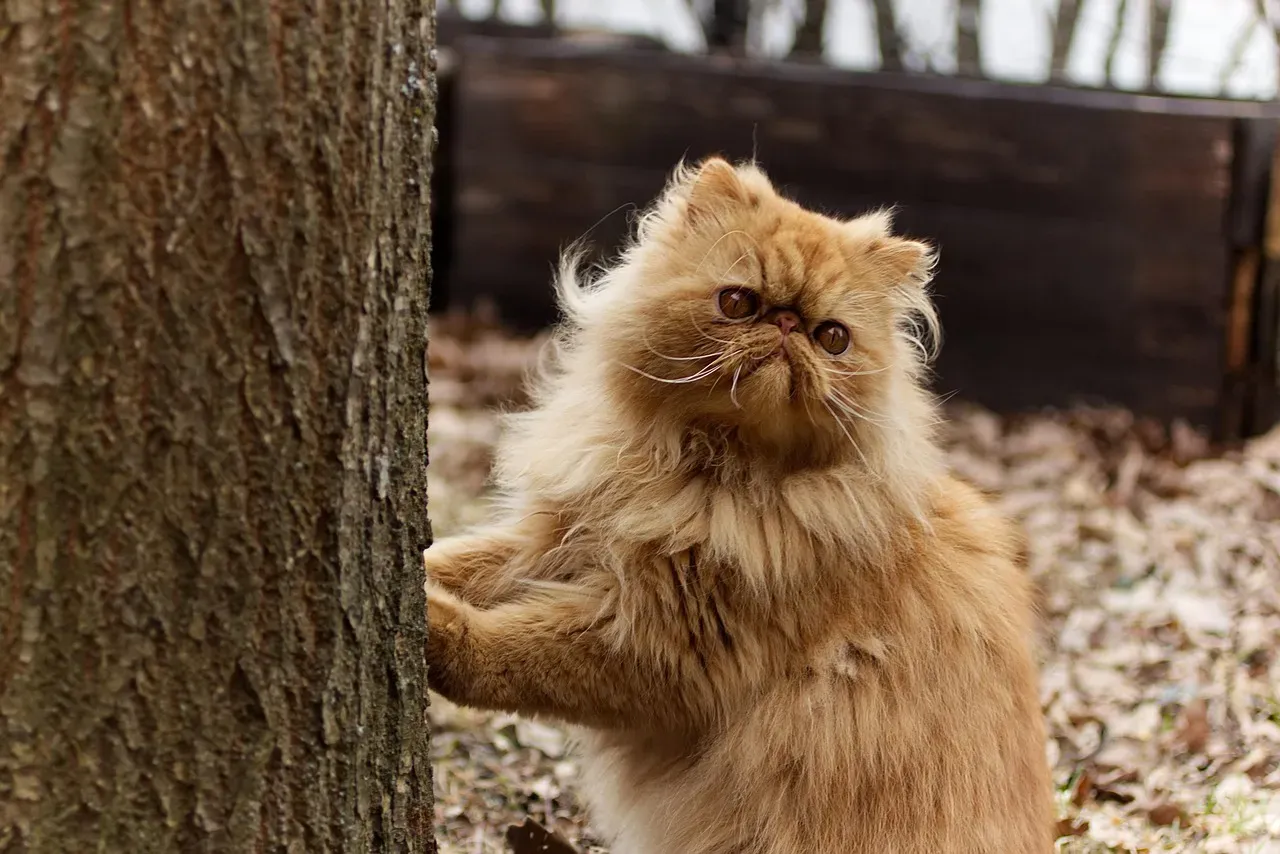
Persians are gentle, calm, and prefer peaceful environments where they can lounge in comfort. That sounds ideal, right? Yet their laid-back nature actually makes them poor candidates for homes with rambunctious pets. They simply don’t have the temperament or energy to deal with playful dogs or hyperactive cats.
Persians become stressed easily when their routine is disrupted or when they’re forced to interact with energetic animals. They’re not fighters, they’re flight animals who’d rather hide than confront. Many trainers find that Persians do best as only pets or paired with equally calm, mature animals who won’t bother them. Their long coats also make them vulnerable during scuffles with other pets.
Conclusion
Understanding your cat’s breed characteristics can save you and your pets a lot of stress down the road. While socialization is certainly possible for most of these breeds with early training and patience, it’s worth being realistic about the challenges ahead. Some cats are simply wired to prefer solitude or exclusive human companionship, and that’s not a flaw, it’s just their nature.
If you’re considering adding one of these independent breeds to a multi-pet household, take your time. Work with a professional trainer or behaviorist who understands feline behavior. What do you think about these territorial felines? Have you successfully socialized any of these challenging breeds with other pets?