13 Health Checks Every Purebred Cat Owner Should Book this Year
Your purebred looks perfect. Coat gleaming, appetite steady, eyes bright - every box checked, right? Vets who specialize in pedigree cats will tell you that's exactly the moment trouble likes to hide.
Purebred gene pools carry a specific menu of silent, progressive diseases that often show no symptoms until they're already advanced. Here are the 13 checks feline specialists say deserve a spot on your calendar this year - and the order they build toward matters more than you'd think.
13. The Annual Full Physical Examination
Most owners treat this as a formality. Vets treat it as the single most important appointment of the year.
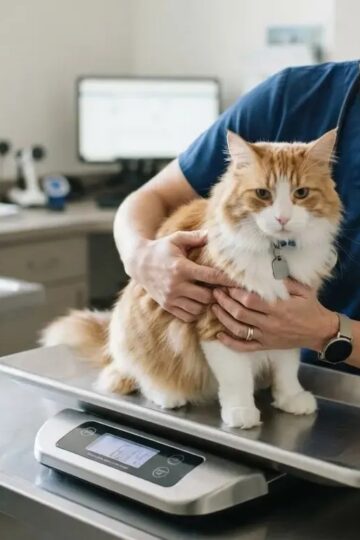
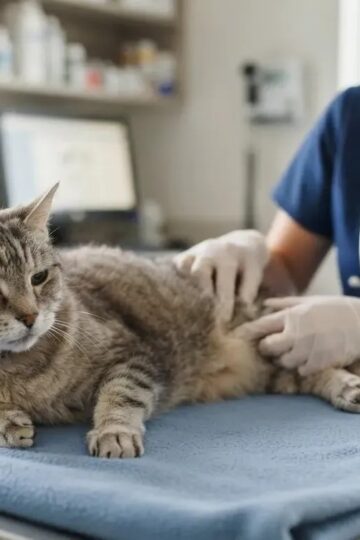
During a full physical, your vet checks your cat's stance and gait, weighs them, and assesses body condition from nose to tail. They inspect the ears, teeth, eyes, and gums, feel the abdomen and lymph nodes, and listen closely to the heart and lungs.
Fast Facts
- Stance, gait, weight, and full-body condition check
- Ears, teeth, eyes, and gums inspected up close
- Abdomen and lymph nodes felt by hand
- Heart and lungs listened to for early warning signs
That's a staggering amount of information gathered in one short visit.
A single missed abnormality in abdominal palpation can mean the difference between early-stage treatment and emergency surgery.
The American Veterinary Medical Association recommends yearly wellness exams for every cat. For purebreds, that's a minimum - not a ceiling.
But that routine check is just the starting point. What your vet orders because of what they find is where things get serious.
12. Complete Blood Count (CBC)
A lot can look fine on the outside while something dangerous builds quietly in the bloodstream.
Wellness testing for cats typically covers four pillars: a complete blood count, a biochemistry profile, urinalysis, and thyroid hormone testing. The CBC is the front door to all of it.
For purebreds, this counts double - anaemia, infection, and immune disorders can be breed-related and show no outward signs for months.
In middle-aged and senior purebreds, abnormal CBC results are often the first sign of a disease that's been silently progressing for over a year.
Younger cats without complaints may need only basic testing. Middle-aged, senior, and geriatric cats need more.
What the CBC doesn't always catch, the next test will - and this one has a reputation for shocking owners who thought everything was fine.
11. Biochemistry Profile (Organ Function Panel)
This is where kidney disease, liver dysfunction, and diabetes first show up in the numbers - often years before a cat looks sick.
The biochemistry profile measures enzymes, proteins, and metabolic markers tied directly to organ function. For purebreds, baseline results matter because what's "normal" for one breed can look alarming in another.
Chronic kidney disease can progress quietly for years before any visible signs appear. Annual screening should start around age 5 to 6 in healthy cats.
That means purebred owners who wait until their cat seems unwell may already be years behind.
Running this panel annually lets your vet track trends over time. A creatinine level creeping upward year after year tells a far more useful story than a single reading taken in a crisis.
You might assume your cat's organs are fine after this test. But there's one gland this panel quietly misses - and it's often responsible for sudden weight loss in middle-aged purebreds.
10. Thyroid Hormone (T4) Test
Feline hyperthyroidism is one of the most common hormonal disorders in cats - and it's a master of disguise as "normal aging."
The best screening test is total T4 concentration. An elevated result is specific for hyperthyroidism, but false negatives can occur alongside other illness, which is why context always matters.
Hyperthyroidism typically appears in mature cats aged 7 to 10, and its prevalence climbs to as much as 21% in cats over 10 seen at primary care practices.
Nearly one in five cats over 10 years old may be hyperthyroid. For purebreds living into their teens, this check is non-negotiable.
As cats reach their senior years, vets increasingly add a total T4 test to standard bloodwork. There's a twist, though - hyperthyroidism can mask kidney disease by increasing renal blood flow and lowering key kidney markers.
Two major diseases can hide each other. That makes the next check even more urgent.
9. Blood Pressure Measurement
This one is criminally underbooked. High blood pressure in cats is a silent killer - and purebreds are at particular risk.
Monitoring matters most for older cats and those with kidney or heart disease. The problem is that many owners don't book a check until a condition is already diagnosed - and by then, damage is often done.
The relationship runs in both directions: hypertension can cause kidney damage, and kidney disease can trigger hypertension.
Uncontrolled hypertension in cats can cause sudden blindness from retinal detachment - often the first symptom an owner ever notices.
Leading feline health bodies recommend checks every six months for cats over 7, including blood pressure alongside weight and body condition.
That's twice a year. Most owners go once, if that. The next check reveals what blood pressure damage looks like in the eyes - and the results can be sobering.
8. Ophthalmological (Eye) Examination
Purebred cats carry a disproportionate risk for inherited eye disease. By the time you notice something's wrong, permanent damage may already be done.
Progressive Retinal Atrophy causes gradual, irreversible vision loss and shows up in Abyssinians, Somalis, Persians, and Bengals. Cats are frighteningly good at compensating for failing sight in familiar surroundings.
Standard visits catch obvious issues like conjunctivitis or cataracts. For purebreds, a full ophthalmological review - ideally with a veterinary ophthalmologist - can catch genetic retinal disease years before blindness sets in.
A cat with PRA can appear completely normal to its owner until it's nearly blind in an unfamiliar environment.
Early identification won't reverse the disease, but it changes how you manage your cat's environment and helps prevent passing the condition to future litters.
The next check moves from the eyes to the heart - and for certain purebreds, it may be the most important item on this whole list.
7. Cardiac Ultrasound (Echocardiogram) for HCM
Hypertrophic Cardiomyopathy is the most common heart disease in cats - and in certain purebred lines, it's devastatingly common.
Maine Coons, Ragdolls, British Shorthairs, and Sphynx cats are all particularly susceptible. Regular cardiac screening is essential to catch it early.
Why It Stands Out
- Most common heart disease diagnosed in cats overall
- Highest risk in Maine Coons, Ragdolls, British Shorthairs, and Sphynx
- Screenings shouldn't start before age 2
- A clear scan at one age doesn't guarantee a clear heart later
Screenings shouldn't start before age 2. But a clear scan today doesn't guarantee a clear heart tomorrow - HCM can develop later in life.
This is why a single clean scan at age 2 is not a green light. It has to be repeated regularly.
PKD and HCM are two of the most commonly tested genetic diseases in cats, tied respectively to the Persian family and Maine Coons. Both can cause early death or years of ongoing treatment if caught late.
Think a clear heart scan means your cat is safe? The next check targets the genetic mutation behind HCM - and a DNA result can change everything.
6. Genetic DNA Testing (Breed-Specific Panel)
Here's what most purebred owners don't know: your cat can carry a disease gene and show zero symptoms for years. A DNA test can reveal that before any damage is done.
Screening panels let breeders and owners check for hereditary disease and conformation issues, even in cats that will never show symptoms themselves. Some cats are simply carriers - never sick, but capable of passing the gene forward.
At a Glance
- Leading panels screen 70+ cat breeds
- Coverage includes 45-plus distinct health markers
- Carrier cats can pass genes on while staying symptom-free
- PKD testing now extends to Persian-lineage crossbreeds
Leading panels now cover more than 70 cat breeds and 45-plus health markers. That's not a niche service anymore - it's mainstream veterinary prevention.
Polycystic kidney disease was first identified in Persians, but the same PKD test is now essential for any cross-breed with Persian ancestry, including American and British Shorthairs.
Don't assume your cat's breed is genetically "clean." The next check is one almost no non-breeding owner ever books - but should.
5. Urinalysis
Urine tells stories that blood tests can't. For purebred cats, skipping urinalysis is one of the most common - and costly - oversights owners make.
Urinalysis is a core part of kidney disease screening, and for good reason: concentrating ability is often lost before blood markers like BUN or creatinine ever rise. Kidney disease can be progressing while bloodwork still looks normal.
A full urinalysis checks specific gravity, protein, blood cells, bacteria, crystals, and casts under the microscope. A dilute urine result in an otherwise healthy-looking purebred is a red flag that demands immediate follow-up.
Vets recommend a full urinalysis alongside thyroid testing for cats over 7 or 8. Yet plenty of owners with cats well past that age have never had one run.
The next check is the one breeders argue about the most online - and the debate might surprise you.
4. Dental Examination and Professional Clean
Most owners consider dental care optional. Veterinary dentists consider it one of the most medically significant checks your cat will ever have.
By age three, many cats already show signs of gum disease. In flat-faced breeds like Persians and Exotic Shorthairs, crowded, misaligned teeth create pockets where bacteria multiply fast.
Your vet may suggest brushing, dental treats, or a specialized diet at home. Sometimes a professional cleaning under anesthesia is the only real fix.
Untreated dental disease doesn't just cause pain - bacteria from infected gums can enter the bloodstream and damage the heart and kidneys.
For a purebred already genetically wired for cardiac or renal issues, that's a compounding threat no owner should ignore.
The next two checks are the ones most likely to get skipped at a "routine" visit - but they directly affect your cat's long-term immune health.
3. FeLV/FIV Screening
Even if your purebred has never set a paw outside, this test deserves a permanent spot on your calendar.
FeLV and FIV are viral diseases that attack the immune system, and both can spread to other cats sharing the same home. Purebreds are sometimes sold or rehomed without complete health records.
An FeLV-positive cat can live asymptomatically for months or years, silently putting every other cat in the house at risk.
That risk climbs in multi-cat purebred households where cats share water bowls, grooming sessions, and sleeping spots.
Most reputable breeders test their breeding cats, but testing shouldn't stop the day you bring a kitten home. Retest annually, and always after a new animal joins the household.
The next check gets dismissed by almost every indoor cat owner - and that's exactly the mistake worth avoiding.
2. Parasite Screening (Fecal Exam)
This one gets dismissed constantly. It shouldn't be.
Fleas, ticks, and intestinal worms can all cause serious health issues, and routine fecal screening is a key part of feline diagnostic care. Owners of indoor purebreds often assume parasites aren't a concern - that assumption is wrong.
Larvae can ride in on shoes and clothing. Insects can slip through an open window and do the rest.
A single untreated roundworm burden in a kitten can cause stunted growth, anaemia, and immune suppression that undermines every other health intervention you make.
Purebreds with already-concentrated genetics can struggle to shake off a parasite load that a robust mixed-breed cat handles easily. A fecal exam takes minutes and costs very little - making it one of the highest-value checks on this entire list.
The final check ties everything else together - and owners of senior purebreds should be booking it every six months, not just once a year.
1. Senior Comprehensive Wellness Panel (Every 6 Months After Age 7)
Every check on this list matters on its own. But for a purebred cat over 7, combining them into a semi-annual panel isn't just good practice - it's the standard of care leading feline veterinary bodies now formally recommend.
International Cat Care, the International Society of Feline Medicine, the American Association of Feline Practitioners, and the American Animal Hospital Association all suggest checks every six months for cats over 7. That includes weight, body condition, and blood pressure, plus bloodwork and urinalysis at least once a year.
Worth Knowing
- Four major feline health bodies back the six-month schedule
- Weight, body condition, and blood pressure checked every visit
- Bloodwork and urinalysis required at least once yearly
- Cats age roughly four times faster than humans after age 7
Cats age roughly four times faster than humans after their seventh year. A twelve-month gap between checkups in a senior purebred is like humans going four years between doctor visits.
Annual screening helps catch conditions like chronic kidney disease and hyperthyroidism early enough to actually do something about them.
The single most powerful thing you can do for a senior purebred isn't any one test - it's the pattern of tests over time, building a picture that lets your vet spot the slow drift before it becomes a crisis.
This is the check that saves lives. Book it before the year is out.
The Bottom Line
Purebred cats are genetically magnificent - and genetically vulnerable. The problem was never a lack of available tests.
It's that most owners don't know which ones to ask for, or how urgently. HCM screenings, thyroid panels, urinalysis, blood pressure checks, DNA testing, dental exams - these aren't extras. They're the baseline.
The earlier you build a complete health picture of your cat, the more options you and your vet have when something starts to shift.
Don't wait for symptoms. In cats, symptoms usually mean you're already playing catch-up.
Which of these checks has your vet never mentioned to you? Drop it in the comments - you might not be alone.