15 Vet Visits that Catch Cat Illness Before it Becomes Serious
Most cat owners think their pet is fine - right up until it isn't. Cats are evolutionary masters at hiding pain, which means a serious illness can quietly build for months while your cat acts completely normal at home.
That's exactly why 15 specific vet visits exist, each one built to catch a different threat before it turns into an emergency. Stick around, because these get more urgent as we go, and the one at the very top of this list is the one almost every cat owner skips.
#15 – The Kitten Wellness Series (6–16 Weeks)
It all starts here, and most new owners underestimate just how critical this window is. Kittens should see the vet every three to four weeks from about six to sixteen weeks old.
Each visit is a diagnostic checkpoint, not just a shot. Vets are watching for congenital abnormalities, hidden parasites, and developmental issues no owner could ever spot at home.
A single missed kitten visit can mean a parasite infestation takes hold silently for weeks. This early relationship also trains your vet to know your cat's individual baseline, which makes every future problem easier to catch.
But #14 catches something even more dangerous, right when owners think they're finally in the clear.
#14 – The First Adult Annual Exam (Year One)
Your kitten has crossed into adulthood, and a lot of owners now make a critical mistake: they stop going. Healthy adult cats still need at least one wellness checkup a year to catch early signs of illness.
This first adult exam usually includes a physical exam, blood work, vaccine boosters, and a dental check. That blood panel in year one is your future lifeline - it becomes the reference point your vet compares against for the rest of your cat's life.
Prevention is almost always cheaper and easier than treatment, and this visit is where that math starts working in your favor. Still, nothing prepares owners for what #13 reveals about their cat's mouth.
#13 – The Dental Screening Exam
Here's one most owners don't take seriously, and they really should. Dental disease is one of the most common conditions vets see in cats, often starting as early as 2 or 3 years old.
Left unchecked, it causes tooth loss, infection, and complications that reach the heart and kidneys. Most owners never notice at home because cats almost never stop eating, even in serious pain.
Regular cleanings paired with at-home care can keep a cat's mouth healthy for life. A dedicated dental screening isn't optional - it's urgent.
Fast Facts
- About 70% of cats show signs of periodontal disease by age 3.
- In some cats, dental disease can start as early as 1 year old.
- Tooth resorption may affect up to three-quarters of middle-aged and senior cats.
- Untreated infections can spread bacteria toward the heart and kidneys.
And if you think your indoor cat is safe from what's coming next, you're not.
#12 – The Parasite Prevention Check
If you have an indoor cat, you've probably told yourself parasites aren't your problem. You're wrong.
Fleas ride in on shoes and clothing, and mosquitoes slip through screen doors and cracked windows. Your cat never has to step outside for any of this to happen.
There is no approved treatment for heartworm once a cat is infected - prevention at the vet is the only real option. Routine visits are where parasite prevention actually happens, before exposure turns into infestation.
Yet the simplest test on this list might be the one owners dismiss the fastest.
#11 – The Weight and Body Condition Assessment
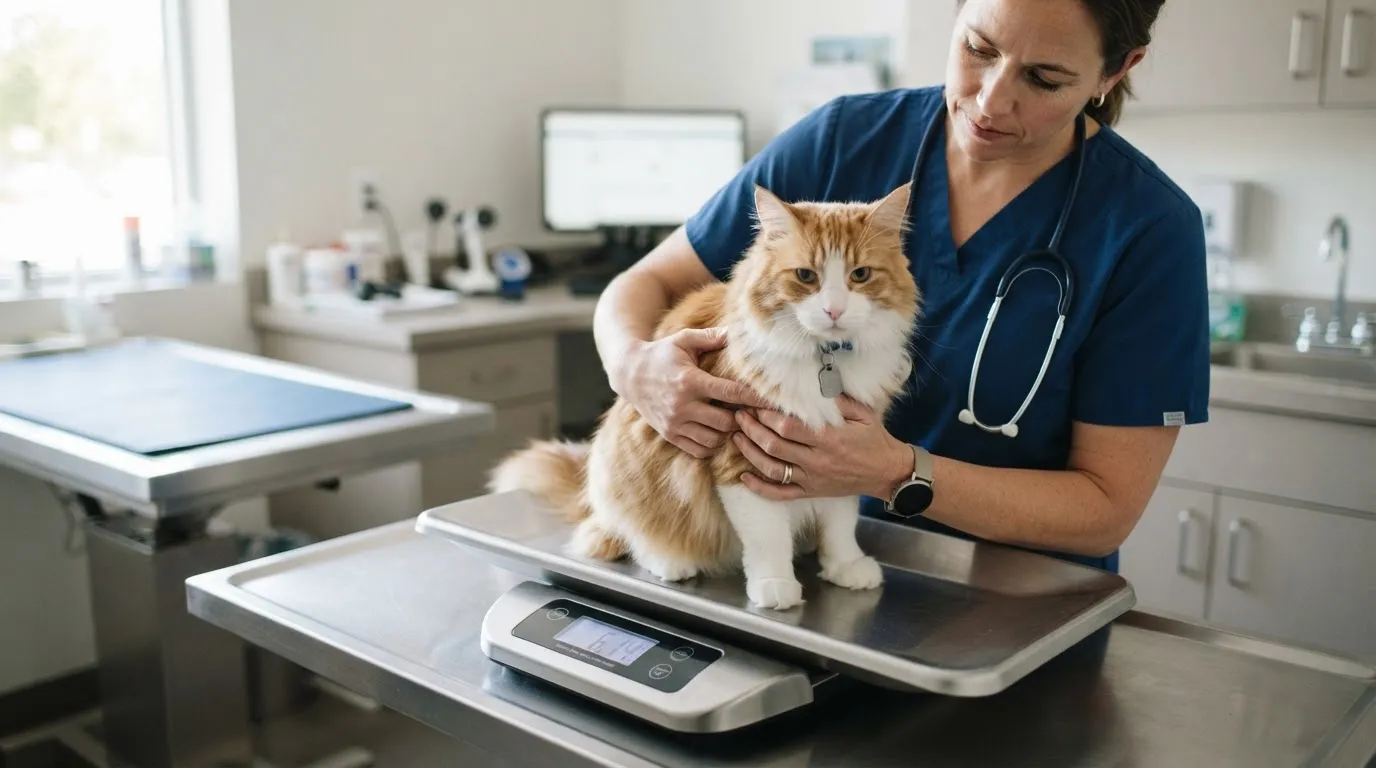
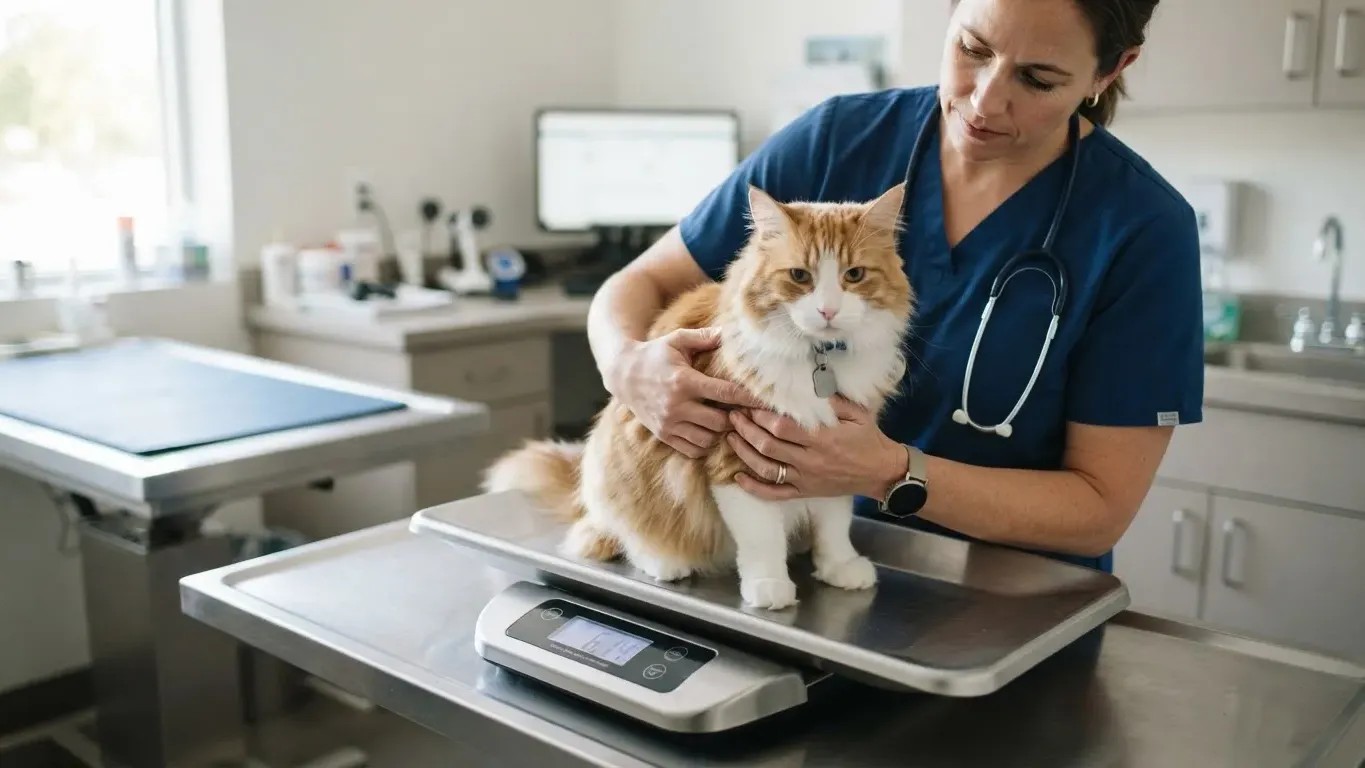
The bathroom scale doesn't lie, and neither does your vet's exam table. Kidney disease, diabetes, thyroid disorders, arthritis, and heart problems all share one early warning sign: quiet weight change.
Cats can lose up to 20% of their body weight before an owner ever notices a visible change, especially in long-haired breeds where fur hides the loss. A vet-conducted body condition score catches that shift long before anything looks different at home.
This visit is deceptively simple but quietly one of the most powerful early-warning tools available. Every gram matters.
What's coming next is a virus most owners have never even heard of, until it's already spreading.
#10 – The Feline Leukemia Virus (FeLV) Screening
A disease that cripples your cat's immune system is something most owners never think to test for, until it's too late. FeLV affects an estimated 2–3% of the feline population and leaves cats vulnerable to anemia, secondary infections, and cancer.
The good news is that it's preventable through vaccination, and early testing gives your vet a real chance to manage it. A positive FeLV test caught early means your vet can adjust your cat's entire care plan before the immune system collapses.
This is one test that should never be skipped, even for cats that seem perfectly healthy. The next one moves faster than almost anything else on this list, sometimes in less than two days.
#9 – The Urinary Tract Health Visit
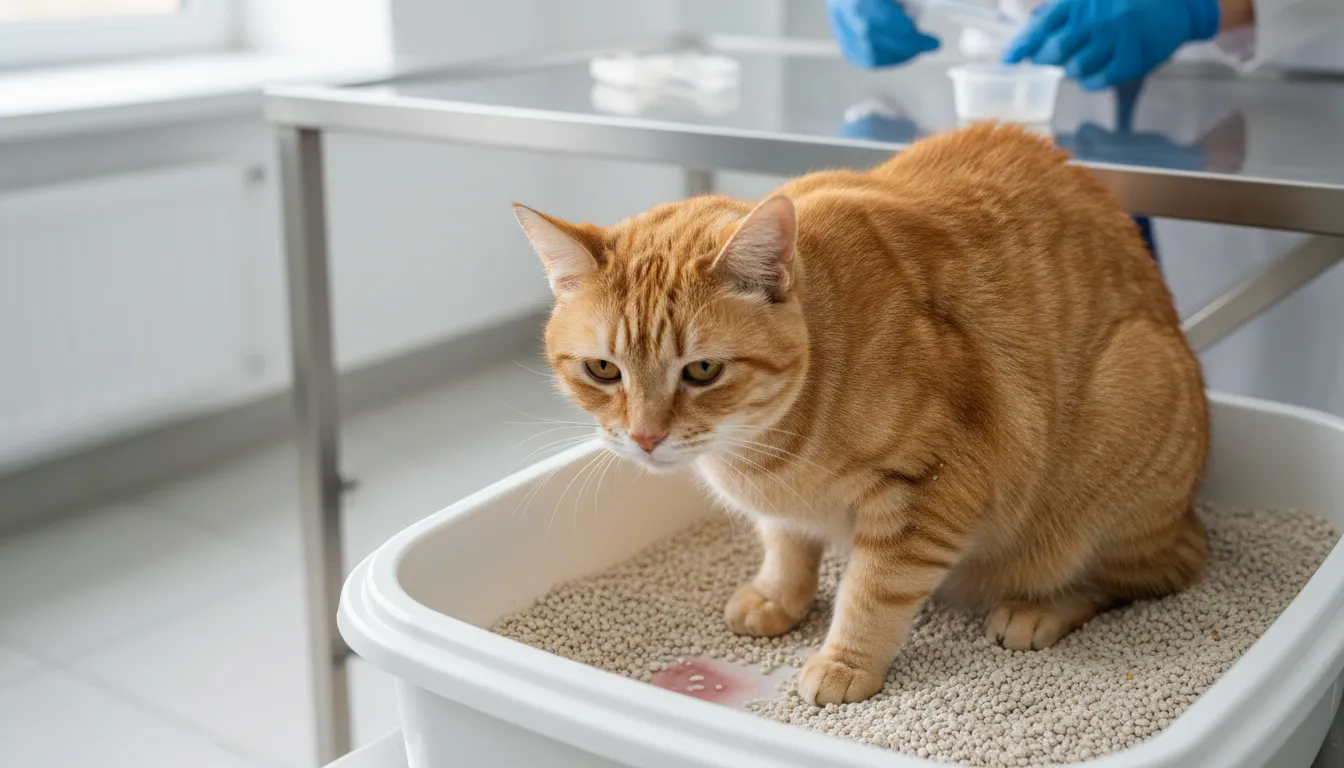
Here's a secret: urinary problems in cats can go from silent to life-threatening in under 48 hours. Feline Lower Urinary Tract Disease (FLUTD) is especially common in middle-aged, overweight, and indoor cats.
A male cat with a full urinary blockage can die within 24–48 hours if untreated. Early veterinary intervention is what stands between discomfort and a genuine emergency.
Hydration, diet, and regular checkups all help prevent it. This visit isn't just preventive - for some cats, it's the one that saves their life.
Worth Knowing
- Male cats face a higher blockage risk because of a narrower urethra.
- Watch for straining in the litter box, blood-tinged urine, or frequent small trips.
- Stress, low water intake, and obesity are common triggers.
- Wet food and multiple water bowls can lower everyday risk.
Compare that to #8, a disease that hides in plain sight for months before anyone notices.
#8 – The Diabetes Screening Visit
Most people think diabetes is a dog problem. Cats get it too, and the warning signs are almost invisible to the untrained eye.
Increased thirst and gradual weight loss are easy to miss, but routine bloodwork can catch abnormal blood sugar before complications set in. Early-stage feline diabetes can, in some cases, actually be reversed through weight loss.
Miss that window, though, and daily insulin injections become the only option. Strangely, the next condition makes cats look healthier, not sicker.
#7 – The Hyperthyroidism Blood Panel
This one catches a lot of owners completely off guard, because the cat often seems more energetic, not less. Hyperthyroidism commonly hits senior cats and can drive weight loss, hyperactivity, and a racing heart.
Owners frequently mistake hyperthyroid weight loss for a "healthy, active" cat, while the thyroid is silently destroying organ function. Left untreated, it can lead to heart disease and dangerously high blood pressure.
A simple blood panel is all it takes to catch it. If your cat is over seven and hasn't had a thyroid panel, book the appointment today.
At a Glance
- Diagnosed with a simple blood test measuring thyroid hormone levels.
- Most commonly diagnosed in cats over age 10.
- Three main treatment paths: daily medication, surgery, or radioactive iodine therapy.
- Left untreated, it strains the heart and raises blood pressure.
What #6 uncovers can happen without a single visible symptom.
#6 – The Eye and Neurological Examination
This visit reveals problems that are already happening, even when your cat seems completely fine. A skilled vet checking your cat's retinas can spot internal damage with zero outward signs.
Unchecked hypertension can quietly destroy the retina from the inside. Your cat can go from appearing perfectly normal to permanently blind, sometimes within days, if that damage is missed.
A thorough eye and neuro exam is one of the fastest, most revealing tools a vet has. Don't let your cat skip it.
And the visit right above it might be the most overlooked test in all of veterinary medicine.
#5 – The Blood Pressure Monitoring Visit
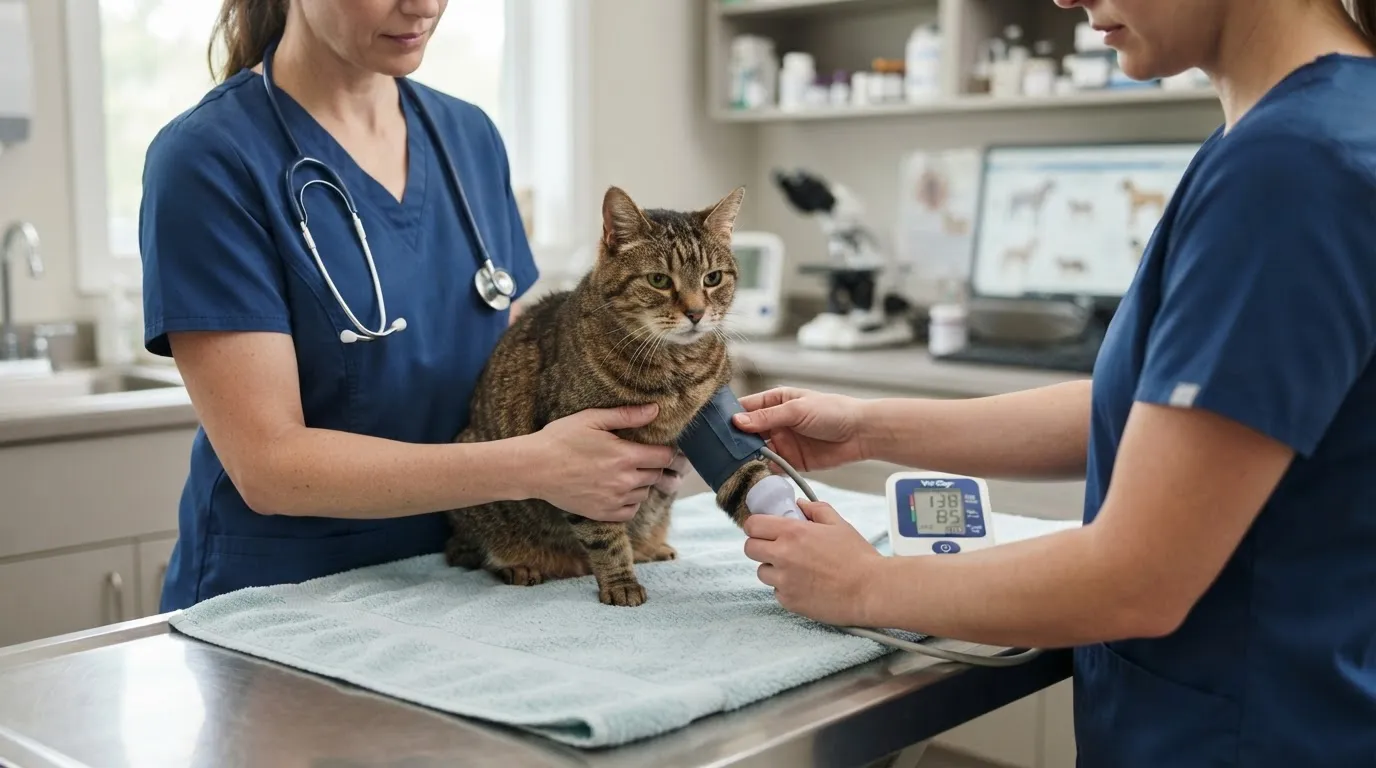
Most cat owners have never even heard of feline hypertension. Their cats are paying the price for it.
Because it's typically symptom-free in early stages, routine blood pressure checks are the only real way to catch it. Most high blood pressure cases in cats, if not caught in an emergency, are only discovered during a routine senior exam.
All senior cats should have their blood pressure checked every six months. This simple, painless test can prevent permanent organ damage.
Meanwhile, a stethoscope check most owners barely notice could be catching something far more serious.
#4 – The Heart Disease Auscultation Visit
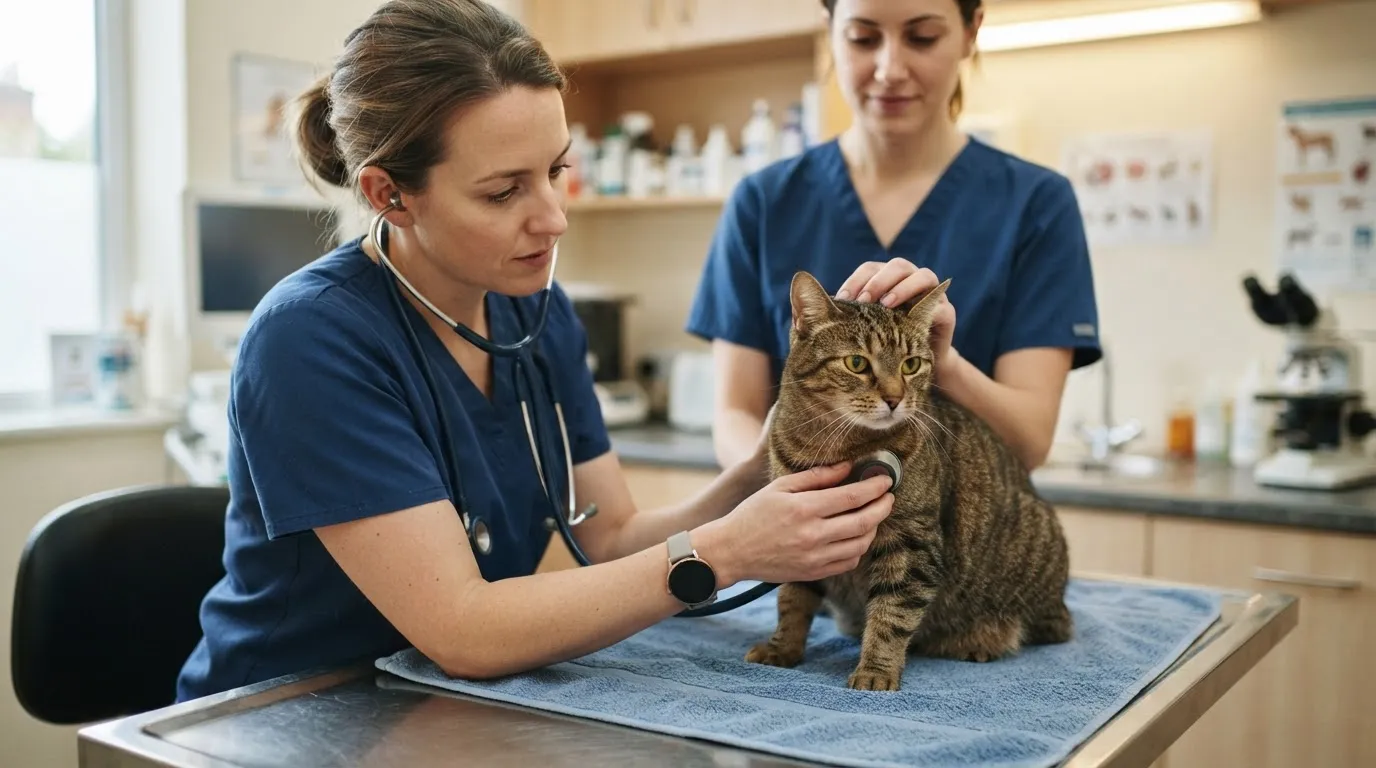
Your vet's stethoscope is a weapon against one of the most underdiagnosed conditions in cats. Heart murmurs are often silent to owners but audible in seconds to a trained ear.
Hypertrophic cardiomyopathy, a thickening of the heart muscle, is the most common heart disease in cats. Many affected cats show zero symptoms right up until sudden heart failure.
A stethoscope check at a routine visit is a genuinely life-saving 60 seconds. But nothing on this list is more common, or more silent, than what's coming at #3.
#3 – The Chronic Kidney Disease (CKD) Early Detection Visit
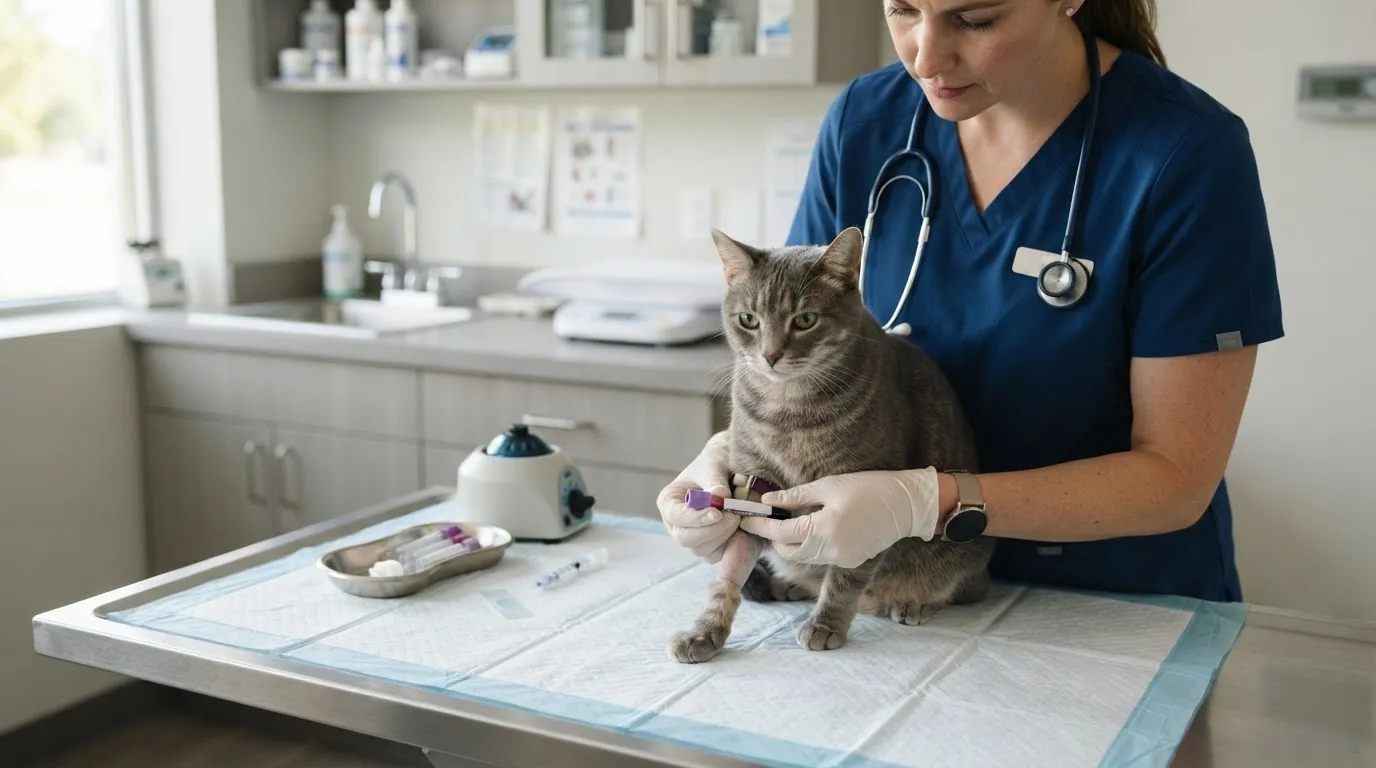
This is the one that consistently shocks cat owners the most, because CKD is everywhere. Many cats are already losing kidney function before any symptom appears at all.
Maybe your cat is drinking a little more water, or you're scooping a bit more litter - but often there's nothing obvious until the disease is advanced. A simple blood test and urinalysis at a routine visit can reveal kidney trouble long before it becomes a crisis.
A specialized test called SDMA can detect early kidney dysfunction even sooner than standard panels, giving owners a crucial head start. Kidney disease can't be cured, but caught early, it can be managed for years.
Quick Compare
- Cats under 10: CKD is relatively uncommon.
- Cats over 10: an estimated 30–40% show some kidney impairment.
- Cats over 15: prevalence estimates run as high as 80%.
- SDMA testing can flag decline before standard bloodwork does.
Once your cat crosses a certain age, though, even yearly visits aren't enough.
#2 – The Senior Biannual Comprehensive Exam
At a certain age, once a year is no longer enough, and most owners don't find out until something goes catastrophically wrong. Senior cats benefit from a full exam every six months, not twelve.
In cat years, six months is roughly equivalent to two human years of aging - meaning an annual exam for a senior cat is like a 70-year-old only seeing a doctor every two years. Skipping that second visit means real missed chances to catch kidney disease, arthritis, or parasites early.
Cats over seven should be seen at least twice a year, with screenings for arthritis, kidney disease, and hyperthyroidism built in. Early detection here can change the entire trajectory of your cat's later years.
And yet, the most important visit of all is the one most cats never get.
#1 – The Routine Annual Wellness Exam That Most Cats Never Get
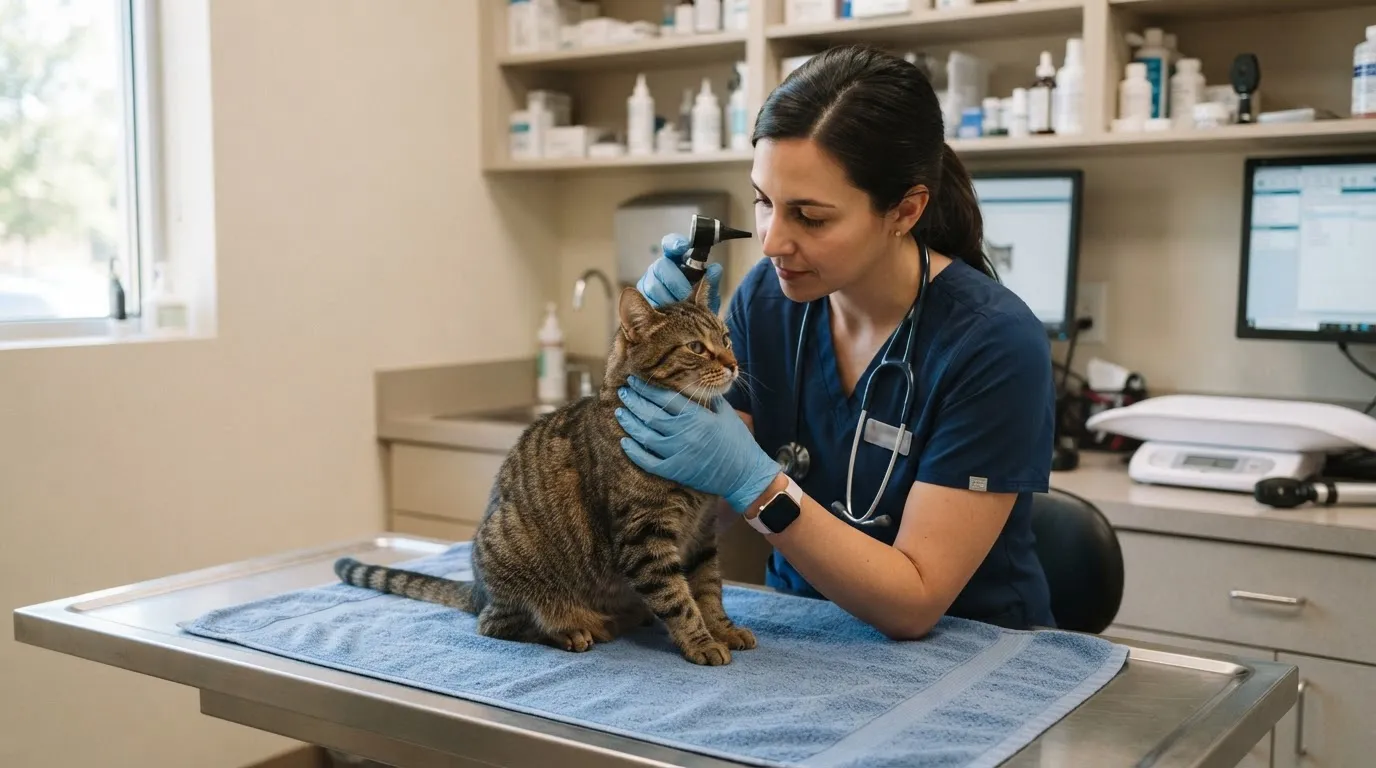
Here's the uncomfortable truth: the most important vet visit is the one most cats are never taken to at all. Roughly 75% of cat owners say routine checkups matter to them, yet the data on how often cats actually go tells a very different story.
Cats are masters at hiding illness, and skipping wellness exams lets serious conditions go unnoticed for far too long. The single annual wellness exam, unremarkable as it sounds, is the foundation that makes every other visit on this list actually work.
Without a baseline, your vet has nothing to compare against when something finally shifts. Every expert agrees, the data agrees - the only thing missing is the appointment.
The Bottom Line
Cats are masters at hiding illness, and that instinct works against them every single day you skip a vet visit. From the kitten series that sets a lifelong baseline to the senior biannual exam that catches silent killers like hypertension and CKD, each of these 15 visits targets a threat window that home observation simply cannot cover.
Prevention is almost always easier, cheaper, and more effective than treatment. The real risk was never the stressful car ride to the vet - it's the year you skipped the appointment and your cat quietly paid for it.
Which of these visits has your vet flagged something unexpected in your cat? Drop it in the comments - you might just help another cat owner take action.