16 Comforts your Aging Cat Needs Most in its Final Months
Most people think their aging cat just needs "more love" in its final months - but veterinary hospice specialists say that's only part of the picture. The real comforts are specific, practical, and most owners miss several of them entirely.
Cats are extraordinarily skilled at hiding pain, which makes it dangerously easy to misread what they truly need. The gap between a cat that merely survives its last months and one that genuinely thrives comes down to a short list of decisions - here's exactly what matters most.
#16 - A Dedicated, Low-Traffic Resting Spot
Most owners let their senior cat wander and settle wherever it likes - and that turns out to be a quiet mistake.
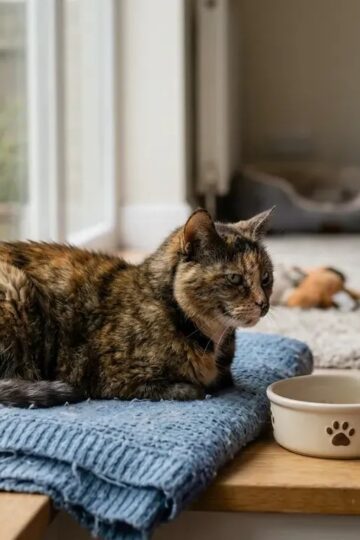
A cat in decline may no longer be able to jump onto a bed or reach a favorite windowsill, so setting up a soft resting area on the main floor, in a calm spot close enough to hear familiar voices but away from busy foot traffic, makes a real difference.
Many cats appreciate a covered corner that feels protected. Think of it as their own private sanctuary - a signal to their nervous system that they are safe.
A quieter atmosphere helps aging cats who become easily overwhelmed by noise or activity, and consistent routines only add to that sense of security.
But that safe spot means almost nothing without the right surface underneath them - and that's where #15 comes in.
#15 - Orthopedic or Memory Foam Bedding
Standard pet beds are designed for young, healthy animals. An aging cat's body tells a completely different story.
Orthopedic or memory foam beds are specifically recommended to ease joint pain in senior cats. Bony, arthritic joints press hard against thin padding, and the result is discomfort that compounds overnight.
Clean, comfortable bedding matters too - wash it regularly, since older cats with reduced immunity are more vulnerable to bacteria that builds up in fabric.
A washable pad underneath is smart if accidents have become more common. It removes the stress of emergency clean-ups and keeps your cat's space consistently fresh.
Bedding sets the stage, but it's useless if your cat is still shivering - which brings us to #14.
#14 - Consistent, Safe Warmth
Older cats lose body heat faster than younger ones and feel the cold far more acutely.
Providing warm spots near windows or heating pads designed specifically for pets is recommended. Never use a regular human heating pad - the temperature regulation isn't calibrated for cats, and burn risk is real.
That steady background warmth helps sore muscles relax and supports deeper, more restorative sleep.
Fast Facts
- Healthy adult cats are typically most comfortable in room temperatures around 68°F to 80°F.
- A cat's normal body temperature runs warmer than ours - roughly 100.5°F to 102.5°F.
- Pet-safe heating pads usually top out around 80 to 85 degrees - warm, never scalding.
- Human heating pads aren't calibrated for a cat's smaller body and pose a real burn risk.
The goal is warmth the cat can move away from if it chooses, never trapped heat. Pair this with #13 and you've nailed the environmental foundation.
#13 - Everything on One Floor
This one sounds almost too simple - yet it's one of the most commonly overlooked adjustments.
Aging felines can be stiff and painful from arthritis, so a litter box that's easy to get into and out of matters enormously. So does keeping all of your cat's essentials on the same floor of your house, so it never has to face stairs.
Every trip up a staircase is a tax on a body with a dwindling energy budget. Eliminating that obstacle preserves both comfort and dignity.
Adding steps or ramps to furniture like couches and beds lets your cat reach favorite spots without straining.
Ramps and single-floor living remove hidden pain triggers your cat would never vocally complain about - but wait until you see how #12 changes their daily nourishment.
#12 - Appetite-First Nutrition
Most owners assume a sick cat that's "off food" just isn't hungry. The truth is more urgent than that.
Hospice nutrition emphasizes highly tasty, easy-to-eat food that delivers enough calories, protein, and water. Texture, temperature, and smell matter enormously for a cat whose senses are dulling.
Some cats respond well to a splash of flavoring, like tuna juice or low-sodium, unseasoned broth. Place food where your cat spends the most time, somewhere it can eat quietly and calmly.
Worth Knowing
- Wide, shallow bowls avoid whisker fatigue, a real source of mealtime stress.
- Warming wet food slightly intensifies its smell and can spark a fading appetite.
- Elevated bowls take pressure off aching joints and necks while eating.
- Multiple small meals are often easier to manage than two large ones.
Small wins at the food bowl ripple into energy, weight stability, and mood - and they pair powerfully with what's in #11.
#11 - Active Hydration Support
Dehydration can set in rapidly during a cat's final days, and yet most owners simply leave a bowl of water out and hope for the best.
Older cats are especially prone to dehydration, and your vet may recommend fluid therapy you can administer at home. Subcutaneous fluids, given with proper guidance, can be a game-changer for cats with kidney disease.
A cat water fountain, multiple bowls placed around the house, or wet food at every meal can all reduce the risk significantly. Small changes here have an outsized impact on comfort in the final months.
Now pair that hydration boost with the underrated comfort in #10.
#10 - Low-Entry Litter Box Placement
This is the comfort most owners get wrong, and the consequences are more significant than they realize.
Moving the litter box closer to your cat's living area makes it easier to access, and a box with low sides allows for easy entry and exit - particularly helpful for cats with reduced mobility.
Puppy pads placed around the box can make cleanup easier if your cat doesn't reach it in time. Never scold a cat for accidents at this stage.
Litter box stress is a hidden source of pain and anxiety in aging cats that owners routinely mistake for "bad behavior." A low-sided box placed just steps from where your cat rests can eliminate that stress almost entirely.
Next up, #9 tackles something even more invisible - but equally powerful.
#9 - Veterinarian-Guided Pain Management
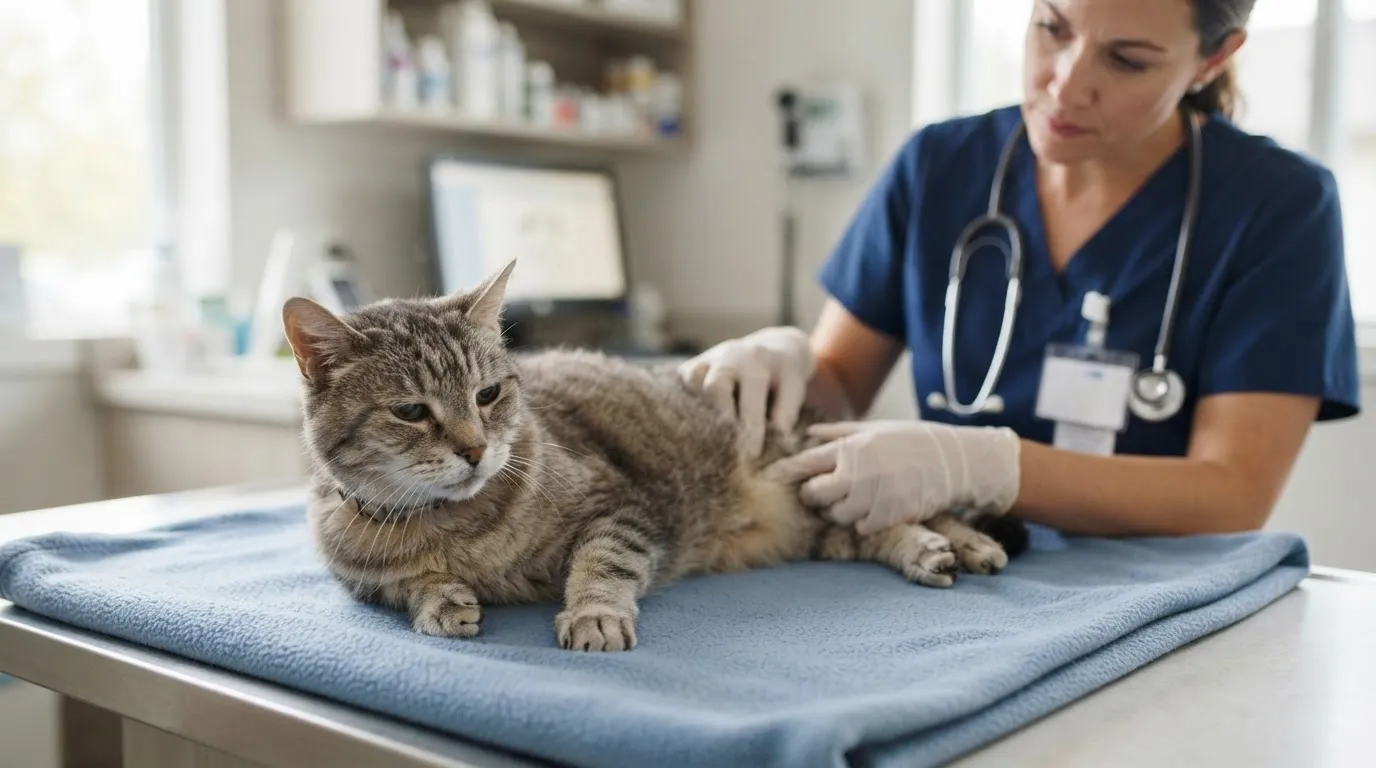
Here is the hard truth: cats are masters at hiding discomfort, and the signs are often easy to miss.
At a Glance
- Hiding more than usual or avoiding contact with family
- Ears pinned back or a persistent squint
- A stiff, hesitant, or altered gait
- Less interest in grooming, food, or surroundings
Pain management is the most important element of hospice care. Allowing a sick or elderly cat to suffer is unnecessary with modern veterinary medicine, and your vet will likely prescribe medication to keep your cat comfortable.
Various medications can relieve pain and anxiety depending on the individual case. Never use human pain medications, though - many are toxic to cats, which makes this a vet conversation, not a DIY moment.
Once pain is under control, the comfort in #8 becomes far more effective.
#8 - Gentle Grooming Assistance
Cats spend up to 50% of their waking hours grooming, so dull, matted fur is a clear signal they've stopped keeping up with it themselves.
Unkempt fur isn't vanity - it's a welfare issue, since matted coats trap moisture, irritate skin, and can develop into painful sores. A few minutes of gentle brushing each day addresses all of it.
Grooming and bathing are recognized components of veterinary hospice and palliative care, not extras. Use a soft-bristle brush, keep sessions short, and stop the moment your cat shows discomfort.
Think of grooming as a bonding ritual that doubles as a daily health check - and that bond deepens even further with what comes in #7.
#7 - Calm, Predictable Human Presence
Most people underestimate just how much their physical presence - not toys, not treats - matters to a dying cat.
Gentle petting, calm verbal reassurance, and time spent together create powerful moments of connection. Some cats withdraw, but many remain comforted simply by the presence of the people they love.
The key word is calm - anxious energy from owners transfers directly to cats. Sitting quietly nearby, reading, or watching TV at low volume registers as safety in a cat's nervous system.
Familiar spaces and the security of being close to trusted people are among the most documented comforts for cats in decline. Don't underestimate what your presence alone provides - #6 adds a targeted layer on top of it.
#6 - Alternative Comfort Therapies
This is where many owners raise an eyebrow - but the evidence is growing.
Some cat parents help their ailing cat manage pain with holistic treatments like reiki, acupuncture, laser therapy, and massage. These aren't replacements for veterinary care - they're complements to it.
Gentle massage under the belly and chest, or a light kneading along the back, can be incredibly soothing. You'll know your cat appreciates it if it turns for more, kneads with its paws, or starts purring.
Many pets find real relief after just a few sessions of acupuncture - ask your vet for a referral to a certified veterinary acupuncturist. The results can surprise you, and #5 adds another invisible but vital dimension.
#5 - Regular Quality-of-Life Check-ins with Your Vet
Vet check-ups at least twice a year are recommended for senior cats, since early detection matters. In the final months, though, that frequency should increase.
At a Glance
- Hurt - is pain being controlled effectively?
- Hunger - is your cat eating enough to maintain weight?
- Hydration - is fluid intake adequate?
- Hygiene - can your cat stay clean without help?
- Happiness - does it still show interest and contentment?
- Mobility - can it move comfortably to eat, drink, and eliminate?
Regular checkups remain the best way to monitor pain and quality of life as things change.
These visits also give you an ally - someone watching the same picture you are, but with clinical eyes. Your vet can guide you through pain management and decisions that put your cat's comfort first.
Don't wait for a crisis to make an appointment. Regular check-ins prevent crises - and pave the way for the comfort in #4.
#4 - Protecting Their Sense of Routine
Aging cats, especially those with cognitive decline, are more disrupted by change than most owners realize.
Consistent routines provide a sense of security, and even as health declines, familiar surroundings offer reassurance nothing else can replicate.
Feed at the same times. Keep the litter box in the same place, and avoid rearranging furniture - a disoriented senior cat feels genuine distress from environmental unpredictability that most owners never even notice.
Routine is a form of medicine for cognitively declining cats - it reduces anxiety, encourages eating, and can even improve sleep. The next comfort might be the one you're most likely to forget, but it matters more than you'd expect.
#3 - Respected Hiding and Withdrawal
Here's something most owners get emotionally backwards: when a sick cat hides, the instinct is to coax it out and socialize it. That instinct is wrong.
Provide at least two resting options in different locations, plus hiding spots like high-sided beds or carriers. A cat that can hide is a cat that feels in control of its environment.
Hiding from perceived threats is hardwired in cats, not a sign they've stopped loving you. Forcing interaction on a withdrawing cat creates physiological stress at exactly the moment it needs calm.
Check on your cat regularly and offer gentle interaction, but always let it lead. The next comfort is one of the most emotionally charged on this entire list.
#2 - Honest, Ongoing Palliative Care Planning
Most people wait too long to have the palliative care conversation with their vet - and by the time they do, options have narrowed.
Hospice and palliative care isn't just for "the final days." It's specialized medical care for senior or seriously ill pets, meant to improve comfort and quality of life well before the end.
Quick Compare
- Palliative care: Can start months ahead, often alongside ongoing treatment, focused on comfort as illness progresses.
- Hospice care: Typically begins once a cure isn't the goal, lasting weeks to months, centered purely on comfort.
- Both: Prioritize pain control and quality of life over aggressive intervention.
Starting these conversations early gives you more tools, more time, and less crisis-mode decision-making. But none of these comforts matter without the one at the very top of this list.
#1 - Your Undivided, Unhurried Presence
Everything else on this list is infrastructure. This is the foundation it all rests on.
As your cat's health declines, your bond becomes even more special - focus on comfort, companionship, and the small moments: quiet naps, soft purrs, gentle headbutts.
Nothing takes away the pain of pet loss, but hospice care and your own attentive presence can help you maximize the time left and let your cat pass peacefully.
The single biggest comfort an aging cat has is knowing its person is still there - not panicking, not hovering anxiously, just present. No product, medication, or bed upgrade replaces the warmth of your hand and the sound of your voice.
Your love, patience, and presence mean everything to your cat - and that isn't sentiment. It's veterinary consensus.
The Bottom Line
Most of these 16 comforts cost almost nothing - yet most aging cats never receive half of them.
The top comforts were never complicated treatments or expensive purchases. They were familiar spaces, relief from pain, gentle support, and the security of being close to the people they trust.
The real mistake is waiting until the final days to make these changes. Start now, and work with your vet before a crisis forces the decision.
Give your cat the one thing it can't ask for but desperately needs: a comfortable, dignified close to a life spent by your side.