Adding a second pet to your feline household sounds like a wonderful idea. Maybe you think your cat needs a companion, or perhaps you’ve fallen in love with another animal at the shelter. The reality though is that not every creature makes a good roommate for your whiskered friend.
Cats are complex creatures with strong hunting instincts and territorial behaviors that can make some pet combinations challenging or downright dangerous. While every cat has their own personality, certain animals are more likely to trigger your feline’s predatory drive or create stress in your home. Let’s explore which pets might not mesh well and why these combinations often lead to trouble.
Small Birds
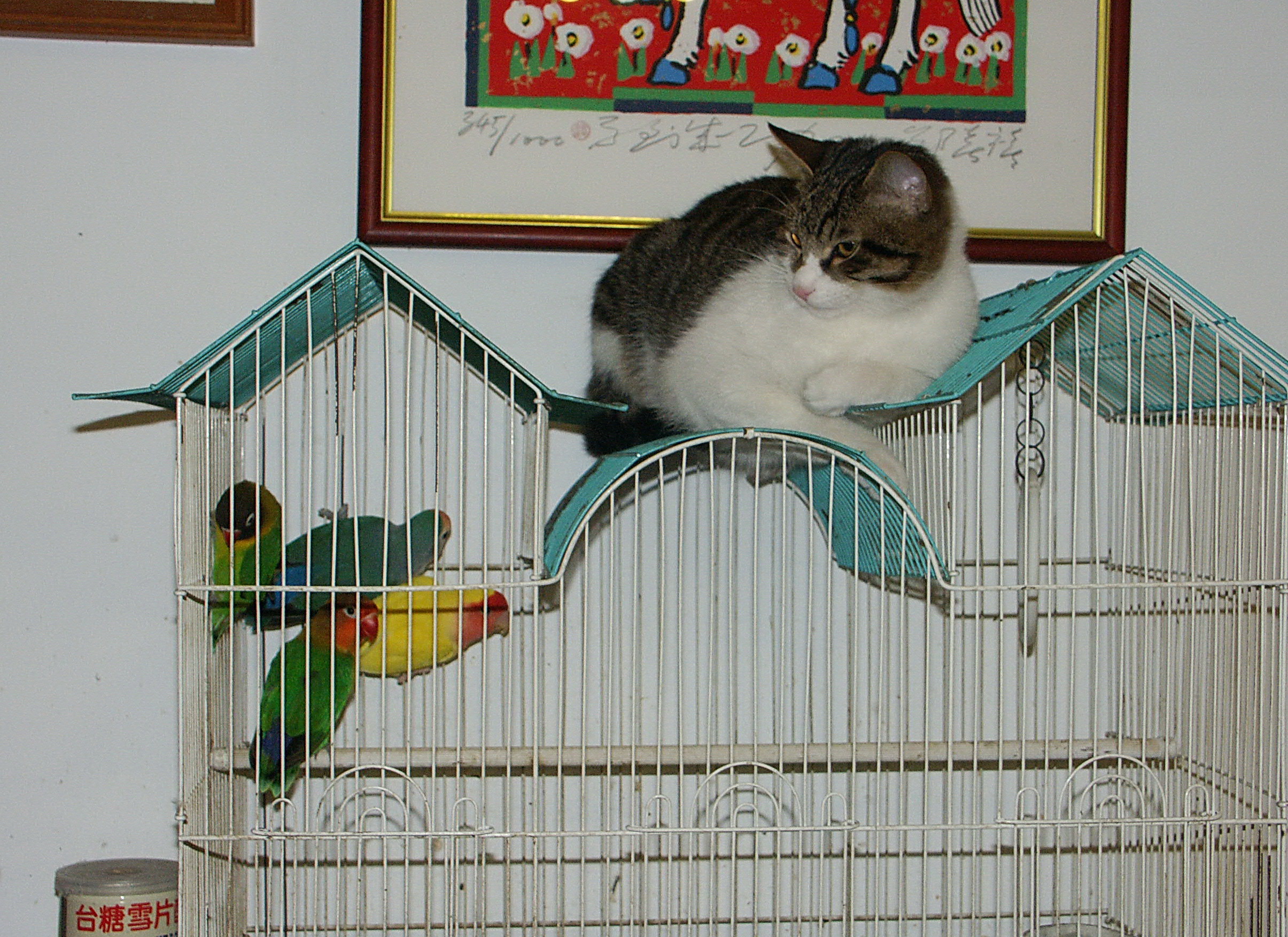
These feathered creatures tend to be the favorite prey for housecats, so it’s unadvisable to keep birds, especially small ones, in the same home as cats. Your cat’s natural instincts haven’t disappeared just because they live indoors.
Even if birds are confined to a cage, any pawing or taunting from a cat will cause anxiety and fear for the birds. This constant stress can seriously impact a bird’s health and wellbeing. The sight and scent of your cat nearby triggers their prey animal responses, keeping them in a perpetual state of alarm.
Hamsters
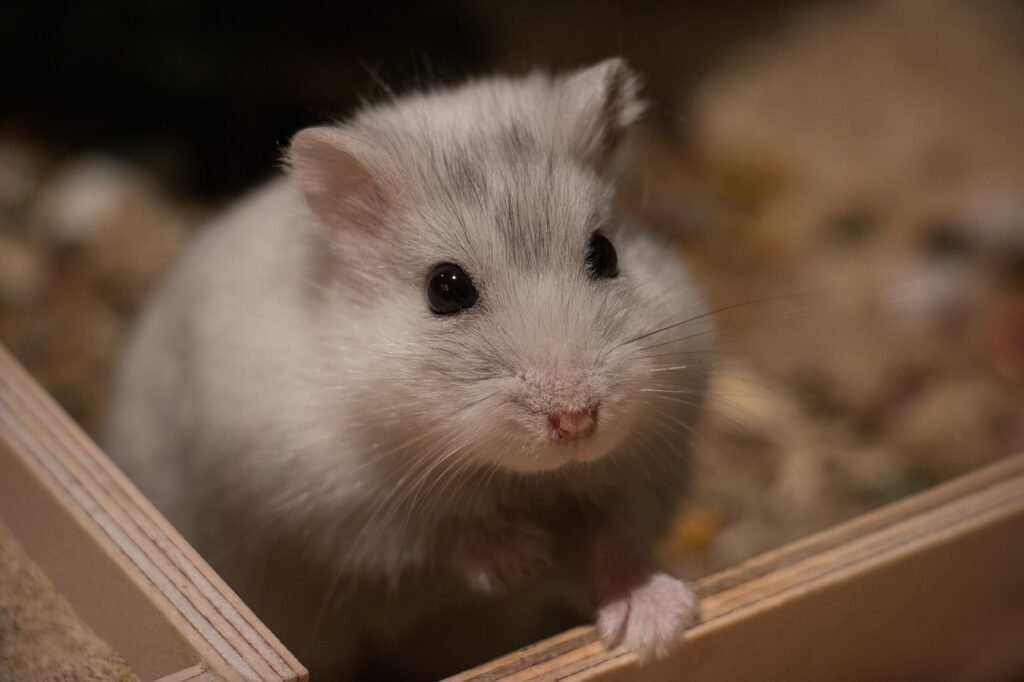
Similarly to birds, rodents such as hamsters, mice, rats and other small animals are at a high risk for being attacked by cats. Most cats will not be able to differentiate between a pet rodent and a wild rodent. To your cat, a hamster is simply a moving snack waiting to be caught.
Hamsters are another “snack” ferret will most likely try and they are very small. Hamsters are sensitive and having a ferret in a room can cause them far greater stress than with mice and rats. If ferrets can stress hamsters just by being nearby, imagine the terror these tiny creatures experience around cats. Even the most docile of kitty’s may be tempted by small, fast prey like a mouse or hamster.
Guinea Pigs
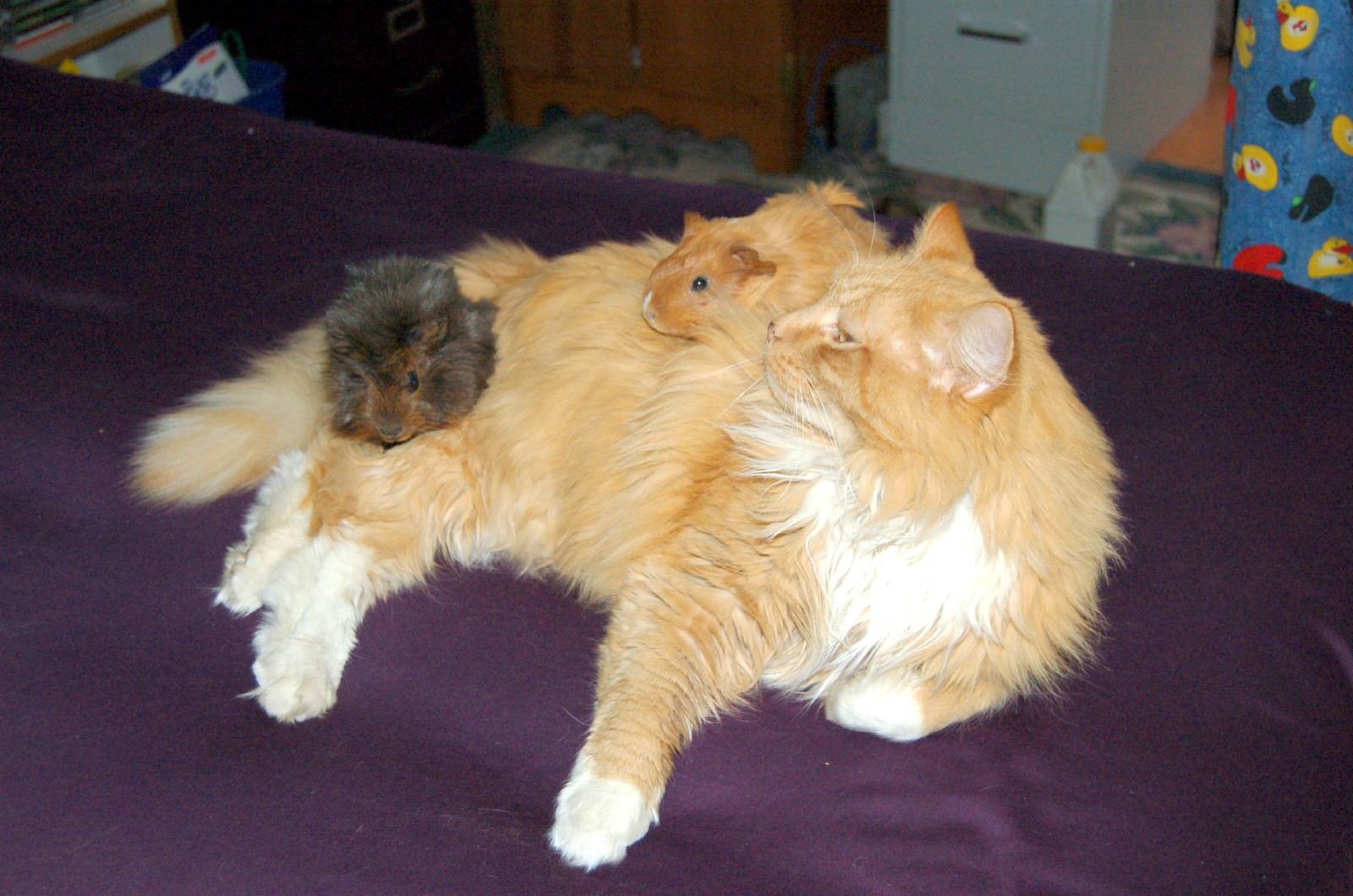
A chinchilla or guinea pig may be able to coexist peacefully with cats if the cat is not aggressive, however, care should be taken to slowly introduce both pets to each other with close supervision. While there’s a slim possibility of success, the odds aren’t in your favor.
Although guinea pigs are very social animals, they don’t get along well with other pets. Dogs, cats, ferrets, or snakes combined with guinea pigs are not a good idea. Their sensitive nature and status as prey animals makes them vulnerable to stress-related health issues when living with predators. Guinea pigs are a species of rodent, which makes them natural prey for cats.
Mice and Rats
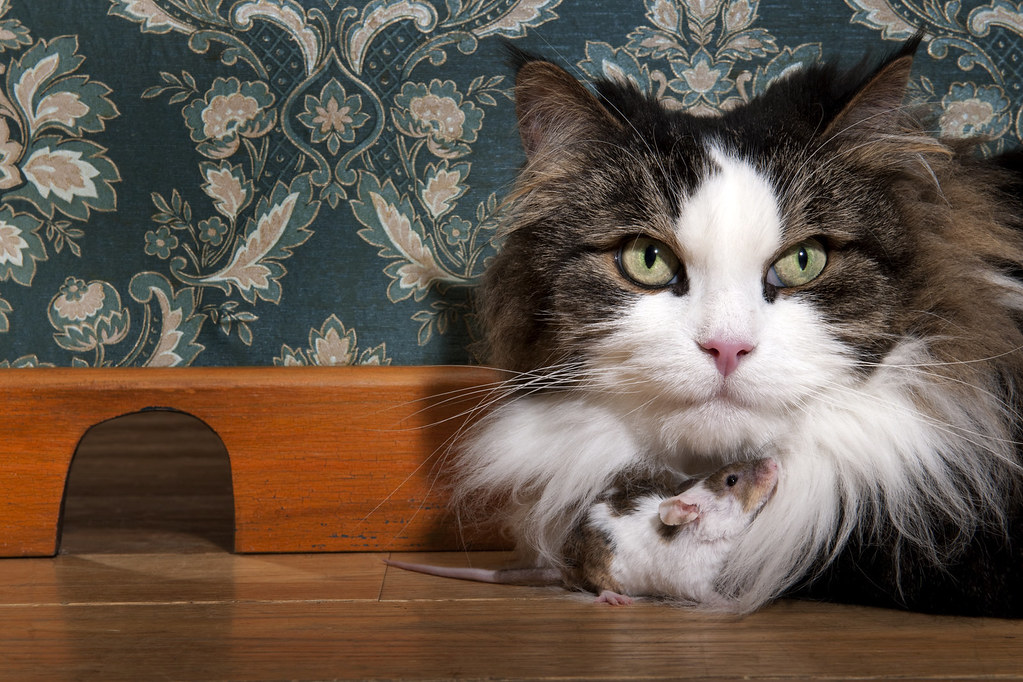
Small rodents such as mice, hamsters, and gerbils would be a much more challenging match. These animals are small enough to quickly escape underneath a closed door and go out into the house; even the most sedate senior cat may respond to the flurry of motion and react by attacking the creature. The combination of small size and quick movements makes these pets irresistible to cats.
Wild rats are everywhere. They’re hardy, intelligent, aggressive, and comfortably at home in rural and urban environments. You might be pretty confident that your cat will emerge as the victor in any skirmish with a rat, but that doesn’t mean they’ll be immune from picking up diseases. Even domesticated rats can carry similar health risks.
Reptiles and Lizards
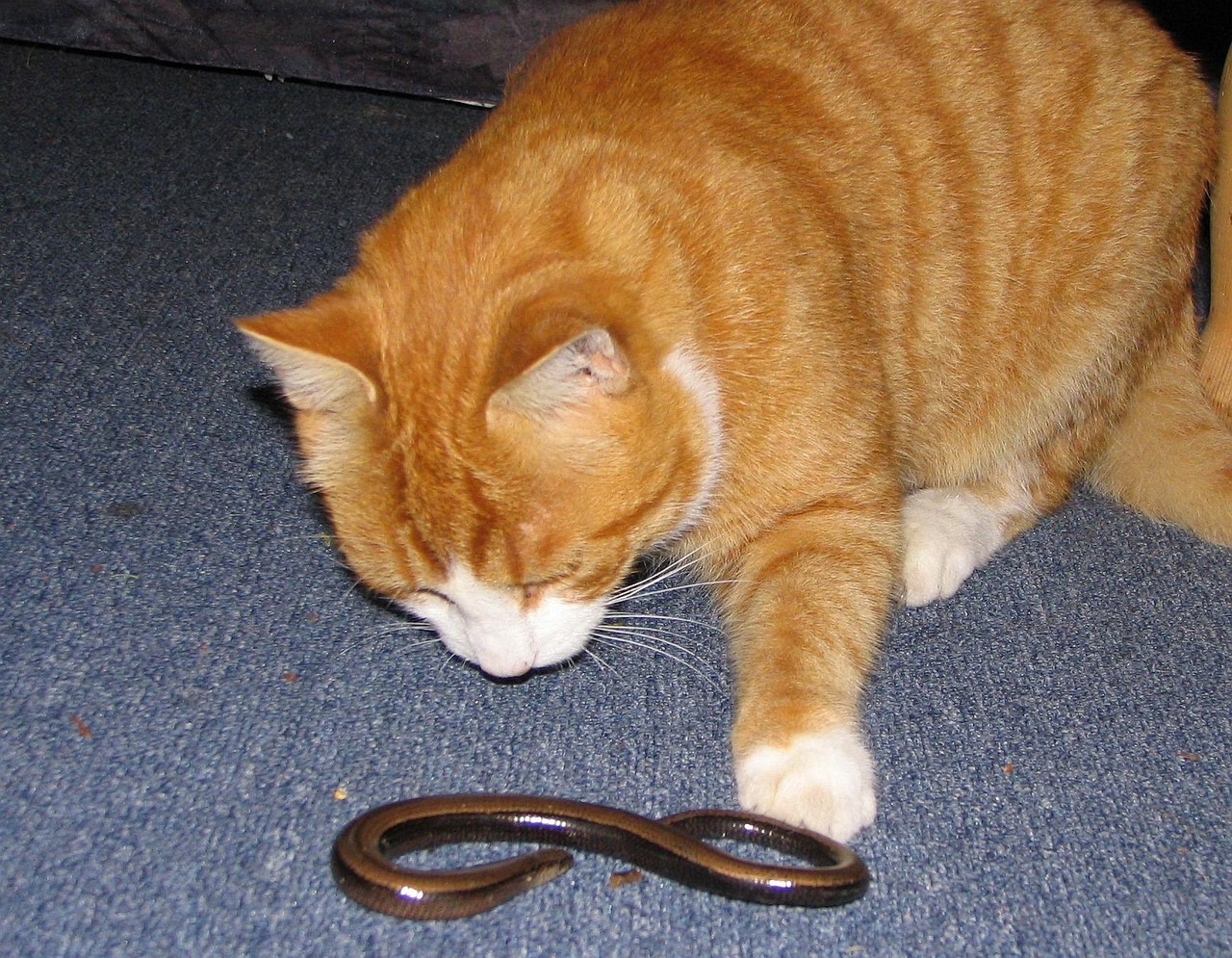
Though many wouldn’t expect it, cats can also be very aggressive towards reptiles such as lizards and snakes and are known to hunt them in the wild. Most reptiles are shy and easily frightened and would not fare well living with a curious cat, even if well-confined in an enclosure. Your cat’s hunting instincts don’t discriminate based on whether the prey has fur or scales.
Cats and reptiles rarely make good housemates. Research has documented significant impacts of cats on native lizard populations in Australia. Even larger reptiles like iguanas might seem safe, though the constant presence of a predator can cause chronic stress for these sensitive creatures.
Large Birds of Prey
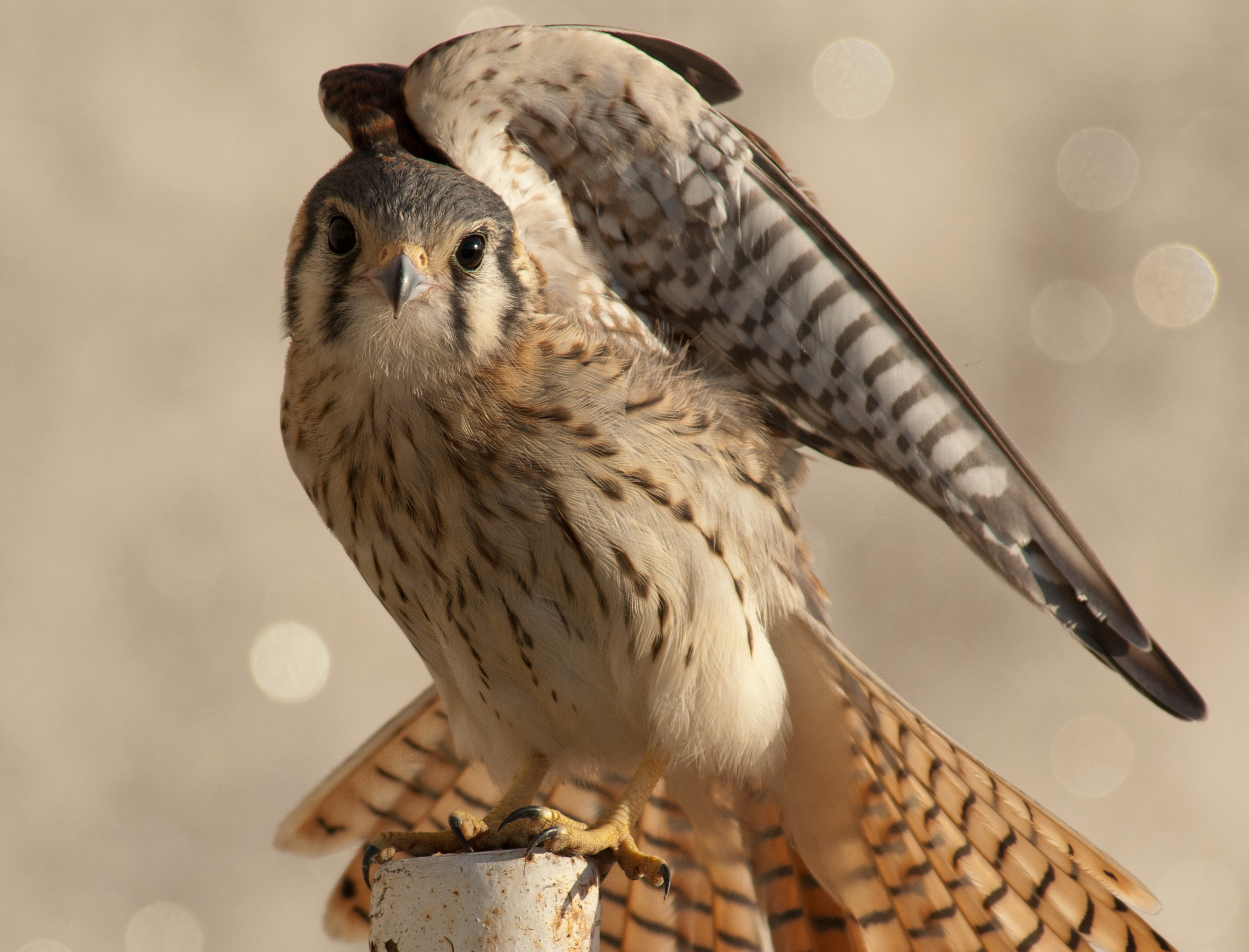
The tables can turn when we’re talking about larger birds. It may seem ironic for a bird to attack a cat, but there are several areas in the United States where a hawk, eagle, or owl can grow large enough to present a potential danger to your pet, especially if they’re still a kitten or are a tiny breed. Hawks, eagles, and large owls view small cats as potential prey.
Blue Jays are known for their aggression towards perceived predators, including cats. They frequently mob hawks, owls, snakes, and even cats that approach too close to their young. Even smaller birds can become aggressive toward cats during nesting season, though they’re more likely to cause stress than serious injury.
Aggressive Dog Breeds

While many cats and dogs can learn to coexist peacefully, certain dog breeds pose specific challenges. While not all dogs get along well with cats, those raised in households with cats tend to become more comfortable around them. If you already have a dog and want to adopt a cat, consider your dog’s prey drive and aggression levels first as they may not take well to a feline companion.
They may not get along, especially if the dog has a high prey drive. Dogs bred for herding or hunting, such as Border Collies, Terriers, Beagles, and Retrievers, will naturally want to go after the rabbit. These same instincts can make them problematic companions for cats, particularly smaller or more timid felines.
Ferrets
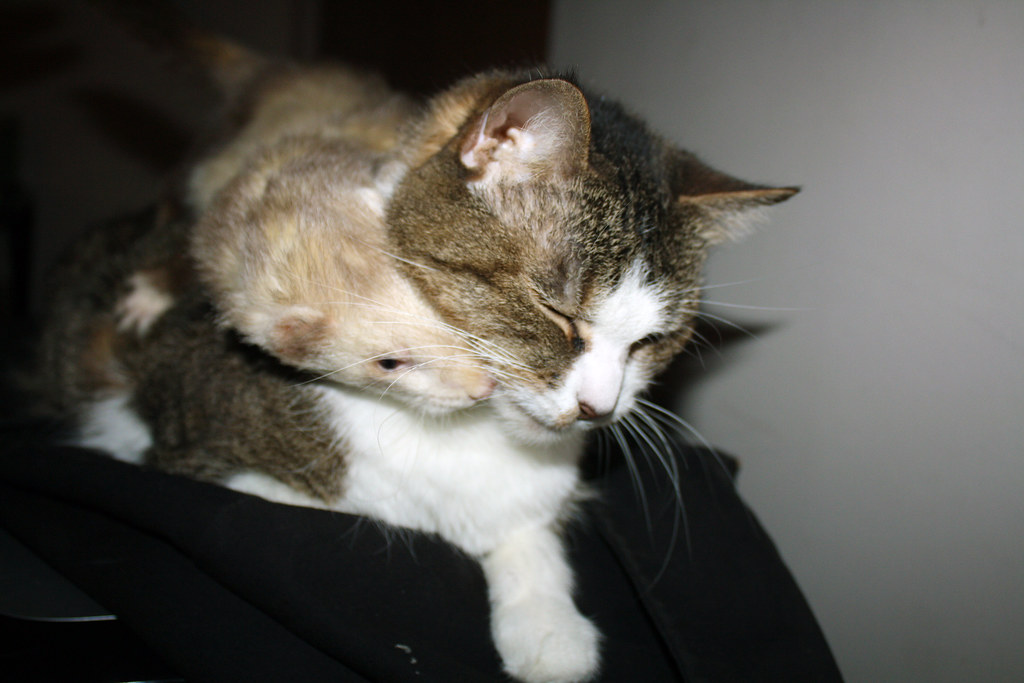
The ferrets and cats’ situation can be successful with proper introduction, though results vary significantly between individual animals. Some ferrets and cats can learn to coexist peacefully. While this might seem contradictory to the title, the relationship between cats and ferrets can be complicated.
But, just like with the dogs, keep them supervised until you can see that they can get along, or just tolerate each other without picking a fight. But, you have to keep them under control to avoid bites, scratches, and other injuries. However… every cat that saw my ferrets immediately freaked out. The moment they caught scent of the ferrets, they were immediately on the alert, and when they saw my ferrets, the responses were invariably flight, or hunting/stalking/aggression.
Other Cats with Dominant Personalities
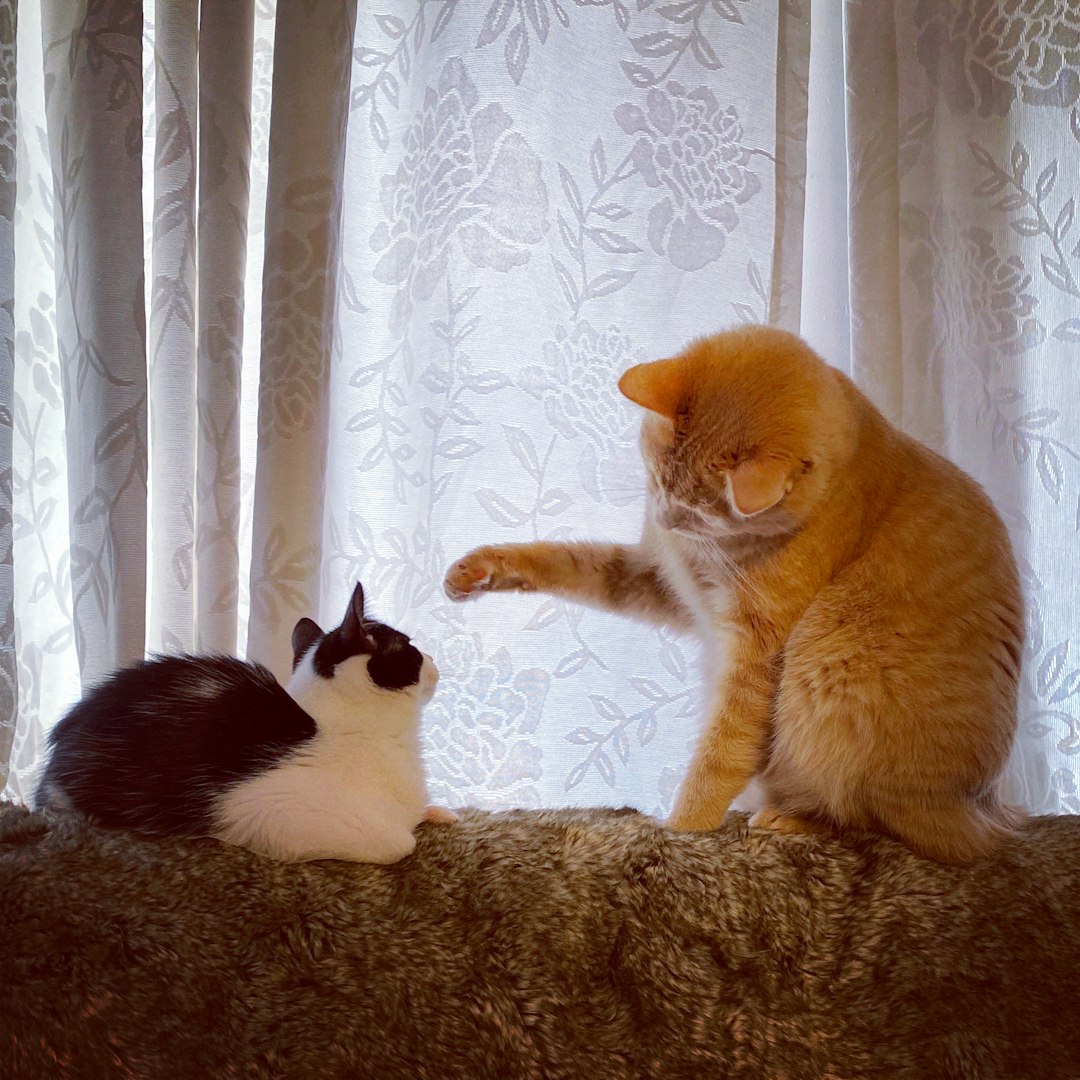
Multi-cat households can be tricky to manage. For some cat parents, all of their cats get along beautifully well. For other cat parents, their cats may be at constant war with each other, with more than the occasional hissing, growling, and flailing of paws. Not all cats appreciate feline company.
Kittens are open-minded, but adult and senior cats less so. They do not see a second cat as a playmate and source of fun, assuming that the cat aims to steal territory or resources. Age differences and personality conflicts can create lasting tensions that never fully resolve despite your best efforts.
Chinchillas
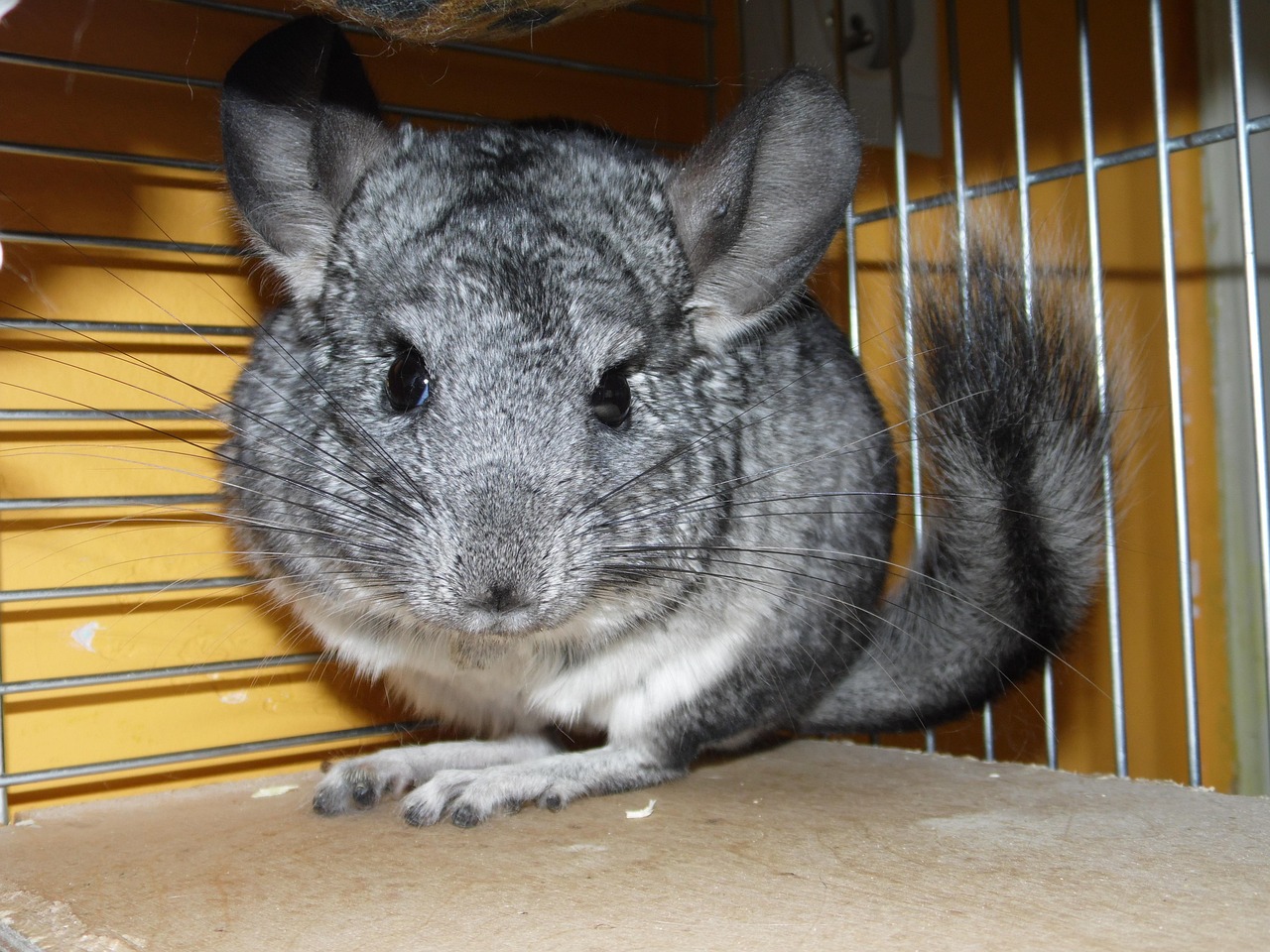
Although ferrets don’t eat chinchillas that don’t mean they can live together. Yes, chinchillas are rather big but that still doesn’t make them a perfect companion for a ferret. If ferrets struggle with chinchillas, cats face similar challenges. These fluffy creatures occupy an awkward middle ground in size.
A chinchilla or guinea pig may be able to coexist peacefully with cats if the cat is not aggressive, however, care should be taken to slowly introduce both pets to each other with close supervision. Their dust baths, nocturnal activity, and delicate nature make them challenging roommates for most cats. The stress alone can impact their health significantly.
Fish in Open Tanks
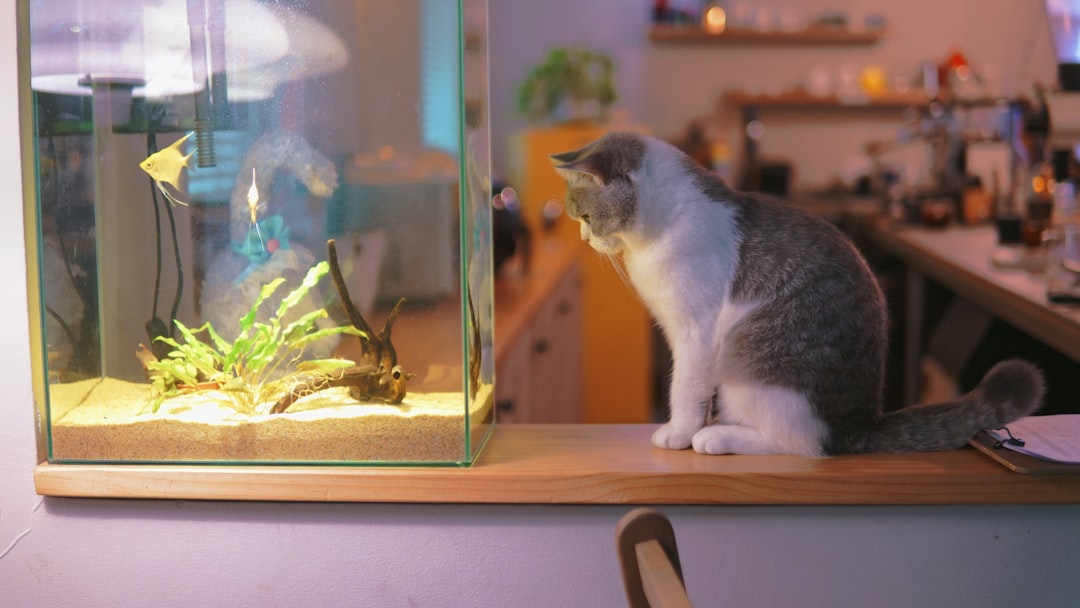
Cats and fish make great pets on their own – but together, they can be trouble. Fish are just too tempting for our feline friends. It’s hard for them to fight the urge to dip their paw into that tank and scoop one out. The movement and shine of fish swimming triggers every hunting instinct your cat possesses.
While it’s possible a rambunctious cat may try to paw a pet fish, a well-enclosed fish tank is typically all that’s needed to keep aquatic pets safe around cats. If your cat does end up trying to paw the glass, it likely won’t affect your fish. However, open tanks or poorly secured lids spell disaster for your aquatic pets.
Rabbits with Territorial Issues
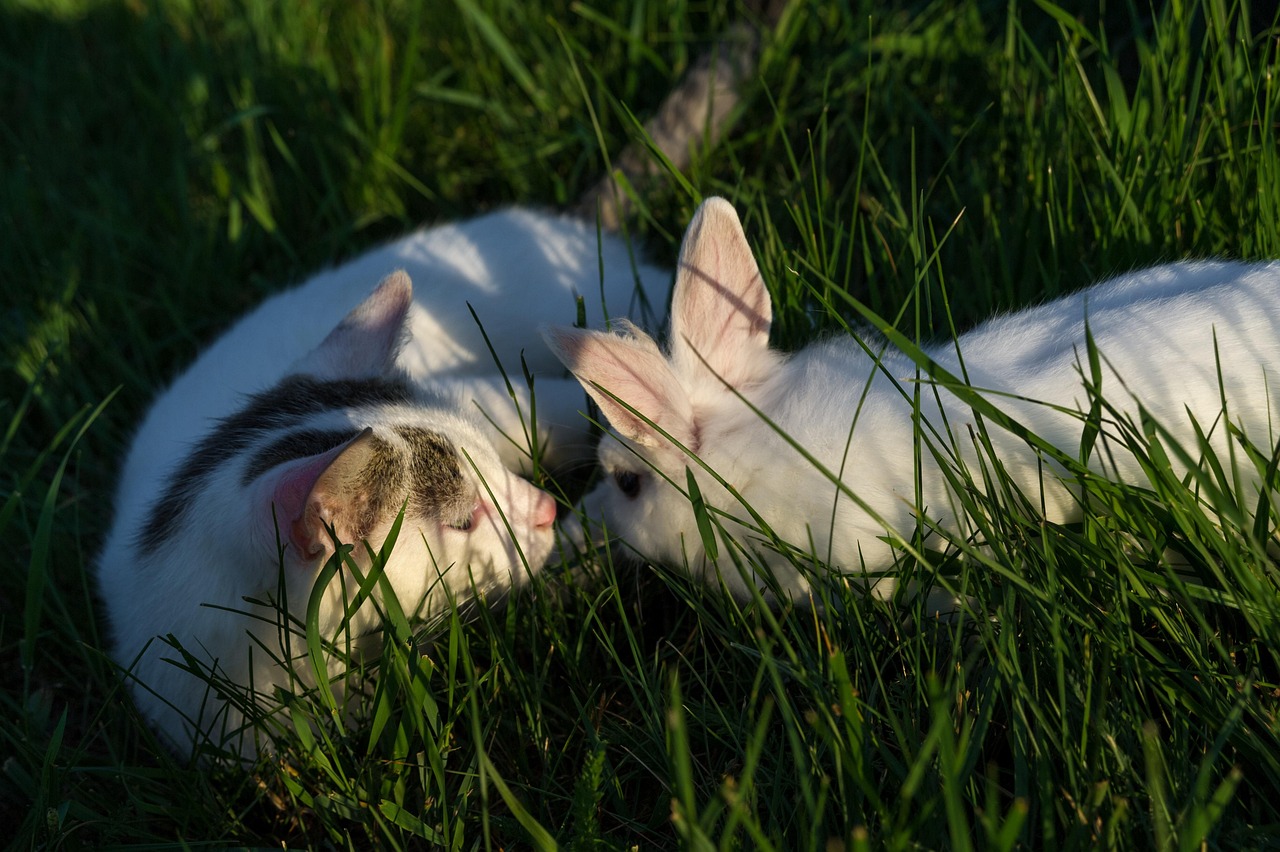
Interestingly, these two species are known to be highly social animals. They might not gravitate towards each other at first, but they can become great companions. You may even catch them grooming each other and sleeping together. While cats and rabbits can potentially get along, territorial rabbits present special challenges.
Keep in mind that rabbits are quite territorial, and they may be more of the aggressor than your cat. Cats are still governed by instinct, and a rabbit may push its luck too far. An antagonistic rabbit may provoke a cat into attacking. Some rabbits can become unexpectedly aggressive, putting both animals at risk.
Exotic Pets with Special Needs
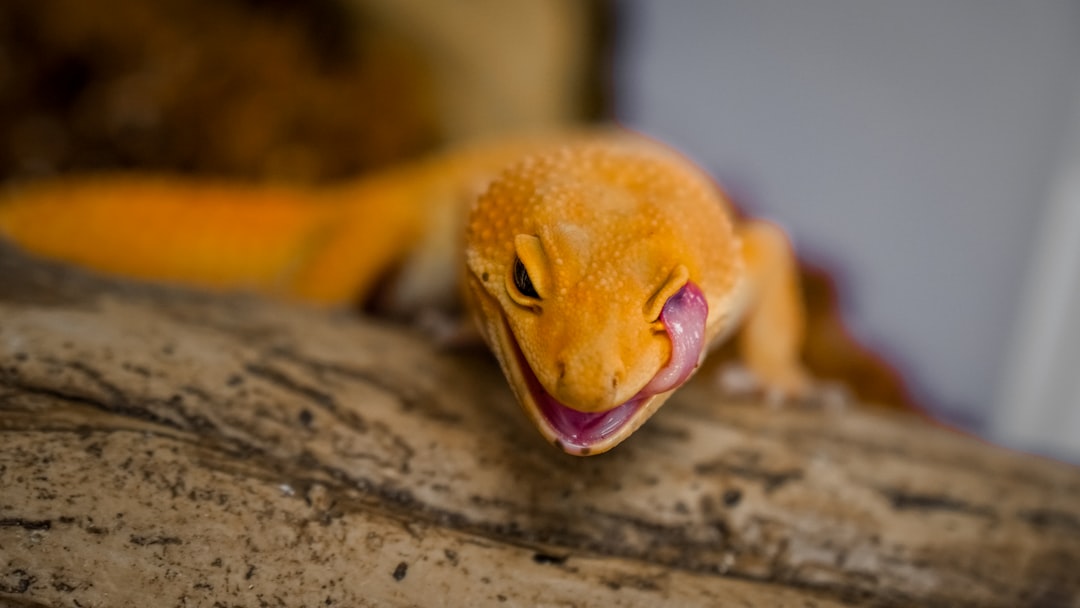
Each type of domesticated exotic animal – birds, rabbits, rodents (guinea pigs, hamsters, gerbils, rats, mice, chinchillas, degus), ferrets, reptiles, amphibians and hedgehogs – has its own merits as a pet and its own specific requirements to remain healthy and happy. To stay safe and well, most of those animals should not interact with other species, even if their owners perceive them as lonely.
Sugar gliders, hedgehogs, and other unusual pets often have complex dietary needs and stress responses that make them incompatible with cats. Their exotic nature means fewer veterinarians understand how to treat stress-related conditions, and emergency care becomes complicated when something goes wrong.
Conclusion
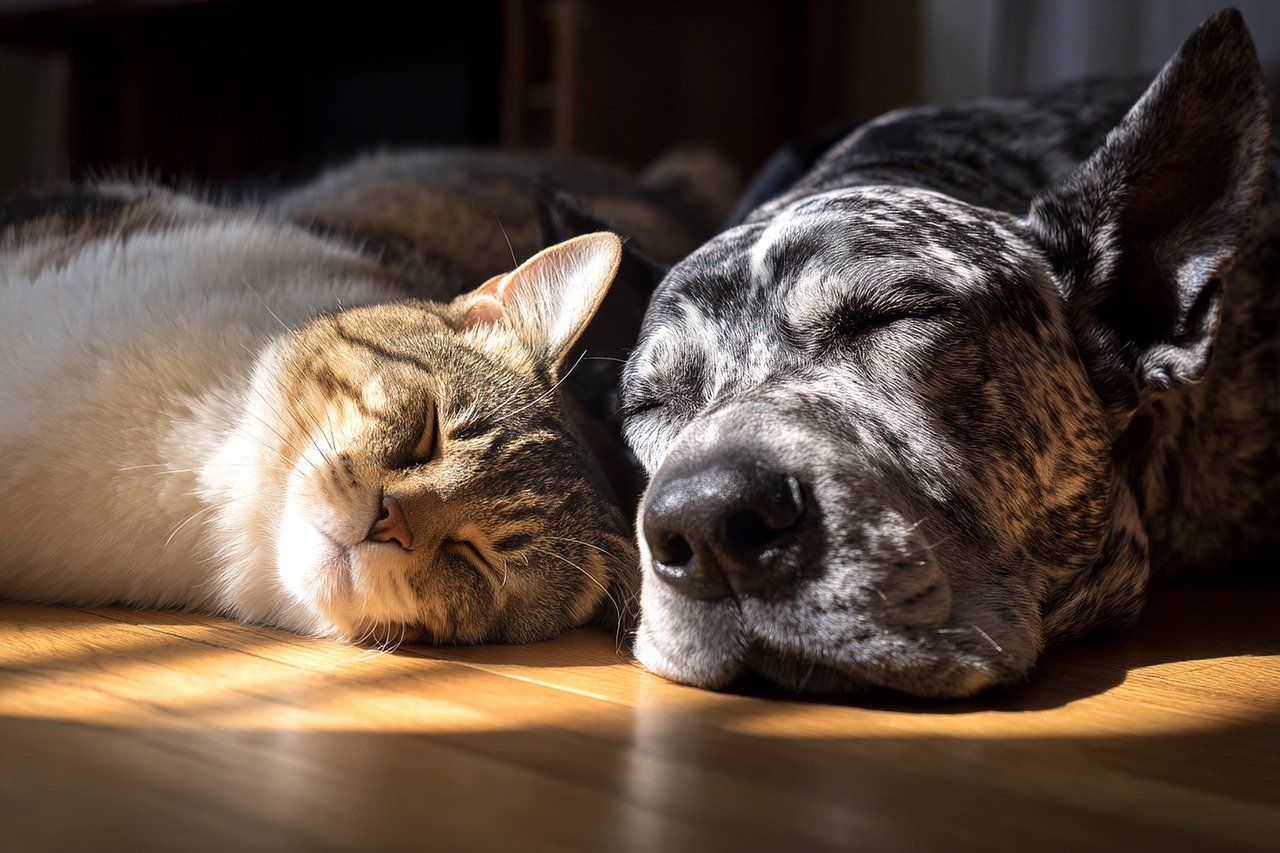
The key to a peaceful multi-pet household lies in understanding your cat’s individual personality and the natural behaviors of potential companions. In the end, it really comes down to your cat’s personality and their ability to play well with others. Some cats are just meant to be only-children and rule the roost the way they see fit. While some cats adapt well to sharing their space, others thrive as solo acts.
Remember that even successful pet pairings require careful introduction, constant supervision, and backup plans when things don’t work out. Your cat’s wellbeing should always come first, and sometimes that means accepting they prefer to be the only star of the show. What’s your experience been with introducing new pets to your feline? Have you discovered any surprising friendships or challenging combinations?