Most cat owners assume their shy, standoffish feline will never fully warm up to them – but the truth is far more surprising. Trust with a skittish cat isn’t a single dramatic moment; it’s a series of tiny, easy-to-miss signals that build over weeks or months.
Most people wait for their cat to become a lap cat overnight, then feel defeated when it never happens. But behaviorists say that’s the wrong metric entirely – a shy cat can trust you completely while still refusing cuddles, refusing pickups, and darting away from guests. Here’s what cat behavior experts actually say separates a cat who merely tolerates you from one who has genuinely decided you’re safe for good.
#1 – The Slow Blink Finally Shows Up
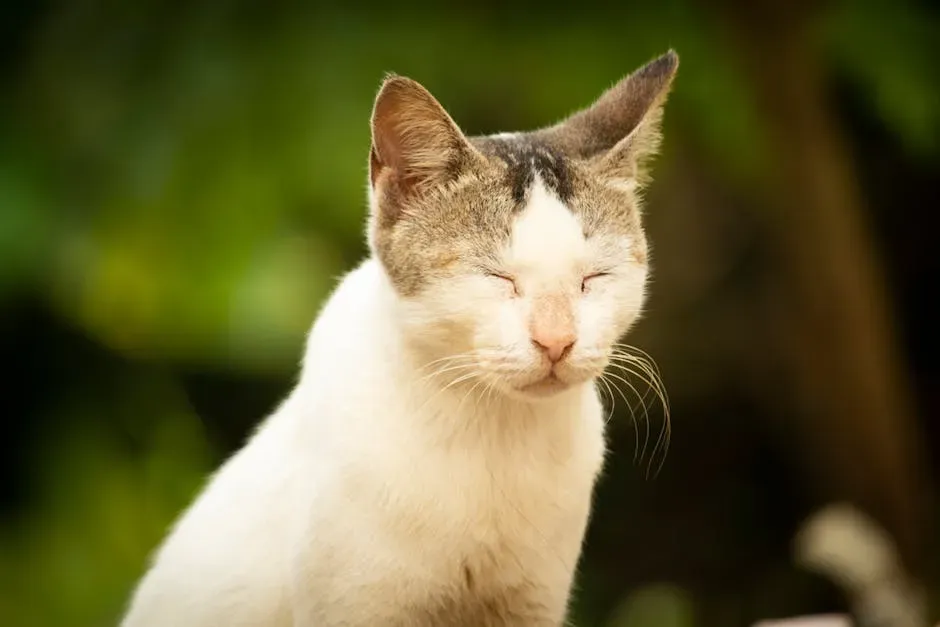
A cat who slow-blinks at you has crossed an invisible line that few humans ever notice.
For a species wired to stay alert at all times, closing the eyes around another creature is a massive risk. Closing their eyes around you makes them vulnerable, and they only shut their eyes to sleep or when they feel very safe, so that languid blink is their way of saying you’re no threat. This isn’t a random twitch – it’s deliberate, slow, and almost always paired with a soft, relaxed face.
The most surprising part is that this behavior is contagious. Your cat’s slow blink is a sign that they trust you and feel comfortable around you – it’s as close to an “I love you” from them as you’ll ever get. Once a formerly shy cat starts doing this from across the room, unprompted, it’s a clear sign the wall has come down for good. Return the gesture next time – it deepens the exchange. But that’s nothing compared to what we found about #2…
#2 – They Roll Over and Show You Their Belly
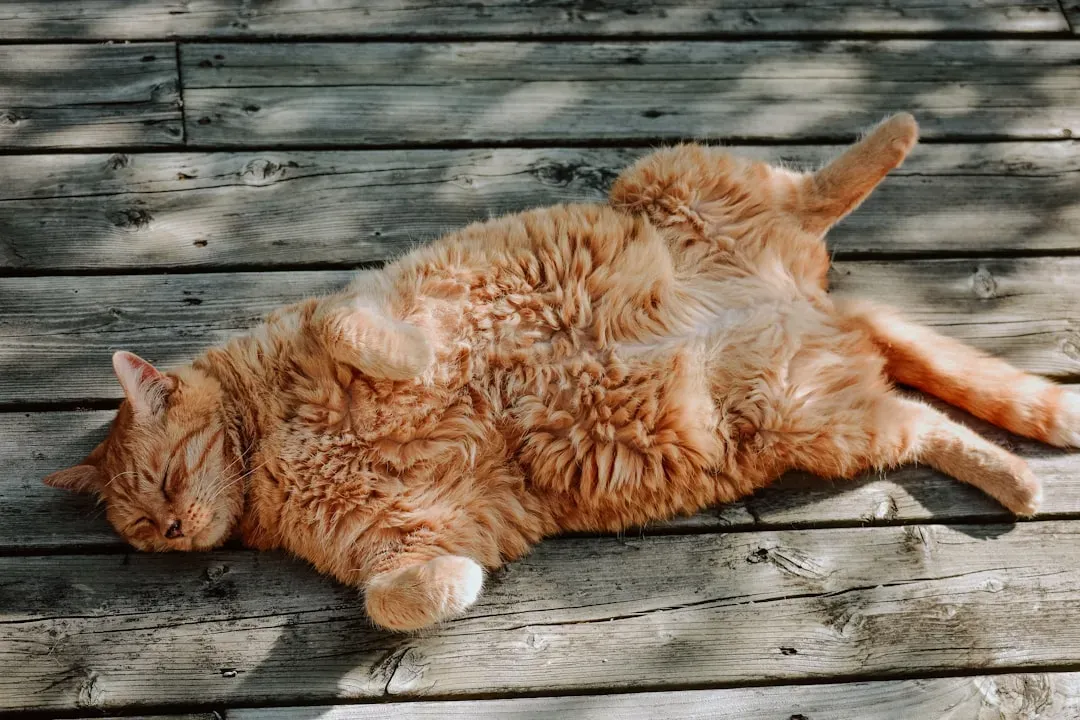
This one gets misread constantly, and it’s costing owners the trust they worked so hard to build.
A cat’s belly is a particularly tender spot, and if she rolls onto her back and exposes her belly, she’s telling you she’s comfortable being around you. For a shy cat especially, this is enormous – it means the constant vigilance has finally switched off, even if just for a moment.
Here’s the controversial part: reaching for that belly the second you see it is one of the biggest mistakes new owners make. This doesn’t necessarily mean your cat wants you to pet her belly, though; most cats don’t actually like that, and it’s mainly a sign that she feels protected when you’re nearby, since being on her back is a defenseless position. Experts increasingly agree that touching it uninvited can actually undo months of progress with a previously shy cat. Treat it as a compliment, not an invitation. But #3 is where things get even more interesting…
Worth Knowing
- Belly-up is one of the most physically vulnerable positions a cat can take
- It’s a trust signal, not an invitation to touch
- Most cats still dislike belly rubs even while relaxed
- Forcing contact here can undo weeks of progress with a shy cat
#3 – Sleeping Near or On You Becomes Normal
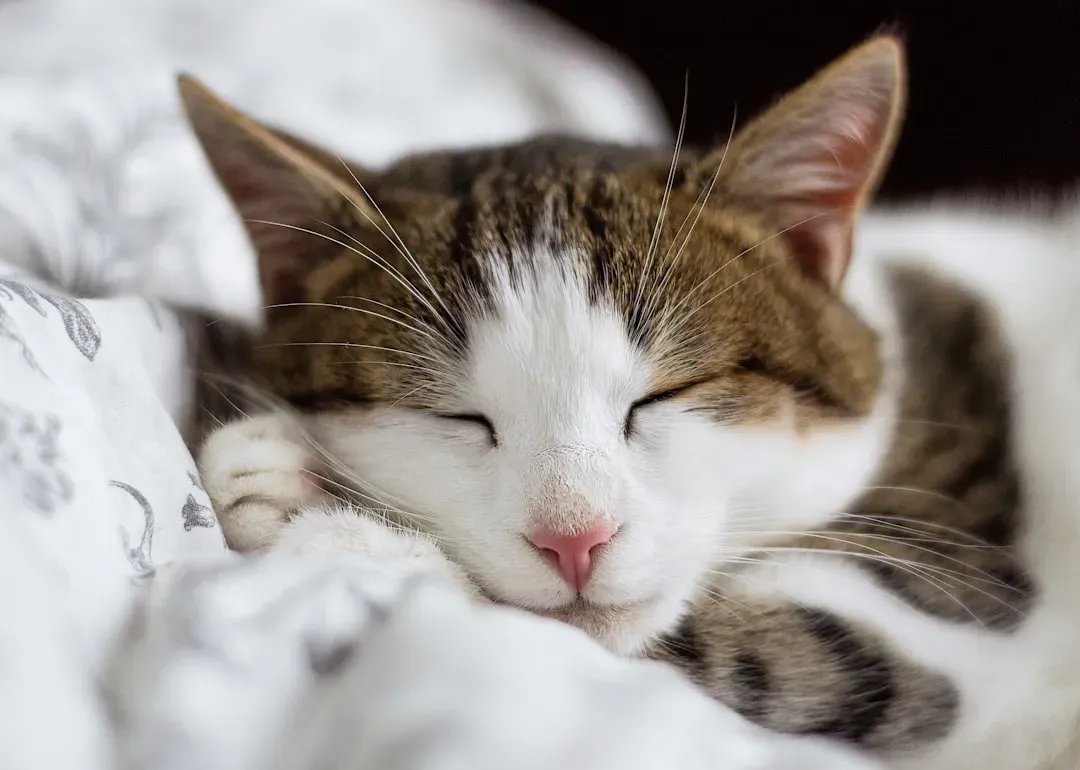
If a formerly hide-under-the-bed cat starts napping within arm’s reach, something has fundamentally shifted.
Sleep is the single most defenseless state an animal can be in, and cats know it. A cat that sleeps near you is a cat that trusts you – sleep is a vulnerable state, and cats, being cats, will be super vigilant. They will never fall asleep in a place where they feel threatened. A shy cat choosing your bed, your lap, or even just the same room over a closet or under-furniture hideout is a massive vote of confidence.
The escalation matters here, too. If your cat sleeps on your chest or on your face, they are showing an exceptionally high level of trust, since they are choosing you over any other option in the house. For a cat who once bolted at the sound of footsteps, this is basically the feline version of moving in together. But wait until you hear what #4 reveals…
#4 – Kneading Starts Showing Up Out of Nowhere
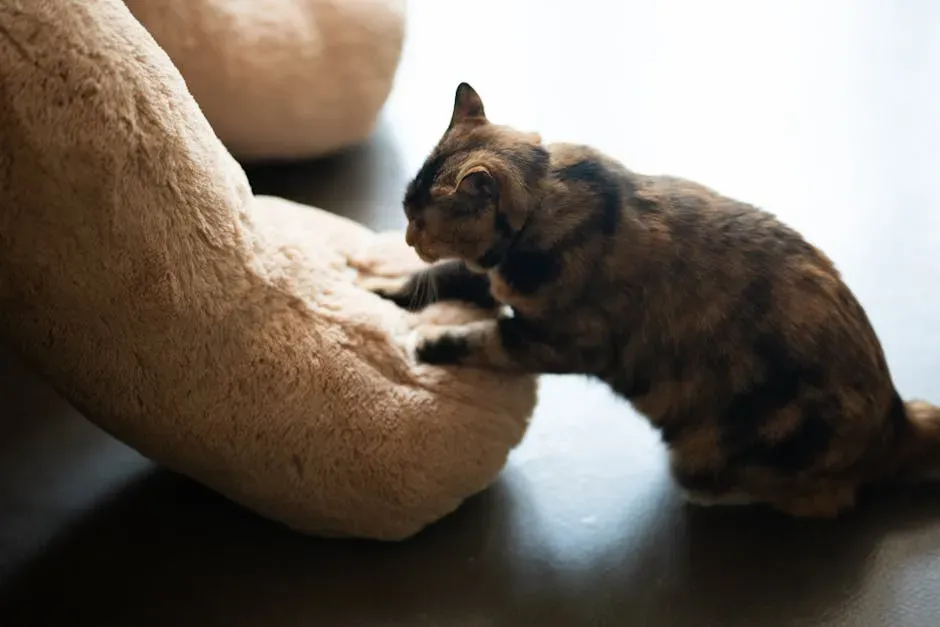
That rhythmic paw-pressing motion, often called “making biscuits,” is rooted in a memory most owners never think about.
Kneading, or “making biscuits” as some like to call it, is a behavior that cats learn during kittenhood – kittens knead their mother’s belly to stimulate milk flow, and this behavior becomes associated with comfort, warmth, and security. When a once-shy cat starts kneading a blanket near you or, even more tellingly, kneads directly on your lap, they’re mentally filing you under “safe” using the deepest instinct they have.
Most people don’t realize how primal this really is. If your adult cat kneads you, they are tapping into their deep sense of safety and contentment – one of the most primal trust behaviors that a cat can display, showing you that they associate you with the same security they felt as a kitten. A shy cat rarely fakes this one. But #5 might be the sign that surprises skeptics the most…
#5 – They Start Following You From Room to Room
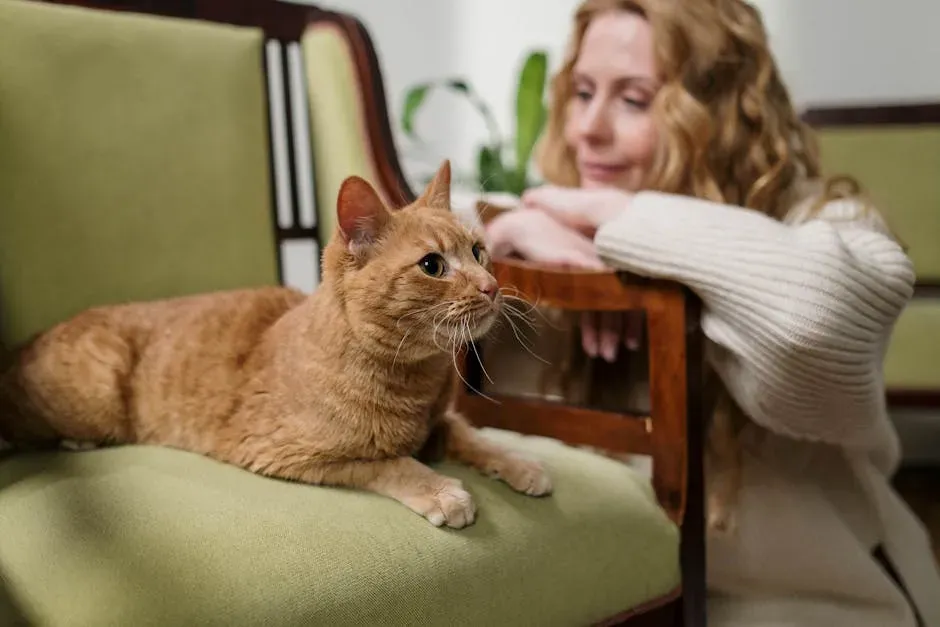
A cat who once vanished the moment you stood up now trails behind you like a shadow – and that’s not a coincidence.
Cats are territorial and like to operate on their own schedule, so if your cat follows you around the house or waits for you outside of the bathroom door, they feel genuinely attached to you and want to be close to you because they feel comforted around you. For a cat who used to disappear the second you entered a room, choosing proximity on their own terms is a major reversal.
Watch the tail while this happens. The position of their tail during the following is crucial – a very high, upright tail with a slight curl at the tip is a very clear indicator that they are happy, secure, and want to interact with you. A shy cat following you with a relaxed, upright tail has essentially declared you part of their inner circle. Here’s a sign almost nobody talks about, though…
#6 – Using the Litter Box While You’re in the Room
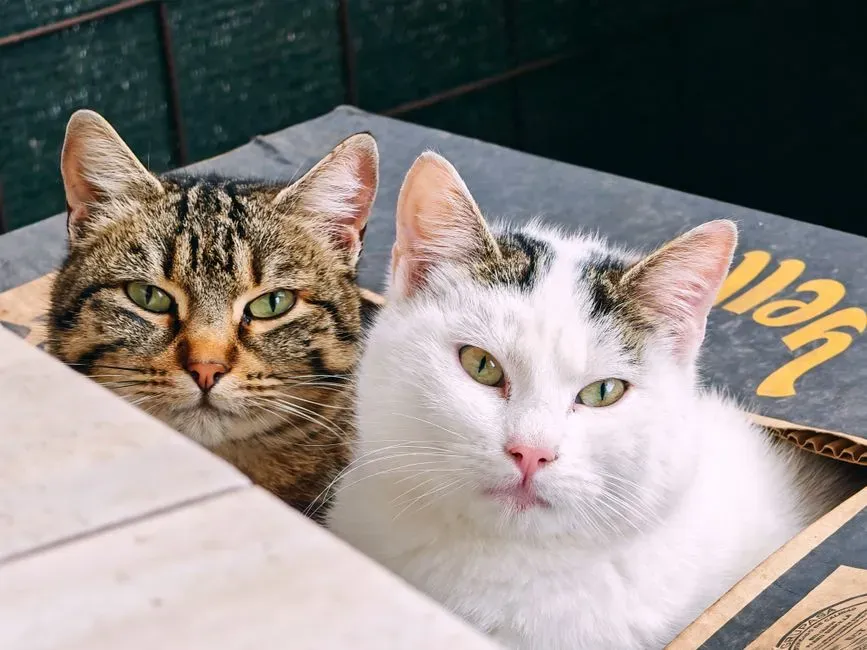
This sounds mundane, but experts say it’s one of the clearest – and most overlooked – trust markers there is.
One of the strongest signs is when a cat uses the litter box while you’re still in the room – elimination is one of the most vulnerable moments in a cat’s daily routine, and in nature, a predator could ambush them during this time. A shy cat that once waited until you left the house to use the box, but now goes while you’re nearby, has made a huge behavioral leap.
This is genuinely a debated marker among cat owners because it seems too small to matter – but behaviorists disagree. Even though the act itself is private and exposed, a trusting cat will not feel the need to hide or wait for you to leave the room. If your shy cat has stopped waiting for privacy, take it seriously. But #7 takes vulnerability to a whole different level…
Fast Facts
- Elimination is one of the most exposed moments in a cat’s day
- Wild cats are especially vulnerable to predators during this time
- A shy cat using the box near you signals lowered guard
- This sign is easy to miss because it looks like “just using the box”
#7 – They Eat or Take Treats From Your Hand
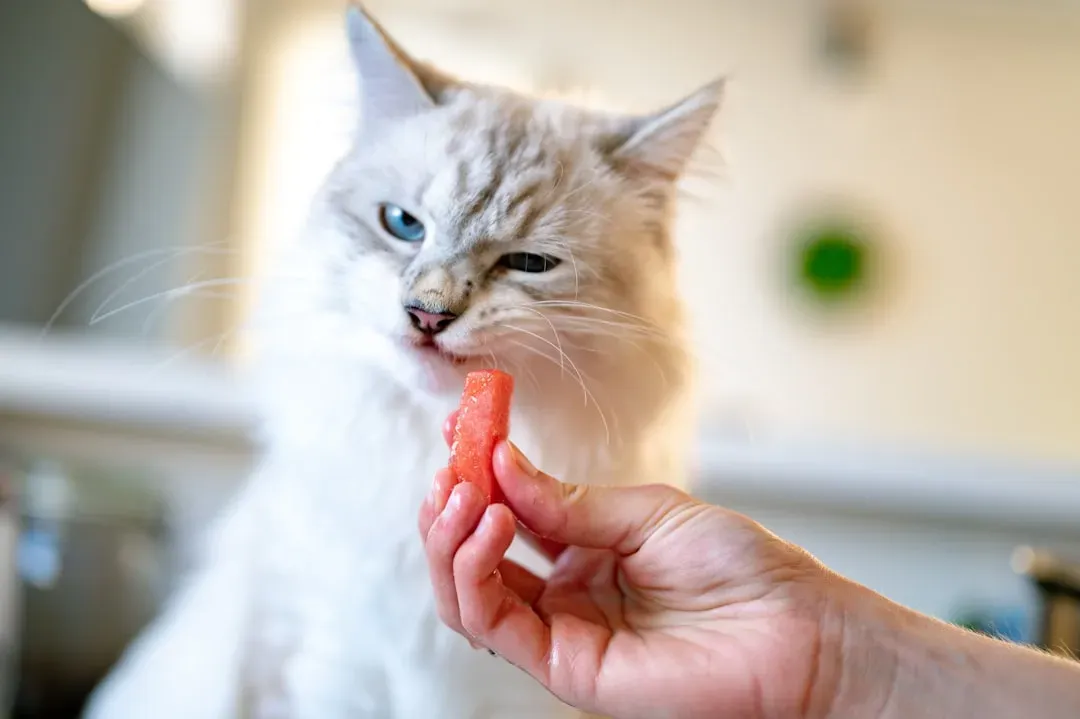
For a naturally cautious animal, accepting food directly from a human hand is a bigger deal than most owners give it credit for.
Many cats won’t take food from a human’s hand unless it is someone they trust very much, because cats are instinctively wary and don’t take treats easily from strangers’ hands, unlike many dogs. A formerly shy cat who now approaches your open palm without hesitation has overridden a deep survival instinct just to be near you.
Even eating nearby – not just from your hand – counts. If your cat eats when you are around, even if you are not able to reach them, they are being vulnerable by not looking at you and focusing on the meal, which is a good sign that the cat is starting to trust you. Some experts argue this is actually a stronger trust signal than purring, since it requires the cat to lower its guard completely. But #8 is where the scent-marking secrets come in…
#8 – Head Bunting and Cheek Rubs Become Routine
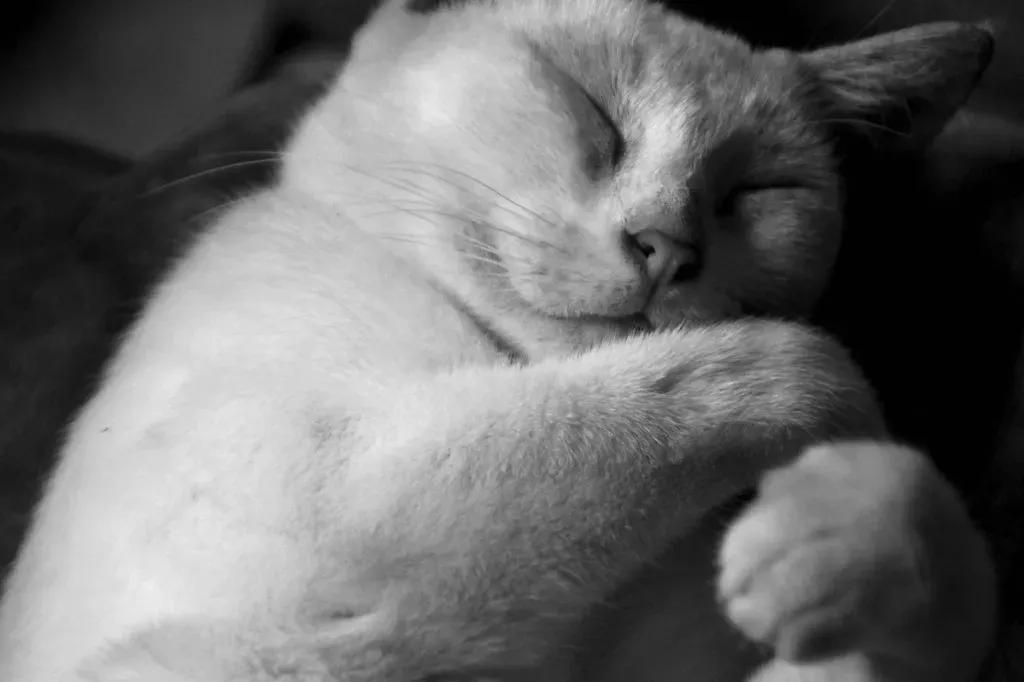
When a shy cat starts pressing its forehead or cheek against you unprompted, it’s doing something far more calculated than simple affection.
Your cat may nudge its head, forehead, or cheeks against you – it’s not just a demand for attention, it’s a profound sign of affection called bunting, and because cats have scent glands on their faces, rubbing against you means they are marking you with their pheromones, essentially claiming you as part of their family group and saying, “I trust you.”
Here’s the detail most owners miss: cats are extremely selective about who gets this treatment. Cats don’t bunt objects or people they’re wary of, so if your cat does this to you regularly, they have claimed you thoroughly. For a shy cat, this often starts small – a quick cheek graze against your ankle – before escalating into full forehead presses. Once it becomes a daily habit, the trust is locked in. But #9 shows up in a place most people never think to look…
#9 – The Tail Goes Up, Not Down
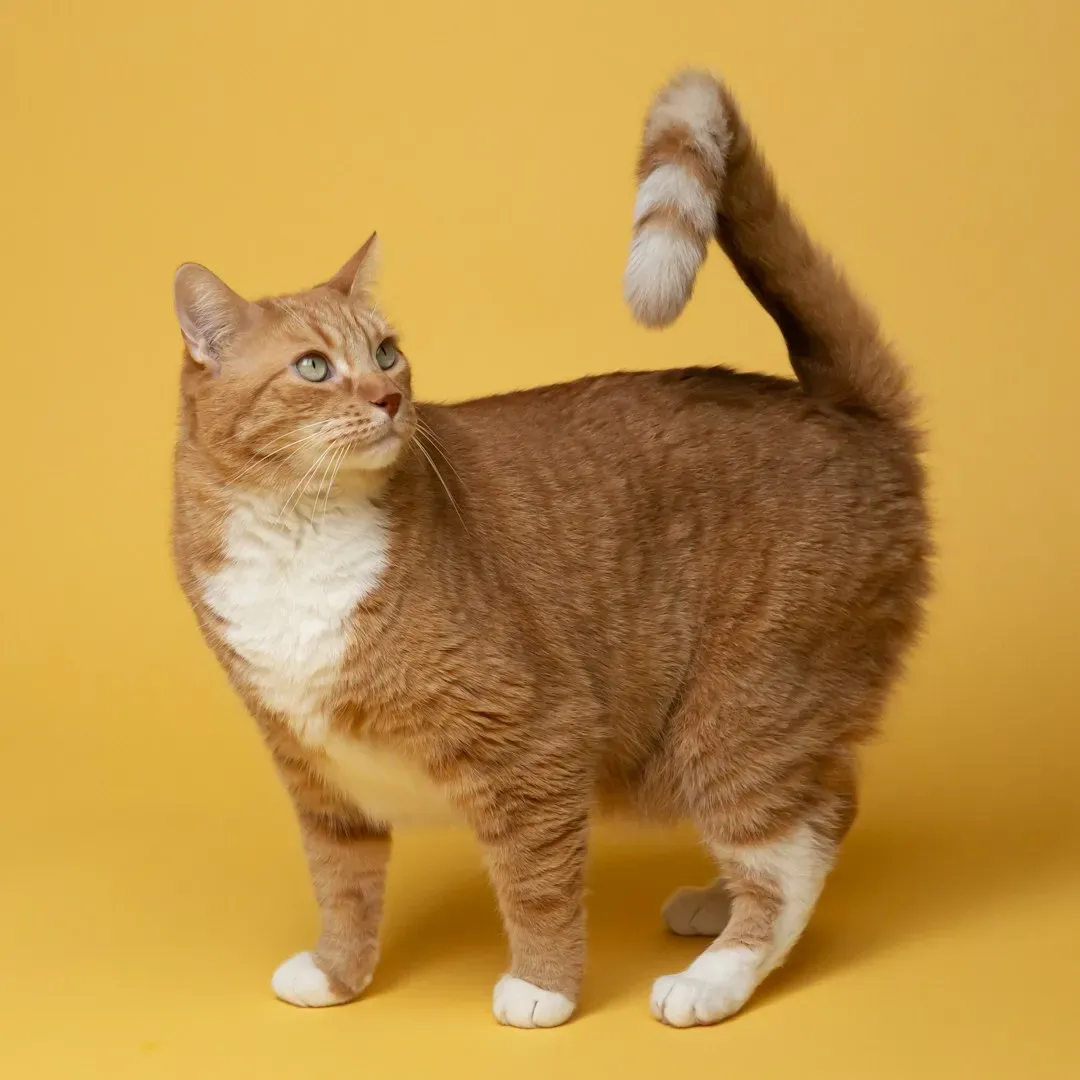
A cat’s tail is essentially a live readout of their emotional state, and shy cats will tell you everything through it if you know how to read it.
A cat’s tail is an emotional thermometer – if a cat has its tail held high and upright, often with a slight curve at the tip, they are saying, “I trust you.” It is the feline equivalent of a warm hello. For a formerly skittish cat, watch for the shift from a low, tucked tail near you to one that rises the moment you enter the room.
This is one of those signs vets specifically point to as reliable. A tail that stays up around you, and only you, is a strong personal signal.
When a cat trusts you, their tail will be relaxed and often held up, which reveals they are actively interested in an interaction.
Dr. Stephanie Borns-Weil, Cummings School of Veterinary Medicine at Tufts University
But #10 is the gift nobody wants – and everyone should appreciate anyway…
#10 – The “Gifts” Start Appearing
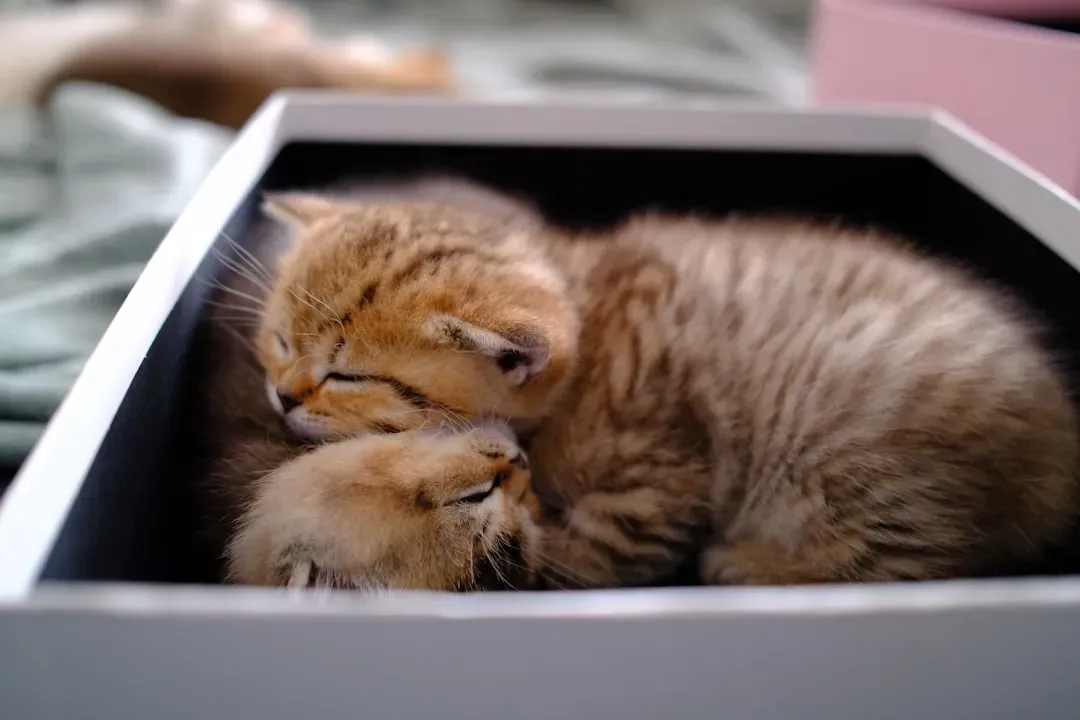
Finding a dead bug, a mangled toy, or worse at your feet isn’t gross behavior – it’s actually one of the highest compliments a cat can pay.
A gift is a clear sign that your cat trusts you, because they’re including you in their social group and sharing their hunting success – whether it’s a toy mouse or an actual creature from outside, they’re showing you that they consider you family. For a shy cat, hunting and delivering a “gift” means they’ve mentally slotted you into their tiny circle of trusted companions.
Most people scream or scold when this happens, which experts say is exactly the wrong reaction. If your cat has ever brought you one of these “gifts,” it means that they see you as a part of their social group, and to them, bringing food to their group members is a nurturing behavior – don’t be angry with them; they are trying to tell you that you matter enough to share with. A shy cat doing this for the first time is a milestone worth celebrating, not cringing at. But #11 involves something even a shy cat rarely does for strangers…
Quick Compare
- Wrong reaction: Yelling, flinching, or tossing the “gift” away immediately
- Right reaction: Calm acknowledgment, then quietly removing it later
- Wrong takeaway: Treating it as gross or accidental
- Right takeaway: Recognizing it as an invitation into their trusted circle
#11 – They Start Grooming You
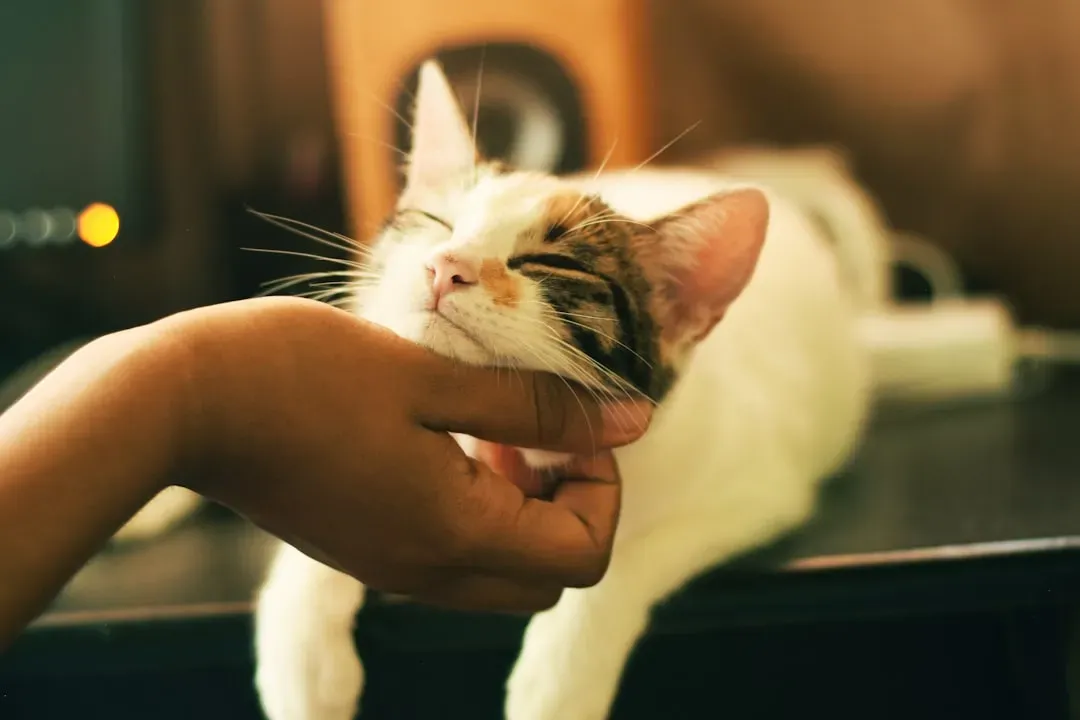
If your once-distant cat starts licking your hand, hair, or arm, it’s tapping into one of the most exclusive social behaviors in the feline world.
Mutual grooming, or “allogrooming,” is a typical cat behavior reserved for cats with a deep social bond – if your cat licks your hand, hair, or face, it is a good sign, as they are treating you as part of their feline family. Cats don’t allogroom acquaintances; this behavior is saved for the cats and people they trust most deeply.
The instinct behind it runs deep, too. When your cat grooms you or allows you to groom them, it is often an indication that they not only trust you, but see you as a member of their family. For a shy cat, this is often one of the last behaviors to appear – meaning if it’s happening, the trust is well established. But #12 is about what your cat’s whole body is telling you…
#12 – Their Whole Body Finally Relaxes Around You
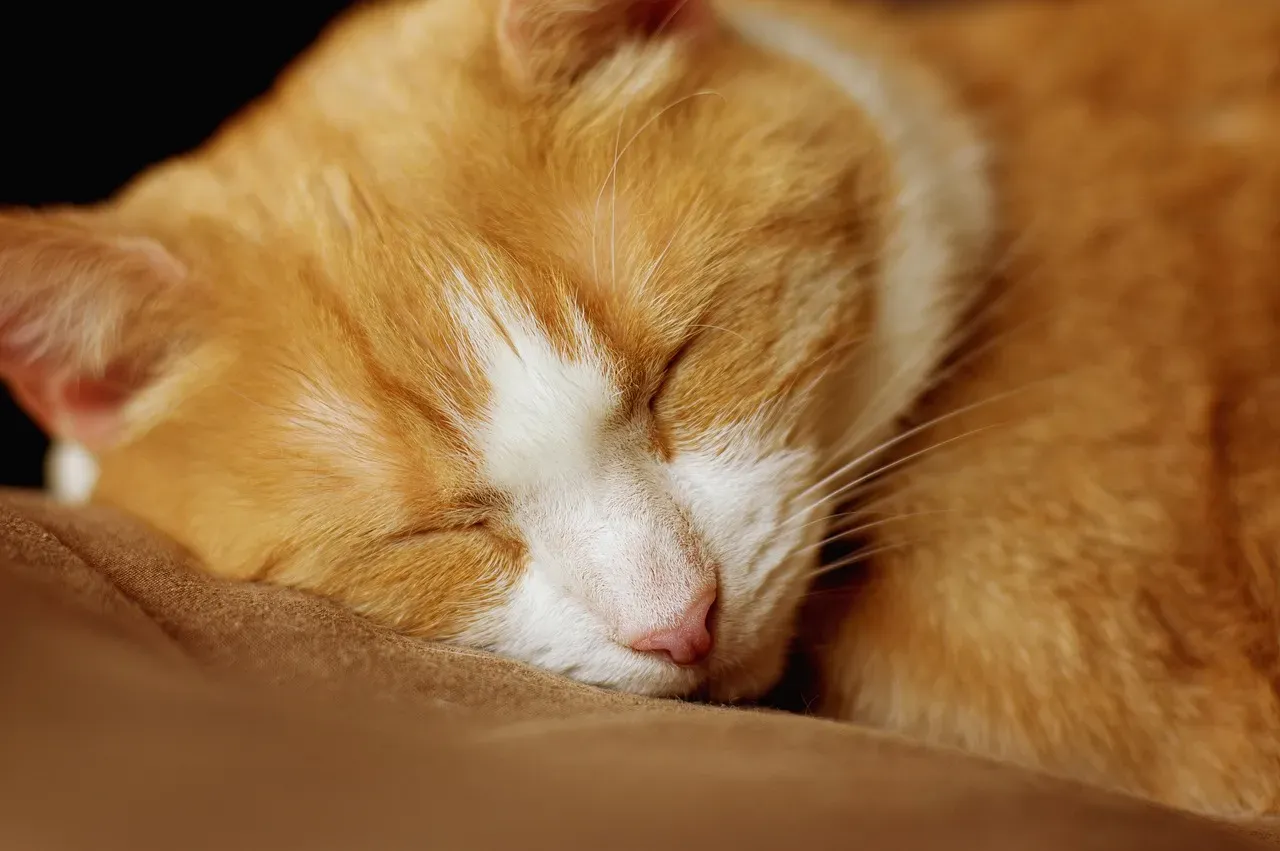
Forget individual gestures for a second – sometimes the biggest sign is simply the absence of tension.
A cat that truly feels at ease with you will avoid defensive body language such as crouching low, flattening its posture, or tightly tucking itself in, and instead will often relax in your presence, stretching out or lounging nearby as if it has no need to stay guarded. For a shy cat, this shift can take months, but it’s unmistakable once it happens – no more flinching, no more low crouch, no more bolting at sudden movement.
Even lounging position matters here. Loafing, keeping ears forward, and letting muscles, fur, and whiskers stay loose all signal deepening comfort, and the more at ease your cat is, the more they trust that they are safe with you. This full-body relaxation is arguably more reliable than any single gesture, because it can’t really be faked. But #13 is the ultimate proof – the moment shy-cat owners wait years for…
#13 – They Come Out of Hiding Just Because You’re Home
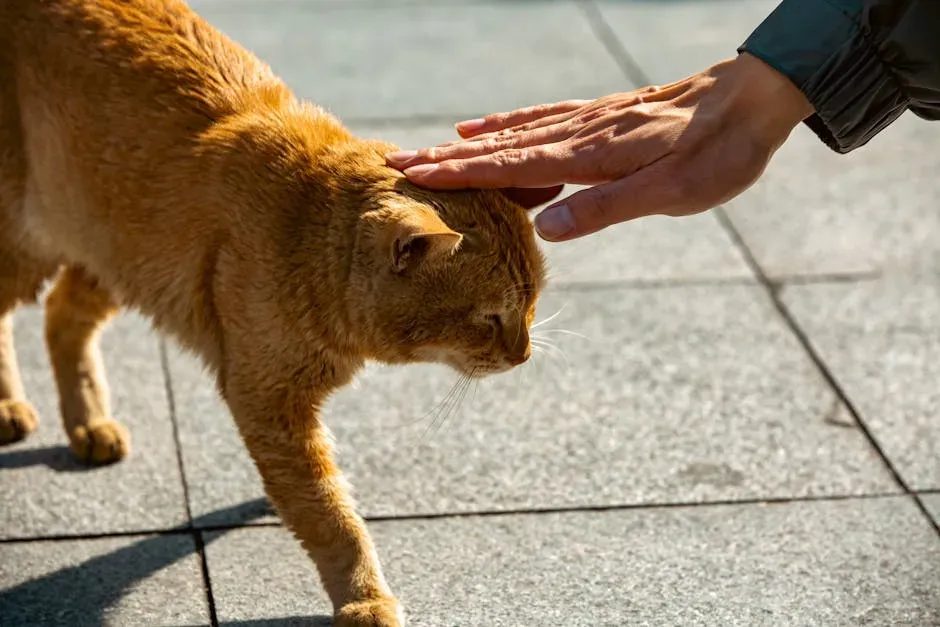
For a genuinely shy cat, this is the finish line – and it’s more emotional than any other sign on this list.
Behaviorists point out that some cats reserve their most extreme trust displays for their most anxious moments. This is one of the biggest signs your cat trusts you – maybe they let you trim their nails or hold them, or in some extreme cases, only come out of hiding when you are around. A cat that spent months bolting under the bed at every sound, but now emerges the second it hears your specific footsteps, has made you their designated safe zone.
This is the sign experienced cat owners say matters most, and it’s genuinely worth arguing over: no amount of belly-flashing or head-bunting compares to a cat choosing vulnerability during actual fear. If your shy cat runs toward you – not away – during a thunderstorm, a doorbell, or a stranger’s visit, that’s the deepest form of trust a cat can offer a human.
At a Glance
- Slow blinks and relaxed tails show everyday comfort
- Grooming and kneading show deep emotional bonding
- Coming out of hiding during fear shows total trust
- This final sign is the one most shy-cat owners wait years to see
The Bottom Line
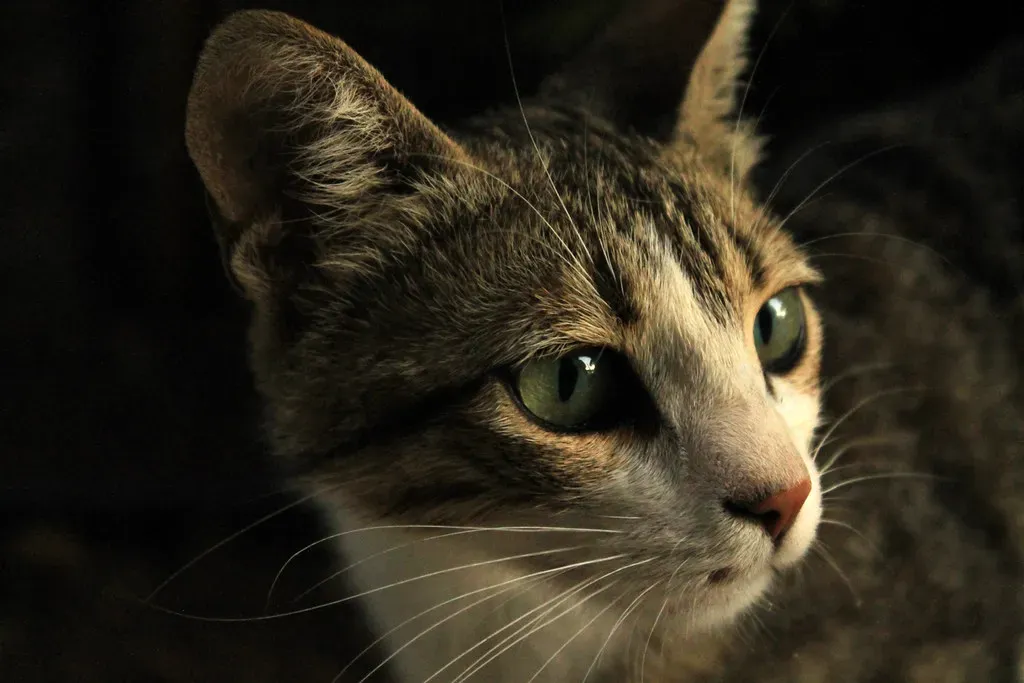
Here’s the uncomfortable truth most cat owners refuse to accept: a shy cat’s trust rarely looks like a movie montage – no dramatic cuddle sessions, no sudden personality flip. It looks like a slow blink from across the room, a tail that stays up instead of tucked, or litter box privacy that quietly disappears.
The biggest mistake people make is rushing belly rubs or forcing affection the moment they spot one of these signs, which can actually set progress back for a genuinely anxious cat. Real trust is built in inches, not leaps, and the payoff – a cat who runs toward you instead of away – is worth every month of patience. Which of these 13 signs has your shy cat shown you first? Drop it in the comments.
Kristina is a young writer from India. An arts graduate and an avid content creator, Kristina is passionate about animals and wildlife. She enjoys exploring topics related to pet care, animal behavior, conservation, and nature, combining thorough research with engaging storytelling.