Most cat owners have made peace with a quiet suspicion: their cat merely tolerates them. Feed schedules get followed, litter boxes get cleaned, and in return you get a cat that watches you from across the room like a tiny, unimpressed landlord. That’s the story most of us have accepted.
Except feline behaviorists have spent the last decade quietly dismantling that idea. Cats have an entire love language running underneath the surface, built on scent, sound, and posture, and most of us have never been taught how to read a single word of it. That “aloof” cat sitting three feet away might be telling you something more affectionate than anything a dog could manage with a full-body wag. Here are the 13 tiny signals experts say actually mean your cat loves you, starting with one almost every owner has heard and completely misunderstood.
#1 – The Chirp That Means “Follow Me, I Like You”
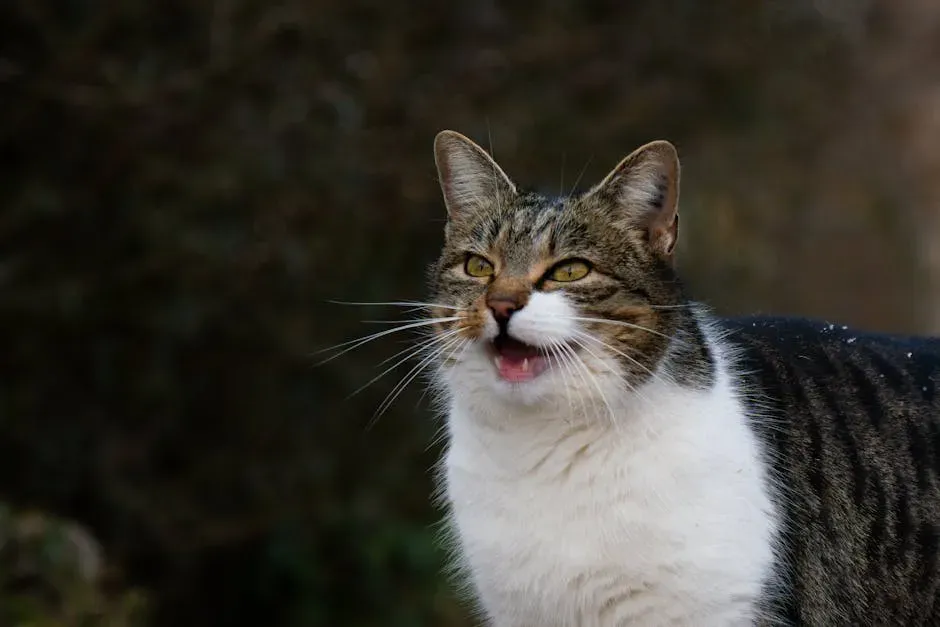
That odd little bird-like squeak your cat makes isn’t random noise. It’s a private greeting reserved for people they’ve decided are safe.
Chirping and trilling started as a kitten-to-mother sound, and cats never fully outgrow it. Soft trills, chirps, or conversational meows are widely recognized as affection signals, and cat owners online describe the exact same pattern over and over, like one owner whose cat waits at the bottom of the stairs specifically to call her down when she wants company.
Most people don’t realize this sound is selective. Cats don’t chirp at strangers, delivery drivers, or the vet tech holding the needle. They save it for the handful of humans they’ve personally vetted. If your cat trills the second you walk in the room, that’s not random – it’s a hello reserved just for you, and it might be the most underrated affection cue on this entire list. And the next signal is even bigger; it happens the moment you walk through the front door.
#2 – The Rattle-Tail Greeting at the Front Door
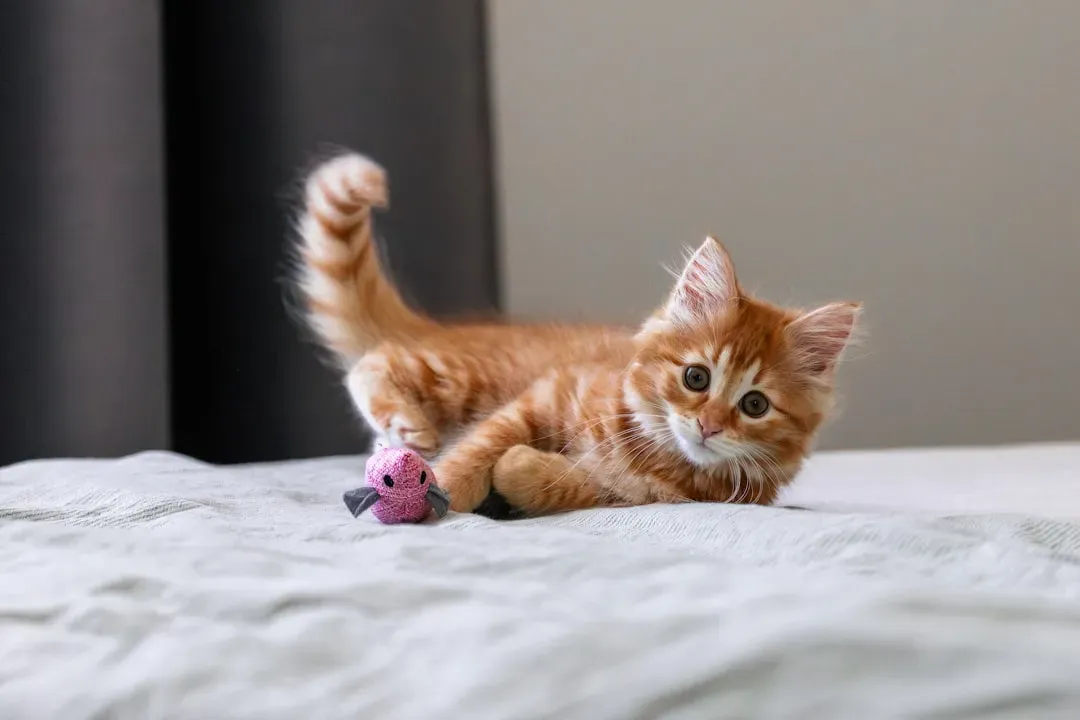
Forget tail wagging. Cats have their own version, and honestly, it’s arguably more intense.
When some cats are thrilled to see you, their tail doesn’t just rise, it vibrates. Some cats will even rattle their tail while walking, weaving between your legs and vocalizing in a full-body greeting ritual that most owners mistake for begging. In reality, your cat is showing you it missed you, often following the rattle with a slow figure-eight around your ankles and its tail curling briefly around your leg.
Here’s the part that trips people up: many owners assume this is purely a food request. Sometimes it is. But experts note it can just as easily be pure joy at your return, no meal required. Either way, that rattling tail is a greeting reserved specifically for people the cat has bonded with. As sweet as that is, the next one is genuinely gross, and genuinely one of the deepest compliments a cat can give.
Fast Facts
- Tail straight up usually signals confidence and a friendly mood
- A puffed, low tail is a fear or defensive posture, not affection
- A quivering, vertical tail is an excited greeting often saved for favorite people
- A tail wrapped around a person or another cat points to real trust and bonding
#3 – Bringing You Dead Bugs (and Worse)
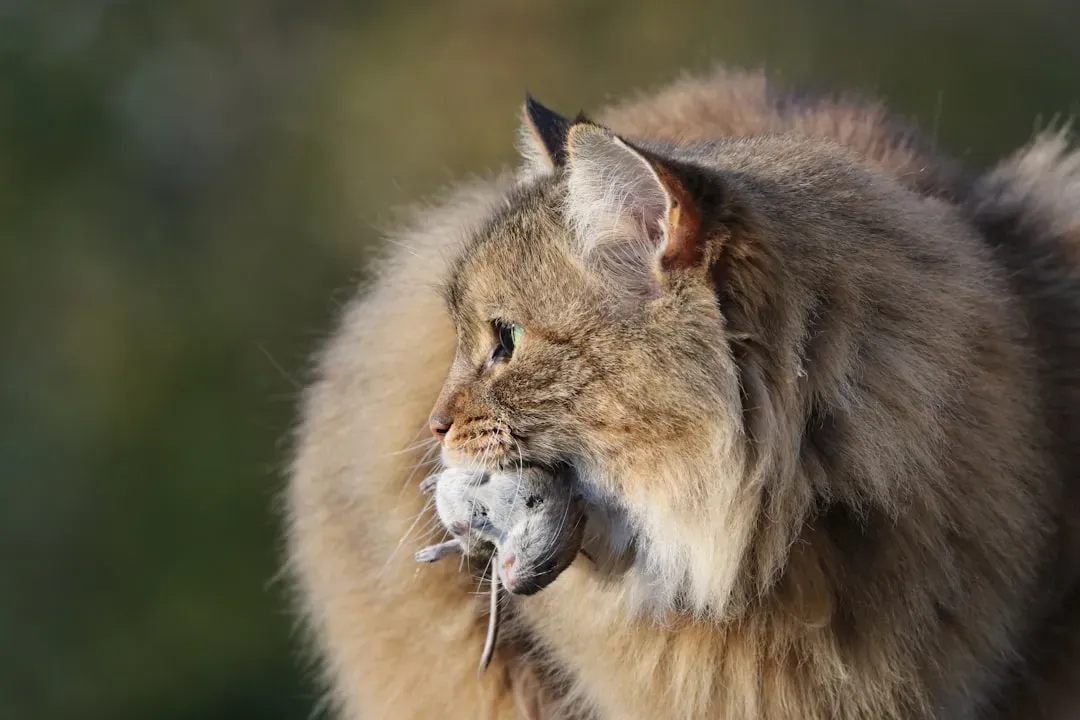
This one is disgusting. It’s also, weirdly, one of the clearest declarations of feline devotion you’ll ever receive.
Cats don’t share prey with just anyone. In the wild, hunting spoils are hoarded or eaten alone, never handed off. So when a cat drops a bug, mouse, or bird at your feet, it’s a genuine act of generosity from an animal that evolved to guard its kills. Whether it’s a real catch or a toy substitute, that gift on your doormat is a loyalty statement.
Your reaction matters more than you’d think. Experts warn that reacting with disgust or anger can leave a cat genuinely confused, so the better move is to stay calm and clean it up quietly. Reject the gift too dramatically, and you risk bruising a bond your cat worked hard to build. If gifts sound intense, wait until you see what your cat’s belly is actually telling you.
#4 – Rolling Over to Show You Their Belly
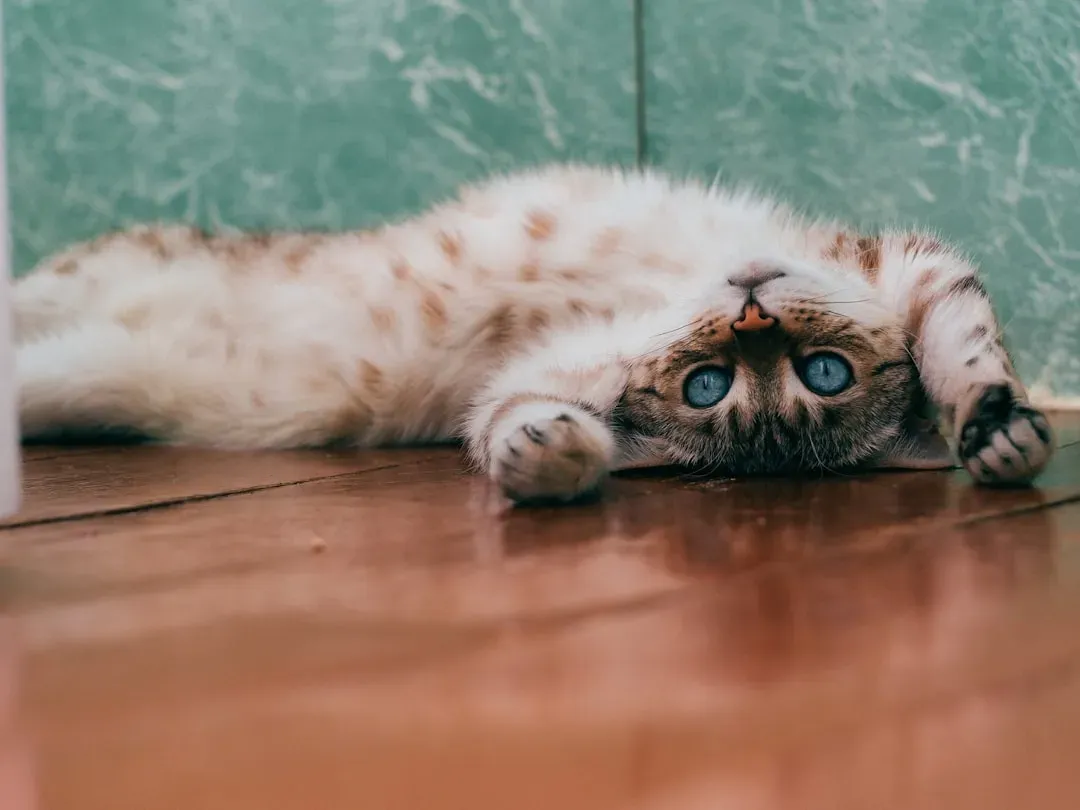
A cat’s stomach is the single most vulnerable part of its body. Exposing it isn’t an invitation to rub – it’s a trust test you’re already passing just by being there.
A cat’s belly leaves every organ exposed, so when a cat rolls onto its back in front of you, it’s telling you it trusts you not to hurt it. That’s a massive statement from an animal whose entire evolutionary history is built around self-protection and staying guarded.
Slightly controversial opinion: petting the belly is usually a mistake. Most cats offer this posture as a display, not a request. Go in for a rub and you may get swiped, not because your cat was lying about loving you, but because the invitation was visual, never physical. Appreciate the gesture from a respectful distance instead. The next behavior takes trust even further; it’s your cat treating you like actual family.
#5 – Grooming You Like You’re One of Their Own
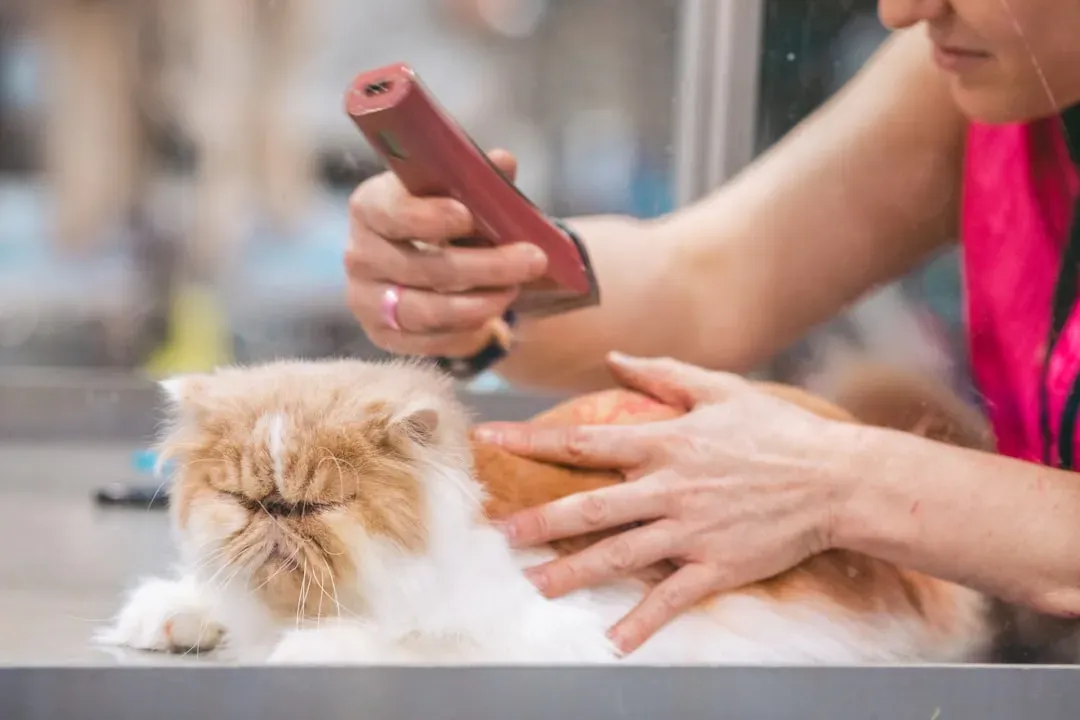
If your cat has ever licked your hand, hair, or arm, congratulations. You’ve been formally accepted into the family.
Grooming between cats is reserved for bonded relationships, a way of marking each other and reinforcing trust, and that same behavior extends to humans once a bond is established. It mirrors exactly what mother cats do for kittens, which is why the gesture feels so deliberate and oddly tender coming from an animal that rarely does anything by accident.
But watch the warning signs. Fast tail swishing, growling, or hissing mid-groom means the behavior has tipped into overstimulation, especially if it’s forceful or drags on too long. Affection has limits, even from the most devoted cat. A few licks is love; ten straight minutes might be your cat telling you to stop. There’s a quieter signal too, one so subtle most owners never even notice it happening.
#6 – The Curled Tail Wrapped Around You
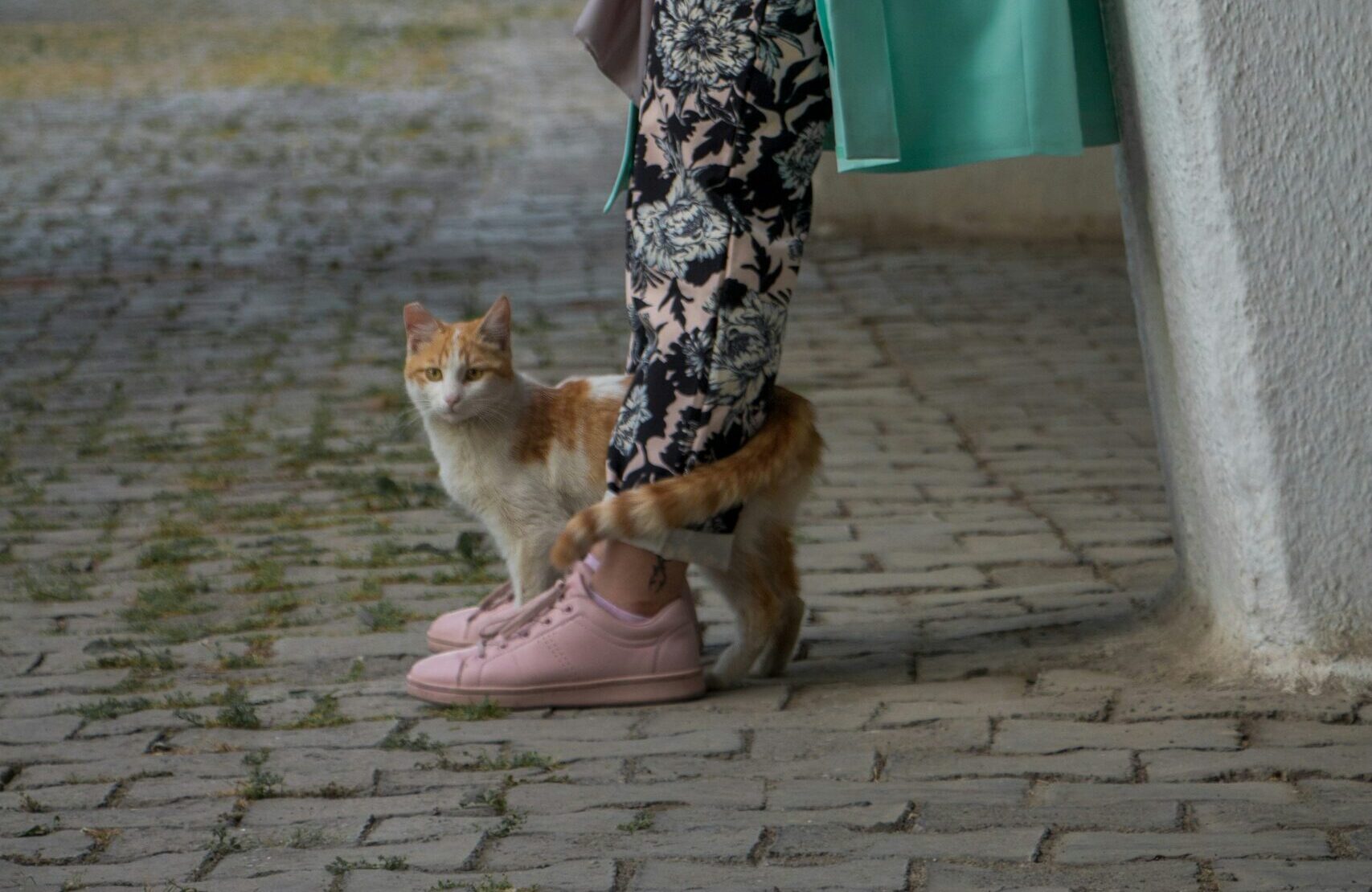
Cats can’t wag their tails to show excitement the way dogs do, so instead, they wrap them around the people they adore.
A cat curling its tail around your leg, arm, or hand is doing exactly what it would do with a trusted feline companion. A tail held up and curled signals confidence and security in a space, and when that same curl drapes over your wrist while you’re sitting together, it’s essentially the tail version of holding hands.
Most people miss this signal entirely because it’s quiet and often happens mid-nap. Unlike a loud meow or a headbutt, the tail wrap requires you to actually notice your cat’s body language instead of waiting for a demand. Once you start watching for it, you’ll realize it happens far more often than you ever gave your cat credit for. Some cats show love even when you’re not paying attention at all.
#7 – Following You From Room to Room
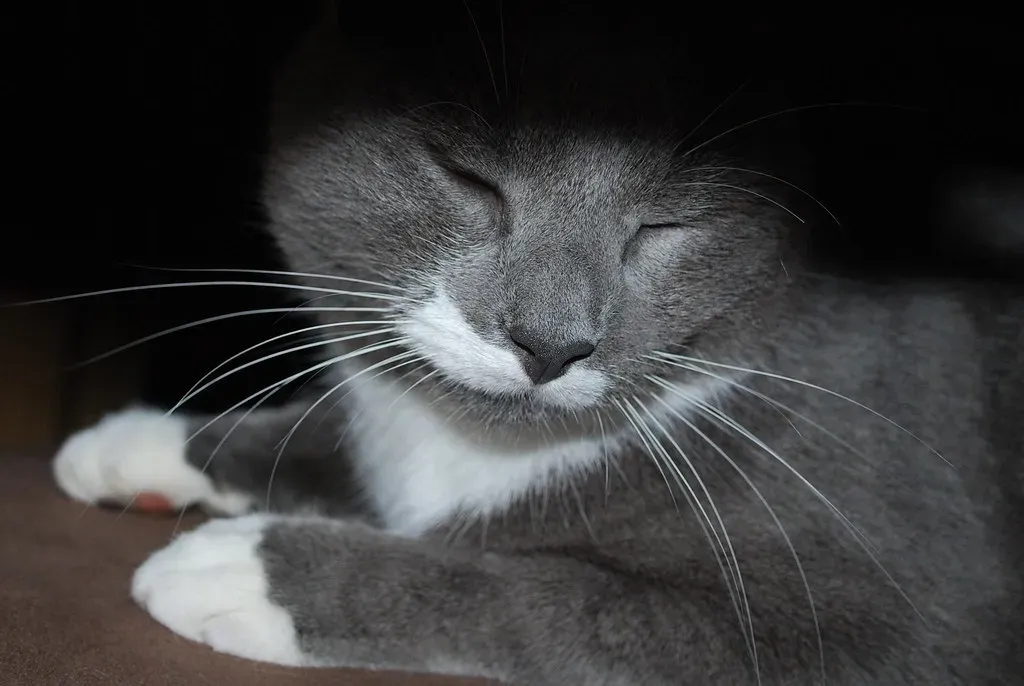
Some cats act less like pets and more like tiny, silent shadows, appearing in every doorway you walk through without a sound.
This isn’t purely about supervision or hunger. Cats often follow the people they love and trust around the home, staying close the way bonded cats in a colony stick near each other rather than wander off alone.
Here’s the part that surprises people: this following behavior is often strongest in cats labeled independent or “cold.” A cat that never asks for lap time but silently trails you into the bathroom, kitchen, and bedroom is showing constant, low-key devotion. These quiet companions prefer shared space over constant touch, staying calm and observant nearby, with affection that’s steady rather than showy. But nothing tops the vulnerability of what a cat does when it falls asleep on you.
Worth Knowing
- “Aloof” and “affectionate” aren’t opposites – plenty of independent cats are deeply bonded
- Silent shadowing, with no meowing or demands, is often a purer sign of trust than begging for attention
- Cats in multi-cat homes shadow each other the same way, a sign of an established social bond
- This behavior can intensify after a big change at home, like a move or a new pet
#8 – Choosing to Sleep On You
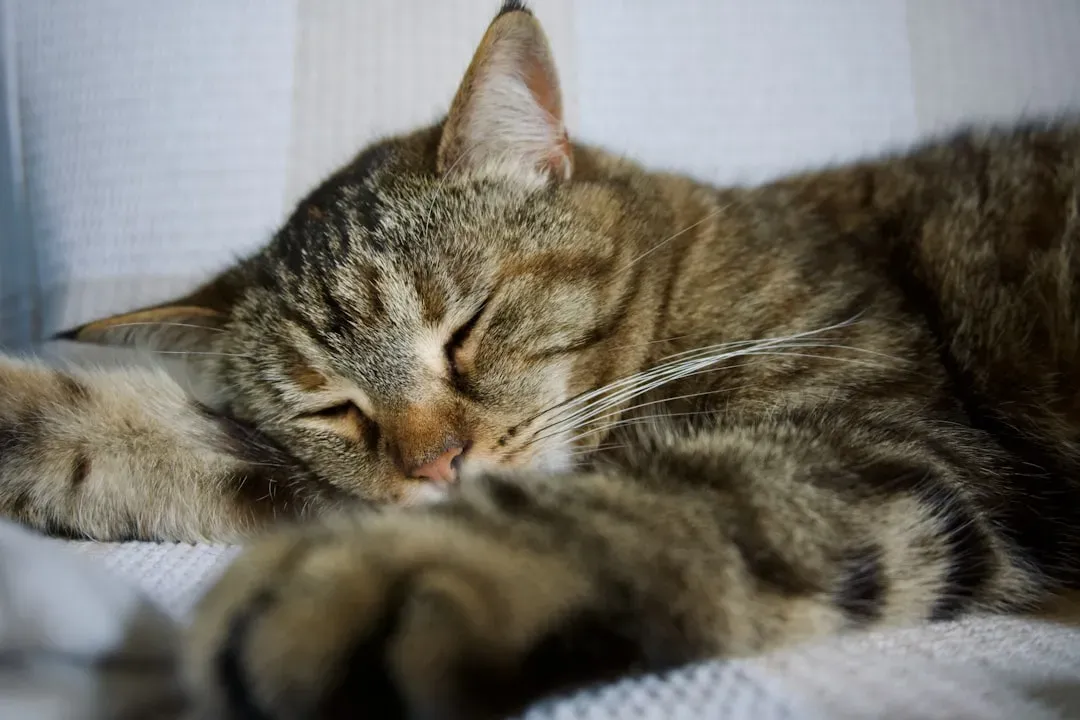
Sleep is when a cat is at its most defenseless, which makes their choice of napping spot a genuine declaration of trust, not just comfort.
Cats sleep a lot, but like most animals, they’re at their most vulnerable while snoozing, so they only settle where they feel completely secure. A cat that curls up on your chest, lap, or feet isn’t just chasing warmth – it’s scanning the whole house and deciding you’re the safest spot in it.
Slightly controversial take: cats sleeping on your head or pillow aren’t being clingy, they’re marking the most personal item in the house with their scent while feeling maximum security. It looks inconvenient at 3 a.m., but it’s actually one of the highest compliments in the feline playbook. Then there’s the strange little ritual almost every cat owner has felt against their stomach late at night.
#9 – Kneading You Like Bread Dough
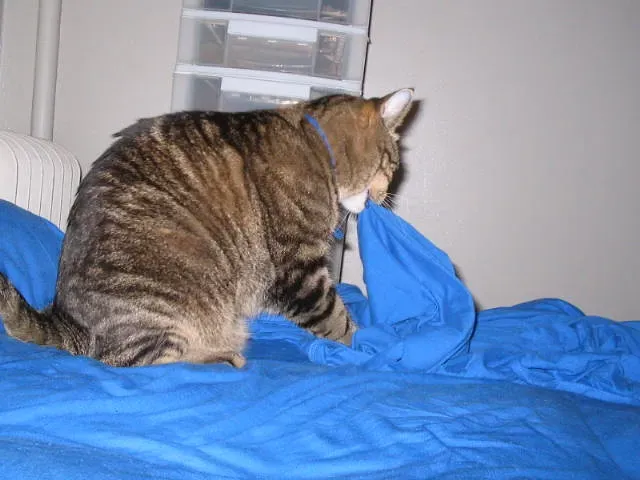
Every cat owner knows the “making biscuits” motion – paws pressing rhythmically into a blanket, lap, or stomach. Few know why it happens or where it comes from.
The behavior dates back to kittenhood, tied to nursing against their mother and believed to release endorphins that reduce stress. Adult cats never fully abandon the instinct; they simply redirect it toward the people who make them feel that same original safety.
The claws-out debate splits cat owners constantly. Some cats knead gently with claws retracted, others dig in without realizing it hurts. Either way, experts agree it’s still affection, just an occasionally painful version of it. If your cat is kneading your stomach at 2 a.m. and you’re wincing, that’s not malice – that’s a cat treating you like their own mother. The next one is even sneakier: it’s chemistry, not affection alone, that your cat is really after.
At a Glance
- Kneading begins in kittenhood, tied to nursing and stimulating milk flow
- The motion is thought to trigger a calming, endorphin-driven response that carries into adulthood
- Some cats knead only on soft laps or blankets, never on hard surfaces
- Purring almost always accompanies comfort-based kneading, as opposed to anxious kneading
#10 – Rubbing Their Cheeks Against You
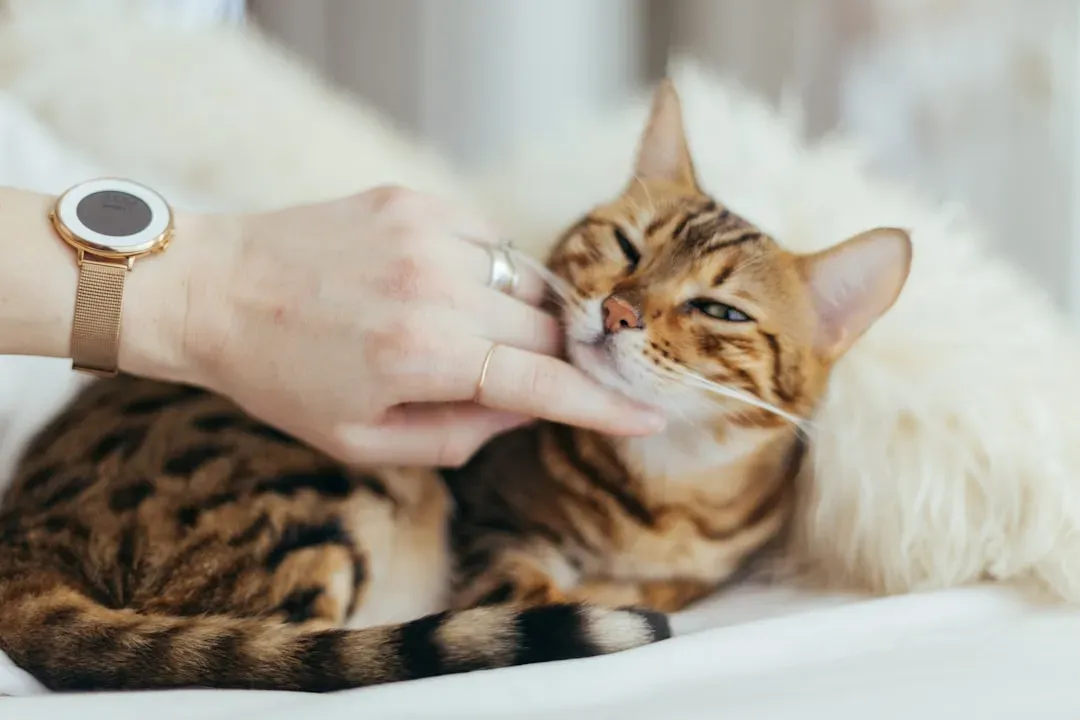
This is subtler than a full headbutt, but it’s driven by the exact same instinct: marking you as theirs using invisible chemistry only other cats can read.
Cats have concentrated scent glands along their cheeks, and when they rub against your ankles or face, they’re spreading pheromones onto you as a sign of familiarity and safety. Every cheek rub leaves a tiny signature that tells any other cat crossing your path that you already belong to someone.
Here’s what most people get wrong: they assume this is about the sensation of petting, when it’s really about ownership. Your cat isn’t just enjoying the moment, it’s actively broadcasting a claim to the rest of the feline world. You’ve been marked, chemically and permanently, and there’s nothing subtle about what that means to them. And then there’s the one gesture every cat owner instantly recognizes the moment it happens.
#11 – The Full Forehead Headbutt (Bunting)
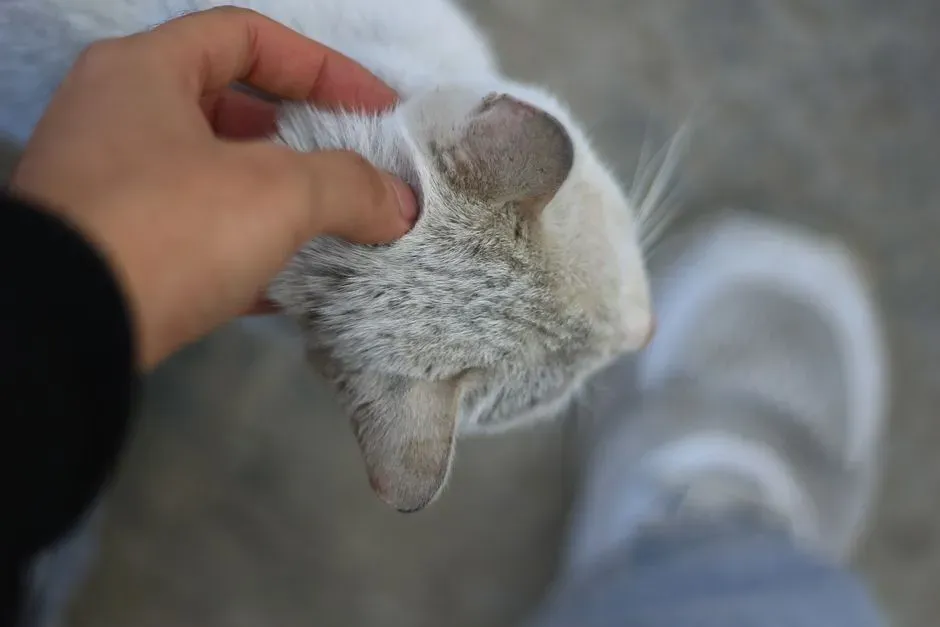
This is the big one – the unmistakable head bonk that startles new cat owners the very first time it happens against their leg or forehead.
Technically called bunting, this gesture is loaded with meaning. It signals trust and acceptance rather than aggression, marking you as part of the cat’s inner circle. Cat behavior consultant Joey Lusvardi explains it plainly.
When a cat headbutts you, it’s most likely a behavior called ‘bunting,’ which is the cat’s way of saying they like you and want to leave their scent on you. It’s a very affectionate behavior.
Joey Lusvardi
Most people don’t realize how selective this is. That familiar bump against the back of your knee is usually reserved for a cat’s closest feline friends and most trusted humans. Getting bunted isn’t cute luck – it’s a curated honor most people don’t earn on day one. There’s an even rarer trick you can actually test yourself, right now, with your own cat.
#12 – Blinking Back When You Blink First
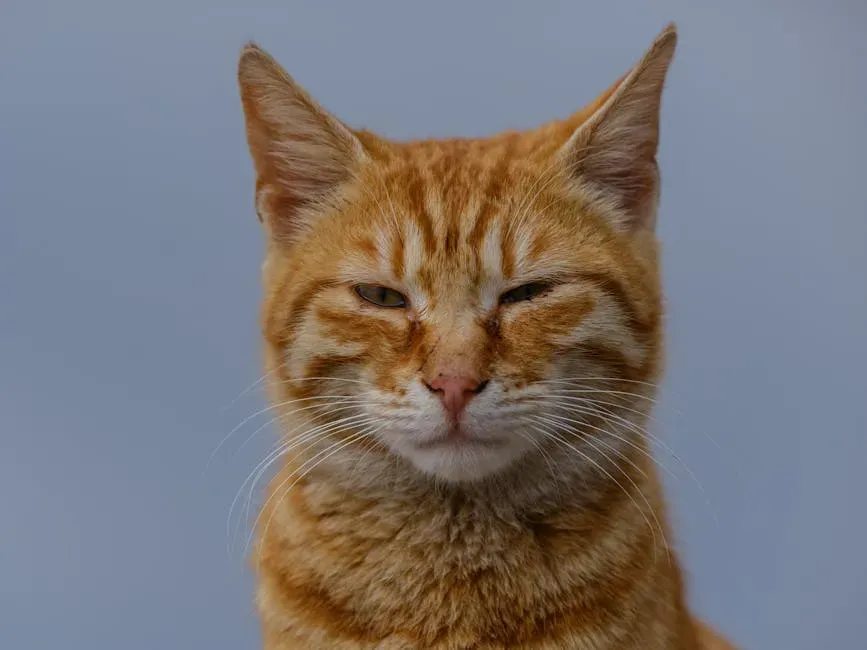
Here’s a party trick most cat owners have never tried: slow blink at your cat and watch what happens next.
Cats aren’t just passive recipients of slow blinks, they respond to them directly. Studies show cats slow blink more at familiar humans than strangers, and they also respond to human slow blinks by approaching and blinking back, a genuine bit of cross-species communication. Researchers confirmed cats are more likely to approach someone who slow blinks than someone wearing a neutral expression, essentially proving the gesture works both ways.
This is the one detail almost nobody knows. Many cats even return the slow blink to reinforce the bond, and cat behaviorist Stephen Quandt has described initially wary shelter cats reciprocating his slow blinks before approaching him for pets. Even scared, unfamiliar cats can sometimes be coaxed into trust with this one tiny gesture. But the blink itself, the one your cat gives you completely unprompted, is the real headline.
#13 – The Slow Blink Itself, Feline for “I Love You”
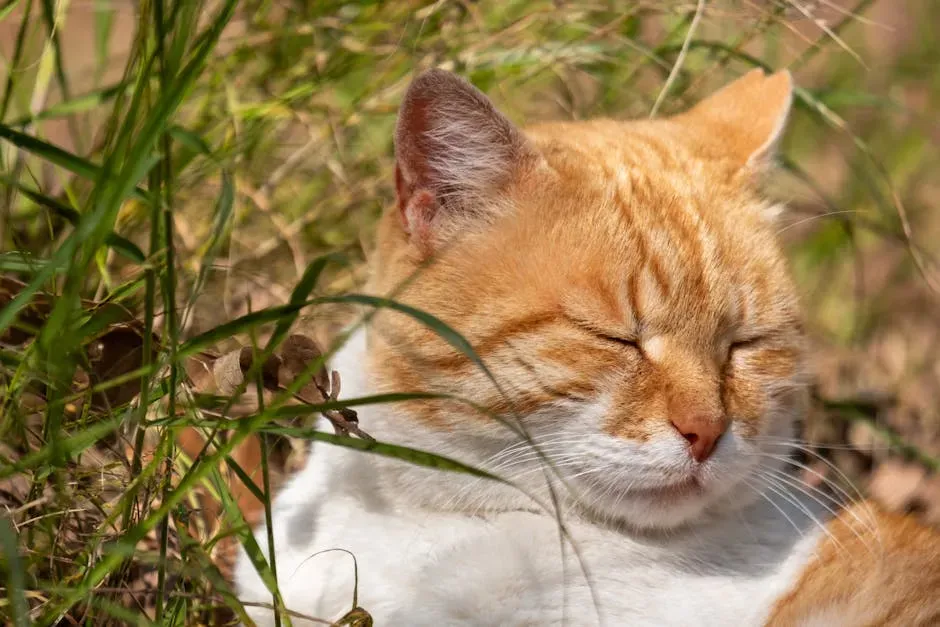
If there’s one gesture that sums up everything cats feel but rarely show, it’s this – the slow, deliberate half-closing of the eyes aimed directly at you.
Scientists have now studied this behavior formally, and the results are striking. A survey by the animal welfare charity Cats Protection found that 69% of the 1,100 cat owners asked identified the slow blink as a sign of a relaxed cat. The mechanism runs deep in feline biology: in cat language, closing your eyes shows you’re not a threat, meaning your cat is telling you it feels completely safe with you, arguably the highest compliment a cat can give.
The comparison researchers keep returning to is remarkable. Slow blinking may have evolved partly in response to human preferences for positive-looking facial expressions, since it shares features with the human Duchenne smile, the genuine kind that reaches the eyes. In other words, your cat may have quietly evolved, over thousands of years, to smile at you specifically.
Why It Stands Out
- 69% of surveyed cat owners linked the slow blink directly to a relaxed, trusting cat
- The gesture visually mirrors the human Duchenne smile, the kind that genuinely reaches the eyes
- It works both ways – cats also respond to slow blinks from unfamiliar humans, not just their own people
- Unlike most trust signals on this list, this one can be tested and practiced in real time
The Bottom Line
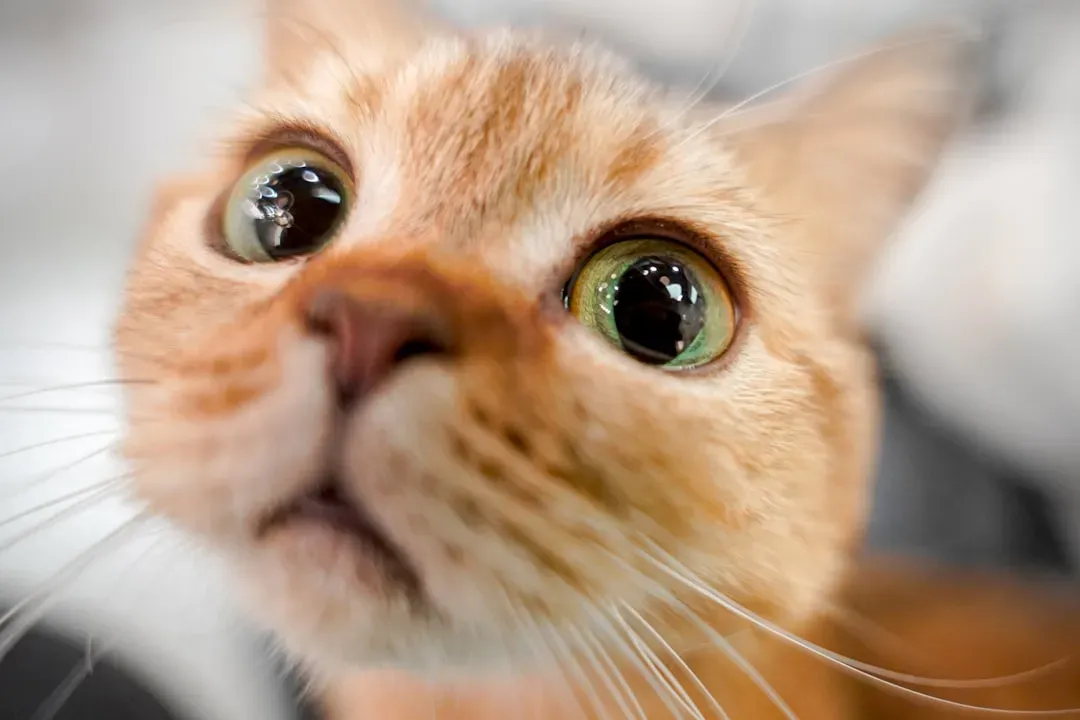
Cats don’t perform affection the way dogs do, and that’s exactly why so many people underestimate how much their cat actually loves them. The slow blink alone has been backed by peer-reviewed research comparing it to a human smile – that’s not a stretch, that’s science.
Bunting, kneading, cheek rubs, and even dead-bug gifts all trace back to the same instinct: trust earned, then quietly broadcast. Frankly, cats show love more honestly than most humans do – no performance, no exaggeration, just deliberate signals reserved only for the people who’ve actually earned them. Which one of these does your cat do the most? Tell us in the comments.
Kristina is a young writer from India. An arts graduate and an avid content creator, Kristina is passionate about animals and wildlife. She enjoys exploring topics related to pet care, animal behavior, conservation, and nature, combining thorough research with engaging storytelling.