Most people believe an old cat “goes quiet” simply because it’s tired, slowing down, or losing interest in you. But veterinary behaviorists say that’s almost backwards – a senior cat’s silence at bedtime isn’t emptiness, it’s communication. Cats stopped needing loud meows for affection around 10,000 years ago when they moved in with us; instead, they built an entire vocabulary of tiny, silent gestures reserved almost exclusively for the humans they trust.
As cats age, that vocabulary gets even quieter, more deliberate, and more intimate. Here’s what feline behavior experts actually say those silent nighttime rituals mean.
#1 – The Slow Blink That Isn’t Sleepiness
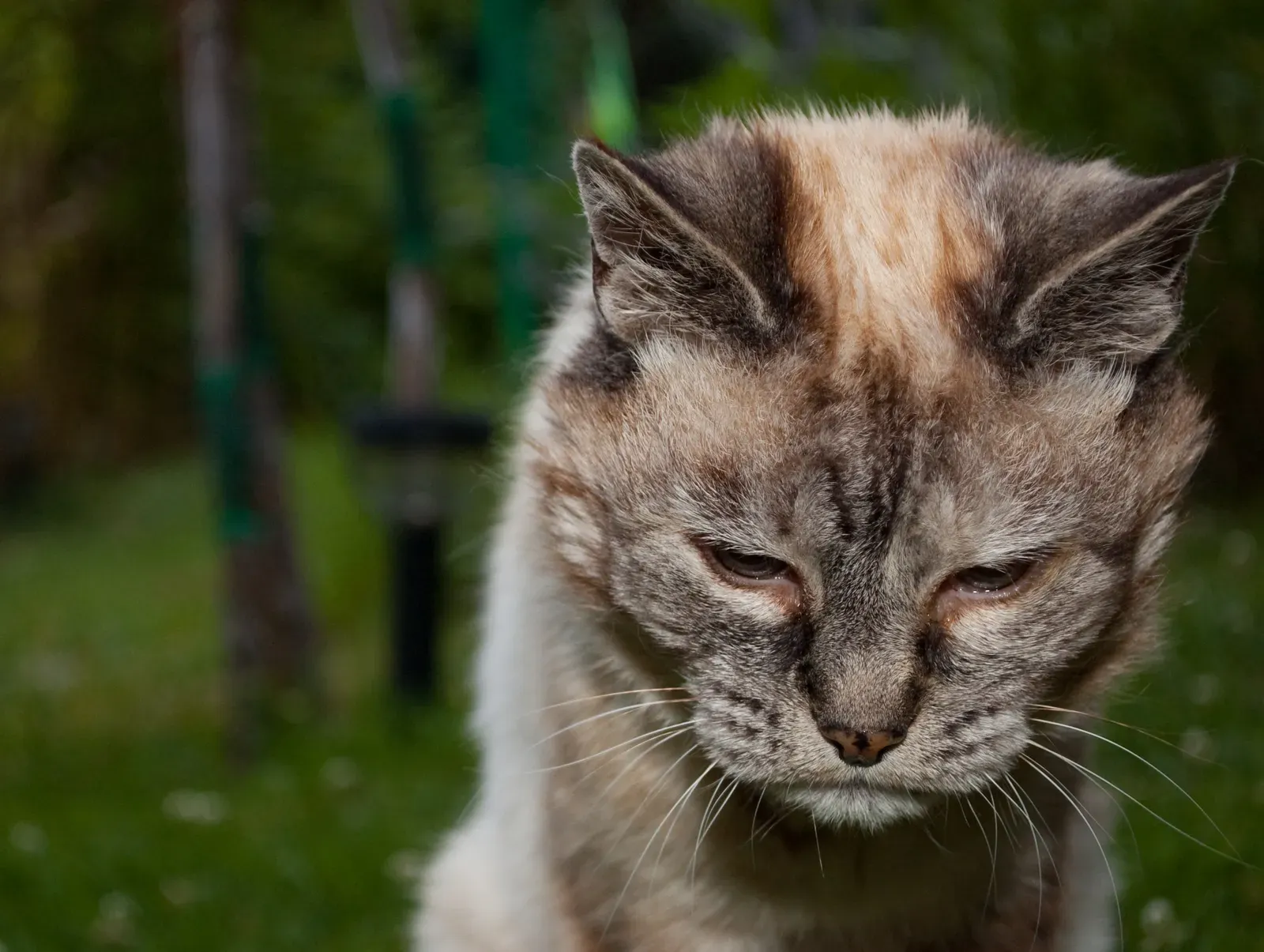
A slow blink from an old cat at bedtime is not fatigue – it’s the closest thing a cat has to saying “I love you” out loud.
Behaviorists often call this the “cat smile” or “kitty kiss,” and it’s one of the most studied silent cat signals. When a cat holds eye contact, then deliberately closes its eyes halfway and reopens them slowly, it’s showing you it feels safe enough to be vulnerable. In the wild, closing your eyes near a threat gets you killed, so a slow blink is a deliberate trust signal, not an accident.
Older cats tend to do this more often at night specifically because bedtime is when they feel most secure and least stimulated by the day’s noise. Many owners misread it as the cat simply “getting drowsy,” but timing matters – if it happens while the cat is still upright and watching you, it’s a goodnight message, not exhaustion. But that’s nothing compared to what we found about #2…
Fast Facts
- Slow blinking is often nicknamed the “cat kiss” by behaviorists
- Closing eyes near a perceived threat runs against a cat’s core survival instinct
- Senior cats tend to slow-blink more at bedtime than younger cats do
- The gesture is tied to alertness and timing, not drowsiness alone
#2 – The Silent Head Bunt Before Lights Out
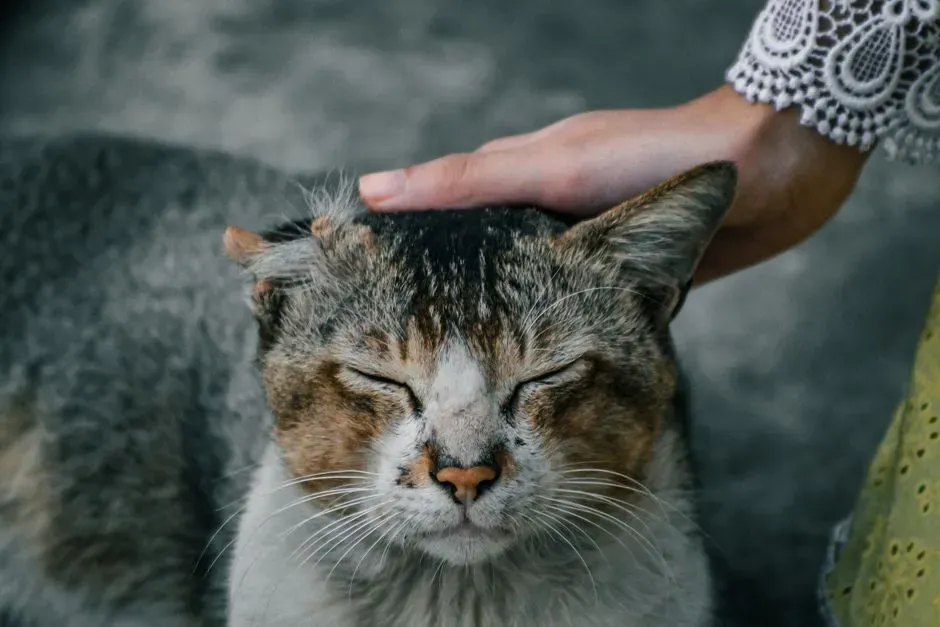
A slow, deliberate head bump against your hand or leg right before bed is an old cat literally marking you as home.
This behavior, called bunting, involves scent glands located on a cat’s forehead, cheeks, and chin. When a senior cat bunts you at night, it’s depositing its own scent onto you, mixing your identities together in cat language. It’s not random affection – it’s a territorial and social ritual that says “you belong to my world, and I feel safe enough to close that circle before I sleep.”
What’s surprising is that younger cats often skip this step entirely, saving it for owners they’ve built years of trust with. That’s why this gesture tends to intensify with age rather than fade – older cats aren’t losing affection, they’re concentrating it into fewer, more meaningful signals. If your cat only bunts you once a night, right before curling up, consider that the highlight of your whole day. Next up, though, is a signal most people mistake for pain instead of love.
#3 – Kneading the Blanket Like a Kitten Again
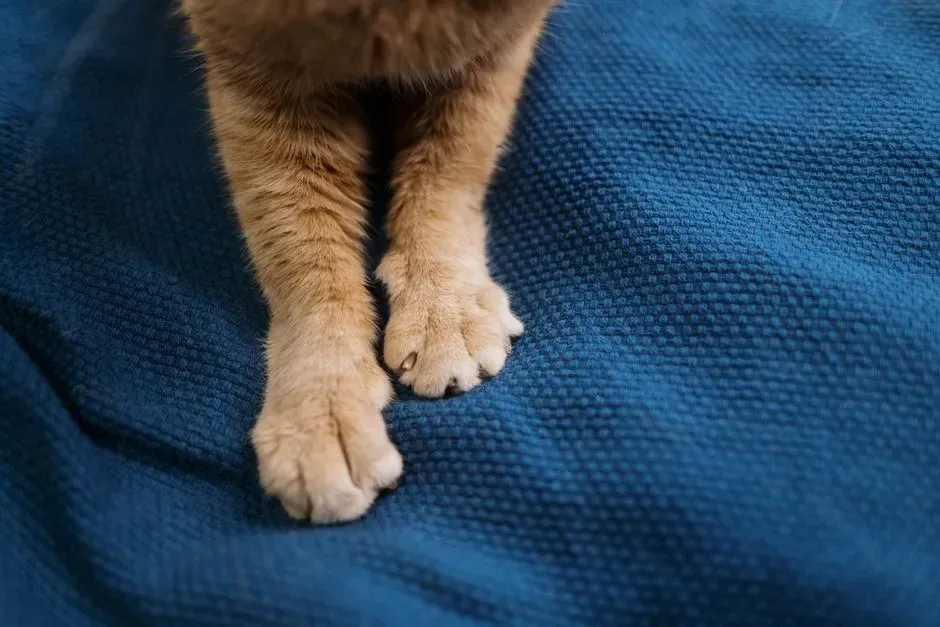
When an elderly cat kneads a blanket or your leg before falling asleep, it’s regressing on purpose to its safest possible memory.
Kneading traces back to nursing behavior – kittens push against their mother to stimulate milk flow. Most adult cats grow out of it, but many seniors bring it back specifically at bedtime, and vets believe this is tied to comfort-seeking rather than hunger. It’s essentially a cat telling you, without a single sound, “I feel like I’m home enough to be a kitten again.”
This is one of the more emotionally charged goodnight signals because it often appears alongside purring, yet many owners interpret rhythmic paw-pressing as random fidgeting instead of an intentional soothing ritual. Some behaviorists argue this instinctive act is a cat’s version of a bedtime routine – as habitual and comforting to them as brushing your teeth is to you. Ignore it, and you might be missing your cat’s version of tucking itself in. But #4 is even harder to notice unless you’re paying close attention.
#4 – Choosing the Exact Same Sleeping Spot Near You
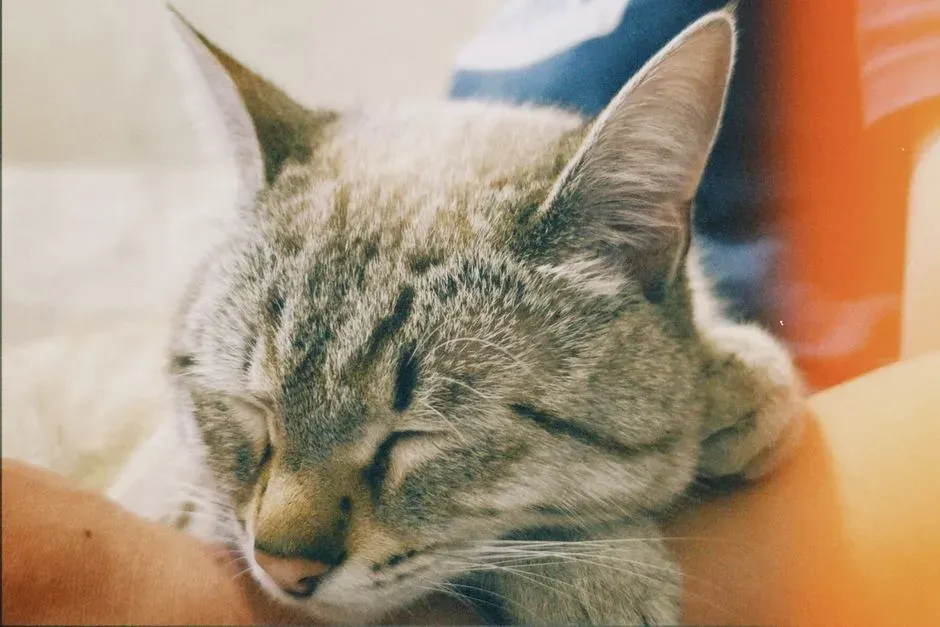
An old cat that insists on the same specific sleeping position near you every single night isn’t being stubborn – it’s performing a nightly loyalty check.
Cats are creatures of extreme routine, and this becomes more pronounced with age because older cats rely on predictability to manage anxiety and cognitive decline. When a senior cat picks the same three inches of mattress, the same side of the pillow, or the same spot at your feet every night, it’s not laziness. It’s a repeated, silent statement that this specific location, next to this specific person, feels the safest in the entire house.
Here’s the controversial part: many owners assume moving a cat’s bed or rearranging furniture is harmless, but for aging cats this routine-breaking can genuinely disrupt their sense of security and quietly increase nighttime stress. If your cat has a “spot,” don’t touch it. That predictability is doing more emotional work than most people realize – and it sets up an even subtler signal that most owners completely miss.
Worth Knowing
- Older cats often lean on routine to manage age-related anxiety and cognitive changes
- Rearranging furniture or a cat’s bed can quietly increase nighttime stress in seniors
- A fixed sleep spot works as a security anchor, not just a comfort habit
- Predictability tends to matter more, not less, as a cat gets older
#5 – The One Paw Resting Gesture
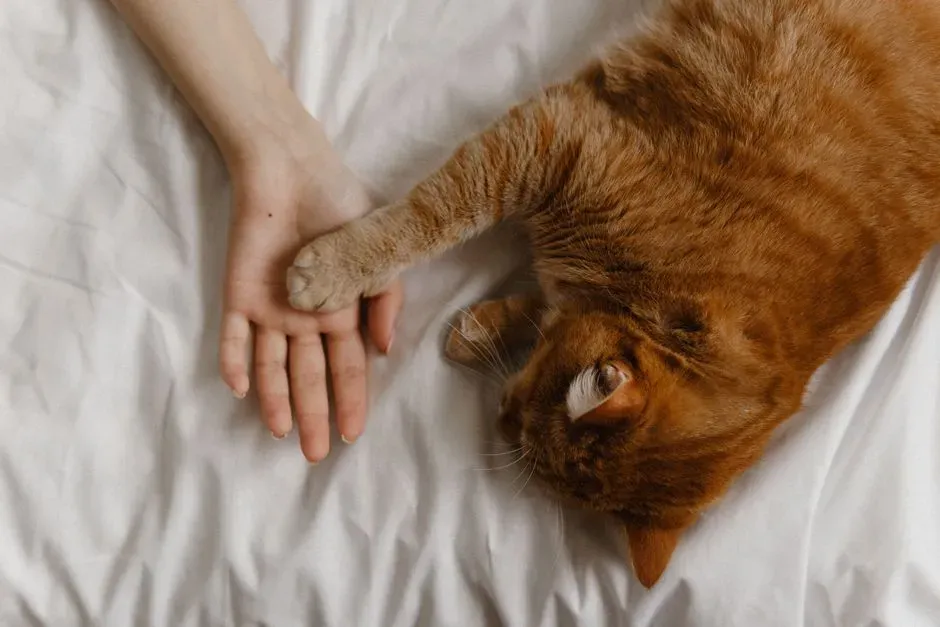
When an aging cat places a single paw on your hand, leg, or chest before drifting off, it’s the feline equivalent of holding your hand goodnight.
This gesture is deceptively simple but loaded with meaning. Cats are extremely deliberate about touch – unlike dogs, they don’t paw at things constantly for attention. A resting paw, especially one that stays there without movement, signals conscious connection rather than idle contact. It’s a way of maintaining physical closeness while still allowing both of you to relax into sleep.
Older cats do this more than younger ones, likely because age brings a stronger preference for tactile reassurance over playful interaction. Many owners describe this as the moment they “feel most bonded” to their cat, and behaviorists agree it’s one of the clearest silent affection signals in the entire feline repertoire. It’s simple, quiet, and easy to miss if you’re scrolling your phone instead of watching your cat. But what happens right before this moment is even more telling.
#6 – The Slow-Motion Stretch Before Settling
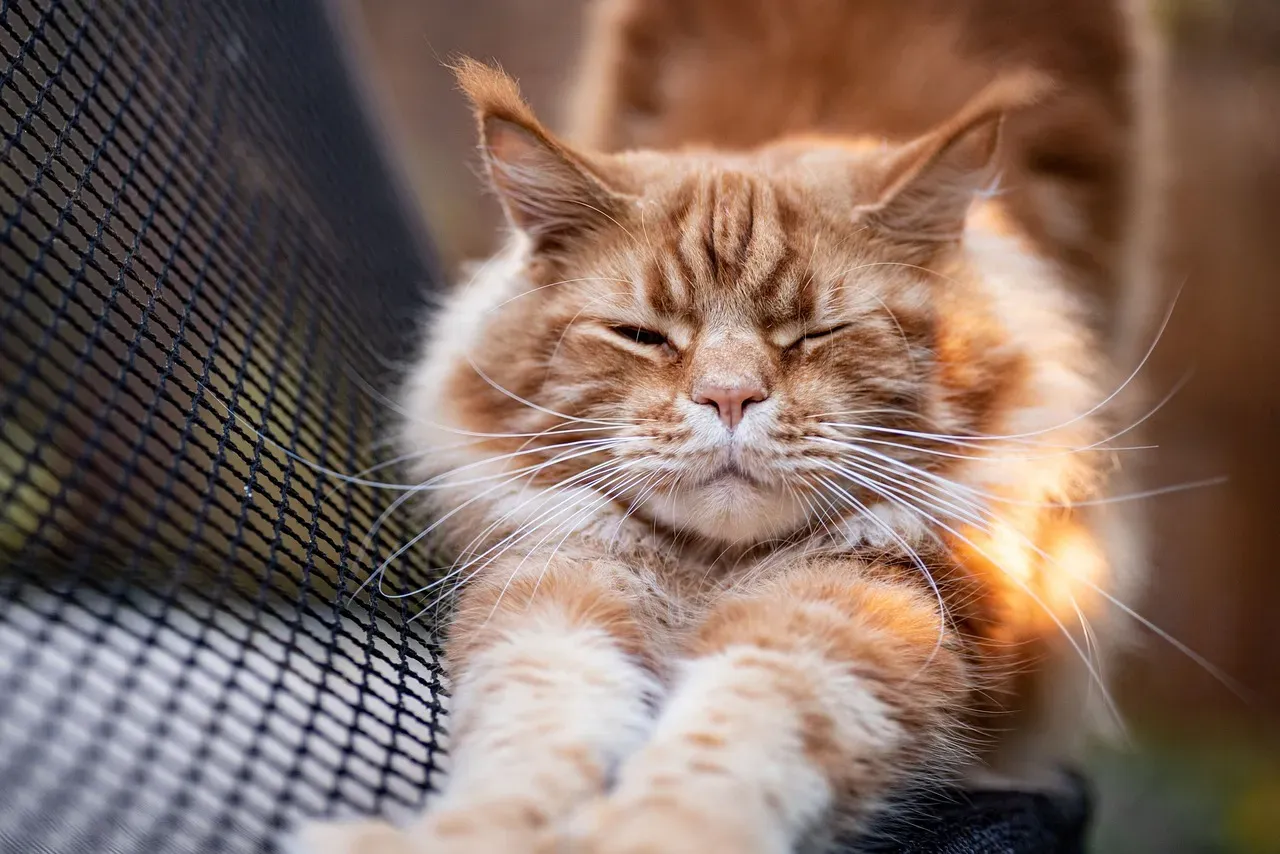
A long, deliberate stretch right before bedtime is an old cat’s way of physically releasing the day’s tension in front of you, and only you.
Cats rarely fully stretch out in front of people they don’t trust, because a stretched-out body is a vulnerable one – joints exposed, no quick pounce possible. When a senior cat performs a full-body stretch at your feet or beside you before curling up, it’s choosing vulnerability on purpose, which is a massive trust signal in cat behavior science.
This stretch often gets dismissed as simple stiffness relief, especially in older cats dealing with arthritis, and while comfort plays a role, timing still matters. If it consistently happens right before they settle in for the night near you, it’s doing double duty: physical relief and social signaling combined. Some experts argue this dual-purpose stretch is one of the most underrated goodnight gestures cat owners overlook entirely. Next on the list is a sound-adjacent signal that’s easy to confuse with something negative.
#7 – The Silent, Barely-There Purr
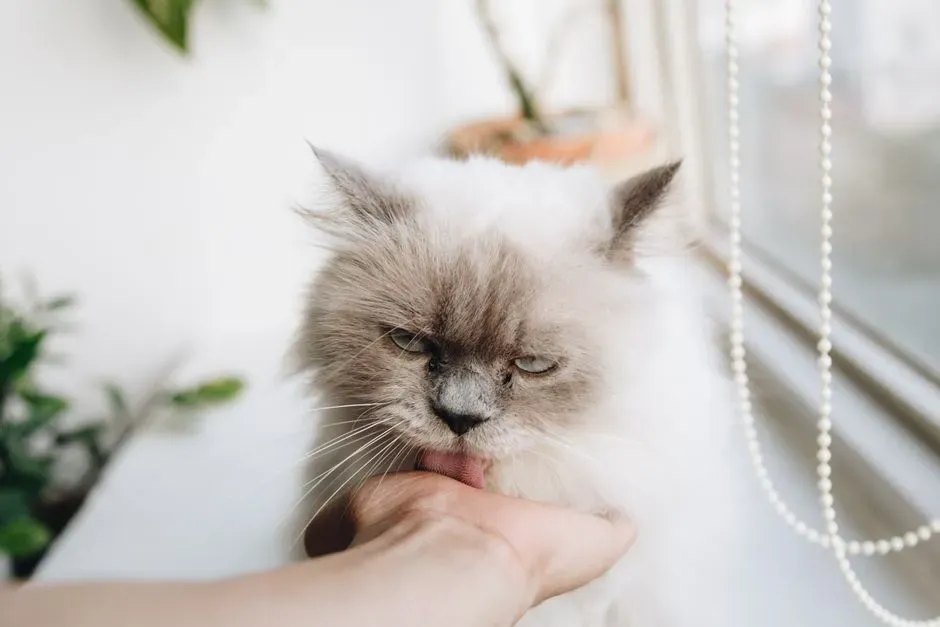
A purr so quiet you can barely feel it, let alone hear it, is often reserved specifically for nighttime bonding in senior cats.
Purring isn’t one single behavior – cats purr for pain, self-soothing, and social bonding, and researchers have identified different purr intensities for different purposes. Old cats frequently develop a nearly silent, low-vibration purr that only appears in close contact at night, distinct from the louder, more attention-seeking purrs used during the day.
This quiet purr often gets ignored simply because it’s so subtle, but many vets consider it one of the purest signs of comfort and affection a cat can offer. It requires closeness to even detect, which is exactly the point – it’s not meant for the whole room, it’s meant for you. Some owners spend years with a cat before noticing this specific purr exists at all. But what comes next might be the most controversial entry on this list.
Quick Compare
- Daytime purr: louder, often paired with vocal requests for food or attention
- Stress or pain purr: can surface during discomfort as a self-soothing mechanism
- Nighttime bonding purr: nearly silent, low-vibration, and only noticeable up close
#8 – Turning Its Back to You On Purpose
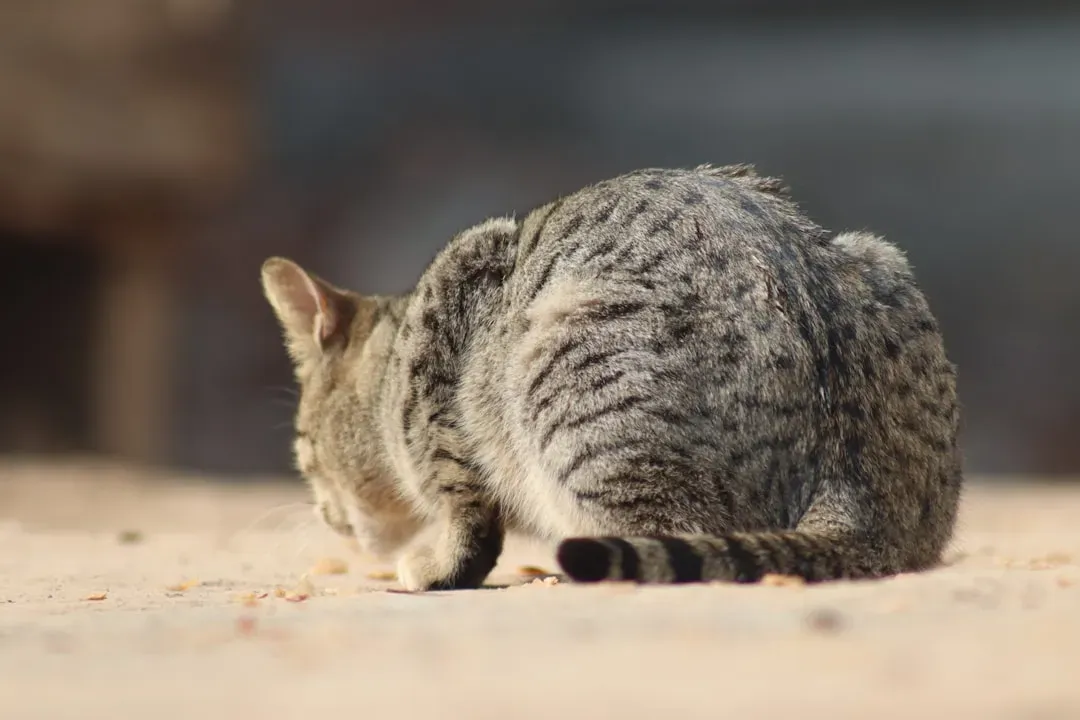
Contrary to what most people assume, an old cat turning its back to you at bedtime is not rejection – it’s arguably the highest form of feline trust.
This one trips up almost every new cat owner. Exposing your back means exposing your spine to a predator, and cats are hardwired to protect that instinct fiercely. When an aging cat deliberately turns its back to sleep against you, it’s making a calculated decision that you are safer than any threat it can imagine. It’s essentially outsourcing its own defense to you for the night.
Here’s the friction point worth sitting with: many owners feel hurt when a cat “ignores” them by facing away, when in reality this is often the single clearest silent signal of total security a cat can give. Some behaviorists go as far as saying this beats slow blinking as the ultimate trust gesture, which tends to spark real debate among cat owners online. Either way, it’s not cold – it’s the opposite. But #9 involves something almost no owner expects from an aging cat.
#9 – The Deliberate Eye-Contact Yawn
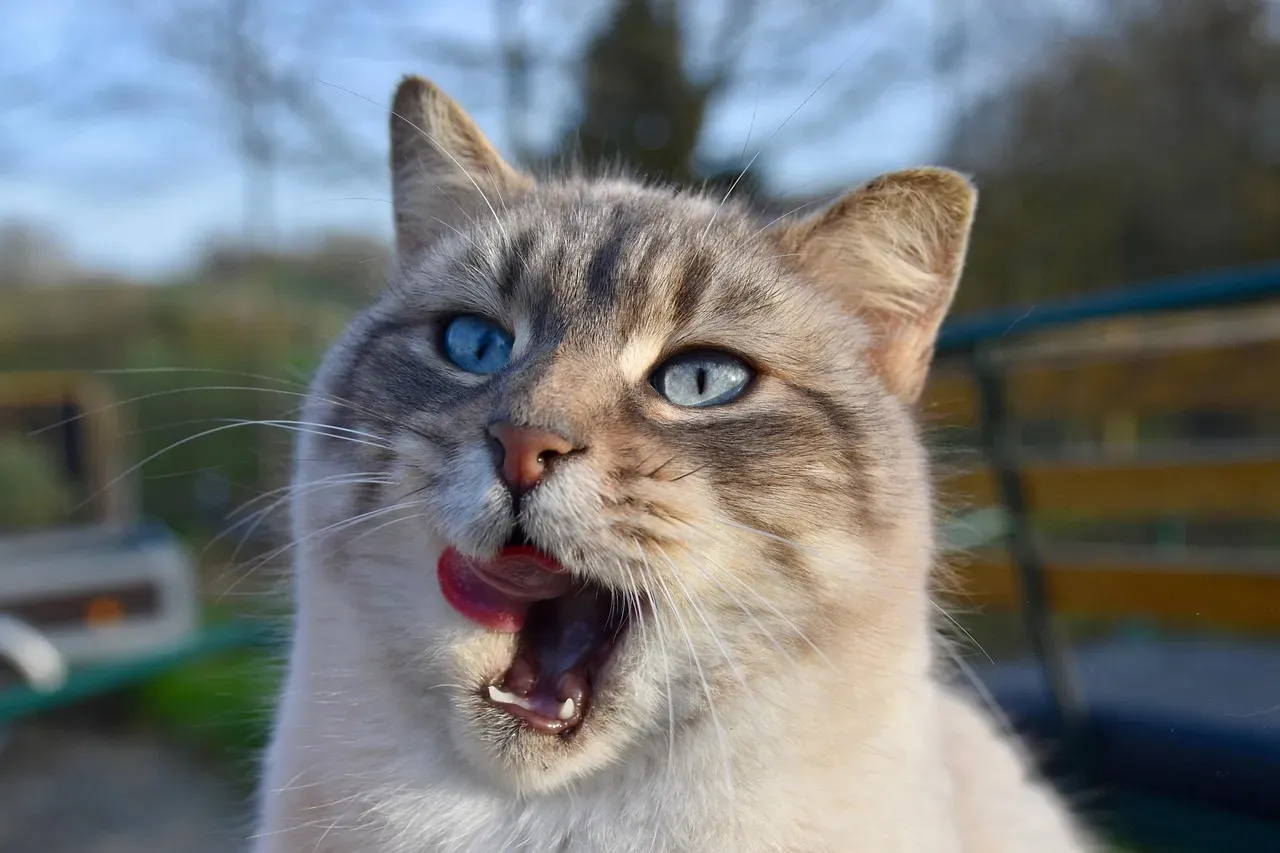
A slow yawn made directly while looking at you before bed is a subtle social cue that most owners completely misread as boredom.
Yawning in cats isn’t purely physiological. Behaviorists have observed that cats often yawn in direct eye contact specifically in relaxed, socially bonded moments, functioning almost like a visual sigh of contentment rather than tiredness alone. It signals the nervous system winding down in a shared, social context rather than in isolation.
Older cats tend to do this more visibly because their overall movement slows down, making subtle gestures like this easier to notice if you’re paying attention. It’s easy to interpret a yawn as “just tired,” but the eye contact is the key differentiator – a cat yawning while looking away is likely just physically tired, while a cat yawning while holding your gaze is closing out the day socially, with you specifically included in that moment. Up next is a ritual almost every senior cat owner has seen but few understand.
#10 – Circling the Same Spot Before Lying Down
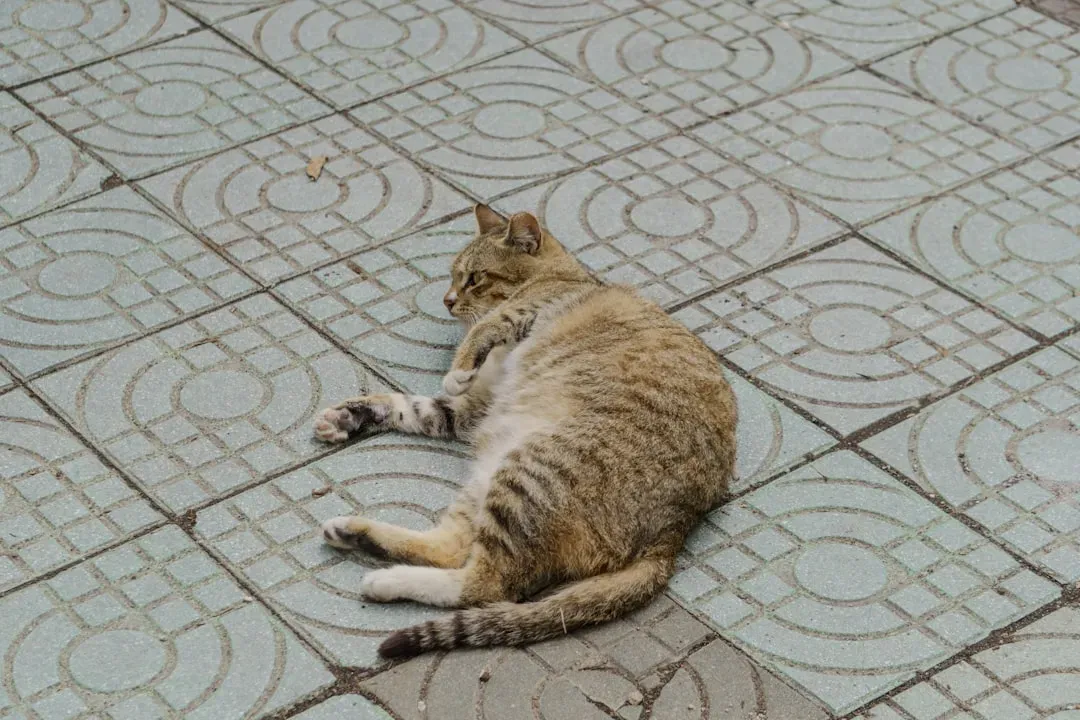
The slow, repetitive circling an old cat does before finally settling down isn’t confusion – it’s an ancient, instinctual ritual dressed up as bedtime routine.
This circling behavior is inherited from wild ancestors who needed to flatten grass or check terrain before lying down in exposed environments. Even indoor cats with soft beds retain this instinct, and older cats often perform it more slowly and more deliberately than younger, more impulsive cats. It’s essentially a cat double-checking that its chosen spot, near you, is truly safe before committing to sleep.
What’s interesting is that this ritual often intensifies with age rather than disappearing, likely tied to increased caution as senses like eyesight and hearing decline. Rather than viewing this as a sign of confusion or cognitive decline (which some owners assume), most behaviorists see it as a normal, protective bedtime ritual. It’s slow, silent, and easy to overlook – but it’s proof your cat is still running its ancient internal checklist every single night. But #11 is where things get emotionally heavier.
#11 – The Tight Curl Instead of the Sprawl

When an aging cat curls into an unusually tight ball rather than sprawling out, it’s often preserving body heat and comfort in a very specific silent signal of vulnerability.
Older cats naturally lose muscle mass and struggle more with temperature regulation, and a tight curl conserves body heat far more efficiently than a relaxed sprawl, which is why seniors default to it more than younger cats do. But the location of that curl matters just as much as the position itself.
When a senior cat curls tightly right beside or on top of you specifically, rather than in a separate bed alone, it’s choosing your body heat and presence over independent comfort. This is a subtle but meaningful shift many owners miss entirely, mistaking it for simple cold-weather behavior rather than a bonding choice. If your old cat used to sleep across the room and now curls up tighter against you, that’s not just aging – that’s your cat quietly telling you it needs you more than it used to. Next is arguably the quietest, most heartbreaking signal on this entire list.
#12 – The Extended, Silent Stare Before Closing Its Eyes
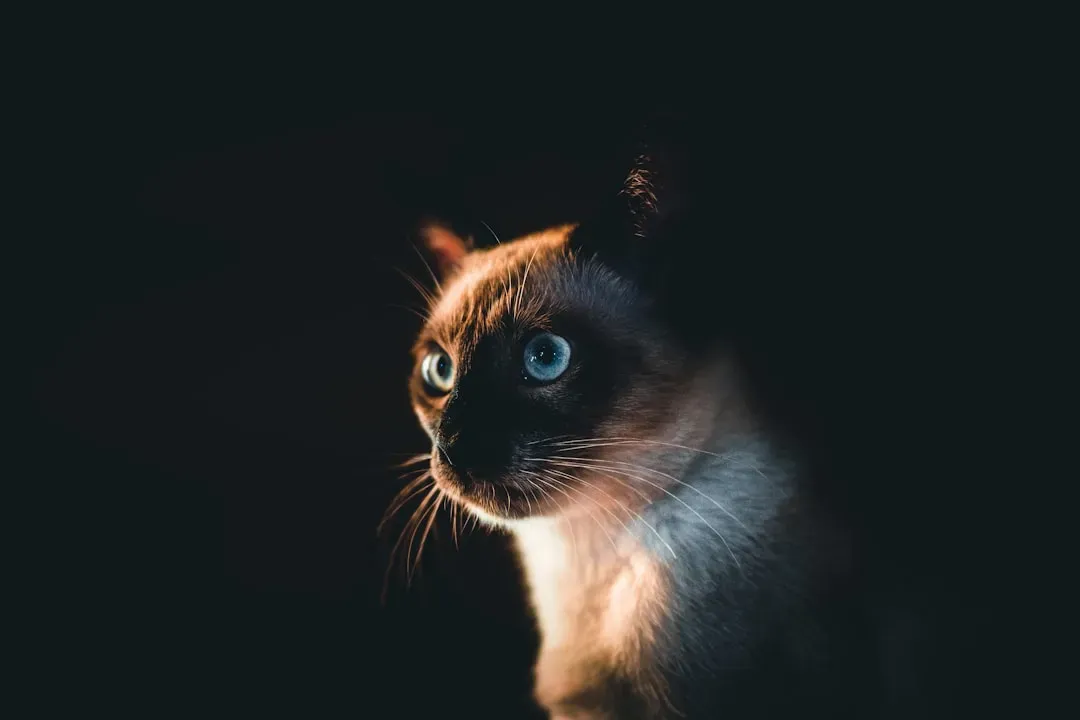
A prolonged, wordless stare right before an old cat finally shuts its eyes for the night is one of the most emotionally loaded gestures in feline behavior.
Unlike the quick slow-blink, this is a longer, steadier gaze – sometimes lasting several seconds – held right at the final moment before sleep. Many behaviorists interpret this as a cat’s way of confirming safety one last time, essentially double-checking that the person it trusts most is still there before letting its guard fully down for hours of vulnerable sleep.
This is more common in senior cats specifically because vulnerability increases with age – declining mobility, weaker senses, and slower reflexes all make nighttime inherently riskier for an older cat. That final stare isn’t paranoia; it’s a cat consciously choosing to trust you with its most defenseless hours despite every instinct telling it to stay alert. Miss this moment, and you might miss one of the most sincere “goodnights” your cat will ever give you. But nothing on this list compares to the quiet weight of #13.
#13 – Simply Staying Instead of Wandering Off
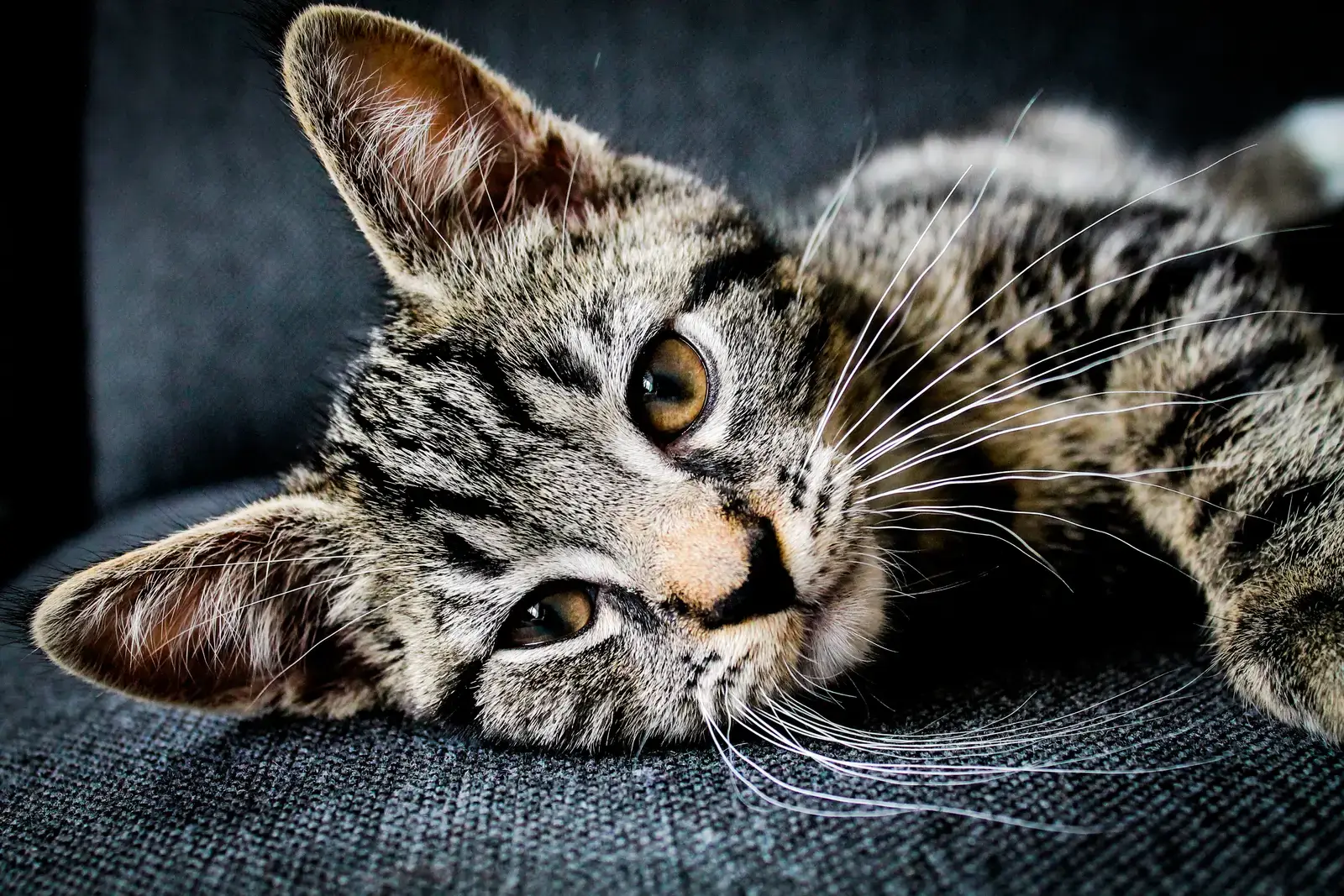
The single most powerful silent goodnight gesture an old cat can give isn’t a sound, a blink, or a touch – it’s the simple choice to stay.
Cats are famously independent, and for most of their lives, sleeping alone in a separate, self-chosen spot is completely normal and even preferred. When an aging cat consistently chooses to stay near you at bedtime, night after night, instead of wandering off to sleep alone somewhere else, it’s making a repeated, deliberate choice rooted in trust rather than habit.
This shift often becomes more pronounced as cats age, likely tied to a mix of increased need for security, changes in mobility, and a deepened bond built over years together. It’s the quietest signal on this entire list because it requires no motion, no sound, and no obvious gesture – just presence, chosen again and again. If your old cat still picks you, every single night, over every other spot in the house, that’s not aging weakness. That’s the loudest silent “goodnight” a cat can possibly give.
At a Glance
- Choosing to stay is considered one of the most consistent trust signals a cat can give
- Unlike other cues, it requires no visible motion or sound to notice
- This behavior typically becomes more common with age and years of bonding
- Presence, not performance, is the core of this particular signal
The Bottom Line
Here’s the truth most cat owners never fully grasp: an old cat doesn’t go quiet because it’s fading – it goes quiet because it’s already said everything it needs to say through years of trust. The slow blink, the tight curl, the turned back, the choice to simply stay – these aren’t small, meaningless habits. They’re a complete, silent language built specifically for the humans cats trust most, and it gets more expressive with age, not less.
Honestly, the “back turned” signal deserves way more credit than the slow blink – it’s the boldest trust move a cat can make, hands down. Which one of these does your old cat do every single night? Drop it in the comments.
Kristina is a young writer from India. An arts graduate and an avid content creator, Kristina is passionate about animals and wildlife. She enjoys exploring topics related to pet care, animal behavior, conservation, and nature, combining thorough research with engaging storytelling.