Most people assume cats are stone-cold roommates who happen to share your address. New research says the opposite – and the science gets oddly specific about it.
Oregon State University found that cats form attachment bonds nearly identical to those seen in human infants and dogs. With purebreds – animals selectively shaped over generations for close human companionship – that bond often runs even deeper, and the proof is playing out in your living room right now. You just haven’t been taught how to read it. Here are 13 signs, backed by real behavioral science.
#13 – They Vocalize Differently When You Leave
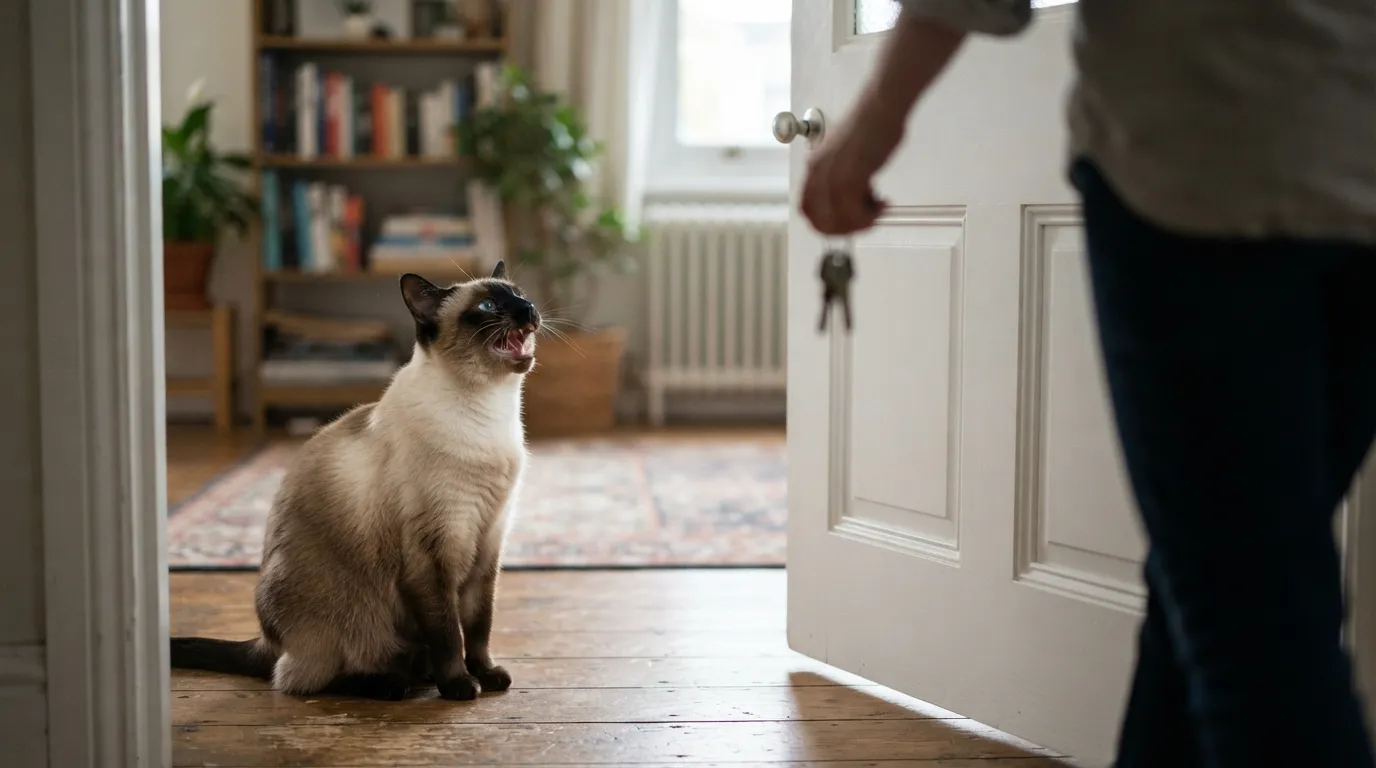
Your purebred isn’t just making noise – it’s making your noise.
Cats vocalize more when their owner, rather than a stranger, leaves the room. That escalating meow as you grab your keys isn’t random. It’s directed specifically at you.
Breeds like Siamese and Burmese are wired for vocal communication, and that trait intensifies the moment their person disappears. Cats who follow you constantly and vocalize when you leave have formed a genuinely strong emotional bond.
Most owners write this off as habit. It isn’t – it’s your cat registering your absence as a meaningful event. A stranger walking out the same door barely gets a reaction, and that gap tells you exactly who matters in this house.
But that’s nothing compared to what we found about #12…
#12 – The Slow Blink Is a Deliberate “I Trust You”
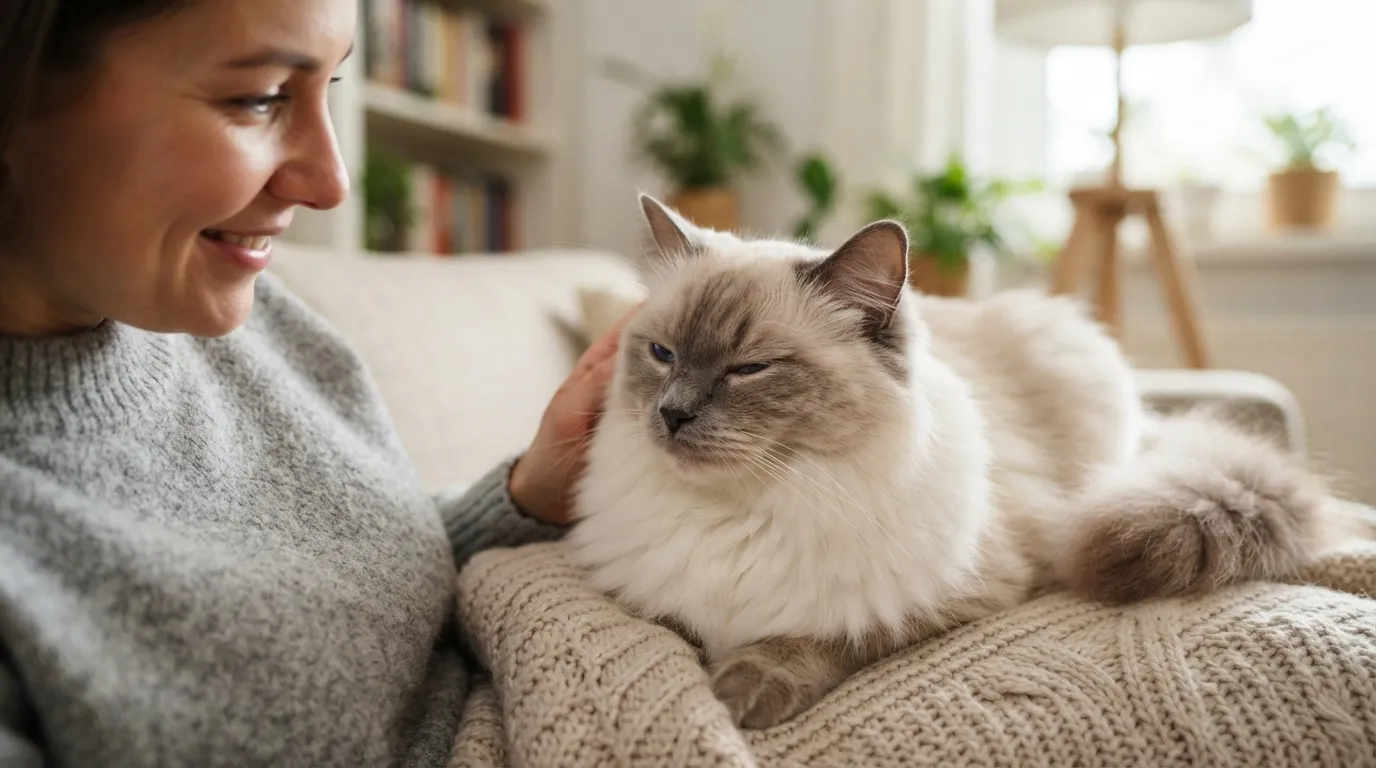
If your cat holds eye contact and then slowly closes its eyes, that’s not boredom. That’s a confession.
Behaviorists call this the “cat kiss” – one of the most intimate signals in a cat’s vocabulary. When your cat holds your gaze and softly closes and opens its eyes, it’s telling you, in feline terms, that it feels completely safe with you.
In the wild, closing your eyes near another creature is a genuine vulnerability. Doing it willingly, at close range, is an act of total trust. Purebreds with heavy human-socialization histories – Ragdolls, Persians, Birmans – are especially prone to directing slow blinks at their one person.
Holding the tail up, social rolling, and slow blinking are all visual signals that a cat wants to close the distance between you. Your cat is literally choosing closeness, on purpose, every time.
But that’s nothing compared to what we found about #11…
#11 – Head Bunting Means You’ve Been Marked as Family
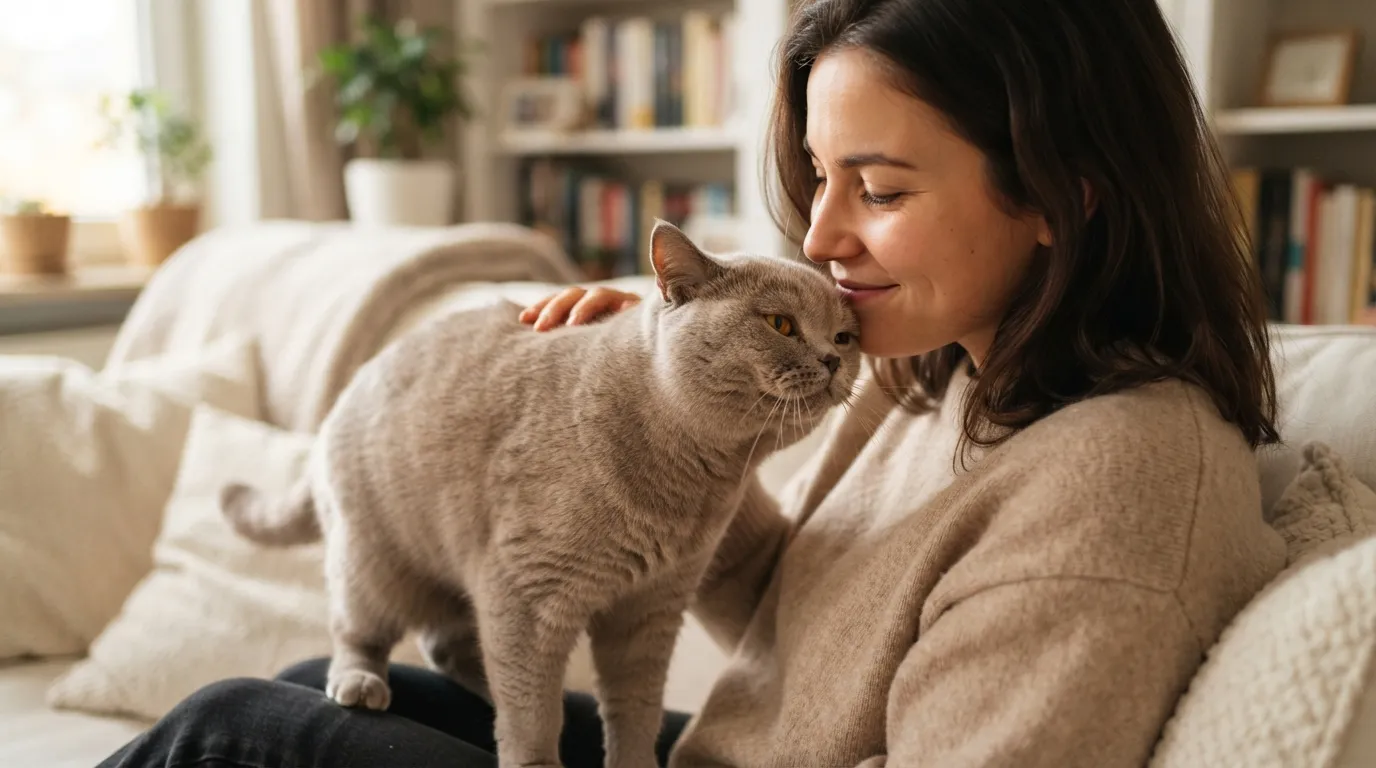
When your cat mashes its forehead against your chin, it isn’t being clumsy. It’s filing paperwork.
Head bunting happens when a cat rubs its cheeks or forehead against you, releasing specialized pheromones that mark you as safe family. It’s a cat’s way of saying, “You belong to me, and I feel safe with you.”
Only cats that feel genuinely secure initiate bunting. A cat on edge won’t go anywhere near your face.
The fact that your purebred specifically targets you over other household members isn’t coincidence. It’s a ranking system, and you’re sitting at the top of it.
But that’s nothing compared to what we found about #10…
#10 – They Chose You Over Food (Yes, Really)
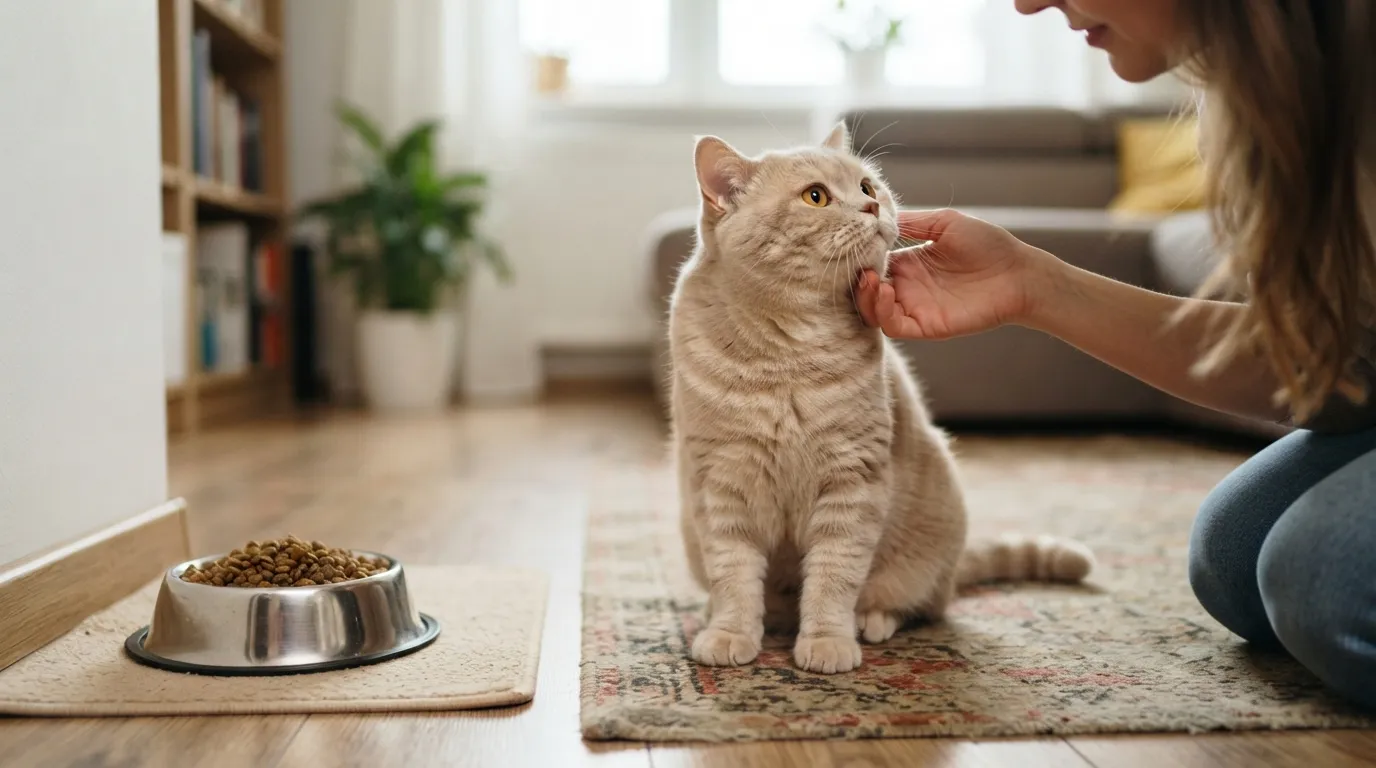
Here’s the one that surprises even seasoned cat owners.
A 2017 study published in Behavioural Processes gave cats a choice between human interaction, food, toys, or scent. Most cats picked human interaction. Food came in second.
The social bond beat out food – in cats. That’s not the story most people carry about felines, yet the data held consistently across both household pets and shelter cats.
Fast Facts
- Researchers: Vitale, Mehrkam & Udell, Oregon State University
- Published in Behavioural Processes, 2017
- Cats came from both private homes and animal shelters
- Four categories tested: human interaction, food, toys, and scent
- Result: human interaction ranked as the top choice for most cats, food came second
Your purebred isn’t circling you at dinnertime purely for the kibble. Given a genuine choice, you are still the preferred option.
But that’s nothing compared to what we found about #9…
#9 – Kneading on You Is a Throwback to Complete Safety
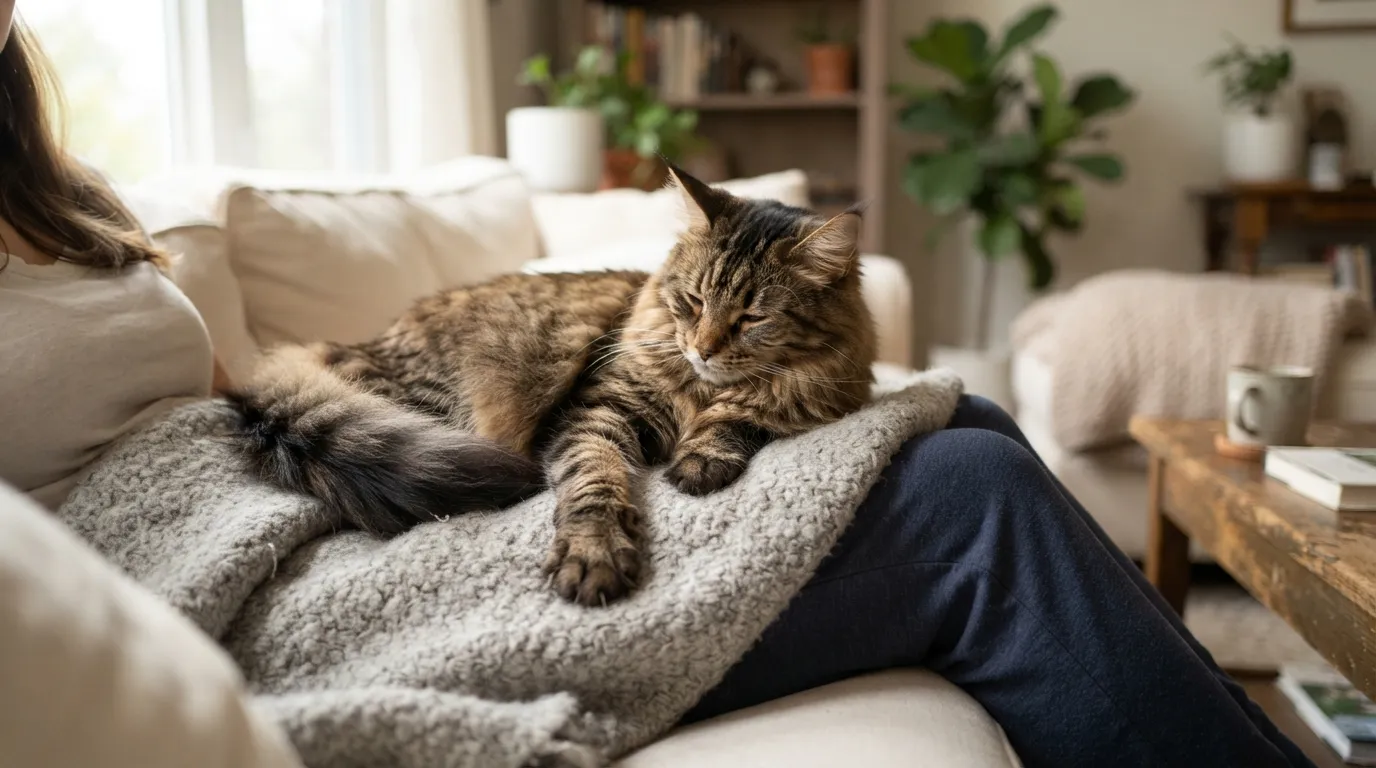
That rhythmic pushing of paws against your lap – the “making biscuits” move – is older than your cat’s conscious memory.
Kneading traces back to kittenhood, when kittens pushed against their mother while nursing. Adult cats knead when they feel content and safe, and the behavior releases endorphins that make it feel good.
Directing a mother-associated behavior at you is not subtle. Purebreds with strong people-bonding traits, like Maine Coons or Scottish Folds, are especially known for long, contented lap-kneading sessions with their chosen person.
Your cat has mentally filed you under “completely safe,” and it’s proving it with its paws.
But that’s nothing compared to what we found about #8…
#8 – Your Cat Recognizes Your Voice Specifically
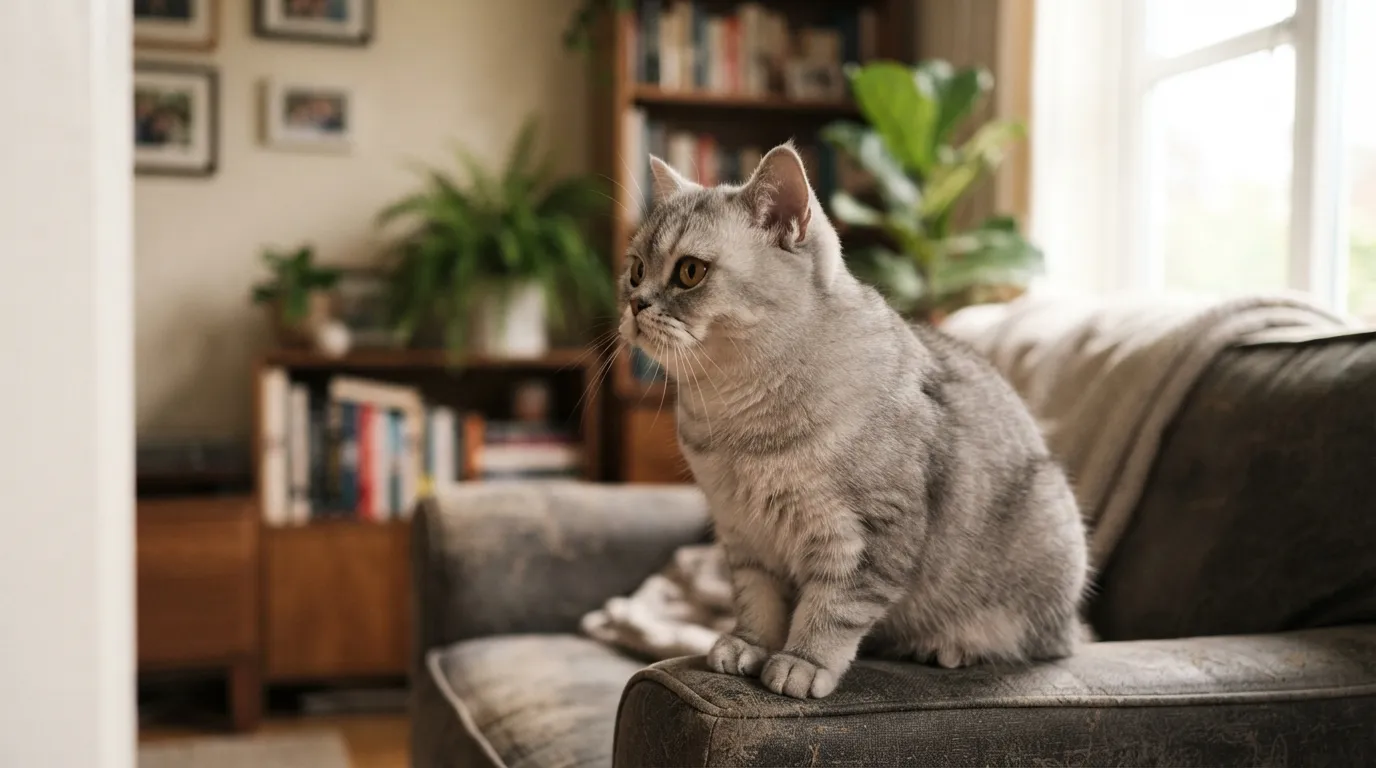
Your purebred doesn’t just hear you – it knows it’s you before you even enter the room.
Studies show cats can distinguish their owner’s voice from a stranger’s and remember familiar people for years. Cats respond when their owner calls their name, but largely ignore strangers imitating that same call.
Worth Knowing
- Cats can tell your voice apart from a stranger’s
- They remember familiar people for years
- They respond when their own owner calls their name
- They largely ignore strangers imitating the same call
That distinction is the critical detail. It means your cat isn’t just reacting to a sound pattern – it has specifically encoded your voice as something worth answering.
For vocal purebreds like Orientals or Tonkinese, this creates an almost conversational relationship: you speak, they answer, specifically because it’s you speaking.
But that’s nothing compared to what we found about #7…
#7 – They Watch You to Feel Safe, Not to Judge You
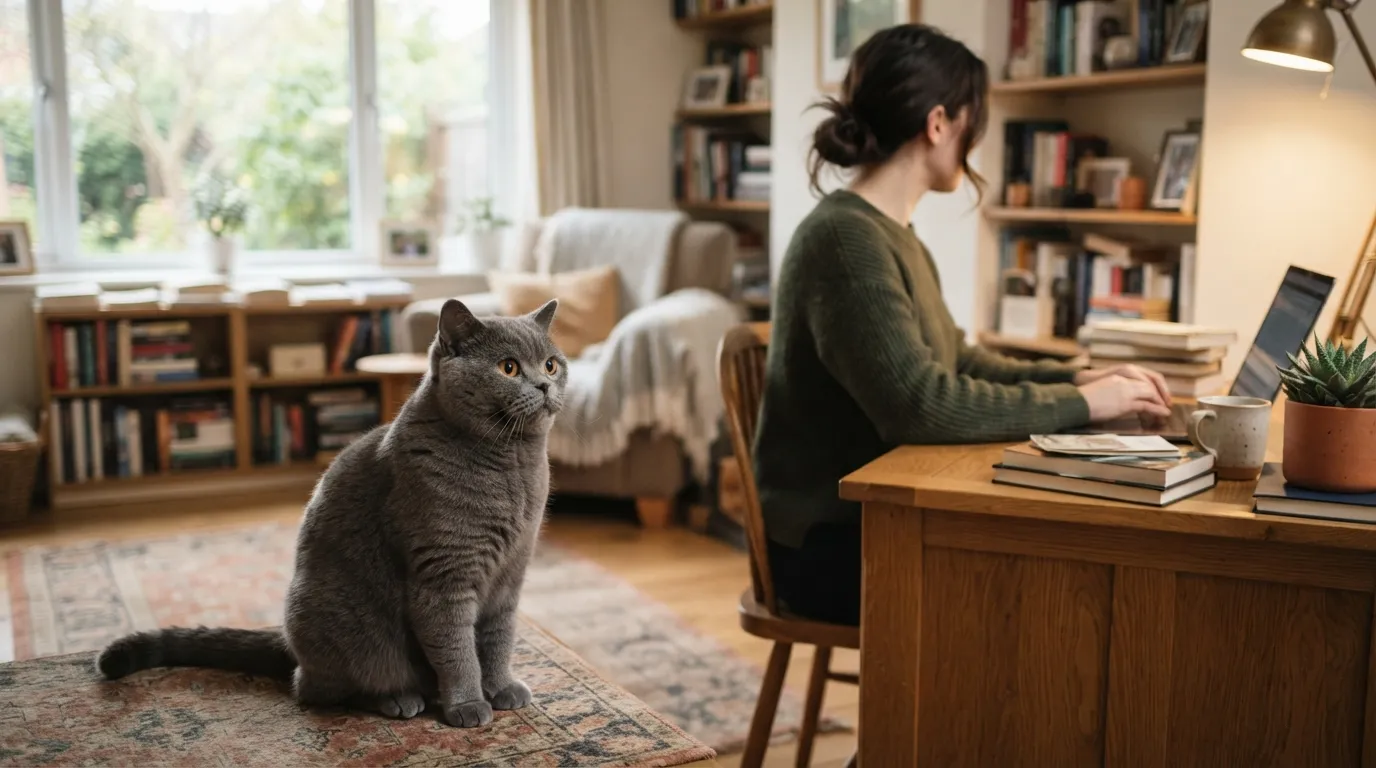
That unnerving stare from across the room? It’s not critical. It’s protective.
Cats study their important people constantly, monitoring for cues about routine, mood, and activity. When your cat watches you, it’s treating you as a significant landmark in its world.
Researchers describe this as monitoring a “secure base” – your cat is updating its mental map of whether everything is okay, using you as the reference point. You are the anchor by which your cat measures whether the world is safe.
Think about that. In a room full of objects, the one thing your purebred uses to calibrate safety is you.
But that’s nothing compared to what we found about #6…
#6 – Sleeping Near You Is a Calculated Risk They’ve Chosen to Take
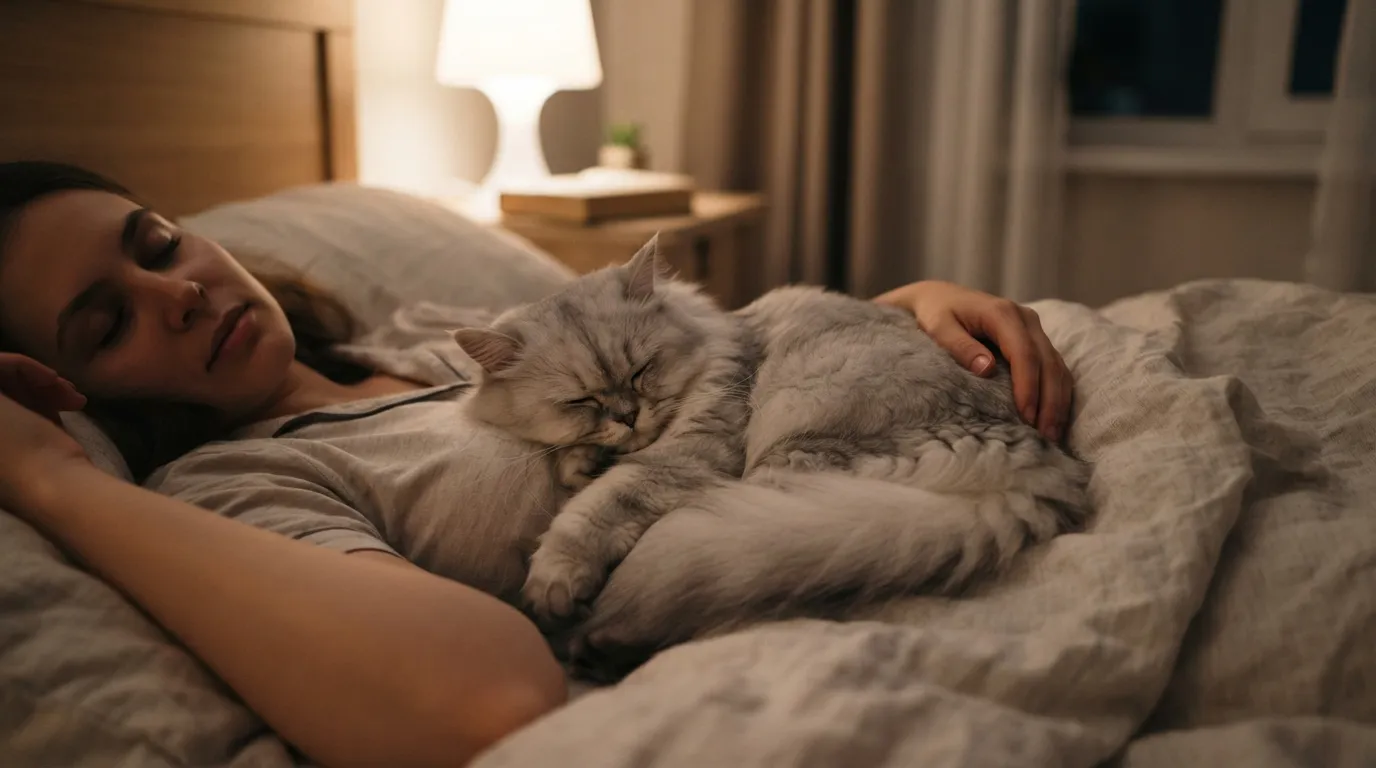
Cats are most vulnerable when they sleep. That’s biology, not opinion.
A cat that curls up against your legs or on your chest has made a deliberate security calculation – and decided you’re worth the exposure. Wild felines sleep hidden, in protected locations, out of instinct.
A domestic purebred that picks your body as its sleeping spot is overriding that instinct completely. The bond with you simply feels safer than any hiding place ever could.
Kneading blankets on your lap, purring against your chest, following you room to room – these are all active choices to seek out your company over solitude.
But that’s nothing compared to what we found about #5…
#5 – They Groom You to Make You Family-Scented
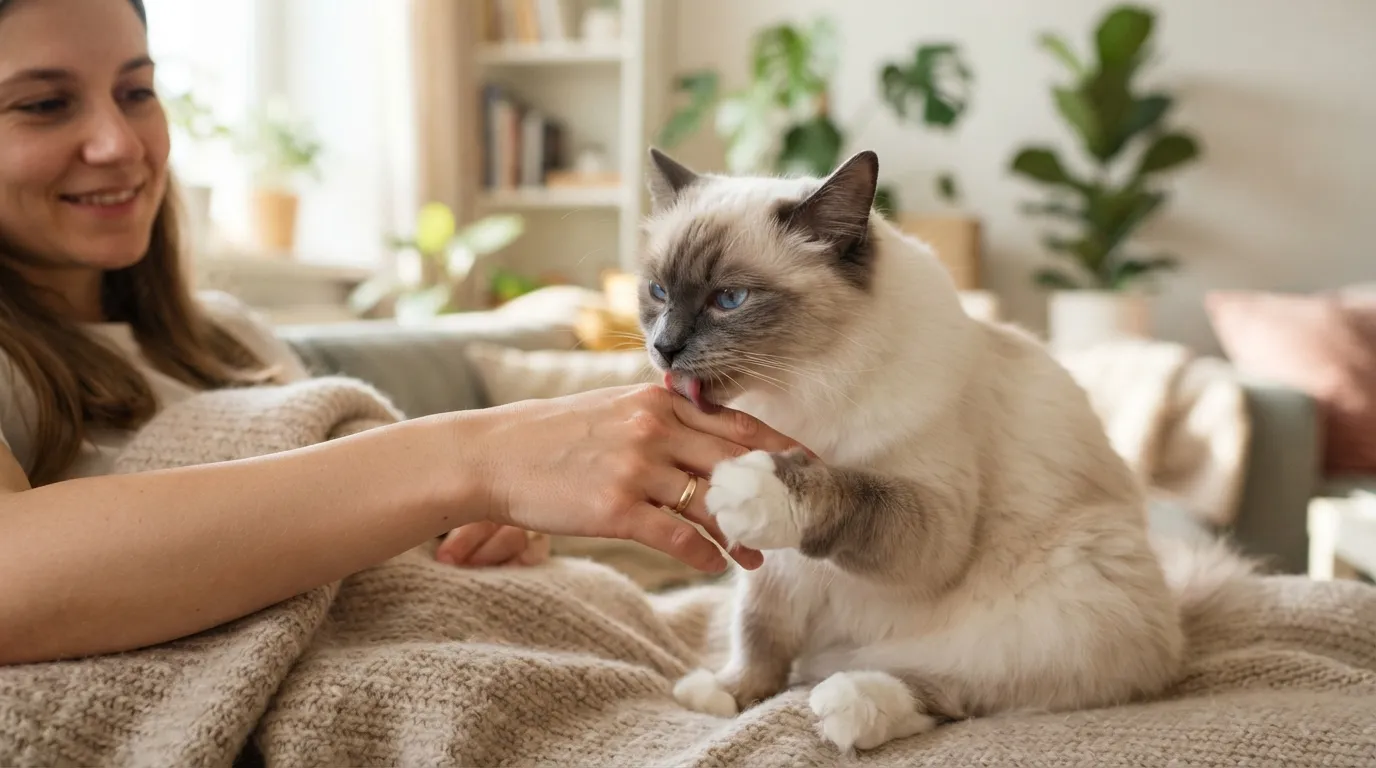
When your cat licks your hand or hair, most owners laugh it off. Don’t.
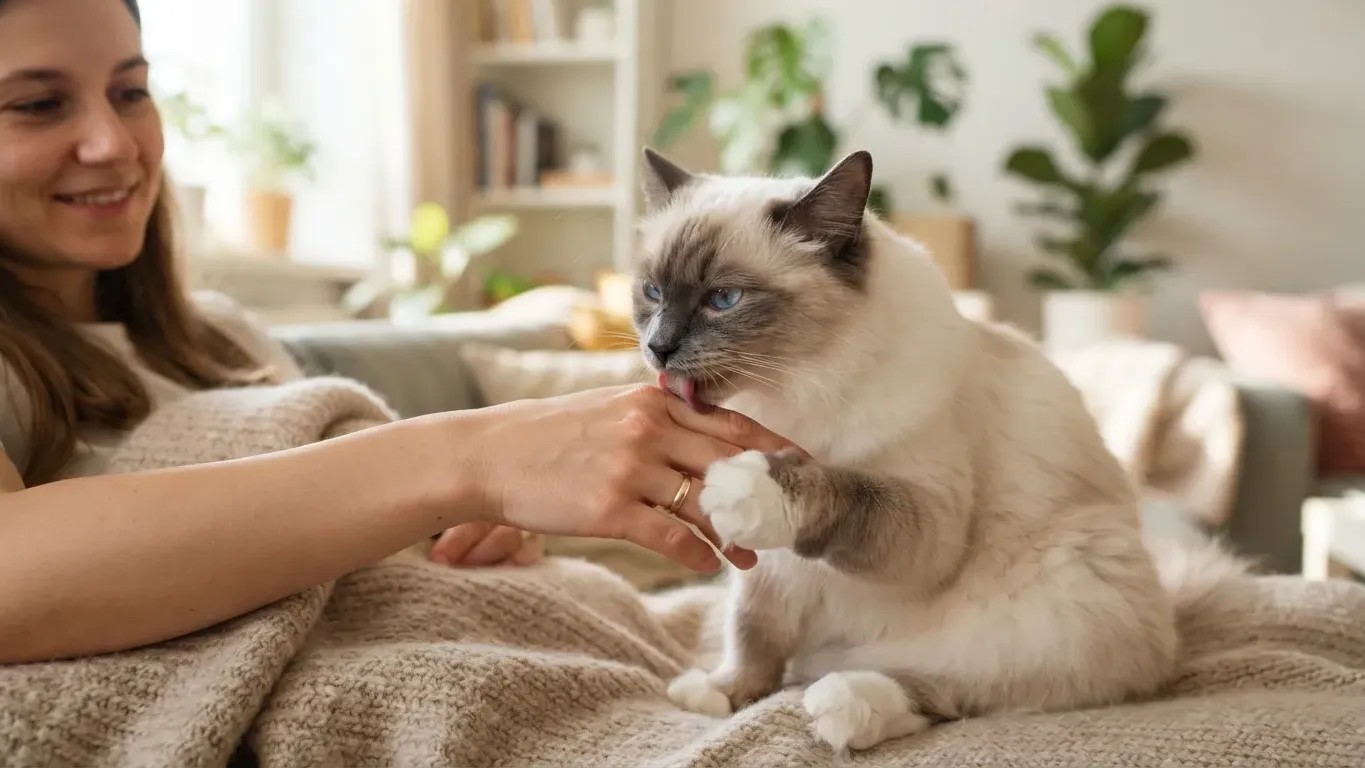
When your cat licks your skin or nibbles your knuckle, it’s engaging in scent exchange to build a group scent – one that folds you into its family. Allogrooming, or grooming another individual, is a behavior cats only extend to those inside their social group.
Cats don’t groom strangers. They don’t groom animals they merely tolerate. They groom family.
Your purebred working through your hair or scrubbing your knuckle is placing you inside the tightest circle of trust a cat has. The only question is whether you noticed the honor when it happened.
But that’s nothing compared to what we found about #4…
#4 – Their Attachment Style Mirrors Human Infants
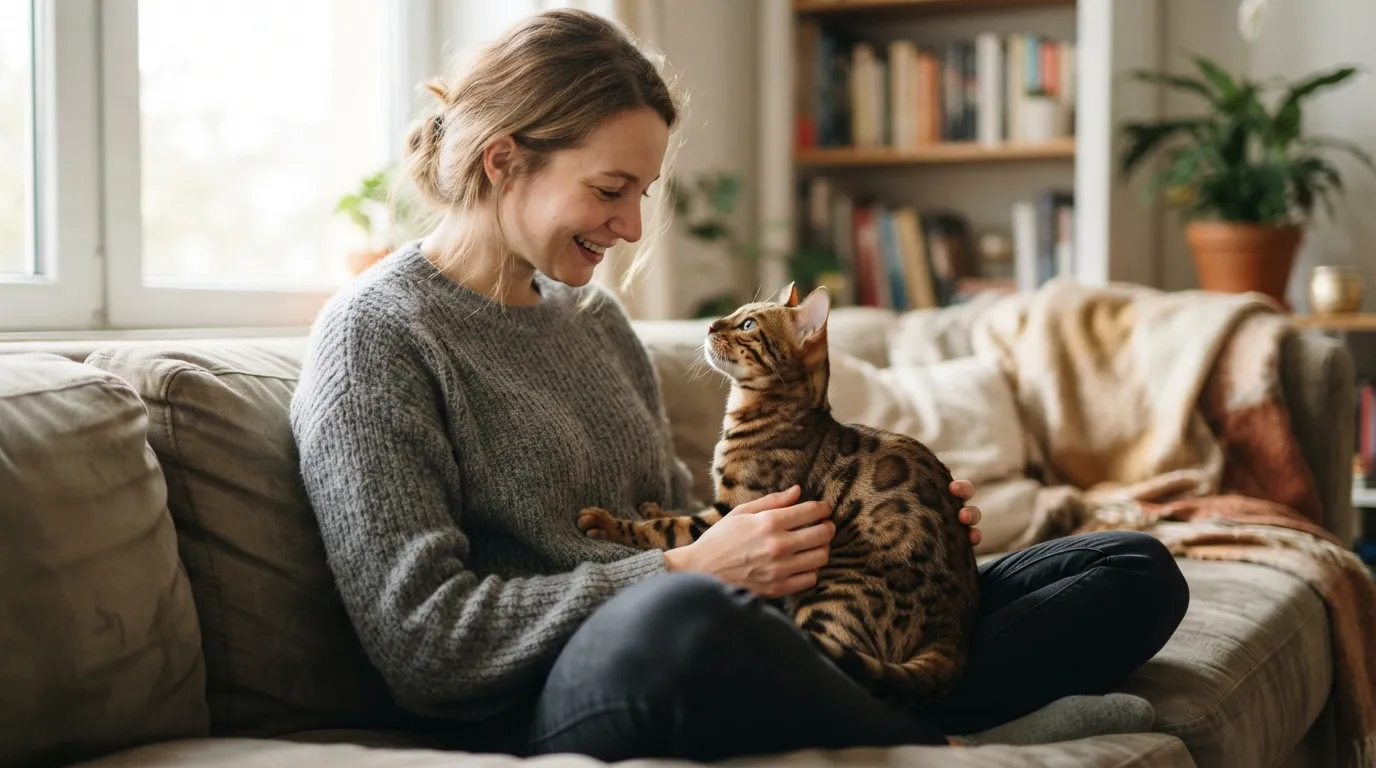
This is the finding that changed how researchers think about cats entirely.
Oregon State University found that pet cats form attachments with their owners similar to the bonds children and dogs form with caretakers – the first time researchers empirically demonstrated cats display the same major attachment styles as babies.
65.8% of cats were classified as securely attached to their owners – mirroring findings for dogs (58% secure) and human infants (65% secure).
Oregon State University research
Two-thirds of cats look at their owner the way a toddler looks at a parent. That’s not a metaphor – it’s a measured behavioral classification, and securely attached cats use their owner as a base to explore from and return to, just like children do.
But that’s nothing compared to what we found about #3…
#3 – Being Near You Actually Changes Their Body Chemistry
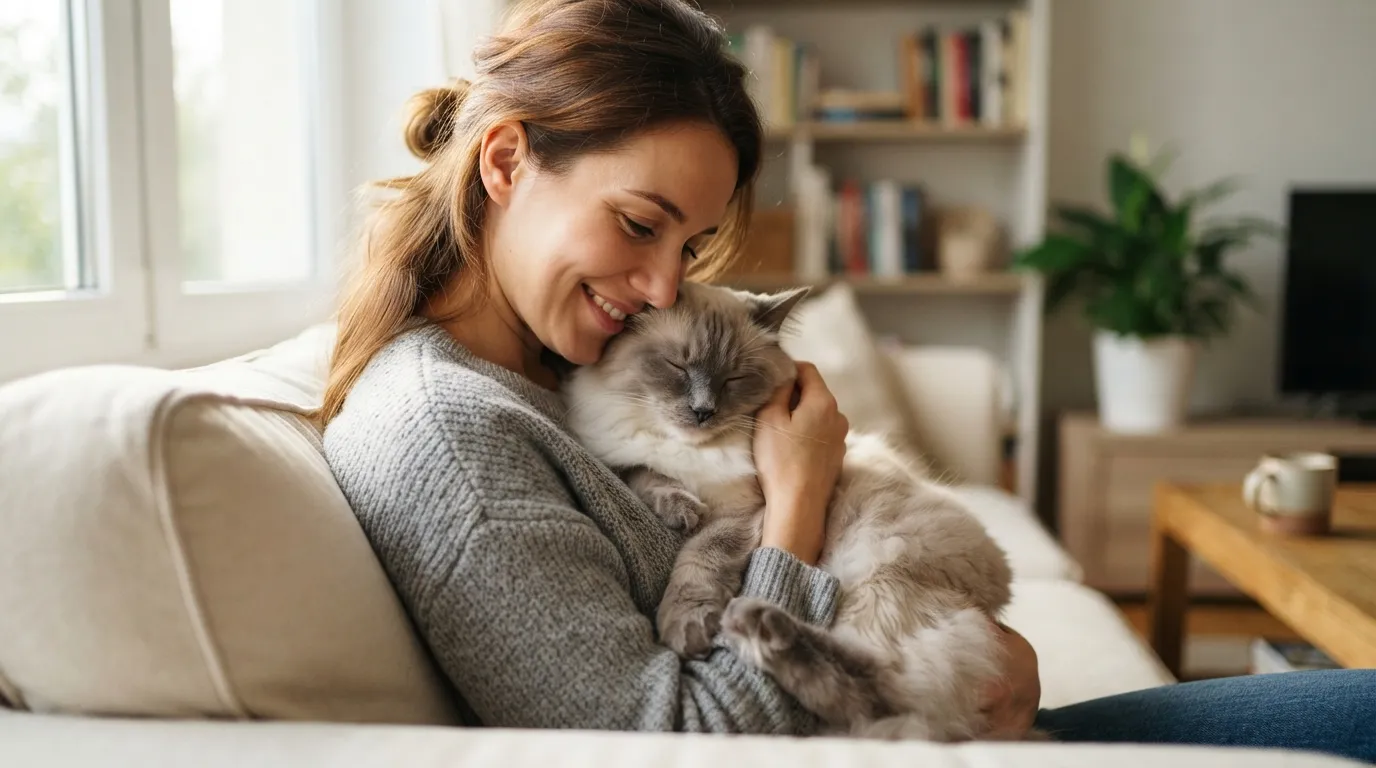
The bond isn’t just behavioral. It’s hormonal.
Research shows a cat’s attachment style influences its behavior, its stress responses, and its oxytocin levels during owner interactions. Oxytocin may be responsible for some of the emotional and even physical benefits that come from the human-cat relationship.
Oxytocin is the same hormone that surges in humans during bonding, love, and physical affection. The fact that interacting with you appears to shift your cat’s oxytocin levels means this bond has a measurable biological footprint – it’s not something you’re just projecting onto them.
The benefits run both directions too: lower blood pressure for owners, reduced stress behaviors for cats.
But that’s nothing compared to what we found about #2…
#2 – They Mourn You When You’re Gone
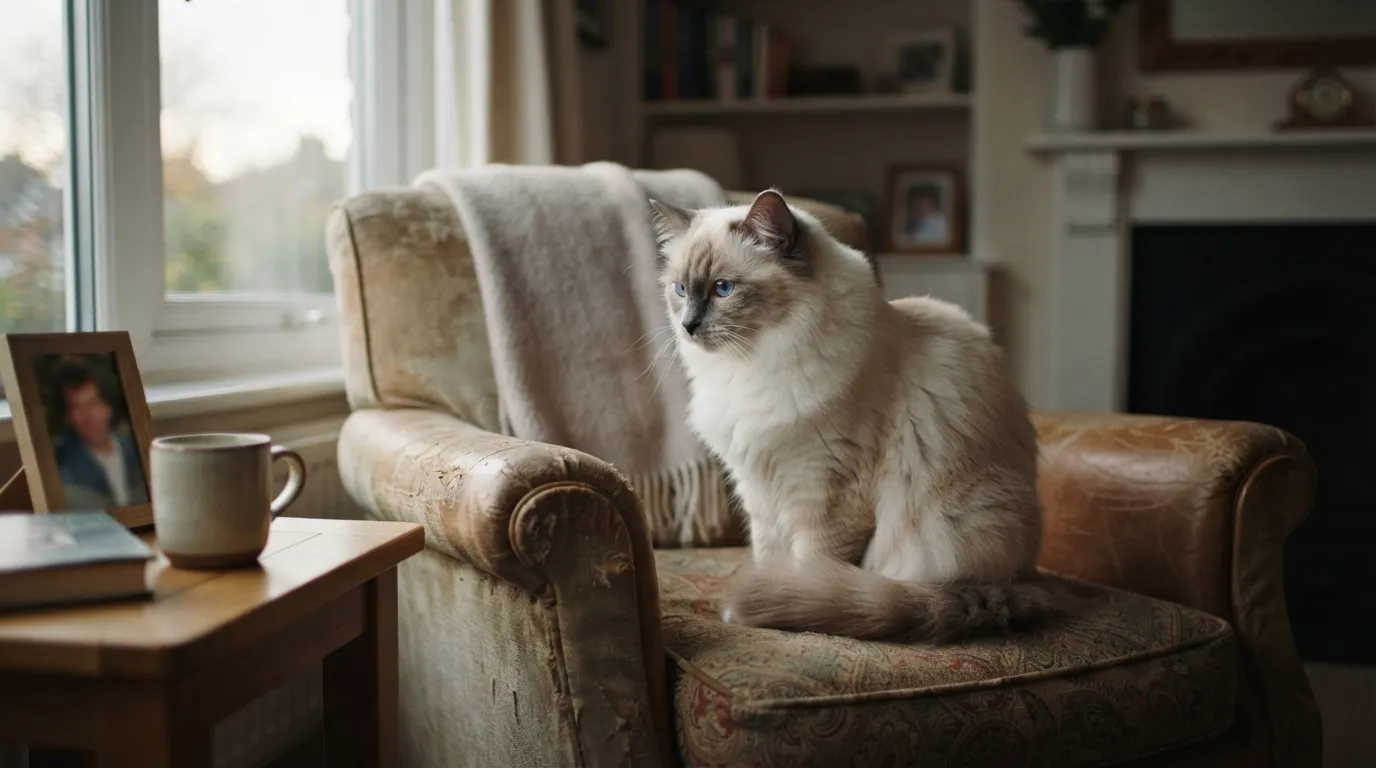
Most people assume cats don’t notice a long absence. The research says otherwise.
Behaviorists report withdrawn behavior, reduced appetite, and increased vocalizations in cats when a bonded owner is absent for extended stretches – especially in purebreds bred for close human contact.
At a Glance
- Withdrawn or subdued behavior during long absences
- Reduced appetite while the owner is away
- Increased vocalizations when left alone
- Quick “check-ins” for attention once the owner returns
Securely attached cats show measurably reduced stress the moment their owner walks back into the room – not because the threat is gone, but because their specific person is present again. They explore the room with curiosity while periodically checking back in with their owner for attention.
That check-in behavior is the giveaway. They’re not just calmer – they’re actively looking for you, specifically.
But that’s nothing compared to what we found at #1…
#1 – You Are Their Entire Concept of “Safe”
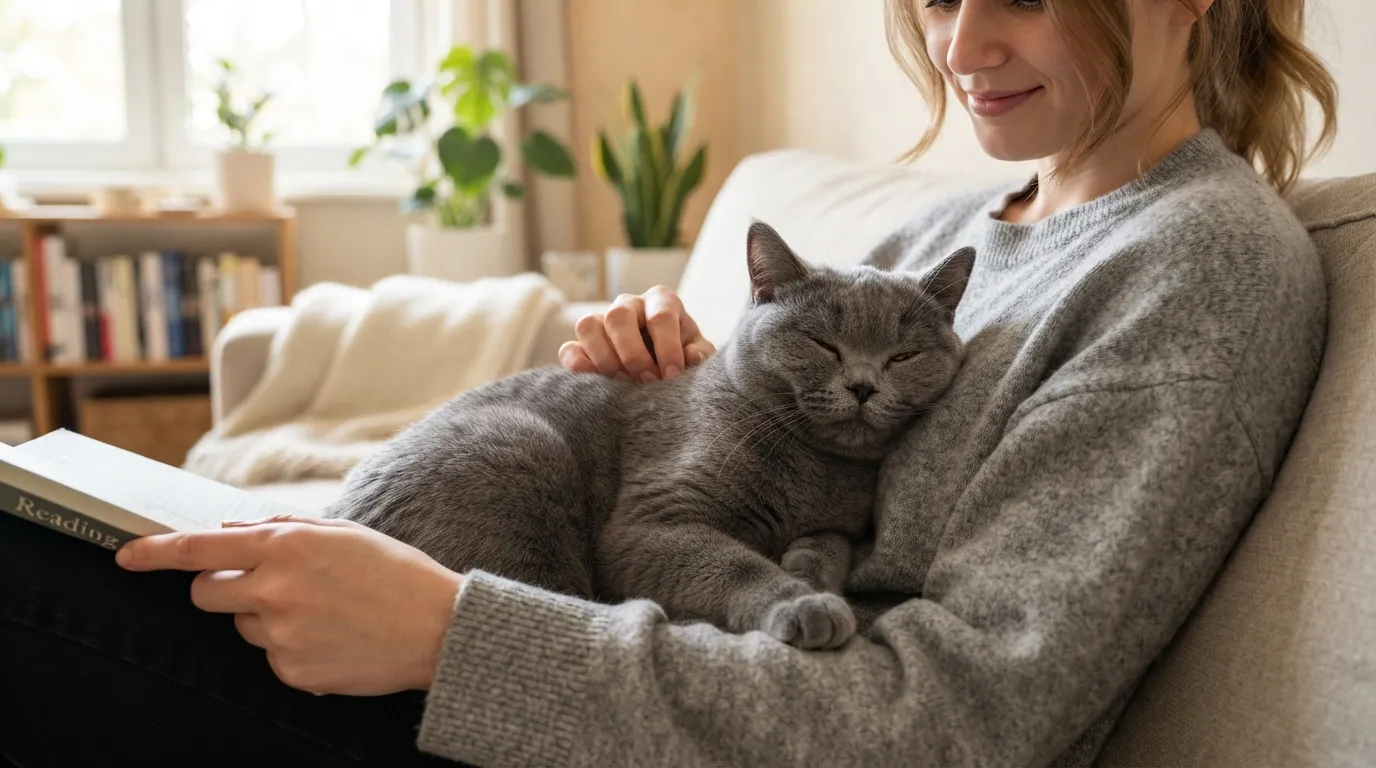
Every behavior on this list points to the same conclusion, and this is the one that ties them all together.
The majority of cats view their owners as a source of comfort and security, just like dogs do. Don’t let your cat’s “independent” reputation fool you – it’s far more attached to you than you think.
Your purebred doesn’t just enjoy your presence – you are the reference point by which it measures whether the world is okay. The slow blinks, the grooming, the voice recognition, the oxytocin surges – they all serve one function: staying close to you.
When a cat chooses to bond with someone, it’s a genuine, earned, deeply affectionate relationship. With a purebred, that choice is even more deliberate.
The Bottom Line
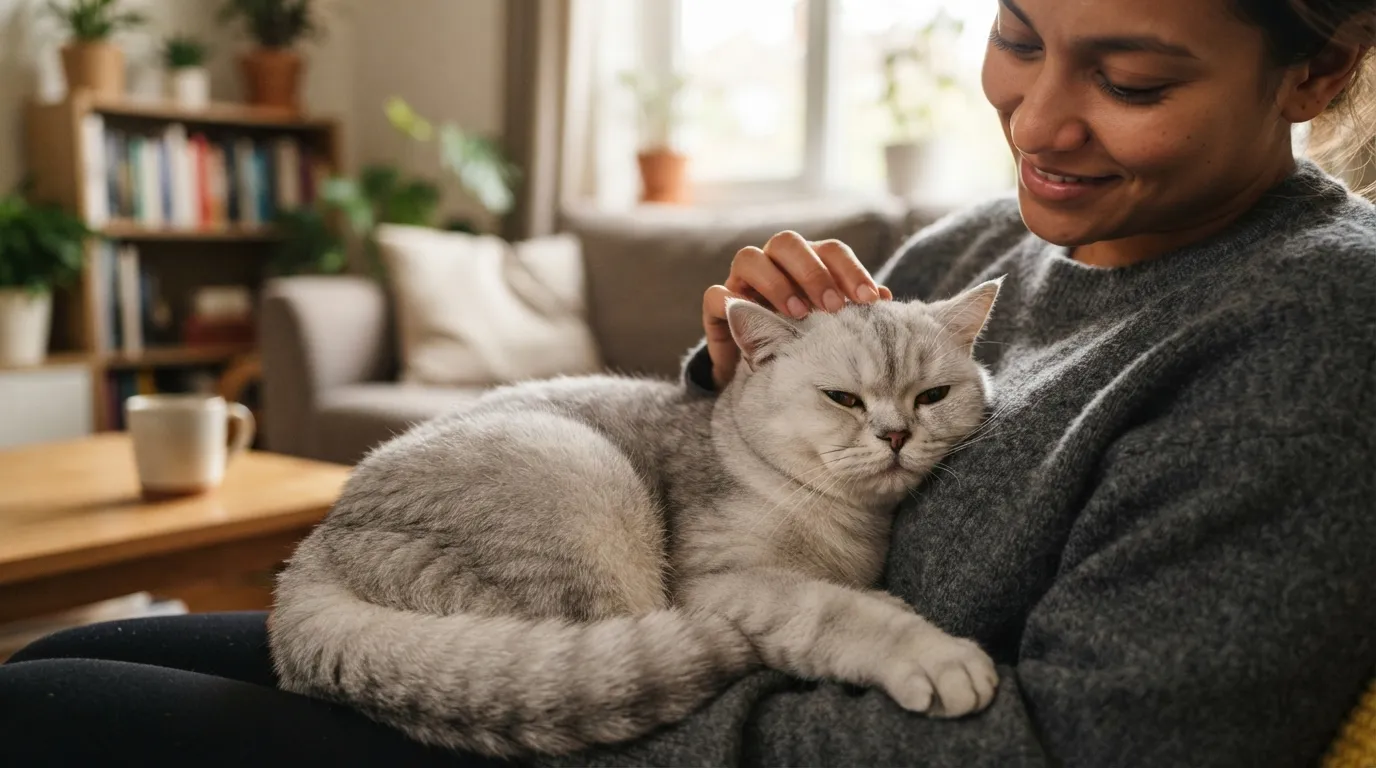
The “cats don’t care” myth is flatly contradicted by the science. 65% of cats form secure attachments comparable to human infants.
Quick Compare
- Cats: about 65% securely attached to their owner
- Dogs: about 58% securely attached to their owner
- Human infants: about 65% securely attached to their caregiver
They recognize your voice over all others, trigger measurable oxytocin release when you’re near, mourn your extended absences, and physically groom you into their family unit. With purebreds – selectively shaped for human companionship – every one of these signals runs stronger and reads clearer.
Your cat isn’t tolerating you. It has chosen you as its entire emotional anchor.
Most owners never notice these signals until someone points them out – and now you won’t be able to unsee it the next time your cat blinks slowly at you from across the room.