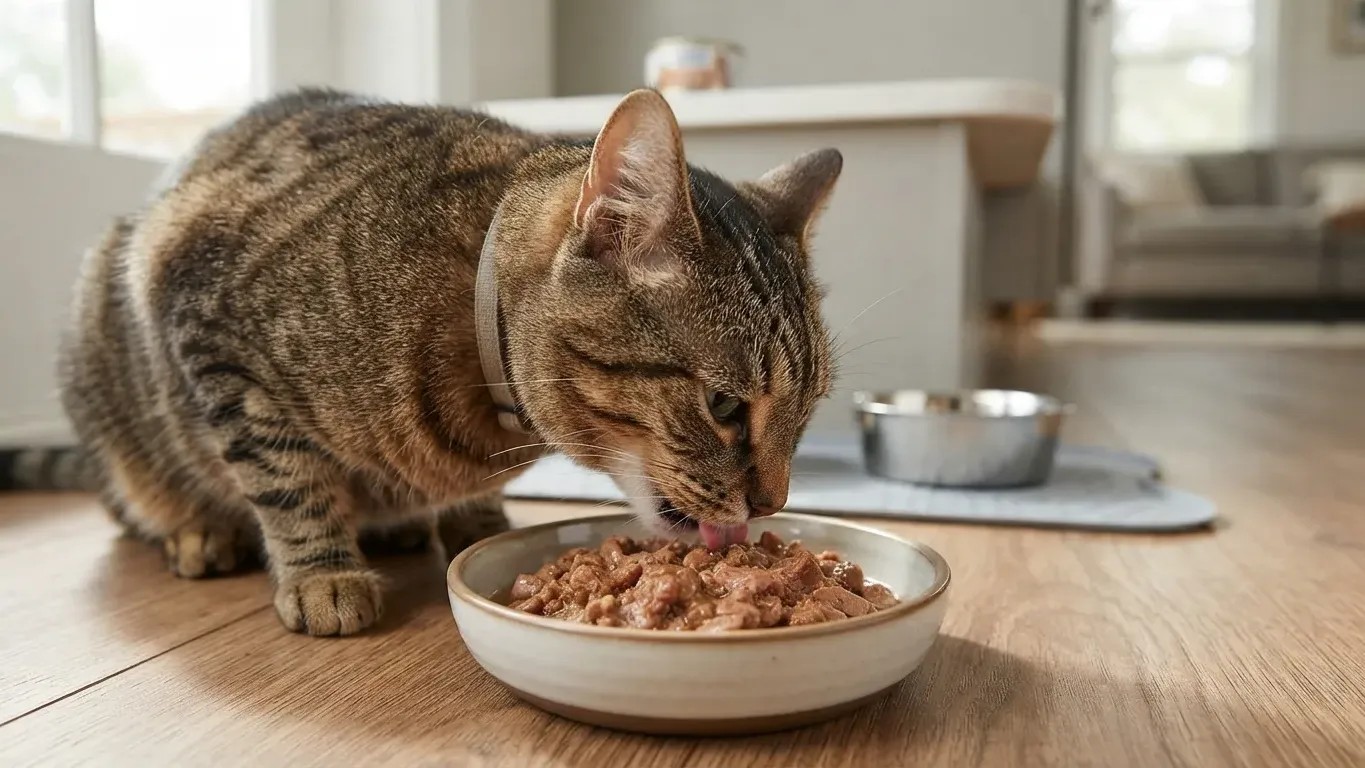
Most cat owners think they know their pets inside out. A growing wave of honest conversations happening inside veterinary clinics is quietly dismantling beliefs that millions of people still swear by.
Some of these myths aren’t just wrong – they’re actively shortening your cat’s life. Here’s what vets are finally saying out loud.
#14 – Cats Are Nocturnal
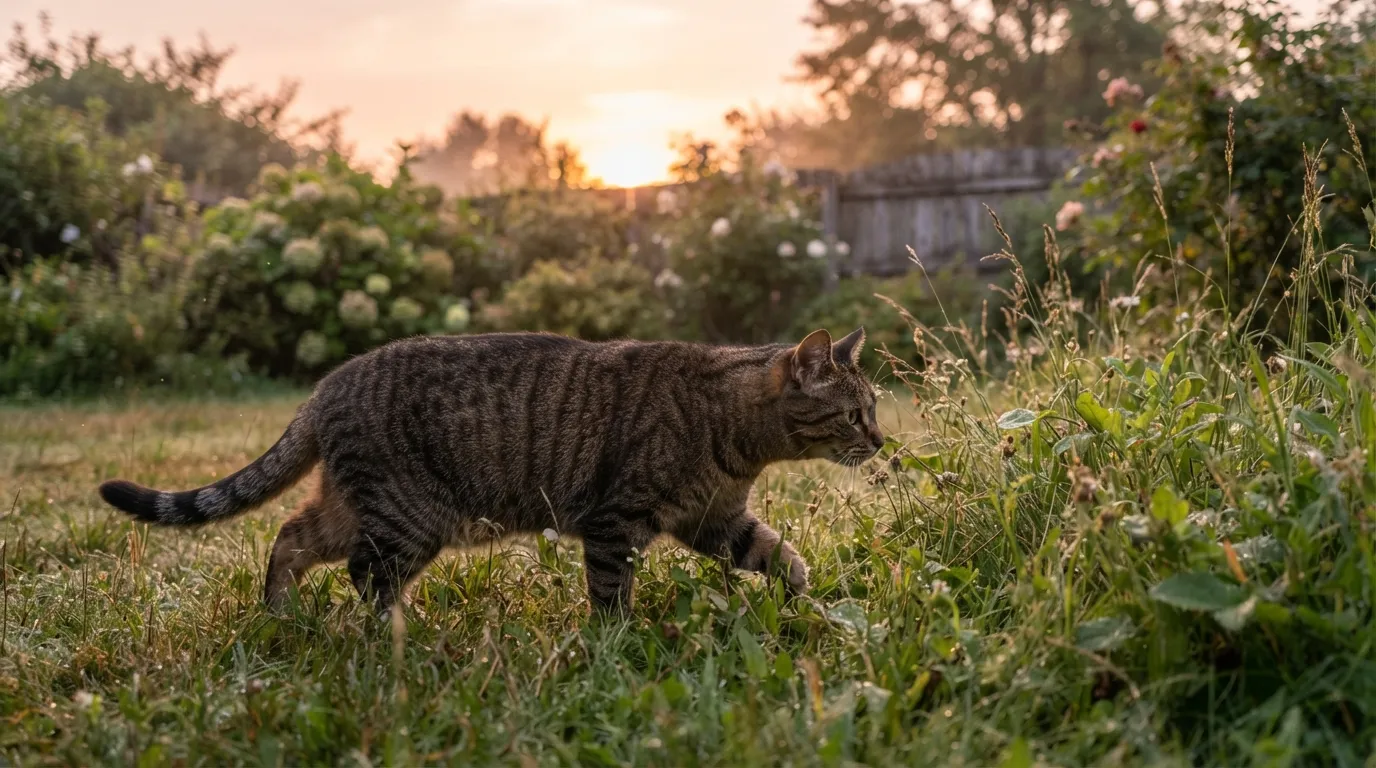
A lot of owners accept the 3 a.m. zoomies as proof their cat is a night creature. That assumption is completely wrong.
Cats are actually crepuscular, which means they are most awake at dusk and dawn.
Jackson Galaxy
That’s because their natural prey in the wild is most active at dusk and dawn. Domestic cats never got the memo that they’re not hunting anymore.
That middle-of-the-night chaos isn’t nocturnal instinct – it’s boredom or a disrupted schedule. More interactive playtime in the early evening can burn off that crepuscular energy before bed.
But the sleep myth is just a warm-up. Wait until you see what #13 reveals about something you’ve probably given your cat as a treat.
#13 – Milk Is a Natural, Healthy Treat for Cats
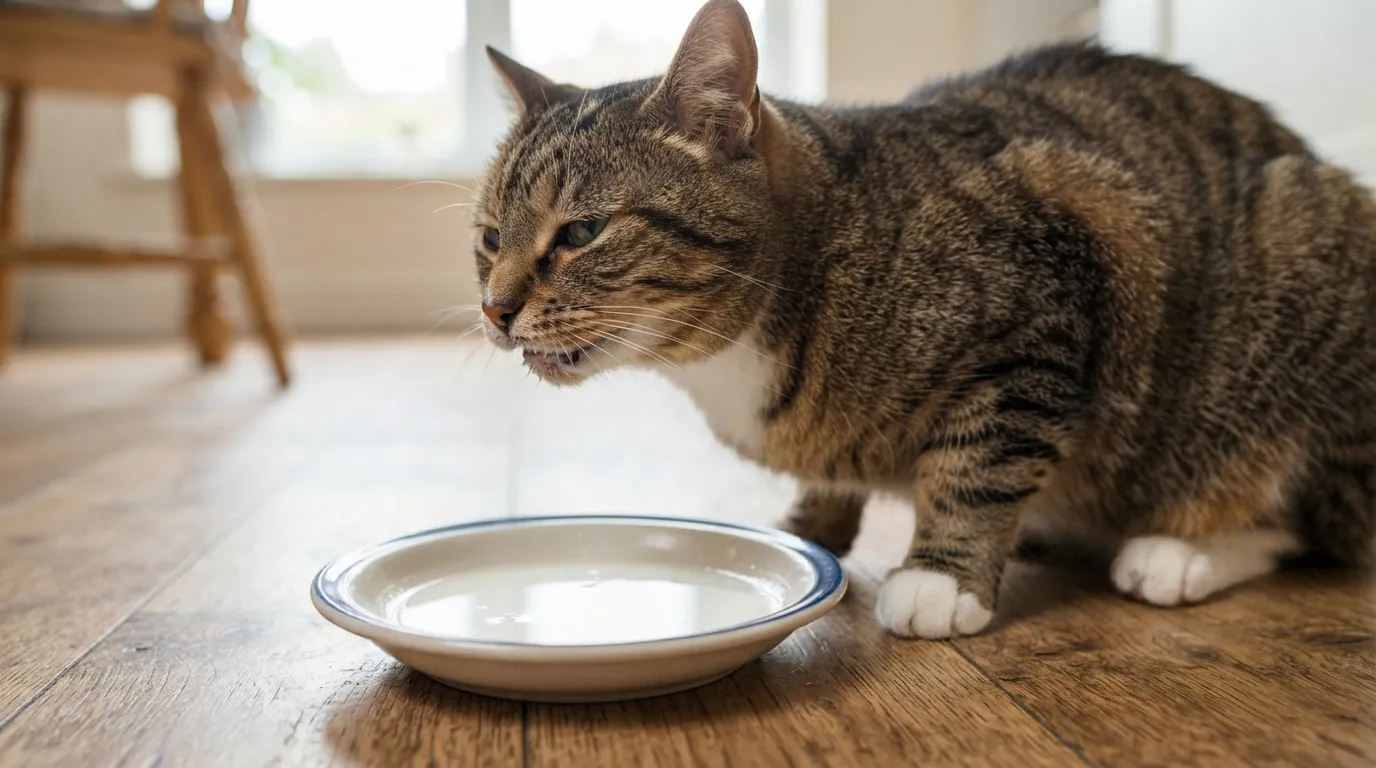
That image of a cat lapping milk from a saucer is iconic. It’s also a complete lie.
Most cats are lactose intolerant. After weaning around 6 to 12 weeks old, kittens stop producing the enzyme needed to digest lactose.
That means dairy can trigger diarrhea, bloating, and vomiting. Too much milk can also quietly pack on empty calories.
Your cat doesn’t need milk – they need water. Most cats are chronically dehydrated because flat bowls just don’t appeal to them, and a cat fountain can genuinely change that.
If that surprised you, #12 is about something even more unexpected – and it happens at every single vet visit.
#12 – A Purring Cat Is a Happy Cat
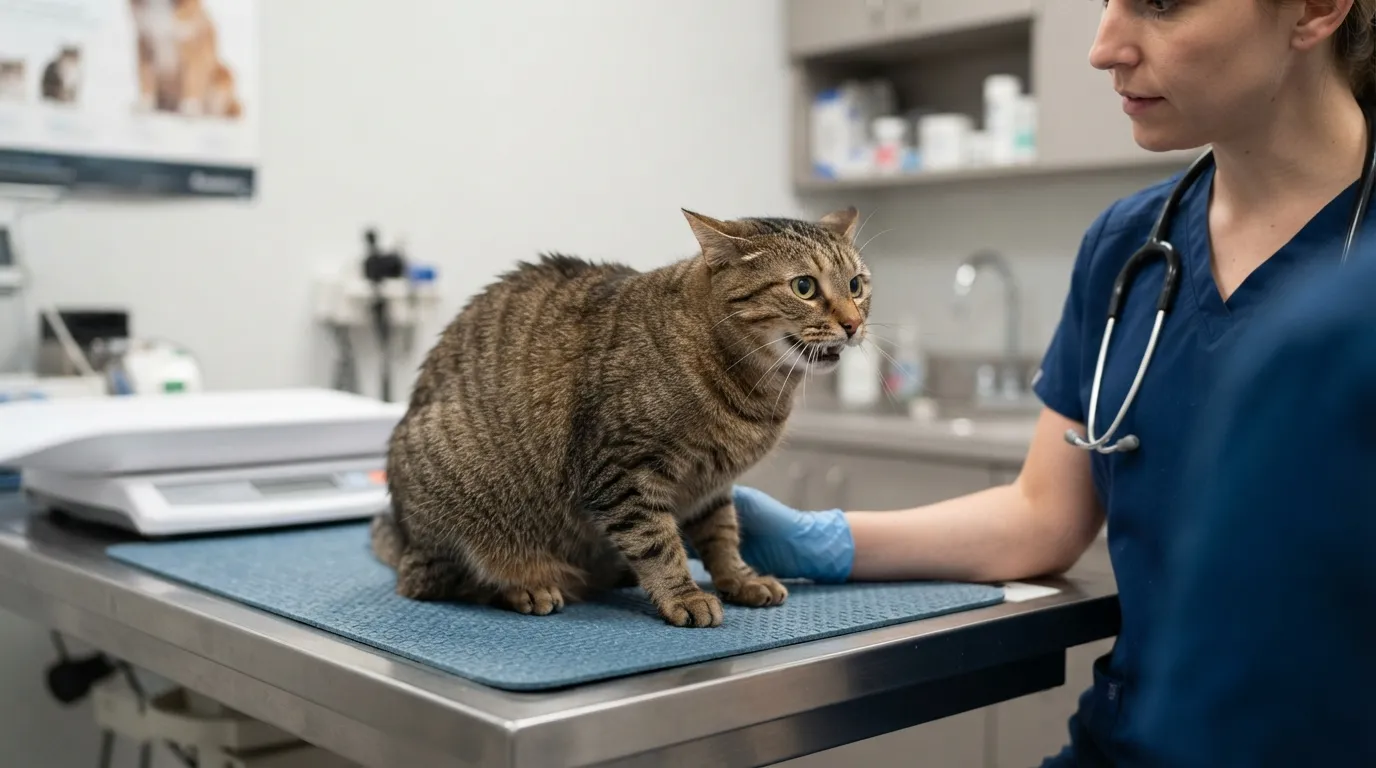
You hear that rumble and feel instant relief – your cat is content, all is well. Vets have been quietly correcting this for years.
Purring isn’t only a happiness signal. It’s actually a self-soothing behavior, and cats may purr when stressed, frightened, or in pain.
A cat purring during a vet visit often signals anxiety, not comfort. The ASPCA notes that cats frequently purr while injured or recovering, using it to calm themselves.
One theory suggests the vibration frequency of a purr may actually help reduce pain – meaning a purring cat could be self-medicating. Watch their overall body language, not just the sound itself.
Don’t stop reading – #11 is a myth that may be delaying life-saving vet care for millions of cats right now.
#11 – Cats Don’t Need Vet Visits If They Seem Fine
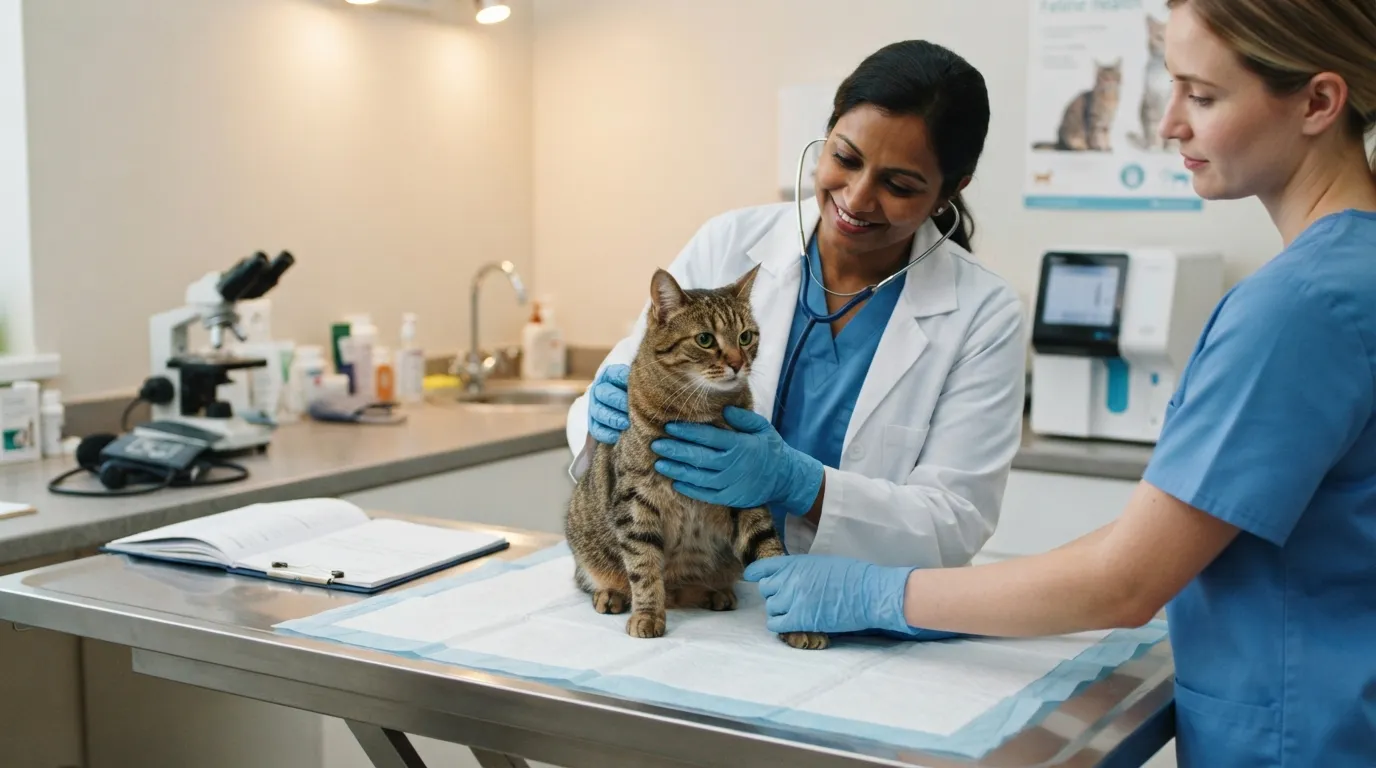
This is arguably the most damaging myth on the entire list. Cats are not self-maintaining machines.
Nearly half of American cats don’t get regular veterinary care. According to the AVMA, 44.9% of cat owners skipped a vet visit during a recent studied year.
Kidney disease is the number one killer of cats, and it can go undetected for years. Most cats show zero outward signs until they’ve already lost over two-thirds of kidney function.
Cats are simply better at hiding illness than dogs are. Without routine blood work, you may not know something’s wrong until it’s too late.
Fast Facts
- Nearly 45% of U.S. cat owners skip regular vet visits
- Kidney disease is the leading cause of death in cats
- Warning signs often don’t show until two-thirds of kidney function is gone
- Cats hide illness far better than dogs do
Annual vet visits aren’t a luxury for cats – they’re damage control. What’s worse? The reason most owners skip those visits ties directly into myth #10.
#10 – Cats Are Totally Self-Sufficient and Low-Maintenance
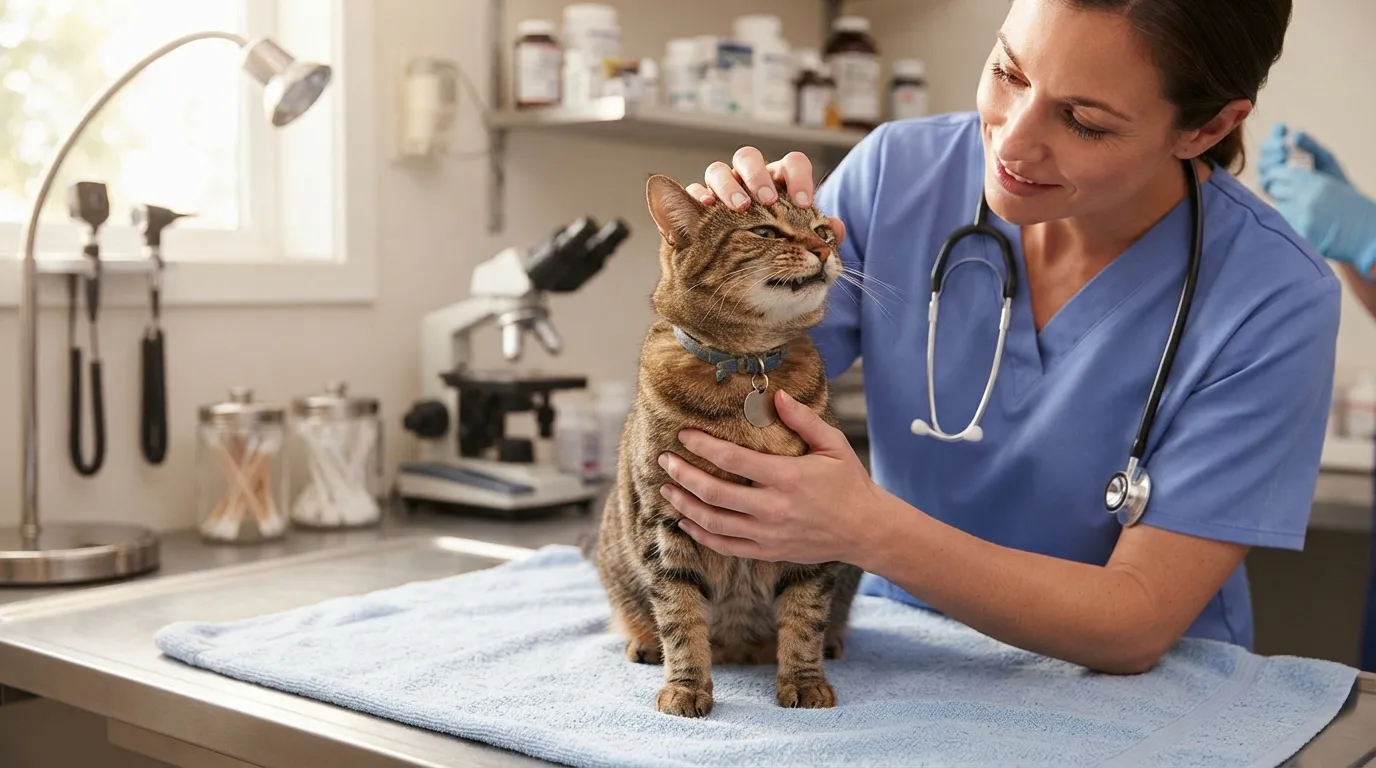
Cats have a reputation as the “easy” pet. Vets hear this constantly – and cringe every time.
Many owners believe cats need less care, fewer vaccines, and no dental or parasite prevention compared to dogs. That belief stands directly in the way of a cat’s actual wellness.
Cats require daily care – grooming, clean litter, exercise, mental stimulation, and regular vet visits. They also form deep bonds with their humans and depend on a steady routine to feel secure.
The “low-maintenance pet” label gets cats abandoned at far higher rates than dogs when reality doesn’t match the myth. Cats need real emotional, financial, and time investment to stay healthy.
You think that’s eye-opening? #9 is about something your vet has almost certainly told you – and that you’ve probably ignored.
#9 – Indoor Cats Don’t Need Vaccines
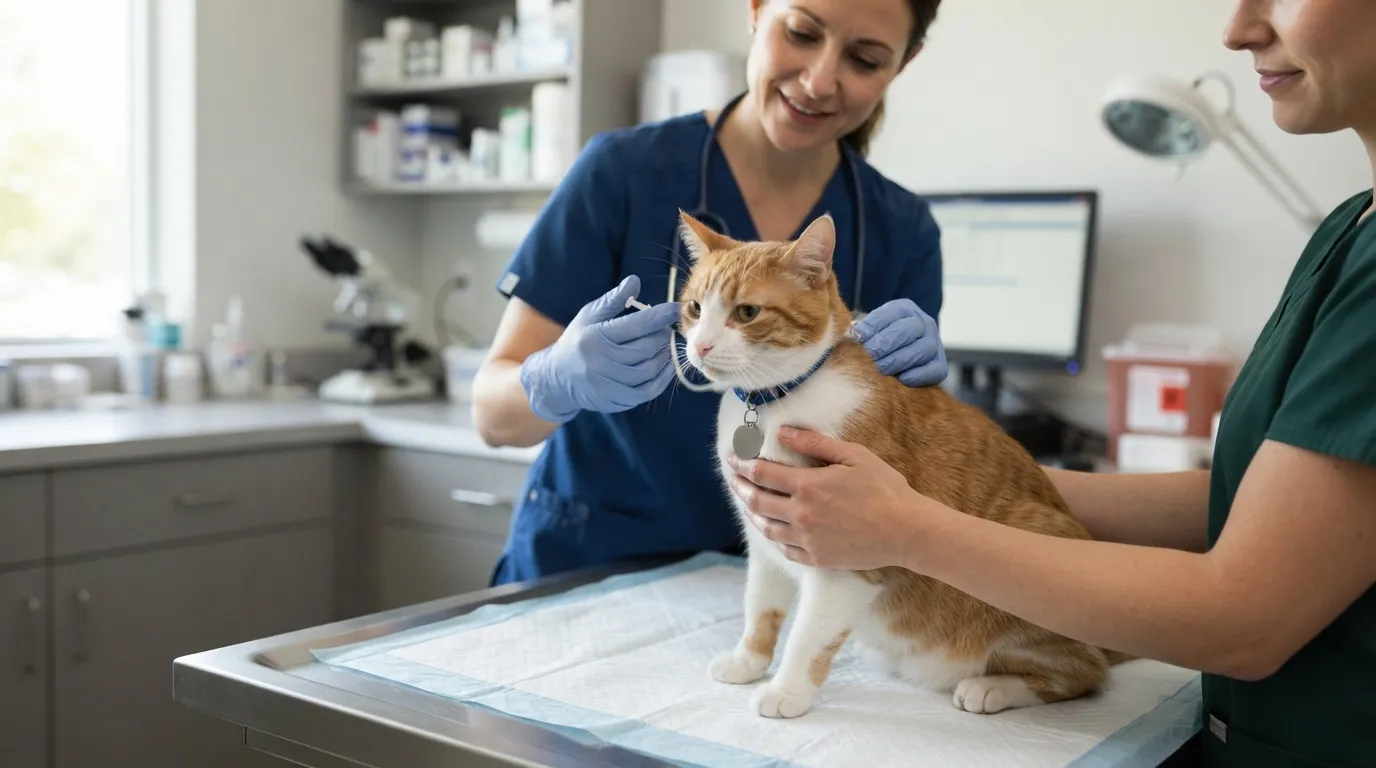
Many indoor cat owners consider annual shots unnecessary. After all, what’s their cat even exposed to?
Quite a lot, actually. Fleas, mosquitoes, and viruses can hitch a ride in on clothing, other pets, or an open window.
Diseases like rabies and feline distemper still show up in indoor-only cats. Many states legally require rabies vaccination regardless of lifestyle.
The assumption that four walls equal full protection is exactly the kind of thinking that leads to preventable deaths. Vets may adjust the schedule for indoor cats, but the risk never fully disappears.
But vaccines are only part of the story. Myth #8 is about what you’re probably feeding your cat right now.
#8 – Dry Kibble Is Just as Good as Wet Food
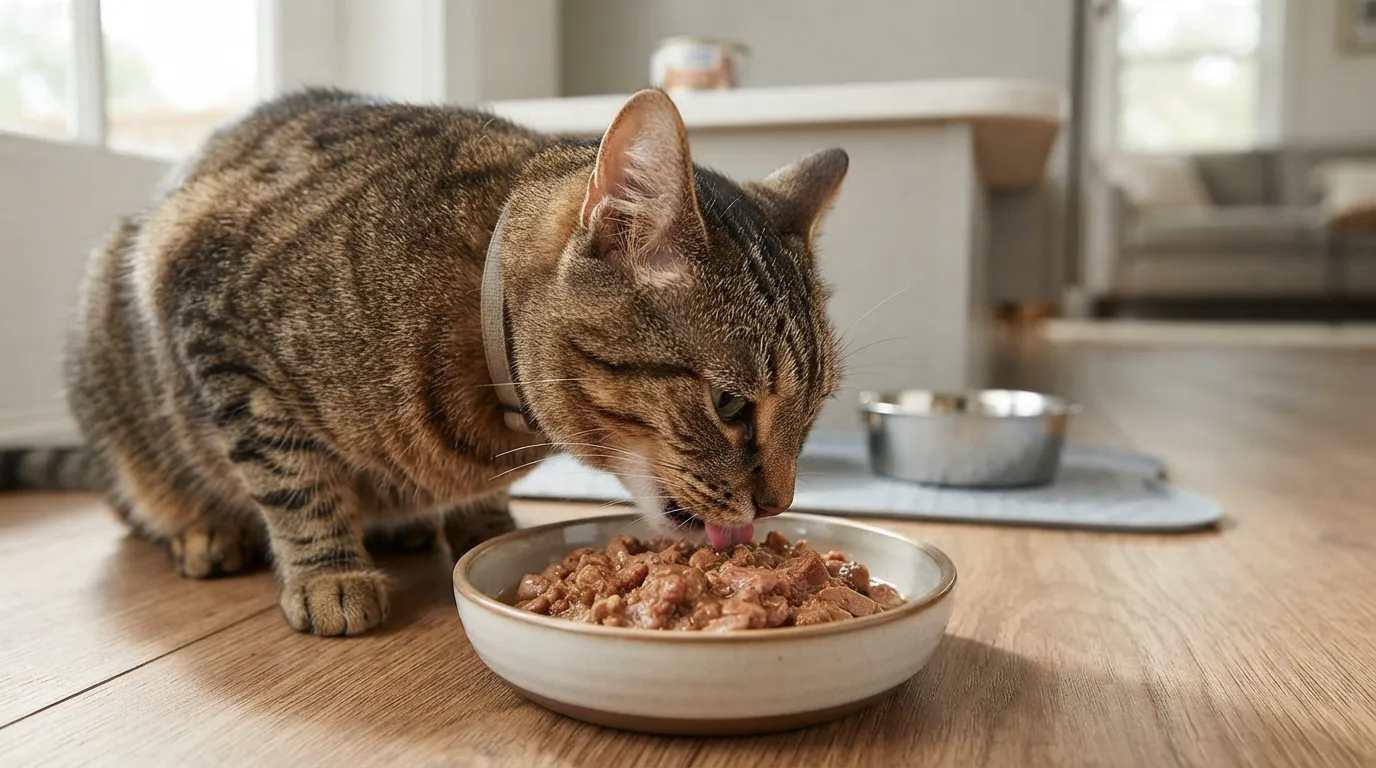
Dry food is convenient, affordable, and marketed brilliantly. Vets have long seen it differently.
“Canned food is better than dry – it is higher in protein, lower in calories, and contains needed moisture,” says veterinarian Dr. Lynn Bahr. Cats evolved as desert hunters who got most of their hydration from prey, not a water bowl.
A dry-food-only diet keeps cats in a constant, mild state of dehydration. That’s not a minor inconvenience – it adds up over years.
Chronic dehydration is directly linked to urinary tract disease and kidney failure – two of the most common and expensive conditions vets treat. Resist the urge to leave dry food out all day.
Quick Compare
- Wet food: higher protein, higher moisture, closer to a cat’s natural prey diet
- Dry food: convenient and shelf-stable, but low in moisture
- Long-term risk: dry-only diets are tied to dehydration, urinary disease, and kidney failure
And if diet surprised you, #7 is about a procedure that millions of owners still think is harmless.
#7 – Declawing Is Like Trimming a Nail
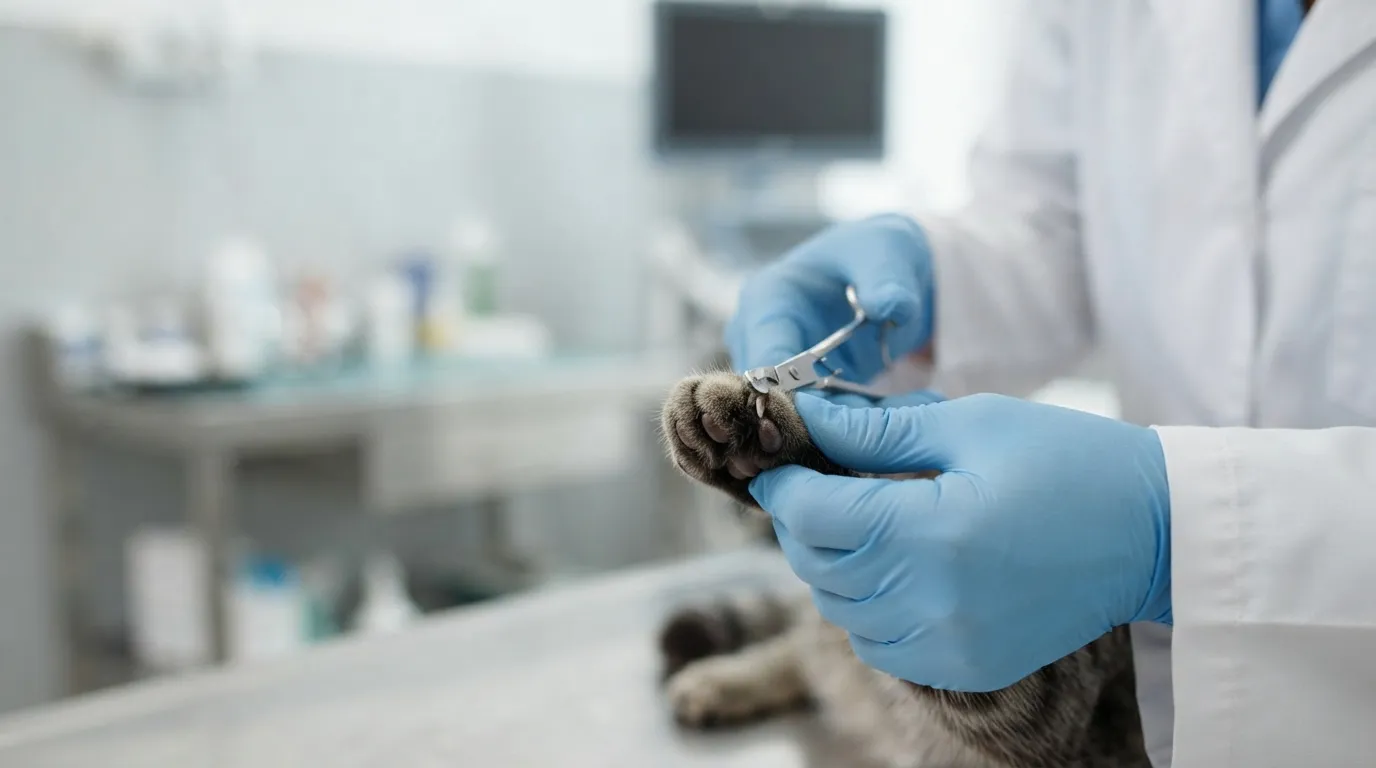
This myth has stubbornly survived for decades. Some owners still believe declawing is a minor cosmetic fix – it is not.
Declawing is major surgery done under anesthesia, involving amputation of the entire third digit, nail included. Many cats go on to develop chronic arthritis pain from it.
Some declawed cats stop using the litter box because digging hurts their feet. Others become prone to biting since their first line of defense is gone.
This procedure is now banned in over 40 countries and several U.S. states. Talk to your vet about nail caps or scratch training instead.
Stick around – #6 involves something almost every pregnant cat owner has been told, and it may have caused genuine panic for no reason.
#6 – Pregnant Women Must Get Rid of Their Cat
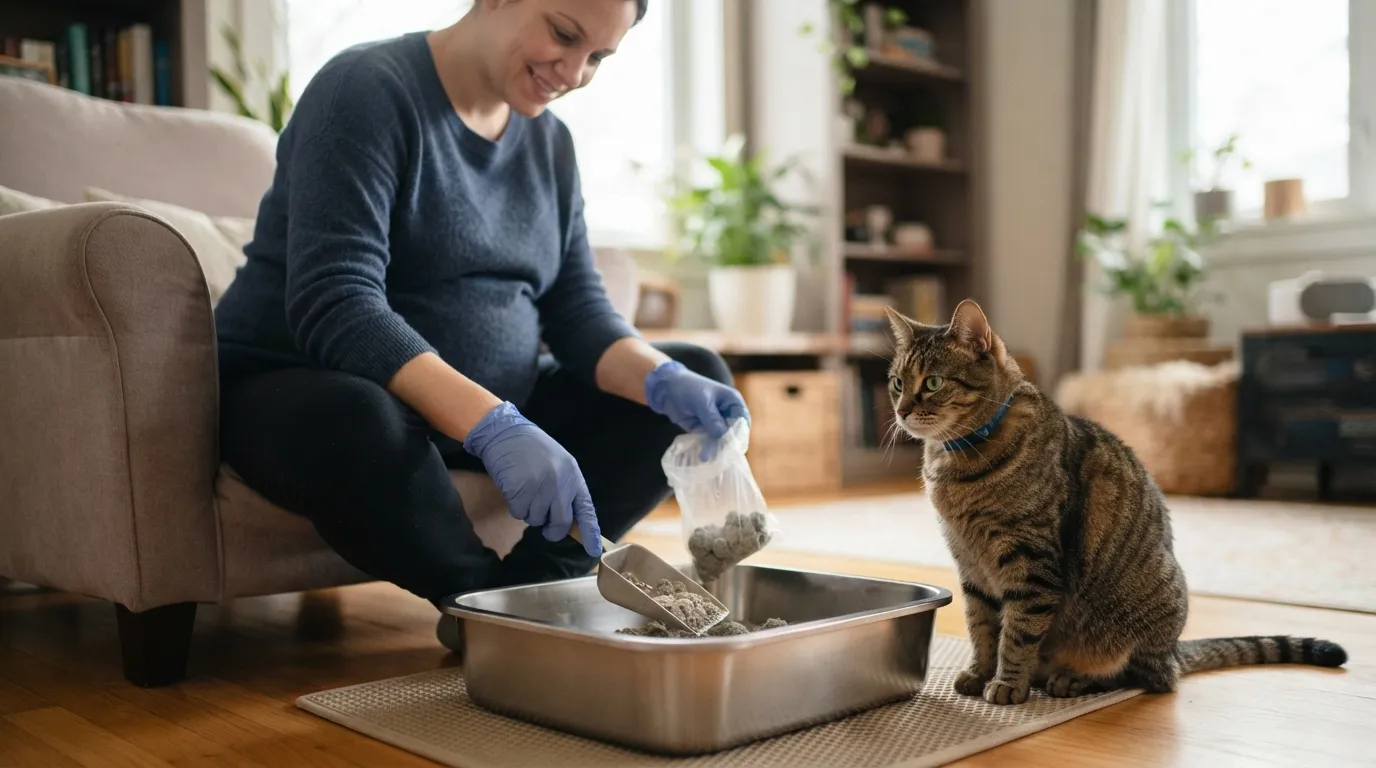
Countless cats have been surrendered to shelters over this fear. Vets say the real risk is frequently overstated.
This myth started after doctors linked a parasite in cat feces, Toxoplasma gondii, to birth defects. But the transmission chain requires a very specific and unlikely sequence.
The cat would need to eat raw infected meat, then shed the parasite for roughly two weeks of its entire life. Only then could a pregnant woman ingest the infected feces and be at risk.
An indoor cat fed commercial food carries an extremely low real-world risk. If litter duty is unavoidable, gloves and handwashing are enough – rehoming is almost never necessary.
At a Glance
- Step 1: Cat eats raw meat infected with Toxoplasma gondii
- Step 2: Cat sheds the parasite for roughly two weeks in its lifetime
- Step 3: A person would need to ingest that infected feces directly
- Real-world risk for an indoor, commercially-fed cat: very low
#5 is something almost every cat owner believes about their cat’s behavior – and it’s causing real harm.
#5 – Cats Misbehave Out of Spite
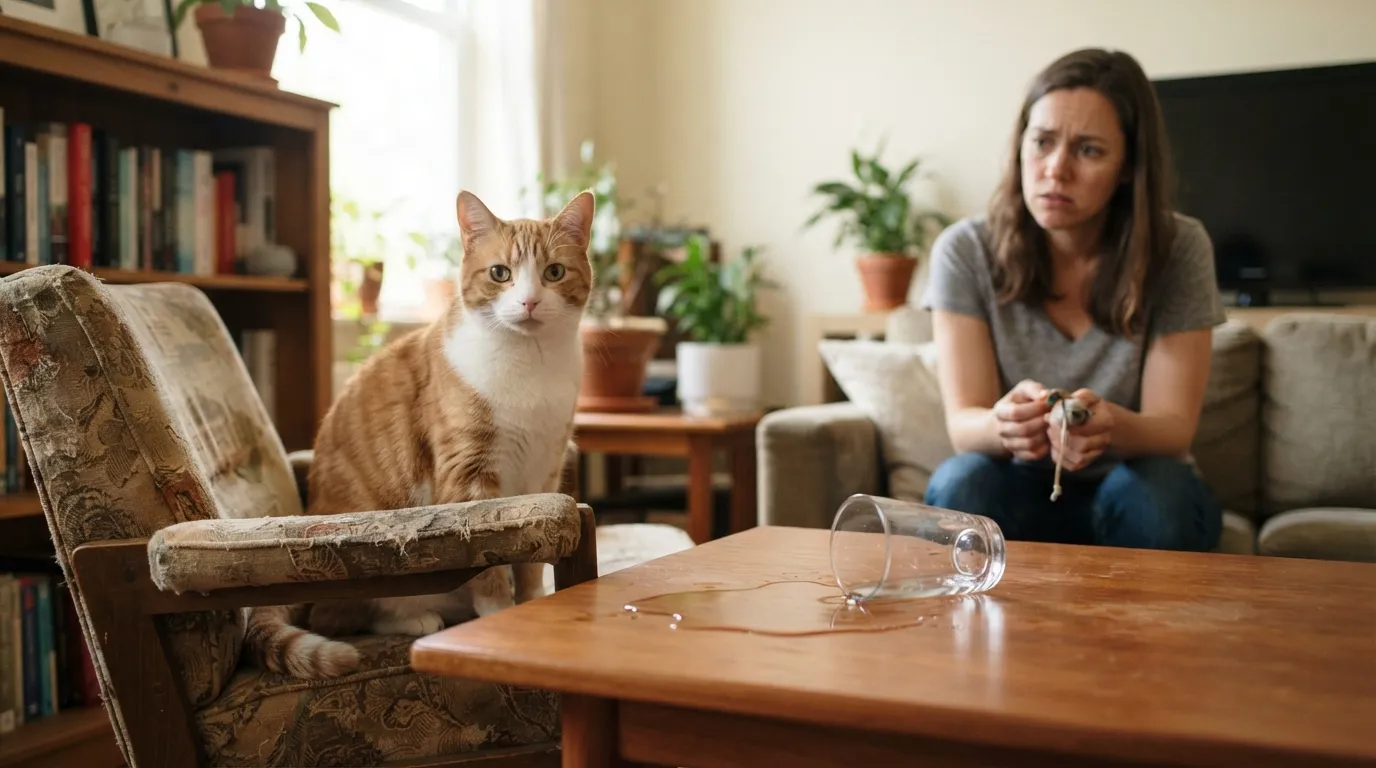
Your cat peed on your pillow. Your cat knocked your glass off the counter while making eye contact with you – revenge, right?
Completely wrong. Cats don’t urinate outside the box, scratch furniture, or act aggressive to punish humans.
Behavior problems almost always have an underlying cause – a medical issue, stress, territorial conflict, or an unpleasant litter box setup. A vet visit is always the right first step, not punishment.
Cats diagnosed with urinary tract infections are frequently “punished” for months by owners who mistake pain for bad behavior. That’s a painful, preventable tragedy.
The next myth – #4 – is one that could be costing your cat years off its life.
#4 – Cats Should Have a Litter Before Being Spayed
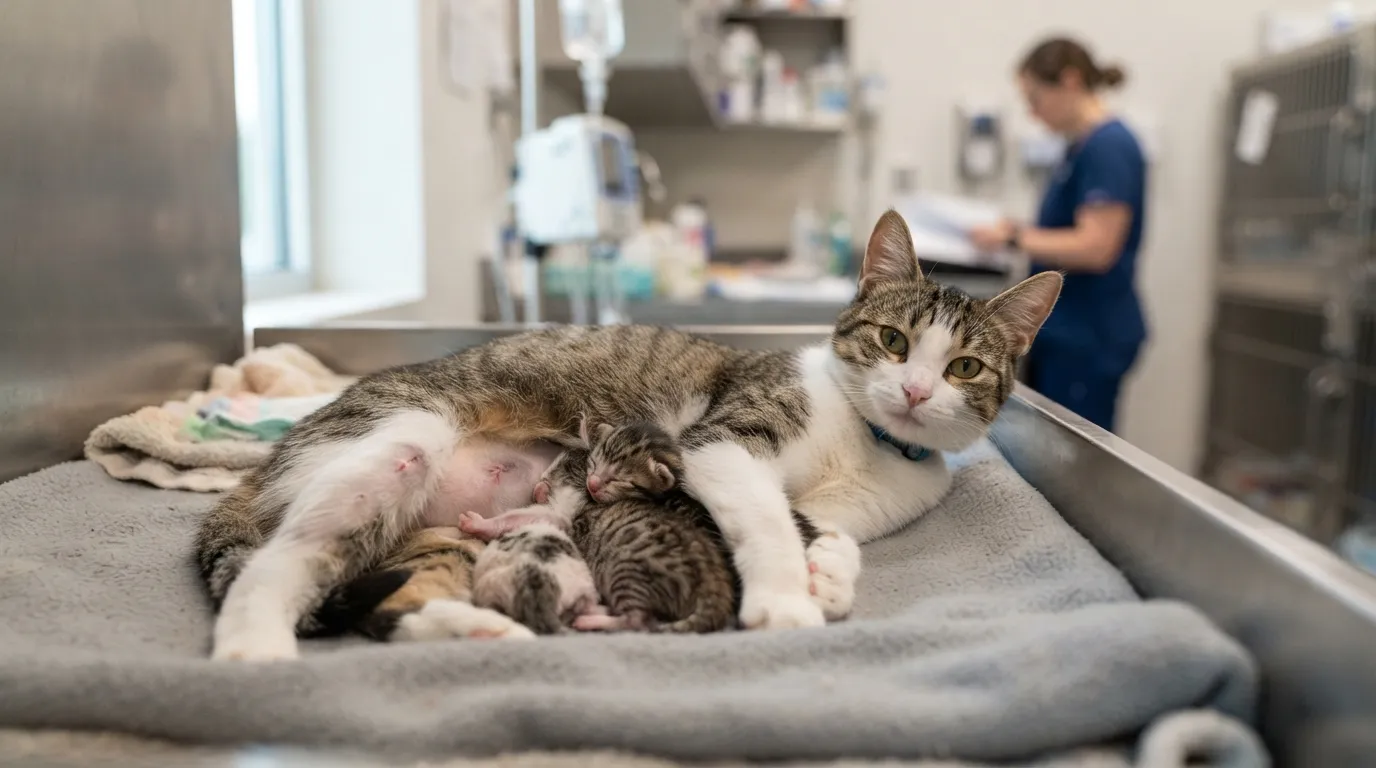
“Let her have one litter first” gets passed down like a family recipe. Vets call it one of the most medically damaging myths they hear.
Allowing a cat to give birth before spaying offers zero health benefit. Waiting until after sexual maturity can actually be detrimental to her long-term health.
Cats spayed after their first heat cycle face a higher risk of mammary cancer and uterine infections. Early spaying is now the standard of care in veterinary medicine.
Waiting also contributes to cat overpopulation, disease spread, and pressure on local wildlife. The “one litter first” belief has no scientific basis whatsoever.
We’re nearly at the top – and #3 will change how you watch your cat every single day.
#3 – Cats Always Land on Their Feet
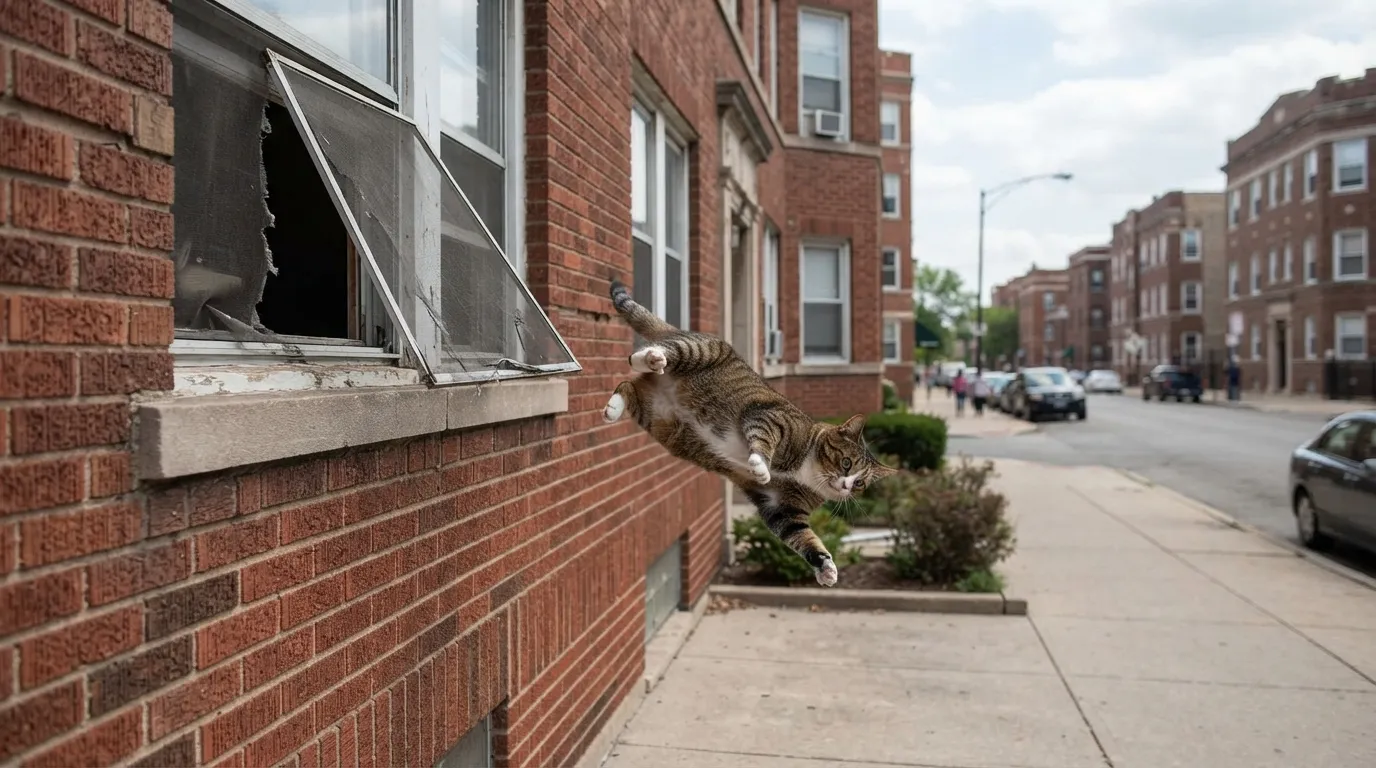
This one feels almost physically true – you’ve seen it, you believe it, it looks like physics. Vets have a very different name for what actually happens sometimes: “high-rise syndrome.”
Cats are agile, but they can be seriously hurt falling the wrong way. The syndrome describes fall-related injuries like fractures, sprains, and even collapsed lungs.
Cats are actually more likely to be injured falling from low heights than high ones. A short fall doesn’t give them enough time to twist into the proper landing position.
A fall from a second-story window can be more dangerous than one from a fifth floor. Check your window screens – seriously.
Worth Knowing
- Vets call fall-related injuries “high-rise syndrome”
- Short falls can be more dangerous than long ones
- Common injuries include fractures, sprains, and collapsed lungs
- Window screens are one of the simplest ways to prevent falls
Just two myths left – and #2 is about something millions of cat owners do every single day without realizing what it actually signals.
#2 – Cats Are Solitary and Don’t Need Companionship

The independent, aloof cat who wants to be left alone is one of the most persistent stereotypes in pet culture. Vets and behaviorists are tired of hearing it repeated.
Cats genuinely enjoy the company of other cats, dogs, and people, even if the introduction period takes patience. Being left alone for long stretches can be genuinely stressful for them.
Separation anxiety can look like urination outside the litter box, excessive vocalizing, vomiting, or loss of appetite. Vets see stress-related health problems far more often in cats left alone without stimulation than owners expect.
Play, petting, food puzzles, and a perch by the window all help. Limiting alone time isn’t spoiling your cat – it’s basic care.
And now – the myth vets say does the most hidden damage of all.
#1 – Cats Clearly Show You When They’re Sick
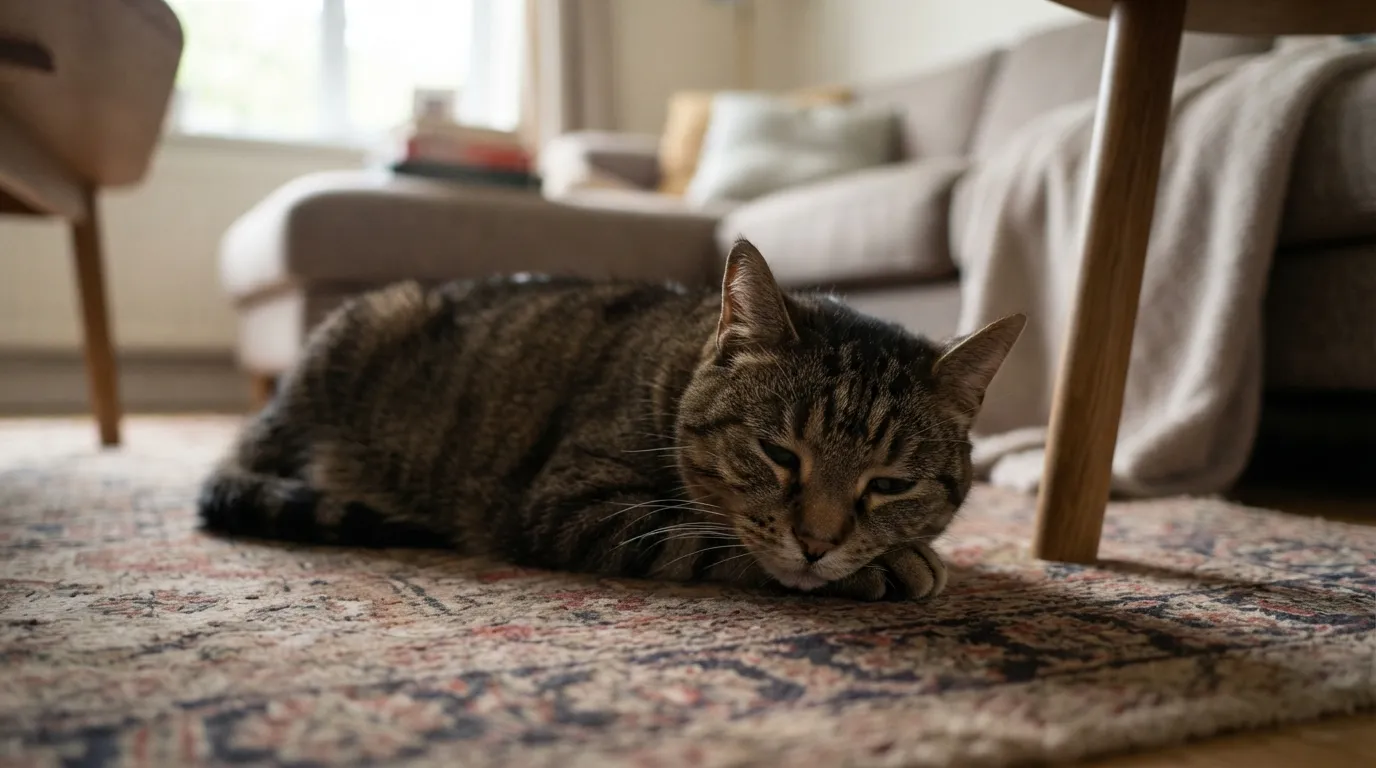
This is the myth that kills cats quietly, slowly, and completely unnecessarily. It’s the one vets wish they could erase from every owner’s mind.
Cats are masters at hiding pain and illness. In the wild, looking vulnerable made an animal a target, and domestic cats still carry those instincts.
Cats tend to hide their symptoms.
Dr. Stacy Eckman, Texas A&M College of Veterinary Medicine
Most signs of illness are subtle – sleeping more than usual, skipping the greeting at the door, or lying in the same spot for hours. By the time a sick cat “looks” sick to most owners, the disease is often already advanced.
The best early-warning system is simply knowing your cat’s normal routine. A sudden change, or losing interest in something they used to love, is often the first real clue.
This is the real reason annual vet visits aren’t optional. Your cat will not tell you something is wrong – that’s simply not how they’re built.
The Bottom Line
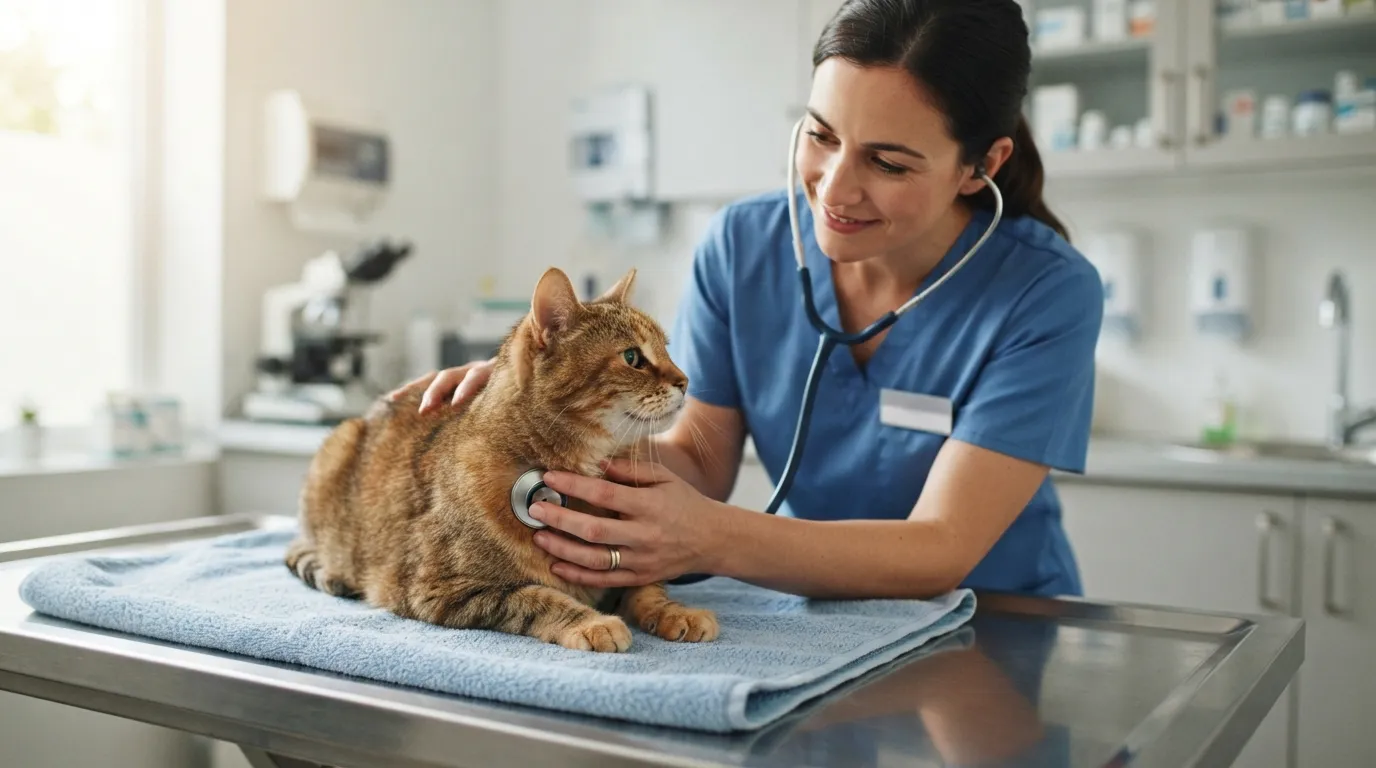
Most of what people “know” about cats was never vetted by an actual veterinarian. From the harmless, like milk as a treat, to the genuinely dangerous, like skipping vet visits because a cat “seems fine,” these myths quietly cost cats years of healthy life.
Your cat’s silence is not reassurance. Kidney disease, dental disease, and chronic pain can all stay invisible until it’s far too late.
The myths that did the most damage weren’t the cute ones – they were the ones about hidden illness, spite, and solitude. Schedule that vet visit, watch that routine, and trust the science over the folk wisdom.
Which of these surprised you most – or did we miss a myth you’ve heard your whole life? Drop it in the comments.