Most people think a rescue cat feels “safe” the moment it stops hiding under the bed. It doesn’t work that way. Trust is built in inches, not days, and the real markers are so small that most owners walk right past them without ever noticing.
A cat that’s actually settled isn’t performing gratitude – it’s quietly, almost invisibly, choosing to lower its guard one behavior at a time. Shelter workers and feline behaviorists track these shifts closely, because they predict everything from adoption success to lifelong bonding. Fourteen of those shifts stand out above the rest, and the last one on this list is the one every rescue owner secretly waits years to see.
#1 – Eating Without Watching the Door
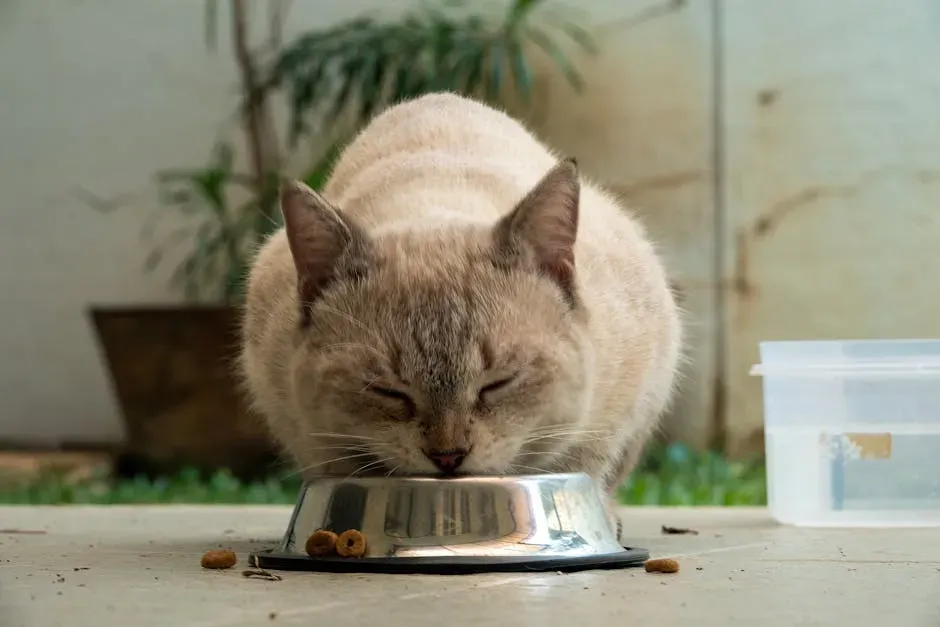
A cat that once bolted the second you approached its food bowl will eventually just stop scanning the room. It’ll stay. Finish the meal. Stop checking the doorway every three bites. That shift from gulping in a panic to actually chewing is one of the earliest, most reliable signs of decompression.
Most new owners celebrate the day their cat eats at all, but the real milestone comes weeks later. Food scarcity and competition get baked into memory long after the danger is gone, so eating without an exit strategy planned isn’t a cute quirk – it’s a nervous system finally standing down.
#2 – Using the Litter Box Like Clockwork
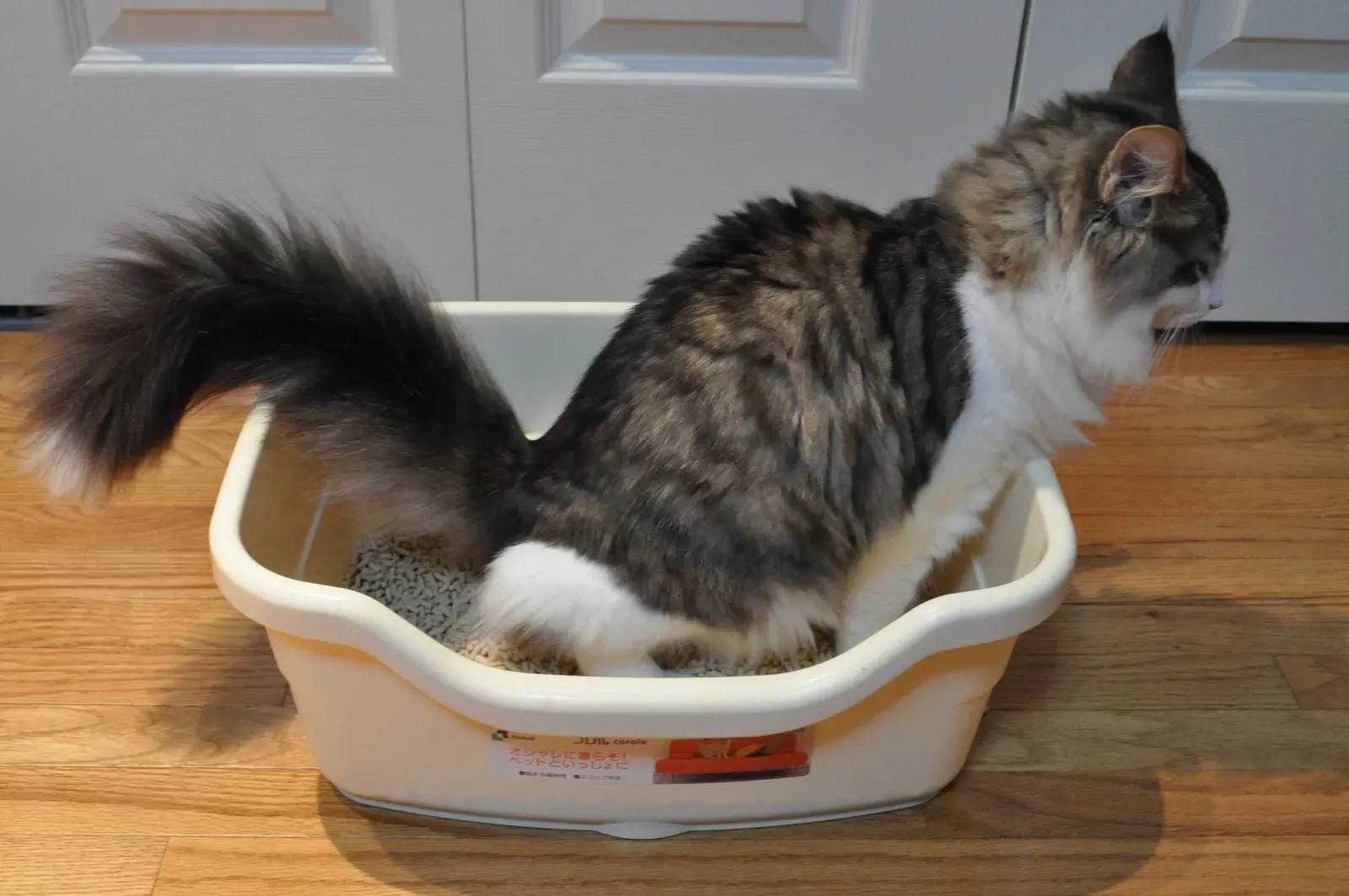
Stress hits a cat’s bathroom habits before almost anything else shows. A rescue cat who eats regularly and eliminates normally, without drama, is settling into their environment faster than they’re letting on. It isn’t glamorous, but it’s clinically significant – vets often use elimination consistency as one of the first hard data points when judging whether a foster or newly adopted cat is decompressing.
If accidents happen, it’s rarely defiance; it’s anxiety talking. A cat pacing near the box, or refusing to use it unless the house is empty, is still running on survival mode. Once that pressure lifts and bathroom routines become boring and predictable – even with you nearby – you’re watching the nervous system exhale.
Fast Facts
- Elimination habits often shift before appetite or sleep patterns catch up
- Pacing, hiding, or box refusal usually signal anxiety, not stubbornness
- Vets frequently treat bathroom consistency as an early decompression marker
- Comfortable box use, even with people nearby, is a genuine turning point
#3 – Grooming Themselves in Front of You
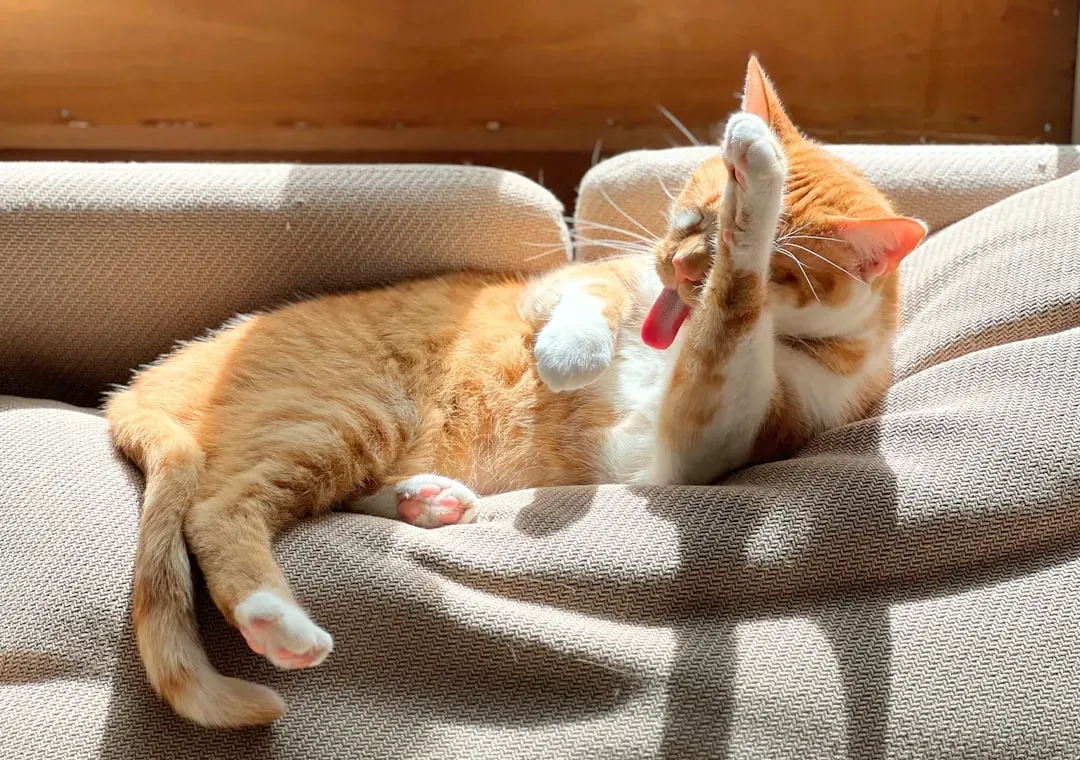
Self-grooming might look like vanity, but it’s actually a vulnerability test your cat is quietly running on you. A cat mid-groom is deaf, half-blind, and completely absorbed in the moment – not exactly a smart move if it’s still worried about threats. Choosing to do it near a human is a calculated risk most rescue cats won’t take for weeks.
If your rescue cat is licking their fur, cleaning their paws, or stretching out mid-lick in your presence, it means they no longer feel the need to stay alert. Watch the difference between anxious, rapid grooming and slow, deliberate grooming – the frantic version is actually a stress response, not a comfort signal. Context matters more than the act itself.
#4 – Sleeping Belly-Up in the Open
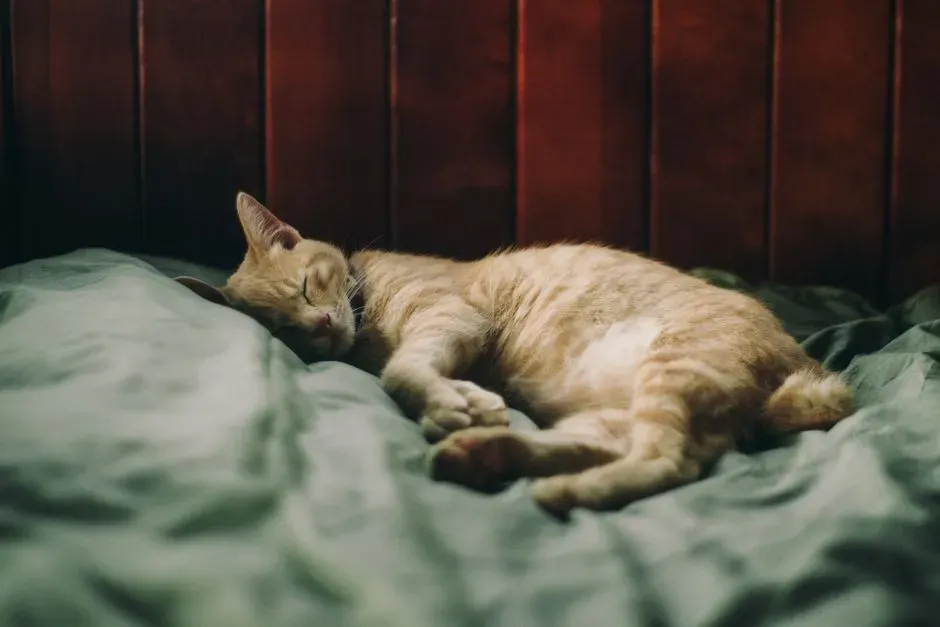
A cat curled into a tight, defensive ball is still bracing for impact. A cat sprawled across the living room floor, belly exposed, is not. Cats that feel nervous or unsafe seek out tucked-away, defensible spots to sleep; cats that feel secure simply stop bothering.
This is one of the most misread signals on this whole list. Many owners assume a cat sleeping under the furniture is simply “shy,” but shelter behaviorists see it differently – it’s usually unresolved vigilance. A cat that instead stretches out in the open, loose-limbed and unguarded, is telling you plainly that your home no longer feels like a place it needs to defend itself in.
#5 – Exploring New Rooms With Confidence
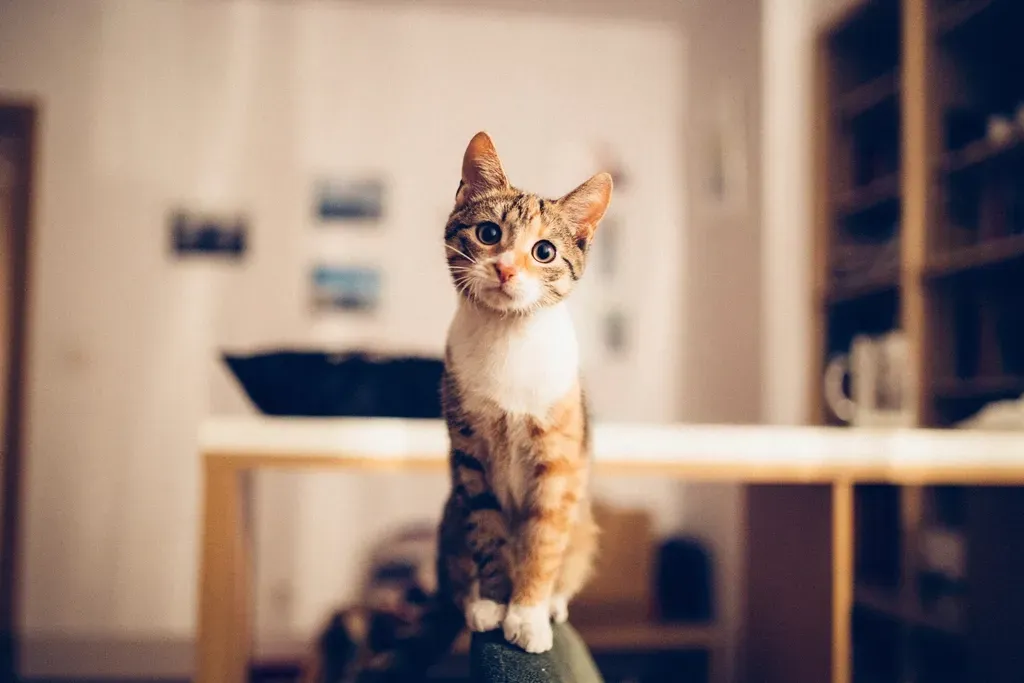
Curiosity is expensive for a prey animal. It means putting survival instincts on pause. A safe cat roams the house with an upright tail, perked ears, and calm pacing, inspecting new rooms and objects without hesitation. A cat that used to freeze at a doorway now wanders through it like it owns the place – because, functionally, it now believes it does.
This is where opinions get genuinely heated in rescue circles. Some fosters try to push cats toward exploring faster by removing hiding spots too early, assuming confidence can be forced on a schedule. Most behaviorists push back hard on this – rushing exploration before a cat is ready almost always backfires, creating longer-term skittishness instead of speeding anything up.
Quick Compare
- Forced exploration: Hiding spots removed too soon, cat pushed into new rooms – often backfires into longer-term skittishness
- Natural exploration: Cat sets its own pace and retreats when it needs to – builds lasting, stable confidence
- The takeaway: Behaviorists consistently favor patience over pressure when unlocking curiosity
#6 – Kneading You Like a Kitten Again
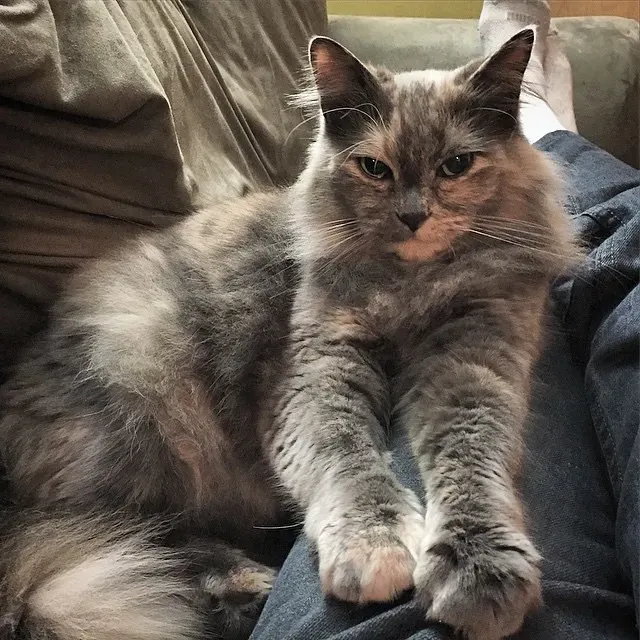
Kneading looks adorable, but it’s actually a leftover survival reflex from kittenhood that only resurfaces when a cat feels completely secure. As nursing kittens, the pressing motion stimulated milk production and made them feel safe against their mother. A traumatized rescue cat almost never does this in the first weeks – it requires total physical relaxation, the kind that doesn’t come easily to a cat who’s still guarding itself.
When a grown cat kneads a blanket, your lap, or even your arm, it’s a cozy, involuntary trust signal – one of the purest on this entire list, because it can’t really be faked. It usually shows up months after adoption, not days, so don’t read too much into its absence early on. Let it happen on its own; don’t interrupt it once it starts.
#7 – Playing Like Nobody’s Watching

Play is arguably the most underrated trust milestone on this list, and most people don’t realize why. Whether it’s chasing a feather wand or batting a ball across the floor, play is a joyful, exposed act. A stressed cat is conserving energy for fight-or-flight; a playful cat has already decided there’s nothing worth fleeing from.
There’s a real reason play looks almost identical to hunting or even aggression, and that trips up new owners constantly. The tell is that play stays quieter, softer, and more inefficient – cats put themselves into compromising, exposed positions during play that they’d never risk in real danger. A cat rolling onto its back mid-play, fully exposed, is telling you something true about how it feels in that moment.
#8 – Following You From Room to Room
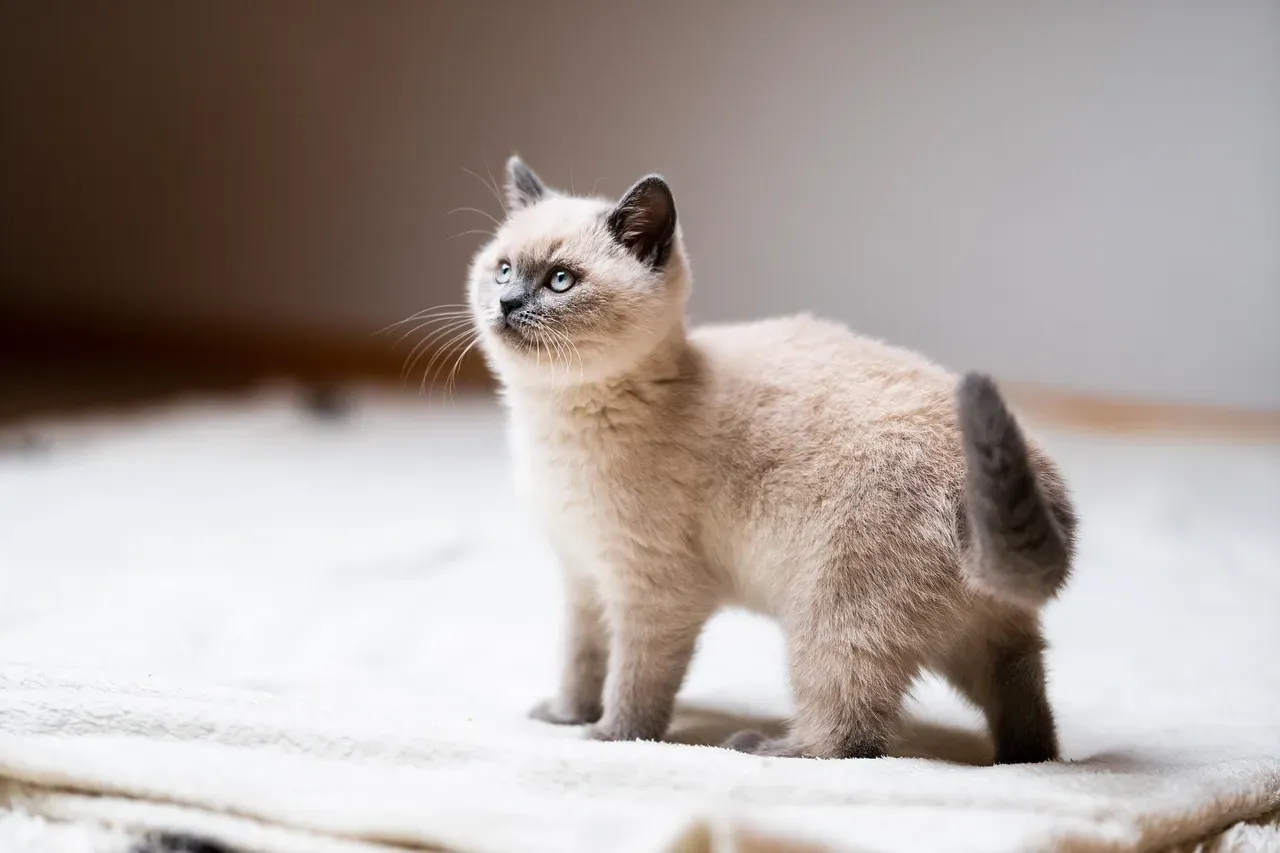
Cats are notoriously selective about company, which is exactly what makes this one hit differently than the equivalent dog behavior. Unlike dogs, who are wired to be broadly social, cats choose their people. When a cat trails you from room to room without being called, fed, or coaxed, that’s not neediness – that’s preference, and preference is earned.
You might notice your cat following you into the kitchen, jumping onto the couch beside you, or curling up in your lap uninvited. This is also where personality starts showing through – some rescue cats become full-time shadows, while others stay independent but check in from a doorway every so often. Both are valid trust signals; don’t measure your bond against someone else’s clingier cat.
#9 – Chirping, Trilling, and “Talking” to You

Vocalizing toward a human specifically – not just meowing at an empty food bowl – is a milestone most people completely miss. Cats get a reputation for being aloof, but once a real bond forms, many become surprisingly chatty with the one or two humans they trust. A cat that greets you with a soft chirp when you walk in the door has decided you’re worth announcing yourself to.
Bonded cats vocalize in specific, directed ways – soft chirps, trills, gentle meows aimed at you when you enter a room or sit down near them. Silent cats aren’t necessarily unhappy ones; plenty of content cats stay quiet their whole lives. But a sudden increase in directed vocalization after months of near-total silence is a real, measurable shift worth noticing.
#10 – The Slow Blink

This one has actual peer-reviewed science behind it, not just anecdotal owner theories. Researchers at the University of Sussex found that cats slow-blink more at their owners when their owners slow-blink first, and that cats were more likely to approach a stranger who had slow-blinked at them than one who kept a neutral expression.
The same study noticed something almost tender: cats rated as more nervous around humans tended to give longer, slower blinks back – as if the gesture worked harder to reassure them specifically. Try it yourself: half-close your eyes slowly at your cat from across the room. If they blink back, that’s not internet folklore. That’s documented feline communication, and it means something real is happening between you.
“It’s something that many cat owners had already suspected, so it’s exciting to have found evidence for it.”
Karen McComb, University of Sussex
#11 – Bunting and Head Rubs
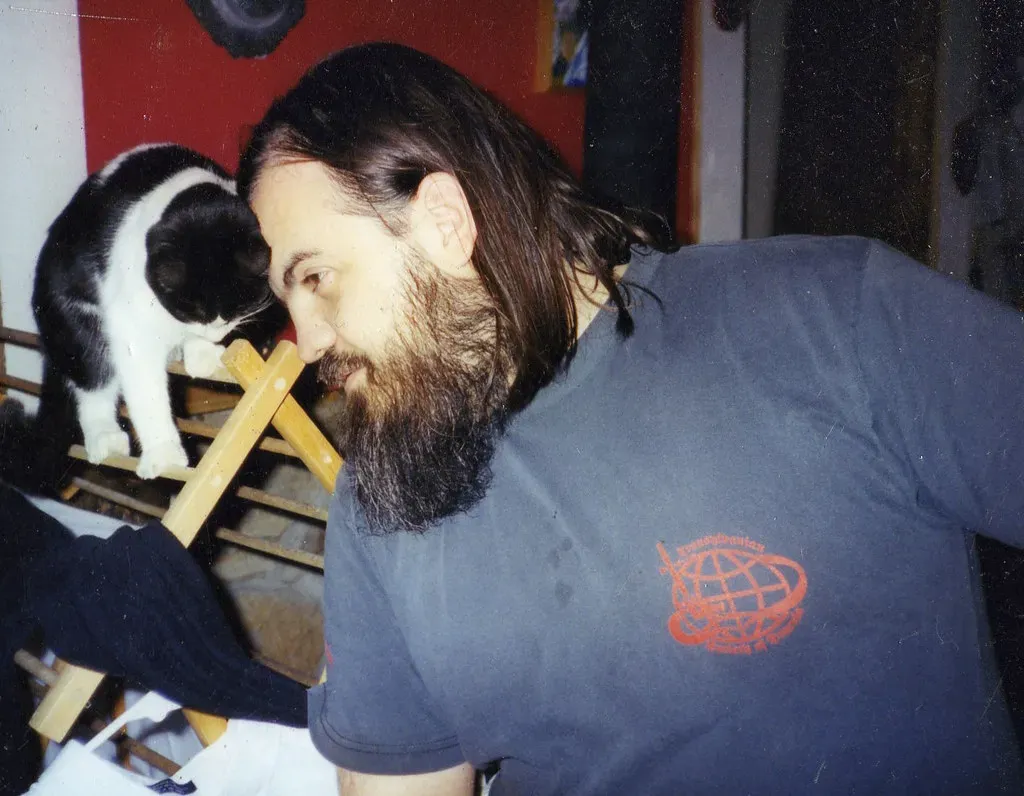
Bunting looks purely affectionate, but underneath it’s a territorial claim – and rescue cats withhold it for a very specific reason. Head-rubbing is scent-marking, which means it demands a level of physical closeness many rescue cats have spent months instinctively avoiding. When it finally happens, it’s rarely a fluke.
The first attempts are almost funny to watch – a quick bump, then an immediate retreat, as if the cat is testing whether the gesture was a mistake. The real milestone isn’t the first bunt at all; it’s the second one, and the third, done without the flinch or the retreat. That’s when you know the trust wasn’t an accident.
#12 – Showing Their Belly
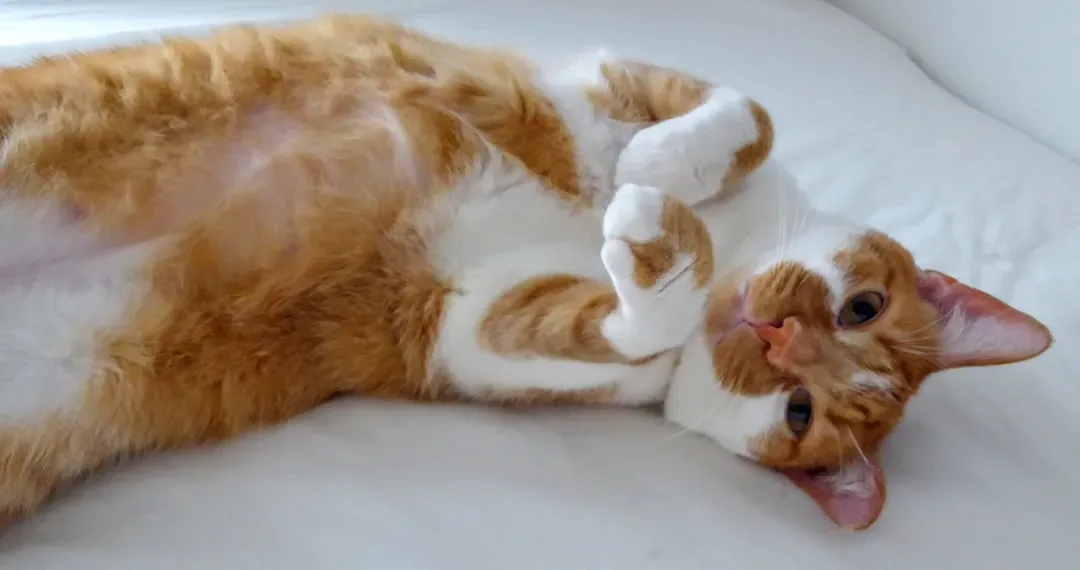
Of every signal on this list, belly exposure gets misread the most – and misreading it can undo months of progress in a single second. Few gestures demonstrate deeper trust than exposing the belly, since it houses a cat’s most vulnerable organs. But here’s the part experts keep repeating, loudly: this is not an invitation.
Some cats genuinely enjoy belly rubs; plenty of others will bite or bolt the moment you reach for their stomach, even if they exposed it willingly seconds earlier. Think of it as a gesture of vulnerability, not an open invitation for touch. Reaching in the moment you see it is one of the most common mistakes new rescue owners make – admire it, don’t touch it, and let your cat decide when that changes.
#13 – Staying Calm Around Strangers
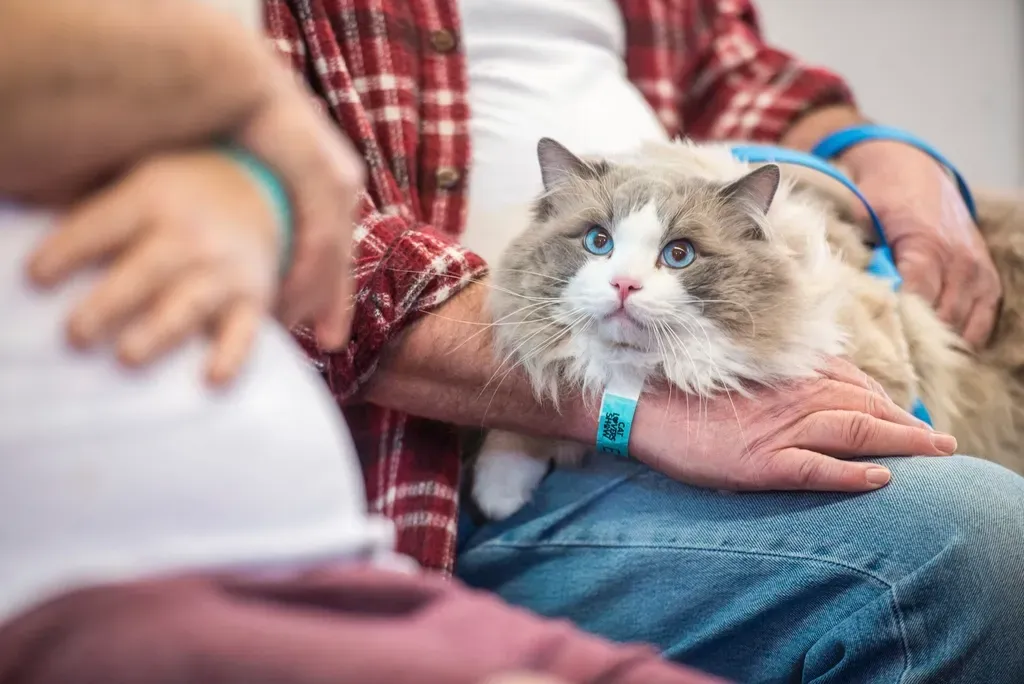
This is the milestone that separates “comfortable with you” from “comfortable, period” – and it takes noticeably longer than everything before it. A cat that hides for the first ten months of an adoption whenever guests arrive is still running on a threat-assessment model where only one or two humans are cleared. When that same cat stays in the room, or even approaches a visitor, something has fundamentally shifted.
The cat’s sense of safety is no longer tied to a single person – it’s tied to the environment itself, which is a far deeper, more stable form of security. Shelters that track long-term rescue adjustment note that some cats need close to a full year before strangers stop registering as an automatic threat. If your cat still bolts from guests but is otherwise thriving, that’s not a failure – it’s just a slower-moving piece of the same puzzle.
Worth Knowing
- Comfort with strangers is typically the last trust milestone to develop
- Some rescue cats need close to a full year before guests stop reading as a threat
- Bolting from visitors while thriving otherwise isn’t a setback – it’s a separate stage
- True security shifts from “safe with one person” to “safe in this environment”
#14 – Choosing You During Real Stress
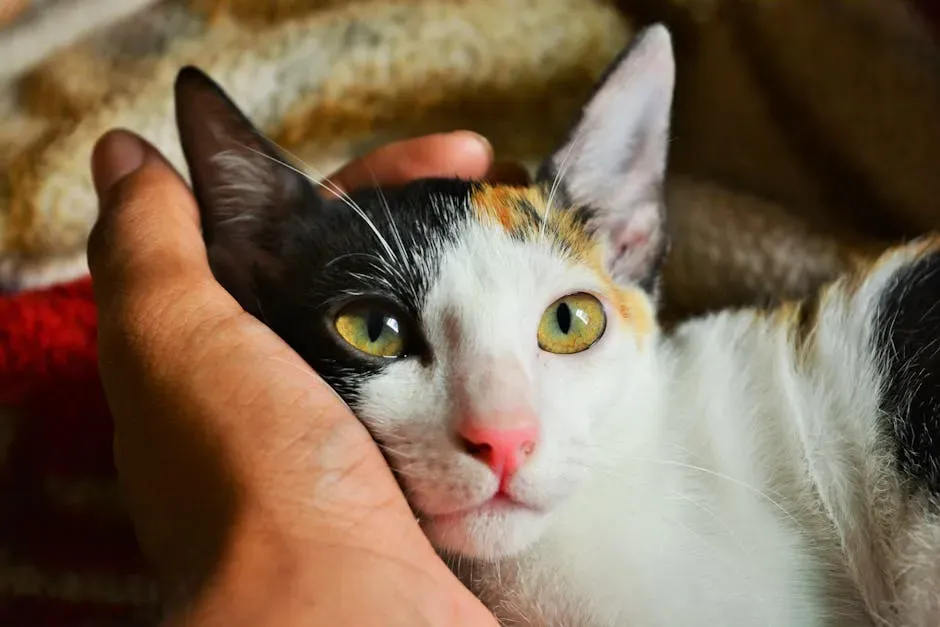
This is the milestone every rescue owner is secretly waiting for, whether they admit it or not. It isn’t the slow blink, the belly, or even the bunting. It’s the moment something genuinely startles your cat – a loud noise, a thunderclap, an unfamiliar sound – and instead of bolting to the farthest hiding spot in the house, they run toward you.
This behavior can’t be faked, rushed, or trained into existence. It only shows up after every earlier milestone has quietly stacked on top of the last one for months. When a frightened cat picks a human lap over a dark closet, that’s not affection anymore – that’s a survival decision, made in your favor.
The Bottom Line
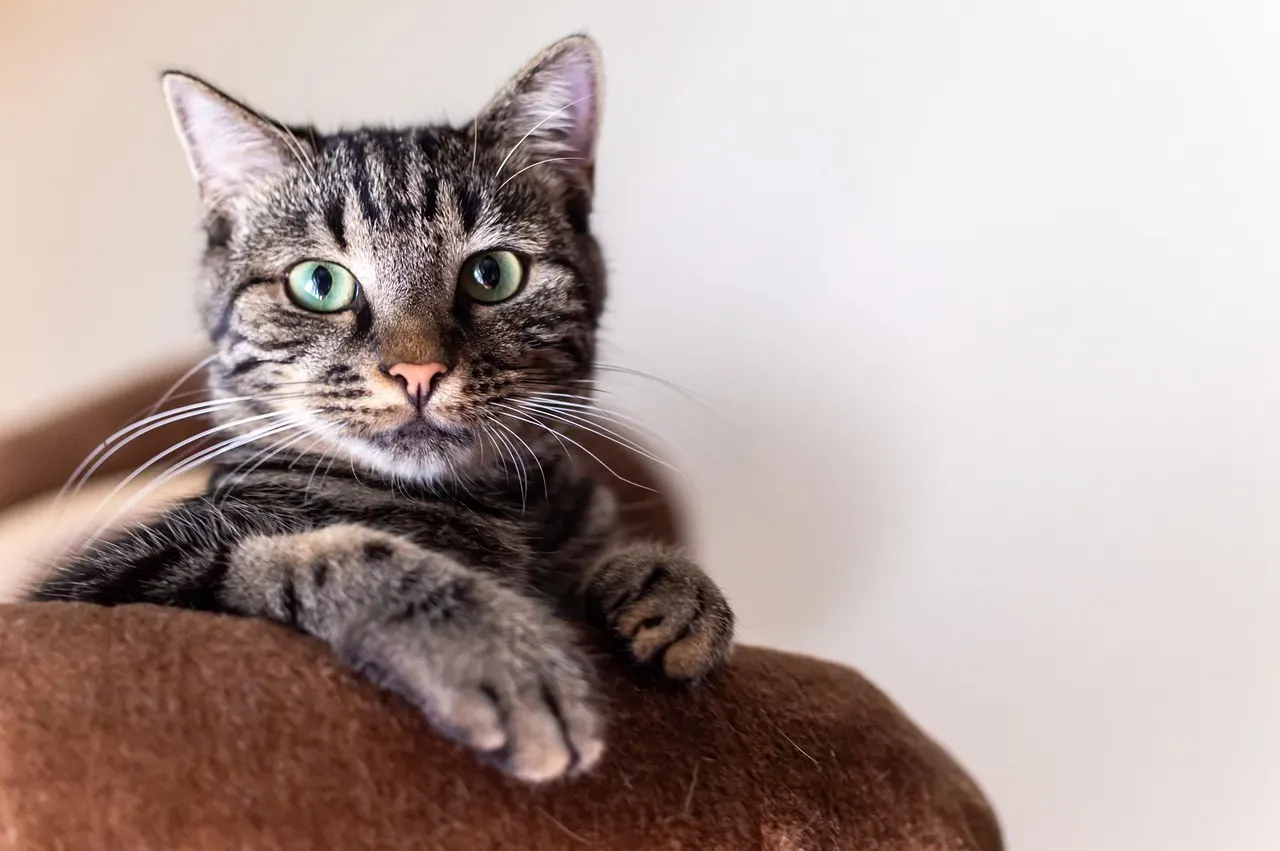
Here’s the opinion part, worth defending: trust isn’t a checklist, and treating it like one hurts more cats than it helps. Some rescue cats will never slow-blink on command or bunt a stranger’s hand, and that doesn’t mean they’re broken – it means they express security differently.
Plenty of cats never hit every single sign on this list and still live full, content lives. Forcing affection, rushing the process, or treating a missing milestone as a failure only slows everything down – the cats that get there fastest are almost always the ones nobody pushed. The real mistake was never a slow cat. It’s an impatient owner, and the fourteenth milestone on this list is proof that patience, eventually, gets repaid in full.
Kristina is a young writer from India. An arts graduate and an avid content creator, Kristina is passionate about animals and wildlife. She enjoys exploring topics related to pet care, animal behavior, conservation, and nature, combining thorough research with engaging storytelling.