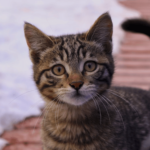
Most cat owners assume a lifetime of independence means their feline will stay aloof forever. Veterinary behaviorists say otherwise: over a third of senior cats show a measurable jump in affection and dependency on their owners, and it’s not just a coincidence of old age creeping in.
It’s a documented shift in brain chemistry, fading senses, and decades of quiet trust finally paying off. Here’s what’s actually happening inside your once-untouchable cat’s head as she suddenly can’t get enough of you.
#1 – She Becomes Your Personal Shadow
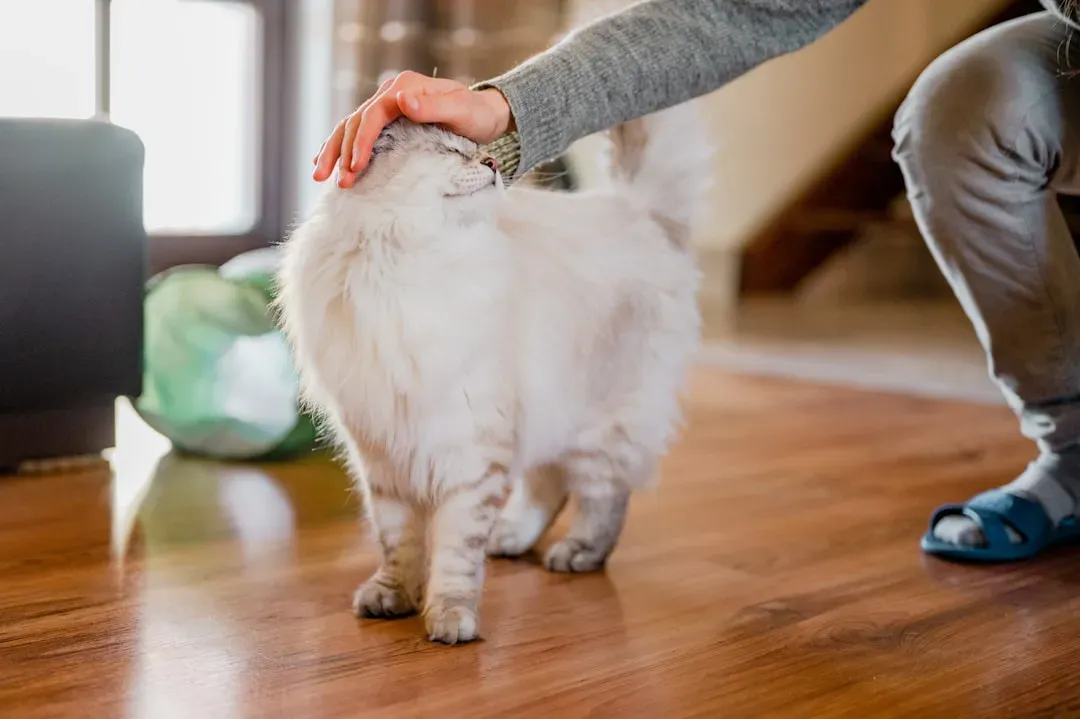
Your cat used to disappear for hours. Now she’s somehow always in the same room as you.
This isn’t clinginess for no reason – it’s a documented behavioral pattern. Some owners report their senior cats become “shadows,” quietly following them around the house and settling nearby at every opportunity. Veterinary behaviorists note this shift often accelerates once a cat crosses into its senior years, and it tends to intensify rather than fade.
The surprising part is how deliberate this behavior actually is. As cats age, their social needs can increase, prompting them to seek out more attention from their humans. It’s less about boredom and more about a genuine, biologically driven pull toward your company – often the first visible sign of a much bigger shift happening underneath.
#2 – She Demands Physical Contact Far More Often
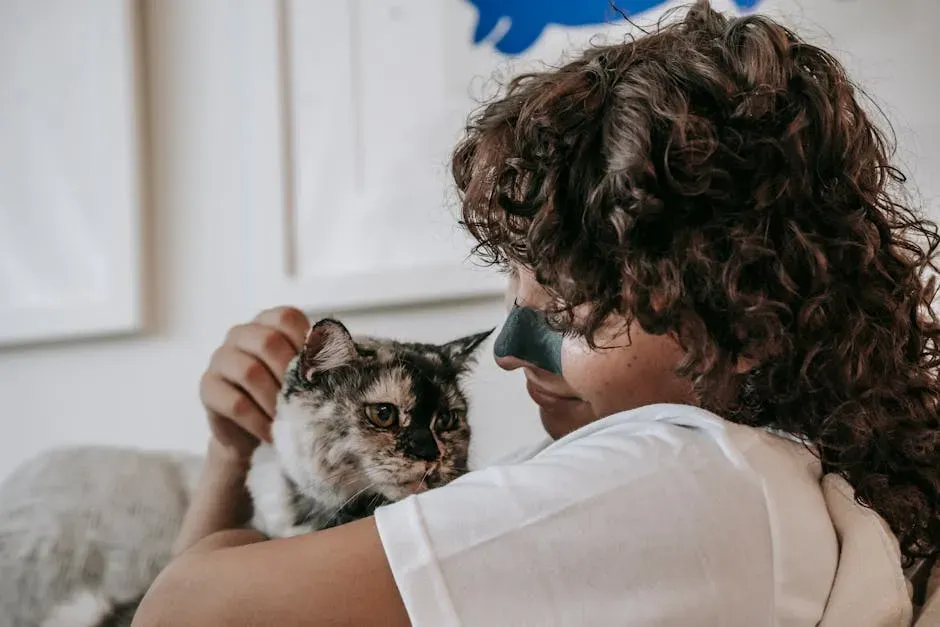
Petting sessions that used to last thirty seconds now stretch into ten minutes – and she’s the one initiating it.
This escalation in physical contact is one of the most consistently reported changes in senior cats. As cats age, they may lean on their owners for emotional support, leading to more purring, rubbing against legs, and cuddling on laps. It’s full sensory-seeking behavior, not just a passing mood.
Most owners chalk this up to personality change, but it’s actually rooted in comfort-seeking. Arthritis, dental issues, and other age-related aches make cats more reliant on their owners for comfort and care. Your touch is doing real physiological work – soothing joints and nerves that are quietly aging right alongside the rest of her body.
#3 – Your Lap Beats Her Own Bed, Every Time
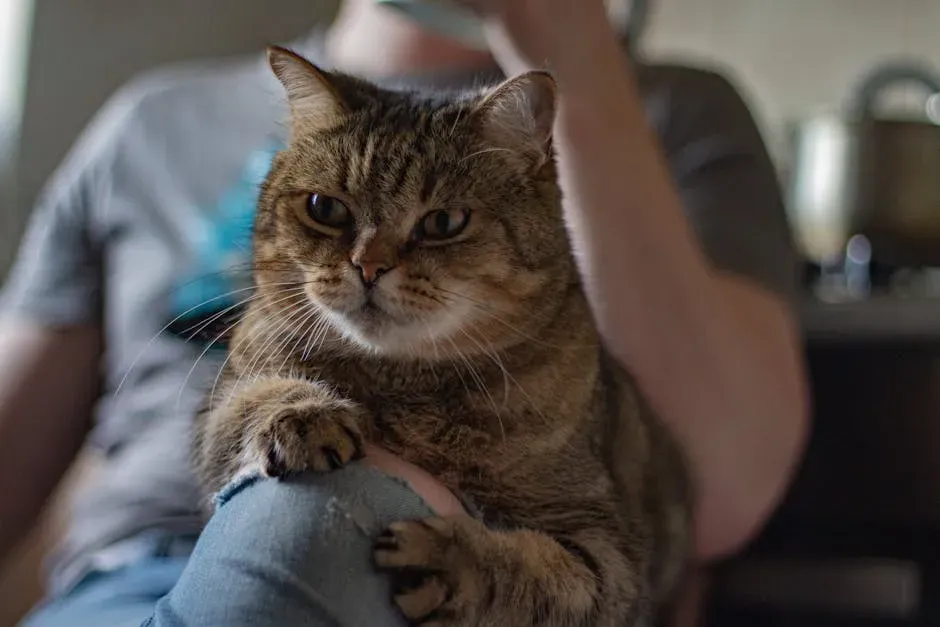
She has a perfectly good cat bed. She chooses your lap anyway, almost every single time now.
Temperature regulation plays a bigger role here than most owners realize. Senior cats feel the cold more and lose body heat faster, and your lap, your bed, and the spot beside you are warm, soft, and safe – which makes you a favorite resting place almost by default.
Here’s the part that surprises most people: this preference gets stronger, not weaker, with each passing year. As cats slow down, their tolerance for cold rises sharply. Combine that with reduced energy for exploring cooler corners of the house, and your lap stops being an occasional treat and becomes the default spot.
#4 – She Talks to You. A Lot More Than She Used To.
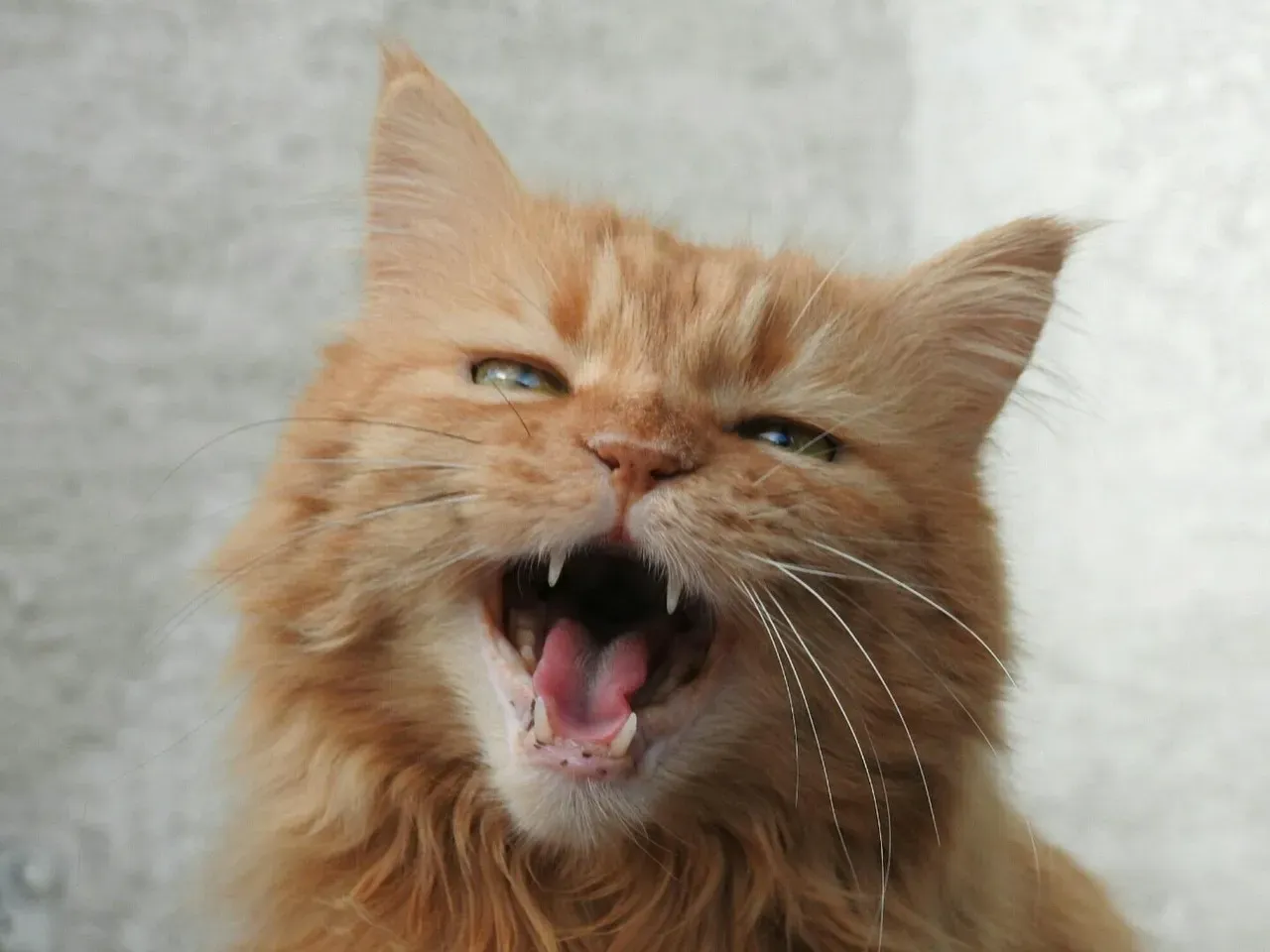
That constant, low-level chatter following you room to room? It’s new, and it’s directed entirely at you.
Vocalization aimed specifically at owners is one of the clearest markers researchers track in aging cats. A 2020 study of senior cats found increased vocalization in over 58% of elderly cats during the day and more than 30% at night, with more than a third of cats showing increased affection and dependency on their owners. That’s not background noise – that’s a cat actively checking in.
Fast Facts
- Daytime vocalization rises in more than 58% of senior cats
- Nighttime vocalization increases in over 30% of aging cats
- More than a third of senior cats show measurably higher dependency on owners
- Vocal changes are frequently a bid for reassurance, not just noise
Most owners assume this is just “getting old,” but experts say it’s frequently a bid for reassurance. Increased daytime vocalization often correlates directly with the same dependency that drives lap-sitting and following. She’s not just louder – she’s communicating a growing need for your presence and response.
#5 – Her Purr Becomes Almost Constant
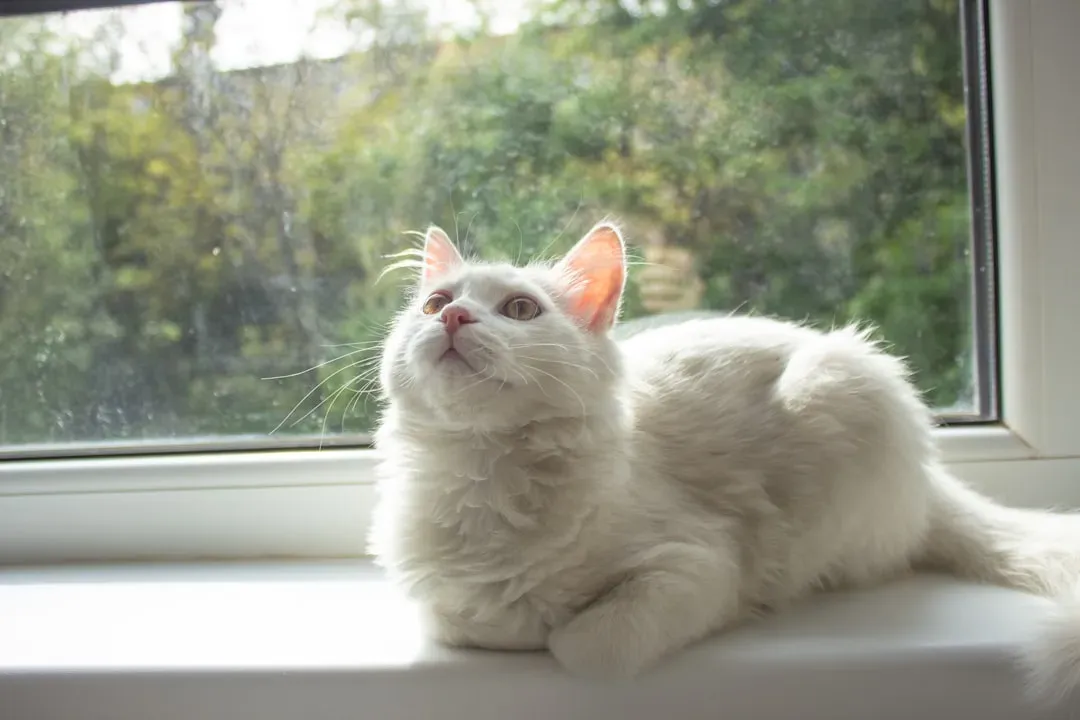
The purring starts the second you walk in the room, and now it barely stops.
This isn’t only contentment purring anymore – it’s frequently a self-soothing mechanism layered on top of genuine affection. As cats rely more heavily on their owners for emotional support, increased purring becomes one of the clearest displays of that growing attachment, and both frequency and duration climb as cats move deeper into their senior years.
Many owners never realize purring can serve a dual function in older cats – comfort-seeking and stress relief combined. A cat in mild discomfort from arthritis or dental pain will often purr more, not less, specifically in your presence. It becomes a signal that she’s found her safe zone, and that safe zone is increasingly just you.
#6 – Fading Senses Make You Her Anchor
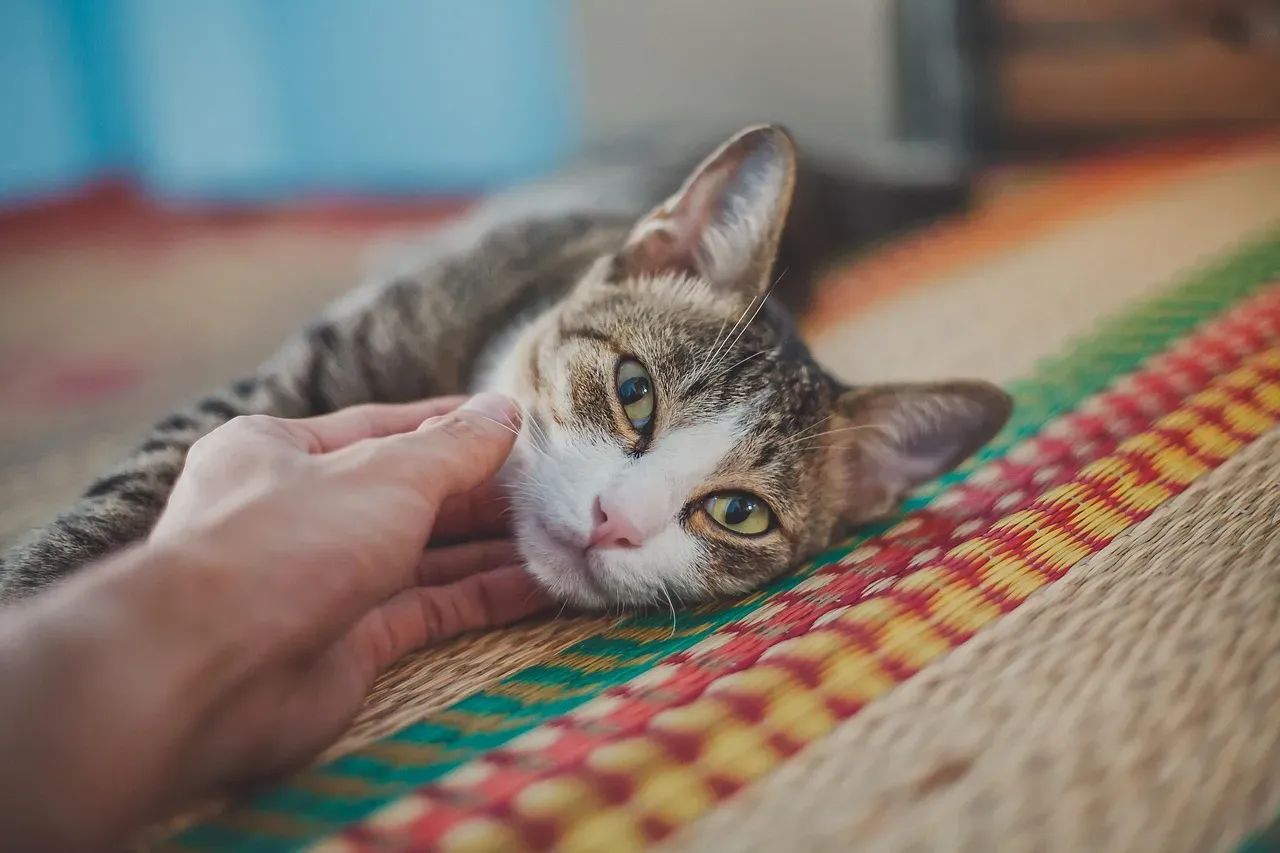
As her eyesight and hearing dull with age, you become the one constant she can still fully rely on.
This sensory shift is one of the most under-discussed drivers of late-life attachment. Senior cats often stick close to their owners due to sensory decline, seeking comfort from reduced sight or hearing while being less active gives them more time for cuddles as they slow down. The world gets quieter and blurrier for her – but you don’t.
Here’s the striking part: your voice and scent become disproportionately important as other senses fade. Familiar people and routines feel especially reassuring once the senses soften. This is why so many senior cats seem to track their owner’s location by sound and smell alone, staying within a room or two rather than roaming freely like they once did.
#7 – Physical Pain Quietly Pulls Her Closer
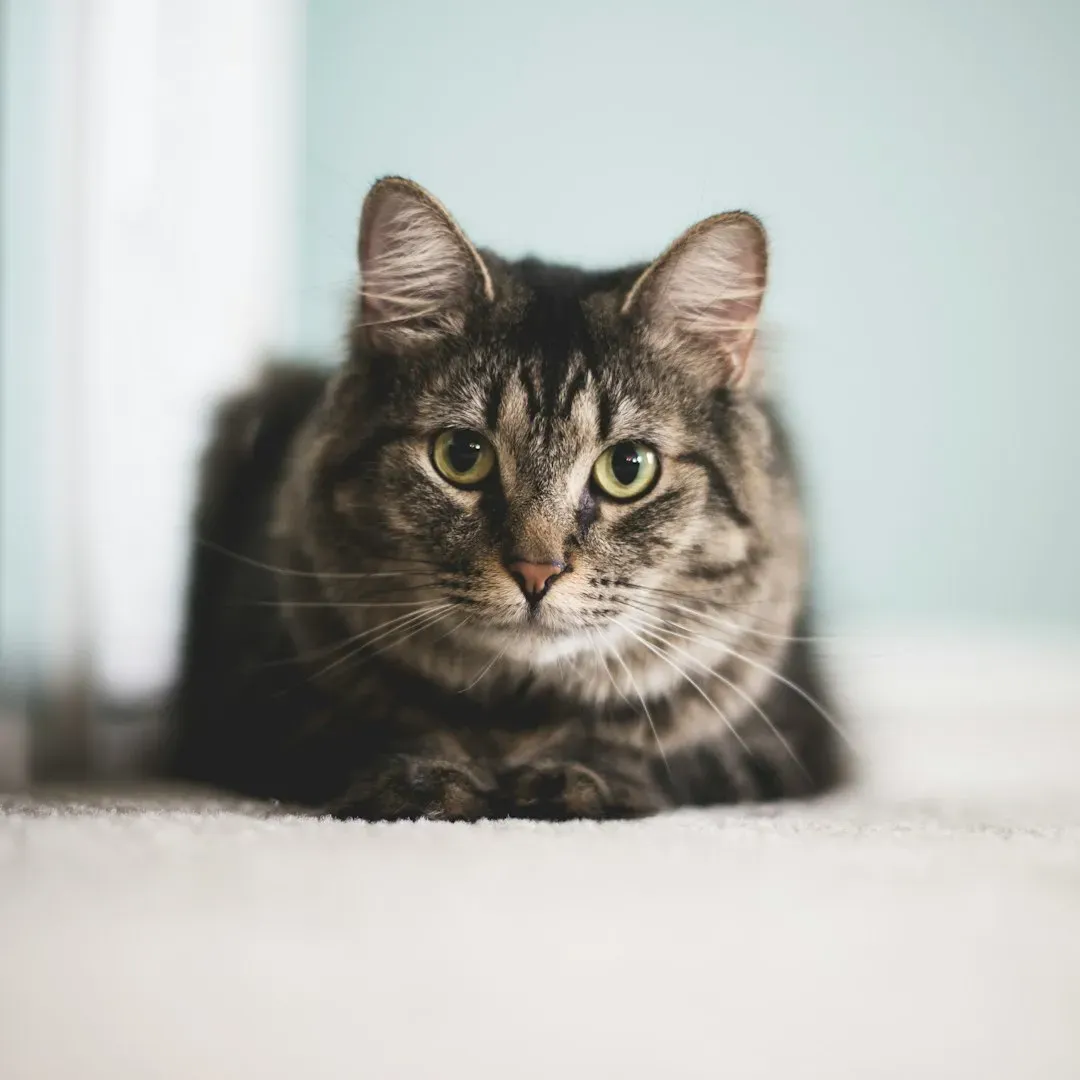
Arthritis doesn’t just slow her down – it makes your gentle touch feel like actual relief.
This is one of the most clinically documented reasons behind late-life clinginess. Arthritis or other age-related aches make a senior cat less likely to leap and more likely to seek soft, cozy spaces right next to you, using your presence as a way of coping with physical discomfort she can’t otherwise communicate.
Worth Knowing
- Hesitating before jumping onto furniture is a common early arthritis sign
- Stiffness after naps or first thing in the morning often points to joint pain
- Reduced grooming along the back and hips can signal soreness
- Irritability when a specific spot is touched may mean it’s tender, not just moody
Most owners never connect increased snuggling with physical pain – but veterinarians see this pattern constantly. A cat that suddenly wants to be petted along her spine or hips, or who leans hard into your hand during contact, may be doing more than bonding. She may be seeking targeted physical relief, one gentle touch at a time.
#8 – She Follows Your Sleep Schedule, Not Her Own
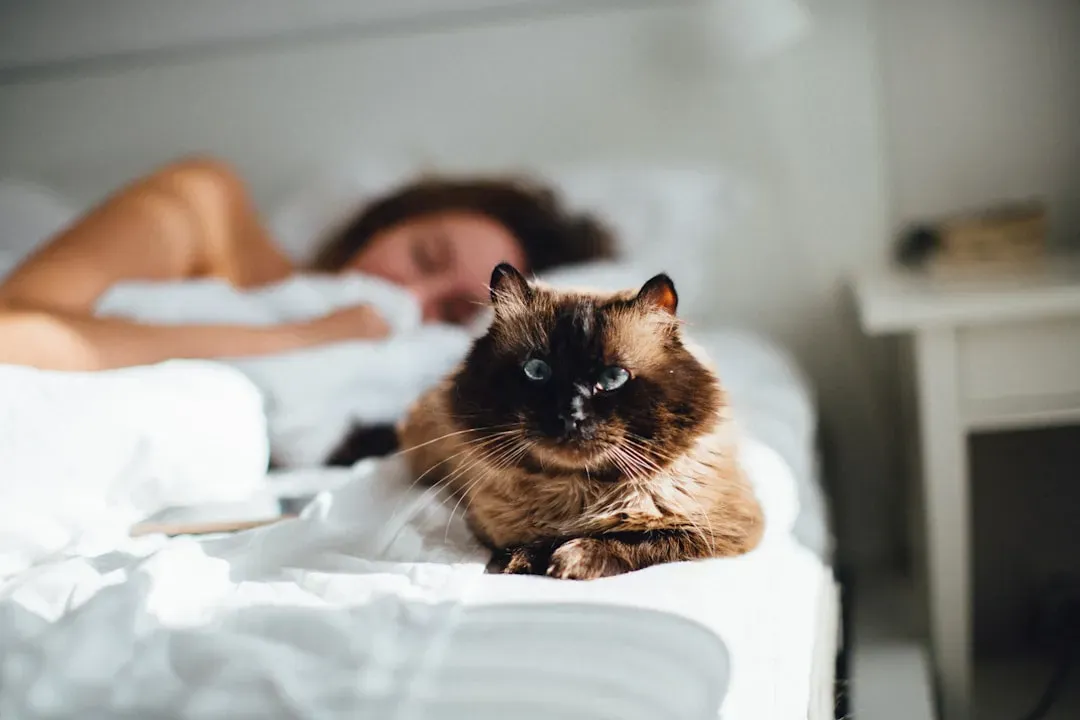
Her nap schedule now mirrors yours almost exactly, right down to which side of the bed she claims.
Reduced activity levels reshape a senior cat’s entire daily rhythm around her owner. As energy naturally declines, playful and exploratory behaviors drop off, and with less independent energy to spend, she structures her downtime around wherever you happen to be.
What’s surprising is how deliberately cats reorganize their entire schedule around their owner’s routine. Meals, fuss, and quiet time at predictable points in the day give an older cat a reassuring shape to lean on, which strengthens her trust in you. That predictability becomes almost as important to her as the affection itself.
#9 – She Head-Butts and Kneads More Than Ever
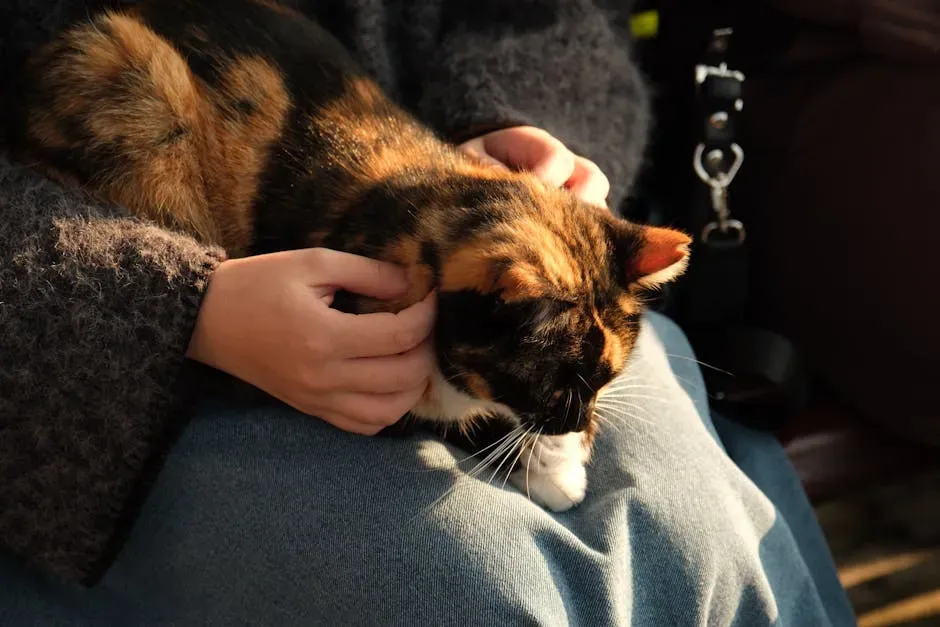
That gentle head-bump against your hand or knee happens ten times more often than it used to.
Bunting and kneading are classic bonding behaviors, and both intensify with age in many cats. Purring, rubbing against legs, and cuddling on laps all become far more frequent as cats age and rely more heavily on their owners. It’s a scent-marking ritual as much as an emotional one – she’s claiming you as hers.
At a Glance
- Head-butting (bunting) spreads scent from glands near the face and forehead
- Kneading traces back to nursing instincts formed in kittenhood
- Both behaviors are linked to oxytocin release, reinforcing bonding
- A sudden spike in either can mean a heightened need for reassurance
Here’s a controversial take among behaviorists: excessive head-butting in a previously reserved cat can actually be a subtle red flag, not just a sweet gesture. When paired with other changes, it may reflect a growing need for reassurance rather than pure contentment. Context always matters more than the behavior alone.
#10 – She Seems to Sense Your Mood Now
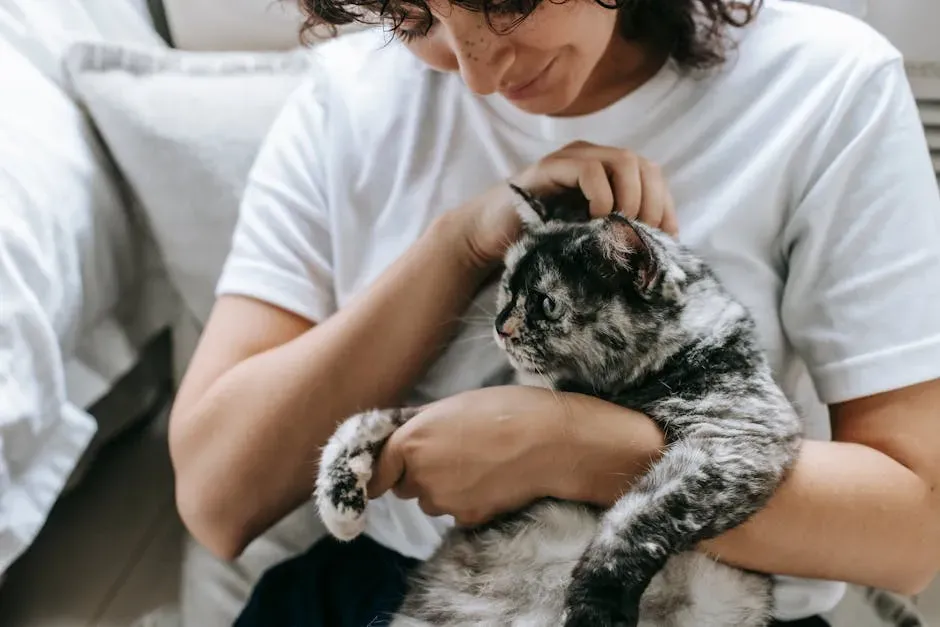
She used to ignore you when you cried. Now she’s the first one at your side.
Years of close observation appear to sharpen a cat’s emotional read on her owner. Senior cats seem to develop a special sensitivity to their owners’ feelings, with many cat parents noticing that their older cats seem to “know” when they’re feeling down, cuddling closer or purring louder during tough times.
This emotional attunement is arguably one of the most underrated parts of aging with a cat. It may simply be the result of years spent observing and living closely with the same person, day after day. It’s less mystical than it sounds – it’s the payoff of thousands of hours of shared routine.
#11 – Decades of Trust Finally Cash In
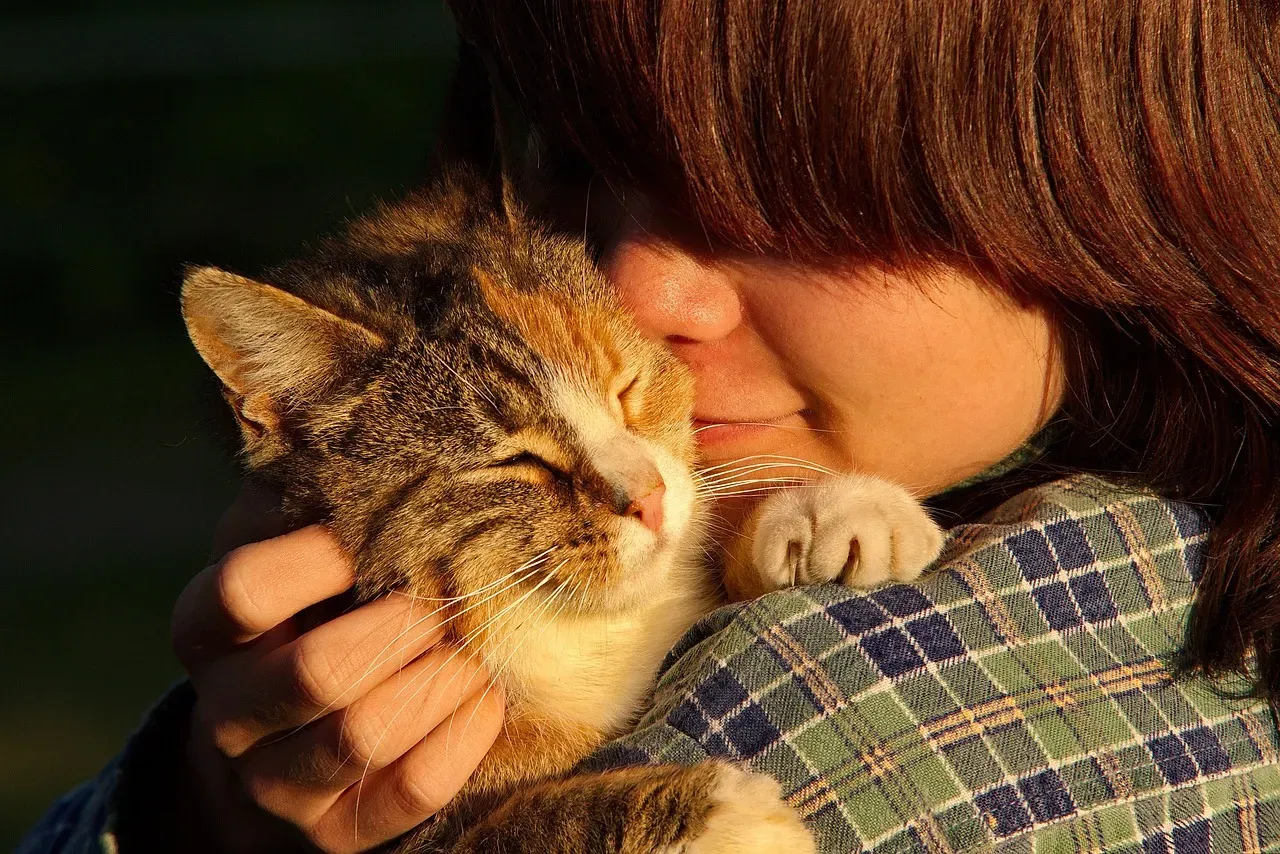
Every year you spent earning her trust as a skittish kitten quietly compounds into something much bigger later in life.
This long-game payoff is well documented by feline behaviorists. A cat who has spent many years with you has built up a reservoir of trust, and senior cats often feel more secure with their owners than they ever did before. That security becomes the emotional foundation for nearly every other attachment behavior on this list.
It is quite common for cats to crave attention and care from their human families as they grow older.
Veterinary behavior research
Most owners underestimate how much this “trust reservoir” actually shapes late-life personality. That craving is only possible because of groundwork laid decades earlier. Cats that had rocky starts in life sometimes show the steepest, most noticeable affection increases once that trust finally solidifies.
#12 – Being Alone Becomes Genuinely Hard for Her
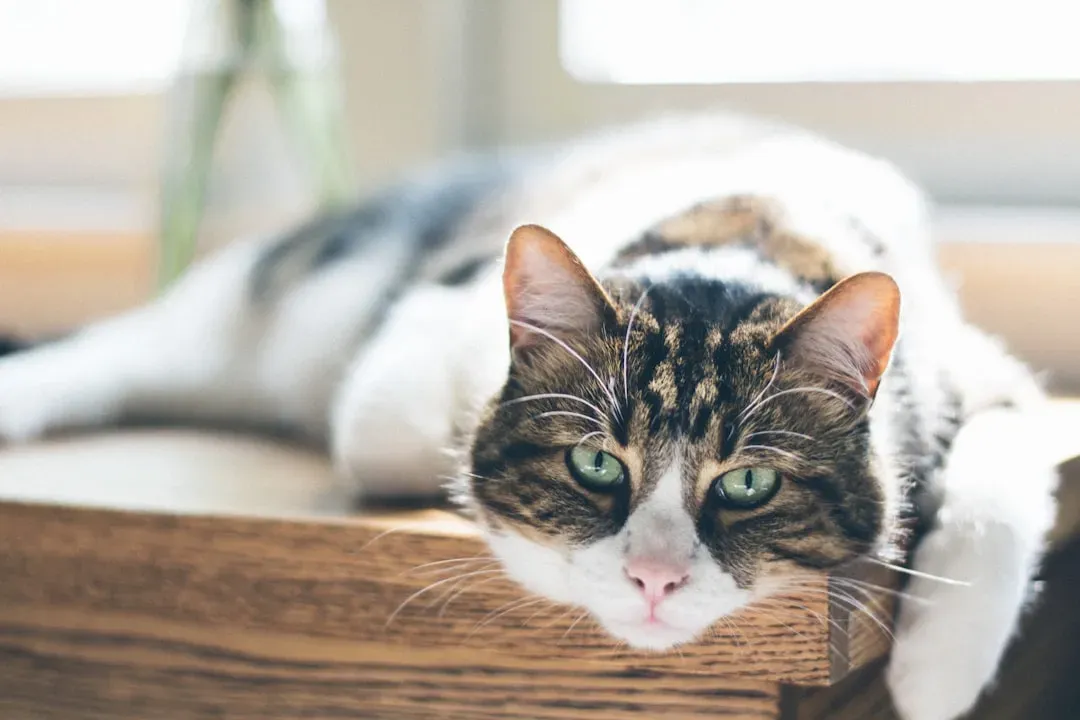
She used to nap alone in the closet for hours. Now she cries the second you leave the room.
This shift toward separation sensitivity is one of the more emotionally striking changes owners report. When a once-independent senior cat suddenly cannot bear to be away from you, it’s natural to feel a mix of tenderness and worry – and that instinct is usually right, because sudden behavioral changes almost always have a reason.
Here’s the uncomfortable truth many owners don’t want to hear: this isn’t always pure love – sometimes it’s genuine anxiety. Cats with cognitive changes often become clingy because they feel anxious and disoriented, following you because they feel lost when you’re out of sight. Telling the difference between devotion and distress is exactly why the other symptoms matter so much.
#13 – Mental Fog Makes You Her Only Anchor
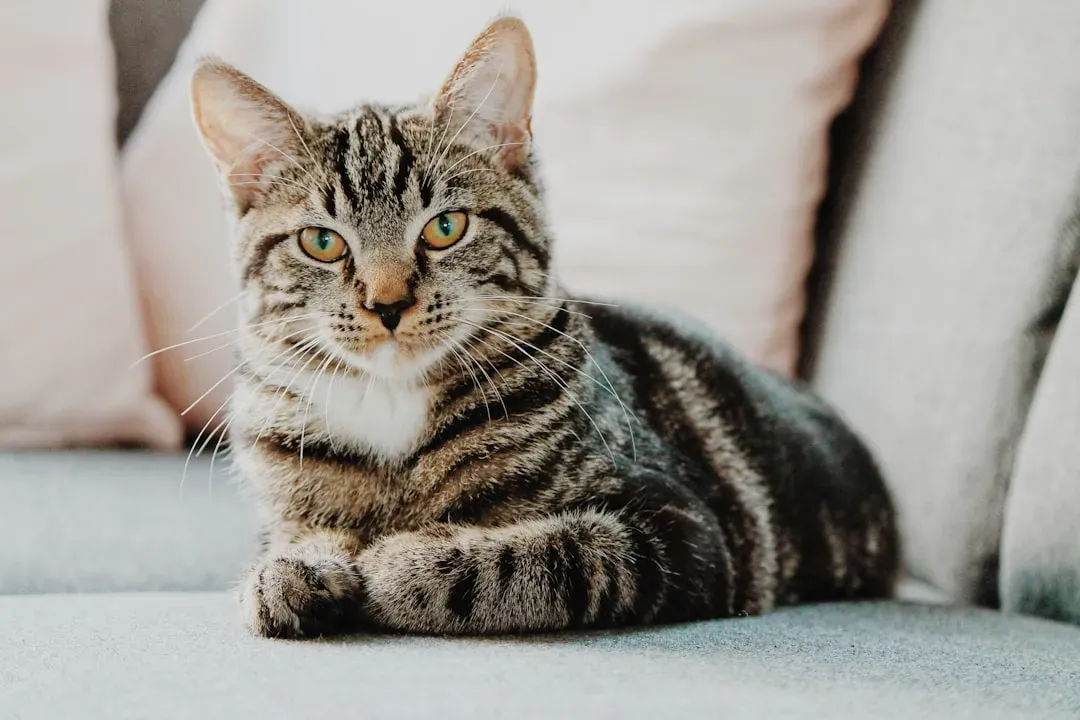
Sometimes the deepest attachment isn’t romantic devotion at all – it’s confusion, and you’re the only fixed point left in her world.
This is the piece most viral pet content conveniently leaves out. As cats age, they often suffer a decline in cognitive functioning, and it’s estimated this affects more than 55% of cats aged 11 to 15, and more than 80% of cats aged 16 to 20. That statistic alone reframes a lot of “sweet” senior cat behavior.
Quick Compare
- Normal aging affection: seeks lap time, purrs contentedly, follows you room to room
- Cognitive decline warning sign: cries at night for no clear reason
- Cognitive decline warning sign: seems lost or disoriented in familiar rooms
- Cognitive decline warning sign: forgets the litter box location or stares blankly at walls
Veterinary behaviorists are increasingly blunt about this pattern. The most common change in interaction is becoming much more clingy, and because owners see increased affection as a purely positive thing, it can actually delay medical attention when something is genuinely wrong. Extra cuddles might be love – or they might be your cat quietly telling you something’s off.
#14 – The Total Personality Reversal Nobody Sees Coming
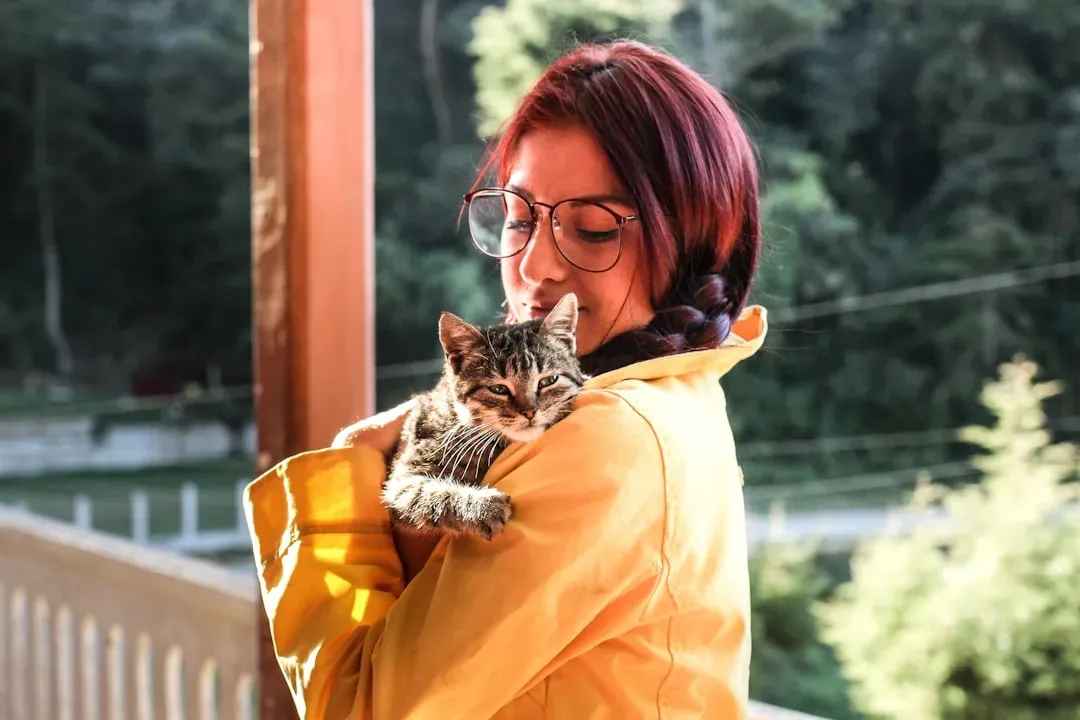
The cat who avoided laps for twelve straight years suddenly won’t leave yours – and it’s the single most reported transformation in senior cat behavior.
This complete reversal shows up again and again across owner reports and clinical observation alike. While some cats do become more independent or aloof with age, many actually grow more loving and affectionate, often as a sign that they’re seeking out more attention and comfort while navigating the challenges of getting older.
What makes this genuinely remarkable is how consistently owners describe the exact same turning point. The aloof teenager who wanted little to do with you can soften into a devoted companion who wants to be close whenever possible. It’s not personality erosion – it’s a full recalibration of what safety and comfort mean to her, with you sitting squarely at the center of it.
The Bottom Line
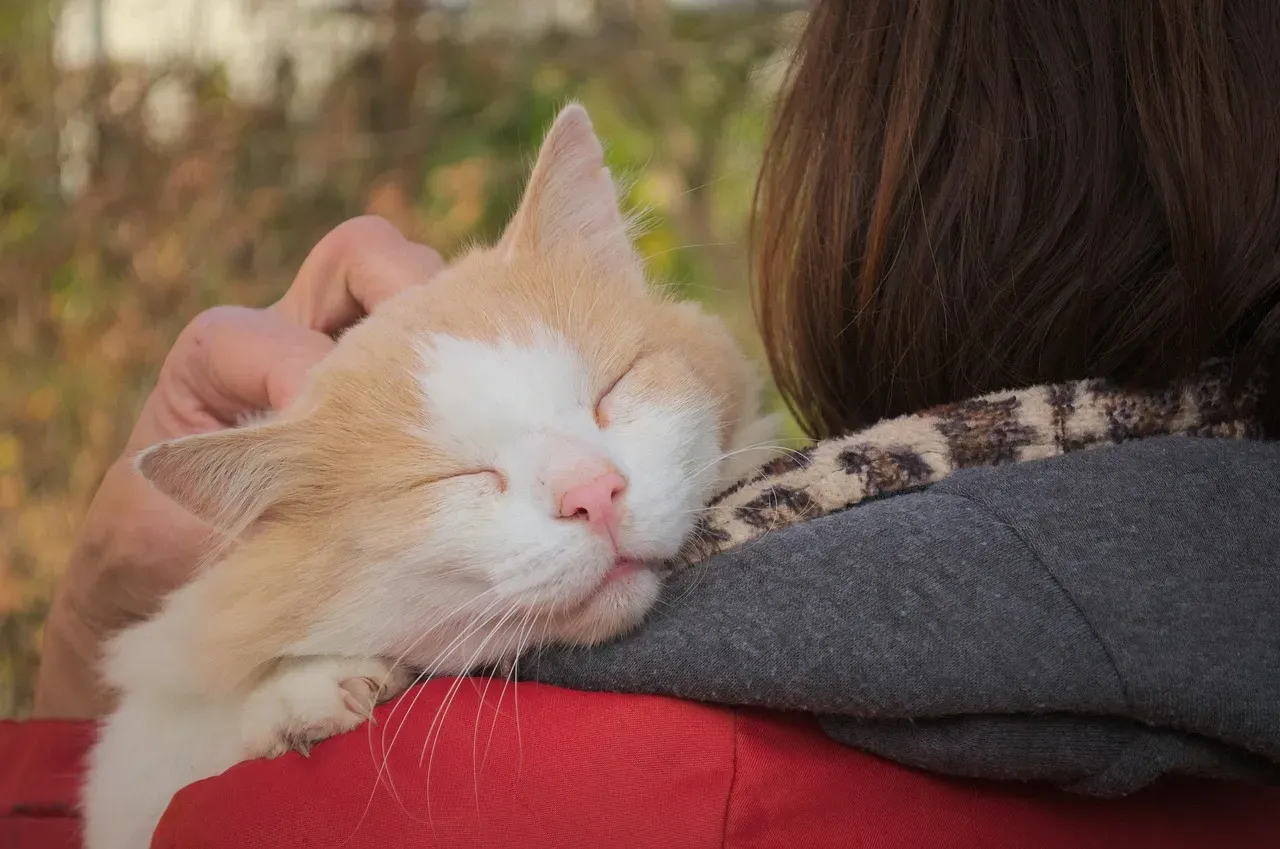
The evidence is clear: aging cats don’t just tolerate more affection, they actively seek it out through following, vocalizing, purring, and physically anchoring themselves to you. Some of this is pure bonding. A real portion of it is driven by pain, sensory decline, or cognitive dysfunction, and experts warn that owners often mistake medical red flags for sweet old-age quirks.
Our honestly controversial take? Not every clingy senior cat is “just being loving.” Dismissing sudden neediness without a vet visit does these cats a disservice – and it’s the one lesson buried inside all fourteen of these behaviors that’s worth taking seriously. Has your aging cat’s personality flipped like this? Drop your story in the comments.
Kristina is a young writer from India. An arts graduate and an avid content creator, Kristina is passionate about animals and wildlife. She enjoys exploring topics related to pet care, animal behavior, conservation, and nature, combining thorough research with engaging storytelling.