Think you’ve got your feline friend all figured out? You probably understand more than you give yourself credit for. Here’s the thing, though: your cat is a whole lot smarter than most people realize. These mysterious creatures have been observing human behavior for thousands of years, and they’ve developed some pretty strong opinions about how we handle our relationship with them. Truth is, some of what we do with the best intentions actually drives them up the wall.
Your cat can’t exactly sit you down for a heart-to-heart conversation, so they communicate in their own way – through body language, behavior changes, and sometimes those unmistakable death stares. The good news is that once you understand what’s really bothering them, you can make a few simple adjustments that’ll make both your lives so much better. Let’s dive into the specific things your cat is secretly wishing you’d quit doing right now. Trust me, they’ve been keeping a mental list.
Using a Dirty Litter Box
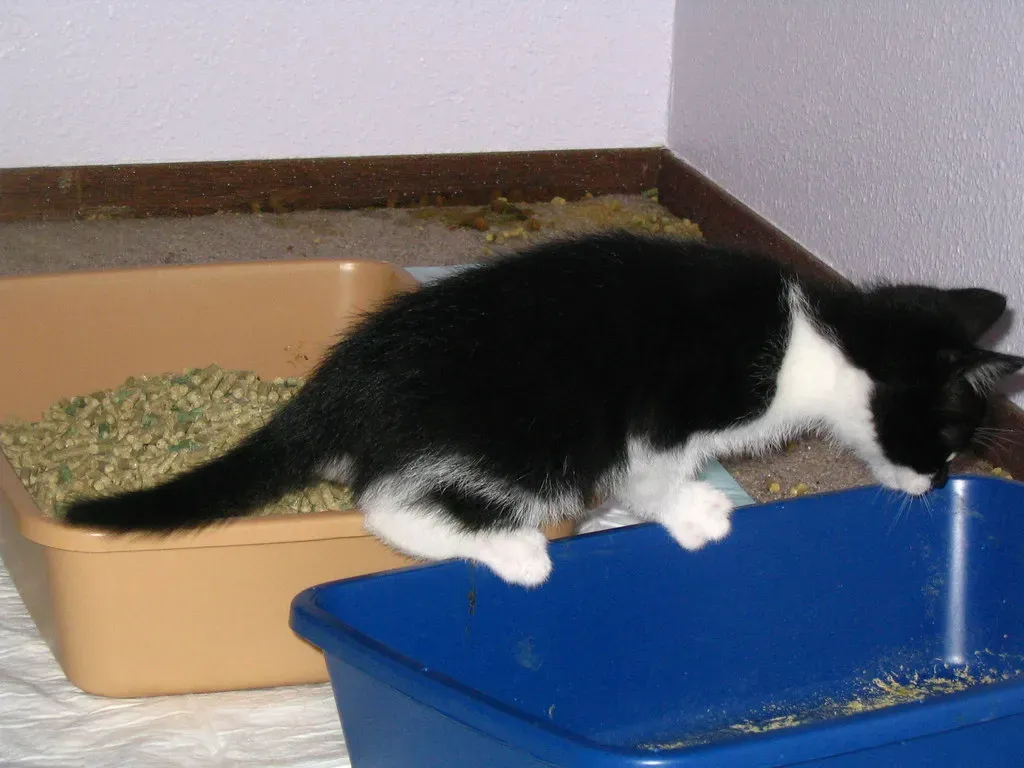
Your cat’s sense of smell is roughly 14 times stronger than yours, which means that litter box you haven’t cleaned in two days? To them, it’s absolutely unbearable. Cats are happiest in clean environments and hate to eat or drink from dirty bowls, and the same goes for their bathroom situation.
Litter box avoidance is the most common problem for cat owners, and thankfully, the solution is often as simple as keeping it clean and providing the type of litter they prefer. Think about it like this: you flush your toilet after every use, right? Your cat deserves the same courtesy. If you notice accidents happening outside the box, don’t assume your cat is being spiteful – they’re just telling you the facilities aren’t up to their standards.
Forcing Physical Affection When They’re Not in the Mood
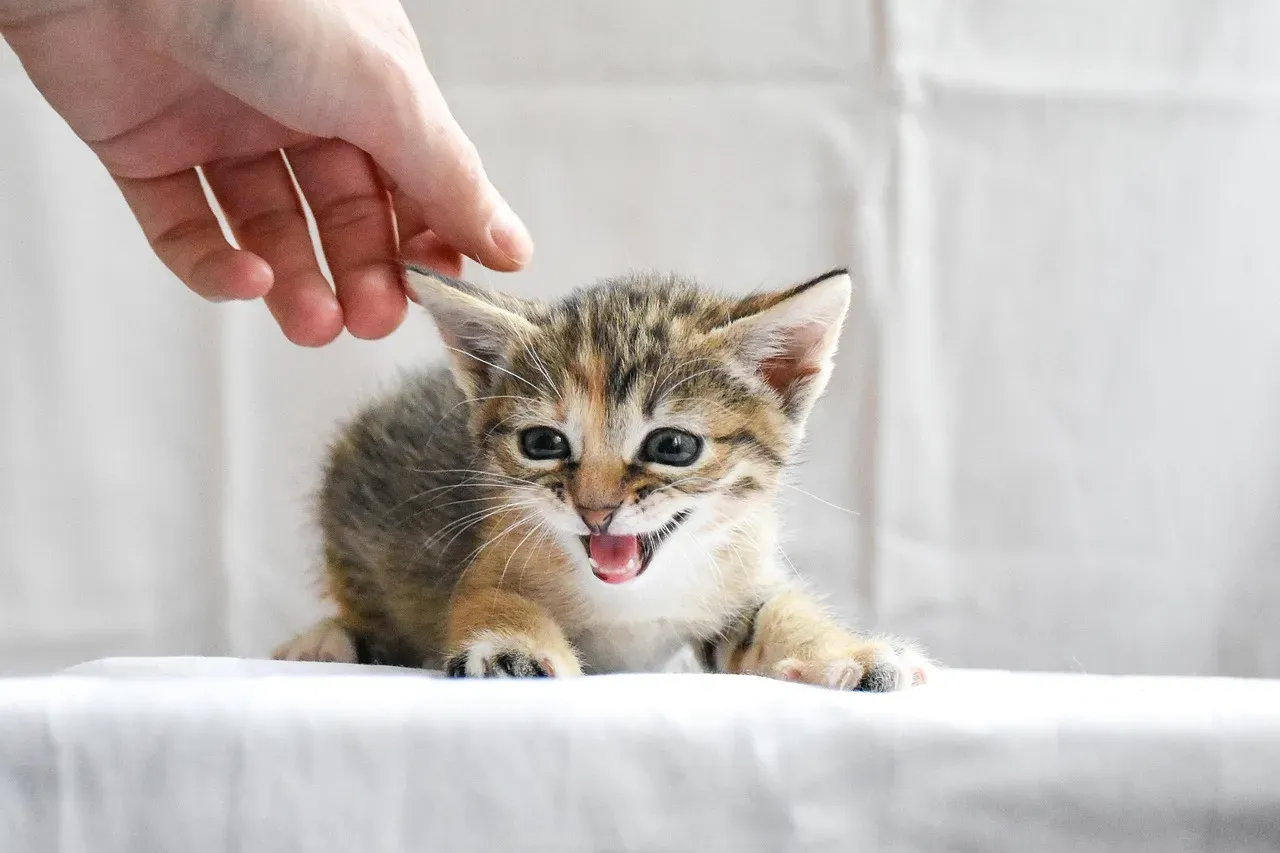
Cats hate forced interaction, so it’s best to let cats come to you rather than chasing them down for cuddles. Just because your cat rolled over and exposed their belly doesn’t mean they want you to touch it. Although there are certainly some cats who tolerate this and may even enjoy it, most cats hate having their vulnerable belly touched, as exposing it is a sign of trust and relaxation.
Most cats and dogs do not enjoy being hugged, and when our pets try to get away, we often have a tendency to try even harder to hug them. Pay attention to what your cat is telling you through their body language. If they’re pulling away, flattening their ears, or flicking their tail, take the hint and back off. Respect goes both ways, even in the human-cat relationship.
Making Too Much Noise Around the House
Your vacuum cleaner might not seem that loud to you, but to your cat, it’s basically a roaring monster. Cats have very sensitive hearing and loud noises such as vacuum cleaners, loud music, loud TV, people shouting, and construction noises can add stress to their daily lives.
Many cats are terrified of fireworks, thunder and loud car noises, and raucous parties and arguing humans are also on the list of things that disturb cats. Even your enthusiastic sneeze can send a skittish kitty running for cover. The solution isn’t to tiptoe around in silence, but do make sure your cat has quiet spaces where they can retreat when things get too noisy. Never force them to stay in a room where the noise level is high – they need escape routes.
Spraying Strong Scents and Perfumes
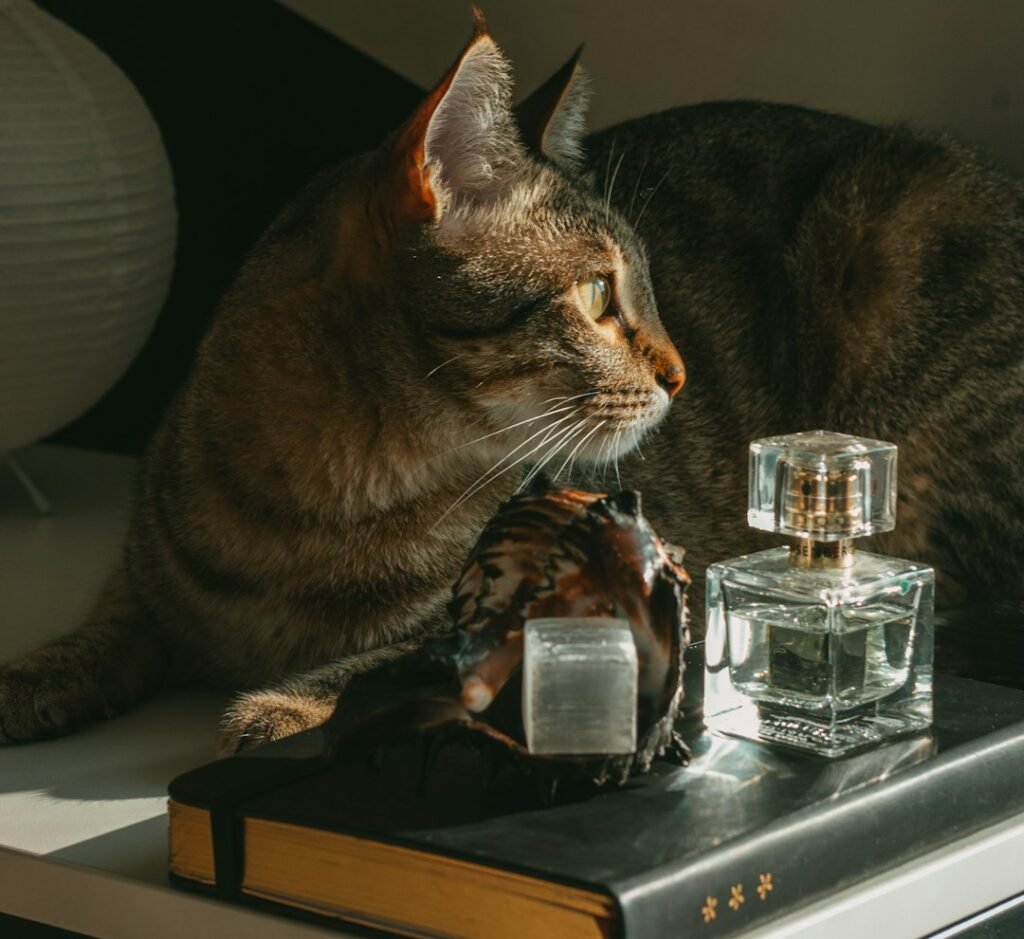
The citrus smell is really irritating to cats, and that’s just the beginning of their scent sensitivities. That lavender air freshener you love? Your cat probably hates it. Things with a strong odor, such as perfume or deodorizers, may be off-putting, and cats may avoid locations with these scents, which could include avoiding you entirely.
The smell of certain essential oils such as lavender, tea tree, eucalyptus and anything citrusy will be off-putting for your cat. What’s worse, some of these substances are actually toxic to cats. If you must use scented products, make sure your cat has well-ventilated spaces where they can escape overwhelming smells. Better yet, skip the artificial fragrances altogether and let your home smell naturally fresh.
Introducing Sudden Changes to Their Environment
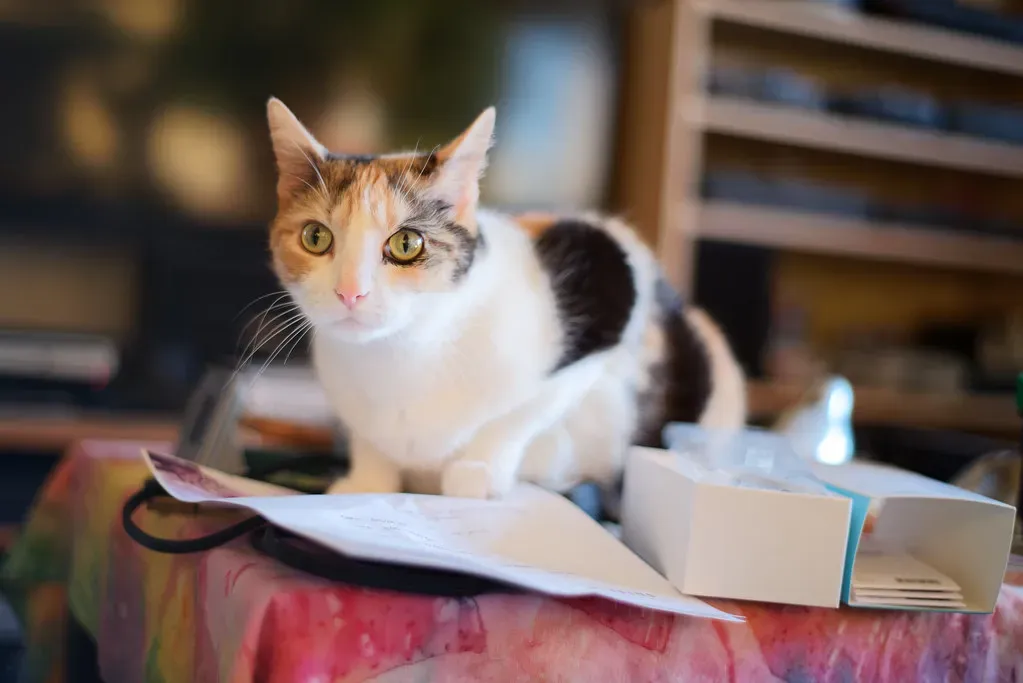
Cats are definitely creatures of habit, and sudden changes in their environment or everyday life can be distressing, ranging from the introduction of a new pet, moving to a new home, change in food or litter brand, or rearranging furniture. Even minor changes that seem insignificant to you can throw your cat’s whole world into chaos.
Cats can be very sensitive, particularly to changes in their environment, and would be happier if their humans took the time to acclimate them kindly to stressful events. That new couch you’re excited about? Your cat might see it as an invasion of their territory. When you need to make changes, introduce them gradually whenever possible. Let your cat investigate new furniture at their own pace, and if you’re switching food brands, do it slowly over several days rather than all at once.
Staring Directly at Them
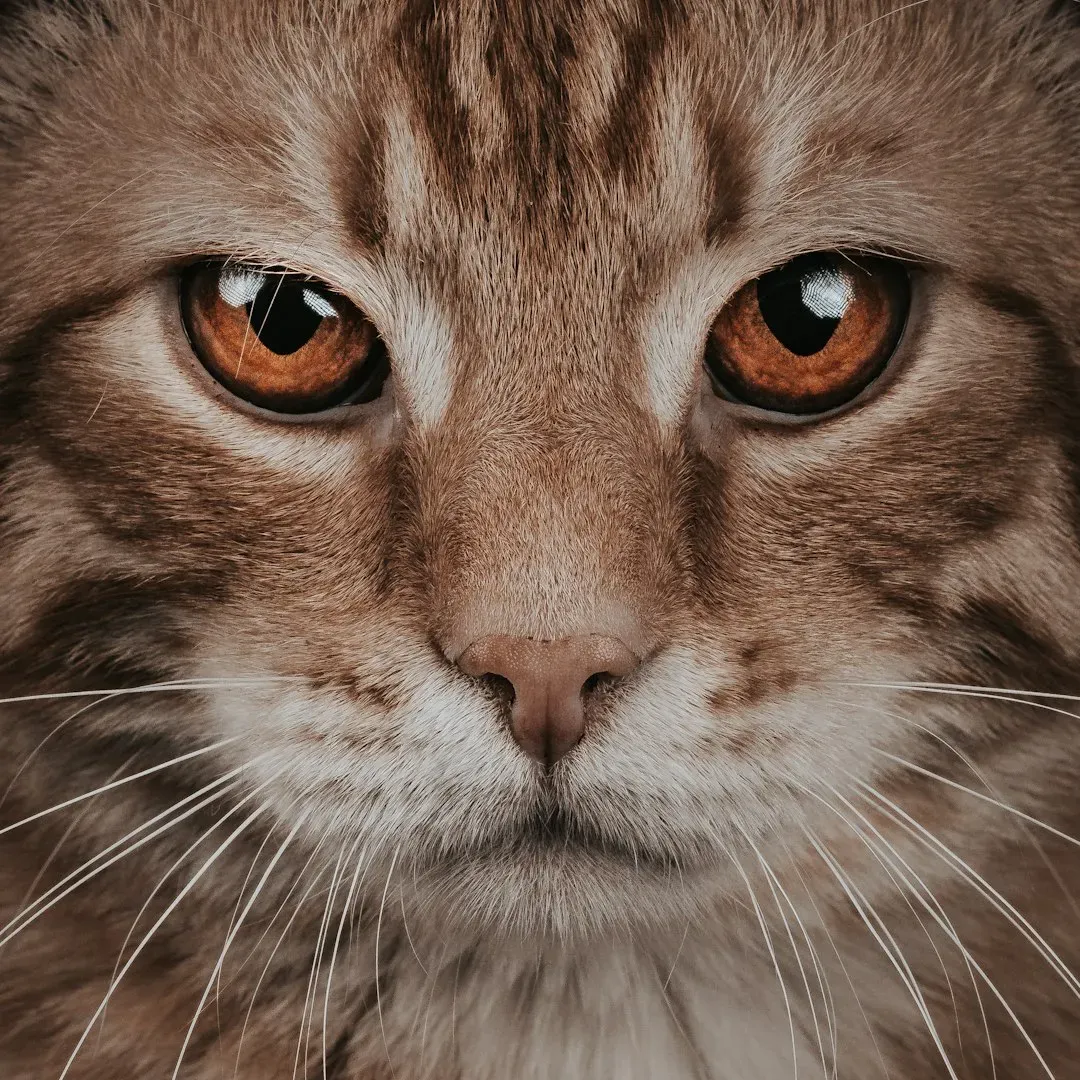
Direct eye contact might be normal between humans, but in the feline world, it’s often interpreted as a threat or challenge. Cats communicate a lot through subtle eye movements, and a prolonged stare can make them uncomfortable or even aggressive. When you catch your cat’s gaze, try giving them a slow blink instead – it’s the cat equivalent of a smile and shows them you mean no harm.
If you’re meeting a new cat, resist the urge to stare them down while trying to win them over. Let them observe you from a distance first. They’ll be much more likely to approach you if you’re not giving them the feline version of a death glare. This is especially important to teach children, who naturally want to make eye contact with animals.
Petting Them in All the Wrong Places
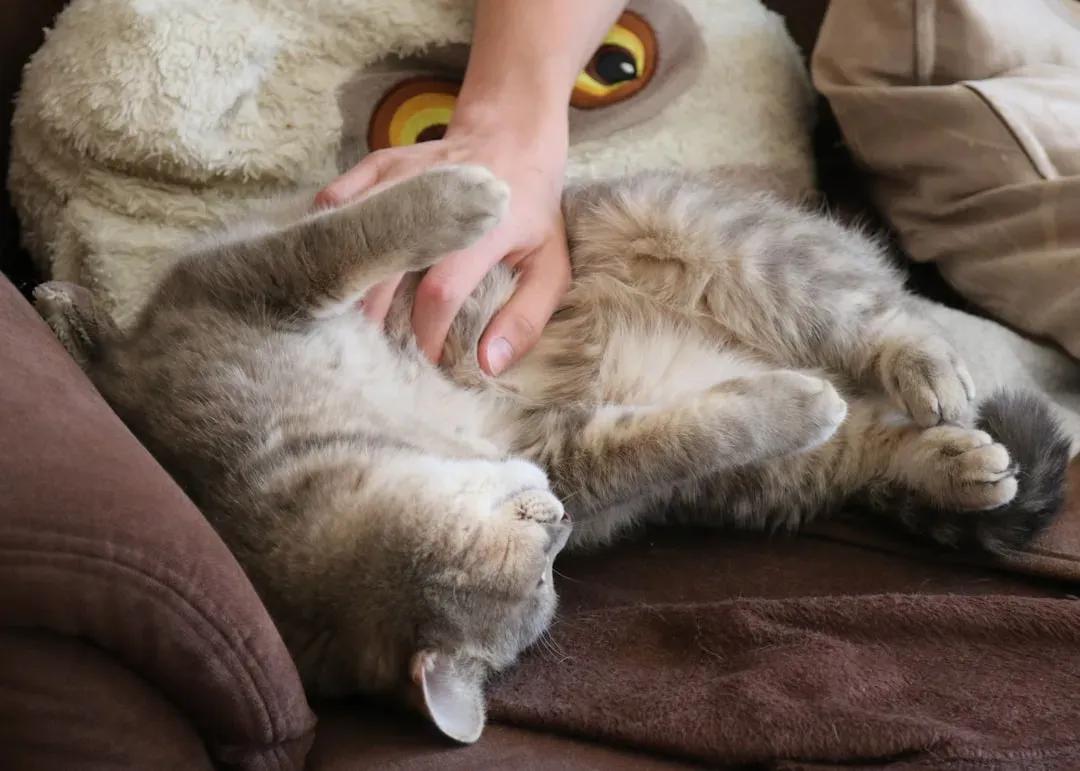
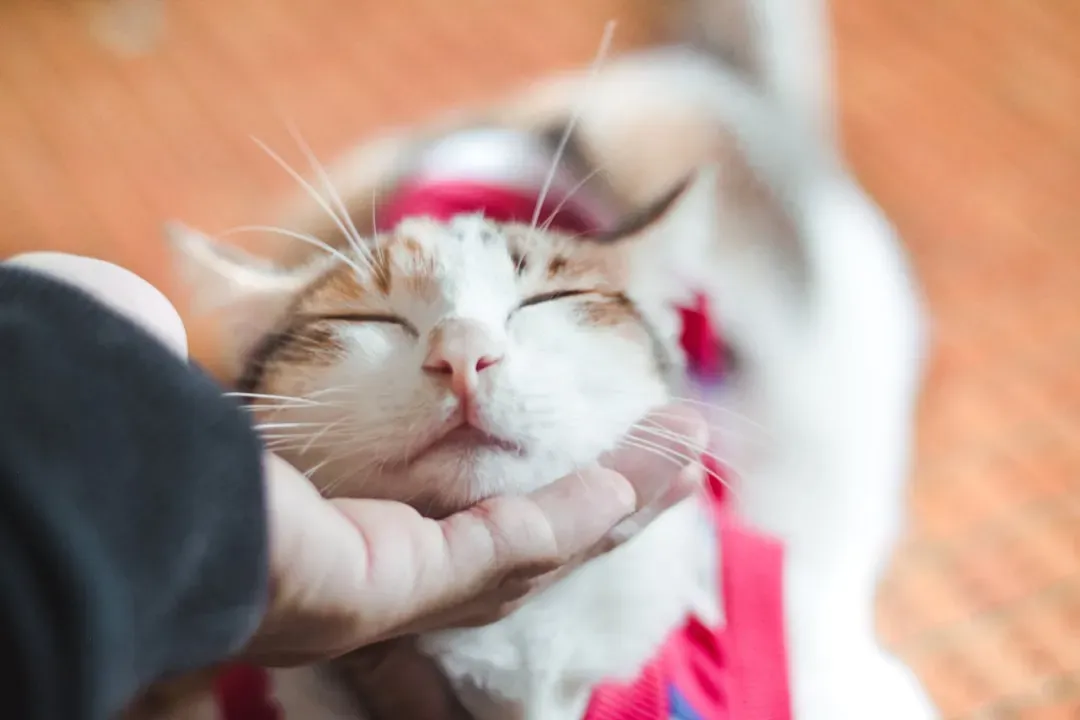
The two common mistakes people make are inappropriate touching areas and failing to respect personal space. Most cats prefer being petted around their head, chin, and cheeks – the areas where they have scent glands. The base of the tail, the paws, and the belly are generally no-go zones for most felines, though every cat is different.
Many cats prefer a light touch, and petting too aggressively can over-stimulate your cat and invariably lead to you getting scratched or bitten. Watch for signs like tail flicking or ears pulled back. These are your cat’s way of saying they’ve had enough. Learning to read these signals will save you from unexpected scratches and help build trust with your cat over time.
Leaving Them Alone for Extended Periods
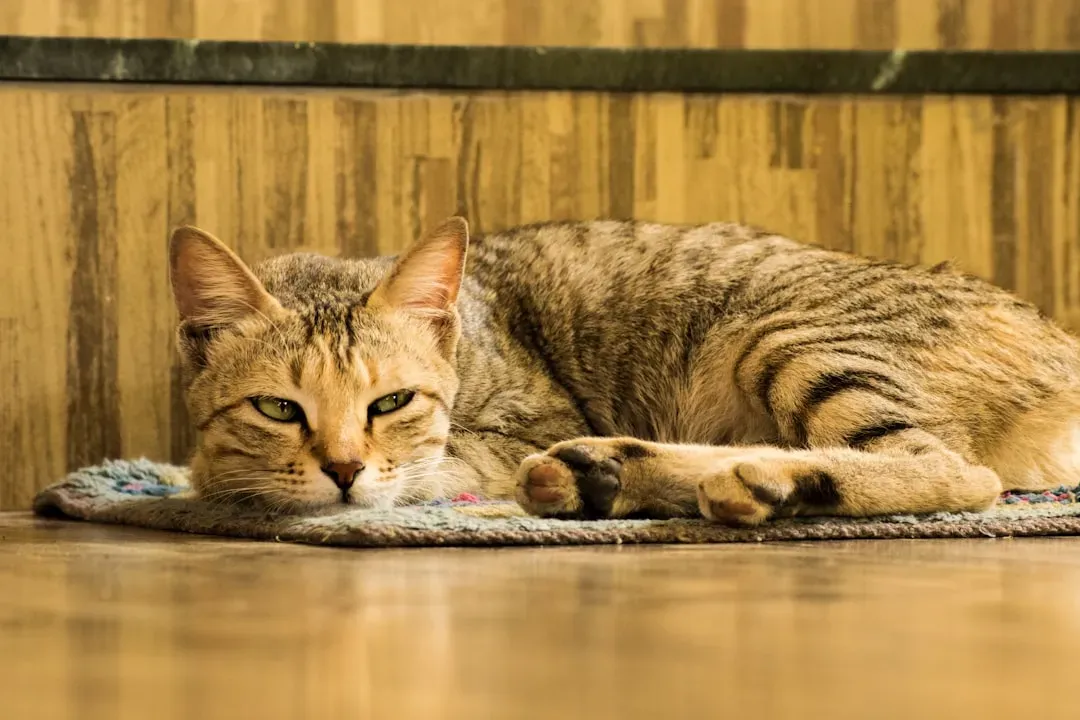
Dogs aren’t the only pets that get lonely and bored when you spend the whole day at work, and ignoring this fact can lead to some serious behavioral problems. Contrary to what some non-cat people think, felines do want affection, they do enjoy your companionship, and they don’t like being ignored.
Cats are often labeled as independent, but that doesn’t mean they don’t need you. Cats need and deserve companionship from their owners, and they are sad and lonesome when they don’t get it. If you work long hours, consider providing food puzzles, interactive toys, or even a window perch so they have things to keep them occupied. Some cats might even benefit from having a feline companion, though introductions need to be done properly.
Disturbing Them While They’re Resting
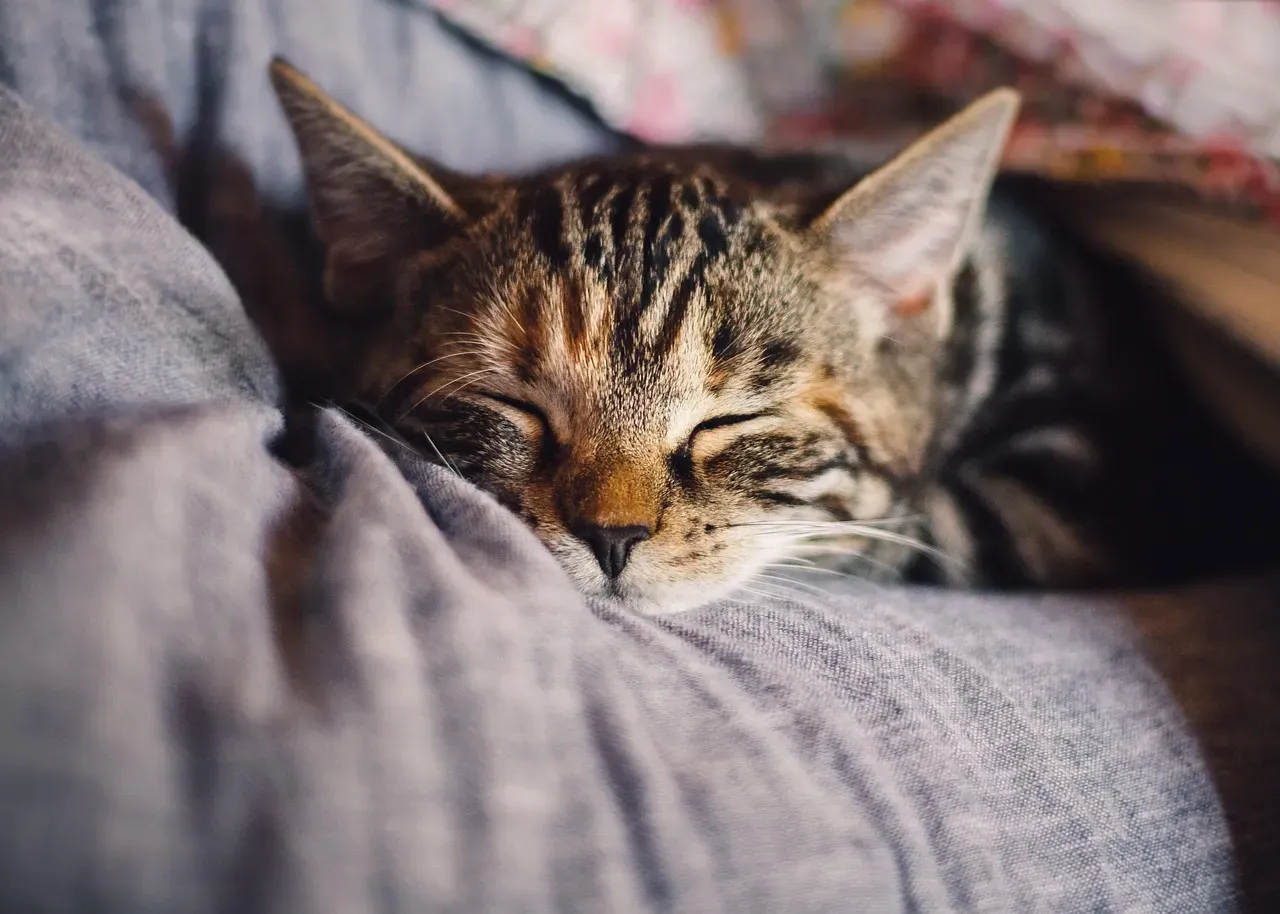
When your cat has just stretched out for a snooze and someone comes along wanting them to entertain them, they wouldn’t love it, and neither does your cat. Cats sleep somewhere between 12 to 16 hours a day, and those naps are essential for their health and wellbeing.
While most cats will happily cohabitate with their humans, they need their own space to retreat to throughout the day, as cats are solitary animals by nature. If you see your cat napping in their favorite spot, appreciate them from a distance. They’ll come find you when they’re ready for interaction. Constantly interrupting their rest will only make them cranky and could damage your bond over time.
Using Small or Deep Food and Water Bowls
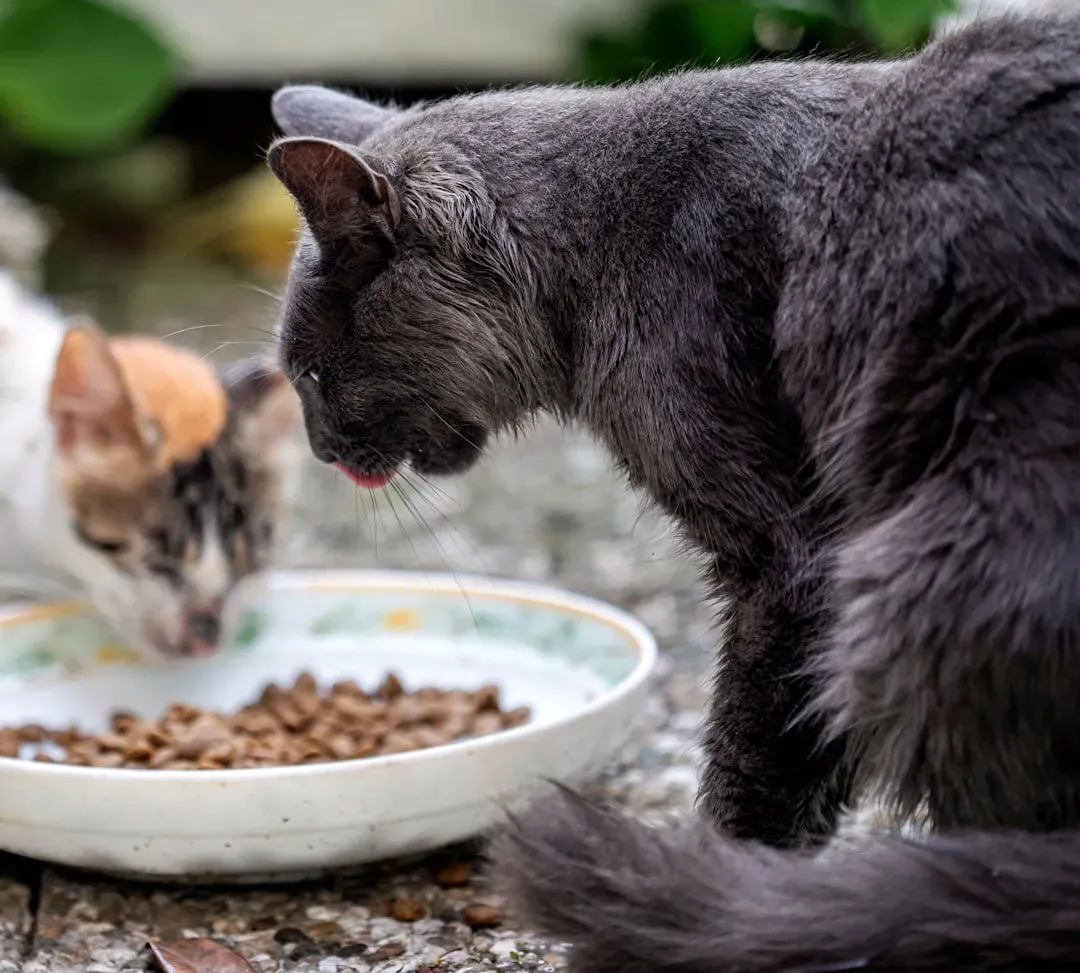
Cats don’t like their whiskers to touch the sides of the container when they are eating or drinking. Those cute little bowls you bought might look adorable, but if they’re causing whisker fatigue, your cat is probably dreading mealtime. Whiskers are incredibly sensitive, and repeated contact with bowl edges can actually cause discomfort and stress.
The solution is surprisingly simple: use shallow, wide dishes instead. A small plate works perfectly for food, and a wider bowl for water makes drinking much more comfortable. You might also notice your cat stops that annoying habit of pawing food out of their bowl once you switch to more whisker-friendly dishes. It’s a small change that makes a huge difference in their daily comfort.
Cleaning Away Their Scent Marks
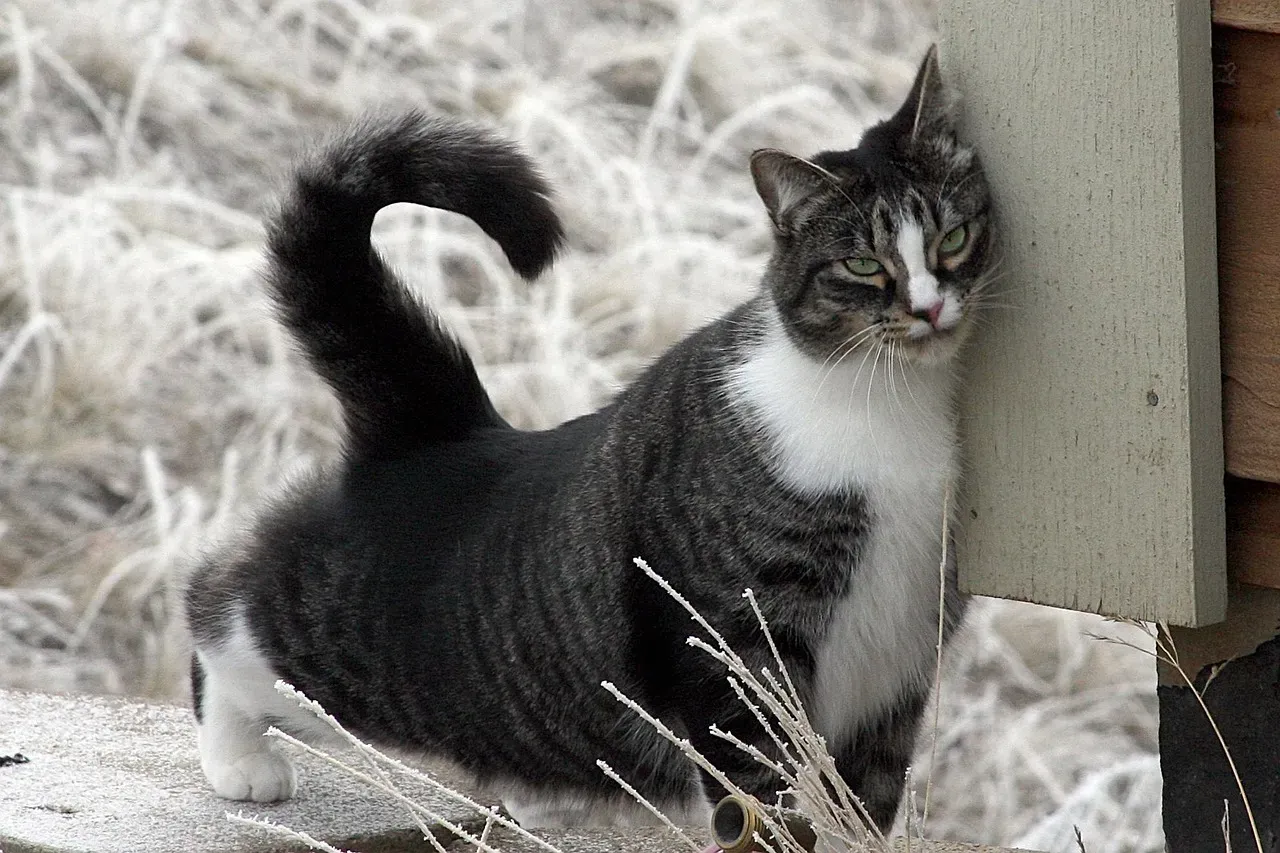
Cats like to rub against things to mark these areas, but sometimes that can leave a residue that people find dirty, so they clean it up. What you see as dirty spots, your cat sees as important territorial markers that help them feel secure in their home. When you constantly erase these scent marks, you’re essentially making your cat feel like they have to start over in establishing their territory.
This doesn’t mean you should never clean, but maybe reconsider power-washing every surface your cat has touched. Leave some of their favorite rubbing spots alone, especially furniture corners and doorways where they like to mark. Your cat isn’t trying to make your home dirty – they’re just trying to make it feel like home to them too.
Treating Them Like Dogs
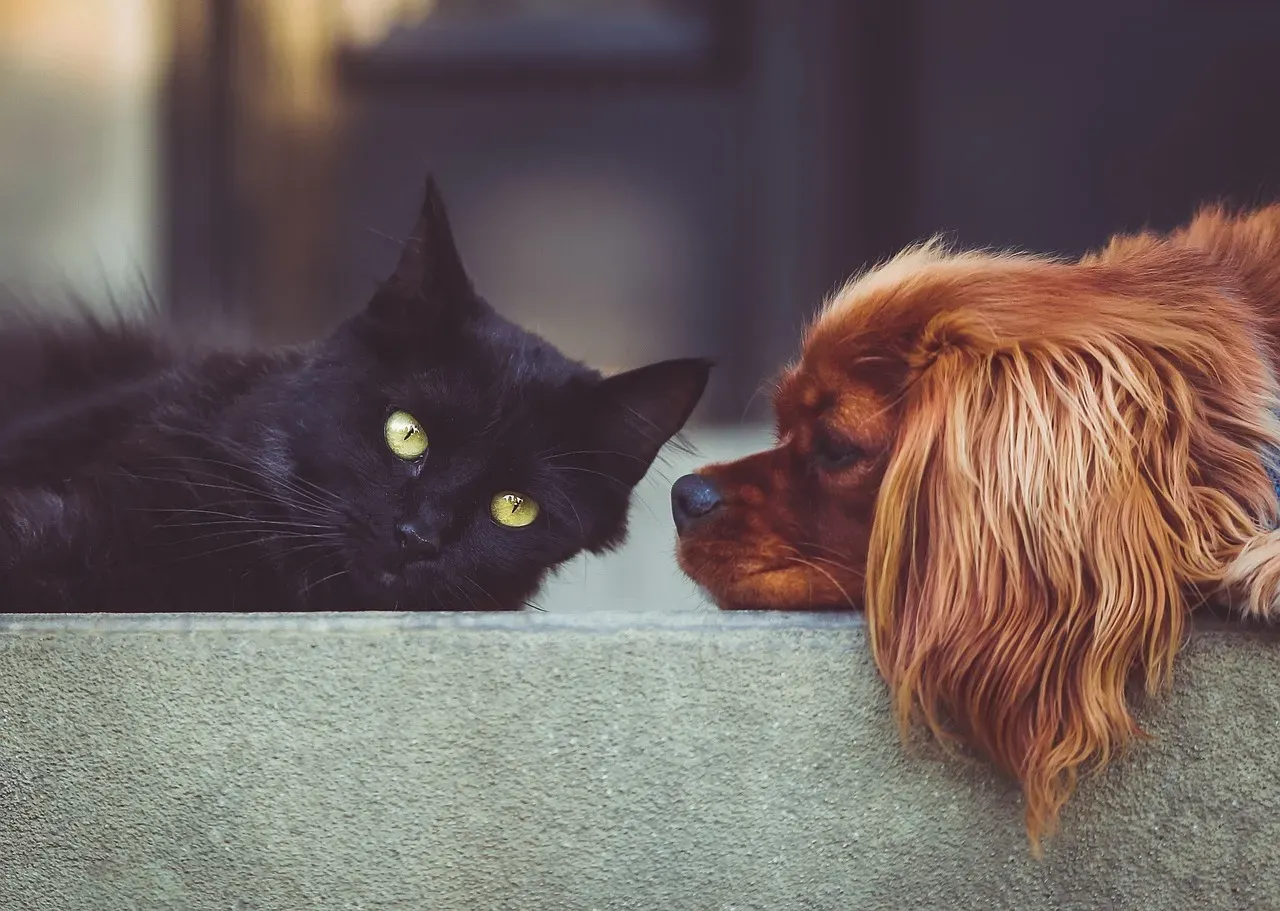
A huge pet peeve of cats is the assumption that they have the same needs and behaviors as a small dog, and nothing can be further from the truth. Cats and dogs are fundamentally different animals with completely different communication styles, needs, and preferences. What works for your neighbor’s golden retriever probably won’t work for your tabby.
When working with a cat to provide training, behavior modification or enrichment, make sure you do your research on what cats find reinforcing and what intimidates and frightens them. Cats don’t respond well to the same training methods that work for dogs. They need patience, positive reinforcement, and respect for their independent nature. Expecting your cat to behave like a dog is setting both of you up for frustration.
Bringing Home New Pets Without Proper Introductions
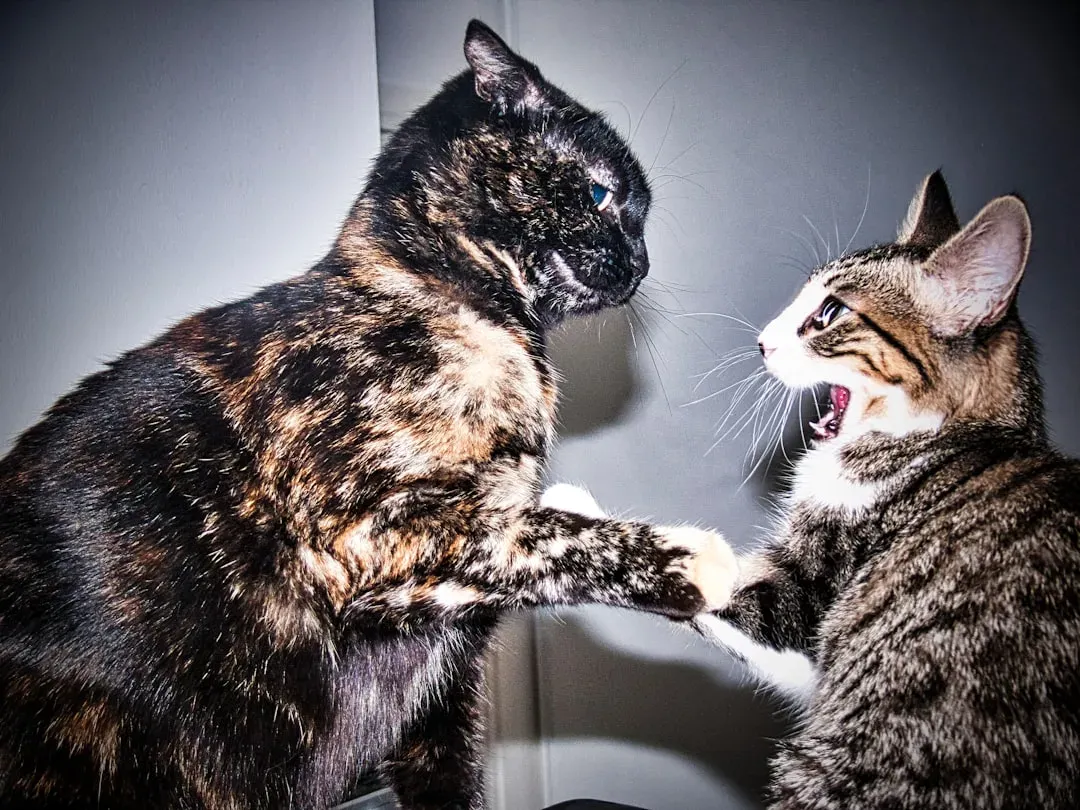
Adult cats can be territorial and often prefer solitude, and adding another cat to your home may trigger stress and disrupt their established routine. That impulse adoption might seem like a great idea, but springing a new animal on your cat without preparation is a recipe for disaster. Cats need time to adjust to new animals, and proper introductions can take days or even weeks.
Cats choose their favored companions, and too many cats can cause resource fighting for places to rest or hide, litter boxes, food or even human time. If you must bring home a new pet, do it gradually. Keep them separated at first, exchange scents through closed doors, and only allow supervised face-to-face meetings once both animals seem calm. Rushing this process can create enemies for life rather than friends.
Picking Them Up Without Warning
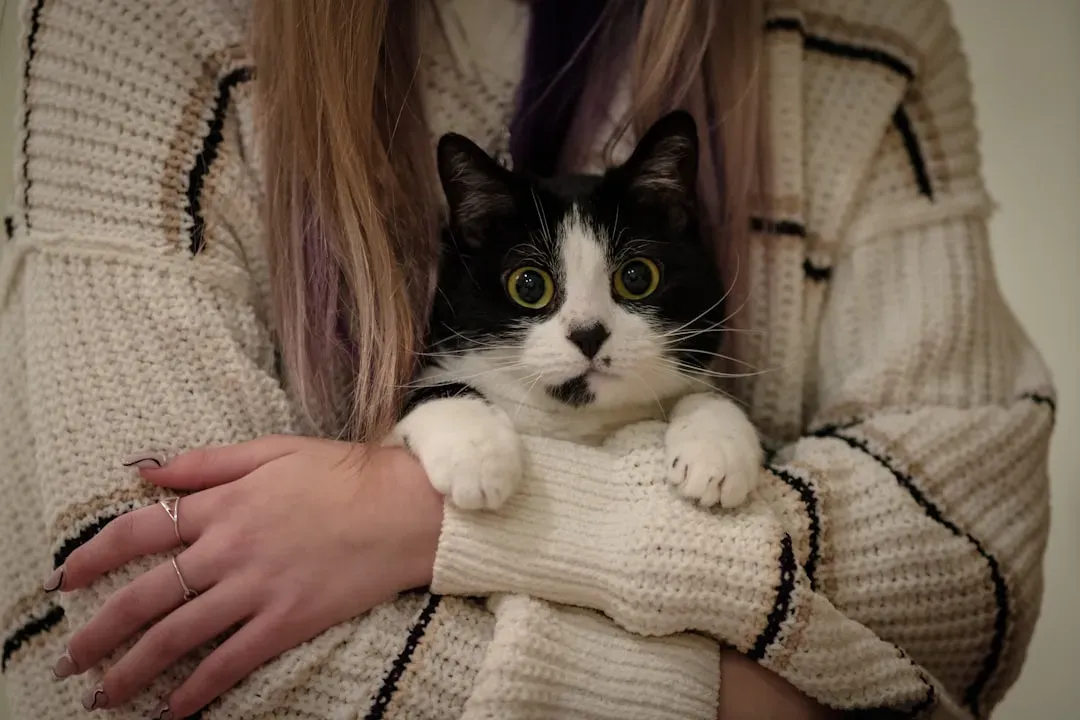
Most cats are very wary of being handled by strangers, and many cats simply don’t enjoy being picked up. Even if it’s you doing the picking up, snatching your cat off the ground without any warning can startle them and make them feel vulnerable. Many cats are very independent and prefer all four paws on the ground. Some cats tolerate being held, while others absolutely despise it. If your cat struggles when you pick them up, believe them – they’re telling you they don’t like it. There are gentler ways to interact that don’t involve hoisting them into the air against their will. Let them come to you for affection instead, and if you must pick them up for something like a vet visit, do it calmly and support their body properly.
Conclusion: Building a Better Bond With Your Feline Friend
Understanding what annoys your cat isn’t about being a perfect pet owner – it’s about respecting them as the unique, intelligent creatures they are. When you stop doing these things that drive them crazy, you’ll likely notice a significant improvement in your cat’s behavior and your relationship with them. They might be more affectionate, less destructive, and generally happier sharing their space with you. The beauty of cats is that they’re constantly communicating with us, even if they’re not using words. Learning to read their signals and adjust your behavior accordingly shows them that you value their comfort and preferences. It’s not always easy to break old habits or resist the urge to squeeze them when they’re being adorable, but the payoff is worth it. Did you recognize yourself doing any of these things? What changes do you think would make the biggest difference for your cat?