
Most cat owners think they’ll see it coming – a slow, obvious goodbye stretched out over weeks. Vets say the real thing rarely looks like that at all.
The final season of a senior cat’s life is packed with small, easy-to-dismiss shifts – moments owners explain away in real time and only understand months later. Some look like bad moods. Some look like ordinary aging. A few are the kind of quietly heartbreaking that you don’t forget, and the list below starts with the one almost every owner misses first.
#14 – They Drop Their Signature Routine First
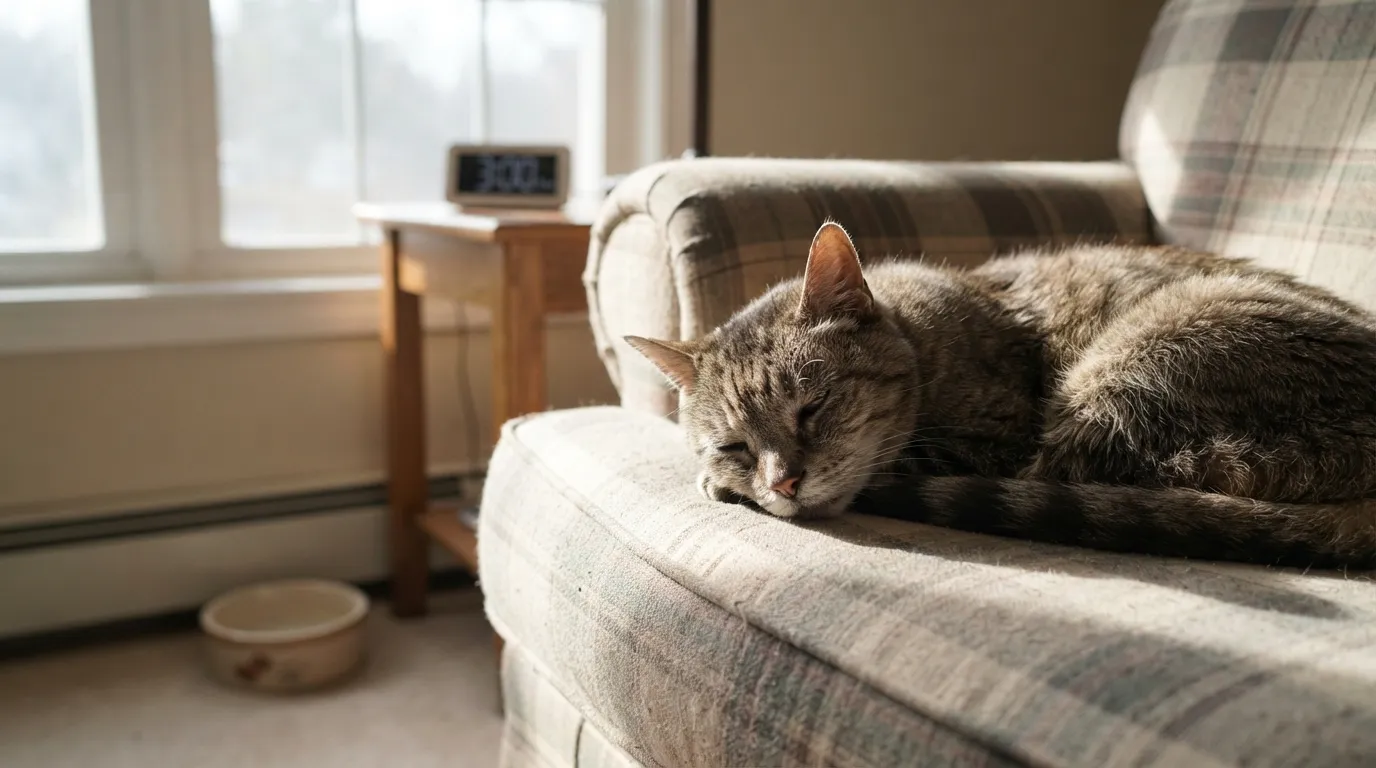
Every cat has “their thing” – racing to the kitchen at the sound of a can, curling into a favorite window every afternoon at 3 p.m. When that routine disappears and stays gone, vets say it’s often the most honest signal something has changed.
It’s easy to explain away. “She’s just tired today,” you tell yourself, ignoring the difference between a one-off skip and a real pattern.
This is the sign that breaks people hardest in hindsight. Weeks before the final vet visit, their cat had already said goodbye in their own language.
But the routine shift is just the opening move. What comes next is far less expected – and it surprises nearly every owner.
#13 – Their Appetite Changes in a Strange, Specific Way
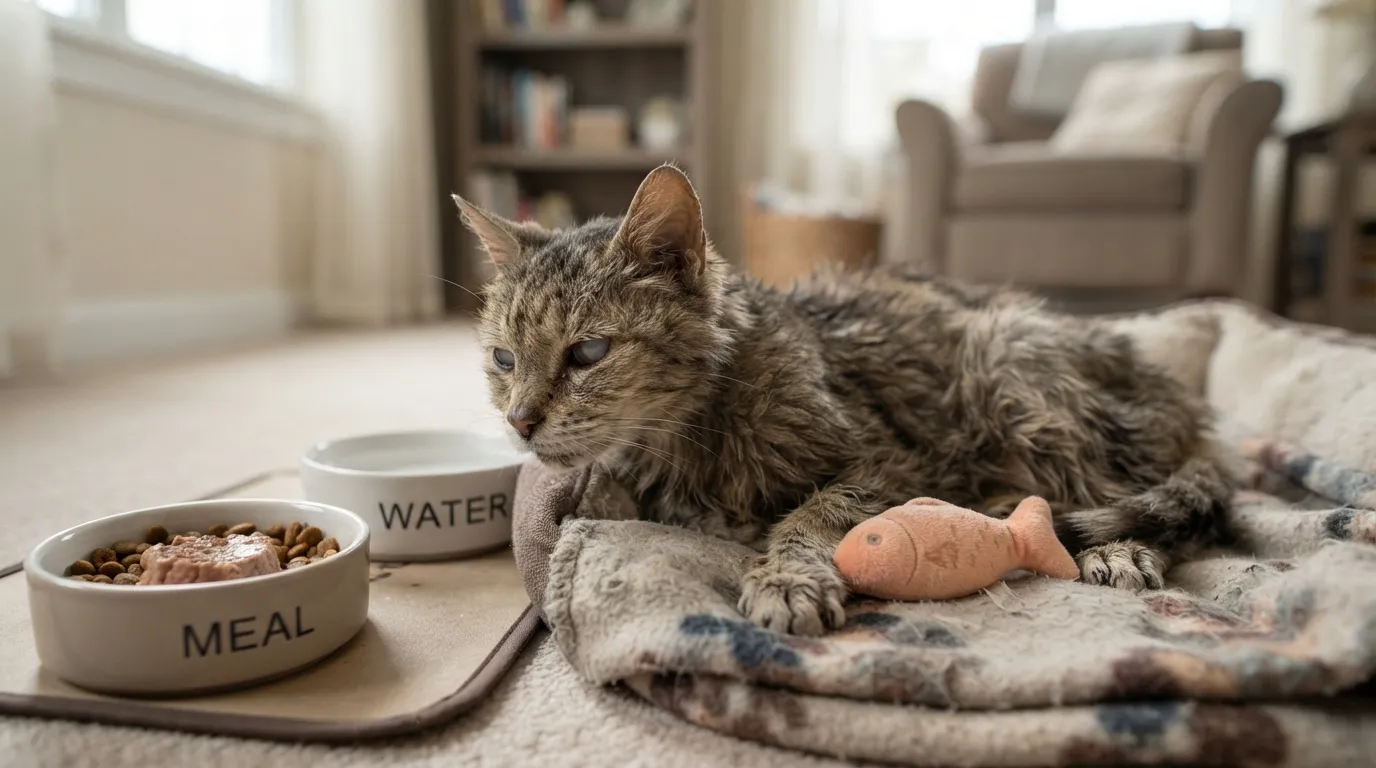
Pets may lose interest in food or water as vital organ functions begin to shut down. Yet many cats will still take a favorite treat, which is exactly why owners miss it.
They see the cat accept a treat and assume nothing serious is wrong. Meanwhile the actual meals go untouched.
A decreased sense of smell in senior cats can also blunt their interest in eating. Combine that with underlying illness, and the appetite picture turns complicated fast.
Fast Facts
- Most veterinarians consider cats “senior” between 11 and 14 years old, and “geriatric” from 15 on.
- Any unintended loss of more than 5% of body weight in 1-3 months is significant.
- Regular veterinary visits at a minimum of every six months for senior cats 10 to 15 years old help track and detect disease early.
Don’t stop here – the next sign is one most owners actively misread as their cat doing better.
#12 – Sudden Clinginess (And Why It Isn’t Good News)
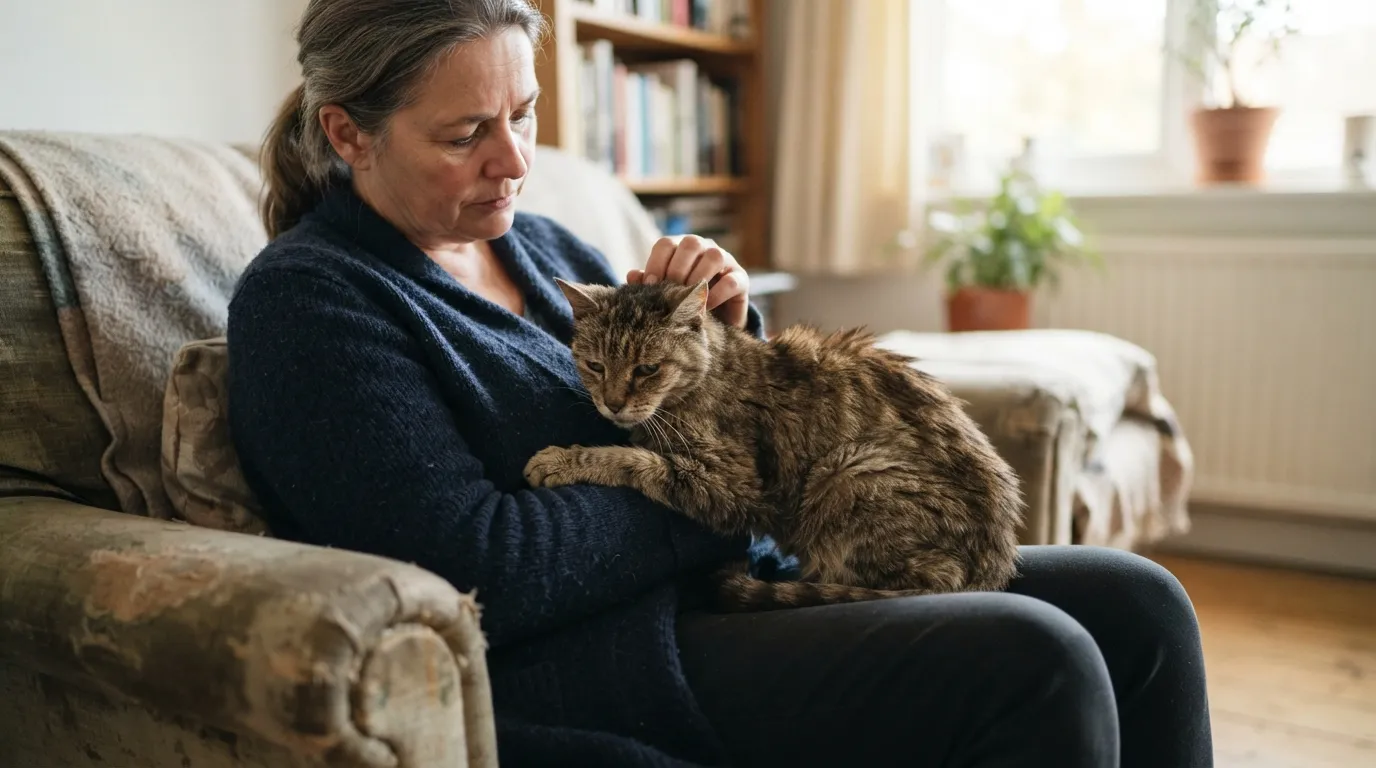
Some cats grow more affectionate near the end, following their owner from room to room. Most people read this as a sweet late-life bond deepening.
Vets see it differently. Neurological and physical changes can flip a cat’s personality entirely – a fiercely independent cat may suddenly need constant contact.
The flip itself – not the direction of it – is the real red flag. Any sharp break from a cat’s baseline temperament is worth a call to the vet.
The flip side of clinginess is even harder to face. It’s the behavior that quietly tears owners apart.
#11 – They Start Hiding in Unusual Places
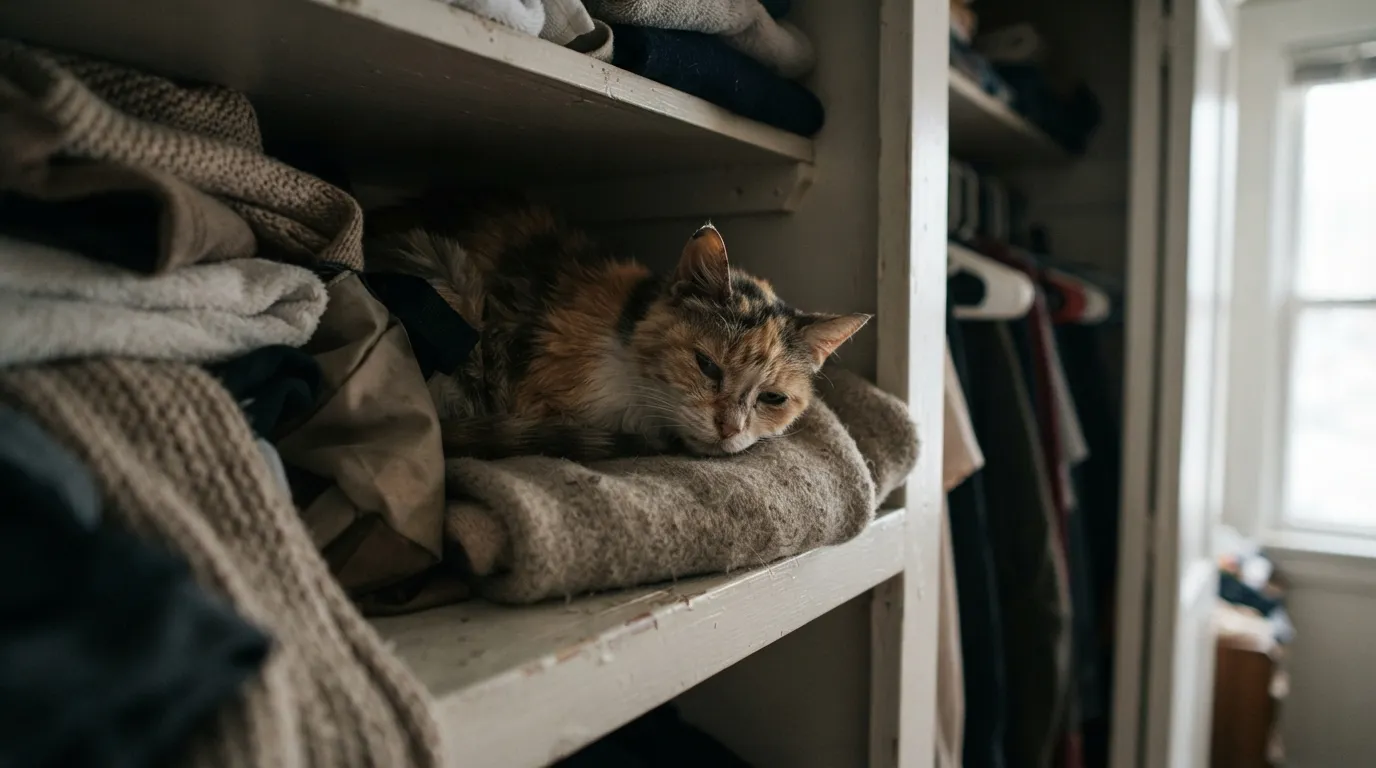
Many cats grow reclusive or start hiding for most of the day as the end nears. If your cat has always been shy, watch for a shift from their normal baseline, not a general rulebook.
The key word is unusual. A cat behind the couch is nothing new – a cat suddenly wedged into a closet shelf it’s never touched before is something else entirely.
Some cats instinctively seek out a hiding place when death is close. It’s widely documented, though every cat’s version of it looks a little different.
Hiding gets most of the attention. But something else is happening at the exact same time, and almost nobody catches it.
#10 – Their Grooming Tells Two Opposite Stories
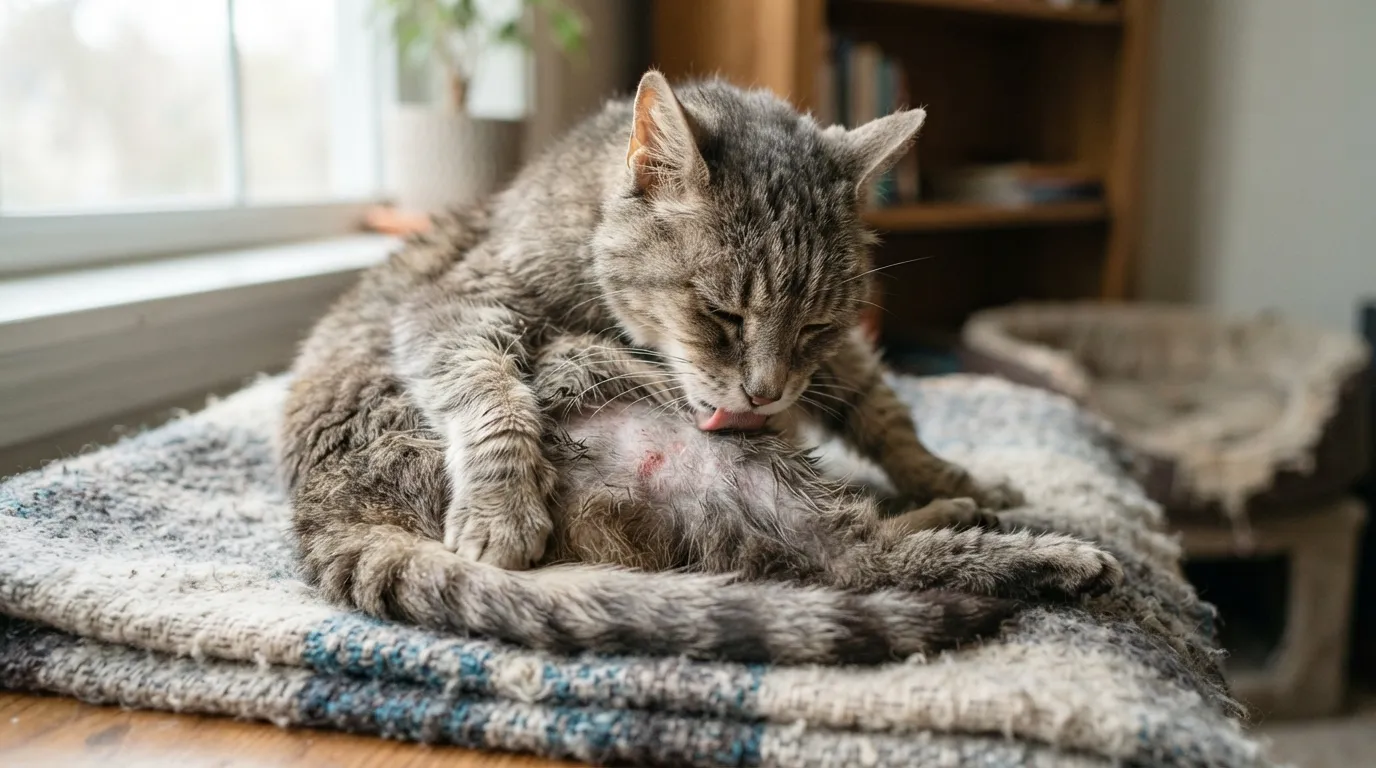
A cat in significant pain may stop grooming altogether. Matted fur and a dull, unkempt coat are the version most owners recognize.
But the opposite extreme matters just as much. Excess grooming in a senior cat can signal chronic, unrelenting discomfort.
Cats with kidney disease, hyperthyroidism, or nerve pain sometimes lick one spot obsessively – the belly, inner thighs, or base of the tail – until the fur is gone. Both directions point to distress; they’re just different languages for the same message.
Next up is the sign that keeps owners awake at night. Literally.
#9 – Nighttime Vocalization That Sounds Like Confusion
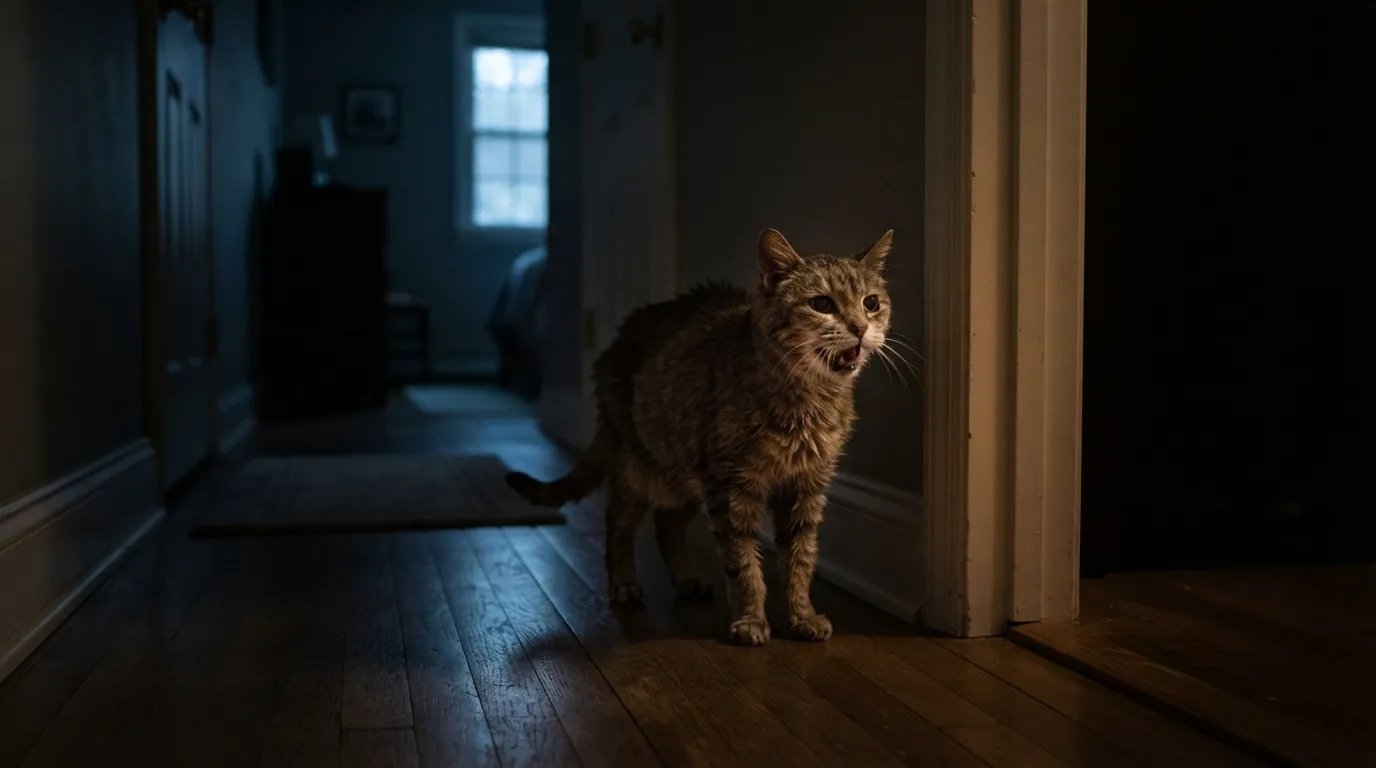
Cognitive dysfunction, similar to dementia in humans, can cause senior cats to wander and vocalize at night. Owners often assume the cat is just restless or hungry.
Cats around 11 to 14+ years old may grow confused, get “lost” in familiar corners of the house, or howl with no apparent reason. The yowling isn’t dramatic – it’s disoriented.
They may genuinely forget where they are, lost inside their own home. It’s heartbreaking once you understand what’s actually behind the sound.
#8 – They Stop Responding to Medications That Once Worked
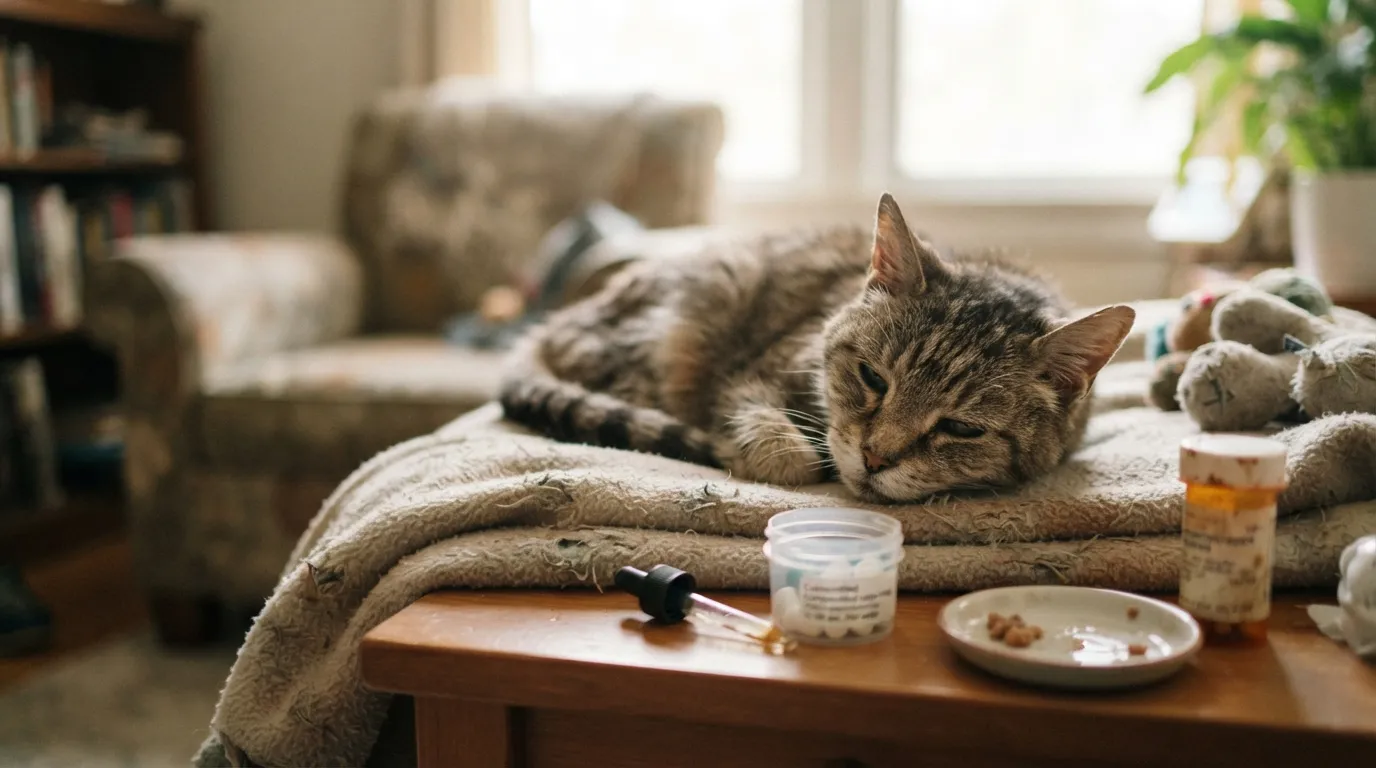
Many senior cat conditions stay controlled with medication for a long time – until they don’t. A rising dose requirement, or a drug that simply stops working, means the body is breaking down and can no longer respond the way it used to.
This one often gets buried in vet notes instead of flagged plainly. If a treatment that worked for months or years suddenly falters, ask your vet directly what that progression means.
It feels like a dosing problem. It’s usually a systemic one.
#7 – Rapid, Visible Weight and Muscle Loss
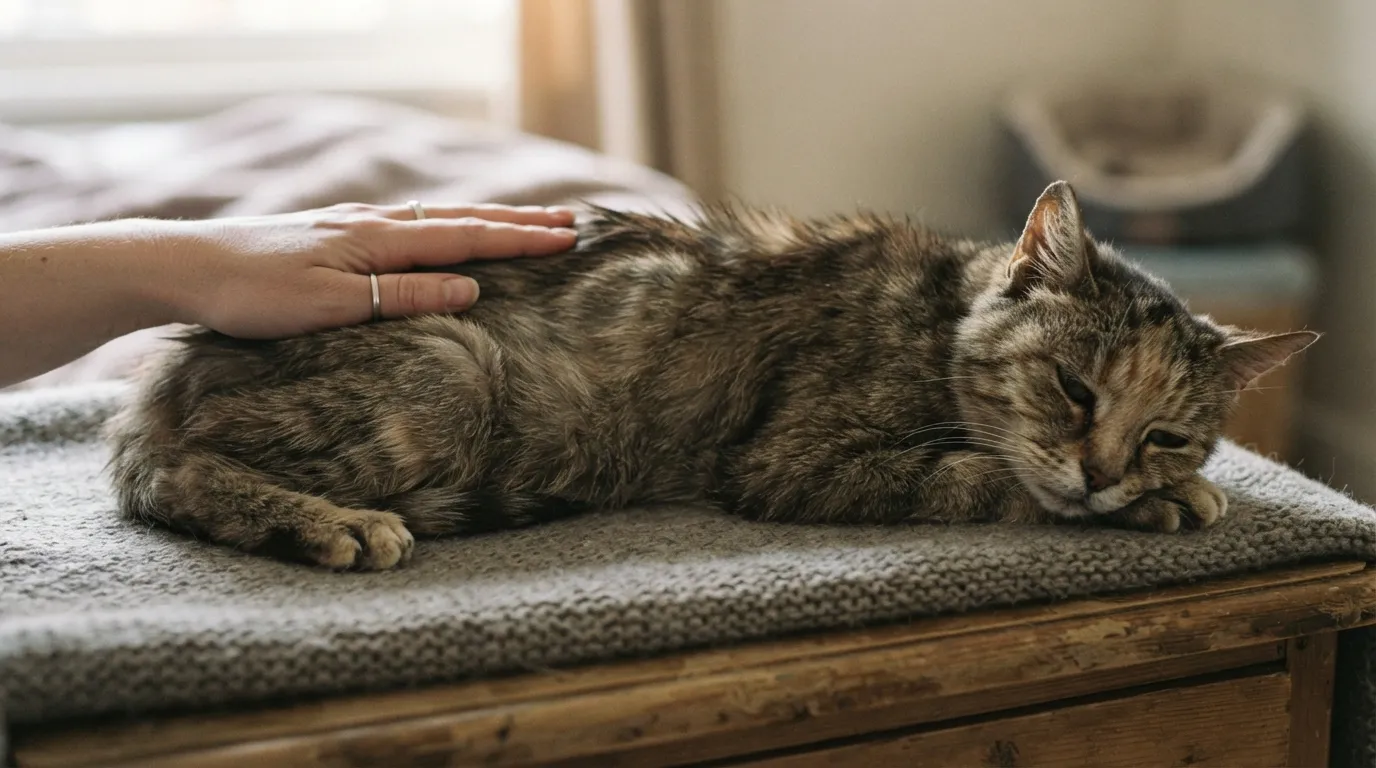
Some weight loss is normal in senior cats – slower metabolism, less efficient digestion. End-stage decline moves at a different, faster pace, and it’s noticeable if you’re paying attention.
Run your hand along your cat’s spine. If you can feel every vertebra sharply, and that wasn’t true six months ago, that’s a concrete signal worth acting on.
Many cats lose both muscle and fat rapidly in their final weeks as appetite fades. It’s one of the clearest physical markers vets watch for.
#6 – Their Body Temperature Drops (And You Can Feel It)
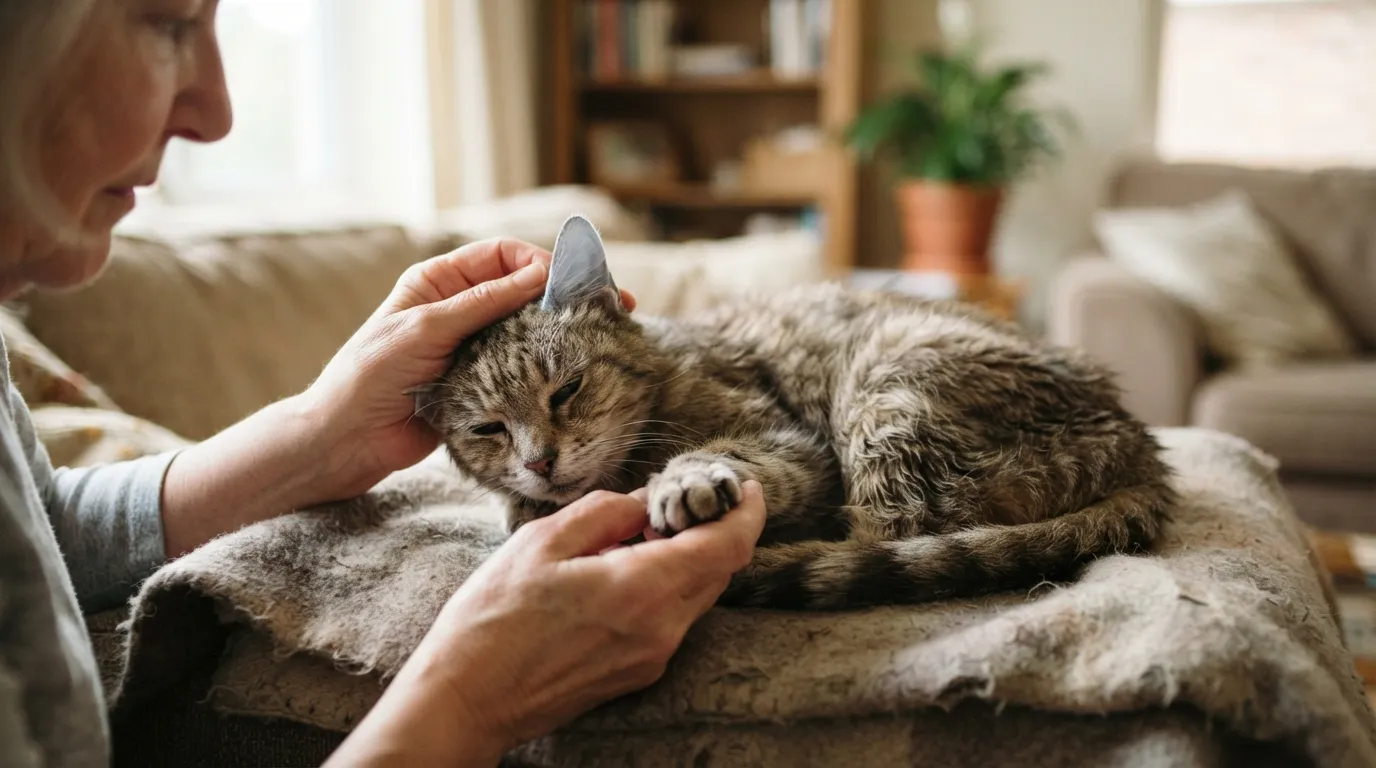
A healthy cat runs between 100°F and 102.5°F. As circulation slows near the end, that number drops – and the paws and ears turn noticeably cold.
Most owners don’t think to check. They just notice their cat feels “different” when held, without being able to name why.
Quick Compare
| Normal Aging | Final-Season Signal | |
|---|---|---|
| Daily Routine | Same favorite spots, same schedule | Signature habits disappear and don’t return |
| Grooming | A little less frequent | Matted fur, or obsessive licking down to one bald spot |
| Temperature | 100°F-102.5°F, warm ears and paws | Noticeably cool to the touch |
A cold-to-the-touch senior cat – especially the ears and paws – is a significant warning sign, and one that’s almost never on anyone’s radar until it’s already happening.
#5 – Unexpected Aggression Toward People They Love
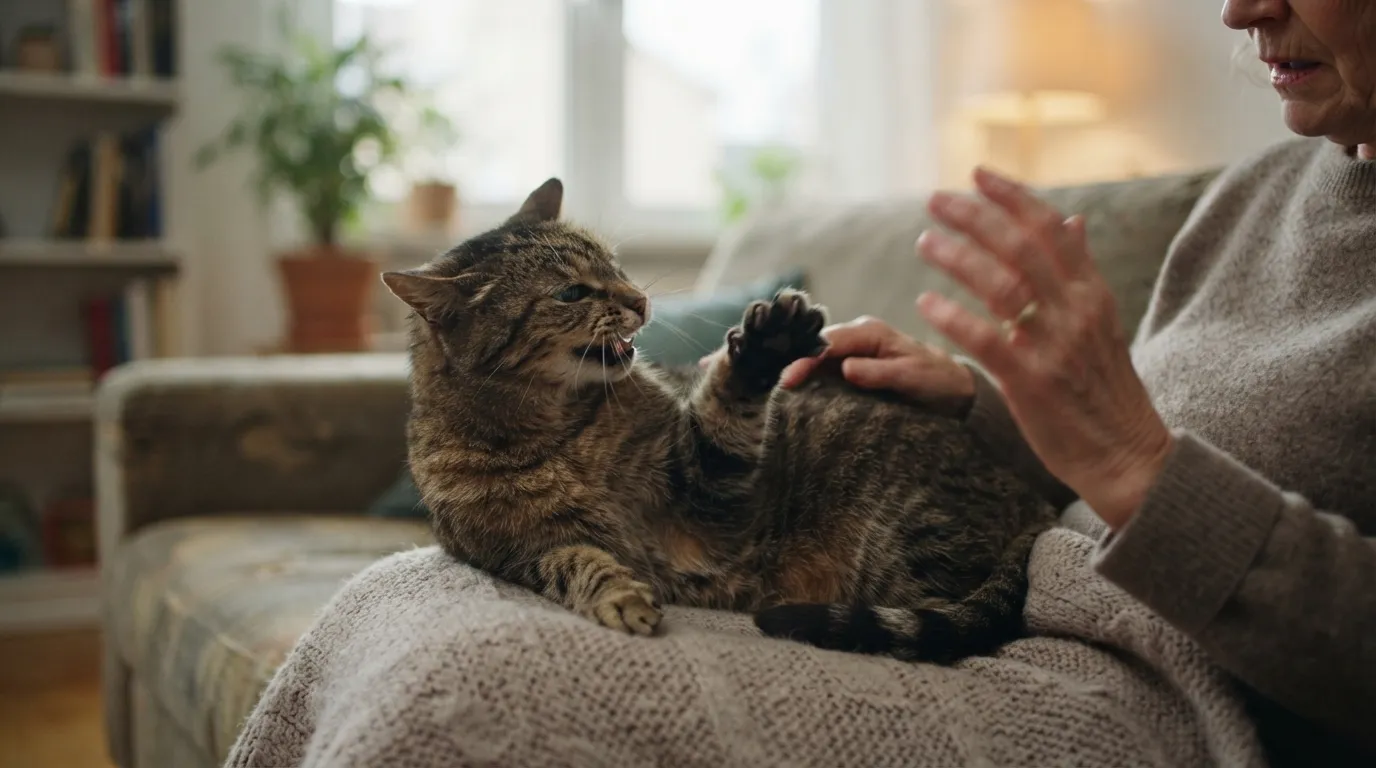
Sudden aggression is one of the most disturbing changes owners report near the end of a cat’s life. A gentle cat that suddenly lashes out or bites during petting is often signaling pain, not a change of heart.
This one devastates people. They pull back, assuming something broke in the relationship, when really it’s a specific spot that hurts.
A swipe or hiss when touched in one particular area isn’t meanness – it’s the clearest message your cat has left to give.
#4 – They Lose Interest in Everything – Including You
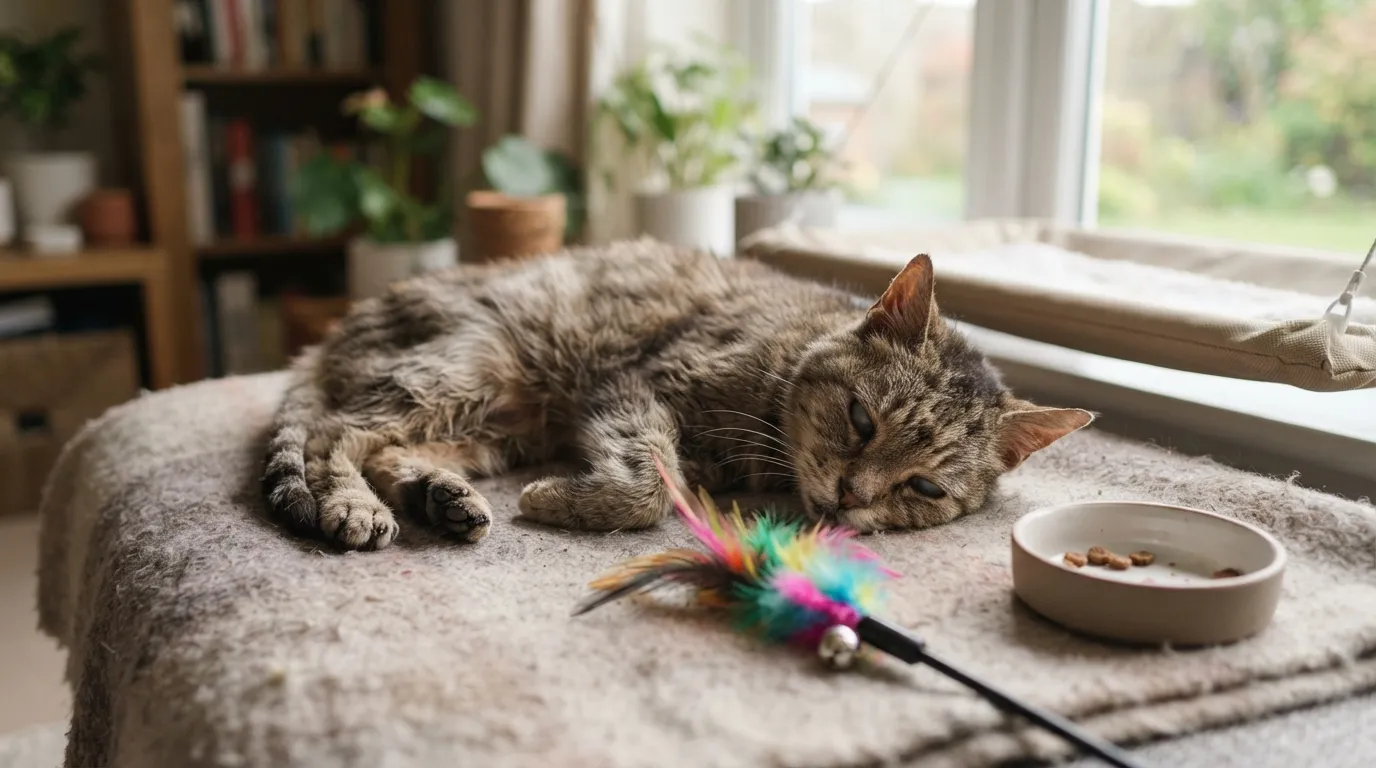
This is different from just sleeping more. It’s a global withdrawal – from play, from food, from windows, from people, from everything that once held their attention.
Decreased energy can look like sleeping far longer than usual and showing little interest even in things that used to excite them instantly. When nothing lights them up anymore, that’s a meaningful threshold, not a phase.
The next sign looks minor on the surface – until you understand what it actually signals.
#3 – Litter Box Habits Change Dramatically
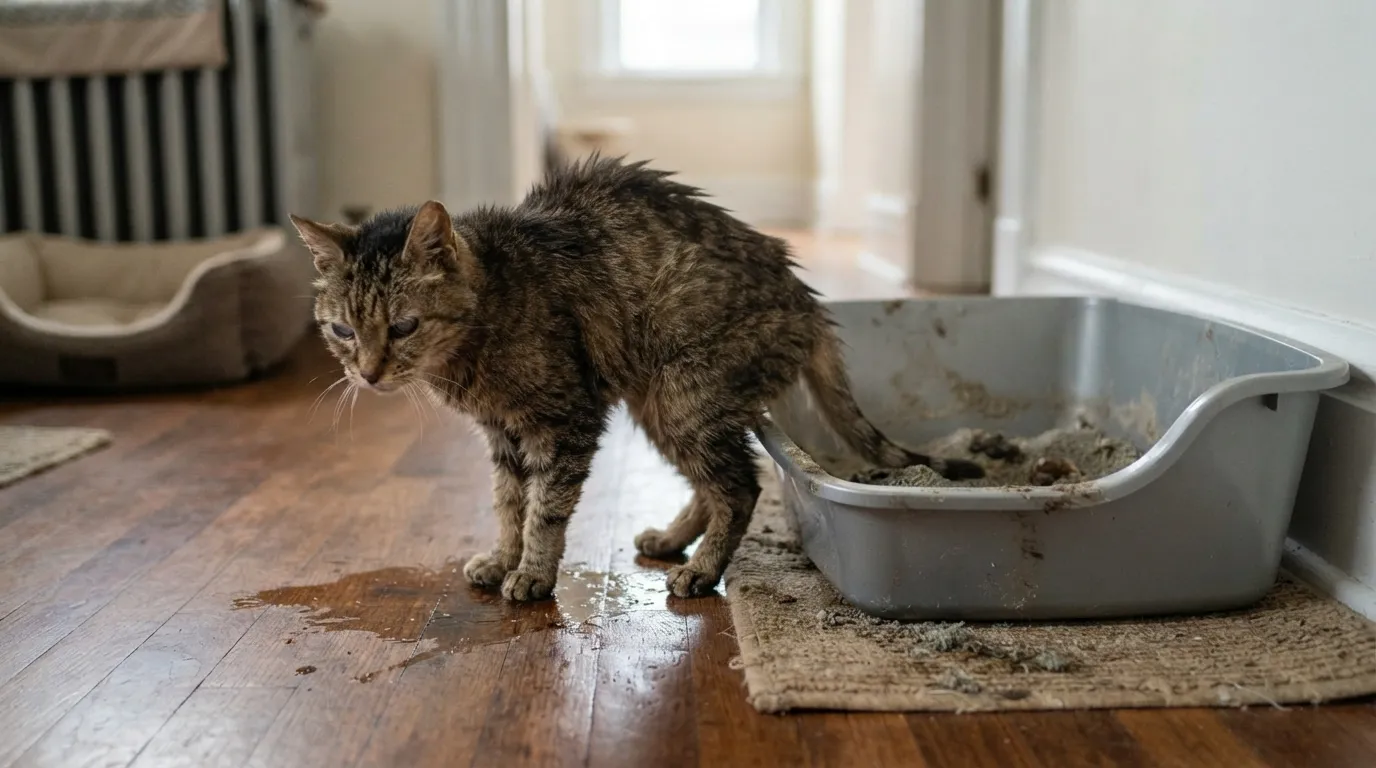
Cats with painful arthritis may struggle to climb into the litter box at all, so accidents outside it start piling up. Most owners treat this as a behavior problem or a hygiene lapse – it almost never is.
Extreme weakness often causes a genuine loss of bladder or bowel control, or the cat is simply too weak to make the trip. Diseases common in aging cats – kidney failure, diabetes, hyperthyroidism – can also increase urine output enough to soil the box faster than expected.
Don’t scold. Investigate.
#2 – Their Breathing Quietly Changes
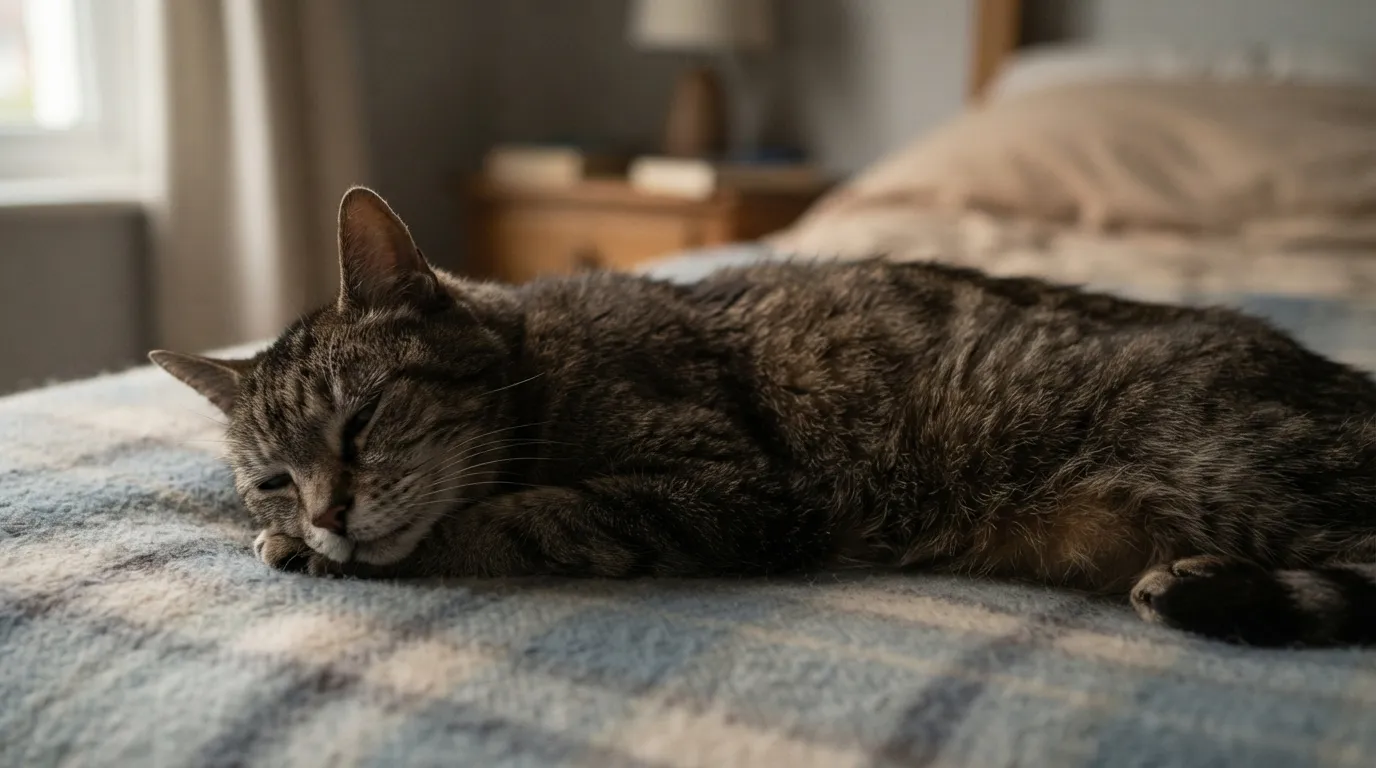
Respiration is one of the clearest indicators of the “active dying” phase. Breathing may turn shallow, labored, or irregular – bursts of rapid breathing followed by long, unsettling pauses.
Owners miss this because they’re not in the habit of watching their cat breathe. At first it’s just slightly off – a little faster at rest, a little more visible effort in the chest.
Worth Knowing
- A healthy cat’s resting respiratory rate typically ranges between 20 and 30 breaths per minute.
- If the rate exceeds 40 breaths per minute – and your cat isn’t overheated or stressed – it’s time to pay closer attention.
- Open-mouth breathing or panting in a resting cat is never normal and always warrants an immediate call to the vet.
If you ever see open-mouth breathing in a cat at rest, that’s an emergency. Contact your vet immediately – don’t wait to see if it passes.
Now for the final sign. It’s the one that takes almost everyone completely off guard, and it changes how you hear your cat forever.
#1 – Their Purring Changes – But Not the Way You’d Expect
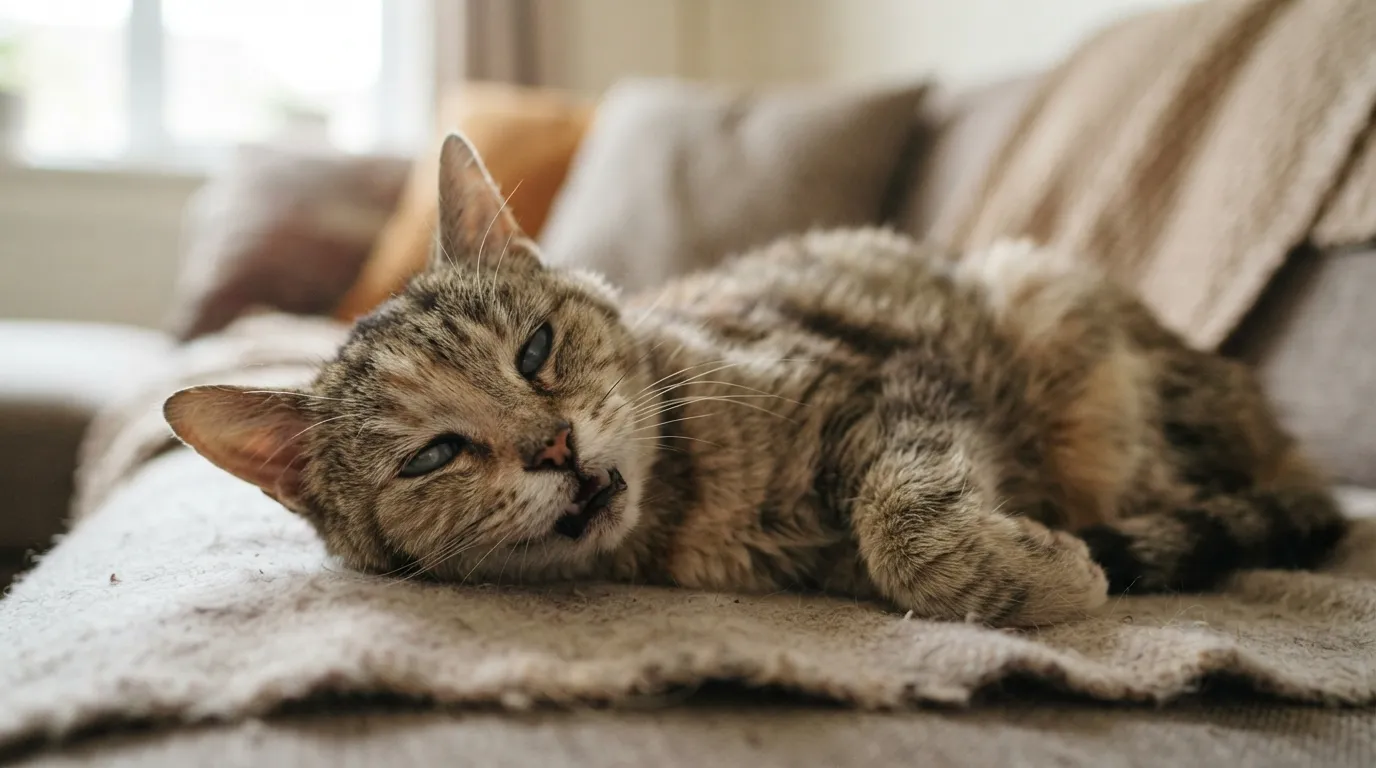
Most owners assume a purring cat is a content cat. Vets say that assumption is one of the most common – and dangerous – misconceptions in feline end-of-life care.
Cats purr when they’re in pain, not only when they’re happy. It’s a self-soothing mechanism, the feline equivalent of rocking back and forth in distress.
A senior cat that suddenly purrs far more than usual, or in a different tone or rhythm, may be signaling discomfort instead of comfort. If the purr sounds different and something else feels off, trust that instinct and call your vet.
The Bottom Line
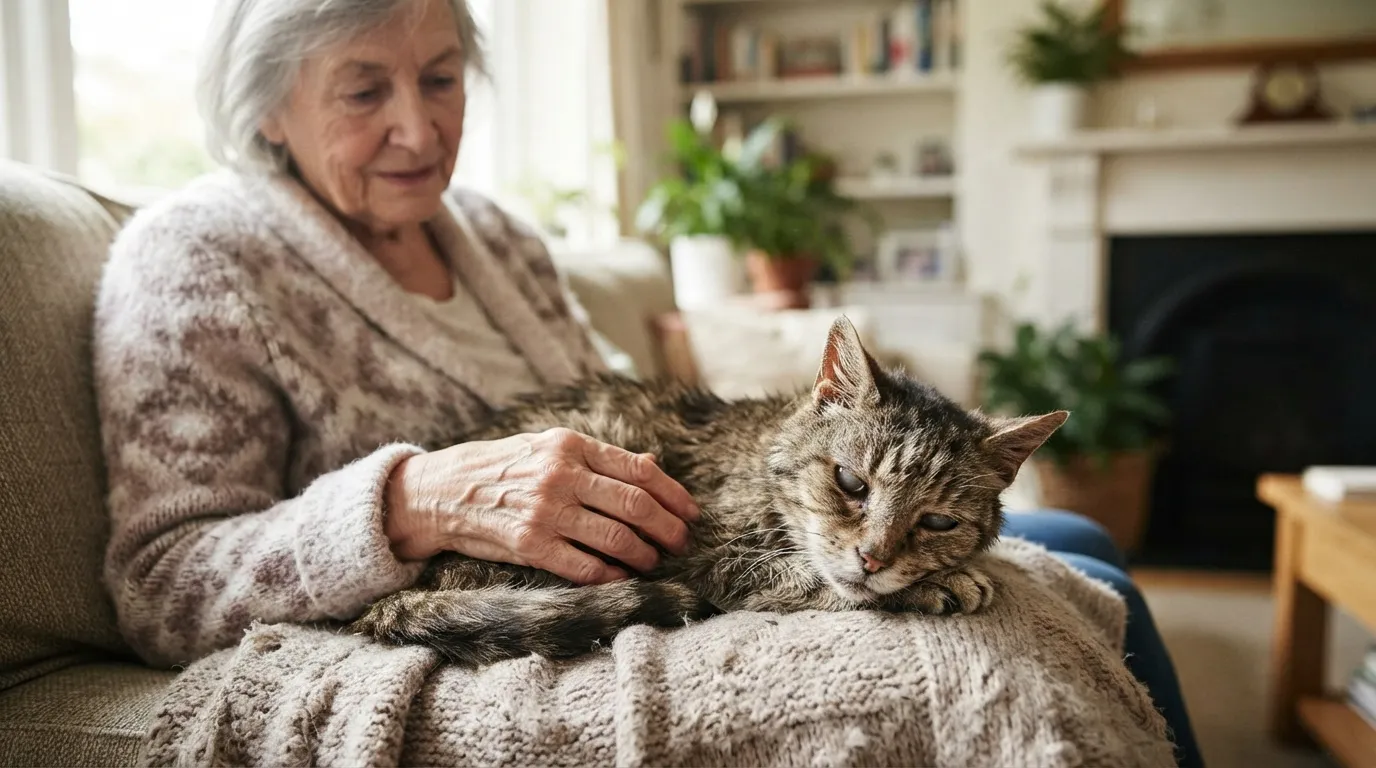
These changes usually start subtle and grow more pronounced with time – they’re your cat’s own way of telling you something has shifted. The biggest mistake owners make is waiting for a sign so obvious it can’t be denied.
By then, the window for comfortable, gentle intervention has often already closed. Watch for the dropped routine, the personality flip, the cold ears, the litter box changes, and above all, the purr that suddenly sounds different.
At a Glance
- The categories can be remembered as “HHHHHMM”: Hurt, Hunger, Hydration, Hygiene, Happiness, Mobility, and More good days than bad.
- Each category is typically scored from 1 to 10, one owner-friendly way to track overall comfort over time.
- A score above 5 in each category, or an overall score greater than 35, suggests that the cat’s quality of life is acceptable and that it is reasonable to continue end-of-life care and support.
- This scale was developed by veterinary oncologist Dr. Alice Villalobos to help pet parents and veterinarians assess a cat’s well-being.
No one knows your cat’s normal better than you do. That knowledge is not a small thing – it’s often the only early warning system your cat will ever get.
Growing up traveling and experiencing new cultures and wonders, I have had a passion for nature, adventuring, photography, and videography. I am currently working towards a BSc in Biodiversity and Ecology at Stellenbosch University, and I hope to specialise in Marine Sciences one day.
Please send any feedback to Feedback@animalsaroundtheglobe.com