Most dog owners pick a breed because of its face, its size, or the way it curls up on the couch – not because they researched its DNA first.
Vets don’t get that luxury. The same breeds walk through their doors with the same devastating diagnoses, year after year, and most owners never saw it coming.
Some of these warnings you’ve probably heard whispers of. Others are the kind of thing vets wish they could shout before you ever sign the adoption papers – and the further down this list you go, the more expensive the silence gets.
#15 – French Bulldogs: The Breathing Crisis Nobody Talks About Loudly Enough

Vets see French Bulldogs constantly – and they’re quietly alarmed.
French Bulldogs have exploded in popularity as an affectionate, apartment-friendly companion, and vets have watched the health complaints climb right alongside the demand. Their signature flat face is a brachycephalic structure, which means breathing is a genuine daily struggle, not just a quirky snore.
The most overlooked warning: many Frenchie owners mistake labored breathing for normal snoring.
Type I Intervertebral Disc Disease is also a real threat here. It affects the cushioning discs between vertebrae, and a rupture can send fragments toward the spinal cord.
- Breathing difficulties worsen rapidly in summer heat
- IVDD can cause sudden, overnight paralysis
Fast Facts
- French Bulldogs are now America’s #1 registered breed for three years running
- They overtook the Labrador Retriever in 2022, ending its 31-year reign at the top
- As recently as 2012, Frenchies ranked just #14 – a sign of how fast demand outpaced health awareness
Don’t let the “cute snore” fool you – the next breed on this list has a heart that’s quietly working against it.
#14 – Cavalier King Charles Spaniels: Born With a Ticking Clock
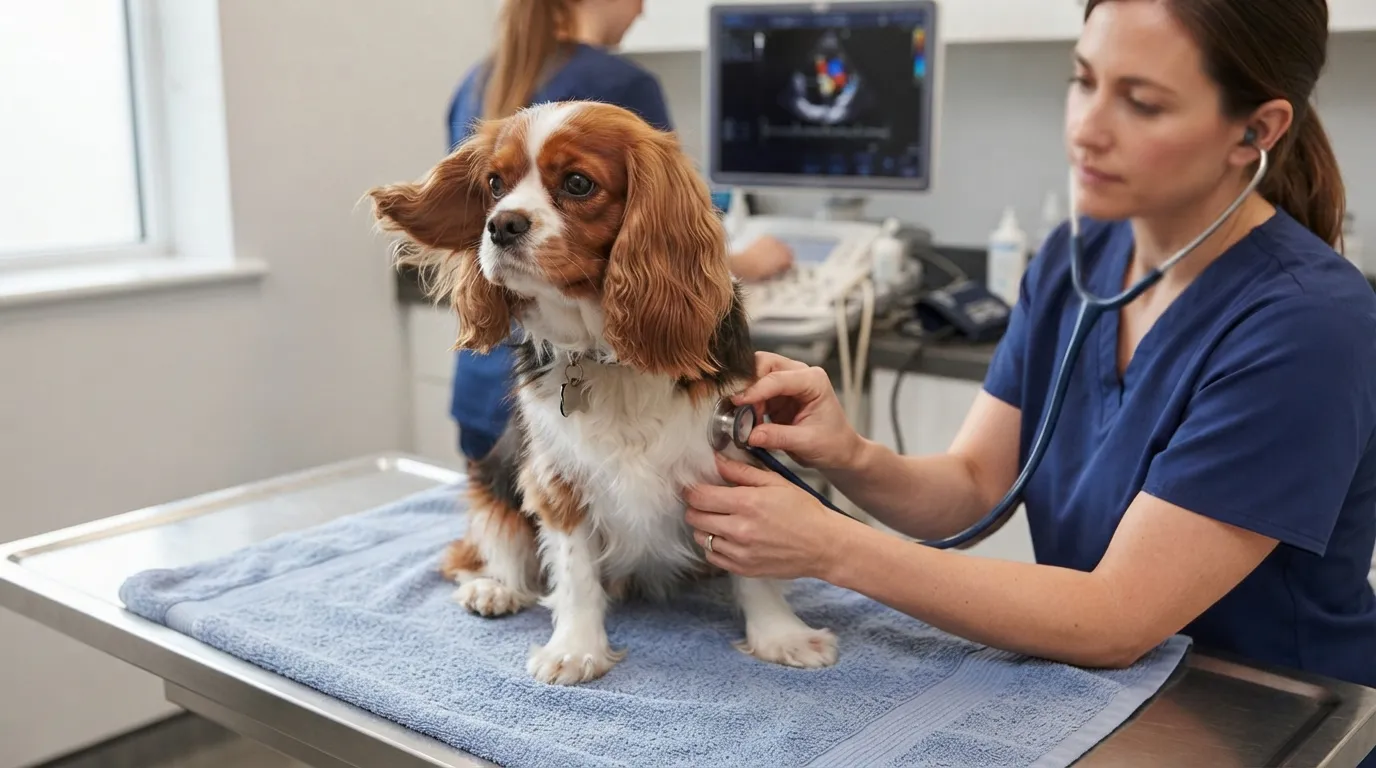
Cavaliers are sweet-natured, gentle, and – according to vets – almost guaranteed to develop heart disease.
In a study of nearly 1,875 Cavalier King Charles Spaniels, the most common disorders recorded were heart murmur, diarrhea, dental disease, otitis externa, and conjunctivitis. Cardiac disease, and mitral valve disease in particular, remains a special concern for this breed.
The staggering reality: Cavaliers are especially prone to mitral valve disease – a condition where the valve between the heart’s chambers fails to close properly. Blood leaks backward, and the heart works overtime under dangerous strain.
- Annual cardiac screenings are considered essential by most vets
- Signs include coughing, fatigue, and rapid breathing
There’s a breed later on this list where the same kind of heart condition often goes undetected until total collapse. But first, meet a dog whose own back is its biggest enemy.
#13 – Dachshunds: Their Most Beloved Feature Is Their Greatest Weakness

The long, low shape that makes Dachshunds irresistible is the exact reason vets see them in emergency rooms.
Their elongated bodies make them especially prone to Intervertebral Disc Disease – a spinal condition where discs rupture or herniate, causing pain, nerve damage, and in severe cases, full paralysis. Catching early signs like stiffness or reluctance to jump can make the difference between recovery and permanent damage.
What most owners miss: letting a Dachshund jump on and off furniture repeatedly is a major risk factor that owners routinely underestimate.
- Avoid stairs, high beds, and rough play
- Weight management is critical – extra pounds multiply spinal pressure
If a bad back sounds serious, wait until you see what’s happening inside the next breed’s chest.
#12 – Doberman Pinschers: The Silent Heart Attack Breed
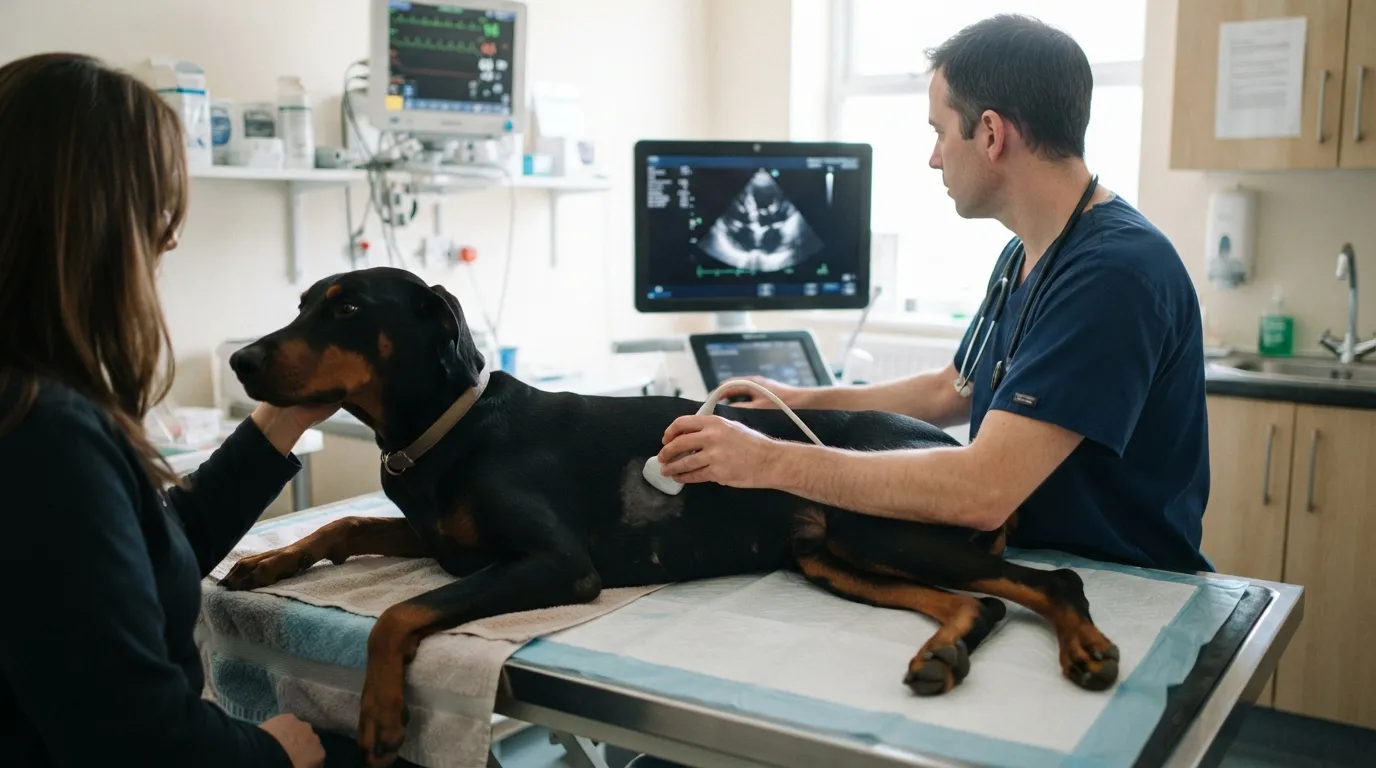
Dobermans look indestructible. Vets know a very different story.
Dilated cardiomyopathy is so common in Dobermans that most owners have no idea their dog has it – until the dog suddenly collapses. Medication can help regulate the heart rhythm, but there’s no cure for the disease underneath it.
The brutal truth: DCM in Dobermans often shows no outward symptoms until it’s already advanced. Regular cardiac screening is the only reliable safety net.
- Annual echocardiograms are strongly recommended for adult Dobermans
- Deep-chested build also increases bloat risk
The next breed has a spinal problem so severe it mirrors a human disease with no cure.
#11 – German Shepherds: Hip Problems Are Just the Beginning
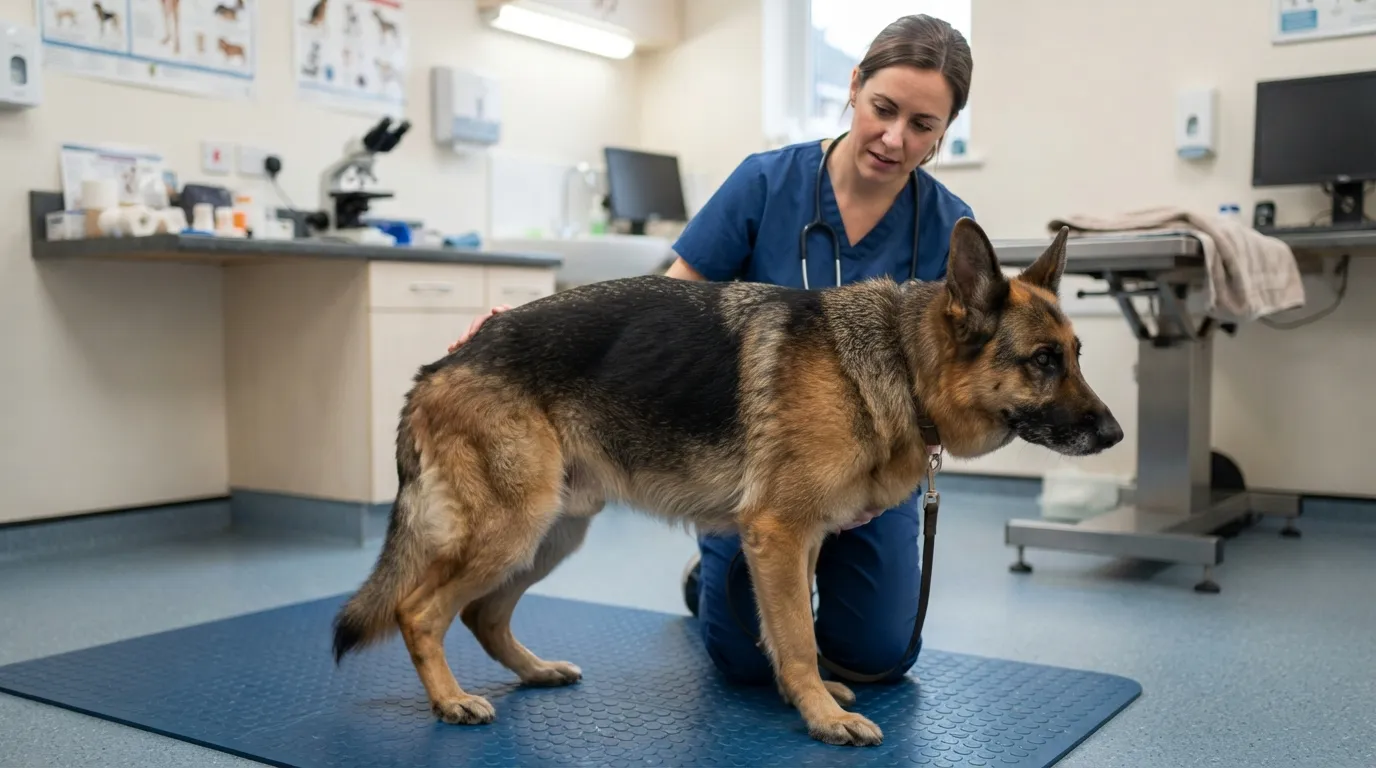
Everyone knows German Shepherds can get bad hips. What most owners don’t know is that the hips are only half the problem.
Studies show roughly 19–20% of German Shepherds are affected by hip dysplasia. But vets are just as worried about something owners rarely hear about: degenerative myelopathy.
This progressive spinal cord disease is most common in German Shepherds, leading to hind limb weakness and paralysis within six to twelve months. Like ALS in humans, it has no cure.
The financial reality nobody mentions upfront: hip replacement surgery for a German Shepherd can cost $5,000–$8,000 per side.
- DNA testing for degenerative myelopathy is now available
- Weight and controlled exercise slow hip dysplasia progression
The next breed has a health crisis hiding in plain sight, inside every deep breath it takes.
#10 – Pugs: Every Adorable Feature Comes at a Cost
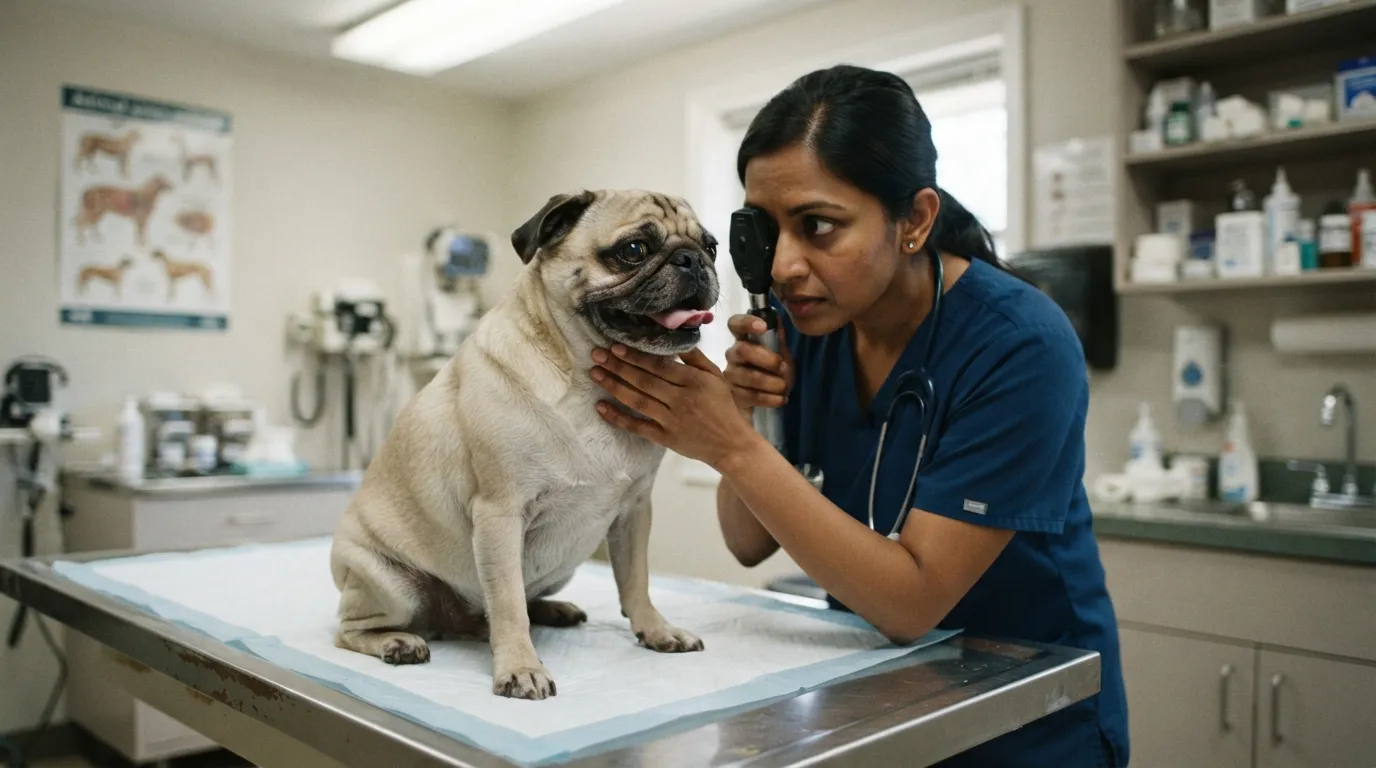
Vets love Pugs as patients. They dread the conditions they carry.
Pugs face Brachycephalic Obstructive Airway Syndrome (BOAS), eye ulcers, spinal deformities, and obesity – that adorable short nose comes at the cost of poor airflow and vulnerable eyes. Keeping a Pug cool and avoiding overexertion isn’t optional; overheating can turn into an emergency within minutes on a warm day.
The underreported risk: flat-faced breeds like Pugs often suffer from tear duct abnormalities and respiratory distress at the same time, meaning multiple systems are under stress simultaneously.
- Never exercise a Pug in temperatures above 75°F
- Eye ulcers can develop from the most minor scratch or irritant
There’s a breed coming up that looks completely healthy on the outside – but carries one of the most devastating neurological conditions a dog can face.
#9 – Beagles: Seizures, Silently Waiting

Beagles are energetic, happy, and deceptively sturdy-looking. But vets know what’s often hiding beneath that cheerful exterior.
Epilepsy is a common neurological disorder that shows up disproportionately in Beagles, causing recurrent seizures that vary in frequency and severity. Most affected dogs have their first seizure between 6 months and 3 years old.
What vets want owners to know: seizures are alarming to watch, but keeping detailed records of every episode genuinely helps with diagnosis. Managing epilepsy long-term means anticonvulsant medication, regular monitoring, and lifestyle adjustments.
- Epilepsy in Beagles is lifelong but often manageable
- Stress reduction is a genuine medical intervention for these dogs
Next, a breed whose dental issues alone can rack up thousands in vet bills before the dog turns five.
#8 – Chihuahuas & Small Toy Breeds: The Dental Disaster Nobody Plans For
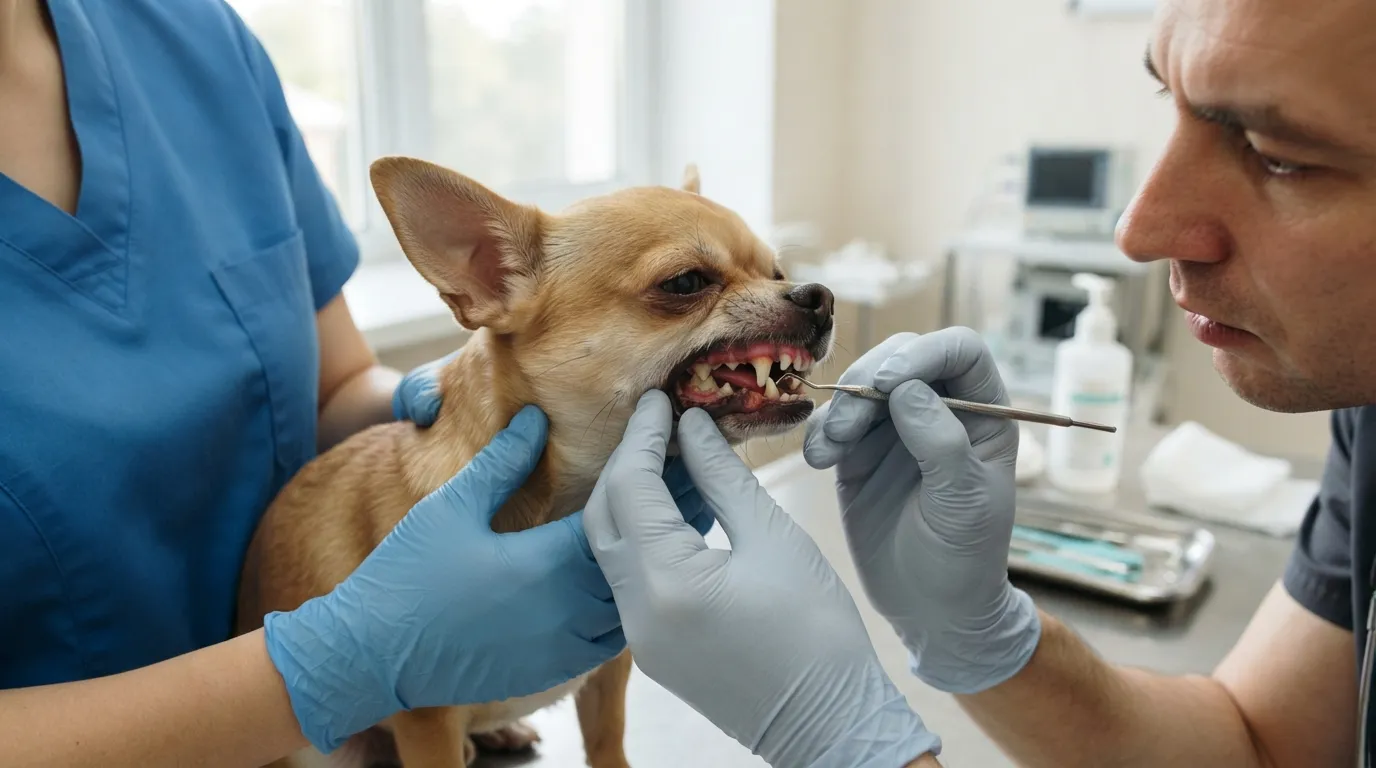
Most people assume small dogs are automatically healthier. Vets know this is one of the most expensive myths in pet ownership.
Small breeds like Chihuahuas often experience serious dental issues – their smaller mouths cause tooth overcrowding, which leads to plaque buildup and gum disease. These dogs also frequently suffer from luxating patellas, where the kneecap shifts out of position and triggers joint pain or arthritis.
The stat that surprises owners: dental disease in small breeds can begin as early as age two. Left untreated, gum disease has documented links to heart and kidney disease.
- Daily tooth brushing is not optional for small breeds
- Kneecap slippage may require surgery in moderate-to-severe cases
The next breed has a genetic condition so serious that vets recommend screening before the dog turns one.
#7 – Labrador Retrievers: The Breed That Eats Itself Into the ER
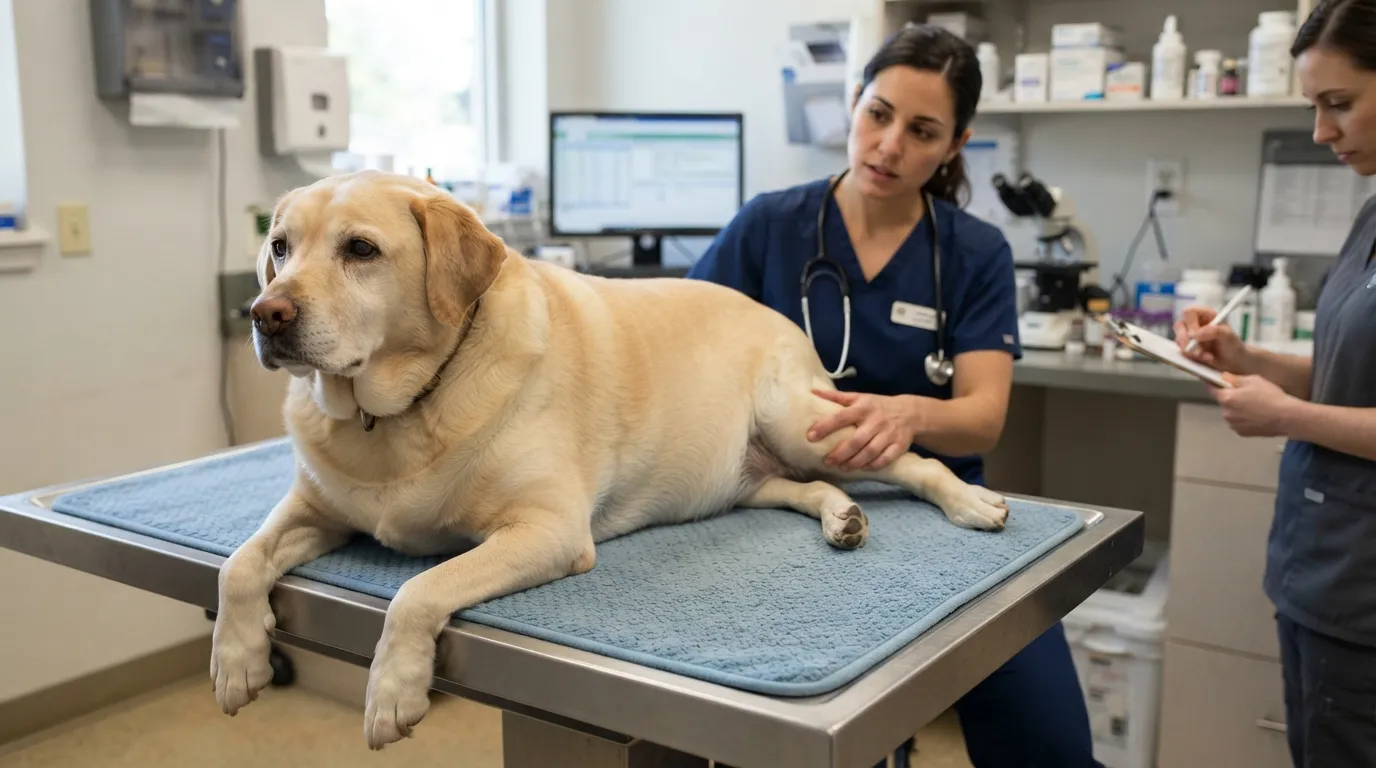
Labs are the most popular breed in America – and they may be the most consistently over-fed dog at any vet clinic.
Under-exercised Labs gain weight more easily than most other breeds, and that extra weight worsens their genetic tendency toward hip and elbow dysplasia. The most common genetic health risks in tested Labradors include Stargardt Disease and Exercise-Induced Collapse.
The warning vets give repeatedly: because Labs are everywhere – pets, working dogs, service dogs – vets see these same genetic conditions on repeat, more than almost any other breed.
- Obesity in Labs accelerates joint deterioration dramatically
- Exercise-Induced Collapse can look like a normal active dog – until it isn’t
What comes next is a breed so cancer-prone that vets bring it up at the very first puppy visit.
#6 – Golden Retrievers: The Cancer Statistics Should Shock Every Owner

If you own a Golden Retriever, there is one number vets want you to know: sixty percent.
Per the Morris Animal Foundation’s Golden Retriever Lifetime Study, roughly 60% of Goldens die of cancer – the highest documented rate of any breed. Hemangiosarcoma, lymphoma, osteosarcoma, and mast cell tumors are the most common culprits.
The secondary warning: deep-chested breeds like the Golden Retriever are also predisposed to gastric dilatation, or bloat. Labored breathing, excessive salivation, or a distended abdomen mean immediate veterinary attention, no waiting.
- Monthly at-home lump checks are recommended from age six onward
- Pet insurance before the first vet visit is considered essential by many vets
Quick Compare: America’s Favorite Retrievers
- Labrador Retrievers: top risks are obesity, hip/elbow dysplasia, and exercise-induced collapse
- Golden Retrievers: top risk is cancer, with roughly 60% of the breed affected
- Both share a predisposition to bloat because of their deep-chested build
The next breed surprises most people, because it looks like the picture of health – until it suddenly isn’t.
#5 – Boxers: The Breed With Too Many Vulnerabilities to Count
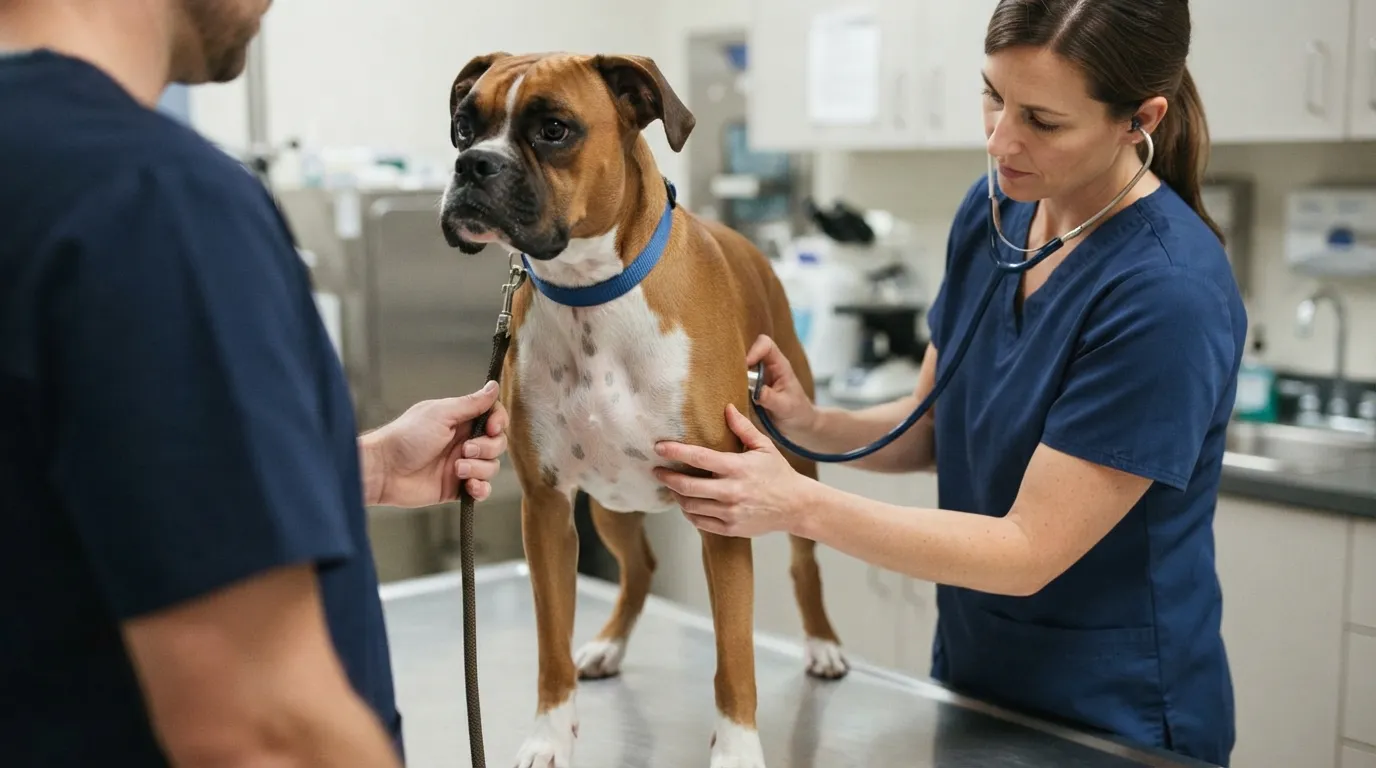
Boxers are muscular, athletic, and deceivingly fragile when it comes to internal health.
They’re predisposed to heart conditions, thyroid problems, skin allergies, bloat, and elbow dysplasia. They also face a higher risk of cancers like mast cell tumors and lymphoma, though both are treatable if caught early.
Degenerative myelopathy, the same spinal disease that haunts German Shepherds, shows up commonly in Boxers too.
The cardiac blind spot: Boxers are among the breeds most affected by arrhythmogenic right ventricular cardiomyopathy – a heart rhythm disorder that can cause sudden death with zero warning signs.
- Boxers should have annual cardiac evaluations as a baseline standard
- Bloat risk means feeding schedules and activity timing genuinely matter
The breed in slot #4 has a joint problem that affects nearly half its population – and most owners find out far too late.
#4 – Great Danes: The Giant Breed With a Giant Risk List
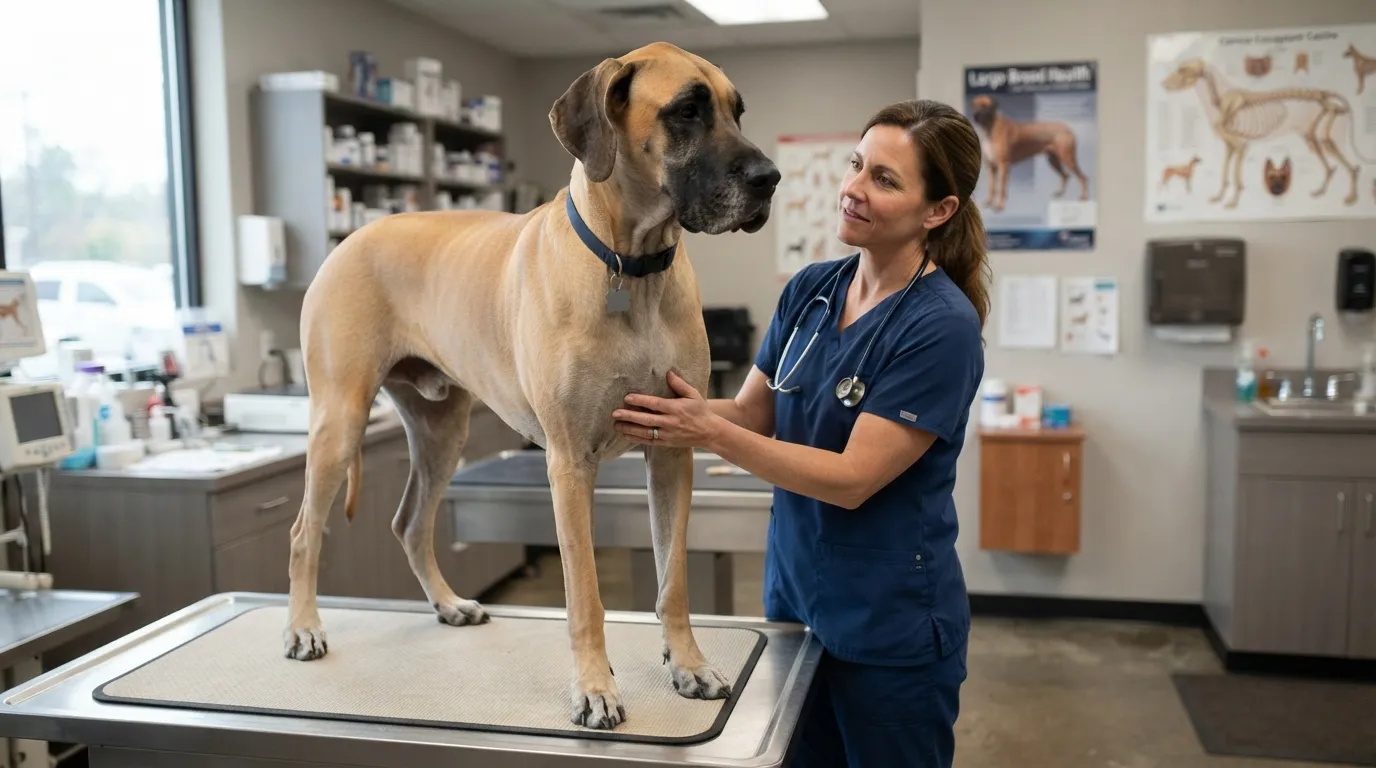
Great Danes are gentle giants, with a lifespan and health profile that demands serious owner preparation.
Hip dysplasia is hereditary and especially common in giant breeds like the Great Dane. But bloat is the emergency that kills Great Danes fastest – without immediate treatment, it’s fatal within hours.
That’s why vets routinely recommend a prophylactic gastropexy surgery at the same time as spay or neuter for this breed.
What no one tells first-time Great Dane owners: the average lifespan is 7–10 years, and the final years frequently involve expensive cardiac and orthopedic management at the same time.
- Gastropexy surgery can prevent fatal bloat episodes
- Dilated cardiomyopathy is a documented breed-specific risk
The next breed walks into vet clinics with a condition so common in its gene pool that screening is standard before purchase.
#3 – Border Collies: Brilliant Minds, Fragile Bodies
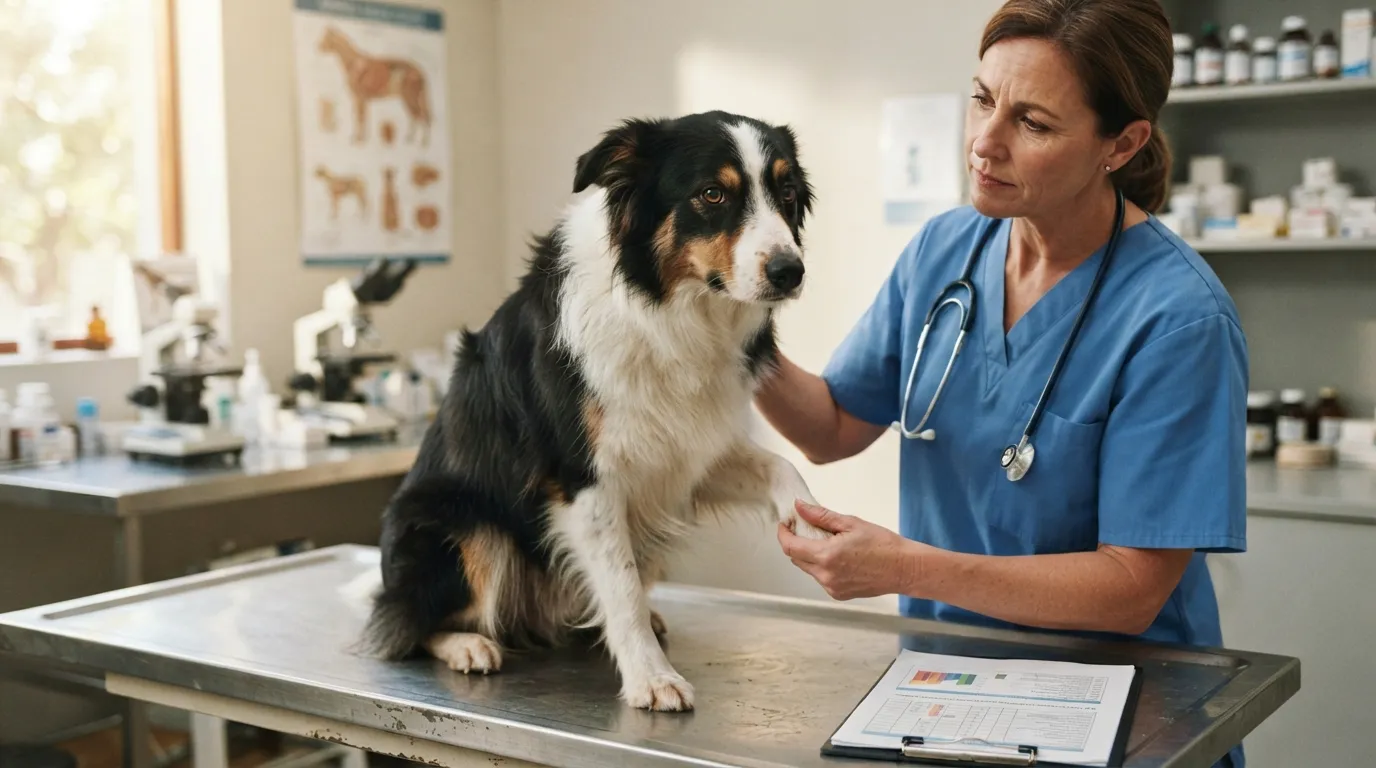
Border Collies are widely considered the most intelligent dog breed – but their gene pool carries serious warnings.
Epilepsy can occur in Border Collies, leading to recurring seizures that require lifelong management. Some also develop hypothyroidism, a hormonal imbalance that causes weight gain, lethargy, and skin issues.
Progressive retinal atrophy is another genetic risk – a breed-related condition that leads to eventual blindness, also seen in Poodles and Labrador Retrievers.
The behavioral warning vets add: Border Collies denied enough mental and physical stimulation develop anxiety disorders that often show up as compulsive behaviors. Once established, vets say those behaviors are extremely difficult to reverse.
- Eye screening before purchasing a Border Collie puppy is non-negotiable
- Under-stimulated Collies suffer measurable psychological harm
The #2 spot belongs to a breed whose most famous body part is actively harming it every single day.
#2 – Dachshunds (Again): Because Vets Can’t Say This Enough

Dachshunds appear twice on this list for one reason: their owners systematically underestimate the danger.
Signs of IVDD include reluctance to jump, uncertainty on stairs, loss of coordination, and eventually an inability to use the back legs at all. Prevention means controlling weight and minimizing jumping and rough play.
Vets report that a striking number of Dachshund spinal surgeries were triggered by one “normal” jump off the couch.
The hard truth most owners don’t hear until it’s too late: spinal surgery for a Dachshund can cost $3,000–$8,000, and full recovery isn’t guaranteed.
The majority of severe IVDD cases are preventable with basic environmental changes made early.
- Ramps instead of stairs are a medical recommendation, not a luxury
- Weight is the single most modifiable risk factor for IVDD
And the #1 warning that vets say owners ignore most dangerously? It’s about the breed you’d least expect.
#1 – Cavalier King Charles Spaniels: The Warning Vets Say Owners Are Still Not Hearing

Cavaliers appear at the top of this list because the gap between what vets know and what owners believe is widest here – and the consequences are devastating.
Cavaliers are notably susceptible to mitral valve disease, which begins with valve degeneration and can progress all the way to heart failure. Progression is often slow, but in this breed, serious disease frequently shows up earlier than expected.
Watch for a heart murmur, coughing, fatigue, and rapid breathing. Early medication can genuinely slow the disease down.
The warning vets repeat at every Cavalier visit: inherited heart conditions are common in this breed, and annual cardiac screening can genuinely save lives.
Most owners don’t start screening until symptoms appear – and by then, the disease has often been progressing for years.
- Cardiac screening should begin by age one, not when symptoms show
- This is the breed where early action has the most documented impact
Worth Knowing
- More than half of all Cavaliers develop mitral valve disease by age 5
- By age 10, that number climbs to nearly 100%
- Mitral valve disease is estimated to be up to 20 times more common in Cavaliers than in the average dog breed
The Bottom Line

Every pet is unique, but some breeds are genetically wired for specific conditions. Responsible breeding and regular vet care can manage that risk – but only if owners actually know it exists.
The warnings vets give most often aren’t exotic or rare. They’re predictable, breed-specific, and routinely ignored until a crisis forces the issue.
The dogs that fare best belong to owners who asked hard questions before the first symptom ever showed up.
Whether it’s a Cavalier’s silent heart murmur, a Golden’s cancer risk, or a Dachshund’s fragile spine, the pattern never changes: vets already know what’s coming.
Did your dog make this list? Tell us in the comments – most owners say they didn’t find out until it was already too late.
Growing up traveling and experiencing new cultures and wonders, I have had a passion for nature, adventuring, photography, and videography. I am currently working towards a BSc in Biodiversity and Ecology at Stellenbosch University, and I hope to specialise in Marine Sciences one day.
Please send any feedback to Feedback@animalsaroundtheglobe.com