Cats have a reputation for being aloof, but the moment your body chemistry shifts from illness, your “independent” cat often turns into a completely different animal. Veterinary behaviorists say this isn’t a coincidence or wishful thinking from lonely pet owners – it’s a documented pattern. Cats are quietly running a full sensory audit on you every single day, tracking your scent, your breathing, your routine, even your heartbeat, long before you’d ever notice something is wrong.
Most people assume their cat only wants food and a warm lap. But some of the behaviors on this list go far beyond typical attention-seeking, and one entry involves a real nursing-home cat whose “check-ins” became so accurate that hospital staff started taking them as a warning sign. Here’s what the science and the strange real-world cases actually show.
#1 – The Extra-Long Sniff Test
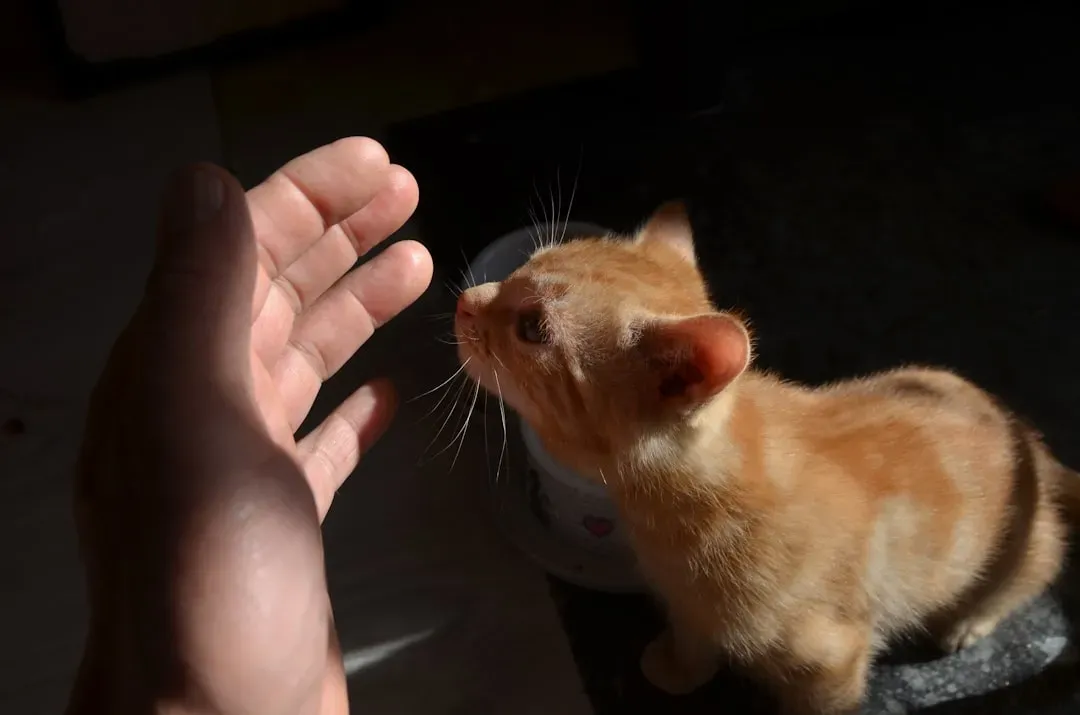
Your cat’s nose isn’t just for finding treats – it’s a diagnostic tool running 24/7. Cats live in what researchers call an olfactory world, meaning smell, not sight, is their primary way of understanding you. Their extraordinarily sensitive olfactory receptors pick up on far more than a human nose ever could, and a cat’s sense of smell is roughly 14 times sharper than ours. When you get sick, your body starts producing different chemical signals almost immediately.
Your cat can smell those changes before you even feel symptoms. Cats have around 200 million odor-sensitive cells in their noses, letting them detect chemical shifts in body odor when a person is sick, since illnesses like infections, diabetes, and even certain cancers alter the body’s scent profile. That extra-long sniff at your hand or neck isn’t affection – it’s reconnaissance. But #2 is even stranger.
Fast Facts
- Cats carry roughly 200 million scent receptors, compared to a human’s approximately 5 million.
- Feline smell is estimated at around 14 times sharper than a human nose.
- Illnesses like infections, diabetes, and some cancers can shift a person’s baseline body odor.
- Cats build an ongoing “scent map” of you and register deviations almost instantly.
#2 – The Unblinking Stare
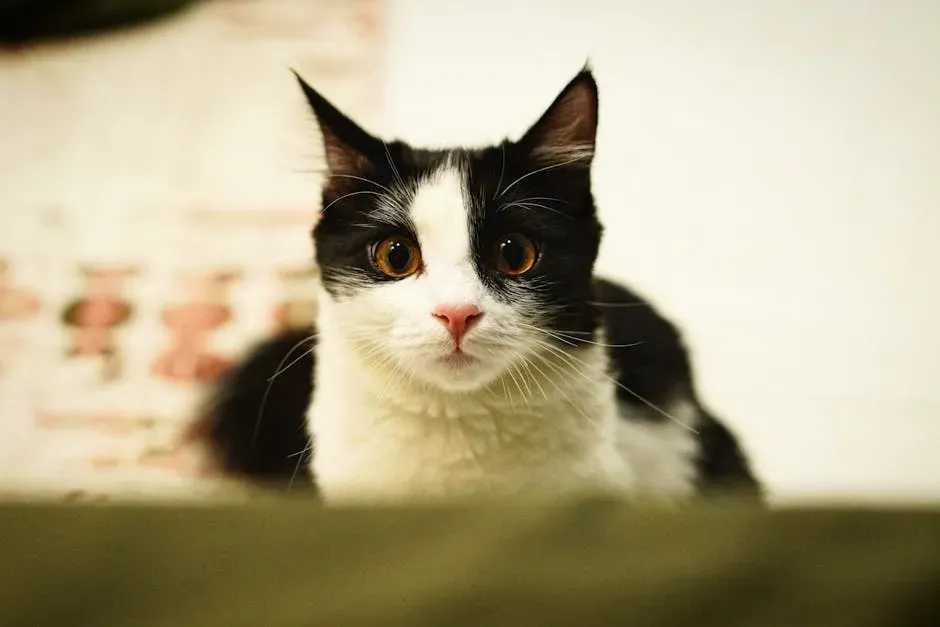
If your cat has started watching you like you’re the season finale of a nature documentary, pay attention. Cats are constantly reading facial expressions, and they’re better at it than most owners realize. They can interpret body language, associating a wince or a grimace with pain and unwellness. That long, silent stare is your cat cross-referencing your face against its mental database of “normal you.”
Most owners think a staring cat wants food – but it’s often just decoding your mood. If your kitty sees you smiling, it reads that as a positive sign that you feel fine, while a sad or frowning face suggests something is wrong. Once your expression stops matching the baseline it knows, the staring intensifies. It’s unsettling at first, but it’s really just your cat trying to make sense of a face that suddenly looks “off.” Still, #3 takes it further.
#3 – Following You Room to Room
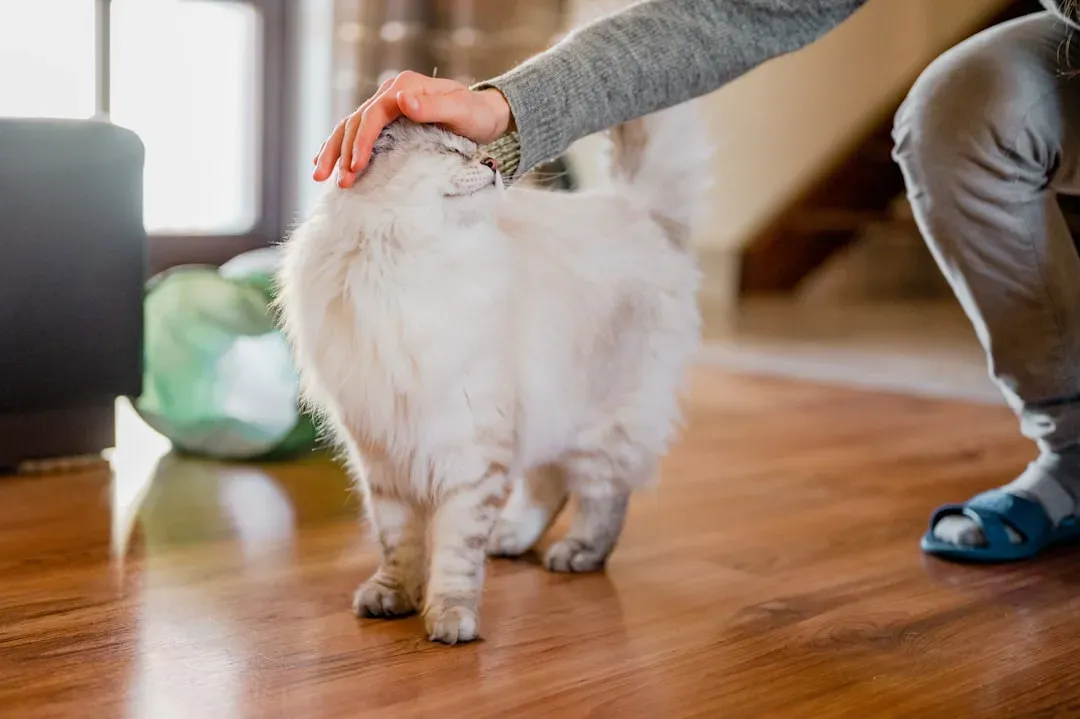
Suddenly your cat is a shadow, appearing in every doorway you walk through. This isn’t clinginess for its own sake – cats are creatures of predictability, and illness disrupts your entire schedule. They’re highly observant animals that prefer reliable routines, and they notice almost instantly when anything in their territory feels out of the ordinary.
Your cat isn’t just bored – it’s tracking a broken pattern. When you don’t get up at your usual time or skip your normal chores, your cat notices the gap and starts shadowing you to figure out what changed. Many owners assume this means the cat is “worried,” but it’s more likely curiosity mixed with a strong drive to re-establish the routine it depends on. Either way, that constant presence is a quiet form of monitoring. Yet #4 is the one no one expects.
#4 – A Sudden Increase in Vocalization
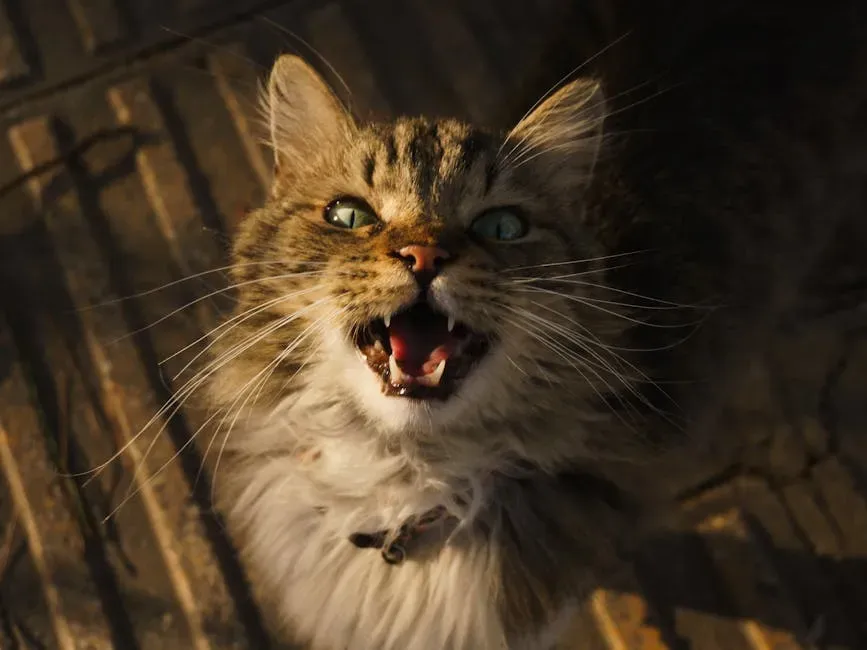
A normally quiet cat that starts meowing at you nonstop is sending a message, even if it doesn’t fully understand why. Vocalization is one of the clearest behavioral shifts owners report during illness. Cats may turn unusually affectionate, hover nearby, or vocalize persistently when their heightened senses pick up that something in you has changed.
Some cats will meow persistently as if trying to get your attention on purpose. Cats can sometimes sense that you’re sick hours or even days before symptoms show, and they may become more vocal, almost trying to flag that something is wrong. Whether that’s a purposeful alert or just anxious noise-making is still debated among behaviorists, but the pattern is consistent enough that owners shouldn’t dismiss it. But #5 flips the script entirely.
#5 – The Heat-Seeking Snuggle
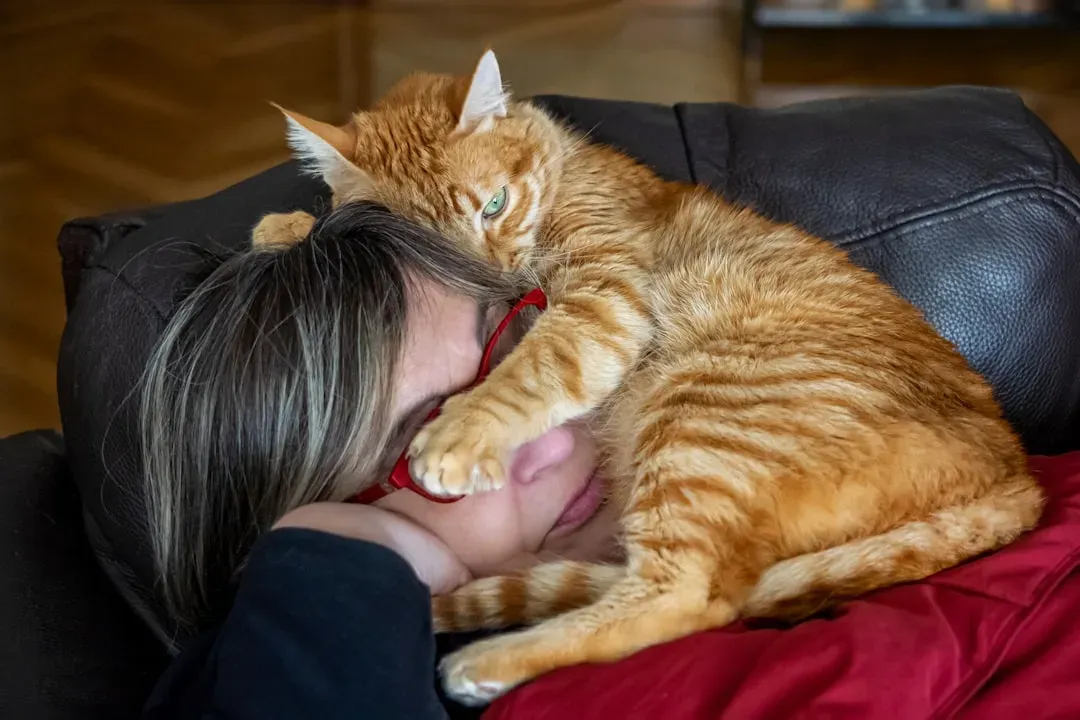
Here’s an uncomfortable truth: your cat might be cuddling you for the fever, not for you. Cats are drawn to warmth, and a fever turns you into a walking heat source. One explanation is that cats gravitate toward you more than usual because of the extra heat you’re giving off – you become a giant hot water bottle, and even the most aloof cat finds that hard to resist.
This is the controversial part: some experts argue this “comfort” behavior is more opportunistic than empathetic. Normal human body temperature averages 98°F, and even a mild fever of 100.4°F is a measurable jump in radiant heat, which cats can detect through the highly sensitive thermoreceptors in their whisker pads and skin. So while it feels sweet, your sudden cuddle-buddy may simply be chasing warmth, not checking on your wellbeing. Then #6 adds another layer.
Quick Compare
- Human baseline: normal body temperature for humans is 98.6°F, with fever typically starting around 100.4°F.
- Cat baseline: normal body temperature for cats runs from about 100.0°F to 102.5°F, already warmer than yours.
- The gap: a human fever closes the distance between your heat and your cat’s natural warmth, making you an even cozier heat source than usual.
#6 – Purring Louder and Longer Near You
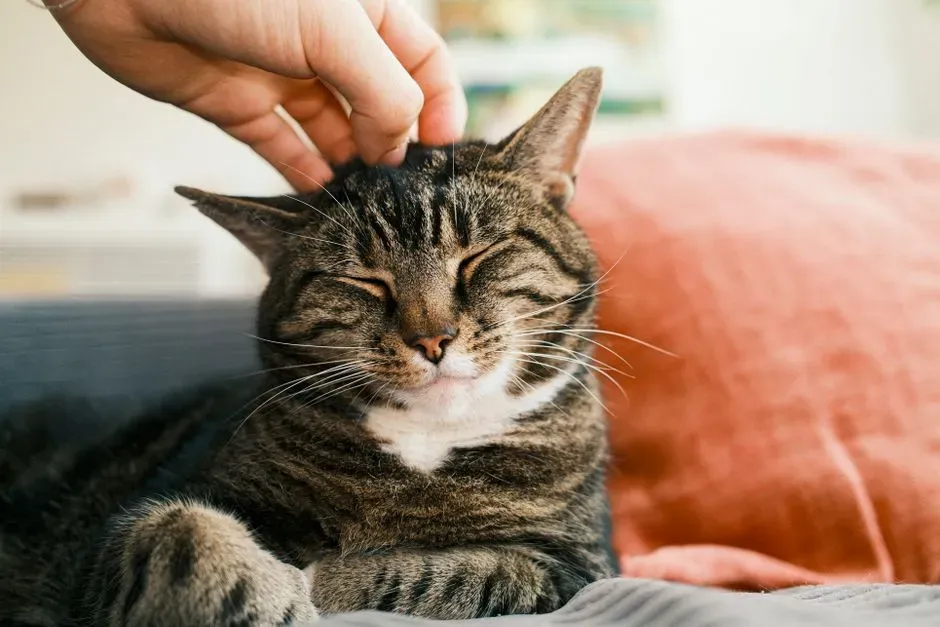
That deep, rumbling purr isn’t random – it may be functioning as therapy, whether your cat realizes it or not. Purring intensity often spikes specifically when you’re unwell, and it isn’t just about contentment. Researchers have long noted that purring frequencies overlap with ranges associated with healing and stress reduction in mammals.
Most people think purring is only for happy cats, but it may double as self-soothing during tense moments. Whether your cat knows this consciously or not, it’s offering a kind of therapeutic comfort through a stress-relief mechanism that helps both of you. So that motorboat sound next to your pillow might be less “I love you” and more “something is different, and this helps us both cope.” Still, #7 gets outright strange.
#7 – More Head Bunts and Cheek Rubs
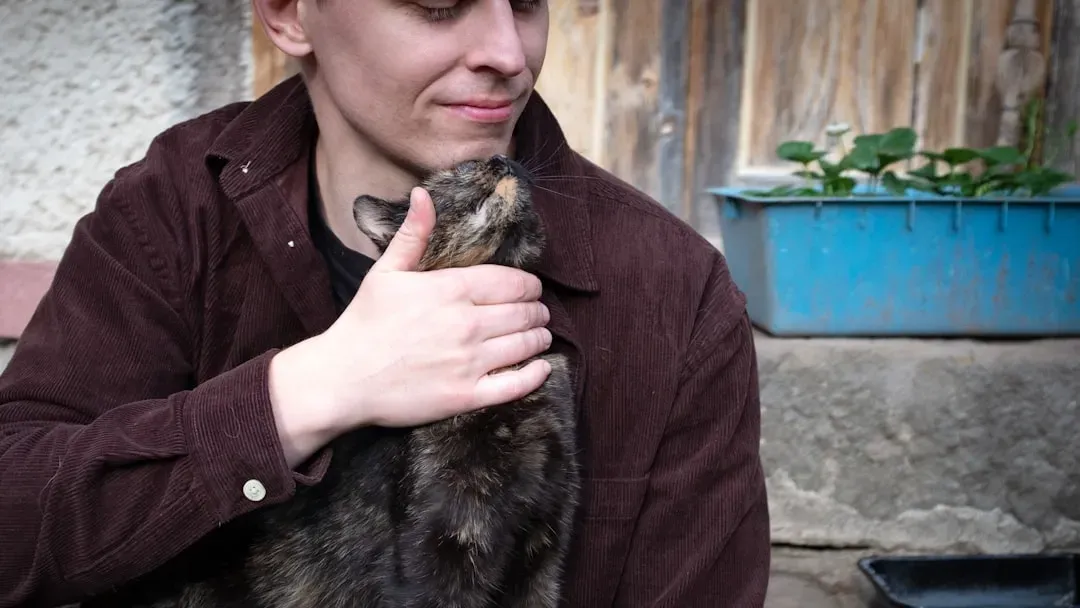
If your cat suddenly can’t stop headbutting you, it’s not just claiming territory – it’s checking in. Bunting is a bonding behavior, but it noticeably increases when a cat senses something is wrong with its owner. If it recognizes a frown or an upset expression, it may try to comfort you through snuggling and rubbing against you.
Many owners find this comforting, but some behaviorists argue it’s really about the cat trying to reset a familiar scent profile it recognizes as “safe.” The grooming, rubbing, and headbutting are meant to offer relief and lift your mood – though a few humans just find it relentless. Annoying or not, the frequency of these rubs is a genuine signal that something in your baseline has shifted. But #8 borders on eerie.
#8 – Surprise “Gifts” Left by Your Side
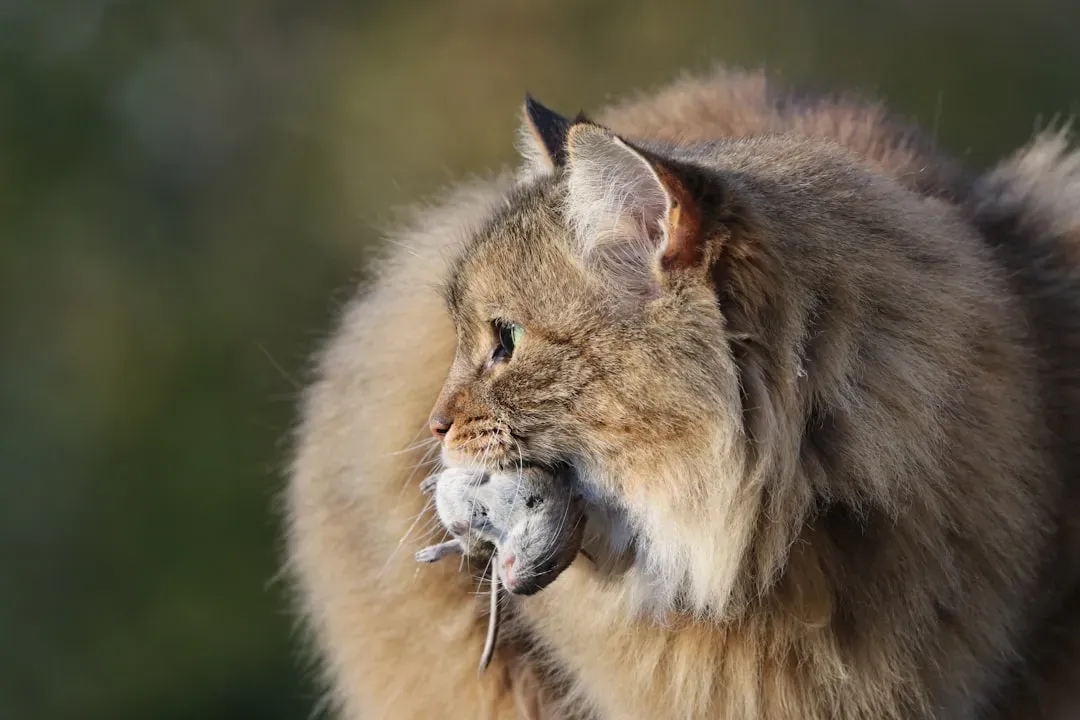
A dead bug on the pillow might be the strangest form of concern your cat can express. Bizarre as it looks, cats sometimes escalate their “offerings” when their owner stops acting like themselves. Some cats will bring their humans literal gifts as a form of comfort – it’s instinctive provider behavior, not unlike how a cat might bring prey back to kittens.
The uncomfortable part most owners don’t want to hear: this isn’t a get-well card, it’s predatory instinct redirected toward you. Your cat isn’t reading a calendar and deciding you need cheering up – it’s responding to your low energy and reduced activity by stepping into a “provider” role it would normally reserve for weaker members of its group. Either way, it’s one of the clearest non-verbal signals that your cat has clocked the change in you. And #9 flips the entire theory.
#9 – Blocking Doorways and Hallways
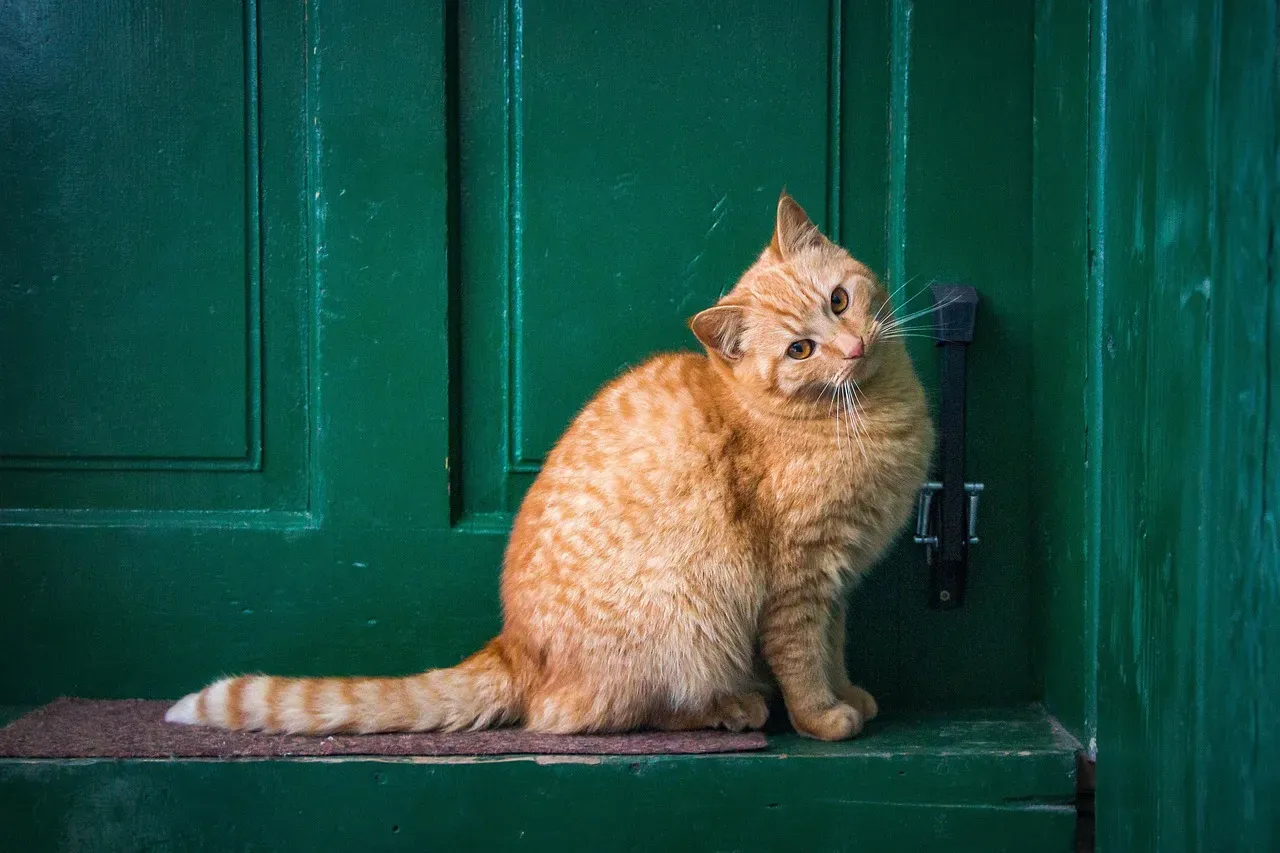
Some cats take “checking on you” to an almost overprotective level – literally standing guard. This behavior is rare enough that it stands out immediately to owners who notice it. In one documented case, a normally independent cat began blocking the hallway each morning when its owner developed early influenza, and the timing coincided with a subtle morning instability the owner hadn’t consciously registered.
Most people assume this is coincidence, but the timing in documented cases is hard to ignore. The cat wasn’t reacting to an obvious symptom – it was responding to something subtle, like a shift in gait or balance, long before the owner recognized anything was wrong. Whether this counts as “concern” or just heightened vigilance from noticing an anomaly is still up for debate, but it’s a pattern worth watching for in your own home. Yet #10 is easy to miss.
Worth Knowing
- Doorway-blocking is rare enough that most owners only witness it once or twice in a cat’s lifetime.
- It tends to surface during early illness stages, before obvious symptoms appear.
- Cats can pick up on subtle shifts in gait, balance, and pace long before humans notice them in themselves.
- The behavior usually fades once your normal routine and movement pattern return.
#10 – Mirroring Your Low Mood
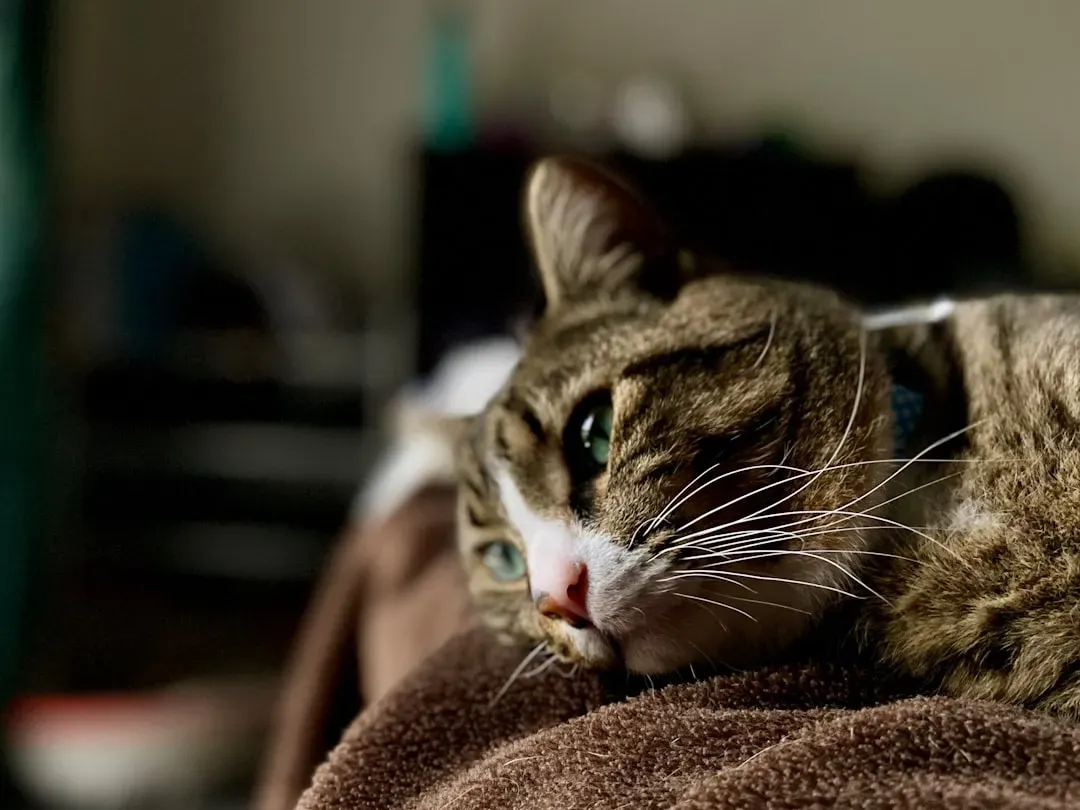
Here’s the flip side of feline empathy: sometimes your cat doesn’t comfort you – it gets sad right along with you. Cats are surprisingly good at absorbing the emotional temperature of a household. They can become so attached to an ailing owner that they start mirroring the owner’s behavior over time, so if you get depressed, withdrawn, and socially distant, your cat may become the same.
This is the twist most cat owners never expect – your illness can accidentally make your cat withdrawn too. When family members become stressed over a serious health decline, cats often absorb that stress as well, which can show up as loss of appetite, weight loss, or increased vocalization. That’s exactly why some experts recommend putting on a slightly braver face around a seriously ill period, simply to avoid dragging your pet’s mood and appetite down along with yours. Still, #11 happens faster than you’d think.
#11 – The Gentle Paw Tap
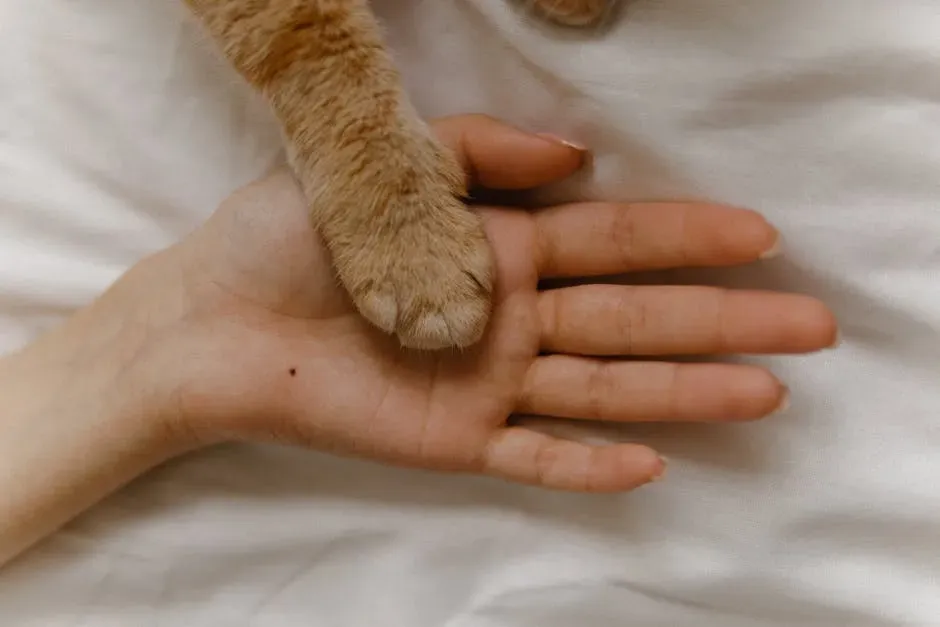
A soft paw on your arm or face isn’t a demand for food – it’s often a direct check-in. Cats use touch deliberately, and a gentle tap reads very differently from the more insistent kneading or scratching they use to ask for attention. Cats who sense something is off may stare at you more than usual, gently paw at you, or position themselves where they can keep constant watch.
Most owners misread this as begging, when it’s frequently closer to a physical version of “are you okay?” This tap-and-watch combination tends to appear specifically during illness rather than during normal daily interactions, which is why so many owners describe it as feeling deliberate rather than random. It’s subtle, it’s quiet, and it’s easy to miss if you’re not paying attention to the pattern. But #12 happens faster than you’d expect.
#12 – Rearranging Their Entire Sleep Schedule
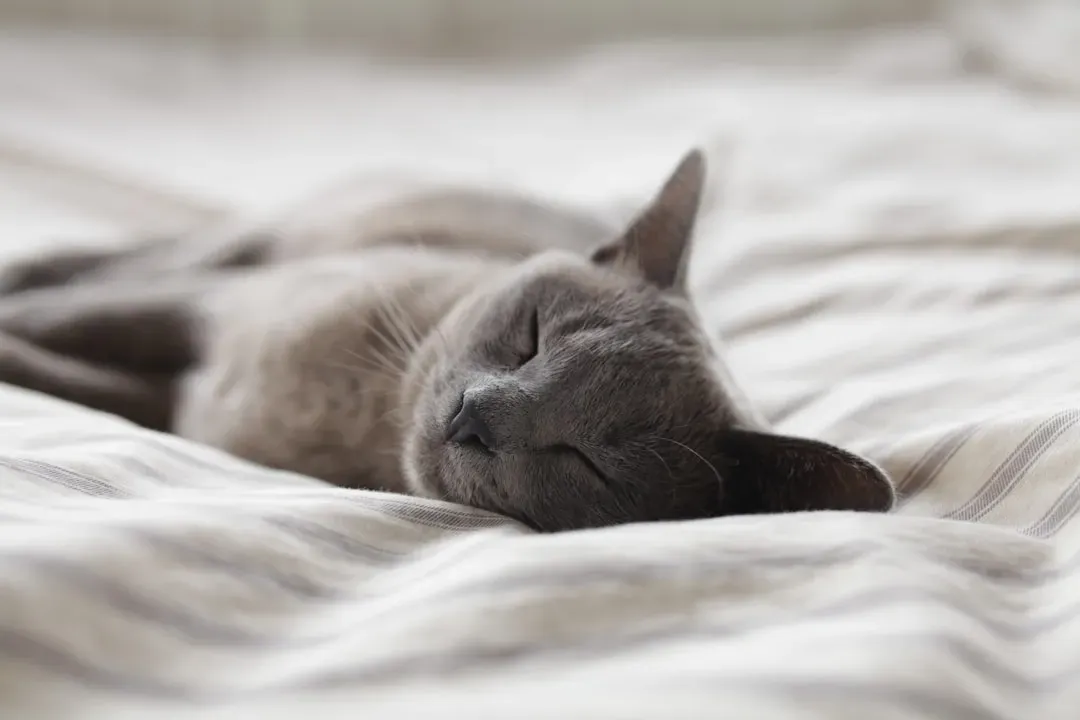
Cats are famous for sticking to a strict routine, so when that routine suddenly shifts to match yours, it means something. Your cat’s internal clock is largely built around your habits – feeding times, wake-up alarms, daily movement. Cats clearly track your usual schedule and will adjust their own to fit it, especially around cues like an alarm that signals feeding time, so when you’re sick and sleeping later, they pick up on that break in the pattern almost immediately.
The surprising part is how quickly this adjustment happens – often within a single day of you being sick. Instead of napping in five different spots around the house, sick-day cats frequently park themselves near you and simply stay there, restructuring hours of normal activity around your new, slower pace. It’s one of the most measurable ways a cat “checks in” without making a single sound. But #13 is the one skeptics can’t explain away.
#13 – Sitting Directly Over Your Heart or Chest
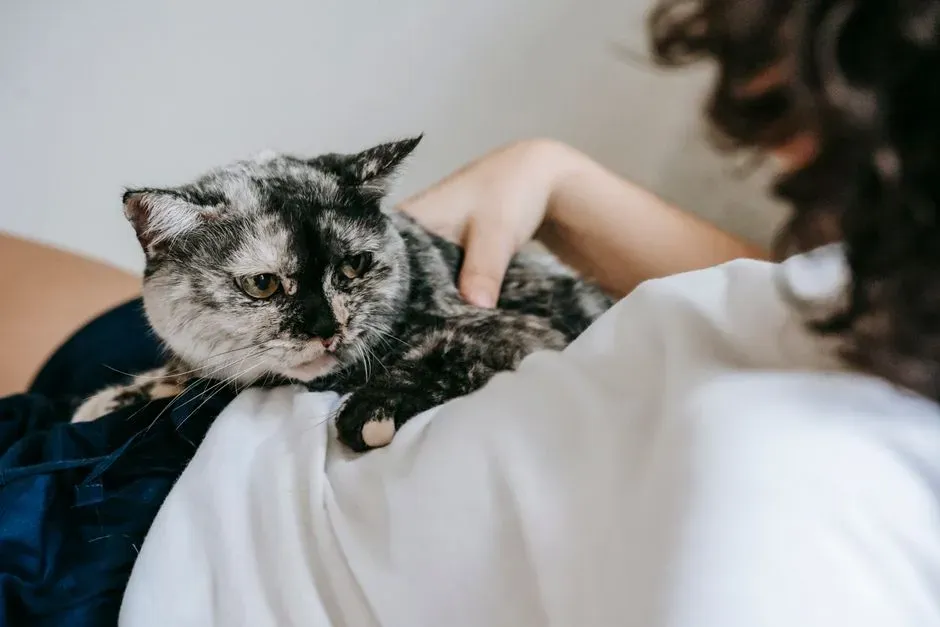
This is the behavior that convinces the most skeptical cat owners that something more is going on. Cats that position themselves directly on your chest may be doing more than seeking warmth – they might be monitoring your vital signs. Cats that lie close to you or curl up on your lap can pick up on an irregular or quickening heartbeat, sometimes even before an owner notices anything themselves.
Most people think a cat on the chest is just claiming the coziest spot, but the physiology says otherwise. Lying on your chest lets a cat feel your heart pounding faster than usual and notice subtle body tremors, using both touch and its acute sense of smell to catch the change. Combine that with whisker-based thermoreceptors picking up shifts in body heat, and that “cozy nap spot” starts to look a lot more like quiet surveillance. And #14 is the one that convinces even scientists.
#14 – Refusing to Leave Your Side at Night
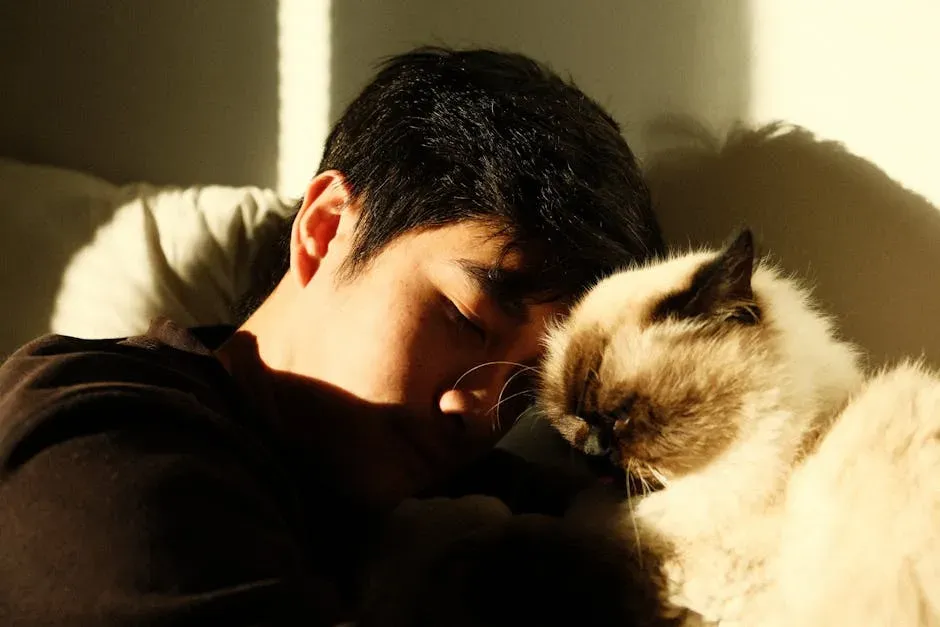
This is the behavior that changes minds – even skeptics admit something unusual happens when a cat won’t budge from a sick owner’s side, night after night. The most famous real-world example remains debated, but it’s instructive. Oscar, the resident cat at the Steere House Nursing and Rehabilitation Center in Providence, Rhode Island, developed an uncanny pattern of visiting patients shortly before they died, curling up beside them in their final hours, a pattern the staff eventually stopped dismissing as coincidence.
Here’s the friction point: many people treat this as proof of psychic ability, but the far more likely explanation is chemical, not supernatural. The most probable answer is that the person was already showing physiological changes no human staff member had caught yet, and Oscar simply sensed those shifts through his heightened sense of smell. Whether it’s a nursing-home cat or your own tabby refusing to leave your bedside during the flu, this final, unwavering vigil is the clearest sign your cat has noticed – and won’t stop checking on you until things change.
It’s like he’s literally on a vigil.
Dr. David Dosa
The Bottom Line
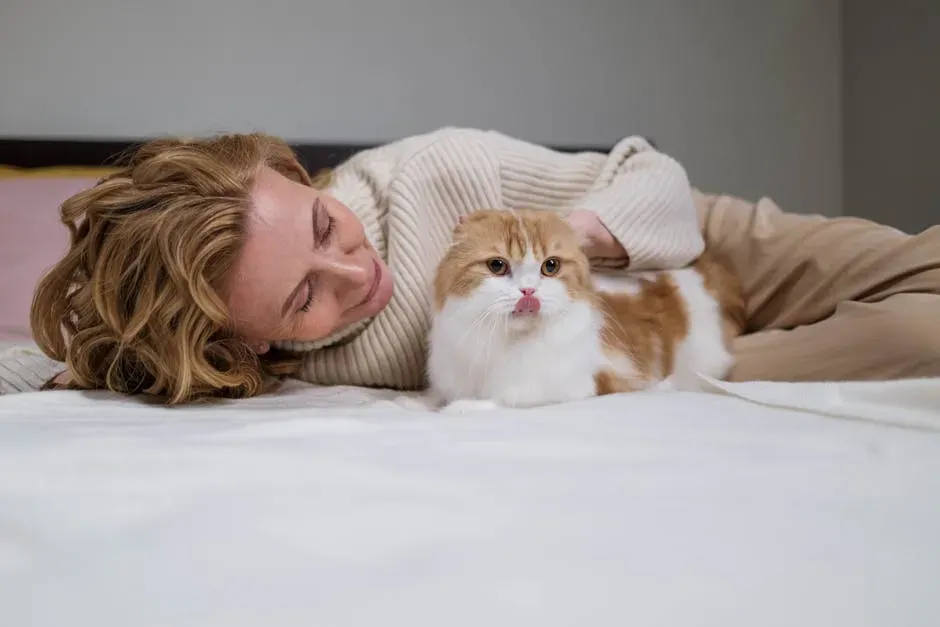
Cats aren’t running secret medical exams, but the evidence is hard to dismiss: your scent, your heartbeat, your body heat, your posture, and your routine all shift when you’re sick, and your cat is built to notice every single one of those changes. Whether it’s genuine empathy or pure sensory instinct is still debated, but the pattern of behavior – sniffing, staring, guarding, mirroring your mood – is too consistent across households to be coincidence.
My honest take? It doesn’t matter whether cats “know” the way humans do. What matters is they act. That’s more loyalty than most skeptics are willing to give them credit for. Has your cat ever done something like this when you were sick? Tell us which one in the comments.
Kristina is a young writer from India. An arts graduate and an avid content creator, Kristina is passionate about animals and wildlife. She enjoys exploring topics related to pet care, animal behavior, conservation, and nature, combining thorough research with engaging storytelling.