Most cat owners will tell you the same tired story: cats are aloof, cats do their own thing, cats would never fetch a ball or walk on a leash like some overeager dog. That’s the story everyone believes right up until they meet a Bengal.
Bengal owners know something the rest of the cat world hasn’t caught up to yet. These cats carry wild ancestry in their blood, glitter built into their fur, and a personality that breaks nearly every rule you thought applied to cats. Here are 14 traits that prove it – and the last one will change how you look at every housecat you’ve ever owned.
#14 – The Coat That Literally Glitters
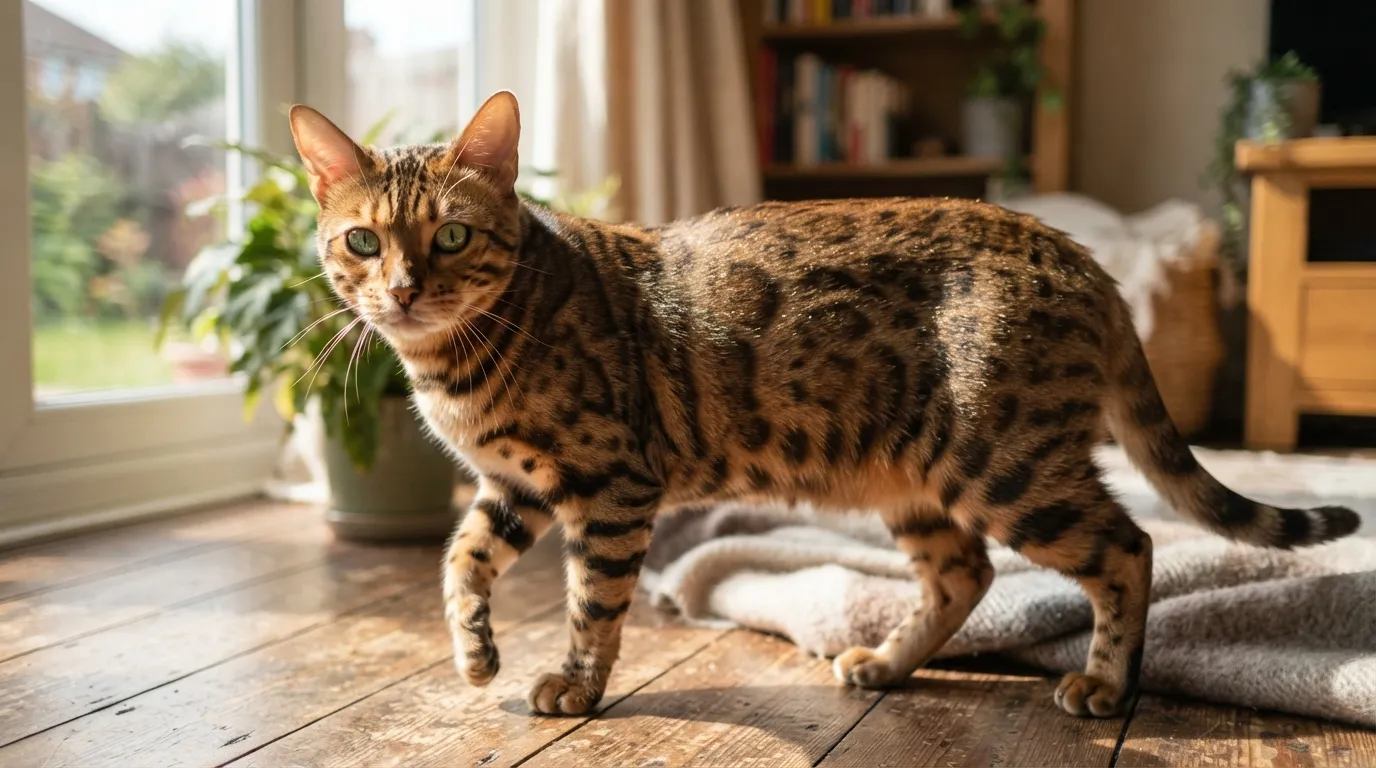
Most people think a nice cat coat is just about color. Turns out, that’s the floor – not the ceiling.
Bengals carry a coat trait called “glittering” – in good light, their fur genuinely shimmers. No dye, no filter, no camera trick. The iridescent effect is built directly into the individual hairs.
A Bengal’s coat is what truly sets it apart from every other domestic cat – they’re the only breed that can carry rosette markings directly reflecting wild Asian leopard ancestry.
Despite the exotic look, their short, soft fur needs almost no upkeep. A quick weekly brush is enough.
But the coat is just the surface. What’s underneath it is even more surprising.
#13 – A Body Built Like a Wild Athlete
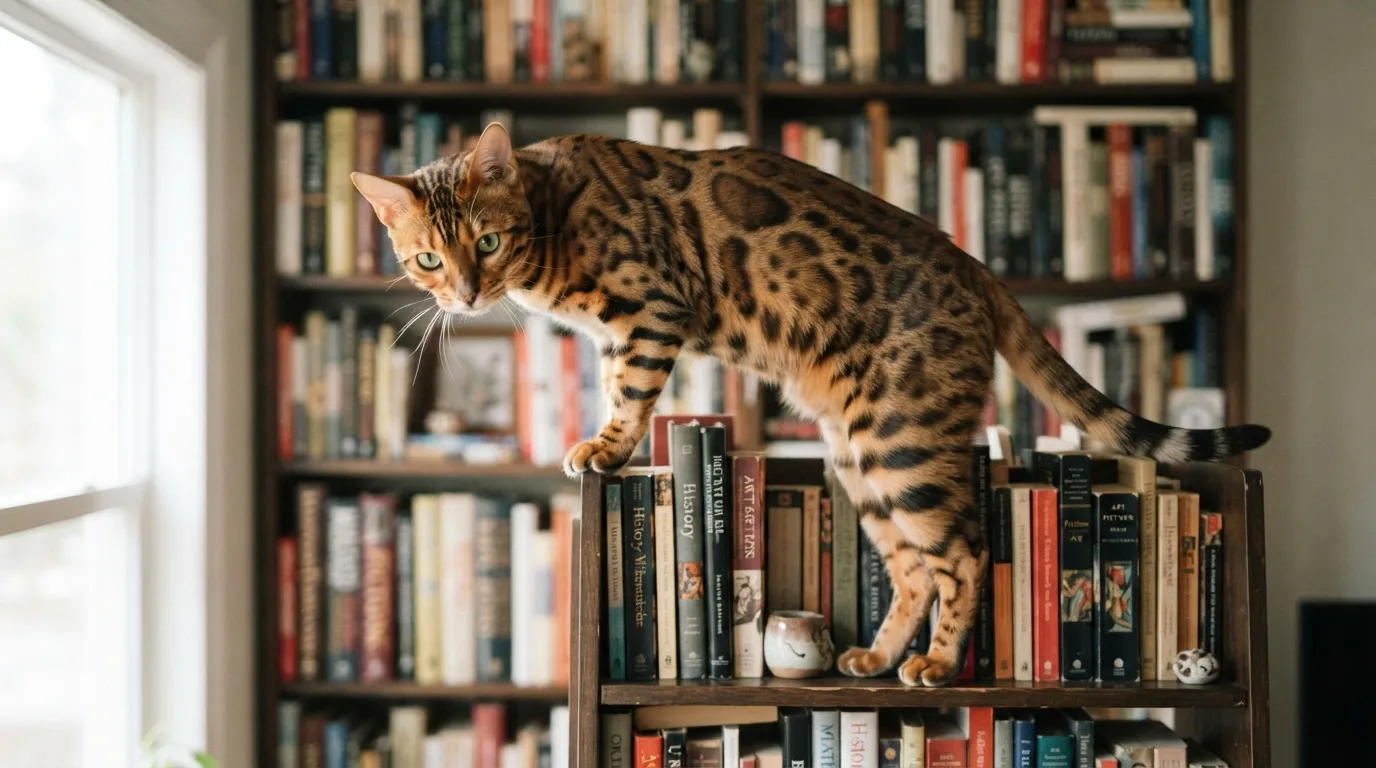
Forget the image of a cat lounging lifelessly on a sofa cushion.
Bengals are sleek, muscular, and built for movement – often described as having a genuinely “wild” physique. They weigh about the same as a typical house cat, but their long bodies and legs make them look, and move, bigger.
Don’t be shocked to find your Bengal staring down at you from the top of a bookshelf. They climb and jump places you never thought a cat could reach.
Fast Facts
- Typical weight: 8-15 lbs, with some males topping 20 lbs
- Body length can reach 16+ inches, plus a 10-12 inch tail
- Average lifespan: 12-16 years with proper care
- Build: long, lean, and muscular – designed for climbing and jumping
This isn’t restlessness. It’s a purposeful, athletic body doing exactly what it was built to do – and that same energy fuels something most new owners don’t see coming.
#12 – The Hunting Instinct Is Completely Intact
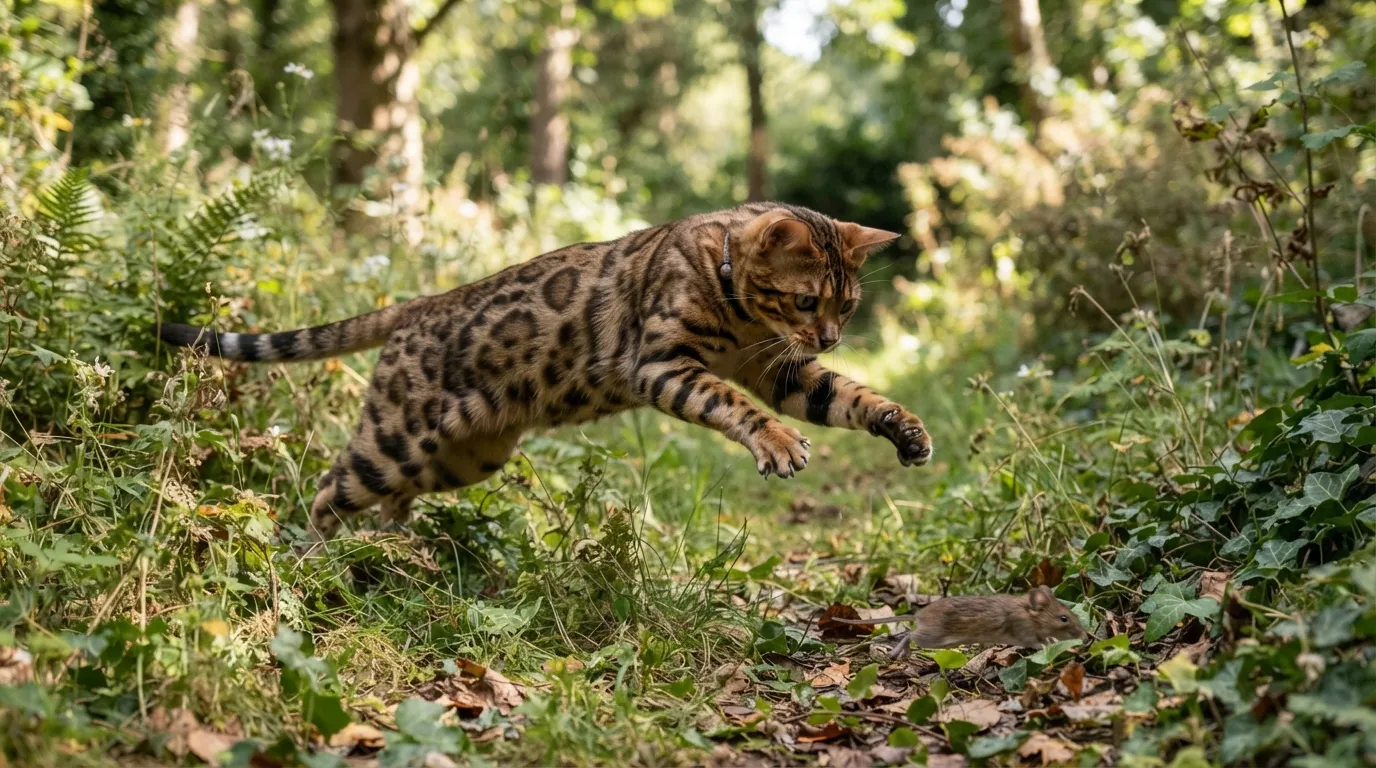
Here’s something no one warns you about before bringing a breed cat home.
Bengals combine a playful streak with a razor-sharp hunting instinct. They’re such capable hunters that experts consider them genuinely dangerous to native birds and rodents when let outside unsupervised.
This is not a cat that will ignore a moving toy – or a moving anything. Bengals should never be left alone with smaller pets, because that prey drive doesn’t switch off indoors.
That raw instinct, channeled the right way, is exactly what makes them so endlessly engaging to live with. And it leads directly into a skill most cat owners never thought was possible.
#11 – They Walk on a Leash. Seriously.
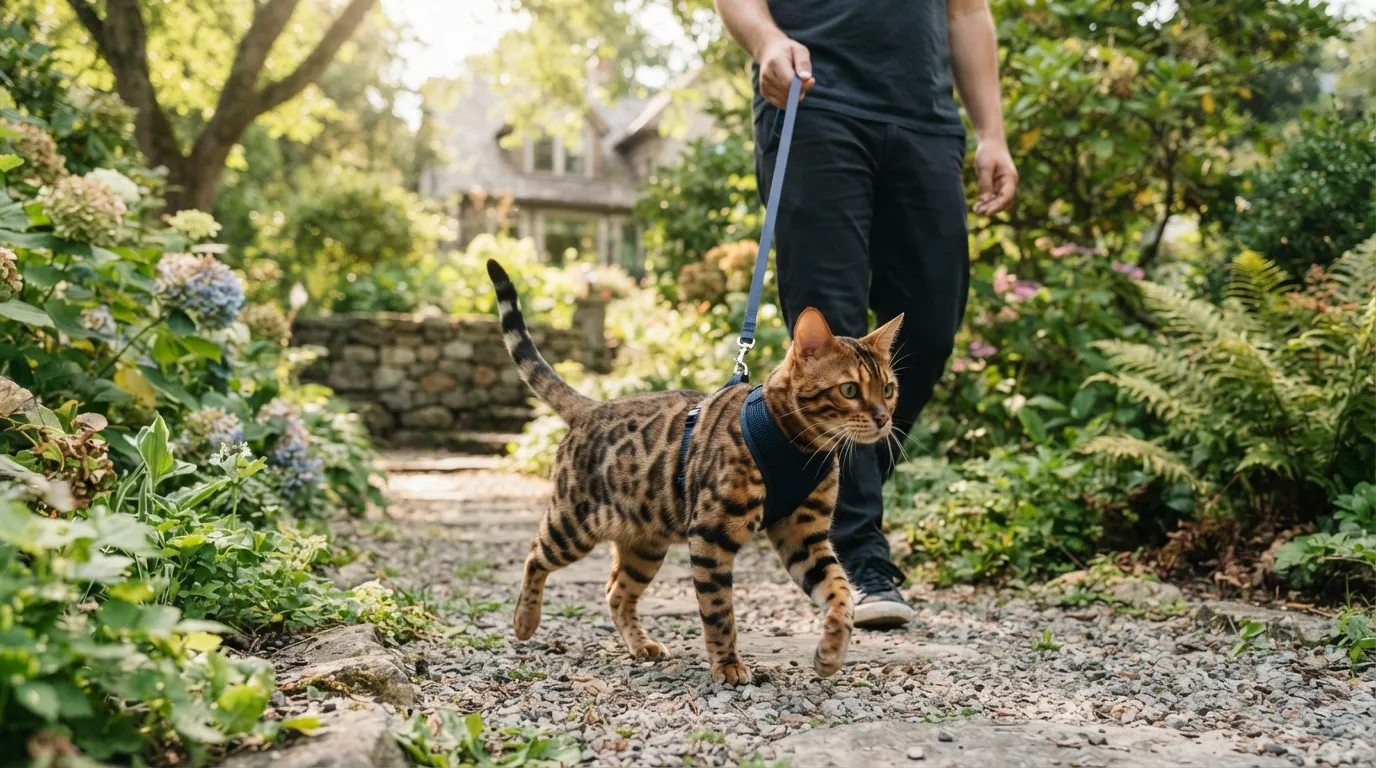
The idea of leash-walking a cat sounds like a joke until you own a breed cat.
Bengal owners consistently find this breed far easier to harness-train than almost any other cat, and some even compete in feline agility sports. Bengals learn commands, tricks, and leash-walking with real speed.
Some Bengals pick up basic commands in just a few weeks. The training takes patience, but the payoff – a cat you can actually take outside on your terms – is unlike anything you’d get from an ordinary housecat.
And the training doesn’t stop at the front door. That same intelligence gets pointed at your furniture next.
#10 – Those Paws Are Practically Hands
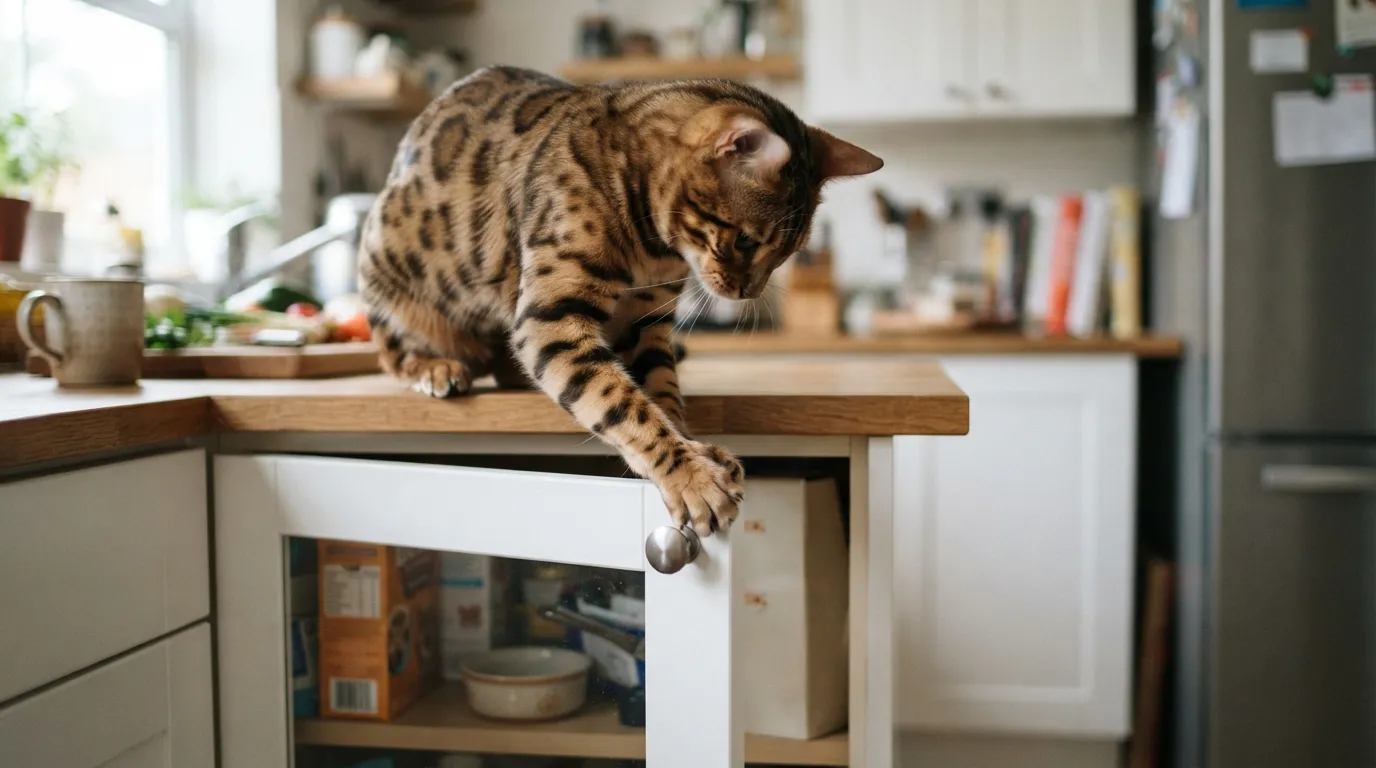
Most cats use their paws to bat things off tables. Bengals use theirs to solve problems.
Their paws are unusually nimble – almost hand-like – and Bengals have been documented flipping light switches, opening cabinets, and fishing objects out of containers. Don’t be surprised if yours figures out how to raid a “secure” pantry.
This level of paw dexterity is practically unmatched in the domestic cat world. It’s fascinating to watch and, admittedly, a genuine challenge to keep out of trouble.
Think that’s impressive? Wait until you hear what comes out of their mouths.
#9 – They Have Their Own Vocabulary
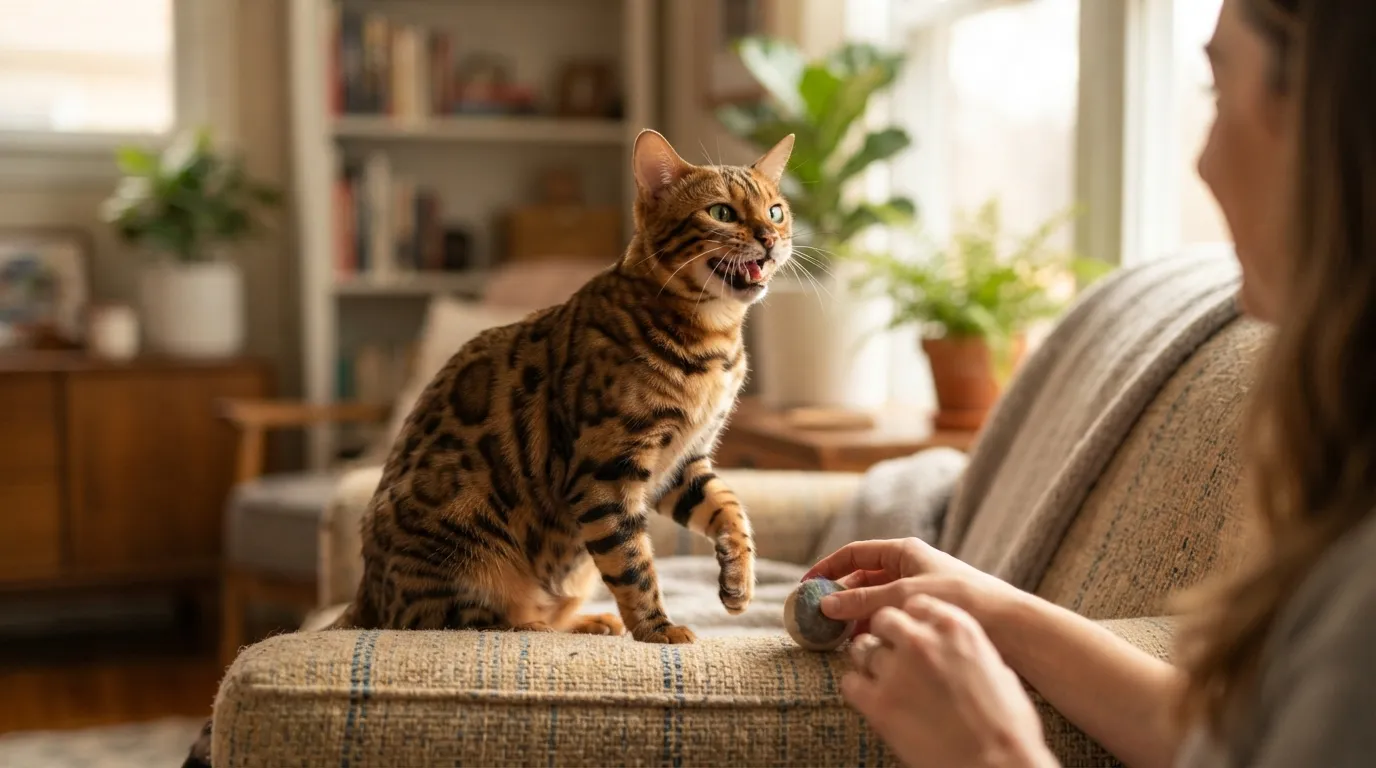
Your average cat has a meow. Your Bengal has a full communication system.
Bengals are famously vocal, cycling through chirps, trills, growls, chortles, and meows – an expressive range that’s unusual even among chatty breeds. Learning to read those sounds is part of the bond.
Some Bengals even produce noises described as “barks,” something almost no other domestic cat does. Once you learn the difference between their sounds, living with one starts to feel like a real conversation.
Living with a breed cat means living with a communicator – one that’s constantly telling you something.
#8 – They Demand to Be Part of Your Life
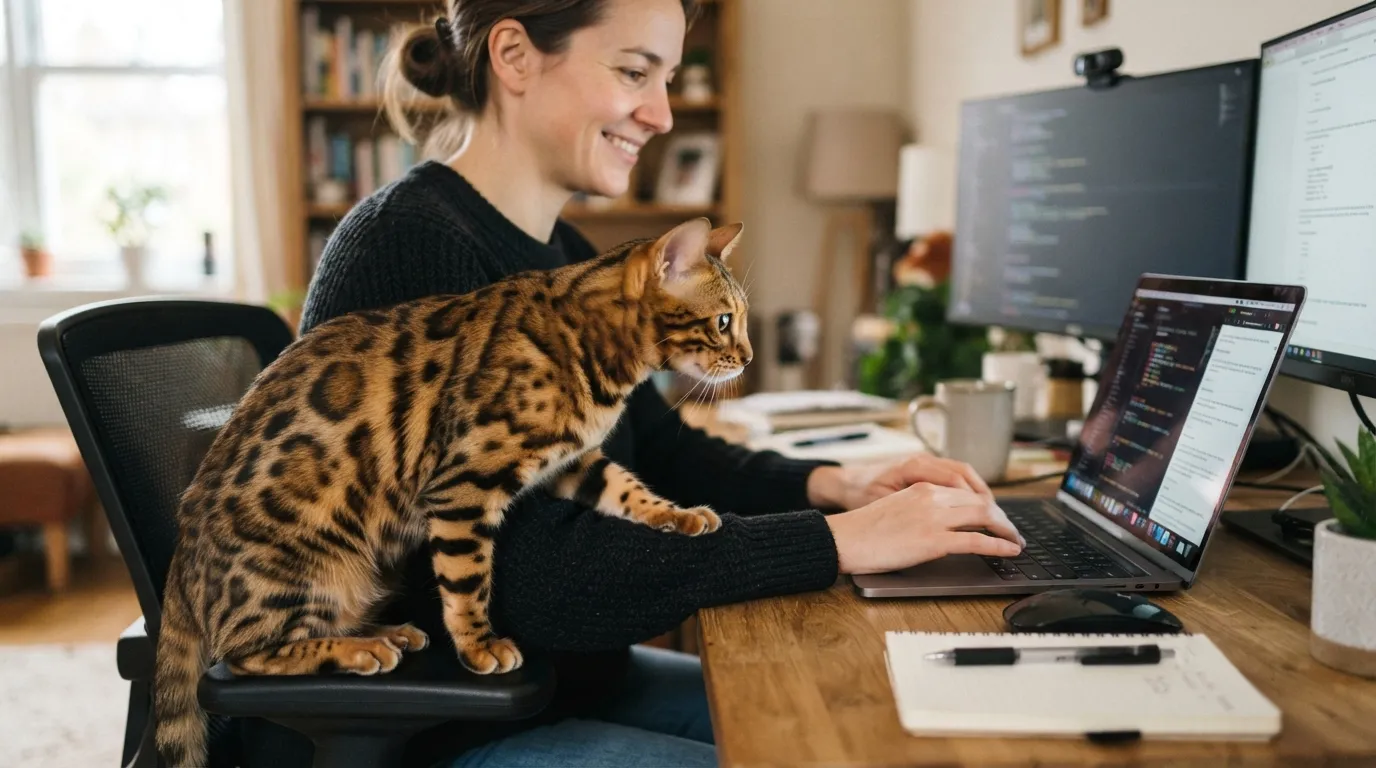
This isn’t a cat that tolerates you. This is a cat that needs you in the room.
Bengals form intensely strong bonds with their owners and insist on being involved in everything – cooking, cleaning, working, all of it. If you wanted a cat that vanishes for six hours a day, this is not that cat.
Most people get a cat expecting independence. Breed cat owners get something closer to a shadow, and Bengals can actually get stressed by sudden changes in routine because they’re so attached to consistency.
That bonding instinct goes even further than most people expect.
#7 – They Actually Play Fetch
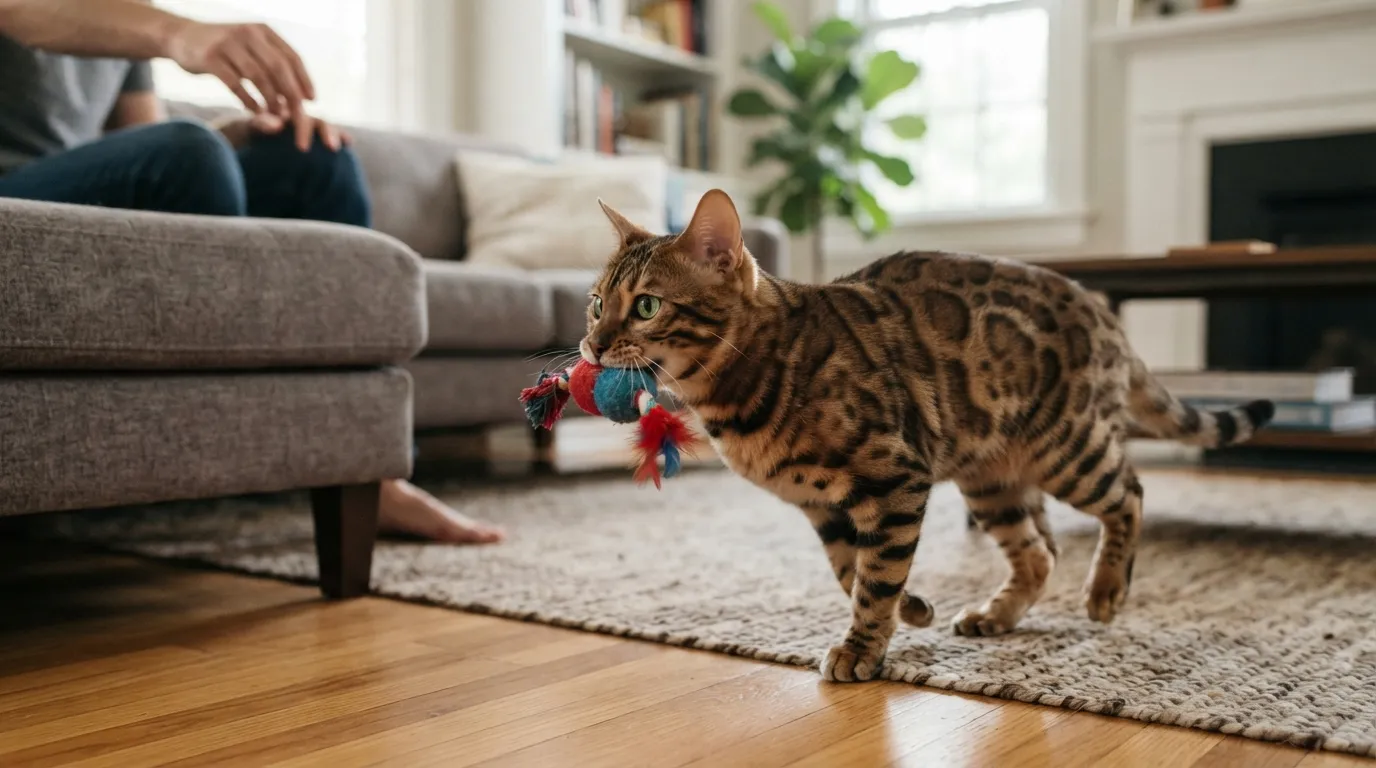
Stop everything. Your Bengal will retrieve a toy. On purpose. Repeatedly.
Bengals can be trained to fetch, sit, high-five, and walk on a leash – a combination so dog-like that many owners simply call them “the dogs of the cat world.”
People who own Bengals often say, without irony, that their cat acts more like a dog than a cat.
Common refrain among Bengal owners
This isn’t a fluke or a one-off party trick. It’s repeatable behavior rooted in their intelligence and prey drive – and it leads straight into the trait that keeps every Bengal owner on their toes.
#6 – Their Curiosity Is Almost Unsettling

There is no object in your home that a Bengal won’t investigate. None.
Bengals are relentlessly nosy – into grocery bags, guests, open drawers, anything unfamiliar. If something is happening in your house, a Bengal is already checking it out.
This isn’t boredom. It’s a high-functioning mind running at full capacity around the clock, which is exactly why they need constant games and puzzle toys to stay balanced.
That same curiosity drives one of the strangest traits on this entire list.
#5 – They Love Water. Genuinely.
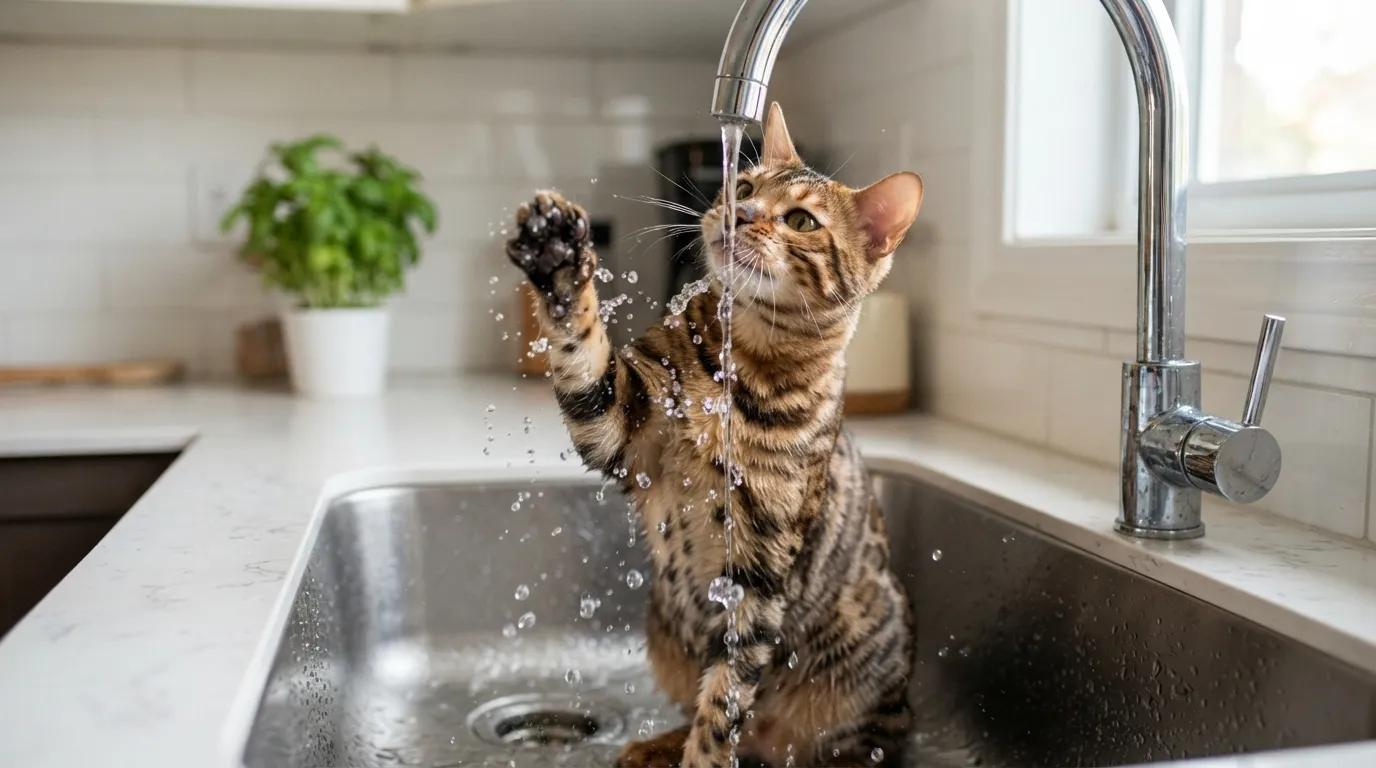
The universal truth of cat ownership is: cats hate water. Bengals, apparently, never got that memo.
Many Bengal owners report their cats joining them in the shower uninvited, splashing in the sink, or becoming obsessed with a running faucet. It’s playful, it’s messy, and it’s completely against the cat stereotype.
Worth Knowing
- The breed’s name comes straight from its wild ancestor, the Asian leopard cat (Prionailurus bengalensis)
- That ancestor lived and hunted along rivers and streams across Southeast Asia
- Even generations removed from the wild, that river-hunting instinct can resurface as a love of running water
Now that you know what they love, here’s the personality trait that makes owners feel like their cat truly “gets” them.
#4 – Their Personality Is Predictable by Design
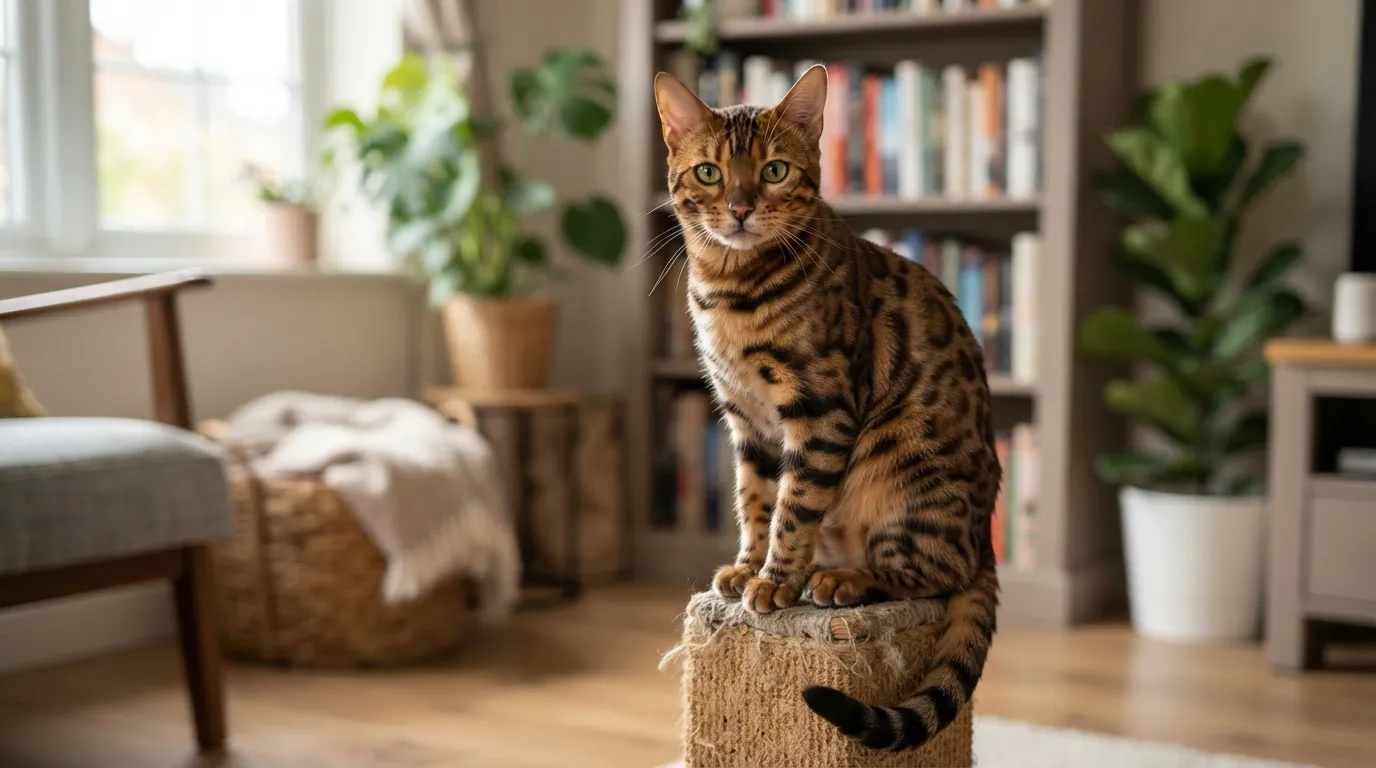
With a random-bred cat, you’re rolling the dice on personality. With a breed cat, you’re not.
Purebred cats tend to have far more predictable physical traits and temperaments than mixed-breed cats, largely because you can trace their pedigree. That means you can actually match a cat to your lifestyle before you bring one home.
That predictability is a real advantage, especially for families with kids or other pets. Each recognized breed carries its own personality profile, and Bengals’ profile is famously bold.
Speaking of bold – this next trait is bold enough to split cat lovers into two camps.
#3 – Their Boldness Is Unmatched
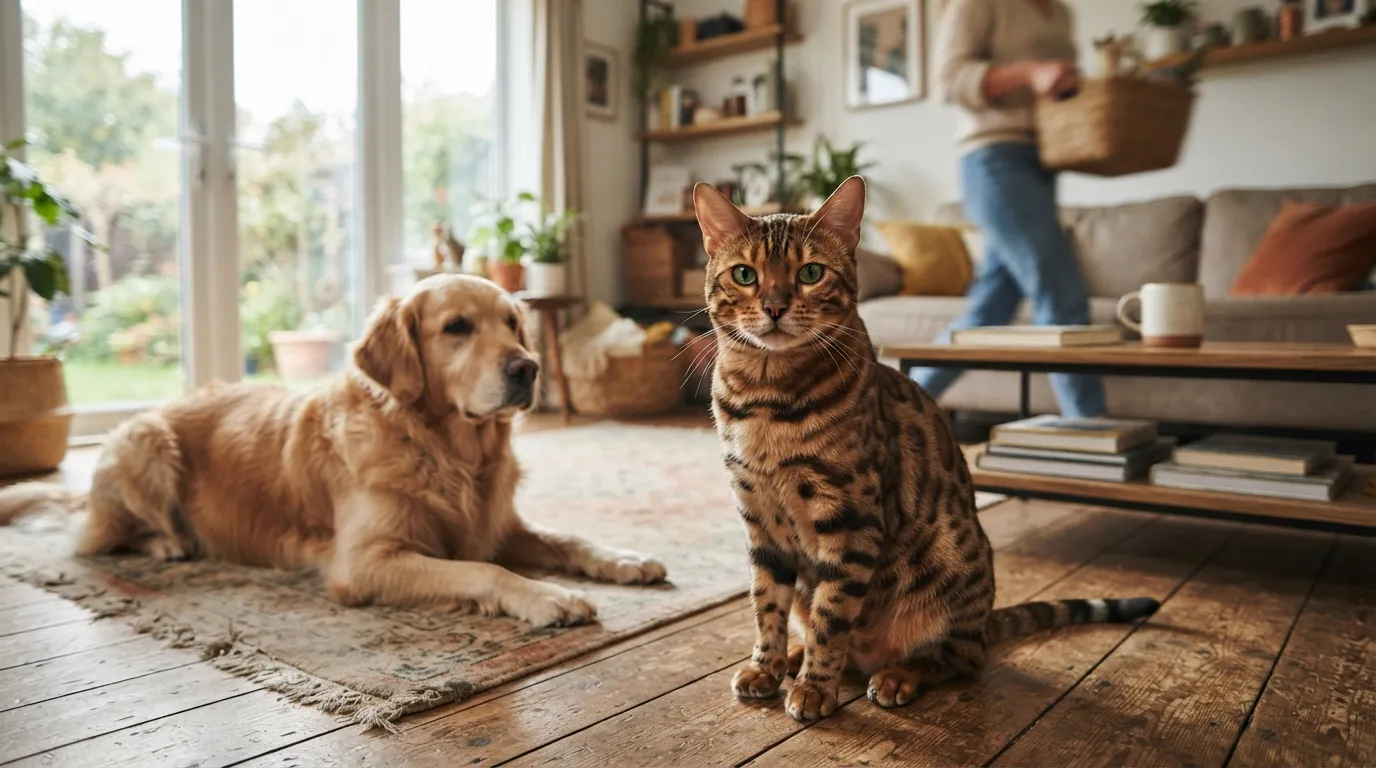
While plenty of cat breeds go skittish around strangers, Bengals are wired the opposite way.
They’re confident, often dominant in multi-pet households, and unbothered by chaos most cats would flee from. Bengals frequently get along well with dogs and can hold their own against much larger animals without backing down.
Some cat lovers find this boldness a little too much – and honestly, they’re not wrong to feel that way. This isn’t a breed built for passive owners.
There’s one trait most cat guides gloss over entirely, and it deserves more attention than it gets.
#2 – Their Intelligence Requires Respect, Not Just Admiration
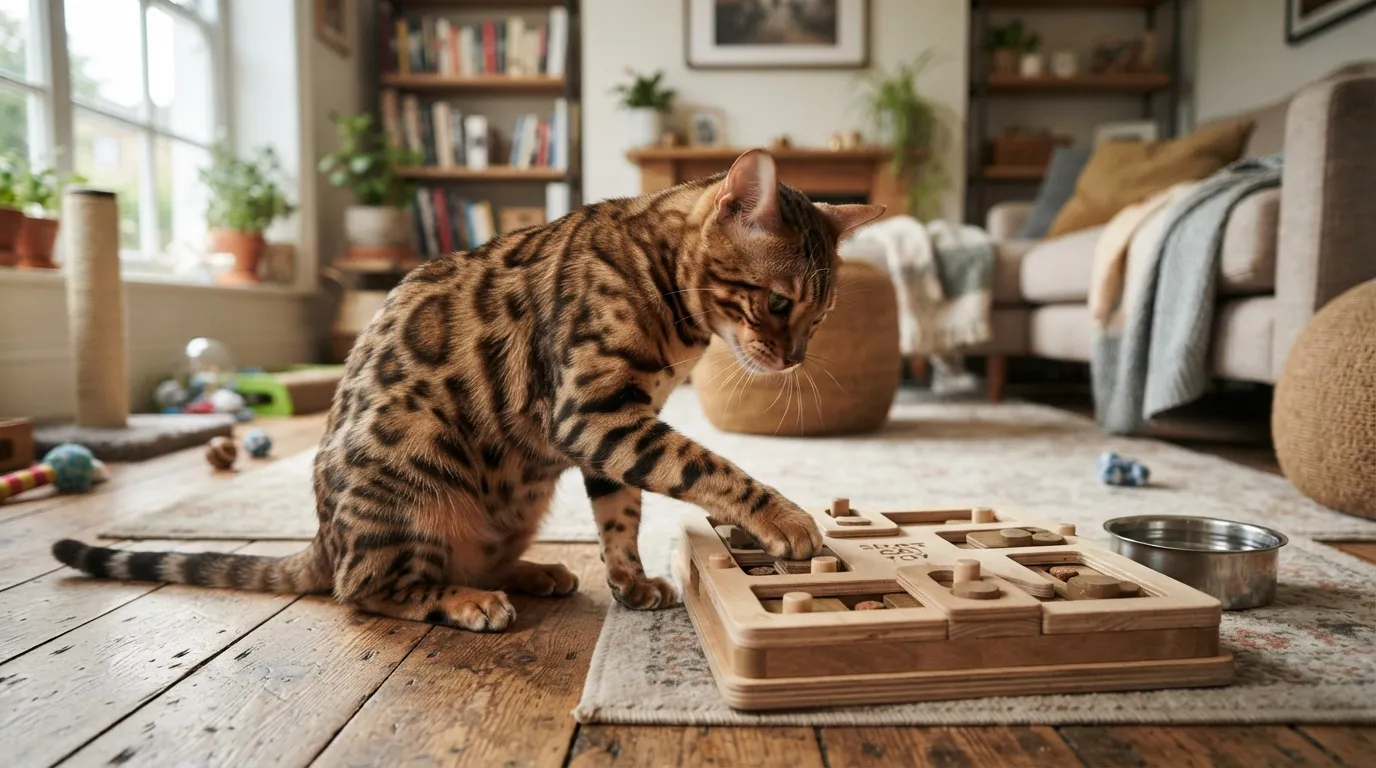
Here’s the thing no one tells you upfront: a highly intelligent Bengal will outsmart you the moment you stop paying attention.
Bengals rank among the most intelligent cat breeds alive, and without enough stimulation, that intelligence turns into boredom – which turns into excessive meowing, chewed cords, or raided cabinets.
Mental stimulation isn’t optional with this breed; it’s the whole game. Rotating toys every few weeks and giving them new challenges keeps that sharp mind from turning against your furniture.
Respect the intelligence, and you get the most rewarding cat you’ll ever own. Ignore it, and things get chaotic fast – which brings us to the one trait no other breed can claim.
#1 – They Carry Actual Wild DNA – and You Can See It Every Day
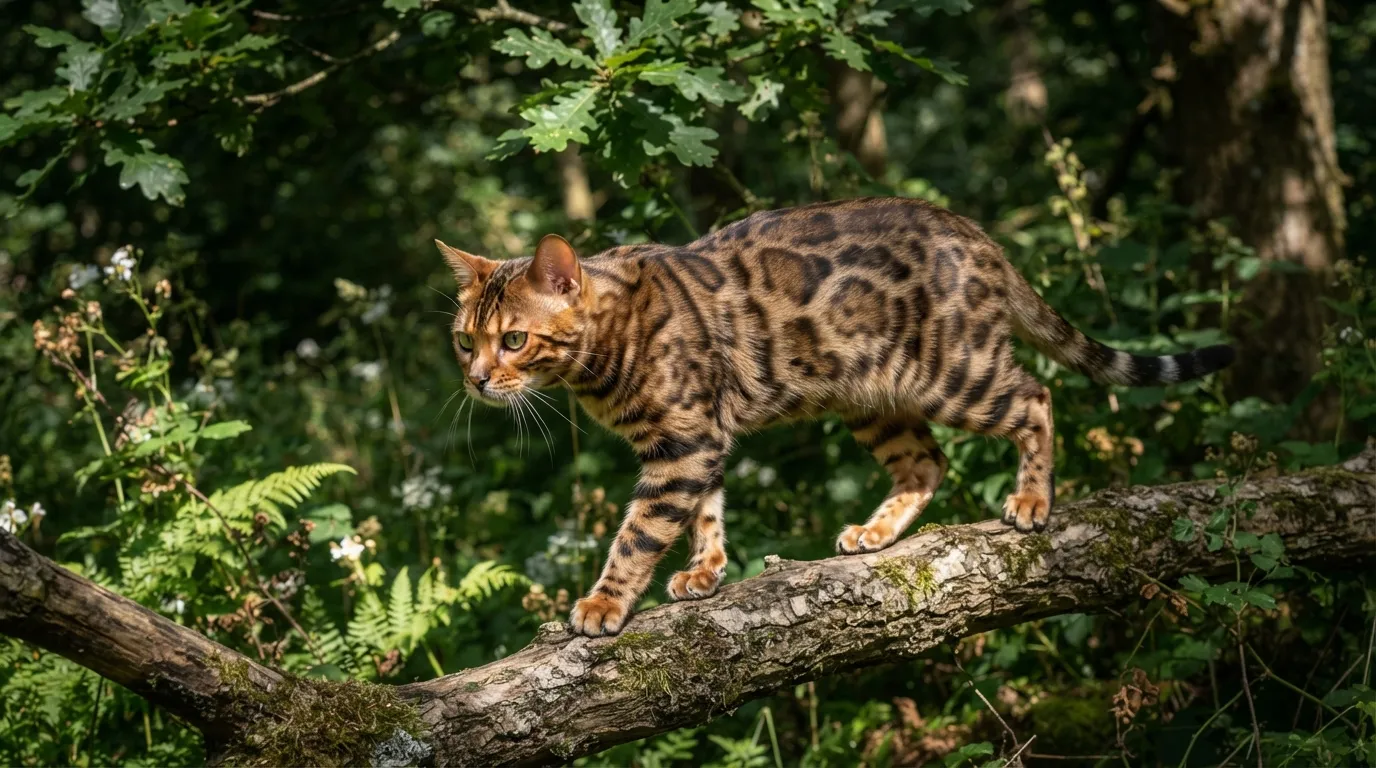
This is the trait that separates Bengals from every other domestic cat on the planet.
In the 1960s, breeder Jean Mill crossed a domestic cat with a female Asian leopard cat, aiming to build a cat with a wild look and a housecat’s temperament. The breed was officially recognized decades later.
At a Glance
- Early 1980s: Jean Mill’s breeding program lays the foundation for the modern Bengal
- 1986: TICA officially accepts the Bengal as a new breed
- 1991: Bengals earn full championship status, becoming eligible for professional showing
- 2016: The Cat Fanciers’ Association (CFA) adds Bengals to its registry
No other recognized domestic breed carries verified wild feline ancestry that shows up this visibly – in the coat, the body, the behavior, and the instincts. Bengals remain the only breed that can carry rosette markings directly reflecting that wild Asian leopard heritage.
Every glitter-coated, water-loving, cabinet-raiding, fetch-playing, leash-walking moment is that wild ancestry quietly expressing itself, right there on your couch.
The Bottom Line
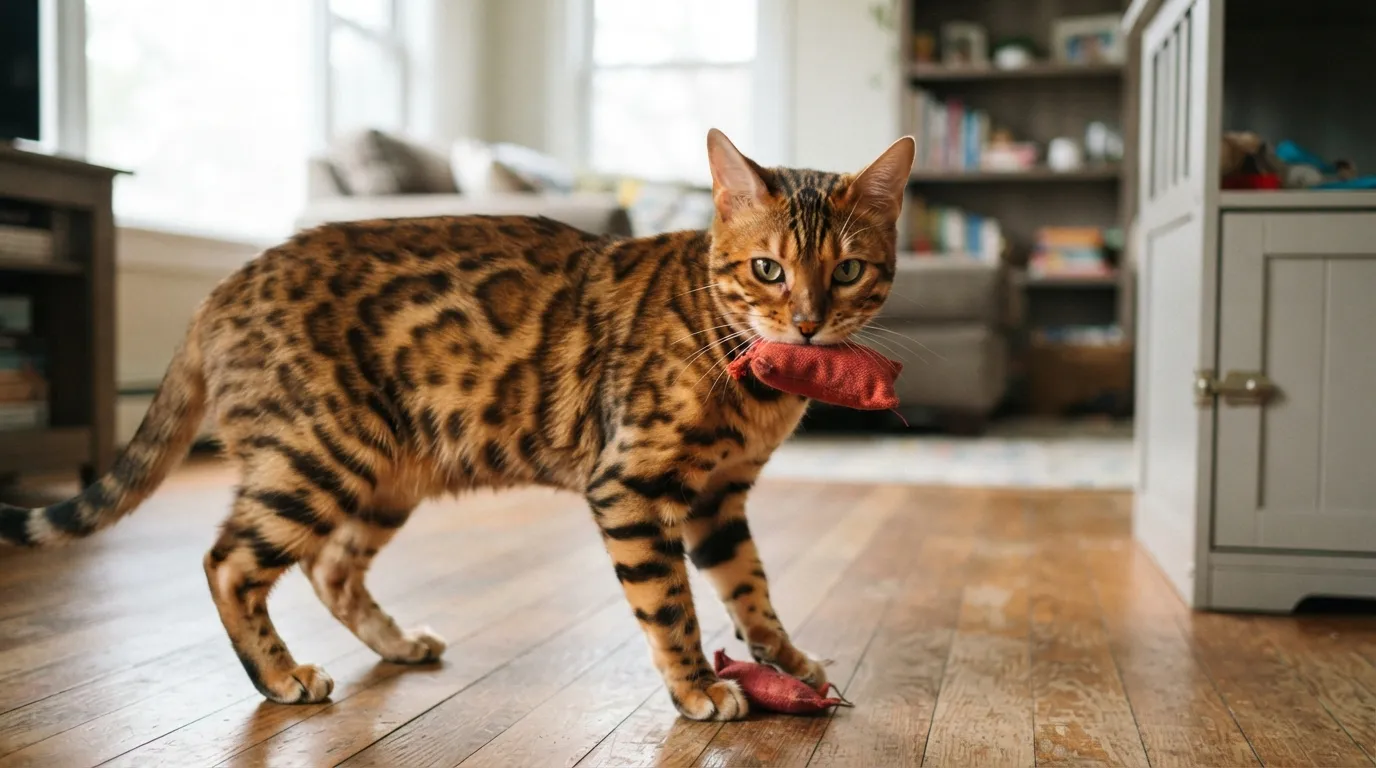
Breed cats – Bengals especially – aren’t just “prettier” housecats. They carry wild ancestry you can actually see, a coat that genuinely shimmers, paws that work like hands, a vocabulary no ordinary cat produces, and an intelligence that demands your active participation.
They’ll walk on a leash, fetch a toy, and outsmart your childproof cabinets before you’ve even had breakfast. They’re also bold, demanding, and a poor fit for passive ownership – and somehow, that’s exactly what makes them extraordinary.
Quick Compare
| Trait | Bengal | Average Housecat |
|---|---|---|
| Vocal range | Chirps, trills, even “barks” | Simple meows |
| Trainability | Leash-walks, fetches, learns tricks | Rarely trained this way |
| Water tolerance | Often seeks it out | Typically avoids it |
| Wild ancestry markings | Only breed with true rosettes | None |