14 Whisker Signals Almost Every Cat Owner Misses
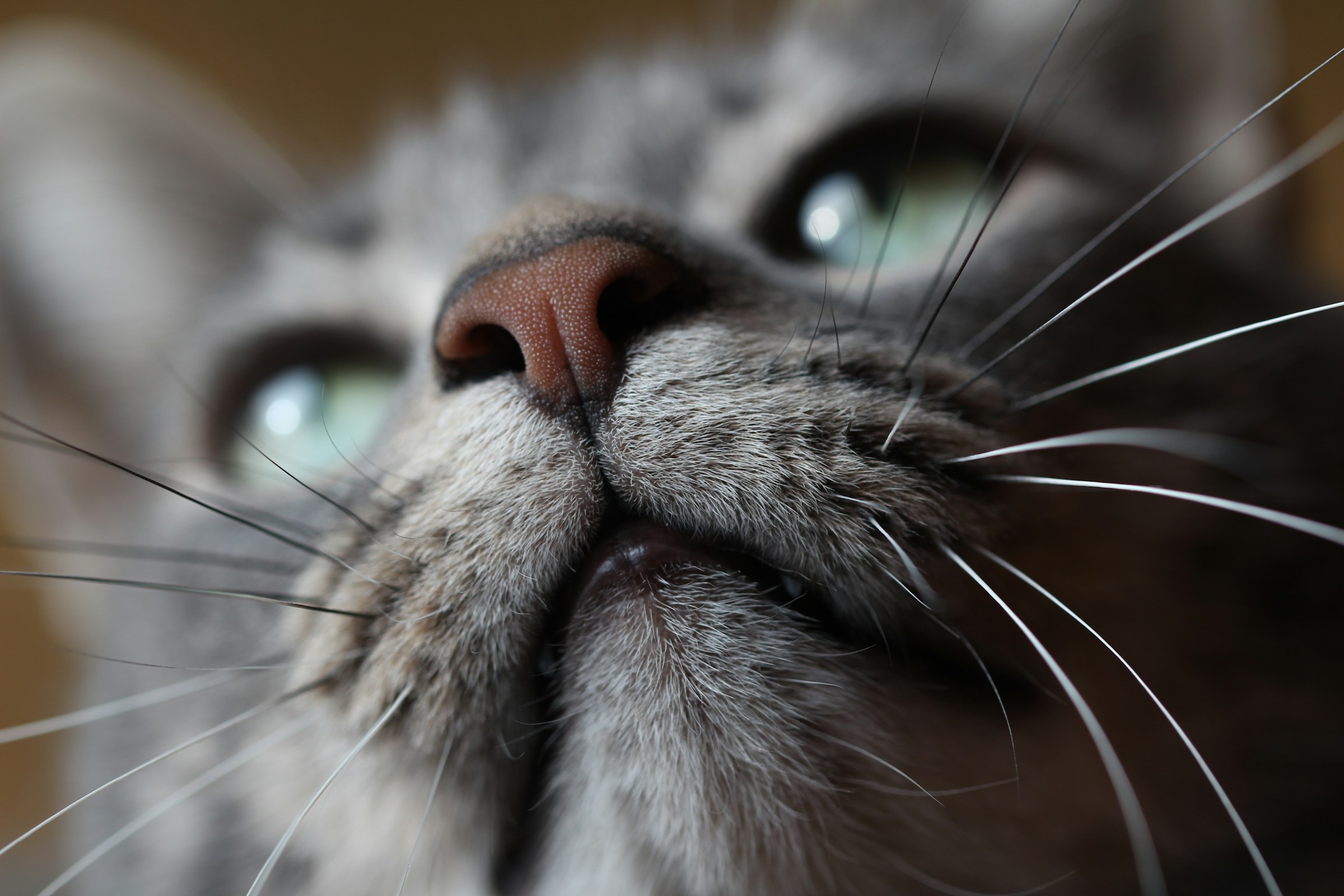
You've probably decided your cat is easy to read by now - happy purr, annoyed tail flick, hungry meow, case closed. But there's an entire conversation happening on your cat's face that has nothing to do with their eyes, ears, or voice, and almost nobody is fluent in it. Whiskers move constantly, and every position is broadcasting exactly what's happening inside your cat's head in real time.
Most owners can name maybe two whisker positions if you press them - forward, and pinned back. Veterinary behaviorists and feline researchers say there's a lot more nuance hiding in that face than most people ever bother to learn, and missing it means missing warning signs, play invitations, and genuine distress signals sitting right there in plain sight. Here's what actually changes once you start reading the rest of them.
#1 - Forward-Pointing Whiskers Mean Your Cat Just Switched Into Hunter Mode
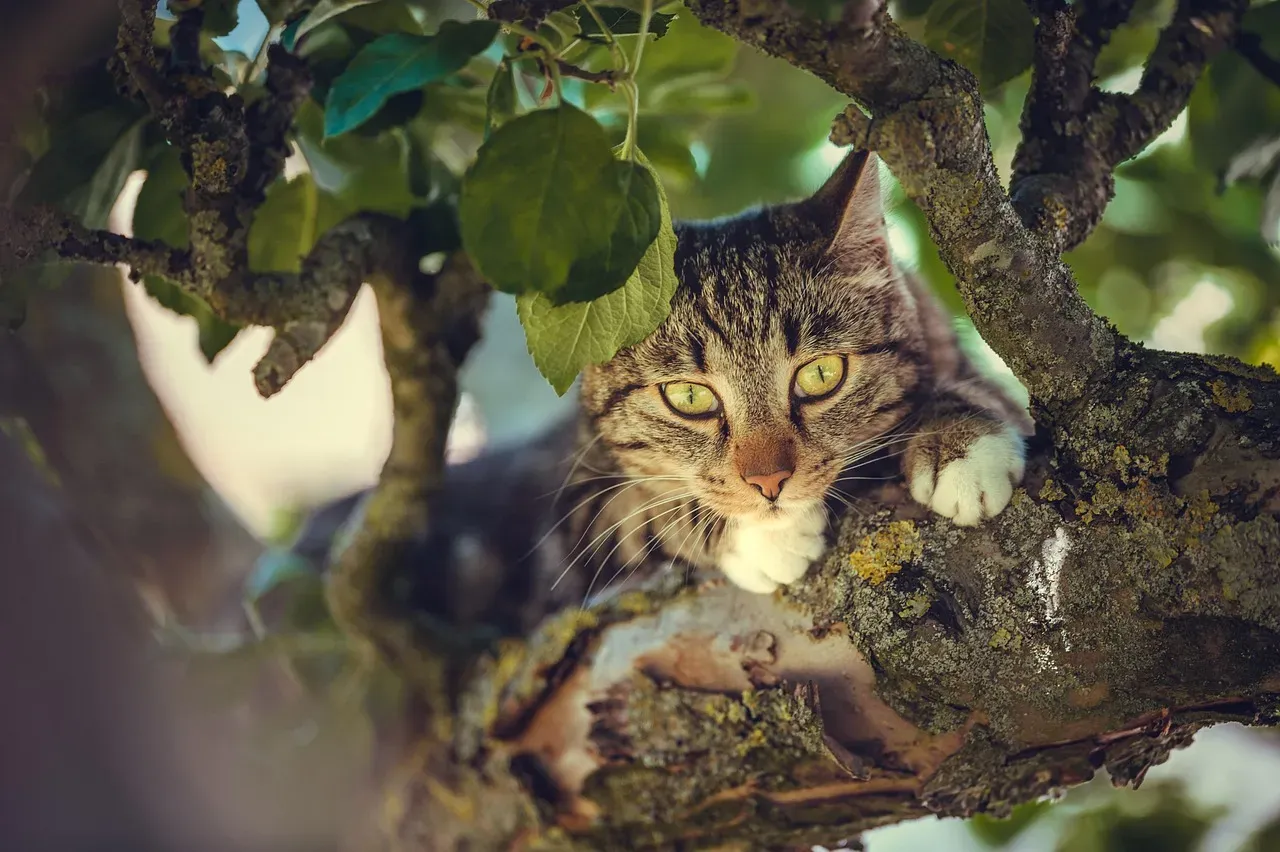
When your cat's whiskers suddenly fan forward and stiffen, you're not imagining things - something just triggered their predator instinct.
This is one of the most consistent signals in feline body language. Forward-facing whiskers indicate curiosity or a hunting mode. Fear Free experts confirm this shows up constantly in everyday play, noting that whiskers fan out and move forward whenever a cat is hunting, whether that's in the wild or in your living room.
Most owners miss that this happens during ordinary play, not just real hunting. Watch closely the next time you dangle a feather toy - the whiskers spread wide and point toward the target before the pounce even starts. It's a split-second targeting system, almost like your cat is locking coordinates before committing to the leap. If you see this posture aimed at you, don't panic - it usually just means you've become the most interesting object in the room.
#2 - Relaxed, Neutral Whiskers Are the Real Baseline You Should Be Watching For
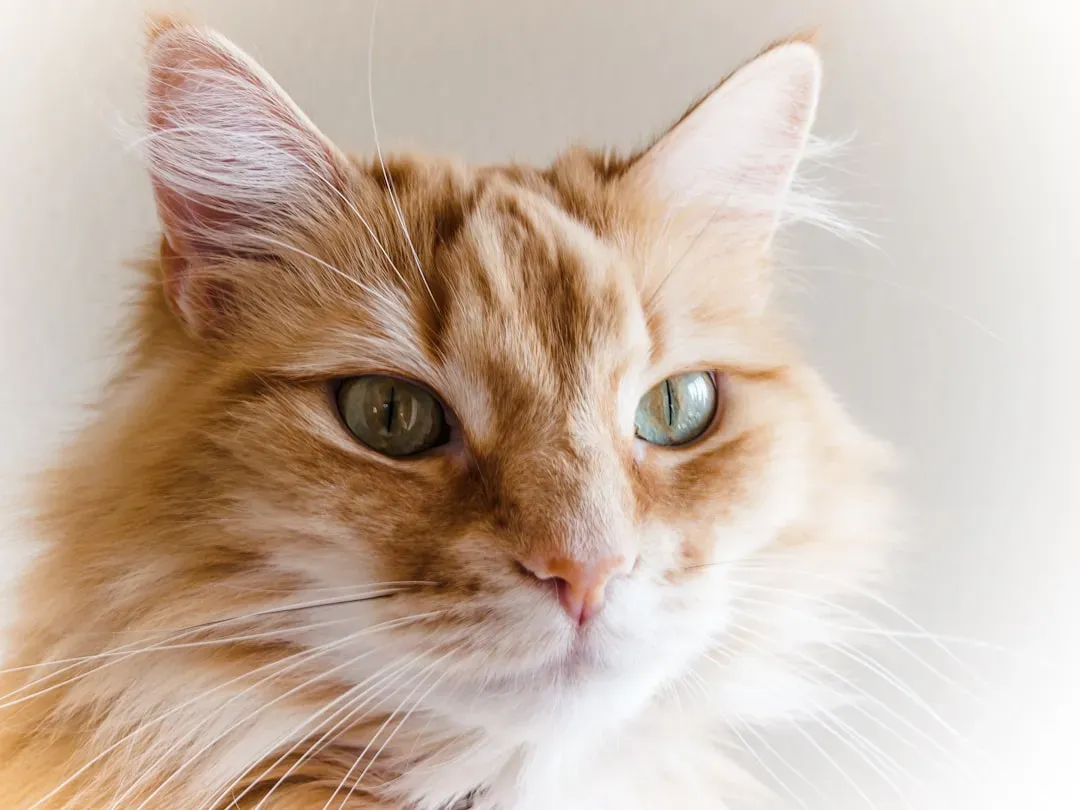
Everyone obsesses over the dramatic whisker positions, but the boring "neutral" position is actually the most important one to memorize.
Whiskers in a neutral position, angled slightly to the side, indicate that your cat is calm and relaxed, often paired with a loose posture and half-closed eyes. This is your cat's emotional resting state - the position everything else gets measured against. Cat behavior consultants specifically tell owners to watch for other happiness cues alongside it, like semi-closed eyes and a loose, relaxed body.
Here's the mistake almost everyone makes: they only check whiskers once something dramatic is already happening. Experts recommend the opposite - learn your specific cat's "neutral" whisker position when they're napping or lounging, because that baseline is what lets you catch subtle deviations later. A cat that's stressed most of the time might never fully return to this relaxed spread, and most owners simply never notice, because they never bothered to establish what normal looks like in the first place.
#3 - A Rapid Whisker Twitch Is Basically Your Cat's Version of Bouncing on Their Toes
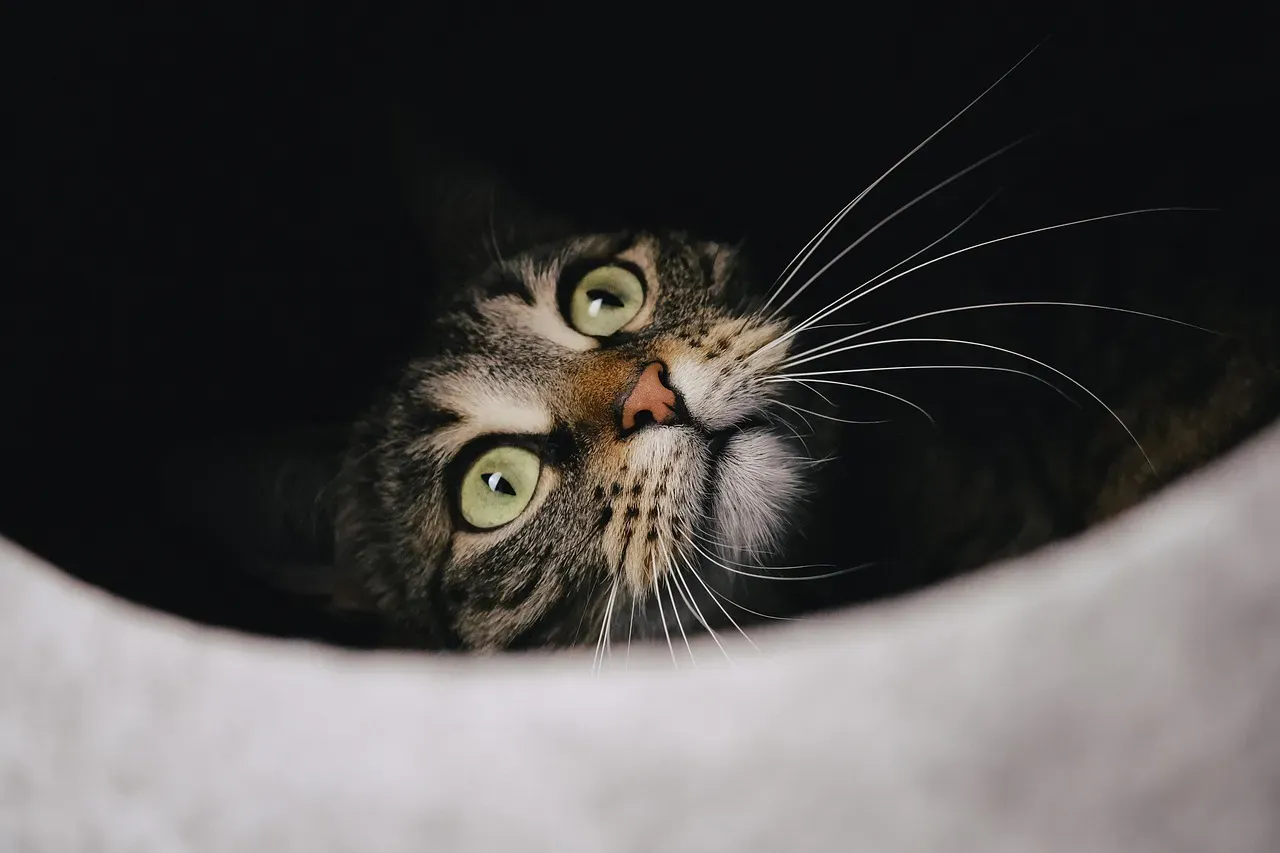
That fast, almost vibrating flutter of the whiskers isn't random - it's pure anticipation building up right before your eyes.
When a cat's whiskers rapidly twitch back and forth, it's a sign of excitement and anticipation, often seen during playtime, like a dancer's quick footwork right before a big move. Other sources back this up directly, noting that twitching whiskers reflect excitement or a playful mood taking over.
This twitch shows up milliseconds before a pounce, which makes it one of the best early-warning systems for redirecting play before claws get involved. If you're mid-session and your ankle is the target, catching that flutter buys you just enough time to swap in a toy instead. Owners who train themselves to spot this signal report far fewer "surprise" bites during rough play, because the whiskers essentially telegraph the attack before the body ever commits.
#4 - Pulled-Back Whiskers Are a Warning Light, Not a Cute Quirk
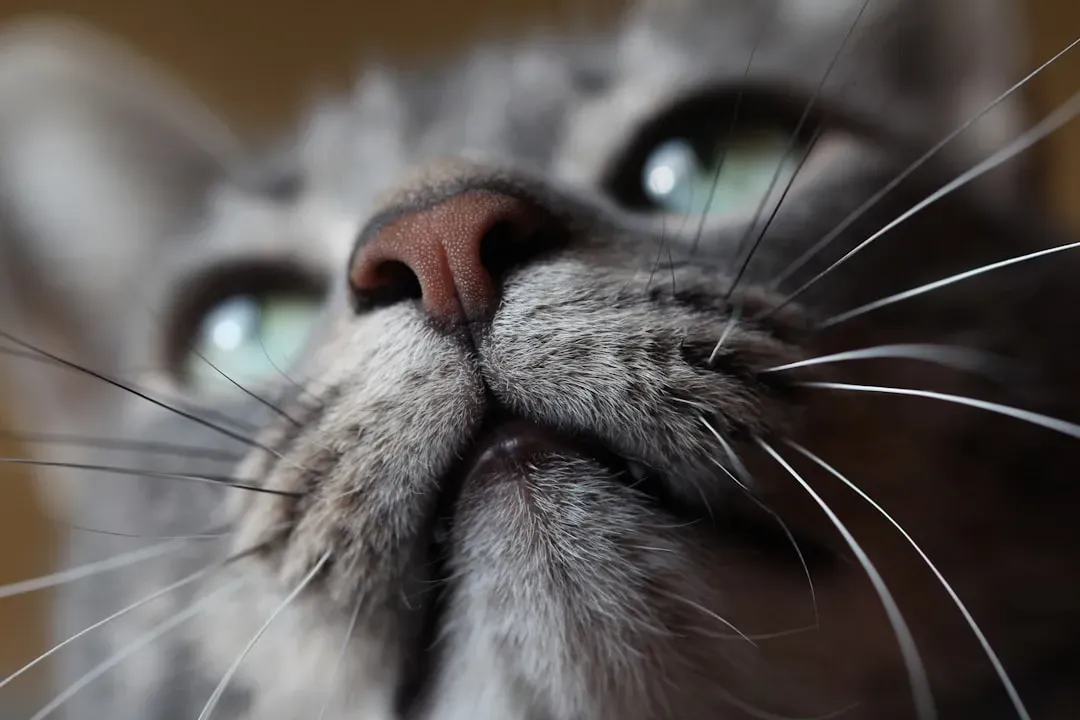
If your cat's whiskers suddenly flatten tight against their cheeks, that's not a relaxed cat - that's a cat actively bracing for a threat.
Whiskers pulled back tightly against the face signal fear or aggression, and when combined with a stiff body posture and wide eyes, it's a clear sign your cat feels genuinely threatened. This gets echoed across multiple behavior guides, which describe pinned-back whiskers as a marker of fear, aggression, or irritation.
Most people don't realize this signal usually shows up before the growl or hiss, not after. Catching it early - during a vet visit, a thunderstorm, or an unfamiliar guest - gives you a real chance to remove your cat from the situation before things escalate. Ignoring it because "they're not hissing yet" is one of the most common mistakes owners make, and it's often the exact reason scratches happen that seemed to come out of nowhere.
#5 - When Whiskers, Ears, and Tail All Point the Same Direction, Take It Seriously
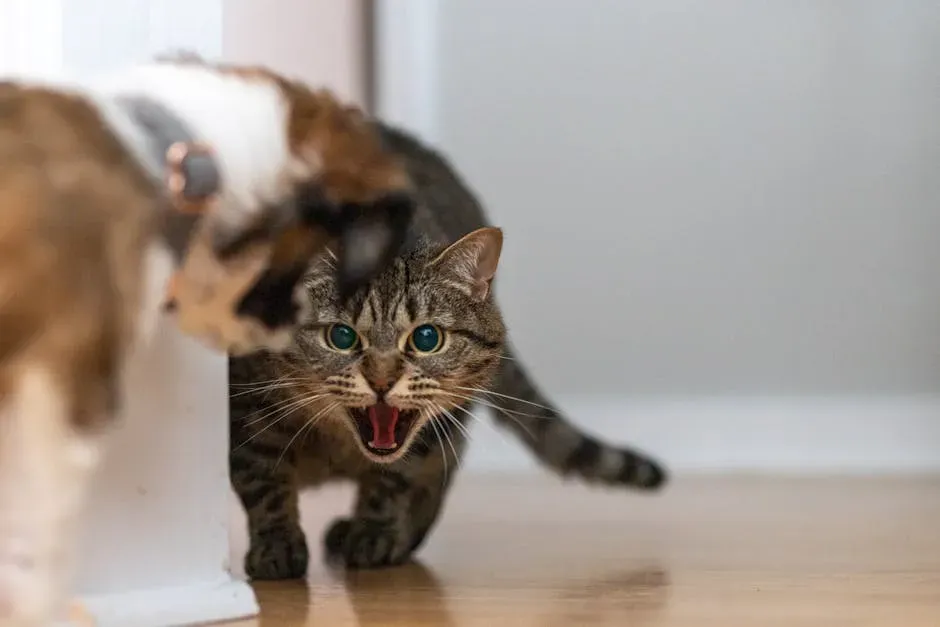
A single signal can be ambiguous. Three signals agreeing at once is not.
Behaviorists specifically flag the combination where a cat's whiskers point forward and slightly downward, paired with flattened ears and a puffed-up tail, as a clear sign of aggression - the cat feels threatened and may be preparing to defend itself. That's a moment to approach with real caution, not curiosity.
This is where most whisker-reading advice online fails owners - it treats whiskers as a standalone signal instead of part of a coordinated system. The truth is your cat's whiskers, ears, and tail are essentially one communication network firing together. Certified consultants explicitly recommend taking a beat to observe and trust a cat's full body language before acting on your own assumptions. Ignore the cluster and read only the whiskers, and you'll misjudge the situation constantly.
#6 - Whiskers Are Actually the First Hairs Your Cat Ever Grew
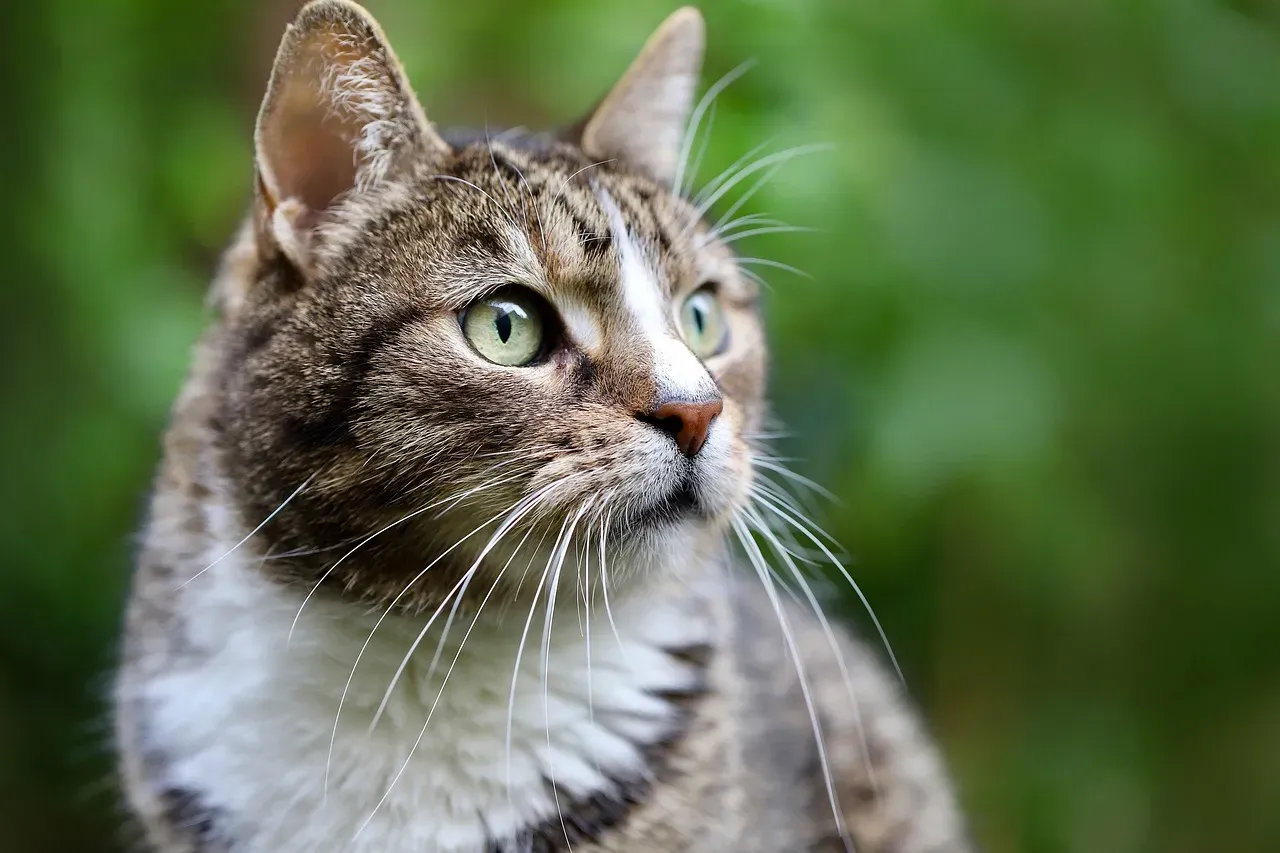
Long before your cat had fur, paws, or even open eyes, they had whiskers - and that timing isn't a coincidence.
Whiskers are so vital to a cat that they're the first hairs to develop in the womb, and they're longer and thicker than normal hairs, embedded three times deeper into the skin, where each follicle attaches directly to a nerve bundle. That's not decoration - that's priority biological infrastructure.
This is the fact almost nobody knows, and it changes how you should think about whiskers entirely. They're not styled hair; they're essentially external nerve endings, wired for survival from the very first days of life. The sensory receptor at the tip of each whisker sends vibrations and touch straight to the brain, meaning your cat is processing spatial data through their face constantly, even while sleeping.
Fast Facts
- Most cats average 24 whiskers total - 12 on each side of the face, arranged in four neat rows.
- Extra whiskers often grow above the eyes, on the chin, and on the backs of the front legs.
- Whisker follicles sit far deeper in the skin than ordinary fur, surrounded by nerves and blood vessels.
- Kittens are born with a full set of whiskers already in place, ready to use from day one.
#7 - Whiskers Work Like a Built-In Tape Measure for Tight Spaces
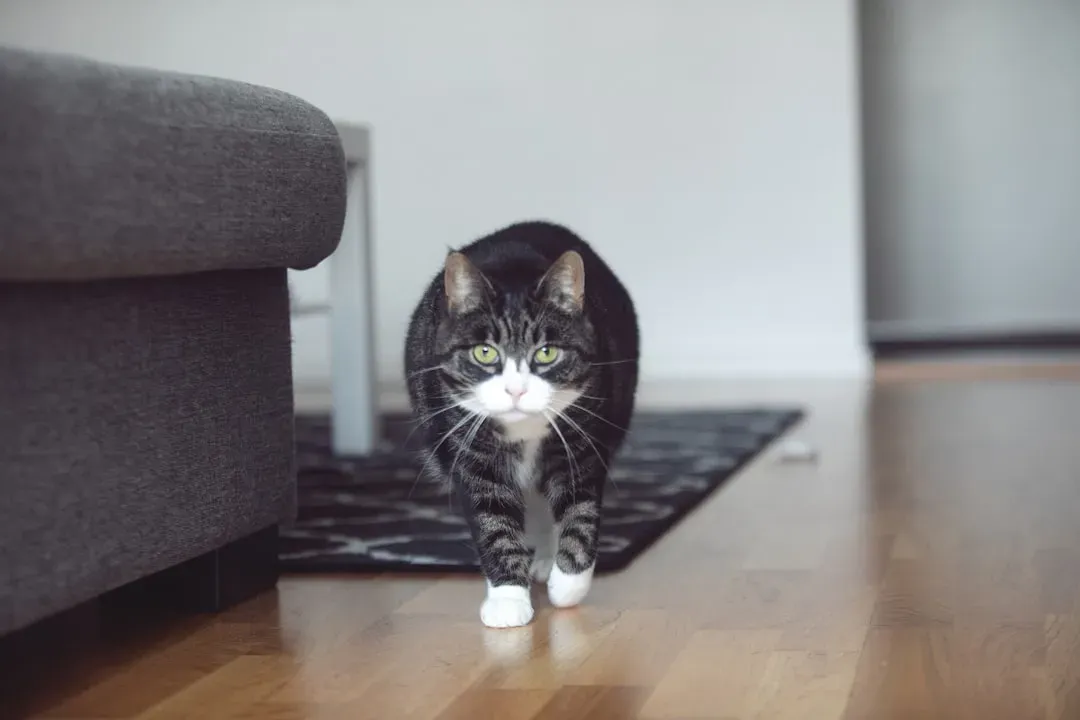
That moment your cat pauses before squeezing through a gap? That's not hesitation - that's active measurement happening in real time.
Whiskers are super-sensitive tactile organs capable of detecting the slightest movement, including air currents, transmitting complex information and acting as both a measuring device and an onboard GPS. Other sources describe the same function in simpler terms, calling whiskers little antennas that constantly send signals to the brain to help a cat navigate their world.
Most owners assume their cat "just knows" if they'll fit somewhere - they don't, they measure. The whisker span roughly mirrors the width of a cat's body, giving them a real-time gauge for gaps, boxes, and furniture spaces. This is why a cat can confidently squeeze through what looks like an impossible opening - they've already run the numbers using their face before ever committing their body.
#8 - Whiskers Detect Air Currents You'll Never Feel
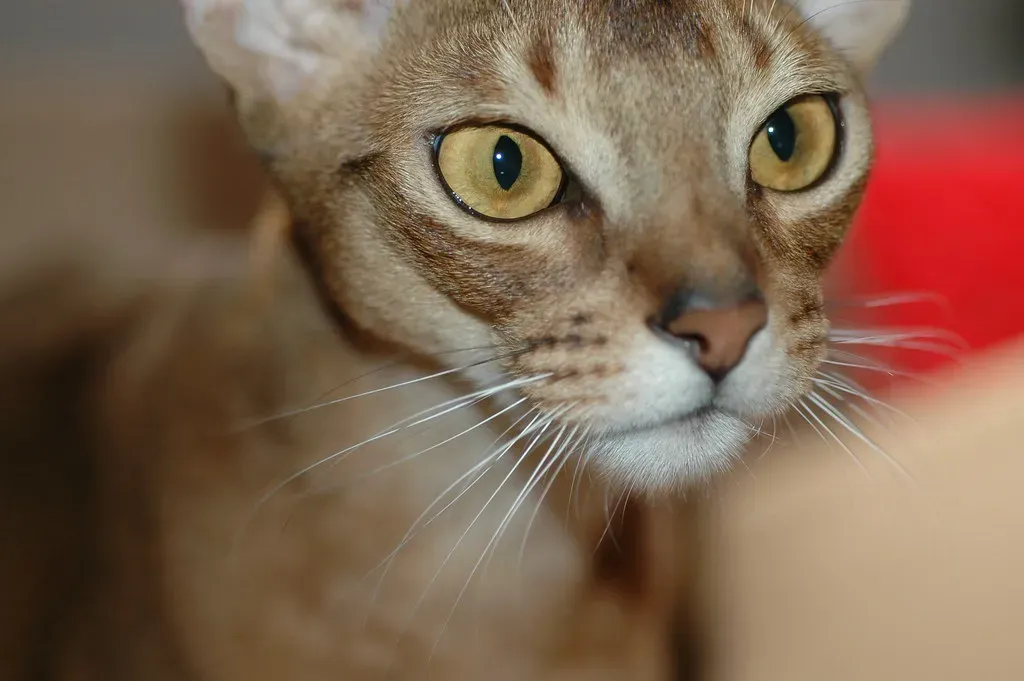
Cats can navigate a pitch-black room without smashing into furniture, and whiskers are the uncredited reason why.
Cat whiskers are sensitive enough to detect subtle changes in movement and pressure, helping cats find food and relate spatially to everything around them. Vets explain further that whiskers pick up the tightness of a space, changes in air currents while hunting, and help a cat keep its balance on four paws.
This is essentially echolocation without the sound. As air bounces off nearby objects, the whiskers pick up the disturbance and relay it straight to the brain, letting your cat build a mental map of a dark room almost instantly. It's part of why cats seem eerily graceful even in unfamiliar environments - they're not seeing the obstacle, they're feeling the air shift around it before they ever get close.
Worth Knowing
- Whisker follicles are so nerve-dense that vets often compare their sensitivity to a human fingertip.
- The whiskers above each eye can trigger a protective blink reflex if something brushes too close.
- Whisker input works alongside the inner ear to help cats stick tricky landings after a jump.
- A single whisker can pick up on subtle shifts in air movement from several feet away.
#9 - Trimming or Pulling Whiskers Isn't Just Mean - It's Genuinely Disorienting
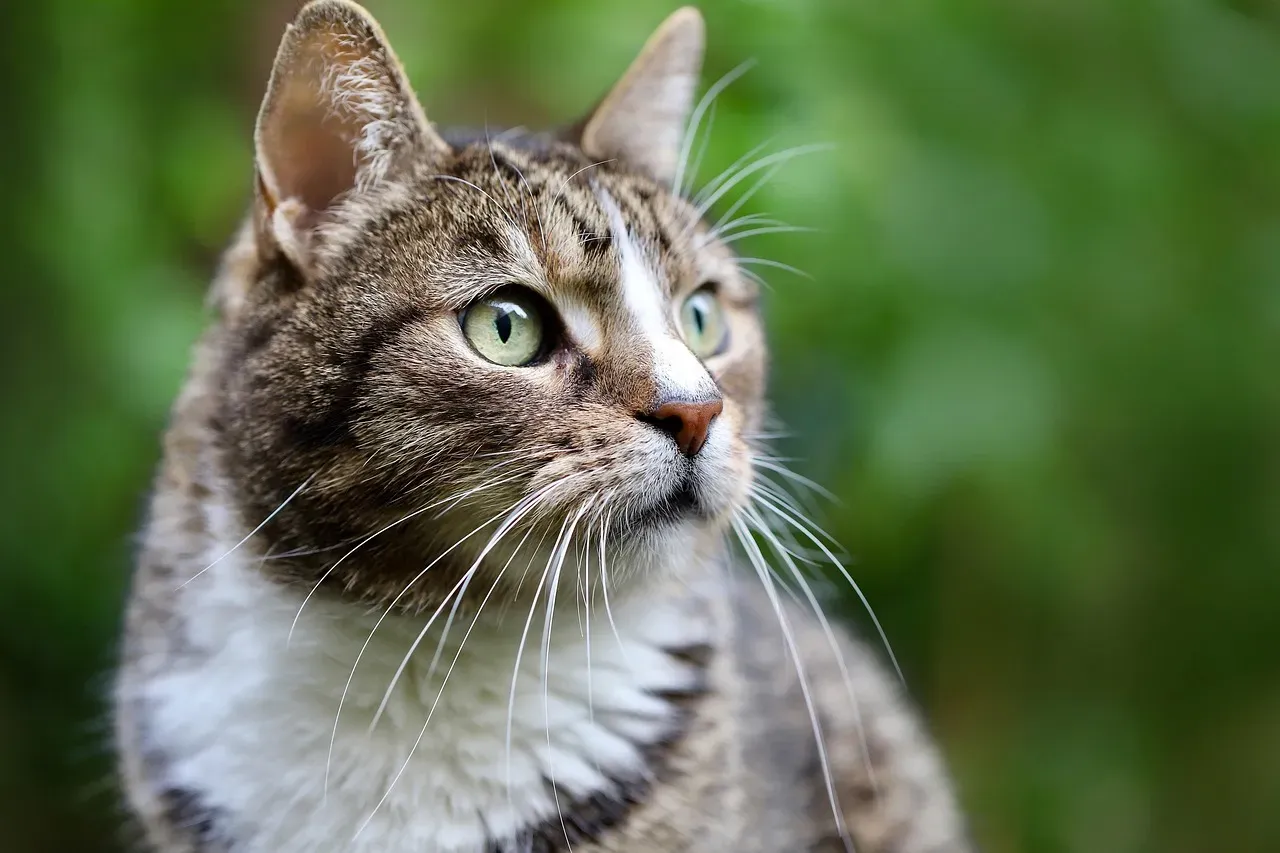
Some owners still think whisker trimming is harmless grooming. It's not, and vets are blunt about it.
Don't pull on a cat's whiskers either - that's like tugging on Superman's cape.
Fear Free
Given that each whisker follicle attaches to a nerve bundle, cutting or yanking them isn't a cosmetic change - it's an assault on a working sensory system.
Most people who trim whiskers do it thinking they're being helpful, not harmful - and that's exactly the problem. A cat with trimmed whiskers can become temporarily clumsy, overly cautious, or reluctant to move through spaces they normally navigate with ease, because their internal GPS just got scrambled. Here's a hot take worth saying out loud: whisker-trimming "for grooming" should be treated the same as clipping too far into a nail - an easily avoidable mistake with real consequences.
#10 - "Whisker Fatigue" Is Real Enough to Change How Some Cats Eat
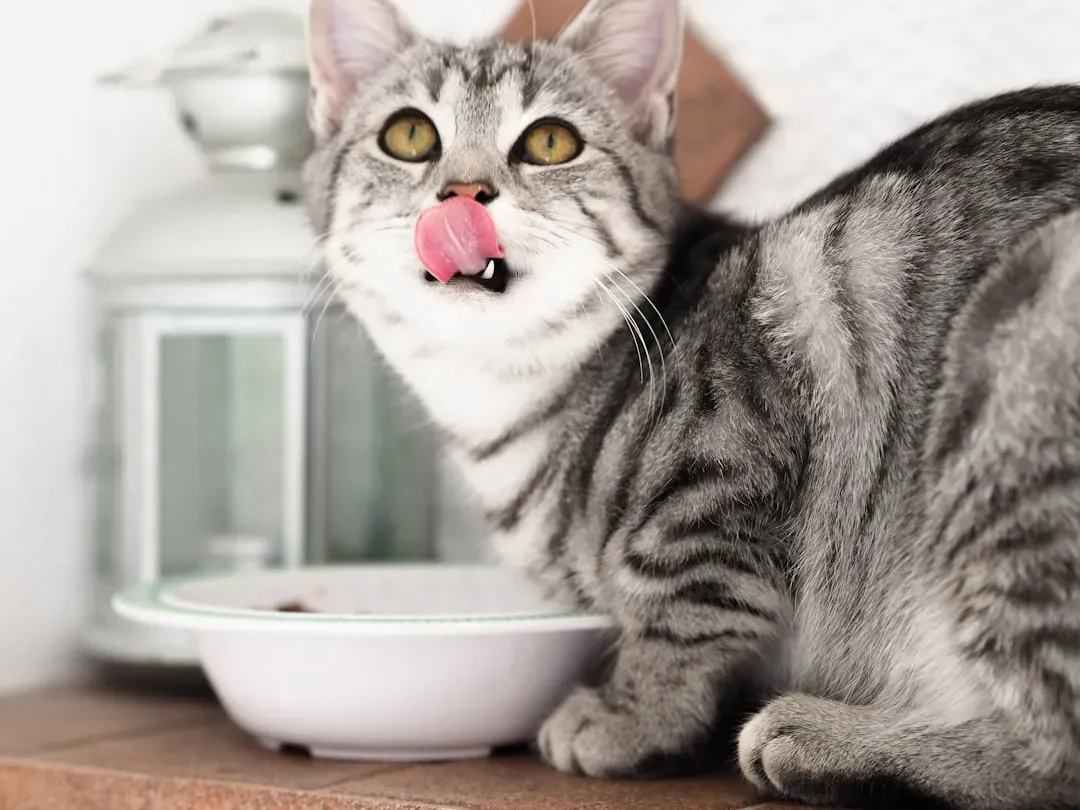
Your cat pacing near their bowl, pawing food onto the floor, or acting hungry but refusing to eat isn't always pickiness - it might be sensory overload.
Whisker fatigue refers to possible stress caused by overstimulation of a cat's whiskers, though it's not officially classified as a disease, and its existence is still debated in the veterinary community. The theory centers on deep bowls: everyday objects may overstimulate the nerves within whiskers, leading to stress and discomfort, with narrow, deep food or water bowls as the most common culprit.
Here's the controversial part almost nobody agrees on. A 2020 study comparing cats fed from whisker-friendly bowls versus regular bowls found no measurable difference in eating time, amount of food eaten, or food dropped between the two groups - yet the same study noted that some cats clearly preferred the whisker-friendly bowls anyway. Translation: it's not universal, but dismissing it for every cat is just as wrong as assuming every fussy eater has it.
Quick Compare
- Deep, narrow bowls: whiskers brush the sides with every bite, which some cats find stressful over time.
- Wide, shallow bowls: whiskers stay clear of the rim, letting cats eat without constant contact.
- Curved ceramic dishes: often split the difference, but still crowd whiskers if food is piled high.
- Flat plates or trays: the go-to fix vets suggest trying first when whisker fatigue is suspected.
#11 - Cramped Living Spaces Can Trigger the Same Overstimulation as a Bad Food Bowl
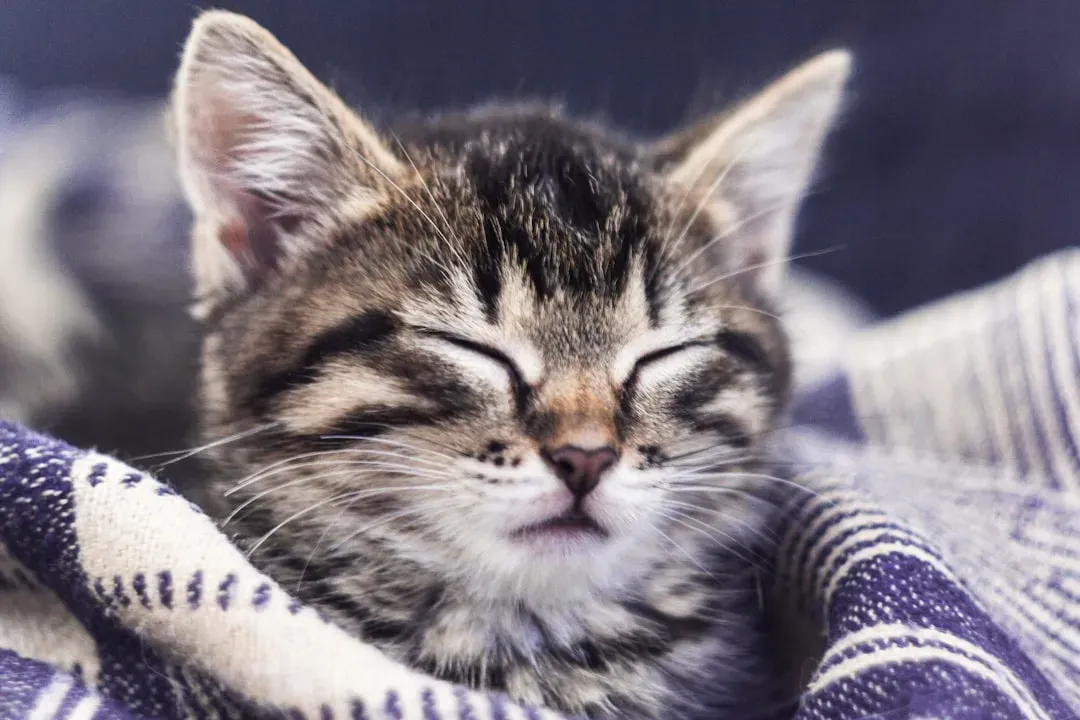
It's not just bowls. Clutter and tight quarters can hit whiskers just as hard.
Whisker fatigue isn't only about dish size - it can also be triggered by overly cramped living spaces or overly stimulating environments in general. Other clinics agree, listing narrow or deep food bowls and squeezing into tight spaces where whiskers make constant contact with surroundings as common triggers.
Most apartment cat owners never connect restlessness to their tiny living room layout. If your cat seems more irritable in cramped conditions, rearranging furniture to open up pathways isn't just about exercise space - it may genuinely reduce constant whisker contact with edges, corners, and narrow gaps. Vets recommend switching to wide, shallow bowls so a cat can eat and drink without their whiskers constantly brushing the sides, cutting down on sensory stress during mealtime.
#12 - Reading Whiskers Alone, Without Context, Leads to Constant Misreads
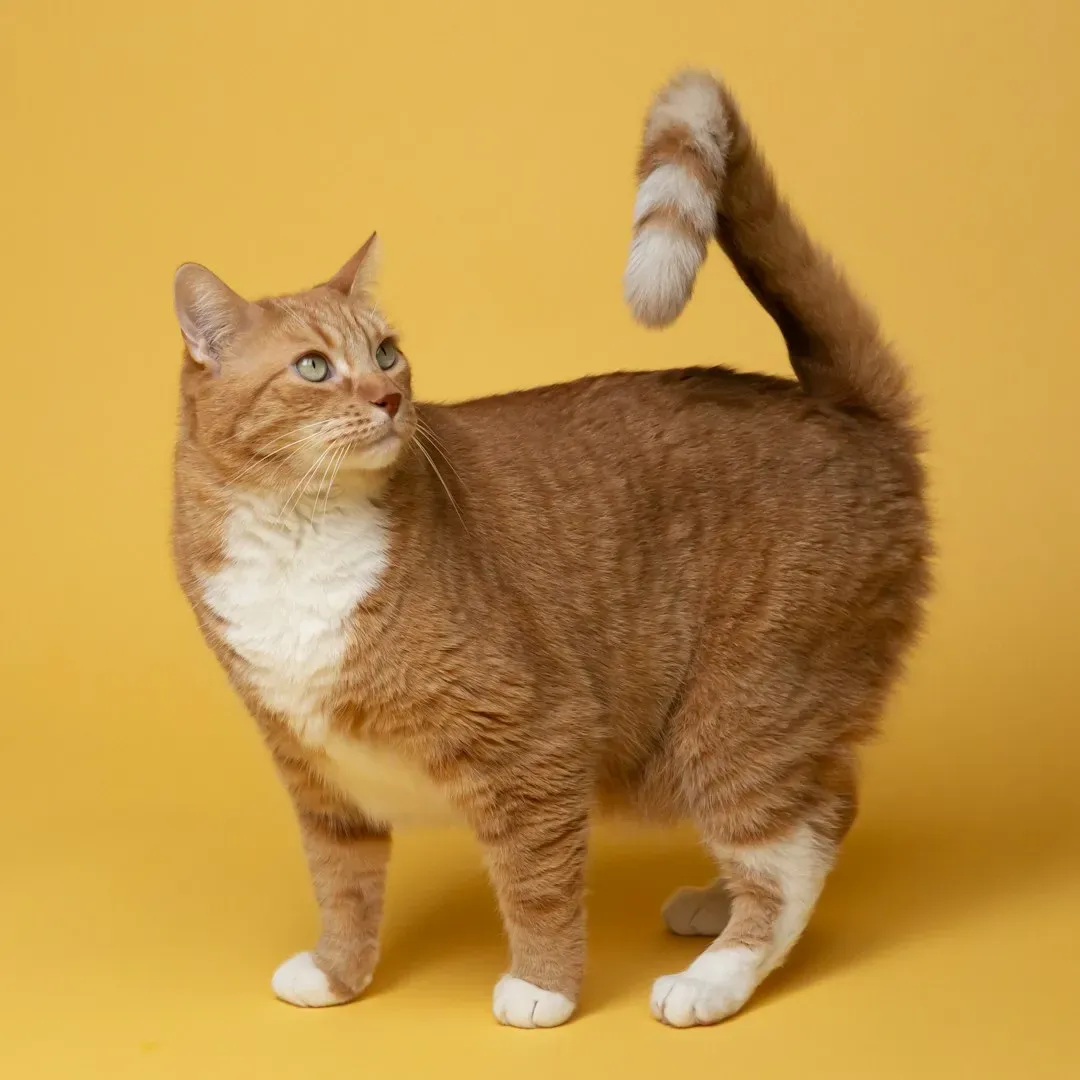
Here's an uncomfortable truth: focusing only on whiskers will get you the wrong answer more often than you'd think.
Feline communication experts are consistent on this point - the whiskers are just one piece of a bigger command center made up of the eyes, ears, and whiskers working together. Guides that break down body language separately still stress checking multiple signals at once, since forward ears indicate curiosity while flattened ears signal fear, anger, or irritation - meaning whiskers and ears can seem to contradict each other if you only glance quickly.
This is the opinion that ruffles feathers in cat forums: the whisker-only interpretation charts that circulate on social media oversimplify a genuinely complex signaling system. A cat's forward whiskers paired with dilated pupils and a lashing tail mean something entirely different from forward whiskers paired with a relaxed, loose body. Context isn't optional here - it's the whole game.
#13 - Normal Whisker Shedding Gets Mistaken for a Health Emergency Constantly
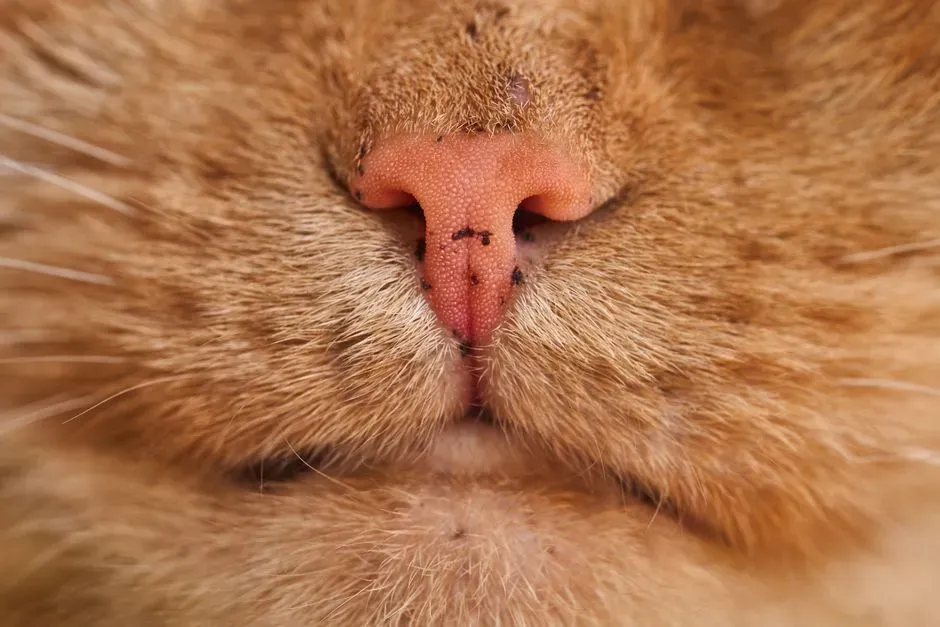
Finding a stray whisker on the couch sends some owners into a panic - but it's usually nothing.
Whiskers, like any hair, naturally fall out and regrow over time as part of a normal cycle. What actually matters is the rate of loss, not the occasional single whisker. Since these specialized hairs are deeply embedded in tissue rich with nerve endings and blood vessels, sudden clumps of whisker loss - as opposed to the odd single hair - is what should actually prompt a vet visit.
Most owners overreact to the wrong signal here. One whisker on the floor is background noise. A pattern of multiple whiskers falling out at once, especially alongside skin irritation or behavior changes, is the real red flag. Knowing the difference saves unnecessary panic and helps you catch genuine problems faster when they do actually appear.
At a Glance
- Normal: one whisker turning up on the floor or in the carpet every so often.
- Normal: a shed whisker regrowing gradually over the following weeks.
- Not normal: several whiskers falling out at once or in a short window.
- Not normal: whisker loss paired with skin irritation, bald patches, or sudden behavior changes.
#14 - No Two Cats "Speak" Whisker the Exact Same Way
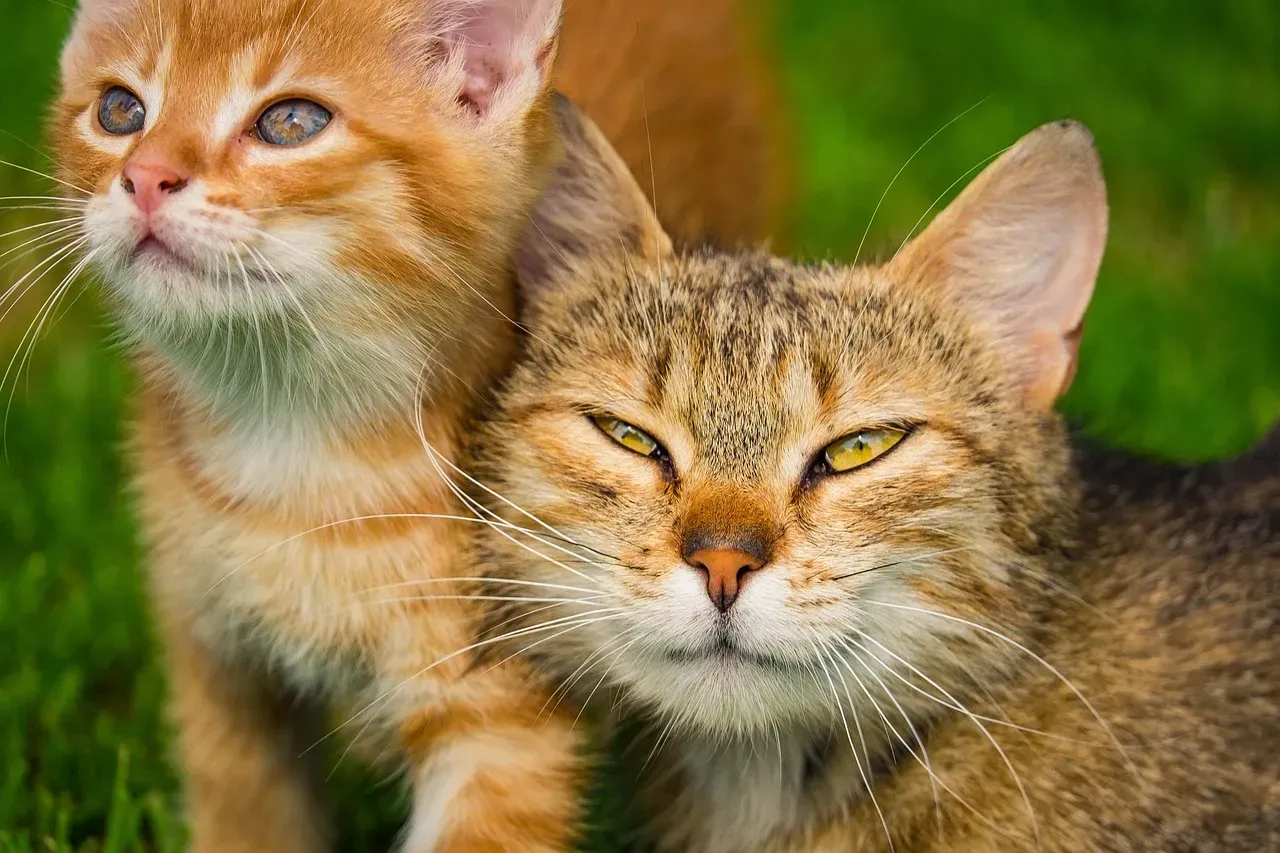
After thirteen signals, here's the twist that undercuts every generic chart you've ever seen: your specific cat may not follow the script perfectly.
Even the most detailed breakdowns acknowledge this directly - each cat is unique, and their whisker language can vary from animal to animal. The whole point of learning these signals isn't memorizing a rigid rulebook; it's building a personalized understanding, because observing subtle changes in position and movement gives owners insight into their pet's actual feelings and needs, strengthening the bond in the process.
This is the signal almost every owner misses entirely, and it's arguably the most important one on this list. Treating every cat like a textbook diagram is exactly why so many subtle warning signs get missed until a scratch or bite "comes out of nowhere." Spend real time watching your specific cat's whiskers during meals, play, vet visits, and naps - that personal baseline will tell you more than any generic chart ever could.
The Bottom Line
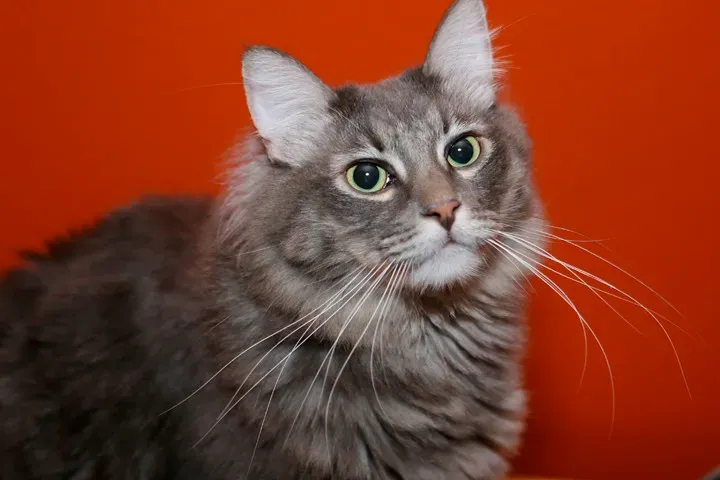
Whiskers are not decoration - they're a real-time readout of exactly what's going on inside your cat's head, and most owners are only catching a fraction of the signal. From forward-pointing curiosity to pulled-back fear, from genuine sensory overload at narrow bowls to the simple truth that every cat's "language" is slightly different, the pattern here is clear: context and observation beat any generic chart, every time.
My honest take? Whisker fatigue and cramped-space stress being "debated" by vets doesn't mean they're fake - it means the research hasn't caught up to what a lot of owners already notice at home. Dismissing those signals outright ignores cats who are clearly reacting to something real. Pay closer attention this week, and you'll probably catch a signal you've been missing for years. Which one of these surprised you the most? Drop it in the comments.