Why Your Cat Headbutts You Every Single Morning
Ever wonder why your cat treats your face like a bowling pin at 6 a.m., every single day, without fail? Most owners chalk it up to a random quirk - some weird feline glitch that just happens to strike right before the food bowl gets filled. Turns out, that's not even close to the truth.
Veterinarians and animal behaviorists say there's a far more calculated science behind that morning bonk, one built on scent glands, social hierarchy, and a communication system you can't even smell. That "headbutt" you've been half-annoyed by for years? It isn't a headbutt at all - and once you know what it actually is, you'll never look at 6 a.m. the same way again.
#1 - It's Not Actually a "Headbutt" At All
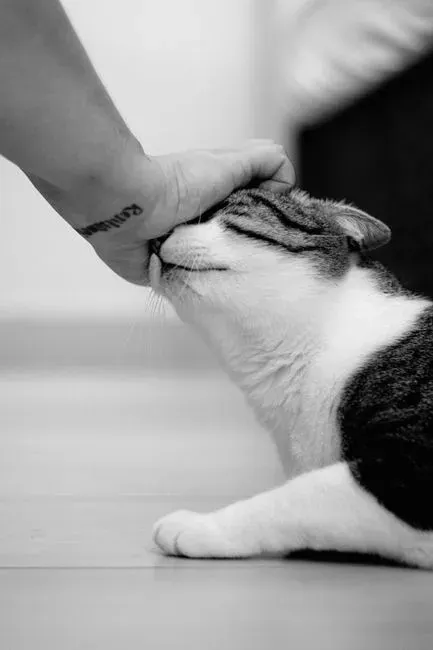
Most people call it a headbutt, but that word is doing a lot of misleading work.
Behaviorists have a completely different name for it, and once you know it, you'll never call it a headbutt again. When a cat presses its head into you, it's almost always a behavior called "bunting" - the cat's way of saying it likes you and wants to leave its scent behind. It sounds clinical, but the implications are anything but cold.
The surprising part? Bunting is one of the most affectionate things a cat can do, so if you're on the receiving end, take it as a genuine compliment. This isn't your cat being pushy or demanding in a negative sense - it's the closest thing a cat has to a hug. So next time your cat cracks its skull against your chin at dawn, know that science already renamed the moment into something a lot sweeter than it feels.
#2 - Your Cat Has Secret Scent Glands You've Never Noticed
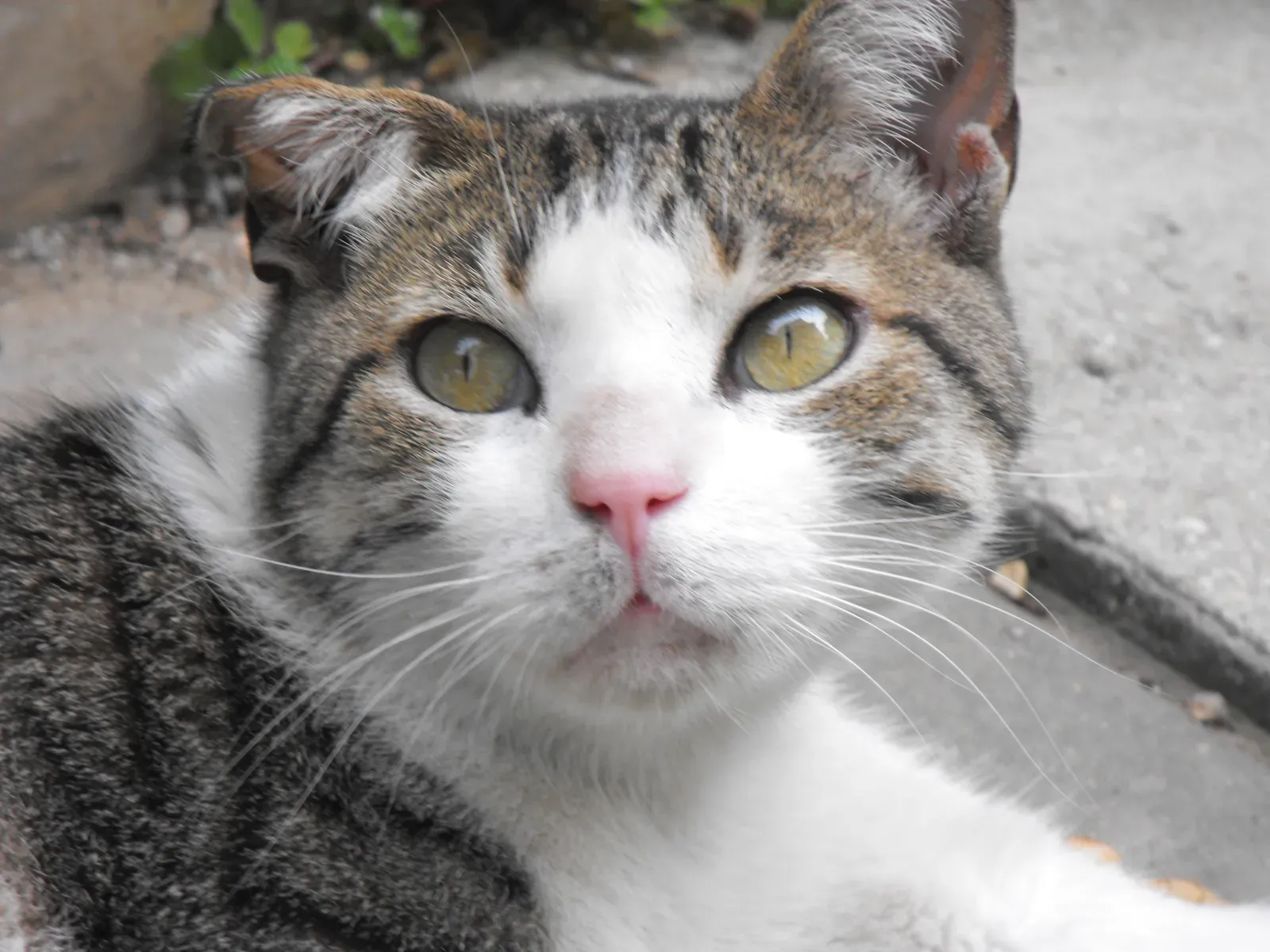
Here's the part that sounds like science fiction: your cat is essentially a walking perfume dispenser, and you're the target.
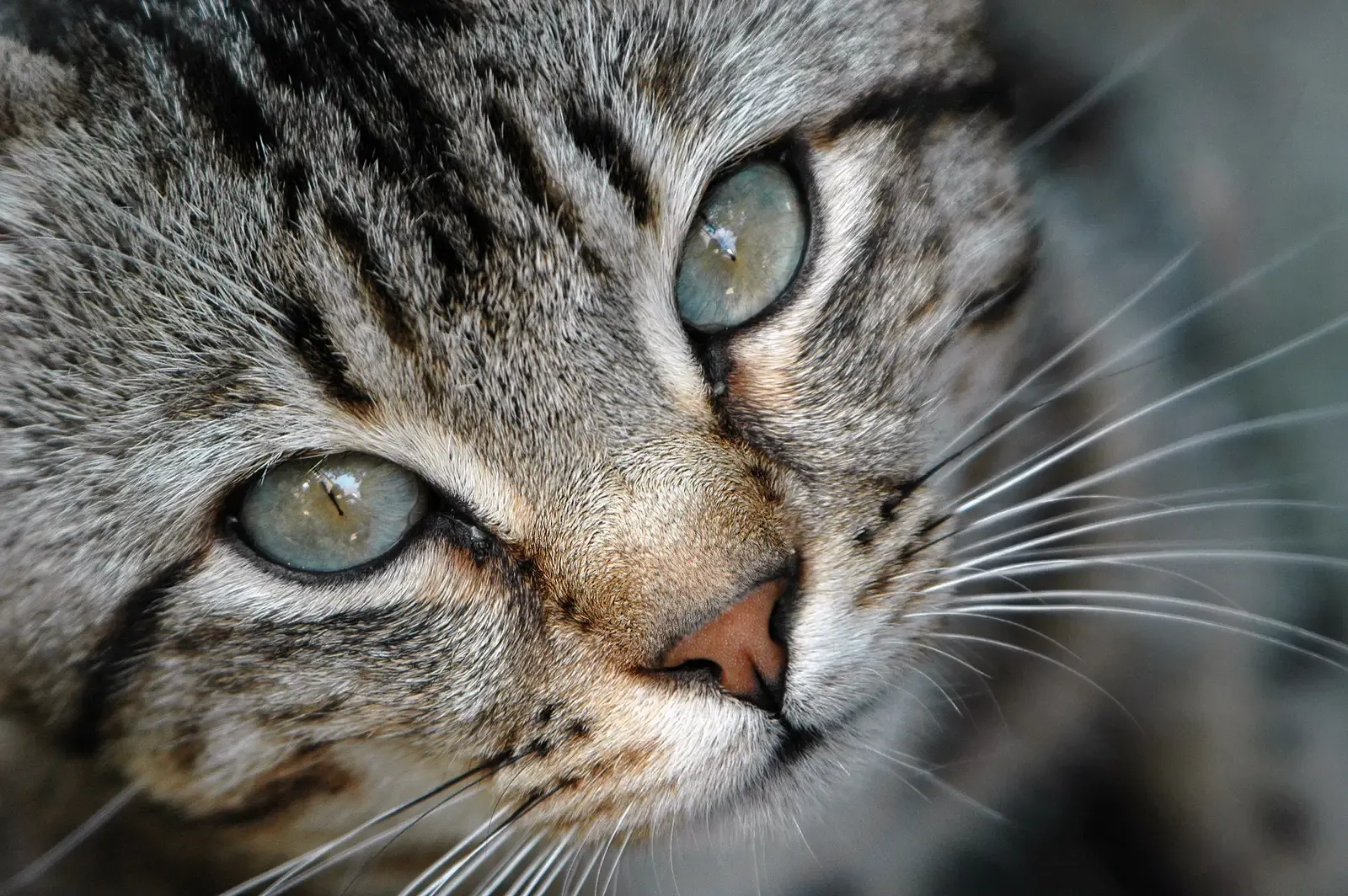
Cats carry specialized scent glands in very specific spots on their head - temporal glands on the temples and forehead, cheek glands at the corners of the mouth, pinna glands between the ears, and submandibular glands beneath the chin. None of it is random. Every one of those glands is a delivery point for a message.
Cats have special scent glands on their head, cheeks, and chin.
Dr. Shannon Barrett, veterinarian
Most owners have no idea this system even exists. The glands used specifically for bunting sit between a cat's eyes and ears, producing a fatty, pheromone-loaded substance the cat transfers from itself onto people, objects, and other animals. That faint oily patch you sometimes feel on your cat's forehead isn't dirt - it's literally the delivery mechanism for a chemical message you'll never consciously detect.
#3 - Mornings Are Prime Time for a Reason
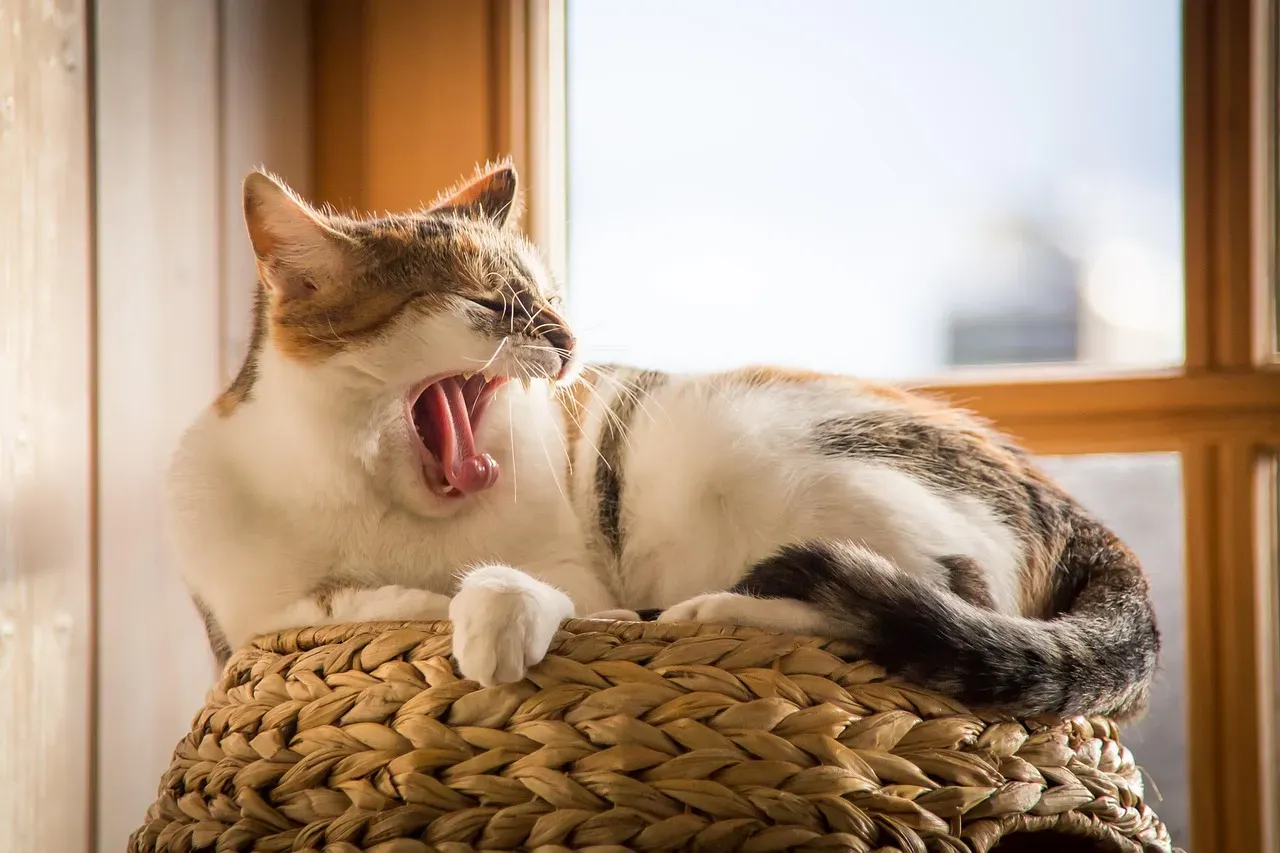
It's not a coincidence that the bunting always happens right when you open your eyes.
Nighttime, for a cat, isn't the empty void it is for you. Cats aren't actually nocturnal, but they're often active after dark, and they genuinely enjoy the quiet that comes with a house full of sleeping humans. By sunrise, they've clocked hours of solo patrol duty with nobody around to report back to.
Fast Facts
- Cats typically sleep 12 to 16 hours a day, usually in short stretches rather than one long block.
- Most domestic cats are crepuscular, meaning they're naturally most active around dawn and dusk.
- A cat left alone overnight often patrols the same rooms repeatedly, checking windows, doors, and food areas.
- By sunrise, your cat has typically been "on duty" for hours before you even open your eyes.
That's when the real waiting game ends. Some cats amuse themselves at night by wandering the house, others just stare out the window - but by the time you wake up, your cat is fully ready for interaction. It isn't headbutting you out of nowhere; it's been pacing the hallway of its own boredom for hours, and you're the first scheduled event of its day. Morning routines, meal prep, and bedtime are exactly when cats bunt the most, simply because that's when you're most predictable.
#4 - It's a Shockingly Vulnerable Move
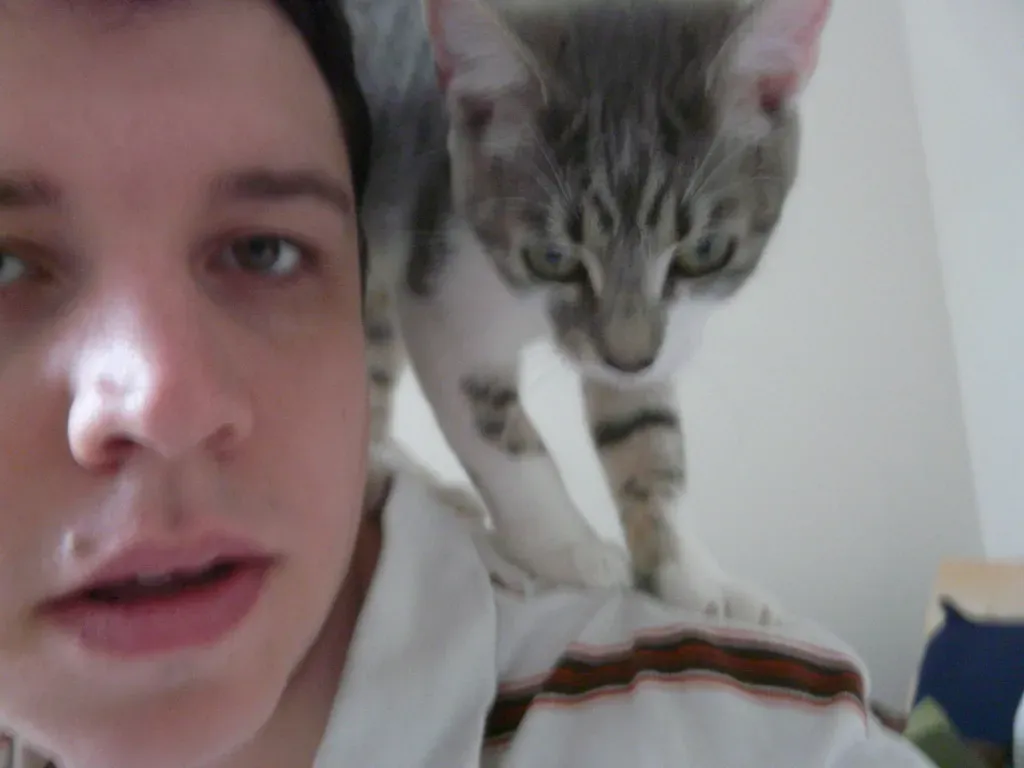
Here's where most people get it backwards - they assume a headbutt is bold, even a little aggressive. Experts say the opposite is true.
It's actually a highly vulnerable move, because your cat wants your attention badly enough to risk it. Think about it from a predator-prey standpoint: a cat pressing its face directly into yours, eyes half-closed, is exposing the most sensitive part of its body without hesitation.
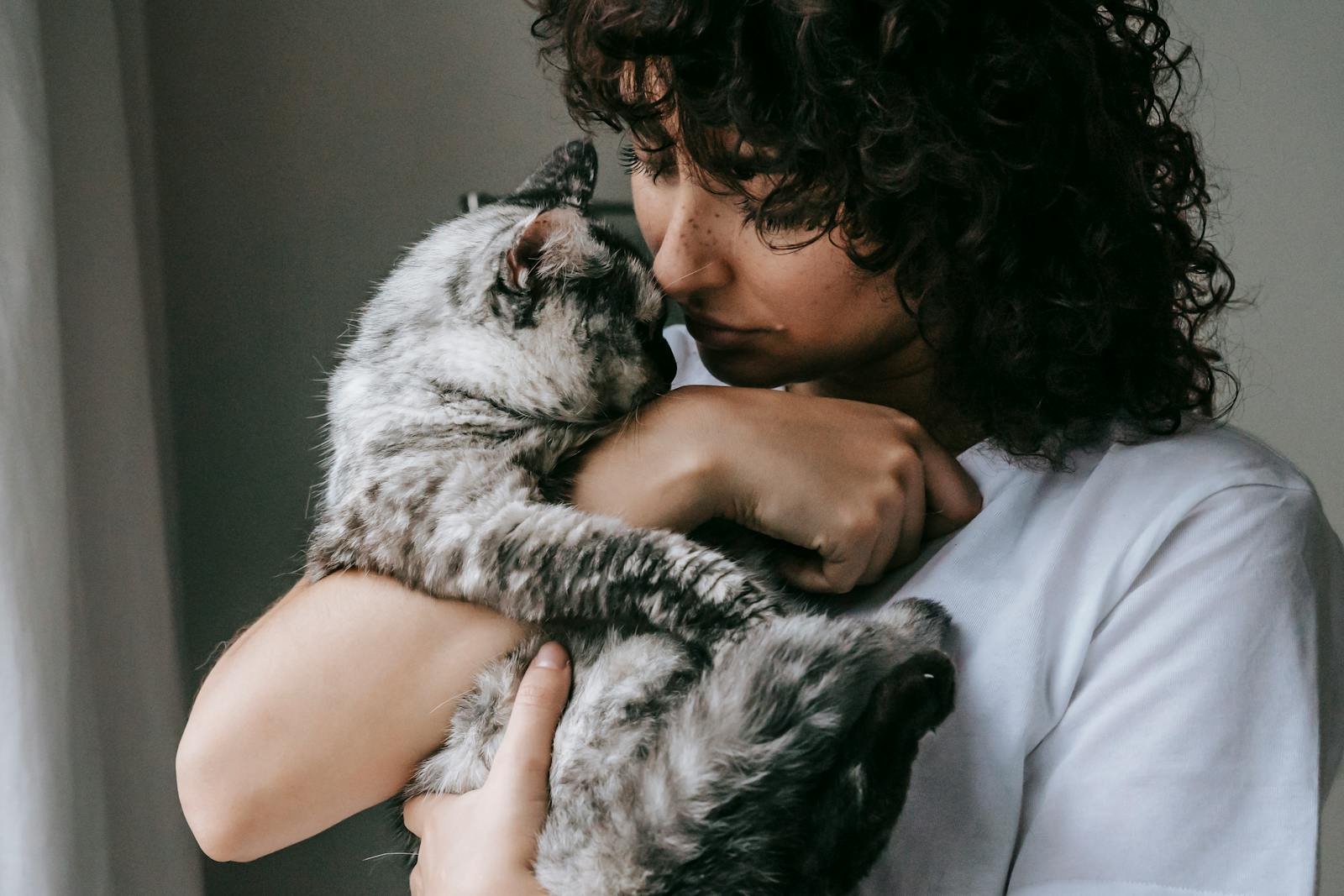
That's the twist nobody talks about. Bunting is a comforting, trusting behavior - it means your cat feels safe, relaxed, and genuinely connected to you. A cat that didn't feel secure around you wouldn't get anywhere near your face, let alone press against it repeatedly . Some experts argue this one behavior tells you more about your relationship with your cat than any purring session ever could - it's a quiet, daily vote of confidence.
#5 - You've Officially Been Marked as "Family"
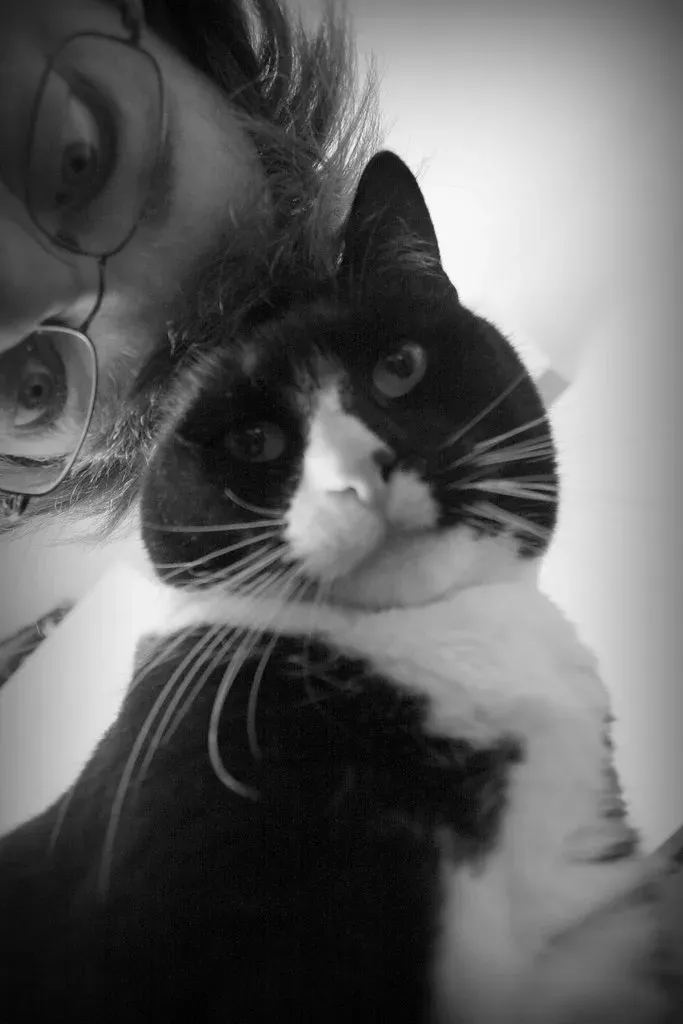
Your cat isn't just being affectionate for affection's sake - it's actively rewriting your scent profile.
When your cat headbutts you, it's rubbing pheromones onto you straight from the glands just in front of its ears. Humans can't detect any of it, but to a cat, you can officially consider yourself marked. Every morning bonk is a re-application of an invisible ID badge only other cats can read.
Here's the part that reframes the whole behavior: those pheromones tell other cats that this particular human already belongs to somebody. You're not just a food source in your cat's mind - you're walking around coated in evidence that you're part of its territory and its inner circle. That daily headbutt is your cat renewing your membership card to its social group, whether you asked for it or not.
#6 - Sometimes It's a Not-So-Subtle Demand
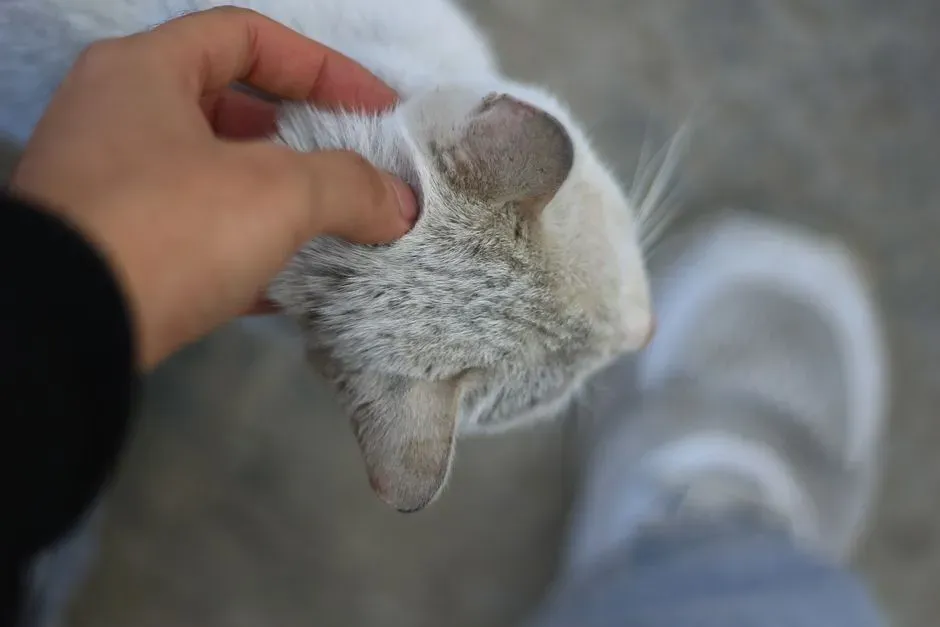
Not every morning bonk is pure sentiment. Some of it is straight-up manipulation, and cats know exactly what they're doing.
If you get bunted while you're mid-task, your cat might be angling for playtime, food, or attention - some cats will even headbutt your phone to remind you they exist. That's not affection getting lost in translation. That's a targeted interruption.
The most controversial part of this behavior is how calculated it can be. Cats are smart enough to notice that bunting works - if it results in pets or food, they'll use it as a tool to redirect you from whatever's stealing your focus. Plenty of owners swear their cat only bunts them when hungry, and behaviorists back that suspicion up. If your cat only headbutts you seconds before mealtime, don't assume it's purely emotional. Some mornings, it's just a very well-timed alarm clock with fur.
#7 - The Dominance Debate Nobody Agrees On
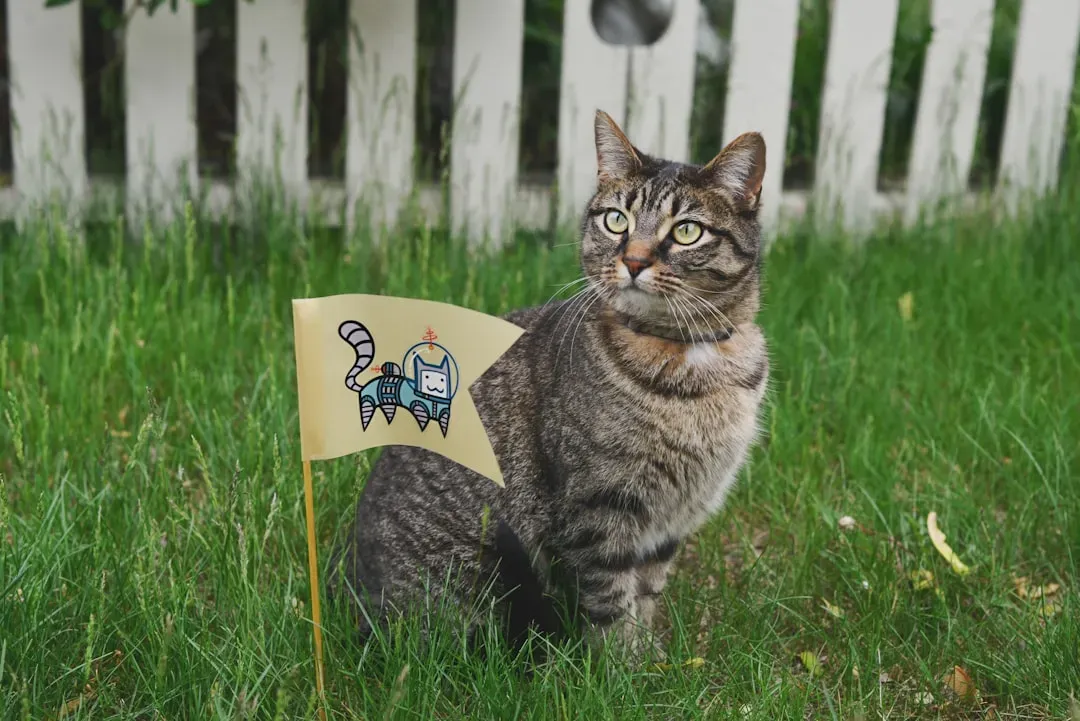
This is where cat experts genuinely clash, and it's worth knowing both sides before you decide your cat is simply "in love" with you every morning.
Bunting is rarely an act of submission - some behaviorists argue it's actually initiated by the more confident cat in a household to spread a shared "colony scent" and reinforce group cohesion. Framed that way, the morning ritual starts to look less like pure affection and more like a subtle assertion of hierarchy.
Quick Compare
- Ownership theory: Bunting marks you as territory, much like rubbing against furniture or a doorframe.
- Bonding theory: Bunting builds a shared "colony scent" that reinforces closeness rather than claiming ownership.
- Where they agree: Both camps say the behavior is started by confident, secure cats, not anxious ones.
- Where they clash: Whether the scent transfer is about possession or purely about connection.
That's a stance plenty of cat lovers push back on hard. One camp insists the pheromone release is your cat showing ownership over you, the same way it would rub against furniture to mark territory. The other camp argues that framing is outdated and oversimplified, and that a bunting cat isn't "claiming" you at all. Two camps of experts, one daily behavior, zero consensus - which is exactly why this debate keeps resurfacing in cat forums every week.
#8 - There's a Dangerous Look-Alike Behavior
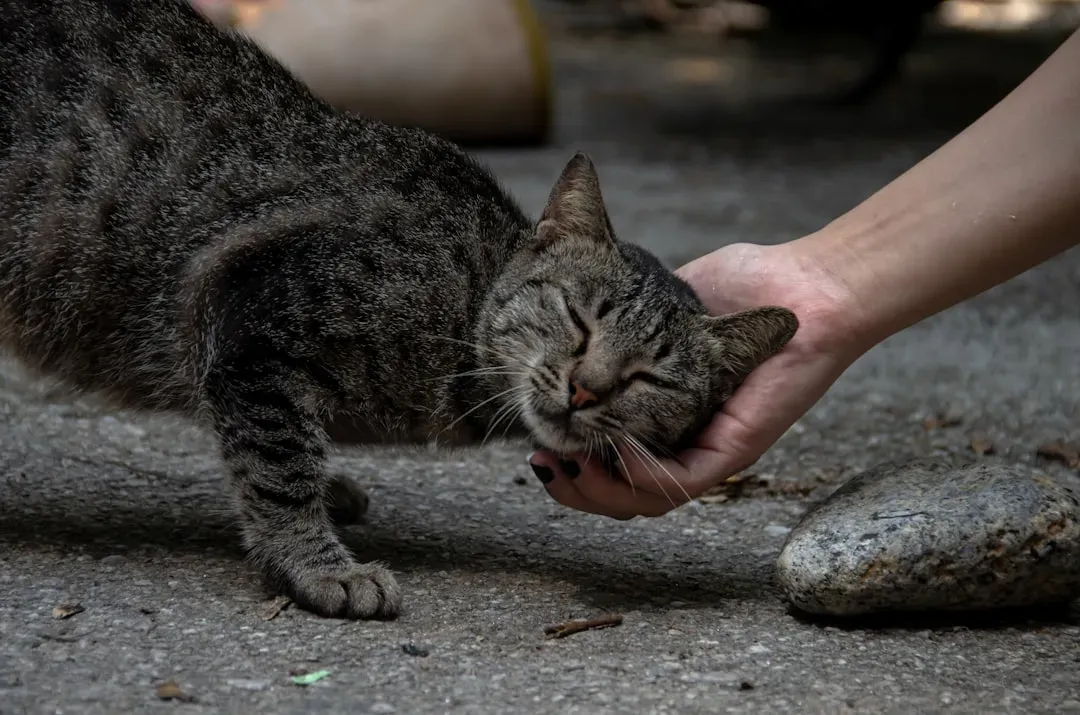
This is the part every cat owner needs to actually memorize, because confusing it could mean missing a real medical emergency.
If you ever see your cat pressing its head against a rigid surface - a wall, a table leg - and holding it there, get to a vet immediately. Normal bunting is a quick press-and-release. It only becomes cause for concern when your cat keeps its head jammed against an inanimate object and won't stop.
Most people don't realize how different these two behaviors actually look side by side. Watch for other warning signs alongside it too - seizures, vision changes, compulsive behavior, or disorientation. A normal morning bunt is fast, warm, and interactive. Head pressing is slow, sustained, and disturbingly blank, and it can point to real neurological damage. Knowing the difference isn't optional trivia - it could be the one fact that gets your cat to a vet in time.
#9 - Not Every Cat Does This, and That's Completely Normal
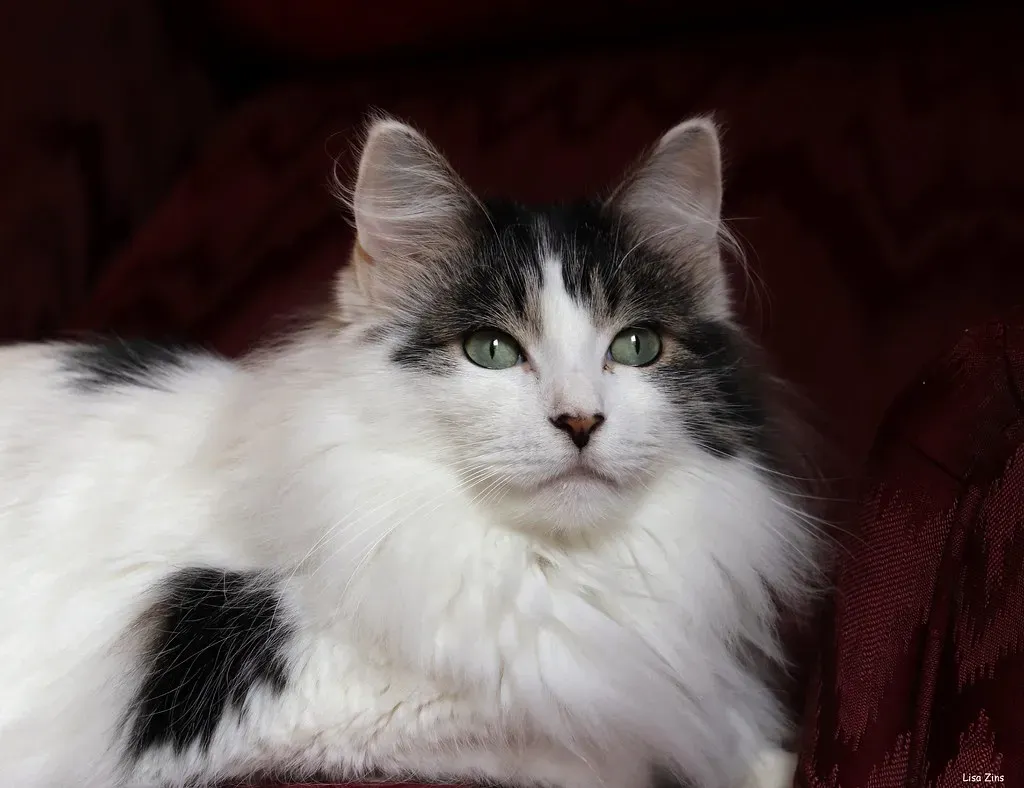
If your cat has never once headbutted you, don't panic. You haven't done anything wrong, and your cat isn't secretly cold toward you.
Not all cats bunt, and that's perfectly normal. Personality plays a massive role here - some cats express affection through entirely different channels, like slow blinks or claiming your lap the second you sit down.
This is one of the more reassuring truths in feline behavior circles. A lack of bunting isn't automatically a red flag; some cats are simply more inclined toward it than others. If you've just adopted your cat or moved somewhere new, it may take time for bunting to show up at all - but as long as your cat seems relaxed and comfortable around you, the absence of headbutts just means you've got a different kind of affectionate cat, not a distant one.
#10 - Bunting Has Cousins You've Probably Confused It With
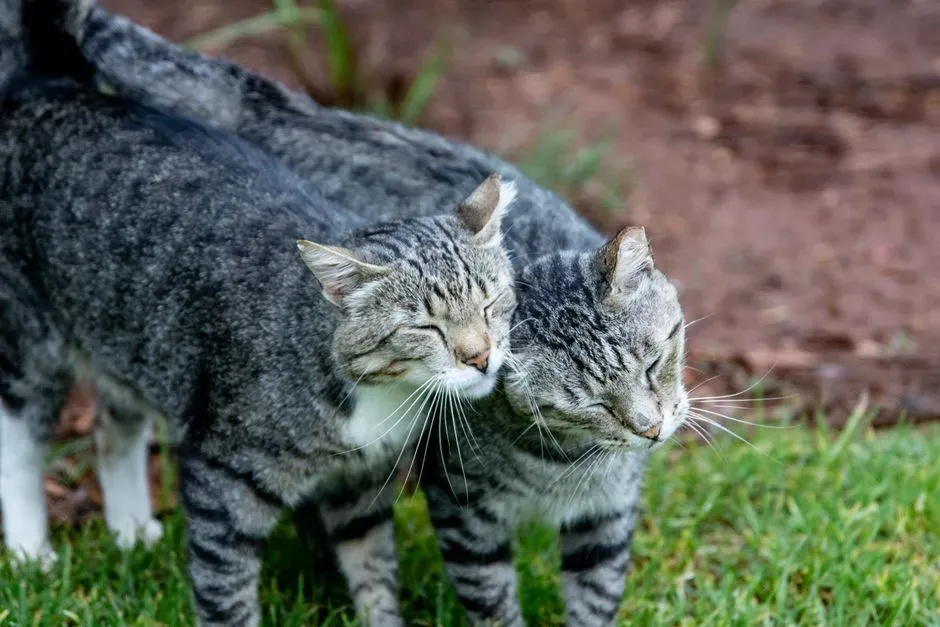
Your cat has an entire vocabulary of face-related affection, and the morning headbutt is just one dialect in a much bigger language.
Bunting, nuzzling, and head pressing all look similar but carry different intent. Nuzzling is softer - your cat rubs its face against you slowly and gently, almost like cat-sized snuggling, and it's used to express love, mark territory, or simply say hello.
Here's a detail most owners have never connected before: bonded cats living together will sit close, wrap tails around each other, groom each other, and - most importantly - end up smelling like each other. Bunting, along with a behavior called "allorubbing," is how they pull that off. Your morning headbutt is technically the exact same social mechanism cats use to bond with each other. You've simply been folded into feline sibling dynamics without ever realizing it.
#11 - Science Actually Measured This Behavior's Impact
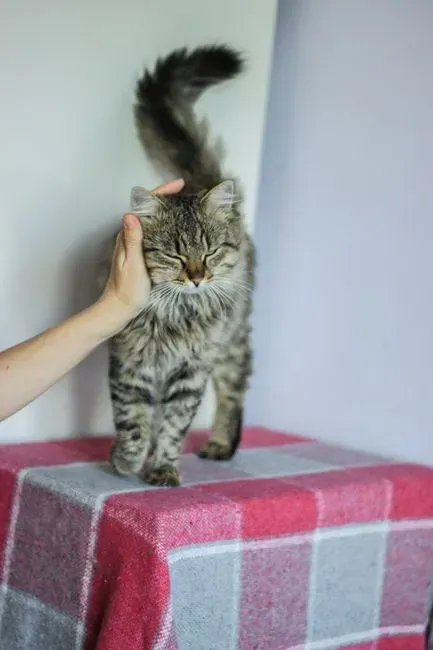
This isn't just anecdotal cat-lady folklore - there's real research behind why rubbing behavior matters more than people assume.
One study found that shelter cats who frequently rubbed against people were adopted more quickly than cats who didn't. That single data point reframes the entire behavior: it's not just cute, it's a measurable social signal that changes real-world outcomes for actual cats sitting in actual shelters.
Worth Knowing
- Shelter cats that rub against cage bars and visitors' hands tend to get noticed first by potential adopters.
- Rubbing behavior is often read by shelter staff as an early sign of sociability and adoptability.
- The same scent-marking instinct behind faster shelter adoptions is what's happening every morning at home.
- A cat that bunts strangers as readily as family may simply be more socially confident overall.
Most people have never heard this, and it's genuinely surprising once it clicks. Shelter workers already know it instinctively - the cats that rub against cage bars and volunteers' hands tend to get noticed first, picked up first, and adopted first. Your morning bonk isn't just habit. It's the same social currency that quite literally gets cats out of shelters and into homes.
#12 - How You Respond Actually Changes the Relationship
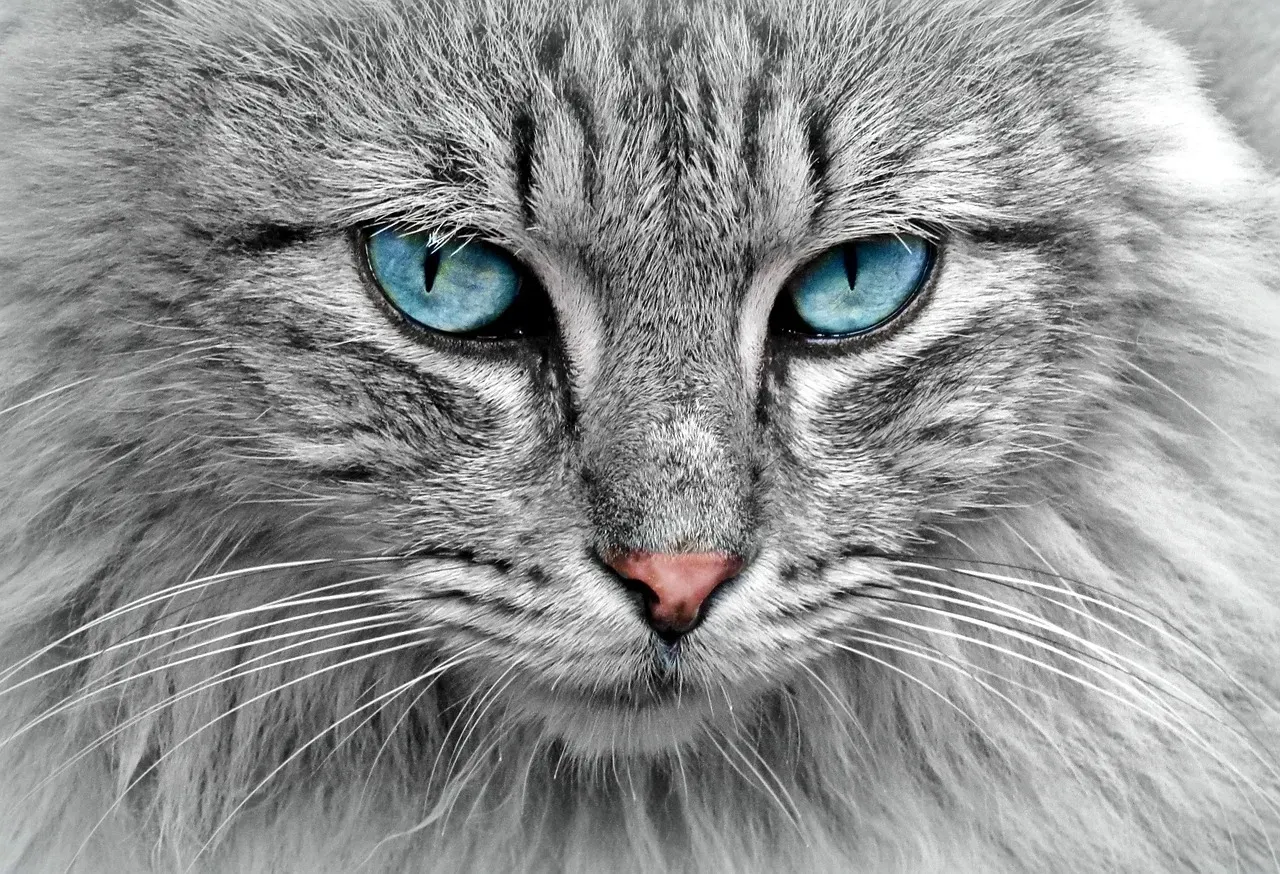
This is the most important one, because how you react to the morning bunt can either deepen the bond or accidentally shut it down.
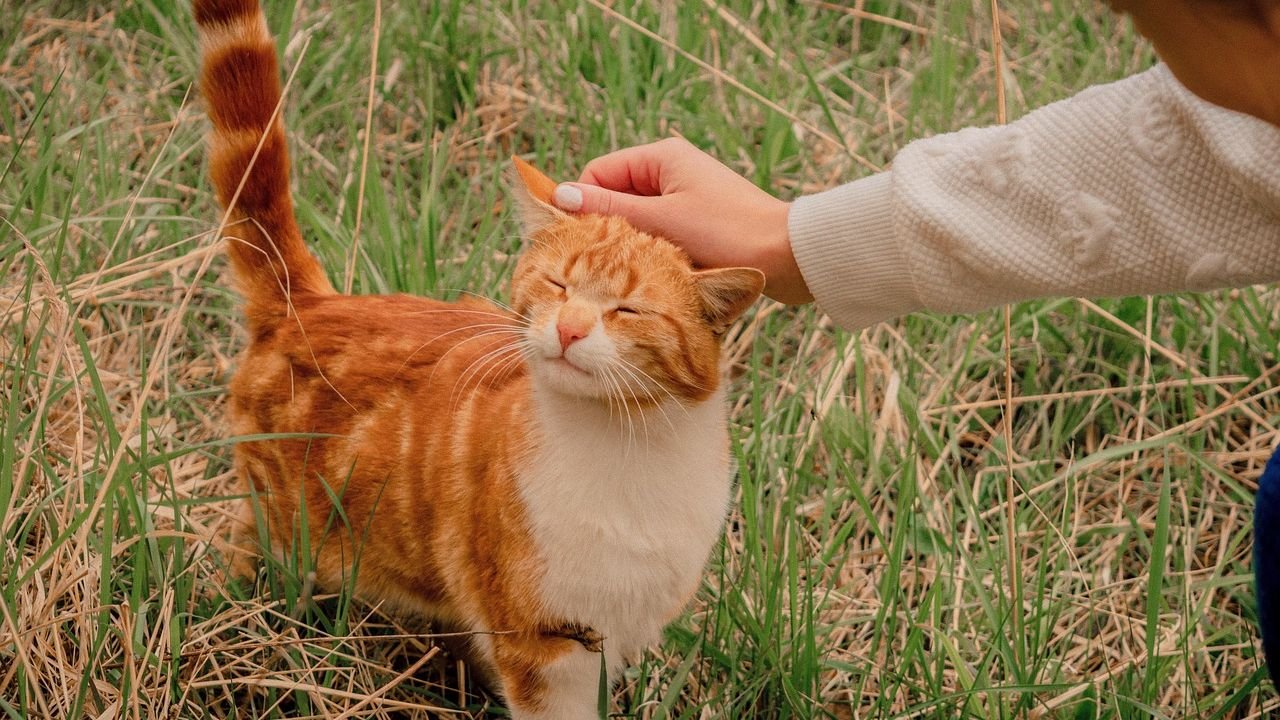
Petting your cat right after a bunt can stimulate those same scent glands, which lets the scent transfer both ways and actually relaxes your cat. In other words, a gentle head scratch right after a bunt isn't just a reward - it's biologically reinforcing the exact bond your cat is trying to build with you.
At a Glance
- Do: Offer a gentle head or chin scratch right after a bunt to reinforce the bond.
- Do: Watch for a lowered chin or turned head - both usually mean "scratch here."
- Don't: Assume every cat wants an immediate headbutt back.
- Don't: Ignore the moment entirely - a missed response can make the ritual feel one-sided.
But here's the twist most owners get wrong: when your cat bonks you, it may not want you to headbutt it back, even though you're welcome to try. Some cats want scratches immediately after, others want to be left alone for a moment, and misreading that window can confuse the whole ritual. If your cat butts its head against you and then tucks its chin down or turns to the side, that's usually a request for a neck or head scratch. Read the body language, not just the bonk, and you'll finally understand what your cat has been asking for .
The Bottom Line
Here's the truth most cat owners never get told: that morning headbutt isn't random, needy, or even really about you specifically - it's a scent-based, trust-driven ritual cats have been running on each other for thousands of years, and you've simply been recruited into it.
The most surprising part is how much disagreement still exists among experts over whether it's pure affection or a quiet display of hierarchy. Honestly, we think it's both. Cats are far too complex for one tidy explanation, and anyone who tells you otherwise is oversimplifying an animal that communicates entirely on its own terms.
Does your cat headbutt you every morning, or has it never bunted you once? Drop your cat's morning routine in the comments - we want to hear the weirdest one.