Most people assume cats are aloof loners who could not care less if you vanish for a weekend. That assumption is scientifically outdated, and the reality is almost the opposite of the stereotype.
Feline behaviorists now confirm that certain breeds form attachment bonds nearly identical to those seen in dogs and toddlers. Some stop eating when their person disappears. Some destroy furniture out of pure panic. Some just follow you from room to room like a furry shadow, refusing to let you out of their sight. Here’s what veterinary behaviorists and breed experts actually say about the 15 cats that were never built for solitude.
#1 – The Ragdoll: A Cat That Goes Limp With Love
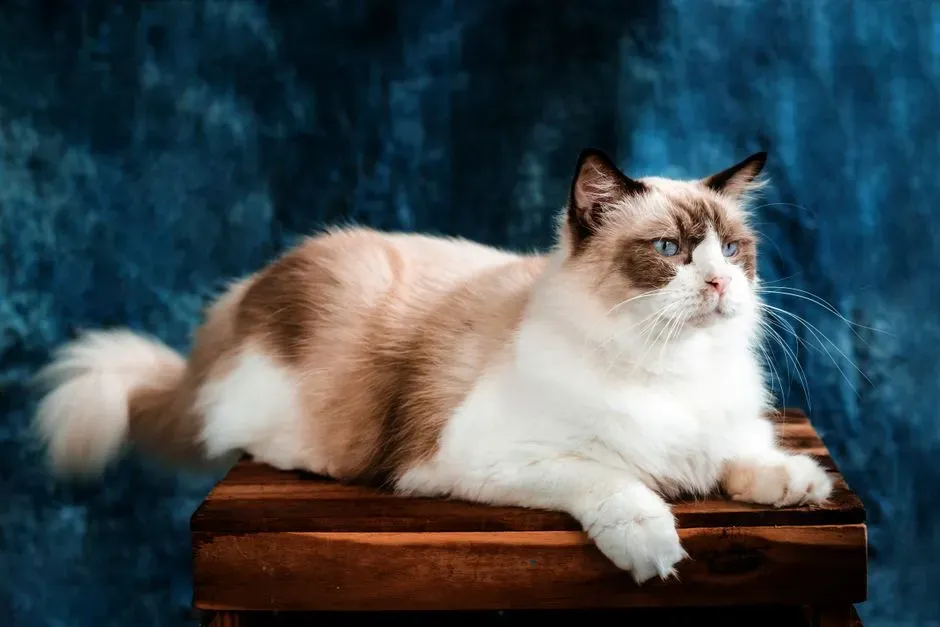
Ragdolls are famous for one bizarre trait: they physically go floppy when you pick them up. That is not a quirky coincidence – it is the entire personality of the breed distilled into a single gesture. Ragdolls thrive on interaction and are far less independent than most other breeds, which is exactly why they’re prized as a cat you can actually cuddle. The name itself comes from that tendency to go completely limp when held, unusual in a species where most animals tense up defensively at the first sign of restraint.
Ragdolls blossom in calm households where they get plenty of attention, and their docile nature makes them a favorite with families and children alike. But experts increasingly warn that Ragdolls are a poor match for long commutes or frequent travel. This is not a background pet you can leave running on autopilot – it’s a cat that needs you home to feel okay.
Fast Facts
- Origin: California, developed in the 1960s
- Signature trait: going completely limp when picked up
- Best suited for: calm, low-travel households
- Temperament: gentle, dog-like, deeply attached to routine
#2 – The Devon Rex: The Cat That Refuses to Be Ignored
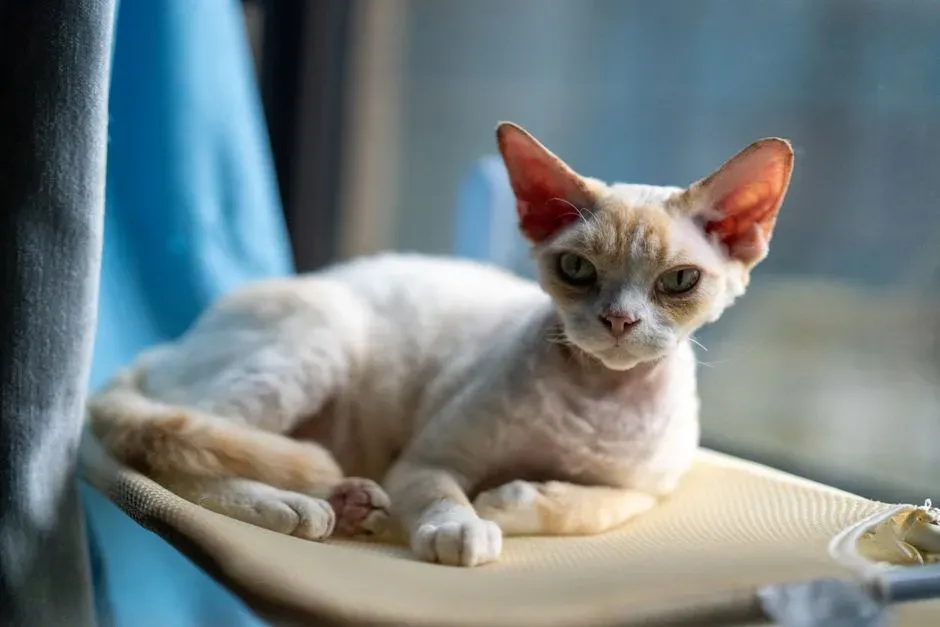
Devon Rexes act less like a house pet and more like a tiny, curly-coated shadow with strong opinions. The breed is closely related to the Cornish Rex in both looks and temperament, and it shares the same vulnerability to separation anxiety. What most owners don’t realize is that Devon Rexes require active enrichment, not just company – a bored Devon Rex will invent its own entertainment, usually at your expense.
This is a breed that treats “alone time” as a personal insult. Unlike cats that quietly sulk, Devon Rexes tend to escalate – meowing at the door, pawing at handles, or perching somewhere highly visible to make their displeasure known the moment you walk in. Owners who work from home report the smoothest relationships with this breed, and it’s easy to see why once you’ve lived with one.
#3 – The Cornish Rex: Energetic, Social, and Impossible to Ignore
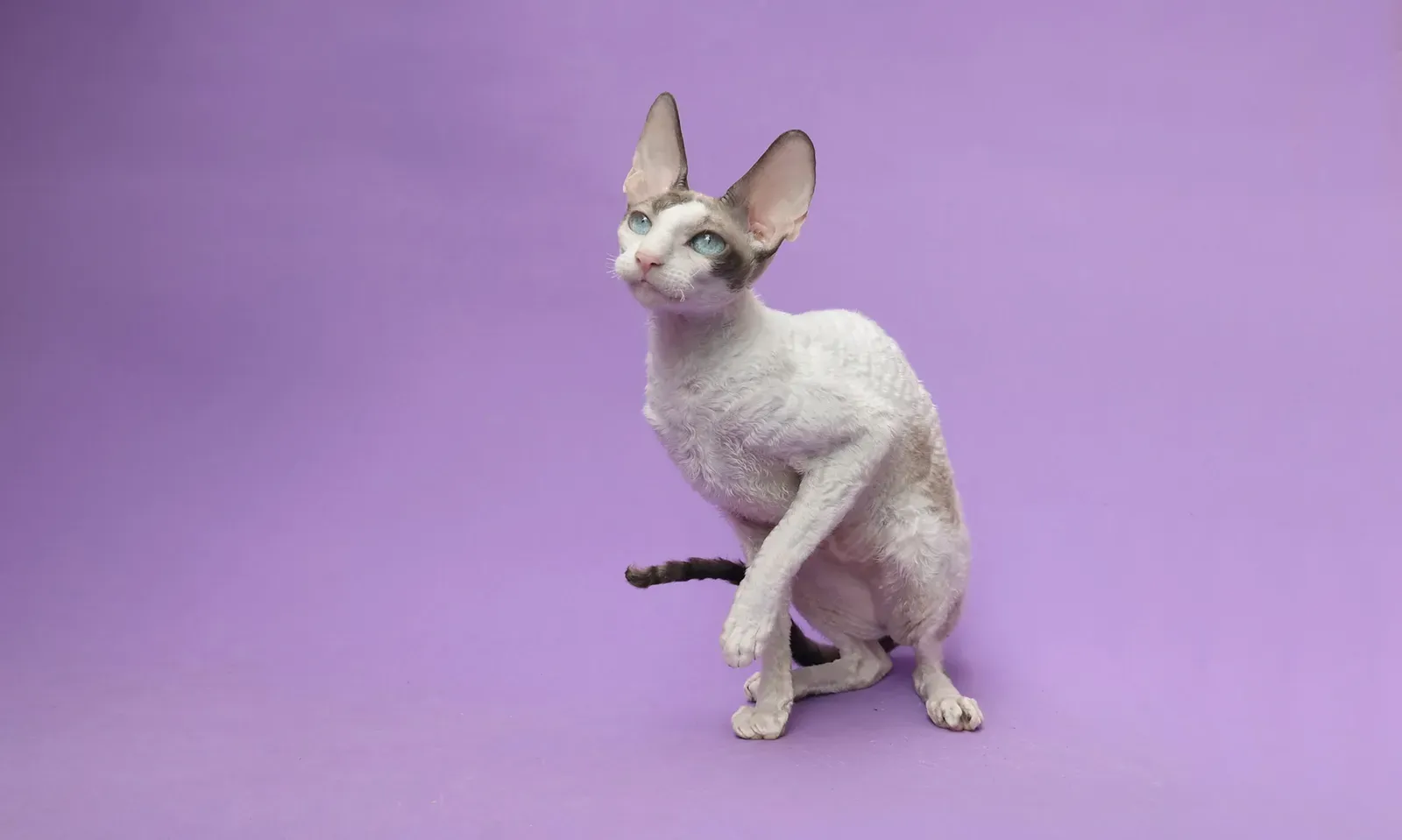
Cornish Rexes are often mistaken for a “low-maintenance” breed because of their short, curly coats. Their emotional needs tell a completely different story. These cats are smart, playful, and friendly – a combination that sounds charming until you realize it translates into a cat that constantly seeks out human interaction and struggles hard when it doesn’t get enough.
Their high intelligence is actually part of the problem: a smart, understimulated cat gets creative, and not always in ways owners appreciate. Behaviorists consistently group Cornish Rexes alongside Devon Rexes when discussing separation-related anxiety, since both breeds do best with someone home for a large portion of the day, or a compatible feline companion to keep them occupied. Left without either, owners often report vocal protests and restless pacing that can go on for hours.
#4 – The Persian: Quiet Devotion, Loud Consequences
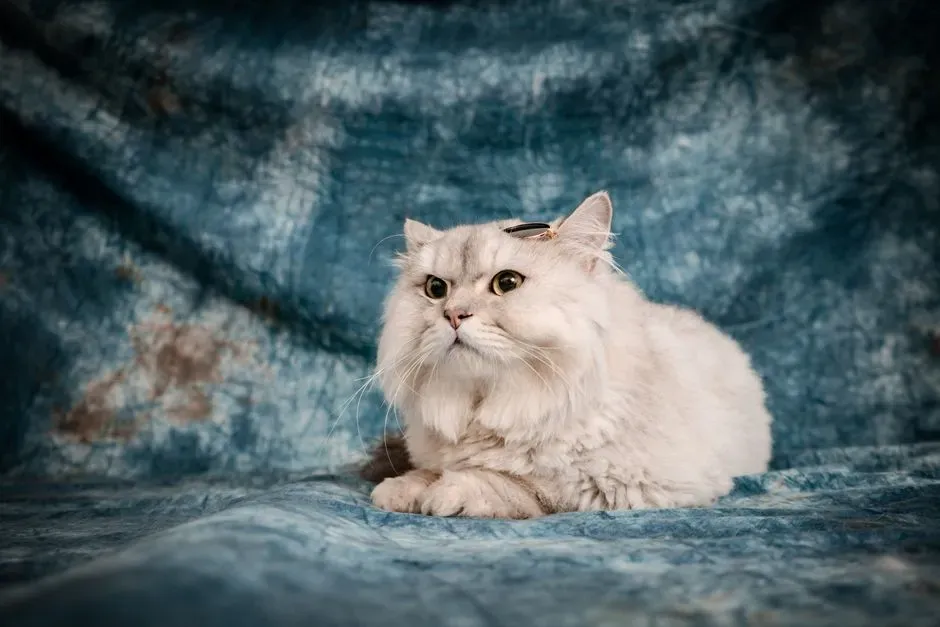
Persians have a reputation for being calm lap cats, and that reputation is only half the story. These cats form close bonds with their human family members and tend to be especially sensitive to change. That sensitivity is the real headline here – Persians don’t just miss you, they can become genuinely destabilized by disruptions to their routine, including your absence.
Unlike louder, more demonstrative breeds, a stressed Persian often goes quiet and withdrawn rather than vocal, which means owners can easily miss the warning signs entirely. Persians thrive when they can spend real time with their favorite people, whether through play sessions or quiet couch snuggles, and giving them easily accessible hiding places can help them feel secure when change does happen. This is a cat that hides its anxiety in plain sight, right up until it doesn’t.
#5 – The Abyssinian: The Busybody That Can’t Stand Solitude
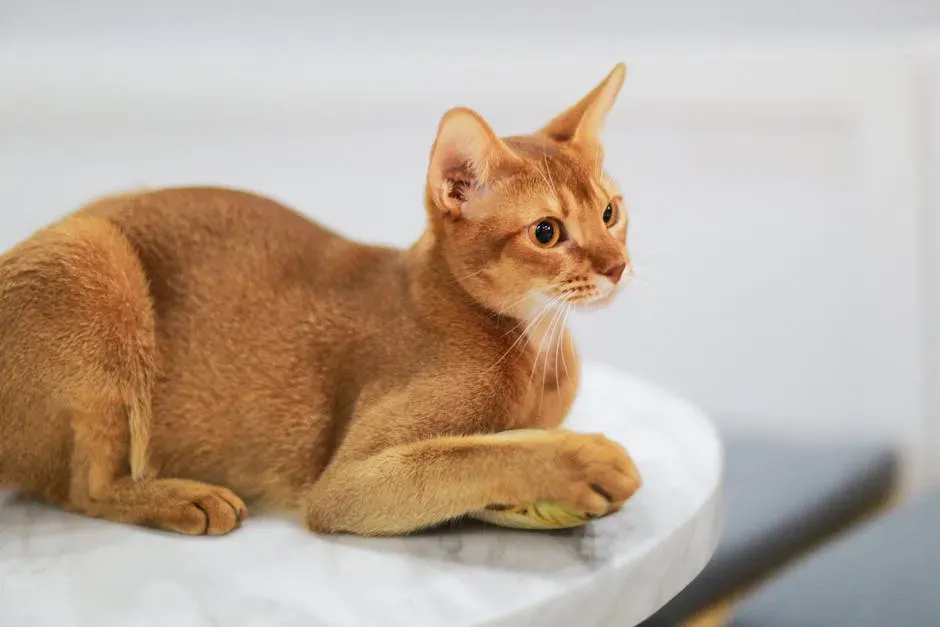
Abyssinians look like small, athletic wildcats, but their emotional wiring is anything but independent. Like Bengals, Abyssinians are highly active and highly social, and that shared trait explains why both breeds struggle when left to their own devices for too long. Abyssinians show affection through participation, not lounging – they want to be involved in whatever task you’re doing, whether that’s folding laundry or typing at a desk.
This “participatory affection” style means an Abyssinian left alone doesn’t just miss cuddles – it misses the entire activity of being included in your day. Experts frequently note that this breed does best with either a very present owner or a same-energy feline companion to burn off social and physical energy together. A bored, isolated Abyssinian tends to redirect that energy into mischief, from opening cabinets to knocking items off shelves purely to generate a reaction.
#6 – The Bengal: Wild Looks, Deeply Domestic Heart
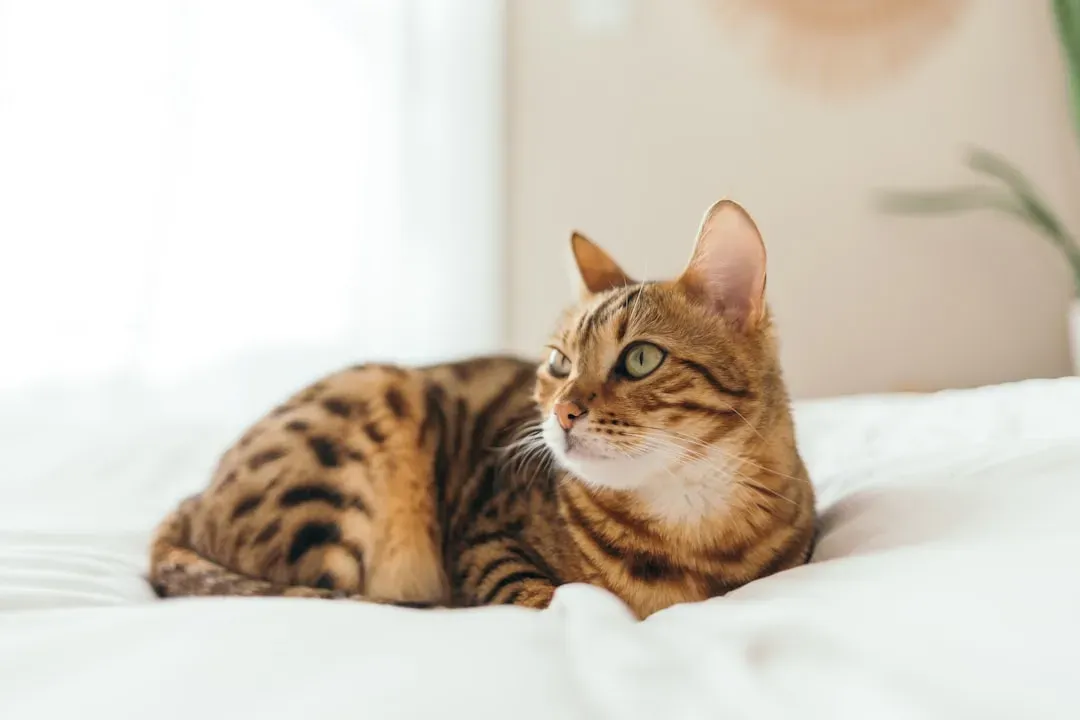
Bengals look like they belong in a jungle, which makes their intense need for human company genuinely surprising to first-time owners. Bengals are highly active and highly social, meaning they can develop separation anxiety in addition to anxiety related to a lack of enrichment. This is one of the few breeds where boredom and loneliness compound each other rather than existing as separate issues.
The wild-cat ancestry that gives Bengals their striking rosettes also gives them a drive for stimulation that few domestic breeds match. Compared to other cats, Bengals often need more frequent and longer play sessions, and some benefit from a same-temperament companion if their family is away from home for much of the day. A lonely Bengal is rarely a quiet one.
At a Glance
- Ancestry: Asian leopard cat crossed with domestic shorthair
- Energy level: very high, needs daily play
- Risk factor: separation anxiety and boredom often overlap
- Best paired with: an active owner or a same-energy feline companion
#7 – The Birman: The Silent Shadow Who Still Feels Everything
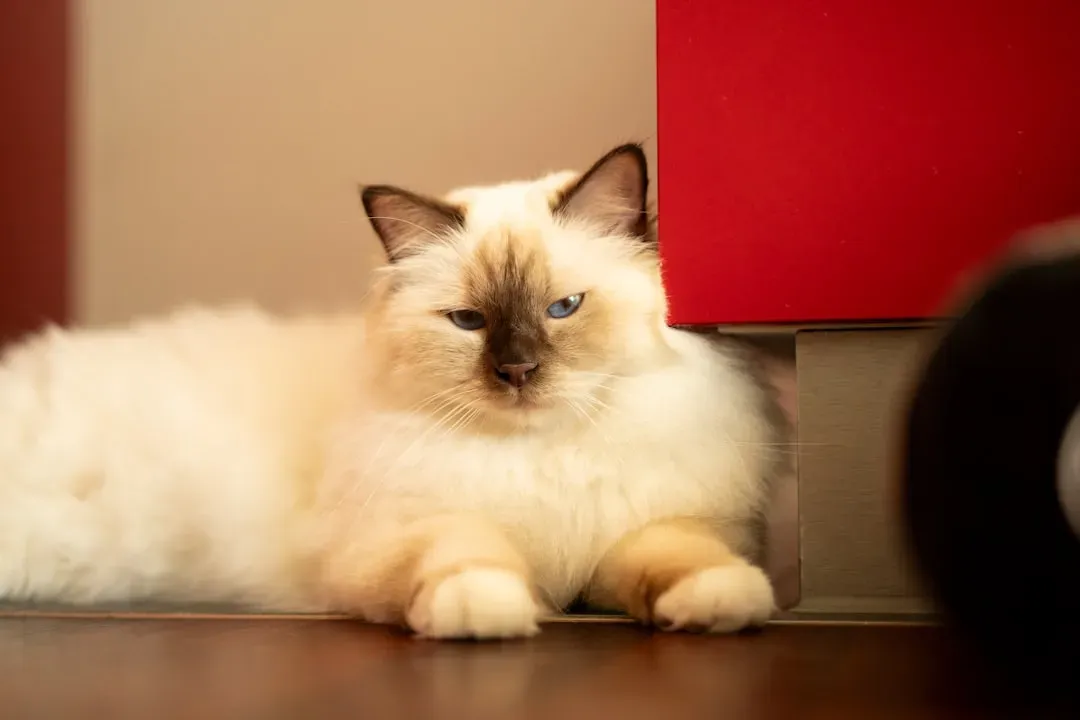
Birmans rarely meow, which leads many owners to assume they’re the “easy,” low-attachment breed. That assumption is a mistake. Birmans express devotion through proximity rather than noise – they’ll trail behind you room to room without a sound, which makes their attachment easy to underestimate until you notice they’ve been sitting outside the bathroom door for twenty minutes.
Because Birmans don’t broadcast distress the way Siamese or Bengal cats do, separation-related stress in this breed often goes unnoticed until it shows up as changes in appetite or grooming habits. Owners who assume a quiet cat is a content cat are frequently surprised to learn their Birman has been struggling silently through long stretches alone. This breed rewards consistent presence with quiet, steady loyalty – the kind that sneaks up on you.
#8 – The Scottish Fold: Curious, Cuddly, and Easily Neglected

Scottish Folds’ folded ears make them instantly recognizable, but it’s their emotional dependence that defines daily life with one. These cats are incredibly affectionate and social, and separation anxiety is one of their most commonly cited concerns – not a rare side effect, but a named, expected risk that vets bring up directly.
A pet sitter or another four-legged sibling can help keep them comfortable while you’re gone. Without that support system, Scottish Folds tend to fixate on doors and windows, waiting for the exact moment their person returns. Their round-eyed, curious expression only intensifies the emotional pull when they clearly want your attention and simply can’t get it.
#9 – The Oriental Shorthair: The Extrovert That Can’t Self-Entertain
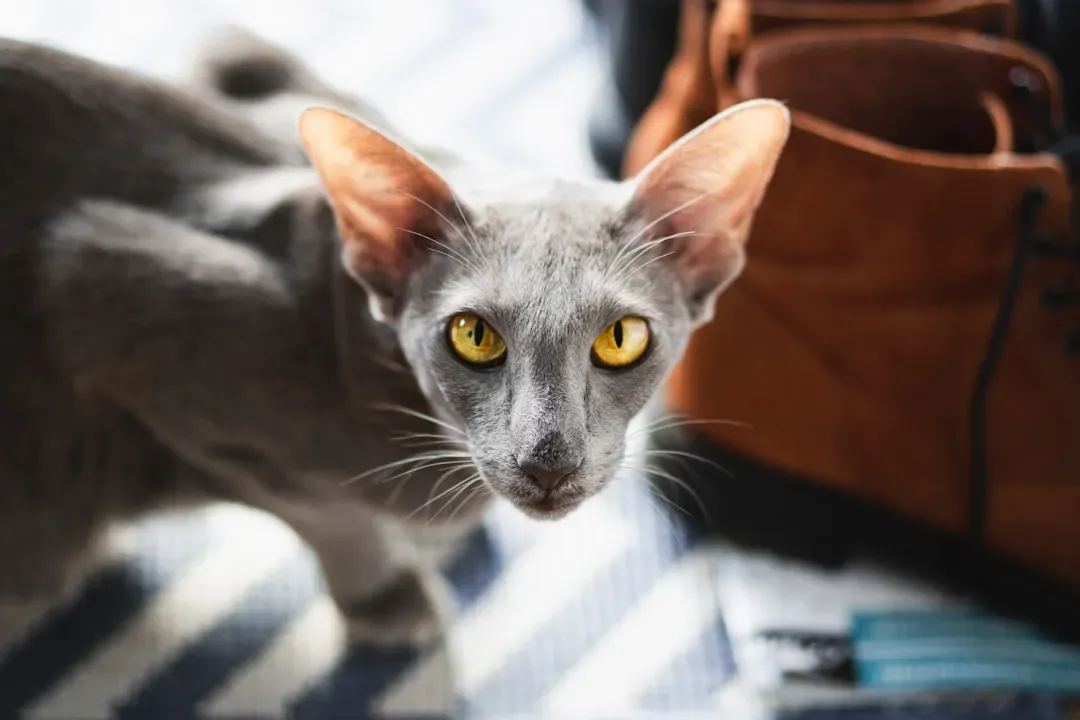
Oriental Shorthairs are essentially Siamese cats in a different coat, and they inherited every ounce of that breed’s social intensity. They form strong attachments to their human companions, often following them around the house and engaging in interactive play. This breed does not have an “off” switch for socializing – left alone, it doesn’t settle into independent napping the way many other cats do.
Experts frequently point out that Oriental Shorthairs are among the most vocal breeds when distressed, filling empty apartments with insistent, repetitive calling until their person returns. Their energetic, affectionate disposition means they genuinely thrive on constant interaction, and households with irregular schedules often struggle most with this breed.
#10 – The Maine Coon: A Gentle Giant With a Surprisingly Fragile Heart
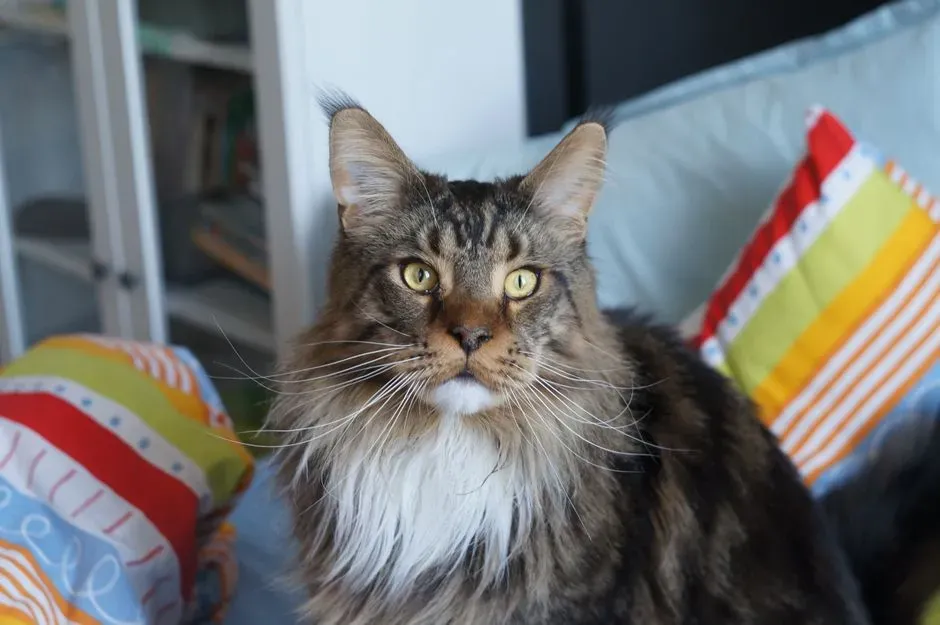
Maine Coons are the largest domestic cat breed, and their sheer size makes their emotional neediness genuinely unexpected to new owners. Known for tufted ears and a friendly, gentle disposition, they’re highly social and enjoy spending time with their human family, often engaging in playful antics like a much smaller cat. Despite looking like an independent forest cat, the Maine Coon behaves more like a devoted dog than a self-sufficient feline.
Maine Coons have a soft spot for companionship, and their loving nature can lead to real anxiety if they’re left alone for extended periods. This comparison to dogs isn’t just cute marketing – it reflects a genuine behavioral pattern where Maine Coons actively seek out companionship rather than merely tolerating it. Owners frequently report their Maine Coon greeting them at the door, a habit rarely seen in more aloof breeds.
Worth Knowing
- Largest domestic cat breed, with males often reaching 18 pounds or more
- Nicknamed the “gentle giant” of the cat world
- Known to greet owners at the door, a distinctly dog-like habit
- Despite a rugged, forest-cat look, prone to real anxiety when left alone
#11 – The Tonkinese: The Hybrid That Inherited Double the Neediness
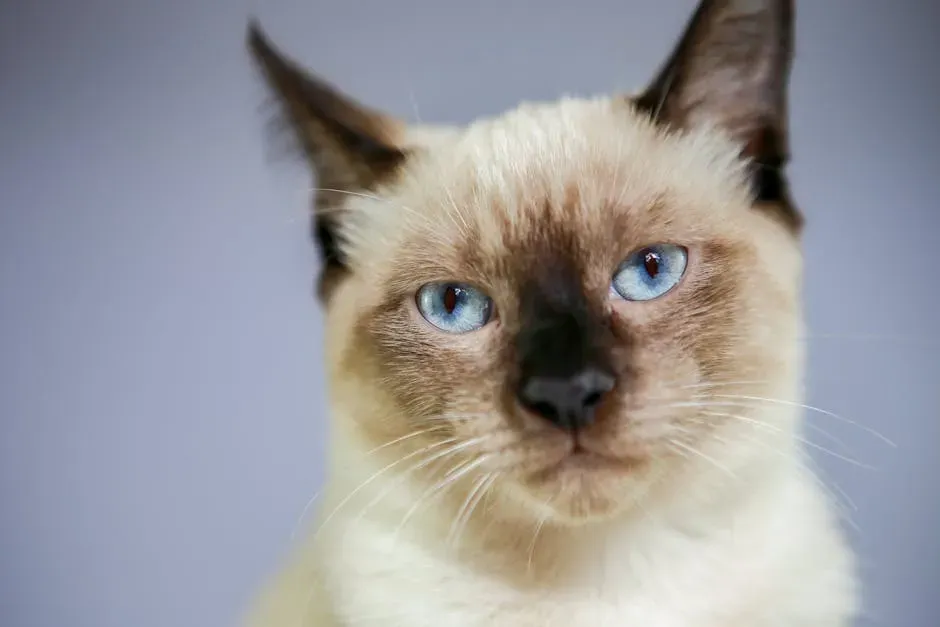
Tonkinese cats are a deliberate cross between Siamese and Burmese, and they inherited the clinginess of both parent breeds simultaneously. Officially recognized by the U.S. Cat Fanciers Association in 1984, the lean but muscular Tonkinese is playful, vocal, and athletic – an affectionate, energetic breed best suited for active, social families. This is essentially a cat engineered, whether intentionally or not, for maximum social dependency.
Veterinary sources frequently group Tonkinese with the most attachment-driven breeds in existence, alongside Ragdolls and Burmese, thanks to an inherent sociability that often translates into a higher likelihood of separation anxiety. These cats typically enjoy sharing their home with other kitties and can genuinely benefit from the constant company of other household pets when you’re away.
#12 – The Burmese: Puppy-Like Devotion in a Compact Body
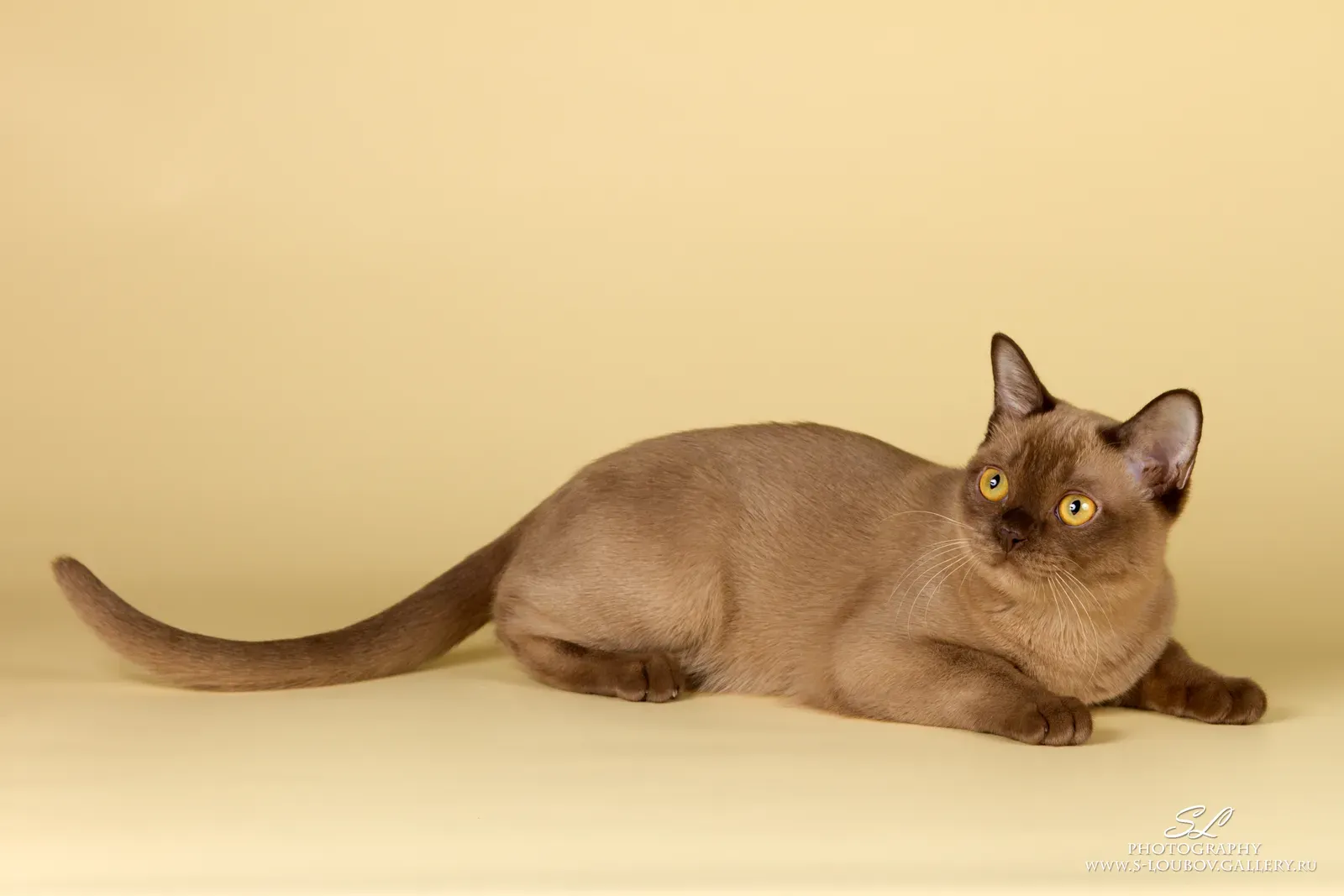
Burmese cats consistently get compared to dogs by their own owners, and once you understand their behavior, it’s easy to see why. This breed is known for being puppy-like in its playfulness, affection, and desire to follow people around the house. Few cat breeds so directly mirror canine attachment behavior – Burmese cats don’t just tolerate proximity, they actively pursue it throughout the day.
They’re also known for enjoying fetch and quickly picking up cues through positive reinforcement, and like their Siamese cousins, Burmese cats are highly affectionate and prone to struggling with separation anxiety. Left alone too long, this breed’s normally playful energy can curdle into restlessness and vocalizing, followed by intense clinginess the instant their owner walks back in.
#13 – The Balinese: The Long-Haired Siamese With Twice the Talk
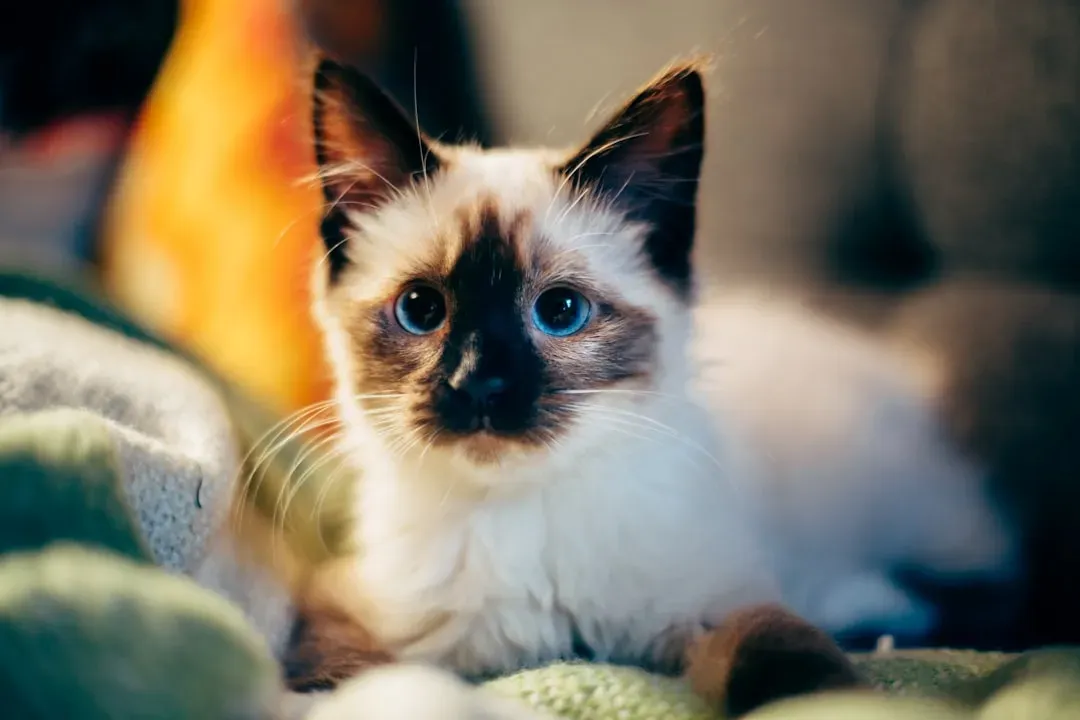
The Balinese is essentially a Siamese cat with a flowing coat, and it inherited nearly every social trait that makes the Siamese famous – including the neediness. This breed’s silky fur often distracts from just how vocally demanding it can be. Balinese cats communicate constantly, using a range of chirps and meows to narrate their opinions about your schedule, your whereabouts, and their own boredom.
Because the Balinese shares the Siamese lineage so closely, breed experts generally recommend treating its emotional needs identically: consistent daily interaction, enrichment while you’re away, and ideally a companion animal if long absences are unavoidable. Owners often describe the experience as living with a Siamese that never stops talking, which makes solitary confinement for this breed an especially loud problem to ignore.
#14 – The Siamese: The Original Velcro Cat
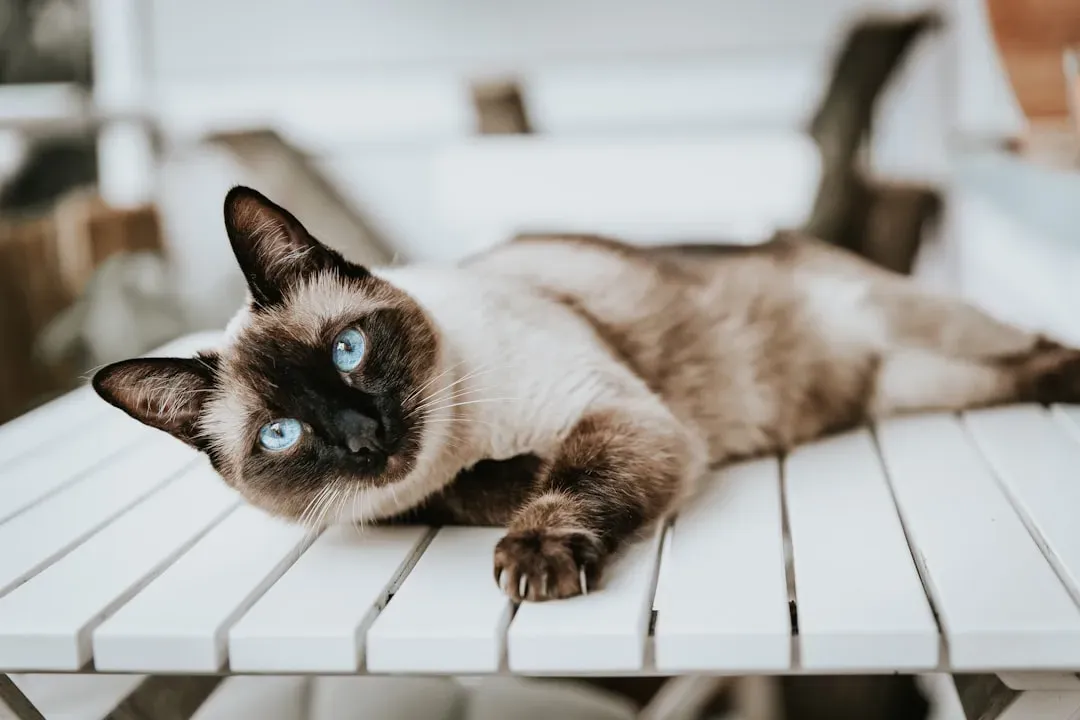
Siamese cats are arguably the most studied breed when it comes to feline attachment, and the data is not subtle. In a study published in PLOS One, researchers identified Siamese cats as one of the breeds most likely to suffer from separation anxiety. That’s not internet folklore – that’s peer-reviewed research naming a specific breed as high-risk.
They tend to love snuggling near their favorite people and often prefer a quiet lifestyle, making them excellent companions for people who work from home since they don’t demand constant play. But as one of the most recognizable and talkative breeds in existence, Siamese cats aren’t shy about using their voice to communicate their needs. A Siamese left alone doesn’t suffer quietly – it announces its displeasure to the entire building.
#15 – The Sphynx: The Most Clingy Cat Breed on the Planet
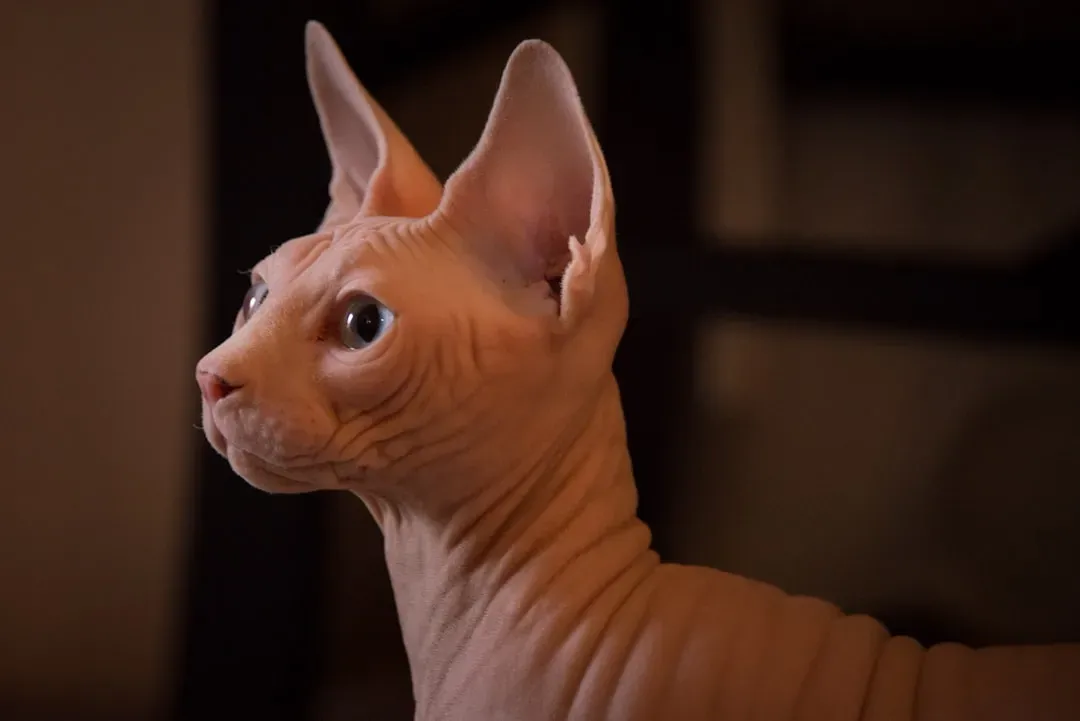
If there is one breed that scientifically and anecdotally tops every “hates being alone” list, it’s the hairless Sphynx. Clinginess is typical and is the flip side of their affection – Sphynx cats crave near-constant attention and company, do not like being left alone, and can develop real separation stress. This isn’t just personality, it’s partly biology: because Sphynx cats lack an insulating coat, they physically depend on human body heat, fusing emotional and physical need into a single behavior.
The numbers back up the reputation. Ninety-five percent of Sphynx owners describe their pet as “very affectionate” or “extremely clingy,” and 68 percent of owners with a single Sphynx report signs of mild separation anxiety after being left alone for more than six hours. If you spend several hours a day away from home, it’s often recommended you get your Sphynx another feline friend – it helps with the anxiety and lets your cat stay social even when you’re gone. No other breed on this list combines physical and emotional dependency quite like this one.
Quick Compare
- 95% of owners call their Sphynx “very affectionate” or “extremely clingy”
- 68% report mild separation anxiety after 6+ hours alone
- No fur means a real physical need for human body heat
- Often recommended: a second cat if long absences are common
A cat is a lion in a jungle of small bushes.
English Proverb
The Bottom Line
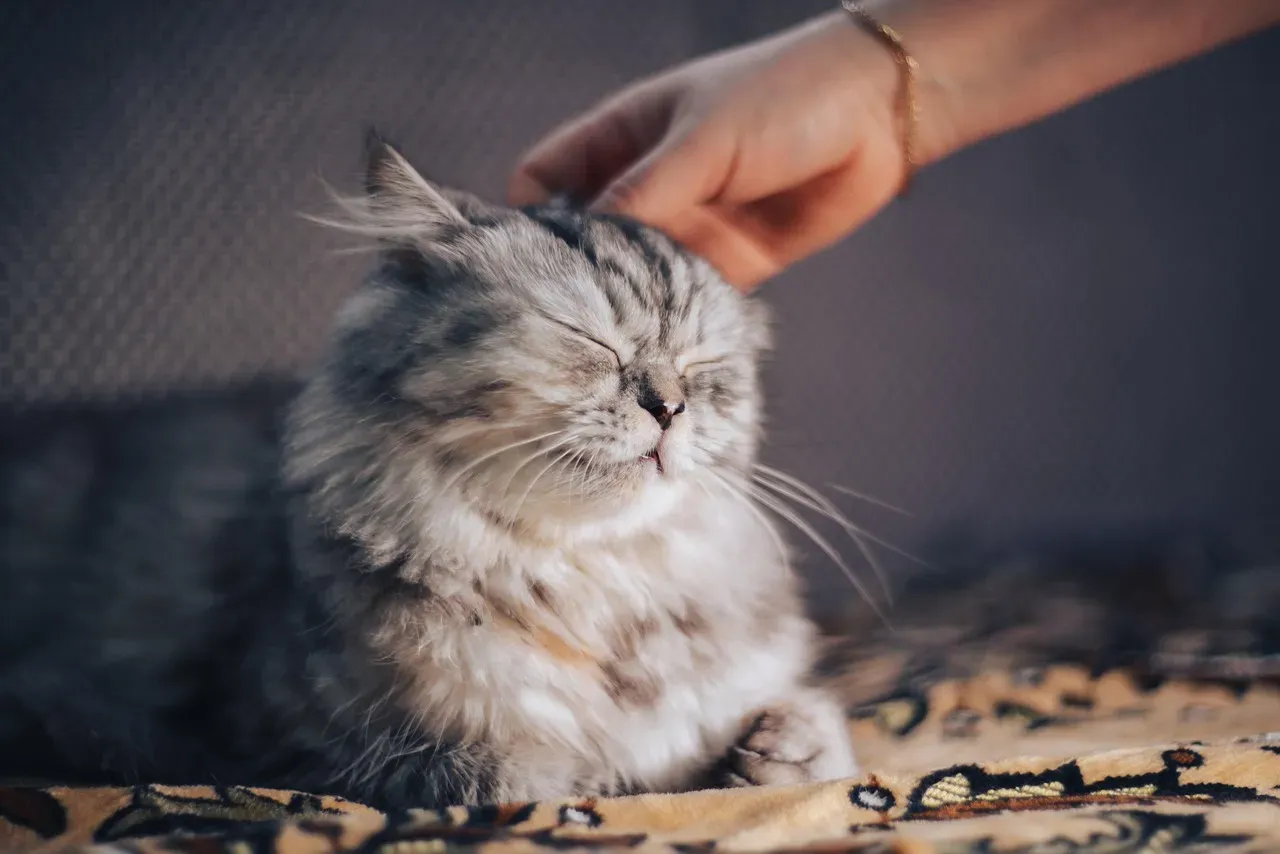
The idea that cats are naturally aloof simply doesn’t hold up once you look at these 15 breeds side by side. From the Sphynx’s biological need for warmth to the Siamese’s peer-reviewed anxiety risk, these cats prove that feline affection can run just as deep as any dog’s – sometimes deeper, and definitely louder.
Prospective owners who travel often or work long hours outside the home should think twice before bringing home a Ragdoll, Burmese, or Sphynx. These breeds were never designed for solitude, and pretending otherwise just sets both of you up for a rough few months. In our opinion, breed-specific temperament deserves far more weight in adoption decisions than coat color or price ever should. Do you own one of these breeds, and does your cat actually match this reputation? Tell us in the comments.
Kristina is a young writer from India. An arts graduate and an avid content creator, Kristina is passionate about animals and wildlife. She enjoys exploring topics related to pet care, animal behavior, conservation, and nature, combining thorough research with engaging storytelling.