You walk into the shelter with excitement bubbling in your chest, ready to meet your new furry companion. The adoption papers are signed, the carrier is purchased, and you’ve imagined countless cozy evenings with your new feline friend curled up beside you. Fast forward a few weeks, and suddenly you’re back at that same shelter, heartbroken and frustrated because things just didn’t work out. The reality is that thousands of cats each year find themselves returned to shelters, not because they’re bad animals, but because of something shelter workers delicately call “personality conflicts.”
Many cat breeds are often returned to shelters because owners misunderstand their behaviors and care requirements, with some breeds having high energy levels while others need more grooming or social interaction than expected. These mismatches can break hearts on both sides of the equation. Let’s explore which breeds shelter workers see coming back through their doors most frequently, and why these beautiful creatures deserve so much better than a revolving door existence.
Siamese: The Demanding Conversationalist
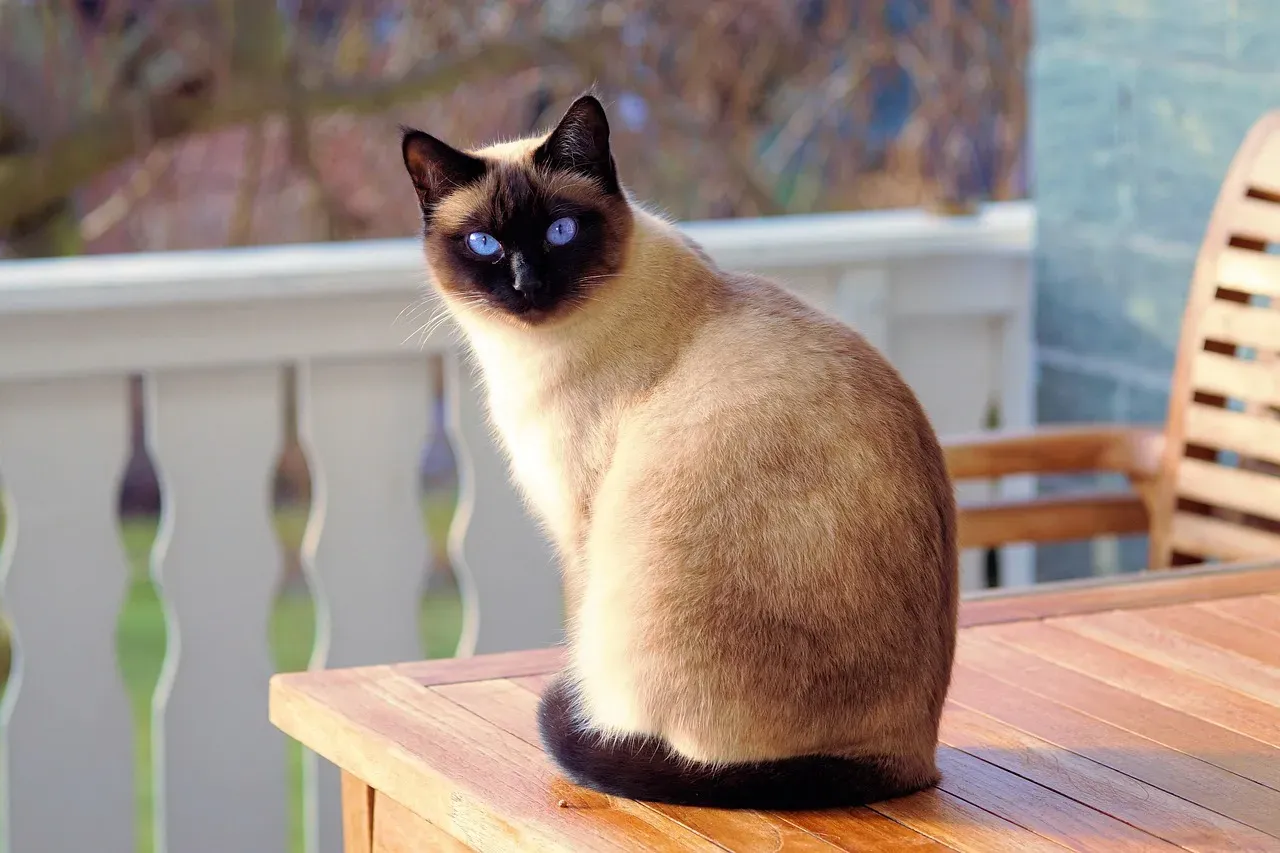
Siamese cats are deeply social and thrive on companionship, and when left alone for long periods, they can become anxious or excessively vocal, with many returns happening because owners underestimate how much attention these intelligent cats demand. These stunning felines don’t just meow occasionally. They hold full conversations, debate your decisions, and follow you from room to room like furry shadows.
Their neediness can overwhelm people who expected a more independent pet. Their loyalty rivals that of dogs, often following their favourite person from room to room, and this breed craves conversation and will meow back with surprising volume, which can be overwhelming for households with busy schedules. If you work long hours or travel frequently, a Siamese probably isn’t your match. They need someone who actually enjoys constant companionship and doesn’t mind a chatty housemate who always has opinions about everything.
Bengal: The Wild Child
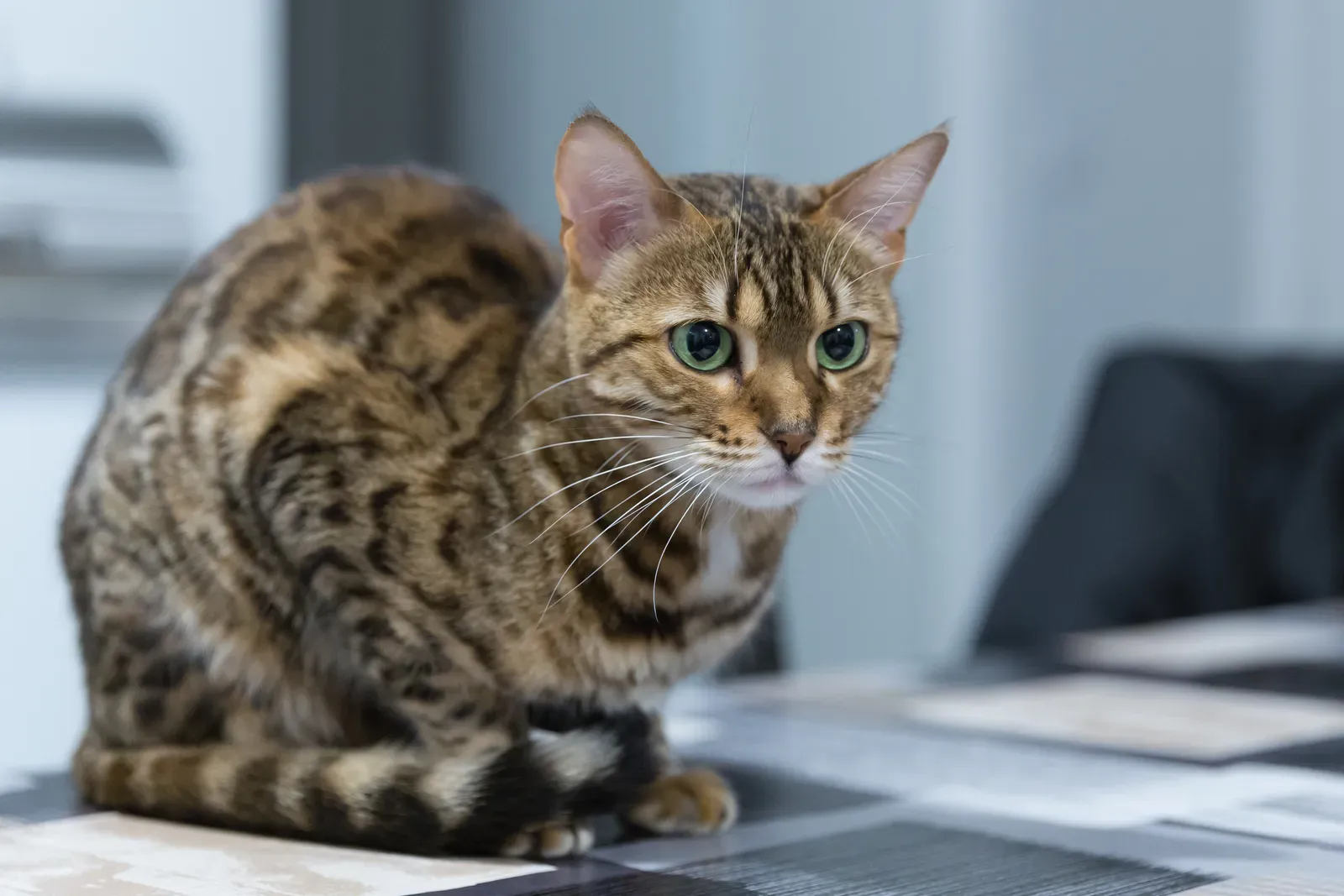
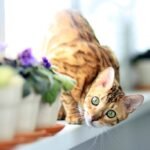
Bengals are stunning cats with leopard-like markings and boundless energy, but their wild ancestry means they need constant stimulation, and without daily play and enrichment, they can become vocal, mischievous, and destructive. These cats still carry that jungle cat energy deep in their DNA. They’re not content to lounge around all day like some breeds.
Think of Bengals as the athletes of the cat world. They require mental challenges, climbing opportunities, and interactive play sessions that would exhaust most owners. Behavioral issues like territorial spraying and play aggression are quite common if this breed doesn’t meet its needs, and the Bengal is notoriously high maintenance, requiring a lot of time investment to avoid aggressive behavior. Many people adopt them for their exotic appearance without realizing they’re essentially committing to a full-time entertainment director position.
Persian: The High-Maintenance Royal
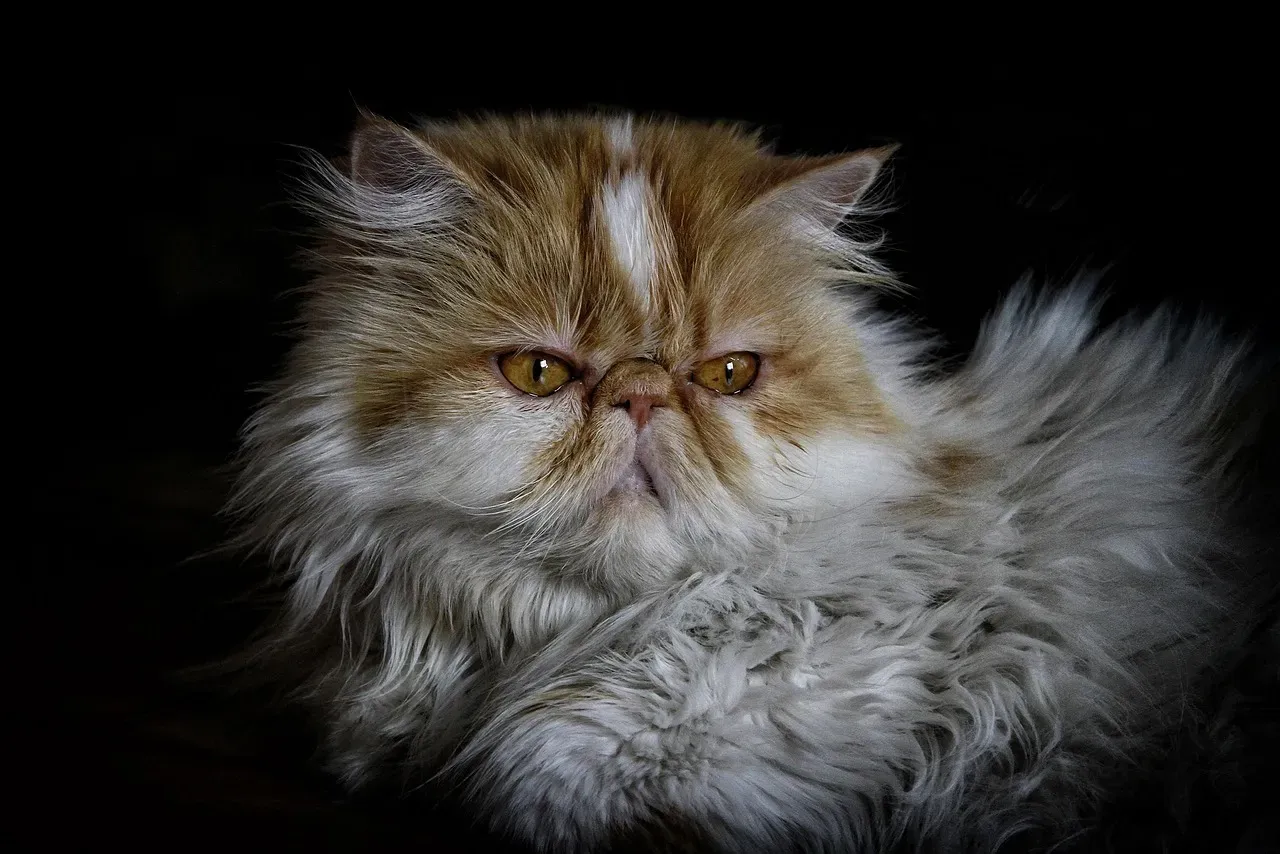
Persians have long, luxurious coats and gentle temperament but their grooming needs are immense, requiring daily brushing, tear-stain cleaning, and regular vet visits for breathing issues. Their gorgeous flowing coats become matted nightmares without daily attention. We’re not talking about a quick brush here and there either.
Persians are prone to a host of health issues, from kidney and heart conditions to brachycephalic airway syndrome, and because of their short, flatter face, they struggle to breathe properly, with many getting short of breath quickly and suffering from inflammation and swelling in their airways. Their medical needs alone can become financially and emotionally draining. People fall in love with their adorable squished faces without understanding the commitment required to keep them healthy and comfortable.
Sphynx: The Attention-Seeking Nudist
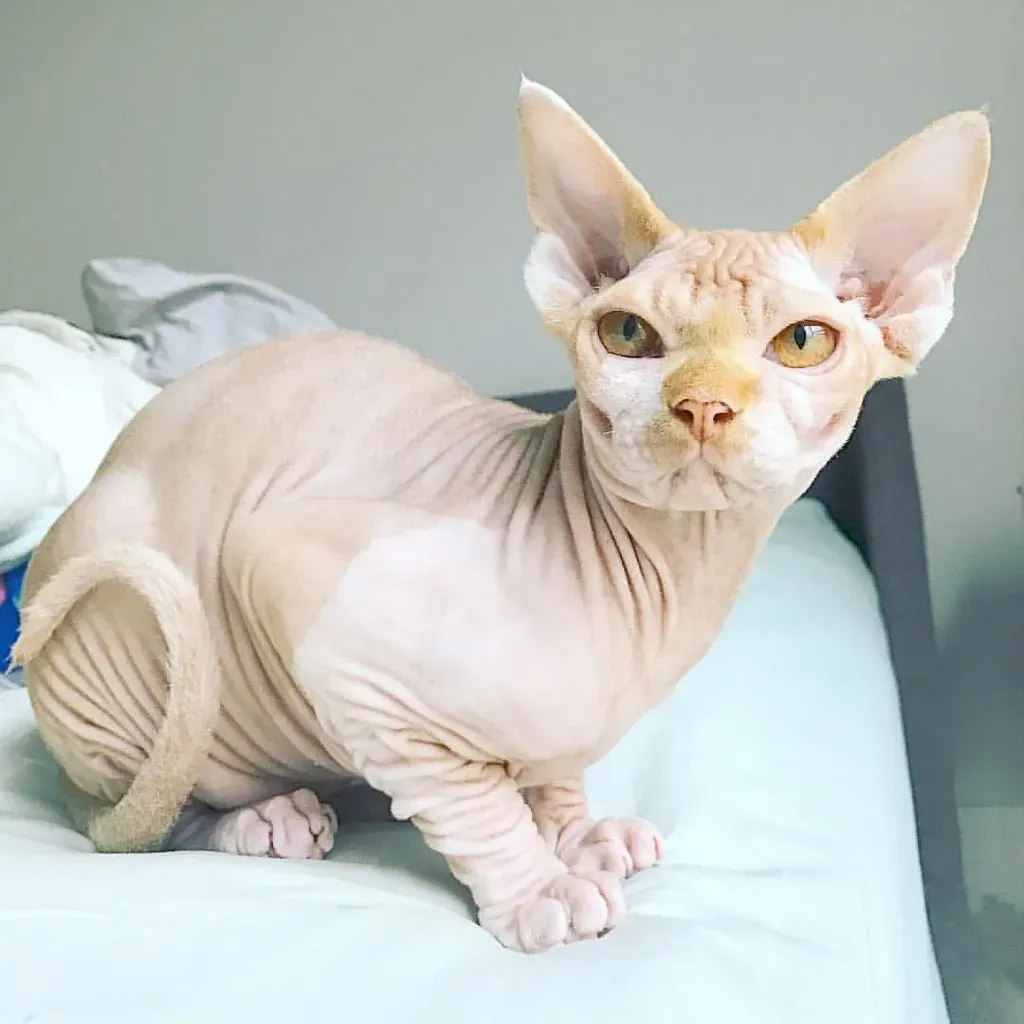
Sphynx cats are sometimes returned because they require frequent skin care and warmth, though these hairless cats love human contact and are known for being some of the most affectionate felines. Their lack of fur doesn’t mean they’re low maintenance. Actually, it’s quite the opposite when you think about it.
Unlike other aggressive breeds that lash out due to territorial instincts, Sphynx cats can become nippy or hyperactive when they’re not getting enough attention, as these cats hate being alone for a long period and will follow their humans everywhere, demanding love, warmth, and a constant source of entertainment. They get cold easily, need regular bathing to remove oil buildup, and will absolutely not leave you alone. If you cherish personal space or quiet time, a Sphynx will challenge every boundary you attempt to set.
Russian Blue: The Timid Aristocrat
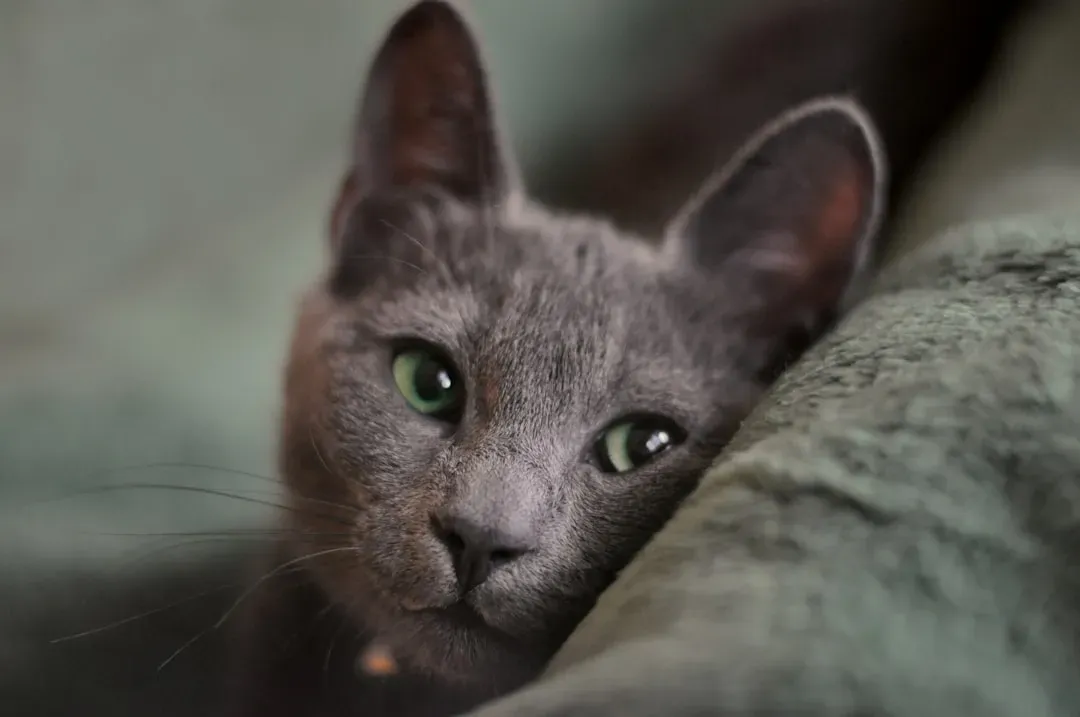
Russian Blues are often returned because of their shy and reserved nature, not always immediately affectionate as they take time to bond with their owners, though once a Russian Blue trusts you, it becomes incredibly loyal and affectionate. Their stunning silver-blue coats and emerald eyes create false expectations of an instantly cuddly companion.
These elegant cats are known for their reserved nature, often preferring a quiet environment to a bustling household, and their shy demeanor can sometimes lead to misunderstandings about their personality. Families with young children or frequent visitors often find Russian Blues hiding constantly rather than becoming part of family activities. Their loyalty is genuine but earned slowly, which doesn’t match what many adopters hope for in those crucial first weeks.
Scottish Fold: The Adorable Health Risk
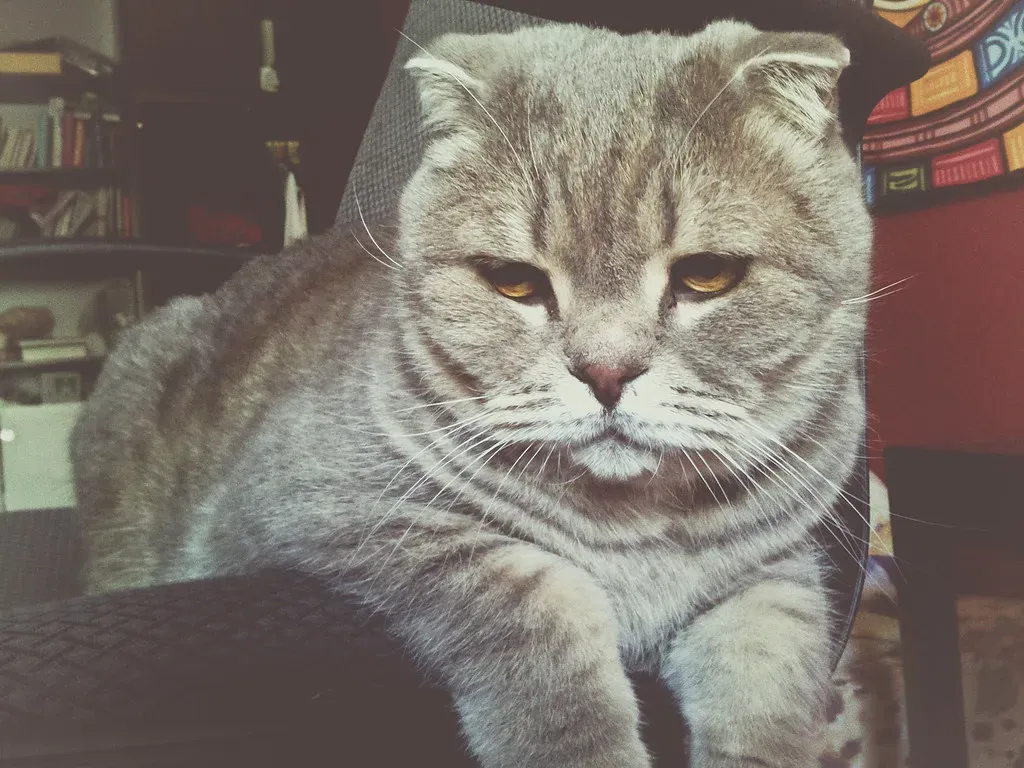
Scottish Folds, known for their signature folded ears, sometimes find their way back to shelters due to unexpected health problems linked to their genetic mutation, such as joint pain or mobility issues, with some adopters feeling unprepared for the extra care needed. Those cute folded ears come with a genetic price tag that many new owners aren’t prepared to handle.
They sometimes require special medical attention due to genetic issues leading to their return to shelters, though despite their quirky appearance, Scottish Folds are affectionate and enjoy human interaction, thriving in loving households where they can be part of the family routine. The veterinary bills can pile up quickly. People adopt based on appearance without researching the breed-specific health concerns that often emerge as the cat matures.
Ragdoll: The Clingy Companion
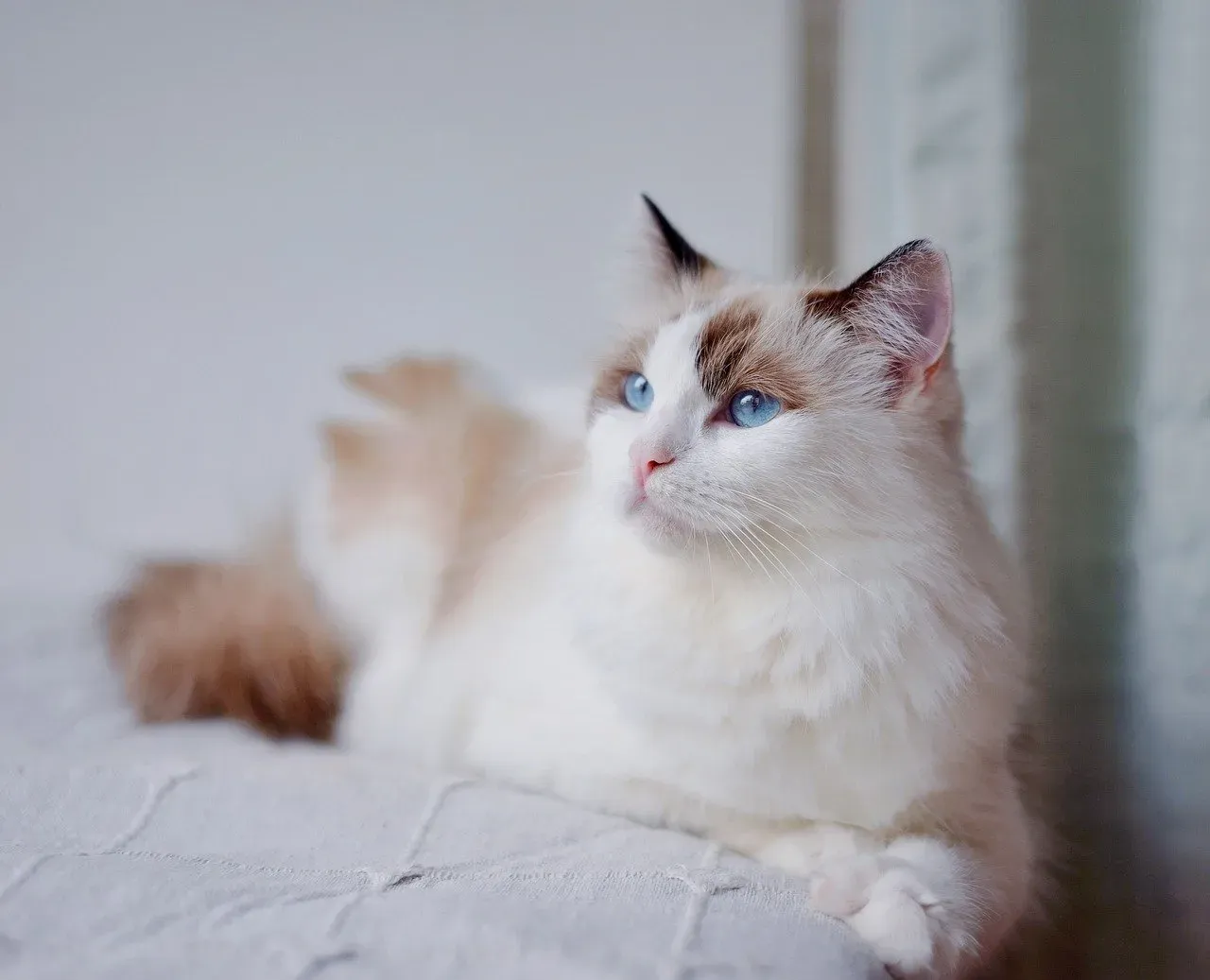
Ragdolls dislike being alone for long periods, and when neglected, they may develop stress-related behaviours that prompt returns, as many go limp when picked up, making them ideal cuddle companions for those who are home often, but their attachment can border on clingy with separation anxiety leading to excessive meowing or destructive habits. Despite their reputation as laid-back cats, Ragdolls form intense bonds that can become problematic.
Their neediness surprises many adopters who expected a more independent personality. Misconceptions about their care needs can lead to them being returned to shelters, though these gentle giants are perfect for families, as they get along well with children and other pets, and their docile nature means they often seek out human companionship and enjoy being involved in family activities. Working professionals especially struggle when their Ragdoll develops destructive behaviors stemming from loneliness.
Maine Coon: The Gentle Giant
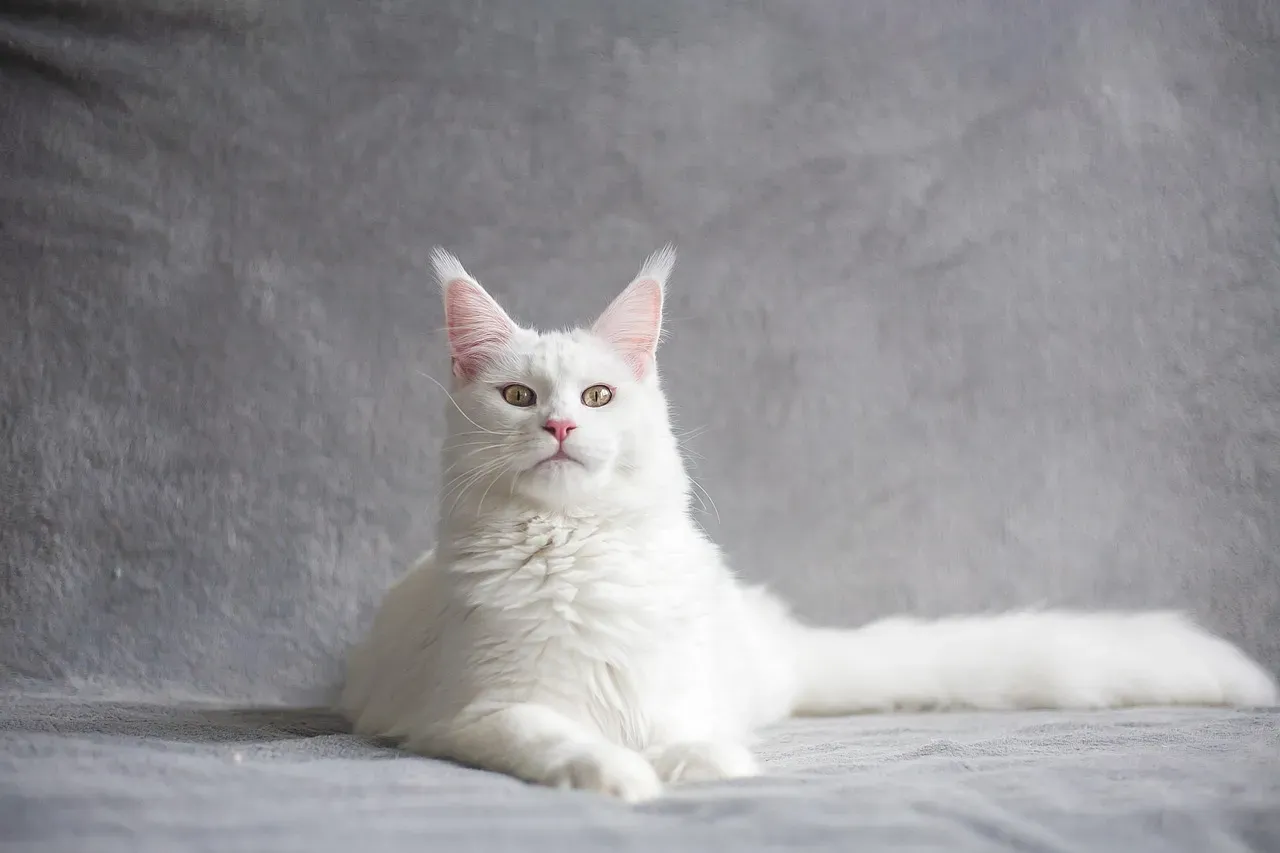
Maine Coons may be gentle giants, but their large size and playful personalities can overwhelm some owners, as these cats are often returned because adopters underestimate their space and stimulation needs. These massive cats can weigh up to twenty pounds or more. That’s not a lap cat, that’s practically a small dog.
Their size alone creates challenges in smaller living spaces. They need vertical territory, substantial scratching posts, and room to play without knocking over everything in sight. Honestly, the amount of food they consume can also shock new owners who weren’t budgeting for a cat that eats more than some dogs. Their playful nature combined with their substantial bulk means they can accidentally cause damage that smaller cats simply couldn’t manage.
Oriental Shorthair: The Destructive Diva
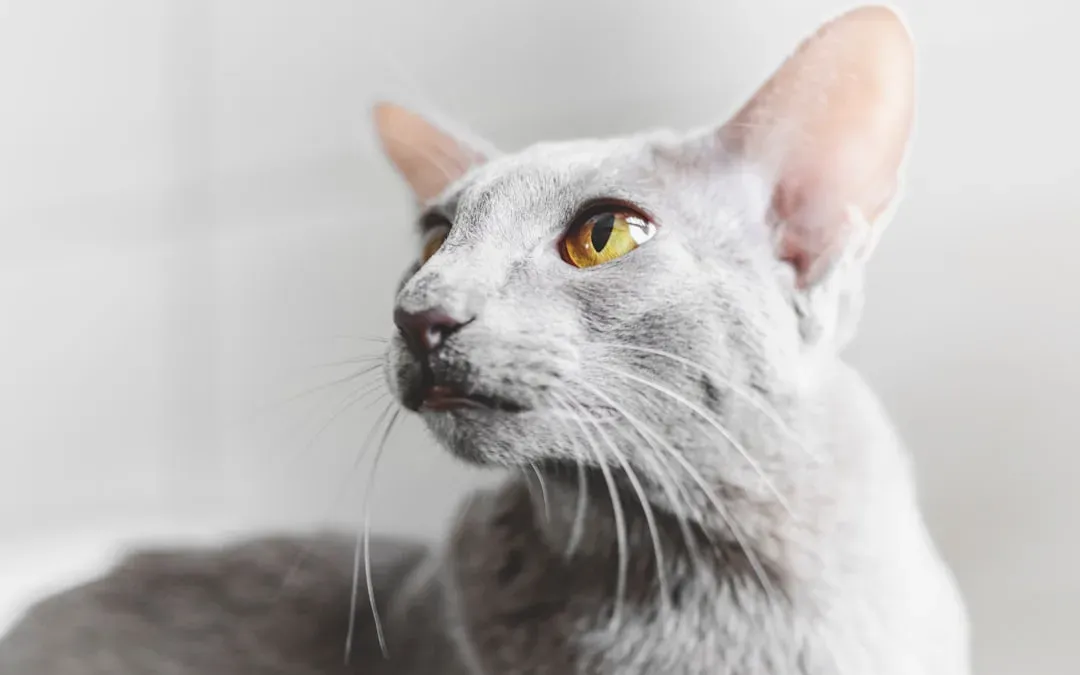
Oriental Shorthairs thrive when surrounded by their family members, and if you’re not around enough, these cats happily become destructive until you get home and play with them, and like their Siamese ancestors, they will meow, chirp and trill often, and will not only interrupt your activities but will open drawers if it means getting your attention. These intelligent cats refuse to be ignored under any circumstances.
Their destructive tendencies aren’t malicious, just desperate attempts for engagement. They’ll open cabinets, knock things off shelves, and create chaos purely to get a reaction. Many adopters return them frustrated by constant interruptions and property damage, not understanding that these cats simply cannot tolerate being left to their own devices for extended periods.
British Shorthair: The Misunderstood Independent
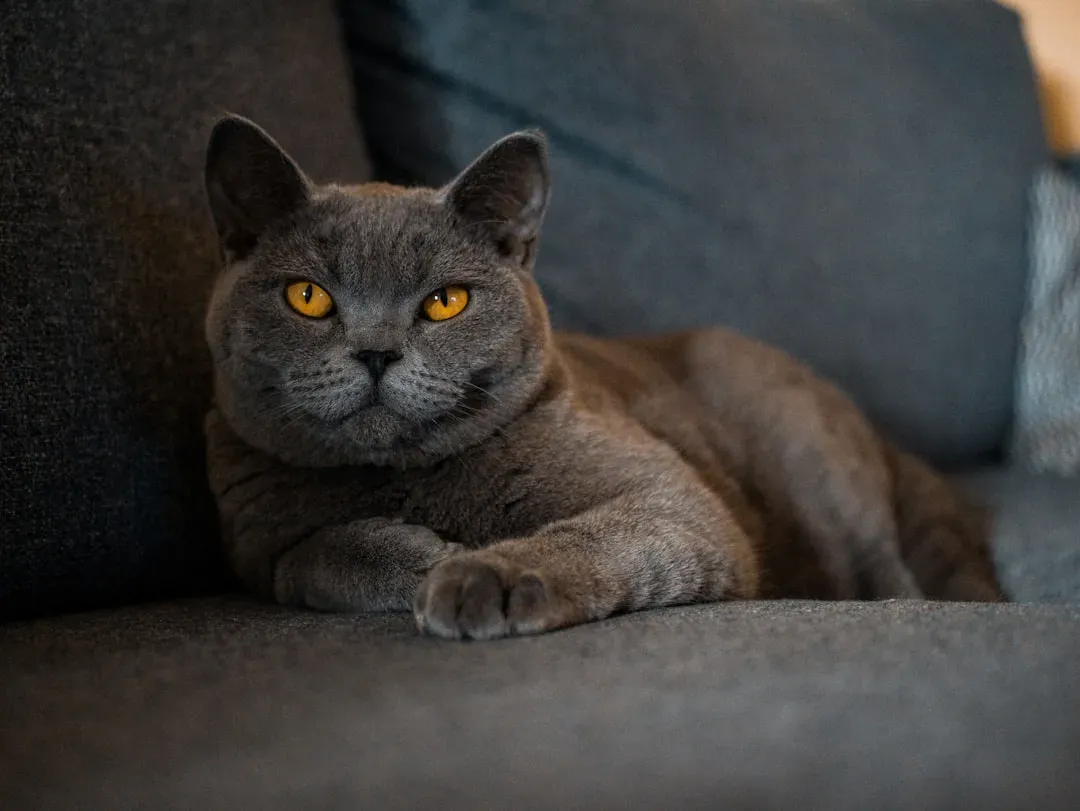
British Shorthairs are calm and plush-coated but independent, with some owners mistaking their quiet nature for indifference, not realising these cats prefer companionship without constant handling, and this mismatch in expectations often leads to rehoming. People expect affectionate cuddle bugs and instead get dignified companions who appreciate proximity but not constant petting.
They enjoy being near you but may squirm if held too long or petted excessively, and their dignified demeanor appeals to many, yet families with young children expecting a playful, cuddly pet feel disappointed. This breed gets returned for being exactly what they are: independent yet loyal cats who show affection on their own terms. The disappointment stems entirely from unrealistic expectations rather than any actual flaw in the cat’s personality.
Himalayan: The Double Challenge
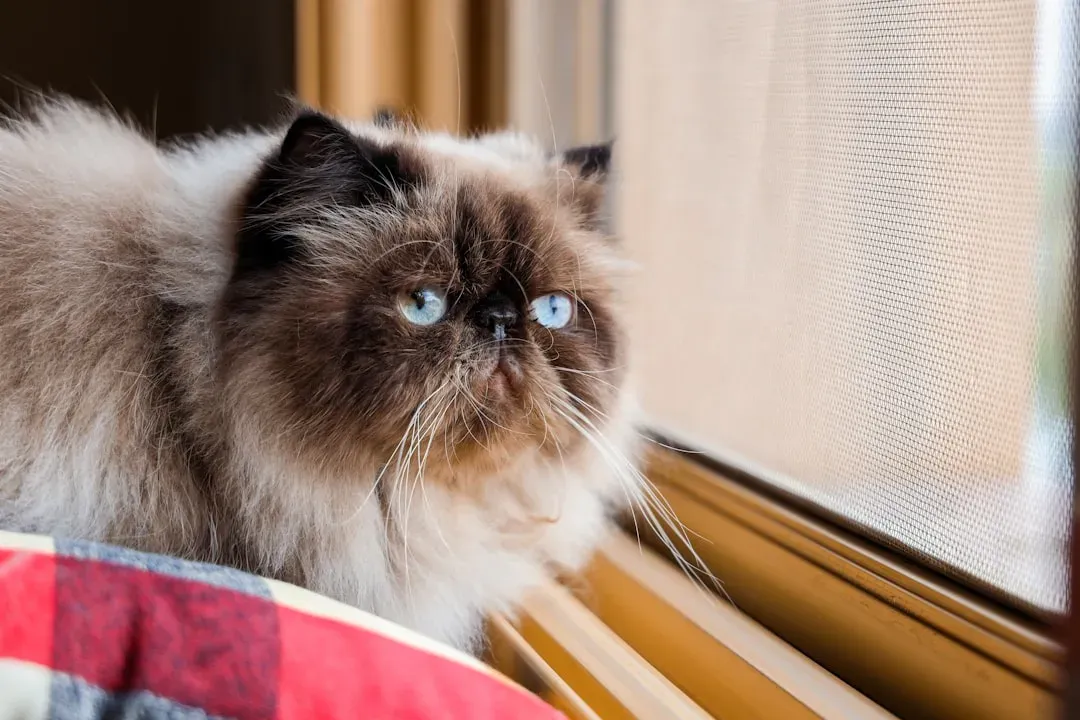
A mix between the Persian and Siamese, the Himalayan inherits both breeds’ challenges with high grooming needs and a desire for attention, and their long coats and tendency toward respiratory issues make them demanding companions best suited for experienced cat lovers. Essentially, you’re getting the high-maintenance grooming of a Persian combined with the attention demands of a Siamese.
Daily brushing prevents painful mats while their flat faces require regular cleaning to avoid infections, and they seek affection but also need quiet environments to thrive, with first-time owners often underestimating the combination of physical maintenance and emotional care required. It’s a challenging combination that overwhelms even some experienced cat owners. The daily commitment becomes exhausting when you’re juggling work, family, and a cat that needs both extensive physical care and significant emotional attention.
Abyssinian: The Hyperactive Explorer
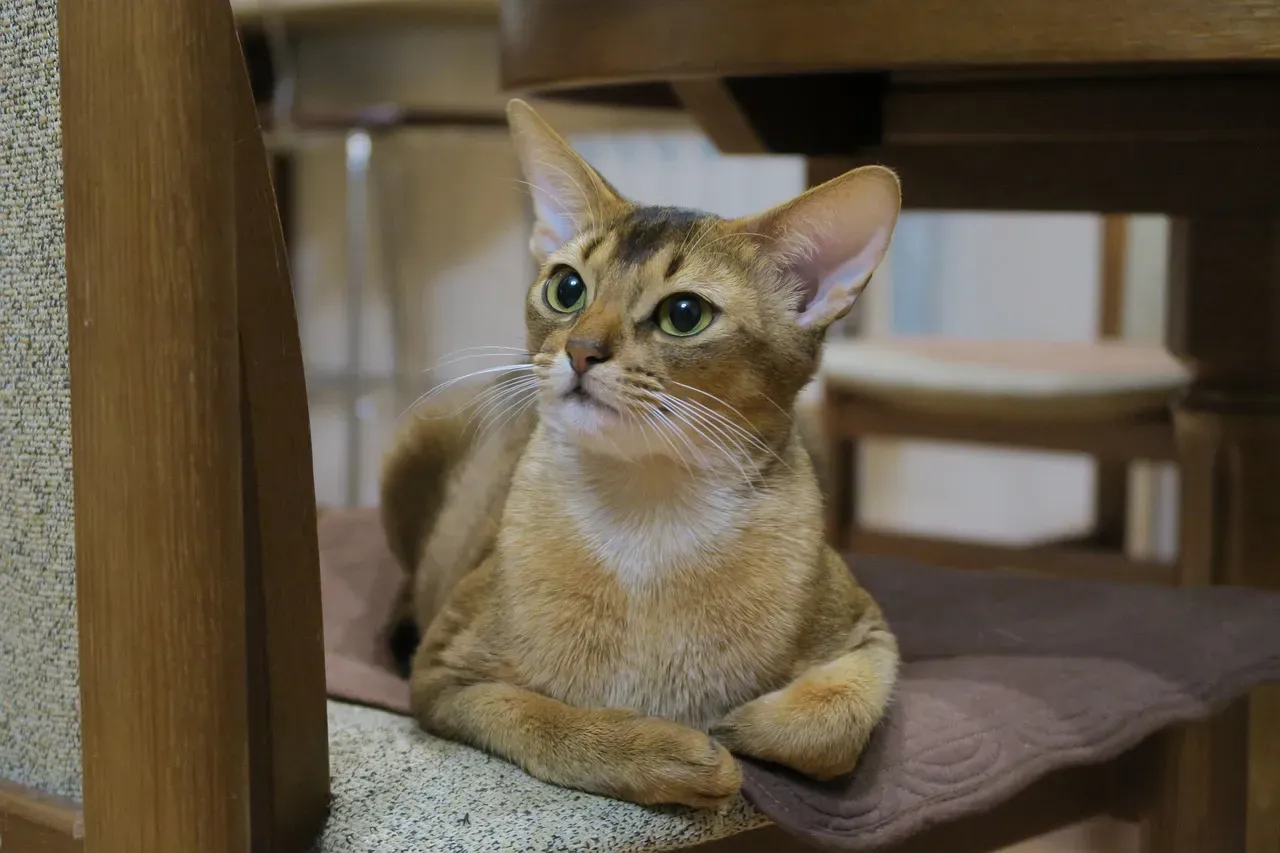
Abyssinians are one of the oldest and most distinctive cat breeds, often likened to tiny wildcats due to their sleek build and active nature, with their lively spirit sometimes mistaken for hyperactivity leading to shelter returns. These cats never stop moving. Ever. Their energy levels exceed what most people imagine possible in a feline.
They need constant mental stimulation and physical activity or they’ll create their own entertainment, usually at your expense. Abyssinians will scale your curtains, investigate every single item you bring into the house, and involve themselves in absolutely everything you do. People looking for a calm, relaxing pet find themselves completely overwhelmed by what feels like hosting a permanent toddler with exceptional climbing abilities.
Turkish Van: The Aggressive Swimmer
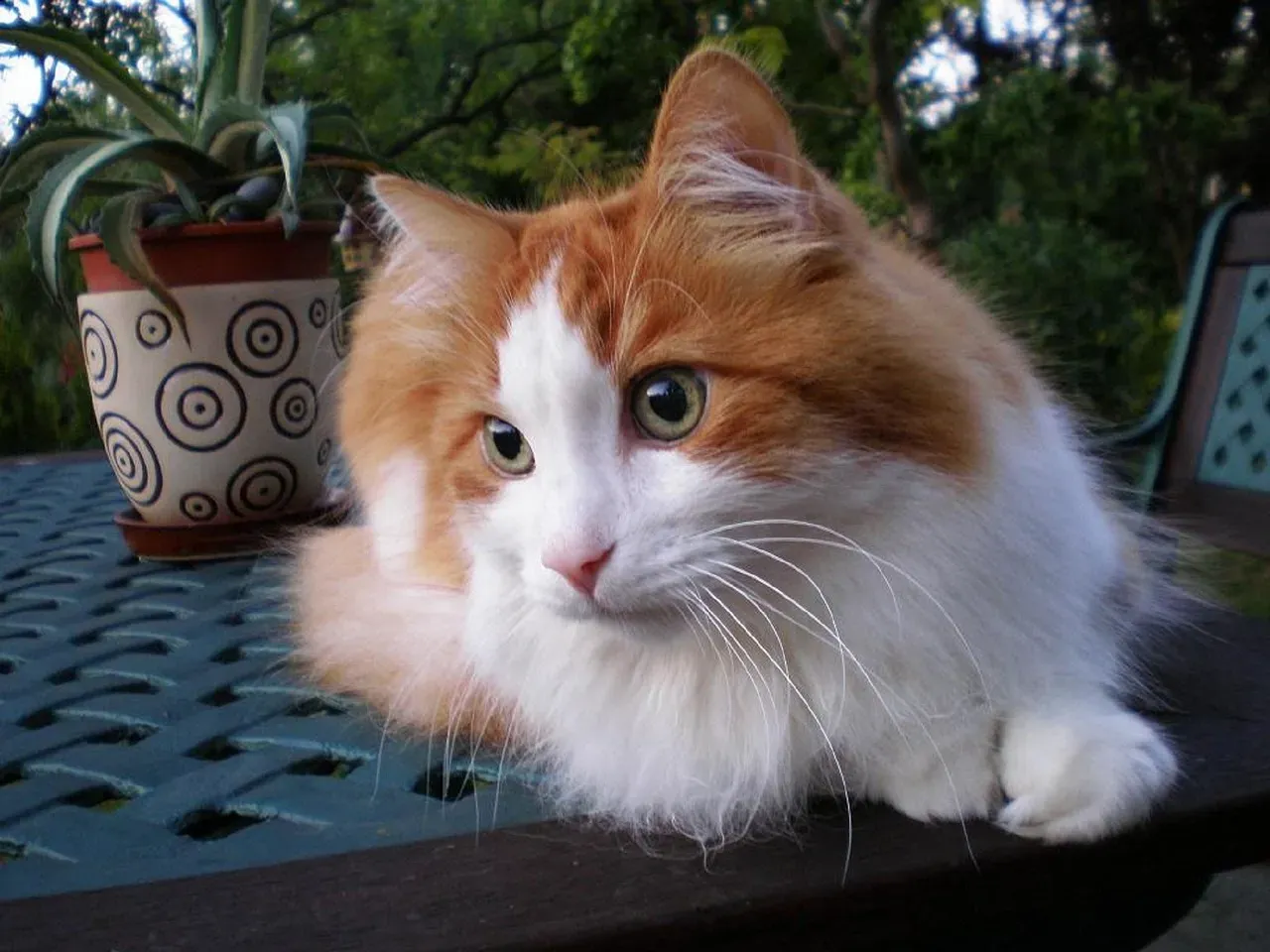
Turkish Van and Angora are the most aggressive toward family members among breeds studied, with Turkish Van cats also highly aggressive toward strangers. Turkish Vans commonly showed aggression toward both humans and other cats. Their unusual love of water makes them unique, but their territorial and aggressive tendencies make them challenging companions.
Turkish Vans are very territorial and people typically find them staring out the windows for long periods of time. They can become aggressive when feeling threatened or when their territory is invaded. Families with multiple pets or children often find Turkish Vans too unpredictable and reactive for a harmonious household environment.
Bombay: The Miniature Panther
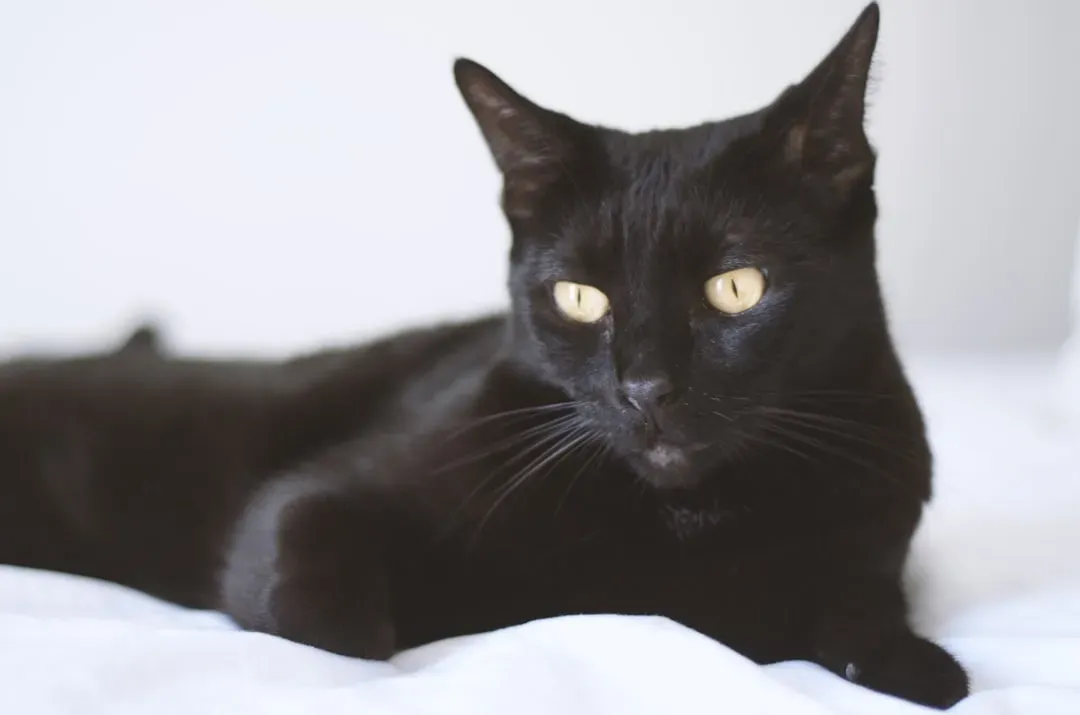
The sleek and striking Bombay cat, often compared to a miniature panther, is sometimes returned to shelters due to their high energy and strong-willed personality, as they form intense bonds with their owners and can become distressed if left alone for too long, leading to behavioral issues like excessive meowing or destructive play. Their gorgeous black coats and copper eyes create an exotic appearance that masks their demanding nature.
These cats don’t do well with loneliness or boredom. They require significant daily interaction and become genuinely distressed when their people are gone for extended periods. The resulting behavioral problems – destroyed furniture, constant vocalization, inappropriate elimination – drive frustrated owners back to the shelter. They’re wonderful cats for the right person, but that person needs to be home a lot and willing to engage constantly.
American Shorthair: The Overlooked Gem
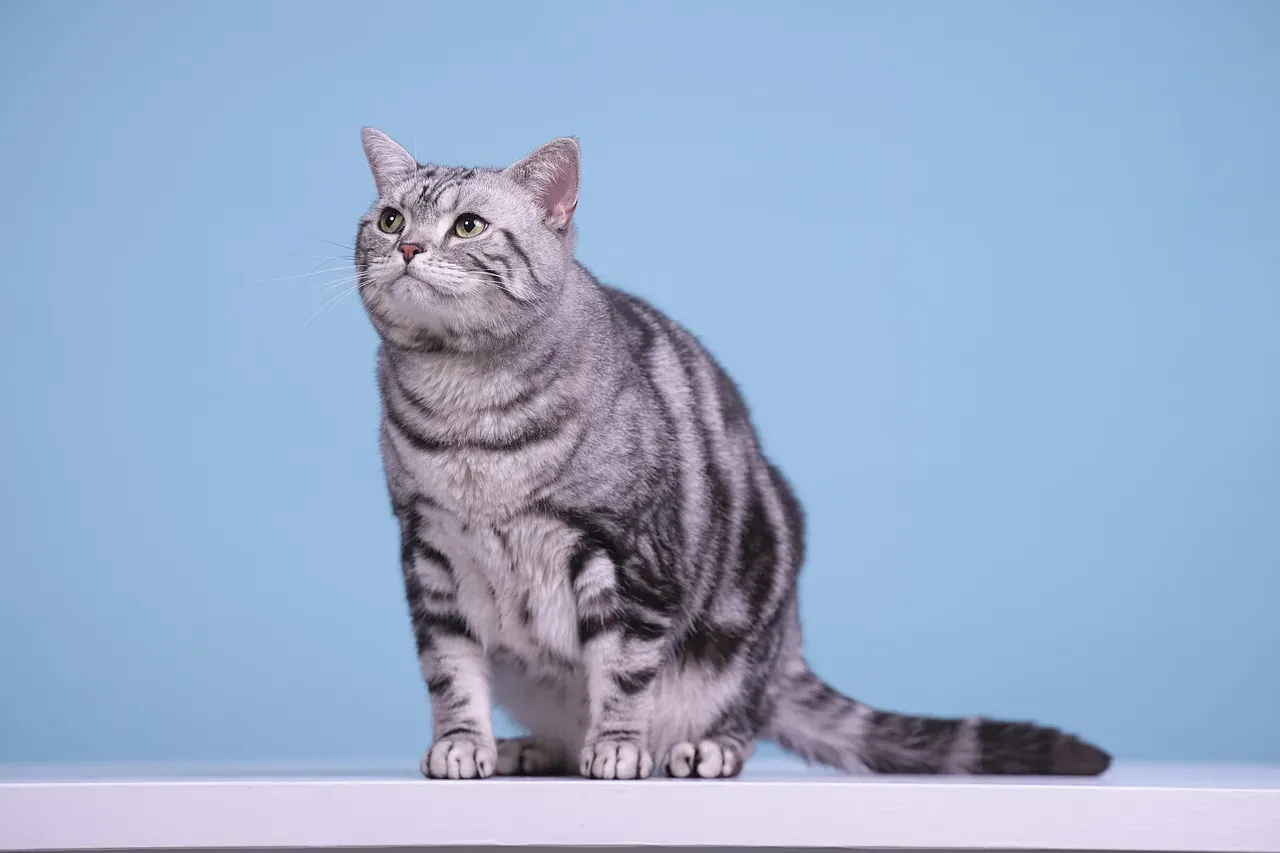
Despite being one of the most common and adaptable breeds, American Shorthairs often end up in shelters simply because of their ordinary appearance, as people may overlook them in favor of more exotic breeds, or they might be returned for their independent nature, which can be mistaken for aloofness. It’s heartbreaking that these wonderful cats get returned for being exactly what many people claim to want.
In reality, American Shorthairs are easygoing, gentle, and low-maintenance cats that form bonds at their own pace but are deeply loyal once they trust you, perfect for busy families or first-time cat owners, bringing quiet companionship and loving to play when the mood strikes. They get returned because people expected more dramatic displays of affection or more interactive play. Their steady, reliable companionship gets misinterpreted as disinterest when it’s actually one of their greatest strengths.
Conclusion
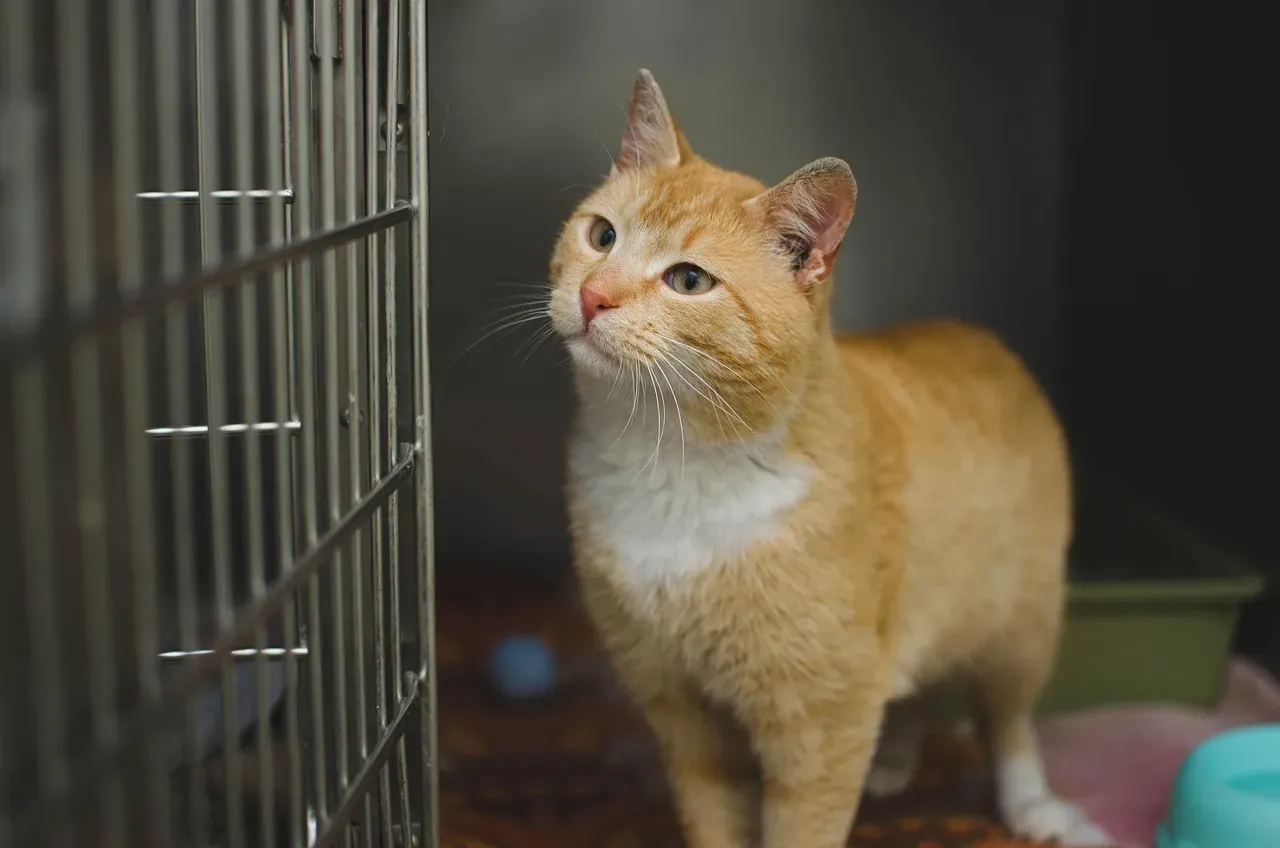
The cats returning to shelters most often aren’t problem animals. They’re just misunderstood or mismatched with people who didn’t research what they were getting into. Even if a cat is adopted, there is still a high chance that it will be returned due to not fulfilling the new owner’s expectations, which risks euthanasia. Every breed mentioned here has incredible qualities that make them perfect companions for the right person or family.
The key is honesty about your lifestyle, patience, and realistic expectations. If you work sixty hours a week, don’t adopt a Siamese or Bombay who will suffer from loneliness. If you hate grooming, skip the Persian and Himalayan. If you want a calm lap cat, maybe reconsider that Bengal.
Shelters can provide guidance about individual cat personalities beyond breed tendencies. Many mixed-breed cats offer wonderful temperaments without the extreme traits that come with selective breeding. The goal isn’t finding a perfect cat, it’s finding the perfect cat for you specifically. What challenges did you face when adopting your cat? Share your experience in the comments below.