You know that feeling when you bring home what you think is the perfect furry companion, only to realize things aren’t quite what you imagined? Shelters reportedly see this story play out far too often. While every cat deserves love and a stable home, certain breeds reportedly find themselves back behind shelter doors more frequently than others. The reasons aren’t always straightforward, and honestly, they often have less to do with the cats themselves and more to do with mismatched expectations.
What makes a cat breed challenging isn’t necessarily bad behavior. Sometimes it’s just about energy levels that surprise first-time owners, grooming demands that become overwhelming, or personality quirks that clash with household dynamics. These returns are heartbreaking for everyone involved, especially the cats who don’t understand why their world keeps changing. Let’s dive into which breeds are reportedly most often seen returning through shelter doors and what makes them such a tough match for unprepared adopters.
Bengal Cats
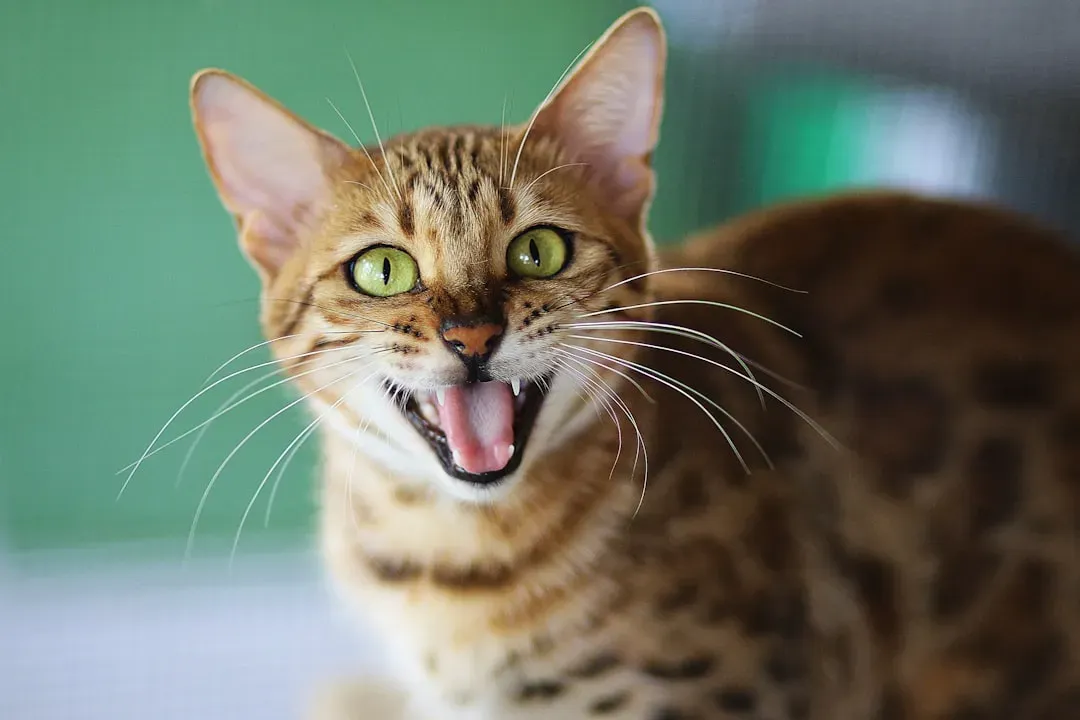
Bengals are stunning cats with leopard-like markings and boundless energy, but their wild ancestry means they need constant stimulation. Without daily play and enrichment, they can become vocal, mischievous, and destructive. You’re not just getting a pretty face with these guys. They demand your attention like a toddler on a sugar rush.
Bengals are known for their high energy and mischievous nature, often returned to shelters because they require significant stimulation and enrichment, though they thrive in active households with ample opportunities for play and exploration. If you work long hours and expect a lap cat waiting quietly at home, a Bengal will turn your living room into their personal jungle gym instead.
Siamese Cats
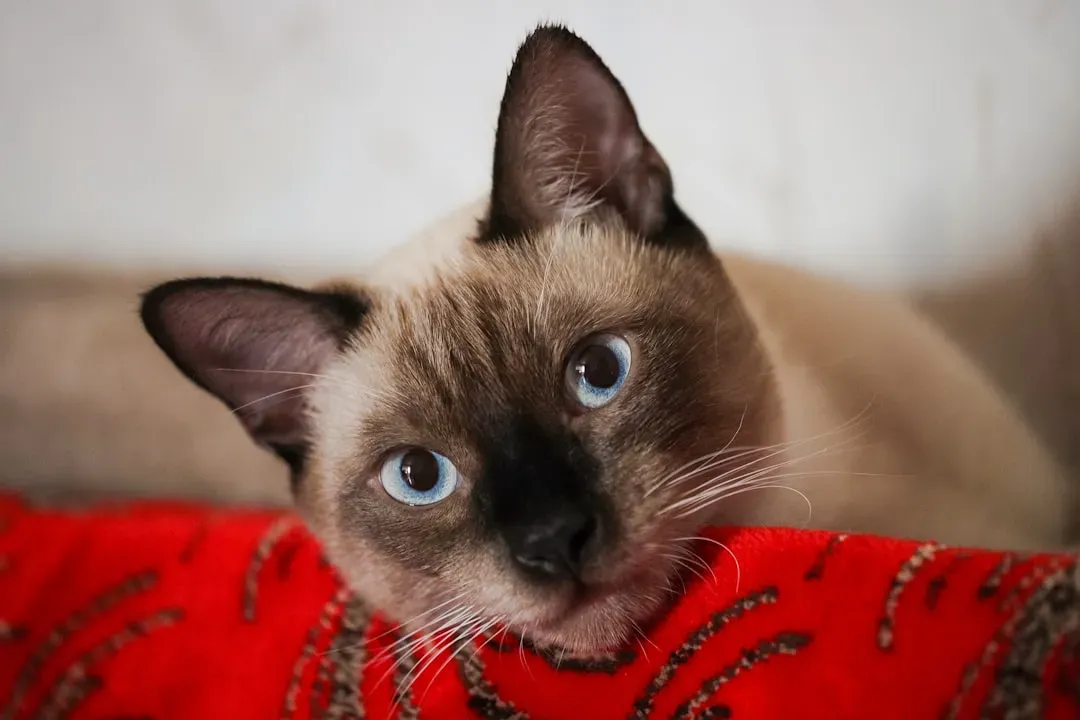
Let’s be real, Siamese cats are the chatty Cathys of the feline world. Siamese cats are deeply social and thrive on companionship, but when left alone for long periods, they can become anxious or excessively vocal, with many returns happening because owners underestimate how much attention these intelligent cats demand. Their voices can reach decibel levels you didn’t think possible for an animal that size.
Siamese cats often bond with a single family member, and they can turn aggressive if another person in the family tries to interrupt their snuggles, which can be problematic if you have kids in the house. That exclusive attachment might sound sweet at first, but it creates jealousy and tension that many households just can’t manage long-term.
Persian Cats
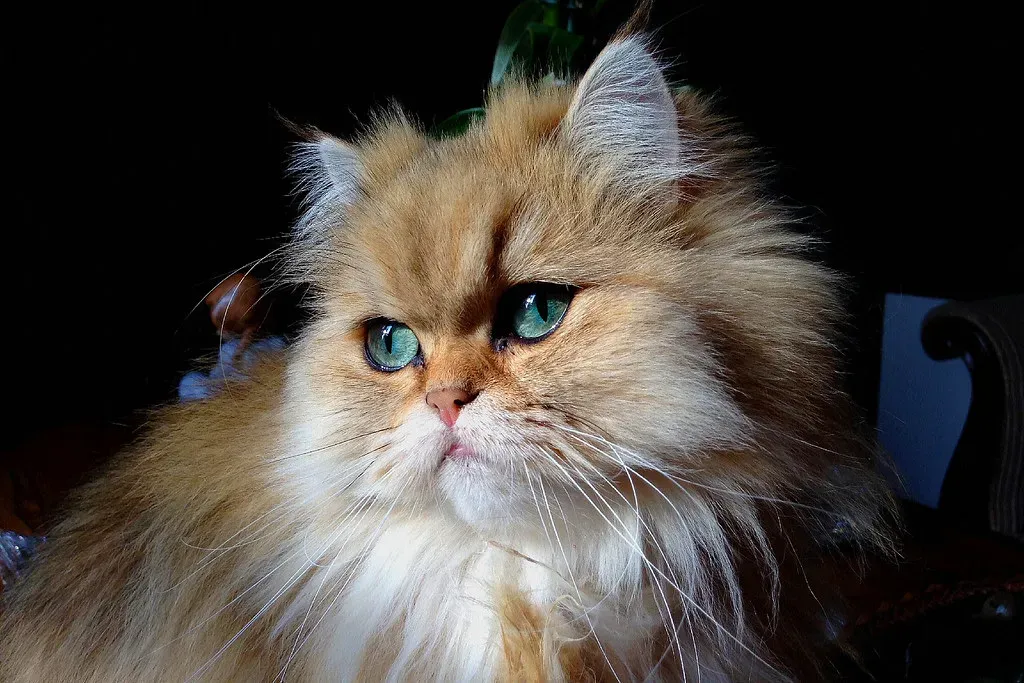
Those luxurious flowing coats come with a hefty price tag in terms of maintenance. Persians, with their luxurious coats and sweet, flat faces, are heartbreakingly common in shelters, often returned due to their high-maintenance grooming needs and predisposition to health issues like breathing difficulties. Daily brushing isn’t optional with these beauties. Skip a few days and you’re dealing with painful mats that require professional intervention.
Their flat faces might look adorable, but they come with medical complications that catch owners off guard. Respiratory issues, eye infections, and dental problems all require regular vet visits and special care that first-time cat owners often find overwhelming once reality sets in.
Maine Coon Cats
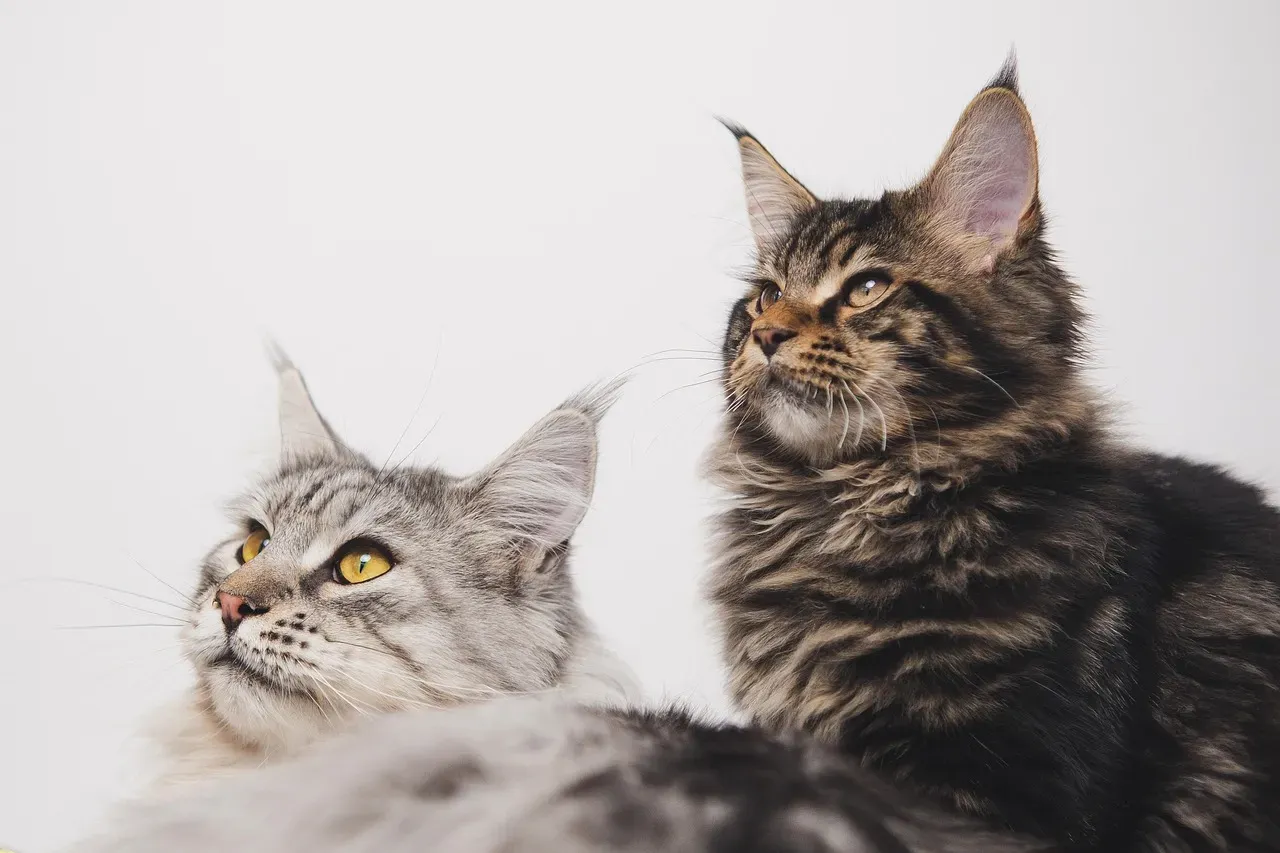
Maine Coons may be “gentle giants,” but their large size and playful personalities can overwhelm some owners, and these cats are often returned because adopters underestimate their space and stimulation needs. These aren’t your average-sized house cats. We’re talking about felines that can weigh over twenty pounds and need substantial room to roam.
The Maine Coon, with its majestic appearance and friendly demeanor, is a gentle giant, but their size and grooming needs can sometimes lead to them being surrendered to shelters. Their thick coats shed year-round and demand consistent grooming attention. The combination of their physical size, grooming requirements, and highly social nature means they’re best suited for spacious homes with dedicated owners.
Scottish Fold Cats
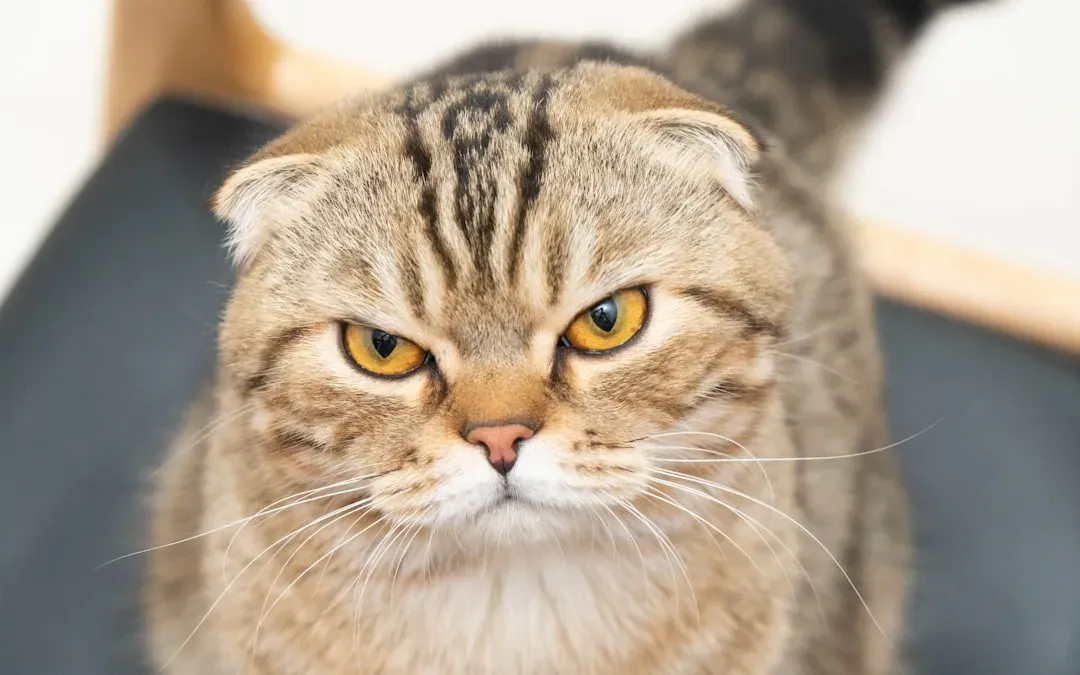
Those adorable folded ears are what draw people in, but there’s a darker side to this breed. With their adorable folded ears, Scottish Folds often attract attention, but the gene that creates their signature look can also cause painful joint and cartilage issues, and when mobility problems appear, some owners struggle with the required long-term care. What starts as a cute quirk becomes a serious medical commitment.
Scottish Folds sometimes find their way back to shelters due to unexpected health problems linked to their genetic mutation, such as joint pain or mobility issues, with some adopters feeling unprepared for the extra care needed. The financial burden of ongoing medication, special accommodations like ramps, and frequent vet visits catches many owners completely off guard.
Himalayan Cats
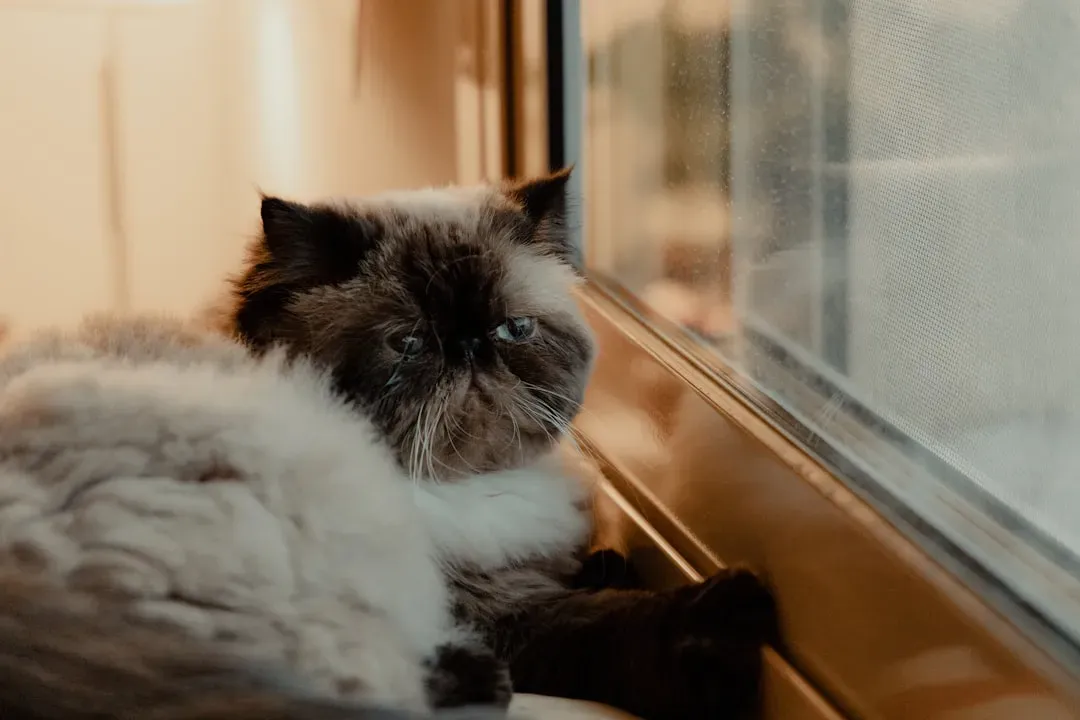
Think of Himalayans as getting the challenging traits of two breeds rolled into one package. A mix between the Persian and Siamese, the Himalayan inherits both breeds’ challenges including high grooming needs and a desire for attention, with their long coats and tendency toward respiratory issues making them demanding companions. You’re essentially caring for a high-maintenance Persian with the attention demands of a Siamese.
Daily brushing prevents painful mats, while their flat faces require regular cleaning to avoid infections, and they seek affection but also need quiet environments to thrive, with first-time owners often underestimating the combination of physical maintenance and emotional care required. The dual demands of constant grooming and providing a calm, attentive environment prove too much for many households juggling busy modern lives.
Sphynx Cats
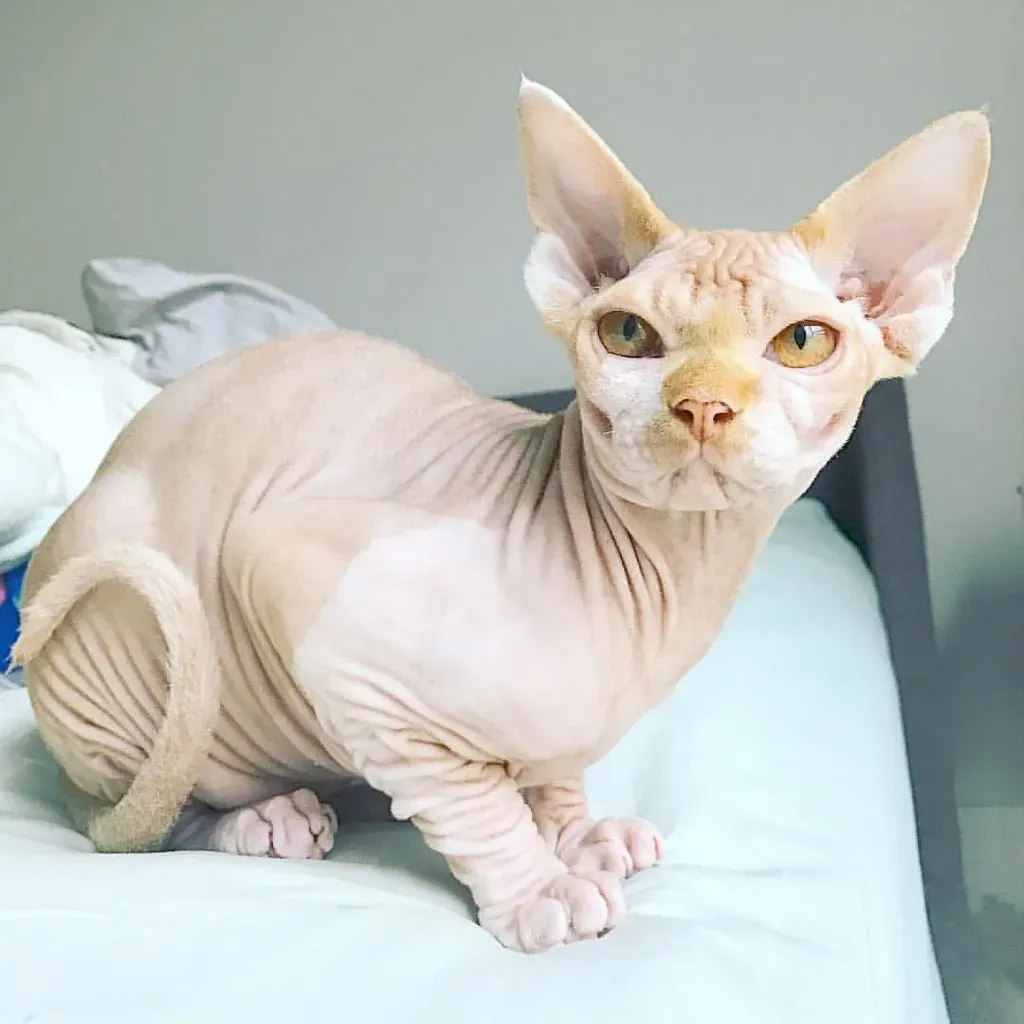
Hairless doesn’t mean low-maintenance, contrary to what most people assume. Sphynx cats are sometimes returned because they require frequent skin care and warmth, though these hairless cats love human contact and are known for being some of the most affectionate felines. Their exposed skin needs regular bathing to remove oil buildup, something that surprises adopters expecting an easy-care pet.
These cats get cold easily and constantly seek warmth, which means they’re basically glued to you whenever possible. While their affectionate nature is endearing, their neediness and special grooming requirements create unexpected responsibilities that lead to returns when reality doesn’t match expectations.
Ragdoll Cats
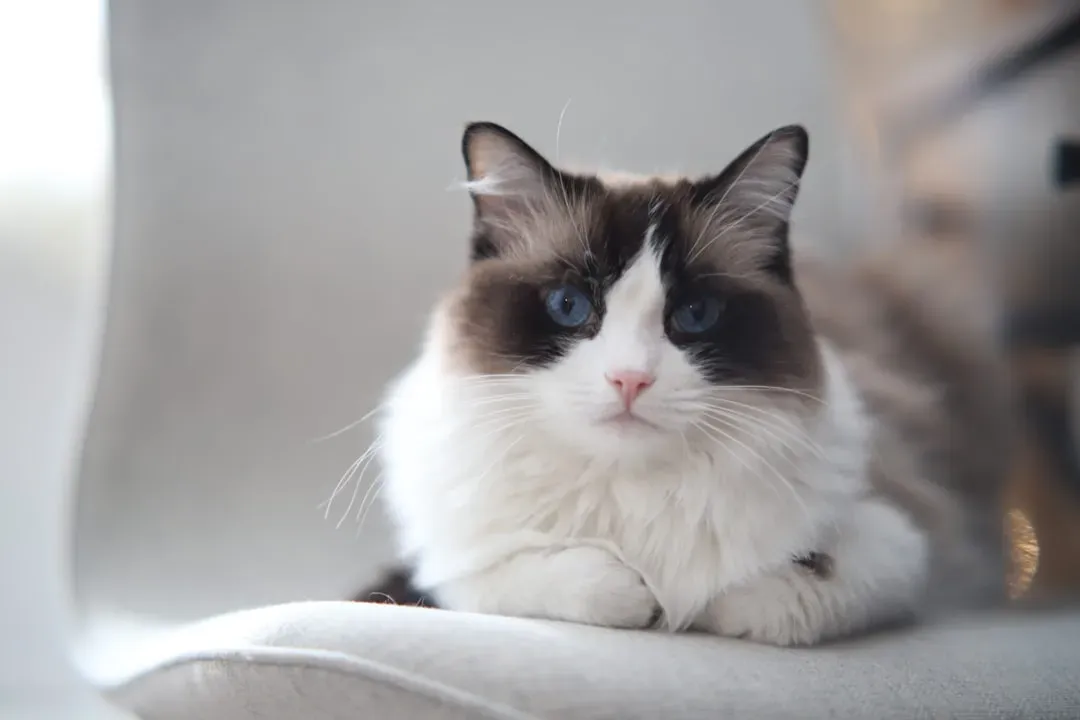
Ragdolls have a reputation for being docile and easygoing, but that perception can backfire. Their large size and specific personality needs don’t suit every household, despite their gentle nature. Some owners find their laid-back temperament boring or mistake their relaxed demeanor for health problems.
These cats also form incredibly strong attachments to their owners and can develop separation anxiety when left alone for extended periods. Their substantial grooming needs, combined with their tendency to follow you everywhere, creates a level of commitment that catches unprepared adopters by surprise.
Russian Blue Cats
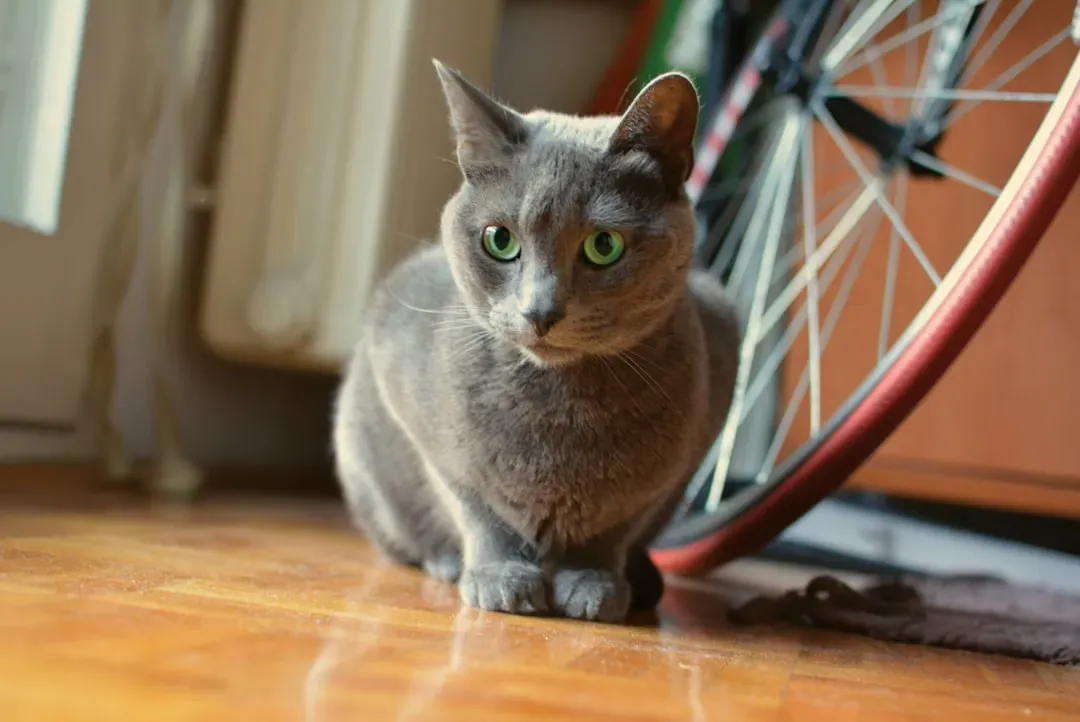
Russian Blues possess a reserved, cautious nature that many mistake for aloofness or lack of affection. They prefer predictable routines and quiet households, becoming stressed by loud environments or constant activity. Their selective bonding disappoints families hoping for an outgoing, everyone-friendly pet.
These sensitive cats often hide from strangers and need considerable time to warm up to new people. Households with frequent visitors or boisterous children find that Russian Blues remain perpetually skittish, leading to frustration on both sides and eventual returns to shelters.
British Shorthair Cats
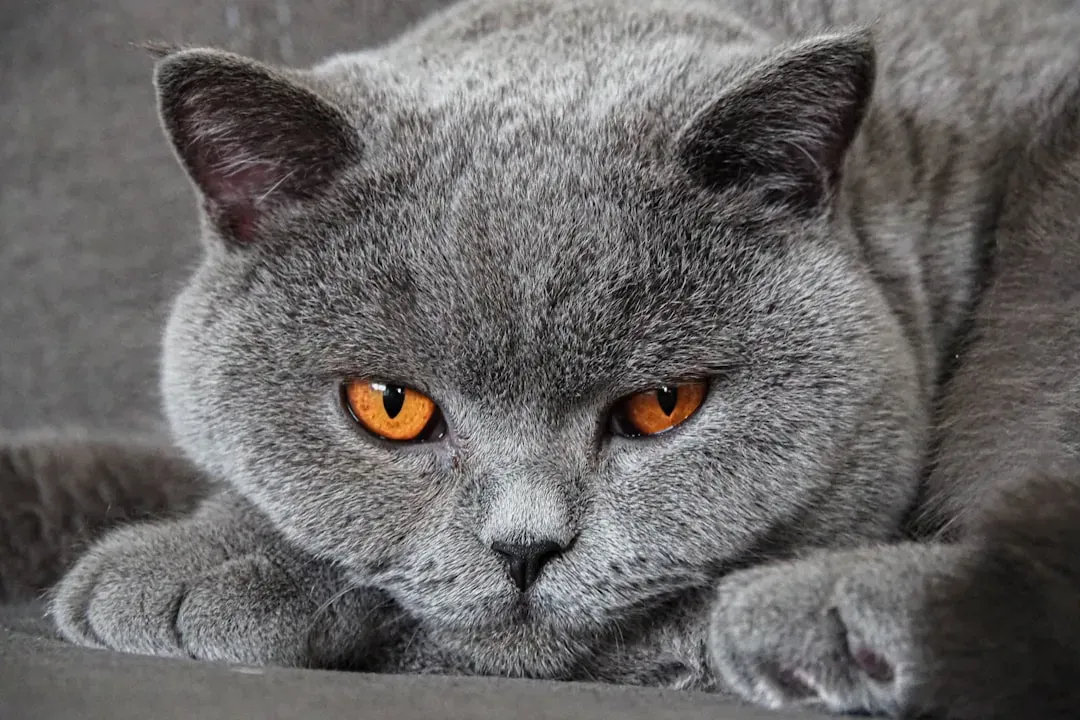
The British Shorthair, famous for their round face and plush coat, can be misunderstood by adopters expecting an overly affectionate lap cat, with their independent, reserved nature sometimes leading people to return them, thinking they’re “too distant.” These cats show love on their own terms, which doesn’t always align with what adopters envision.
Their independent streak means they’re not constantly seeking cuddles or attention. For families wanting an interactive, playful companion, British Shorthairs can seem disappointingly aloof, even though they’re simply displaying their breed’s typical temperament.
Oriental Shorthair Cats
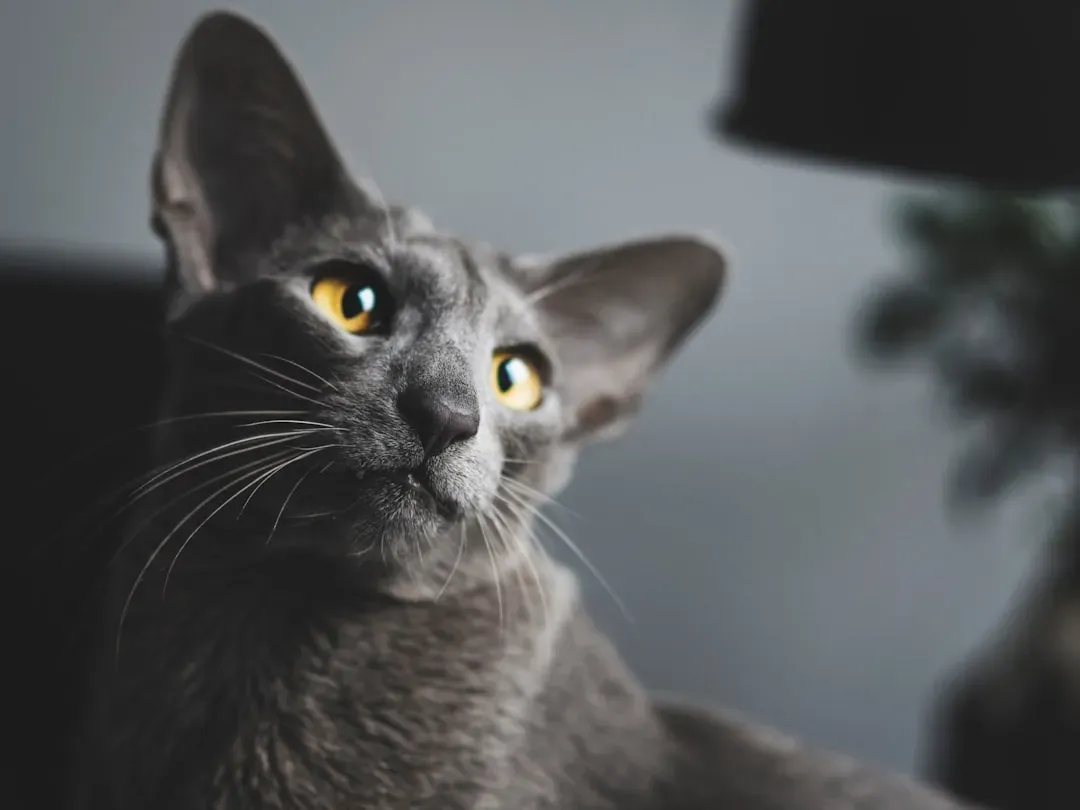
Oriental cats, with their sleek build and expressive personalities, are often returned due to their high energy and vocal nature, known for being talkative and sometimes “too much” for those seeking a quiet pet. If you thought Siamese were chatty, Orientals take it to another level entirely.
However, Orientals are incredibly loving and form deep bonds with their families, thriving in homes where they can engage in constant activity, from chasing toys to learning tricks. Their intelligence and energy require dedicated engagement. Without proper stimulation, they develop destructive behaviors that overwhelm unprepared owners.
Abyssinian Cats
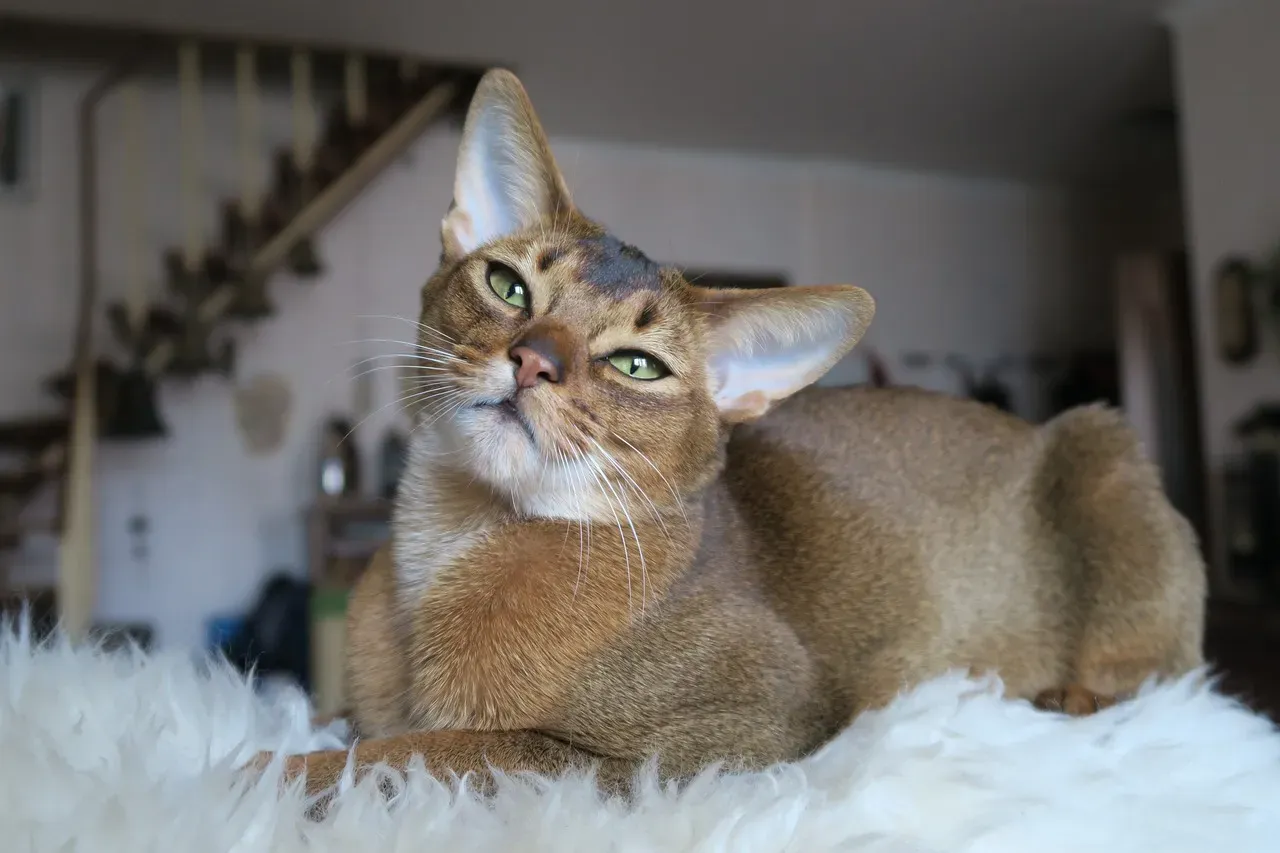
Abyssinians are extraordinarily active and curious cats that need constant mental and physical stimulation. Their high energy levels and tendency to get into everything make them challenging for households unprepared for their intensity. They’re not content to lounge around all day like some breeds.
These cats demand interactive play, climbing opportunities, and puzzle toys to keep their intelligent minds occupied. Without adequate enrichment, they become bored and destructive, climbing curtains, knocking over items, and generally creating chaos that leads frustrated owners back to the shelter.
Bombay Cats
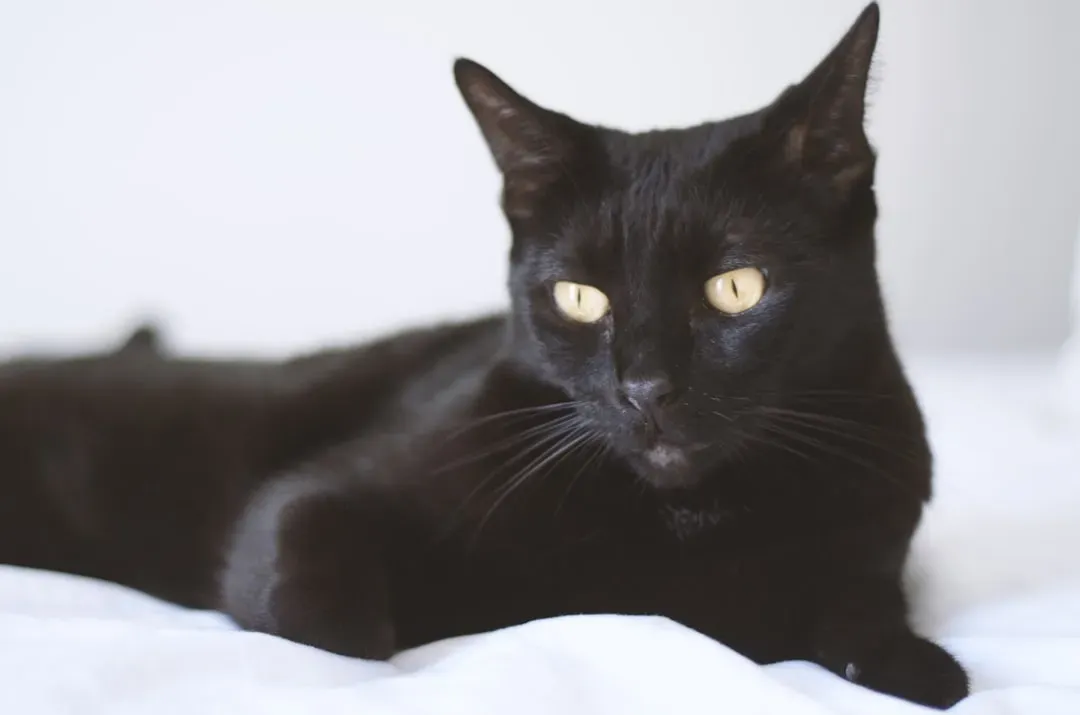
The sleek and striking Bombay cat, often compared to a miniature panther, is sometimes returned to shelters due to their high energy and strong-willed personality, forming intense bonds with their owners and becoming distressed if left alone too long. Their panther-like appearance attracts adopters, but their demanding nature proves difficult.
These cats develop behavioral issues like excessive meowing or destructive play when their social needs aren’t met. Their strong personalities and need for constant companionship make them poorly suited for people who work long hours or travel frequently.
Norwegian Forest Cat Cats
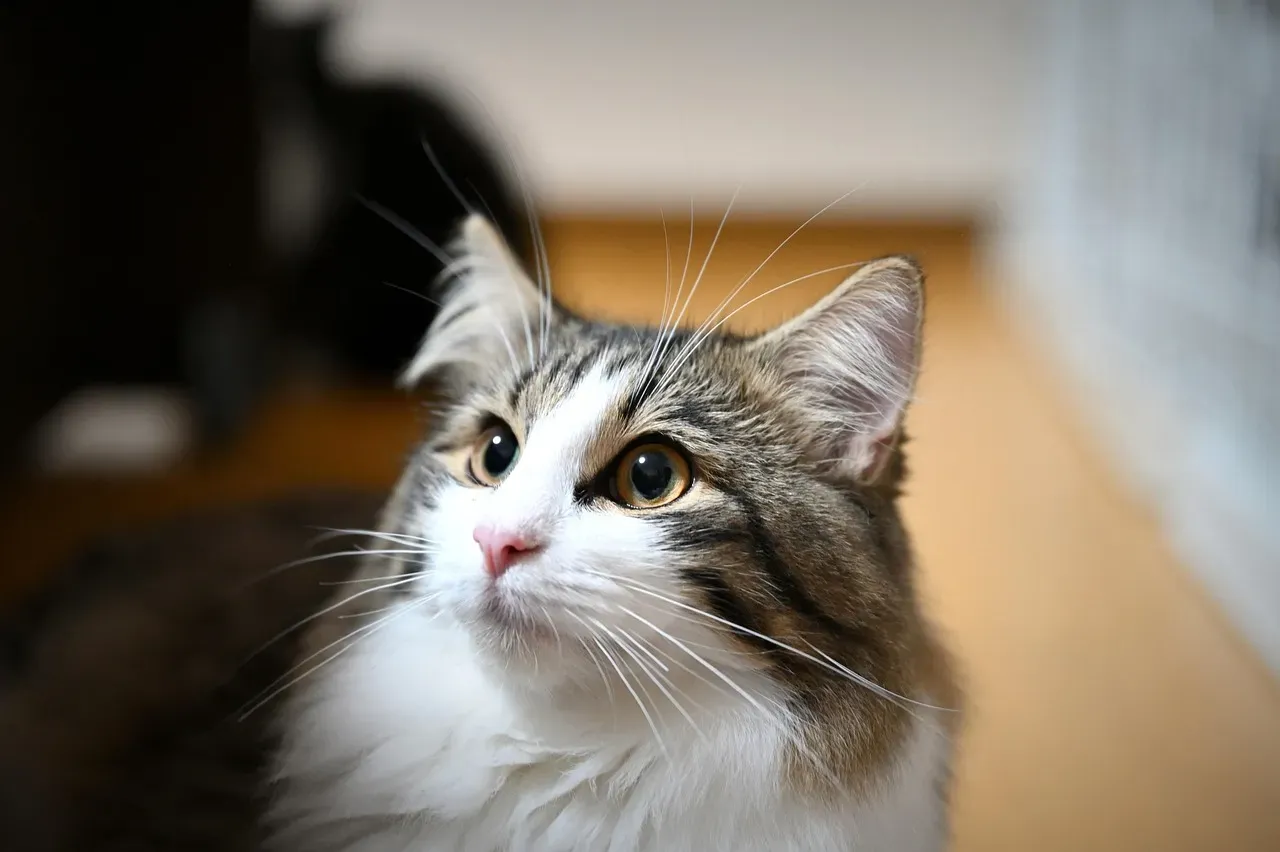
Norwegian Forest Cats are large, fluffy felines with substantial grooming needs that many underestimate. Their thick double coats require regular brushing to prevent matting and manage shedding. Combined with their size and need for space, they prove overwhelming for apartment dwellers or those expecting a low-maintenance pet.
Norwegian Forest Cats are reportedly prone to litterbox issues. Their propensity for litter box problems adds another layer of difficulty that contributes to return rates. When grooming demands meet behavioral challenges, even patient owners sometimes reach their limit.
Exotic Shorthair Cats
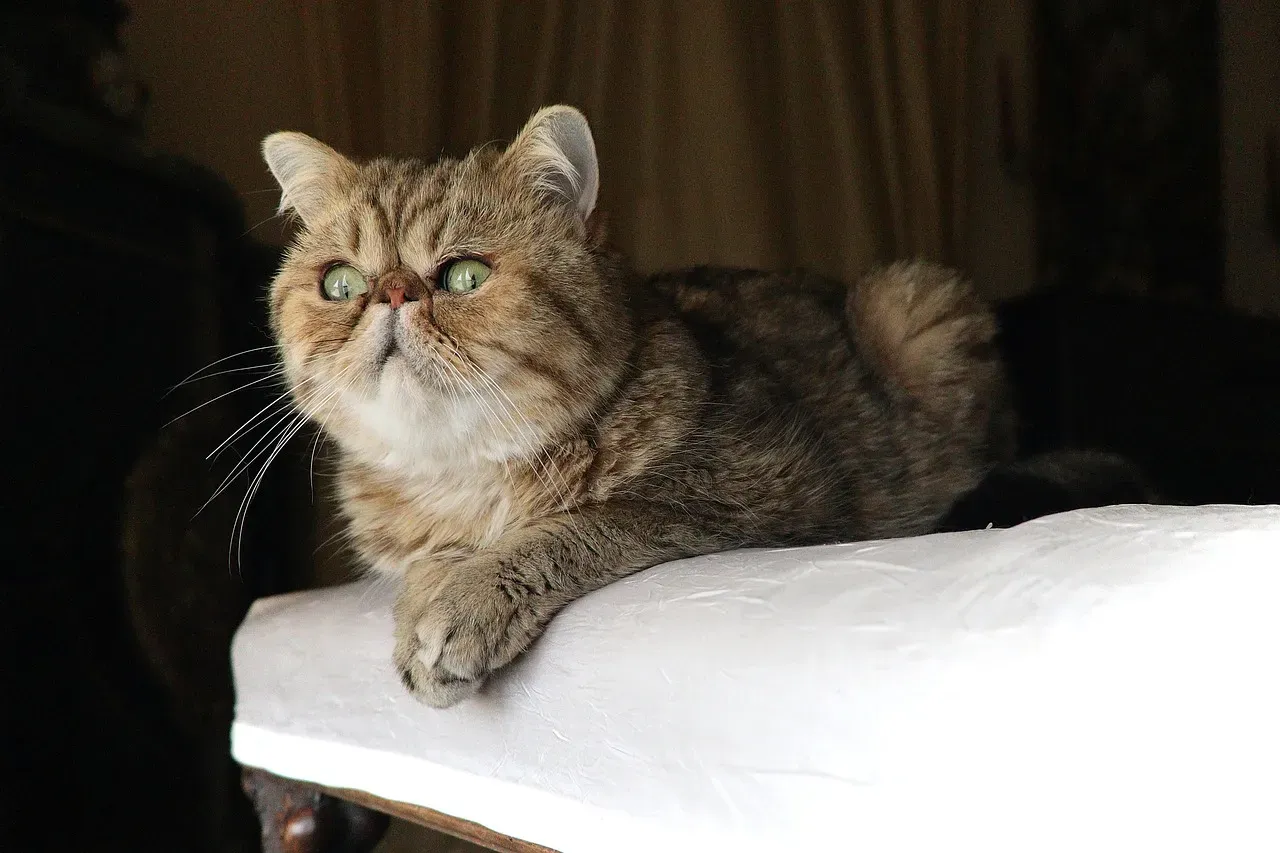
Often called the “lazy Persian,” Exotic Shorthairs inherit the flat-faced structure that causes breathing difficulties and other health issues. Their medical needs surprise adopters who chose them thinking they’d be easier than Persians due to their shorter coats. The grooming might be simpler, but the health complications certainly aren’t.
These cats require the same facial cleaning and health monitoring as Persians, with vet bills that add up quickly. Their laid-back personalities can also be mistaken for lethargy or illness, causing worry and confusion for owners unfamiliar with the breed’s typical demeanor.
The Truth About Returns
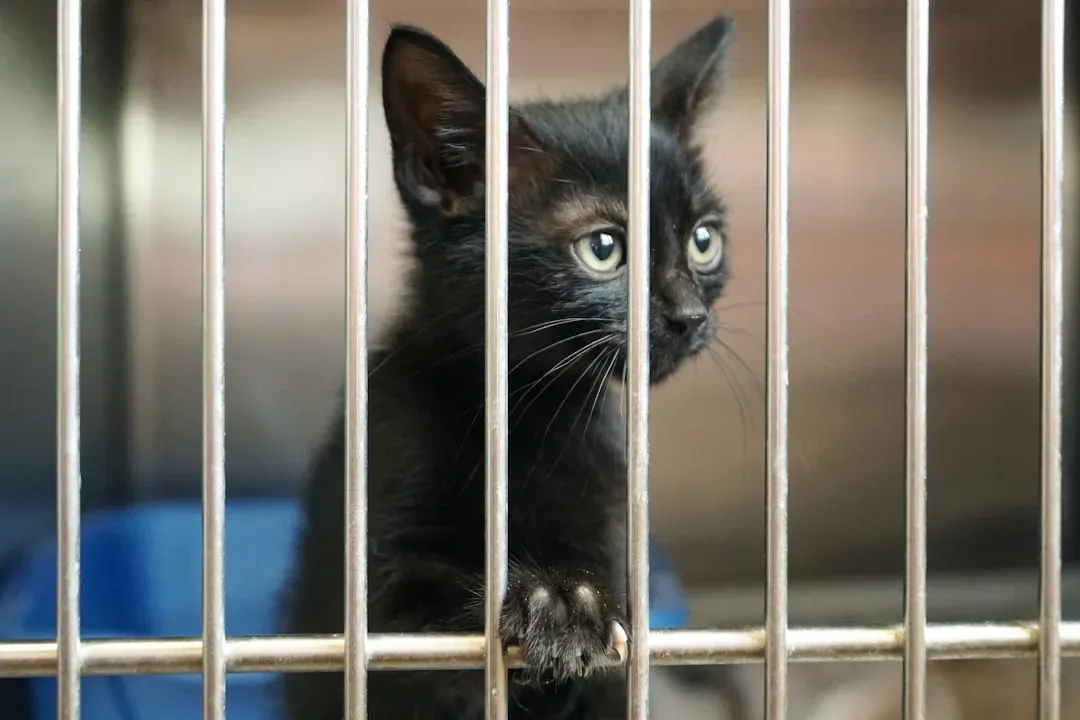
Behavioral issues and incompatibility with existing pets are reportedly among the most common return reasons. Here’s the thing, though: most of these behaviors aren’t actually problems with the cats themselves. They’re simply breed characteristics that clash with owner expectations or lifestyles. These returns represent failures in matching, not failures of the animals.
Cats were returned shortly after adoption for specific issues with the cat, such as behavioral problems or conflicts with other pets, while cats returned in the long term often had to do with the owner, such as major life changes or the cost of owning the pet. Understanding breed temperaments before adoption could prevent countless heartbreaking returns. These cats aren’t difficult, they’re just misunderstood. With proper research and realistic expectations, every single one of these breeds can become a beloved family member in the right home. What do you think about matching cats more carefully to their adopters? Should shelters provide more detailed breed information upfront?